
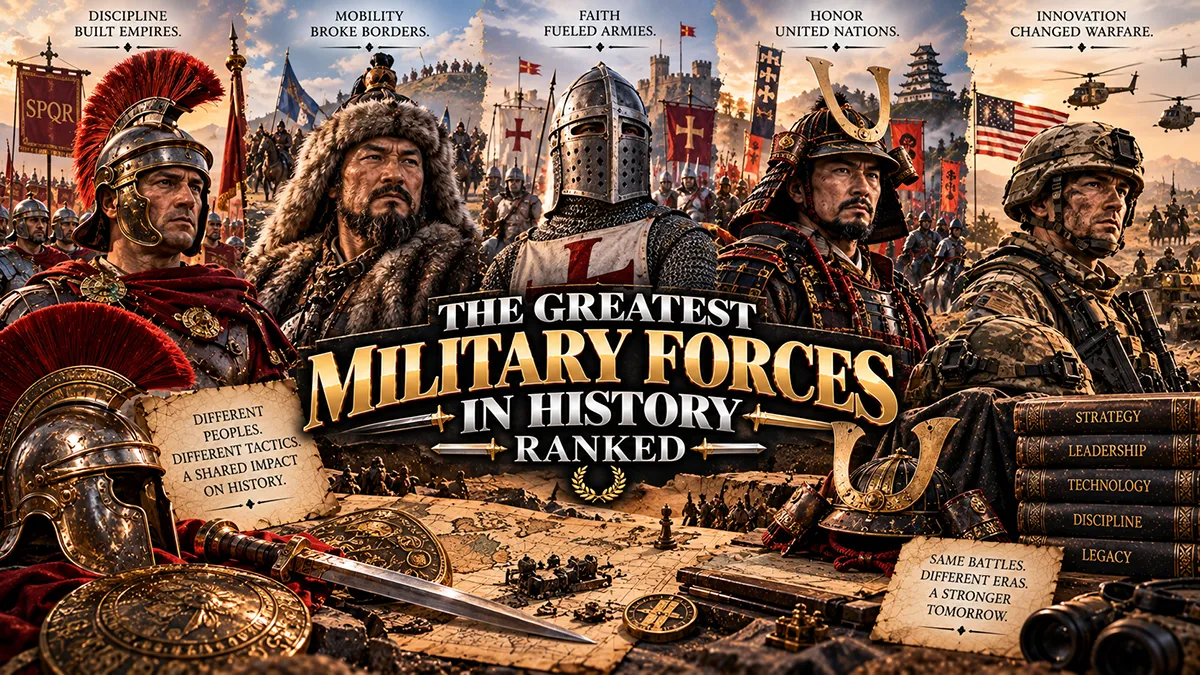
Ask ten historians who has the strongest military in the world, and you’ll likely get ten different answers. Some will point to modern superpowers bristling with satellites and submarines. Others will insist that no current force could survive a week in the boots of a Roman legionary or a Mongol horseman.
The truth is that comparing the world’s greatest armies across centuries is part science, part storytelling. Weapons, tactics, and logistics changed so dramatically that a head-to-head battle between eras is pure fantasy.
What we can do is look at battlefield records, innovation, and staying power to figure out which historical armies truly earned their reputations as the strongest military forces of all time.
TL;DR: No single ranking can be truly objective, but based on conquest, innovation, and lasting influence, history’s greatest armies — from Rome’s legions to the Mongol horde — earned their reputations through discipline, adaptability, and sheer battlefield dominance.
How We Ranked the World’s Greatest Armies
There’s no scoreboard for history, so any ranking of the greatest military forces in history involves judgment calls. We weighed four things: battlefield success over time, tactical or technological innovation, geographic reach, and lasting influence on how wars are fought today.
We also tried to avoid the trap of assuming “biggest” automatically means “best.” Some of the largest armies in history lost to smaller, better-organized forces. Size mattered, but discipline and adaptability usually mattered more.
Finally, this list leans historical rather than purely modern. If you’re specifically wondering who has the greatest army in the world right now, we’ve got a section for that too, right after this one.
Who Has the Strongest Military Today? A Quick Modern Detour
Most rankings of the world’s strongest militaries today (like the widely cited Global Firepower Index) look at active personnel, defense budgets, nuclear arsenals, and equipment numbers.
By those measures, the United States, China, and Russia are consistently named among the most powerful armies in the world, with India, South Korea, and others often rounding out the top ten strongest militaries in the world.
These rankings shift year to year and depend heavily on which factors get weighted most heavily. Nuclear capability, naval reach, and air power all matter differently depending on the kind of conflict being imagined.
But raw firepower doesn’t necessarily equal historical greatness. A modern army with satellites and stealth jets has never had to prove itself against the kind of prolonged, grinding warfare that shaped the ancient and medieval world. That’s why the rest of this list focuses on the armies that actually built and broke empires.
1. The Roman Legions
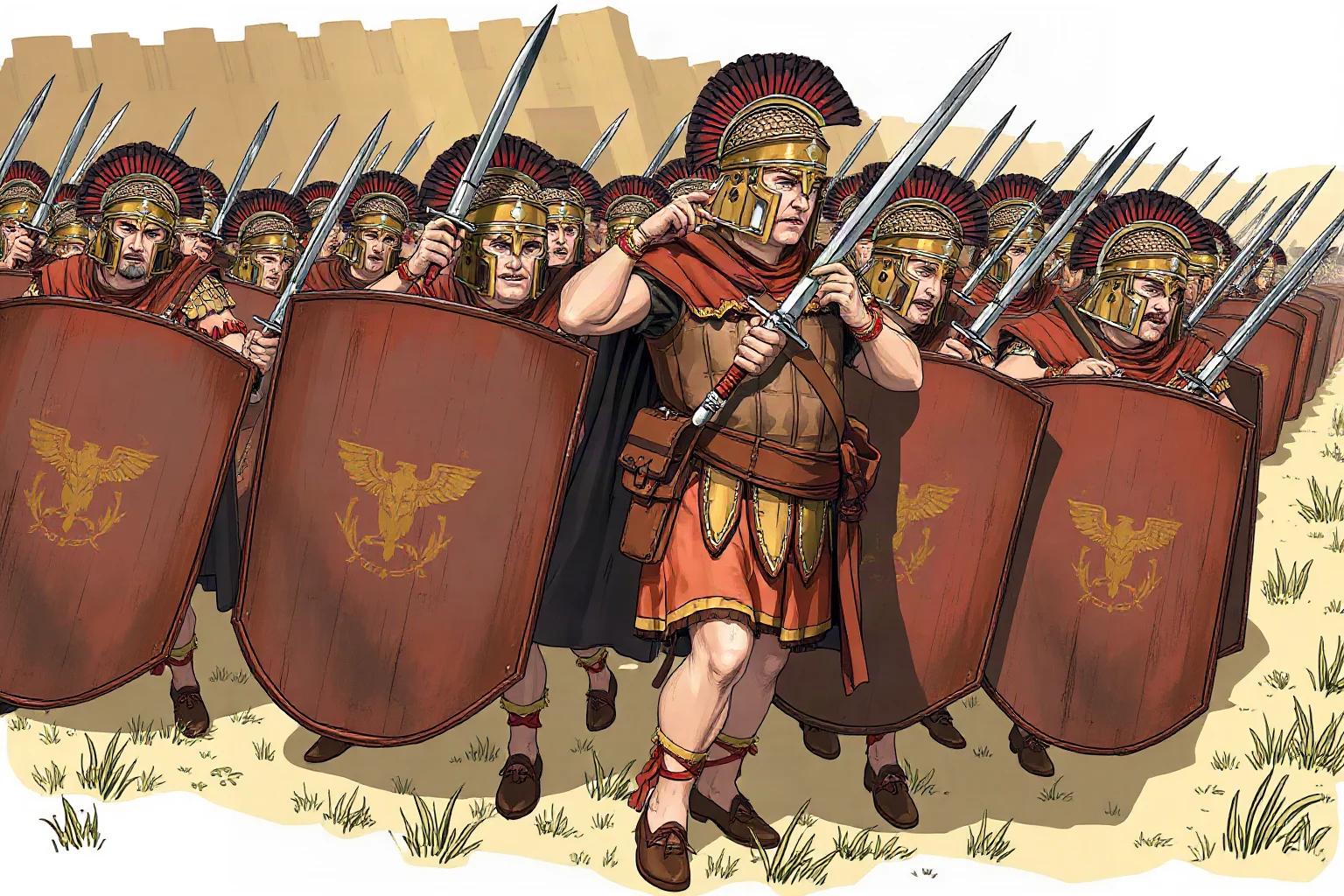
For sheer staying power, nothing beats Rome. The legions maintained near-continuous dominance across the Mediterranean, Europe, and North Africa for roughly 500 years, a run few military forces in history can match.
What made them special wasn’t just numbers. Roman commanders standardized training, engineering, and logistics to a degree the ancient world hadn’t seen, letting legions build roads, bridges, and fortified camps almost anywhere they marched.
The legions weren’t invincible, as defeats like the Battle of Cannae and the Teutoburg Forest disaster prove. But their ability to absorb catastrophic losses and rebuild is exactly why many historians still call Rome’s army the greatest army in history.
2. The Mongol Horde
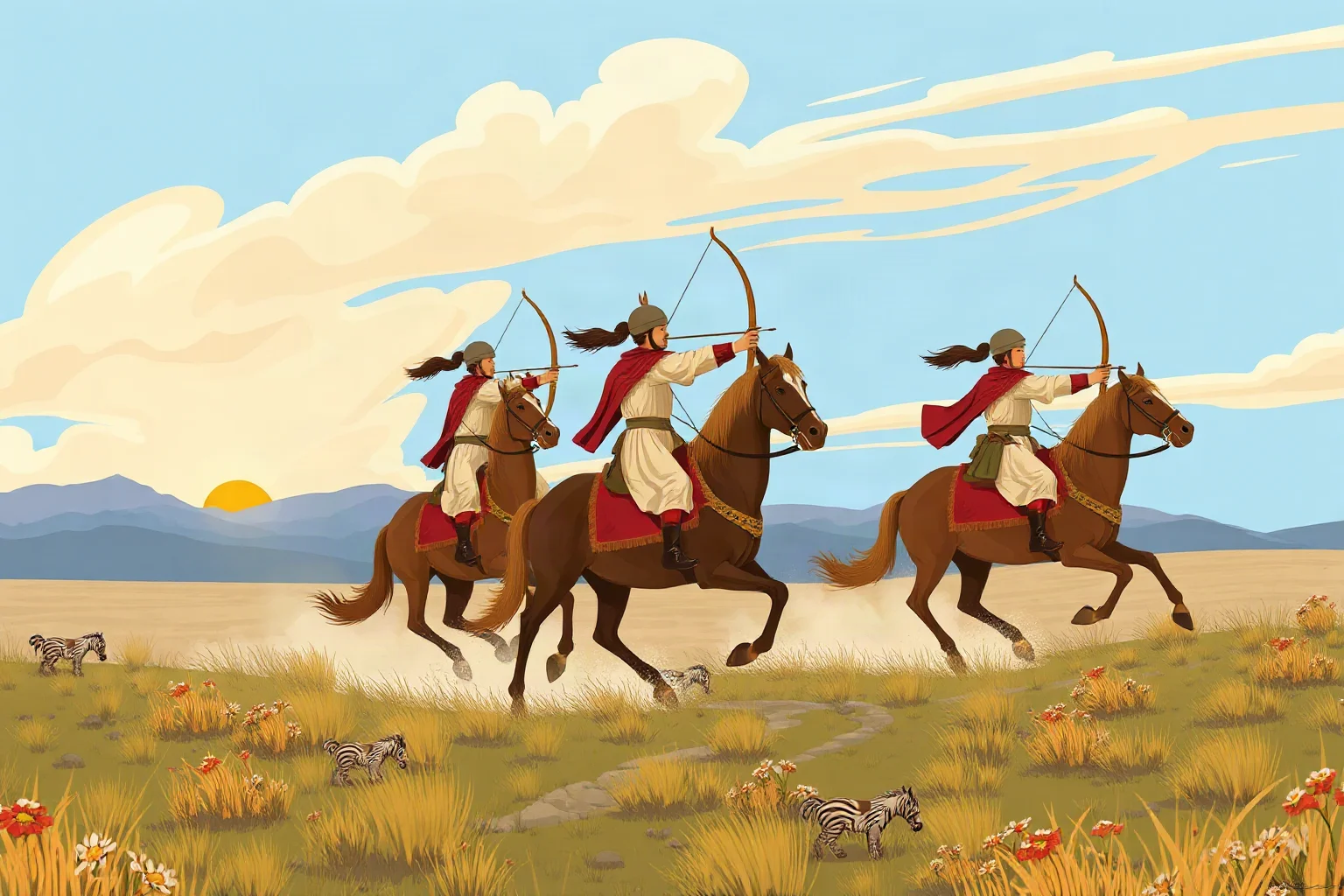
Under Genghis Khan and his successors, the Mongol armies conquered the largest contiguous land empire in history, stretching from Korea to Eastern Europe in barely 70 years. Their secret weapon was speed: heavily trained horse archers could outmaneuver and outpace nearly every settled army they faced.
Mongol forces also excelled at intelligence gathering and psychological warfare, often negotiating surrender before a single arrow was fired. When cities resisted, the consequences were brutal, and that reputation alone won future battles.
Critically, the Mongols were remarkably adaptive, adopting siege engineers, administrators, and technologies from the very cultures they conquered. That flexibility is a big reason they’re frequently named among the strongest armies in history.
3. Alexander the Great’s Macedonian Army
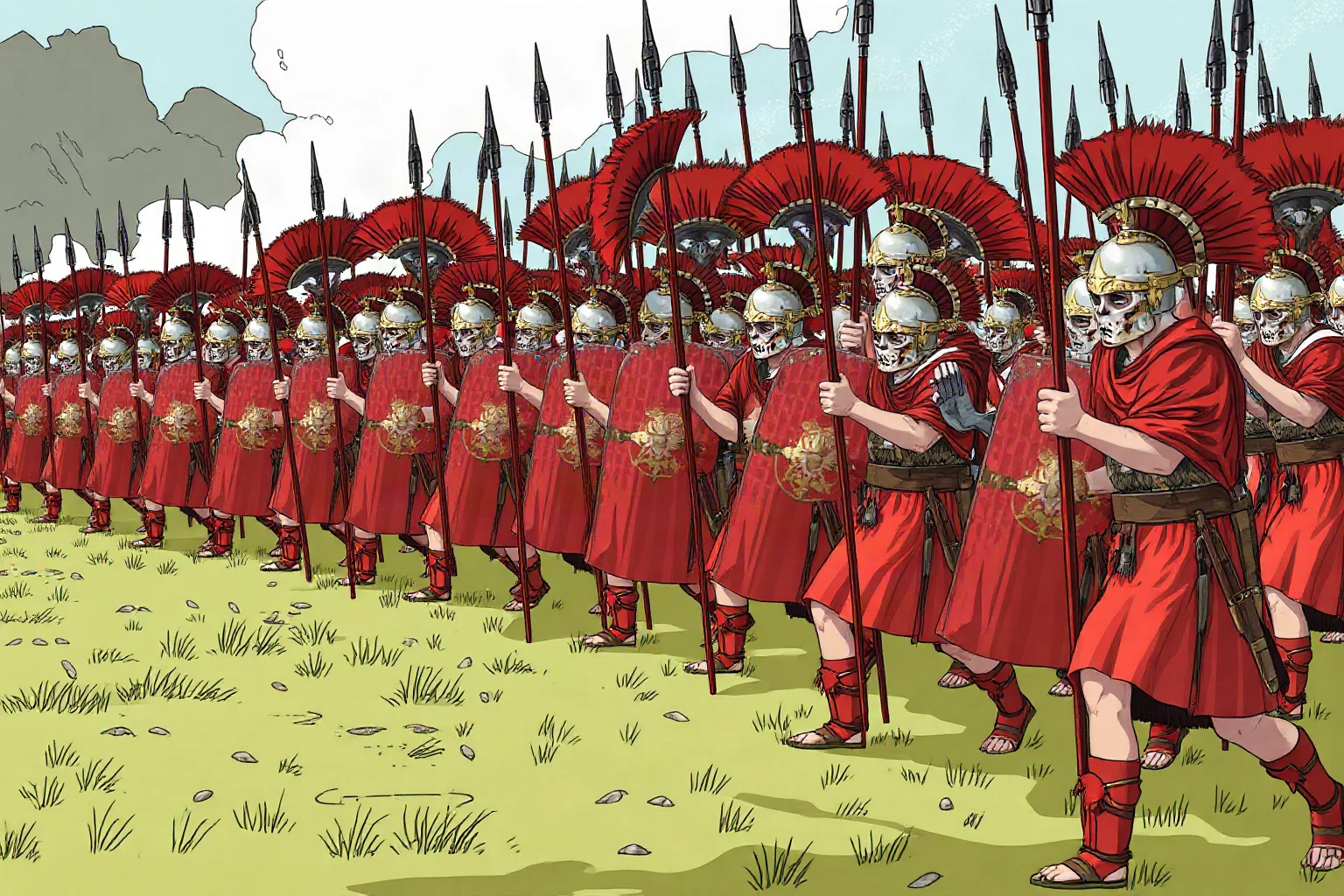
Alexander inherited a revolutionary fighting system from his father, Philip II: the Macedonian phalanx, paired with elite cavalry known as the Companions. Together they were nearly unstoppable in open battle for over a decade.
This combined-arms approach let Alexander defeat much larger Persian forces at battles like Gaugamela, effectively ending the Achaemenid Empire. Few generals in history have matched his record of victories against numerically superior opponents.
The army’s weakness showed after Alexander’s death in 323 BCE, when it fractured along with his empire. Still, as a fighting force under unified command, it stands among the greatest armies of all time.
4. The Ottoman Janissaries
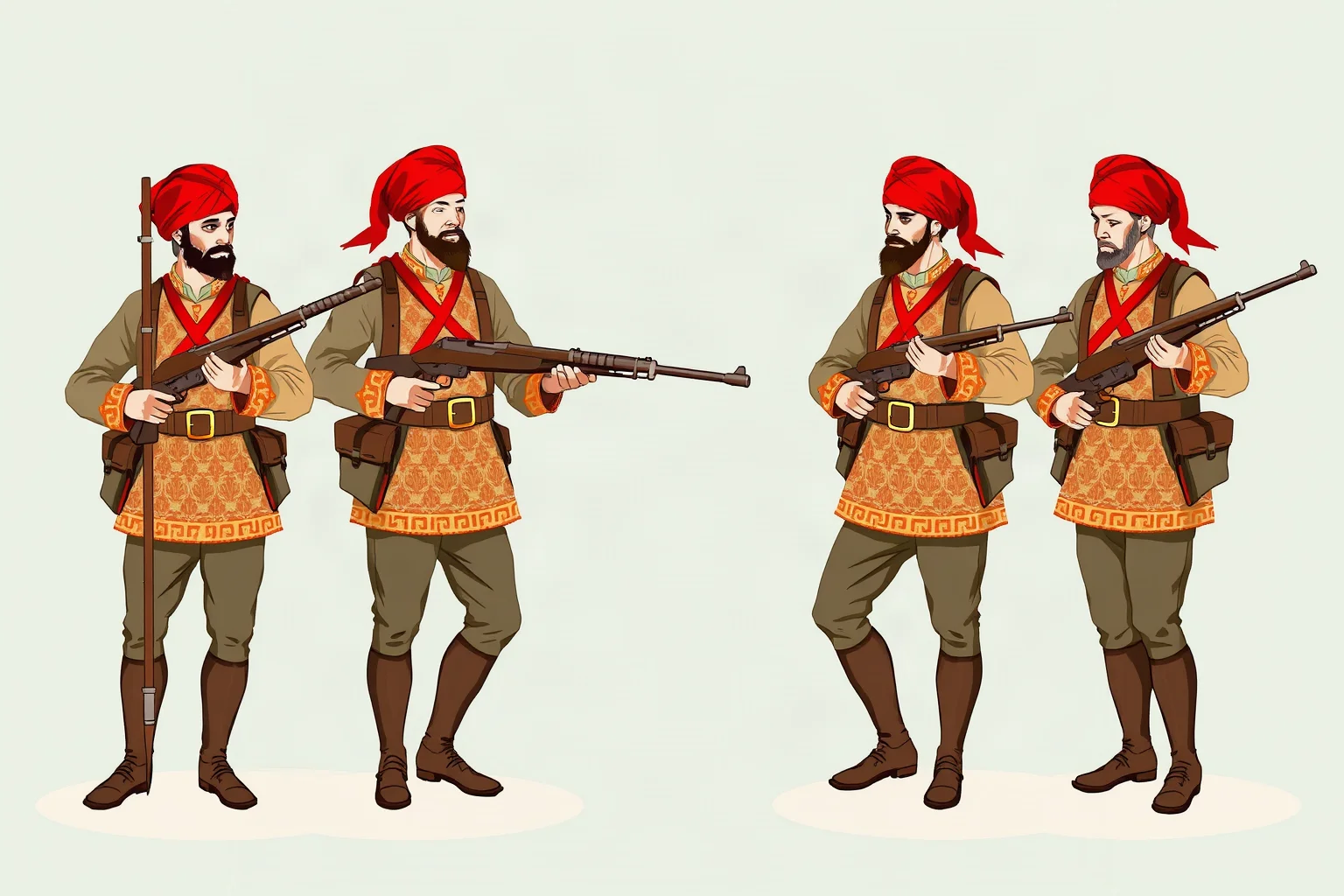
The Janissaries were the Ottoman Empire’s elite infantry corps, famous for strict discipline, gunpowder weaponry, and loyalty to the sultan. For centuries, they were considered one of the most feared standing forces in Europe and the Middle East.
Unlike many medieval armies built from feudal levies, the Janissaries functioned more like a professional, salaried military, which gave the Ottomans a major organizational edge. They played a key role in the 1453 conquest of Constantinople, a turning point in world history.
Over time, political corruption and resistance to military modernization weakened the corps, and it was violently disbanded in 1826. Their early dominance, though, is a textbook case of how professionalization created one of history’s strongest armies.
5. Napoleon’s Grande Armée
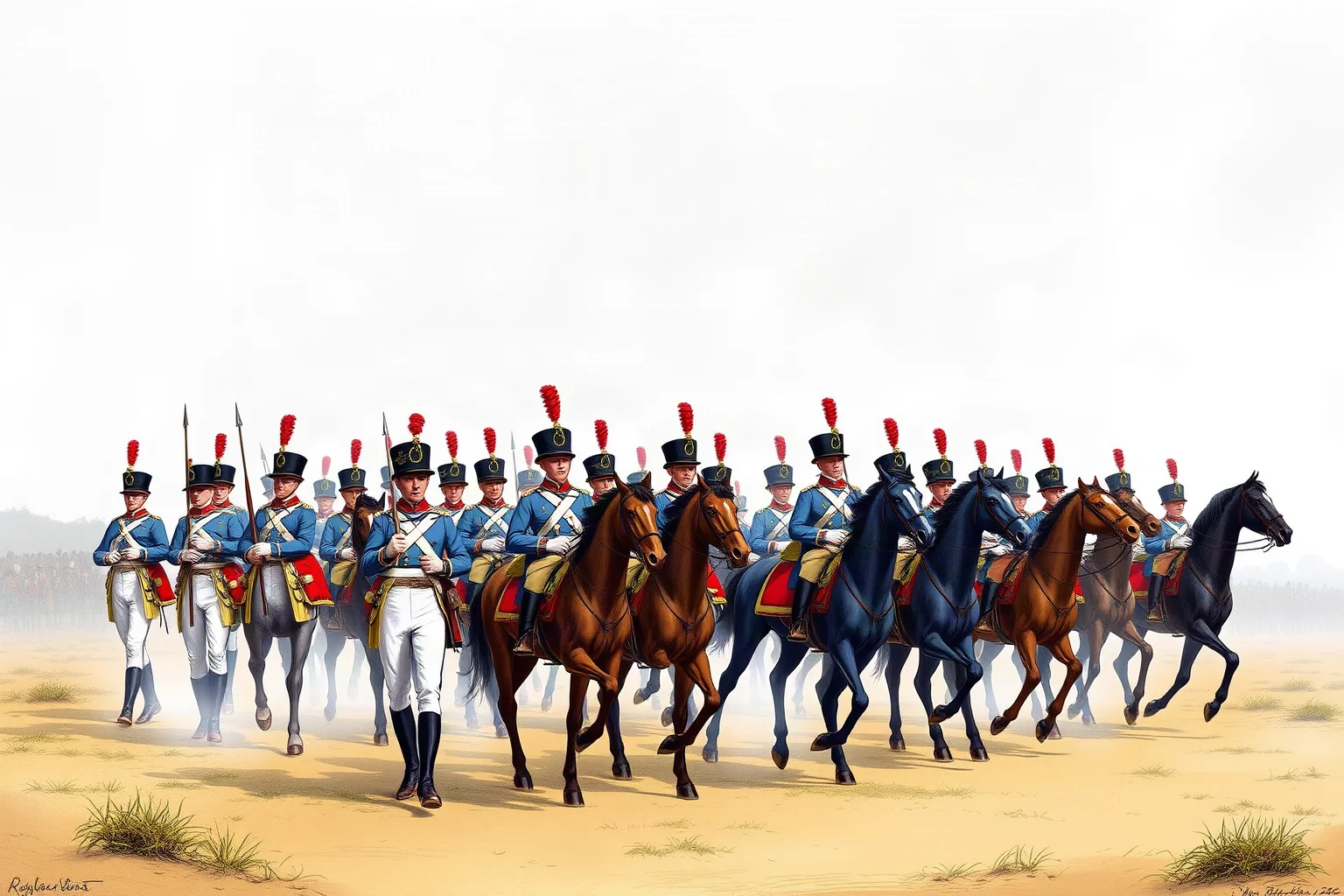
Napoleon Bonaparte built a military machine that redefined European warfare through mass conscription, rapid maneuver, and unified command structure. At its peak, the Grande Armée won a string of decisive victories, including Austerlitz in 1805, widely studied as a masterpiece of tactical execution.
Napoleon’s corps system let huge armies move and supply themselves more efficiently than rivals, an innovation still studied in military academies. For a time, this made France’s army arguably the most powerful military in Europe.
The disastrous 1812 invasion of Russia, though, exposed the limits of even brilliant tactics against logistics, weather, and scale. It’s a reminder that even the greatest armies in history can be undone by overreach.
6. The Persian Immortals
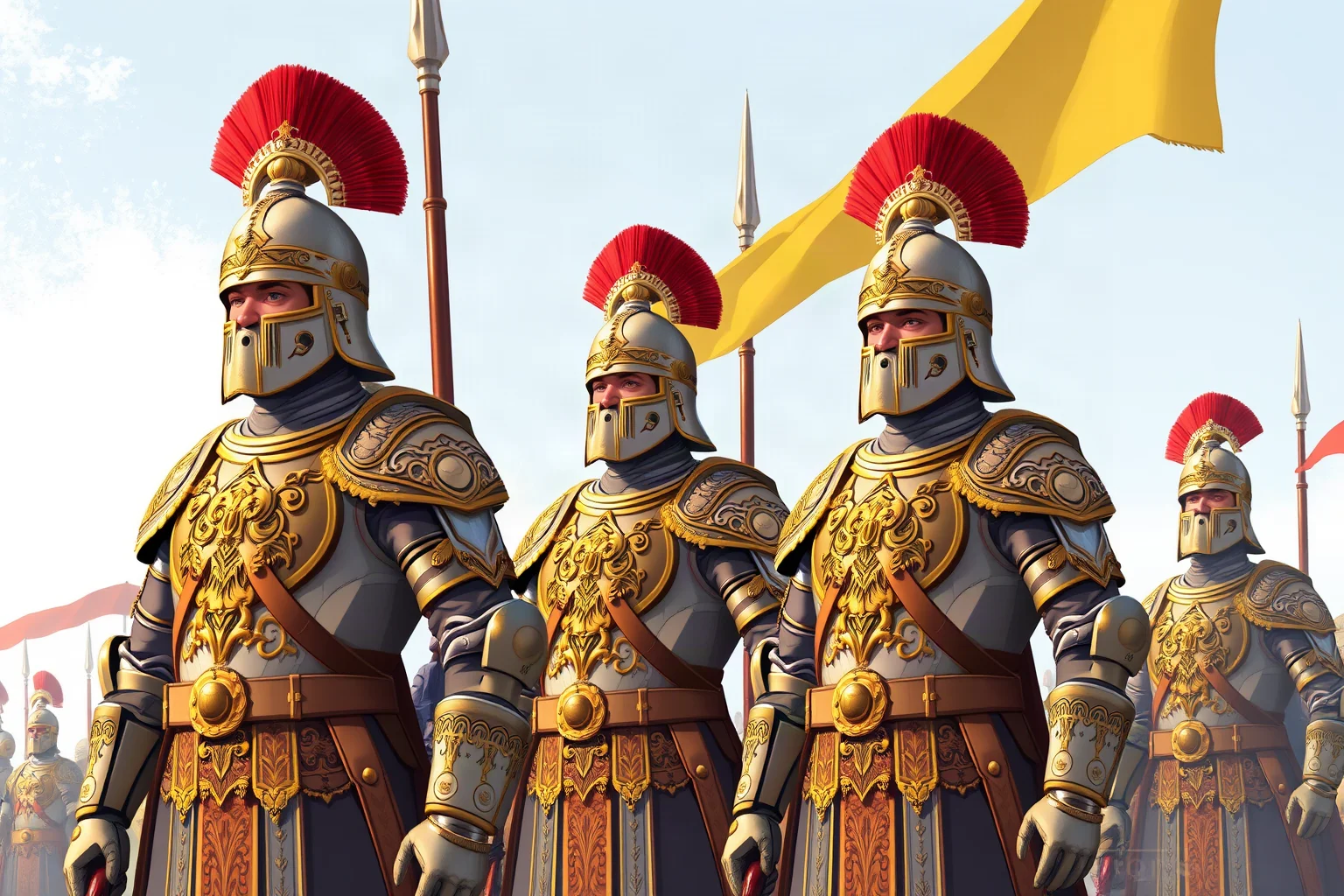
The Achaemenid Persian Empire’s elite infantry, known to the Greeks as the “Immortals,” formed the core of one of the ancient world’s largest and most diverse armies. Herodotus described them as a formidable, well-equipped force, though modern historians treat some of his specific numbers with caution.
What’s well documented is that the Persian Empire could field soldiers from dozens of subject nations, giving it enormous manpower reserves compared to smaller Greek city-states. This scale allowed Persia to dominate the Near East for roughly two centuries.
Their famous losses at Marathon and Salamis show that size alone didn’t guarantee victory against smaller, highly motivated forces. Even so, Persia’s military organization influenced empires for generations afterward.
7. The Spartan Army
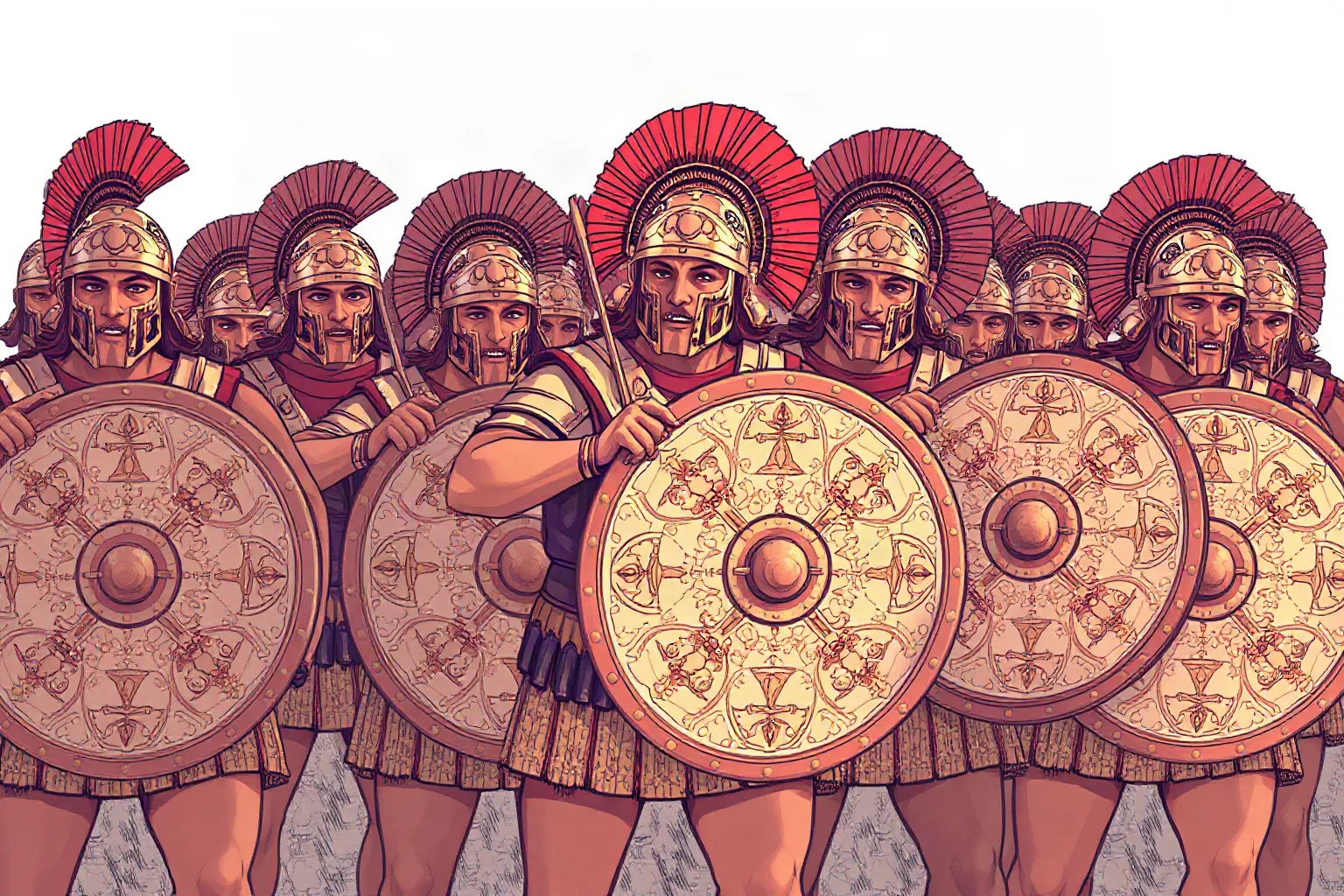
Sparta’s entire society was built around producing elite hoplite warriors, making its army disproportionately effective for such a small city-state. Rigorous training from childhood, known as the agoge, created soldiers famous for discipline under pressure.
The defense at Thermopylae in 480 BCE, though ultimately a defeat, became legendary for showing how a small, disciplined force could hold off overwhelming numbers. That single battle cemented Sparta’s reputation far beyond its actual military size.
It’s worth busting a myth here: Sparta’s army was never huge, and its real-world dominance was often more regional than empire-spanning. Still, per capita, few ancient societies produced soldiers with a fiercer reputation.
8. The Byzantine Army
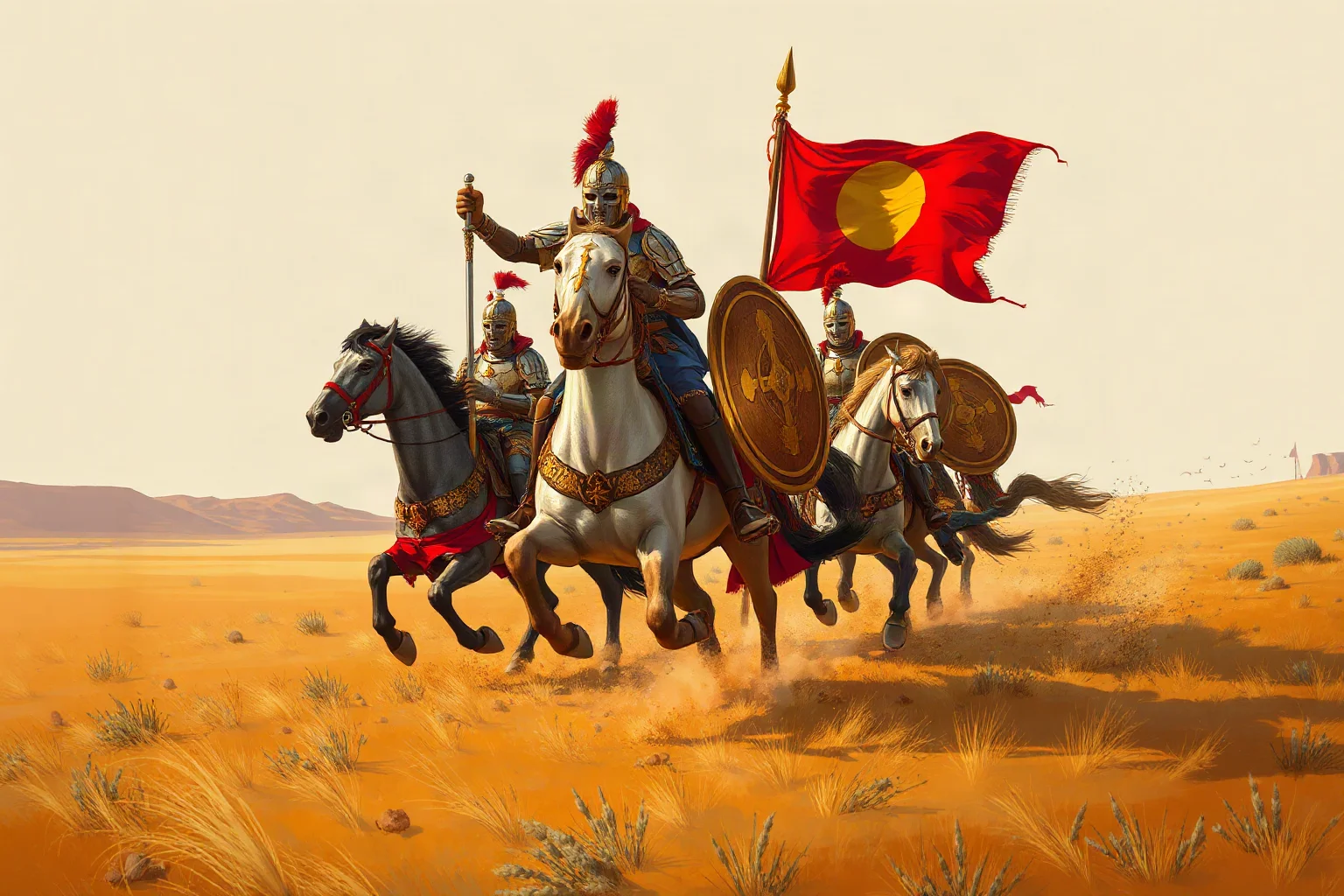
The Eastern Roman Empire’s military, especially its armored cavalry called cataphracts, kept Byzantium alive for nearly a thousand years after Rome’s western half fell. That kind of longevity puts it among the more underrated great armies in history.
Byzantine strategists wrote detailed military manuals, blending Roman discipline with new tactics adapted to fighting Persians, Arabs, and later Crusaders and Turks. Their use of diplomacy alongside force let them survive threats that would have crushed less flexible states.
By the empire’s final centuries, shrinking resources and political instability weakened the army considerably, ending in Constantinople’s fall in 1453. Even in decline, though, Byzantine military science shaped medieval warfare across Europe.
9. The Zulu Impi

Under King Shaka in the early 19th century, the Zulu Kingdom transformed its warriors into a highly disciplined force using the famous “buffalo horns” encirclement tactic. This innovation let smaller Zulu forces outmaneuver and overwhelm rivals across southern Africa.
The Zulu Impi’s most famous moment came at the Battle of Isandlwana in 1879, where Zulu forces defeated a well-armed British colonial column. It remains one of the most striking upsets in the history of colonial warfare.
British forces eventually prevailed in the wider Anglo-Zulu War thanks to superior weaponry and reinforcements. Even so, Zulu tactical innovation earned lasting respect from military historians studying African military history.
10. The Viking Raiders
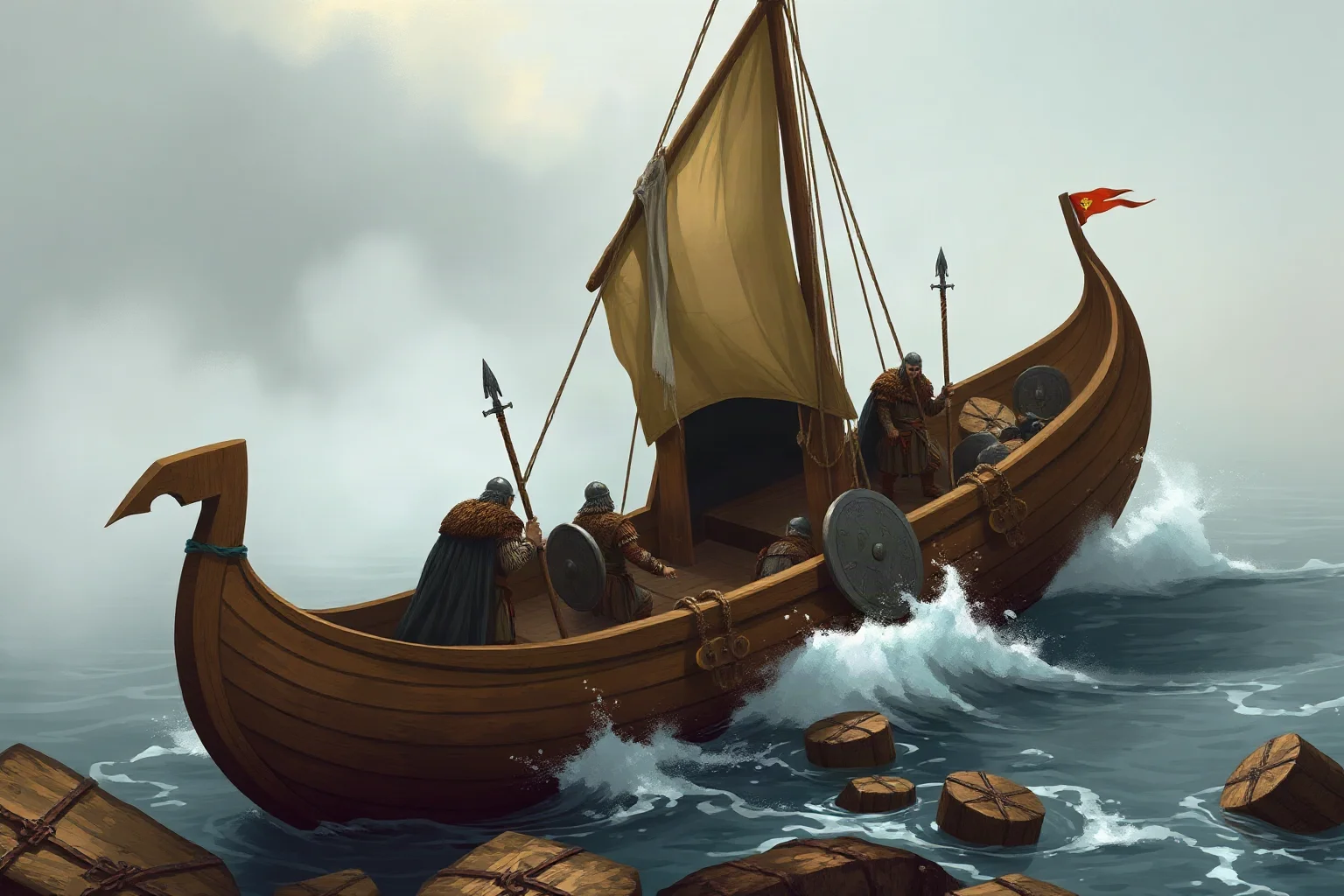
Viking forces weren’t a unified standing army in the modern sense, but loosely organized bands of warriors were still devastatingly effective from roughly the 8th to 11th centuries. Longships gave them unmatched mobility, letting them strike coastal and river settlements across Europe with little warning.
The so-called Great Heathen Army that invaded England in the 9th century showed Vikings could also wage sustained campaigns, not just hit-and-run raids. They conquered large parts of England before facing determined resistance from kingdoms like Wessex.
Viking success came more from mobility, timing, and shock value than from superior numbers or equipment. That’s part of why they’re remembered as fearsome, even though their “armies” were often smaller than popular culture suggests.
11. The Spanish Tercios
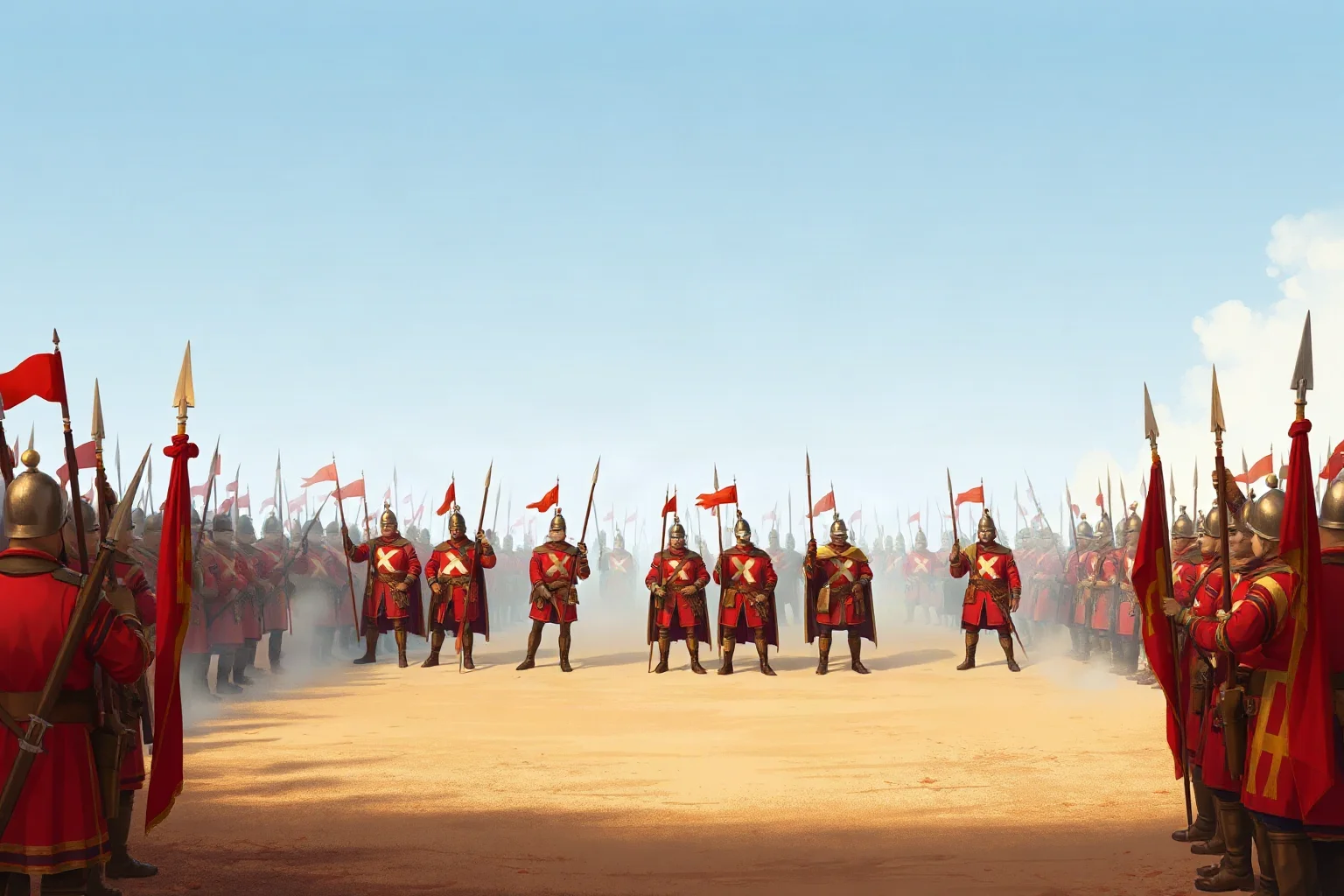
Spain’s tercio formations combined pikemen, swordsmen, and early gunpowder troops into flexible units that dominated European battlefields through the 16th century. For decades, they were considered nearly unbeatable in open combat.
This military strength underpinned Spain’s vast colonial empire, letting relatively small forces control huge territories in the Americas alongside naval power. The tercios’ reputation helped make Spain one of the era’s most powerful military states.
Their dominance faded as rival nations developed better firearms and infantry tactics during the Thirty Years’ War. Still, for roughly a century, the tercios were arguably Europe’s most feared land force.
12. The Prussian Army Under Frederick the Great
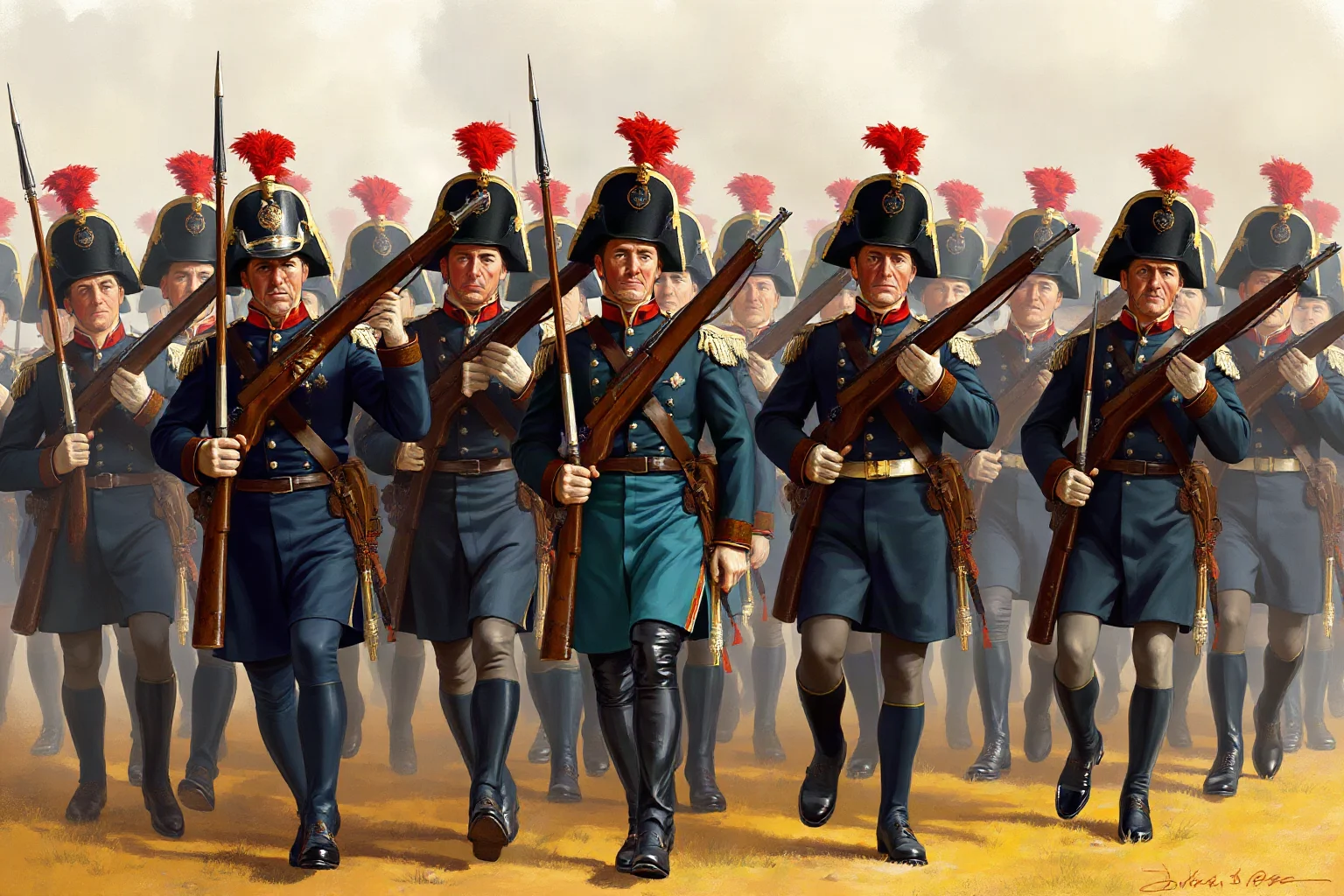
Frederick the Great turned Prussia, a relatively small kingdom, into a European military power through relentless drilling, rapid-fire infantry tactics, and aggressive battlefield maneuvering. His army punched well above its territorial weight during the Seven Years’ War.
Prussian discipline and command structure later influenced military academies across the world, including the general staff system many modern armies still use. That organizational legacy arguably matters more than any single battle.
Prussia’s military model eventually helped unify Germany in 1871 under Prussian leadership. Its influence on modern military planning is a big reason it’s still studied as one of history’s most effective armies.
13. The Samurai Armies of Feudal Japan
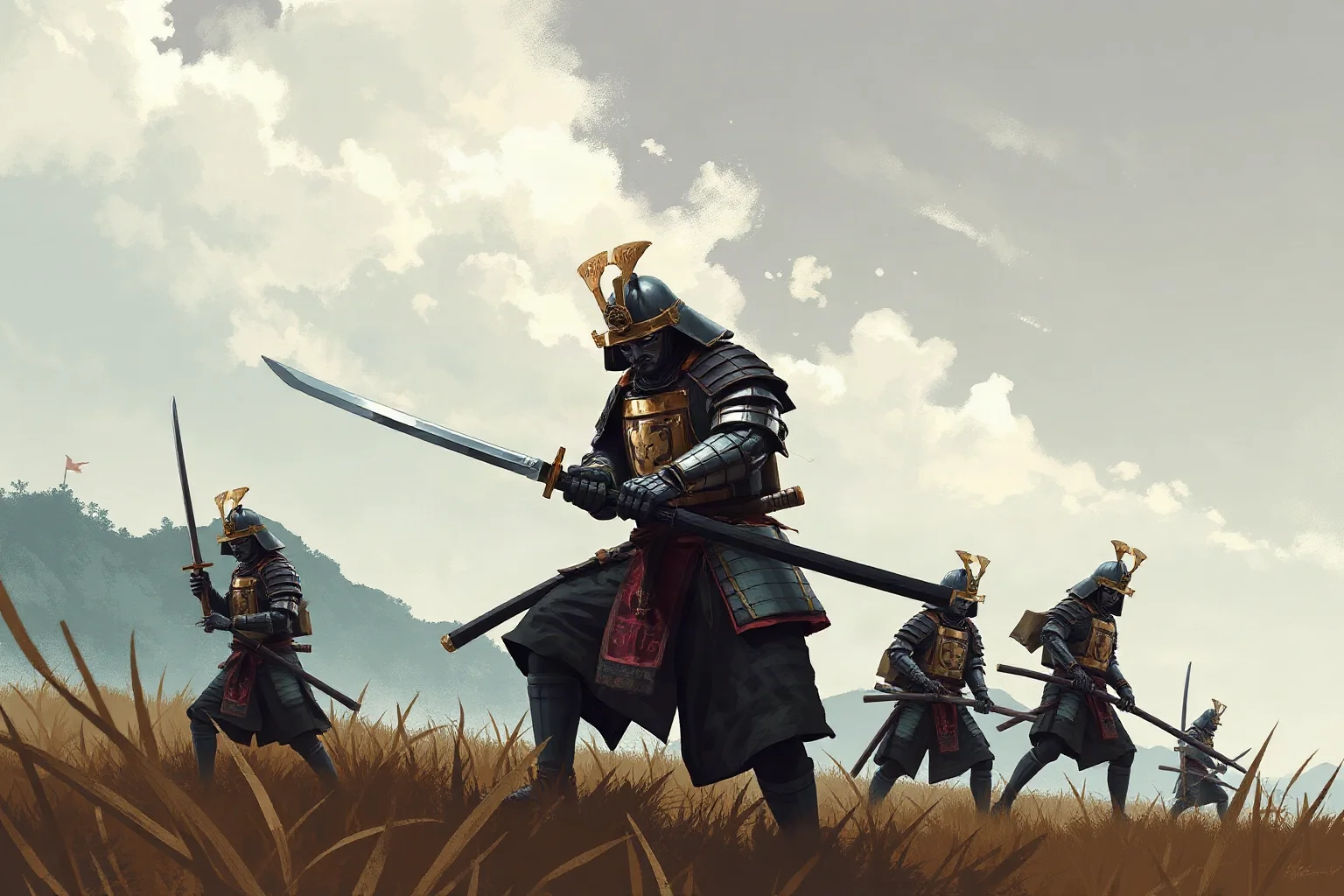
For centuries, Japan’s warfare was dominated by samurai retainers serving regional lords, blending strict codes of conduct with evolving battlefield tactics. Far from static, samurai warfare shifted over time to include mounted archery, massed infantry, and eventually firearms after European contact in the 16th century.
The unification wars led by figures like Oda Nobunaga and Tokugawa Ieyasu showed how quickly samurai armies adapted new technology, including matchlock guns, to reshape Japanese warfare. This period produced some of the most disciplined and tactically sophisticated forces in Asia.
By the Edo period, prolonged peace under Tokugawa rule reduced large-scale warfare, and samurai increasingly became bureaucrats rather than active soldiers. Their earlier battlefield record, though, still earns them a place among history’s most respected fighting traditions.
14. The Aztec Army
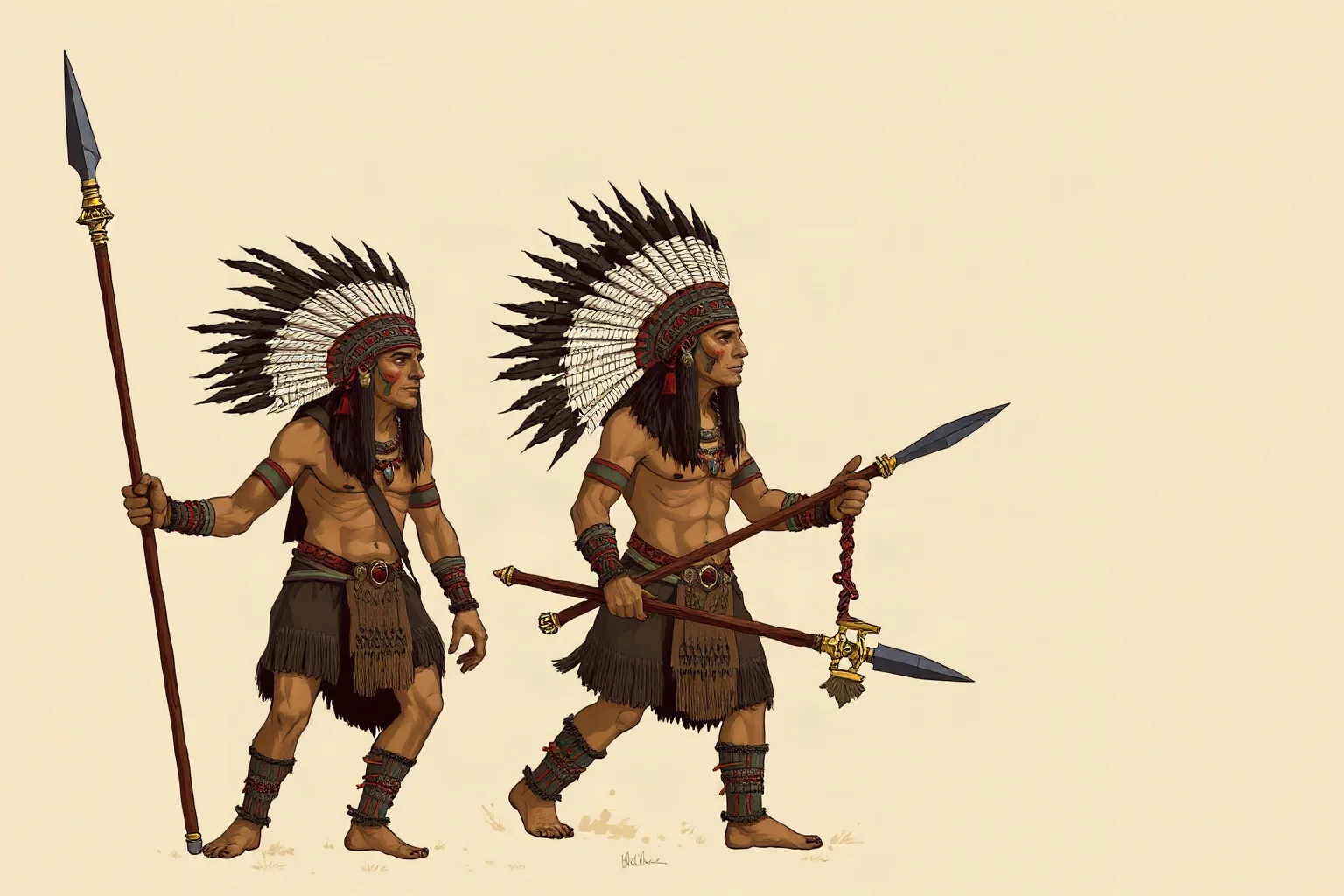
The Aztec Empire built a formidable military based on mandatory service, elite warrior societies like the Eagle and Jaguar warriors, and a culture that highly rewarded battlefield achievement. This let the Aztecs dominate central Mexico and demand tribute from a wide network of subject states.
Aztec tactics relied heavily on disciplined formations and psychological intimidation, and their capital Tenochtitlan was itself a heavily defended, engineering marvel. Spanish accounts, including those from Hernán Cortés’s expedition, describe fierce resistance during the 1519-1521 conquest.
Ultimately, steel weapons, horses, disease, and alliances with rival indigenous states helped the Spanish and their allies defeat the Aztecs. That defeat doesn’t erase how formidable Aztec forces were against other Mesoamerican powers for generations before European contact.
15. The Inca Army
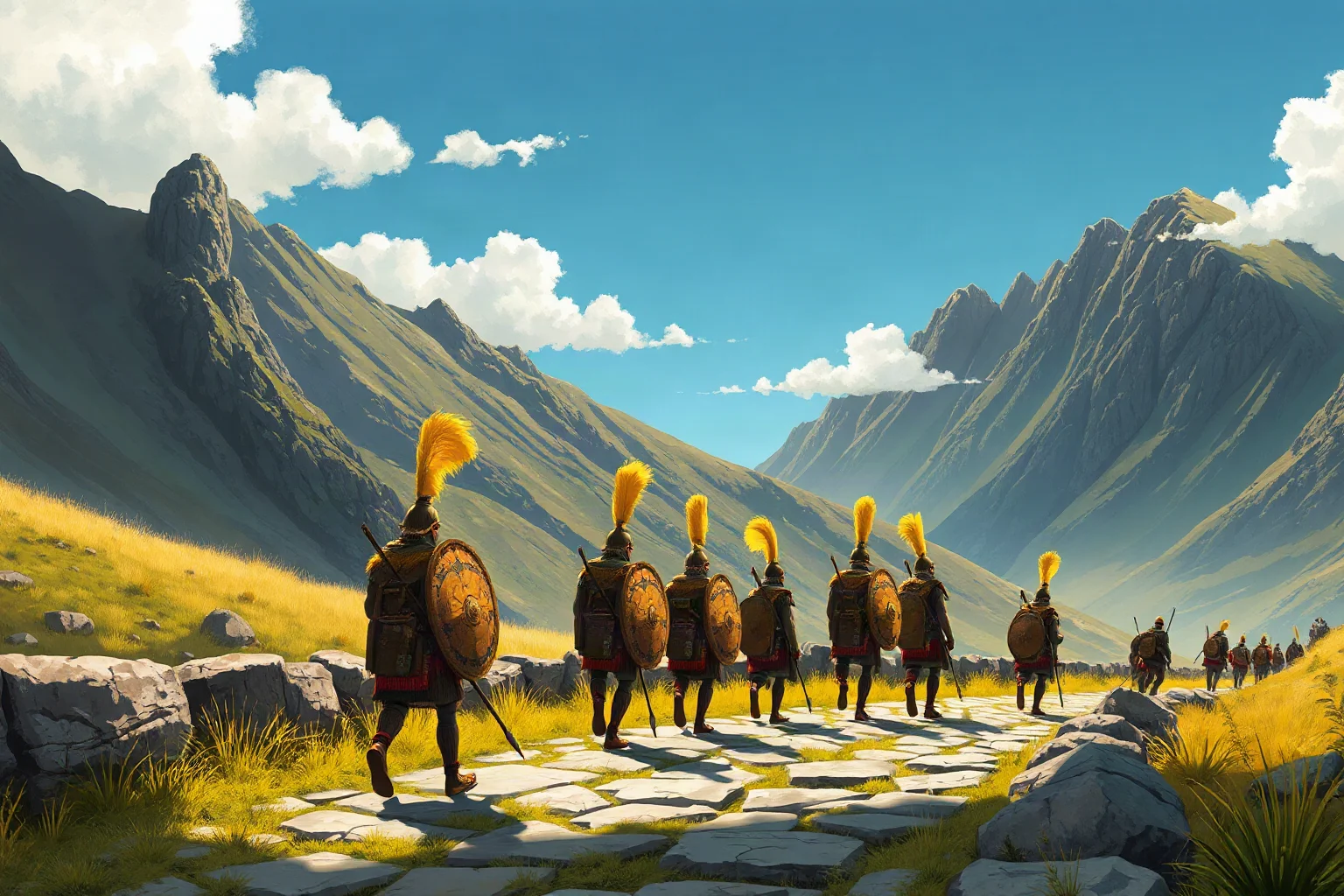
The Inca Empire fielded one of the largest and best-organized armies in the pre-Columbian Americas, supported by an extraordinary road network stretching thousands of miles through the Andes. This infrastructure let Inca forces move troops and supplies with remarkable efficiency for the era.
Inca military organization included specialized units, standardized equipment, and a rotating labor and service system called the mit’a. It’s a level of logistical planning historians still find impressive given the extreme mountain terrain involved.
Like the Aztecs, the Inca ultimately fell to Spanish conquest in the 1530s, weakened by civil war and disease as much as battlefield defeat. Their military engineering legacy, though, remains one of the more underappreciated achievements in historical armies.
16. The Continental Army
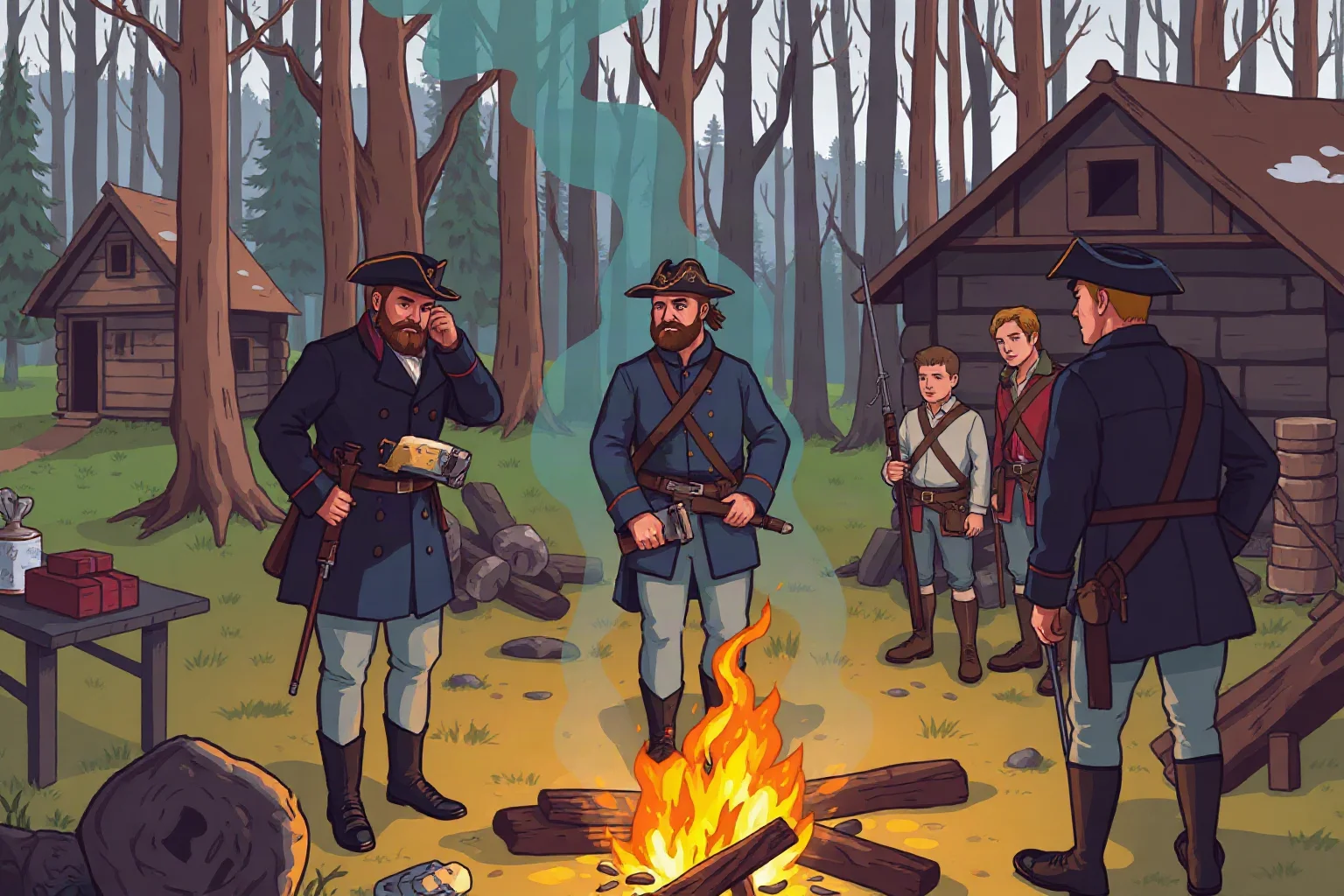
George Washington‘s Continental Army wasn’t the biggest or best-equipped force of its time, but it achieved something remarkable: defeating the British Empire’s military during the American Revolutionary War. Early defeats gave way to key victories at Trenton, Saratoga, and eventually Yorktown in 1781.
Much of its success came from persistence, French military and naval support, and effective use of terrain and irregular tactics against a conventional European army. Prussian-trained officers like Baron von Steuben also helped professionalize its training.
It wasn’t the most powerful army of its era by raw strength, but it proved that motivation, foreign alliances, and adaptable strategy could overcome a materially stronger opponent. That underdog story is a big reason it’s still remembered today.
17. The British Imperial Army and Royal Navy
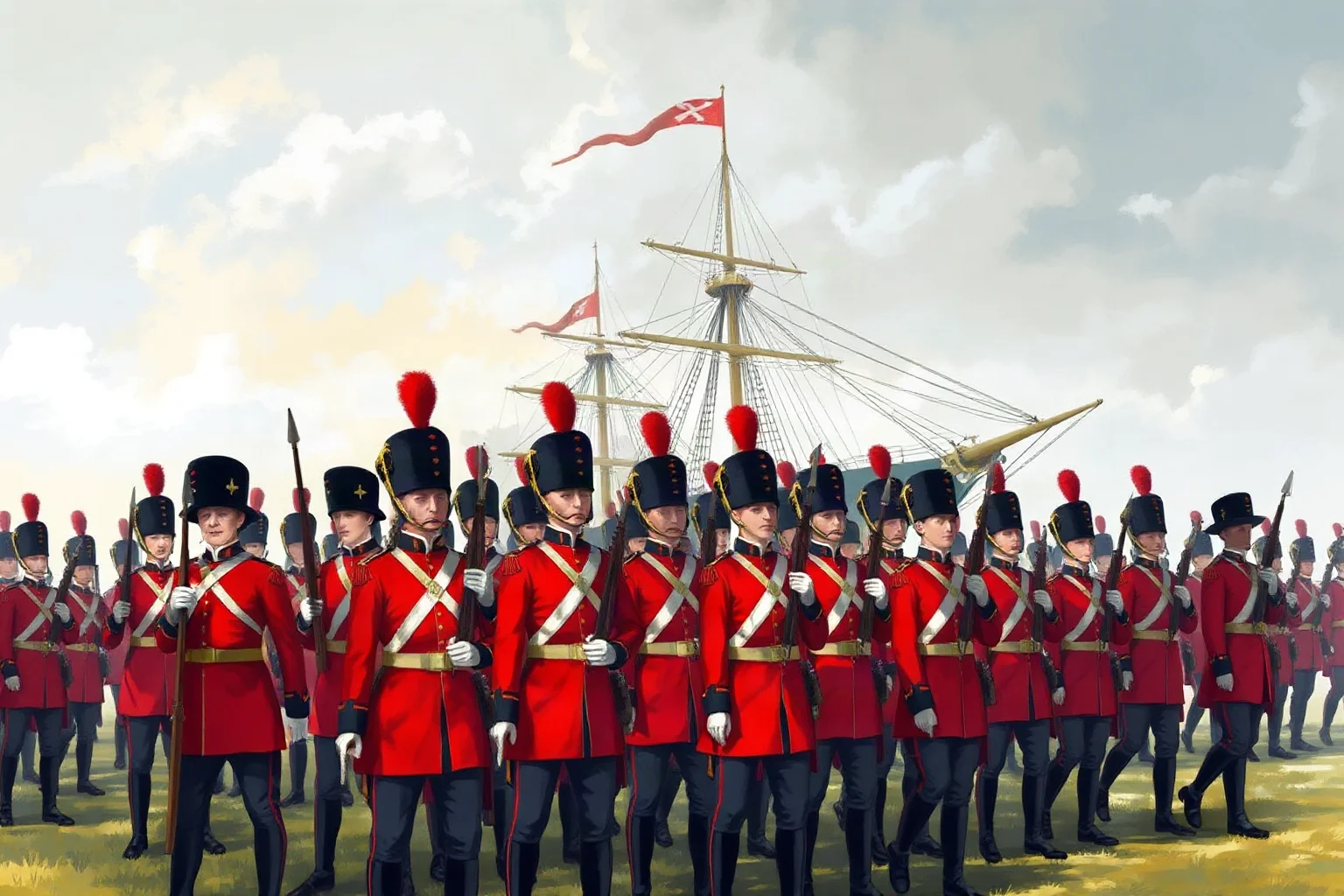
At its height in the 19th century, Britain’s combined military and naval power projected influence across roughly a quarter of the globe, making it arguably the most powerful military force of its age. The Royal Navy in particular enforced British dominance of global trade routes for over a century.
This wasn’t purely about brute force. Superior logistics, naval technology, and financial systems that could sustain long overseas campaigns gave Britain a major structural advantage over rivals.
The empire’s military also suffered notable setbacks, from the American Revolution to colonial resistance movements worldwide. Even so, for sheer global reach, few historical armies and navies matched the British Empire’s combined power.
18. The Soviet Red Army (World War II)
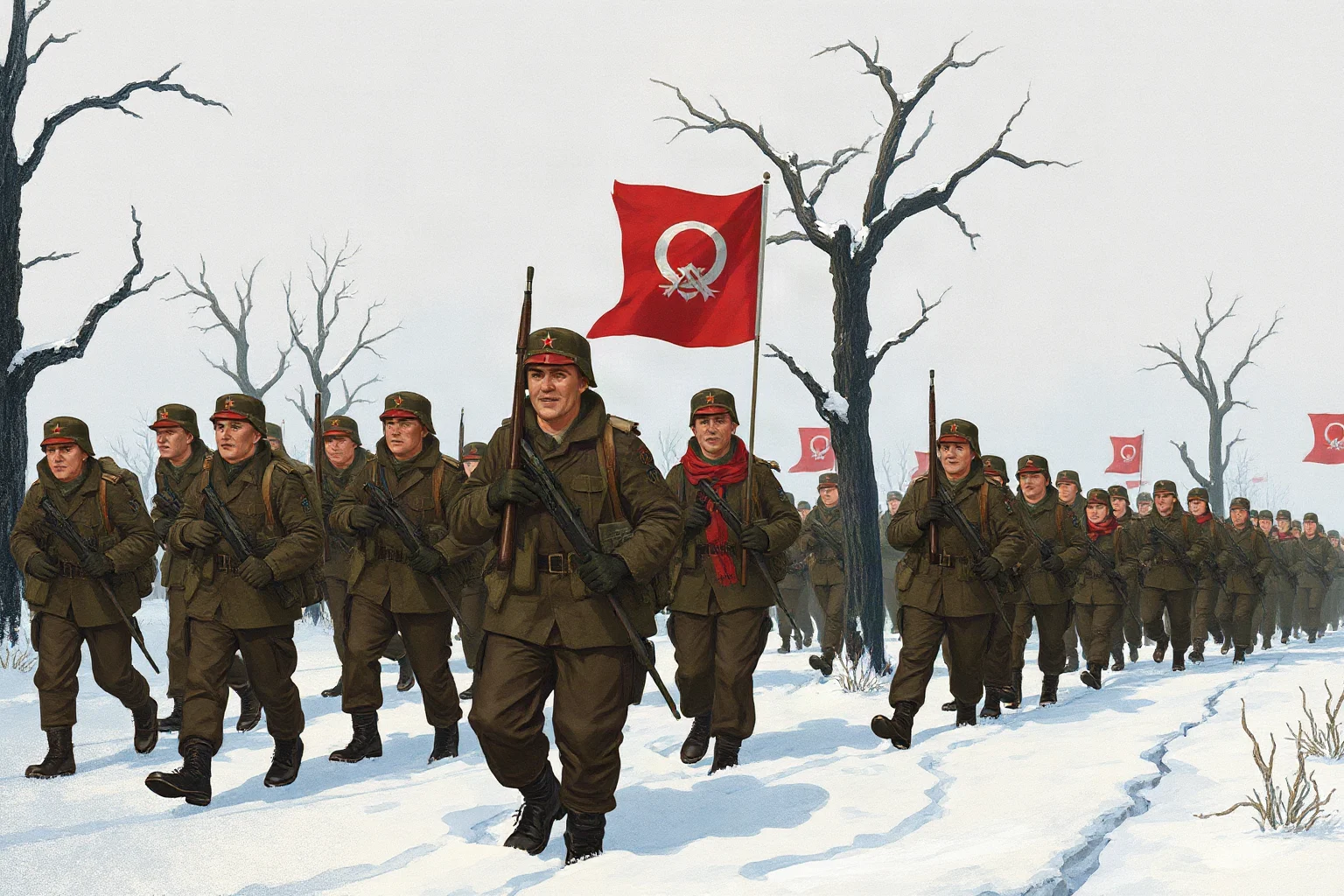
The Red Army absorbed staggering losses during Germany’s 1941 invasion, yet reorganized fast enough to halt the advance at Stalingrad and eventually push all the way to Berlin by 1945. That resilience makes it one of the most consequential military forces of the 20th century.
Soviet industrial output, harsh winters, and sheer manpower reserves let it outlast an initially superior German force. Estimates suggest Soviet military and civilian losses in the war were enormous, among the highest of any nation involved, underscoring the brutal cost of that victory.
Whatever one thinks of Soviet politics, the Red Army’s turnaround from near-collapse to conquering the Nazi capital is one of military history’s most dramatic reversals. It’s a core reason World War II’s outcome shifted decisively against Germany.
19. The Wehrmacht (Nazi Germany, World War II)
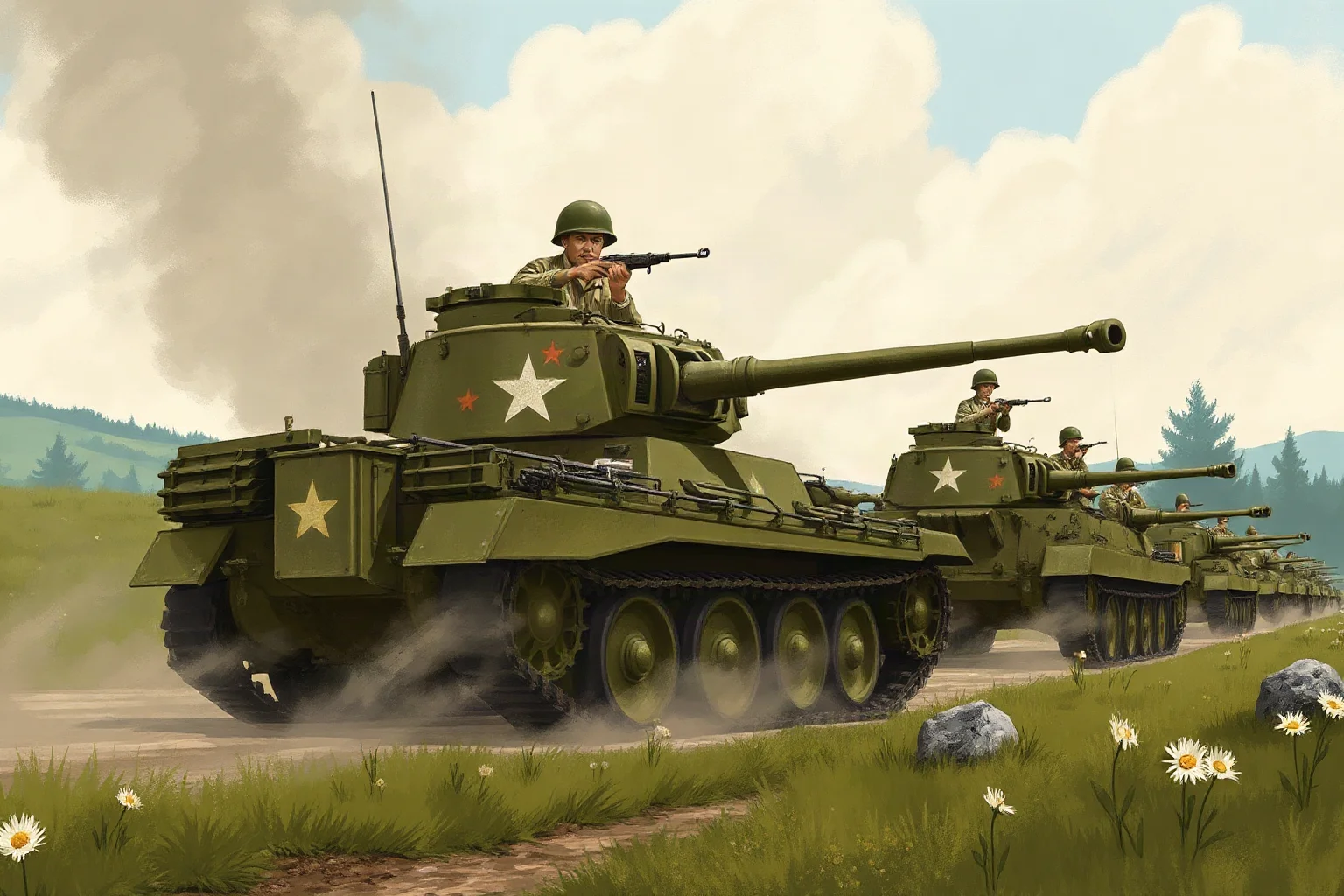
Germany’s Wehrmacht pioneered combined-arms “blitzkrieg” tactics that overran much of Europe with stunning speed between 1939 and 1941. Its early campaigns are still studied for how effectively they combined tanks, aircraft, and mobile infantry.
That early tactical brilliance, however, was harnessed to one of history’s most destructive and criminal regimes, and it’s important not to separate the Wehrmacht’s battlefield record from the atrocities committed alongside it. Overextension into the Soviet Union ultimately proved fatal, exposing serious logistical and strategic miscalculations.
By 1945, resource shortages, multi-front warfare, and Allied industrial superiority overwhelmed even Germany’s tactical innovations. Its rapid rise and fall remain a widely studied case of tactical excellence undone by strategic overreach.
20. The Modern U.S. Military
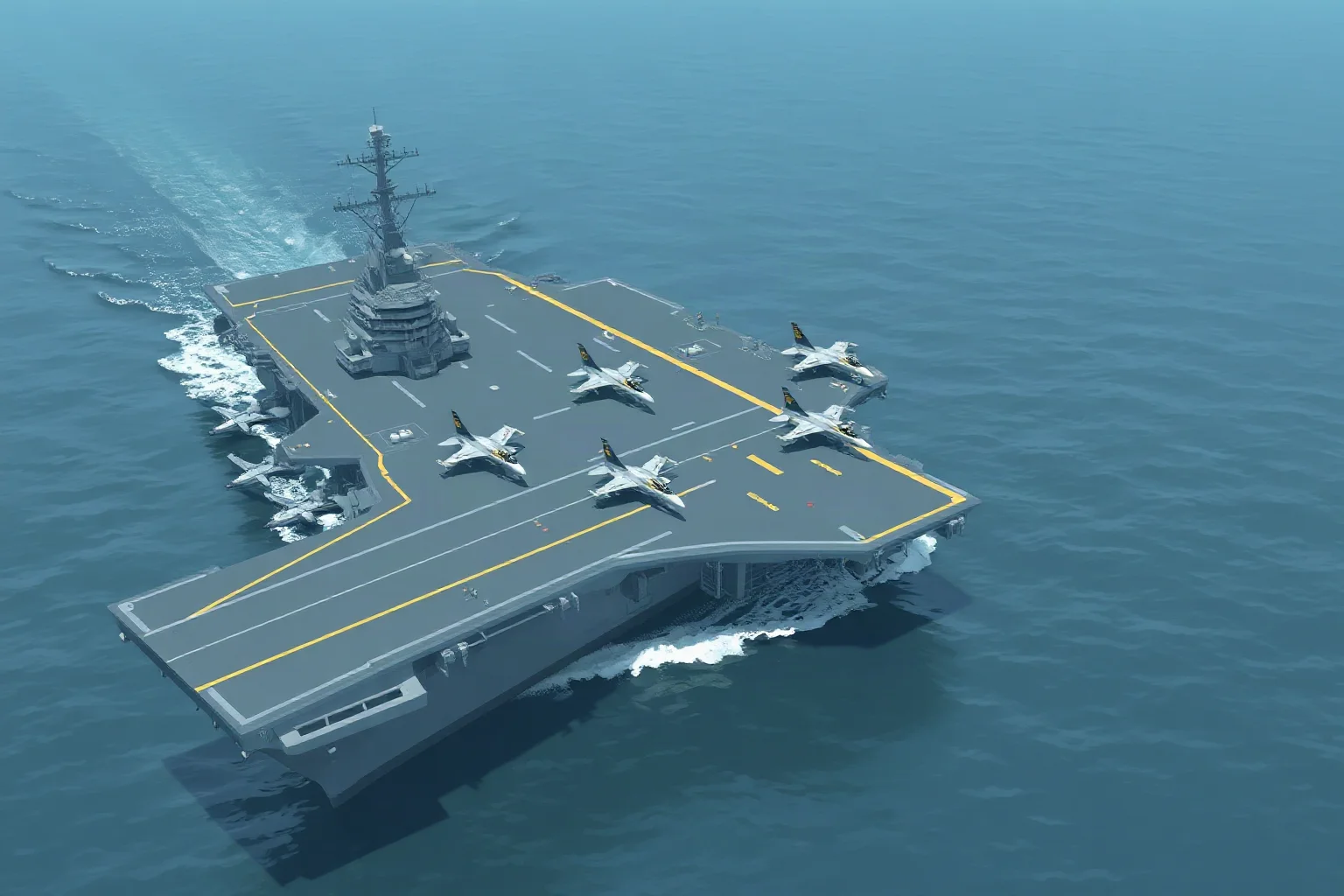
Since the mid-20th century, the United States has maintained one of the largest defense budgets and most technologically advanced militaries in the world, spanning global naval, air, and space capabilities. Whether it counts as the single greatest military force in the world depends heavily on which criteria you value most.
Unlike most entries on this list, the modern U.S. military hasn’t fought the kind of large-scale, existential total war that defined Rome, the Mongols, or World War II. Its dominance is measured more through deterrence, technology, and global reach than through territorial conquest.
It’s a useful reminder that “strongest” can mean different things in different eras. A historically legendary army isn’t necessarily the same thing as the most powerful military on paper today.
Ancient Military Ranks and Army Structures Explained
Many of history’s most powerful armies shared a surprising trait: clear, structured rank systems that made huge forces manageable. Roman legions, for example, were divided into centuries commanded by centurions, grouped into cohorts, all reporting up through a strict chain of command.
Other ancient militaries developed their own versions of this. Chinese imperial armies under dynasties like the Han organized troops into standardized units with appointed generals, while Persian forces grouped soldiers by ethnicity and specialty under regional commanders.
This kind of organized hierarchy, now taken for granted in modern militaries, was actually a major innovation in its time. Armies without clear ranks and command structures, no matter how large, often struggled to coordinate compared to smaller, well-organized forces.
What About the Worst Armies in History?
It’s easy to focus only on history’s greatest armies, but understanding weak or poorly managed forces explains a lot about why the strongest ones succeeded. Common problems in historically ineffective armies include poor logistics, corrupt or absent leadership, low troop morale, and failure to adapt to new technology or tactics.
Late-stage imperial armies are frequent examples of this pattern, from the increasingly mercenary and poorly funded late Roman legions to Ottoman forces struggling against military modernization in the 18th and 19th centuries. In both cases, forces that once dominated their regions were eventually outpaced by more adaptable rivals.
The lesson holds up across every era: an army’s size or past reputation doesn’t guarantee future success. Adaptability, logistics, and leadership consistently matter more than raw numbers.
Final Thoughts on History’s Greatest Armies
Ranking the greatest military forces in history will always involve some subjectivity, since war has looked wildly different across centuries and continents. What separates the truly legendary armies isn’t just victory count, but adaptability, organization, and the ability to rebuild after devastating losses.
From Rome’s legions to the Mongol horde to the improbable success of Washington’s Continental Army, the common thread is clear. The world’s greatest armies weren’t necessarily the biggest; they were the ones that out-organized, out-adapted, and out-lasted their rivals.
Frequently Asked Questions
What is the greatest military force in the world, historically speaking?
There's no single agreed-upon answer, but the Roman legions and the Mongol armies of Genghis Khan are the two most commonly cited candidates for the greatest military force in the world in a historical sense. Rome is praised for centuries of sustained dominance, while the Mongols are noted for conquering the largest contiguous land empire in history in a remarkably short time.
Who has the strongest military in the world today?
Modern rankings like the Global Firepower Index typically place the United States, China, and Russia among the world's strongest militaries based on active personnel, equipment, and defense spending. These rankings shift over time and depend heavily on which factors, such as nuclear capability or naval power, are weighted most heavily.
What is considered the greatest army in history?
Many historians point to the Roman legions or the Mongol armies as the greatest army in history, based on longevity, territorial reach, and tactical innovation. Others make strong cases for Alexander the Great's Macedonian army or Napoleon's Grande Armée, so the answer often depends on which criteria matter most to the person asking.
What were the largest armies in history by size?
Some of the largest armies in history include the mobilized forces of the Persian Achaemenid Empire, Qin and Han dynasty China, and the mass-conscripted armies of the Napoleonic Wars and World War II. Exact historical troop numbers are often debated by historians, since ancient sources sometimes exaggerated figures for political effect.
What are ancient military ranks like compared to today?
Ancient militaries like Rome's legions used structured ranks such as centurions and legates, organizing soldiers into units similar to modern squads, companies, and battalions. This kind of hierarchy was a major innovation at the time and heavily influenced how modern armies structure their own rank systems.
Which armies are considered the worst in history?
Rather than naming specific nations, historians generally point to common traits behind historically weak armies: poor logistics, corrupt or disconnected leadership, low morale, and slow adaptation to new weapons or tactics. Late-stage imperial armies, in particular, often declined this way even after centuries of earlier dominance.
Is the strongest fundamental force the same thing as the strongest military?
No, these are unrelated concepts. The 'strongest fundamental force' refers to the strong nuclear force in physics, which binds protons and neutrons together inside an atom's nucleus, while 'strongest military' refers to national defense power. They're easy to confuse in a search bar, but they belong to completely different fields.
Why do historians disagree on who has the greatest army in the world?
Comparing armies across different eras, technologies, and cultures is inherently subjective, since a medieval cavalry force and a modern mechanized army can't be tested head-to-head. Most rankings weigh factors like battlefield success, innovation, and longevity differently, which naturally leads to different conclusions.

Alex Warren
Related Articles