History books are built on answers, but some of the most fascinating parts of the past are the blanks. A ship found empty in the Atlantic, a manuscript no scholar can read, a queen's burial place that has never been located — these are the unsolved mysteries of history that keep pulling researchers back for second and third looks.
The 20 cases below were chosen for substance rather than sensation. Each one has real documentation, real competing theories, and a genuine gap where the evidence runs out, which is why they still rank among the greatest mysteries of history.
TL;DR: The most enduring historical mysteries stay open not because nobody has looked, but because the surviving evidence is genuinely too thin to settle the question.
Why Do Some Big Mysteries in History Stay Unsolved?
Most of these cases aren't puzzles with a hidden answer waiting to be discovered. They're puzzles where the pieces were lost, burned, buried, or deliberately destroyed, and no amount of clever reasoning can recover what no longer exists.
Archives rot, shipwrecks scatter, and oral traditions fade. Historians work with what survives, and what survives is almost always a skewed sample — usually written by the literate, the powerful, and the victorious.
That gap is also what makes these topics so vulnerable to confident guesswork and outright hoaxes. When the record is thin, almost any theory can sound plausible, which is why the list below separates what is documented from what is merely asserted.
1. The Voynich Manuscript
The Voynich Manuscript is roughly 240 pages of vellum covered in an unknown script and illustrated with plants that match no known species. Radiocarbon dating places the parchment between about 1404 and 1438, and the book has been held at Yale's Beinecke Library since 1969.
Cryptographers from both World Wars tried and failed to crack it, and the manuscript has been linked to everyone from Roger Bacon to John Dee. Some researchers, notably Gordon Rugg, have argued the text may be structured nonsense produced with a cipher grille, while others insist its statistical patterns behave too much like real language.
Without a bilingual key or a confirmed source, the Voynich Manuscript remains one of the most stubborn mysteries from history's manuscript collections.
2. The Roanoke Colony
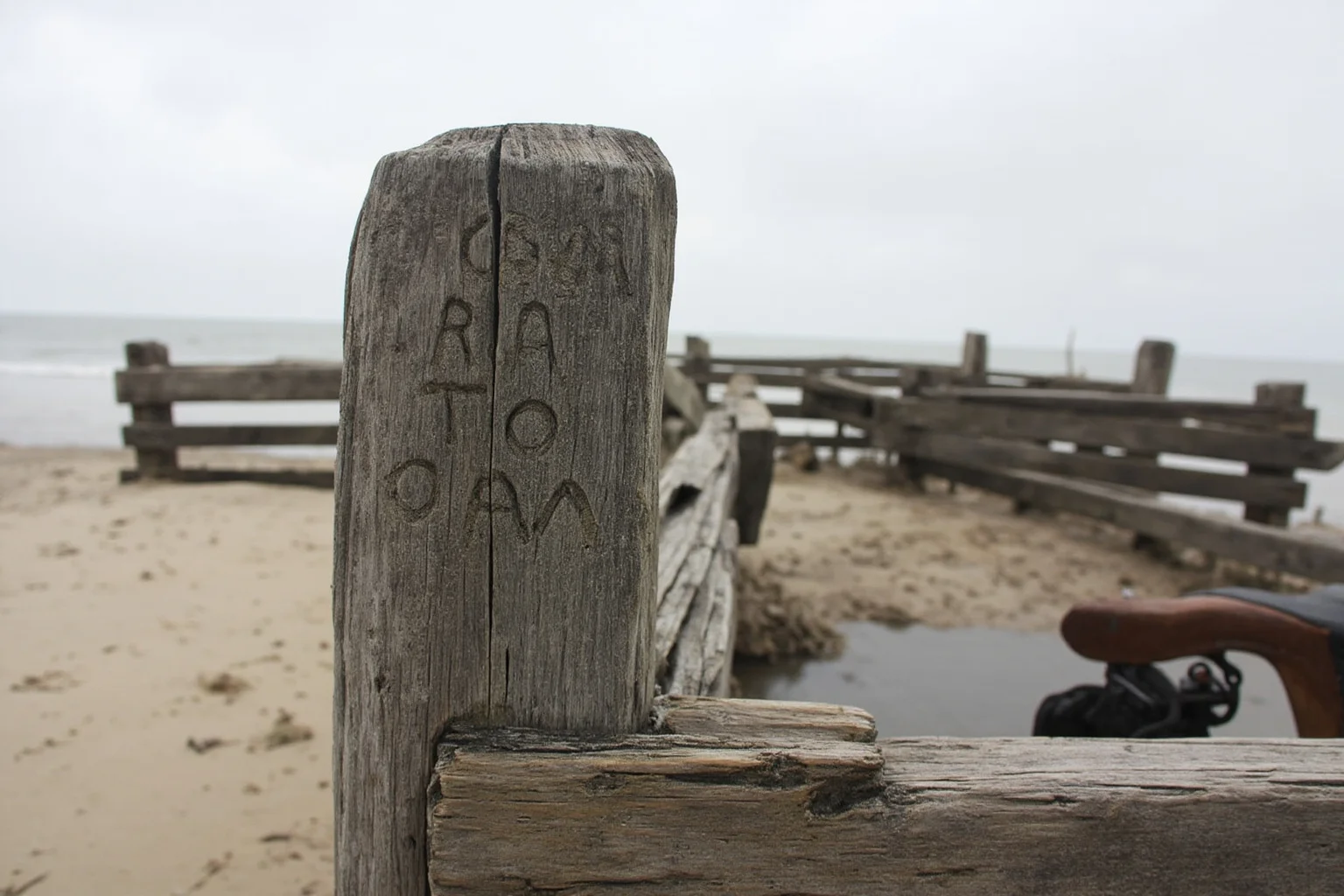
England's first attempt at a permanent North American colony ended with a single word carved into a post. In 1587, 115 settlers landed on Roanoke Island; governor John White sailed back to England for supplies, was delayed by war until 1590, and returned to find the settlement dismantled and the letters "CROATOAN" cut into a palisade.
The colonists' fate has never been proven. The leading explanation is that they moved inland or integrated with local Croatoan and other Algonquian communities, and some archaeological finds on Hatteras Island are consistent with that, though nothing is conclusive.
Popular theories involving massacre or a Spanish attack have far less support. What's left is a settlement that vanished from the record without a single firsthand account of what happened.
3. Jack the Ripper
Between August and November 1888, at least five women were murdered in London's Whitechapel district in a series of killings that terrified the city. Press coverage was enormous, the investigation was chaotic, and no one was ever charged.
Suspects have been proposed for more than a century — a Polish immigrant, a surgeon, a barrister, even a member of the royal family — but none has produced a decisive document. Modern DNA claims based on a shawl linked to the case are widely disputed by forensic specialists, since the item's provenance is unproven.
The case remains a case study in how media pressure and poor evidence handling can make an investigation permanently unsolvable.
4. The Princes in the Tower
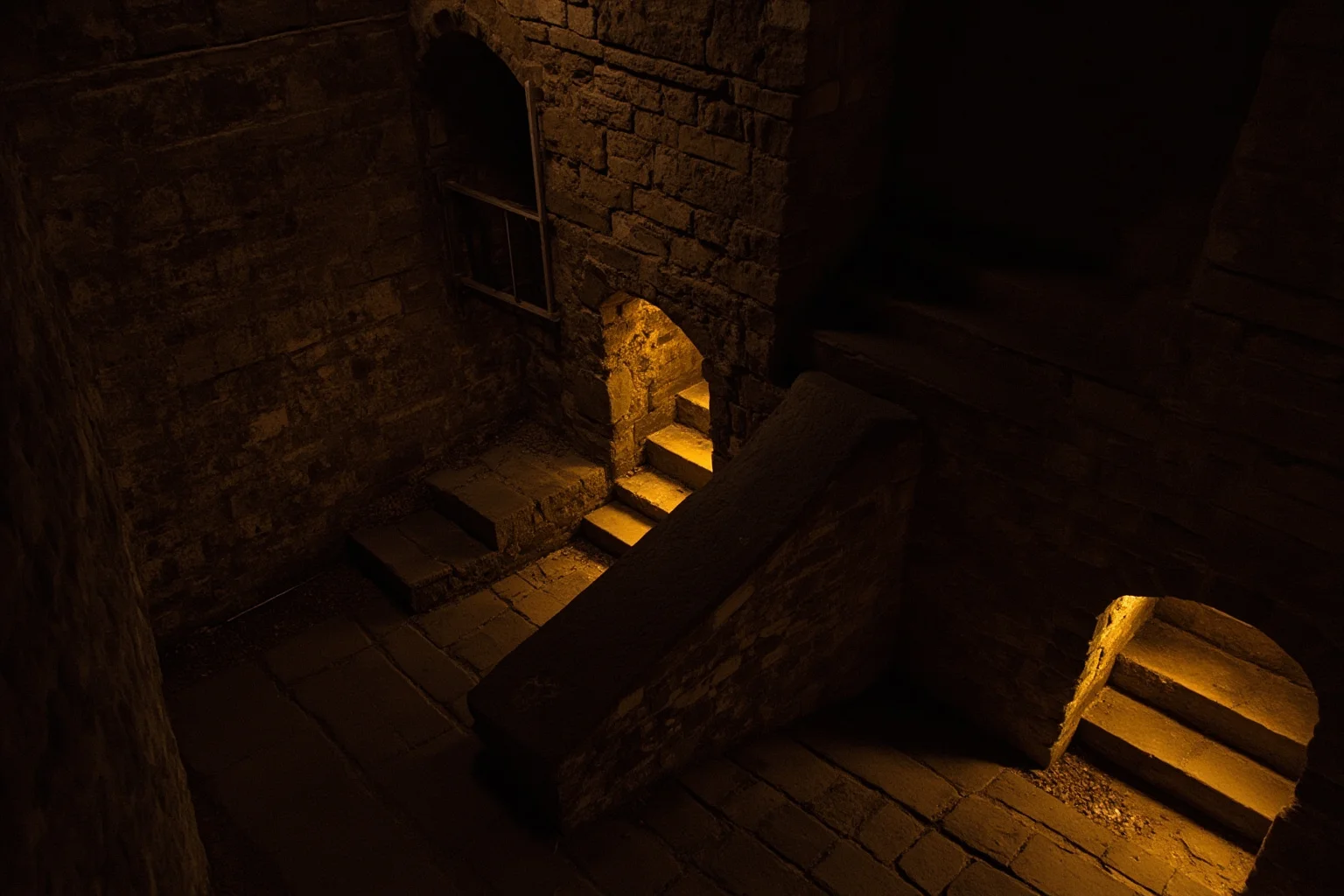
Edward V was 12 when his father died in 1483, and he and his younger brother Richard were lodged in the Tower of London, then a royal residence. Both boys disappeared from the record that summer, and their uncle took the throne as Richard III.
The suspects are familiar: Richard III, Henry VII, and the Duke of Buckingham all had motives. In 1674, workmen found two small skeletons under a staircase at the Tower, and the bones were examined in 1933, but permission for modern DNA testing has repeatedly been refused.
Until that testing happens — and until someone can establish the bones really are the princes — the case stays open.
5. The Antikythera Mechanism

Divers salvaging a Roman-era shipwreck off the Greek island of Antikythera in 1901 brought up a corroded lump of bronze that turned out to hold more than 30 interlocking gears. Dated to roughly the second century BCE, it is the most complex geared device known from antiquity.
CT scanning in 2005 revealed inscriptions and a gear train that modelled the sun and moon, probably the planets, and included a dial for predicting eclipses. Whoever built it had astronomical knowledge far beyond what historians once assumed for the period.
No ancient writer describes such a device, and no second example has been found. The maker, workshop, and purpose of the mechanism remain unknown.
6. The Lost Ninth Legion
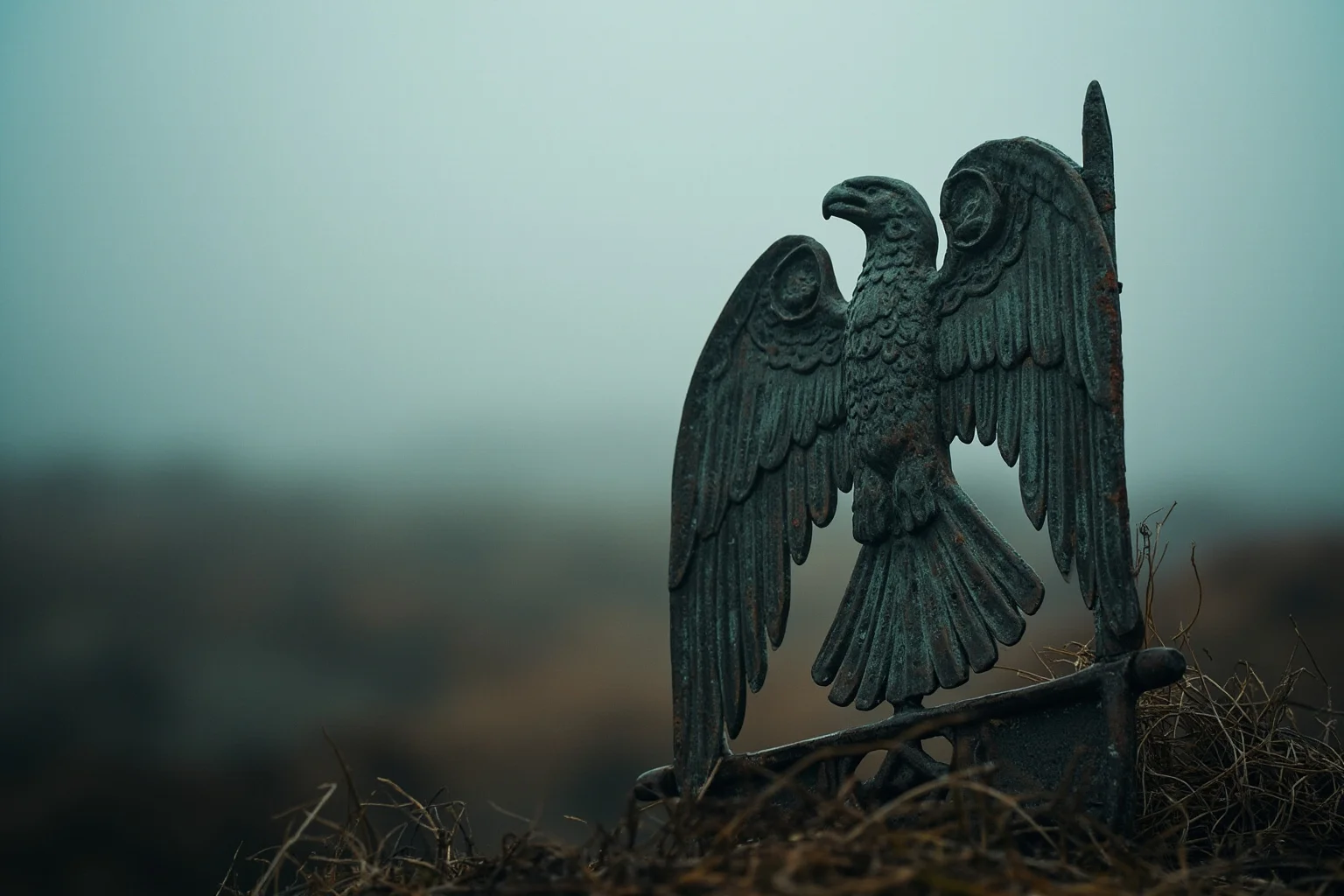
For decades, popular history held that Rome's Legio IX Hispana marched into Scotland around 108 CE and was annihilated by Caledonian tribes. The story proved irresistible to novelists and filmmakers, but the evidence for it is remarkably thin.
Legio IX drops out of surviving records in the early second century, which is not unusual for a legion. Some inscriptions suggest it was transferred east, and a fortress at Nijmegen in the Netherlands has been linked to it.
The dramatic destruction narrative is largely a modern invention. The legion's real fate is unresolved, but reassignment looks likelier than massacre.
7. The Mary Celeste
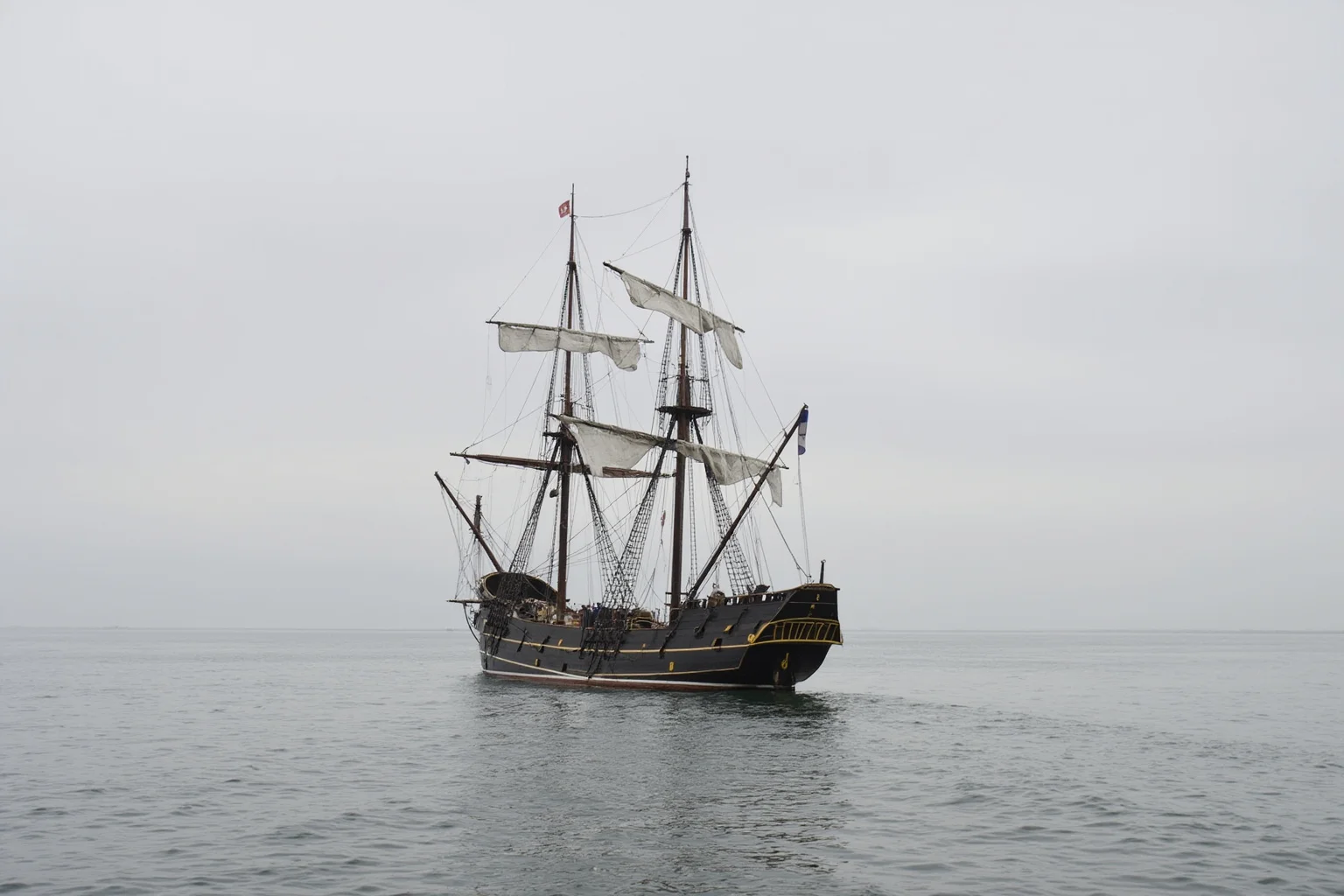
In December 1872, the brigantine Mary Celeste was found adrift between the Azores and Portugal with no one aboard. The ship was seaworthy, its cargo of industrial alcohol was mostly intact, and the crew's belongings and the ship's papers were largely untouched.
The captain, his wife and daughter, and seven crew members were never seen again. The lifeboat was missing, which points to a deliberate evacuation, and theories range from a waterspout to fears that the cargo was leaking fumes.
It's worth noting that many of the lurid details attached to the story — bloodstained swords, missing chronometers — were embellishments added later. The plain version of the case is still unexplained.
8. Amelia Earhart

Amelia Earhart and navigator Fred Noonan vanished over the Pacific in July 1937 while attempting a round-the-world flight. The US Navy's search covered some 250,000 square miles and found nothing.
The leading archaeological hypothesis, pursued by the research group TIGHAR, holds that they landed on Nikumaroro atoll and died there as castaways; searches have produced artifacts that are suggestive but not conclusive. Other researchers favour a crash into deep water, and the "captured by Japan" theory has never been substantiated.
Sonar anomalies and underwater expeditions have generated headlines repeatedly, but no confirmed piece of the Electra has ever been recovered.
9. The Amber Room

The Amber Room was an ornate chamber of amber panels, gold leaf, and mirrors given to Peter the Great and installed at the Catherine Palace near St. Petersburg. In 1941, German forces dismantled it and shipped it to Königsberg.
It was displayed there until 1945, then vanished amid the chaos of the Soviet advance. Theories include destruction by fire, burial in a mine, and loading onto a ship that was later sunk.
A reconstruction opened in 2003, but the original panels have never been found.
10. Cleopatra's Tomb
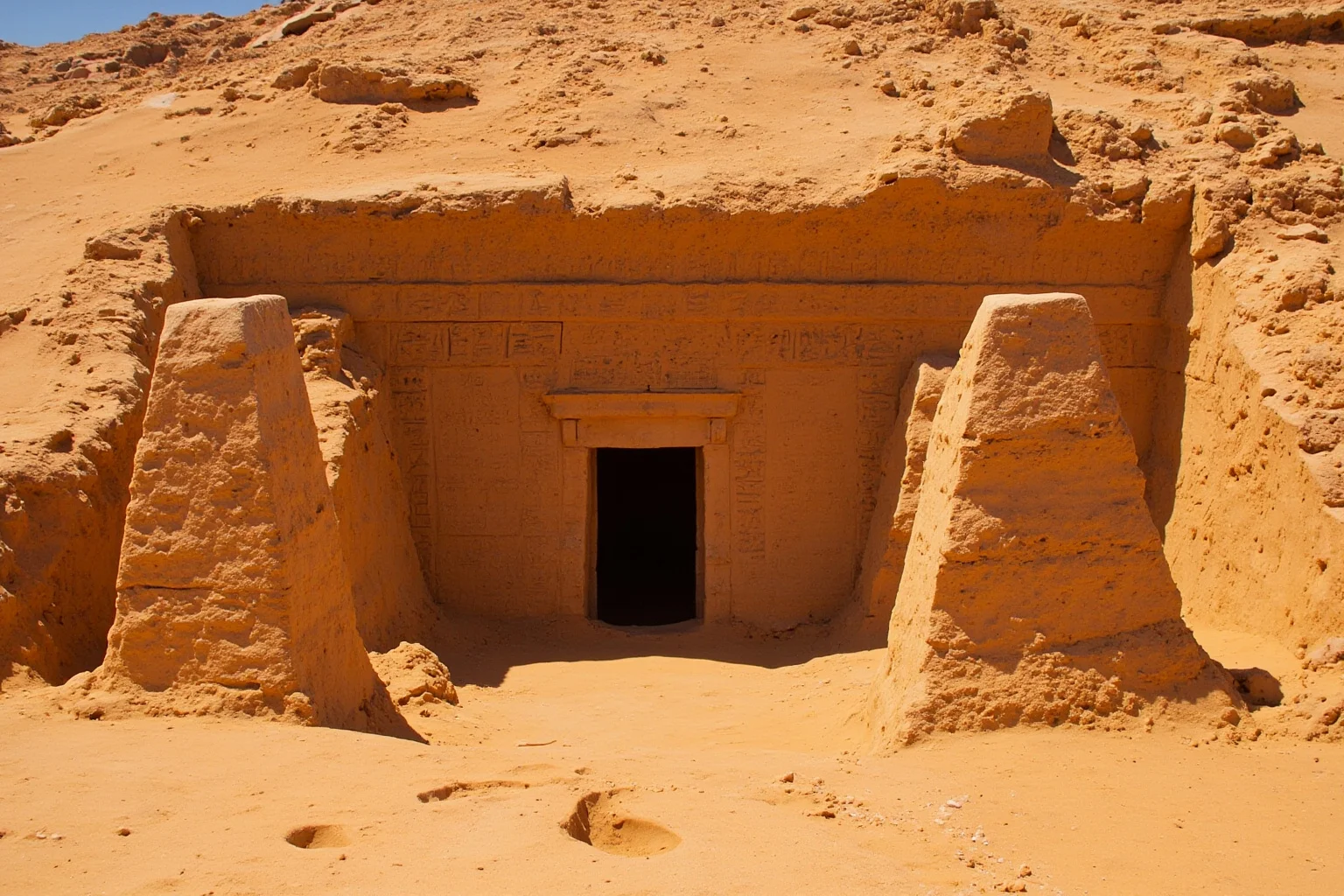
Ancient writers say Cleopatra VII and Mark Antony were buried together after their deaths in 30 BCE, somewhere near the royal palace in Alexandria. No trace of the tomb has ever been located.
Excavations at Taposiris Magna, west of Alexandria, led by Kathleen Martínez have uncovered a substantial temple complex, coins bearing Cleopatra's image, and numerous burials — but not the royal tomb. Alexandria's ancient levels lie largely beneath the modern city and partly under the sea, which makes the search extraordinarily difficult.
The tomb may simply be inaccessible rather than lost, which is a very different kind of mystery.
11. The Phaistos Disc
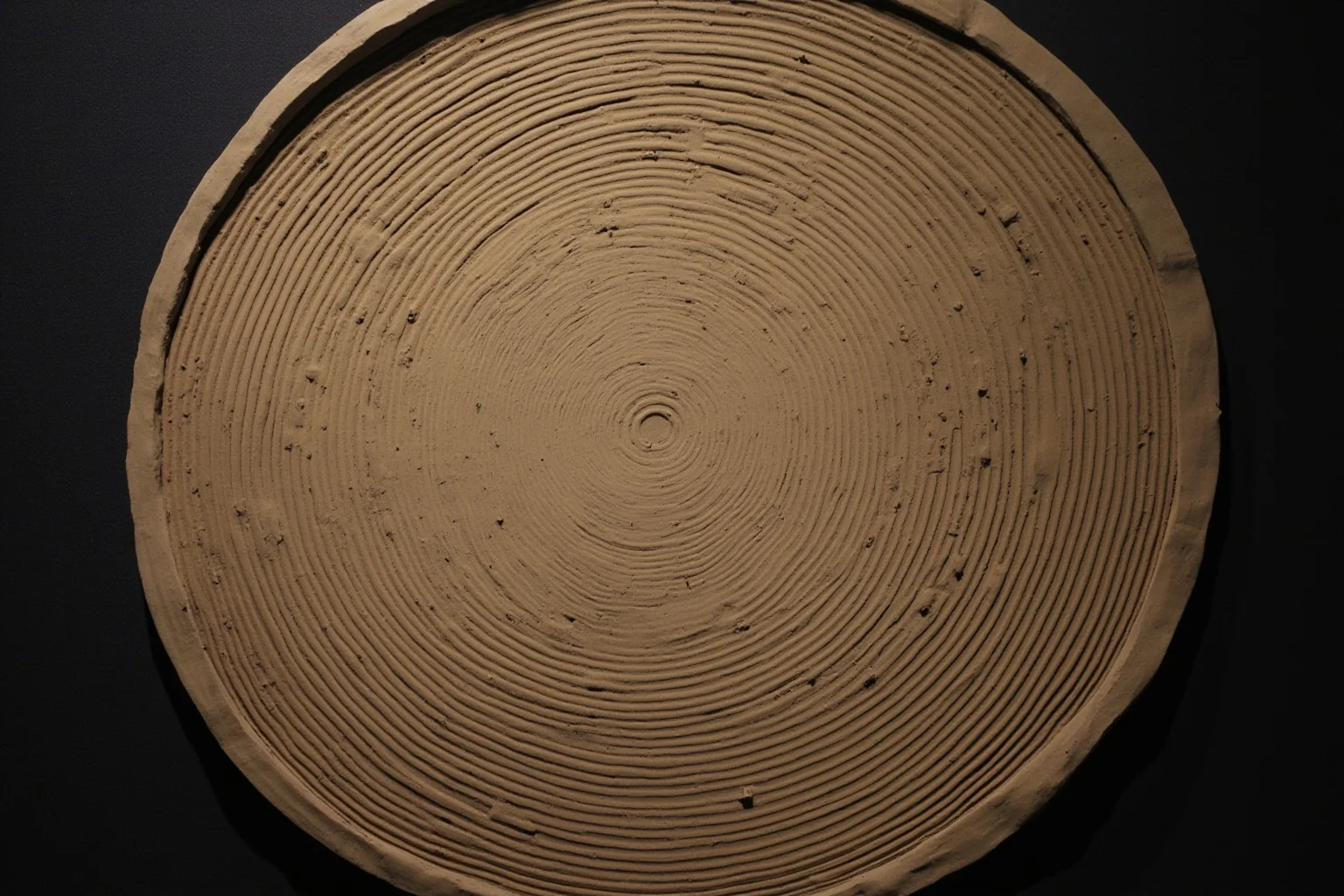
The Phaistos Disc is a fired clay tablet about 15 centimetres across, stamped with 241 symbols arranged in a spiral. It was found in a Minoan palace context on Crete and is usually dated to around 1700 BCE.
About 45 distinct signs appear, stamped with individual punches rather than incised by hand, which makes the object unique in Aegean archaeology. No parallel script has ever been found, and the text is too short for standard statistical decipherment.
Proposals range from a prayer to a list of place names to a board game, and it has even been called a modern forgery, though that claim has little support.
12. The Indus Script
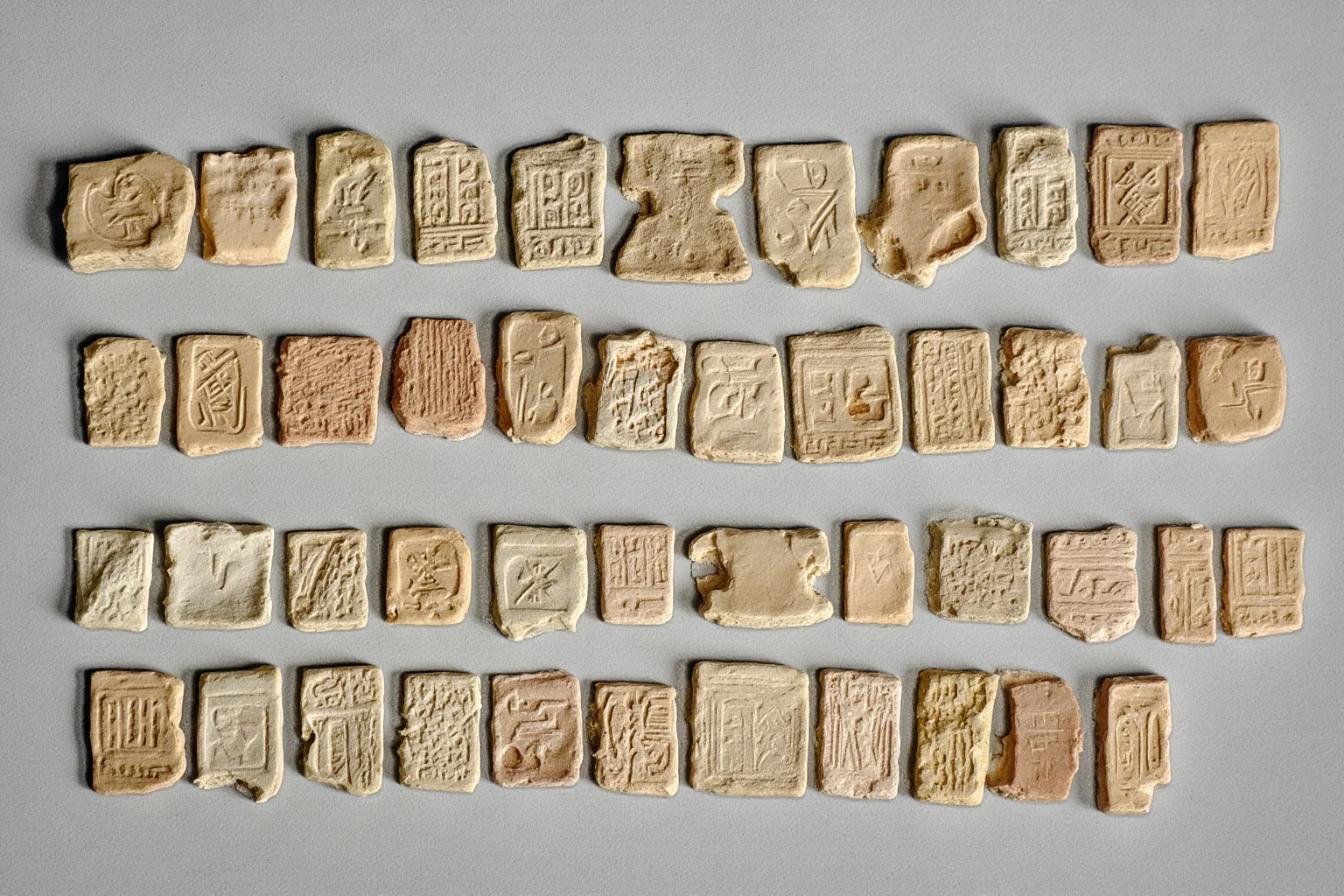
The Indus Valley Civilization left behind thousands of seals and tablets bearing short strings of signs, mostly four or five characters long. The script has resisted every decipherment attempt since the 1920s.
The core problem is length: with texts this short, there's almost no context for statistical work. Some scholars question whether the symbols encode a full language at all, or whether they function more like emblems and accounting marks.
Without a bilingual inscription or a much longer text, the Indus script is likely to stay unread. That means we may never know what its people called themselves.
13. The Hanging Gardens of Babylon
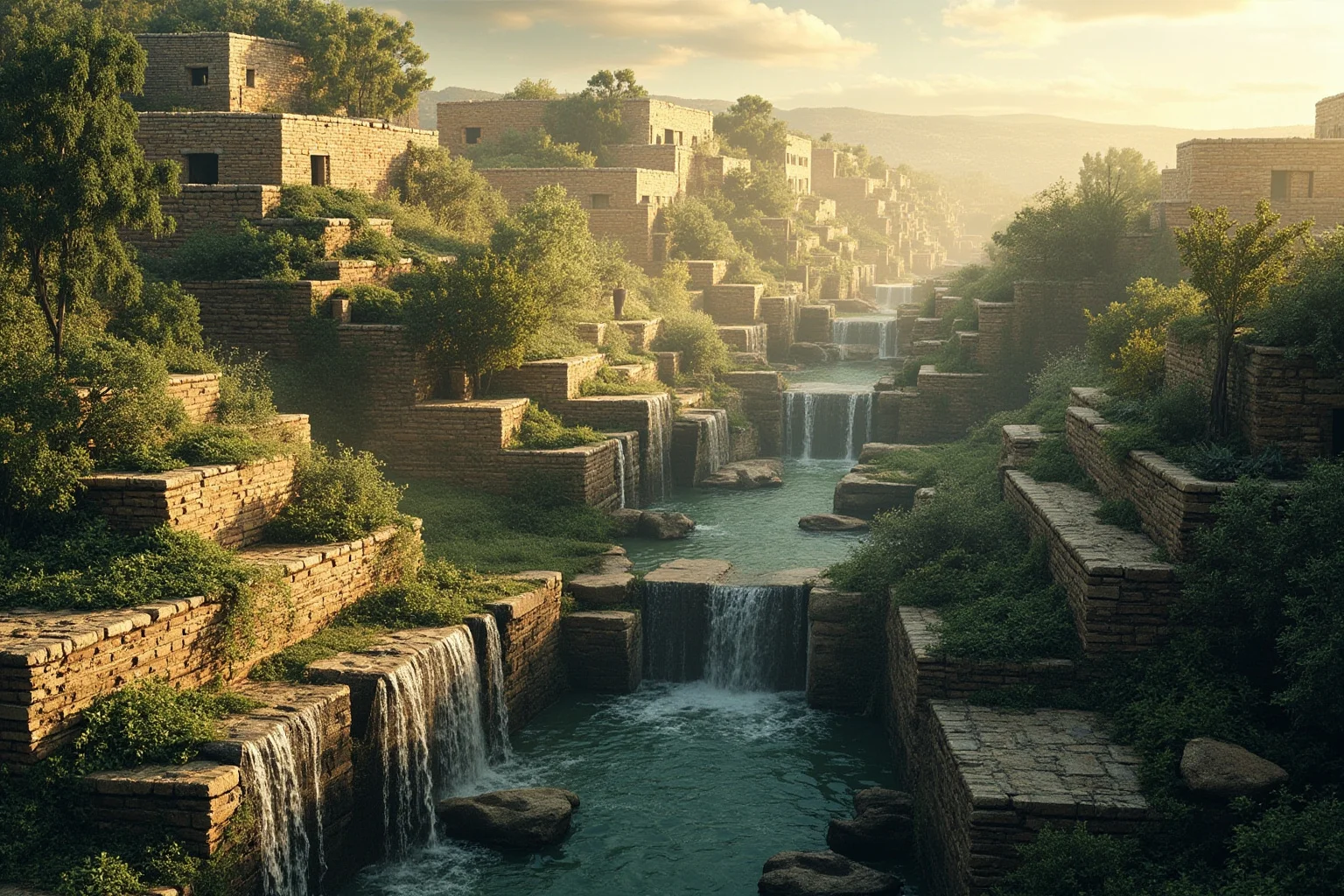
The Hanging Gardens are one of the Seven Wonders of the Ancient World, yet no Babylonian text mentions them and no archaeological trace has been found at Babylon. That contradiction has bothered historians for over a century.
Assyriologist Stephanie Dalley has argued the gardens were actually built at Nineveh by the Assyrian king Sennacherib and later attributed to Babylon by Greek writers. Others maintain they existed at Babylon but were destroyed and obscured by later construction.
Either way, the familiar picture of terraced gardens watered by screws may be more legend than record.
14. The Sea Peoples
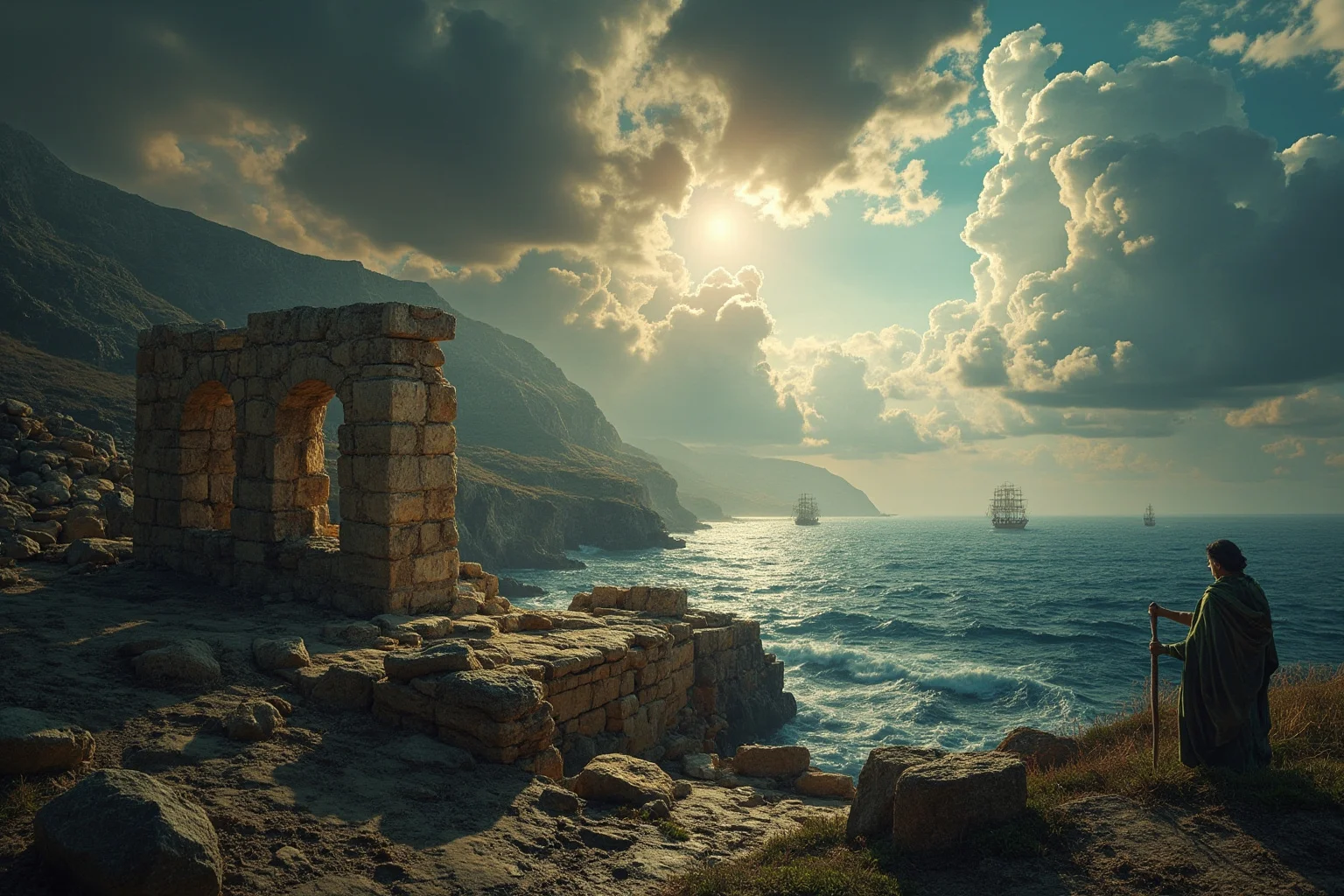
Around 1200 BCE, a wave of destructions toppled kingdoms across the eastern Mediterranean, from the Hittite empire to Mycenaean Greece. Egyptian inscriptions describe attackers arriving from the sea, and the modern label "Sea Peoples" was coined for them.
Who they were, where they came from, and whether they caused the collapse or exploited it are all disputed. Proposed origins include the Aegean, Anatolia, Cyprus, and Sicily, and some scholars argue the label lumps together very different groups.
The Philistines are often connected to them, and genetic studies of Philistine burials have added evidence of Aegean migration. The wider collapse, however, remains one of the biggest puzzles of the Bronze Age.
15. The Somerton Man
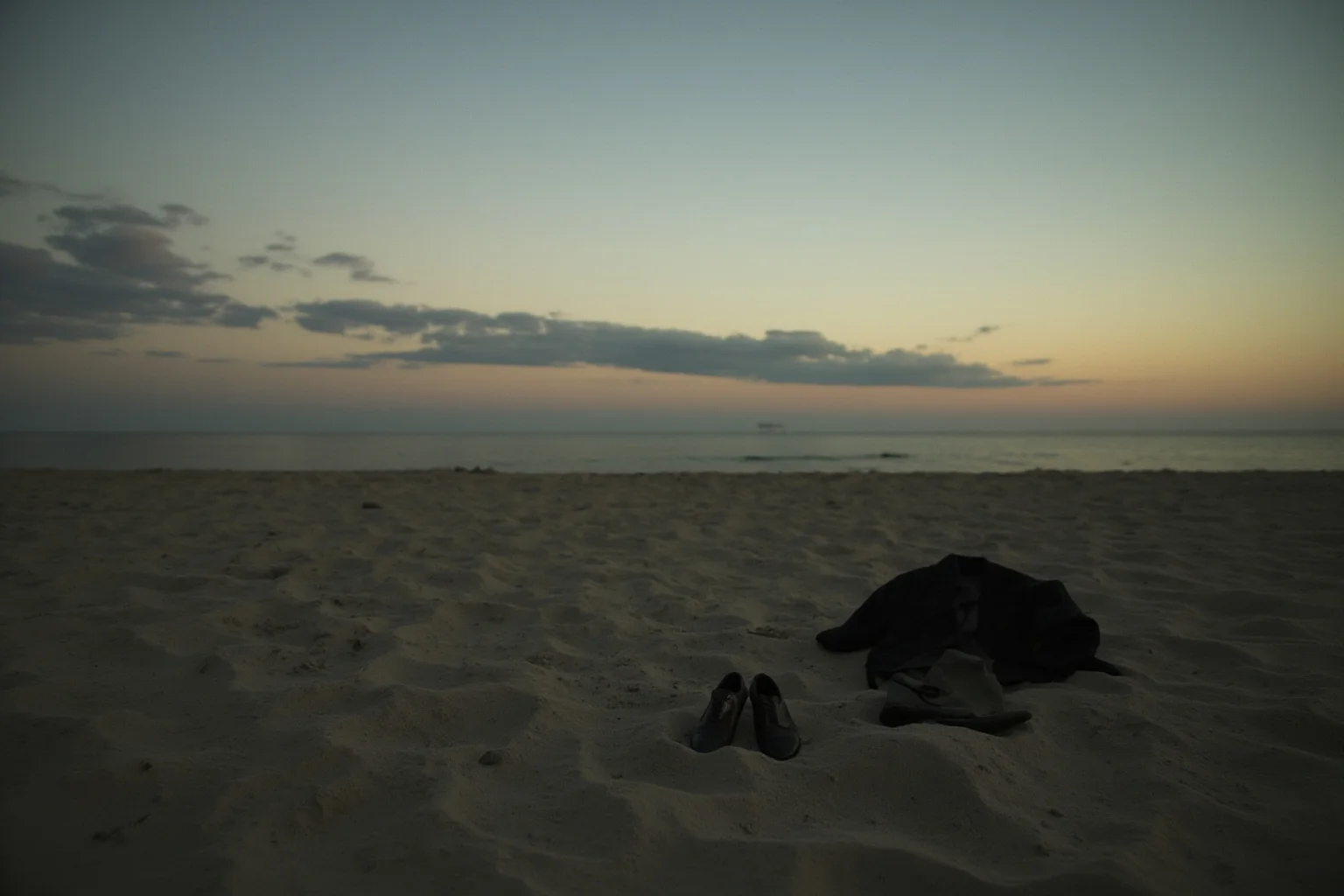
In December 1948, a well-dressed man was found dead on Somerton Beach near Adelaide, South Australia. He carried no identification and had a scrap of paper reading "Tamám Shud" — Persian for "it is ended" — torn from a copy of the Rubaiyat of Omar Khayyam.
A page of apparent code was found in a related book, and the case produced decades of theorising about espionage and secret identities. In 2022, researchers working with genealogists announced an identification as Carl "Charles" Webb, a Melbourne electrical engineer, and South Australian police confirmed the match.
Some researchers still question details, and how Webb died is unknown. The name is settled far more firmly than the story.
16. The Beale Ciphers
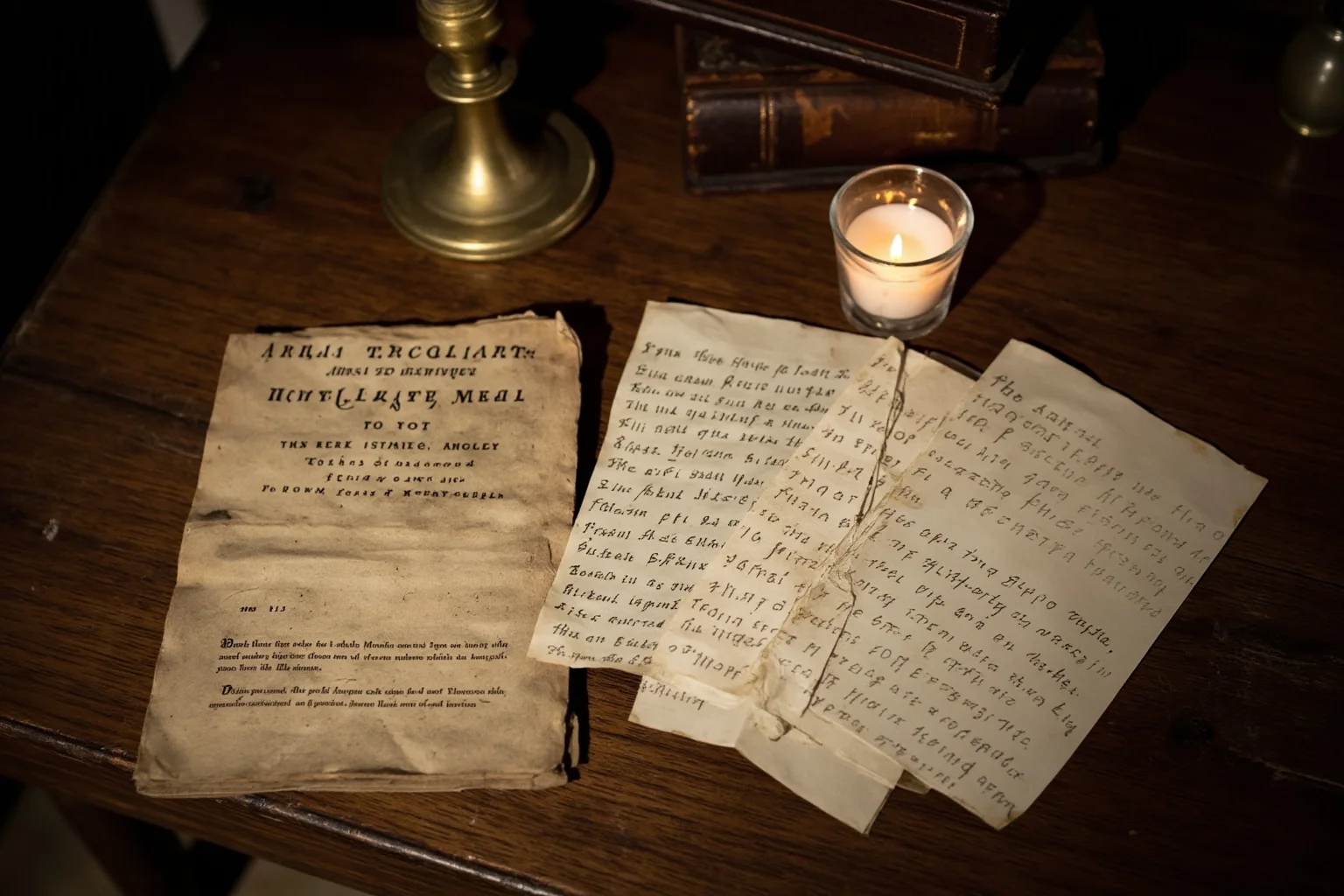
In 1885, a pamphlet claimed that a man named Thomas J. Beale had buried treasure in Virginia and left three encrypted documents describing its location. One cipher, keyed to the Declaration of Independence, was said to have been solved.
If the solved cipher is genuine, it describes a hoard of gold, silver, and jewels. But no documentary evidence of Beale's existence has ever been found, and the two remaining ciphers have defeated every attempt.
Most researchers now treat the whole thing as a 19th-century hoax, though the possibility of a real unsolved cipher keeps treasure hunters interested.
17. The Dancing Plague of 1518
In July 1518, a woman in Strasbourg began dancing in the street and kept going for days. Within weeks, dozens and possibly hundreds of people had joined her, dancing until some collapsed or, according to contemporary accounts, died.
Explanations include ergot poisoning from contaminated rye, though ergotism usually causes convulsions rather than sustained dancing. The more widely accepted view is mass psychogenic illness triggered by stress, famine, and religious fervour in a city already braced for apocalypse.
No single cause has been proven, and similar outbreaks elsewhere in medieval Europe are documented well enough to rule out simple invention.
18. The Green Children of Woolpit

Twelfth-century writers William of Newburgh and Ralph of Coggeshall recorded the story of two children found near Woolpit in Suffolk, reportedly with green skin and speaking an unknown language. The boy died; the girl is said to have learned English and lived on.
The tale has been read as folklore, as an account of Flemish immigrants after a period of famine, or as a case of a rare medical condition. The likeliest explanation is that it is a literary moral tale rather than a report of real events.
What makes it interesting is that it survives in two roughly independent chronicles, which is unusual for a folk story of the period.
19. Stonehenge
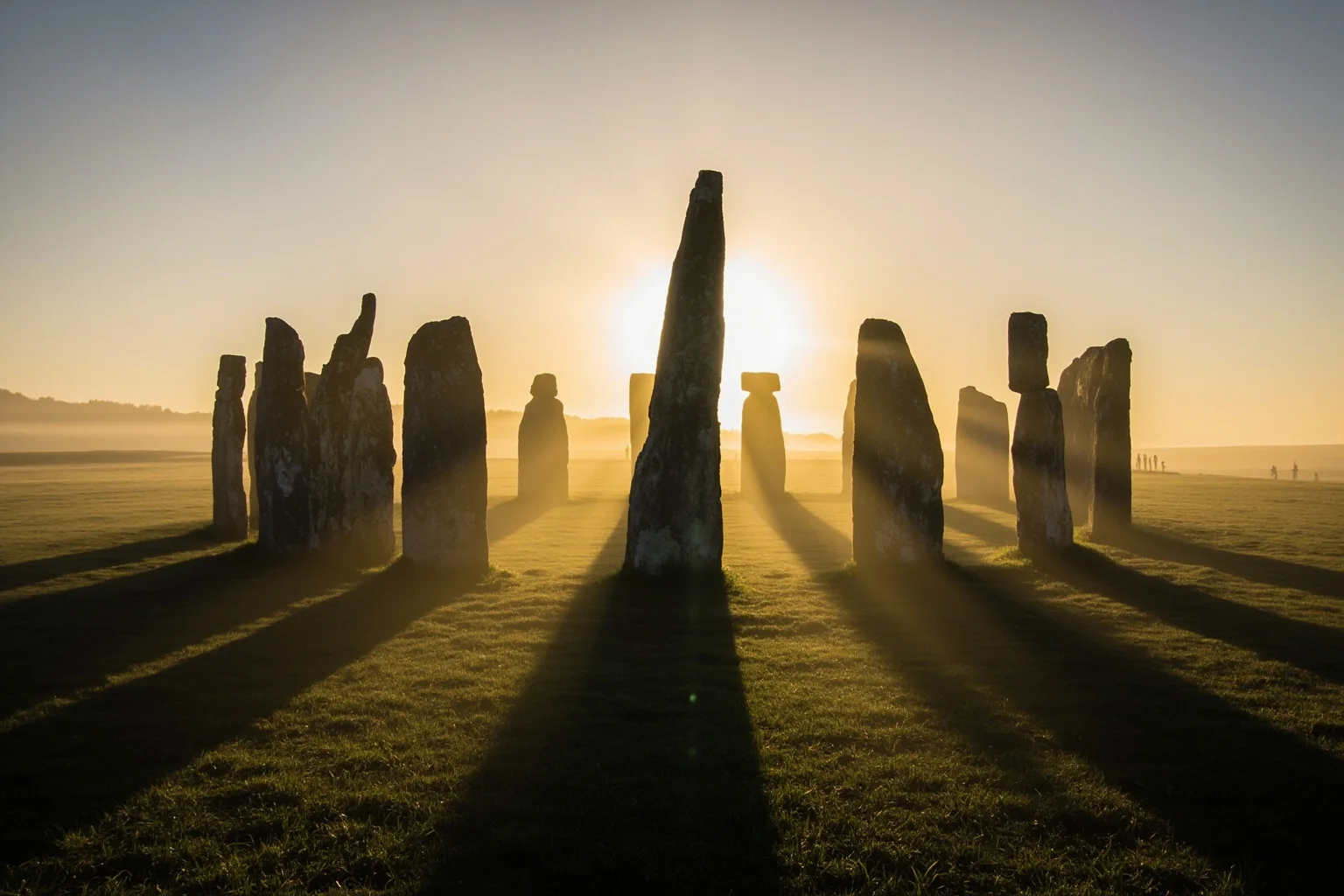
Stonehenge's sarsens were hauled from the Marlborough Downs, and its smaller bluestones from the Preseli Hills of west Wales, roughly 250 kilometres away. The monument was built and rebuilt over centuries, from around 3000 to 1600 BCE.
The solstice alignment is real and well established, and the site holds burials and evidence of feasting. But whether it was primarily a cemetery, a calendar, a healing centre, or a place of assembly is still debated.
How the bluestones were moved remains contested too, with land-and-raft routes and glacial transport both argued. New evidence keeps arriving, which is why Stonehenge remains one of the great historical mysteries still under active study.
20. The Nazca Lines
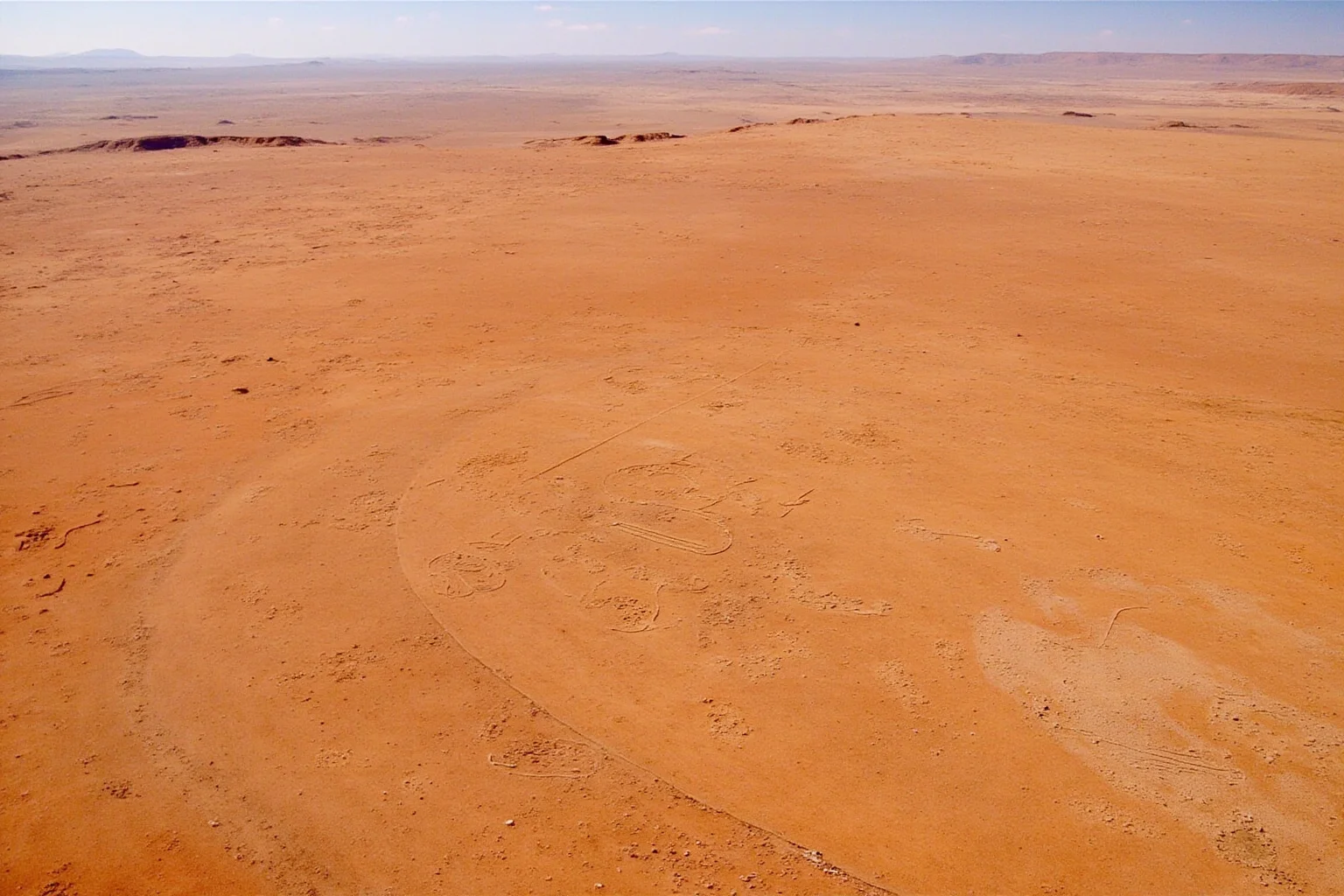
The Nazca Lines are geoglyphs etched into the desert floor of southern Peru, created between roughly 500 BCE and 500 CE. Many are best appreciated from above, which fuelled decades of speculation about ancient aircraft.
Researchers now generally link them to water and fertility rituals, since the lines often connect to underground water sources and were made by removing dark stones to reveal lighter ground beneath. In 2024, a survey using aerial imagery and machine learning reported hundreds of newly identified figures, including humanoid and animal shapes.
The purpose of individual lines is still argued over, but the extraterrestrial explanation has no archaeological support whatsoever.
The Mysteries That Are Mostly Myth
Not every famous mystery is genuinely open. The Bermuda Triangle, for example, has been investigated repeatedly, and analyses of shipping and aircraft loss rates in the region have found nothing unusual once traffic volume is taken into account.
Oak Island's "Money Pit" has been dug at since 1795 without a single verified treasure find, and its story rests on claims that cannot be checked. Both cases show how a compelling narrative can outrun the evidence.
That distinction matters. Scepticism doesn't make the genuinely unsolved cases less interesting — it makes them clearer.
Why These Unsolved Mysteries Still Matter
The greatest mysteries of history aren't just entertainment. They mark the edges of what evidence can support, and they show how much of the past was never recorded in the first place.
Each one is also a live research problem. Genealogists, archaeologists, and imaging specialists are still working on the Somerton Man, the Antikythera wreck, and Stonehenge, and genuine breakthroughs do happen.
Some of these cases will eventually close, and others may sit unresolved for another century. For now, they remain a useful reminder that history is a reconstruction, not a transcript.
Frequently Asked Questions
What are the greatest mysteries of history?
The greatest mysteries of history tend to share one trait: the surviving evidence is too thin to settle the question. Standouts include the Voynich Manuscript, the lost Roanoke Colony, the Princes in the Tower, the Antikythera Mechanism, Cleopatra's tomb, and the Indus script. Each has real documentation and serious scholarship behind it, but no conclusive answer.
Which unsolved historical mysteries are most likely to be solved soon?
The Princes in the Tower could move quickly if DNA testing on the 1674 skeletons is ever approved. The Antikythera shipwreck is still yielding new artifacts and inscriptions, and underwater searches for Amelia Earhart's Electra continue with improving technology. The Somerton Man's identification in 2022 also shows how genetic genealogy can crack cases that looked hopeless.
Was the Bermuda Triangle ever a real mystery?
No convincing evidence supports it. Analyses of loss rates in the region, including work citing Coast Guard and insurance records, have found nothing unusual once the heavy traffic through the area is accounted for. The legend grew largely from sensational writing in the 1960s and 1970s rather than from data.
Why can’t historians decipher the Voynich Manuscript?
There is no bilingual key, no confirmed source, and no known author. The text is also short enough that statistical methods struggle, and some researchers argue it may not be a real language at all. Without a Rosetta Stone equivalent, even strong theories stay unproven.
Did the Ninth Legion really disappear in Scotland?
Almost certainly not in the way popular accounts claim. Legio IX vanishes from surviving records in the early second century, which is common for legions, and inscriptions hint at a transfer to the eastern empire. The massacre-in-Caledonia story is largely a modern literary invention rather than a historical record.
Are any of these 20 greatest mysteries in history actually hoaxes?
A few are widely regarded as hoaxes by specialists. The Beale Ciphers have no documentary trace of the man behind them, and Oak Island's Money Pit has produced no verified treasure in more than two centuries of digging. Others, like the Voynich Manuscript and the Phaistos Disc, have been accused of forgery but are generally accepted as genuine objects.

Alex Warren
Related Articles