Crowns are supposed to last a lifetime. Yet across almost two thousand years of recorded history, kings, queens, emperors, and sultans have handed power back and walked away from the throne. Their reasons range from faith and family to revolution, war weariness, and a genuine dislike of the job.
Below are 29 of the most consequential and colourful examples, ordered roughly by date. Along the way we'll separate real abdications from the legal fictions that often get mistaken for them.
TL;DR: Abdication is rarer and messier than the fairy-tale version suggests — most monarchs who gave up the throne did so under duress, and only a handful ever chose the timing freely.
What 'Abdicating' Actually Means
In strict terms, abdicating means renouncing a throne you already hold. The word comes from the Latin abdicare, meaning to renounce or disown, and it once applied to disowning a child or resigning a public office as much as to giving up a crown. The departing monarch is sometimes called the abdicatee — an awkward label for someone on the giving end of the transaction.
The key word is voluntary, and that is where history gets slippery. Plenty of monarchs signed abdication papers with an army already camped outside the palace, or after a parliament had decided the outcome for them. Others never signed anything at all and were simply declared to have abdicated by a government that needed a legal shortcut.
Abdication vs. Deposition: Why the Distinction Matters
If a monarch lost the throne by force with no say in the matter, historians usually call it a deposition, a coup, or a revolution rather than an abdication. The line between the two is often blurred on purpose, because abdication sounds tidier than overthrow. A resignation implies a functioning system; a deposition implies that the system broke.
Governments have long preferred the word abdication because it lets a new regime claim continuity. If the king resigned, the successor inherits a legitimate crown; if the king was thrown out, the successor inherits a clean slate but also a question mark. That quiet legal convenience explains several of the strangest entries on this list.
1. Diocletian: The Emperor Who Retired to Grow Cabbages (305 CE)
Diocletian reorganised the Roman Empire into a four-man college of rulers, then did something almost no emperor had done voluntarily: on 1 May 305 he resigned. He retired to an enormous fortified palace at Split on the Dalmatian coast, where he spent his final years in something close to domestic peace.
Later Roman writers claim he told visitors that the cabbages he grew with his own hands were so satisfying that nothing could tempt him back to power. Treat that line as a story rather than a transcript, but the retirement itself is solidly documented. He died at Split in 311 or 312, having outlived most of his political rivals.
2. Richard II: The King Who 'Voluntarily' Resigned (1399)
Richard II was taken prisoner in 1399 by his cousin Henry Bolingbroke, and on 29 September he read out a resignation of his crown. Parliament accepted it the following day and named Henry king, giving England its first formal abdication on record.
The word voluntary does heavy lifting here, since Richard was a captive at the time. He died at Pontefract Castle in early 1400, almost certainly murdered, though the exact method is still debated. His case set a precedent: English law could now replace a king without admitting he had been overthrown.
3. Charles V: The Emperor Who Abdicated in Stages (1555–56)
Charles V ruled Spain, the Netherlands, much of Italy, and the Holy Roman Empire, and by his forties he was visibly exhausted. Rather than resign everything at once, he handed over his territories in a sequence of ceremonies running from October 1555 into 1556.
He gave the Netherlands to his son Philip, then the Spanish kingdoms, and finally the imperial title to his brother Ferdinand. He retired to the monastery at Yuste in Spain and died there in 1558. His piecemeal exit is a reminder that abdication can be a process rather than a single moment.
4. Mary, Queen of Scots: Forced Off the Throne (1567)
Mary Stuart was imprisoned at Lochleven Castle after her forces were defeated at Carberry Hill in June 1567. On 24 July she signed a deed of abdication in favour of her one-year-old son, who became James VI of Scotland.
She escaped the following year, raised an army, lost again, and fled to England seeking Elizabeth I's protection. She never regained her throne and was executed in 1587. Her abdication is a textbook case of a document extracted from a captive monarch.
5. Christina of Sweden: The Queen Who Wanted Out (1654)

Christina inherited the Swedish throne as a child and ruled with real authority for a decade before deciding she wanted a different life. She abdicated on 6 June 1654 in favour of her cousin Charles Gustav, left Sweden, and publicly converted to Catholicism at Innsbruck.
Her conversion was a scandal in a firmly Protestant kingdom, and her departure removed a political headache for the nobility. She spent decades in Rome as a patron of the arts and later tried, unsuccessfully, to reclaim influence in Sweden. She is one of the few monarchs here who genuinely chose the timing of her own exit.
6. James II: The Abdication That Never Happened (1688)

James II fled London in December 1688 as William of Orange advanced, and he never signed an abdication. A Convention Parliament simply resolved in January 1689 that he had abdicated the government and that the throne was vacant, which allowed William and Mary to take over legally.
James, from exile, insisted he remained the rightful king, and Jacobite supporters agreed for the next sixty years. This is the clearest example of abdication as legal fiction: the word was chosen for political convenience, not because the king had resigned anything.
7. Napoleon I: Two Abdications in Two Years (1814, 1815)
Napoleon abdicated twice in very different circumstances. On 6 April 1814, after the coalition armies entered Paris, he renounced the throne for himself and his heirs and was sent to Elba; less than a year later he was back in France.
After Waterloo he abdicated again on 22 June 1815, this time in favour of his young son, who was never recognised and never reigned. Napoleon spent his final years on Saint Helena. His second abdication proves that a resignation only works when the other side accepts it.
8. Charles X: A Conditional Abdication That Failed (1830)
After the July Revolution of 1830, Charles X abdicated on 2 August in favour of his grandson, the Duke of Bordeaux, on the condition that his cousin Louis-Philippe serve as regent. The Chamber of Deputies ignored the arrangement and offered the throne to Louis-Philippe directly.
Charles had reigned for six years and left for exile in Britain, then Austria, where he died in 1836. His abdication technically created a king who never ruled, which is why historians treat 1830 as a dynastic replacement rather than a clean succession.
9. Pedro I of Brazil: The Emperor Who Went Home (1831)
Pedro I declared Brazil independent from Portugal in 1822 and became its first emperor, but his Portuguese birth and authoritarian style made him unpopular. On 7 April 1831 he abdicated in favour of his five-year-old son, Pedro II, and sailed for Portugal.
He spent his remaining years fighting to restore his daughter Maria II to the Portuguese throne, and died in Lisbon in 1834. His son, meanwhile, grew up to rule Brazil for nearly half a century. Few abdications have reshaped two continents at once.
10. Ferdinand I of Austria: The Emperor Who Stepped Aside (1848)
During the revolutions of 1848, the Habsburg court concluded that Ferdinand was not equal to the crisis. On 2 December 1848 he abdicated in favour of his eighteen-year-old nephew Franz Joseph, who went on to reign for sixty-eight years.
Ferdinand retired to Prague Castle, where he lived quietly until 1875. Contemporary accounts describe him as relieved rather than bitter, and the transfer was engineered largely by the court and Prince Schwarzenberg. That makes it a dynastic decision dressed up as a personal one.
11. Ludwig I of Bavaria: Art, Scandal, and Abdication (1848)
Ludwig I spent lavishly on Munich's architecture and art collections, but his affair with the dancer Lola Montez infuriated both the church and the public. Facing protests in March 1848, he abdicated on 20 March in favour of his son Maximilian II.
He lived another twenty years as a private patron, and Munich's Ludwigstrasse and Glyptothek remain his monuments. His case shows that sustained popular anger can end a reign without a revolutionary army in the streets.
12. Louis-Philippe: The Bourgeois King Bows Out (1848)
Louis-Philippe, who had taken the throne in 1830, abdicated on 24 February 1848 as revolution swept Paris. He named his grandson as successor, but the Chamber refused to recognise the boy and the Second Republic was proclaimed within days.
The former king fled to Britain under a false name and died in Surrey in 1850. His abdication was so poorly executed that it effectively ended the Orléanist monarchy rather than saving it.
13. Isabella II of Spain: Deposed First, Abdicated Later (1870)
Isabella II was overthrown in the Glorious Revolution of 1868 and fled to France, but she did not formally abdicate until 25 June 1870, when she renounced her rights in favour of her son Alfonso XII. The gap of nearly two years is telling.
Her abdication was a dynastic manoeuvre aimed at making her son acceptable to Spanish politicians, not a response to a single dramatic moment. Alfonso eventually took the throne in 1874, after a republic and a short-lived foreign king had both failed.
14. Amadeo I: The King Nobody Wanted (1873)

Amadeo of Savoy was invited to rule Spain in 1870 after the throne was left vacant, and he lasted barely two years. On 11 February 1873 he abdicated, declaring that Spain was ungovernable and that he had tired of being treated as an outsider.
His departure was followed within hours by the proclamation of the First Spanish Republic. Amadeo returned to Italy and lived out his life in Turin. He is the rare abdicatee who resigned not to hand power to an heir, but because there was no workable monarchy left to run.
15. Puyi: The Last Emperor of China (1912)
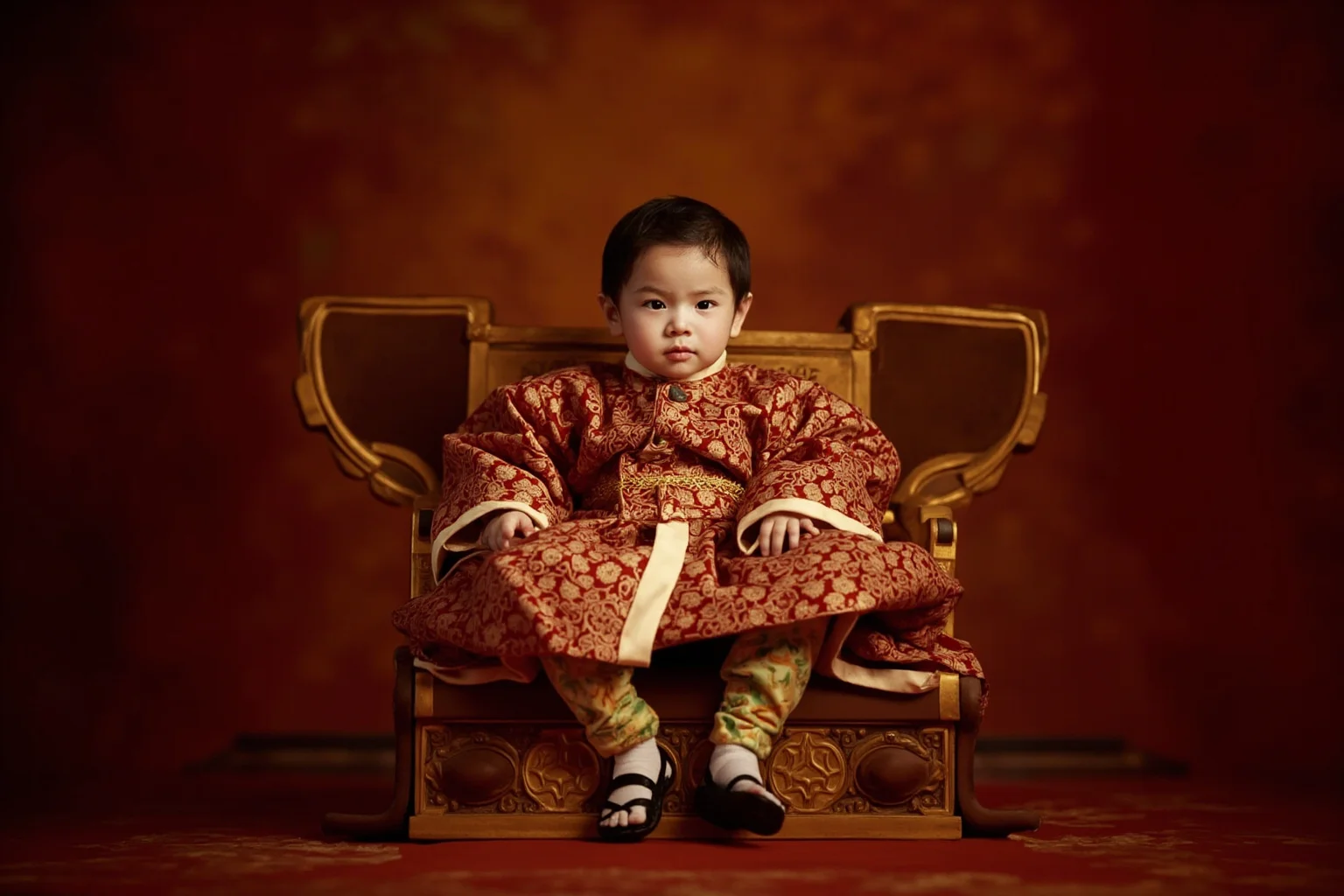
Puyi was six years old when the Qing dynasty ended. On 12 February 1912, an edict issued in his name and negotiated largely by the strongman Yuan Shikai abdicated the throne, and China became a republic.
Under the deal, Puyi kept his title and stayed in the Forbidden City for another twelve years. He later became the puppet emperor of Japanese-controlled Manchukuo, was captured by Soviet forces in 1945, and ended his life as an ordinary citizen in Beijing. No abdication on this list had stranger aftershocks.
16. Nicholas II: The Czar Who Gave Up the Throne (1917)
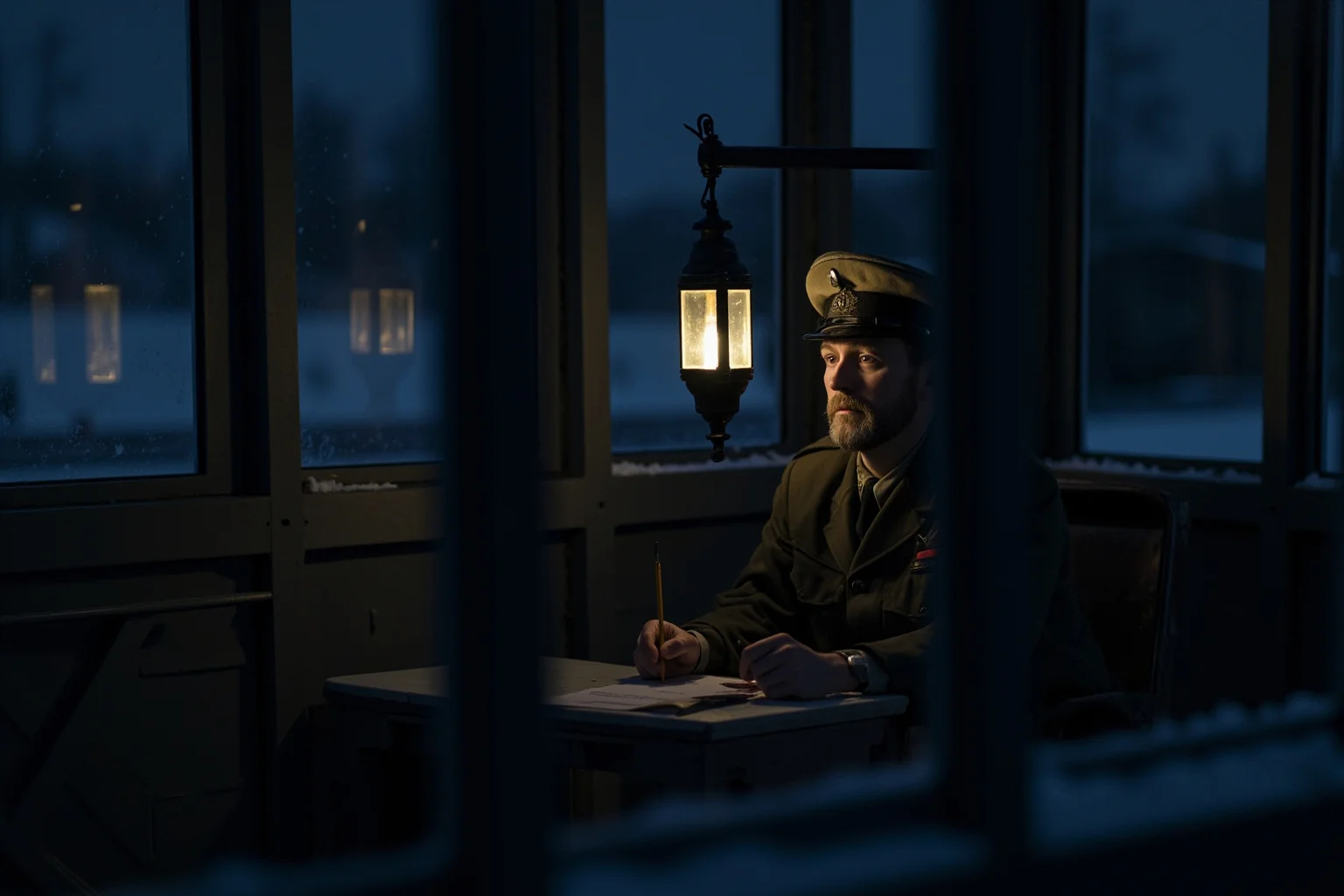
Nicholas II abdicated on 2 March 1917 by the old Russian calendar, which is 15 March in the modern Gregorian calendar. He did so at a railway siding in Pskov, after the February Revolution had already stripped away the loyalty of his army and his capital.
The manifesto renounced the throne for himself and his son Alexei in favour of his brother, Grand Duke Michael, who declined the next day. The Russian monarchy effectively ended there, and Nicholas, his wife, and their five children were executed by the Bolsheviks in July 1918. Historians still debate the precise legal weight of the document, which was signed in pencil.
17. Wilhelm II: The Kaiser's Reluctant Exit (1918)

Wilhelm II did not sign an abdication on the day he lost his throne. On 9 November 1918, with revolution spreading and the army gone, Chancellor Max von Baden announced the Kaiser's abdication without full authorisation, and Wilhelm fled to the Netherlands the next day.
He formally renounced the throne on 28 November 1918 at Amerongen and never set foot in Germany again. He lived there in comfortable exile until 1941, and his exit left the Weimar Republic with a monarchy that had never been cleanly abolished.
18. Prajadhipok of Siam: A Constitution Ends the Absolute Monarchy (1935)

Siam's 1932 revolution replaced absolute monarchy with a constitutional system, and King Prajadhipok spent the next few years in an uneasy power-sharing arrangement. In 1935, while abroad for medical treatment, he abdicated on 2 March after failing to secure terms he considered acceptable.
His ten-year-old nephew Ananda Mahidol succeeded him, though real power lay with the military and civilian government. Prajadhipok died in England in 1941. His abdication marked the quiet end of a very old absolutist system rather than a dramatic collapse.
19. Edward VIII: The King Who Chose Love (1936)
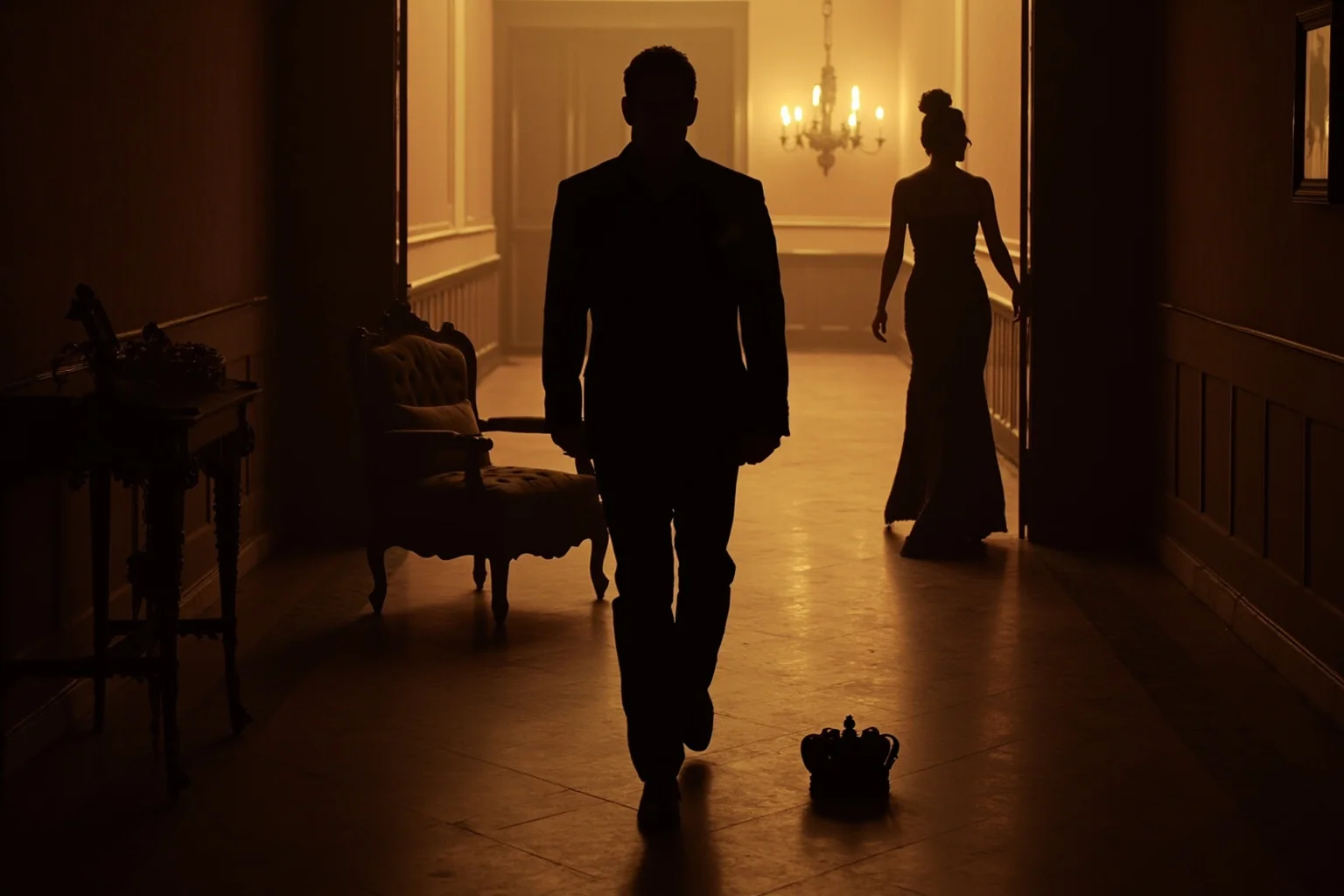
Edward VIII became king in January 1936 and abdicated eleven months later, on 11 December, because he wanted to marry the American divorcée Wallis Simpson. The British government, the dominion governments, and the Church of England all opposed the match.
He was never crowned, making him the shortest-reigning British monarch by choice rather than death. He became the Duke of Windsor, married Wallis in 1937, and spent the rest of his life far from real power. His abdication is the one most people name first, and the only one here driven primarily by a marriage.
20. Reza Shah Pahlavi: A Wartime Abdication (1941)
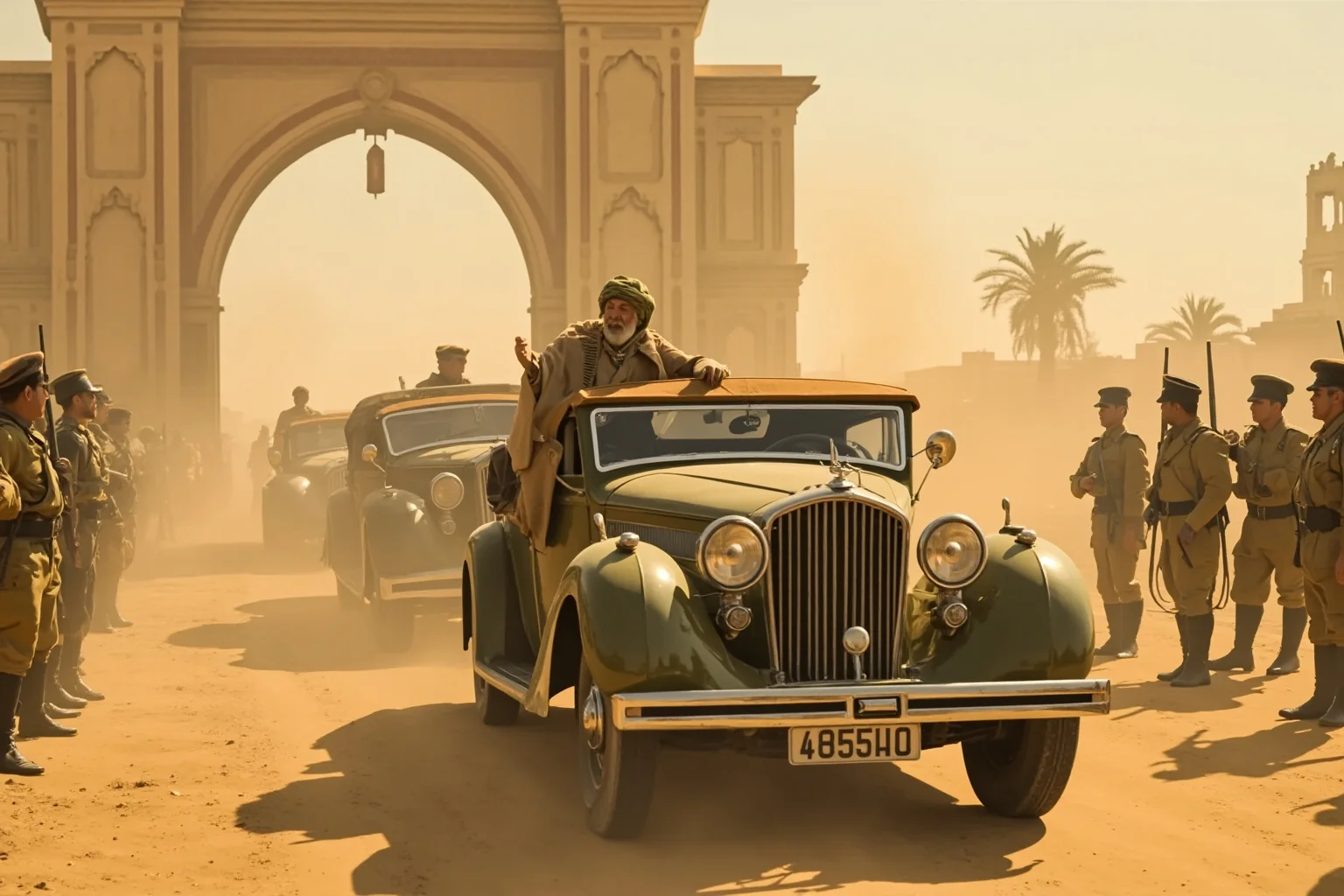
After Britain and the Soviet Union invaded Iran in August 1941, they pressured Reza Shah to step down because of his perceived Axis sympathies. He abdicated on 16 September 1941 in favour of his son, Mohammad Reza Pahlavi, and left the country.
He died in exile in Johannesburg in 1944. His son ruled until the 1979 revolution, which means this abdication bought the dynasty another thirty-eight years. It is also a clear case of abdication as a face-saving device imposed from outside.
21. Bao Dai: The Emperor Who Handed Over the Seal (1945)
Bao Dai, the last emperor of Vietnam, abdicated on 25 August 1945 in favour of the Viet Minh's provisional government, handing over the imperial seal and sword. He hoped the gesture would help unify the country against French colonial rule.
Instead, he spent the next decade as a political figurehead, serving as Chief of State from 1949 until 1955. A referendum engineered by Ngo Dinh Diem removed him, and he lived out his later life in France. His abdication was idealistic in intent and quickly overtaken by events.
22. Michael I of Romania: A Gun-Barrel Abdication (1947)
Michael first reigned as a child, was displaced by his father in 1930, then returned in 1940 and helped topple the pro-Nazi regime in 1944. On 30 December 1947, with communist forces in control, he was forced to abdicate under threat.
He lived in exile for decades, working as a test pilot and later a businessman, and did not return to Romania until the 1990s. He died in 2017. His case is a reminder that the word abdication can conceal a straightforward coup.
23. Wilhelmina of the Netherlands: A Deliberate Handover (1948)
Wilhelmina reigned for almost fifty-eight years, including a wartime government-in-exile in London, and abdicated on 4 September 1948 in favour of her daughter Juliana. She cited exhaustion and the need for a new generation to lead post-war reconstruction.
She was the first of three consecutive Dutch queens to abdicate, a pattern that has made abdication almost routine in the Netherlands. Juliana stepped down in 1980 and Beatrix in 2013. Few monarchies have normalised resignation so thoroughly.
24. Leopold III of Belgium: The Royal Question (1951)
Leopold's decision to surrender to the Germans in 1940, and his controversial wartime conduct, created a political crisis that dominated Belgium for years. After a 1950 referendum and violent strikes, he abdicated on 16 July 1951 in favour of his son Baudouin.
He had been unable to return to his own country for six years, and his exit was the price of ending the standoff. Belgium's monarchy survived, but the episode showed how quickly a modern constitutional monarch can become a liability.
25. Farouk I of Egypt: The Playboy King Departs (1952)
Farouk abdicated on 26 July 1952, three days after the Free Officers' coup led by Muhammad Naguib and Gamal Abdel Nasser. He signed under pressure in favour of his infant son, Fuad II, and sailed into exile.
Fuad II was king for less than a year before the monarchy was abolished in 1953. Farouk died in Rome in 1965. His abdication was essentially an exit visa dressed in royal language.
26. Norodom Sihanouk: The King Who Abdicated Twice (1955 and 2004)
Sihanouk abdicated in March 1955 in favour of his father so that he could enter politics directly, then dominated Cambodian public life for decades as prime minister, head of state, and king again from 1993. In October 2004 he abdicated a second time, citing age and health, and his son Sihamoni succeeded him.
Very few monarchs have given up a throne twice, and fewer still have used abdication as a tool of political reinvention. His career is a standing warning against assuming that abdication means retirement.
27. Beatrix of the Netherlands: A Scheduled Farewell (2013)
Beatrix abdicated on 30 April 2013 after thirty-three years on the throne, in favour of her son Willem-Alexander. The handover was a public celebration rather than a crisis, and it continued the Dutch tradition established by Wilhelmina and Juliana.
Her decision was widely expected, which is exactly what makes it notable. In a handful of countries, abdication has become an ordinary instrument of succession rather than a scandal.
28. Juan Carlos I of Spain: Scandals and a Slow Goodbye (2014)

Juan Carlos oversaw Spain's transition to democracy after 1975, but a series of scandals in his later years damaged the monarchy badly. He abdicated on 19 June 2014 in favour of his son Felipe VI.
Investigations into his finances in Switzerland were closed in 2022 and Spanish probes were shelved, but the damage to his reputation lingered, and he moved to the United Arab Emirates in 2020. His abdication was less a single dramatic break than an attempt to rescue an institution by changing its face.
29. Akihito: Japan's First Abdication in Two Centuries (2019)
Akihito abdicated on 30 April 2019, becoming the first Japanese emperor to step down since Emperor Kōkaku in 1817. He had signalled for years that his age and health would make it difficult to carry out his ceremonial duties.
The transition to his son Naruhito was meticulously planned, with the new era name Reiwa beginning the following day. Japan had to pass special legislation to permit the abdication at all, because the modern imperial law did not anticipate one.
Why Monarchs Abdicate: The Patterns Behind the Crown
Read enough abdication stories and a few patterns emerge. War, revolution, and foreign pressure account for the clear majority, from Wilhelm II to Reza Shah to Bao Dai. Personal conviction — faith, love, or simple exhaustion — explains most of the rest.
Very few monarchs on this list stepped down with their power intact and their institutions stable. Even the Dutch and Japanese cases, which look calm on the surface, were carefully engineered transitions rather than spontaneous decisions.
The Legal Fiction Problem
Parliaments and revolutionaries often needed a legal mechanism more than a genuine resignation, which is why so many abdications are documents rather than events. England in 1689, France in 1830 and 1848, and Germany in 1918 all produced arrangements where the outgoing monarch's signature mattered less than the incoming government's claim.
Historians have learned to read the fine print. Whether a monarch abdicated for himself, for his heirs, or for both changes the entire succession, as Nicholas II's case showed when his renunciation on behalf of his son raised fresh questions about who actually had a claim.
What Abdication Leaves Behind
Abdication rarely solves the problem it is meant to solve. Sometimes it saves a dynasty, as in the Netherlands or Japan; sometimes it merely opens a door, as in France in 1830 or Russia in 1917.
What makes abdication so compelling is that it turns an abstract political crisis into a human decision. A monarch signs, walks out, and becomes a private person, and the state has to decide what to do with the space left behind.
Frequently Asked Questions
When did Czar Nicholas abdicate the throne?
Nicholas II abdicated on 2 March 1917 under the old Russian calendar, which corresponds to 15 March 1917 in the Gregorian calendar used today. He signed the document at a railway siding in Pskov in favour of his brother, Grand Duke Michael, who declined the throne the following day.
Was Diocletian the first monarch to abdicate?
Diocletian's abdication in 305 CE is the earliest well-documented voluntary abdication of a Roman emperor, but he was almost certainly not the first ruler in history to step down. Earlier kings and chieftains across many cultures likely gave up power, though the surviving records are too thin to prove it.
Did Edward VIII have to abdicate, or did he choose to?
He chose to, given the constraints of the time. The British government and the dominion governments refused to accept a marriage to Wallis Simpson, a divorced American, and he signed the Instrument of Abdication on 10 December 1936 rather than give her up.
What is the difference between abdication and deposition?
Abdication is a voluntary renunciation of the throne, while deposition is removal by force or legal action against the monarch's will. In practice the two often blur, because governments frequently described an overthrow as an abdication to make the succession look legitimate.
Which monarchs have abdicated most recently?
Japan's Emperor Akihito abdicated on 30 April 2019, the first Japanese emperor to do so since 1817. Before him, Spain's Juan Carlos I abdicated in 2014 and the Netherlands' Beatrix in 2013, and Denmark's Margrethe II announced in her 2023 New Year address that she would step down in January 2024.
Has a monarch ever abdicated and then returned to the throne?
Yes, though it is rare. Napoleon abdicated in 1814 and returned to power in 1815 for the Hundred Days, while Cambodia's Norodom Sihanouk gave up the throne in 1955 and was reinstated as king in 1993. Christina of Sweden tried to regain influence after her abdication but never reclaimed the crown.
Has any British monarch abdicated besides Edward VIII?
Edward VIII is the only British monarch to abdicate voluntarily, in 1936. Richard II was forced to resign the crown in 1399 while imprisoned, and James II was declared to have abdicated by Parliament in 1689 even though he never signed anything.

Alex Warren
Related Articles