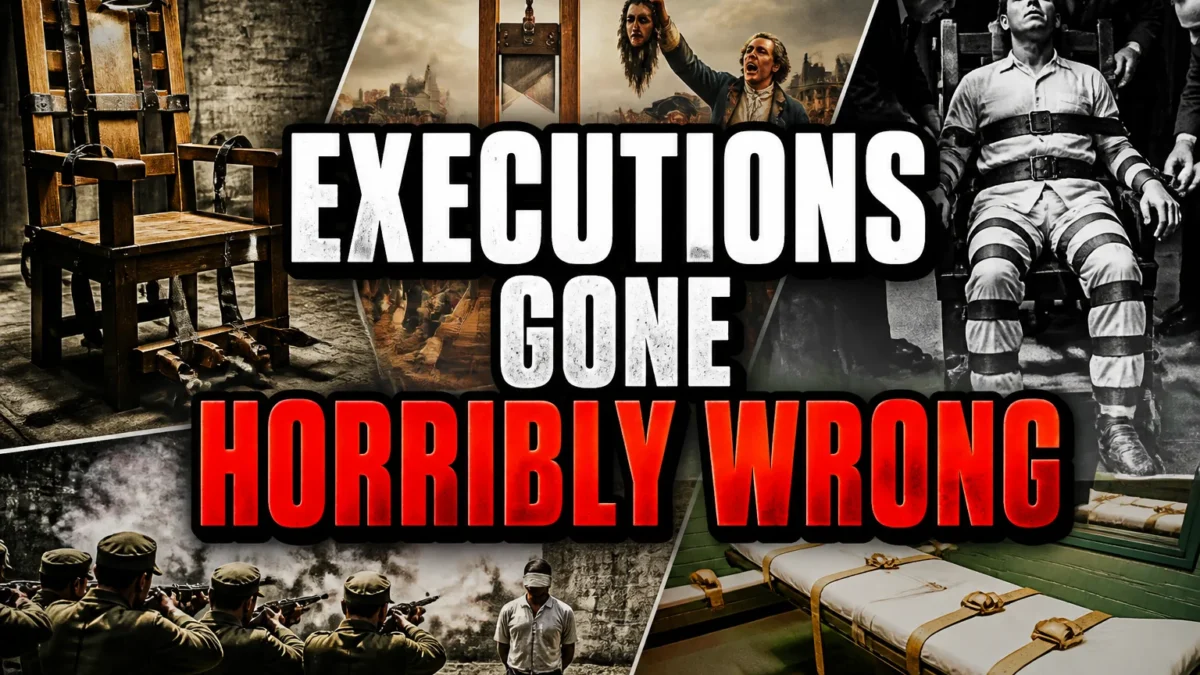
The axe comes down. It misses. The crowd gasps, the executioner swings again, and what was meant to be a swift act of justice becomes something far messier.
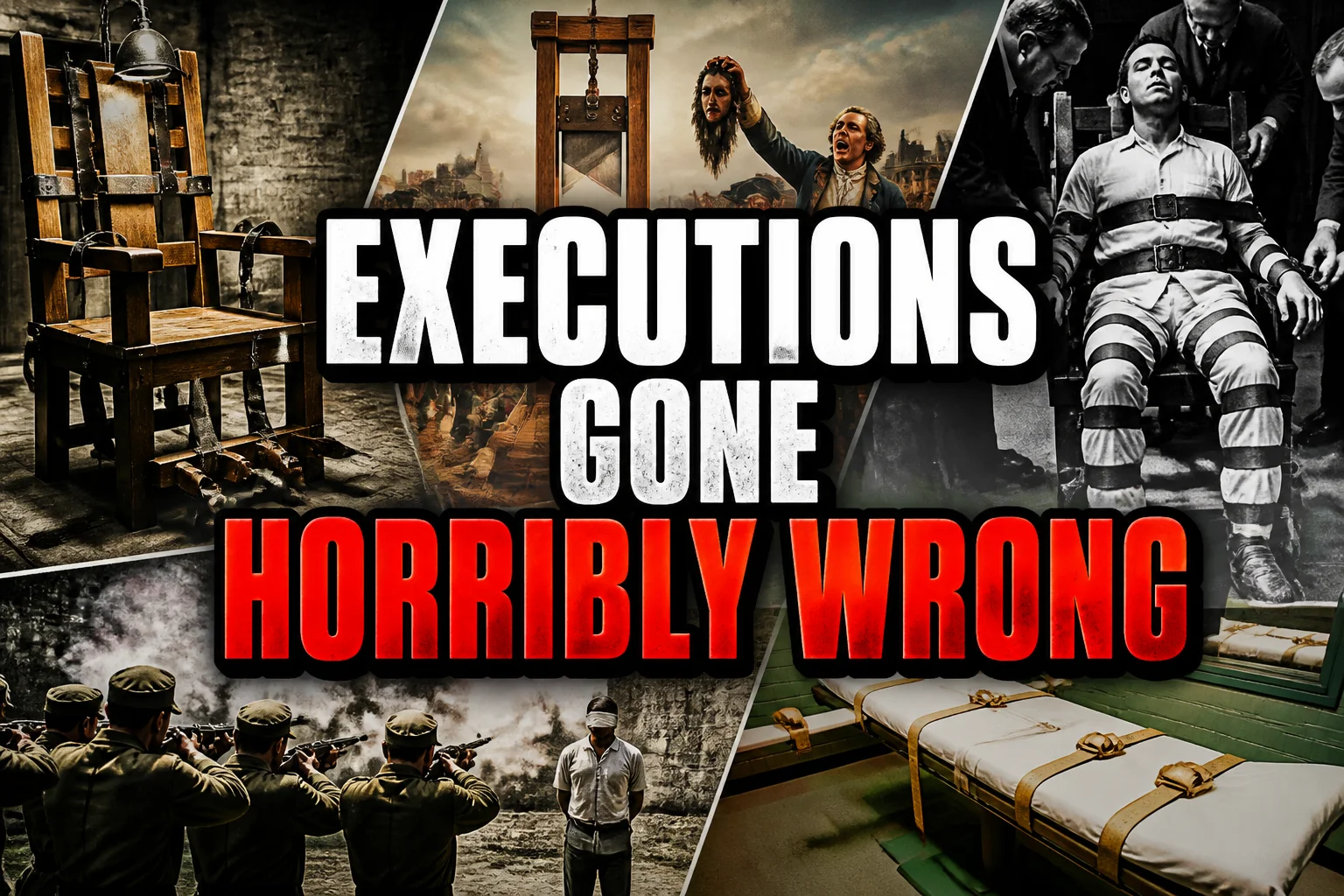
History is full of these moments. From Tudor scaffolds to modern death chambers, executions gone wrong have horrified witnesses, embarrassed governments, and occasionally changed the law. This list covers 28 of the best-documented cases, separating what we can verify from the myths that have grown up around them.
TL;DR: Botched executions — from mis-aimed axes to failed lethal injections — have occurred in every era of capital punishment, and they have repeatedly forced governments to rethink how they kill.
What Are Botched Executions, Exactly?
Not every execution that goes wrong is officially counted as botched, and the definition matters. Researchers generally use the term for executions where the procedure deviates from protocol: it takes unusually long, requires multiple attempts, causes visible suffering, or fails to kill.
That definition is broader than it sounds. A hanging that takes 20 minutes because the drop was too short still counts as a botched execution, even though the prisoner eventually dies, and a lethal injection abandoned because the team cannot find a vein is botched before a single drug is administered.
The phrase also covers machinery failures — a jammed guillotine blade, an electric chair that delivers too little current, a trapdoor that will not open. What it rarely covers is the question of whether the punishment was just in the first place — a separate argument that has occupied philosophers for centuries.
Beheadings That Took More Than One Blow
Beheading looks simple and is not. It requires a sharp blade, a still target, and an executioner who knows exactly where to aim — three things that were frequently missing from the scaffolds of Europe.
1. Mary, Queen of Scots: Three Strokes at Fotheringhay
Mary Stuart, later regarded by English Catholics as a martyr, was beheaded at Fotheringhay Castle on 8 February 1587, and the eyewitness account of Robert Wynkfield records what happened next. The executioner's first blow struck the back of her head rather than her neck, and the second failed to sever the remaining tissue. Only a third stroke finished the job.
Then came the detail that has haunted the story ever since. When the executioner lifted the head by the hair, he found himself holding a wig, and Mary's grey hair fell loose as the head dropped. Her small dog was discovered hiding in her skirts and had to be carried away from the block.
2. Margaret Pole: A Noblewoman and an Amateur Axeman
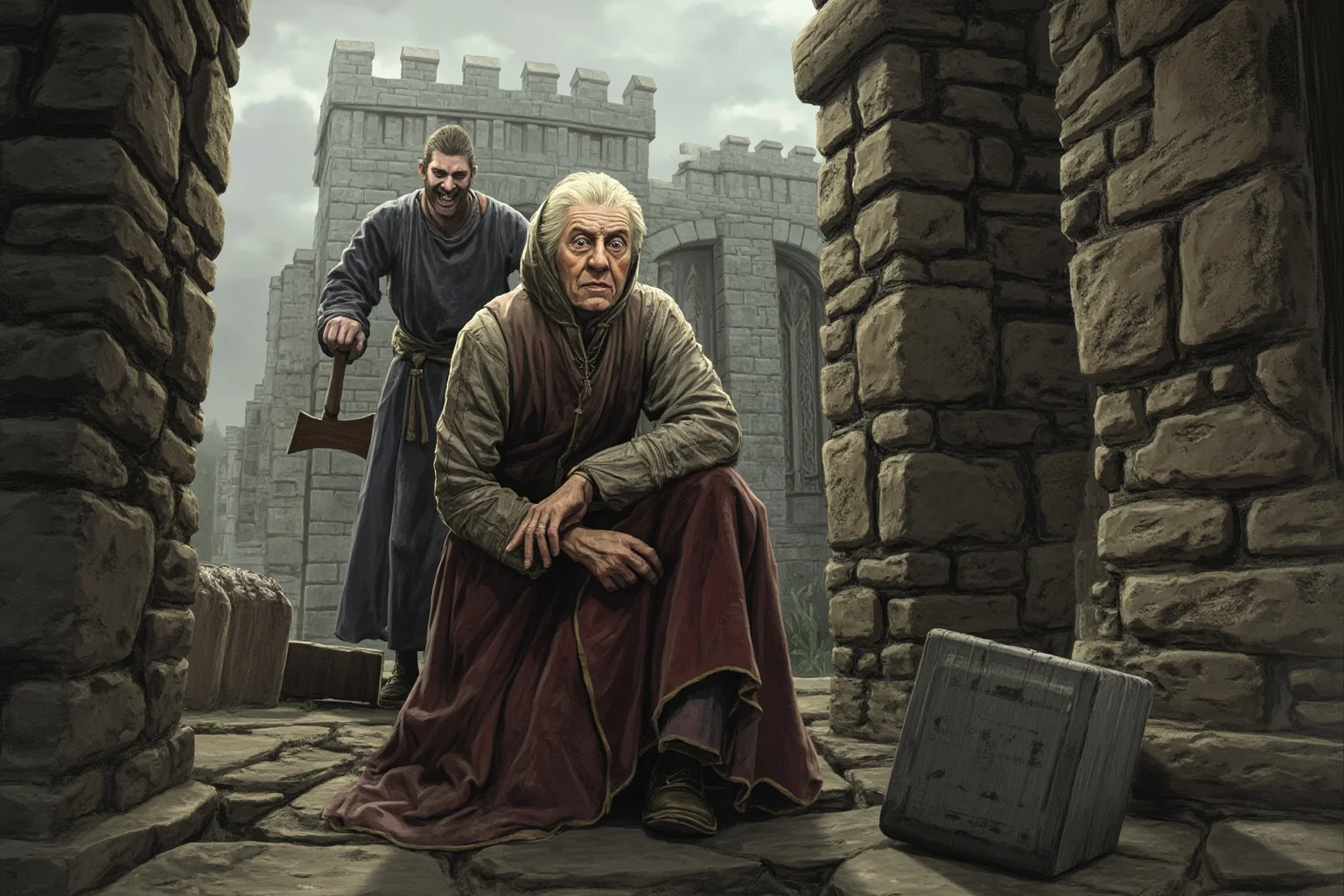
Margaret Pole, Countess of Salisbury, was 67 when she was executed in the Tower of London on 27 May 1541; she is venerated as a martyr by English Catholics. The story goes that she refused to lay her neck on the block and that a young, inexperienced executioner struck at her as she moved.
The number of blows is genuinely disputed — some accounts say five, others claim as many as eleven — and the most vivid version comes from sources hostile to Henry VIII. What is not in doubt is that an elderly noblewoman was killed by an amateur, making this one of the Tudors' most notorious death penalty failures.
3. Robert Devereux, Earl of Essex: A Rehearsal That Didn't Help
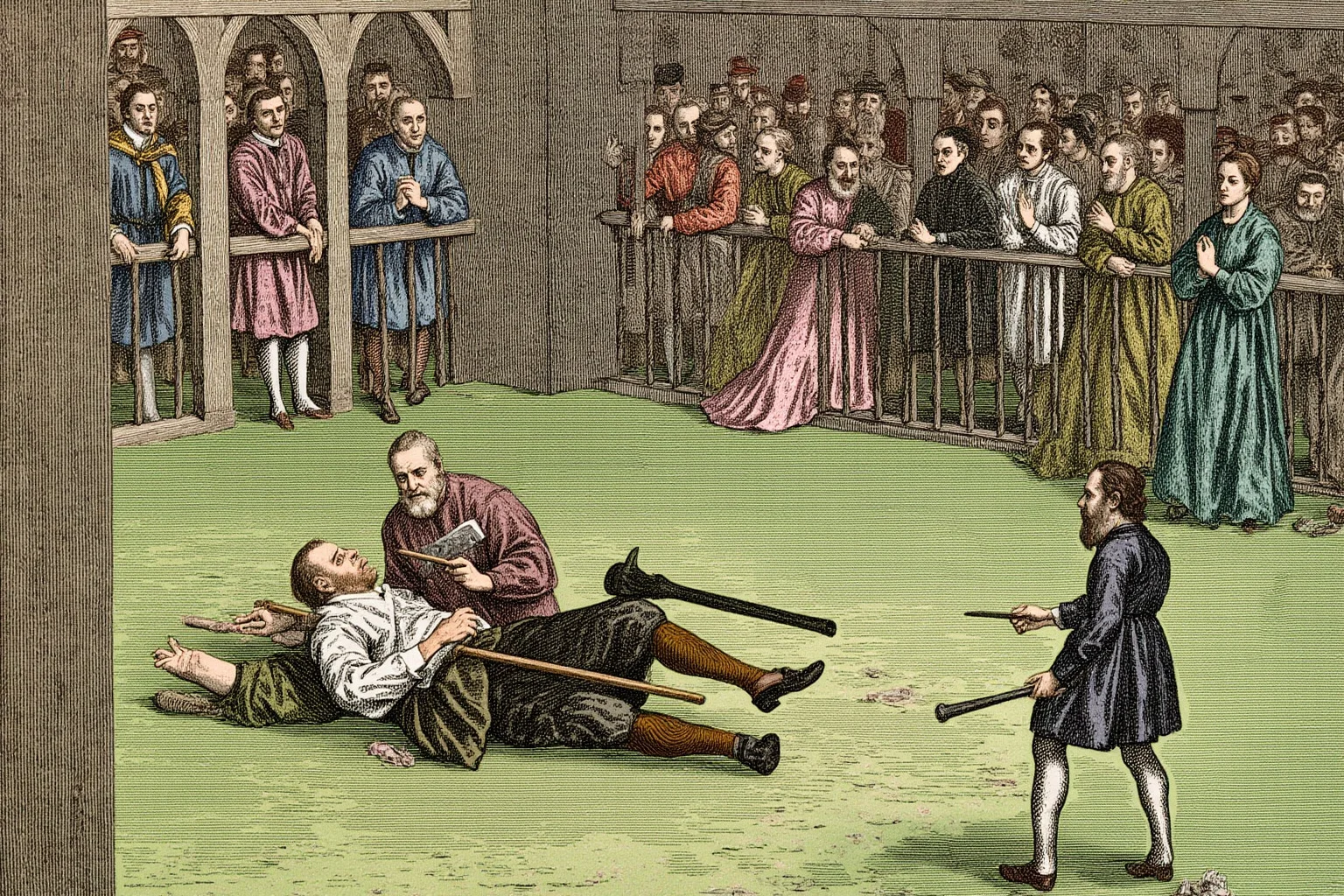
Robert Devereux, Earl of Essex, was executed on Tower Green on 25 February 1601 after his failed rebellion against Elizabeth I. He reportedly practised laying his head on the block beforehand, but the rehearsal did not help: the axe needed three strokes to separate his head.
Contemporary observers noted that the executioner seemed nervous and that the first blow only wounded him. Essex's death is often left out of lists of executions gone wrong, but it belongs there — a botched beheading at the very heart of the English court.
4. Jack Ketch and the Duke of Monmouth: The Hangman's Bad Day
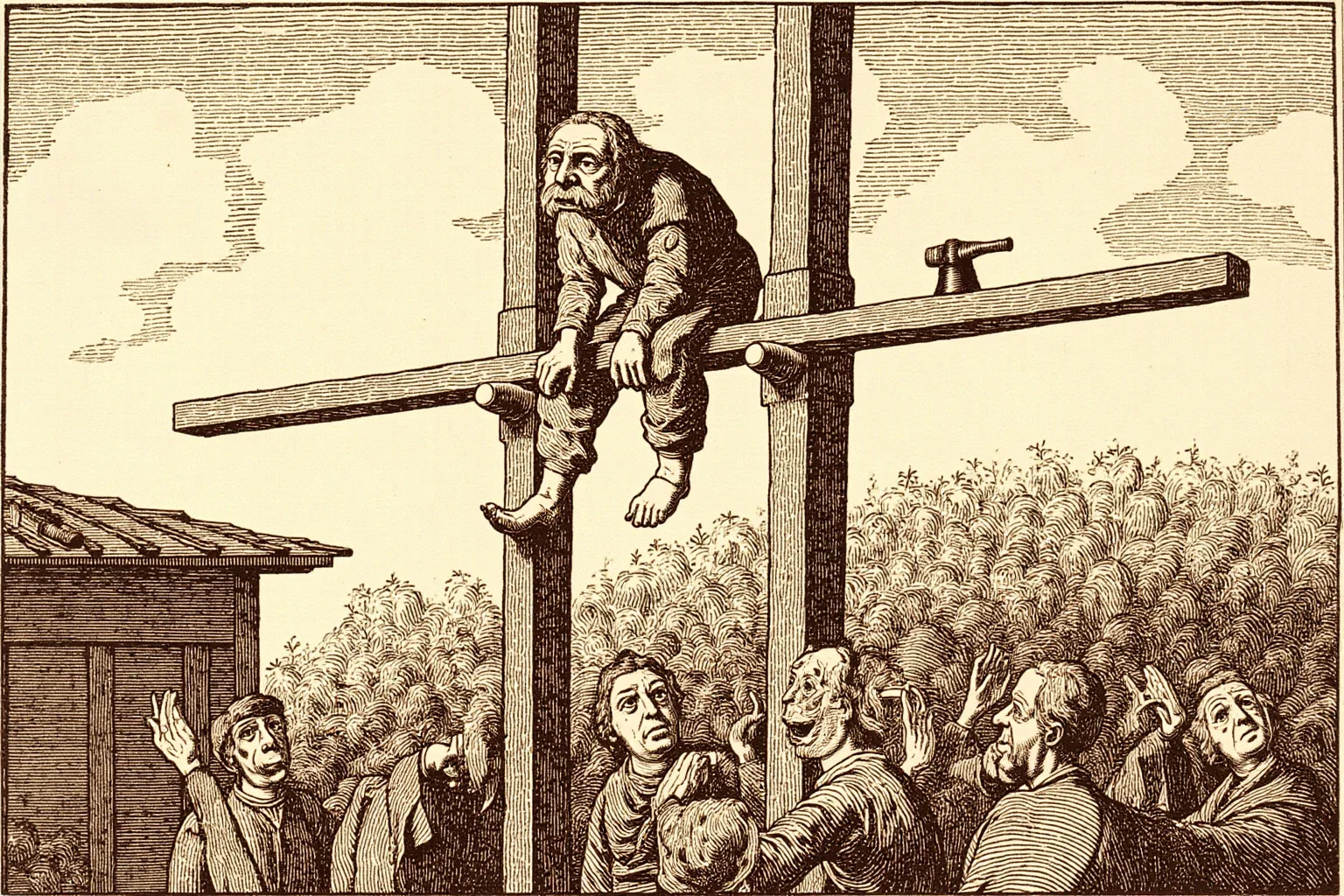
Jack Ketch was England's most infamous executioner, and his 1685 beheading of the Duke of Monmouth became the textbook example of a job poorly executed. Monmouth had even tipped him in advance, but Ketch was reportedly rattled by the hostile crowd and struck repeatedly without finishing the work.
Contemporary accounts disagree on the exact number — five blows, six, or more — and describe Ketch eventually using a knife to complete the beheading. Two years earlier he had also made a mess of Lord Russell's execution, which is why his name became rhyming slang for death.
5. Lord Lovat: The Last Beheading in Britain
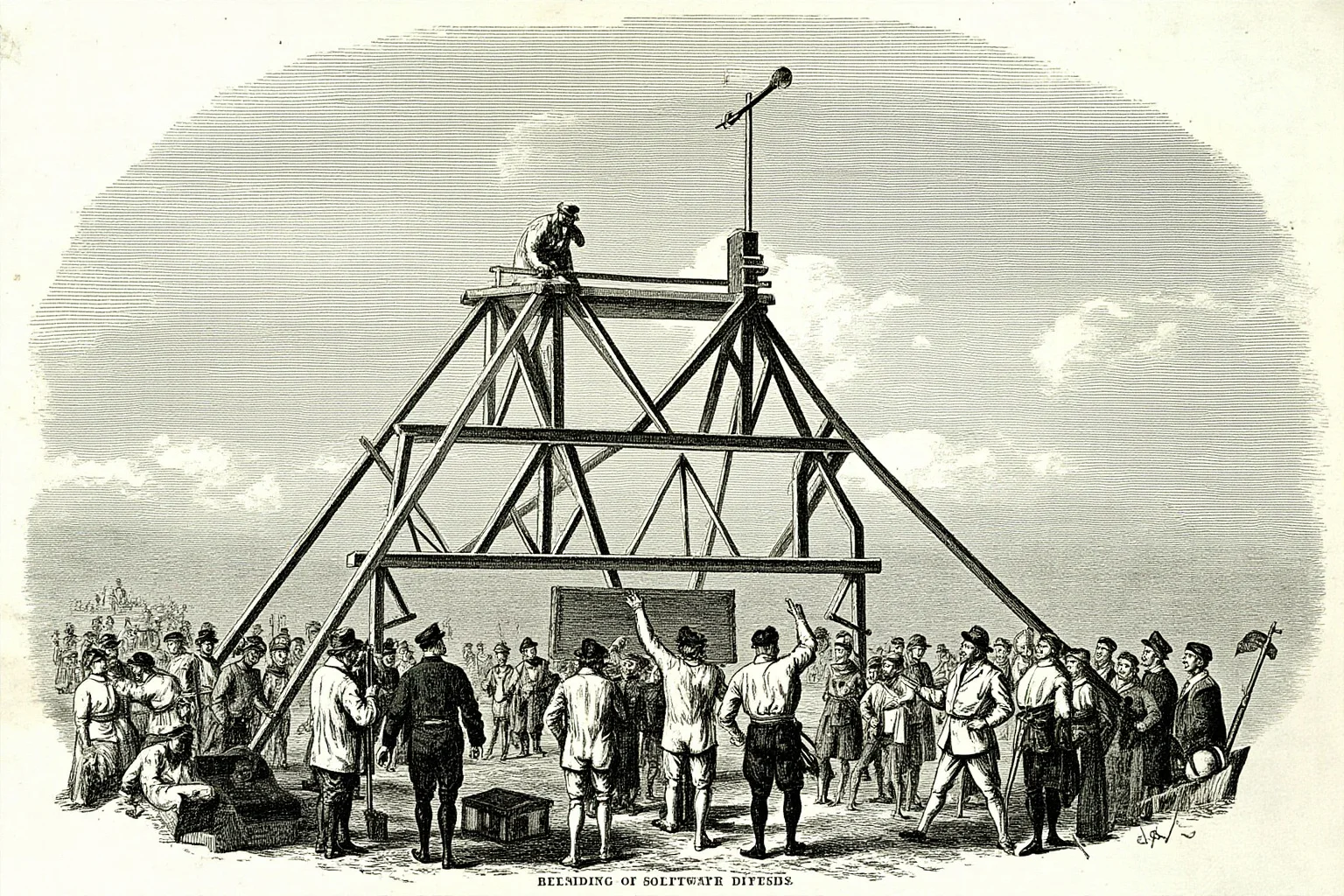
Simon Fraser, Lord Lovat, was 80 years old when he was beheaded on Tower Hill on 9 April 1747 for his part in the Jacobite rising. He was killed by the Maiden, a beheading machine modelled on the Halifax gibbet, and it apparently took more than one drop of the blade.
According to contemporary reports, the first fall of the blade did not kill him and the machine had to be raised and dropped again. He is usually described as the last man beheaded in Britain, which makes his botched execution the end of an era as well as a grisly curiosity.
6. The Cato Street Conspirators: Hanged, Then Botched Again
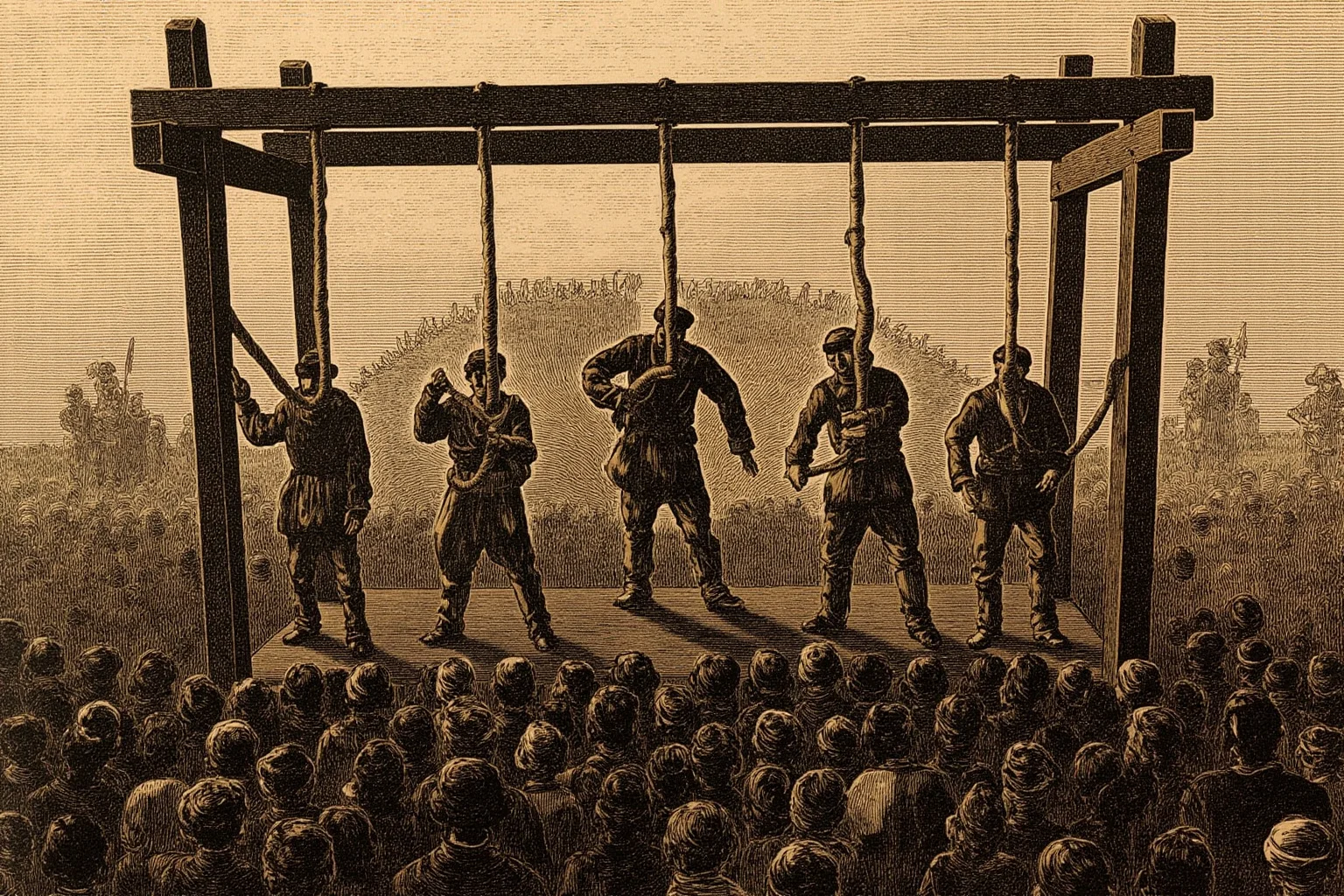
On 1 May 1820, five men convicted in the Cato Street conspiracy were hanged at Newgate and then beheaded, as the law then required for treason. The hanging itself went smoothly enough; the beheading did not.
Newspaper reports describe a clumsy, drawn-out process with a knife that was apparently not up to the task, while the crowd hissed and jeered. It was one of the last times Britain carried out that particular ritual, and the squalor of the spectacle helped make the case for abolishing it.
The Guillotine: Separating Famous Cases From Myths
Search for guillotine botched executions famous cases and you will find the same handful of stories recycled, usually with extra gore added at each retelling. The irony is that the guillotine was engineered precisely to eliminate the failures that plagued the axe and the rope — a machine designed so that a single drop would do the work no matter who pulled the lever.
That does not mean every guillotine execution was clean, but documented mechanical malfunctions are genuinely rare. The two cases below are the ones most often cited, and neither is quite the story people expect.
7. Eugen Weidmann and France's Last Public Execution
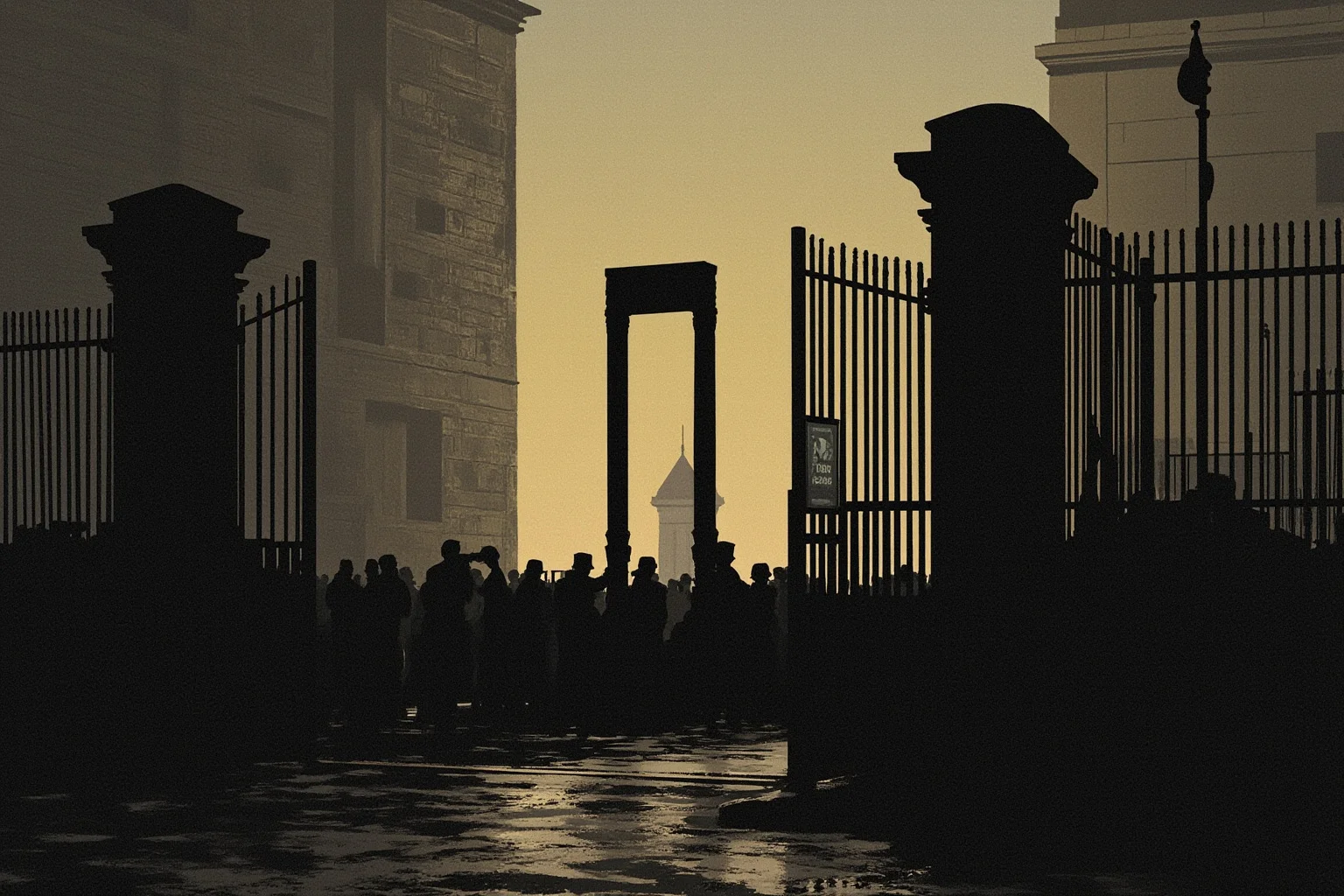
Eugen Weidmann, a German-born killer, was guillotined at Versailles on 17 June 1939 in front of a crowd that had gathered for a spectacle. The machine worked exactly as designed, but everything around it went wrong: spectators pushed forward, photographers reportedly set up in windows, and the atmosphere turned ugly.
The scandal was immediate, and France abolished public executions by decree within days. Weidmann's case is usually filed under executions gone wrong not because the blade failed, but because the ritual itself did.
8. The Blinking Head of Languille: A Myth That Won't Die
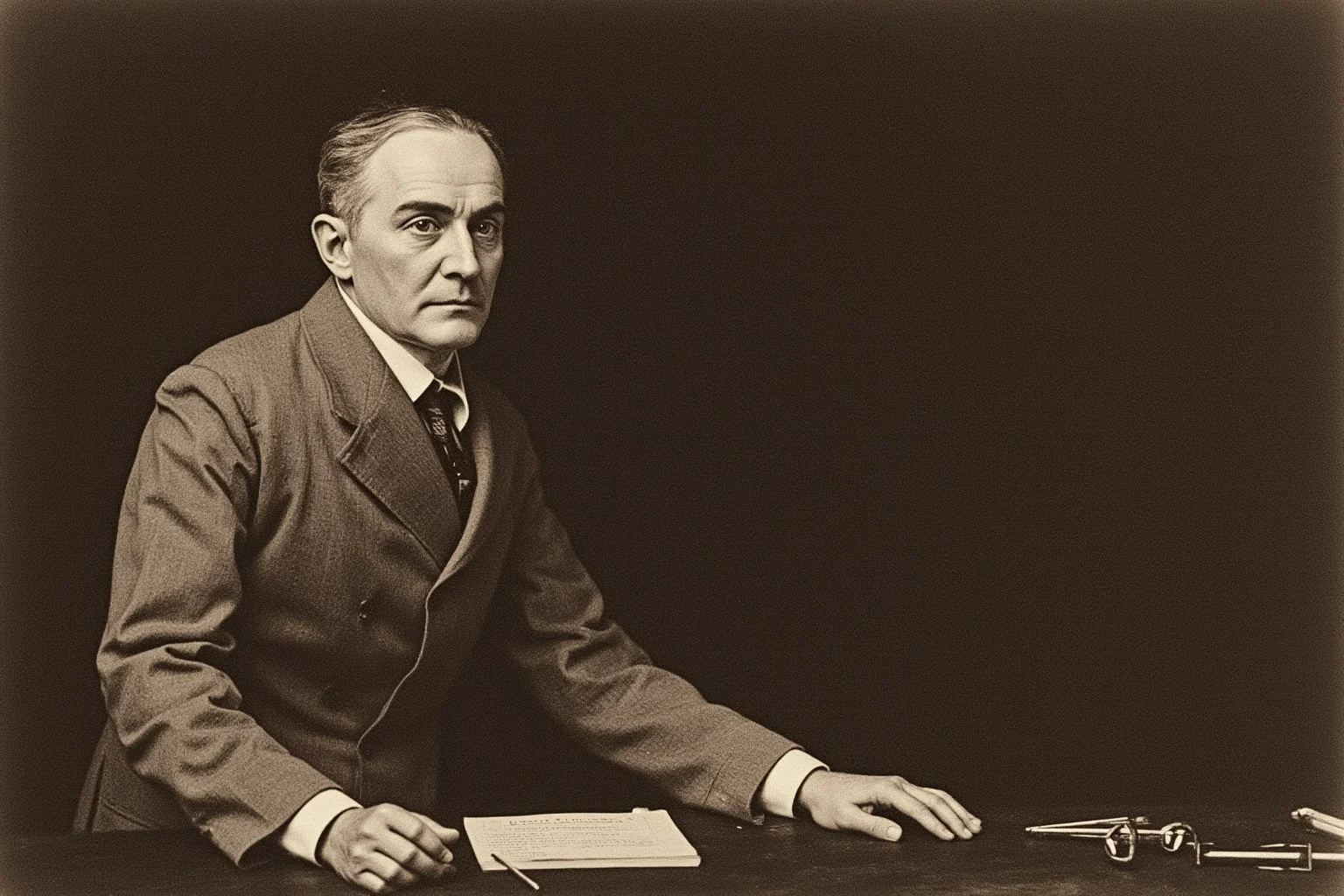
In 1905 a French physician named Jacques Beaurieux claimed that the severed head of a man called Languille opened its eyes and seemed to respond when he called the name. It is the single most repeated piece of evidence for the idea that guillotined heads remain conscious for a few seconds.
The claim rests on one man's account, was never replicated under controlled conditions, and most modern readings of consciousness after decapitation suggest rapid unconsciousness from catastrophic blood loss. It is a fascinating historical document, but it is not evidence of a botched execution — which is precisely why it should be handled carefully.
Hangings That Went Horribly Wrong
The rope was cheap, portable, and used for centuries, which means it produced an enormous number of failures. A hanging depends on a careful calculation of drop length against body weight, and when that calculation is wrong you get either a slow strangulation or a decapitation.
9. Half-Hanged Maggie Dickson
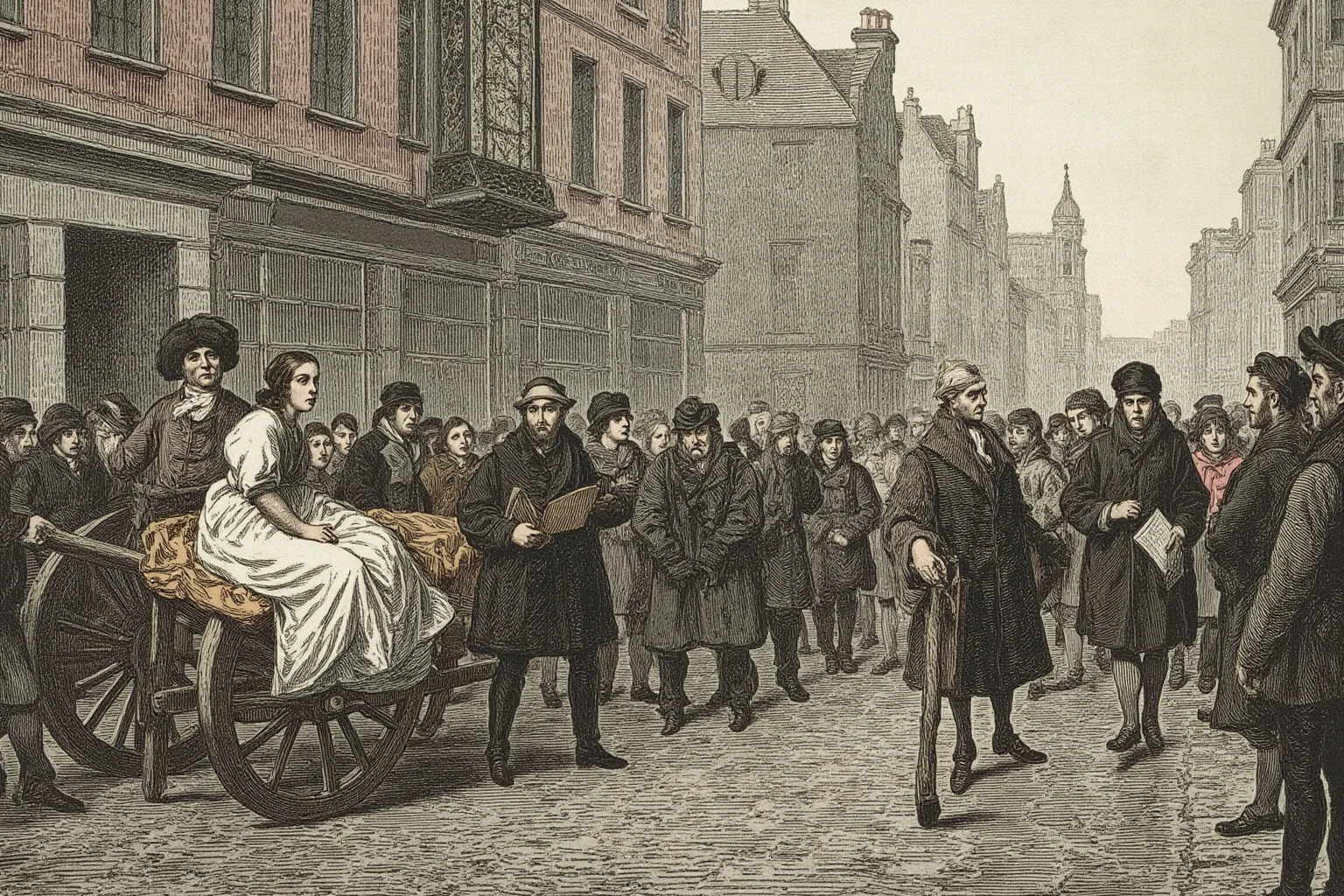
Maggie Dickson was hanged in Edinburgh in 1724 for concealing a pregnancy after her newborn died, a charge that carried a presumption of infanticide. She was declared dead, cut down, and loaded onto a cart to be taken away for burial.
On the road to Musselburgh she revived, and she was eventually allowed to live — reportedly going on to raise a family and dying decades later. Her story is one of the best-documented cases of a condemned person surviving a hanging, and it shows how unreliable the rope could be.
10. William Duell: Hanged, Then Found Breathing
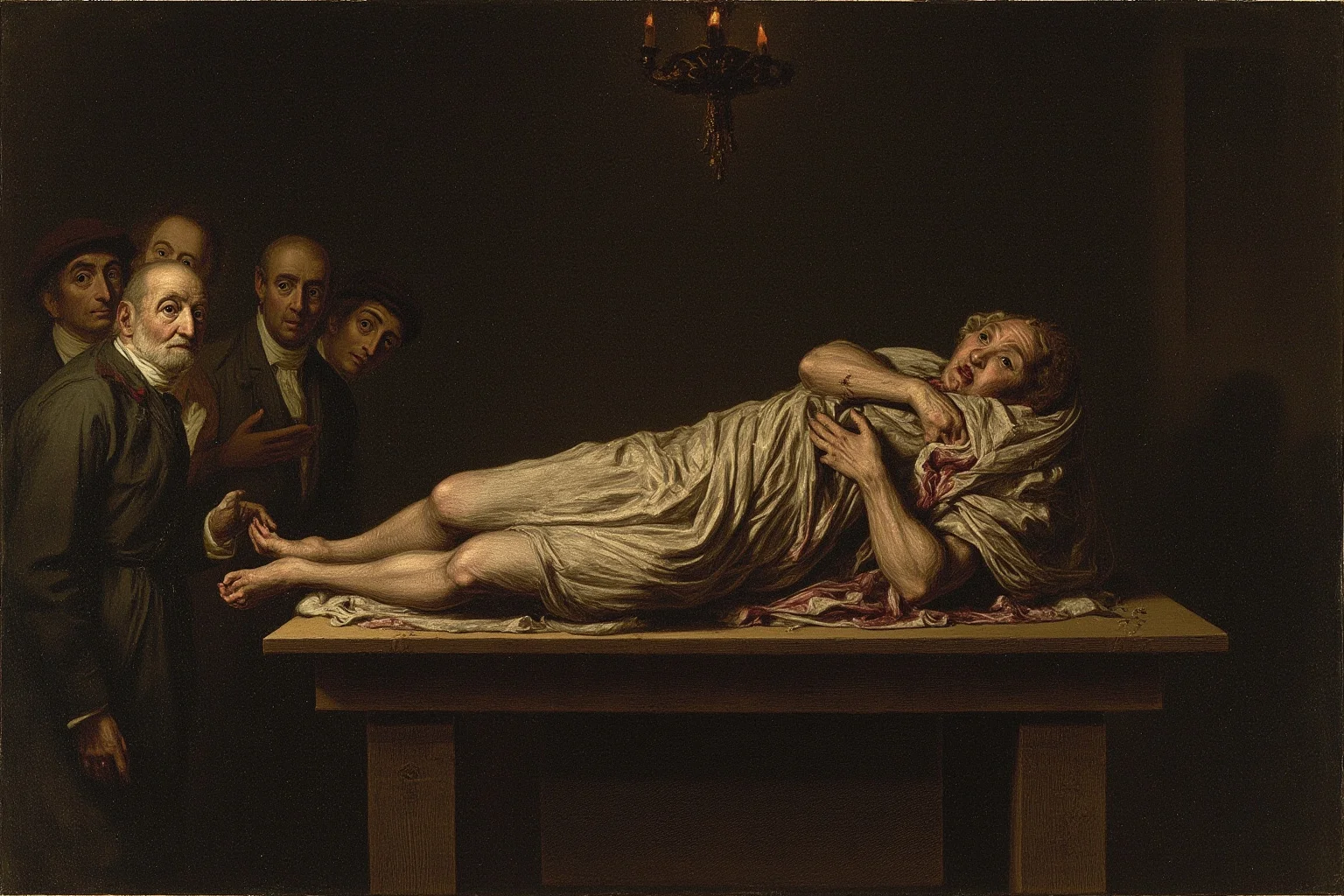
William Duell was hanged at Tyburn in 1740 and his body delivered to the Surgeons' Hall for dissection, which was standard practice at the time. Before the anatomists could begin, they noticed that he was breathing.
He recovered, and his sentence was commuted to transportation to the American colonies. Duell's case was one of several that exposed how often the hangman's rope failed to finish the job, and how arbitrary the difference between life and death could be.
11. Joseph Samuel and the Rope That Wouldn't Hold
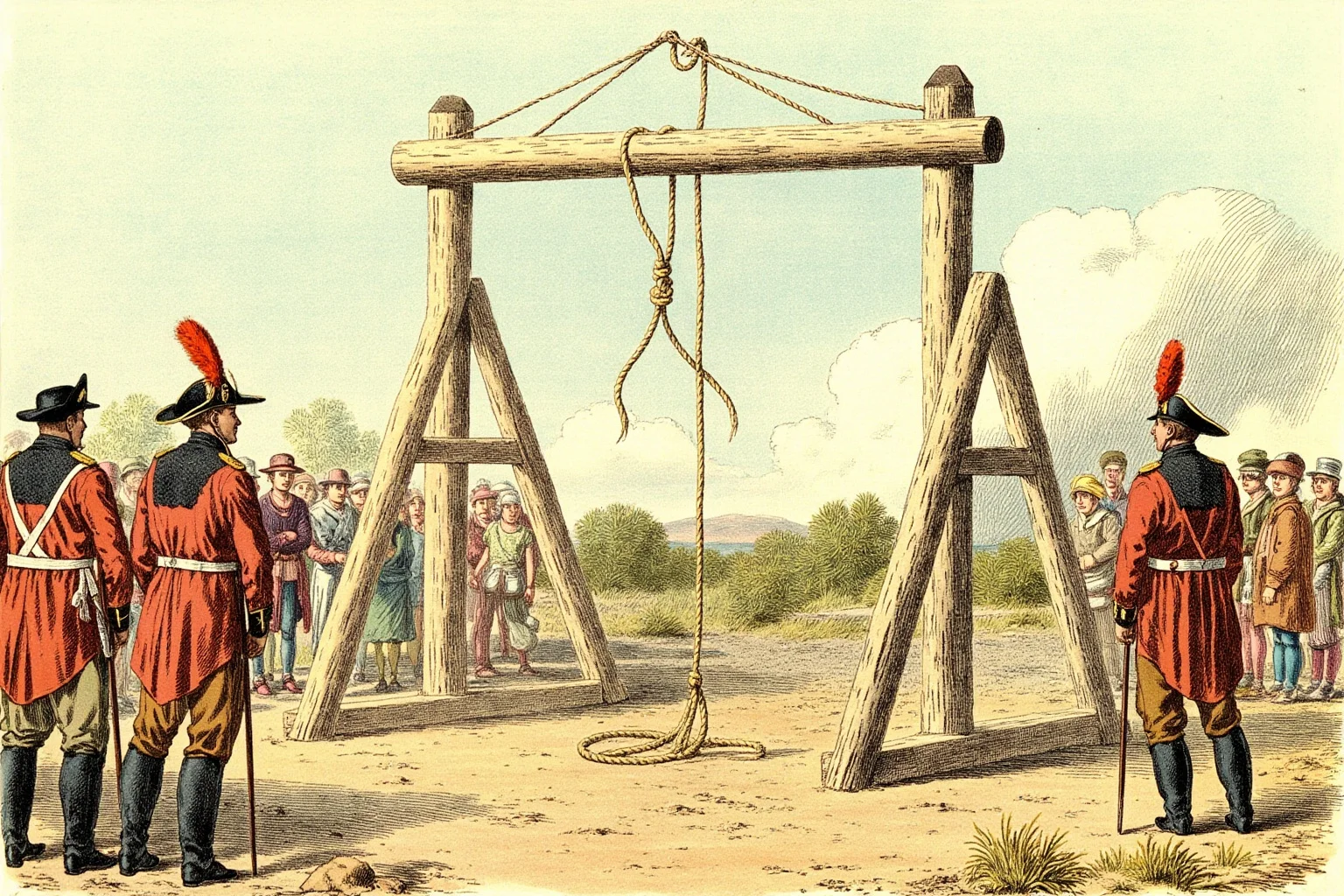
Joseph Samuel was hanged in Sydney in 1803 for the murder of a police constable, and the rope broke. It was replaced, and the second rope broke as well, with accounts differing over whether there was a third attempt.
The crowd, by all reports, treated this as a sign and demanded that he be spared, and the governor commuted his sentence. Whether you call it providence or a failed execution, it is one of the clearest cases of the death penalty going wrong in Australia's colonial record.
12. John Lee: The Man They Couldn't Hang
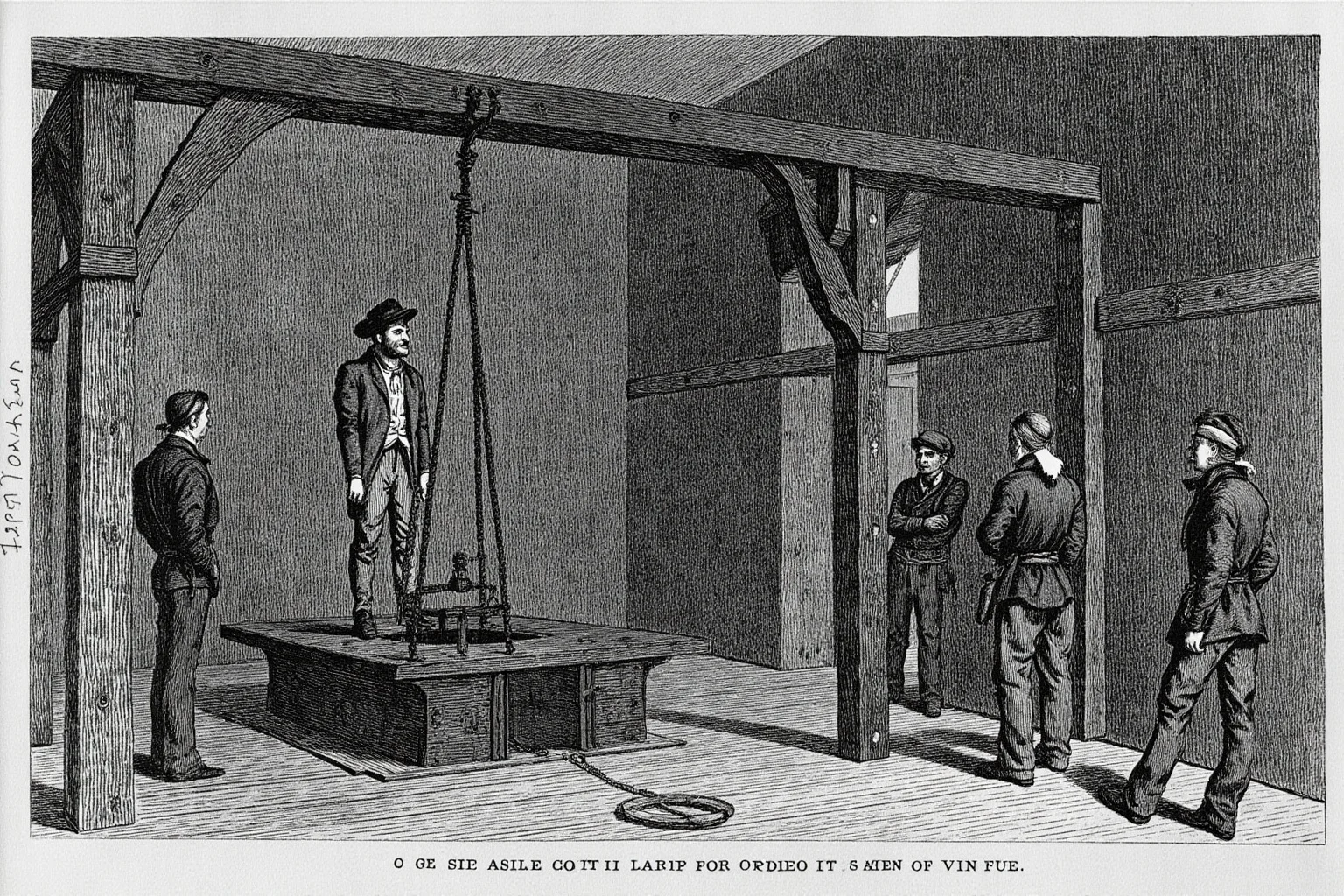
John Lee was sentenced to death for murder and taken to the gallows at Exeter Prison on 23 February 1885. The trapdoor simply would not open — not once, but three times.
He was reprieved, and his case became a Victorian sensation, with some arguing that the repeated failure proved his innocence. The man they couldn't hang lived for decades afterwards, and the mechanism's failure has never been fully explained.
13. Black Jack Ketchum: A Drop That Was Too Long
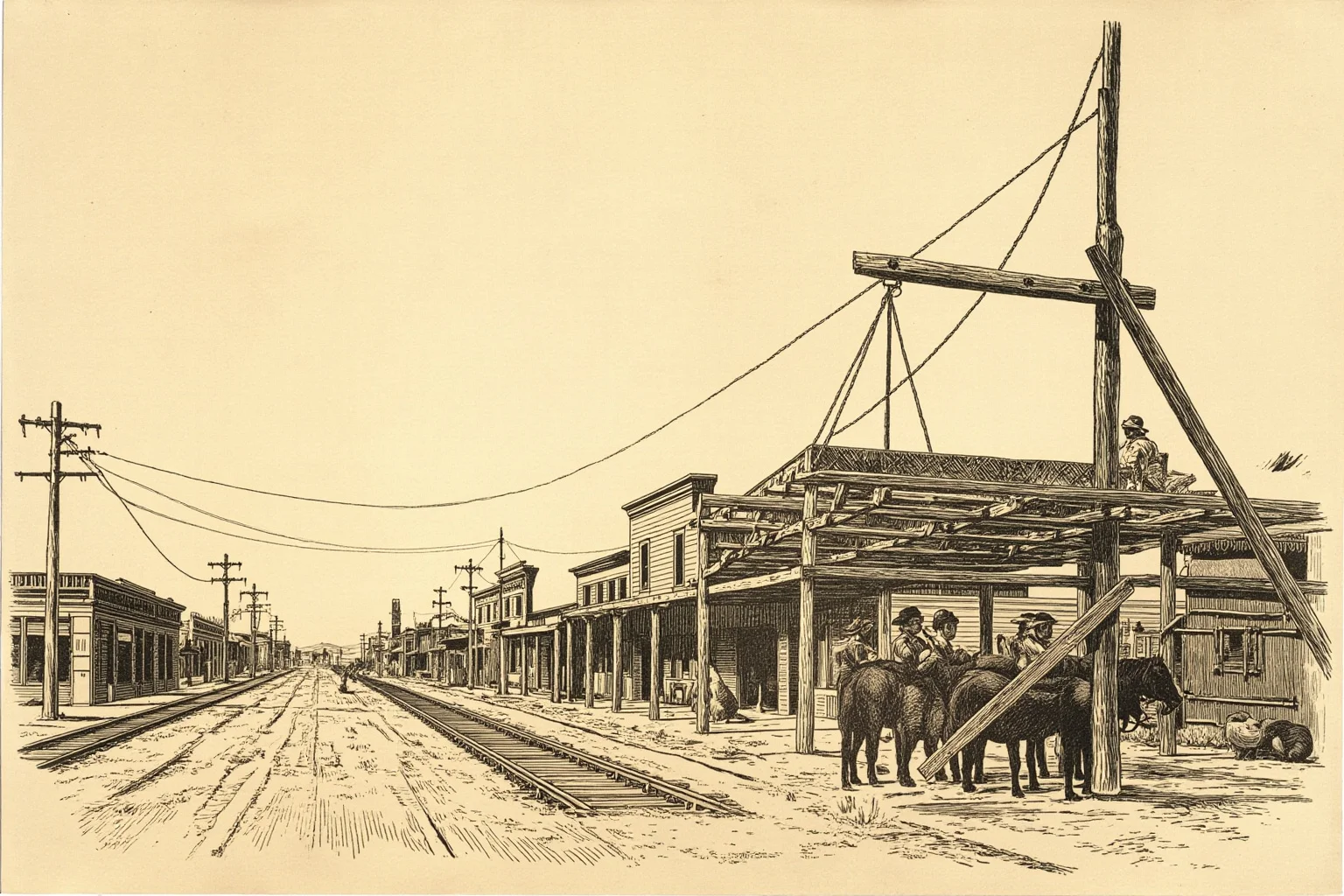
Tom Black Jack Ketchum was hanged in Clayton, New Mexico, on 26 April 1901 for train robbery, and the drop was calculated badly. The rope was too long for his weight, and the fall effectively decapitated him.
It was a botched hanging in the most literal sense, and photographs of the scene circulated widely. The case is a reminder that even a successful hanging depended on precise calculations that executioners routinely got wrong.
14. Barzan al-Tikriti: A Modern Decapitation
Barzan Ibrahim al-Tikriti, Saddam Hussein's half-brother, was hanged in Baghdad on 15 January 2007, and the drop severed his head. Iraqi officials acknowledged the decapitation and attributed it to the length of the rope.
The execution took place in a tense, sectarian atmosphere, with reports of taunting on the scaffold. It stands as one of the most recent examples of a botched hanging in a state execution, and it drew international criticism.
The Electric Chair's Most Notorious Failures
The electric chair was sold as a scientific advance that would end the messiness of the gallows. In practice, it produced some of the most disturbing failed executions on record, largely because the equipment and the people operating it were unreliable.
15. William Kemmler: The First Electrocution
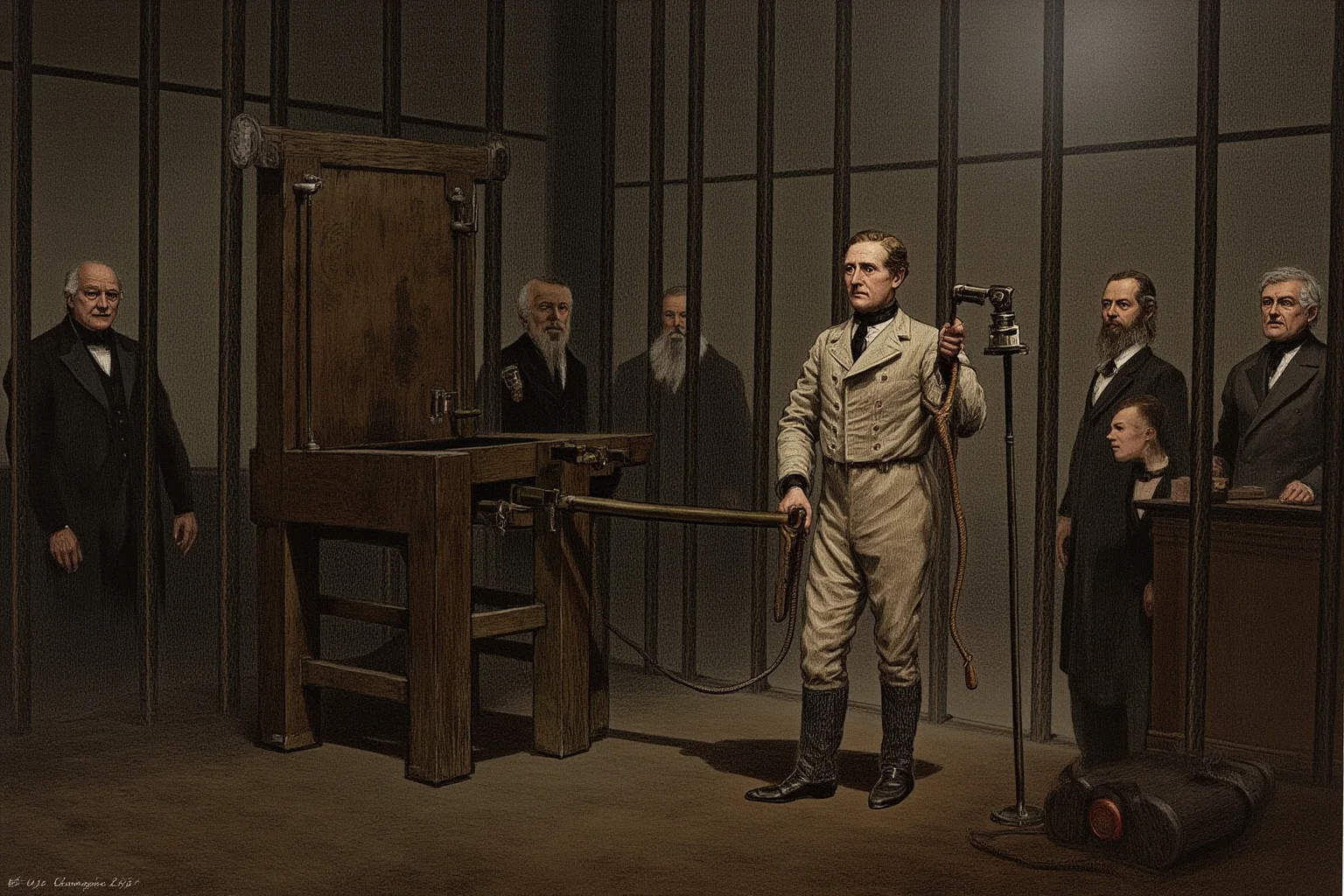
William Kemmler was the first person executed by electric chair, at Auburn Prison in New York on 6 August 1890. The first jolt failed to kill him, and witnesses reported a smell of burning before a second, longer shock finished the job.
The execution took around eight minutes, and observers were horrified. It set the tone for more than a century of debate about whether the chair was a humane advance or simply a more elaborate form of cruelty.
16. Willie Francis: Executed Twice
Willie Francis was 17 when Louisiana strapped him into the electric chair in May 1946, and the chair failed to kill him. He walked back to his cell reportedly insisting that he had not died, and his case went all the way to the US Supreme Court.
The Court allowed a second attempt, and he was executed in May 1947. His story is unique in American history: a condemned man who survived a failed execution, only to be executed again.
17. John Louis Evans: Fourteen Minutes and Three Jolts

John Louis Evans was executed in Alabama on 22 April 1983, and the process took 14 minutes and three separate jolts. Witnesses reported smoke and flames from the electrode attached to his leg.
His was one of the cases that pushed the United States toward lethal injection, on the theory that a needle would be less prone to catastrophe. As later entries show, that theory did not hold up.
18. Horace Dunkins: Nineteen Minutes in the Chair
Horace Dunkins was executed in Alabama on 14 July 1990, and it took around 19 minutes for him to die. Later accounts suggested that a cable had been connected incorrectly, weakening the first jolt.
Witnesses described hearing him groan after the first surge, and a second was needed to finish the execution. It is one of the clearest examples of a failed execution caused by simple human error rather than equipment design.
19. Jesse Tafero: Flames in the Death Chamber

Jesse Tafero was executed in Florida on 4 May 1990, and witnesses saw flames and smoke rise from his head during the process. The execution required three jolts before he was pronounced dead.
Reports later suggested that a natural sponge in the headpiece had been replaced with a synthetic one that did not conduct properly. Tafero's case also raised serious questions about his guilt, and it remains one of the most cited modern executions gone wrong.
Gas Chamber Executions Gone Wrong
The gas chamber was brief, grim, and used by only a handful of American states. Its failure mode was different from the chair's: the prisoner could take many minutes to die, fully conscious of what was happening.
20. Jimmy Lee Gray: Eight Minutes of Struggle
Jimmy Lee Gray was executed in Mississippi's gas chamber on 2 September 1983, and it took roughly eight minutes for him to die. Witnesses described him gasping and thrashing, and at one point striking his head against a metal pole.
The execution was widely criticised, and it intensified the argument that the gas chamber was both cruel and unreliable. Mississippi later moved to lethal injection.
21. Donald Harding: Eleven Minutes in Arizona
Donald Harding was executed in Arizona's gas chamber on 6 April 1992, and the process took around 11 minutes. Witnesses watched him struggle and convulse, and at least one reporter was physically sick afterwards.
Arizona effectively retired the gas chamber after that, though the state kept it on the books for years. Harding's death is often described as the moment the gas chamber lost whatever legitimacy it still had.
Lethal Injection: Modern Death Penalty Failures
Lethal injection was supposed to end all of this. Instead, it has generated more documented failures than any method it replaced, because it depends on finding a usable vein, mixing drugs correctly, and doing both under intense time pressure.
22. Angel Diaz: Thirty-Four Minutes and Chemical Burns

Angel Diaz was executed in Florida in December 2006, and it took 34 minutes for him to die. The IV line had gone through his vein rather than into it, so the drugs were pumped into the surrounding tissue.
Staff did not notice, and he was given a second dose while witnesses watched him grimace and move. An autopsy later found chemical burns on both arms, and the state suspended executions for months while it reviewed its protocol.
23. Romell Broom: Two Hours of Failed Attempts

Romell Broom was scheduled to die in Ohio on 15 September 2009, but the execution team could not find a usable vein. Over roughly two hours they tried more than a dozen times, at one point inserting a needle into his leg.
The governor eventually called it off, making Broom one of the very few modern prisoners to survive an execution attempt because the method itself failed. He remained on death row until his death in 2020.
24. Clayton Lockett: The Case That Changed the Debate
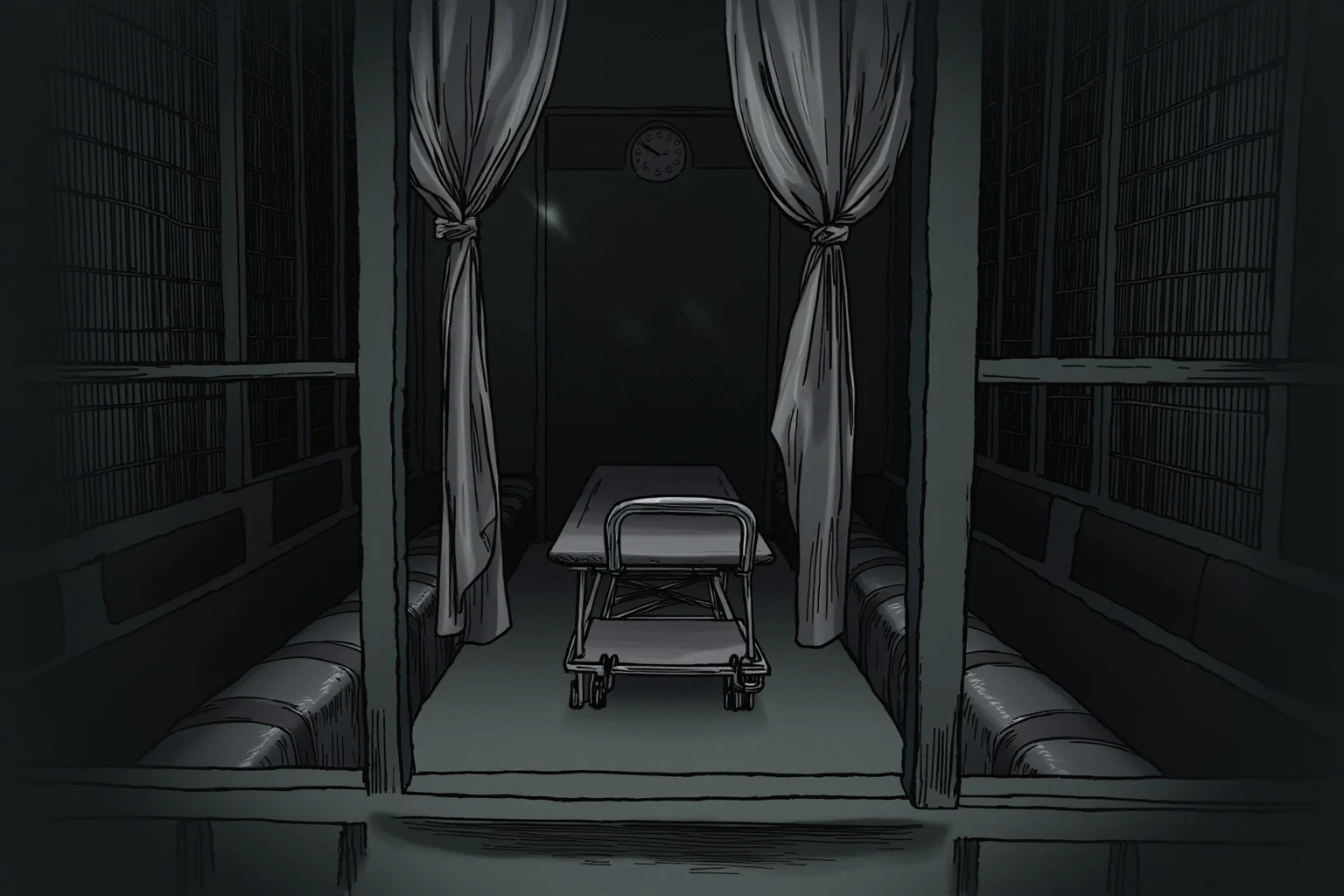
Clayton Lockett was executed in Oklahoma on 29 April 2014, and it went wrong almost immediately. The IV line infiltrated, the drugs went into tissue rather than the bloodstream, and he regained consciousness, writhed and spoke before dying of a heart attack 43 minutes later.
The state had used an untested drug combination obtained from a compounding pharmacy, and the episode prompted a grand jury investigation and a moratorium. It is the case most often cited when people ask what an execution gone wrong lethal injection actually looks like.
25. Joseph Wood: Nearly Two Hours and Fifteen Doses
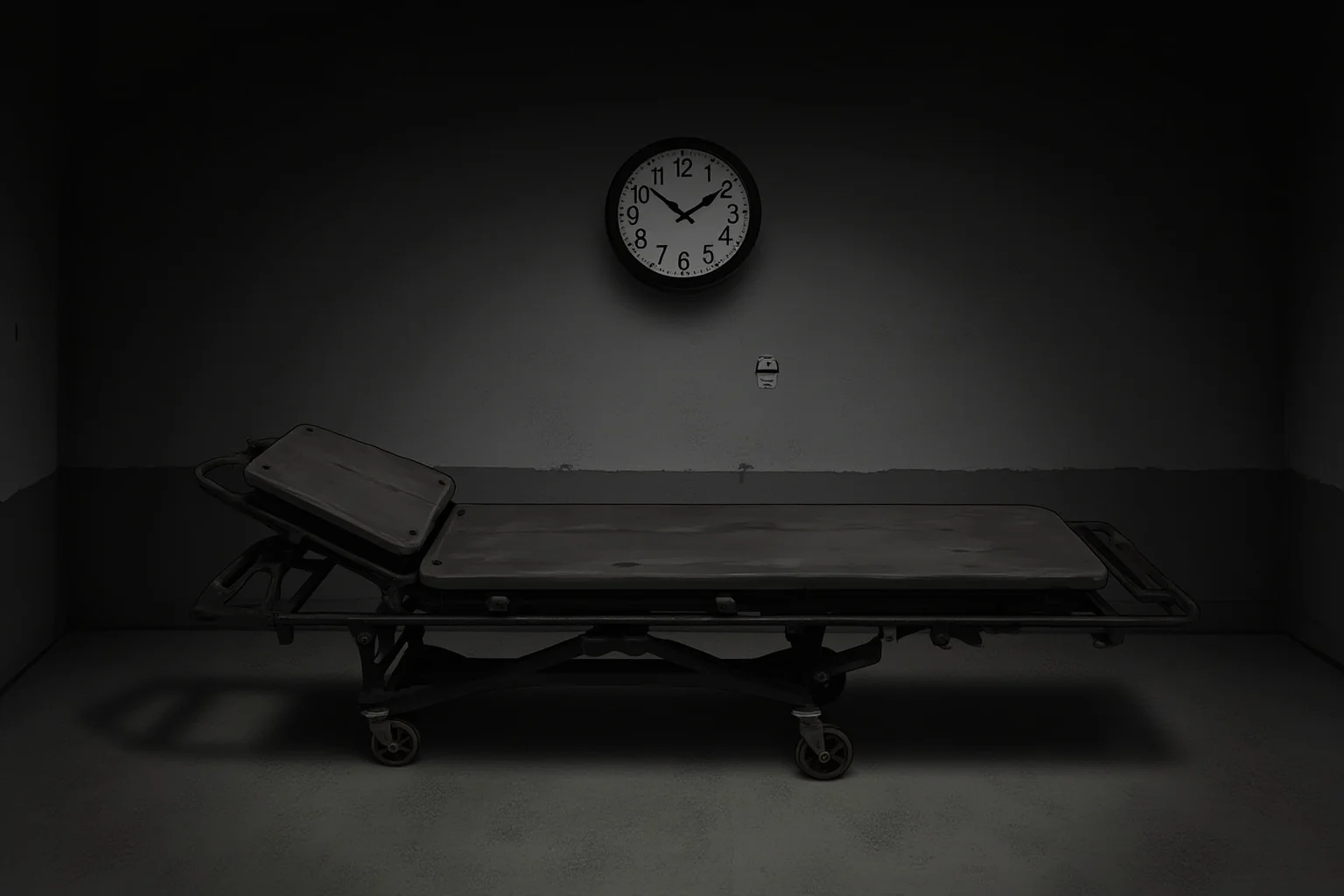
Joseph Wood was executed in Arizona on 23 July 2014, and he took nearly two hours to die. He was given 15 doses of the lethal drugs, and witnesses described him gasping repeatedly throughout.
His lawyers had warned that the drug combination was untested, and the case prompted litigation over Arizona's drug supply and its secrecy. It became a benchmark for what critics call death penalty failures in the modern era.
26. Doyle Hamm: When the State Cannot Finish the Job

Doyle Hamm was scheduled to be executed in Alabama in February 2018, and the medical team spent more than two hours trying and failing to place a line. They made at least 11 attempts, including a procedure that punctured his bladder.
The execution was called off, and Hamm died of cancer later that year while still on death row. His case raised a question courts still struggle with: what happens when the state cannot physically carry out the sentence it has ordered?
Firing Squads and Premodern Spectacles
Firing squads are usually described as the most reliable method ever devised, since several rifles fired at close range leave little room for error. But reliability is not the same as certainty, and older forms of execution were far worse.
27. Wenceslao Moguel: The Man Who Survived the Coup de Grâce
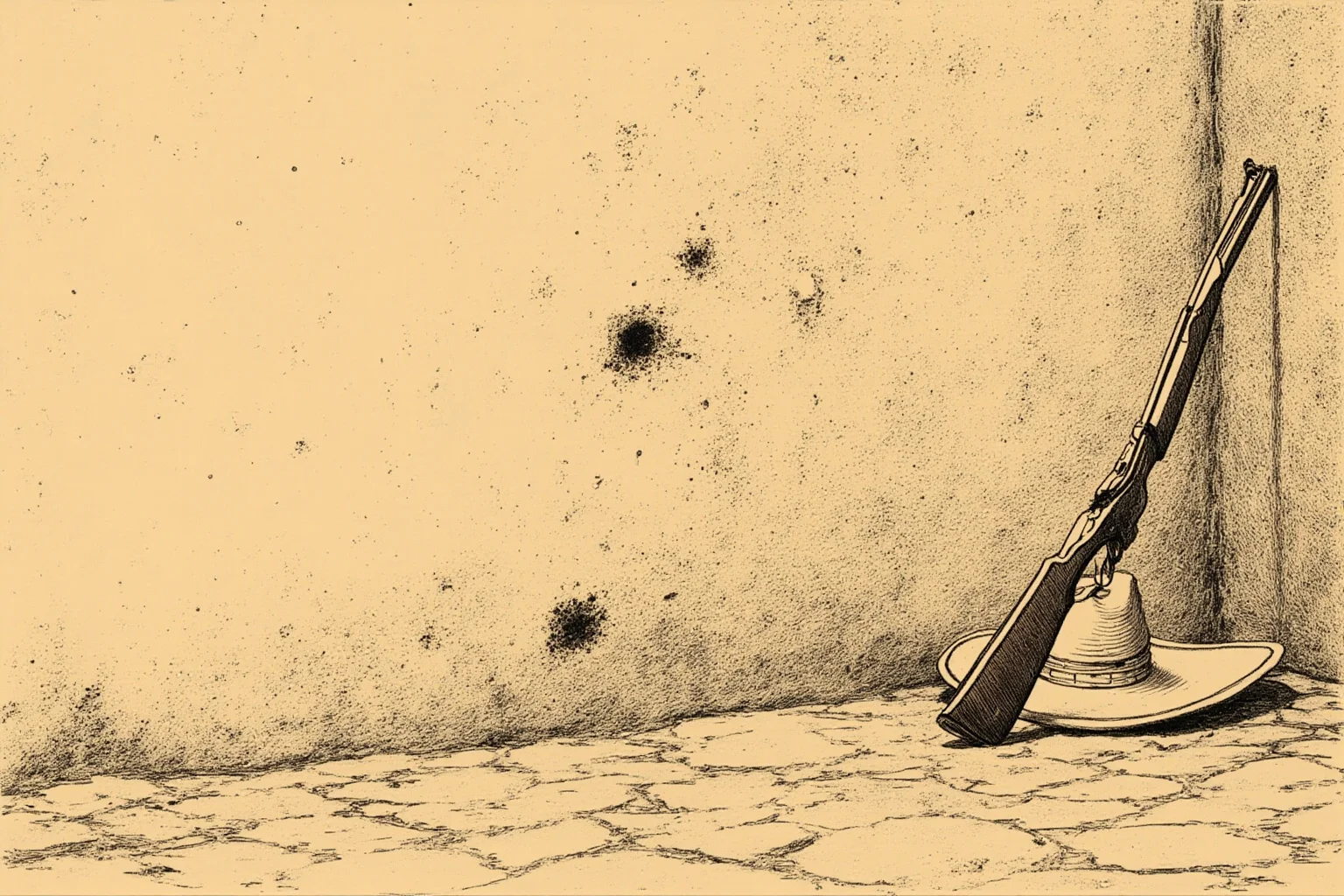
Wenceslao Moguel was shot by a firing squad in Mexico during the revolution, and when the volley failed to kill him, an officer delivered a coup de grâce to his head at close range. He survived.
His account, which he told for decades and which was later publicised by Ripley's Believe It or Not, is the most famous case of a survived botched firing squad execution. Because the details come largely from Moguel himself, historians treat some of them with caution.
28. Robert-François Damiens: The Longest Execution on Record
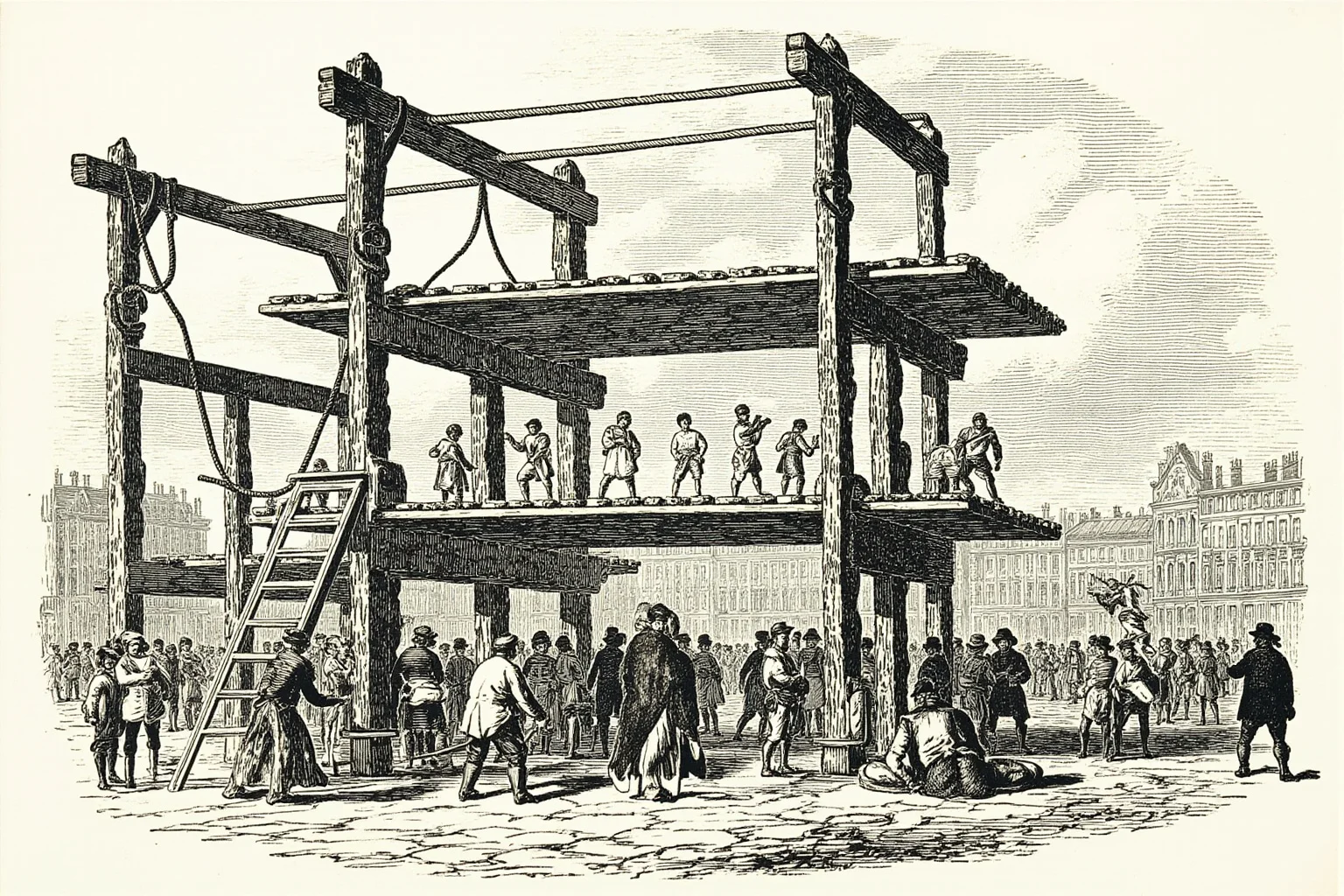
Robert-François Damiens attempted to assassinate Louis XV in 1757 and was sentenced to be drawn and quartered, the old punishment for regicide. When the horses could not pull his limbs apart, the executioner and his assistants had to cut through tendons and joints to finish the job.
Contemporary newspaper accounts describe an ordeal that stretched over hours, and the case is often cited as a turning point in European attitudes toward public torture. Whether or not every detail of the more lurid retellings is accurate, the broad outline is well attested.
Why Executions Go Wrong So Often
The simplest reason is that executions are carried out by people, and people are unreliable. Executioners in premodern Europe were often untrained, poorly paid, and working with equipment that was maintained badly or not at all.
The second reason is that older methods were designed for spectacle and deterrence rather than reliability. A hanging needs a precise calculation of drop length against body weight; get it wrong and you get either a slow strangulation or a decapitation.
The third is that modern methods are medicalised, and that creates its own problems. Lethal injection borrows the language of hospitals but is administered in prisons by staff with limited training and, increasingly, with drugs obtained under conditions of secrecy.
The Numbers Behind Botched Executions
This is not just a historical curiosity. Research by the legal scholar Austin Sarat counted 276 botched executions in the United States between 1890 and 2010, roughly 3% of the total.
His analysis also found that lethal injection has had a higher failure rate than several of the methods it replaced. That is counterintuitive, given that it was sold to the public as the humane alternative to the electric chair and the gas chamber.
The data matters because it reframes the argument. Botched executions are not rare accidents at the margins of the death penalty; according to this research, they are a predictable feature of the system.
The Secrecy Problem Behind Modern Failures
Since 2011, when European manufacturers stopped supplying drugs for executions, American states have turned to compounding pharmacies and passed laws shielding supplier identities. That makes independent scrutiny much harder.
It also means problems are often discovered only when something goes visibly wrong in the death chamber. By then, the execution has already happened, and the lessons arrive too late for the prisoner involved.
Why These Stories Still Matter
Lists of executions gone wrong are often read as macabre entertainment, and there is no point pretending the grisly details are not part of the appeal. But the pattern underneath them is serious: whenever a state takes a life, it takes on the risk of getting it wrong.
Mary Stuart's three blows and Clayton Lockett's 43 minutes are separated by four centuries and a world of technology, yet they raise the same question. If an execution cannot be carried out as intended, what does that say about the practice itself?
That is why these cases keep being retold. They are not just stories about death; they are stories about competence, secrecy, and the gap between what a system promises and what it actually delivers.
Frequently Asked Questions
What are botched executions?
A botched execution is one where the procedure does not go as intended — it takes far longer than planned, requires multiple attempts, causes visible or prolonged suffering, or fails to kill the prisoner at all. The term covers everything from an axe needing three strokes to a lethal injection abandoned after the team cannot find a vein.
What are the most famous cases of guillotine botched executions?
Genuine mechanical failures of the guillotine are rare and poorly documented, which surprises many people searching for famous guillotine botched executions cases. The two stories most often cited are the 1939 execution of Eugen Weidmann, where the machine worked but the public spectacle caused a scandal and led France to ban public executions, and the 1905 claim by Dr Jacques Beaurieux that the severed head of a man named Languille blinked and responded to his name — a claim resting on a single, never-replicated account rather than a machine failure.
Has anyone ever survived an execution?
Yes, in several documented cases. Willie Francis survived Louisiana's electric chair in 1946 and was executed on a second attempt a year later, while Romell Broom and Doyle Hamm both had executions halted in the modern era after medical teams failed to place IV lines. Historical cases include Maggie Dickson and William Duell, who were hanged and later revived, and Wenceslao Moguel, who survived a firing squad in Mexico.
How often do lethal injection executions go wrong?
According to research by the legal scholar Austin Sarat, roughly 3% of American executions between 1890 and 2010 were botched in some way, and his data suggests lethal injection has had a higher failure rate than several earlier methods. Documented problems include collapsed veins, drugs administered into tissue instead of the bloodstream, and executions lasting well over an hour.
Was the guillotine really more humane than the axe?
It was designed to be. The guillotine was built so that a single falling blade would sever the neck regardless of the executioner's skill, which removed the human error that produced so many multiple-blow beheadings in England and elsewhere. Whether it was painless is a separate question, and one that the historical evidence cannot fully settle.
Why do botched executions still happen?
The main causes are human error, inadequate training, unreliable equipment, and difficulty accessing veins on prisoners with long histories of drug use or illness. In the modern United States, secrecy laws around drug suppliers and untested drug combinations have made independent oversight harder, so problems are often revealed only when something goes visibly wrong during the execution itself.
Has a botched firing squad execution ever been recorded?
The most famous case is Wenceslao Moguel, who was shot by a firing squad during the Mexican Revolution and survived even after a coup de grâce was fired at his head. Because the details come largely from Moguel's own later accounts, historians treat them with some caution. Documented modern firing squad executions in the United States have generally been carried out as planned.

Alex Warren
Related Articles