Type 'old money' into a search engine and you will mostly get cable-knit sweaters, Newport garden parties, and sepia-toned photographs of sailboats. Real old money is stranger, older, and far more consequential than that aesthetic suggests. Behind the country clubs sit dynasties that financed emperors, bankrolled revolutions, and quietly redrew the map of global finance.
This list traces 24 families whose wealth outlasted the statesmen who depended on them. A few are household names, but many are the hidden dynasties that shaped history while staying carefully out of frame.
TL;DR: The world's most durable fortunes rarely came from fame — they came from banking, land, and the discipline of staying quietly powerful across centuries.
What 'Old Money' Really Means
The phrase 'old money' describes lineage and cultural capital more than a bank balance. Families labeled old money typically inherited wealth across several generations and converted part of it into institutions — schools, museums, foundations, and political networks. That conversion is what separates a rich family from a dynasty.
It also explains why the most powerful old money families in history are often missing from modern rich lists. Their holdings sit inside trusts, family offices, and philanthropic endowments rather than in one visible fortune tied to one company. Visibility fades; structure remains.
There is a stubborn myth worth addressing early. The 'shirtsleeves to shirtsleeves in three generations' saying — wealth built, inherited, then squandered — is a folk proverb supported by plenty of anecdotes, not a scientific law. Plenty of dynasties on this list broke the pattern precisely by institutionalizing their money instead of dividing it.
The First Old Money: Medieval and Renaissance Banking Houses
Long before stock exchanges existed, Italian and German merchant-bankers invented the tools that made large-scale wealth portable. Letters of credit, double-entry bookkeeping, and international partnerships let a single family operate across borders. The houses below were the prototypes for everything that followed.
1. The Bardi and Peruzzi of Florence
In the early 1300s, the Bardi and Peruzzi were among the largest banking families in Europe, with branches stretching from London to Naples. They lent enormous sums to monarchs, most fatefully to Edward III of England to fund his wars in France.
When Edward defaulted in the 1340s, both houses collapsed — the Peruzzi around 1343 and the Bardi a few years later. It remains one of the earliest documented cases of a banking family destroyed by sovereign debt, and later dynasties studied it closely.
2. The Medici of Florence
Giovanni di Bicci de' Medici founded the Medici bank in 1397, and his son Cosimo turned it into a political machine. The family produced popes, married into the French royal house, and financed much of the Florentine Renaissance.
The bank itself declined late in the 15th century, but the Medici held power for generations afterward as dukes of Tuscany. Their lasting innovation was cultural patronage as a way of converting cash into permanent legitimacy.
3. The Fuggers of Augsburg
Jakob Fugger, remembered as 'the Rich,' built a fortune in textiles, silver and copper mining, and loans to the Habsburg emperors. He helped finance Charles V's election as Holy Roman Emperor in 1519, one of the largest political expenditures of the era.
The family's financial weight faded as Habsburg debt mounted, but the Fugger name survives somewhere unexpected. The Fuggerei in Augsburg, founded in 1521, is often described as the world's oldest continuously operating social housing complex.
The Great European Banking Families
From the 17th century onward, the center of gravity shifted north. Protestant merchant-bankers in Germany, Britain, and Scandinavia built houses that financed empires, and several of them survived into the modern era. These are the banking families that set the template for private wealth management as we know it.
4. The Welsers of Augsburg
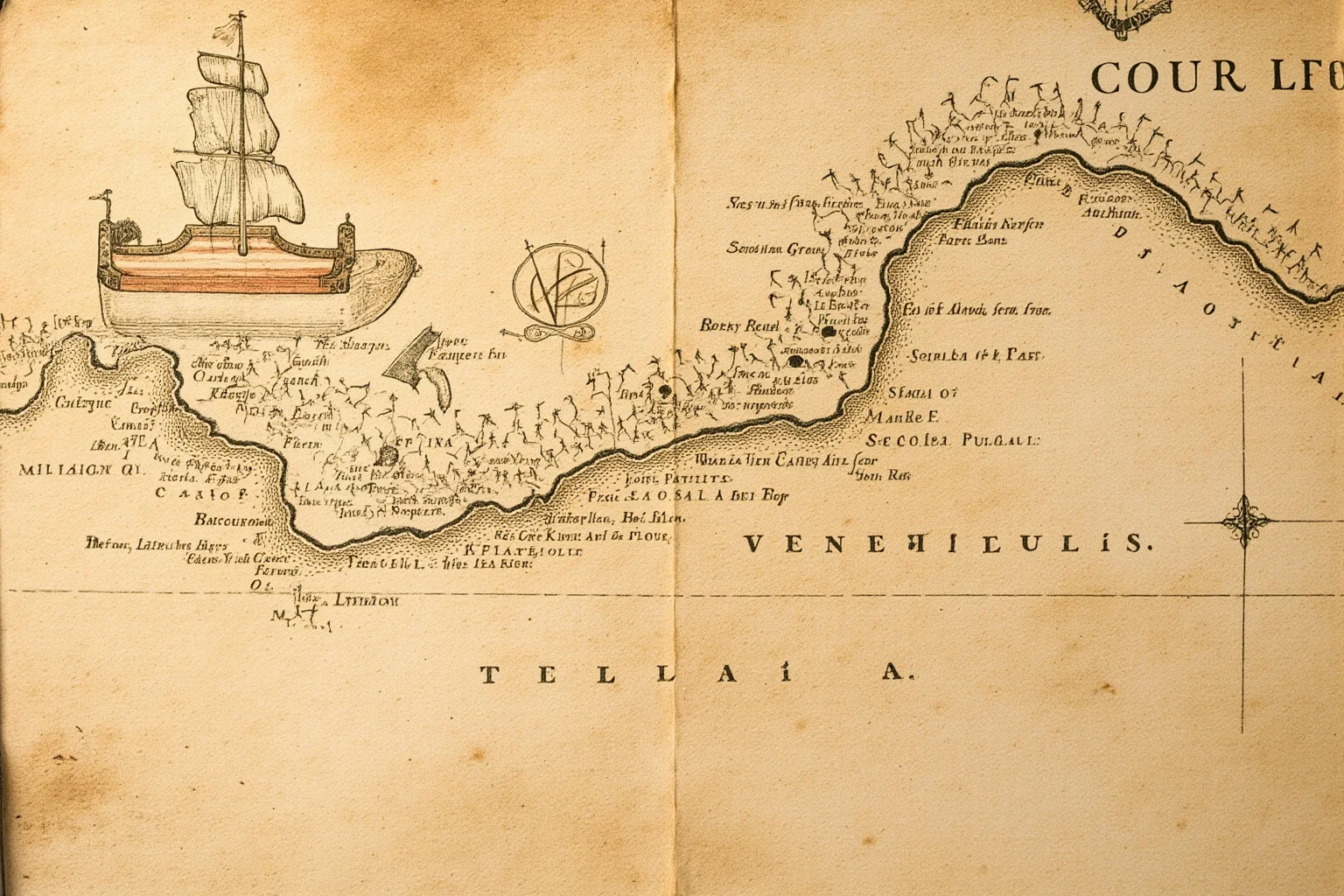
The Welsers were the Fuggers' great rivals, channeling money into Spanish and Portuguese overseas ventures. In 1528, Bartholomeus Welser obtained a concession from Charles V to colonize part of present-day Venezuela, a venture remembered as Klein-Venedig, or Little Venice.
The colony was mismanaged and the concession was revoked by the mid-16th century. The episode still stands as an early case of a banking family attempting to run a colony as a business.
5. The Thurn und Taxis
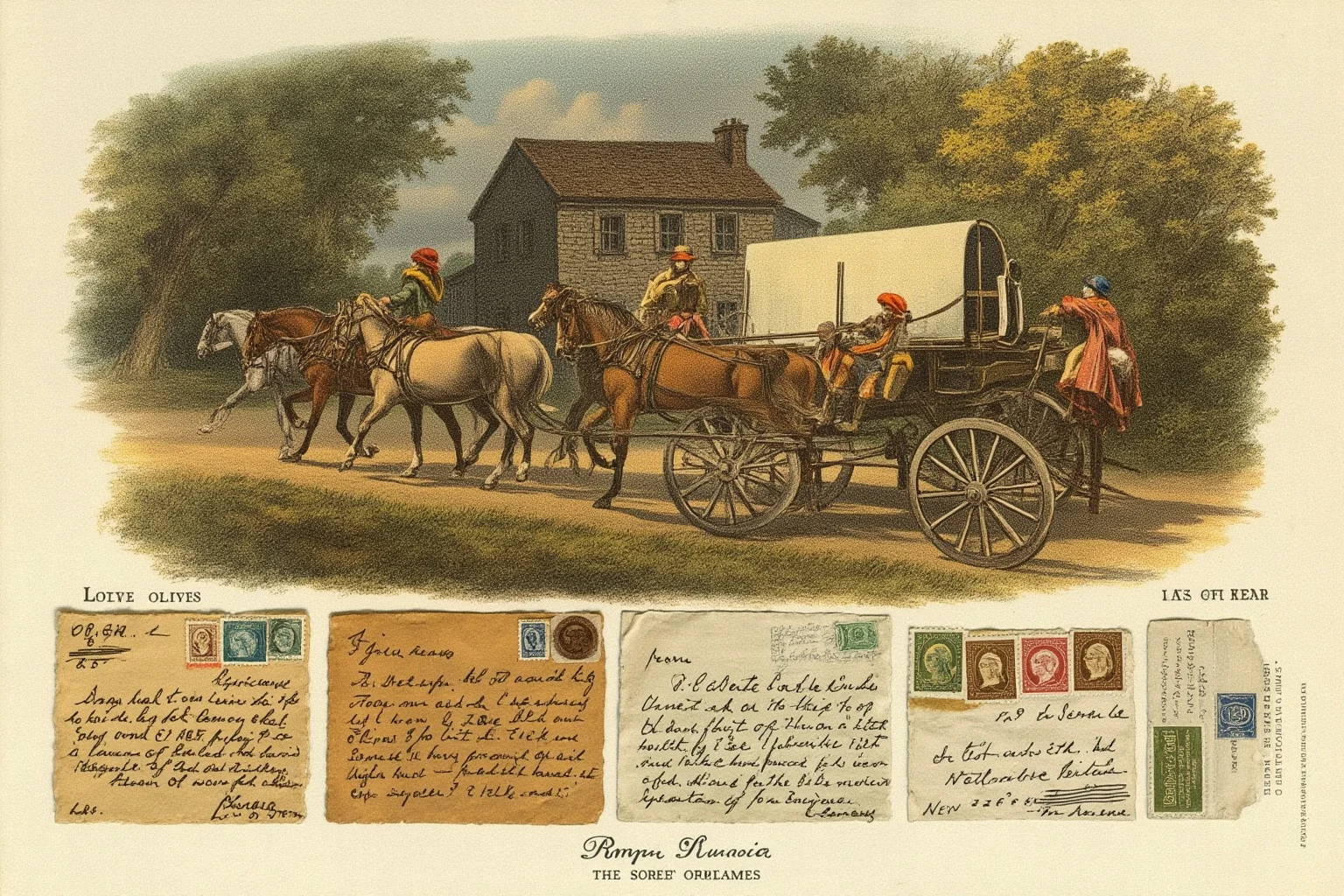
The Princely House of Thurn and Taxis built its fortune on information rather than credit. Beginning in the late 15th century, the family ran the imperial postal system across the Holy Roman Empire, moving letters and the news they carried faster than rivals could.
Postal monopolies made them indispensable to emperors and merchants for centuries. The family still occupies a vast palace in Regensburg and remains one of Europe's more visible old noble houses.
6. The Rothschilds

Mayer Amschel Rothschild started as a coin dealer in Frankfurt, and his five sons spread to London, Paris, Vienna, Naples, and back to Frankfurt. That network could move money and information across Europe faster than most governments could.
They financed wars, railways, and government loans through the 19th century, and the 'five arrows' emblem became shorthand for coordinated family power. It is worth noting that the most lurid stories about the family, especially the claim that Nathan Rothschild made a vast fortune from early Waterloo news, are exaggerated and were amplified by antisemitic propaganda.
7. The Barings of London

Baring Brothers, founded in London in the 1760s, became one of the world's most powerful merchant banks. It helped arrange the financing behind the Louisiana Purchase in 1803, working alongside Hope & Co. of Amsterdam.
The bank's 1995 collapse after rogue trading by Nick Leeson ended more than two centuries of independence. Even old money institutions, it turns out, are not immune to a single point of failure.
8. The Warburgs of Hamburg
M.M. Warburg & Co. was founded in Hamburg in 1798 and grew into one of Germany's leading private banks. In the late 19th century, brothers Paul and Felix Warburg moved to the United States and joined Kuhn, Loeb & Co.
Paul Warburg became a leading advocate for central banking and played a significant role in shaping the Federal Reserve System created in 1913. The family's history also shows how fragile dynastic wealth can be, since Nazi persecution scattered a banking family that had spent more than a century building.
9. The Oppenheims of Cologne
Sal. Oppenheim, founded in Cologne in 1789, grew into one of Europe's largest private banks. It financed railways and helped establish German insurance companies, embedding itself in the country's industrial build-out.
The family's banking independence lasted into the 21st century, ending when the bank was sold and eventually absorbed into Deutsche Bank. It is a textbook case of a banking family that outlived its own institution.
10. The Hoares and the Coutts Bank

Two British private banks show how old money in the UK was often held quietly. C. Hoare & Co. was founded in 1672 and has stayed in family hands for more than three centuries, while Coutts, founded in 1692, became the bank of the aristocracy and the royal family.
Neither institution chased the spotlight, and both built their reputations on discretion and long-term relationships. That combination of patience and privacy is the connective tissue of most enduring fortunes.
11. The Quaker Banking Families of Britain

Some of Britain's most durable financial dynasties came from religious dissenters barred from universities and public office. Quaker families such as the Gurneys of Norwich, the Barclays, and the Lloyds built banks whose names still sit on the high street.
The same networks produced the Cadburys, Frys, and Rowntrees in chocolate and confectionery. Exclusion from the establishment sometimes pushes a community toward exactly the industries that create lasting wealth.
12. The Wallenbergs of Sweden
Few dynasties have held influence as long or as consistently as the Wallenbergs of Sweden. André Oscar Wallenberg founded the bank that became SEB in 1856, and the family's holding company, Investor AB, has been a fixture of Swedish industry ever since.
Generations of Wallenbergs have sat at the center of Swedish corporate life, backing companies from Ericsson to Atlas Copco. Their longevity reflects a strategy of holding through cycles rather than trading around them.
13. The Mitsui of Japan

Mitsui Takatoshi opened a dry-goods shop and money exchange in 1673, laying the foundation for one of Japan's great merchant houses. By the early 20th century, the Mitsui zaibatsu spanned banking, shipping, mining, and trade.
The zaibatsu were dissolved by the Allied occupation after World War II, but the companies regrouped into the modern Mitsui keiretsu. It is a strong example of dynastic wealth adapting to an entirely new legal and political order.
Old Money in Colonial and Early America
Across the Atlantic, wealth took a different shape. Land, mercantile trade, and enslaved labor produced the first old money families in the US, and their influence on American institutions ran far deeper than their bank balances.
14. The Dutch Patroon Families of New York

Dutch colonization left New York with a landed aristocracy unlike anything in the English colonies. Kiliaen van Rensselaer established Rensselaerswijck in 1630, and families like the Schuylers, Van Cortlandts, and Livingstons built on similar grants.
Patroon estates collected rent from tenant farmers for generations, and the arrangement sparked the anti-rent wars of the 1840s. The conflict corrects the idea that old money in the US was always genteel, since a great deal of it rested on contested land titles.
15. The Virginia Plantation Dynasties
In Virginia, families such as the Byrds, Carters, and Lees built fortunes on tobacco and enslaved labor. William Byrd II's Westover and Robert 'King' Carter's landholdings were among the colony's great estates.
This is the inheritance that American old money narratives often soften. Any honest account of wealthy families in history has to reckon with the fact that some of the most celebrated colonial fortunes were built directly on slavery.
16. The Biddles of Philadelphia

The Biddle family of Philadelphia produced Nicholas Biddle, president of the Second Bank of the United States. His fight with Andrew Jackson over the bank's recharter became one of the defining political battles of the 1830s.
Jackson's veto and the bank's demise ended Biddle's institutional power, but the family stayed prominent in law, architecture, and public life. It is a case study in how a family can lose an institution and still keep its social position.
The Gilded Age and the American Old Money Families
The late 19th century produced fortunes on a scale the United States had never seen. Railroads, oil, steel, and finance created the American old money families that still shape philanthropy, politics, and culture today. What follows are the names most people mean when they talk about old money families in the US.
17. The Astors
John Jacob Astor made his first fortune in the fur trade before pivoting into Manhattan real estate. By the time of his death in 1848, he was widely regarded as the wealthiest person in the United States.
Later generations became arbiters of New York society, most famously through Caroline Astor's carefully curated guest lists. The family's social capital outlasted much of the actual fortune, which is a pattern worth remembering.
18. The Vanderbilts

Cornelius Vanderbilt built a shipping and railroad empire in the 19th century, and his descendants spent lavishly on mansions like Biltmore and The Breakers. For several generations, the name was shorthand for American dynastic wealth.
The money dispersed quickly across many heirs, and later Vanderbilts became better known for preservation and celebrity than for control of industry. Their arc is the classic illustration of the three-generation proverb.
19. The Rockefellers

John D. Rockefeller built Standard Oil into the most powerful company in America, and the Supreme Court broke up the trust in 1911. The resulting shares, ironically, made the family even wealthier.
Rockefeller and his successors poured enormous sums into philanthropy, creating the Rockefeller Foundation and funding the University of Chicago. Six generations on, the family remains a fixture of American institutional life even though its financial weight is spread across trusts and foundations.
20. The Morgans

J.P. Morgan functioned as a central banker in everything but title. He helped organize the 1895 gold loan that replenished the U.S. Treasury and personally coordinated the 1907 rescue of the banking system.
The Glass-Steagall Act of 1933 forced the family firm to choose between commercial and investment banking, and Morgan Stanley was spun off as a result. The name survives today, but the family's direct control did not.
21. The Mellons
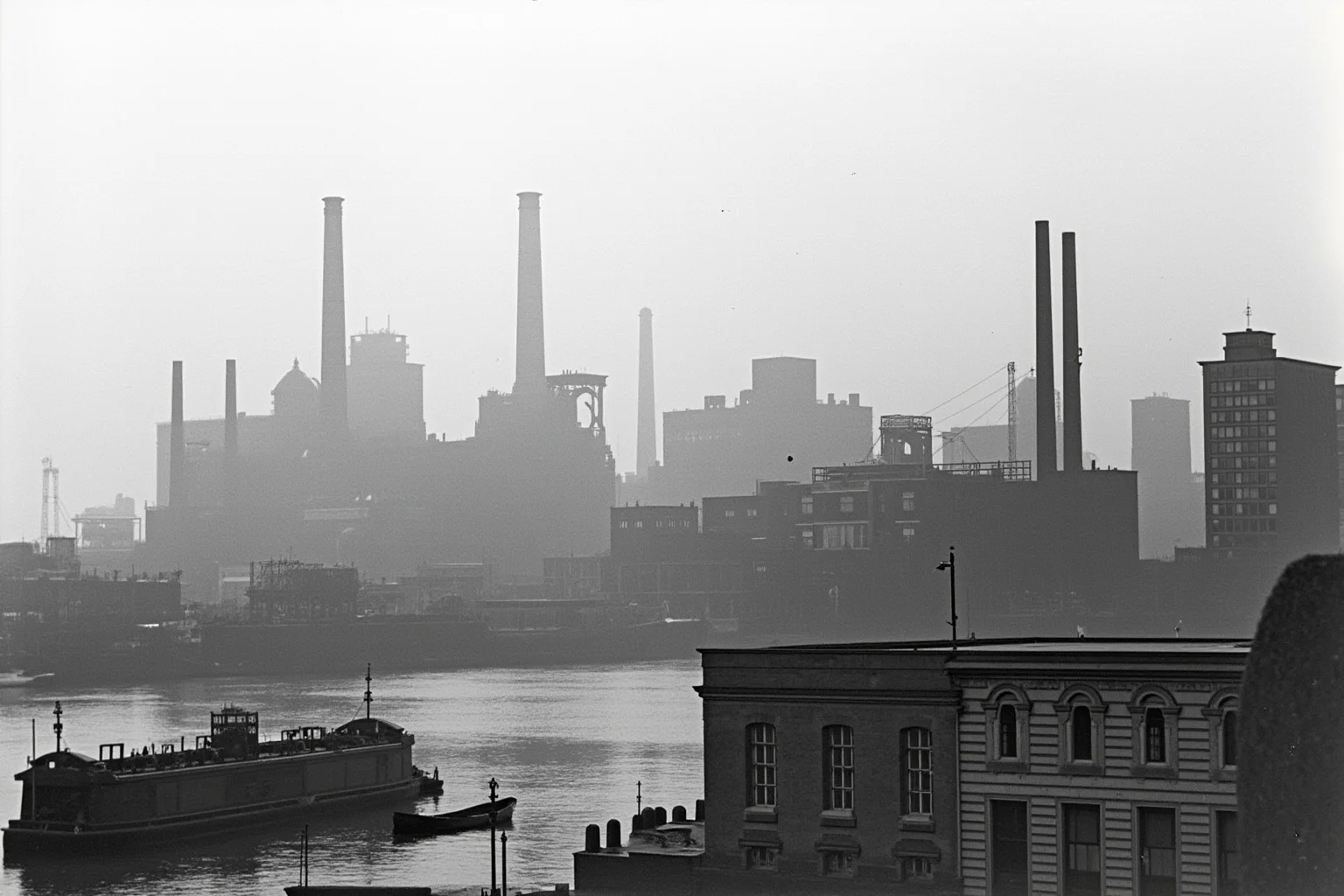
Thomas Mellon founded the family bank in Pittsburgh in 1869, and his son Andrew turned it into a financial empire tied to aluminum and oil. Andrew Mellon served as U.S. Treasury Secretary from 1921 to 1932.
The family's philanthropy helped create the National Gallery of Art and, through the Mellon Institute, shaped what became Carnegie Mellon University. It is a prime example of old money in the US converting industrial profit into permanent cultural infrastructure.
22. The du Ponts
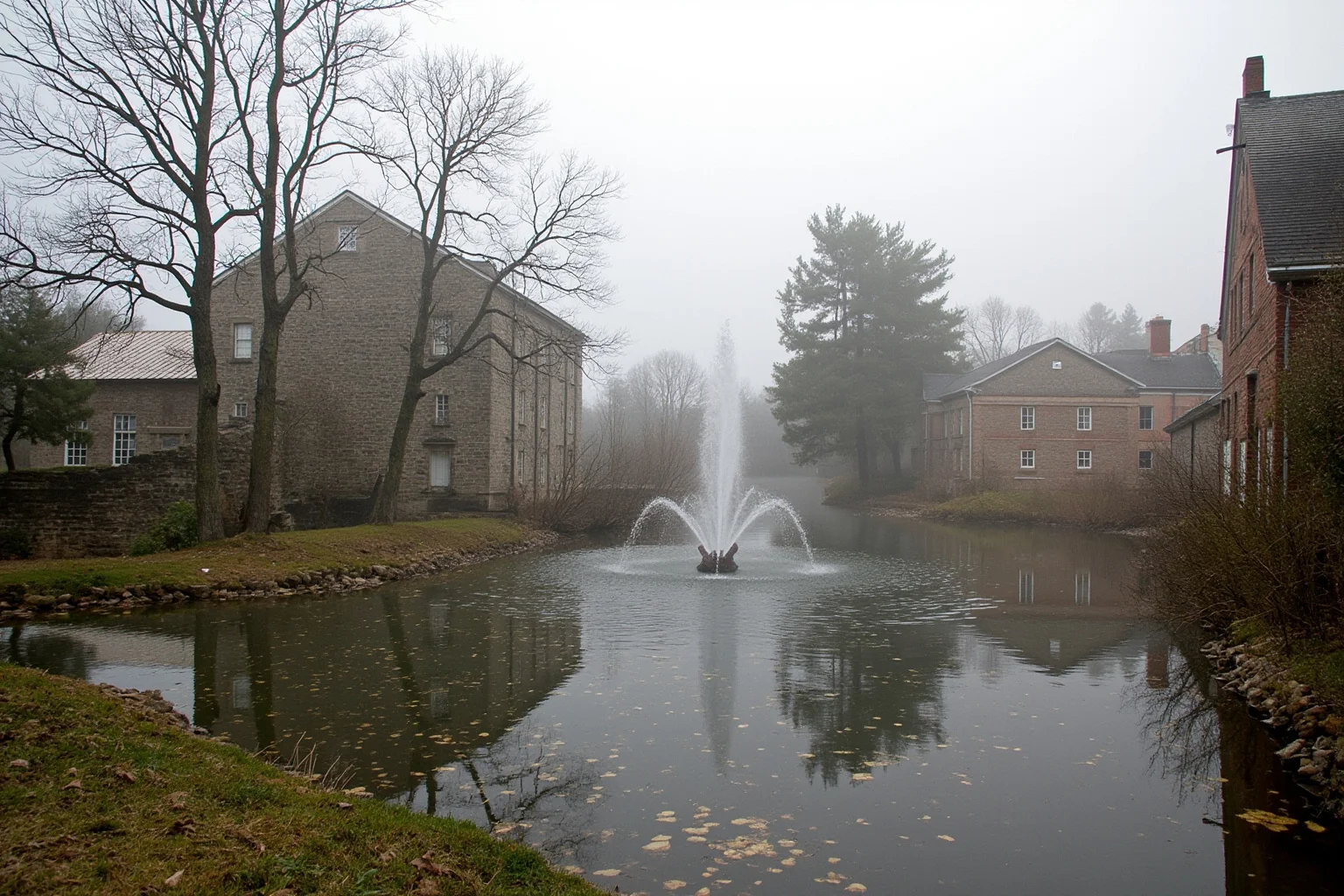
Éleuthère Irénée du Pont founded a gunpowder mill on the Brandywine River in 1802, and the business grew into one of the world's largest chemical companies. The family dominated Delaware's economy and politics for generations.
Du Pont family members were instrumental in building the state's schools, museums, and gardens, including Longwood Gardens. Few families have stamped their identity so completely onto a single American state.
23. The Carnegies

Andrew Carnegie sold his steel interests to J.P. Morgan in 1901 in the deal that created U.S. Steel, then spent the rest of his life giving the money away. His 'Gospel of Wealth' essay argued that the rich were merely trustees of their fortunes.
Carnegie funded more than 2,500 public libraries around the world along with schools and a peace endowment, and his heirs continued the giving. Whether or not you accept the philosophy, the model of converting industrial wealth into civic institutions became the template for American philanthropy.
24. The Kennedys

The Kennedys are the clearest modern example of an American political dynasty built on a financial base. Joseph P. Kennedy Sr. amassed a fortune through finance, film, and other ventures before financing his sons' careers, and biographers still debate the exact composition and origins of that wealth.
John, Robert, and Edward Kennedy each held national office, and the family name became synonymous with a particular era of American politics. Their story shows that old money status in the U.S. is often about networks and institutions as much as cash.
Why These Hidden Dynasties Still Matter
Read together, these families reveal a pattern. The fortunes that endured rarely did so by staying in one business, and instead diversified into land, then institutions, then influence.
They also learned to disappear into trusts, universities, foundations, and quietly held holding companies. That is why the most powerful old money families in history are so often invisible in daily life even when their money is everywhere.
There is a practical lesson here for anyone hunting for examples of old money today. Look past the surnames carved on buildings and check who sits on the boards of museums, universities, hospitals, and family offices.
And remember that most dynasties do not last. Plenty of names on this list lost their wealth entirely, and what survives is the architecture they funded. That may be the most honest definition of old money, whether you are talking about old american money families in Boston or old money american families in New York: not the money itself, but the institutions it left behind.
Frequently Asked Questions
What are the most famous American old money families?
The names most often cited are the Astors, Vanderbilts, Rockefellers, Morgans, Mellons, du Ponts, and Carnegies, all of whom built fortunes during the 19th and early 20th centuries. Older colonial families such as the Byrds, Carters, Biddles, and Dutch patroon families of New York predate them by more than a century. Together they are the standard reference points in any discussion of American old money families.
Are there old money families in the US older than the Gilded Age?
Yes. Dutch patroon families like the Van Rensselaers and Livingstons held huge Hudson Valley estates from the 1600s, and Virginia dynasties such as the Byrds and Carters built wealth on tobacco and enslaved labor in the same era. Philadelphia's Biddle family and New England's merchant and shipping families also predate the Gilded Age by generations. Much of this early wealth was tied to land and agriculture rather than banking or industry.
What is the difference between old money and new money?
Old money usually refers to wealth inherited across several generations and embedded in institutions, manners, schools, and social networks. New money refers to wealth made within one lifetime, often in a single industry or a rapid exit like an IPO. The distinction is cultural rather than legal, and it blurs quickly once a fortune is a few decades old.
Which banking families have been the most influential in history?
The Medici and the Fuggers shaped Renaissance and Habsburg finance, while the Rothschilds, Barings, and Warburgs dominated 19th-century international lending. Sweden's Wallenberg family has held influence for more than 160 years through its bank and holding company. German and British private banking families such as the Oppenheims, Hoares, and Coutts add further depth to the story.
Do any old money families still control their original companies?
Rarely. Standard Oil was broken up in 1911, Glass-Steagall forced the House of Morgan to split in 1933, and Japan's zaibatsu were dissolved after World War II. Most dynasties diversified into holding companies, trusts, and foundations rather than keeping control of a single business. The Wallenbergs of Sweden are one of the clearest exceptions, with influence still concentrated through Investor AB.
Is the idea that family wealth disappears in three generations actually true?
It is a widely repeated proverb, not a demonstrated rule. Some families do dissipate fortunes through inheritance splits, taxation, and spending, while others preserve wealth for many generations through trusts and institutions. The honest answer is that survival depends heavily on how the money is structured and how many heirs divide it.

Alex Warren
Related Articles