
Most of us met Christopher Columbus in elementary school through a simple story: brave explorer sails across the ocean, discovers America, everyone lives happily ever after. That story is tidy, memorable, and mostly wrong. The real Columbus fact file is far stranger, messier, and more revealing than the classroom version ever let on.
This guide digs into the genuine historical record — voyages, miscalculations, mutinies, controversies, and the myths that still get repeated as truth. Whether you're after a quick fact file on Christopher Columbus for homework or you just want the fun facts your teacher left out, you'll find them below.
TL;DR: Christopher Columbus never set foot in North America, never proved the world was round, and never intended to find a "New World" — the real story is stranger and darker than the school version.
1. He Was Trying to Reach Asia, Not "Discover" a New World
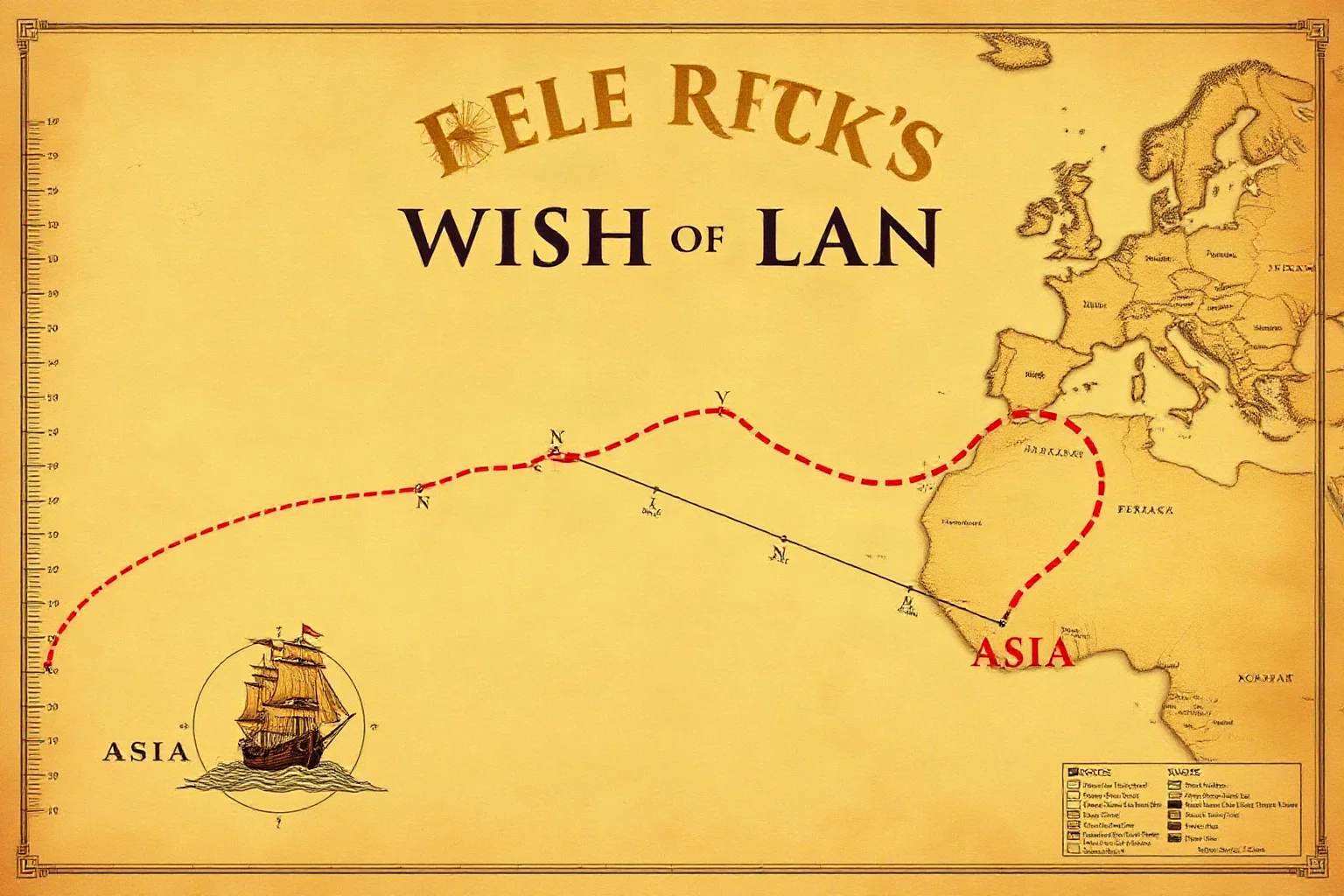
Columbus didn't set sail in 1492 hoping to stumble onto an unknown continent. His actual goal was to find a faster westward trade route to Asia, particularly to the riches of Japan, China, and the Indies. He believed the Atlantic was a shortcut to the same lands that eastward traders reached by camel caravan and ship around Africa.
When he landed in the Caribbean, he was convinced he'd reached islands near Asia. He spent the rest of his life defending that claim, even as evidence mounted against it.
2. He Wasn't the First European to Reach the Americas
One of the most important facts about Christopher Columbus is also the most overlooked: he wasn't first. Norse explorer Leif Erikson and other Vikings reached parts of North America, likely Newfoundland, roughly 500 years before Columbus was born.
Archaeological evidence at L'Anse aux Meadows in Canada confirms a short-lived Norse settlement there around the year 1000. Columbus's voyages mattered because of their lasting global consequences, not because he technically arrived first.
3. He Never Actually Set Foot on Mainland North America
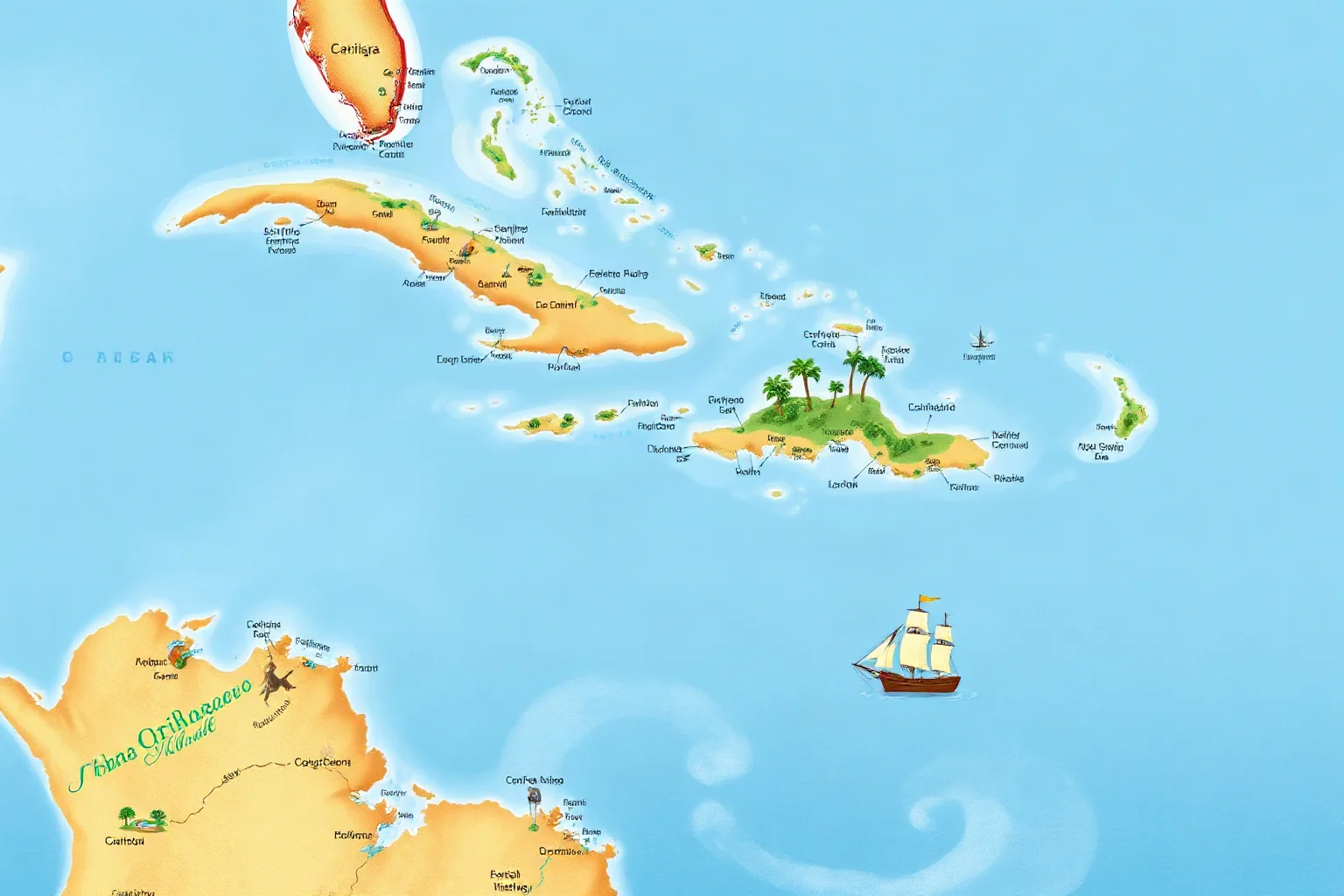
Despite the holiday named after him in the United States, Columbus never set foot on the North American mainland. His four voyages took him to islands in the Caribbean, along the coast of Central America, and to parts of South America's northern coastline.
He explored areas that are now the Bahamas, Cuba, Hispaniola, and later Venezuela and Panama. The mainland United States was never part of his itinerary.
4. He Was Italian but Sailed Under the Spanish Flag
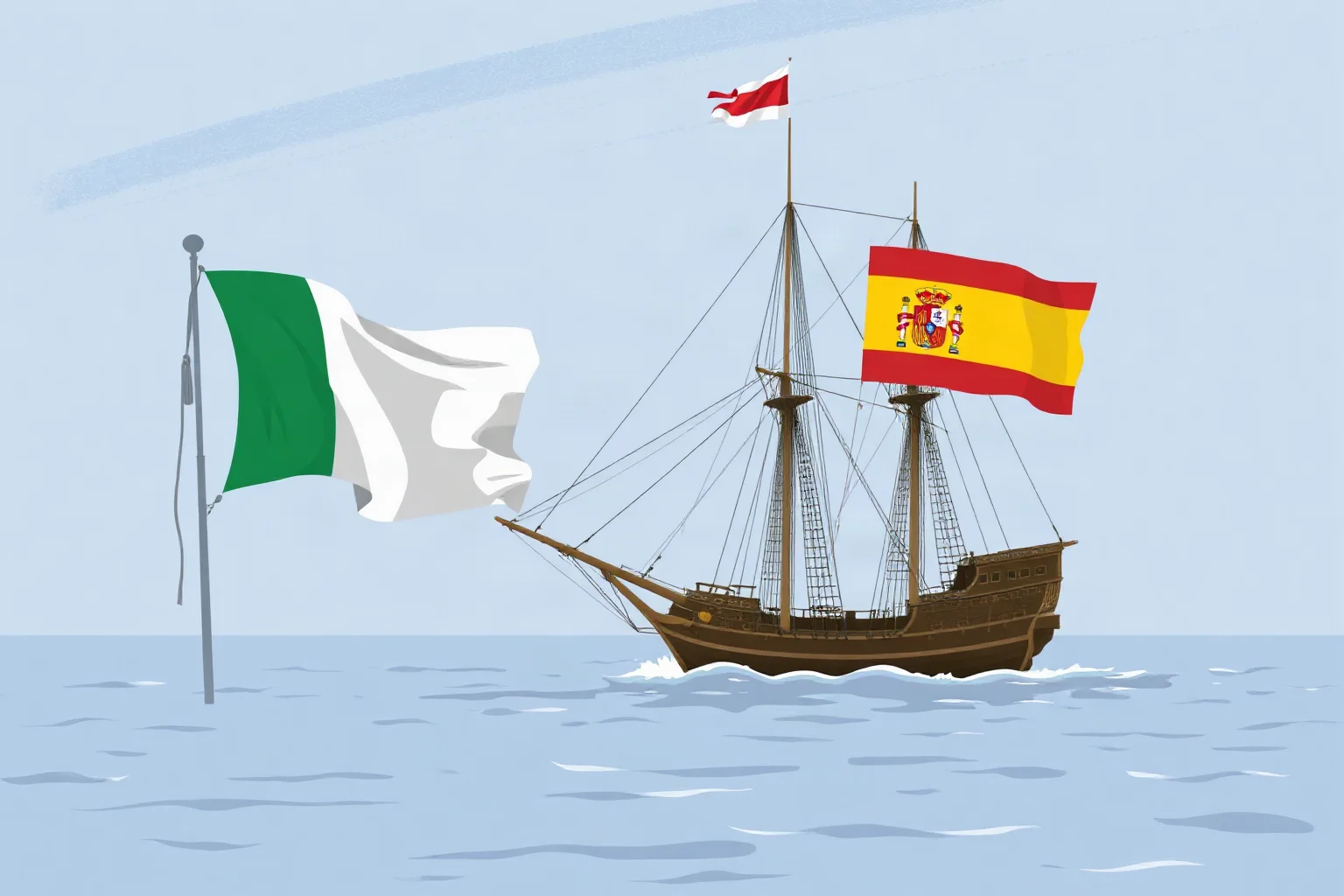
Columbus was born in Genoa, in present-day Italy, around 1451. Spain gets the historical credit for his voyages because Queen Isabella I and King Ferdinand II of Castile and Aragon were the ones who financed his expeditions after other European courts turned him down.
He had pitched his plan to Portugal first, and possibly to England and France, before Spain finally agreed to back him. That funding decision changed the course of world history.
5. He Made Four Voyages, Not Just One
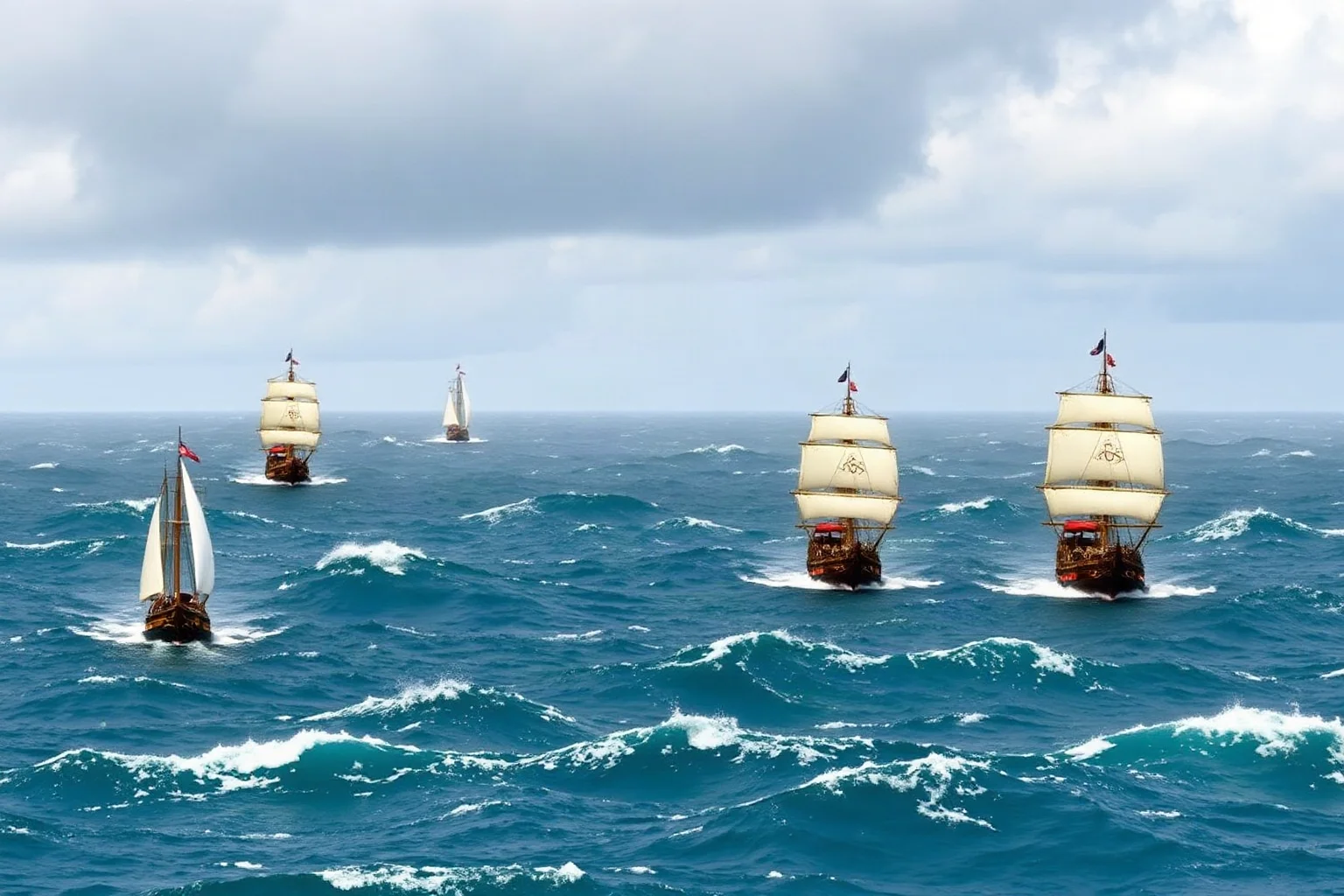
School lessons tend to stop at 1492, but Columbus actually crossed the Atlantic four separate times between 1492 and 1504. His later voyages explored more of the Caribbean and the coasts of Central and South America.
Each trip grew more troubled than the last, plagued by storms, disease, mutiny, and disputes with the Spanish crown. By his final voyage, his reputation and health were both in serious decline.
6. His Ships Were Smaller Than Most People Imagine
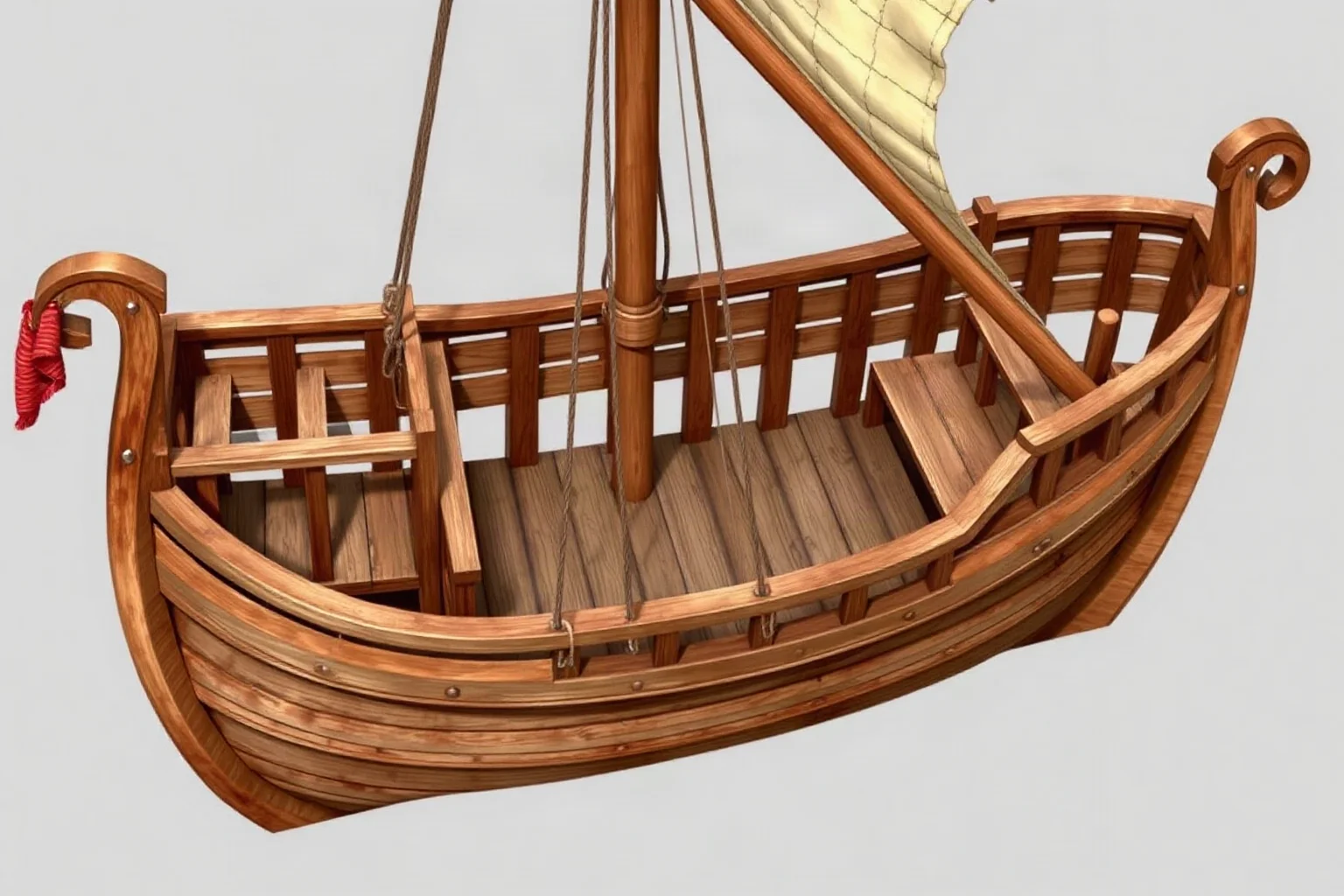
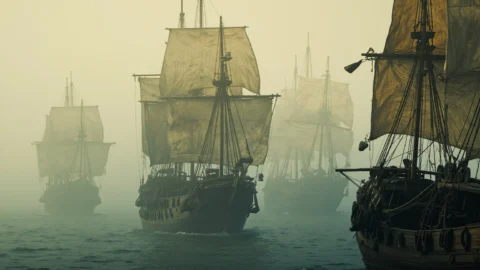
The Niña, the Pinta, and the Santa María are famous names, but the ships themselves were modest. The Santa María, his flagship, was roughly 58 feet long — smaller than many modern houseboats.
The Niña and Pinta were even smaller caravels. Around 90 men total sailed on that first 1492 voyage, packed into cramped, creaking wooden vessels for weeks at sea.
7. Did Christopher Columbus Have a Gun? Not Like You'd Think
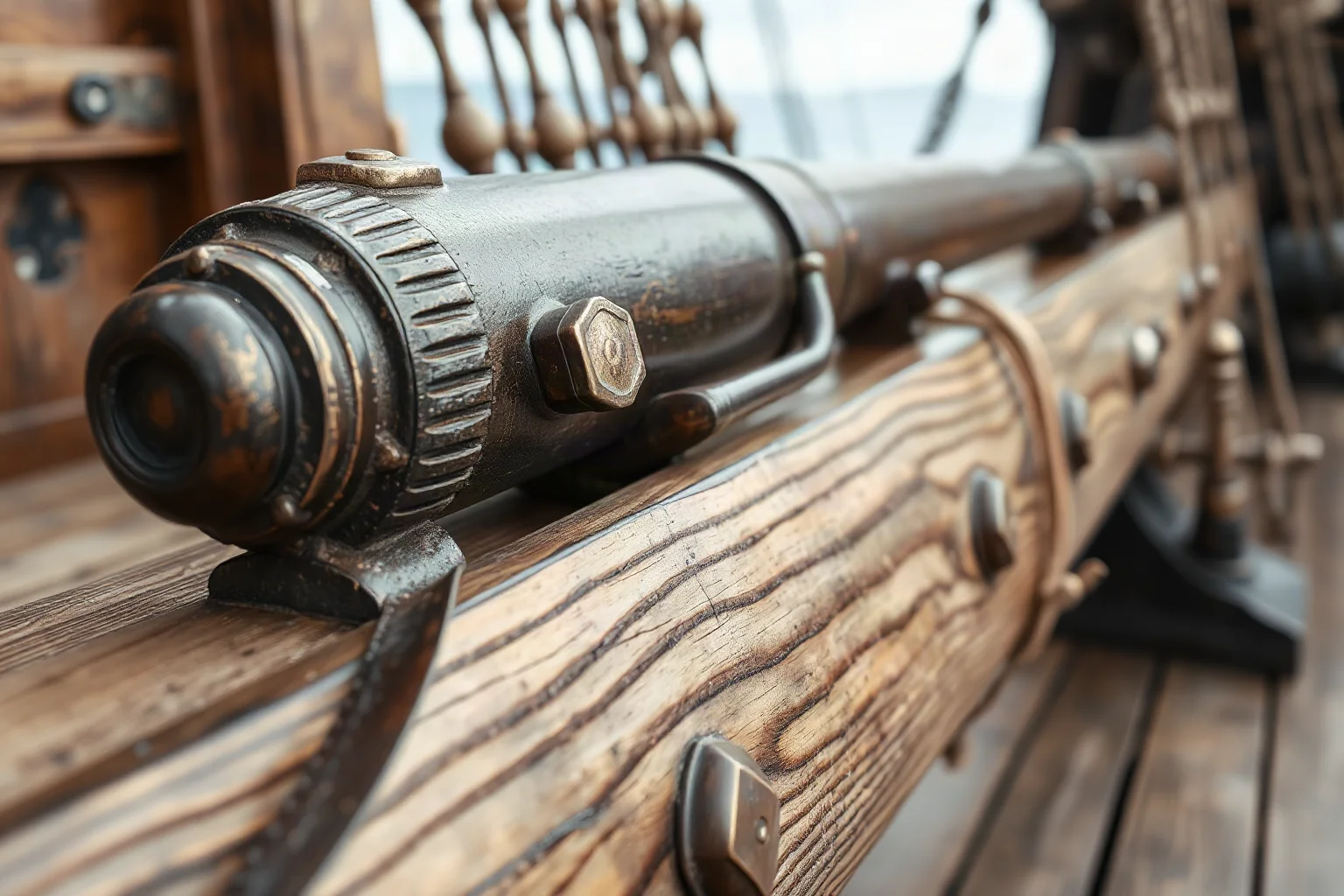
A surprisingly common search question is whether Columbus carried a gun. Firearms did exist on his ships in the form of early cannons and hand-held weapons like the arquebus, a primitive matchlock gun.
These were rare, clumsy, and slow to reload compared to later firearms. Swords, crossbows, and cannons mounted on the ships were far more central to the crew's arsenal than any personal handgun-style weapon.
8. He Badly Miscalculated the Size of the Earth
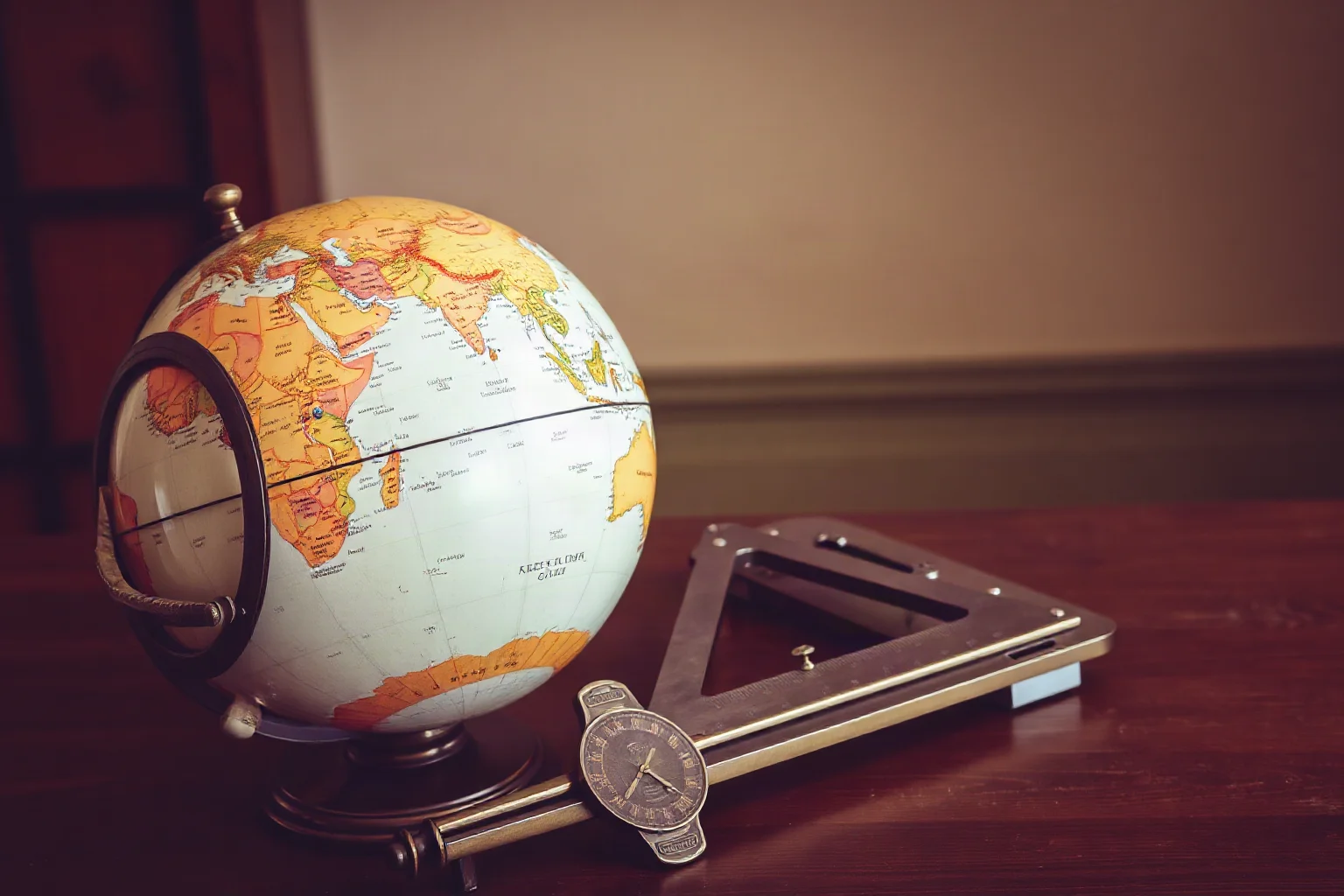
Contrary to the popular myth, educated Europeans in the 1400s already knew the Earth was round. Columbus's real error was different: he underestimated its circumference significantly, believing Asia was much closer to Europe than it actually is.
His calculations were partly based on flawed distance figures from other scholars. If the Americas hadn't been in the way, his crew likely would have starved before reaching Asia at all.
9. His Crew Nearly Mutinied Mid-Ocean
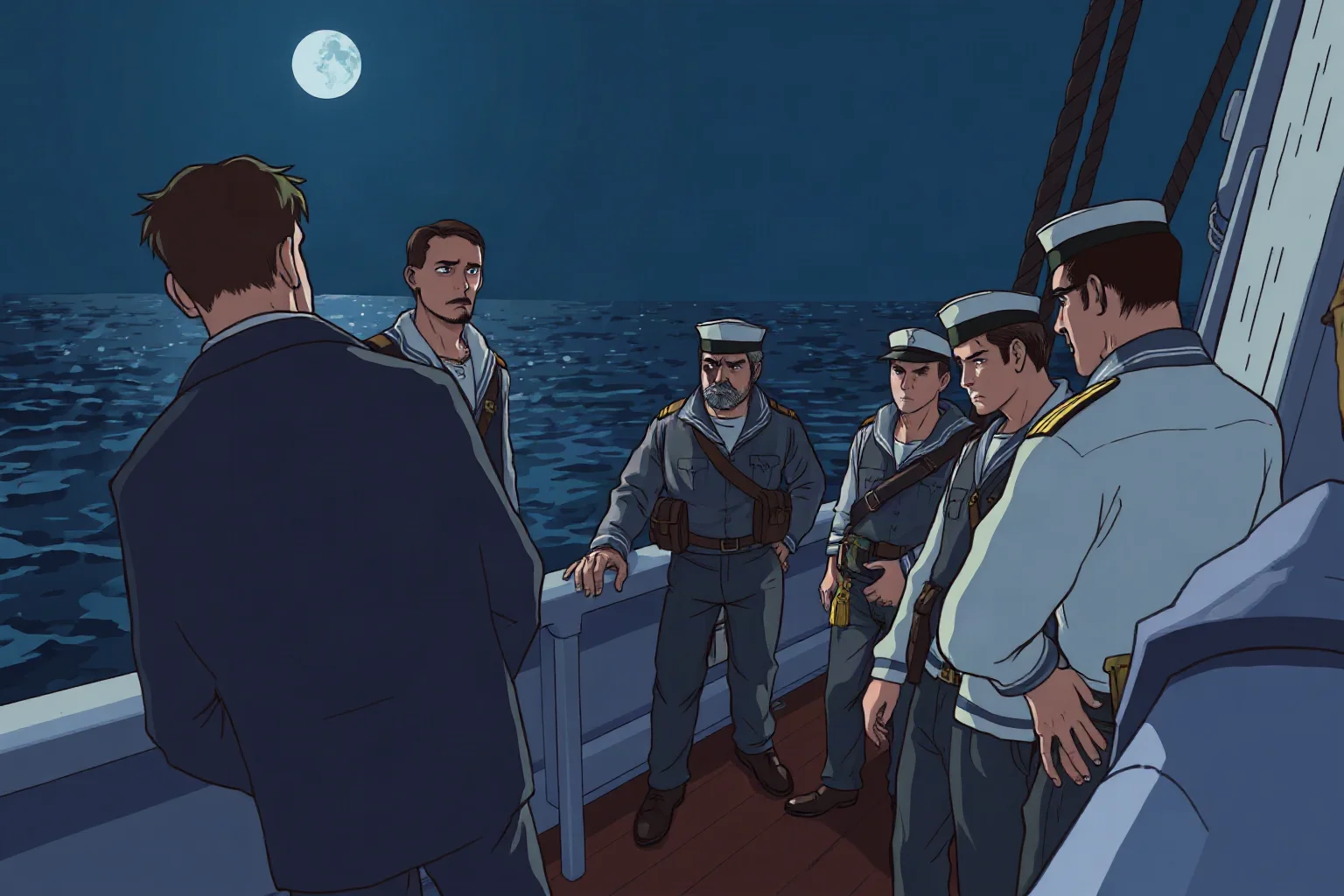
By early October 1492, weeks into the crossing with no land in sight, tensions on Columbus's ships reached a breaking point. Sailors grew anxious, supplies dwindled, and some crew members reportedly discussed turning back or even mutinying.
Columbus is said to have promised they'd sight land within days if none appeared. Land — a small Bahamian island — was spotted on October 12, 1492, easing the immediate crisis.
10. He Kept a Secret, Altered Logbook

According to accounts from Columbus's own writings, he deliberately kept two sets of distance records during the outbound voyage. One recorded the true distance traveled, while the other showed a shorter distance to keep the crew calm and less anxious about how far they were from home.
Historians note this detail comes from Columbus's own journal, so it reflects his perspective on events. It's a small but telling window into the psychological pressure of that first crossing.
11. The Word "Indian" Comes From His Geographic Mistake
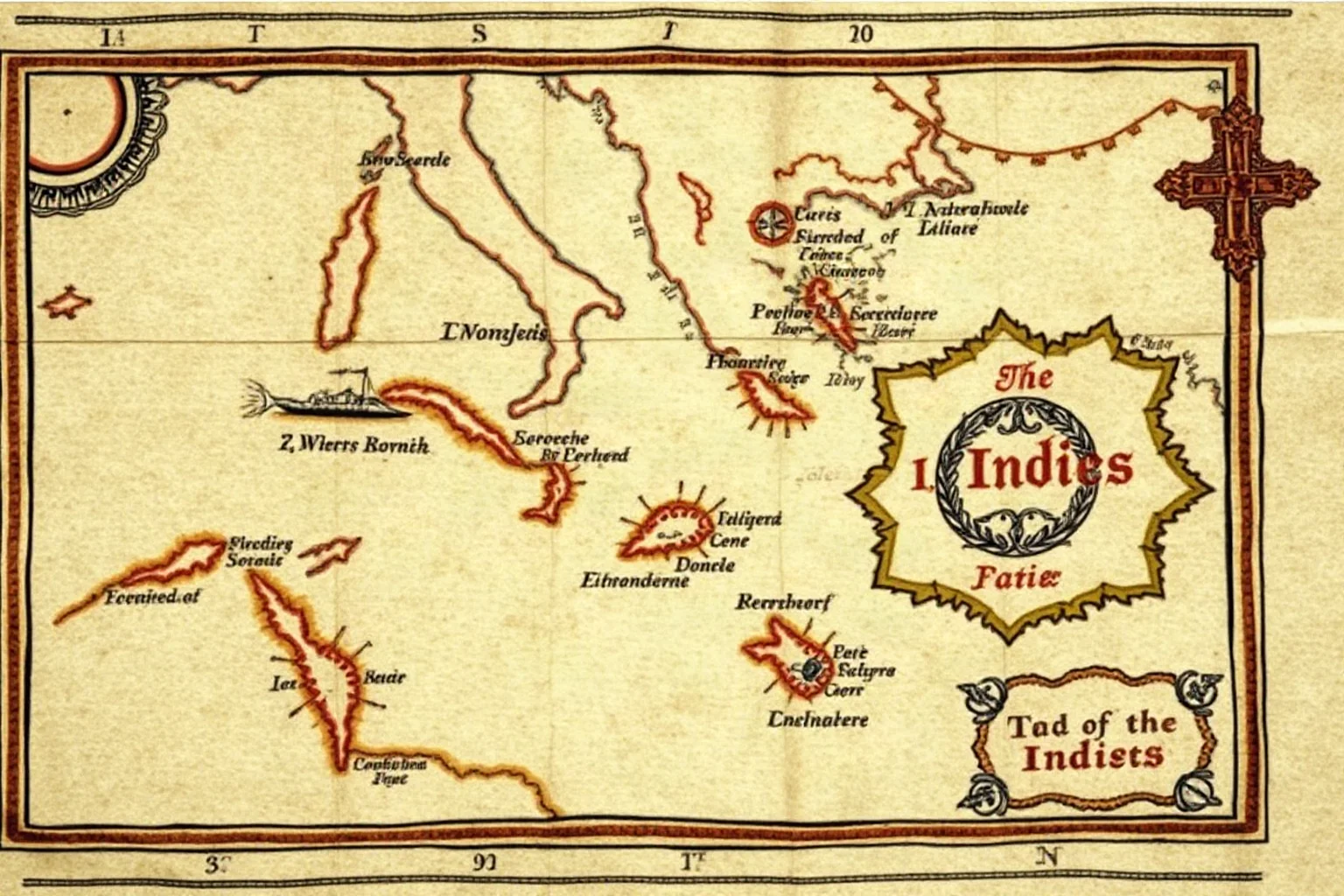
Because Columbus believed he had reached the outskirts of Asia, he referred to the people he encountered as "Indios," meaning people of the Indies. That mistaken label stuck for centuries and became the root of the term "Indian" used for Indigenous peoples of the Americas.
The misnomer persisted long after geographers corrected the record. It's a striking example of how one navigational error rippled through language for over 500 years.
12. He Wasn't Celebrated as a National Hero in His Own Time
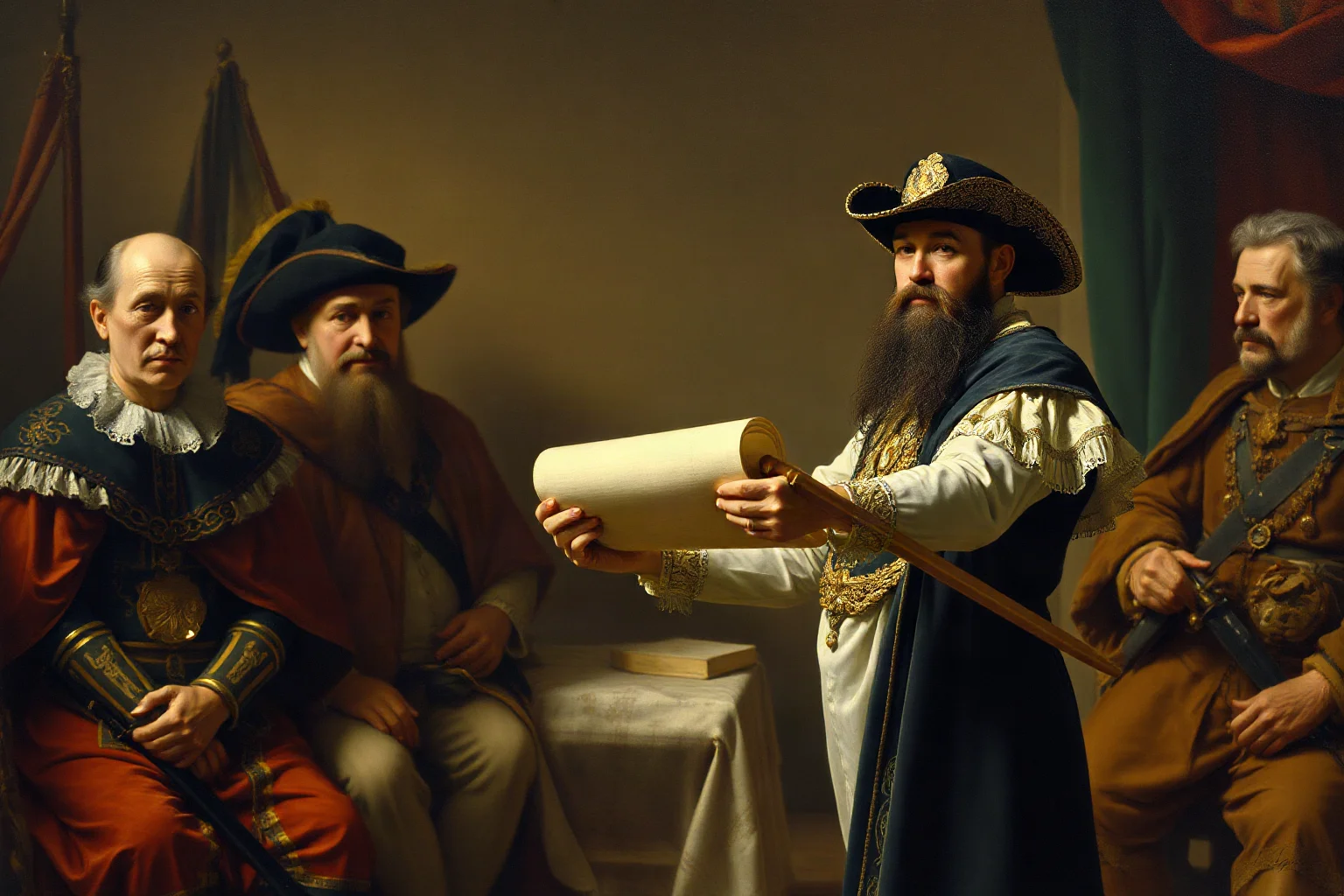
Columbus did receive fame and titles after his first voyage, including the honorific "Admiral of the Ocean Sea." But he was not treated as an untouchable hero throughout his life, and his standing with the Spanish crown soured considerably over time.
Complaints about his governance of Hispaniola, along with reports of mismanagement and cruelty, damaged his reputation among Spanish officials. The heroic myth around him was built up much later, particularly in 19th-century America.
13. He Was Arrested and Shipped Back to Spain in Chains
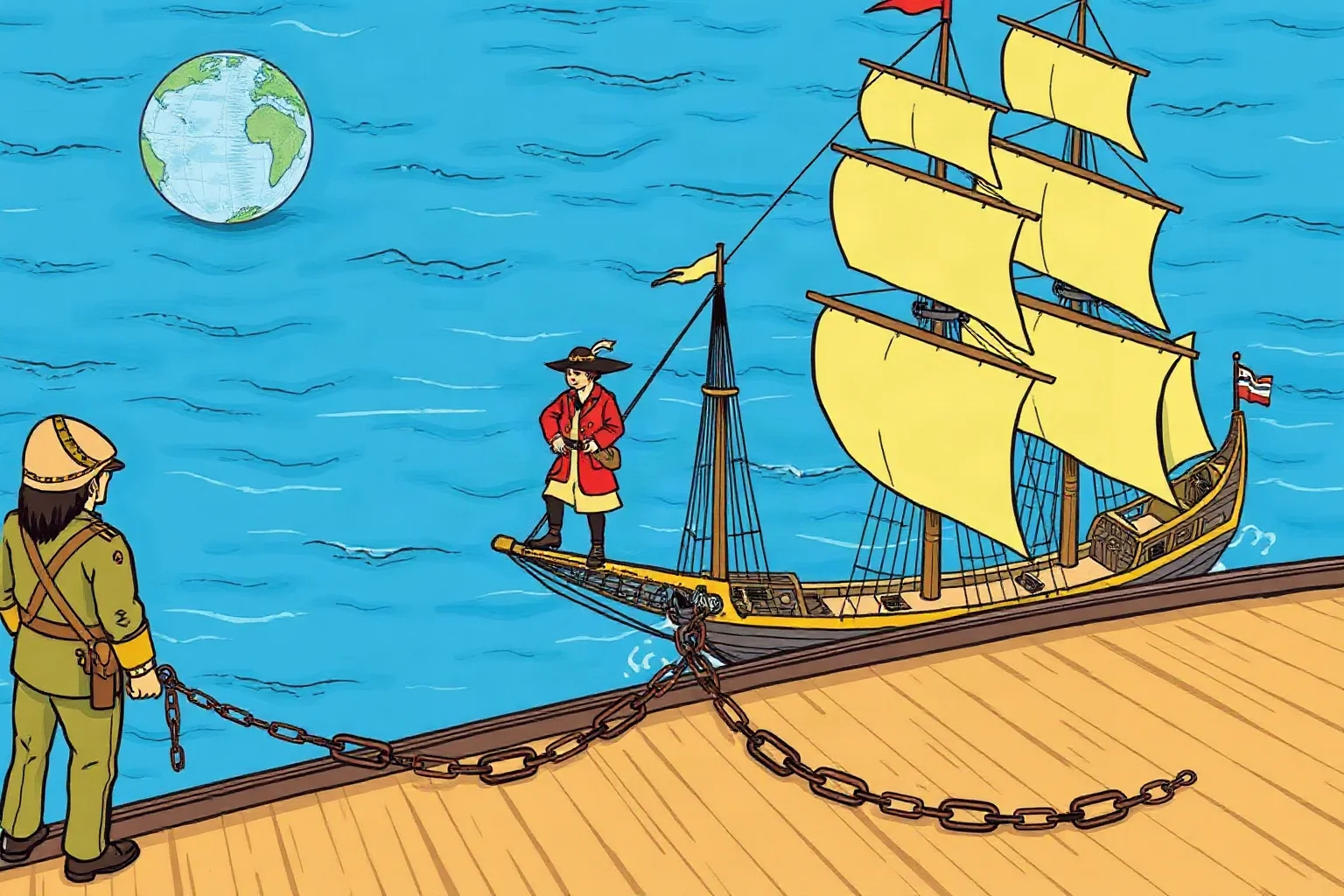
One of the more startling facts about Columbus involves his fall from grace. In 1500, during his time as governor of Hispaniola, Spanish authorities arrested him amid accusations of brutal mismanagement and abuse of both colonists and Indigenous people.
He was sent back to Spain in chains aboard a ship, a humiliating end to his governorship. Though he was eventually released, he never fully regained the authority or trust he'd once held.
14. He Died Without the Wealth or Titles He'd Been Promised
Columbus had negotiated a contract with the Spanish crown promising him a share of profits and the title of governor over lands he discovered. In practice, Spain largely stripped him of these privileges after his conduct as governor came under scrutiny.
He spent his final years petitioning the crown for the money and titles he believed he was owed. He died in 1506 in Valladolid, Spain, in relative obscurity compared to the fame later generations would give him.
15. Columbus Day Wasn't a Widespread US Holiday Until the 1930s
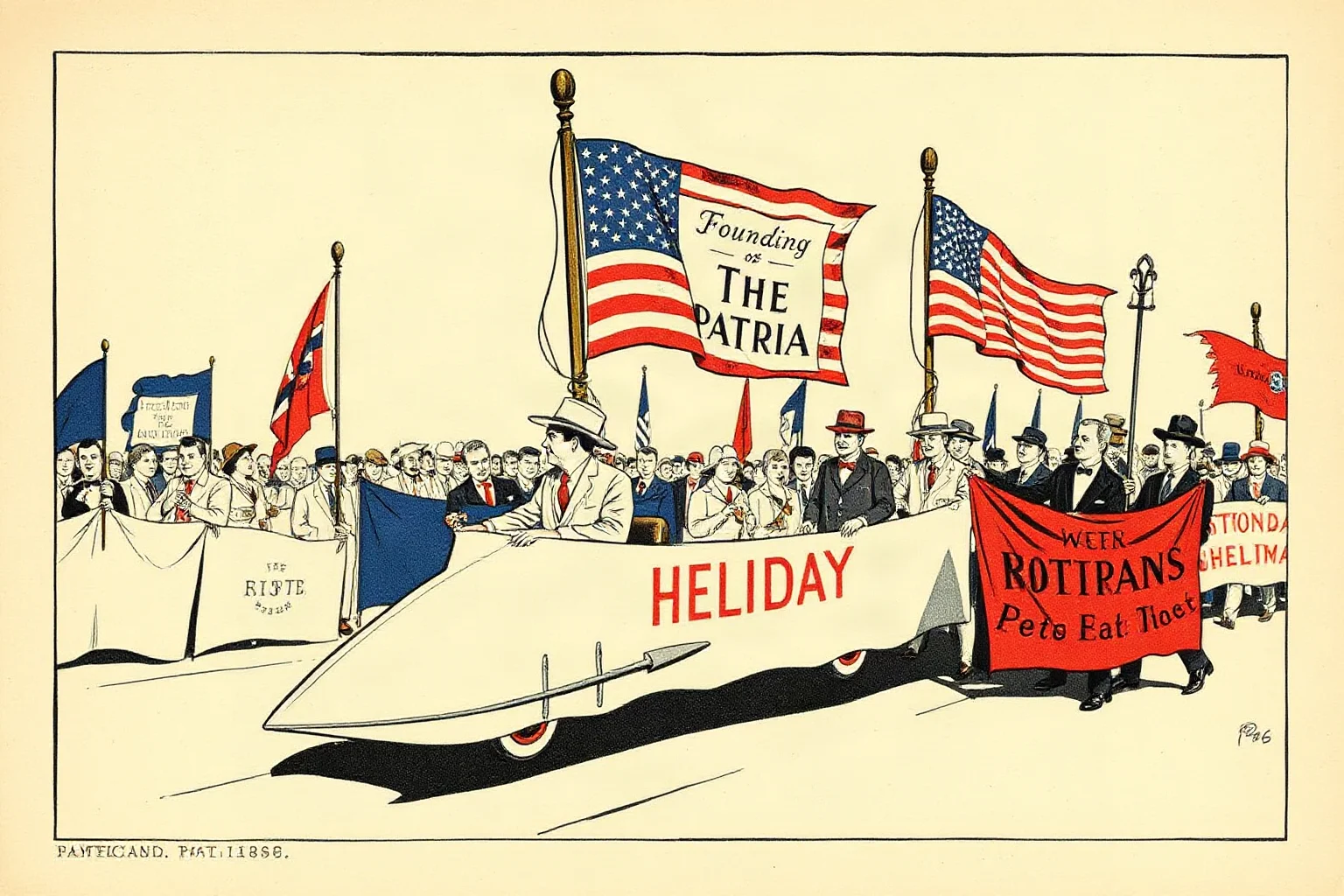
Although Columbus landed in 1492, the United States didn't establish Columbus Day as a federal holiday until 1937, under President Franklin D. Roosevelt. Italian-American communities had pushed for the holiday for decades as a source of ethnic pride and recognition.
In recent years, a growing number of US states and cities have replaced or supplemented it with Indigenous Peoples' Day. This shift reflects the broader modern reassessment of his legacy.
16. The Columbian Exchange Reshaped Diets Worldwide

One of the most far-reaching consequences of Columbus's voyages was the Columbian Exchange, the massive transfer of plants, animals, and crops between the Americas and Europe, Africa, and Asia. Potatoes, tomatoes, corn, and chili peppers traveled from the Americas to the rest of the world.
Meanwhile, wheat, coffee, sugarcane, and livestock like horses and cattle arrived in the Americas for the first time. Italian pasta sauce, Irish potatoes, and Indian chili dishes all trace back, in part, to this exchange.
17. His Voyages Triggered Devastating Disease Outbreaks
Along with crops and goods, European contact introduced diseases like smallpox, measles, and influenza to populations in the Americas that had no prior immunity. The resulting epidemics killed enormous numbers of Indigenous people in the decades following 1492.
Historians estimate that disease, more than warfare, caused the sharpest population declines among Indigenous communities in the Caribbean and beyond. This is one of the darker, less publicized facts of Columbus's legacy.
18. He Enslaved Indigenous People During His Governorship
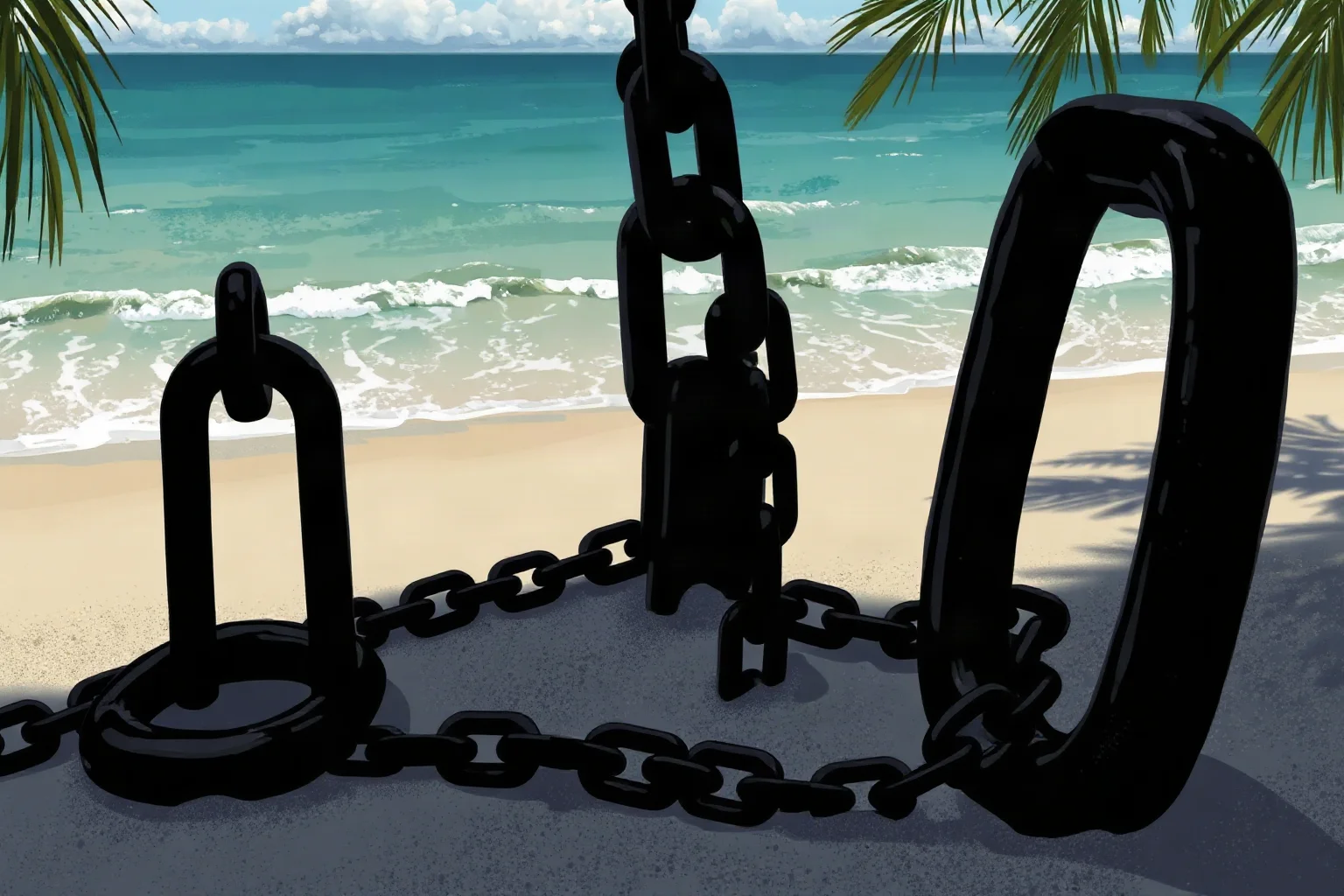
Columbus's own writings and the accounts of contemporaries describe his role in enslaving Indigenous Taino people on Hispaniola. He sent captives back to Spain and imposed forced labor systems on local populations to extract gold and resources.
These actions were controversial even by the standards of some contemporaries, contributing to the complaints that eventually led to his arrest. Modern historians view this as one of the most serious and well-documented parts of his record.
19. His Own Journal Describes Harsh Treatment of Native People
Columbus's surviving journal entries, along with letters and reports from those who served under him, describe punishments and violence inflicted on Indigenous people who failed to meet labor or tribute demands. These records come largely from Spanish chroniclers and Columbus's own writing, not later invention.
This is why many contemporary historians push back against a purely celebratory narrative. Any honest fact file on Christopher Columbus has to include this darker chapter alongside the exploration story.
20. He Died Still Believing He'd Reached Asia
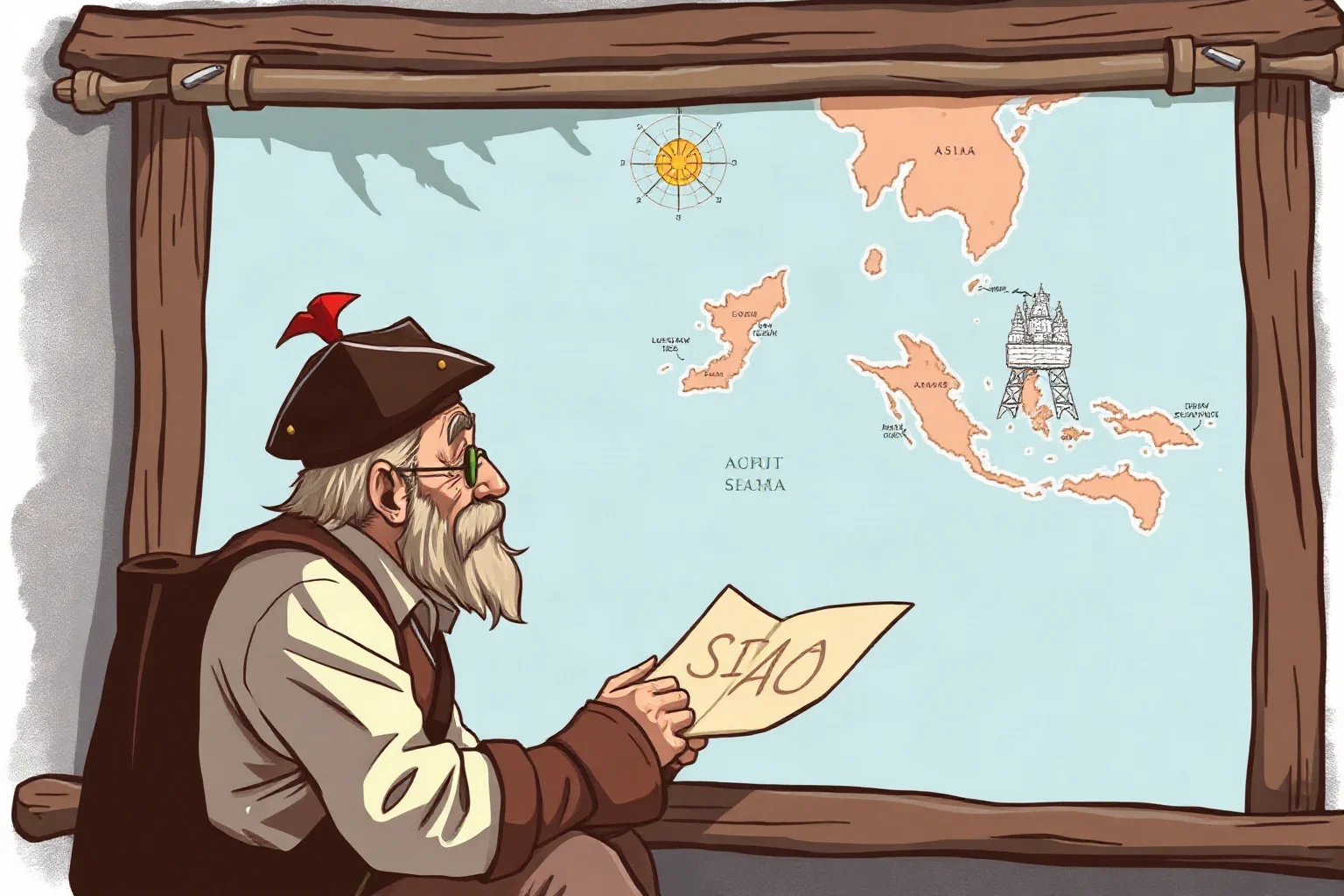
Even after four voyages and years of exploration, Columbus never accepted that he had found a previously unknown continent. He maintained until his death in 1506 that he had reached islands and coastlines near Asia.
It was other explorers and cartographers, notably Amerigo Vespucci, who argued the lands were a separate landmass entirely. That's part of why the continents were eventually named "America" after Vespucci, not Columbus.
21. Where His Remains Actually Rest Is Disputed
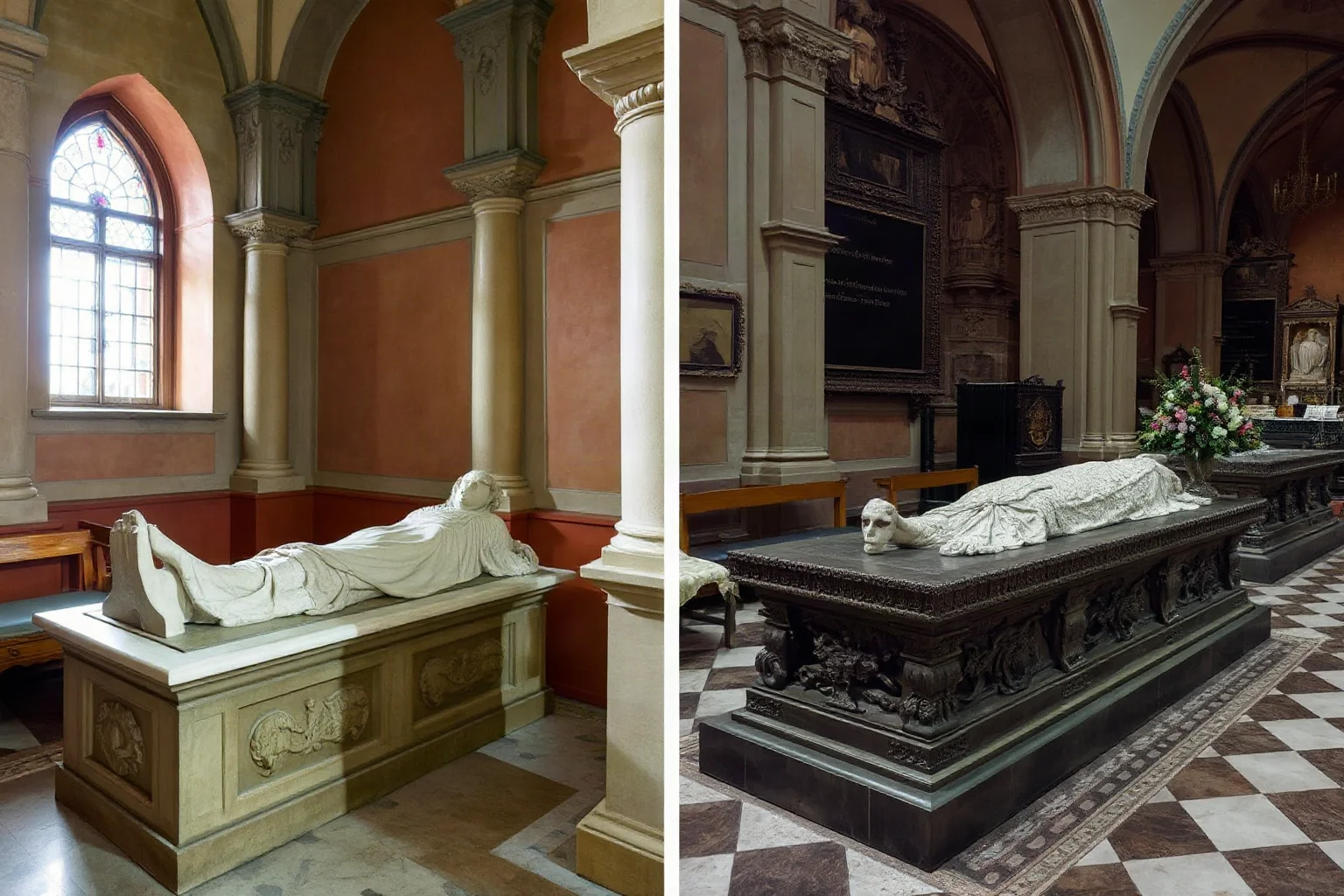
Columbus was initially buried in Spain, then his remains were reportedly moved to Santo Domingo in the Dominican Republic, and later, according to some accounts, to Havana and back to Seville. Both Spain and the Dominican Republic claim to hold his actual remains today.
DNA testing conducted in the early 2000s on remains held in Seville found genetic links consistent with Columbus's known family line. The mystery hasn't been fully settled to everyone's satisfaction, and both countries still maintain competing tombs.
22. He Was a Largely Self-Taught Navigator
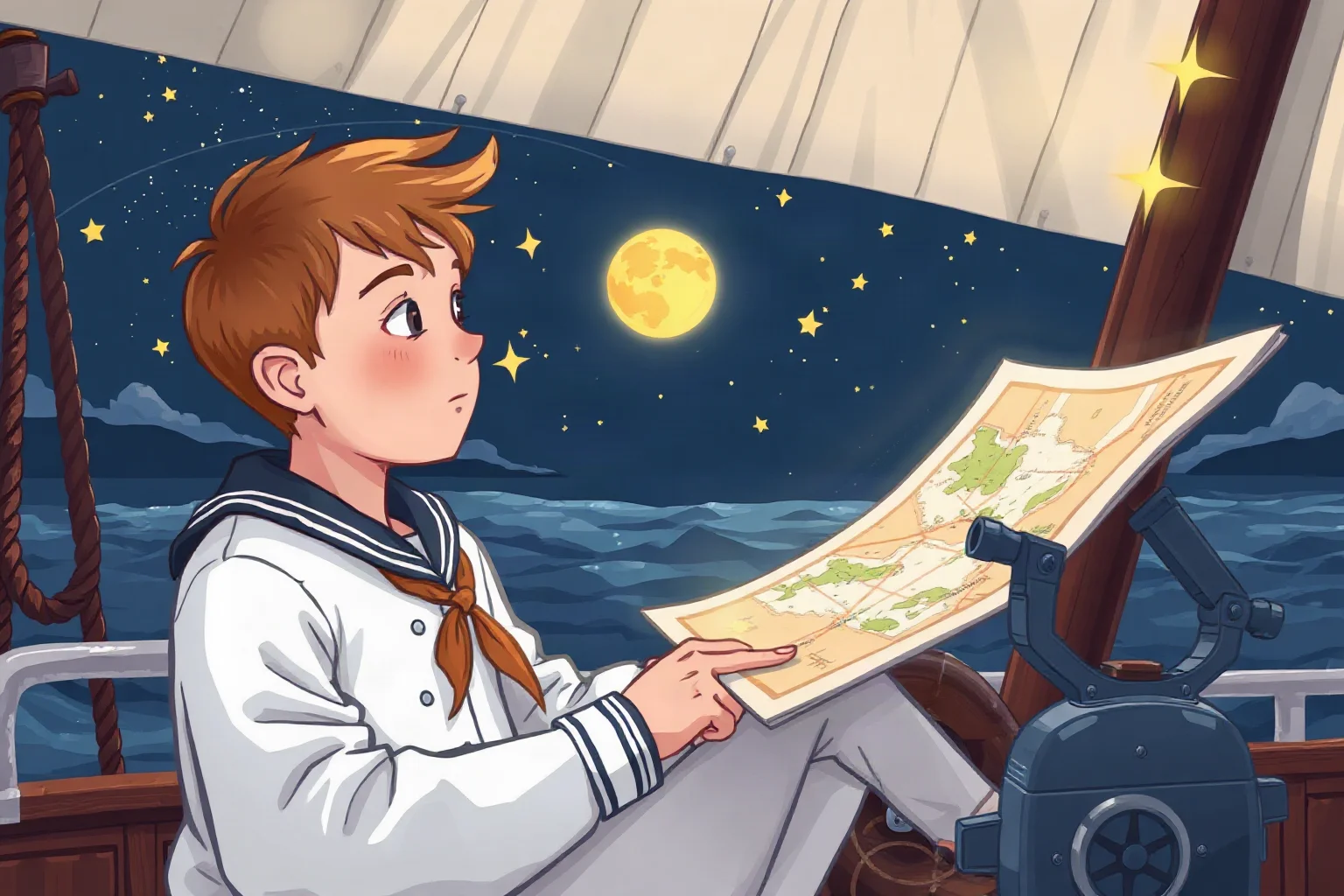
Columbus came from a family of weavers in Genoa and didn't have formal noble or academic training as a navigator. He learned much of his seafaring and cartography skill through years of practical experience sailing Mediterranean and Atlantic trade routes.
He also studied available maps, astronomical charts, and travel accounts, including those of Marco Polo, to build his case for a westward route. His self-directed education helped him pitch his voyage convincingly to Spain's monarchs, even though his core calculations were flawed.
23. He Survived Shipwrecks and Near-Fatal Storms
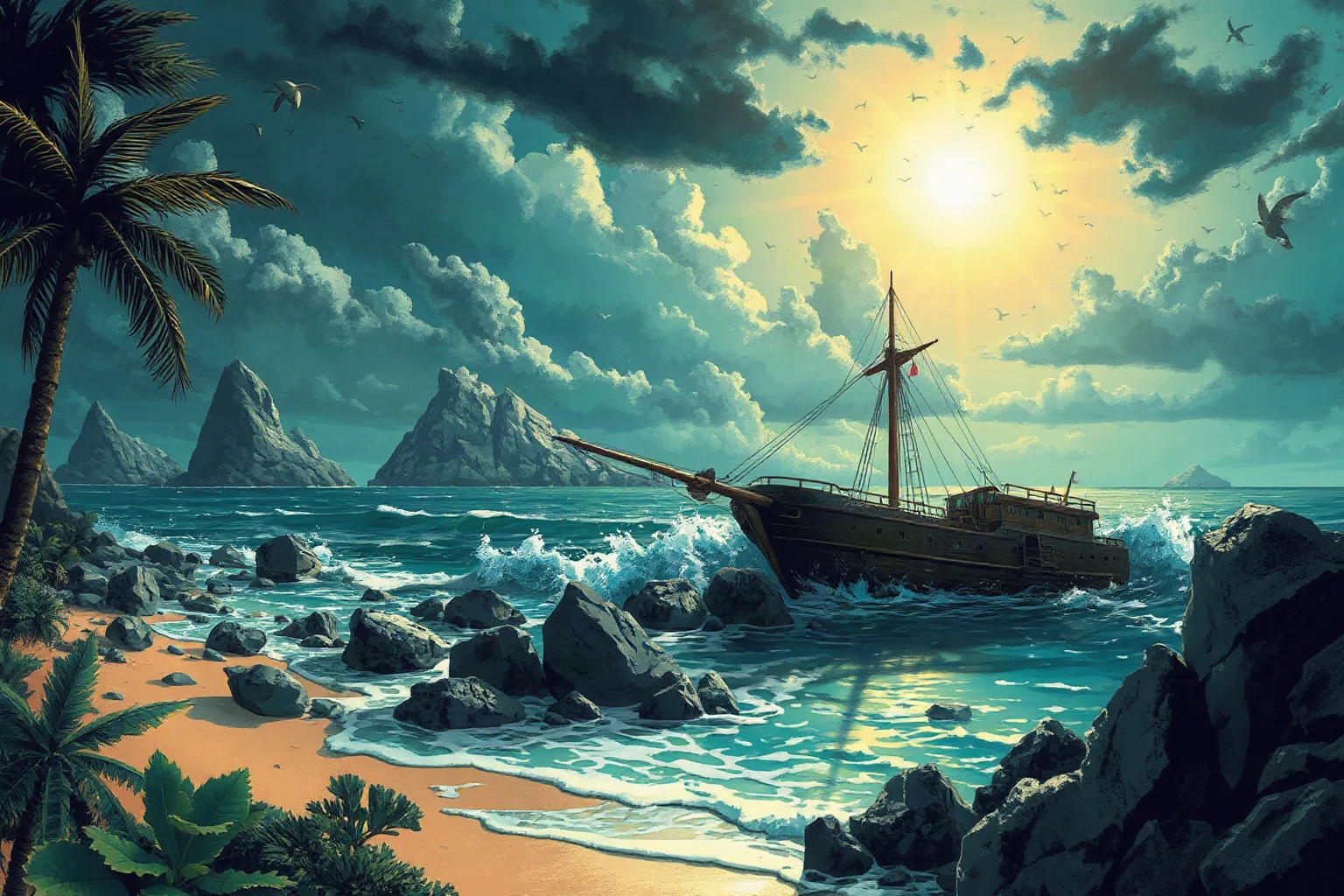
Columbus's voyages weren't smooth sailing by any measure. On his first voyage, the Santa María ran aground and was wrecked off the coast of Hispaniola. Later voyages faced hurricanes, mutiny threats, and a period when he was stranded in Jamaica for roughly a year after his ships became too damaged to sail.
These challenges — storms, shipwrecks, disease, and hostile encounters — are central to understanding what challenges Christopher Columbus actually faced at sea, beyond the simplified textbook narrative.
24. Places Named After Him Often Have No Real Connection to Him
Cities and landmarks like Columbus, Ohio, and Columbus, Georgia, are named in his honor, but he never traveled anywhere near them. The naming reflects 18th- and 19th-century American enthusiasm for Columbus as a symbolic figure of exploration, rather than any direct historical link.
Even the country of Colombia in South America is named after him, despite Columbus never setting foot in the territory that bears his name. It's a reminder of how much of his modern legacy is built on symbolism rather than direct geography.
25. Historians Still Actively Debate His Legacy
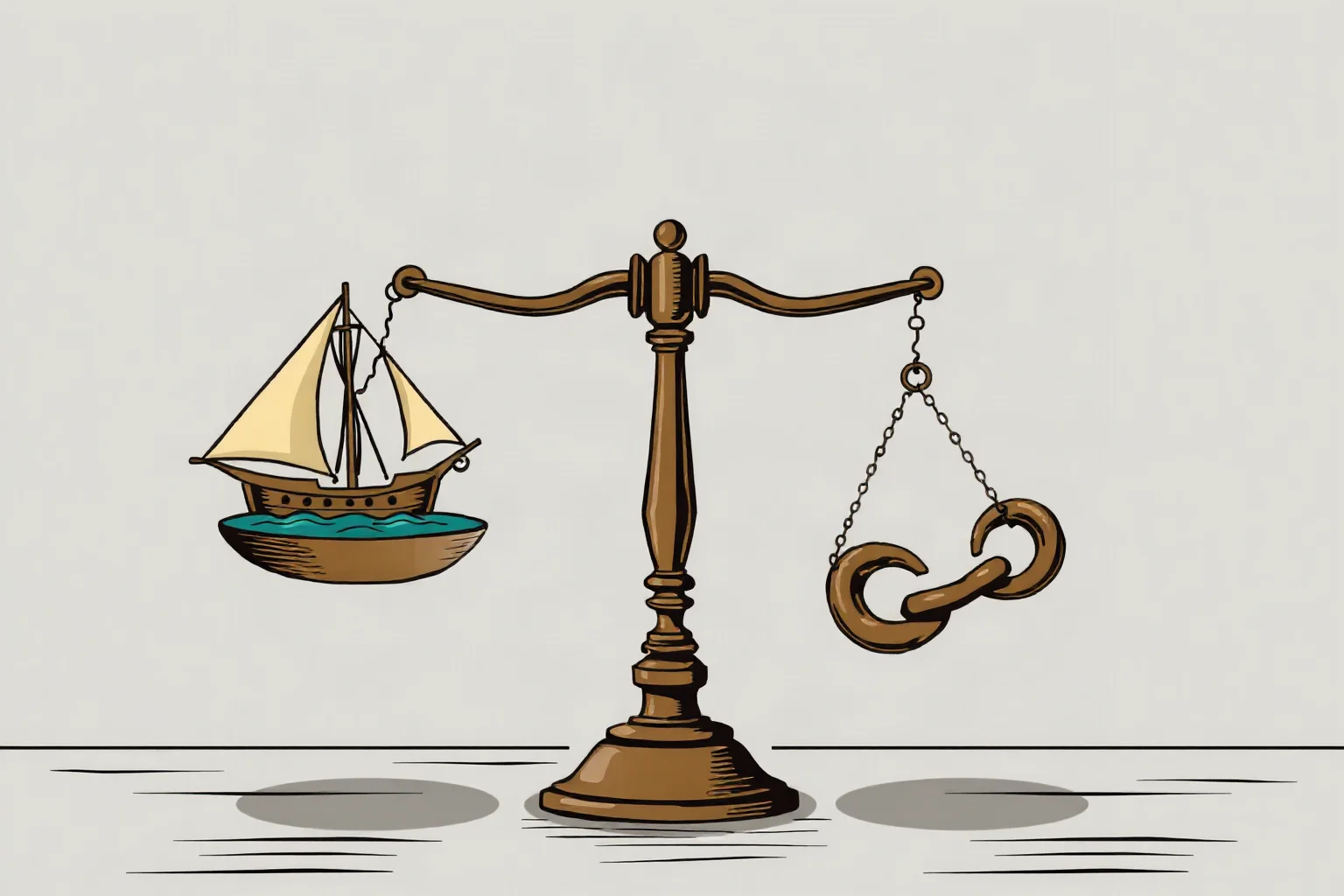
Modern historians generally agree on the basic timeline of Columbus's voyages, but they disagree sharply on how to weigh his achievements against the human costs of colonization, enslavement, and disease that followed. Some emphasize his navigational skill and the transformative global consequences of 1492.
Others stress the documented abuses during his governorship and the catastrophic impact on Indigenous populations. Any credible, unusual, or lesser-known facts about Christopher Columbus these days tend to include both sides of that debate, rather than treating him as a simple hero or villain.
Separating Columbus Myths From Columbus Facts
Many popular "facts" about Columbus are actually myths that took hold long after his death. The claim that he proved the Earth was round is one of the most persistent, even though educated Europeans already accepted a spherical Earth centuries before he sailed.
Another myth suggests he "discovered" an empty, unclaimed land, when in reality millions of Indigenous people already lived across the Americas with established societies, trade networks, and cities. Being aware of these myths helps separate genuine historical fact from popularized legend.
Why Columbus Still Matters in History Class
Despite the controversies, Columbus's 1492 voyage remains a genuine turning point in world history. It triggered sustained contact between the Eastern and Western hemispheres for the first time, reshaping trade, migration, culture, and politics on a global scale.
Understanding both his navigational achievements and the harm caused by the colonization that followed gives a fuller, more honest picture. That balance is exactly what modern history education is increasingly trying to capture.
Final Thoughts
Christopher Columbus's story is far more complicated than the simple "brave explorer" tale most of us learned as kids. His voyages reshaped the world through the Columbian Exchange, yet they also opened the door to enslavement, disease, and colonization that devastated Indigenous communities.
Knowing the real fact file — the miscalculations, mutinies, arrests, and myths — doesn't erase his historical significance. It just makes the picture more accurate, and honestly, a lot more interesting than the textbook version ever was.
Frequently Asked Questions
What are some interesting facts about Christopher Columbus?
Christopher Columbus was Italian but sailed for Spain, made four transatlantic voyages rather than just one, and never actually set foot on mainland North America. He also never proved the Earth was round — that was already widely accepted by educated Europeans of his time.
What are the most important facts about Christopher Columbus?
The most important facts about Christopher Columbus are that his 1492 voyage opened sustained contact between Europe and the Americas, triggering the Columbian Exchange of crops, animals, and diseases. His governorship of Hispaniola also involved the enslavement and harsh treatment of Indigenous people, which led to his arrest by Spanish authorities in 1500.
Did Christopher Columbus have a gun?
Columbus's ships carried early firearms like the arquebus along with cannons, swords, and crossbows, but personal handguns as we know them today didn't exist yet. These weapons were part of the standard arsenal for Spanish sailing expeditions of the era.
What challenges did Christopher Columbus face on his voyages?
Columbus faced near-mutiny from an anxious crew, severe miscalculations about the size of the Earth, shipwrecks, and violent storms across his four voyages. He was also stranded in Jamaica for about a year and later arrested and sent back to Spain in chains after his governorship on Hispaniola was investigated.
What is a common myth about Christopher Columbus?
A common myth is that Columbus proved the Earth was round, when in fact this was already accepted by most educated Europeans before he sailed. His actual error was underestimating the Earth's circumference, believing Asia was far closer to Europe than it truly is.
Was Christopher Columbus the first European to reach the Americas?
No, Norse explorers led by Leif Erikson reached parts of North America roughly 500 years before Columbus's 1492 voyage. Archaeological evidence at L'Anse aux Meadows in present-day Canada confirms a short-lived Norse settlement there around the year 1000.

Alex Warren
Related Articles