
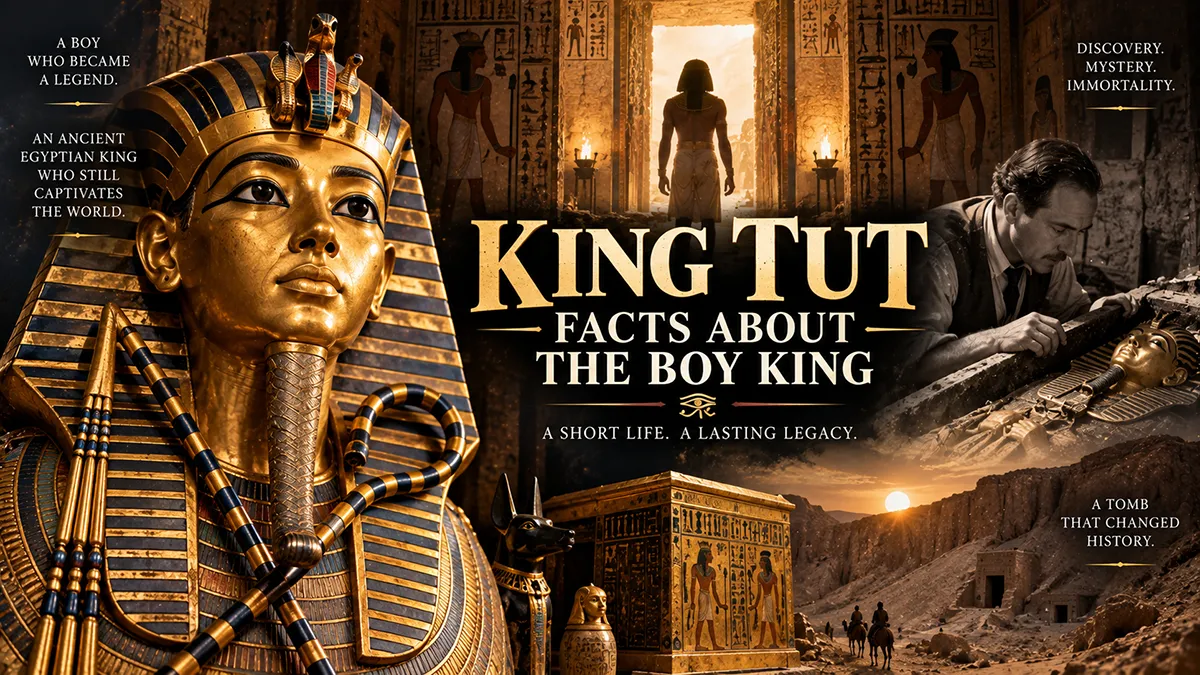
Few names from ancient history spark as much curiosity as King Tutankhamun. He ruled for less than a decade, died as a teenager, and left behind almost no written record of his own achievements. Yet somehow, this obscure young pharaoh became one of the most recognizable figures in world history.
So who was King Tutankhamun, really, and why is King Tut so famous nearly 3,300 years after his death? Below are 22 facts about King Tut that separate the real history from the myths, movies, and museum hype.
TL;DR: King Tut wasn’t a great warrior-pharaoh — his fame comes almost entirely from the extraordinary, nearly untouched tomb discovered in 1922, which revealed more about daily life in ancient Egypt than any other single find.
1. Who Was King Tutankhamun?
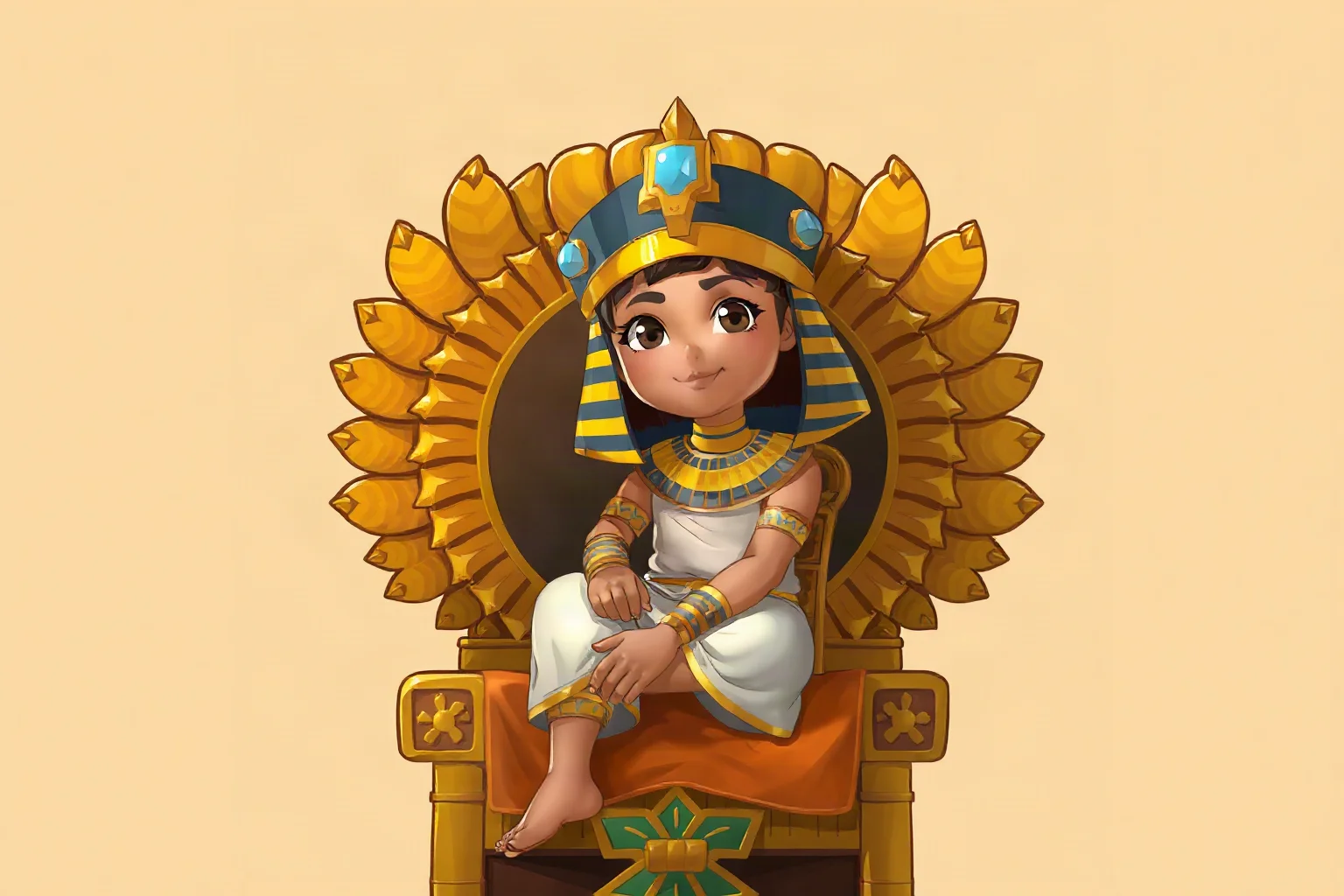
King Tutankhamun was a pharaoh of Egypt’s 18th Dynasty who reigned during the New Kingdom period, roughly from 1332 to 1323 BC. He came to the throne as a child and died before his 20th birthday, making his reign brief by any measure.
Despite this, he is arguably one of the most recognized historical figures in the world today. That fame has almost nothing to do with what he did while alive and almost everything to do with what was found in his tomb thousands of years later.
2. What Was King Tut’s Full (Real) Name?
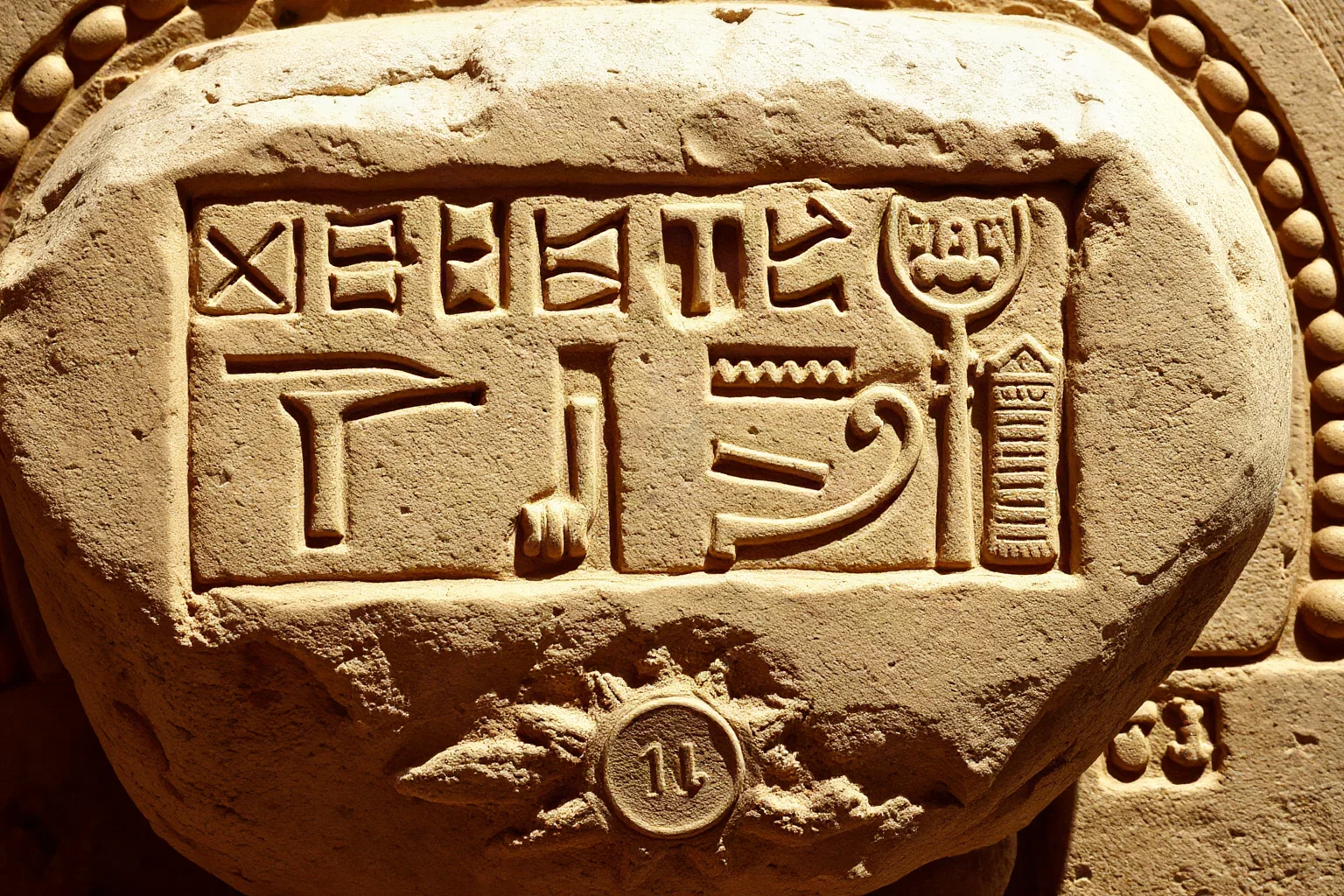
King Tut’s real name at birth was likely Tutankhaten, meaning “living image of Aten,” honoring the sun-disc god his father promoted above all others. When he took the throne and restored Egypt’s traditional religion, he changed his name to Tutankhamun, meaning “living image of Amun.”
His full royal name and titles were considerably longer, as was standard for pharaohs, including a throne name of Nebkheperure. You may also see his name spelled “Tutenkhamen” or “Tutankhamon” — these are just different transliterations of the same Egyptian hieroglyphs into English.
3. When Was King Tut Born?

Historians don’t have an exact birth date for Tutankhamun, since ancient Egyptians didn’t record dates the way we do. Based on mummy analysis, reign length, and historical context, most Egyptologists estimate he was born around 1341 BC in Akhetaten (modern Amarna), the capital his father built.
This places his birth firmly in the late 18th Dynasty, during one of the most turbulent religious periods in Egyptian history. So when people ask what year King Tut lived, the honest answer is a well-informed estimate rather than a confirmed fact.
4. Who Were King Tut’s Parents?
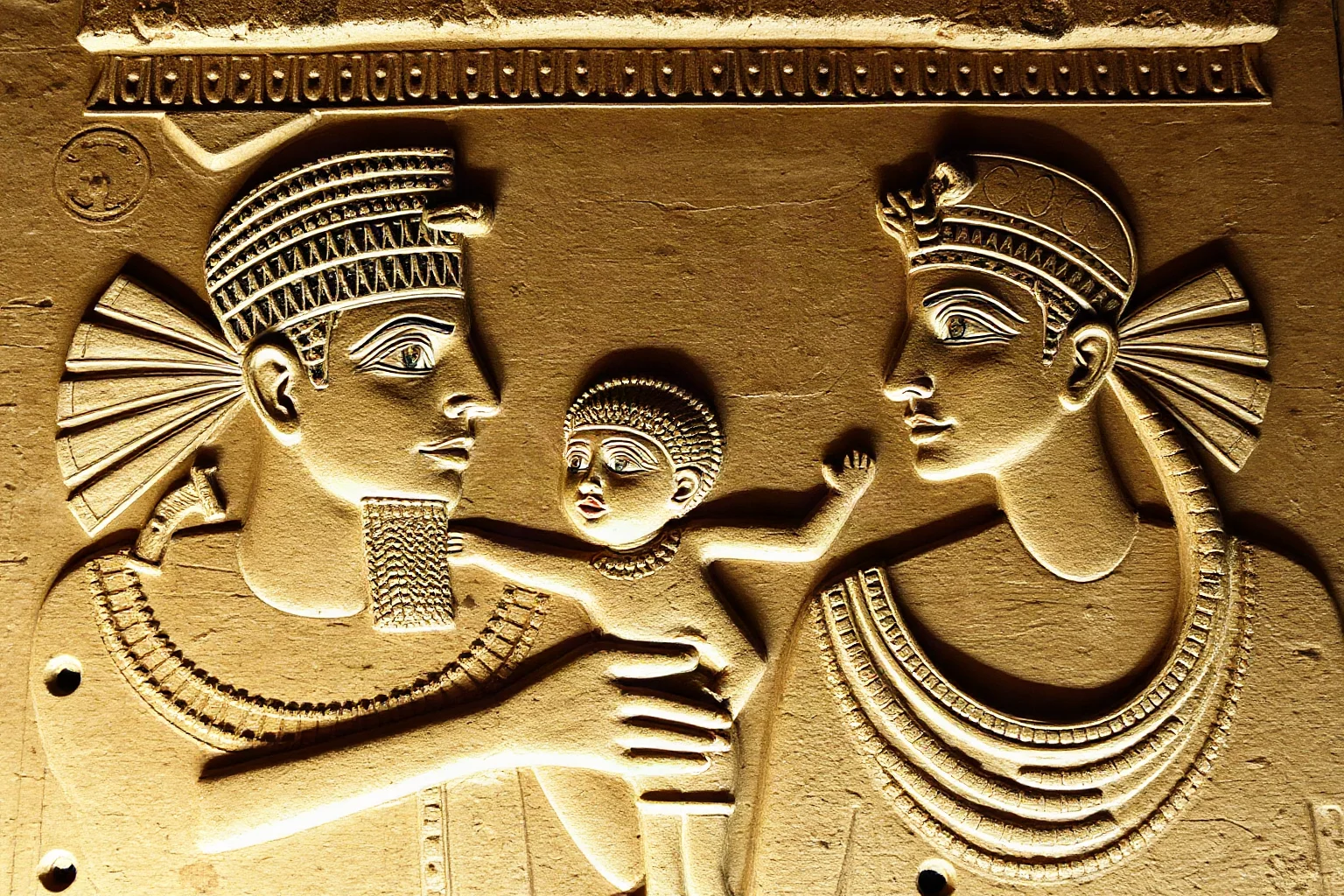
Genetic testing published in 2010 identified King Tut’s father as the mummy known as KV55, widely believed to be Pharaoh Akhenaten — the ruler famous for pushing Egypt toward worship of a single god, Aten. His mother was identified only as “the Younger Lady,” a mummy who DNA evidence suggests was Akhenaten’s full sister.
That means King Tut’s parents were siblings, a practice not unusual among Egyptian royalty at the time. This close family relationship is now considered one likely factor behind several of the health problems found in Tutankhamun’s remains.
5. Did King Tut Have a Twin Brother?
This is one of the more persistent myths floating around online, and it’s worth busting clearly: there is no solid evidence King Tut had a twin brother. The confusion likely comes from two small mummified fetuses found inside his tomb.
Those two mummies are generally believed to be Tutankhamun’s own stillborn daughters, not siblings. DNA studies support this interpretation, so while the fetuses are a genuinely poignant part of his story, the “twin brother” idea isn’t backed by the evidence.
6. He Became Pharaoh at Around Age Nine
Tutankhamun took the throne around 1332 BC, when he was approximately nine years old. This naturally raises the question of how old King Tut was when he ruled — and the answer is that he spent his entire reign as a child or teenager.
He is sometimes called the “boy king” for exactly this reason. It’s worth noting he wasn’t necessarily the youngest pharaoh in all of Egyptian history — other child rulers existed — but he’s certainly one of the most famous to have taken power so young.
7. How Old Was King Tut When He Died?
Based on skeletal and dental analysis of his mummy, King Tut died at around 18 or 19 years old. His reign lasted roughly nine to ten years, meaning he spent essentially his entire adult and adolescent life as ruler of Egypt.
This short lifespan is part of why so little is definitively known about his personal accomplishments. There simply wasn’t much time for a young, heavily advised king to leave a large political footprint.
8. King Tut’s Height and Health Struggles
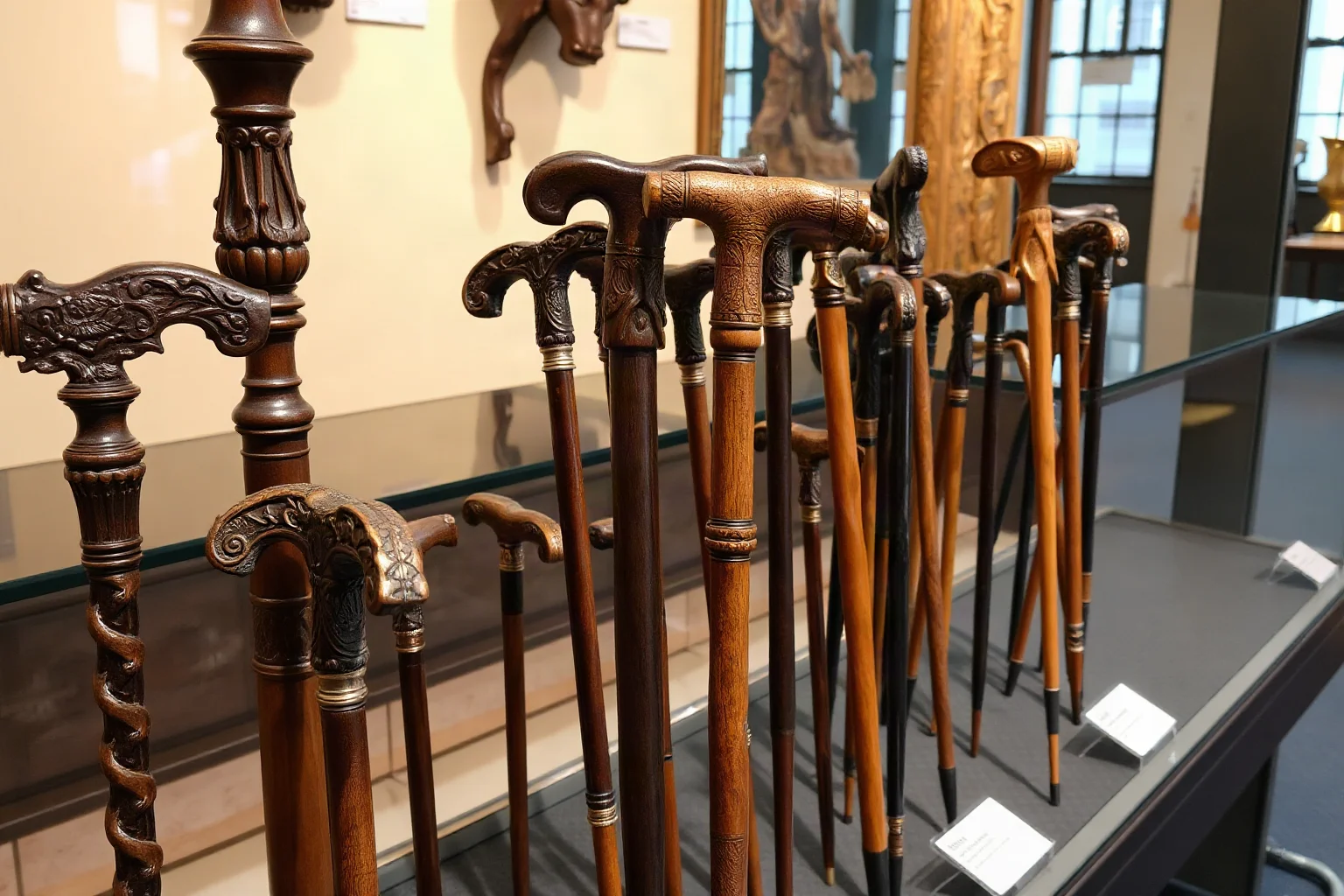
Modern forensic study of Tutankhamun’s mummy estimates his height at about 5 feet 6 inches (167 cm), fairly average for an ancient Egyptian male — nowhere near the record-setting statures of history’s tallest people. More striking than his height, though, was his health: he had a clubfoot and a condition called Köhler disease, which caused bone deterioration in his foot.
His tomb contained more than 130 walking sticks and canes, several of which show visible signs of wear from actual use. This detail strongly supports the idea that Tut genuinely relied on them to get around, rather than keeping them purely as ceremonial objects.
9. He Inherited a Kingdom in Crisis
To understand why King Tut was important, you have to understand the mess he inherited. His father, Akhenaten, had upended Egyptian religion by promoting the sun god Aten above the traditional pantheon, relocating the capital, and sidelining the powerful priesthood of Amun.
This religious revolution, now called the Amarna Period, left Egypt’s temples neglected and its political and religious institutions destabilized. When young Tutankhamun took the throne, he inherited a kingdom badly in need of repair.
10. His Greatest Achievement: Restoring Egypt’s Old Religion
If you’re looking for King Tut’s major achievements, this is the big one. Early in his reign, he reversed his father’s religious reforms, reopened temples to Amun and the other traditional gods, and moved the capital back to Thebes.
This restoration is documented on the so-called “Restoration Stela,” an inscription describing temples in ruins and gods neglected before Tutankhamun’s intervention. Historians view this as his single most consequential act as pharaoh, even though much of the actual planning likely came from his advisors rather than the king himself.
11. He Didn’t Rule Alone — Powerful Advisors Held the Real Power
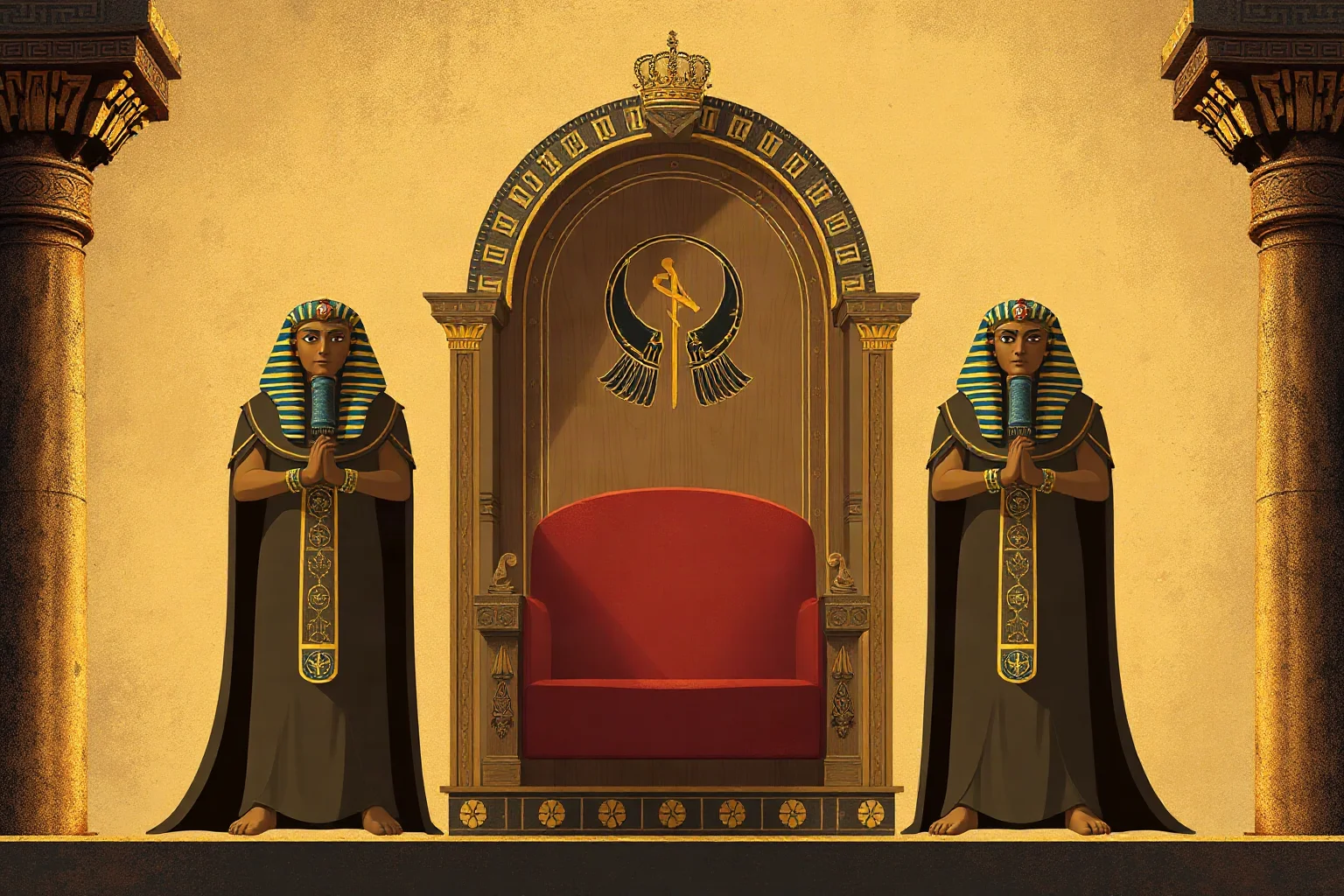
Given that Tutankhamun became pharaoh as a young child, it’s virtually certain that senior officials ran the kingdom’s day-to-day affairs on his behalf. The two most prominent were Ay, a senior court official who may have been a maternal relative, and Horemheb, a top military general.
Ay acted as something like a chief advisor or regent-figure, while Horemheb has sometimes been described as a protégé being groomed for future power within the Egyptian court. Both men later became pharaohs themselves after Tutankhamun’s death, which tells you a lot about how much influence they already held during his reign.
12. His Wife Was Also His Half-Sister
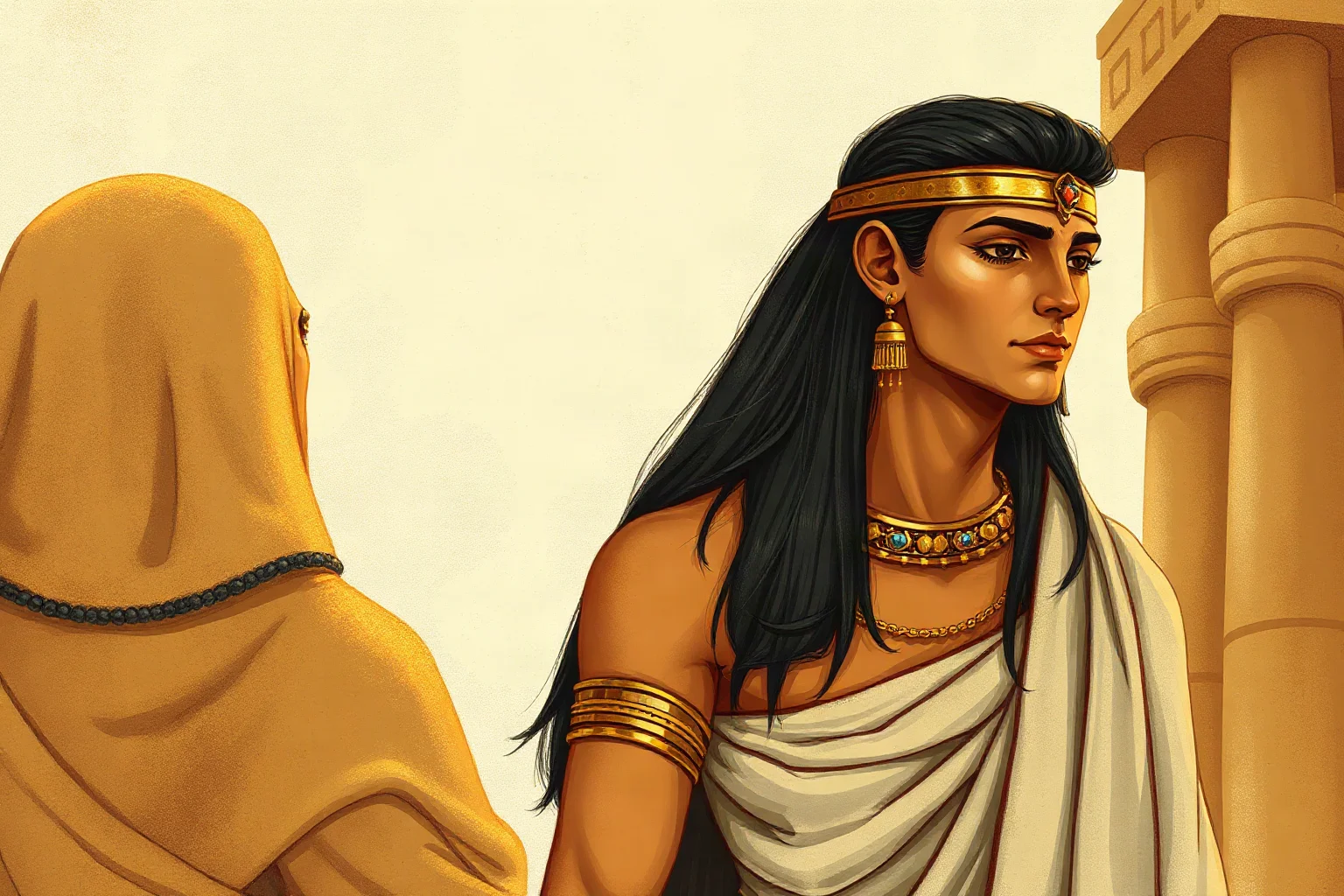
King Tut married Ankhesenamun, a daughter of Akhenaten and Queen Nefertiti — making her his half-sister, since they shared the same father. Royal sibling marriage was a recognized (if not universal) practice among Egyptian dynasties, generally intended to preserve the sacred bloodline.
Ankhesenamun’s own name changed for the same religious reasons as her husband’s, shifting from Ankhesenpaaten to Ankhesenamun once the old gods were restored. Little is known about her later life after Tutankhamun’s death, though she reappears briefly in records connected to Ay’s rise to power.
13. He and Ankhesenamun Lost Two Children
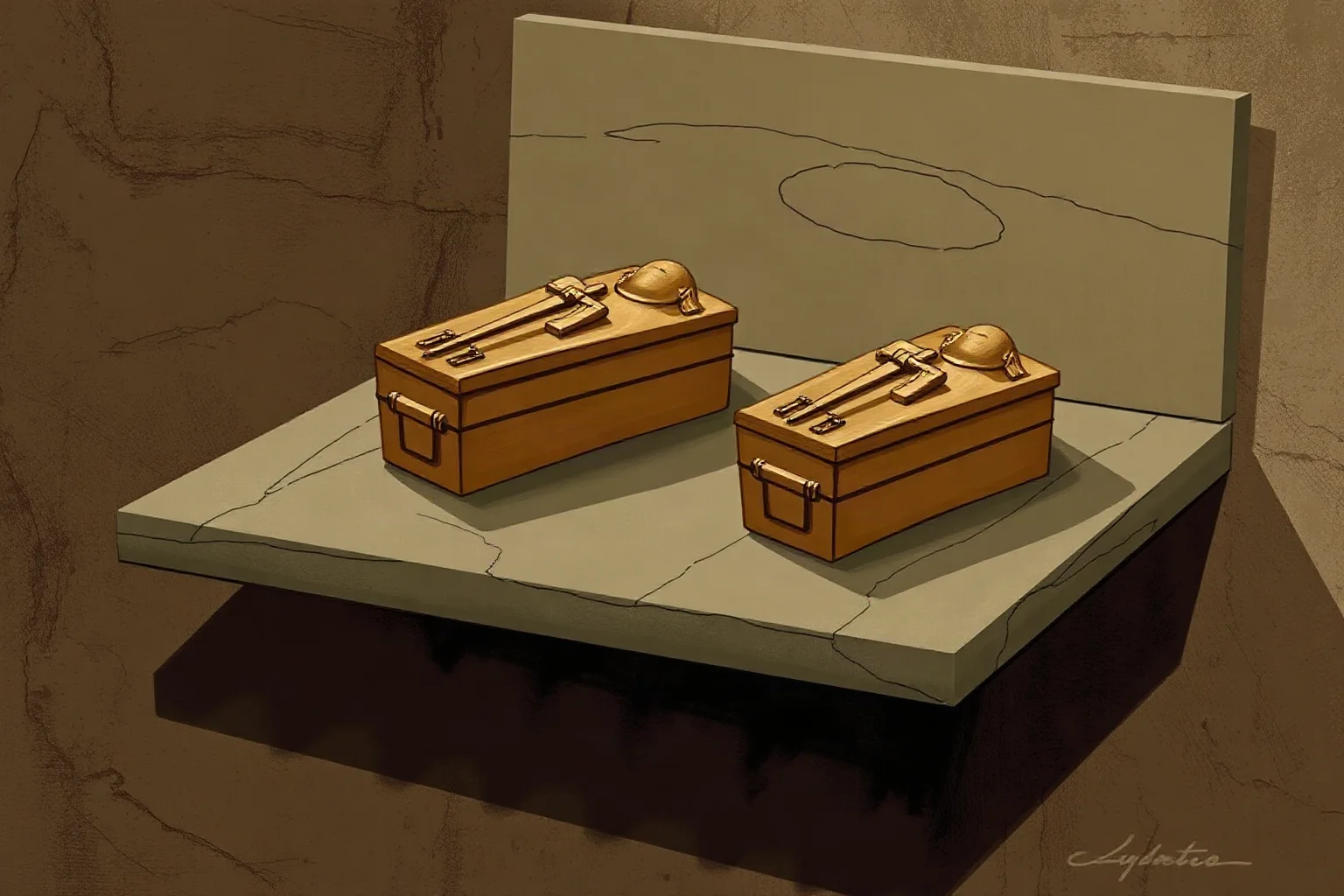
Among the more emotionally striking discoveries in Tutankhamun’s tomb were two small coffins containing mummified female fetuses. DNA testing suggests these were the stillborn daughters of Tutankhamun and Ankhesenamun, likely lost at different stages of pregnancy.
Neither child survived to be named or to leave any historical record beyond their tiny mummies. Their presence in the tomb underscores just how personal and tragic this chapter of Egyptian royal history really was.
14. How Did King Tut Die? The Mystery Continues
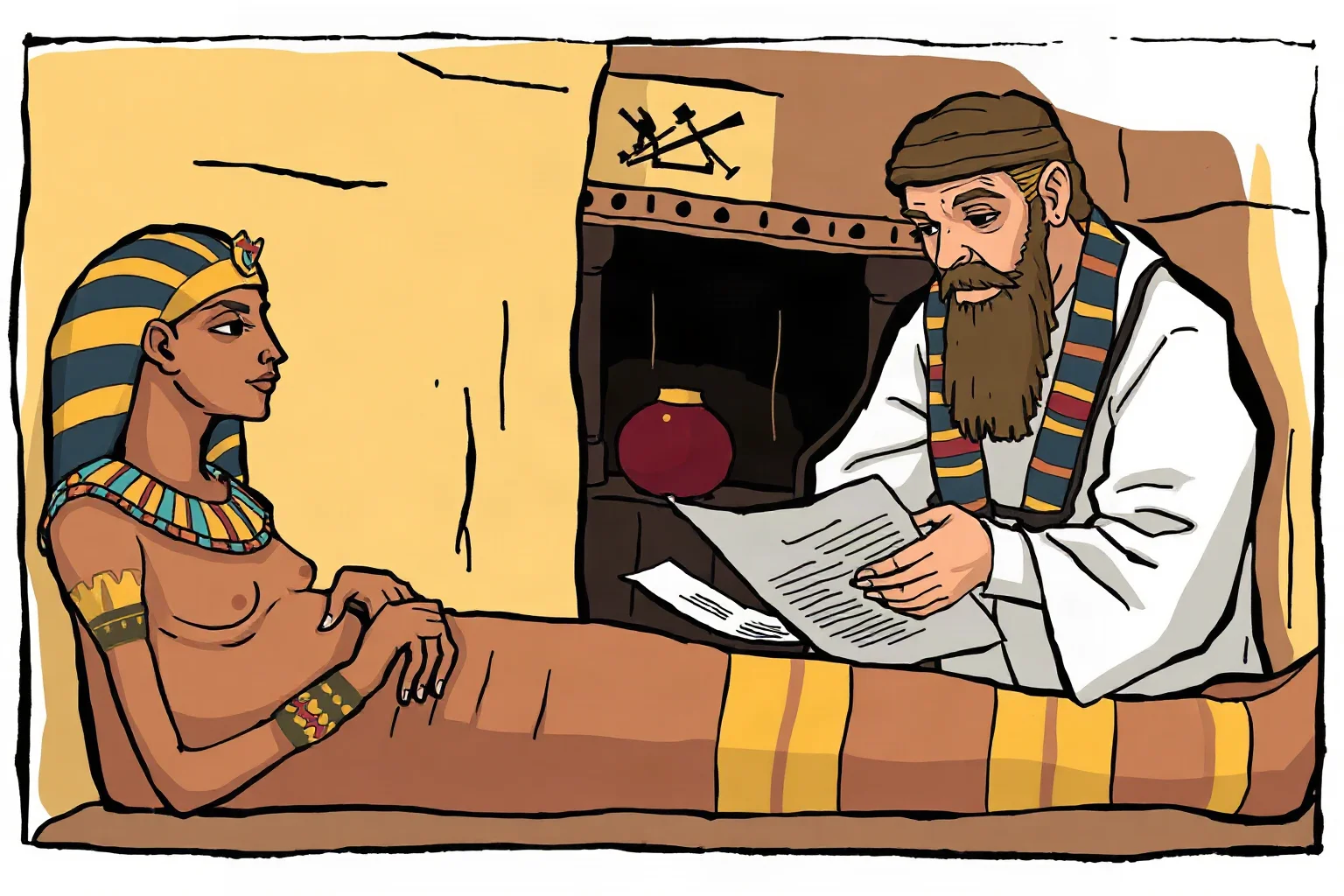
Few questions about King Tut generate more speculation than how he died, and the honest answer is that historians and scientists still don’t have full certainty. Early theories included a blow to the head, suggesting murder, but modern CT scans have largely discredited that idea.
A 2010 DNA study led by Egyptian researcher Zahi Hawass found genetic traces of malaria parasites in his remains, alongside evidence of bone necrosis possibly linked to his family’s history of inbreeding. The leading theory today is that a combination of a leg fracture, malaria, and underlying health problems from his genetics contributed to his death, though no single cause has been proven beyond doubt.
15. His Tomb Was Found Almost Untouched in 1922
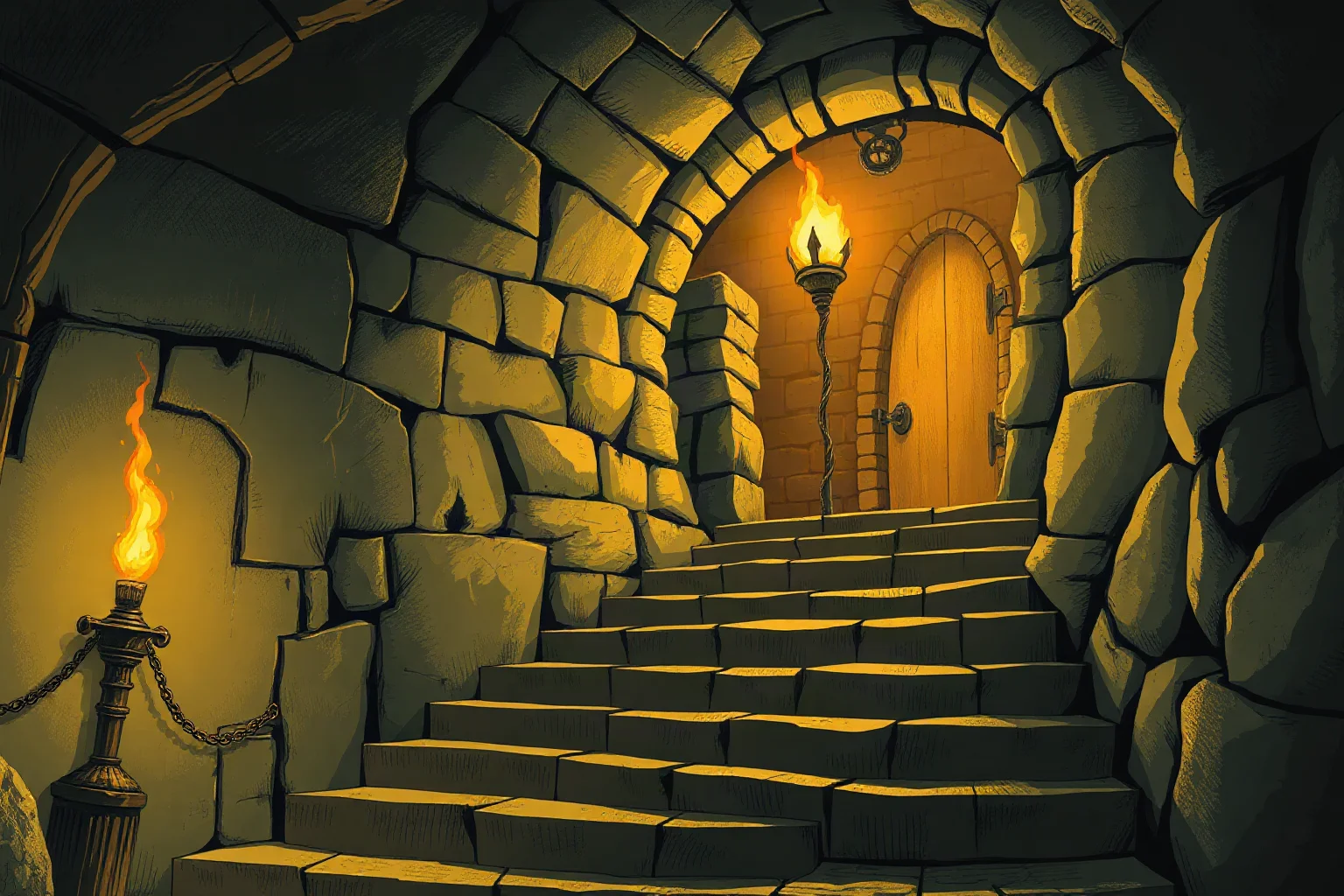
On November 4, 1922, British archaeologist Howard Carter, funded by Lord Carnarvon, discovered steps leading to a sealed tomb in Egypt’s Valley of the Kings. Weeks later, on November 26, Carter famously peered into the antechamber and reported seeing “wonderful things.”
What made this discovery extraordinary wasn’t Tutankhamun’s importance as a ruler — it was that his tomb had survived largely undisturbed by ancient tomb robbers, unlike almost every other pharaoh’s burial site. That rare preservation is the real reason King Tut became a household name in the modern world.
16. The Tomb Contained Over 5,000 Dazzling Objects
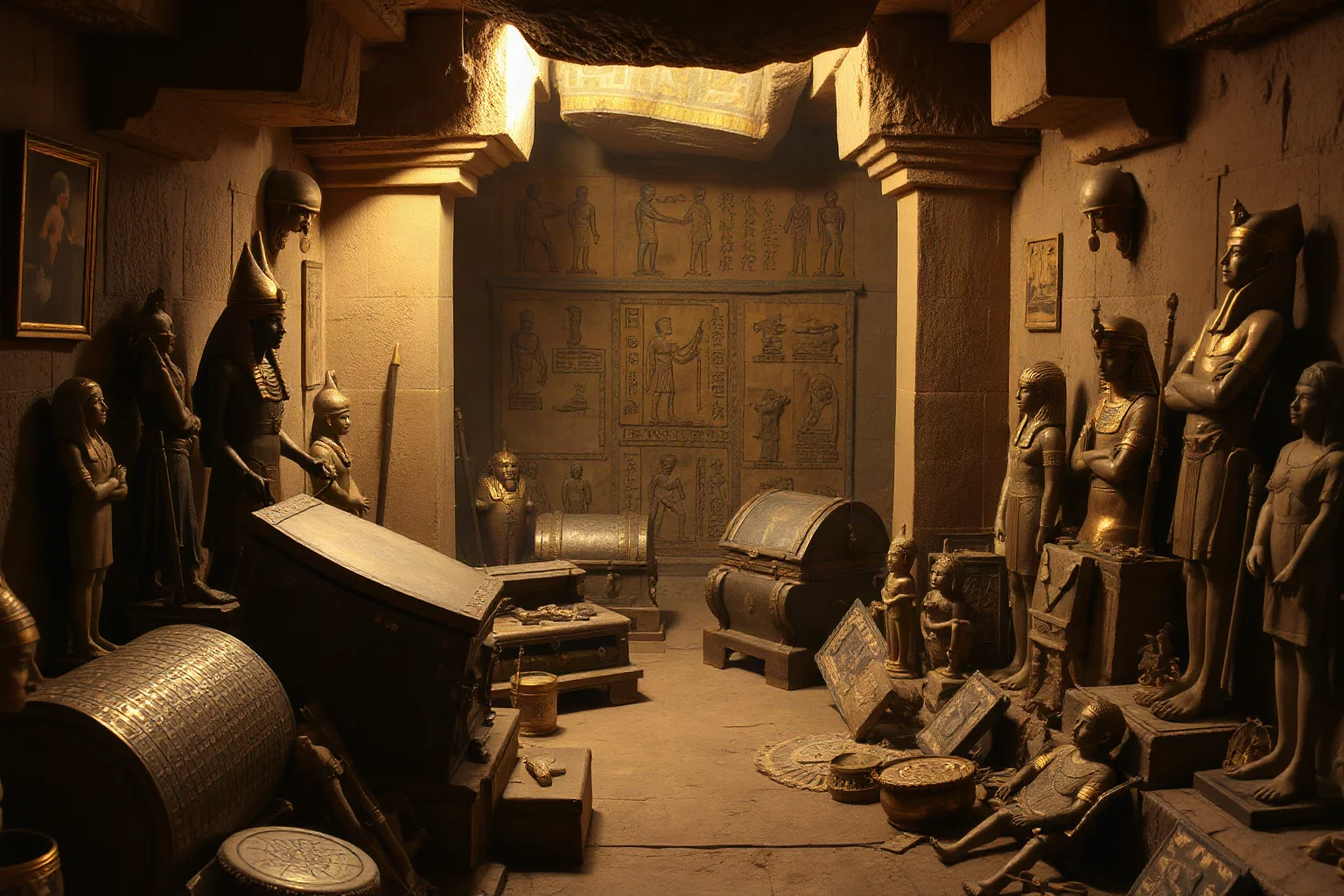
Howard Carter’s team spent roughly a decade painstakingly cataloging the contents of the tomb, which numbered more than 5,000 individual objects. These included golden thrones, ornate chariots, jewelry, weapons, furniture, food offerings, and even folded linen garments.
This staggering collection gave archaeologists an unprecedented window into royal Egyptian life, far beyond anything a written record could have offered. It remains one of the richest single archaeological discoveries in history.
17. The Iconic Golden Death Mask
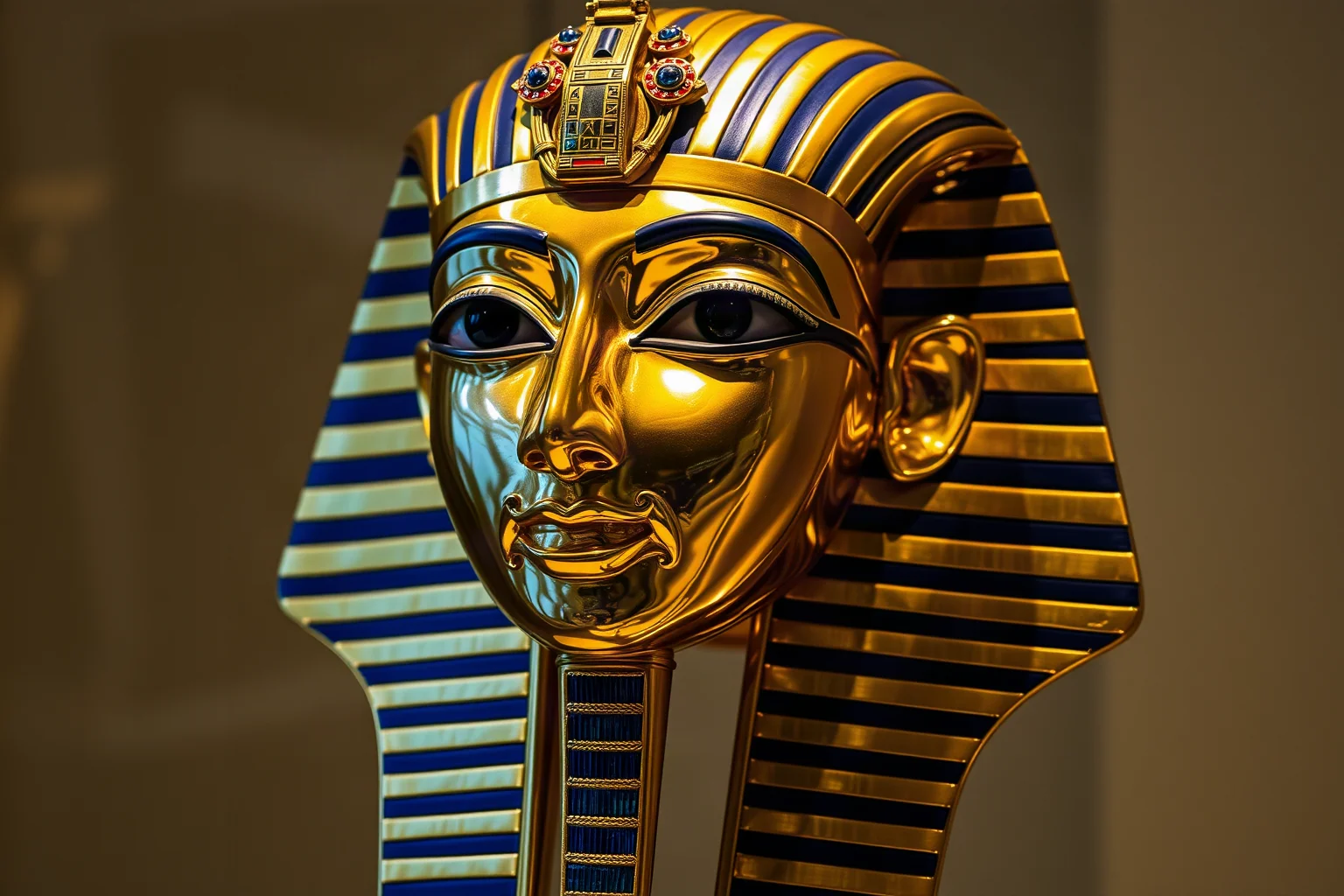
No image is more associated with King Tut than his funerary mask, crafted from over 10 kilograms of solid gold and inlaid with lapis lazuli, carnelian, and turquoise. It was designed to cover the head and shoulders of his mummified body, helping guide his spirit in the afterlife according to Egyptian belief.
Today, the mask is displayed at Egypt’s Grand Egyptian Museum and remains one of the most photographed artifacts on the planet. It has become a visual shorthand for ancient Egypt itself, far beyond its original religious purpose.
18. The “Curse of the Pharaohs” Legend
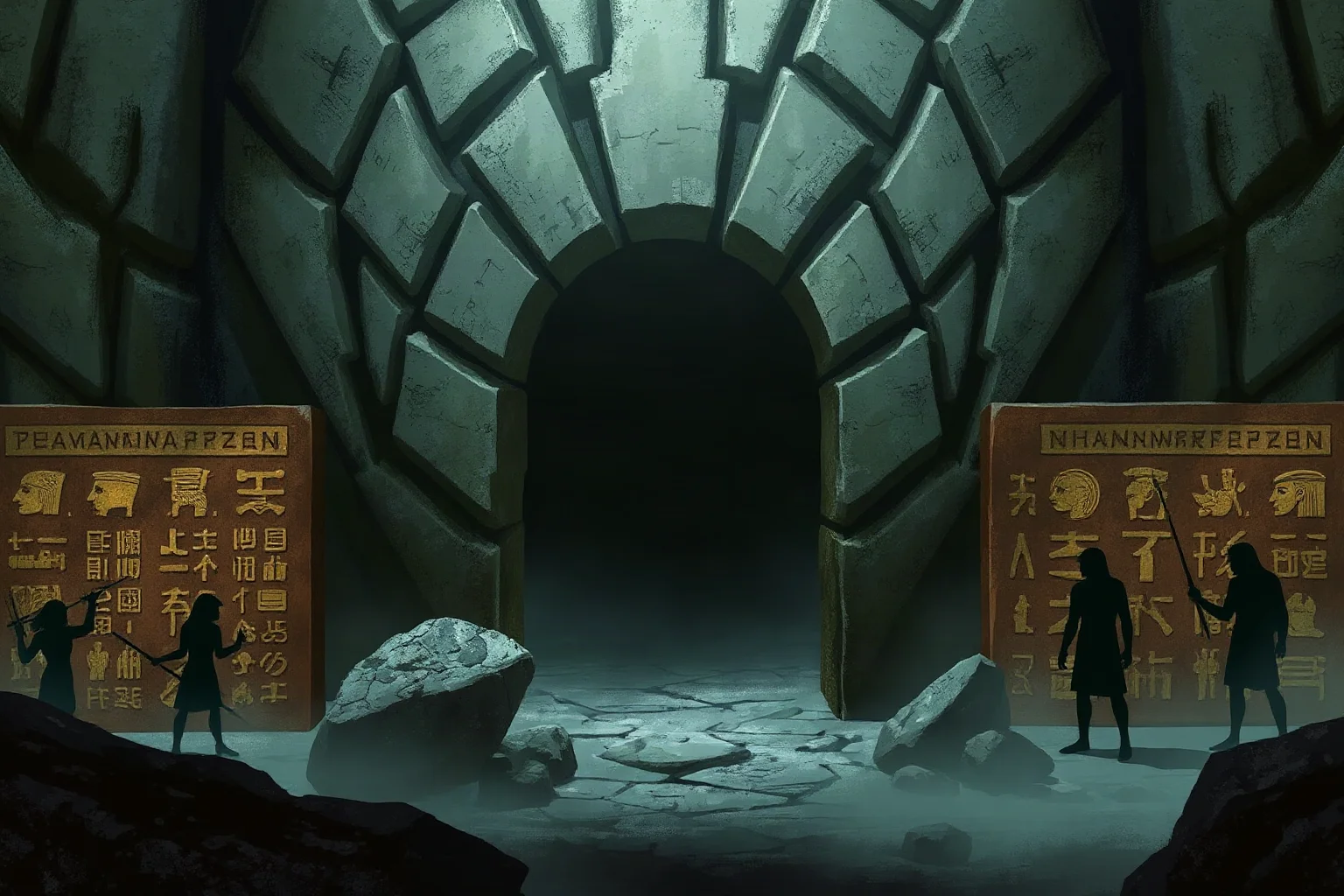
No list of King Tut facts is complete without addressing the infamous “curse.” The legend grew after Lord Carnarvon, who funded the excavation, died just months after the tomb was opened, reportedly from an infected mosquito bite that led to blood poisoning.
Sensationalist newspapers ran with the story, and the “curse of the pharaohs” became a pop-culture staple in books and films for decades — the same kind of myth-making that turned real historical figures like Wyatt Earp into larger-than-life legends. Statistically, though, most people present at the tomb’s opening lived long, ordinary lives afterward — Howard Carter himself died of natural causes 17 years later, which strongly undercuts the curse narrative.
19. What Modern Science Has Revealed About His Body
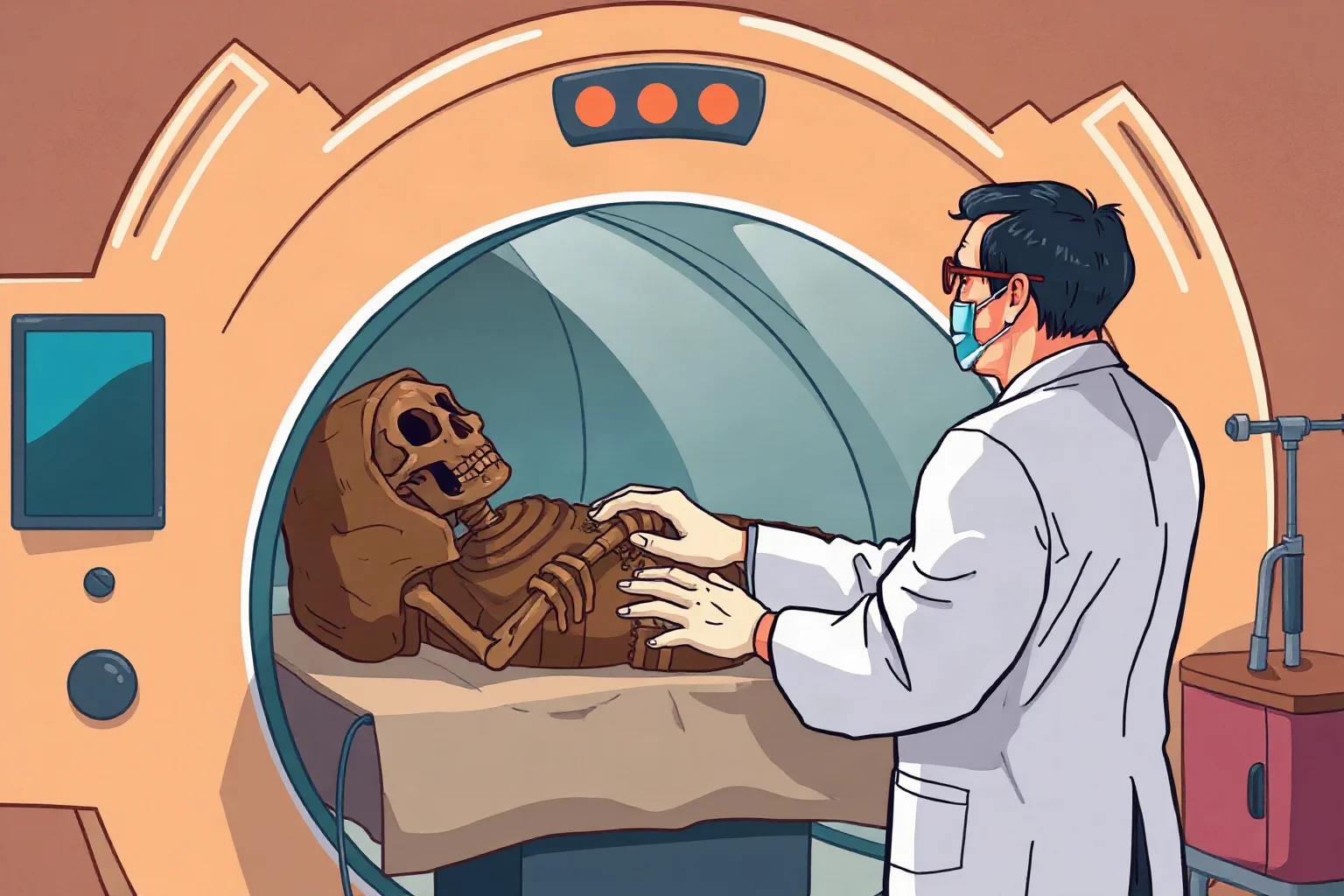
CT scans conducted in 2005 and DNA studies published in 2010 transformed our understanding of Tutankhamun’s health and family tree. These studies confirmed his clubfoot, bone disease, and malaria infection, while also mapping out genetic links to his parents and grandparents.
The scans also disproved older, more dramatic theories, such as the idea that he was murdered with a blow to the skull. Modern science replaced sensational guesswork with a more nuanced, if still incomplete, medical picture of a physically fragile young king.
20. He Enjoyed Games, Chariots, and Hunting
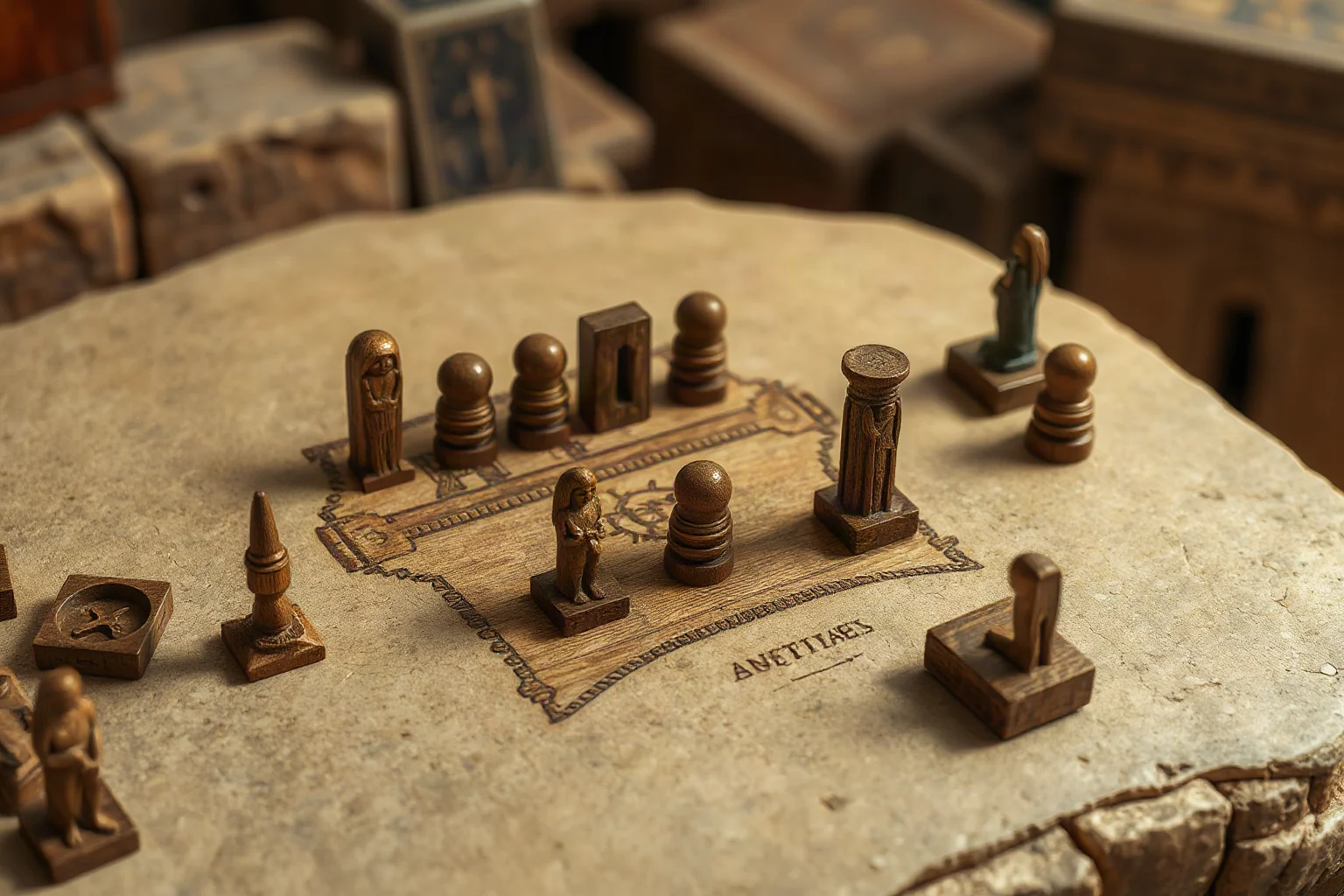
Beyond the gold and ceremony, Tutankhamun’s tomb offers glimpses of a real young person’s interests. Archaeologists found a Senet board, an ancient Egyptian game similar to backgammon, along with six dismantled chariots and hunting equipment including bows and arrows.
Painted scenes on chests and fans from the tomb depict him hunting ostriches and riding into battle, though historians debate how much of this reflects real activity versus royal propaganda. Either way, these objects offer some of the most human, relatable details in his entire real-life story.
21. Why Is King Tut So Famous Today?
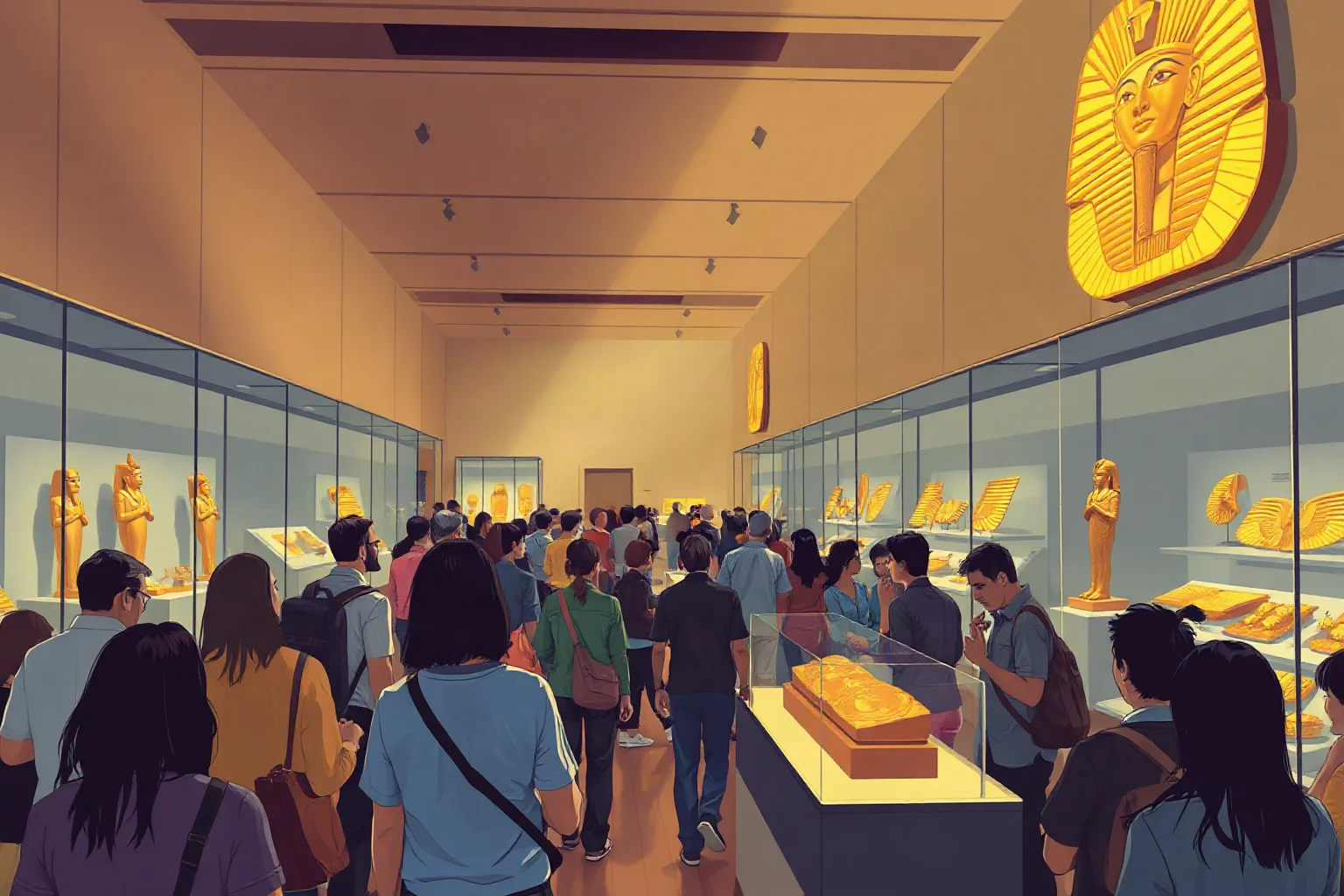
This question comes up constantly, and the honest answer surprises people: King Tut isn’t famous because of what he accomplished as a ruler. He’s famous because his tomb survived nearly intact for over 3,000 years while almost every other pharaoh’s tomb was looted in antiquity.
When the treasures went on international tour in the 1970s, they sparked a wave of “Tutmania” across the world, filling museums with record-breaking crowds. That combination of stunning artifacts and a dramatic discovery story is what turned an otherwise minor pharaoh into a global icon.
22. Was King Tut Actually a Good King?
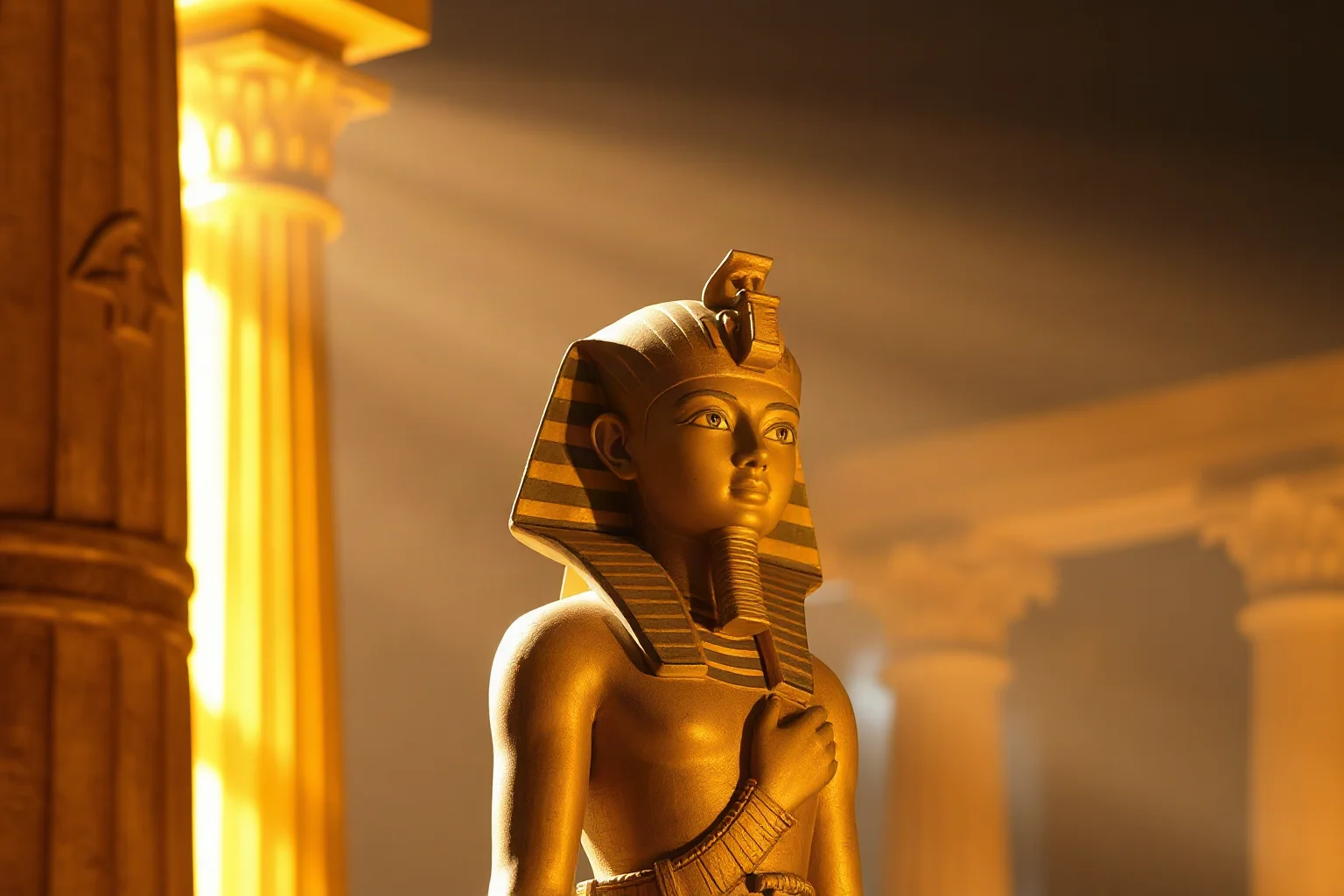
Given his age and short reign, most historians agree Tutankhamun himself likely wasn’t the driving force behind major state decisions. His advisors, particularly Ay and Horemheb, almost certainly managed the kingdom’s real affairs while he grew up.
That said, the religious restoration carried out under his name helped stabilize Egypt after a chaotic period, which counts as a genuine achievement regardless of who orchestrated it. Whether that makes him a “good king” in the traditional sense is debatable, but it does make him a historically important one.
The Boy King’s Lasting Legacy
King Tutankhamun ruled for less than a decade, died as a teenager, and accomplished relatively little compared to Egypt’s great warrior-pharaohs or master builders. Yet his tomb turned him into one of the most studied and recognized figures from the ancient world.
From his golden mask to his malaria-riddled bones, from his child bride to his still-debated death, every fact about King Tut reveals just how much a single well-preserved discovery can teach us. Nearly a century after Howard Carter’s flashlight first illuminated that burial chamber, the boy king is still teaching us about life, death, and power in ancient Egypt.
Frequently Asked Questions
Who was King Tutankhamun?
King Tutankhamun was a pharaoh of Egypt's 18th Dynasty who ruled from around 1332 to 1323 BC. He took the throne as a child, restored Egypt's traditional religion after his father's controversial reforms, and died in his late teens.
What was King Tut’s full name?
His birth name was likely Tutankhaten, meaning 'living image of Aten.' After restoring Egypt's traditional gods, he changed it to Tutankhamun, meaning 'living image of Amun,' along with a throne name, Nebkheperure.
When was King Tut born, and how old was he when he died?
Tutankhamun was likely born around 1341 BC and died around 1323 BC, making him roughly 18 or 19 years old at death. Exact dates aren't recorded, so these figures come from mummy analysis and historical estimates.
What are some interesting Egypt facts about King Tut?
King Tut became pharaoh around age nine, married his half-sister Ankhesenamun, and had a clubfoot that required him to use canes. His tomb, discovered nearly intact in 1922, contained over 5,000 objects, including his famous solid-gold death mask.
Did King Tut have a twin brother?
There's no solid evidence of a twin brother. The rumor likely stems from two mummified fetuses found in his tomb, which DNA evidence suggests were his own stillborn daughters, not a sibling.
Was King Tut the youngest pharaoh in Egyptian history?
He was one of the youngest, taking the throne around age nine, but he wasn't necessarily the single youngest pharaoh ever recorded. He remains, however, the most famous child ruler of ancient Egypt.
Why is King Tut so famous?
King Tut's fame comes almost entirely from his tomb, discovered nearly untouched by Howard Carter in 1922. Unlike most pharaohs' burial sites, which were looted centuries earlier, his tomb's thousands of preserved treasures gave the world an unmatched look at ancient Egyptian life.
Who were King Tut’s parents?
DNA testing indicates his father was Pharaoh Akhenaten, identified through the mummy known as KV55. His mother was a mummy called 'the Younger Lady,' believed to be Akhenaten's full sister.
Was King Tut a good king?
Because he took the throne as a child, advisors like Ay and Horemheb likely handled most real governing decisions. He is credited with restoring Egypt's traditional religion after his father's reforms, but historians view him as more historically significant than politically powerful.
How did King Tut die?
The exact cause of death is still debated. Modern research points to a combination of a leg fracture, a malaria infection, and possible genetic bone disease, rather than the murder theories once popularized in the media.

Alex Warren
Related Articles