
Ancient Egypt gave the world plenty of legendary rulers, but few are as intriguing as Hatshepsut. She didn't just marry into power or rule quietly behind a throne — she took the title of pharaoh outright, wore the royal regalia, and governed one of the most prosperous stretches of the New Kingdom. Along the way, she became a case study in ambition, propaganda, and how history can try (and fail) to erase someone.
So who is Hatshepsut, really, and why does she keep showing up in documentaries, museum exhibits, and history class trivia decades after her tomb was rediscovered? This guide walks through the real, well-documented facts about her life, reign, and legacy — separating solid archaeological evidence from popular myth along the way.
TL;DR: Hatshepsut was a powerful Egyptian pharaoh who ruled for roughly two decades, expanded trade and monument-building across Egypt, and remains one of history's most remarkable — and nearly erased — female rulers.
Who Was Hatshepsut?
Hatshepsut was a pharaoh of Egypt's 18th Dynasty, reigning during the New Kingdom period roughly between 1479 and 1458 BC. She began her royal life as a queen consort and regent, then made the unusual and bold move of declaring herself pharaoh in her own right. That decision makes her one of only a small handful of women confirmed to have ruled Egypt with full pharaonic authority.
Her name is sometimes spelled or searched as "Hapshetsut," "Hatshpesut," "Hatsepsut," or "Hatshetsput," but the accepted Egyptological spelling is Hatshepsut. Whichever way you've seen it written, she's the same fascinating historical figure. Below are 25 facts that cover her origins, rise to power, reign, and enduring mystery.
1. Her Name Meant "Foremost of Noble Women"
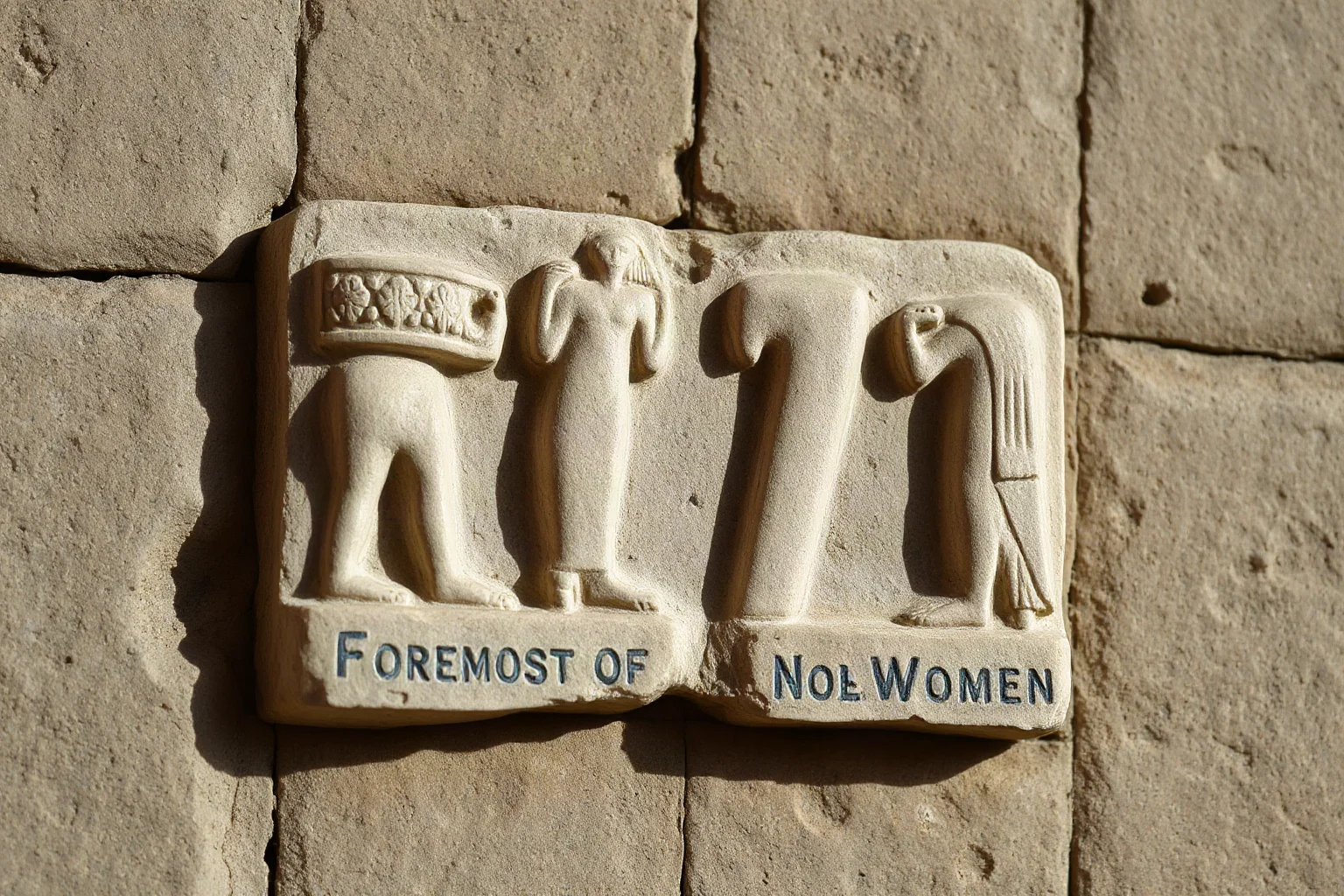
The name Hatshepsut roughly translates to "Foremost of Noble Women" or "She Is First Among the Noble Women" in ancient Egyptian. It's a fitting title for someone who would eventually outrank every woman — and most men — in the entire kingdom.
Names in ancient Egypt carried real symbolic weight, often tied to religious or political meaning. Hatshepsut's name hinted early on at the elevated status she was born into, even before she claimed the throne for herself.
2. She Was Born into Egyptian Royalty
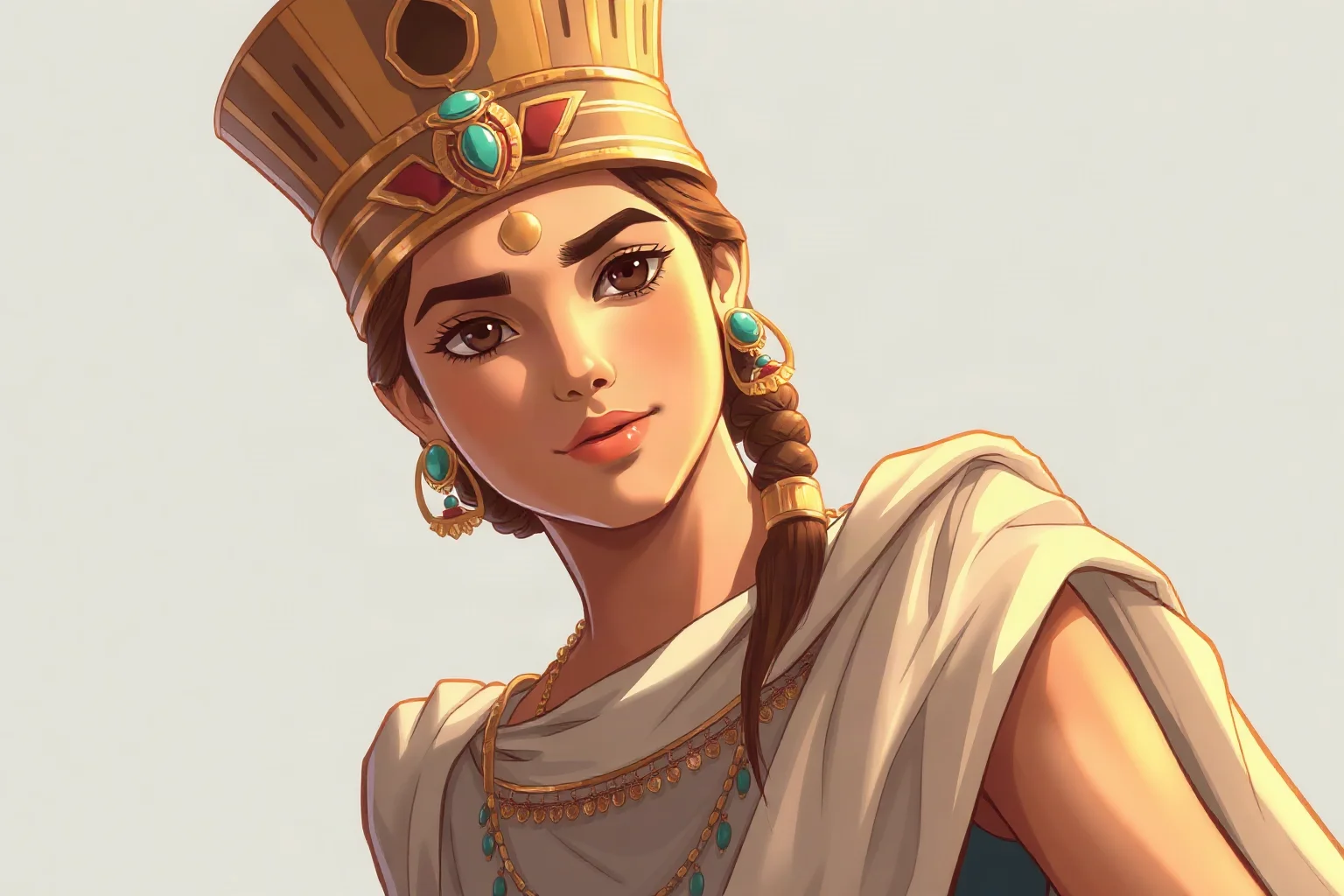
Hatshepsut was born sometime around 1507 BC, into the royal family of the early 18th Dynasty. This was a period when Egypt was consolidating power after expelling the Hyksos rulers who had controlled parts of the country during the preceding era.
As a child of the royal household, she would have grown up steeped in religious ritual, court politics, and the expectation of an advantageous marriage. Little could have predicted, though, just how far she'd eventually rise.
3. Her Father Was Thutmose I
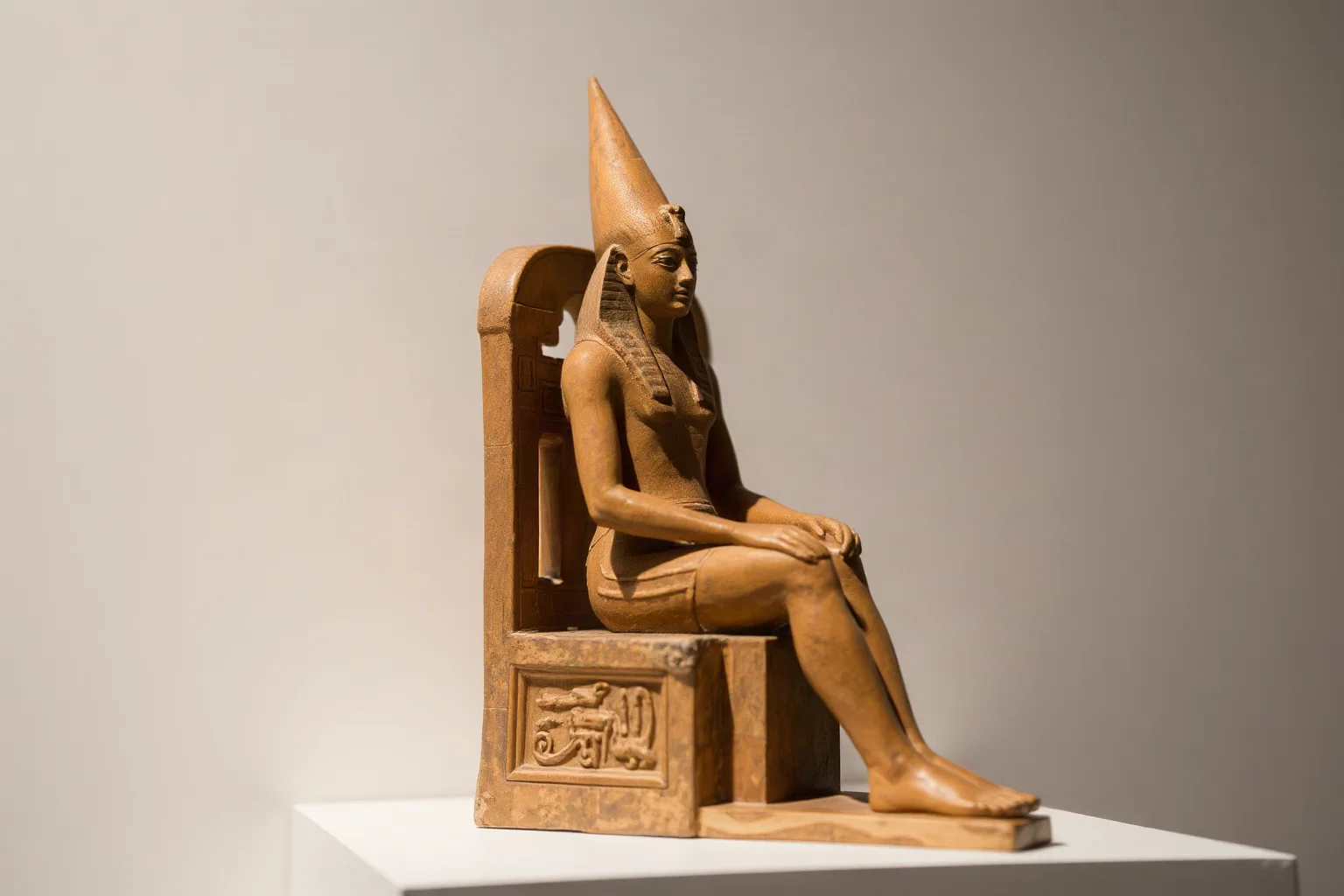
Hatshepsut was the daughter of Pharaoh Thutmose I, one of the era's more successful military leaders, and his primary wife, Queen Ahmose. This made her a member of the most legitimate royal bloodline in Egypt at the time.
Thutmose I had no surviving sons with Ahmose, which meant Hatshepsut's status as his daughter by his chief wife carried unusual political weight. Her royal pedigree would later become central to how she justified her claim to the throne.
4. She Married Her Half-Brother, Thutmose II
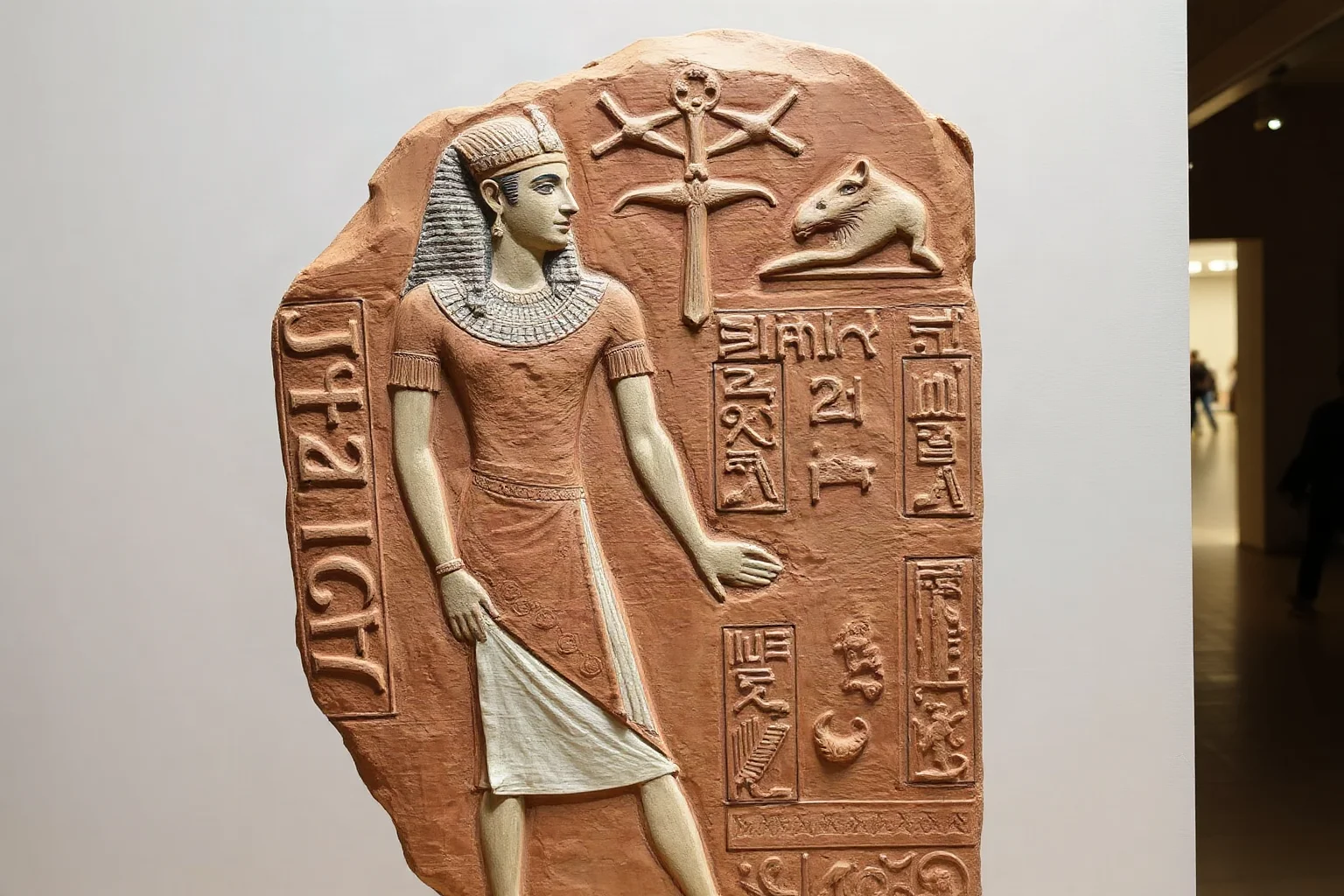
Following common royal custom in ancient Egypt, Hatshepsut married her half-brother, Thutmose II, who was the son of Thutmose I by a secondary wife. Sibling or half-sibling marriages among royalty were used to keep the bloodline concentrated and reinforce claims to legitimacy.
Thutmose II became pharaoh after their father's death, with Hatshepsut serving as his Great Royal Wife — the highest-ranking royal woman in Egypt at the time. This position gave her significant influence at court well before she ever wore a crown herself.
5. She Began as Queen Consort, Not Pharaoh
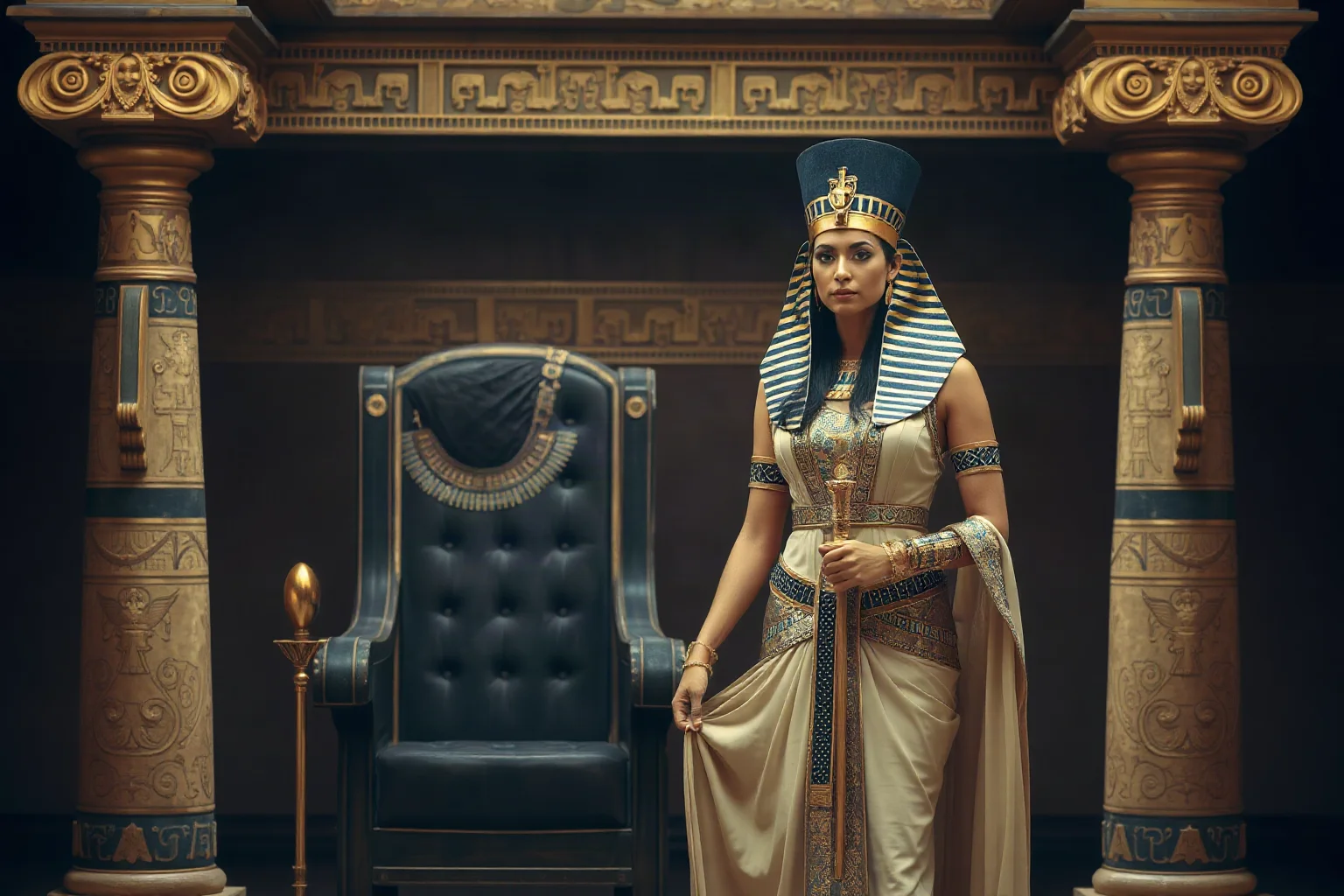
It's worth being clear: Hatshepsut did not start out as "Pharaoh Hatshepsut." For years, she held the traditional role of queen consort, supporting her husband's reign rather than ruling independently.
This matters because it shows her rise wasn't an instant seizure of power. It was a gradual political evolution, built on the roles and titles available to elite women in the Egyptian court system.
6. She Became Regent for the Young Thutmose III
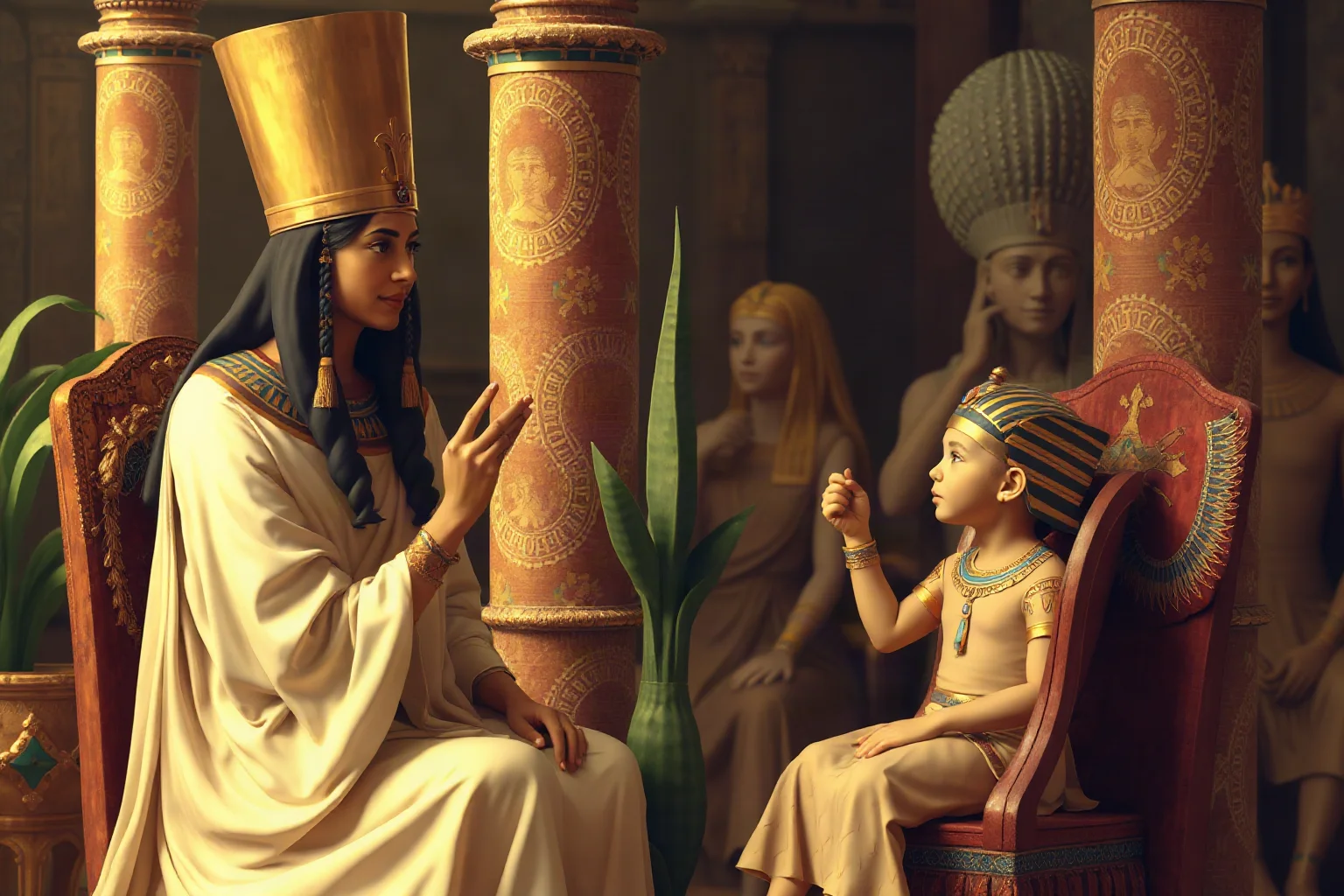
When Thutmose II died after a relatively short reign, the throne passed to his son, Thutmose III — a child born to a secondary wife, not to Hatshepsut. Because the new pharaoh was still young, Hatshepsut stepped in as regent, managing the affairs of state on his behalf.
Regencies for child pharaohs weren't unheard of in Egyptian history. What made Hatshepsut's regency unusual is what happened next: she didn't simply govern quietly in the background until Thutmose III came of age.
7. She Crowned Herself Pharaoh
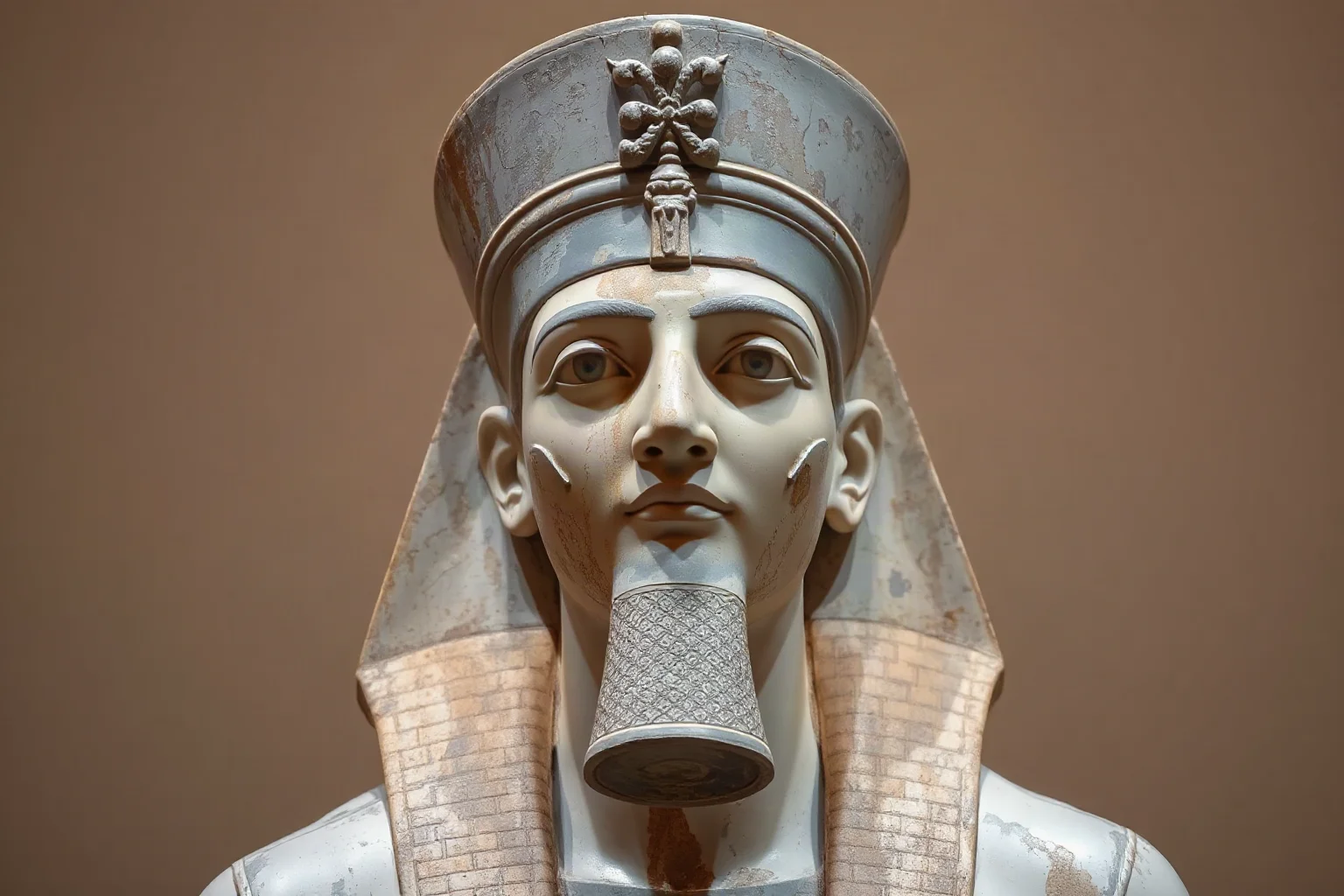
Somewhere around year seven of her regency, Hatshepsut took the extraordinary step of declaring herself pharaoh, adopting the full royal titulary that only reigning kings used. This is the single fact most people are searching for when they ask "was Hatshepsut a pharaoh" — and the answer is a clear yes, based on inscriptions, statues, and temple records that name her as king.
Thutmose III wasn't removed from the picture; the two technically served as co-rulers. In practice, though, Hatshepsut held the senior position and the real power for the next two decades.
8. She Ruled for About Two Decades
Historians generally agree that Hatshepsut's reign as pharaoh lasted around 21 to 22 years, making her one of the longer-reigning monarchs of her dynasty. That's a substantial answer to the common question of how many years Hatshepsut ruled.
Her reign is typically dated from roughly 1479 BC to 1458 BC, though exact years vary slightly depending on the chronology system Egyptologists use. Either way, two decades gave her plenty of time to leave a lasting physical and political mark on Egypt.
9. She Adopted Full Royal Titulary and Male Imagery
Once she became pharaoh, Hatshepsut took on the traditional five-part royal titulary that male kings had always used, and she was frequently referred to with masculine pronouns and titles in official texts. Statues from later in her reign often depict her with a male pharaoh's ceremonial false beard and broad, idealized musculature.
This wasn't about personal identity in a modern sense — it was political strategy. Egyptian kingship was so tightly bound to masculine imagery and language that ruling effectively as pharaoh meant visually and rhetorically stepping into that role.
10. She Was Not the Only Female Pharaoh
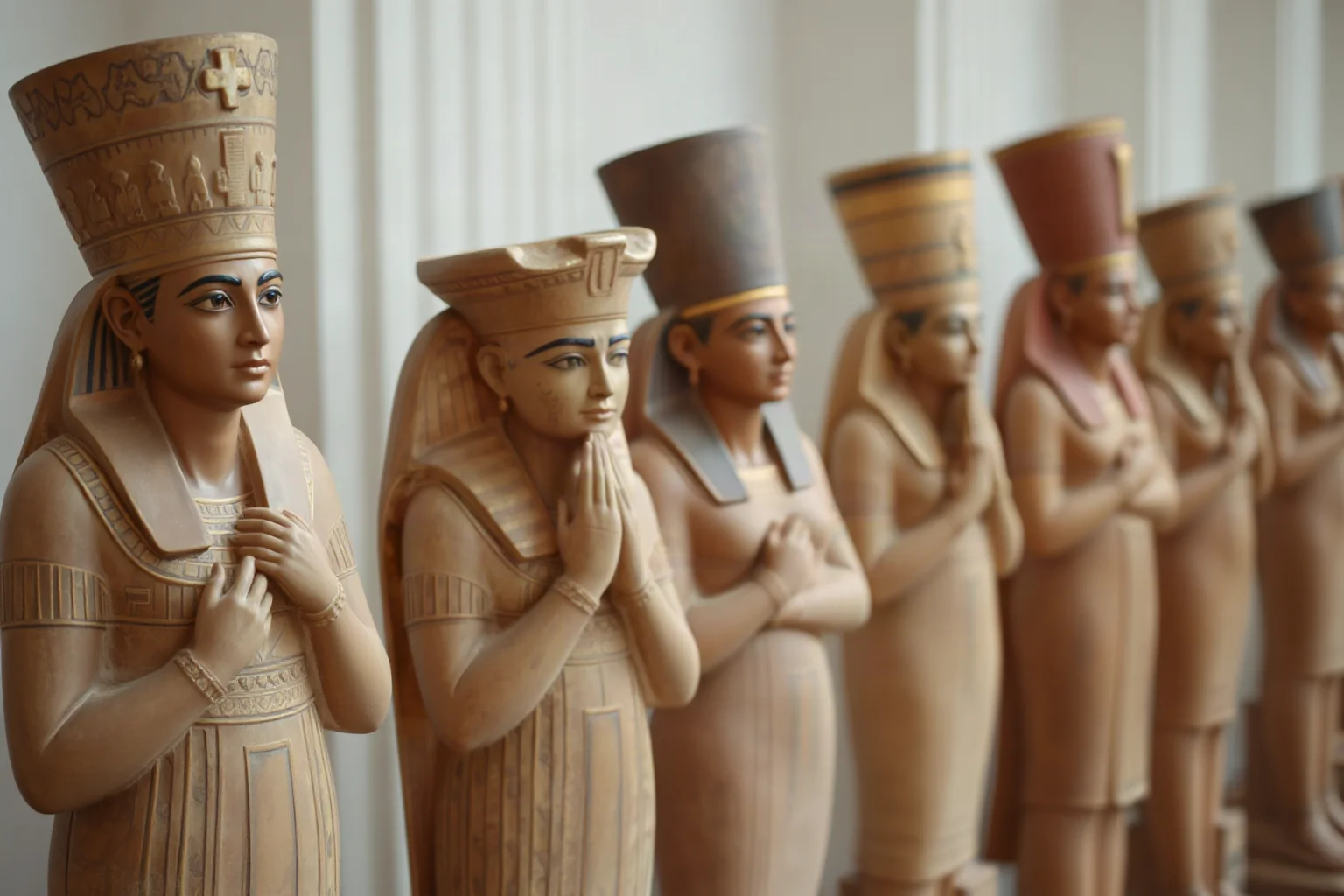
A common myth is that Hatshepsut was Egypt's only female pharaoh, but that's not accurate. Sobekneferu ruled during the Middle Kingdom centuries earlier, and later figures like Twosret and, arguably, Cleopatra VII also held pharaonic power.
What sets Hatshepsut apart is the scale and success of her reign. She ruled longer and left a far bigger architectural and political footprint than most of the other women who briefly held the throne.
11. She Claimed Divine Birth
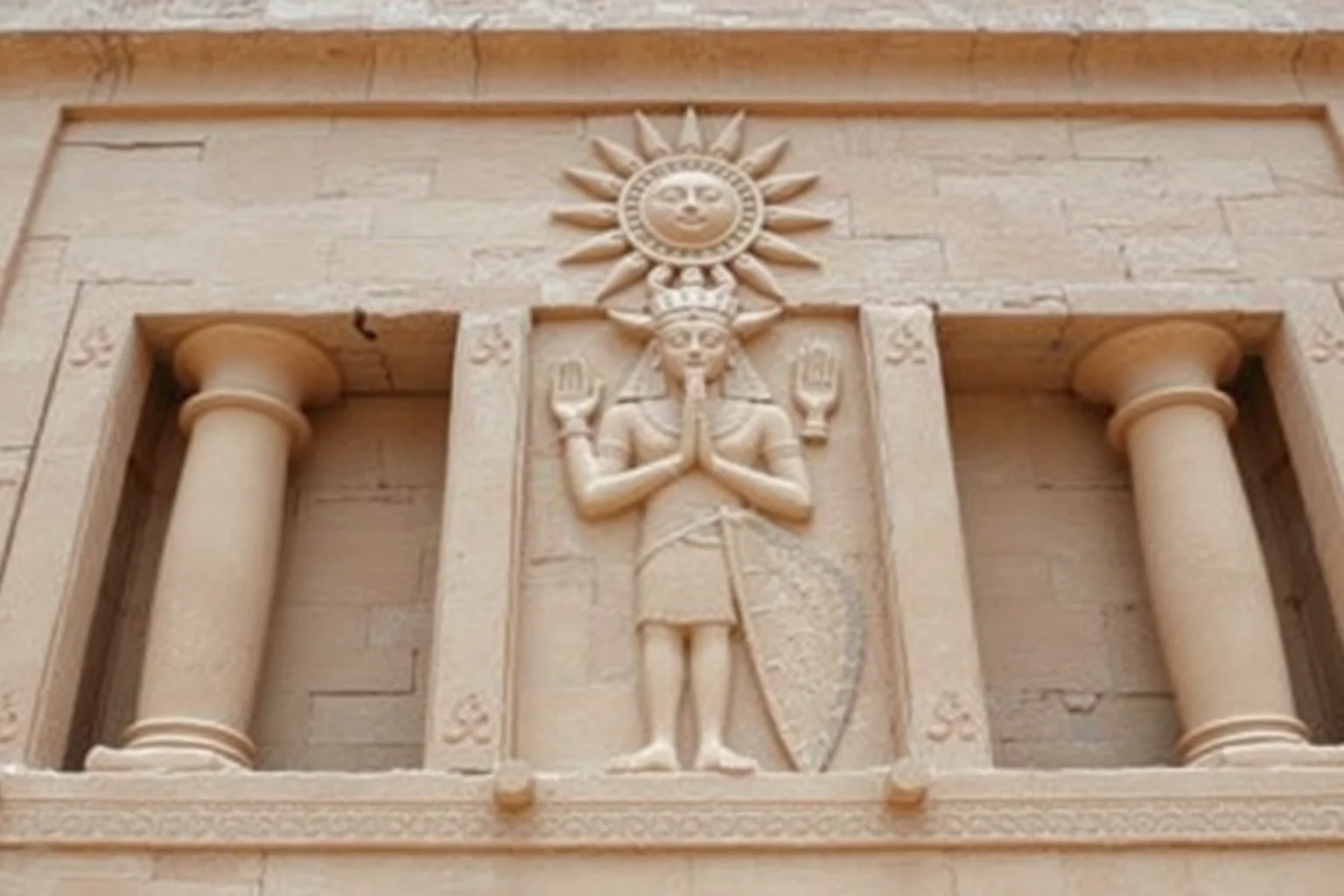
To strengthen her legitimacy, Hatshepsut promoted the story that she was the literal daughter of the god Amun, who had supposedly visited her mother in the form of Thutmose I. This divine birth narrative was carved in detail on the walls of her mortuary temple.
Claiming a god as a father wasn't entirely new in Egyptian royal propaganda, but Hatshepsut used it aggressively to shore up a claim to the throne that broke from strict hereditary norms. It was a savvy piece of political theater as much as religious belief.
12. She Built One of Egypt's Most Iconic Temples
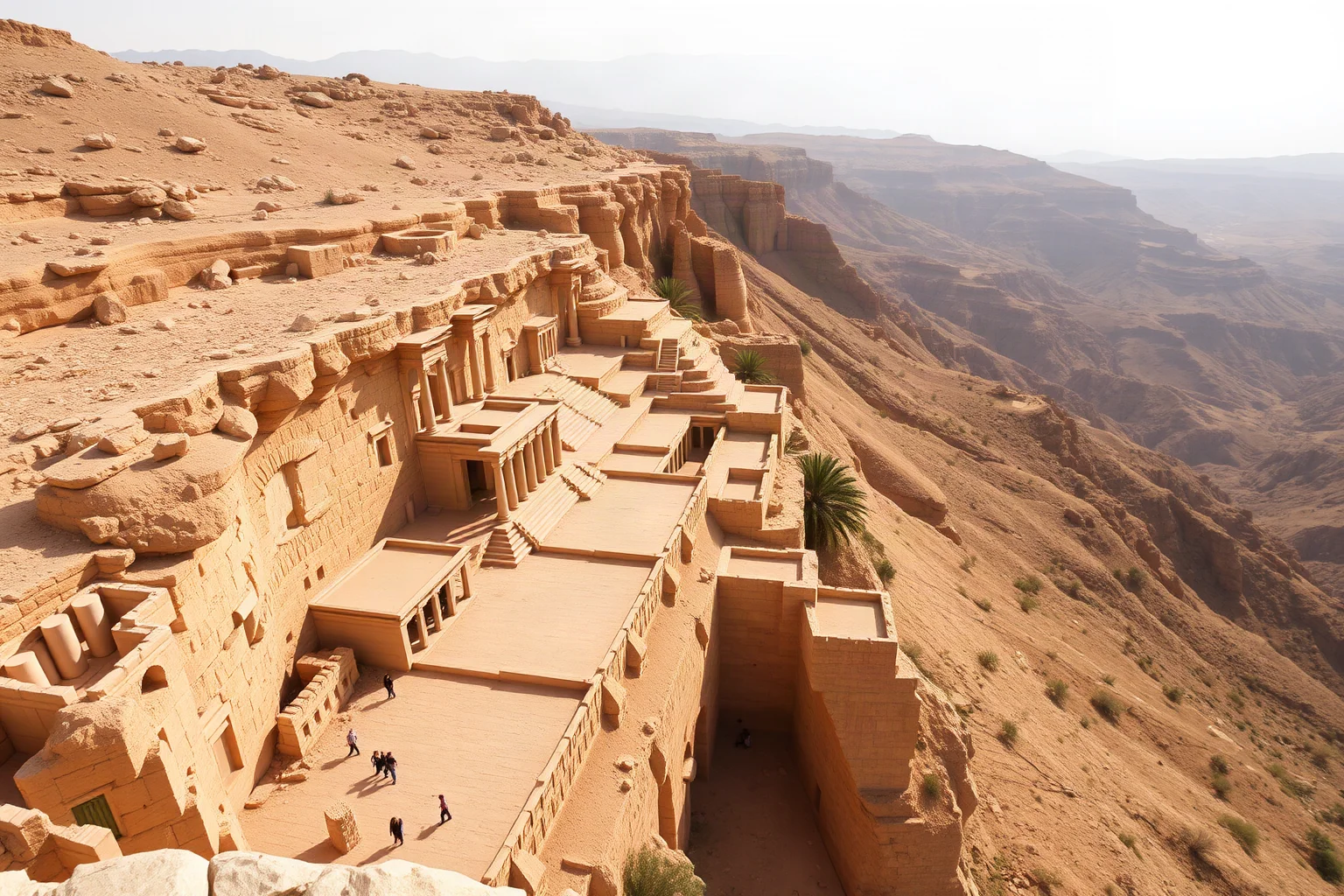
Hatshepsut's mortuary temple at Deir el-Bahari, built into the cliffs on the west bank of the Nile near Luxor, is considered one of ancient Egypt's architectural masterpieces. Its terraced design, lined with colonnades, was unlike anything built before it.
The temple served both religious and propagandistic purposes, honoring the gods while permanently recording her achievements and divine birth story in stone. Today it remains a major tourist destination and one of the best-preserved monuments from her reign.
13. She Launched a Famous Trading Expedition to Punt
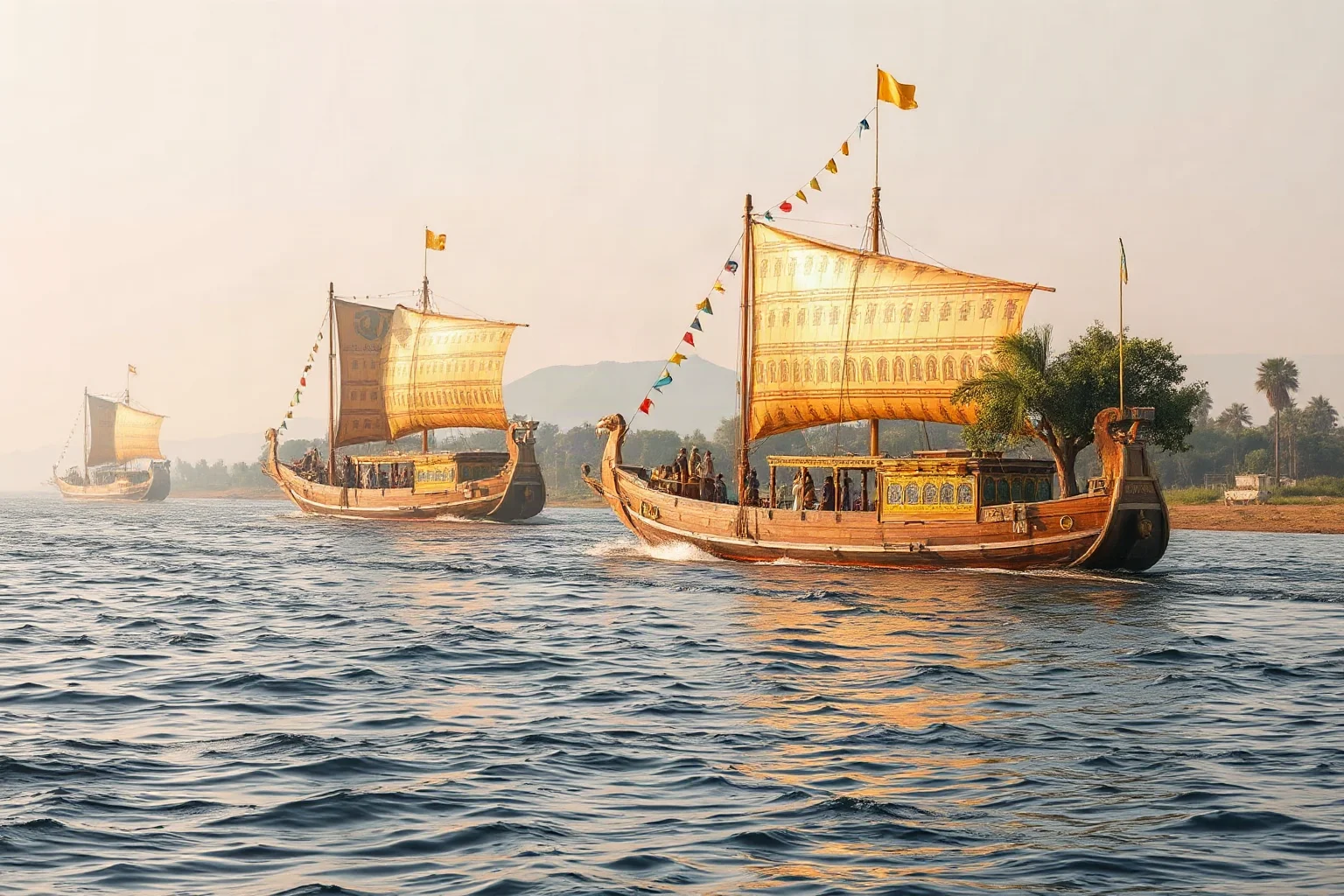
Among Hatshepsut's most celebrated accomplishments was a major trade expedition to the land of Punt, a region believed to have been located along the Red Sea coast in the area of modern Eritrea, Ethiopia, or Somalia. The expedition brought back valuable goods like myrrh, ebony, ivory, gold, and live myrrh trees.
This voyage was recorded in vivid relief carvings at Deir el-Bahari, giving modern historians a rare visual record of ancient Egyptian trade and diplomacy. It's frequently cited as one of the clearest answers to what Hatshepsut accomplished during her reign.
14. She Raised Towering Obelisks at Karnak
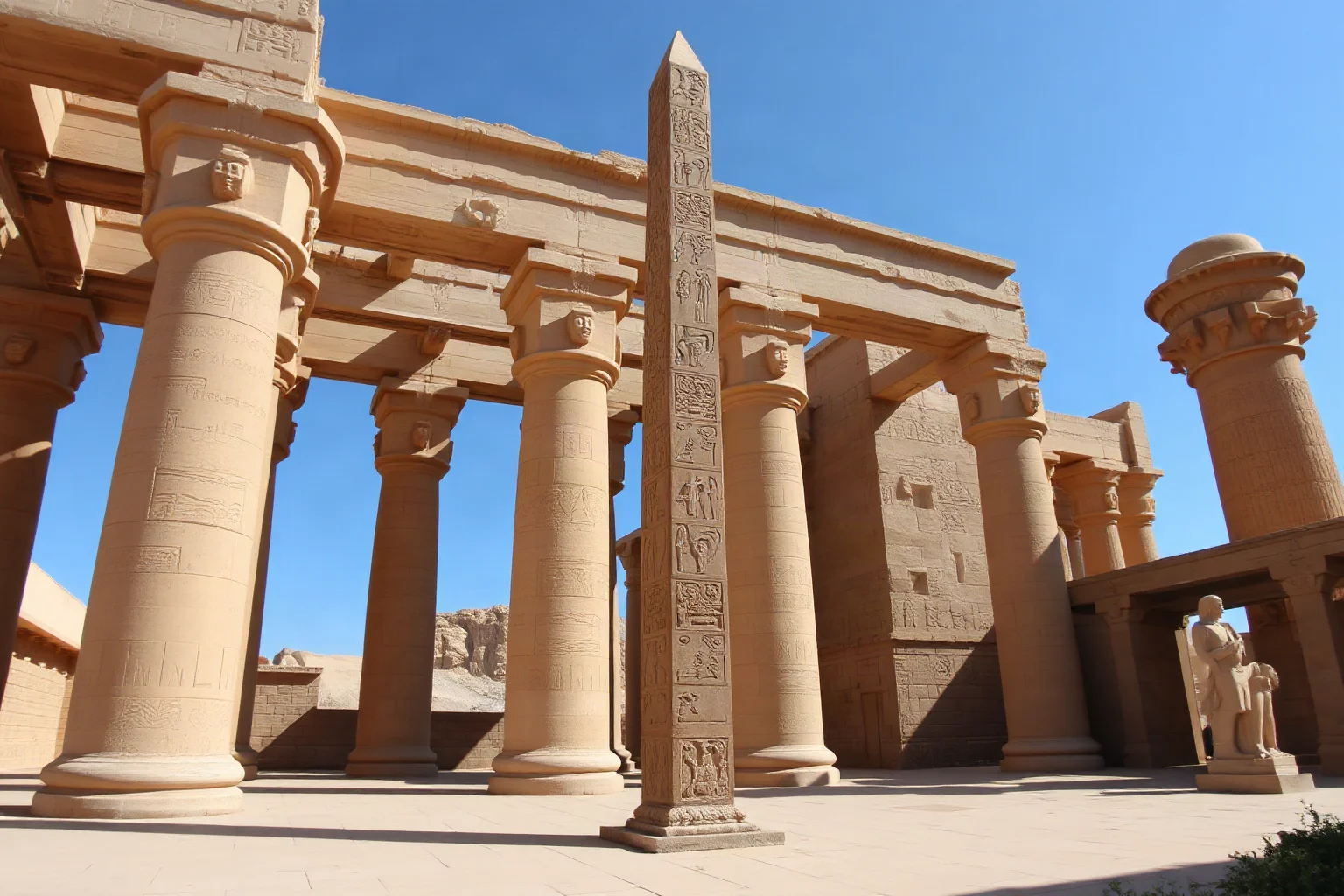
Hatshepsut commissioned several large obelisks at the Temple of Karnak, including one that still stands today as one of the tallest ancient obelisks in Egypt. These monuments were inscribed with her name and titles, reinforcing her authority through permanent, monumental architecture.
Building obelisks was traditionally a task reserved for kings, so each one she raised doubled as both religious offering and political statement. It was another quiet but powerful way of asserting she belonged among Egypt's legitimate pharaohs.
15. She Restored Monuments Damaged by the Hyksos
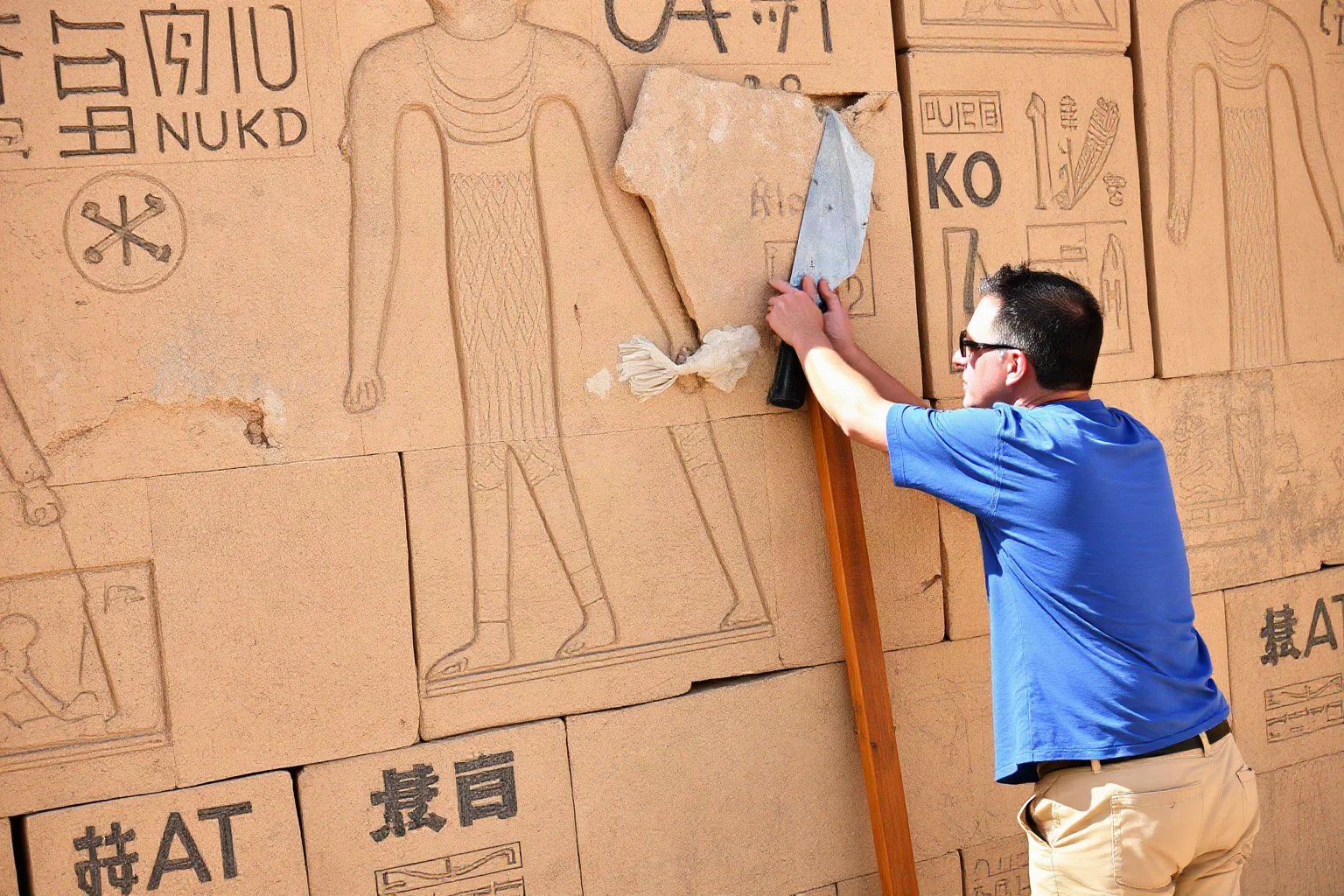
Part of Hatshepsut's building program involved restoring temples and monuments that had been damaged or neglected during the Hyksos occupation of Egypt in the preceding centuries. Inscriptions from her reign specifically credit her with repairing sacred sites.
This restoration work served a dual purpose: honoring the gods and positioning herself as a stabilizing, unifying ruler after a turbulent period in Egyptian history. It was smart politics dressed up as piety, and it likely was piety too.
16. She Relied on a Trusted Advisor Named Senenmut
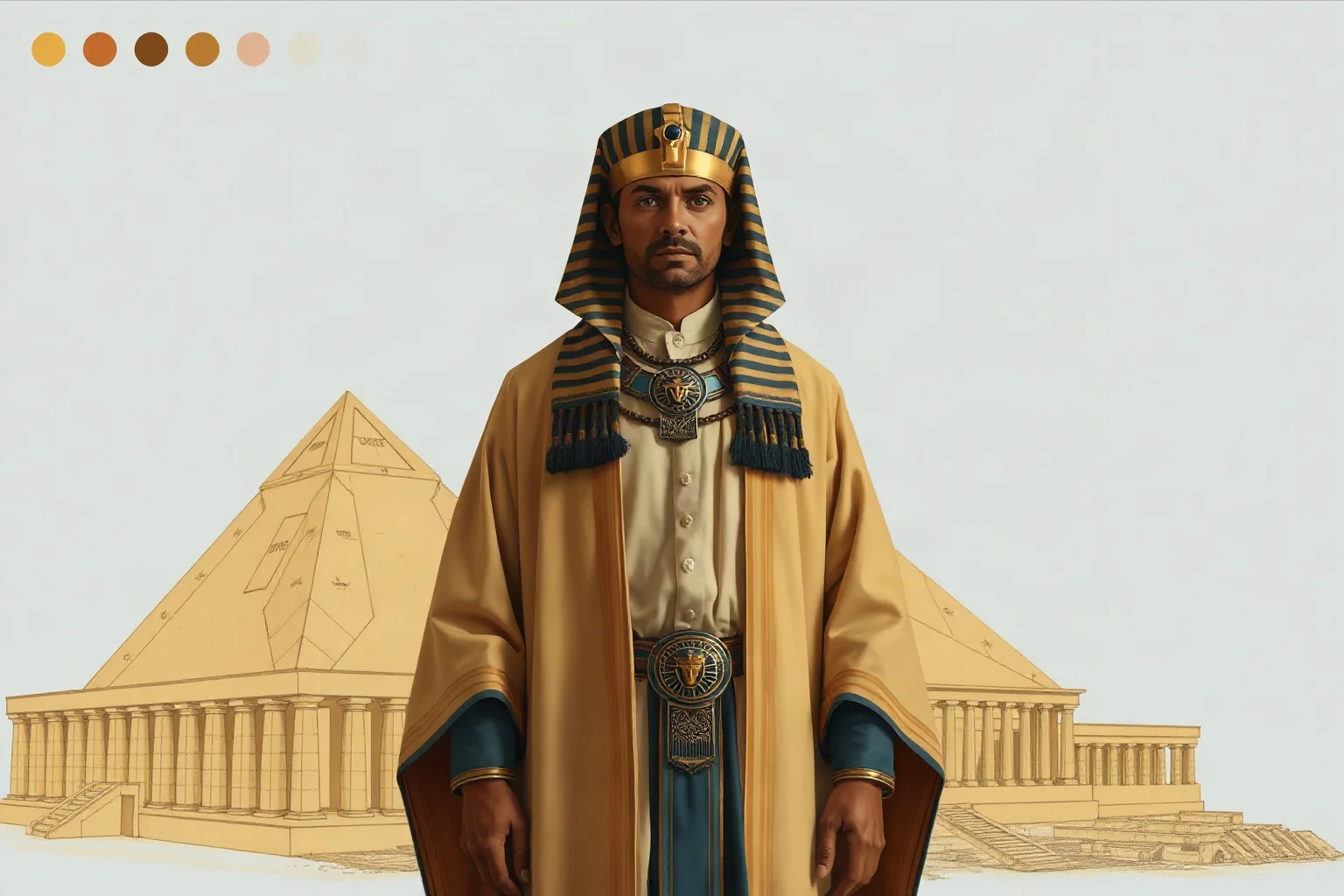
One of the most prominent officials in Hatshepsut's court was Senenmut, a talented architect and administrator who held numerous important titles during her reign. He is believed to have overseen the construction of her mortuary temple and several other major projects.
Senenmut's unusually high status, including statues placed within royal temples, has led to speculation about just how close he was to Hatshepsut personally. However, there's no solid historical evidence confirming a romantic relationship, so that particular claim remains speculation rather than fact.
17. Her Reign Was a Time of Peace and Prosperity
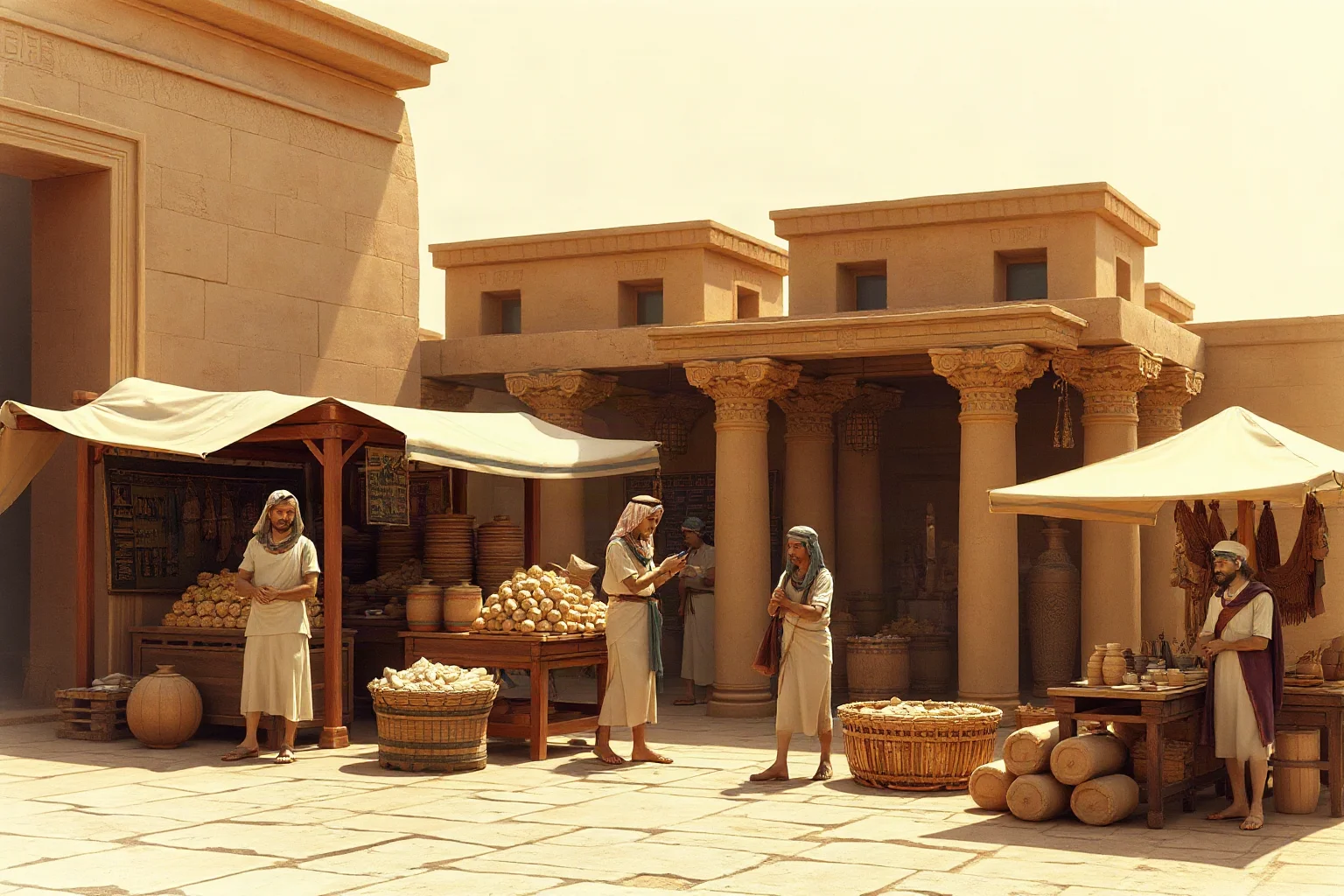
Unlike many pharaohs remembered primarily for military conquest, Hatshepsut is often associated with economic growth, trade expansion, and monumental building rather than warfare. This is a big part of why is Hatshepsut famous today — she represents a different model of successful ancient leadership.
Her reign coincided with a period of relative internal stability in Egypt, which allowed resources to flow toward temples, trade routes, and infrastructure instead of prolonged military campaigns. That stability is a real accomplishment in its own right.
18. She Did Lead Some Military Campaigns
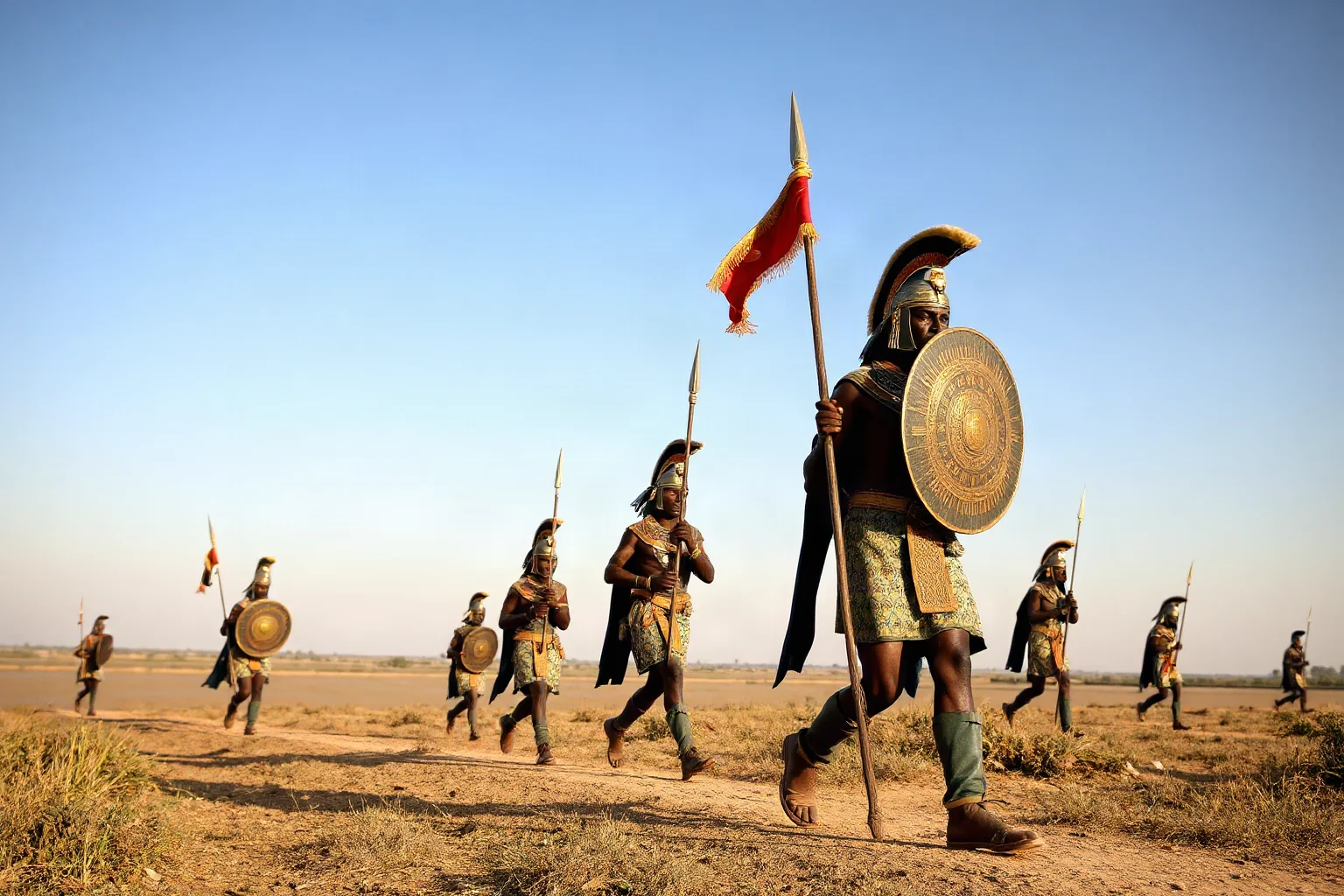
It's a myth that Hatshepsut's reign was entirely without conflict. Inscriptions indicate she authorized or led military campaigns into Nubia and possibly the Levant, though these were smaller in scale compared to the later conquests of Thutmose III.
So while trade and construction dominate her legacy, it would be inaccurate to describe her rule as purely peaceful in every sense. She still had to project and occasionally use military strength to maintain Egypt's borders and reputation.
19. Her Appearance Changed in Official Art Over Time
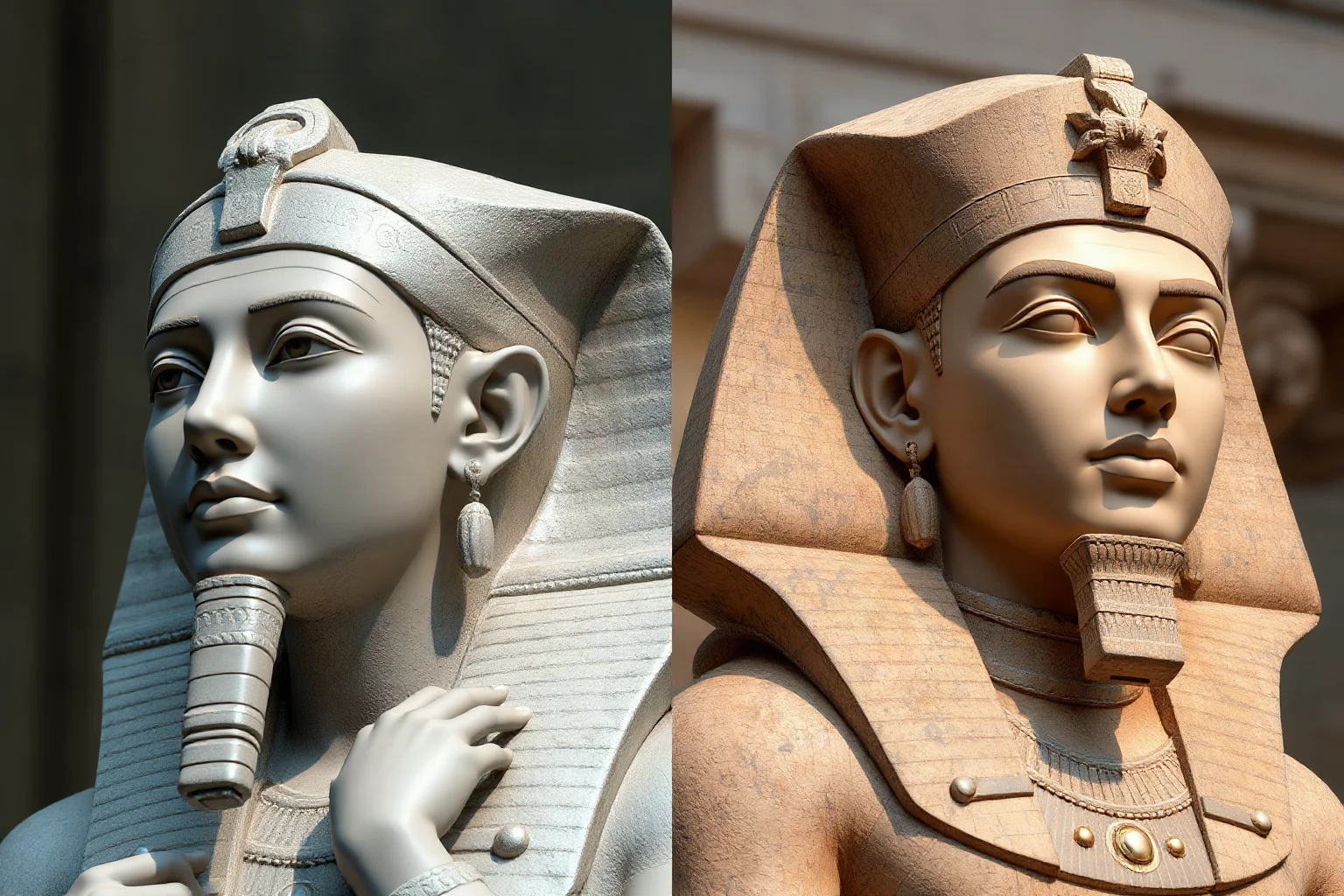
If you're wondering what Hatshepsut looked like, the honest answer is that it depended on when the artwork was made. Earlier statues from her reign show her with more feminine features and traditional queenly dress, while later works increasingly depict her with masculine musculature and the ceremonial beard associated with kingship.
This shift wasn't random. It reflected the gradual solidifying of her identity as a legitimate king in the eyes of Egyptian religious and political tradition, regardless of her actual physical appearance.
20. Someone Tried to Erase Her from History
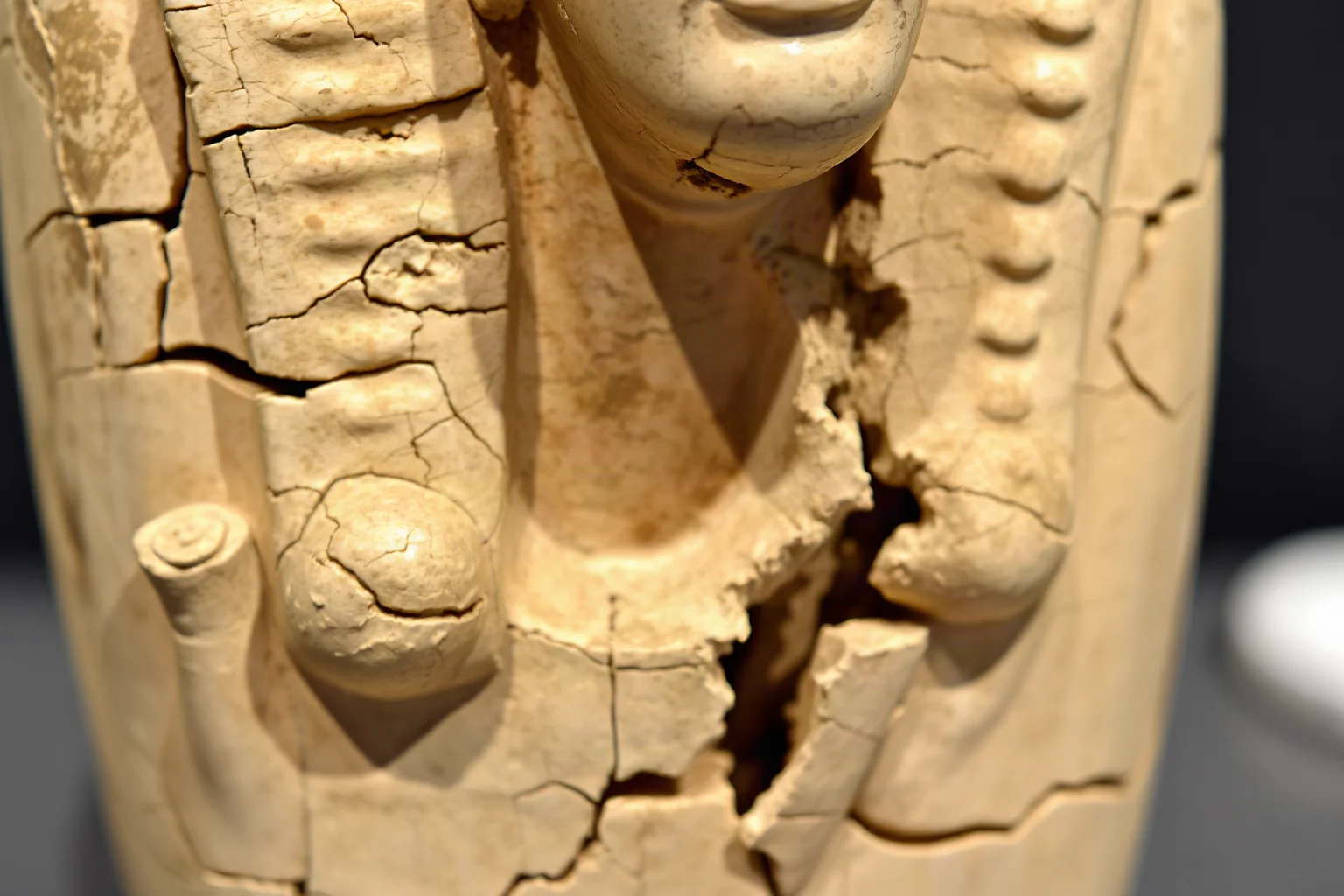
After Hatshepsut's death, many of her statues, inscriptions, and images were defaced or removed, particularly later in the reign of Thutmose III. For a long time, historians assumed this was an act of pure resentment by a stepson finally free to take revenge.
More recent scholarship suggests it may have been a more calculated political move, possibly aimed at securing succession for Thutmose III's own son, Amenhotep II, rather than simple personal spite. Either way, the campaign to remove her from official memory very nearly worked.
21. Her Mummy Was Lost for Decades
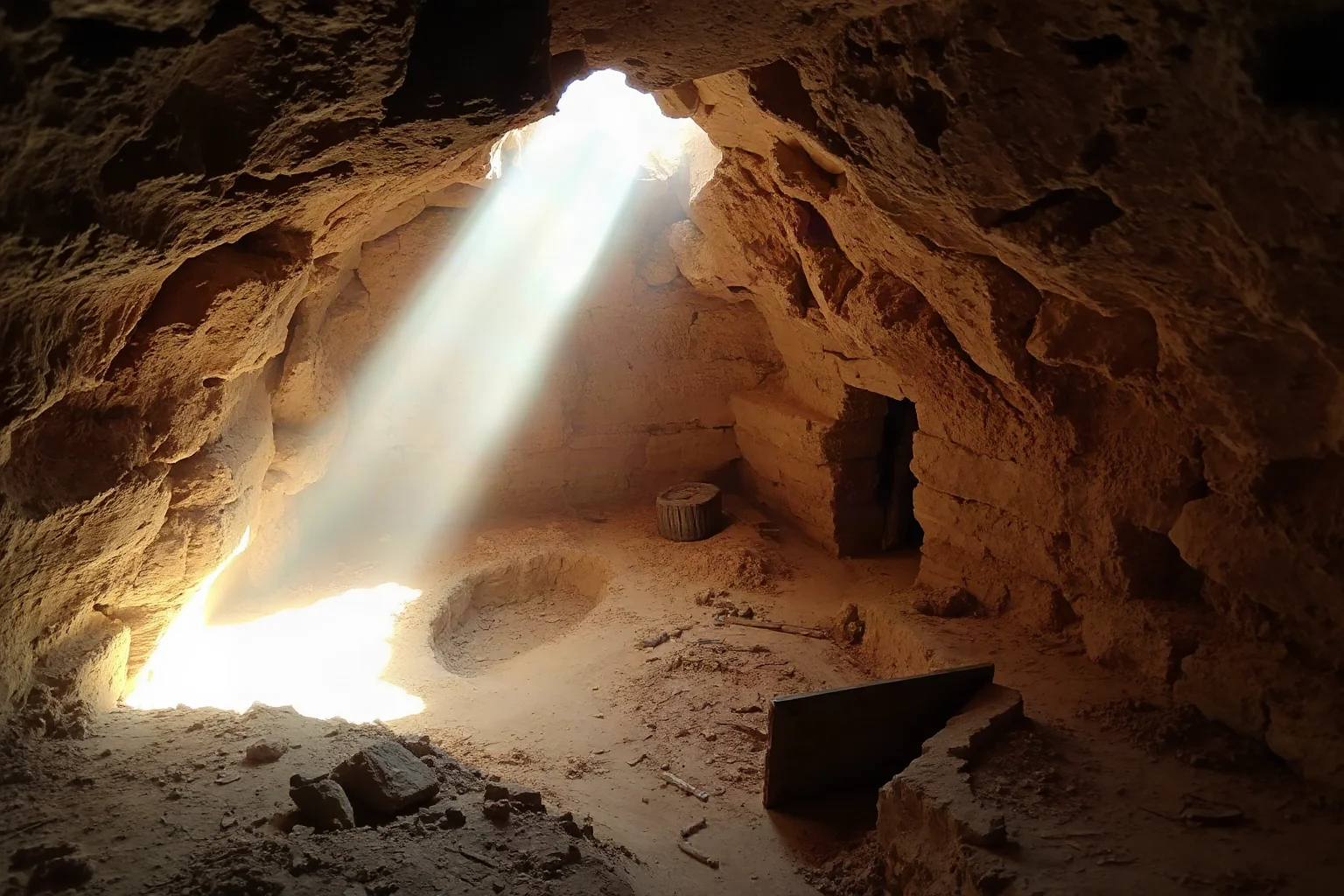
For a long time, Hatshepsut's mummy was one of Egyptology's unsolved mysteries. Her original tomb didn't contain an identifiable body, leaving her final resting place uncertain for over a century after her tomb was first explored.
In 2007, Egyptian authorities announced that a mummy found in a modest tomb known as KV60 had been identified as Hatshepsut, based partly on a matching tooth found in a box bearing her name. It remains one of modern archaeology's more satisfying detective stories.
22. Her Tomb Broke Royal Tradition

Hatshepsut's tomb, designated KV20, is located in the Valley of the Kings — a burial ground almost exclusively used for male pharaohs. Choosing to be buried there, rather than in a queen's tomb, was yet another signal of her insistence on being remembered as a true king, not merely a queen who briefly ruled.
The tomb itself is unusual in its layout, with a long, curving corridor that some Egyptologists believe was designed to align symbolically with her father's nearby tomb. That detail alone speaks to how carefully she planned her legacy.
23. She Was Deeply Devoted to the God Amun
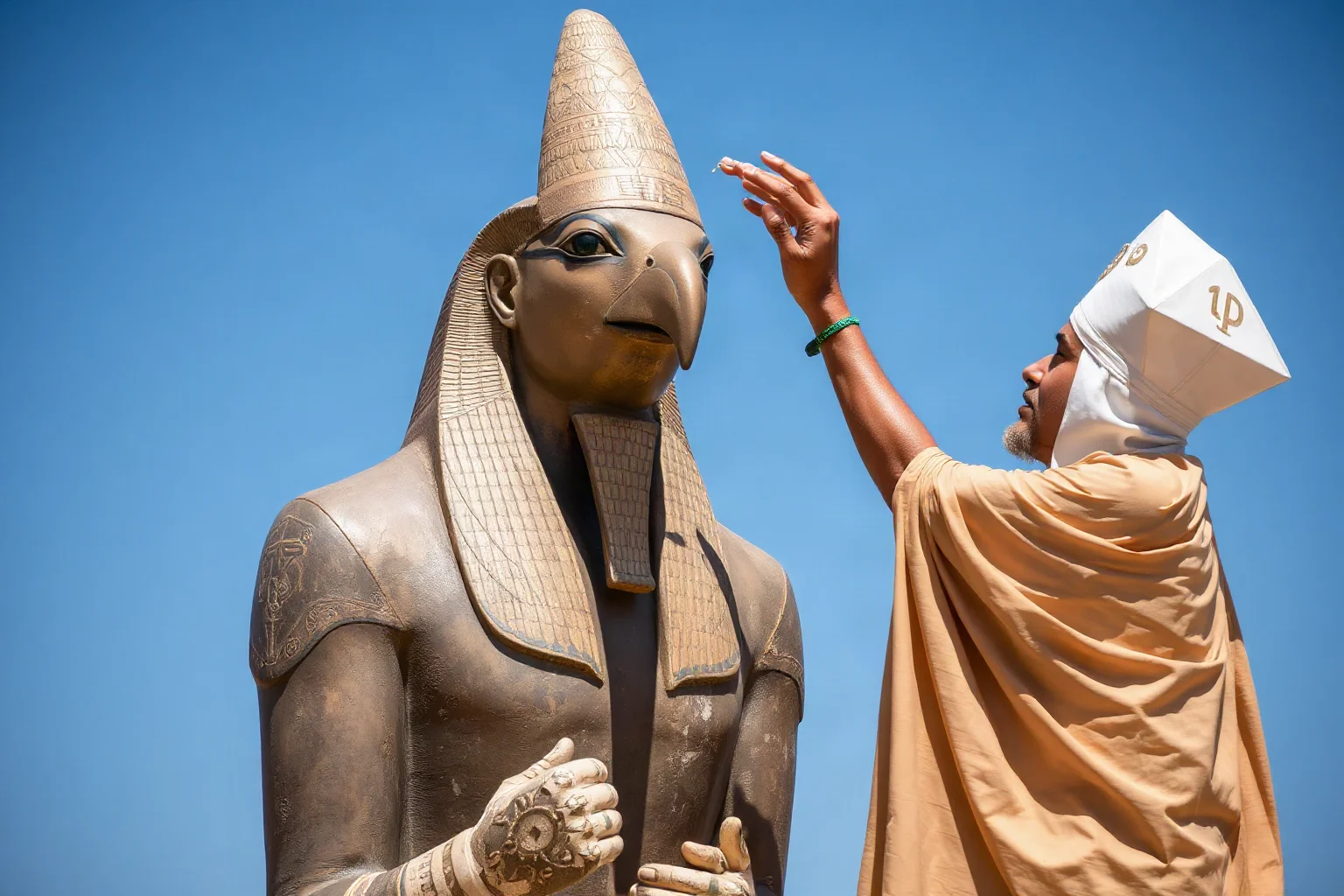
Hatshepsut's religion, like that of most Egyptians of her era, centered on the state god Amun, whom she credited with her divine birth and legitimacy as ruler. Much of her building program, including major work at the Temple of Karnak, was dedicated to honoring him.
This devotion wasn't just personal belief; it was tightly interwoven with her political identity. Presenting herself as Amun's chosen ruler gave her authority a religious foundation that was difficult for critics to challenge outright.
24. Her Cause of Death Remains Debated
Hatshepsut is believed to have died in her late forties or early fifties, and analysis of her identified mummy has pointed toward possible health issues including diabetes, obesity, and bone problems. Some researchers have floated a possible connection to cancer, based on traces of a specific compound found near her remains.
It's important to be cautious here, though, since ancient mummy diagnosis is an inexact science and conclusions have shifted over the years. The honest answer is that her exact cause of death still isn't settled with full certainty.
25. Her Legacy Was Rediscovered by Modern Egyptology
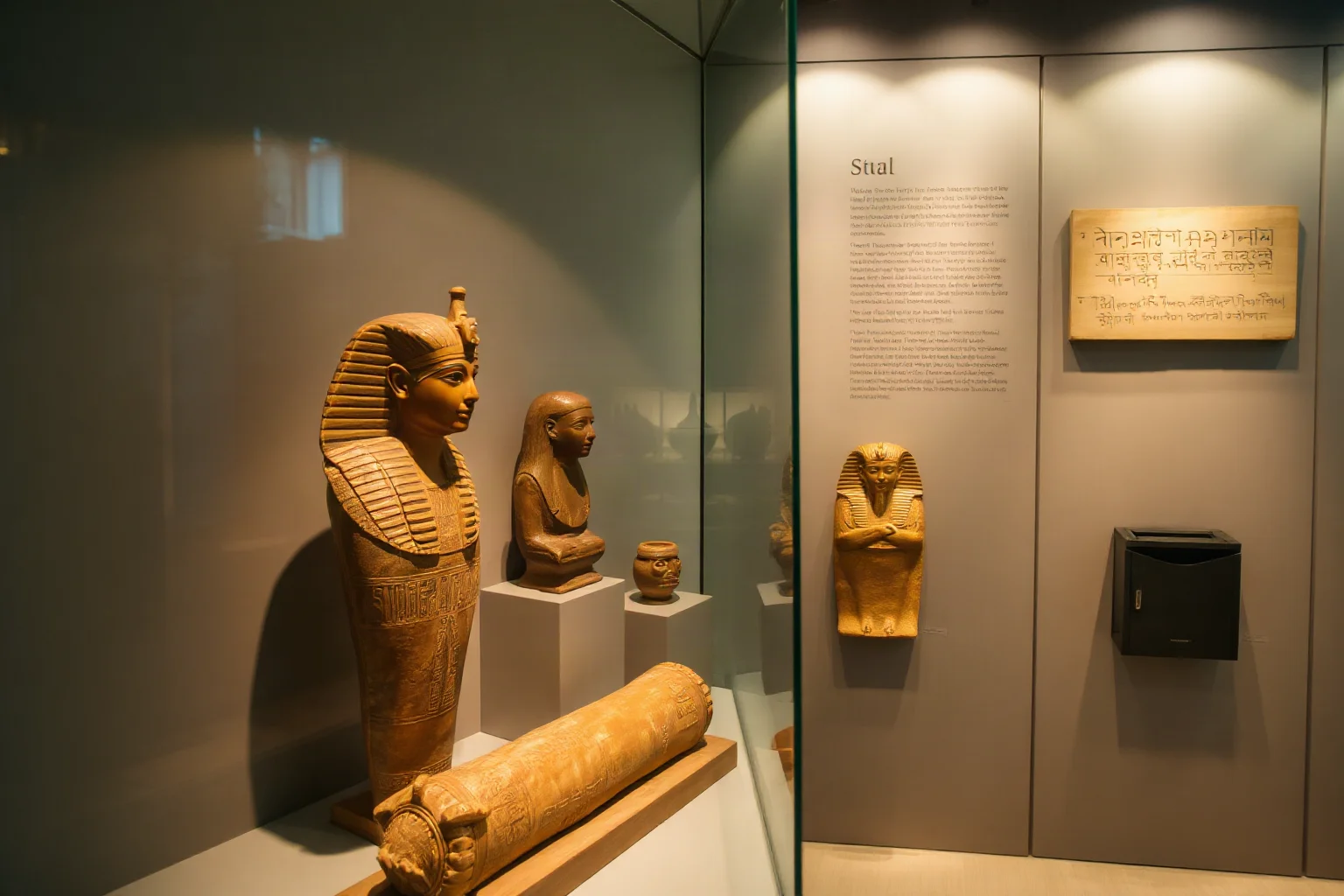
For centuries, Hatshepsut's achievements were largely overlooked or misattributed to male pharaohs, partly thanks to the attempts to erase her from monuments after her death. It wasn't until 19th and 20th century Egyptologists began carefully re-translating inscriptions that her true role came back into focus.
Today, she's recognized as one of ancient Egypt's most accomplished rulers, studied in classrooms and museums worldwide. Her story has become a touchstone for discussions about gender, power, and how historical memory gets shaped — and sometimes deliberately unshaped — over time.
Why Hatshepsut Still Matters
Hatshepsut's story isn't just a curious footnote in Egyptian history — it's a window into how power, gender, and propaganda intersected in the ancient world. She didn't inherit the throne through the usual male line, yet she managed to rule successfully for two decades by building, trading, and governing with real skill.
What makes her especially compelling is the aftermath: the attempt to erase her, followed by her eventual rediscovery, mirrors questions we still ask today about who gets remembered in history and why. Whether you know her as Queen Hatshepsut, King Hatshepsut, or simply the female pharaoh, her legacy has clearly outlasted every effort to chisel it away.
Frequently Asked Questions
Who is Hatshepsut?
Hatshepsut was a pharaoh of ancient Egypt's 18th Dynasty who ruled for roughly two decades during the New Kingdom period, around 1479 to 1458 BC. She began as a queen consort and regent before declaring herself pharaoh, making her one of the few women in Egyptian history to rule with full royal authority.
Was Hatshepsut a pharaoh or just a queen?
Hatshepsut was a full pharaoh, not merely a queen consort. After serving as regent for the young Thutmose III, she adopted the complete royal titulary used by kings and is documented in inscriptions and temple reliefs as a reigning monarch of Egypt.
How many years did Hatshepsut rule, and what years was she pharaoh?
Hatshepsut ruled as pharaoh for approximately 21 to 22 years, with most historians dating her reign from around 1479 BC to 1458 BC. Exact dates vary slightly depending on the chronological system Egyptologists use.
Why was Queen Hatshepsut important, and what is she known for?
Hatshepsut is important because she successfully ruled Egypt as a woman in a male-dominated system, overseeing a long, largely prosperous reign marked by extensive temple building, a famous trade expedition to Punt, and monumental construction at Deir el-Bahari and Karnak.
Was Hatshepsut the only female pharaoh in ancient Egypt?
No, Hatshepsut was not the only female pharaoh. Earlier rulers like Sobekneferu and later figures such as Twosret and Cleopatra VII also held pharaonic power, though Hatshepsut's reign is generally regarded as the longest and most impactful among Egypt's female rulers.
What did Hatshepsut look like?
Depictions of Hatshepsut changed over her reign. Earlier statues show her with feminine features and traditional queenly attire, while later official art portrays her with the masculine musculature and ceremonial false beard traditionally used to symbolize Egyptian kingship.
How do you spell and pronounce H-A-T-S-H-E-P-S-U-T?
The name is spelled H-A-T-S-H-E-P-S-U-T and is generally pronounced hat-SHEP-soot. It's often misspelled online as Hapshetsut, Hatshpesut, Hatsepsut, or Hatshetsput, but Hatshepsut is the standard Egyptological spelling.
What religion did Hatshepsut practice?
Hatshepsut practiced the traditional polytheistic religion of ancient Egypt, with a strong personal and political devotion to the god Amun. She credited Amun as her divine father and dedicated much of her building program to honoring him, particularly at the Temple of Karnak.
Why did Hatshepsut become pharaoh instead of remaining regent?
Hatshepsut became pharaoh after serving as regent for the young Thutmose III, likely leveraging her strong royal bloodline as the daughter of Thutmose I and his chief wife. Rather than simply governing in the background, she formally claimed kingship, reinforced by a propaganda campaign asserting she was the divine child of the god Amun.

Alex Warren
Related Articles