

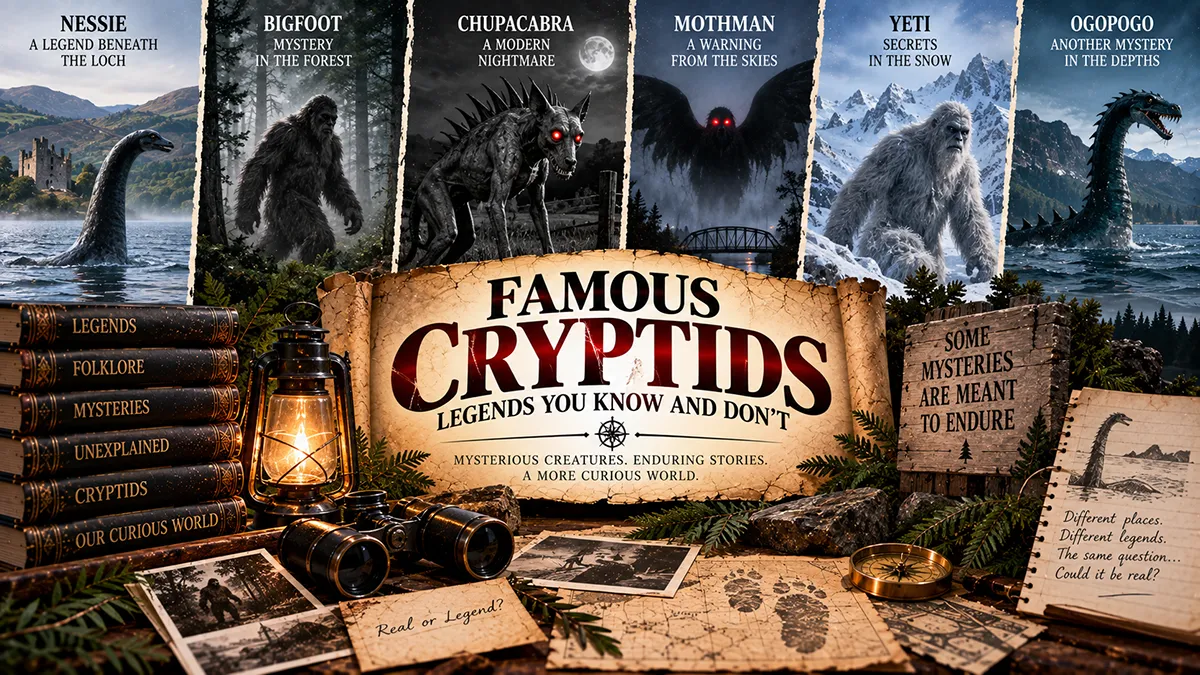
Every culture has its shadows in the woods, its ripples on the lake, its footprints in the snow that nobody can quite explain. These are cryptids: creatures whose existence has never been confirmed by mainstream science, but whose legends refuse to die. Some, like Bigfoot and the Loch Ness Monster, are practically household names. Others are so obscure that even devoted monster hunters have to look them up.
This list runs through both categories. We’ll start with the famous cryptids that built the modern legend of cryptozoology, then dig into the weird, funny, and genuinely obscure cryptids that rarely make it outside their home regions. Along the way, we’ll keep things honest about what’s folklore, what’s hoax, and what’s still genuinely unexplained.
TL;DR: From Bigfoot to the Mongolian Death Worm, famous and obscure cryptids alike tend to trace back to real folklore, misidentified animals, or documented hoaxes rather than confirmed new species.
What Is a Cryptid, Exactly?
The word “cryptid” comes from cryptozoology, a term coined in the mid-20th century to describe the study of animals whose existence is disputed or unproven. A cryptid isn’t necessarily a monster in the Hollywood sense. It’s simply an unidentified mysterious animal that shows up in local legend, eyewitness reports, or folklore but has never been captured, filmed conclusively, or verified by biologists.
Some cryptids likely started as real animals that were exaggerated or misidentified over time. Others appear to be pure folklore, cultural memory, or outright hoaxes that took on a life of their own. Understanding that distinction is part of what makes cryptid history so interesting.
The Main Types of Cryptids
Cryptids tend to cluster into a few recognizable categories, and knowing them helps make sense of why so many legends around the world sound strangely similar. Ape-like or humanoid cryptids, like Bigfoot and the Yeti, are reported on nearly every continent. Lake and sea monsters make up another huge group, often tied to specific bodies of water with centuries of local legend attached.
There are also canine and werewolf-type cryptids, giant birds, small “weird little two legged cryptids” that behave more like oddball urban legends than ancient myths, and worm- or reptile-like desert cryptids suited to harsh, sparsely populated terrain. Himalayan cryptids fall mostly into the first category, tied to high-altitude folklore that predates modern mountaineering by centuries. Keeping these types in mind makes it easier to see the patterns once we get into specific examples of cryptids below.
10 Famous Cryptids Almost Everyone Has Heard Of
These are the household names of cryptid lore, the creatures that built cryptozoology’s popular image. They’re famous cryptids for a reason: strong regional folklore, decades of media coverage, and at least one dramatic, well-documented incident that kept the legend alive.
1. Bigfoot (Sasquatch)
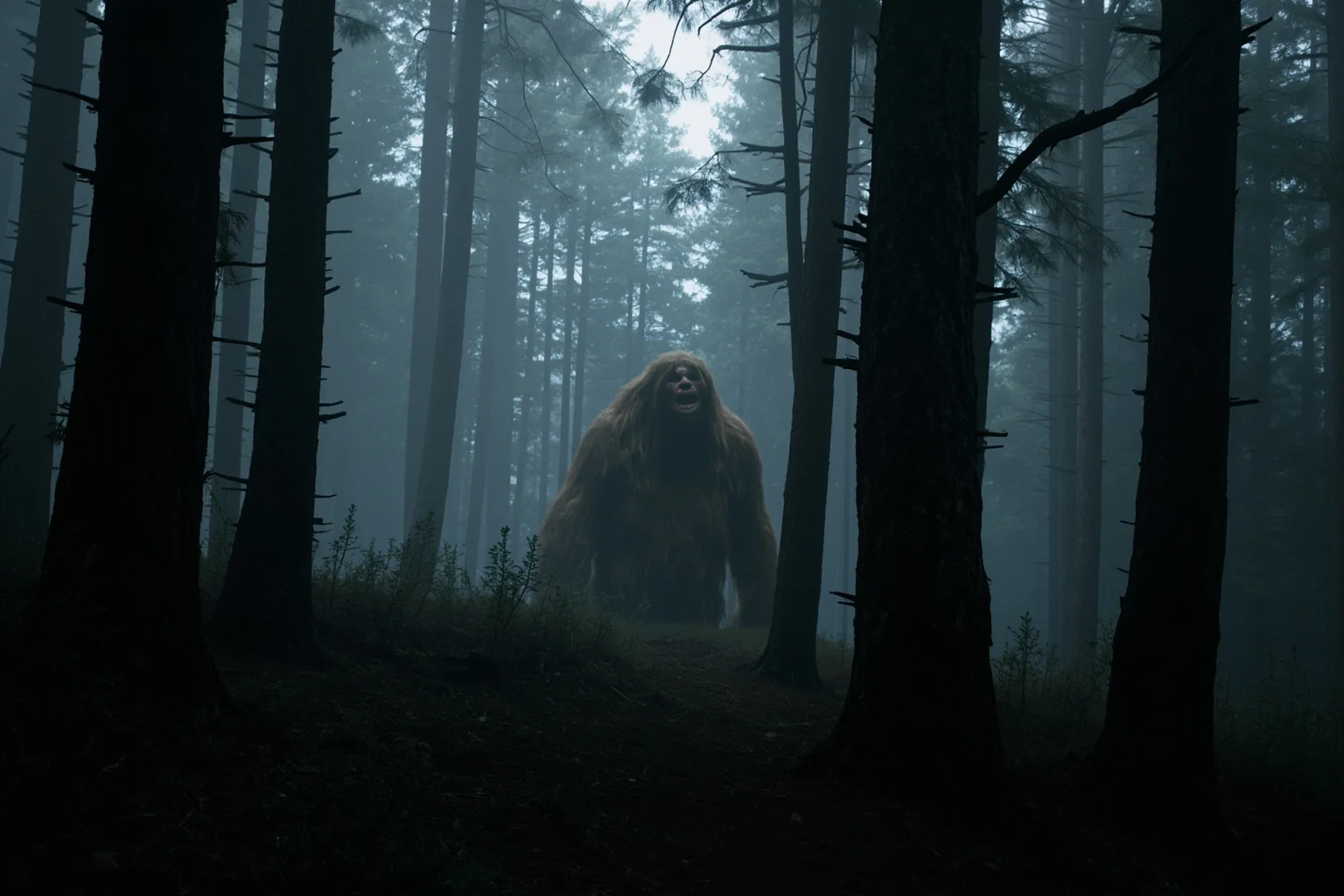
Bigfoot is arguably the most famous cryptid on the planet, rooted in Indigenous oral traditions of the Pacific Northwest that describe large, hair-covered wild men long before European settlers arrived. The name “Sasquatch” itself comes from a Halkomelem word used by Coast Salish peoples. Modern Bigfoot mania exploded after the 1958 discovery of oversized footprints near Bluff Creek, California, which were later linked to a hoax orchestrated by logger Ray Wallace.
2. The Loch Ness Monster

“Nessie” became a global sensation after a 1933 sighting reported by Aldie Mackay near Loch Ness in the Scottish Highlands. The most iconic image, the so-called “Surgeon’s Photograph” from 1934, was exposed decades later as a staged hoax using a toy submarine. Despite that, sonar surveys and tourist sightings keep the legend commercially and culturally alive in Scotland today.
3. The Yeti
The Yeti is the best-known of all Himalayan cryptids, drawn from Sherpa and Tibetan folklore describing a large, elusive mountain-dwelling being. Western interest spiked in 1951 when mountaineer Eric Shipton photographed an unusual footprint in the snow during a Everest-area expedition. Later DNA testing on supposed Yeti hair and remains has repeatedly traced back to bears and other known animals.
4. The Chupacabra
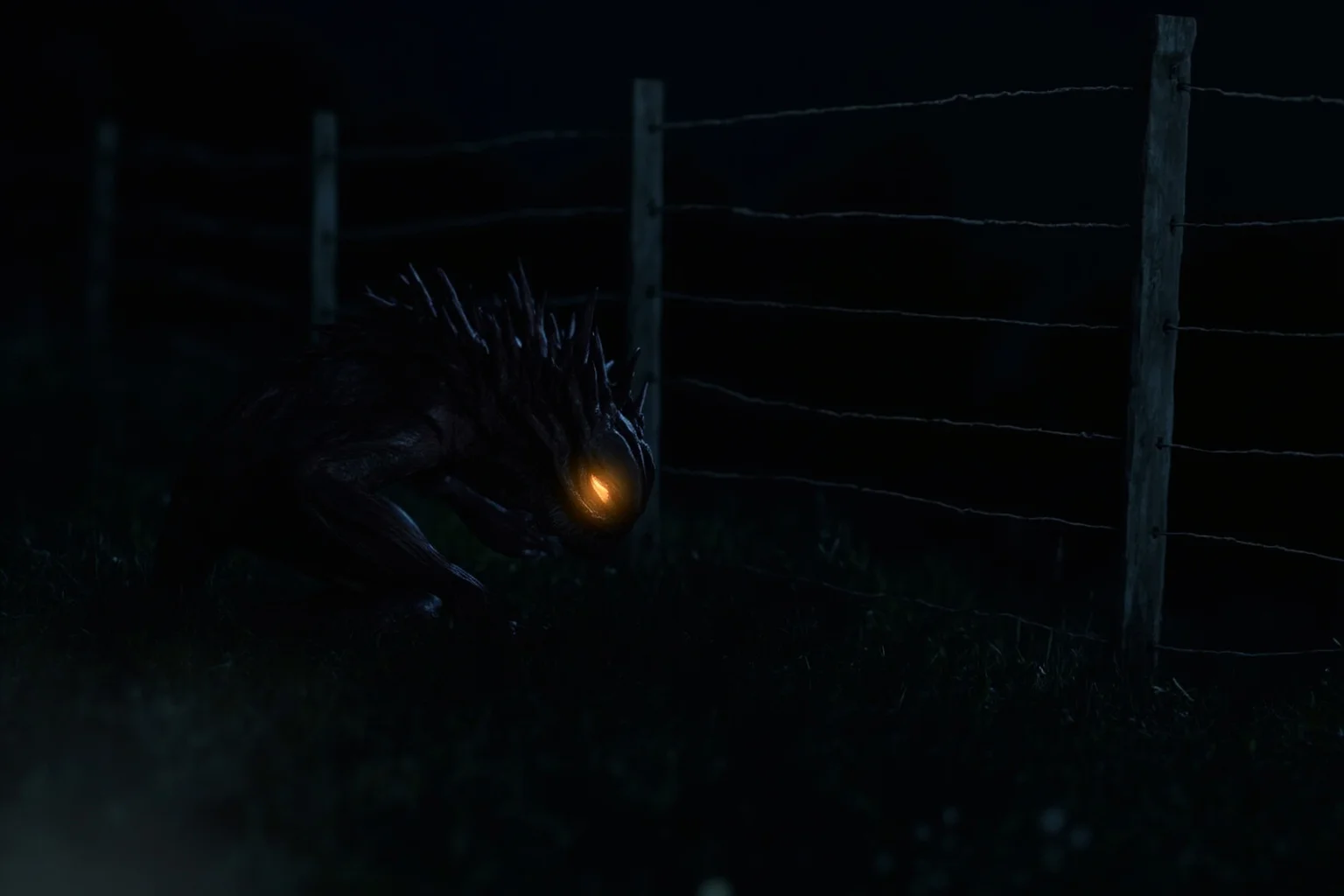
The Chupacabra legend began in Puerto Rico in 1995, following reports of livestock found drained of blood. Witness Madelyne Tolentino’s description of a spiny, alien-looking creature shaped much of the modern image, and the legend quickly spread across Latin America and the American Southwest. Many researchers now link Chupacabra sightings to mangy coyotes or dogs, whose hairless, sickly appearance can look startlingly unfamiliar.
5. Mothman
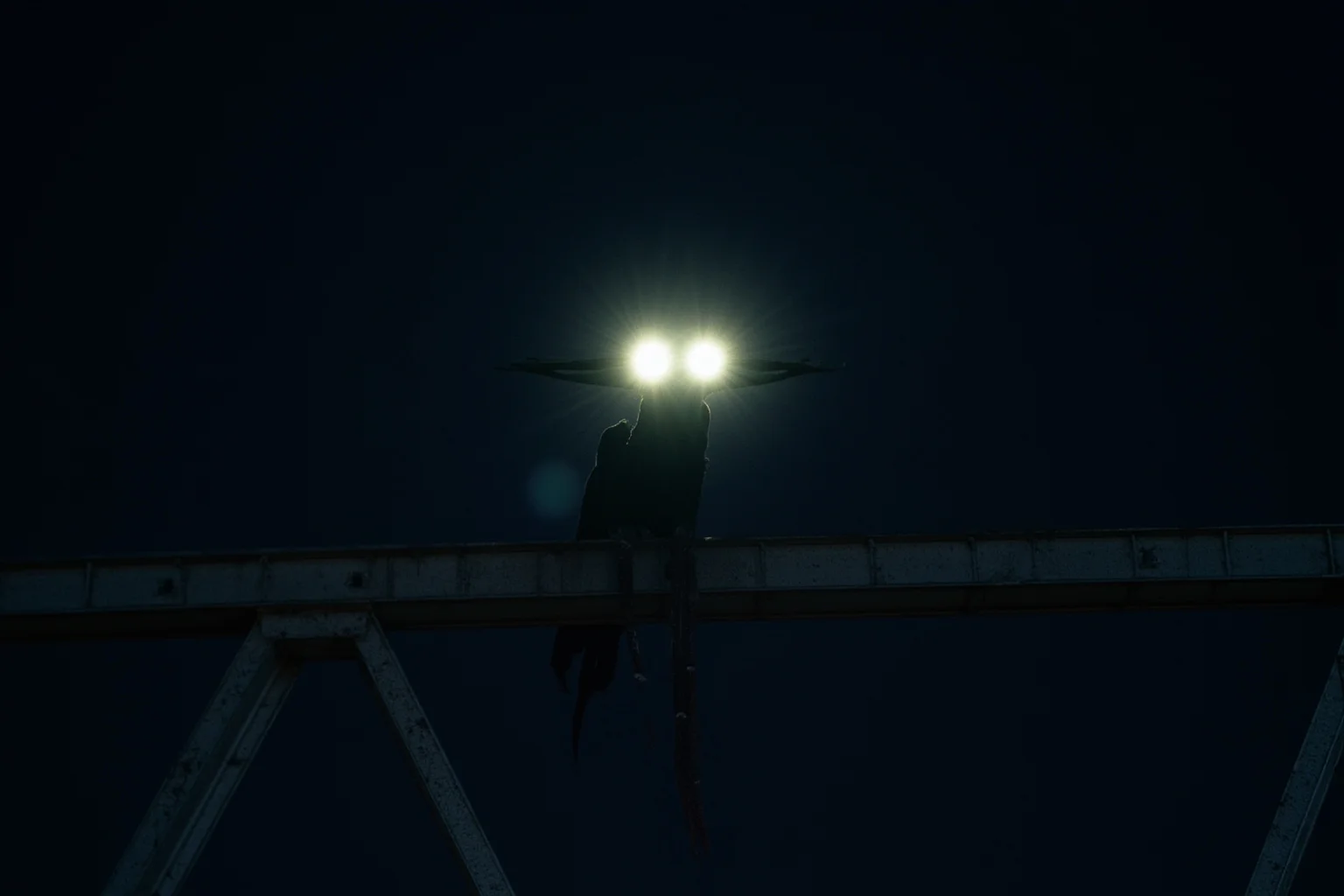
Mothman is tied to Point Pleasant, West Virginia, where multiple witnesses reported a large, moth- or bird-like figure with glowing red eyes in 1966 and 1967. The legend gained lasting notoriety after the tragic collapse of the Silver Bridge in December 1967, which some connected to the earlier sightings. Mothman remains one of the most enduring examples of cryptids tied to a specific real-world tragedy.
6. The Jersey Devil
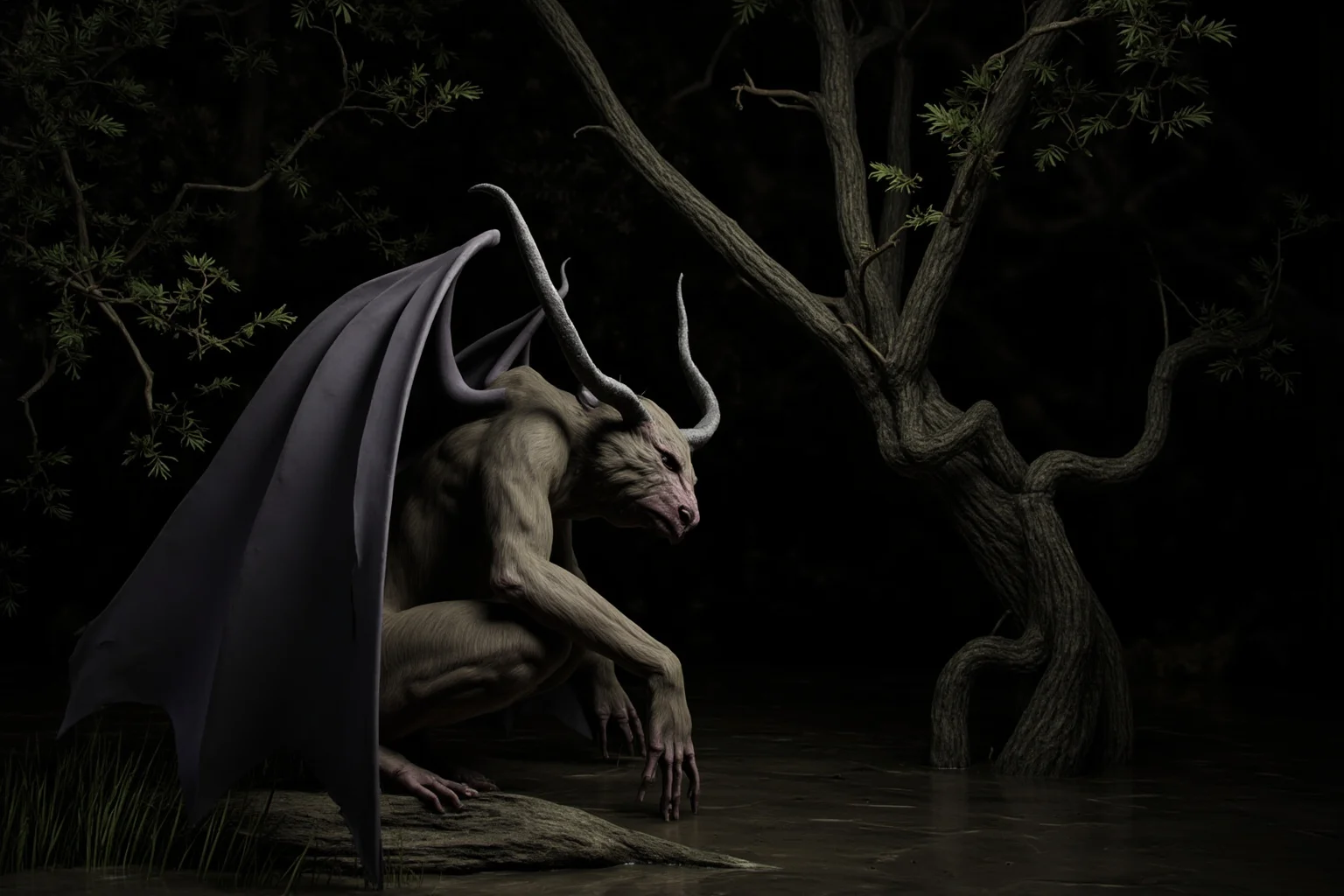
The Jersey Devil comes from the Pine Barrens of New Jersey, with roots in an 18th-century legend about a “Leeds Devil” supposedly born as a cursed, monstrous child around 1735. Over centuries, the story evolved into tales of a winged, hoofed creature haunting the woods. It’s now practically a state mascot, popular cryptid, and hockey team namesake all in one.
7. The Loveland Frog
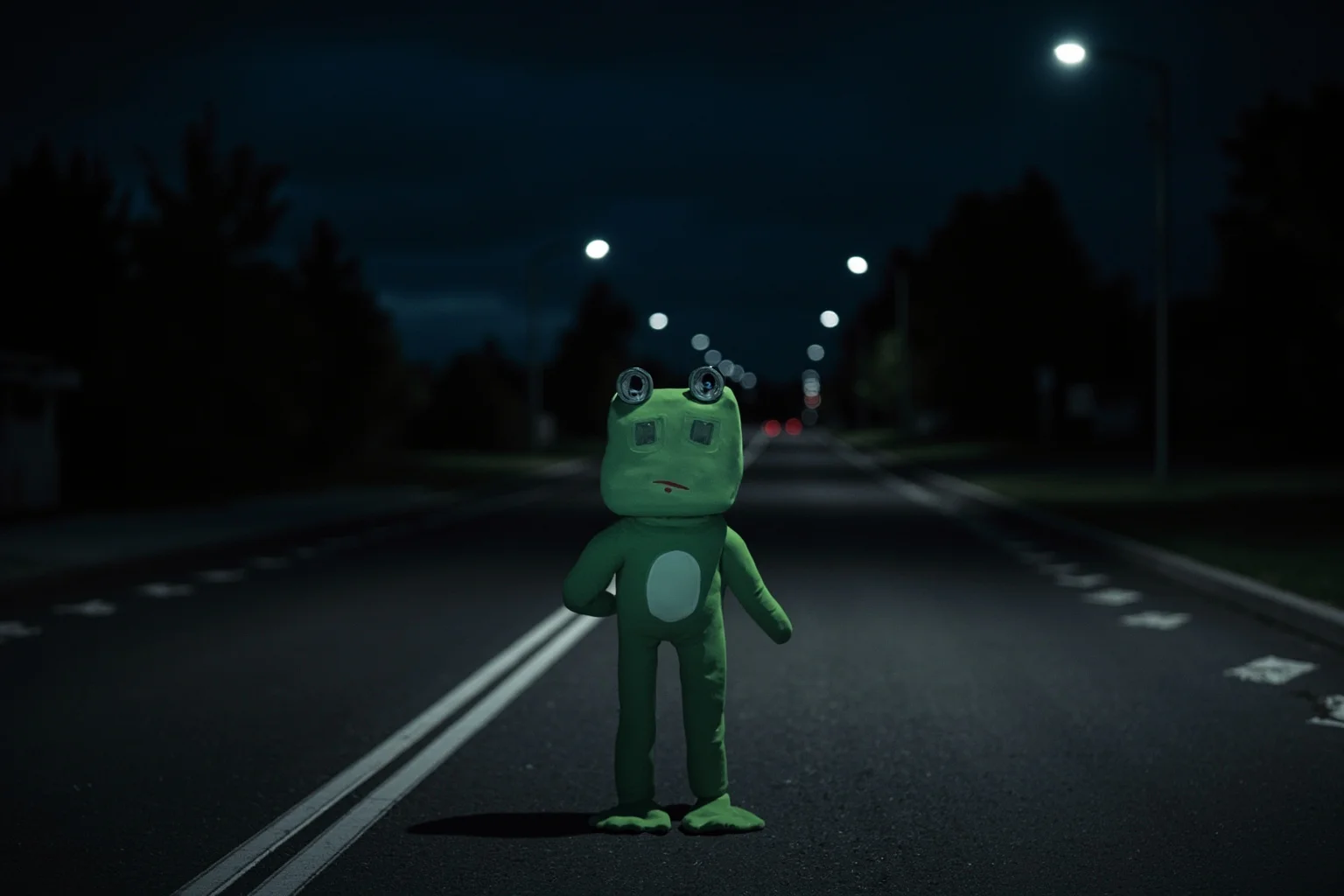
This Ohio cryptid describes a frog-like humanoid reportedly seen near Loveland in 1955 and again in 1972, the second time by a police officer. It’s often cited among funny cryptids for its sheer absurdity, a supposed swamp-dwelling frog man wandering suburban Ohio roads. Skeptics point to large escaped iguanas or misidentified amphibians as the likely explanation.
8. The Skunk Ape
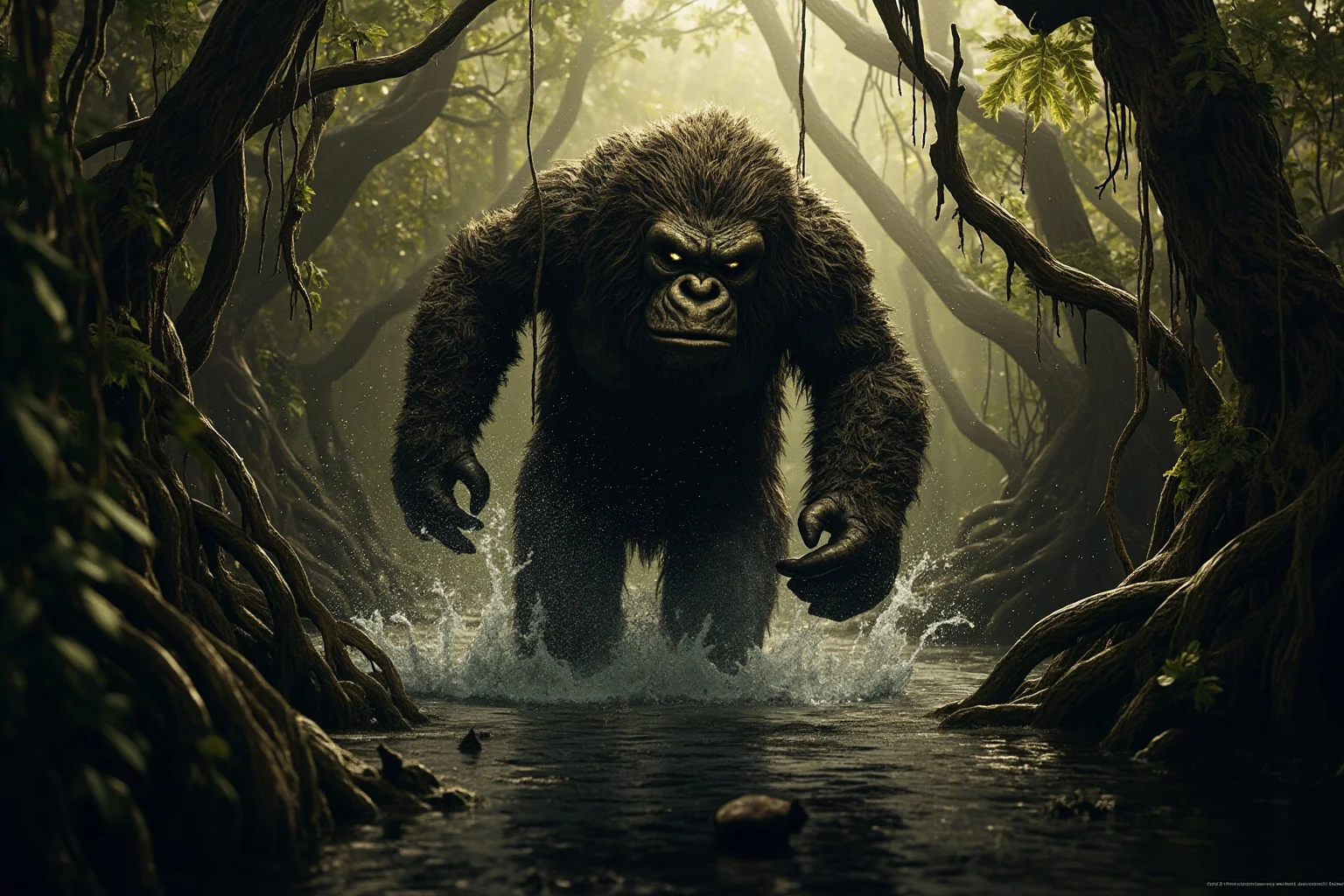
Florida’s answer to Bigfoot, the Skunk Ape is described as a large, foul-smelling, ape-like creature living in swampy areas like the Everglades. Reports date back generations among locals and have continued steadily since the 1970s. Its pungent reputation has made it one of the more distinctive and oddly funny cryptids in American folklore.
9. Dogman
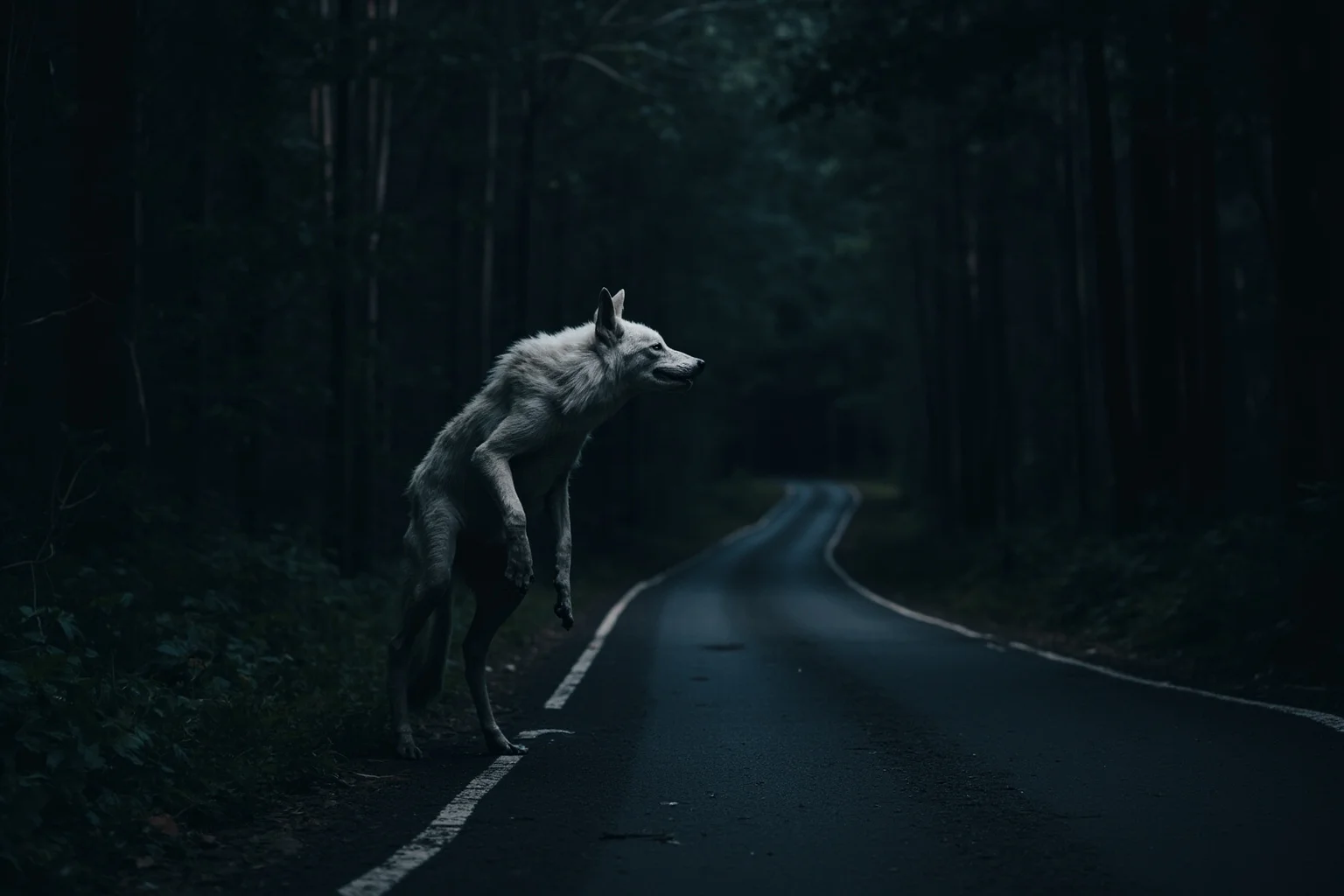
The Michigan Dogman describes a bipedal, wolf-like creature reportedly seen across the state since the 1800s, though the modern legend crystallized after a 1987 radio prank song claimed sightings followed a ten-year cycle. That novelty song, intended as an April Fools’ joke, accidentally cemented Dogman as one of the more popular cryptid legends in the Midwest.
10. Champ

Champ is the resident lake monster of Lake Champlain, straddling the border of New York and Vermont. Some enthusiasts trace the legend all the way back to explorer Samuel de Champlain’s 1609 journals, though historians dispute whether he actually described a monster. Locals have embraced Champ as something like the region’s old lucky cryptid mascot, celebrated on merchandise, murals, and even a minor league baseball logo.
16 Obscure and Lesser-Known Cryptids You Might Not Know
Beyond the household names, there’s a huge world of obscure cryptids that rarely travel far from their home turf. These lesser-known cryptids include some of the weirdest, funniest, and most oddly specific legends in cryptid history, and many double as great examples of cryptids tied to very particular regional environments, from deserts to alpine peaks.
11. The Fresno Nightcrawler
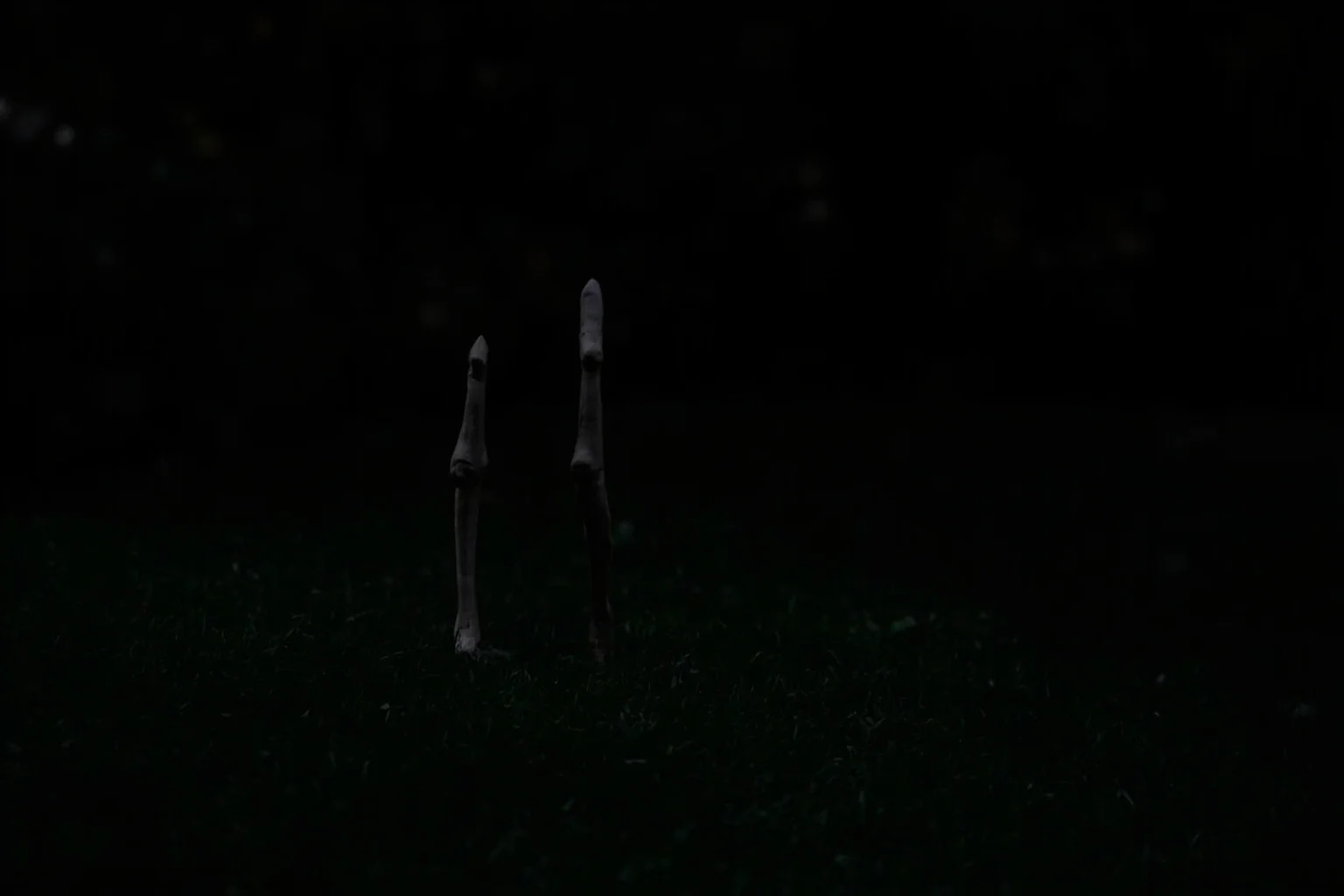
First captured on a home security camera in Fresno, California, around 2007, the Nightcrawler looks like a pair of legs walking around with no visible torso or head. It has become a favorite among fans of weird little two-legged cryptids precisely because it’s more strange than scary. No credible explanation beyond a hoax or misidentified object has ever been confirmed.
12. Altamaha-ha
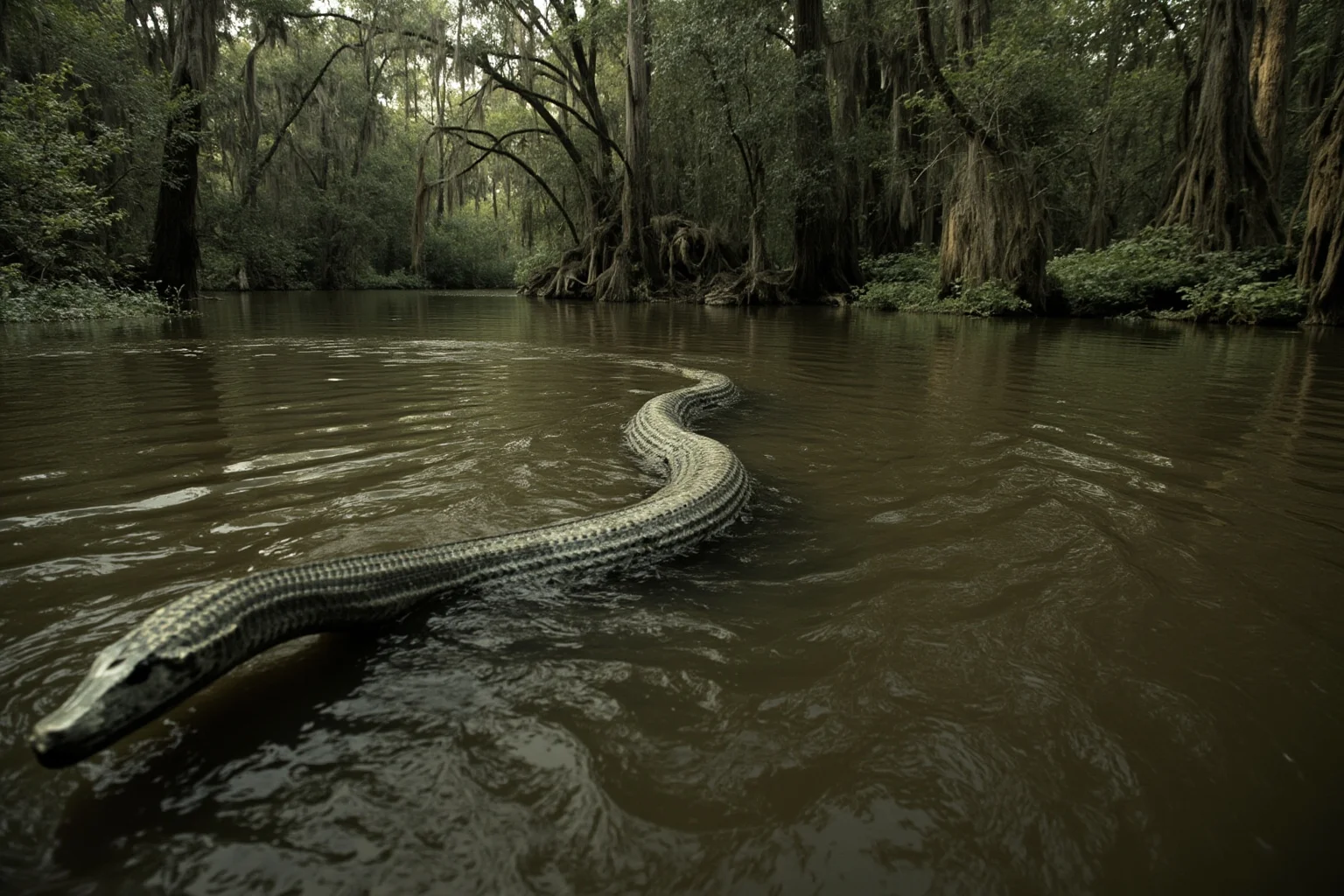
Known locally as “Altie,” this serpent-like creature is said to inhabit the Altamaha River in Georgia. The legend draws on older Native American stories from the Tama people, later blended with 19th and 20th-century settler accounts. It remains one of the more obscure cryptids in the American Southeast, rarely known outside the region.
13. The Flatwoods Monster
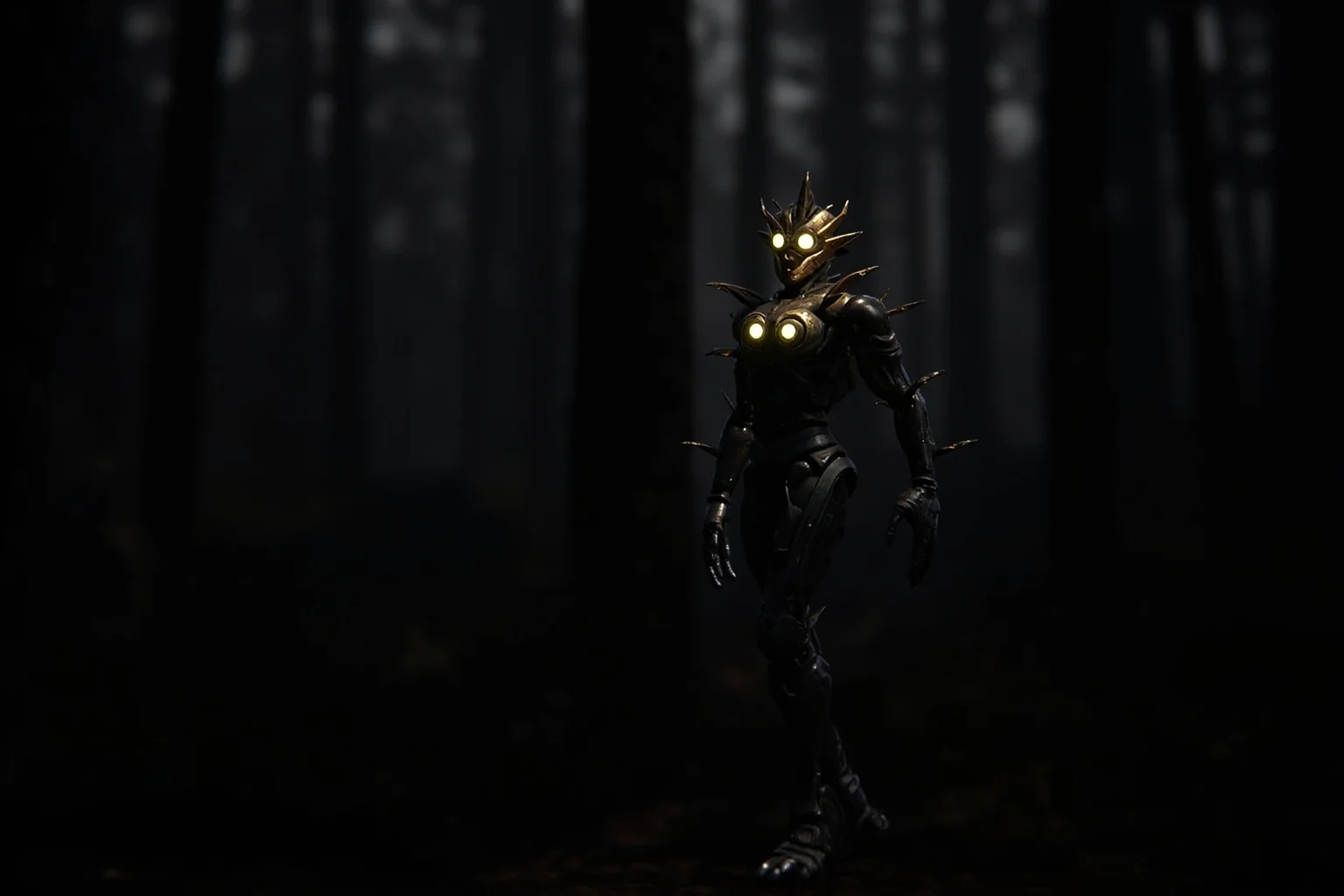
In September 1952, a group of witnesses in Flatwoods, West Virginia, reported seeing a towering, metallic-looking creature with glowing eyes after what some described as a meteor or fireball crossing the sky. The description leans more “alien” than animal, making it an unusual entry among typical cryptids. Investigators have suggested the sighting may have involved an owl silhouetted oddly against machinery and shadow.
14. The Beast of Bray Road
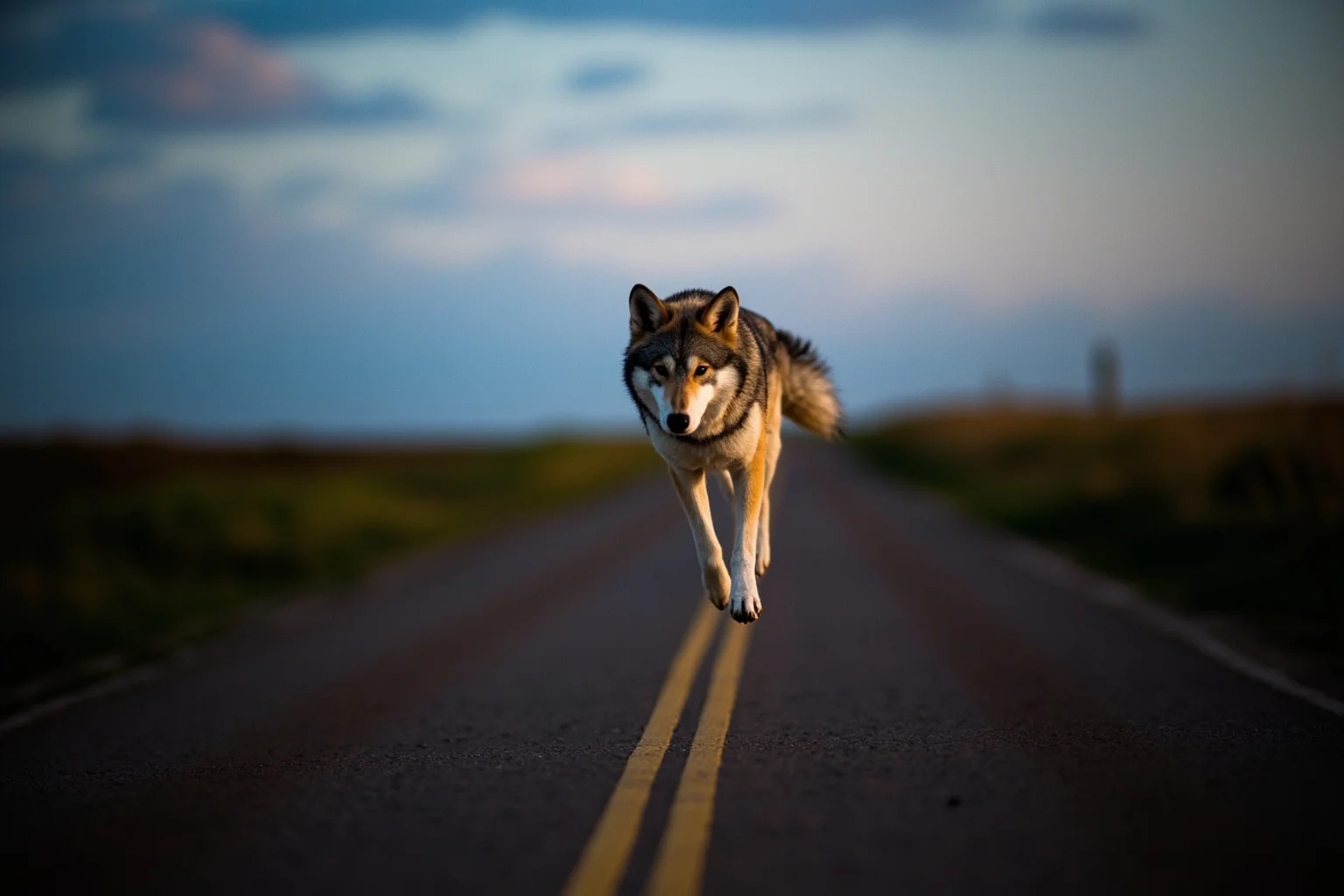
This Wisconsin legend describes a wolf-like, bipedal creature first widely reported in the late 1980s and early 1990s near the town of Elkhorn. It fits the broader “dogman” category found across the Midwest and Canada. Some researchers argue sightings may stem from large canines with mange or unusual gaits, though the story remains a strong regional legend cryptid to this day.
15. The Ozark Howler
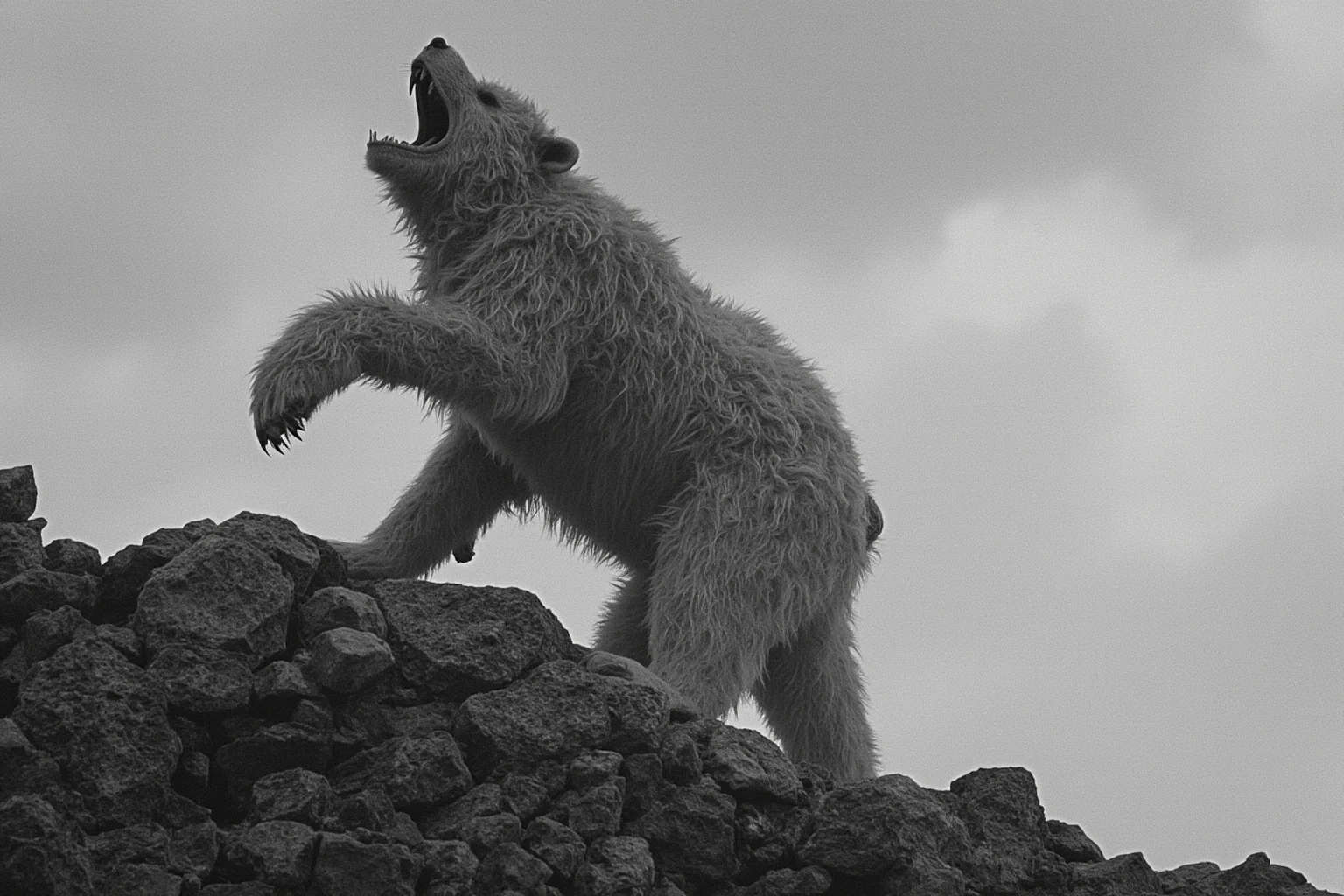
Described as a bear-sized creature with a bone-chilling howl, the Ozark Howler is said to roam the Ozark Mountains of Arkansas and Missouri. Reports are scattered and largely modern, with no clear folkloric root predating the late 20th century. It’s frequently listed among fun cryptids that locals enjoy more as regional color than genuine fear.
16. The Enfield Horror
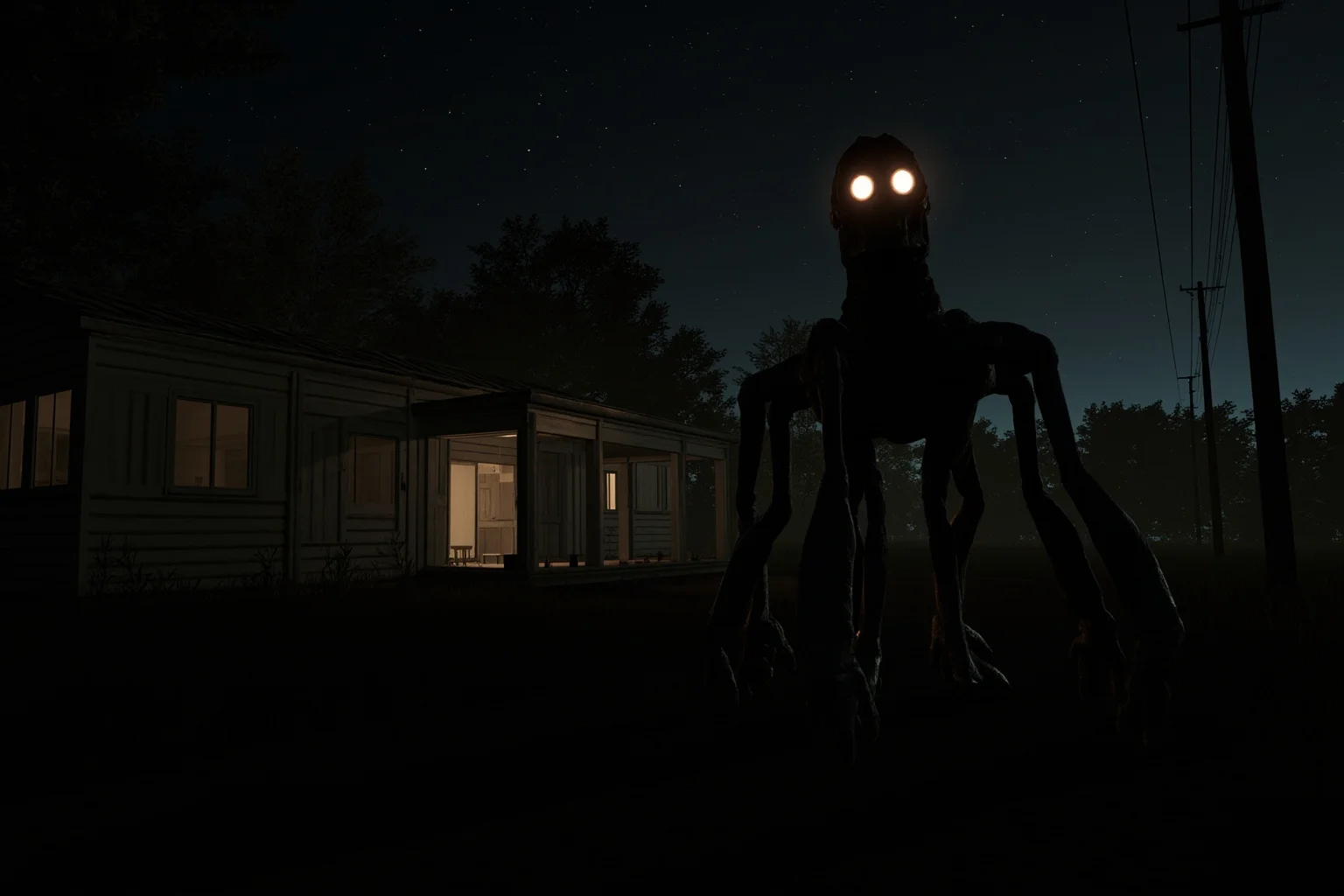
In 1973, residents of Enfield, Illinois, reported a strange three-legged creature with glowing eyes near a family’s home. The sighting drew brief national attention before fading into obscurity. It remains a favorite among fans of weirdest cryptids specifically because its described anatomy doesn’t match any known animal body plan.
17. The Wampus Cat
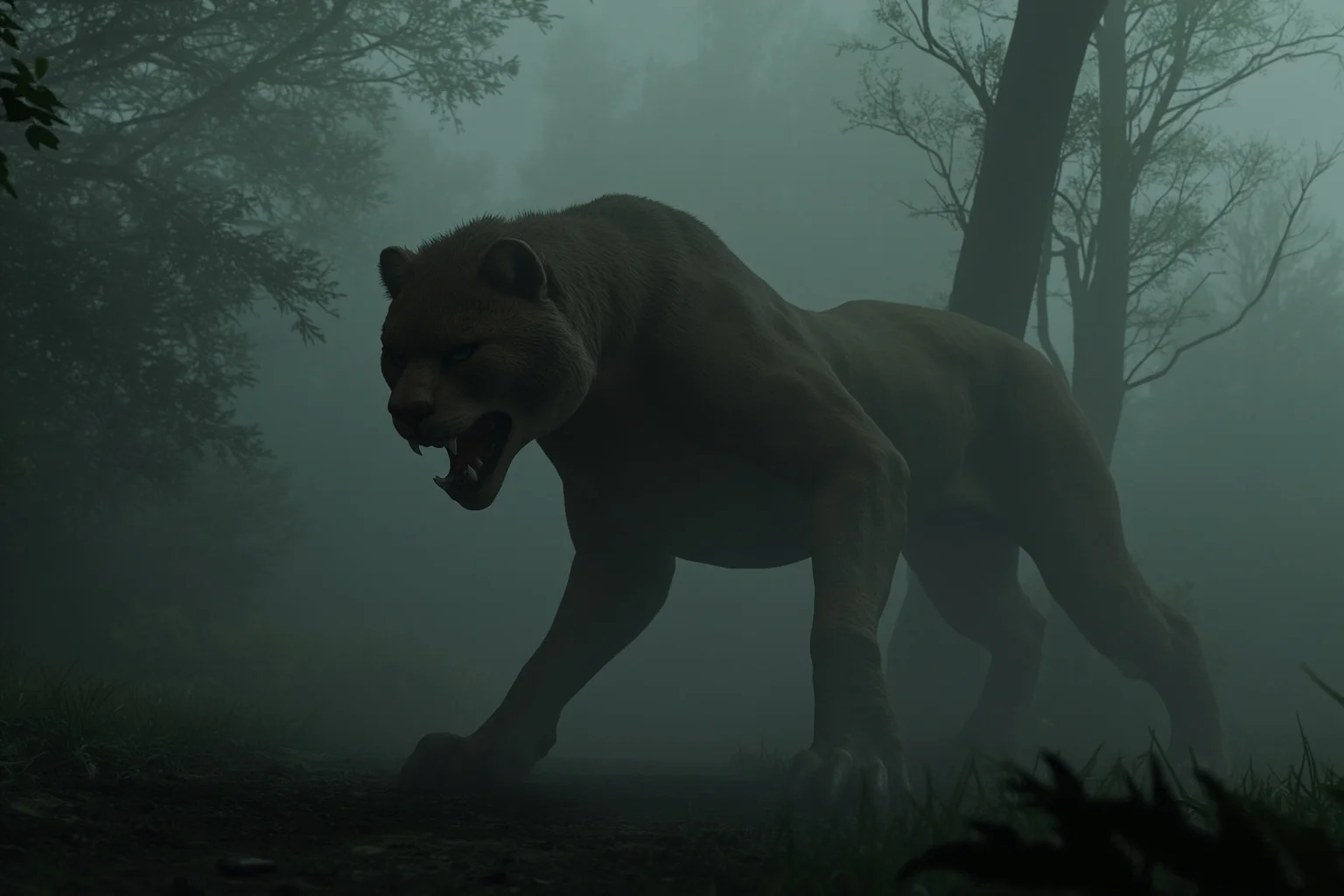
Rooted in Cherokee legend, the Wampus Cat is often described as a cougar-like creature tied to a story of a woman transformed as punishment for spying on a sacred ritual. Over time, Appalachian folklore adapted the tale into a more generalized monster legend. It’s a good reminder that many cryptids examples are less about literal zoology and more about cultural storytelling, much like the broader world of legendary mythical creatures from folklore.
18. The Pope Lick Monster
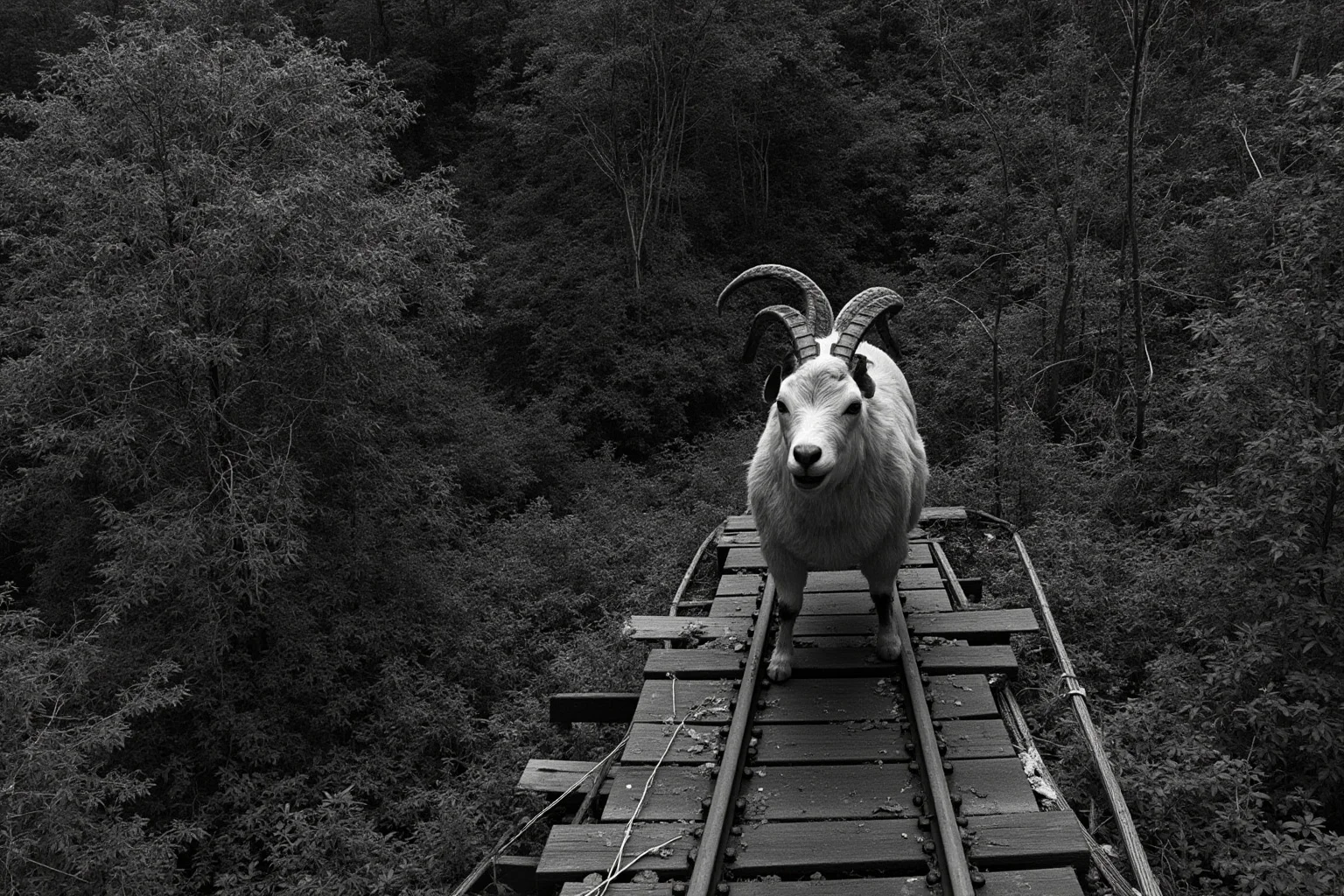
This Kentucky legend describes a goat-man creature said to lurk beneath a railroad trestle near Louisville, luring people onto the tracks. Several real injuries and deaths have occurred at the trestle over the years, tragically tied more to the location’s danger than any creature. It stands as a sobering example of how a funny cryptid legend can have genuinely serious real-world consequences.
19. The Van Meter Visitor
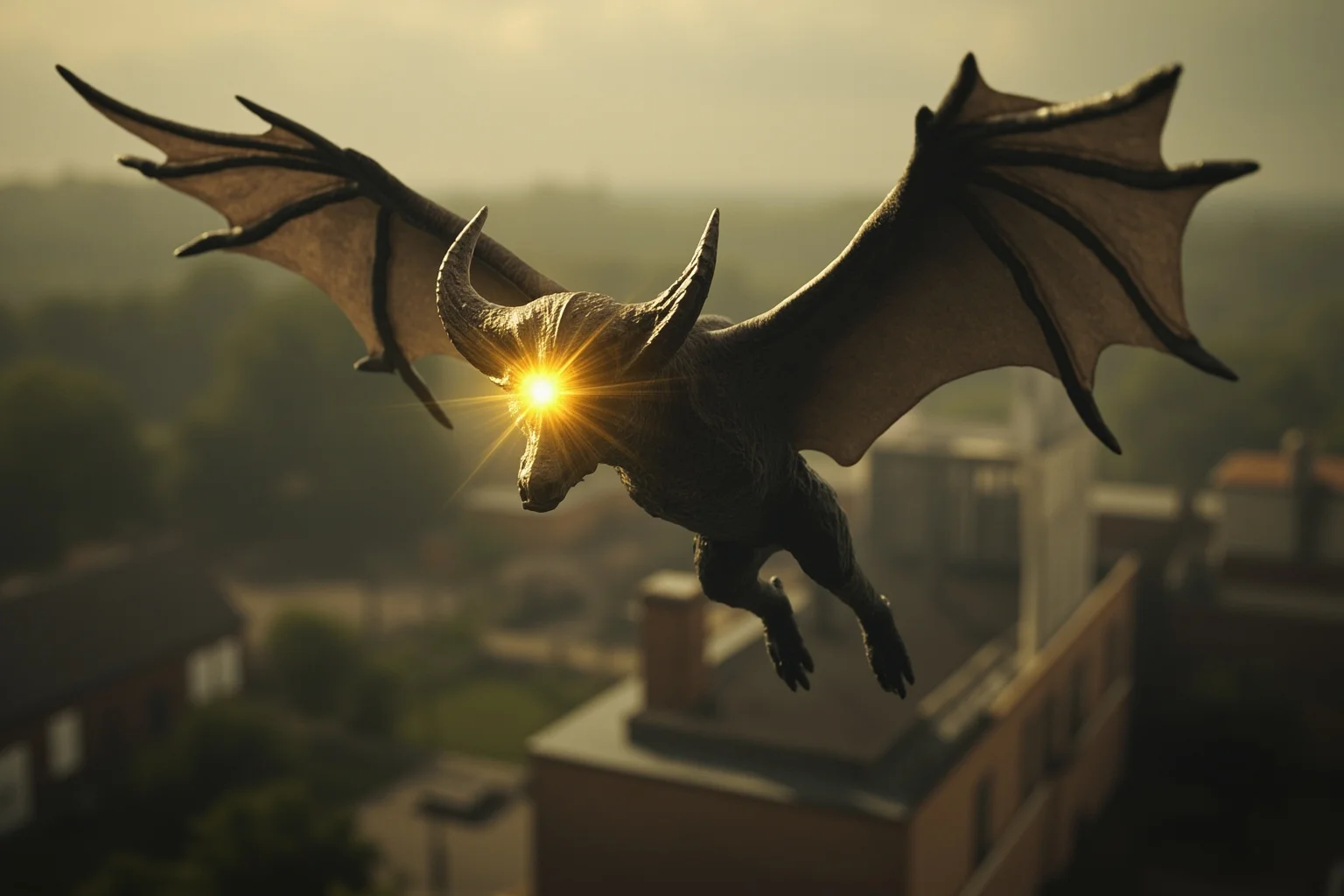
In 1903, residents of the small town of Van Meter, Iowa, reported a winged, horned creature with a glowing light on its head over several nights. Accounts describe panic and even gunfire aimed at the creature before sightings stopped entirely. It’s one of the oldest documented American cryptid “flap” events, predating Mothman by more than sixty years.
20. Black Shuck
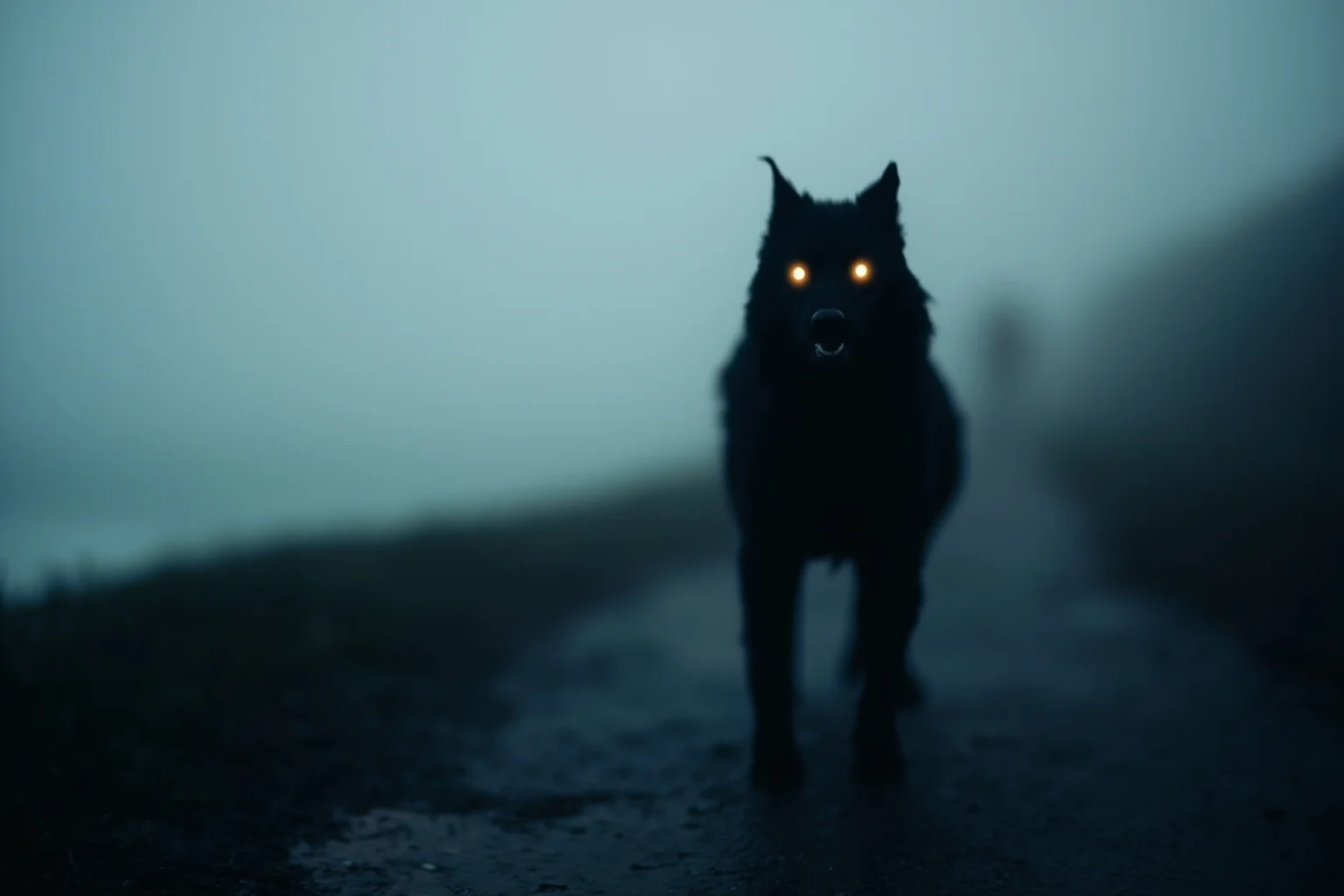
Black Shuck is a ghostly black dog said to roam the coastline and countryside of East Anglia, England, with written references dating back centuries. Unlike many cryptids tied to a single sighting, Shuck belongs to a broader European tradition of spectral black dogs as omens. It blurs the line between cryptid and traditional folklore ghost stories more than most entries on this list, sitting alongside other mythical creatures from folklore around the world.
21. The Tatzelwurm
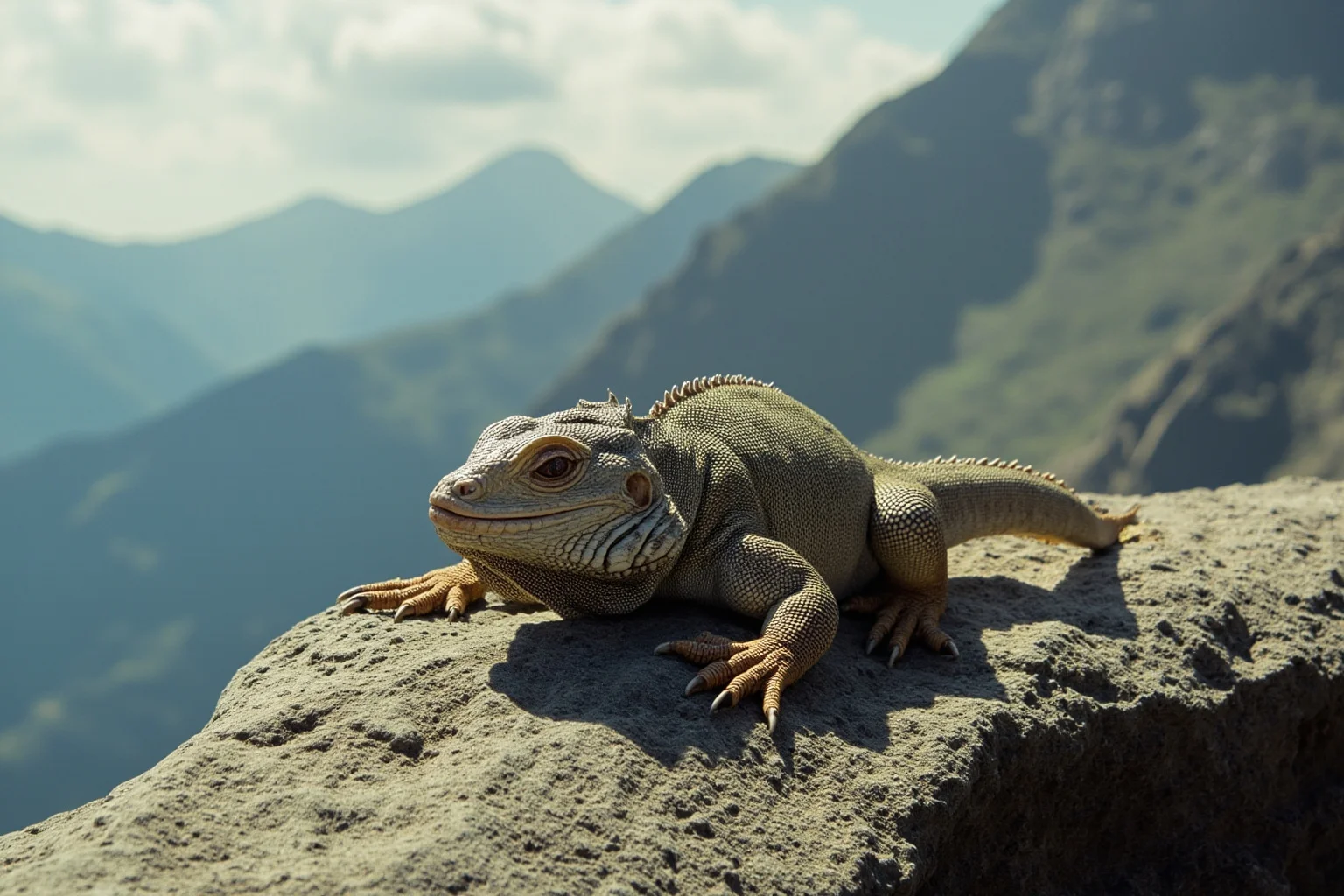
A staple of Alpine folklore in Austria, Switzerland, and Germany, the Tatzelwurm is described as a short, stubby, worm- or lizard-like creature with a catlike face. References go back to medieval bestiaries and local mountain traditions. It’s occasionally lumped in with Himalayan cryptids conceptually, since both traditions describe elusive creatures suited to harsh, high-altitude terrain.
22. The Yowie
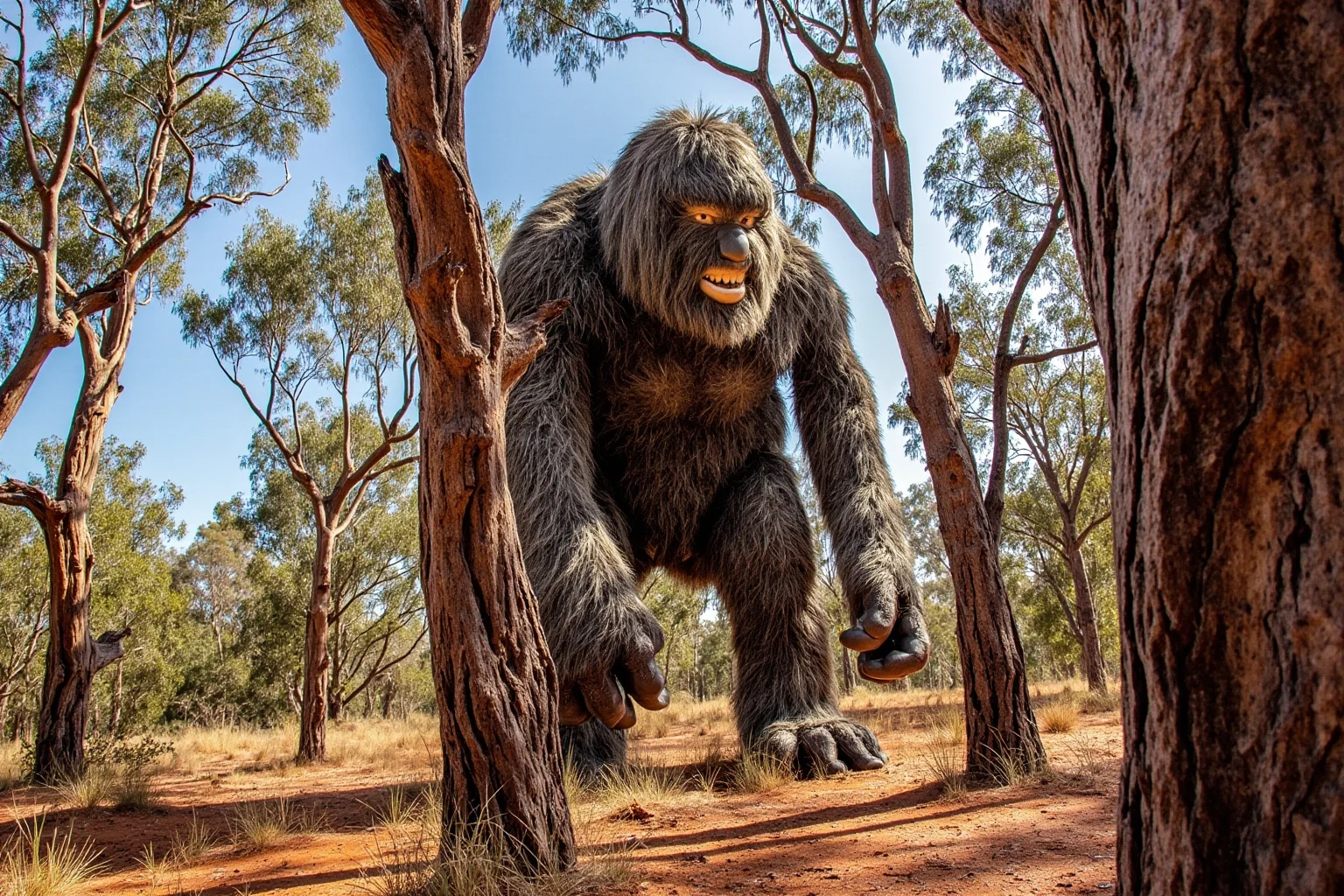
Australia’s version of Bigfoot, the Yowie draws on Aboriginal oral traditions describing large, hairy, humanlike beings living in the bush. European settlers began reporting their own Yowie sightings by the 19th century, blending with existing Aboriginal stories. It remains one of the most well-known cryptids outside North America, though still fairly obscure to casual audiences.
23. The Mongolian Death Worm
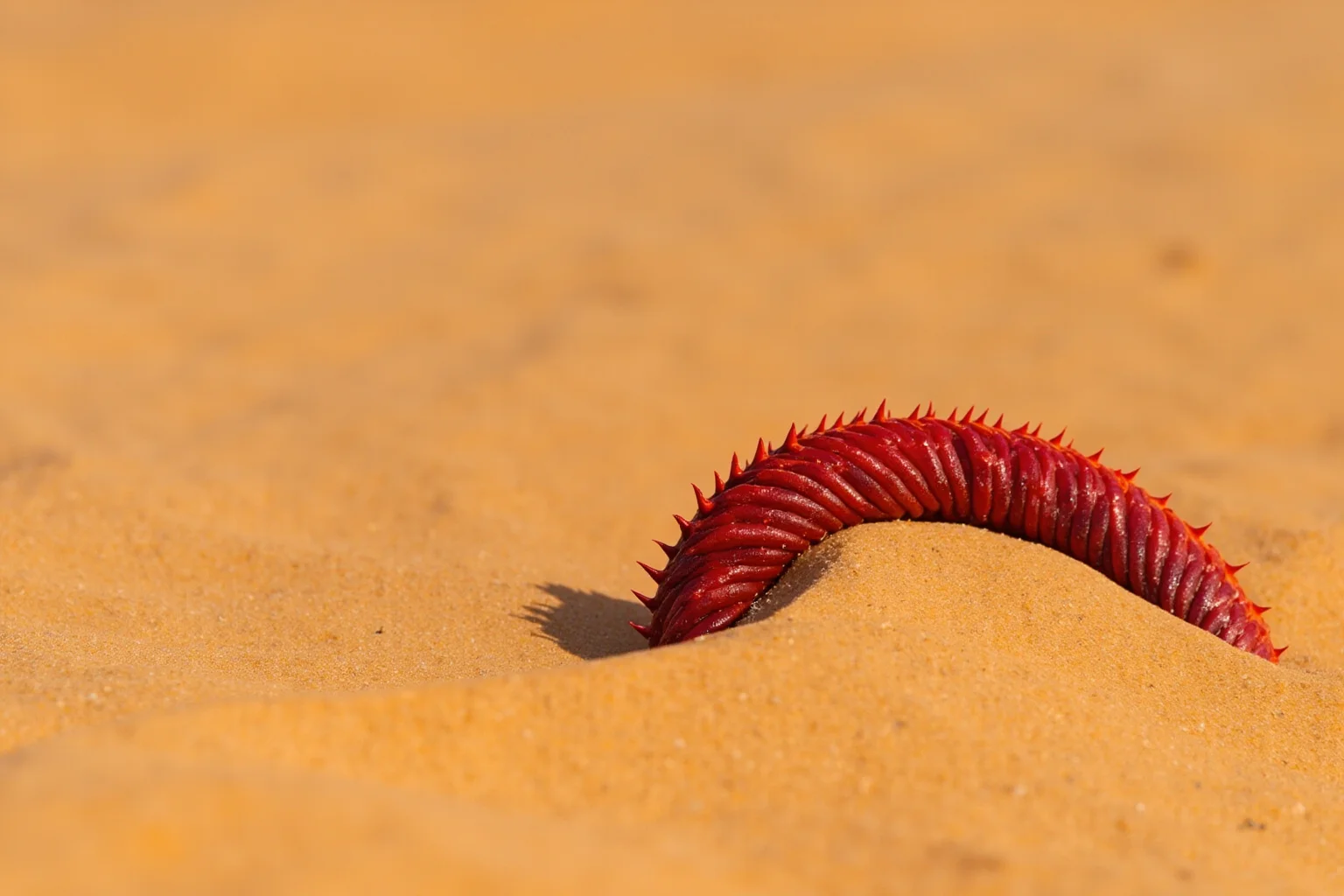
Known locally as the olgoi-khorkhoi, this desert cryptid is described as a thick, red, worm-like creature living beneath the sands of the Gobi Desert, said to kill via venom or electric shock. Mongolian folklore has described it for generations, and it gained wider Western attention through 20th-century expedition accounts. It’s frequently cited as one of the more genuinely weird desert cryptids, since a lethal burrowing worm doesn’t fit neatly into any known desert ecosystem.
24. The Barmanu
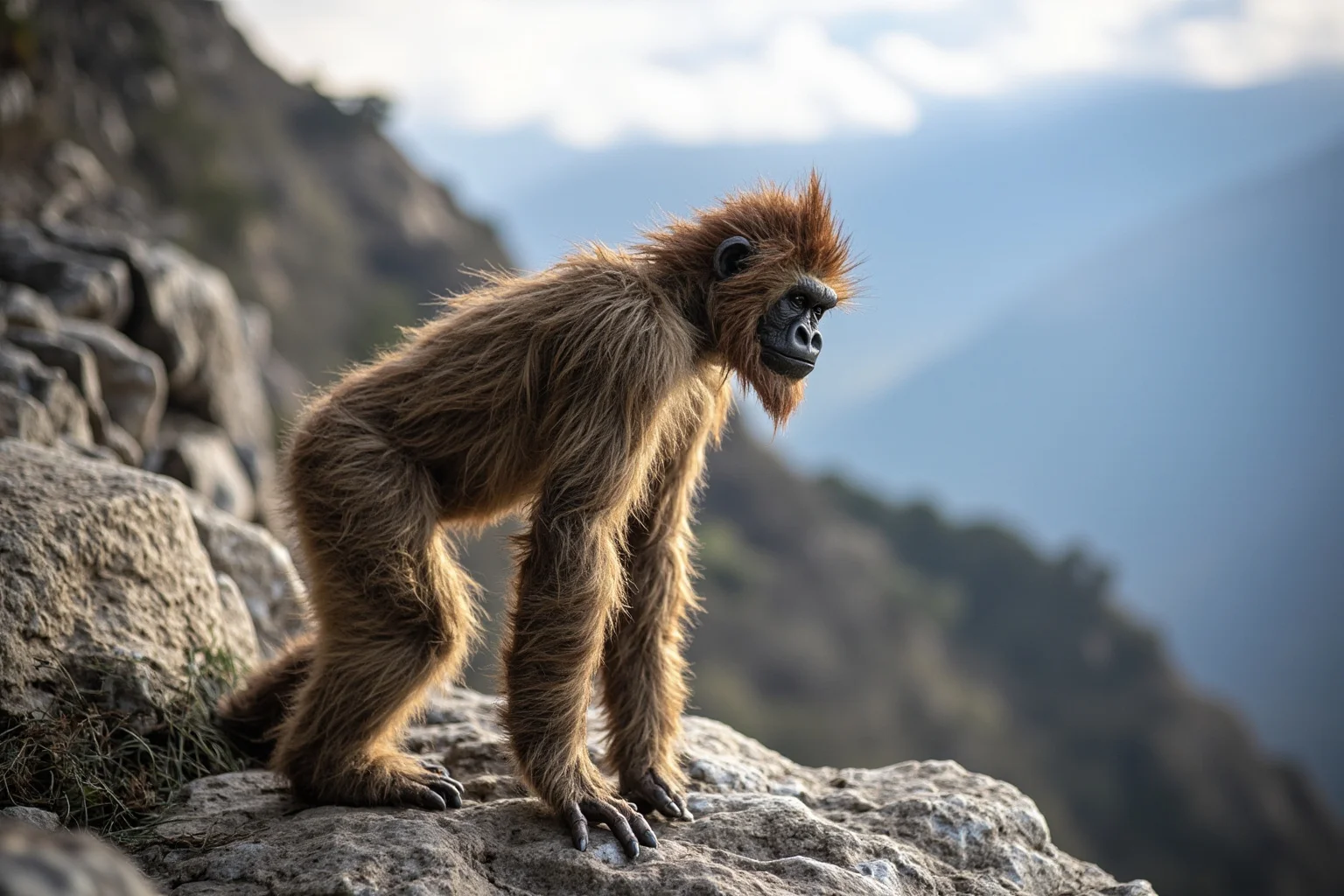
The Barmanu is described in folklore from the mountainous regions of northern Pakistan as a large, hairy, apelike being, closely paralleling Yeti and Bigfoot traditions. Local Kalash and other regional communities have long oral histories referencing the creature. It’s a lesser-known cryptid to Western audiences, but a genuine part of the broader family of Himalayan and Central Asian cryptid legends.
25. The Thunderbird
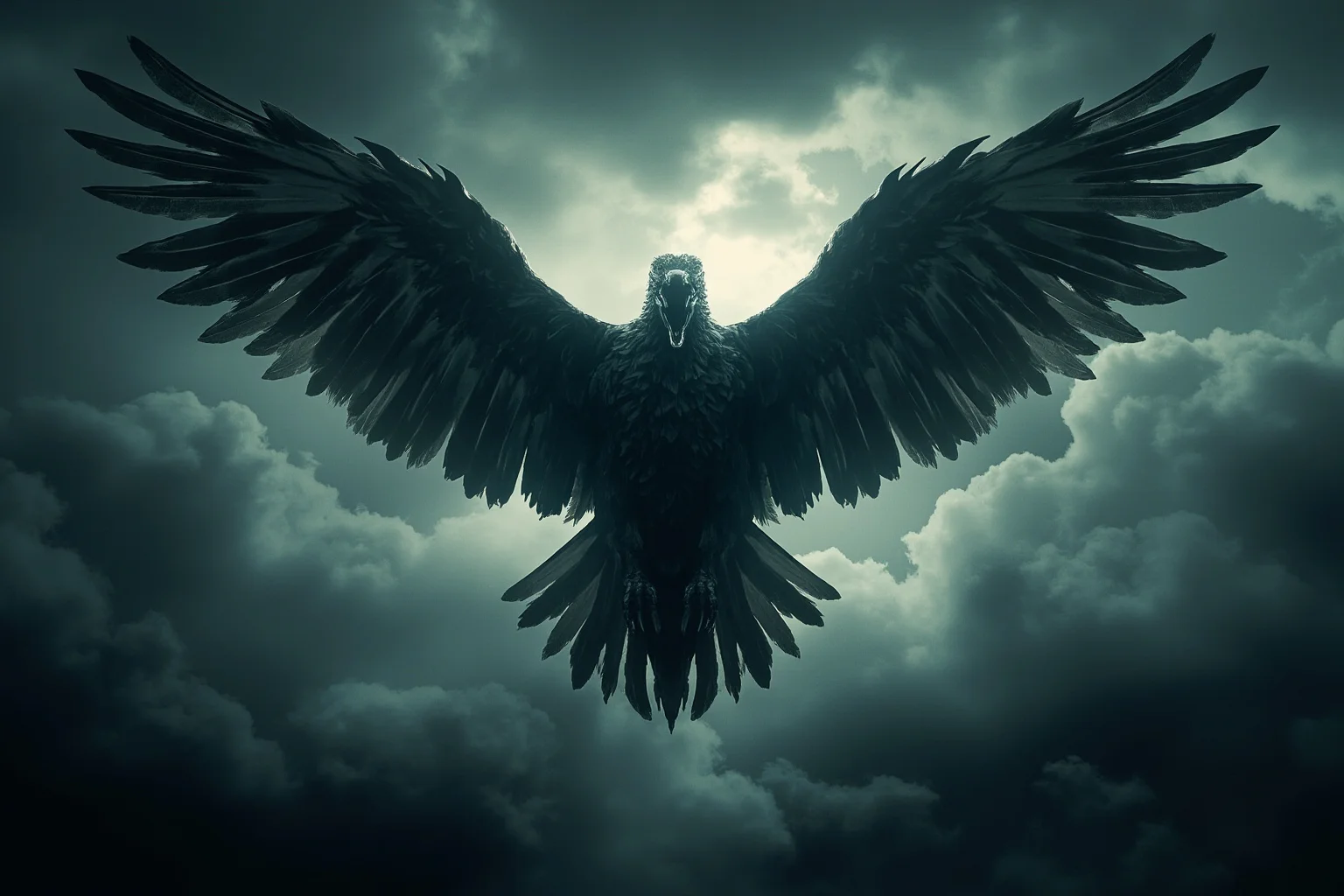
Thunderbird legends appear across many Indigenous North American cultures, describing an enormous, powerful bird associated with storms and thunder. Some later cryptozoology enthusiasts have tried to tie the legend to reports of giant birds seen in the 19th and 20th centuries, though these claims lack solid documentation. As a cultural and spiritual figure first, the Thunderbird is a reminder that not every cryptid began as a monster story.
26. The Devil Monkey
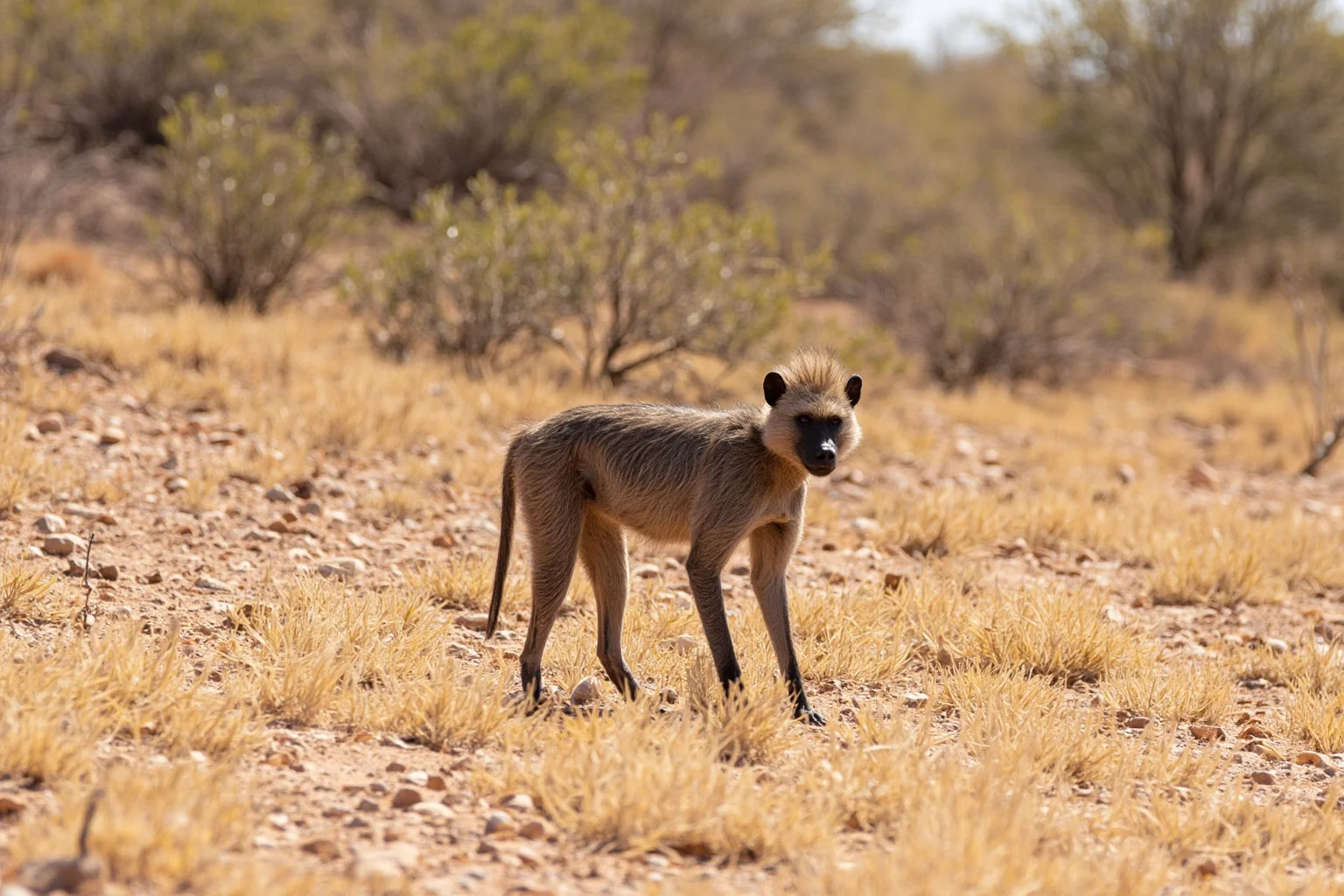
Reported mostly in the southern United States, including desert and scrubland areas of Texas, the Devil Monkey is described as an aggressive, baboon-like creature that moves on two legs. Sightings are scattered and largely anecdotal, with no physical evidence beyond eyewitness accounts. It rounds out our list as one of the odder desert cryptids, sitting somewhere between folklore and modern urban legend.
Are Any Cryptids Real? A Quick Myth-Busting Check
It’s worth being honest here: no cryptid on this list has been confirmed by mainstream biology or zoology as an actual, documented species. That said, cryptid history isn’t just a list of hoaxes, either. Some legends likely grew from real, misidentified animals, like bears mistaken for Yetis or mangy coyotes mistaken for Chupacabras.
Others, like the Surgeon’s Photograph of Loch Ness or the Bluff Creek Bigfoot footprints, were deliberate hoaxes later admitted to or exposed by investigators. A few, like the Jersey Devil or Wampus Cat, are best understood as centuries-old cultural folklore rather than literal zoological claims. When people ask what cryptids are real, the honest answer is that the legends are real cultural phenomena, even when the creatures themselves remain unproven.
Why We Keep Believing in Cryptids
Cryptids endure because they sit at a strange, satisfying intersection of history, folklore, and the simple thrill of the unknown. They give small towns a unique identity, they preserve older Indigenous and immigrant storytelling traditions, and they offer a low-stakes mystery in a world where most big questions already have answers. Whether it’s a famous cryptid like Bigfoot or an obscure one like the Fresno Nightcrawler, each entry on this list reflects something real about the culture that produced it, even if the creature itself never leaves the shadows.
Next time you’re near a dense forest, a quiet lake, or a stretch of empty desert, it’s worth remembering how many local legends started with nothing more than a strange sound, a blurry photo, or a story passed down at just the right campfire. That’s really the heart of cryptid lore: not proof, but the enduring pull of a good, unresolved mystery.
Frequently Asked Questions
What are weird little two-legged cryptids?
This nickname usually refers to smaller, oddball cryptids described as walking upright on two legs without matching any known animal, like the Fresno Nightcrawler, which appears as a pair of legs with no visible torso. These cryptids tend to be treated as more curious and funny than frightening, and most trace back to a single viral photo or video rather than long-standing folklore.
What are some well-known examples of cryptids?
Some of the most famous cryptids include Bigfoot, the Loch Ness Monster, the Yeti, Mothman, and the Chupacabra. These examples of cryptids share a pattern of strong regional folklore, a famous sighting or photograph, and decades of continued cultural interest despite no confirmed scientific evidence.
Are any cryptids actually real animals?
Some cryptid legends likely originated from real, documented animals that were misidentified or exaggerated, such as bears being mistaken for Yetis or mangy coyotes being mistaken for Chupacabras. However, no cryptid has been confirmed by mainstream zoology as a distinct, undiscovered species.
What makes a cryptid different from a regular myth or monster?
A cryptid is specifically an animal-like creature whose existence is disputed or unconfirmed, studied under the informal field of cryptozoology. Myths and monsters can include ghosts, gods, or purely supernatural beings, while cryptids are generally framed as biological creatures that simply haven't been proven to exist.
Which cryptids come from the Himalayas?
The Yeti is the most famous Himalayan cryptid, rooted in Sherpa and Tibetan folklore about a large, elusive mountain being. The Barmanu, reported in the mountains of northern Pakistan, is a lesser-known relative of the same broader tradition of Central Asian ape-like cryptids.
What are some desert cryptids?
Notable desert cryptids include the Mongolian Death Worm, said to live beneath the sands of the Gobi Desert, and the Devil Monkey, reported in scrubland and desert regions of the southern United States. Desert environments tend to produce cryptids tied to burrowing, camouflage, or rarely-seen behavior, fitting the harsh, sparsely populated terrain.

Alex Warren
Related Articles





