

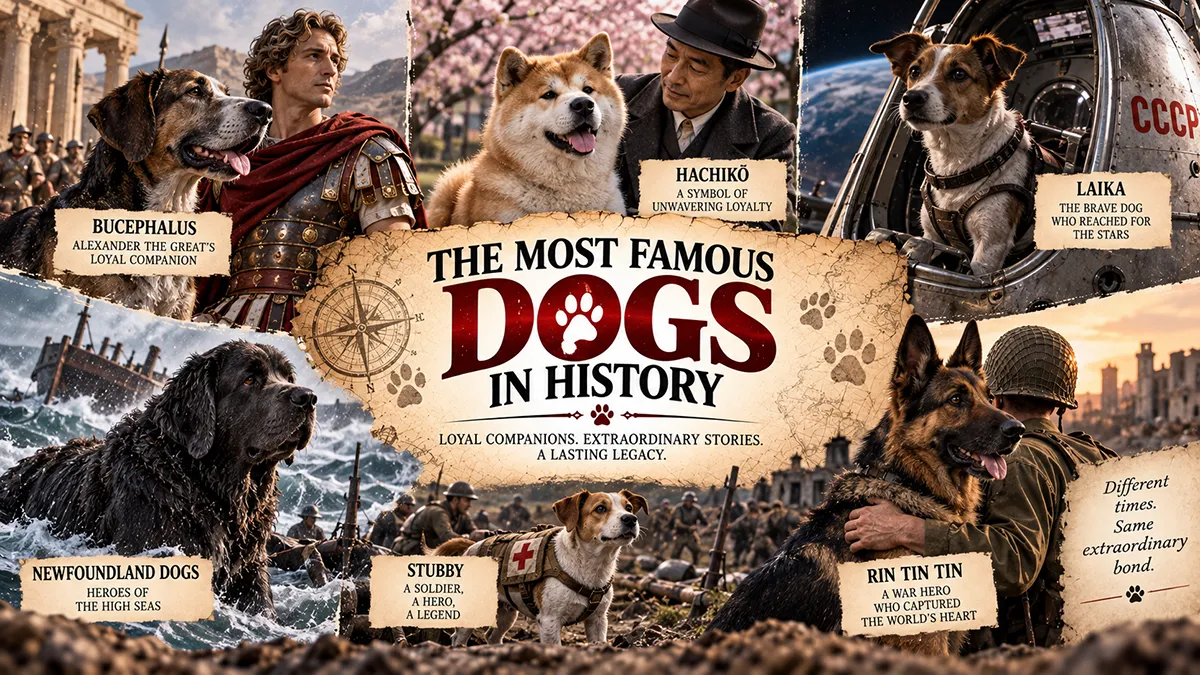
Dogs have trotted alongside humans through nearly every chapter of recorded history. They’ve pulled sleds across frozen wilderness, guarded soldiers in the trenches, waited faithfully at train stations for owners who would never return, and even orbited the Earth before any human did.
Some of these famous dogs became national symbols almost by accident, while others were carefully built into celebrities by newspapers, movie studios, or political campaigns.
This guide rounds up the most famous dogs in history — real, documented animals whose stories have been verified (or, in some cases, gently corrected) by historians. Along the way, we’ll flag the popular myths that have crept into a few of these tales, because even the world’s most famous dog deserves an accurate biography.
TL;DR: From ancient war dogs to Cold War space pioneers, these 22 famous dogs in history each earned lasting fame through extraordinary loyalty, wartime bravery, or a genuinely unlikely turn of events.
What Makes a Dog “Historically Famous”?
Not every well-loved pet makes it into the history books. The dogs on this list generally earned their fame one of a few ways: they performed an act of loyalty or bravery that captured public imagination, they served in a war or expedition of major historical significance, or they became entangled with a famous person or event and got swept into the spotlight alongside them.
A handful of these historical dogs were mythologized well beyond the documented facts, and part of separating fact from folklore is acknowledging where the record is thin. We’ve tried to note those gaps honestly rather than repeat exaggerated legends as settled history.
What’s striking when you look at dogs of history side by side is how many roles canines have filled — soldier, explorer, rescuer, mascot, political prop, and grieving companion. Here are 22 of the most famous, presented roughly in chronological order.
1. Peritas – Alexander the Great’s War Dog
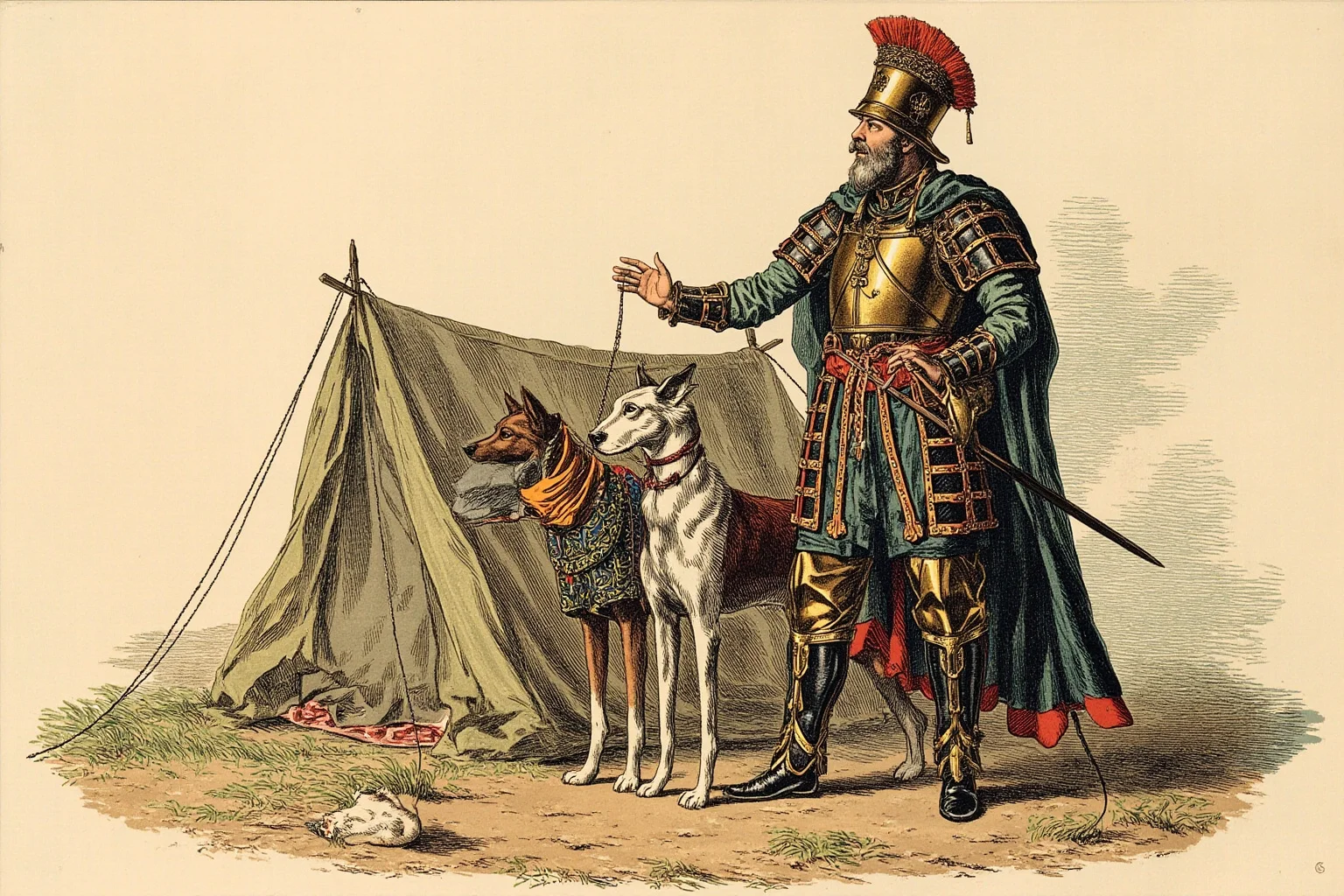
According to ancient sources, Alexander the Great owned a dog named Peritas that he was said to have raised from a puppy and taken on military campaigns in the 4th century BC.
Ancient historians, including later writers drawing on earlier accounts, claimed Alexander was so attached to the dog that he named a city after him following his death.
As with much of Alexander’s biography, the surviving details come from historians writing decades or centuries after the events, so some specifics can’t be independently confirmed.
Still, Peritas is widely regarded as one of the earliest named dogs in recorded history, making him a foundational figure among famous canines of the ancient world.
2. Seaman – Lewis and Clark’s Expedition Dog
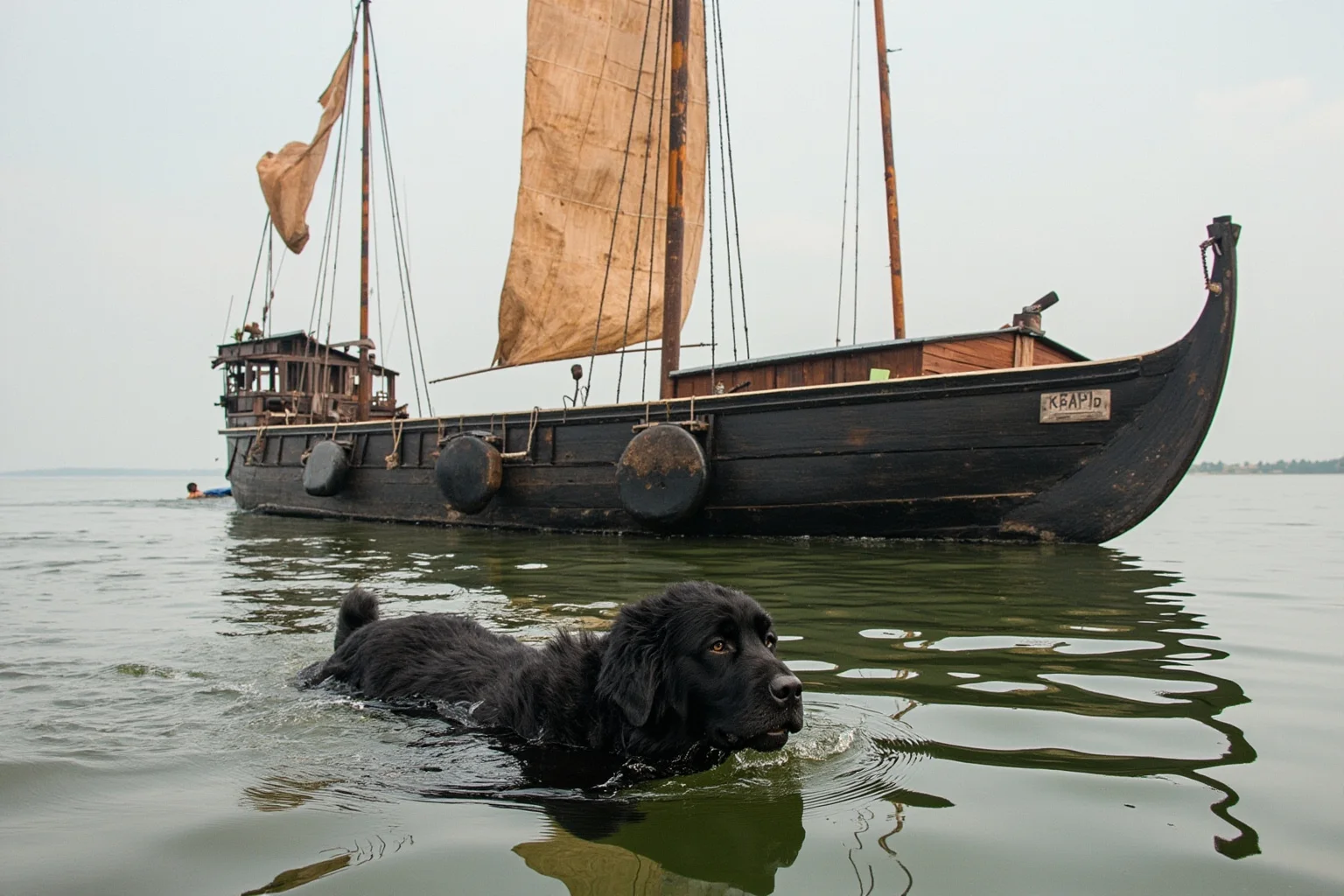
Seaman was a Newfoundland dog who accompanied Meriwether Lewis on the Lewis and Clark Expedition from 1804 to 1806, making him one of the earliest well-documented historical dogs in American history.
Journal entries from the expedition describe Seaman hunting squirrels, fending off a charging buffalo, and even being stolen by Native tribesmen before being recovered.
His presence is mentioned repeatedly in the expedition’s journals, which is more documentation than most human members of the crew received. Seaman’s endurance across roughly 8,000 miles of largely unmapped wilderness has made him a enduring symbol of the expedition itself.
3. Boatswain – Lord Byron’s Beloved Newfoundland
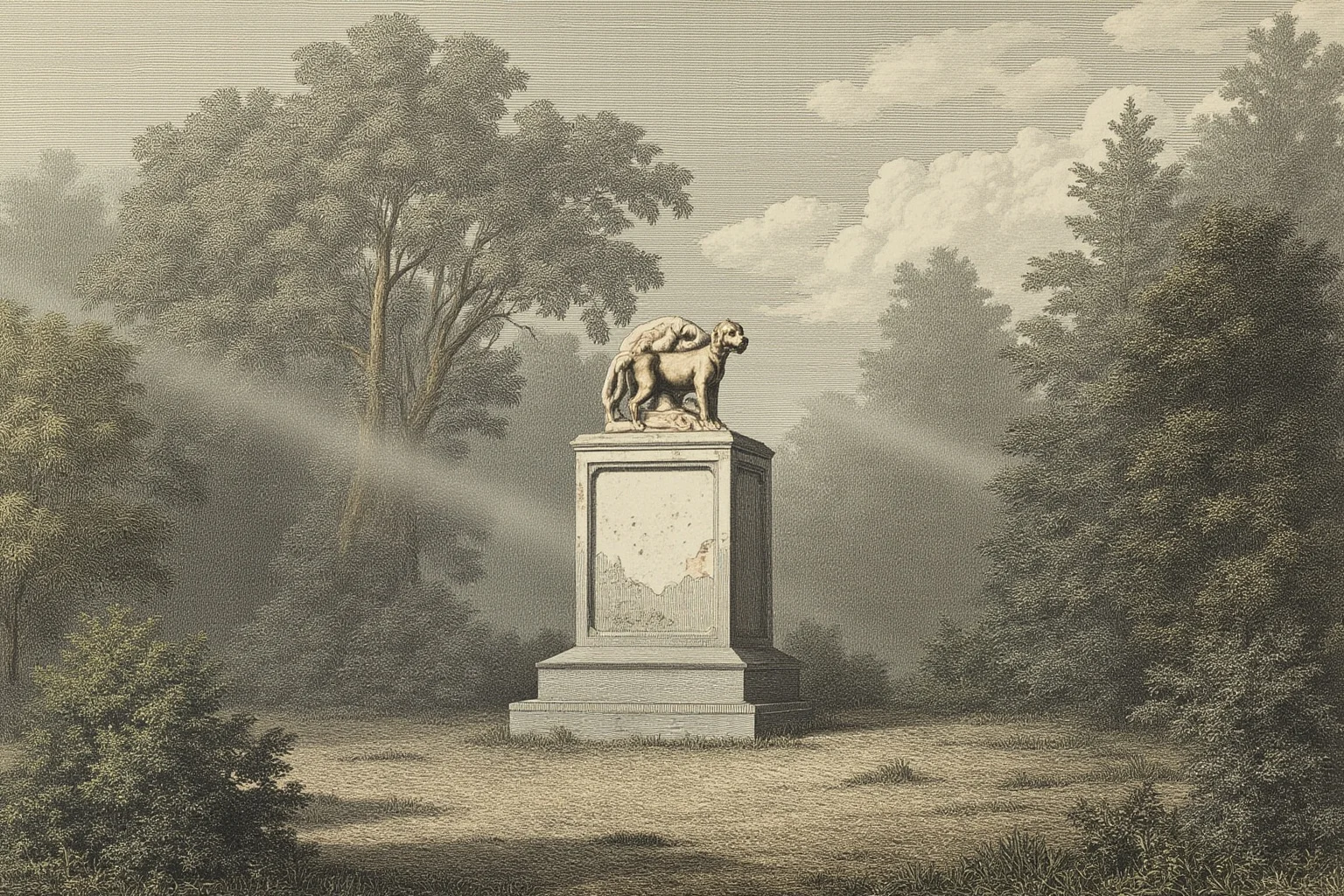
The Romantic poet Lord Byron was so devoted to his Newfoundland dog, Boatswain, that after the dog died of rabies in 1808, Byron commissioned an elaborate marble monument at Newstead Abbey larger than his own family’s tomb. He also wrote the poem “Epitaph to a Dog” in Boatswain’s memory, which remains one of the most quoted tributes to a pet in English literature.
Byron reportedly nursed Boatswain himself during his final illness, an act of care that was considered remarkable for the era. The monument still stands today, making Boatswain one of the more physically enduring famous dogs in history.
4. Barry – The St. Bernard Alpine Rescuer
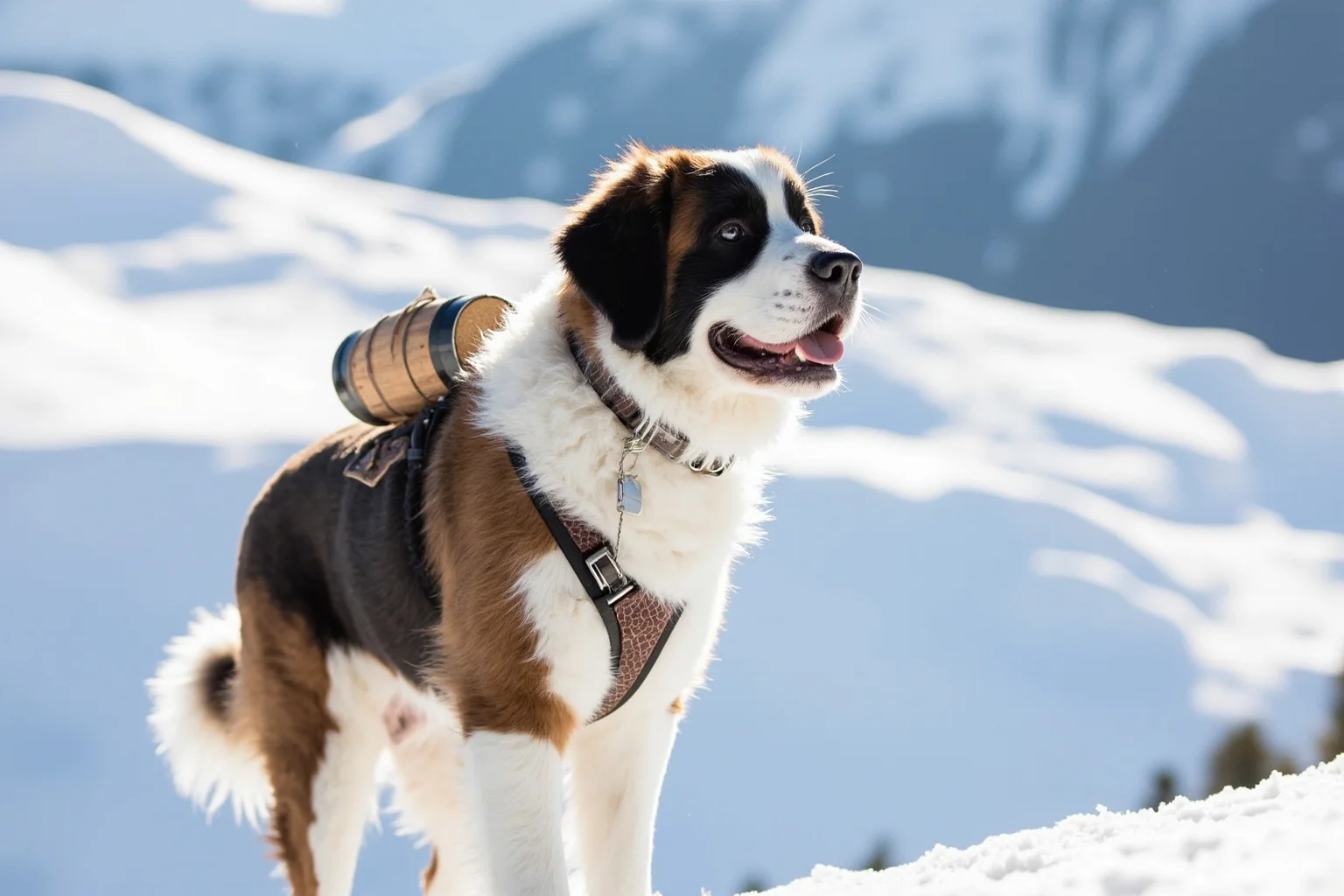
Barry was a St. Bernard who worked at the Great St. Bernard Hospice in the Swiss Alps in the early 1800s, where monks used dogs to locate travelers lost in snowstorms. Barry is credited with helping rescue dozens of stranded travelers over his working life, and his preserved body remains on display at the Natural History Museum in Bern.
The popular legend that Barry once revived a boy with a barrel of brandy around his neck appears to be a later embellishment rather than a documented fact. Even without that flourish, Barry’s genuine rescue record made him famous enough that St. Bernard rescue dogs are still popularly associated with brandy barrels today, whether historically accurate or not.
5. Greyfriars Bobby – Edinburgh’s Faithful Skye Terrier
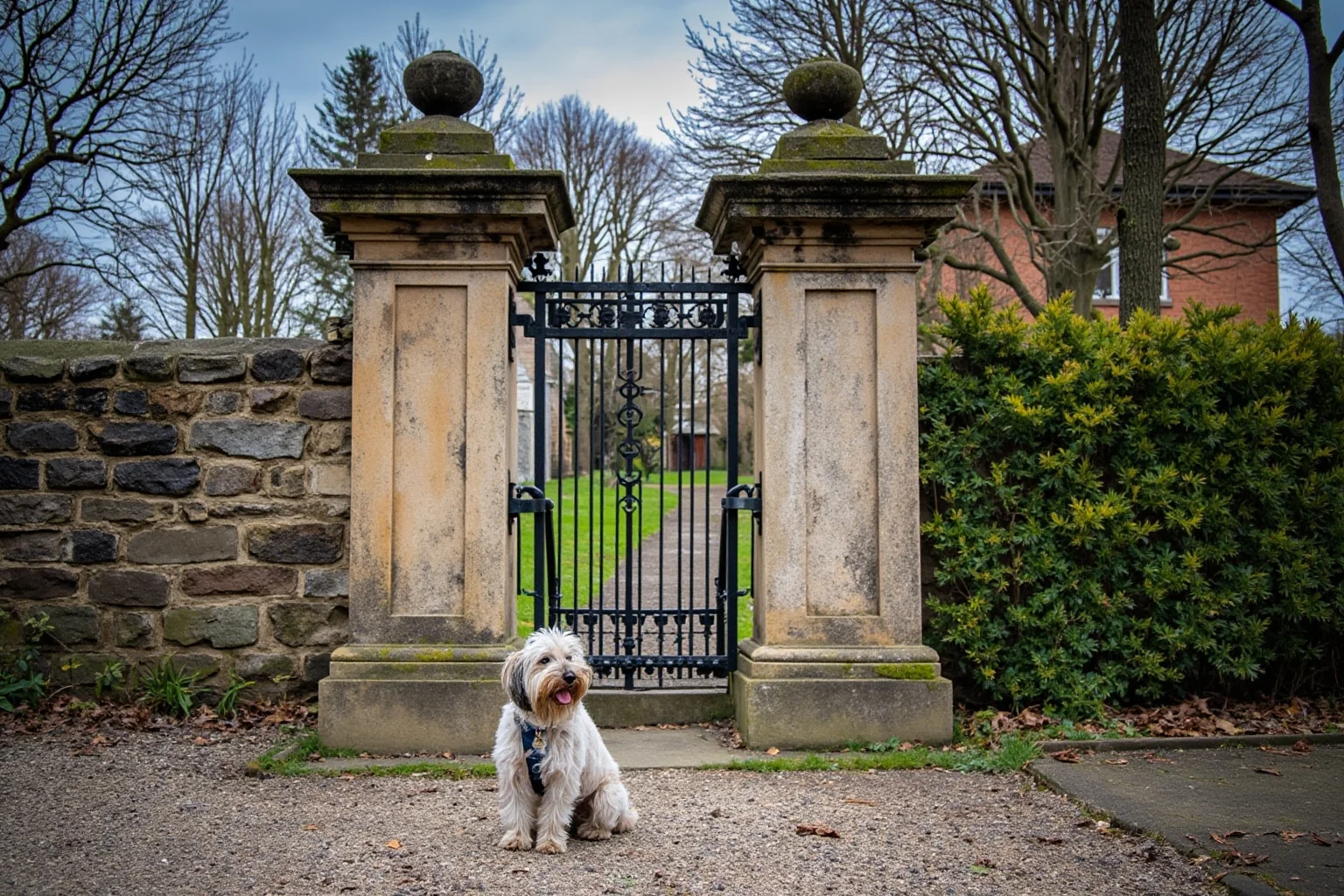
Greyfriars Bobby was a Skye Terrier who, according to Edinburgh tradition, spent 14 years guarding the grave of his owner, John Gray, in Greyfriars Kirkyard after Gray’s death in 1858. The story became a local legend, and a statue of Bobby still stands near the cemetery entrance, drawing tourists to this day.
Historians have raised reasonable doubts about parts of the traditional account, including whether one dog could have lived and remained in the churchyard for the full 14 years without intervention. Regardless of the finer details, Bobby’s tale became one of the most well-known stories of canine loyalty in the English-speaking world.
6. Bummer and Lazarus – San Francisco’s Celebrity Strays
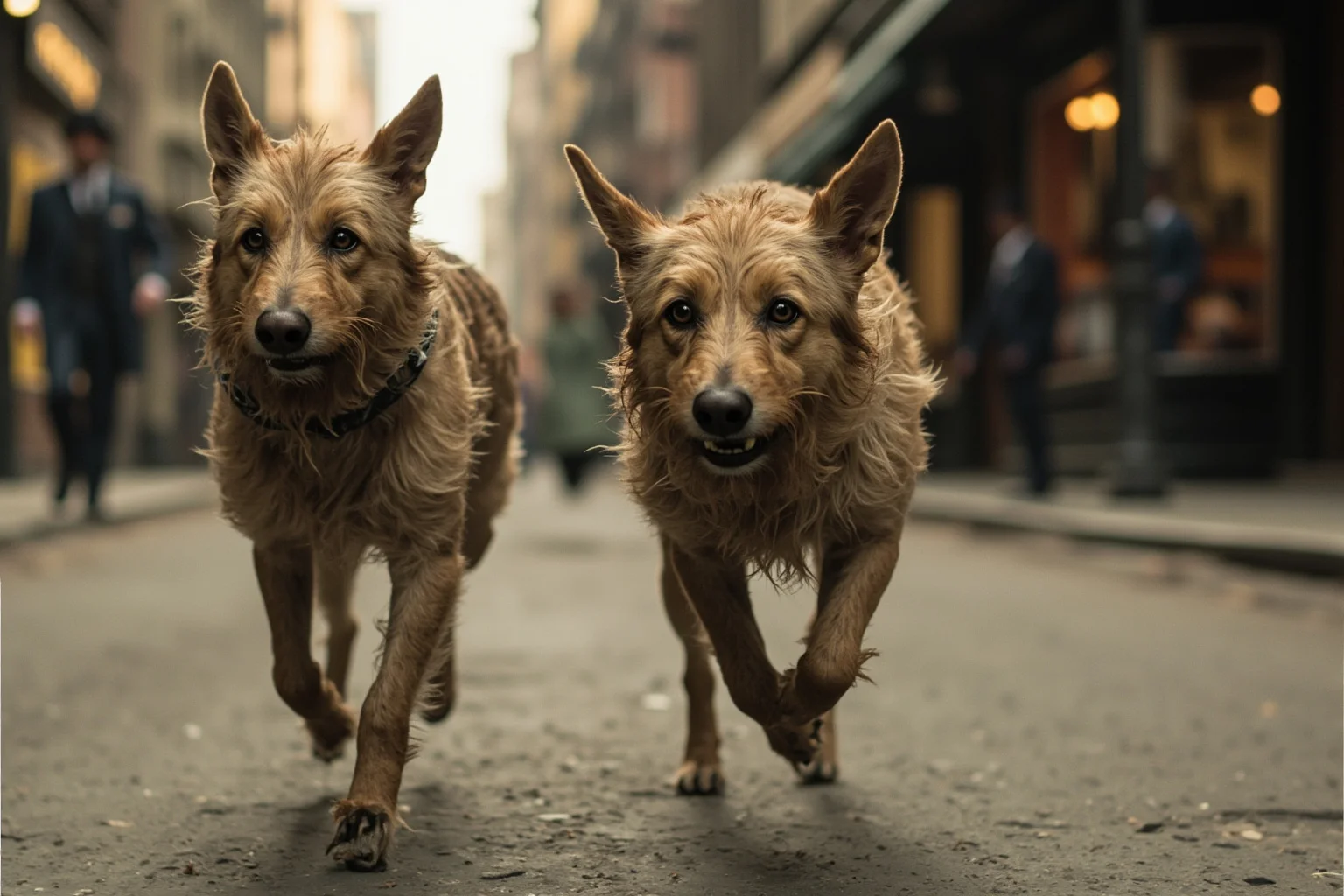
In 1860s San Francisco, two stray dogs named Bummer and Lazarus became unlikely local celebrities after a newspaper began chronicling their friendship and rat-catching exploits. The pair were even granted informal exemption from the city’s stray dog ordinance thanks to their popularity with residents and the press.
Mark Twain reportedly wrote about the duo during his time as a journalist in the city, further cementing their fame. Their story is a reminder that not every one of history’s famous dogs needed an owner or a battlefield to become a household name.
7. Owney – The Postal Service’s Traveling Mascot
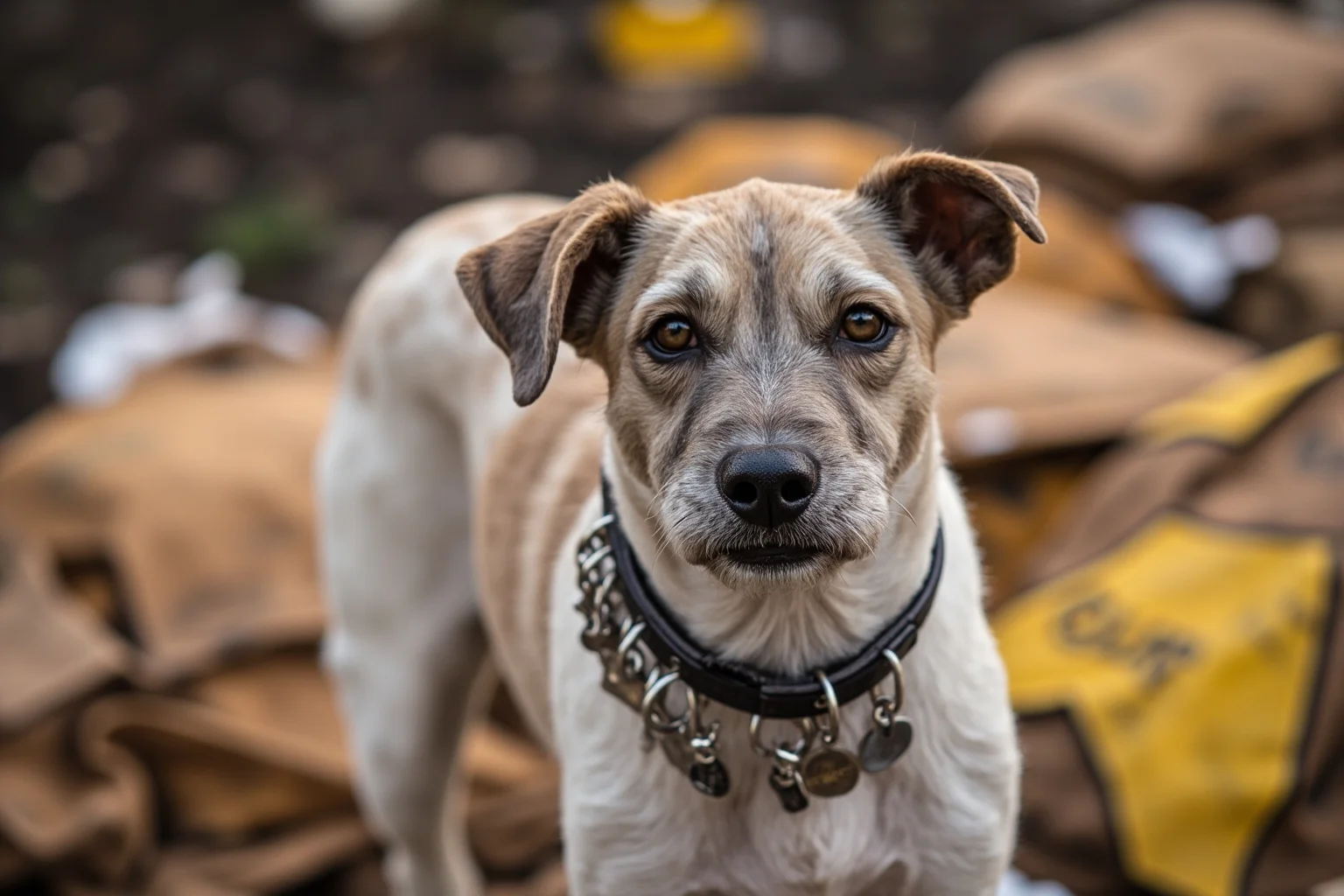
Owney was a stray terrier mix adopted by postal workers in Albany, New York, in 1888, who went on to travel with mail bags across the United States and eventually around the world by rail and ship. Postal clerks attached baggage tags to his collar at each stop, and by the end of his life he had collected over 1,000 tags documenting his journeys.
Owney became the unofficial mascot of the Railway Mail Service, and his preserved body and tag collection are now housed at the Smithsonian National Postal Museum. He remains one of the most unusual and well-traveled famous dogs in American history.
8. Sergeant Stubby – America’s Most Decorated War Dog
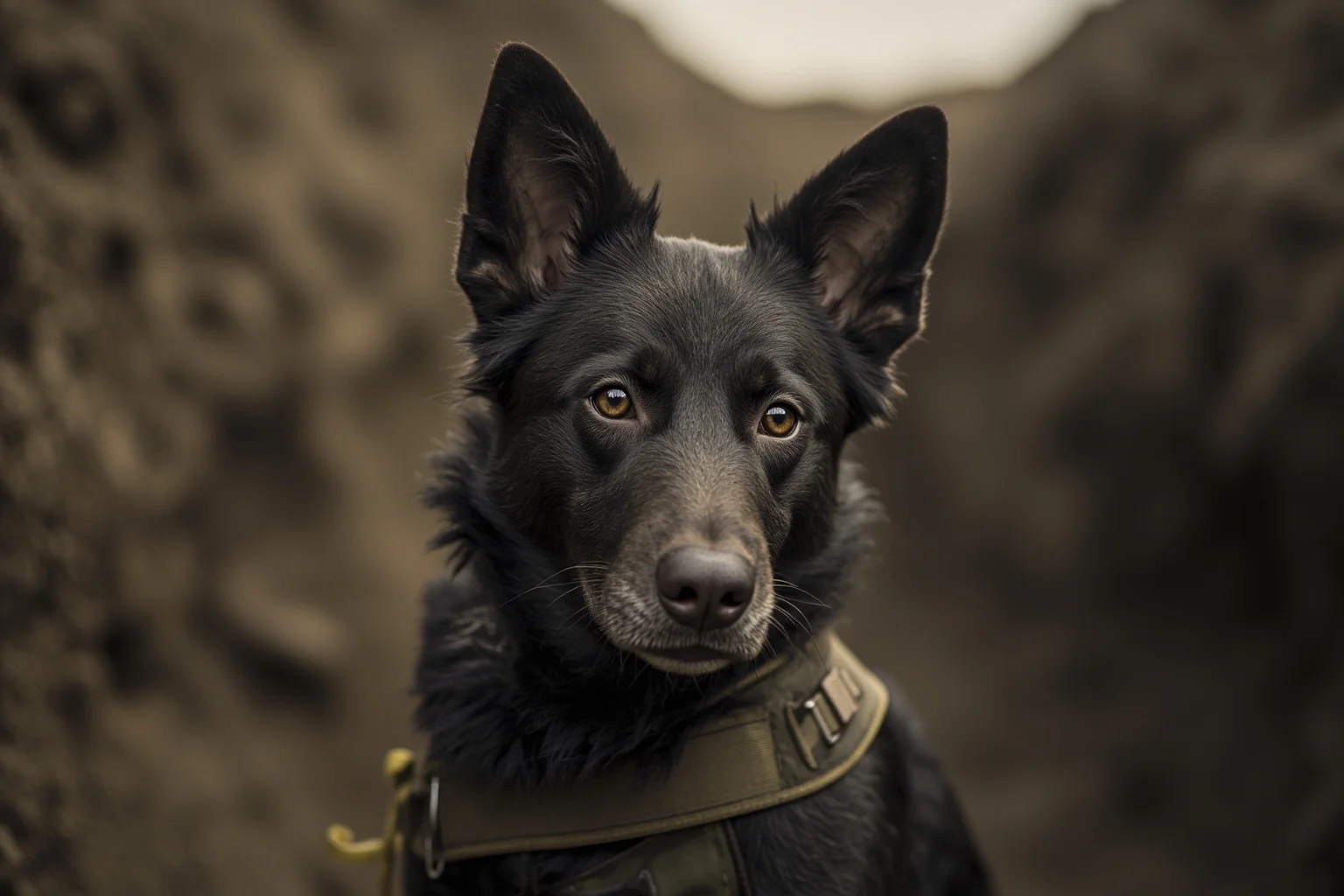
Stubby was a stray dog adopted by a soldier training with the 102nd Infantry Regiment before the United States entered World War I. He was smuggled to the front lines in France, where he reportedly helped detect poison gas attacks, located wounded soldiers, and even helped capture a German spy.
Stubby returned home a celebrity, meeting several U.S. presidents and being made an honorary sergeant, a rank higher than his handler officially held. While some later accounts of his exploits may have grown more colorful in the retelling, contemporary newspaper coverage confirms he was a genuine and celebrated war dog of his era.
9. Rin Tin Tin – From Battlefield Orphan to Hollywood Star
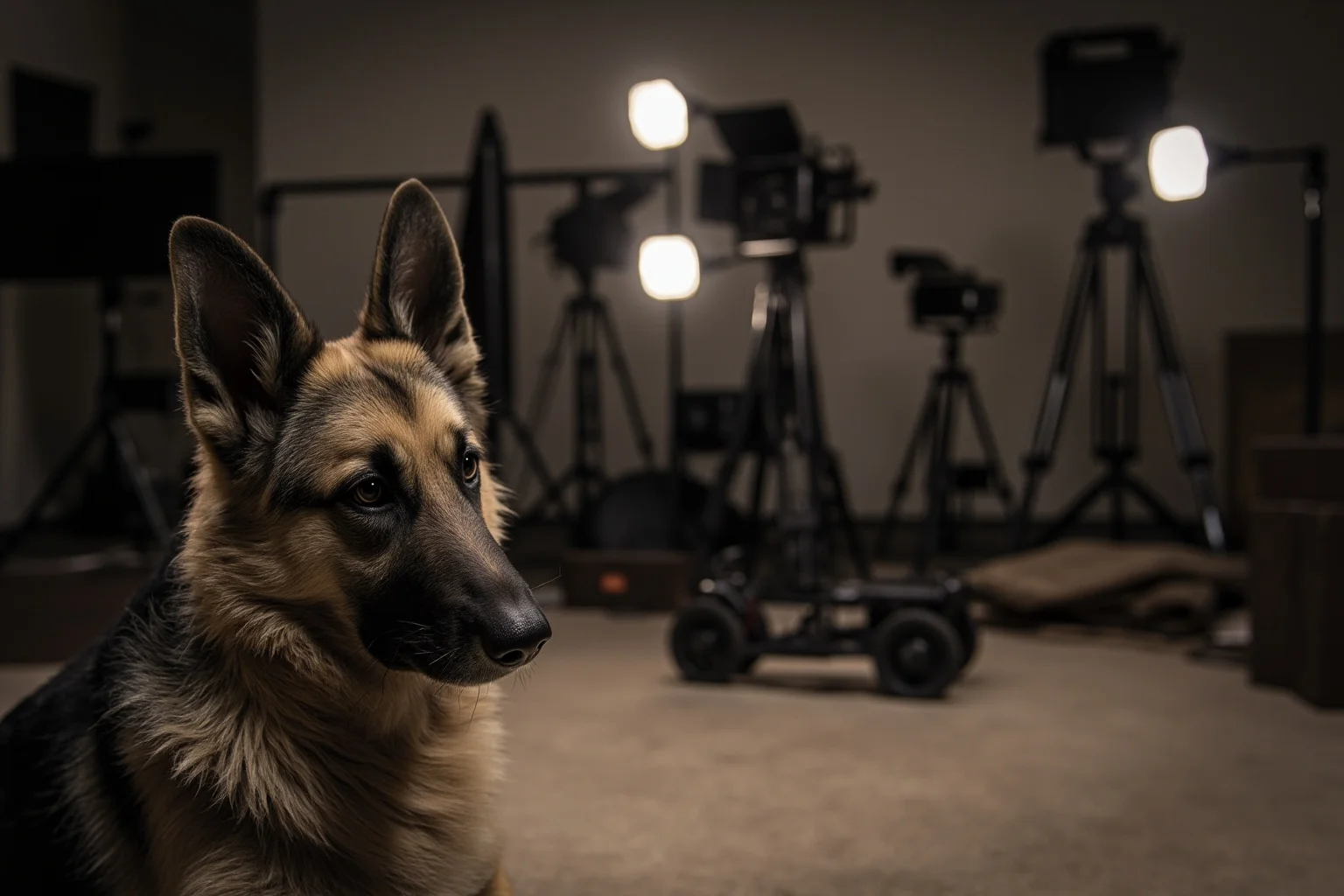
Rin Tin Tin was a German Shepherd puppy found in a bombed-out kennel in France during World War I and brought back to the United States by an American soldier, Lee Duncan.
The dog went on to star in more than two dozen Hollywood films throughout the 1920s, credited by some studio insiders with helping keep Warner Bros. financially afloat during that period.
Rin Tin Tin’s popularity helped fuel the broader American fascination with German Shepherds as both police and companion dogs. He’s frequently cited as one of the first true canine movie stars, paving the way for later famous dogs in entertainment.
10. Bobbie the Wonder Dog – The Great Trek Home
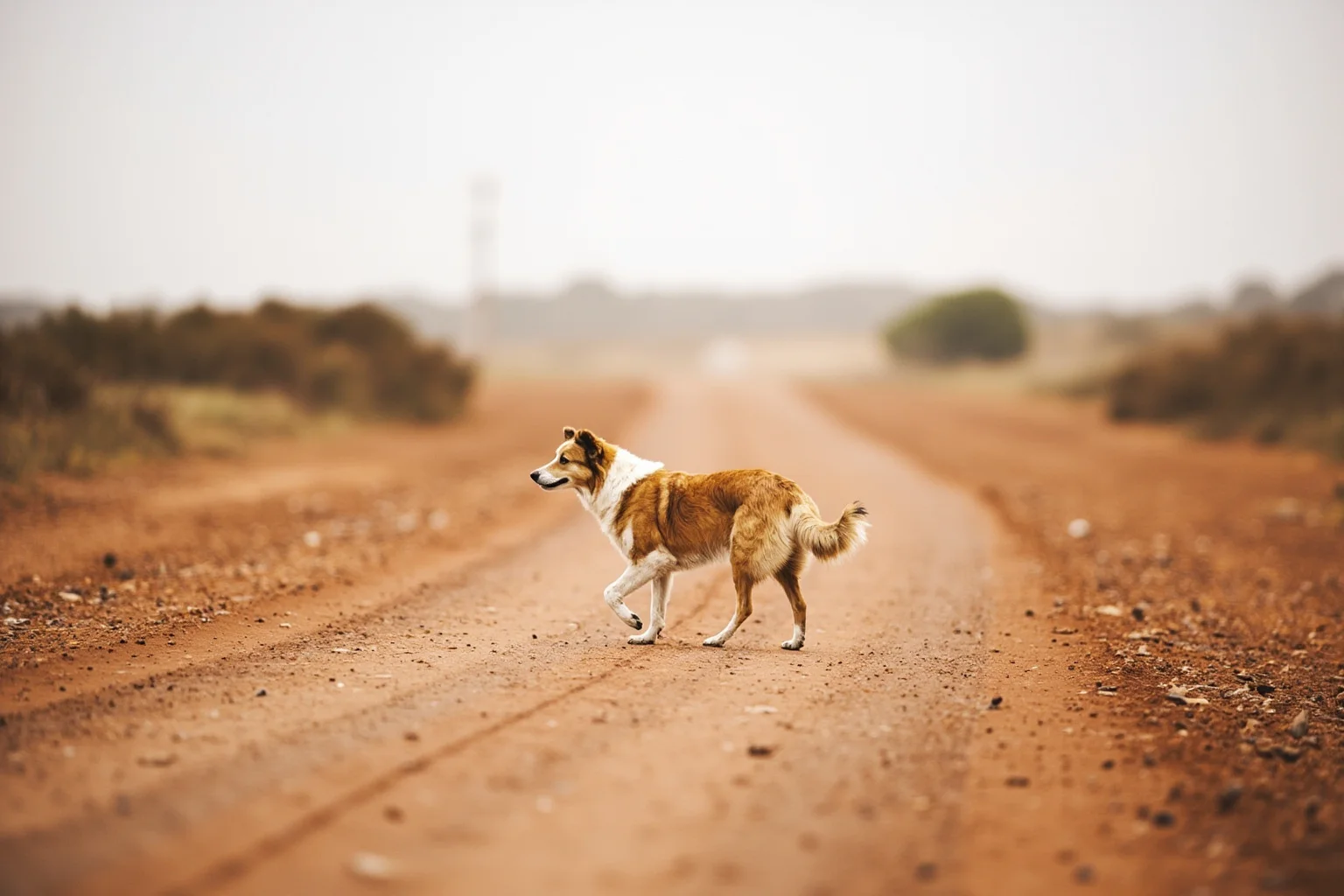
Bobbie was a Scotch Collie mix who became separated from his Oregon family while traveling in Indiana in 1923. Roughly six months later, Bobbie turned up at the family’s front door, having apparently traveled some 2,500 miles back across the country.
The story was investigated by humane societies of the era, which gathered accounts from people along the route who recalled feeding or sheltering a dog matching his description. Bobbie’s journey was covered nationally and even inspired a silent film, making him one of the most famous dogs in history associated with sheer determination.
11. Hachikō – The Eternally Loyal Akita
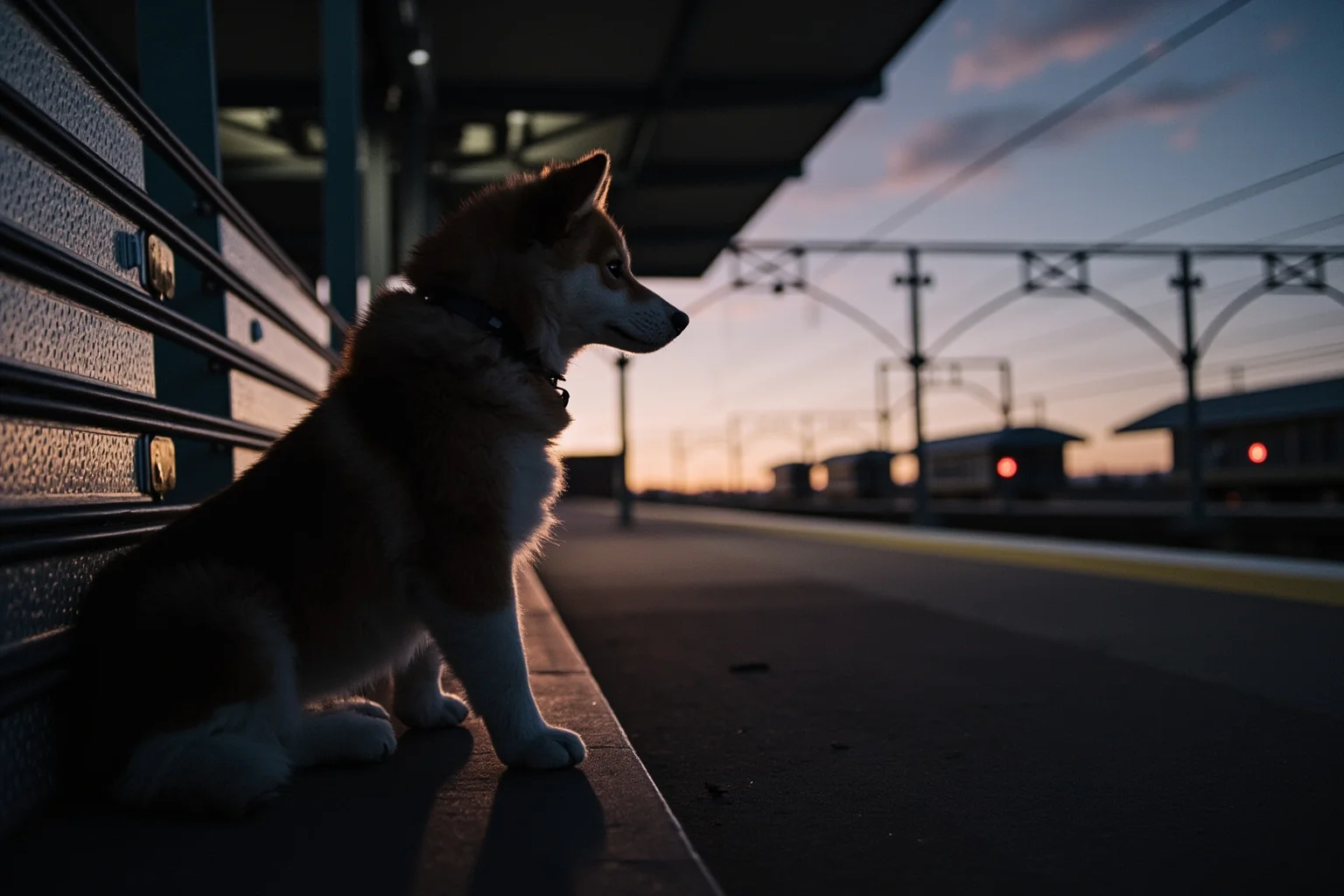
Hachikō was an Akita in Tokyo who, starting in 1924, would greet his owner, university professor Hidesaburō Ueno, at Shibuya Station every evening. After Ueno died suddenly in 1925, Hachikō reportedly continued returning to the station daily for the next nine years until his own death in 1935.
His story was picked up by Japanese newspapers during his lifetime, and a bronze statue of Hachikō still stands at Shibuya Station today as a popular meeting point. Hachikō remains arguably the most famous dog in Japanese history and a global symbol of canine loyalty.
12. Balto – Hero of the Serum Run
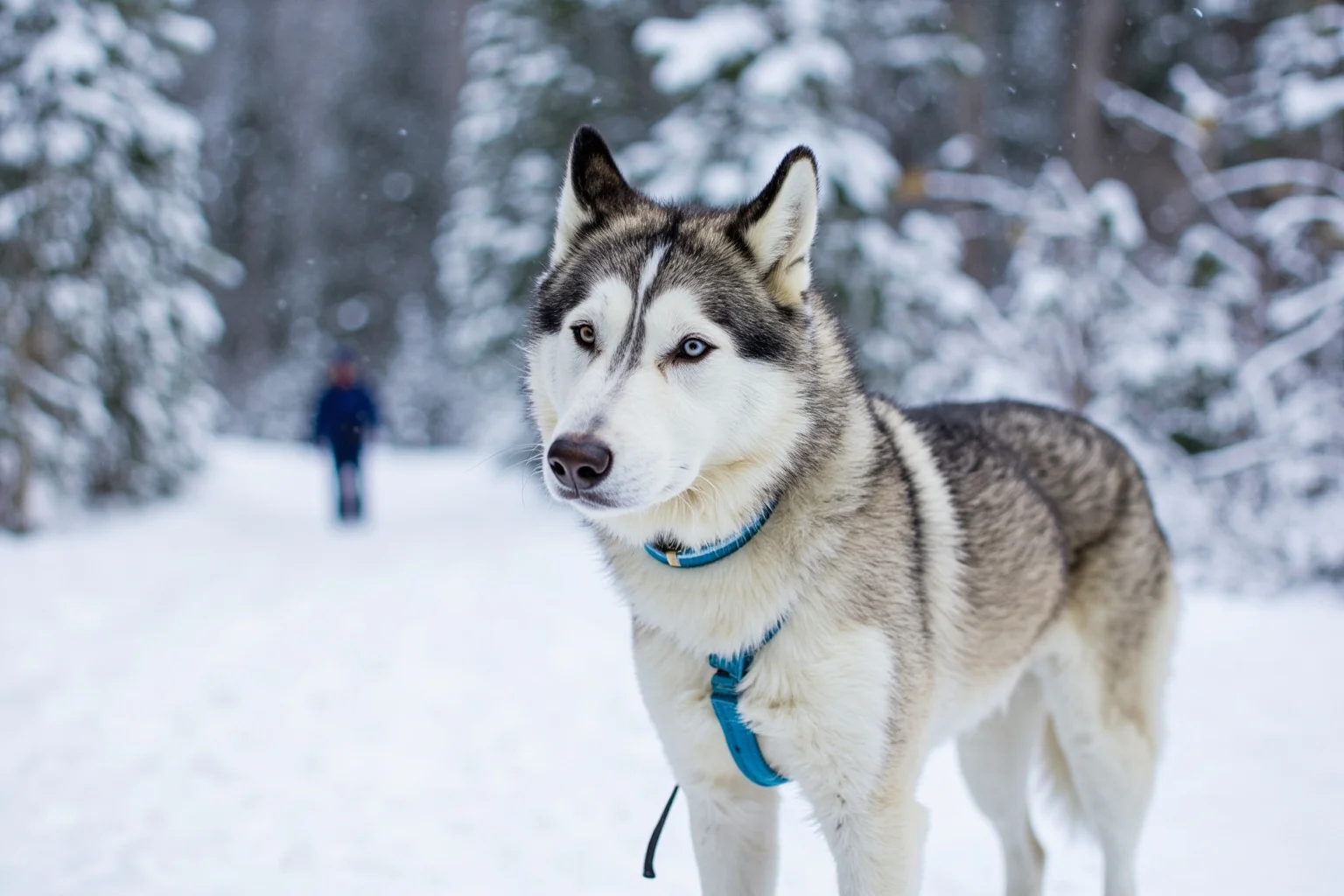
Balto was the lead sled dog on the final leg of the 1925 serum run to Nome, Alaska, a relay effort to deliver diphtheria antitoxin during an outbreak. Balto’s team, driven by musher Gunnar Kaasen, completed the last and most treacherous stretch, and Balto became an instant celebrity, with a statue erected in his honor in New York’s Central Park within the same year.
Balto’s fame somewhat overshadowed the dozens of other mushers and dogs who covered most of the 674-mile relay. His statue and story have made him enduringly one of the most famous dogs in history, even as historians point out he wasn’t the only hero of that mission.
13. Togo – The Sled Dog Balto Overshadowed
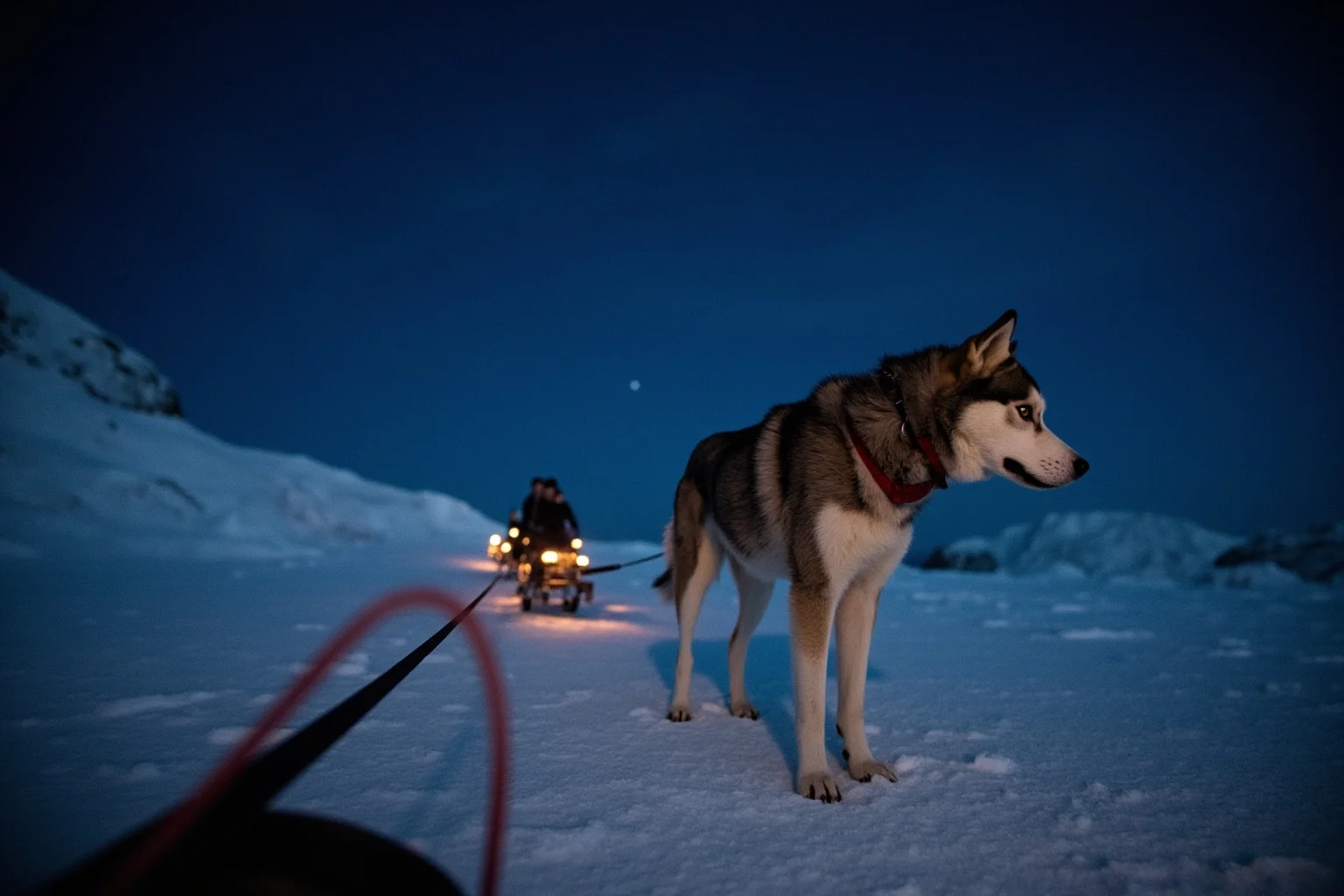
Togo, another sled dog from the same 1925 serum run, actually led his team through the longest and most dangerous segment of the journey, roughly 260 miles across the treacherous Norton Sound ice. Musher Leonhard Seppala, who drove Togo’s team, long felt that Togo deserved more recognition than he initially received compared to Balto.
In the decades since, historians and dog sledding enthusiasts have worked to correct the record, and Togo has gradually received wider recognition, including a statue in New York and a 2019 Disney film bearing his name. Togo’s story is a useful reminder that even well known dogs in history sometimes need their reputations set straight.
14. Fala – FDR’s White House Companion
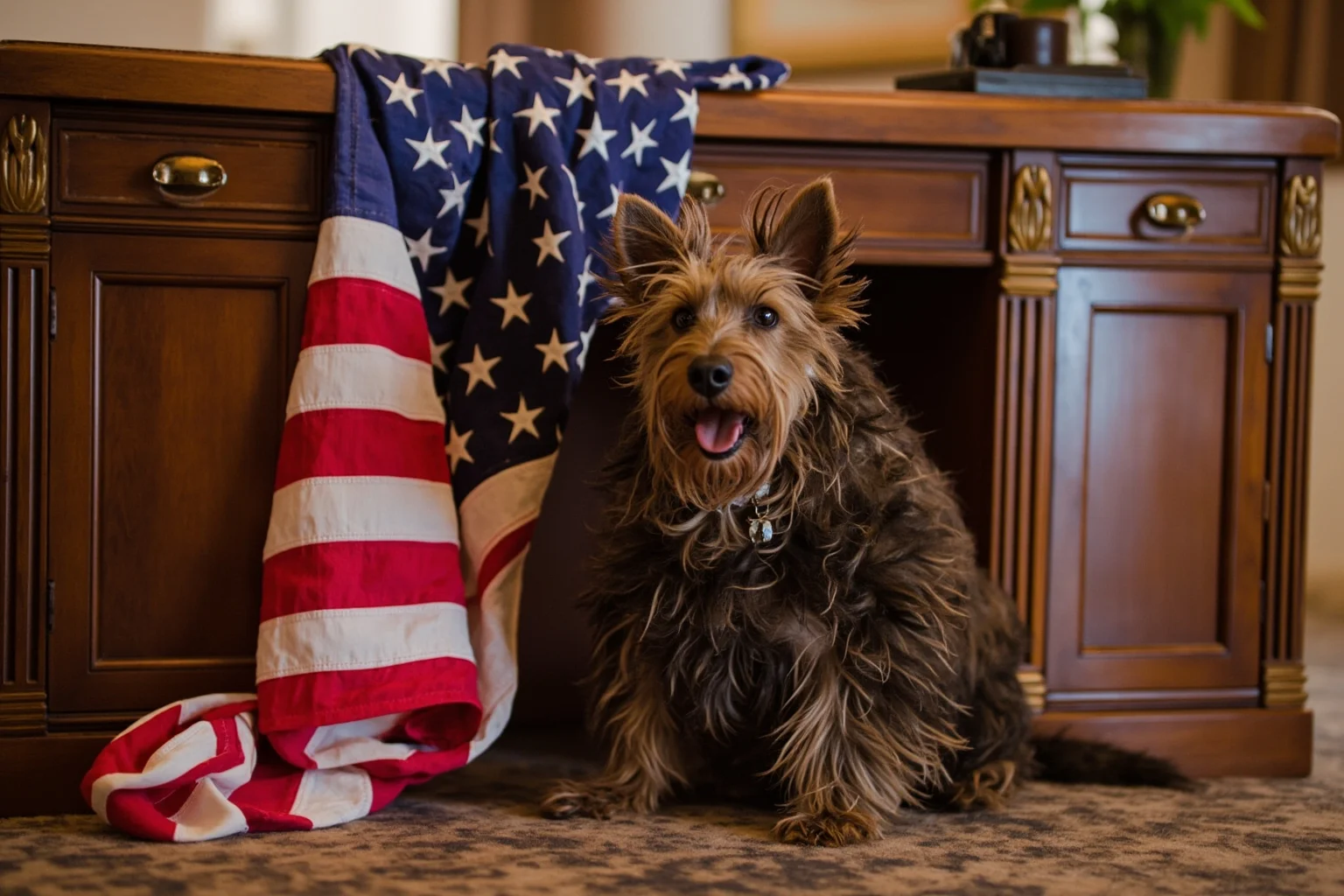
Fala was a Scottish Terrier who served as President Franklin D. Roosevelt’s near-constant companion throughout his presidency, from 1940 until Roosevelt’s death in 1945. Fala accompanied FDR to meetings, on trips, and even reportedly attended some diplomatic functions, becoming a familiar face in newsreels of the era.
Fala became so politically significant that FDR delivered his famous 1944 “Fala speech,” responding to rumors that a navy destroyer had been sent to retrieve the dog after he was supposedly left behind on an Aleutian island.
Fala is buried near Roosevelt at the Roosevelt family estate in Hyde Park, New York, and remains one of the best-known presidential dogs in American history.
15. Chips – The War Dog Who Took on a Machine-Gun Nest
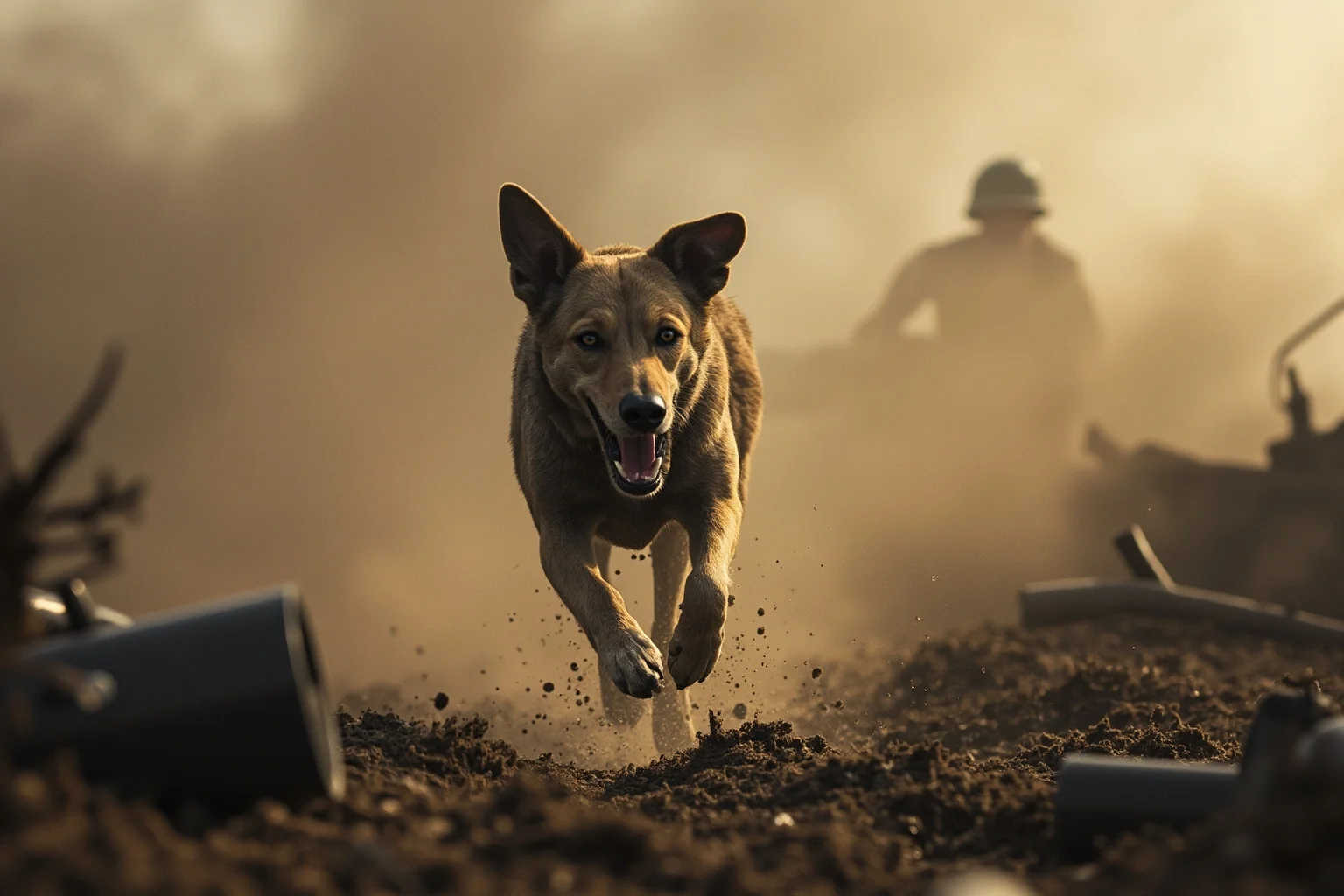
Chips was a mixed-breed dog trained for the U.S. Army’s K-9 Corps during World War II, serving in North Africa, Italy, and France. During the invasion of Sicily in 1943, Chips reportedly broke away from his handler and attacked an enemy machine-gun crew, helping force their surrender, and was wounded in the process.
Chips was initially awarded a Silver Star and Purple Heart, though these were later revoked because military policy at the time didn’t allow formal medals for animals. He was awarded a special commendation decades later, and his story remains one of the most cited examples of canine bravery among historical dogs of World War II.
16. Judy – The Only Official Canine POW of WWII
Judy was a Pointer mix who served as a ship’s dog on Royal Navy vessels in the Pacific during World War II before surviving a shipwreck and being captured alongside her crew by Japanese forces. She spent years in POW camps, where survivors credited her with boosting morale and even helping detect nearby threats like snakes and tigers.
Judy was formally registered as a prisoner of war, reportedly the only dog in history to receive this official status. After the war she was awarded the PDSA Dickin Medal, the animal equivalent of Britain’s Victoria Cross, cementing her place among history’s most remarkable war dogs.
17. Checkers – The Dog Who Saved Nixon’s Career
Checkers was a Cocker Spaniel gifted to the family of then-vice-presidential candidate Richard Nixon in 1952. When Nixon faced accusations of misusing campaign funds, he delivered a televised address, now known as the “Checkers speech,” in which he defended himself and specifically mentioned that regardless of criticism, his family intended to keep the dog.
The speech is widely credited with saving Nixon’s spot on the Republican ticket by generating a wave of public sympathy. Checkers became a minor celebrity in his own right and remains one of the more politically consequential famous dogs in American history.
18. Laika – First Animal to Orbit Earth
Laika was a stray dog from Moscow selected by Soviet scientists for the Sputnik 2 mission in November 1957, making her the first animal to orbit the Earth.
The mission was never designed to bring her home safely, and Soviet officials at the time gave inconsistent and misleading accounts of her death, which was later confirmed to have occurred from overheating within hours of launch.
Laika’s flight was a major milestone in the Cold War space race and provided crucial data on how living organisms responded to spaceflight. Decades later, a monument to Laika was erected in Moscow, and her story is often cited in discussions about the ethics of early animal testing in space exploration.
19. Nemo A534 – The Vietnam War’s Hero Sentry Dog
Nemo A534 was a German Shepherd sentry dog serving with the U.S. Air Force in Vietnam when, in 1966, he and his handler were ambushed at an airbase. Despite being shot in the face, Nemo reportedly continued to shield his wounded handler until help arrived, an act credited with saving the airman’s life.
Nemo was flown back to the United States, an unusual honor for a military working dog at the time, and lived out his life at Lackland Air Force Base, where a kennel was named in his honor. His story helped raise public awareness of the roles sentry and scout dogs played throughout the Vietnam War.
20. Pickles – The Dog Who Found the World Cup
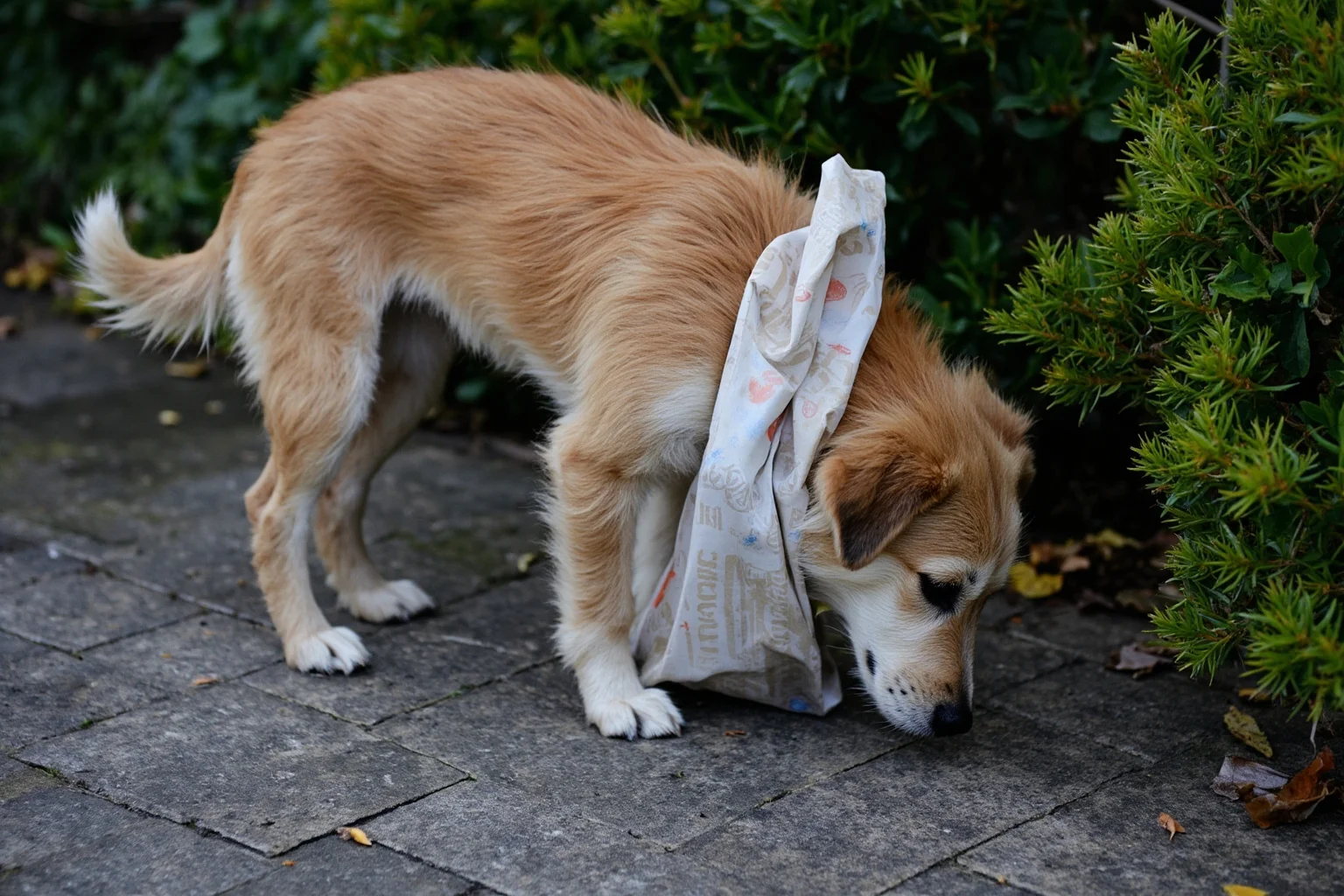
Pickles was a mixed-breed dog from London who, in 1966, sniffed out the stolen Jules Rimet Trophy (the World Cup) wrapped in newspaper under a garden hedge, just days before the tournament host nation England was due to compete. The trophy had vanished from a public exhibition, sparking a national scandal and frantic police search.
Pickles became an overnight sensation, appearing on television and even receiving a share of reward money for his owner. It remains one of the more offbeat entries among famous real life dogs, proving that historical fame doesn’t always require a battlefield or a president.
21. Millie – The Bush Family’s Best-Selling Author Dog
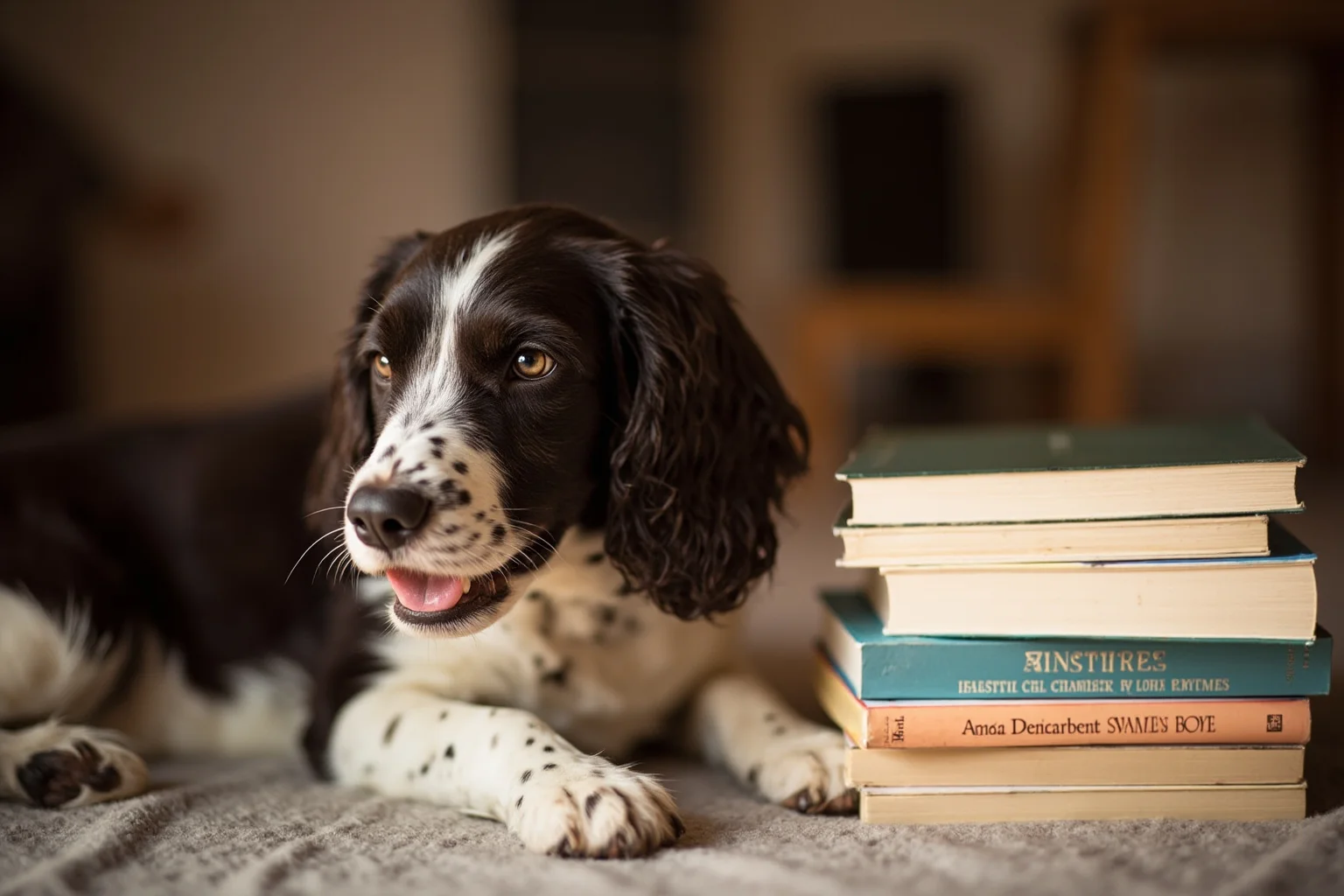
Millie was an English Springer Spaniel owned by President George H.W. Bush and First Lady Barbara Bush, members of the Bush family, during their time in the White House from 1989 to 1993.
Barbara Bush “authored” a bestselling book from Millie’s point of view, “Millie’s Book,” which became a surprise commercial hit and donated its proceeds to literacy charities.
Millie also gave birth to a litter of puppies in the White House, one of which, Spot, later returned to live there during George W. Bush’s presidency. Millie’s popularity helped establish presidential pets as a recurring source of public fascination in modern American politics.
22. Bretagne – The Last 9/11 Search and Rescue Dog
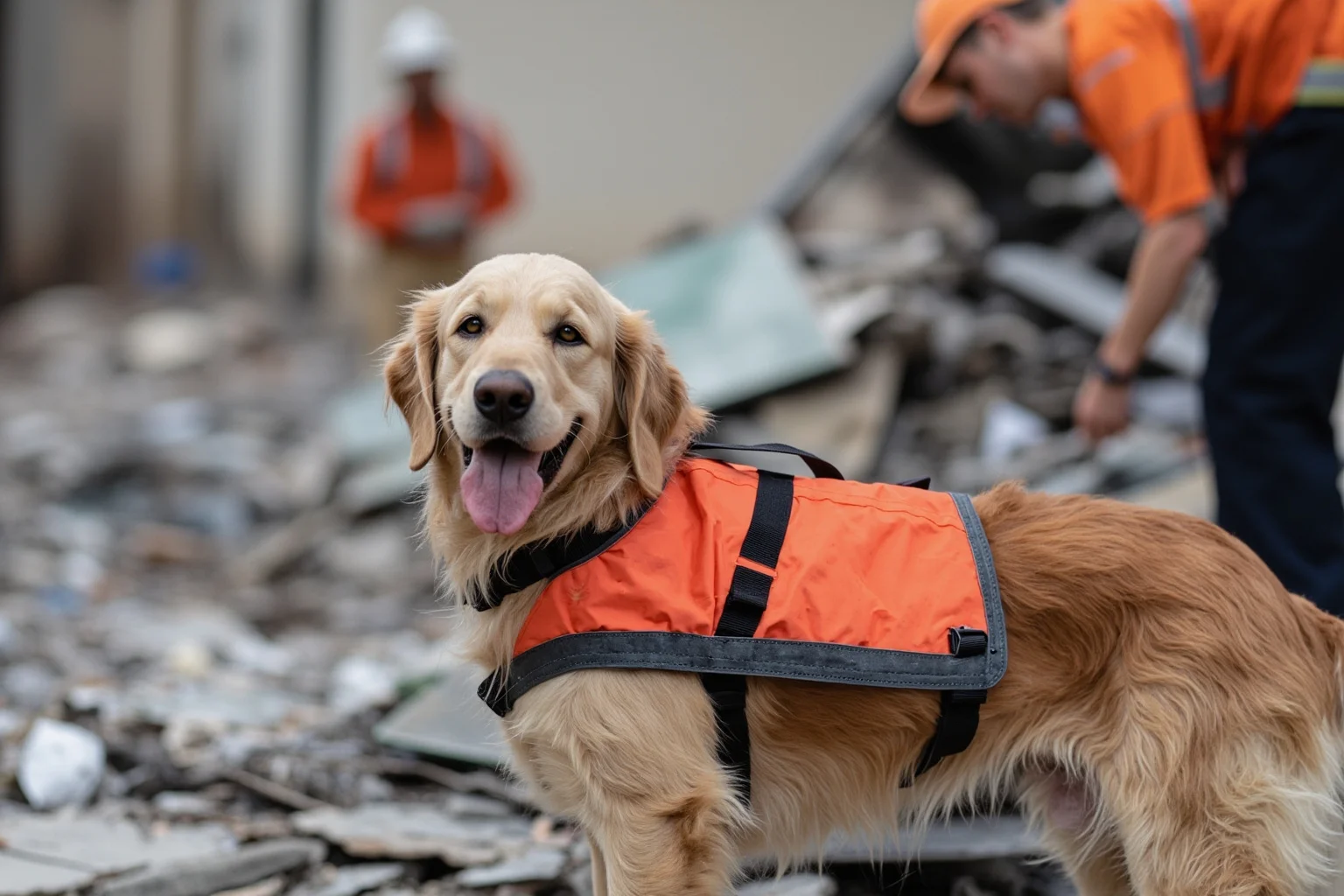
Bretagne was a Golden Retriever who, at just two years old, was deployed to Ground Zero following the September 11, 2001 terrorist attacks, working search and rescue operations amid the rubble. She went on to serve in disaster response efforts for over a decade, including after Hurricane Katrina.
Bretagne became widely known as the last surviving search and rescue dog who worked at the World Trade Center site, and she was honored with a hero’s tribute upon her death in 2016 at age 16. Her long service is a reminder that some of history’s most famous dogs earned their fame through quiet, sustained dedication rather than a single dramatic moment.
Honorable Mentions: Famous Dogs in Fiction and Pop Culture
When people search for famous canines, they’re not always thinking of real historical dogs. Lassie, Toto from “The Wizard of Oz,” Snoopy, and Old Yeller are among the most well known dogs in the world, but they’re fictional characters rather than documented historical figures.
It’s worth keeping that distinction clear, since fictional dogs are sometimes mistakenly cited alongside real ones in casual conversation. This list focuses specifically on dogs of history whose existence and stories are grounded in documented events, even where some details have been exaggerated over time.
Why Famous Dogs Still Capture Our Hearts
What ties these 22 stories together isn’t breed, era, or even the type of fame involved. It’s the fact that each dog’s story reflects something people already valued deeply, whether that’s loyalty, courage, companionship, or resilience in hard circumstances.
When someone asks you to name a famous dog, chances are they’re thinking of one of the animals on this list, even if the name doesn’t come to mind immediately. That staying power, decades or even centuries after the fact, says as much about human nature as it does about the dogs themselves.
The next time you hear a claim about a legendary historical dog, it’s worth doing what we’ve tried to do here: enjoy the story, but check which parts are documented fact and which have grown a little taller with each retelling. Either way, the real history of famous dogs is compelling enough without needing much embellishment at all.
Frequently Asked Questions
What are some of the most famous dogs in history?
Some of the most famous dogs in history include Hachikō, the loyal Akita from Japan; Balto and Togo, the sled dogs from the 1925 Alaska serum run; Laika, the first animal to orbit Earth; Sergeant Stubby, a decorated World War I dog; and Greyfriars Bobby, the Skye Terrier famed for guarding his owner's grave in Edinburgh. Each earned lasting fame through documented acts of loyalty, bravery, or extraordinary circumstance.
Who is the most famous dog in the world?
There's no single official answer, since fame depends on region and era, but Hachikō and Laika are frequently cited as strong candidates for the world's most famous dog. Hachikō is a global symbol of loyalty with a well-known statue in Tokyo, while Laika is remembered worldwide as the first animal to orbit Earth during the Cold War space race.
What is considered the most famous dog of all time?
It depends on the criteria used, but Hachikō is often named the most famous dog historically because his story of loyalty has been retold globally for nearly a century through books, films, and monuments. Balto, Rin Tin Tin, and Laika are also commonly mentioned in this conversation depending on whether the focus is on heroism, entertainment, or scientific history.
Can you name a famous dog from history?
Yes — one well-documented example is Sergeant Stubby, a stray dog who served with American troops in World War I and became the war's most decorated canine. Other easy answers include Balto, Togo, Laika, Fala, and Hachikō, all of whom have verified historical records behind their fame.
Were Balto and Togo real dogs?
Yes, both were real sled dogs involved in the 1925 serum run to Nome, Alaska, which delivered diphtheria antitoxin during an outbreak. Togo actually led his team through the longest and most dangerous stretch of the journey, while Balto led the final, shorter leg and received most of the initial public credit and a statue in New York's Central Park.
What made Laika famous?
Laika was a stray dog selected by Soviet scientists to fly aboard Sputnik 2 in November 1957, making her the first animal to orbit Earth. The mission was never designed for her survival, and she died from overheating within hours of launch, a fact the Soviet government did not disclose accurately until decades later.
Is Hachikō’s story true?
The core of Hachikō's story is well documented: he was a real Akita in Tokyo who continued returning to Shibuya Station for years after his owner's death in 1925, and Japanese newspapers reported on him during his lifetime. Some emotional details in popular retellings have been dramatized over time, but the underlying facts of his loyalty and public fame are historically supported.

Alex Warren
Related Articles





