
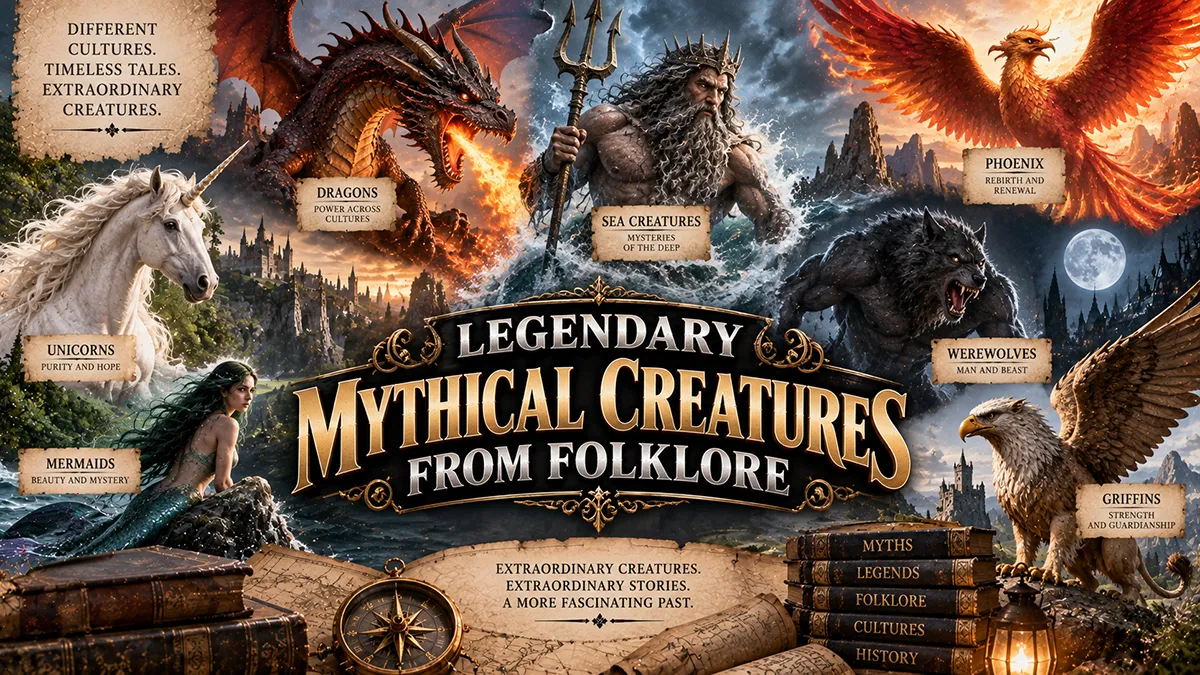
Every culture on Earth has looked into the dark and imagined something looking back. Long before movies and video games gave us dragons and werewolves in high definition, storytellers around campfires, temples, and marketplaces were passing down tales of mythical creatures that explained the unexplainable — strange bones, sudden storms, disappearances at sea, or just the human need for a good scare.
This list pulls together some of the most famous mythical creatures and folklore figures from mythology, medieval bestiaries, and living oral traditions across six continents. Along the way, we’ll separate documented folklore from modern legend, and note where historians and folklorists believe some of these monsters of myth may have started.
TL;DR: From Greek gorgons to Japanese river spirits and Himalayan cryptids, these 24 legendary and mythical creatures show how every culture has used folklore to explain fear, nature, and the unknown.
What Actually Counts as a “Mythical Creature”?
A mythical creature is generally any being described in mythology, folklore, or oral tradition that has no confirmed scientific existence. That covers a huge range, from gods’ companions like Cerberus to humble village folktale characters like the kappa. Mythology examples tend to be tied to religious or cosmological systems, while folklore creatures often live in the more everyday world of ghost stories and rural legend.
The line between “myth” and “folklore” is a little blurry, and that’s fine — even folklorists debate it. Broadly, a myth explains something sacred or cosmic (how the world began, why the sun rises), while a folktale is a traditional story passed down for entertainment, moral lessons, or local color. Both are full of unforgettable folklore animals and monsters that have outlived the civilizations that first told their stories.
Where These Legends Come From
Most legendary creatures didn’t spring from nowhere. Many folklore figures are best guesses at explaining real phenomena: strange fossils, deep-sea animals nobody had seen up close, freak weather, or diseases with frightening symptoms. Others were moral tools, warning children not to wander near rivers or lonely moors after dark.
What’s remarkable is how often unrelated cultures invented similar creatures independently. Dragon-like beings appear in Chinese, European, and Mesoamerican traditions despite no shared contact, which tells us something about how human minds process fear of predators, serpents, and the unknown.
Below is a curated legend creatures list spanning ancient mythology, medieval folklore, and more recent cryptid sightings, organized so you can see just how far — and how consistently — this kind of storytelling travels.
The 24 Most Famous Mythical and Legendary Creatures From Folklore
This is far from every creature in world mythology — an exhaustive list of all mythological creatures would run into the thousands. Instead, this is a representative tour of the most iconic, widely recognized figures, chosen for cultural impact and staying power.
1. Dragon
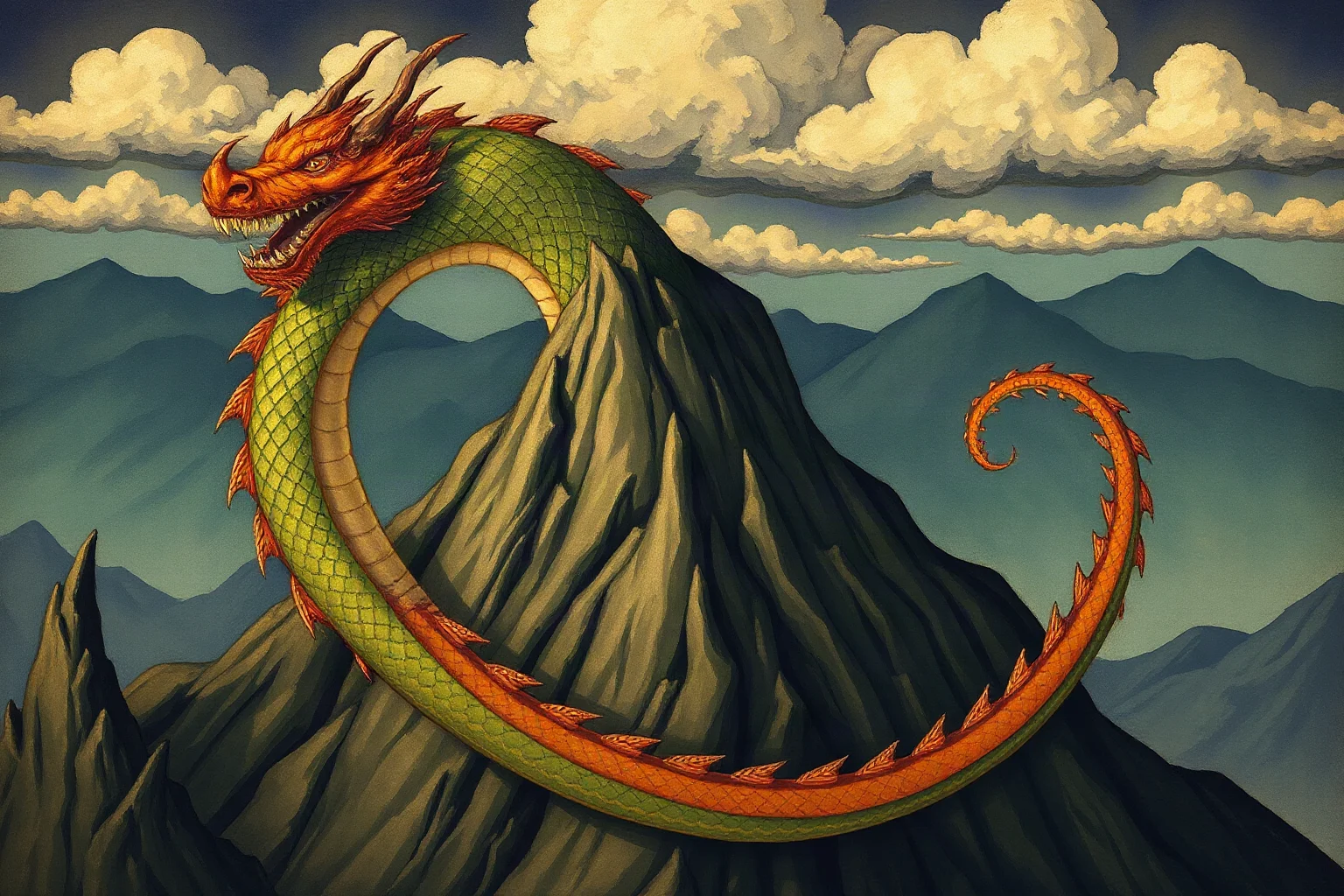
Dragons may be the most universal of all mythical legendary creatures, appearing in Chinese, European, Mesoamerican, and Middle Eastern traditions with wildly different meanings.
In East Asian folklore, dragons are usually wise, benevolent water deities associated with rivers, rain, and imperial power. European dragons, by contrast, are typically fire-breathing, treasure-hoarding villains slain by knights and saints, most famously in the legend of Saint George.
Historians and folklorists suspect dragon legends were shaped by encounters with large fossilized bones, real reptiles like crocodiles, and a widespread human wariness of snakes. Whatever the origin, dragons remain the gold standard for famous mythological creatures worldwide.
2. Phoenix
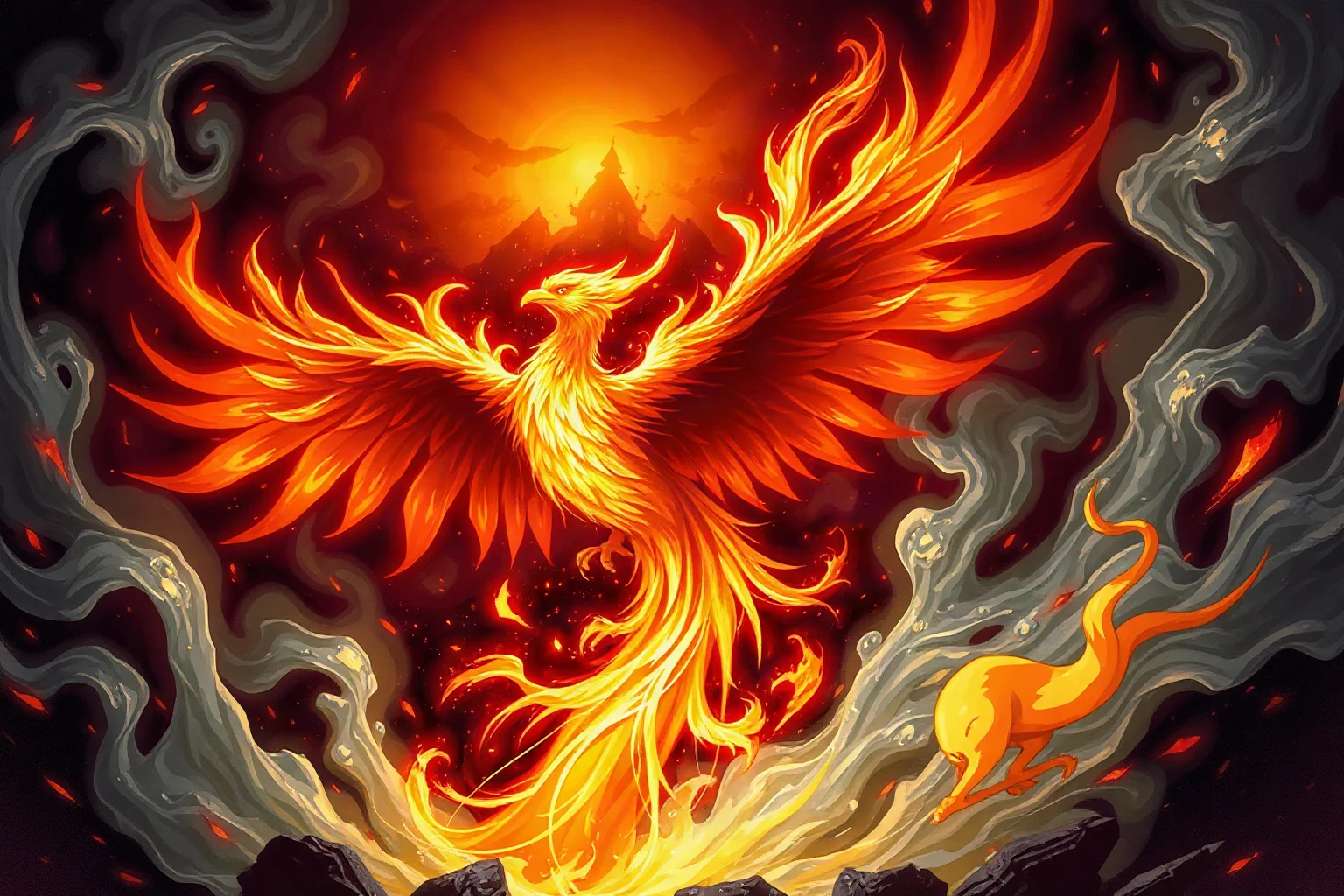
The phoenix is a mythical bird tied to fire and rebirth, best known from Greek writers who borrowed the idea from earlier Egyptian accounts of the Bennu bird. According to the legend, the phoenix burns up at the end of its life cycle and rises again from its own ashes. It became a lasting symbol of renewal in literature and art long after ancient Egyptian and Greek religion faded.
Unlike many monsters on this list, the phoenix was rarely feared. It represented hope and continuity, which is part of why it has survived so comfortably into modern pop culture.
3. Griffin
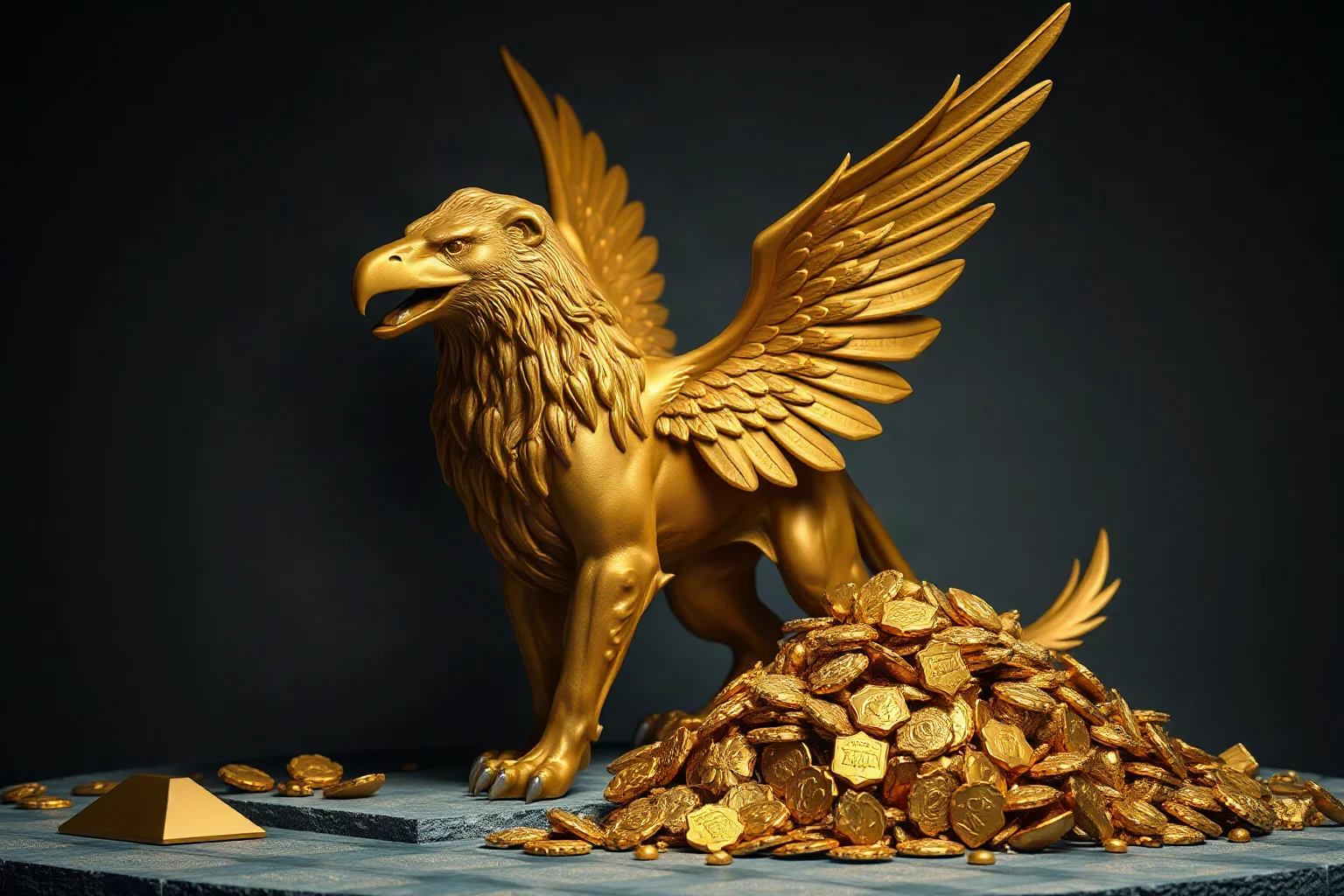
The griffin combines the body of a lion with the head and wings of an eagle, making it one of antiquity’s most recognizable mythological beasts.
Ancient Greek and Persian sources placed griffins in the distant East, guarding gold and precious stones from human thieves. Some historians have proposed that griffin legends were influenced by ancient travelers finding protoceratops or other dinosaur fossils in Central Asia.
Griffins later became popular heraldic symbols in medieval Europe, representing strength and vigilance. They’re a great example of how a single creature legend can shift meaning across centuries.
4. Unicorn
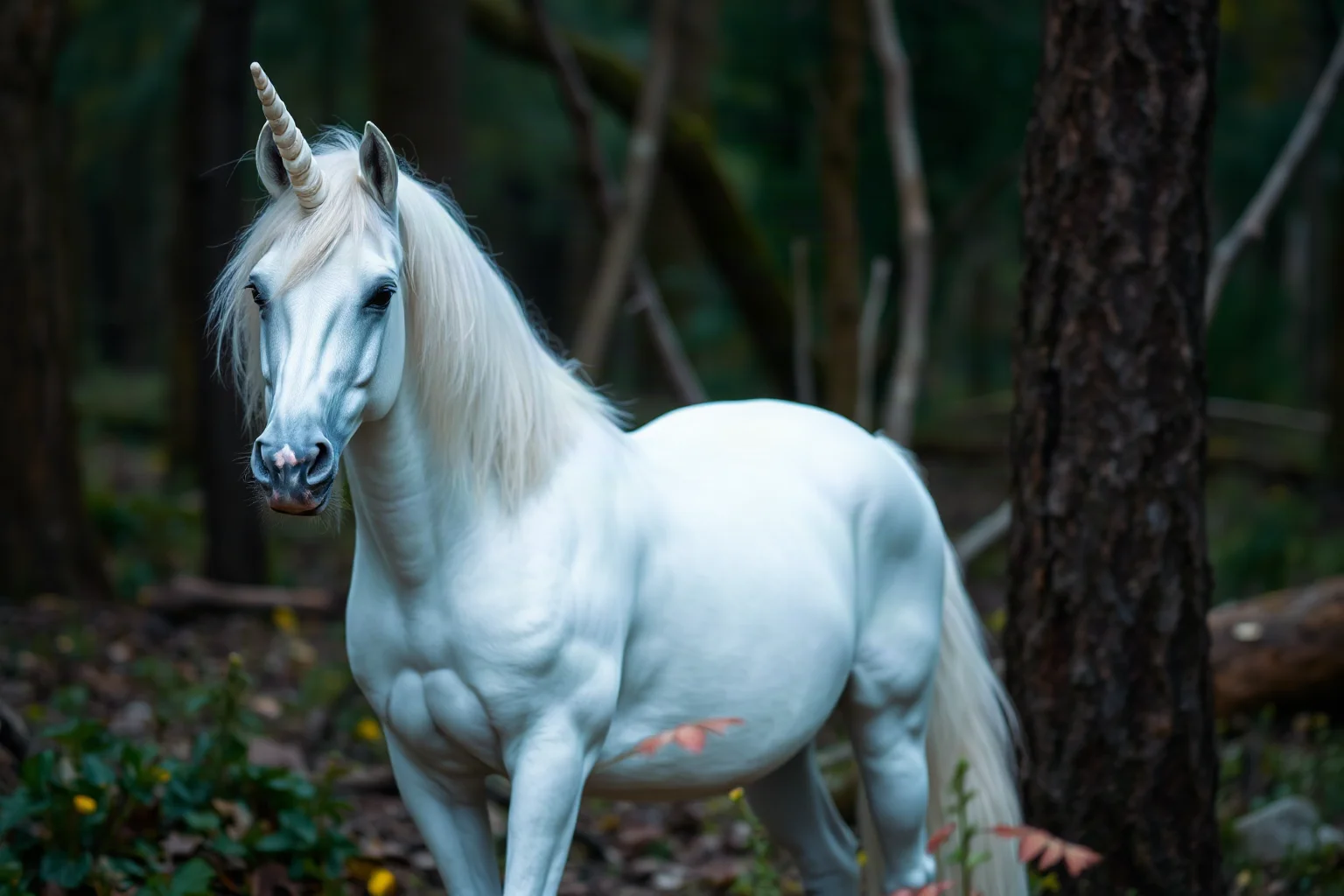
The unicorn — a horse-like creature with a single spiraling horn — is one of the most famous folklore animals in Western tradition, though its roots are older and stranger than most people realize.
Ancient Greek writers like Ctesias described unicorns as real animals living in India, likely based on secondhand descriptions of rhinoceroses or antelope. Medieval Europe added layers of Christian symbolism, turning the unicorn into an emblem of purity that could only be tamed by a virgin.
Many historians also link the unicorn’s popularity to narwhal tusks, which were sold in medieval markets as genuine unicorn horns. It’s a good reminder that mythical tales often grow out of real trade goods and travelers’ tall stories.
5. Centaur
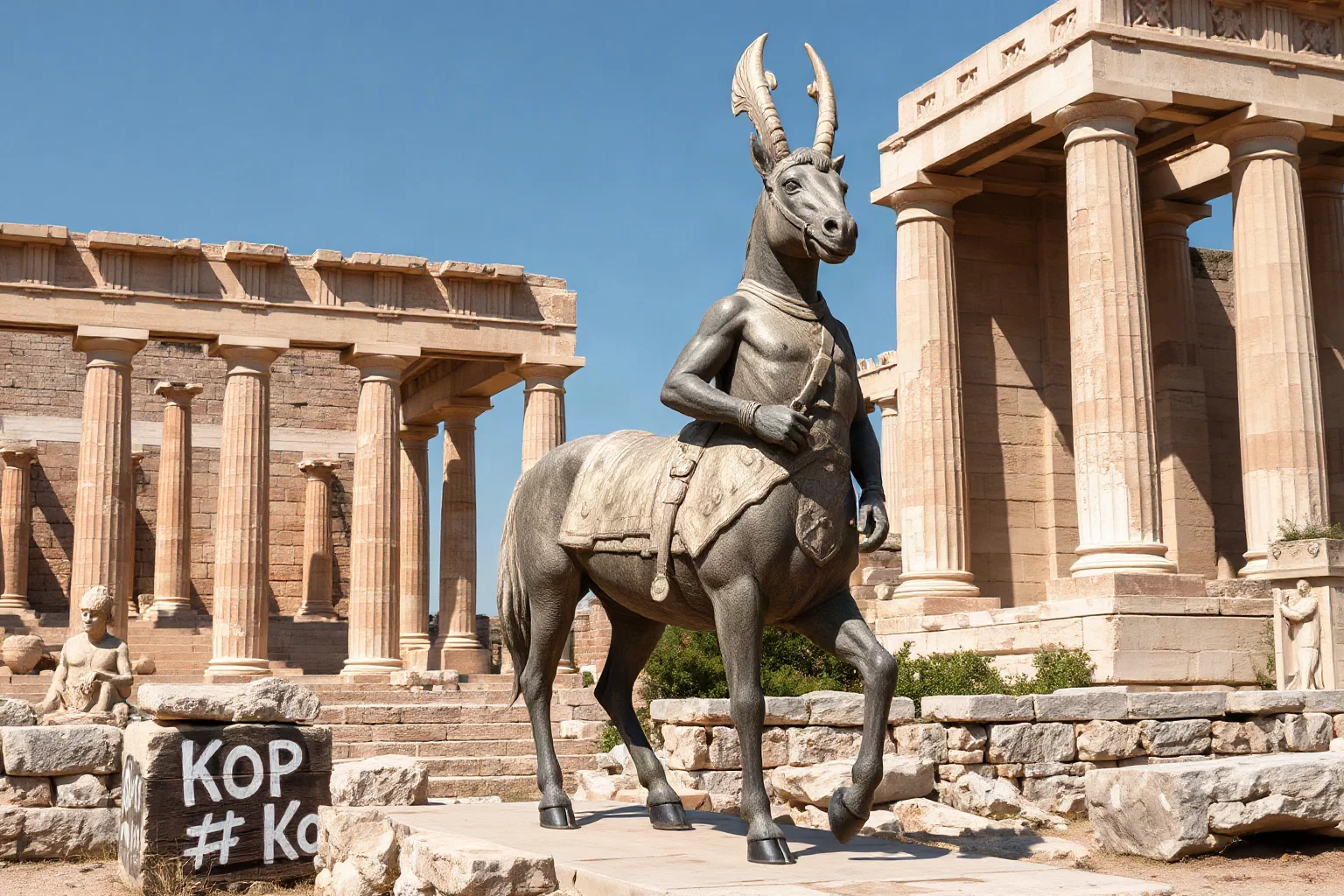
Centaurs, half-human and half-horse, are among the most vivid figures in Greek mythology. Most centaurs were portrayed as wild, unruly, and dangerous when drunk, but the centaur Chiron stood apart as a wise healer and teacher to heroes like Achilles. This split reflects a broader Greek theme of civilization versus untamed nature.
Centaurs may have originated from early Greek encounters with skilled horseback riders from the northern steppes, whose mounted combat looked almost superhuman to people unfamiliar with cavalry. That theory remains debated among classicists, but it’s a popular explanation for the legend’s staying power.
6. Minotaur
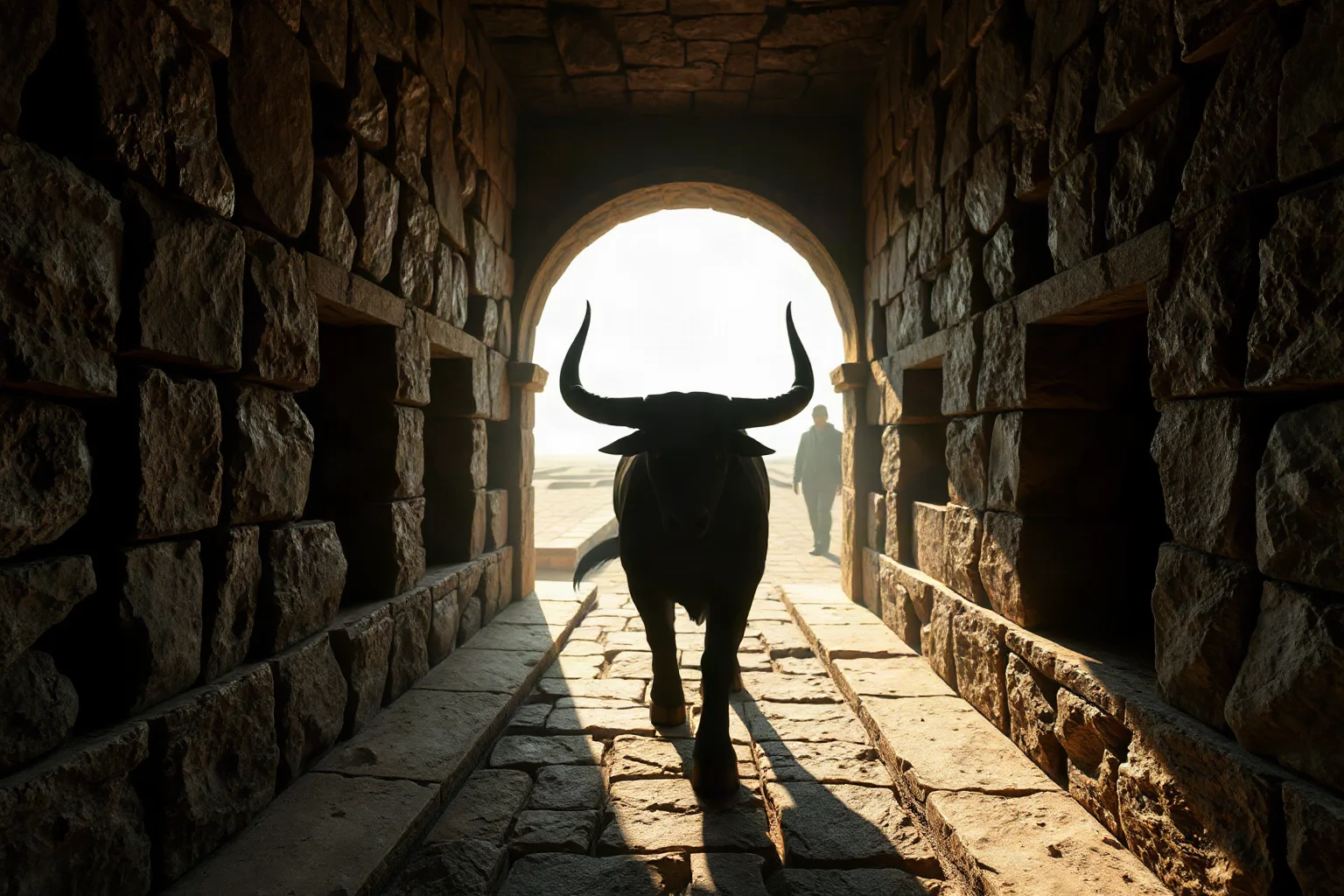
The Minotaur was a bull-headed man imprisoned in a labyrinth beneath the palace of King Minos on Crete, according to Greek legend.
The hero Theseus is said to have entered the maze, killed the beast, and escaped using a thread given to him by Ariadne. Archaeologists have connected this myth to the real, sprawling palace complex at Knossos, which likely inspired the labyrinth setting.
The Minotaur is often read today as a symbol of hidden shame or a monstrous byproduct of royal hubris. It’s one of the clearest examples of mythology examples doubling as political commentary in ancient storytelling.
7. Medusa (The Gorgon)
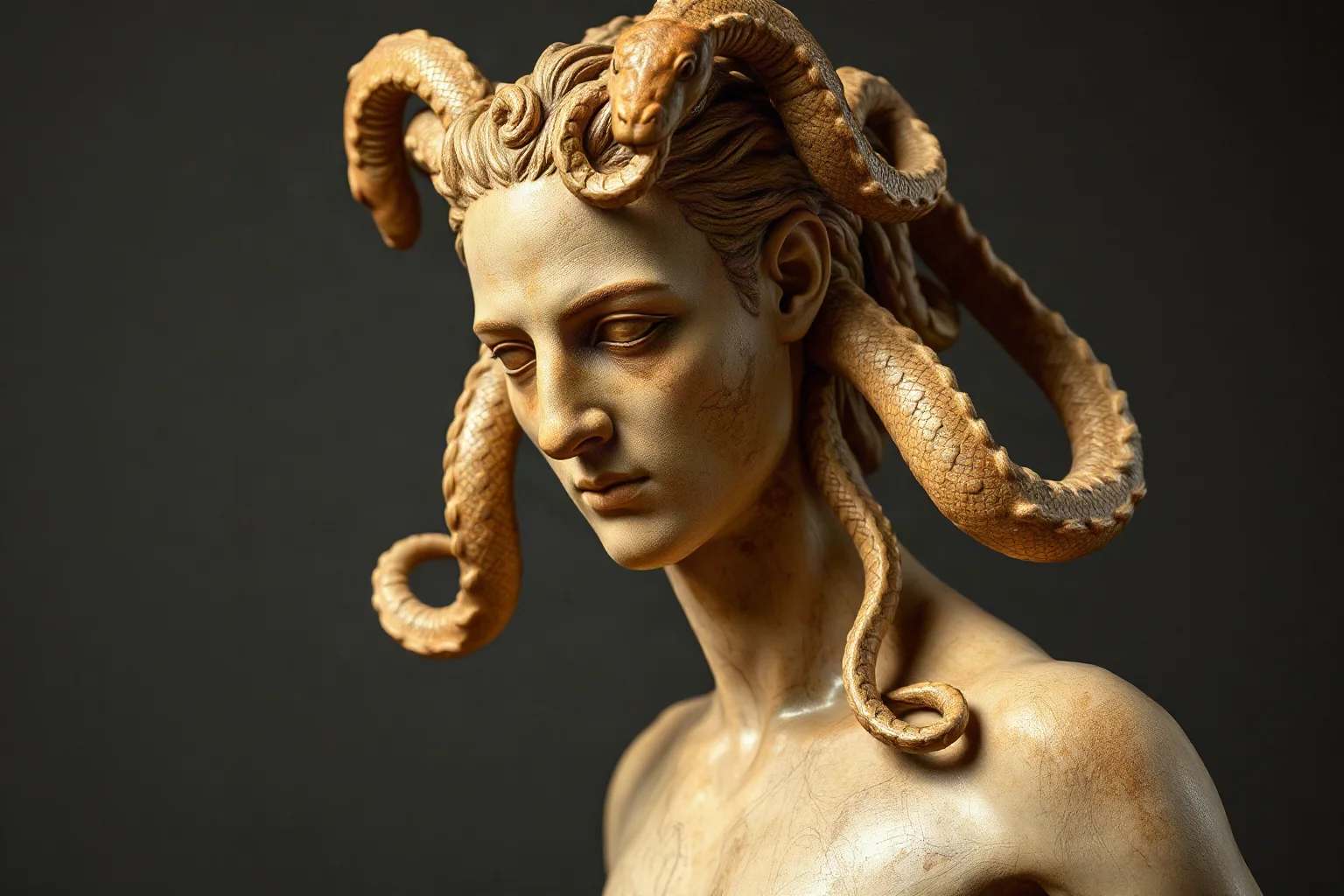
Medusa is the most famous of the Gorgons, a trio of monstrous sisters in Greek mythology with snakes for hair and a gaze that turned onlookers to stone.
In most surviving versions, she was slain by the hero Perseus, who used a reflective shield to avoid her deadly stare. Later poets, notably the Roman writer Ovid, added a backstory portraying Medusa as a cursed victim rather than a born monster.
Medusa’s image was widely used in ancient Greek architecture and armor as a protective symbol meant to ward off evil. That practical, almost talisman-like use makes her one of the more historically documented monsters in mythology.
8. Cerberus
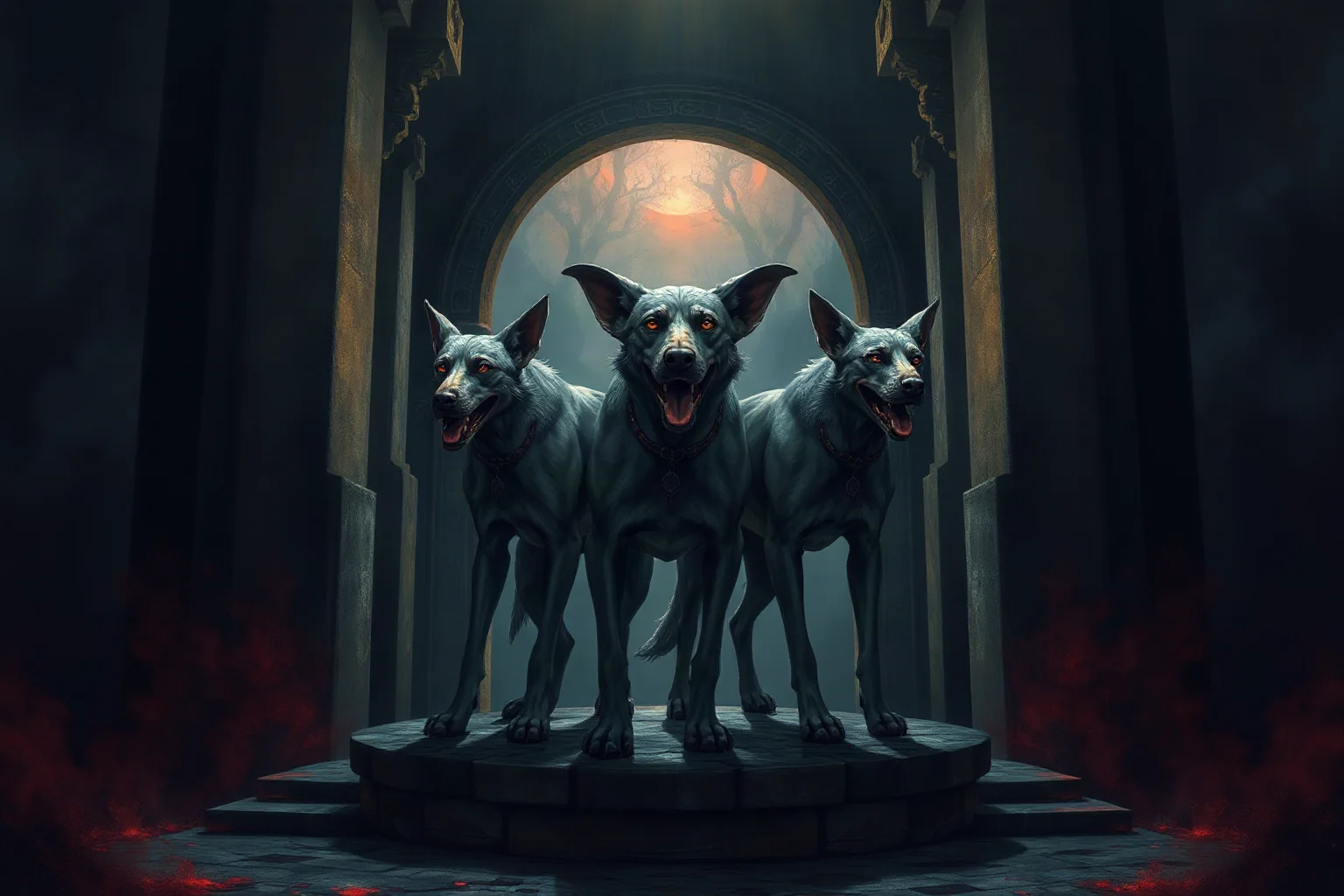
Cerberus is the multi-headed hound that guards the entrance to the underworld in Greek mythology, preventing the dead from leaving and the living from entering uninvited.
He’s usually described with three heads, a serpent’s tail, and snakes coiling around his body. The hero Heracles famously captured Cerberus alive as one of his twelve labors, dragging the beast briefly to the surface world.
As a guardian figure, Cerberus reflects a common mythological pattern: fearsome creatures often exist to protect a threshold rather than simply to terrorize. Similar guardian-monster roles show up across many other mythological legends.
9. Chimera
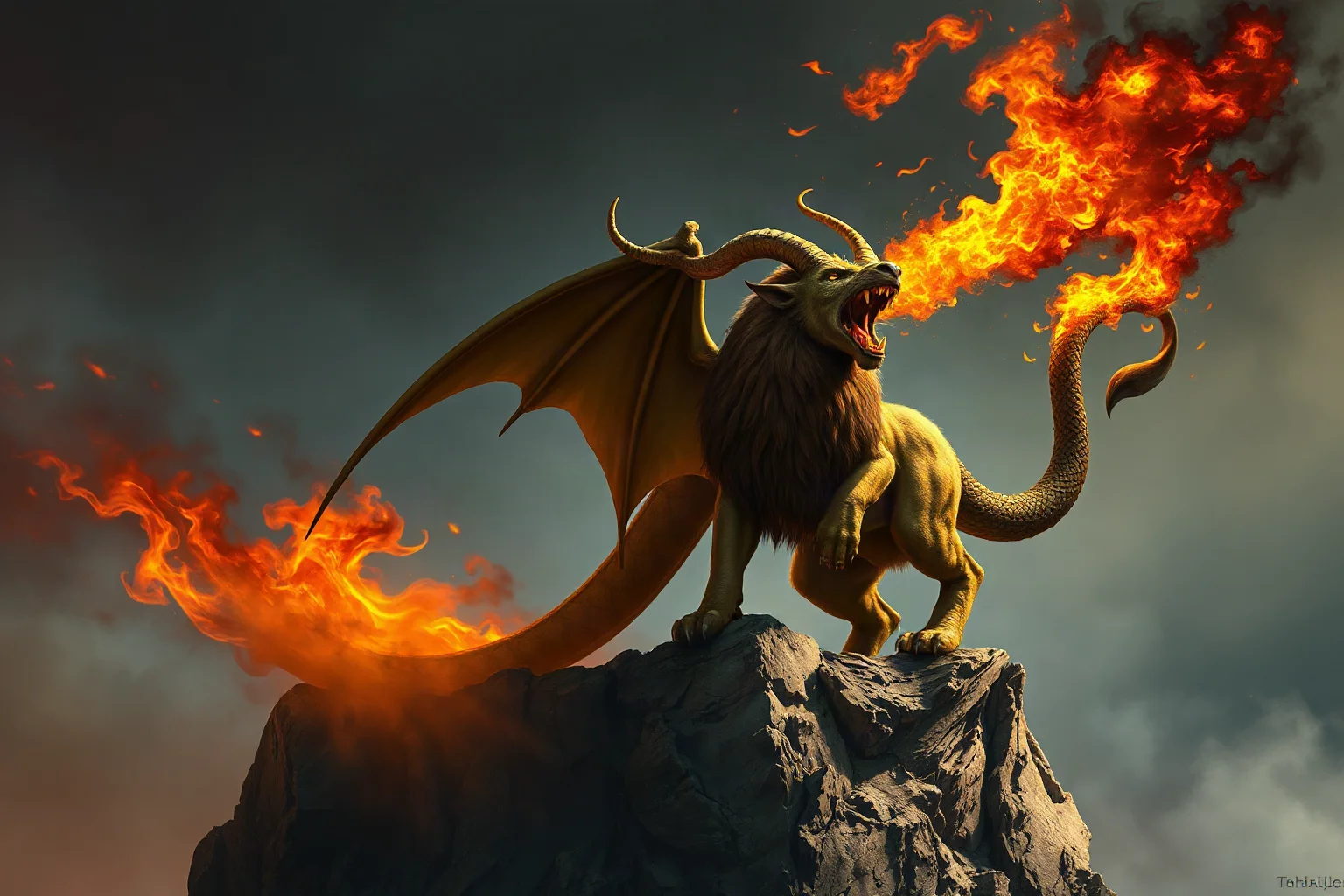
The Chimera was a fire-breathing hybrid in Greek mythology, usually depicted with a lion’s body, a goat’s head rising from its back, and a serpent for a tail. It terrorized the region of Lycia in Asia Minor until the hero Bellerophon killed it while riding the winged horse Pegasus. The word “chimera” has since become a general English term for any wildly mismatched combination.
As one of the more elaborate monster mythical hybrids from antiquity, the Chimera shows how Greek storytellers loved combining animal traits to create something both symbolic and visually terrifying.
10. Sphinx
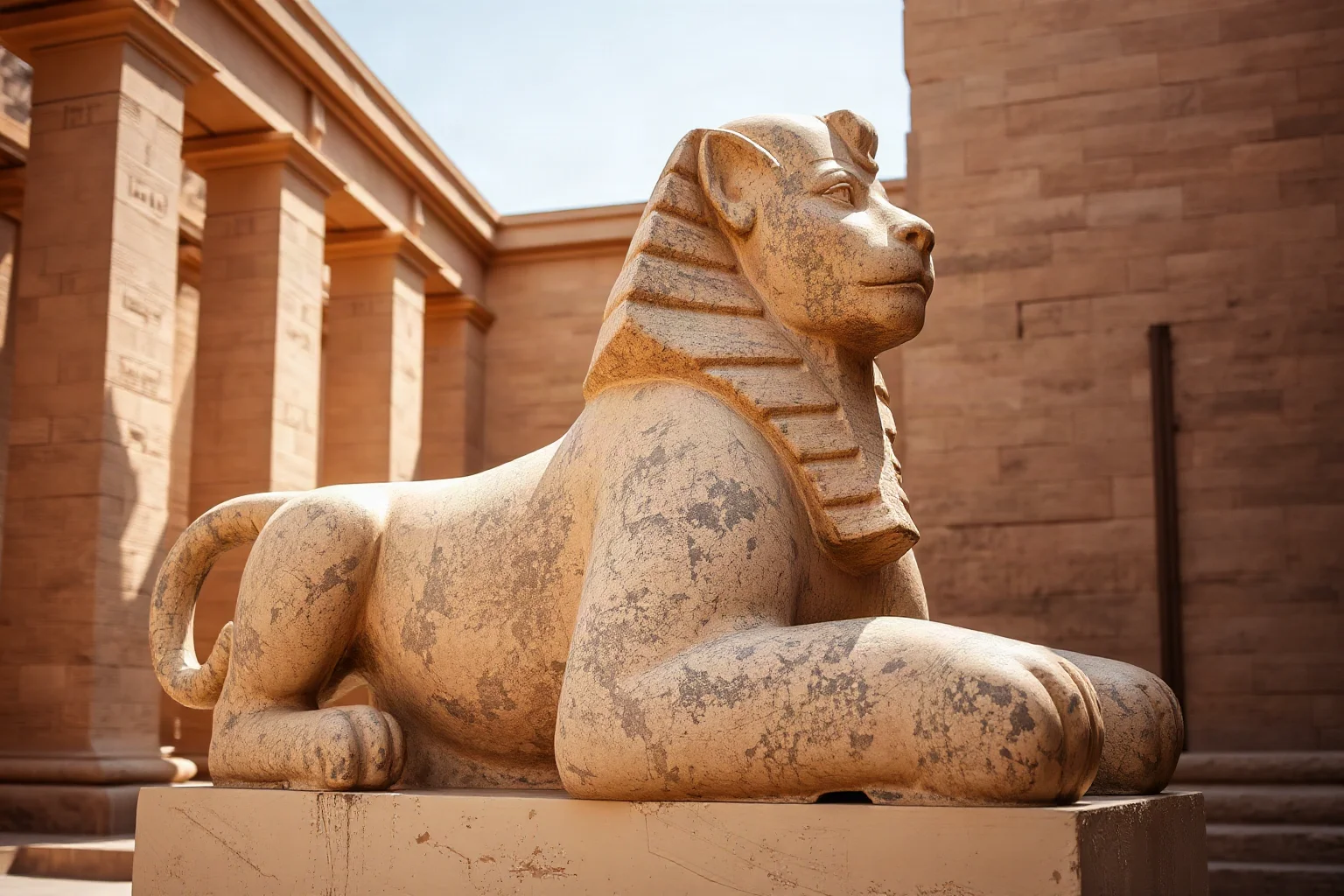
The Sphinx exists in two major traditions that are easy to mix up. In Egyptian religion and art, the sphinx — most famously the Great Sphinx of Giza — was a guardian statue with a lion’s body and a human head, symbolizing royal power and protection.
In Greek mythology, by contrast, the Sphinx was a dangerous riddling monster that killed travelers who failed to answer her puzzle, until Oedipus solved it near Thebes.
These two sphinxes share iconography but very different personalities and cultural purposes. It’s a useful case study in how the same creature legends can diverge sharply once they cross cultural borders.
11. Kraken
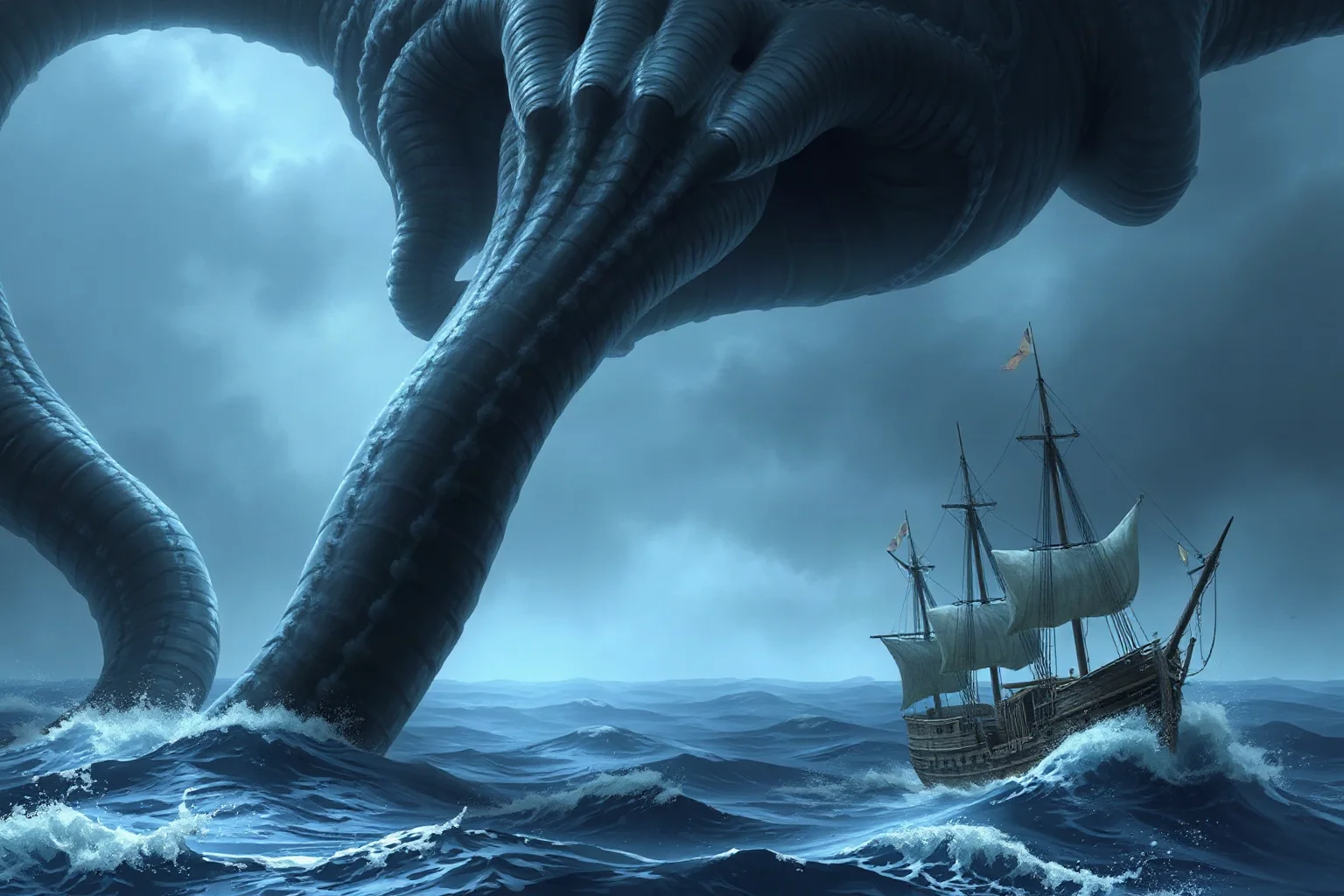
The Kraken is a colossal sea monster from Scandinavian folklore, said to lurk off the coasts of Norway and Greenland, capable of dragging entire ships beneath the waves.
Written accounts date back centuries, with Norwegian sailors describing sudden whirlpools and massive shapes beneath their boats. Many historians and marine biologists now suspect these tales were inspired by real sightings of giant squid, which can grow to enormous, genuinely alarming sizes.
The Kraken remains one of the most enduring monsters of myth and legend tied to the sea, alongside countless other sailor stories about serpents and sirens.
12. Banshee
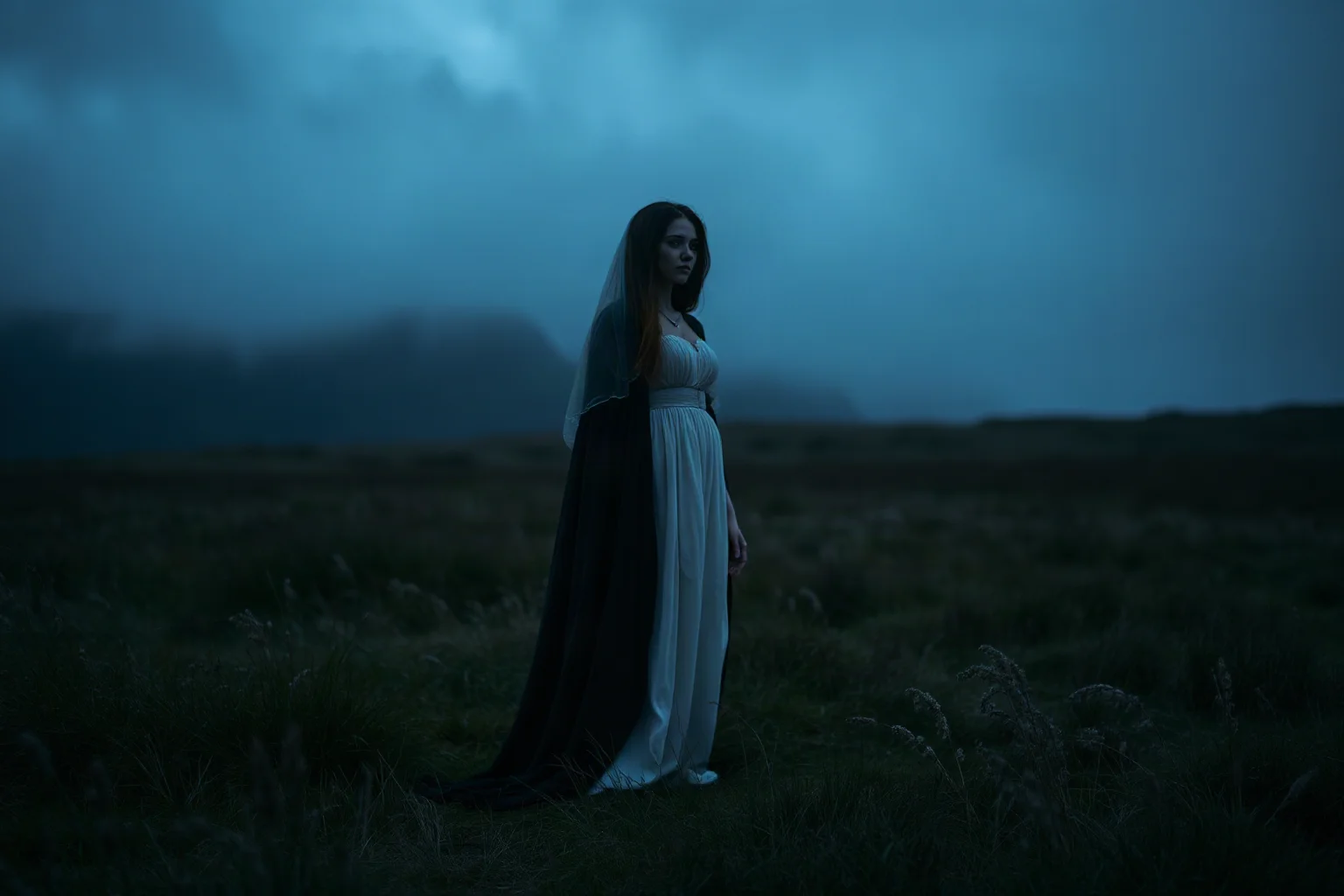
The banshee is a spirit from Irish folklore whose mournful wailing is said to foretell a death in the family she visits. Often described as an old woman dressed in white or grey, she’s tied closely to specific Irish family lineages in older tellings, rather than appearing randomly. The word “banshee” comes from the Irish “bean sí,” meaning “woman of the fairy mound.”
Unlike many monsters on this list, the banshee doesn’t attack anyone directly. She’s a herald rather than a hunter, which makes her one of the more psychologically eerie folklore characters in the Celtic tradition.
13. Selkie
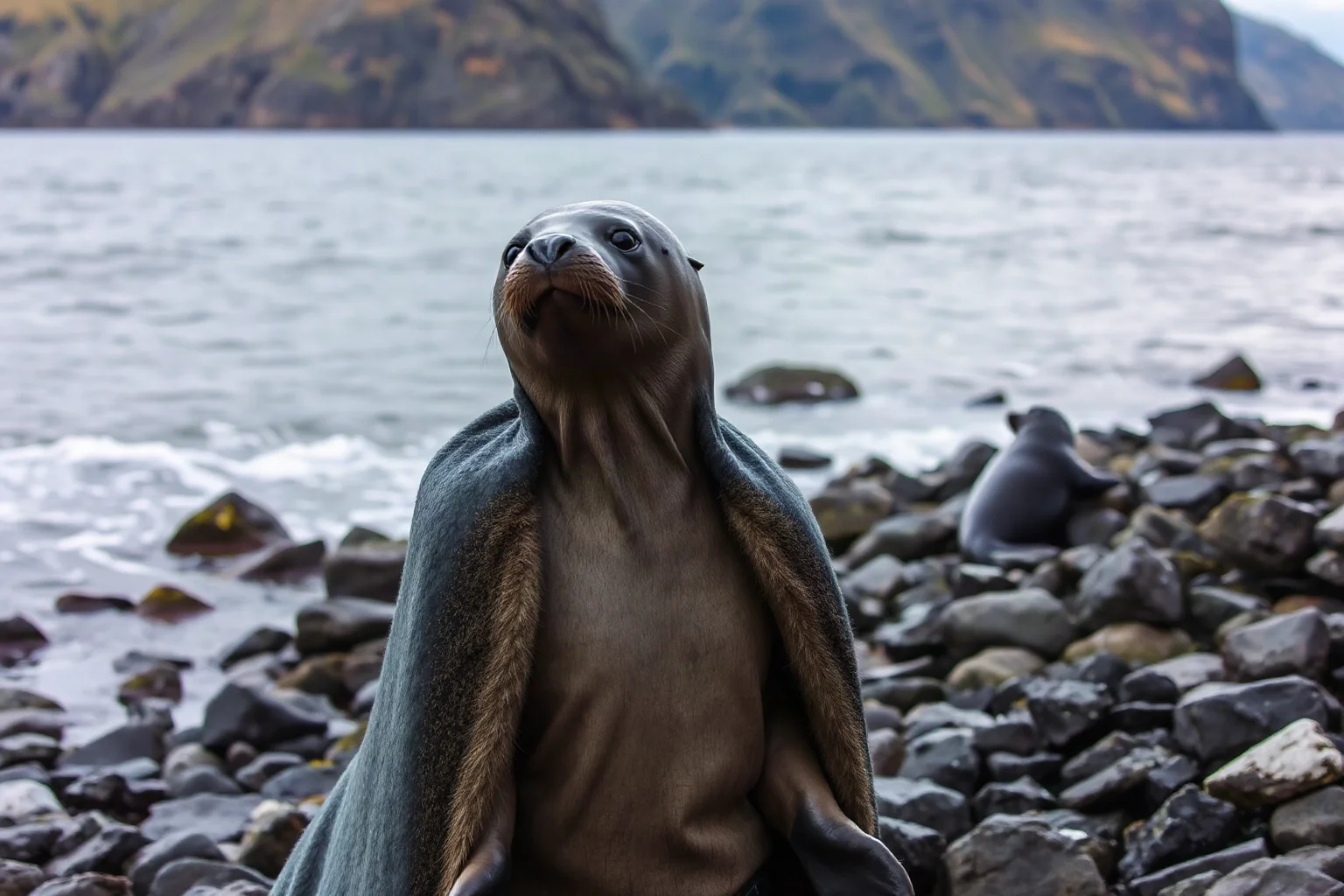
Selkies come from Scottish, Irish, and Faroese folklore, describing seal-like beings that can shed their skin to walk on land as humans. Many selkie legends involve a human stealing and hiding a selkie’s sealskin to force them into marriage, only for the selkie to eventually find it and return to the sea. These stories often carry a bittersweet, tragic undertone about longing and captivity.
Selkie tales are especially strong in Scotland’s Orkney and Shetland islands, where fishing communities lived close to real seal populations. That everyday proximity likely helped the legend take such deep root.
14. Kappa
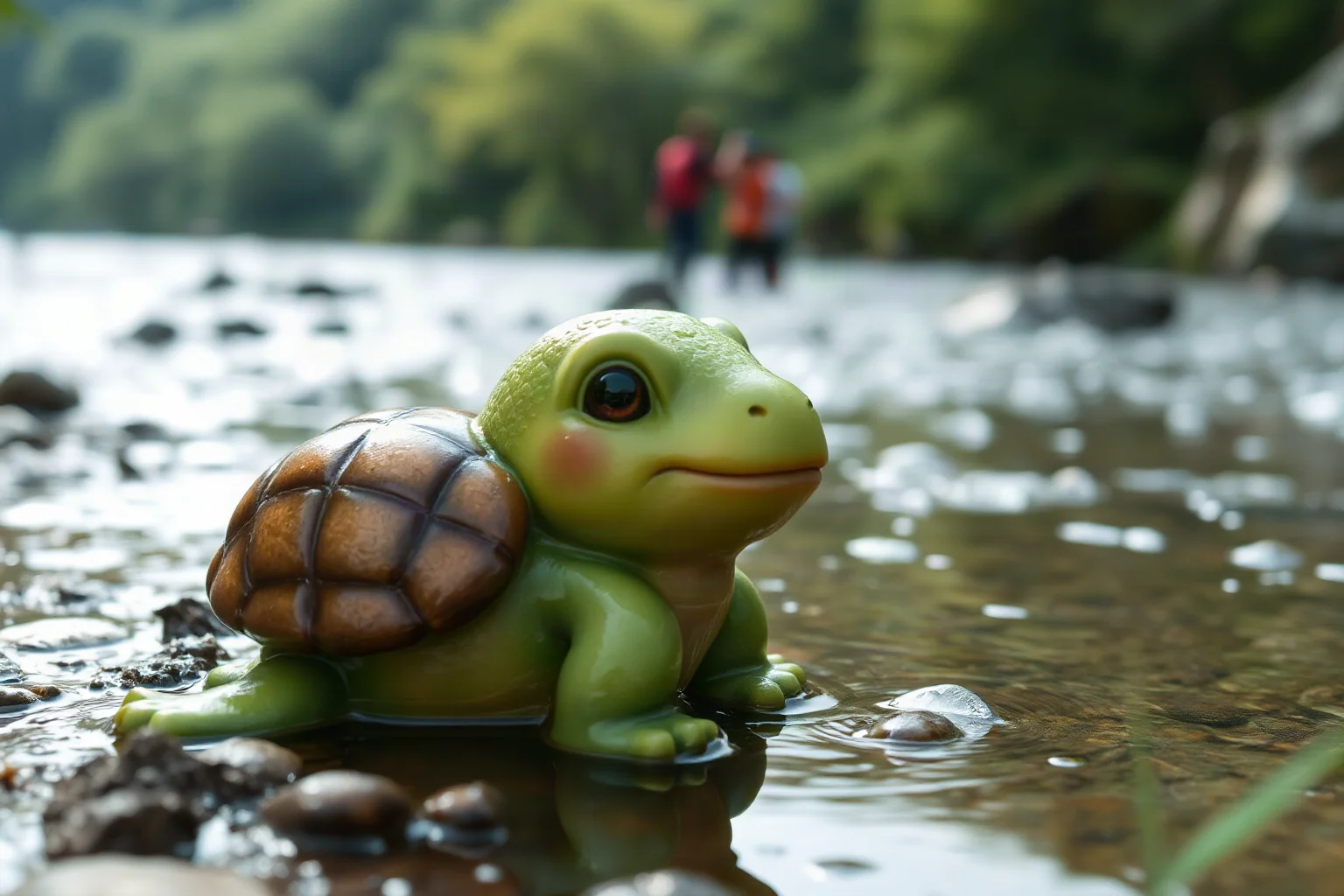
The kappa is a mischievous, turtle-like water spirit from Japanese folklore, usually described with webbed hands, a shell, and a water-filled depression on top of its head.
If that water spills out, the kappa is said to lose its power, which gives human characters in these stories a clever way to outwit it. Kappa are known for both playful pranks and, in older tellings, genuinely dangerous behavior toward people near rivers.
The kappa is part of Japan’s huge and richly documented catalogue of yokai, or supernatural folklore creatures, many of which were used to teach children caution around water.
15. Oni

Oni are demon-like figures in Japanese folklore, typically shown as large, horned humanoids with fierce expressions and sometimes brightly colored skin.
They’re associated with mischief, misfortune, and sometimes outright evil, though some later stories give individual oni more sympathetic, complex personalities. Oni are central to the Setsubun festival, where people traditionally throw roasted beans while shouting to drive the demons away.
As one of Japan’s most recognizable folktale creatures, the oni shows how folklore isn’t static — it evolves alongside living festivals and seasonal traditions.
16. Werewolf
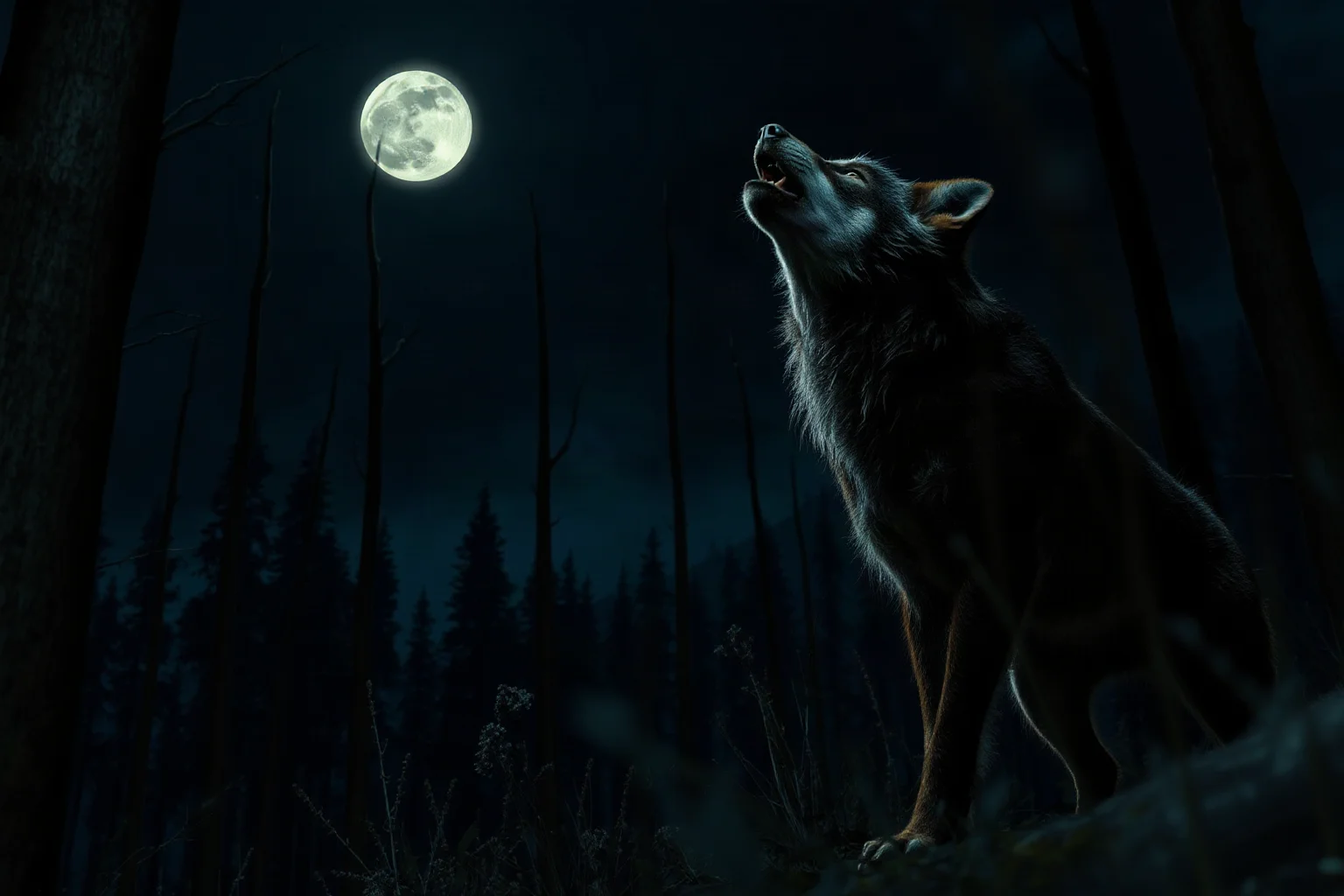
Werewolf legends describe humans who transform into wolves, usually under a curse, a bite, or the light of a full moon. These stories appear across European folklore, with particularly strong traditions in France and Germany during the medieval and early modern periods.
Some historians connect the panic around werewolves to real trials during the witch-hunt era, when isolated, unusual, or disfigured individuals were sometimes accused of shapeshifting.
The werewolf remains one of the most famous mythical monsters in Western pop culture, but its folklore roots are tangled up with real, tragic human history rather than pure fantasy.
17. Vampire
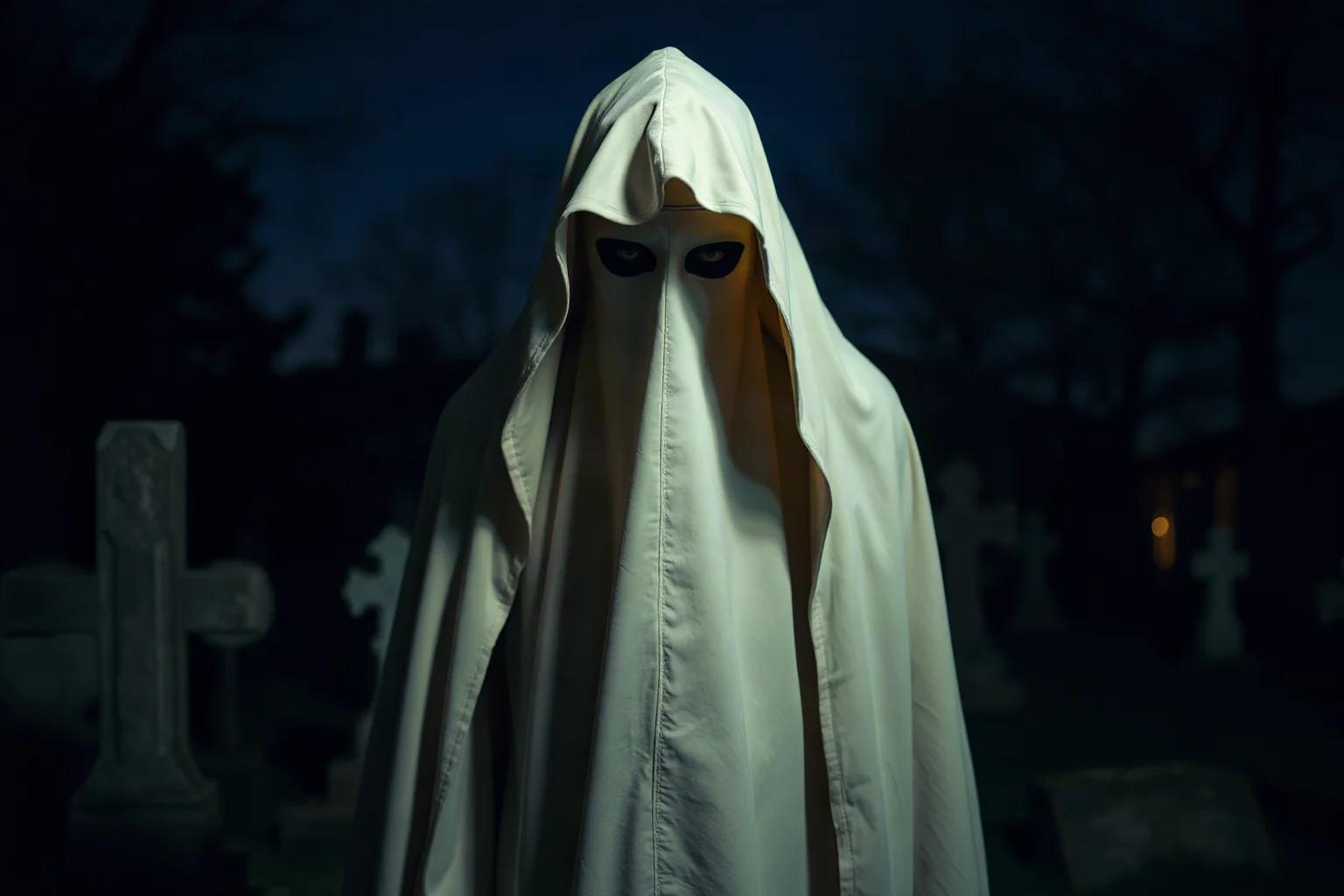
Vampire folklore has deep roots in Eastern European and Slavic traditions, where villagers described restless corpses rising from graves to drink the blood or life force of the living.
Long before Bram Stoker’s 1897 novel Dracula popularized the suave, aristocratic vampire we know today, these figures were often blamed for unexplained illness, livestock deaths, or a string of local misfortunes. Some folklorists connect the spread of vampire panic to a limited historical understanding of decomposition and disease.
Stoker’s Dracula loosely drew on the name and reputation of the 15th-century Wallachian ruler Vlad III, though the historical figure and the folkloric vampire are quite different things. It’s one of the clearest examples of legendary myths blending real history with imaginative folklore.
18. Mermaid
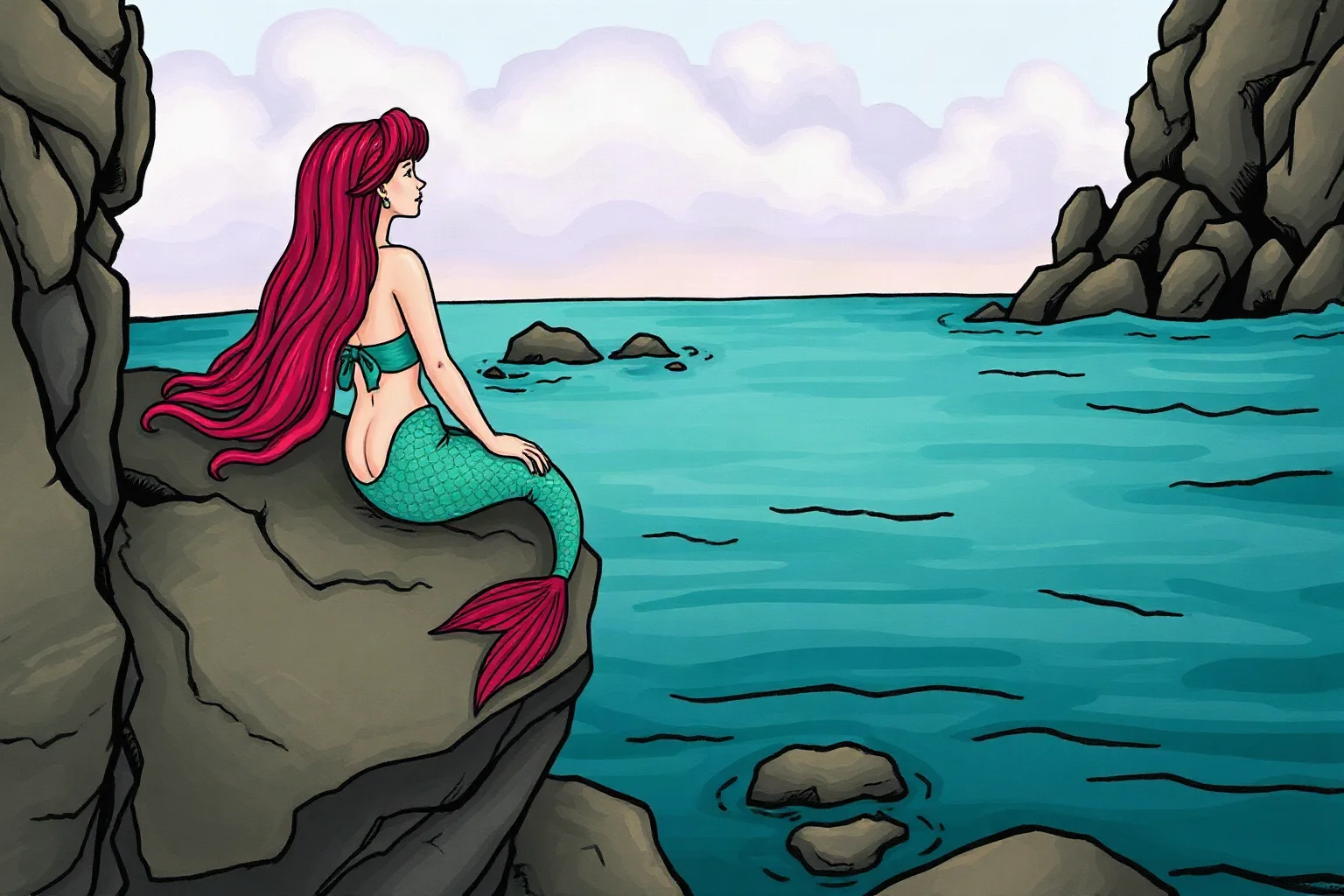
Mermaids — beings with a human upper body and a fish’s tail — appear in folklore across nearly every coastal culture, from Europe to West Africa to East Asia.
Ancient Greek sirens are a related but distinct tradition, known more for luring sailors with song than for their appearance. Historians often point to manatee and dugong sightings, along with sailors’ isolation and imagination, as plausible sources for many mermaid encounter stories.
Mermaids remain some of the most popular legendary creatures in modern media, but their folklore versions were frequently darker, tied to drownings and shipwrecks rather than romance.
19. Yeti
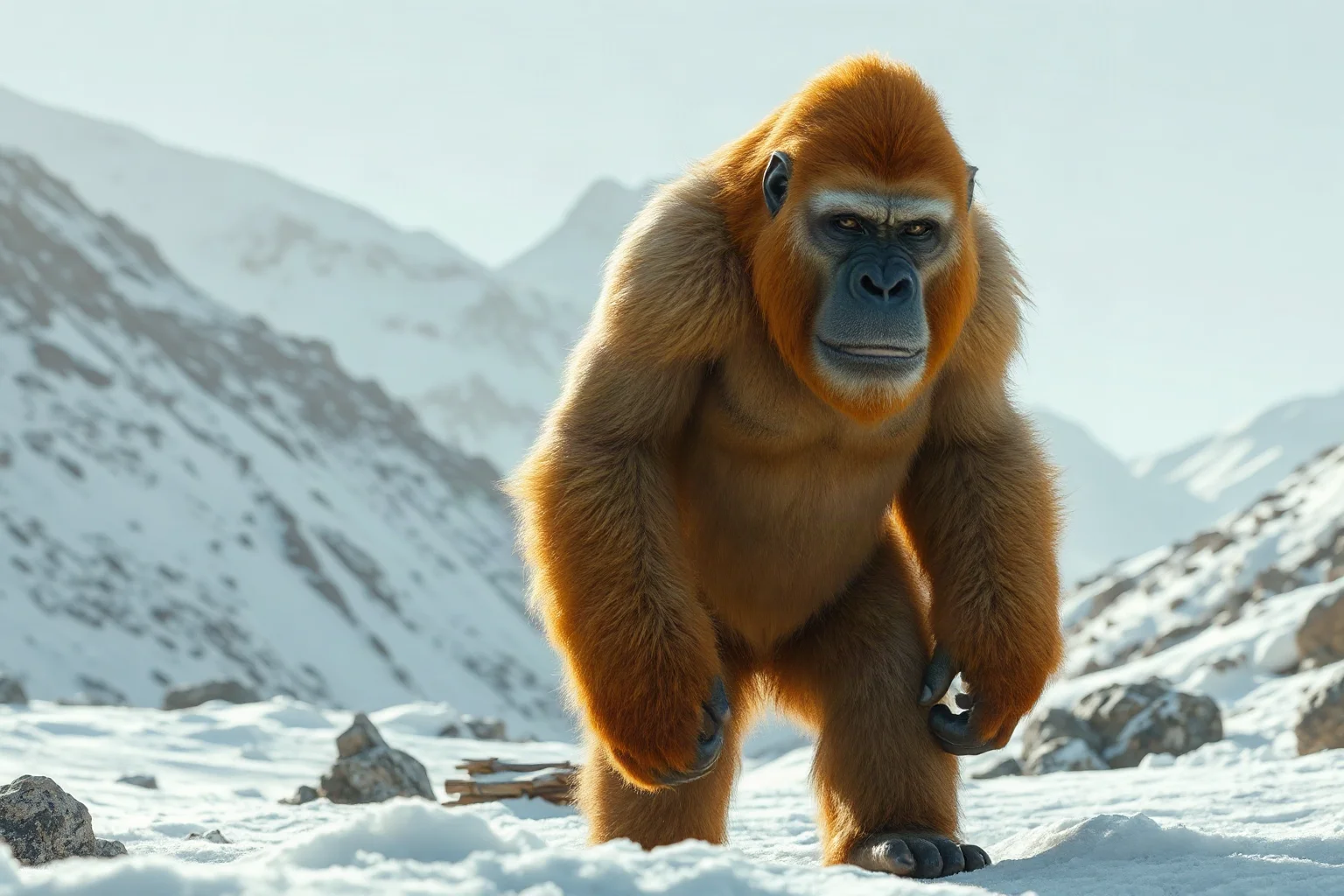
The Yeti, sometimes called the “Abominable Snowman,” is a large, ape-like cryptid said to roam the Himalayan mountains of Nepal and Tibet. Local Sherpa and Tibetan folklore describes the creature well before Western climbers popularized the term in the 20th century.
Alleged footprints and sightings have never produced verified physical evidence, and DNA testing on supposed Yeti hair samples has repeatedly identified them as belonging to bears or other known animals.
The Yeti sits at an interesting crossroads between traditional folklore figures and modern cryptozoology, showing how old legends get new life through tourism and media attention.
20. Bigfoot (Sasquatch)
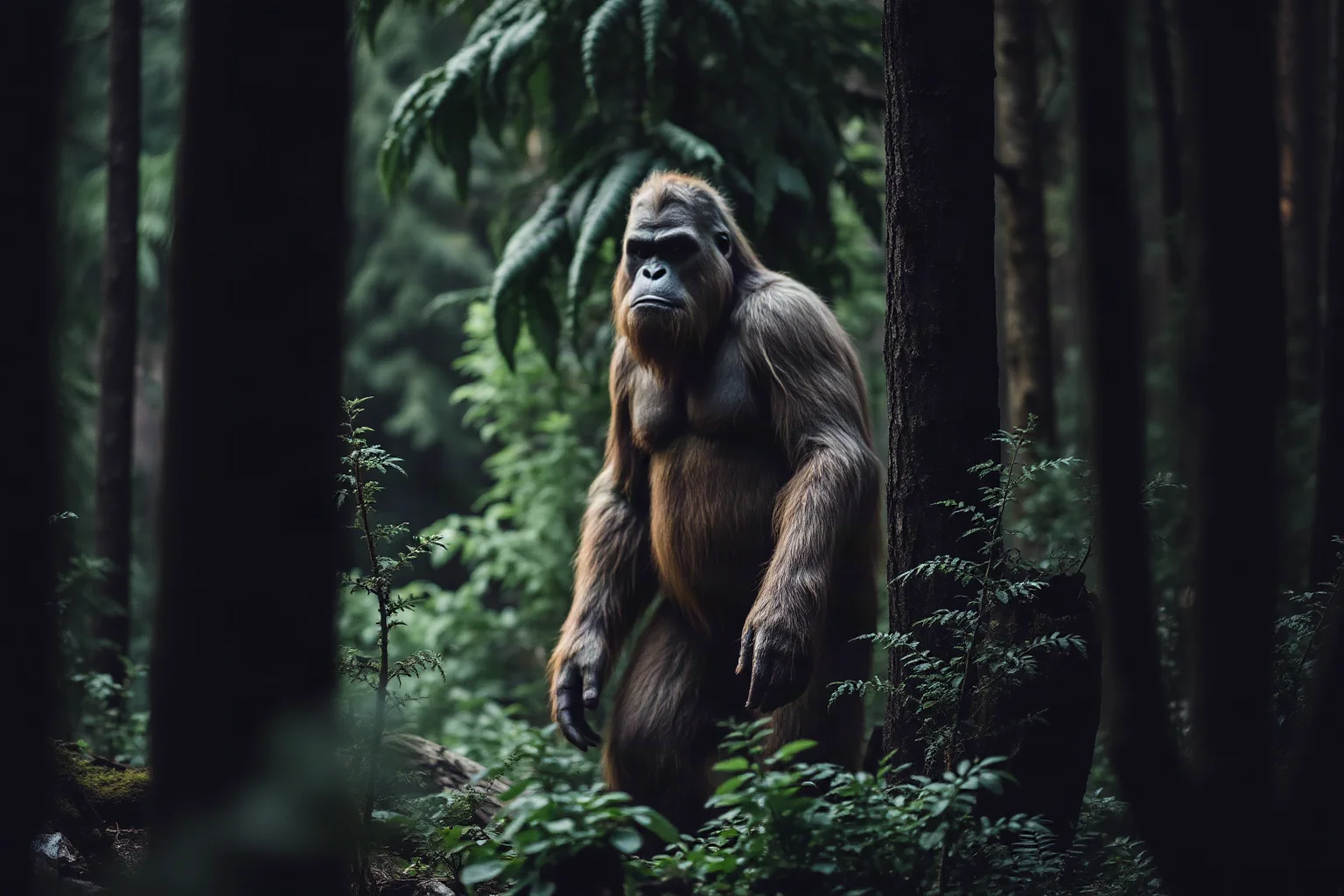
Bigfoot, also known as Sasquatch, is a large, hairy, humanoid cryptid said to inhabit forests in the Pacific Northwest of the United States and Canada.
Indigenous oral traditions in the region include stories of large wild men long before the term “Sasquatch” was coined in the 20th century.
Modern interest exploded after the 1967 Patterson–Gimlin film, which remains widely disputed among researchers and has never been conclusively verified as authentic.
Bigfoot is arguably the most famous mythical creature native to North American folklore in the modern era, blending genuine Indigenous storytelling with 20th-century media sensationalism.
21. Chupacabra
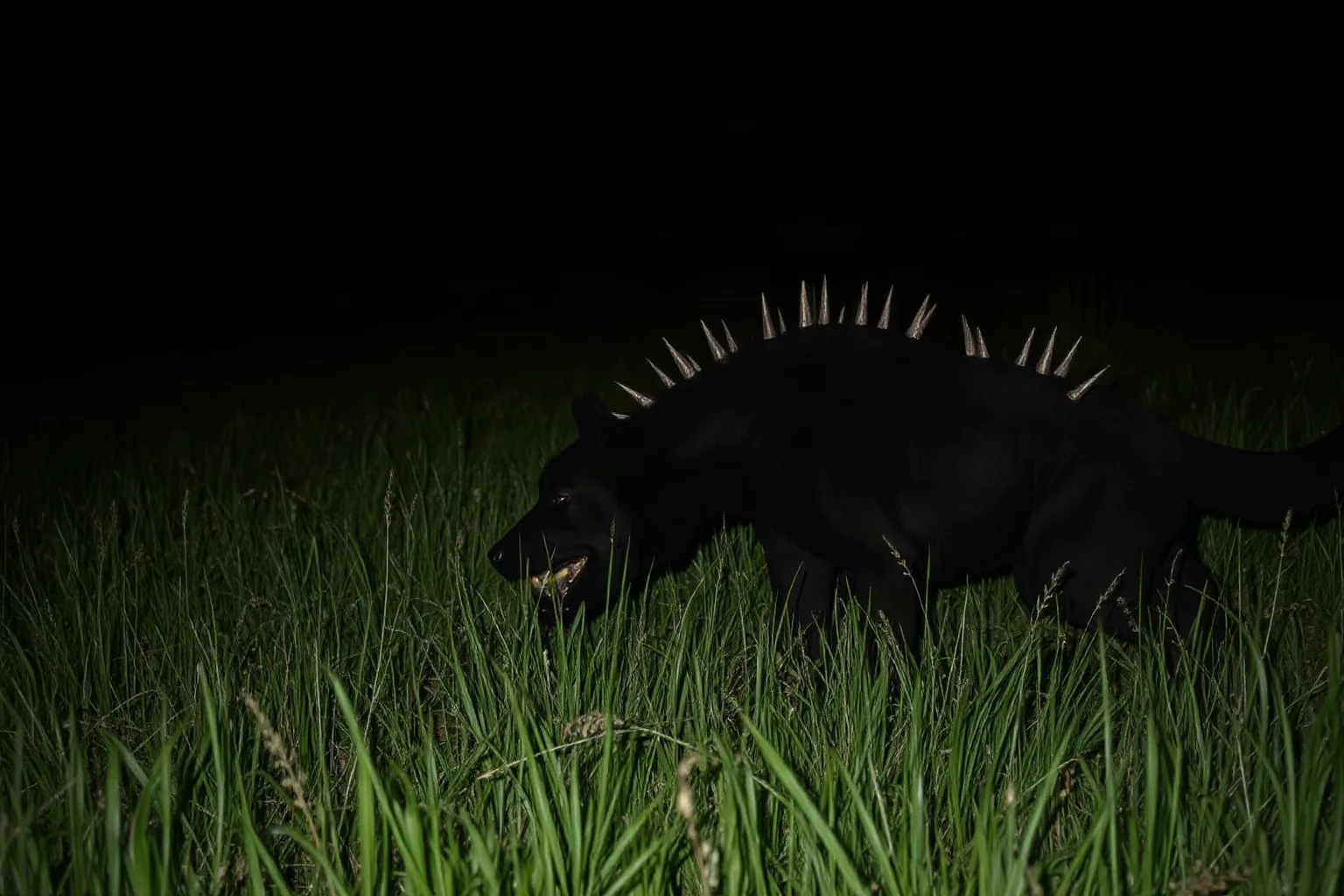
The chupacabra, meaning “goat-sucker” in Spanish, is a modern legendary creature blamed for mysteriously killing livestock, particularly goats, and draining their blood.
Sightings began in Puerto Rico in the 1990s before spreading through Latin American and southwestern U.S. folklore. Wildlife biologists have suggested that many chupacabra sightings actually involve coyotes or dogs suffering from severe mange, which drastically changes their appearance.
The chupacabra is one of the newest widely known monsters from different cultures, proving that folklore creation didn’t stop with ancient civilizations.
22. Thunderbird
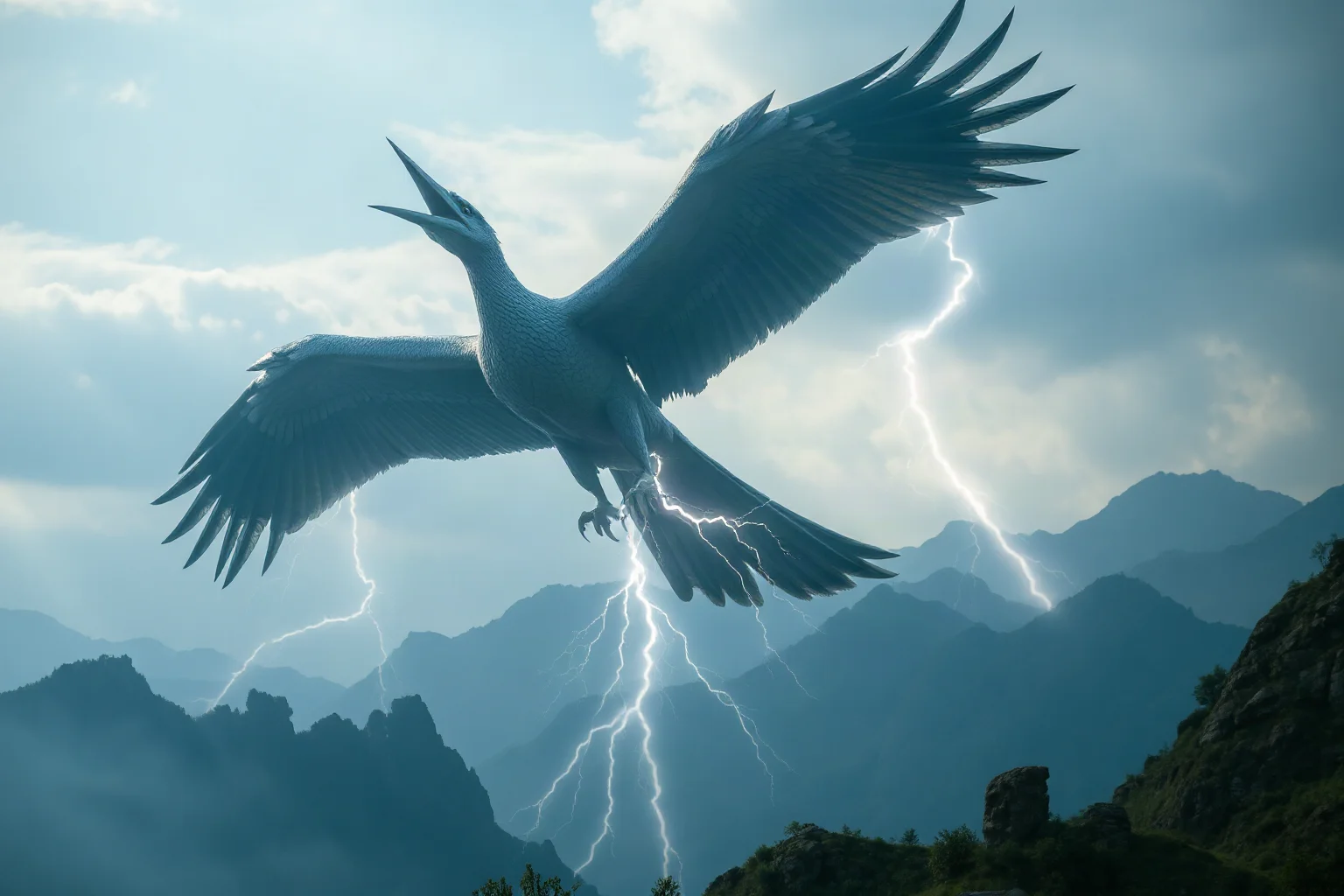
The Thunderbird is a powerful supernatural bird featured in the folklore of numerous Indigenous peoples of North America, particularly around the Pacific Northwest and the Great Plains.
It’s typically associated with storms, lightning, and thunder, said to be created by the beating of its enormous wings. Thunderbird imagery appears in totem poles, oral histories, and traditional art across many distinct nations, each with their own specific stories and meanings.
It’s important to note that Thunderbird traditions aren’t a single monolithic myth but a family of related legends belonging to many different Indigenous cultures.
23. Naga
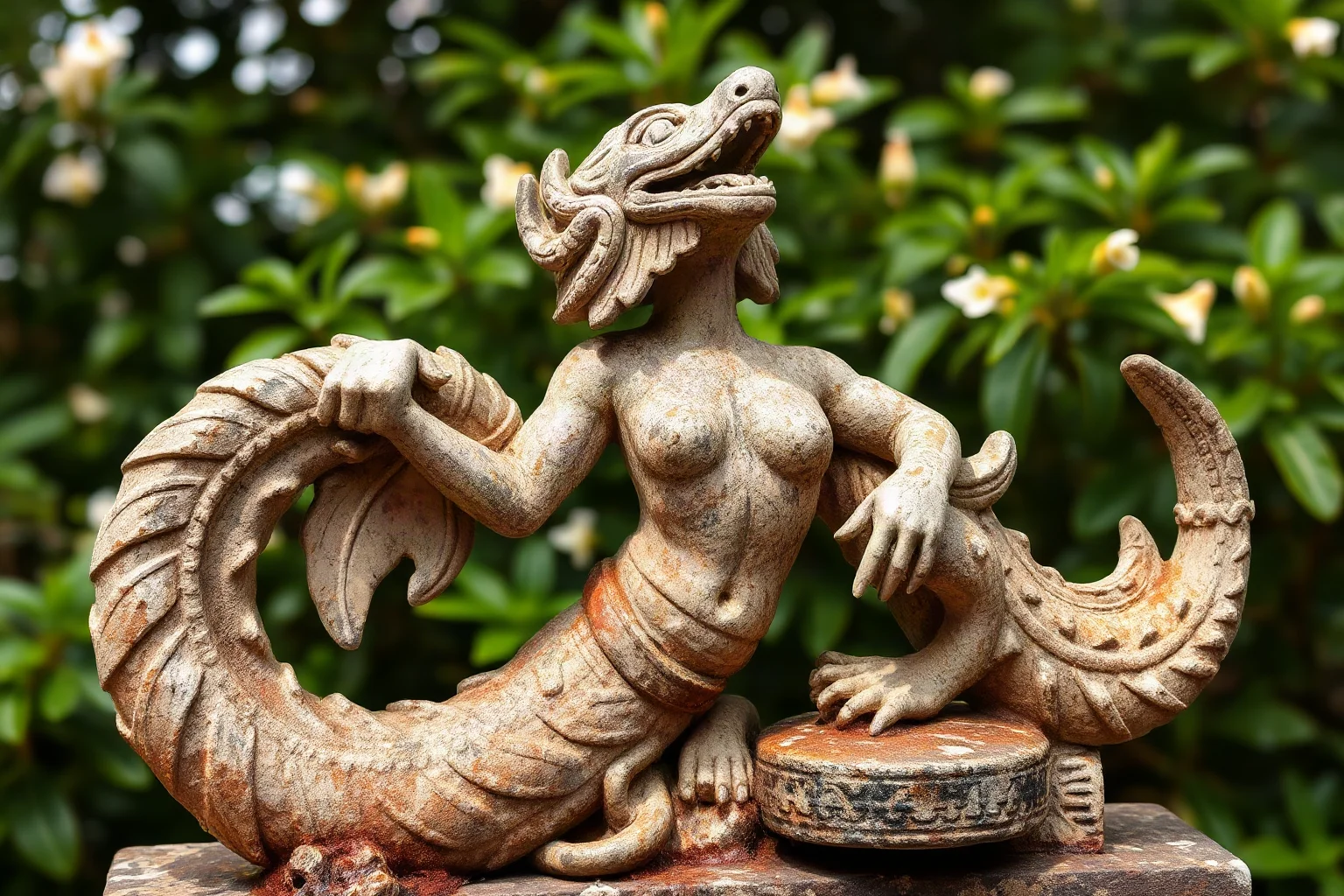
Nagas are serpent deities found throughout Hindu and Buddhist mythology, especially across South and Southeast Asia. They’re often depicted as half-human, half-snake beings who guard treasure, water sources, and sacred sites, occupying a role that’s sometimes protective and sometimes dangerous.
Naga imagery appears extensively in temple carvings across India, Thailand, Cambodia, and Indonesia, showing just how far this legend traveled along trade and religious routes.
Nagas demonstrate how mythological animals can carry deep religious significance rather than functioning purely as monsters to be defeated.
24. Basilisk
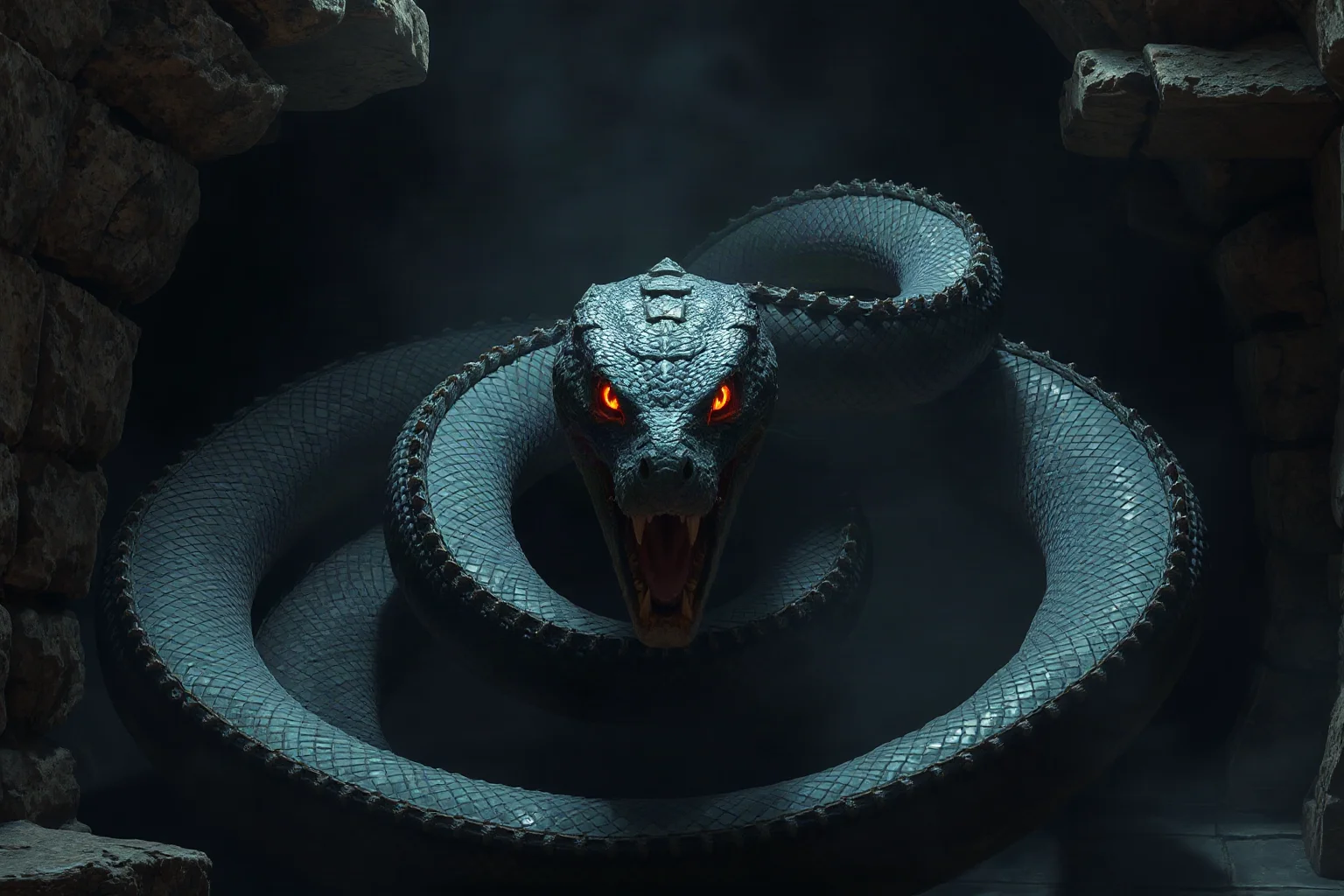
The basilisk was described in medieval European bestiaries as a serpent king whose gaze or breath alone could kill. According to legend, it hatched from an egg laid by a rooster and incubated by a toad or snake — a detail that shows just how far natural history and pure invention had blended by the medieval period. The Roman writer Pliny the Elder described an early version of the basilisk, and later medieval scholars expanded the legend considerably.
The basilisk is a great example of how ancient folklore claims sometimes got treated as legitimate zoology for centuries before being reclassified as pure myth.
Why These Legendary Creatures Still Captivate Us Today
It’s tempting to think of mythical creatures as relics, but new ones are still being created, and old ones are constantly reinterpreted. Bigfoot and the chupacabra prove that folklore-making is an ongoing human habit, not something that stopped with ancient Greece or medieval Europe. Every generation seems to need its own monsters to explain the edges of what it doesn’t yet understand.
These stories also travel remarkably well across borders, screens, and centuries because they tap into shared human fears and hopes: the unknown depths of the ocean, the dark edge of the forest, the fragile line between life and death.
Whether you come across them in an ancient temple carving, a medieval manuscript, or a modern movie, mythological beasts endure because they’re really stories about us — our fears, our morals, and our endless curiosity about what might be out there.
Frequently Asked Questions
What is considered a list of legendary creatures?
A list of legendary creatures typically includes beings described in mythology, religious tradition, and folklore that have no confirmed scientific existence, such as dragons, unicorns, mermaids, and Bigfoot. These lists usually span cultures and time periods, mixing ancient mythological figures with more recent folklore and cryptid sightings.
What is the difference between a myth and a folklore creature?
Myths are traditionally tied to religion or cosmology, often explaining the origins of the world or the actions of gods. Folklore creatures usually come from everyday oral tradition, used for entertainment, warnings, or moral lessons rather than sacred belief, though the two categories overlap significantly.
What is the most famous mythical creature in the world?
Dragons are generally considered the most globally recognized mythical creature, appearing independently in Chinese, European, and other traditions with different meanings. Other extremely well-known figures include unicorns, mermaids, and Medusa from Greek mythology.
Are any mythical creatures based on real animals?
Many are. The Kraken is often linked to giant squid sightings, unicorns may trace back to narwhal tusks and rhinoceros descriptions, and the chupacabra is frequently attributed to coyotes with severe mange. These real-world influences don't make the legends true, but they help explain how the stories started.
What is a mythical story, exactly?
A mythical story is a traditional narrative, usually passed down orally before being written, that features supernatural beings, explains natural or cosmic events, or conveys cultural values. Unlike modern fiction, mythical stories were often treated as meaningful or even factual within their originating culture.
Do any cultures still believe in these creatures today?
Belief varies widely by creature and community. Some figures, like nagas in Hindu and Buddhist traditions, remain religiously significant, while others, like Bigfoot or the Loch Ness Monster, are treated more as cultural folklore or cryptozoological curiosities without formal religious weight.

Alex Warren
Related Articles