For decades, unidentified women were buried under a legal placeholder rather than a name. A body would be found, a case file would open, and the woman inside it became another Jane Doe. The label was practical, but it also erased the person she had been.
Modern forensic DNA has changed that pattern. A new wave of identified Jane Does is restoring names to old case files across the United States. The stories below are some of the most famous Jane Doe cases solved by modern DNA and genetic genealogy.
TLDR: Modern DNA and forensic genealogy have turned some of America’s most famous Jane Doe cases into real people with restored names, families, and long-delayed justice.
How Jane Doe Cases Used to Go Cold
For most of the 20th century, unidentified female victims were logged by physical descriptions, clothing, dental work, and sometimes fingerprints. If none of those matched a missing-person report, the file stalled. Jane Doe identification depended heavily on someone recognizing a sketch, a ring, or a tattoo.
Many Jane Doe cases involved women who had traveled, run away, or lost contact with family. Their disappearances were not always reported quickly, and records were scattered across local, state, and national agencies. A woman could be missing in one state and buried as a Jane Doe in another.
Before centralized DNA databases, there was no reliable way to compare thousands of missing-person reports with thousands of unidentified remains. The result was a cold case landscape full of nicknames like Buckskin Girl, Lime Lady, and Beth Doe. These names helped the public remember cases, but they were never supposed to be permanent.
The DNA Tool That Changed Everything
Forensic genetic genealogy combines DNA testing with family-tree research. Scientists take a preserved DNA sample from an unidentified person and look for distant relatives in public genetic databases. Then they build a family tree backward until a name appears.
This method is different from a direct CODIS match. A Jane Doe often has no criminal record, so her DNA may not be in law enforcement databases. Genetic genealogy finds her through cousins, not through her own file.
The shift has produced dozens of identified Jane Does since 2018. It has also transformed how investigators approach old cases, because many samples that were too degraded for older tests can now yield usable data.
1. Buckskin Girl: Marcia King
In 1981, a young woman was found dead near Troy, Ohio. She wore a fringed buckskin jacket, which gave her the nickname “Buckskin Girl.” For 37 years, she remained unidentified despite a detailed autopsy and national publicity.
In 2018, the DNA Doe Project identified her as Marcia King, a 21-year-old from Arkansas. She became one of the first high-profile Jane Doe identifications through genetic genealogy. The case proved that modern DNA could solve a murder mystery older than many investigators.
The Buckskin Girl case was the DNA Doe Project’s first public identification. It helped convince other agencies to submit old Jane Doe DNA for genetic genealogy.
2. Lavender Doe: Dana Lynn Dodd
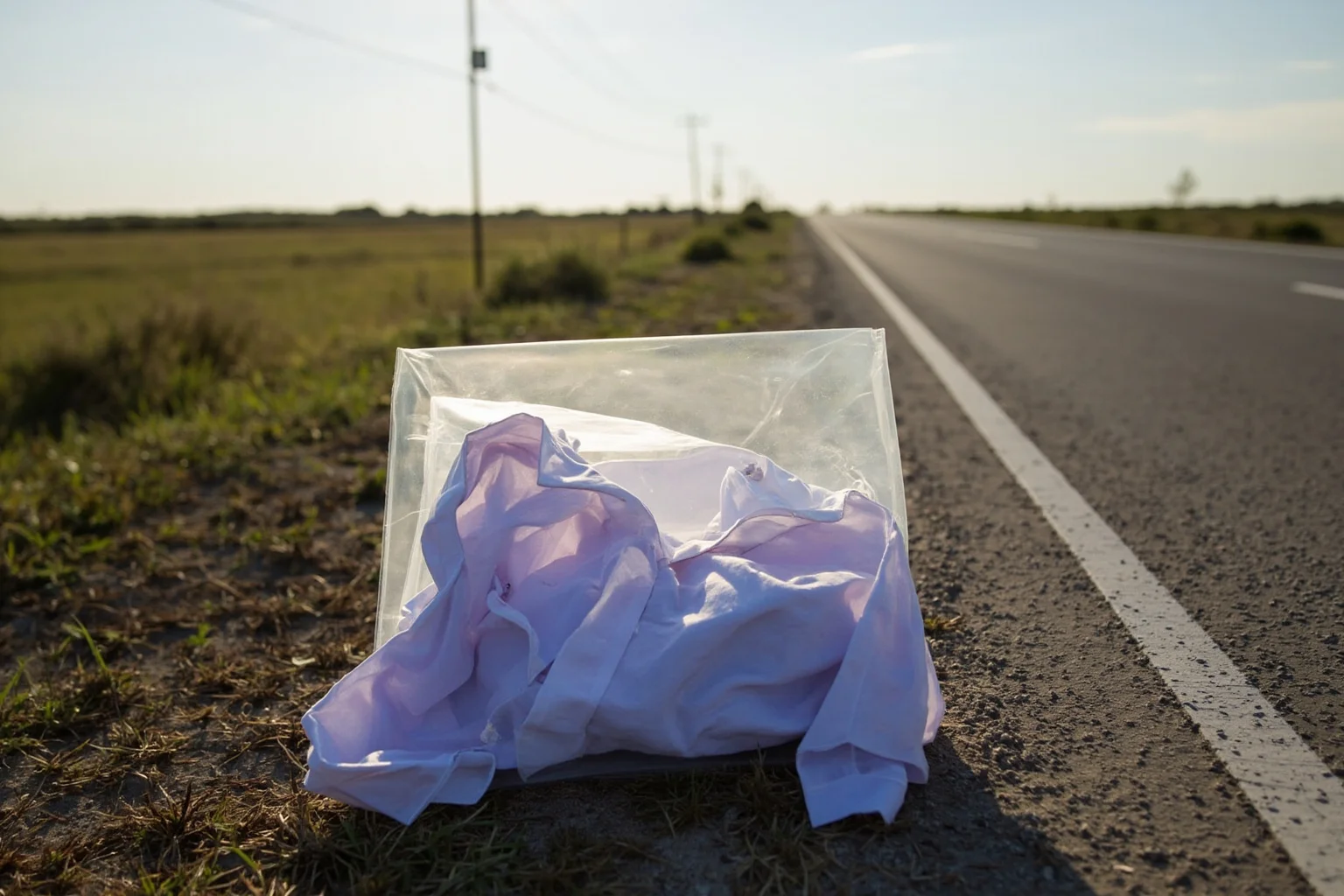
Found in October 2006 near Kilgore, Texas, Lavender Doe was known for the lavender shirt she was wearing. Her body had been burned, and for more than a decade no one knew her name. The case sat in the gap between missing-person lists and unidentified remains.
In 2019, DNA testing identified her as Dana Lynn Dodd. The break did more than restore her name; it helped investigators link the case to wider violence in the region. Her identification showed how one Jane Doe can unlock several open threads.
Lavender Doe’s identification drew national attention because it happened early in the forensic genealogy wave. It also showed that even badly burned remains can still yield a name.
3. Orange Socks: Debra Jackson
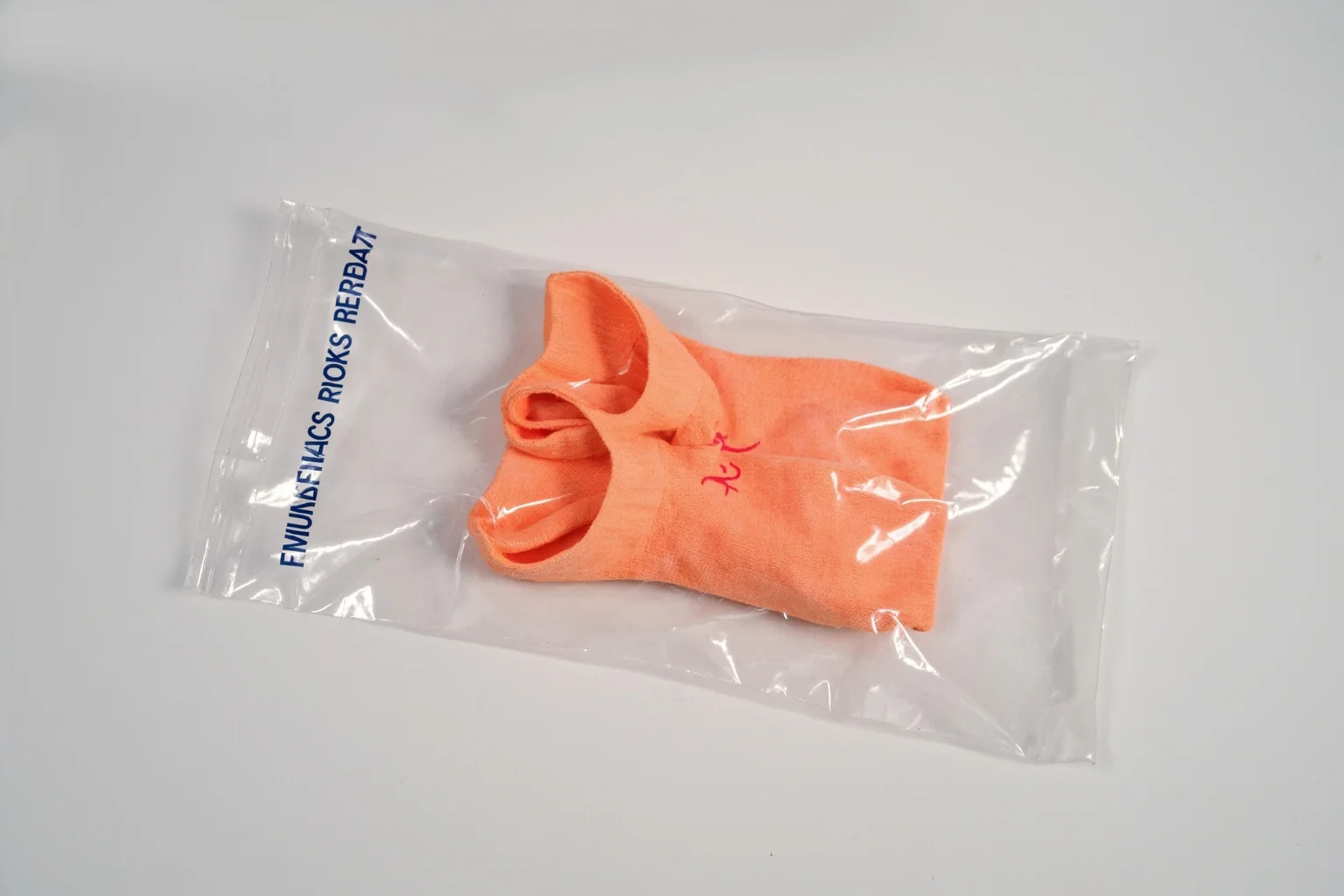
On Halloween 1979, a woman was found dead near Georgetown, Texas. She was wearing only orange socks, which created one of the most recognizable nicknames in Jane Doe lore. Serial killer Henry Lee Lucas confessed to the crime, but his confessions were often unreliable.
In 2019, genetic testing identified her as Debra Jackson, a 23-year-old from Abilene, Texas. Her family had lost contact with her decades earlier. The identification gave the case a real person at its center.
Debra Jackson’s identification did not validate every confession in the file. It did, however, show that a nickname could carry a case for decades before science caught up.
4. Walker County Jane Doe: Sherri Ann Jarvis
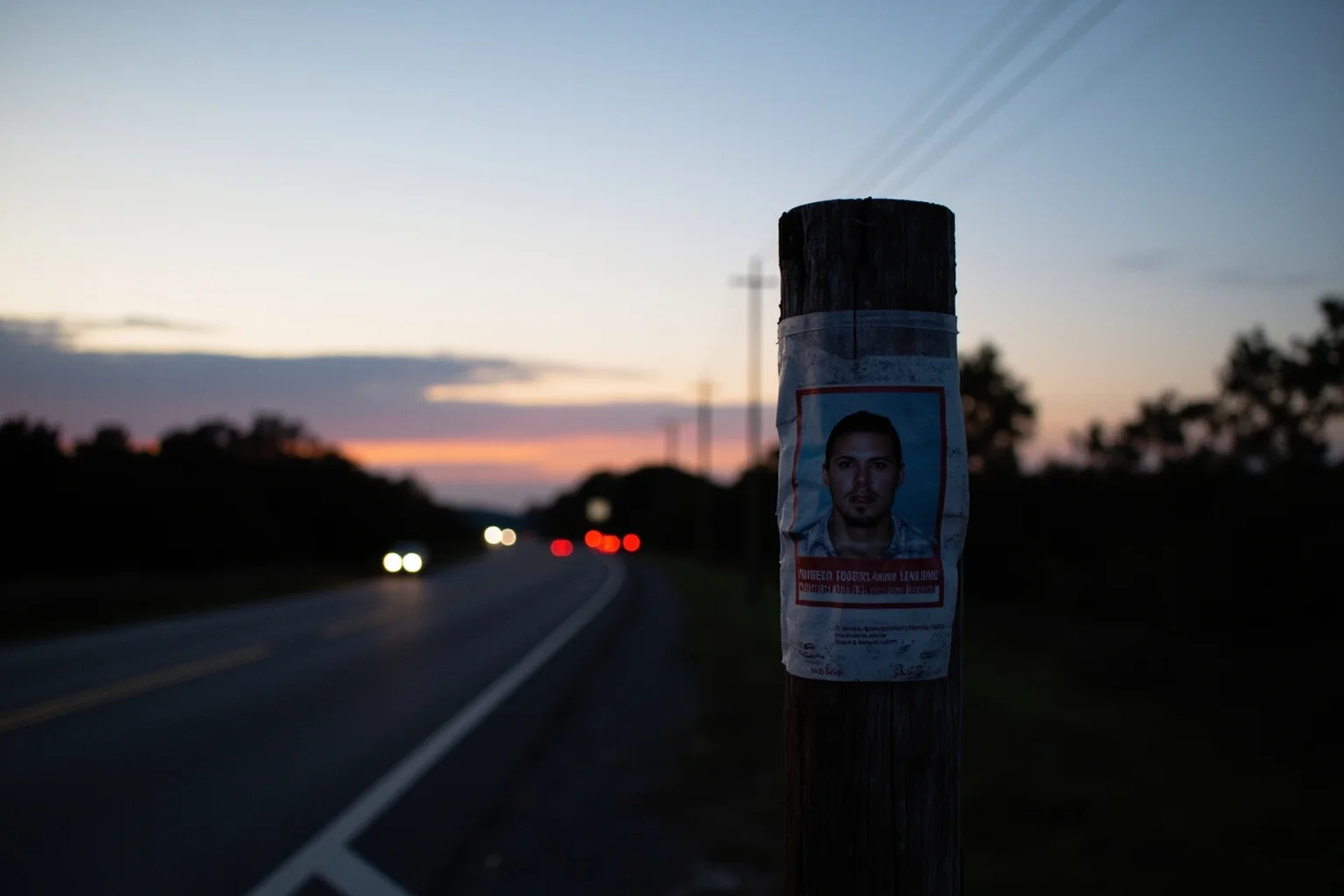
In November 1980, a teenage girl was found murdered in Walker County, Texas. She had been seen hitchhiking and asking for directions to a nearby prison. For decades, investigators called her only “Walker County Jane Doe.”
In 2021, forensic genealogy identified her as Sherri Ann Jarvis, a 14-year-old from Stillwater, Minnesota. She had run away from home before her death. Her name finally returned to a case that had haunted Texas detectives for 40 years.
Walker County Jane Doe became a symbol of how far a runaway teen could vanish into another state’s records. Her name gave Texas investigators a starting point that had been missing for 40 years.
5. Valentine Sally: Carolyn Eaton
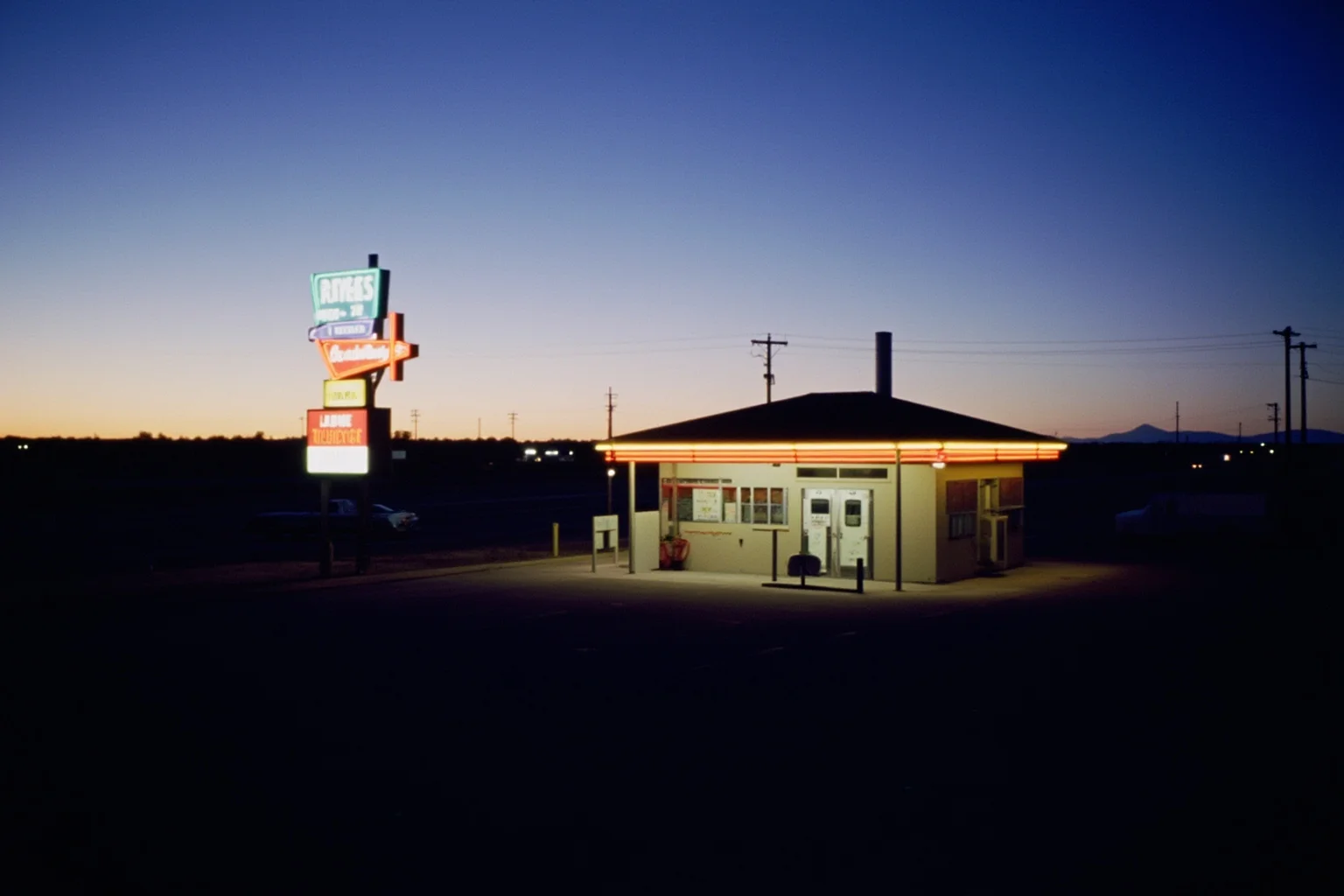
On Valentine’s Day 1982, a young woman’s body was found near Williams, Arizona. Investigators called her “Valentine Sally” and distributed her likeness along trucking routes. Truckers and travelers saw her face for years, but no one supplied her name.
In 2021, DNA identified her as Carolyn Eaton, a 17-year-old from St. Louis, Missouri. She had been a runaway, and her family had reported her missing. The identification closed a 39-year-old gap between a missing teen and an unnamed Jane Doe.
Valentine Sally’s face was one of the most widely distributed Jane Doe images of the 1980s. Her identification proved that public awareness alone is not enough without a DNA match.
6. Beth Doe: Evelyn Colon
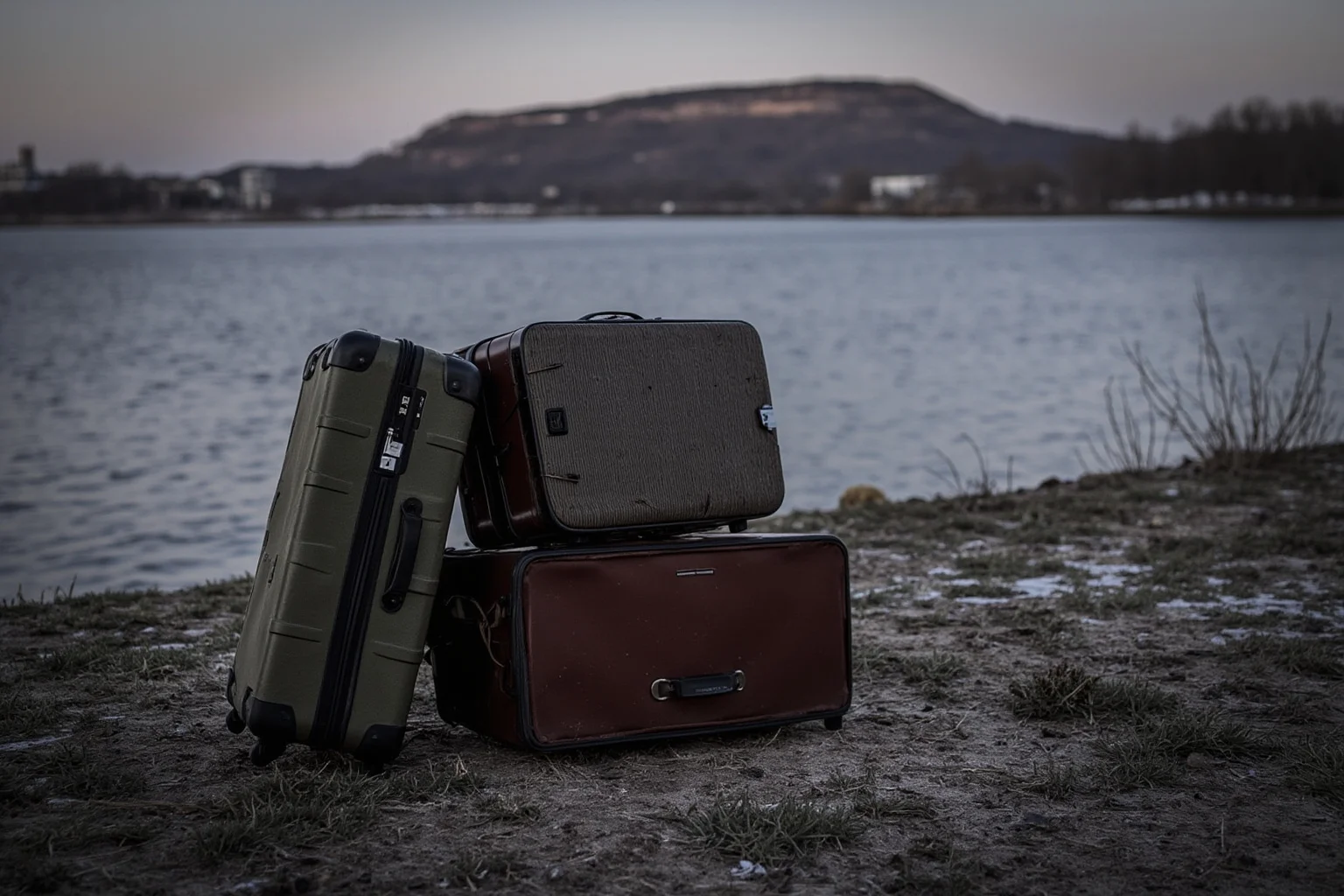
In December 1976, a young pregnant woman was found dismembered inside suitcases along the Lehigh River in Pennsylvania. She became known as “Beth Doe,” a sad placeholder for a victim whose identity and unborn child were both anonymous.
In 2021, forensic genealogy identified her as Evelyn Colon, a 15-year-old from Jersey City, New Jersey. Investigators later charged a former boyfriend in her death. The case moved from an old Pennsylvania mystery to an active homicide file.
Beth Doe’s identification was especially hard because the remains had been fragmented. It took decades of forensic work, but the name Evelyn Colon finally reattached a family story to the file.
7. Princess Doe: Dawn Olanick
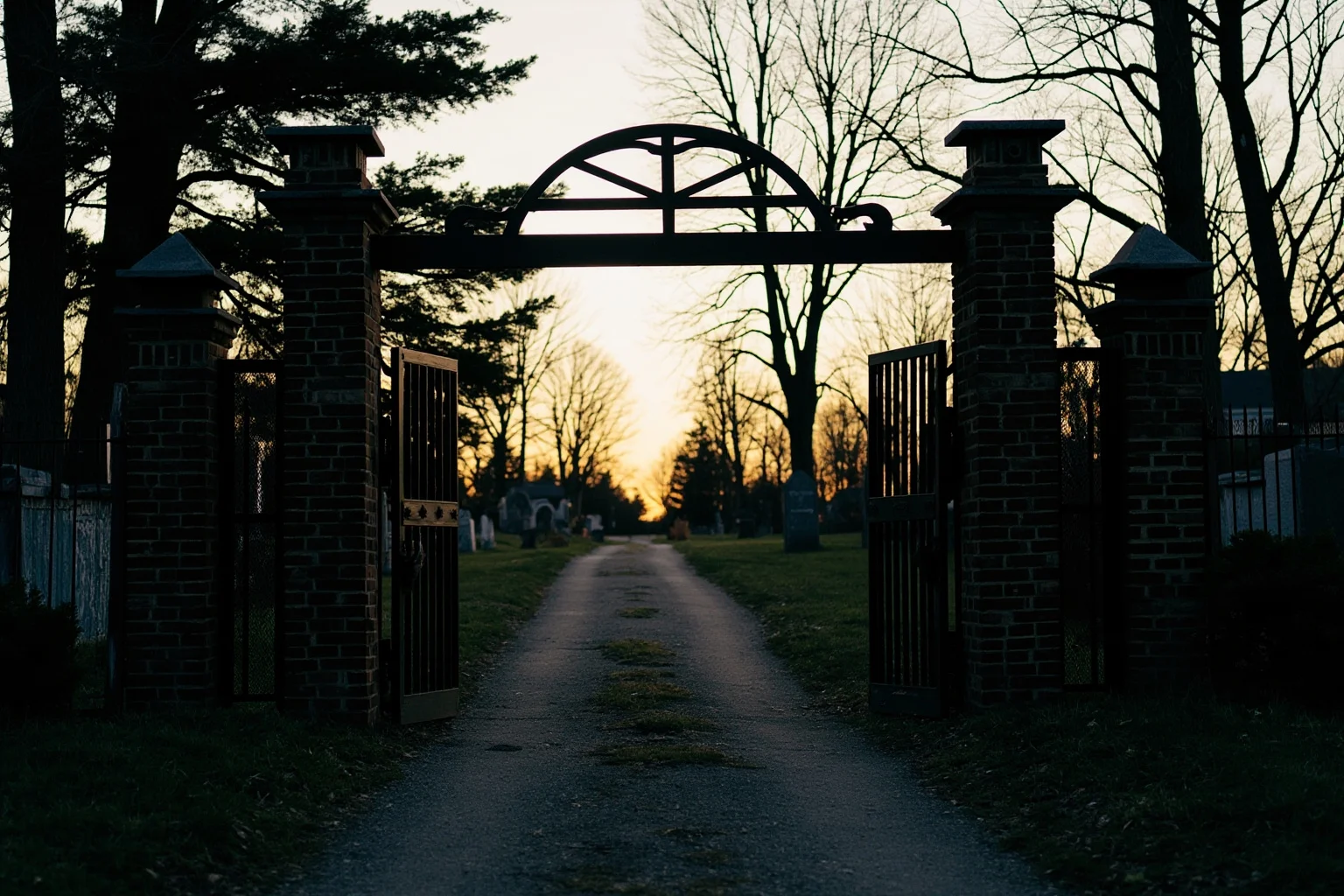
Found in a cemetery in Blairstown, New Jersey, in July 1982, Princess Doe was a teenager beaten so severely that her face could not be shown. Her case became one of New Jersey’s longest-running Jane Doe investigations.
In 2022, she was identified as Dawn Olanick, a 17-year-old from West New York, New Jersey. The identification was announced after years of painstaking DNA work. It gave a name to one of the state’s most famous unknown victims.
Princess Doe had been buried with a headstone that read “Princess Doe.” After the identification, her family began the process of deciding how to mark her grave with her true name.
8. Tiger Lady: Wendy Louise Baker
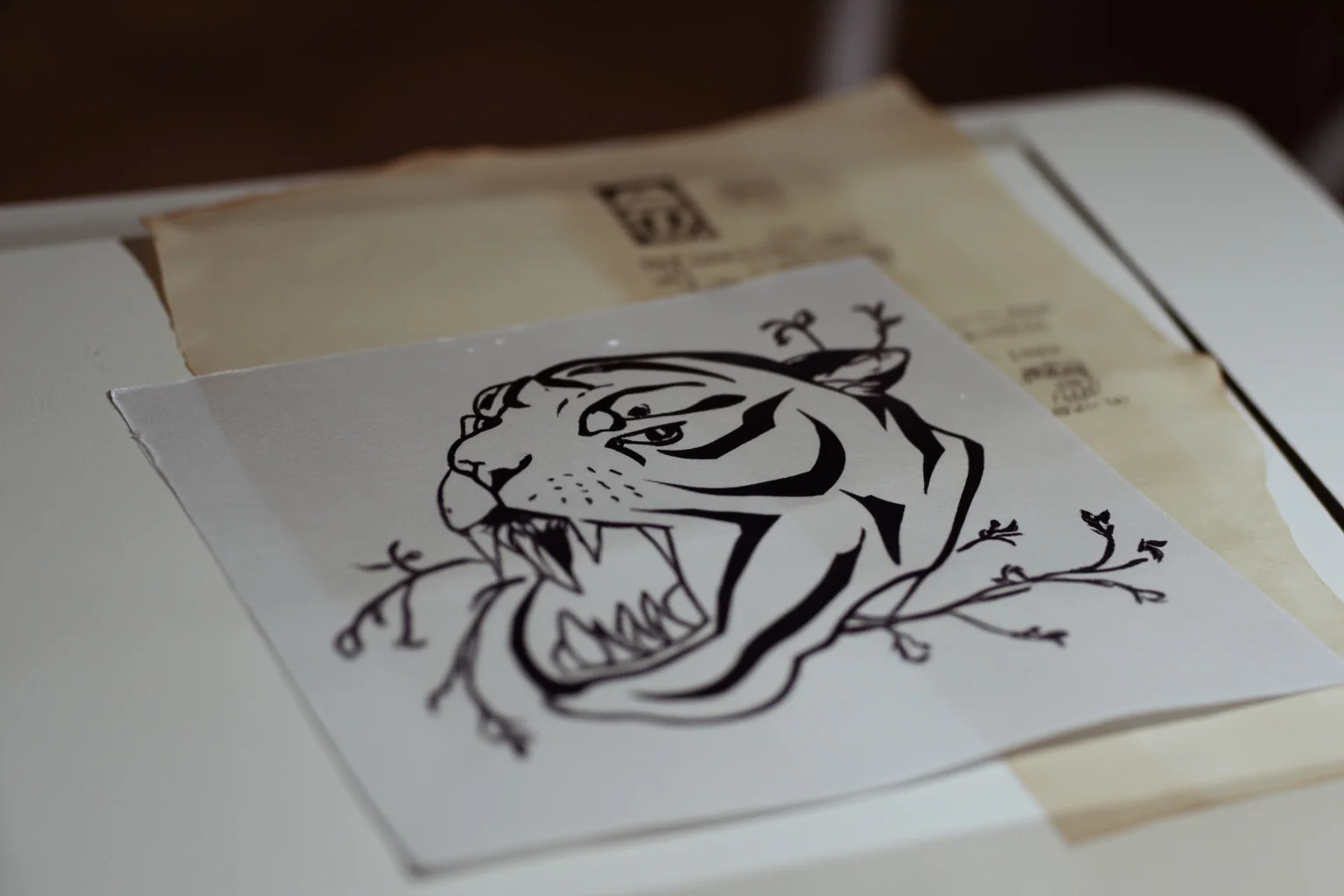
In October 1991, a body was found in Knowlton, New Jersey. The woman had a distinctive tiger tattoo, so the public called her “Tiger Lady.” The tattoo was widely publicized, but it did not immediately lead to her name.
In 2021, DNA identified her as Wendy Louise Baker, a 16-year-old from Philadelphia. She had been missing for several years before her death. The break came through genetic genealogy and the persistence of New Jersey investigators.
Tiger Lady’s tattoo had generated hundreds of tips over the years. Genetic genealogy succeeded where the highly publicized tattoo could not.
9. Lime Lady: Tamara Lee Tigard
In April 1980, a woman’s body was found near Jones, Oklahoma. The site had been treated with lime, so investigators called her “Lime Lady.” She had been shot, and her case went cold despite early leads.
In 2020, she was identified as Tamara Lee Tigard, a 20-year-old from Las Vegas, Nevada. She was a young Army veteran whose family had lost track of her. The identification was a milestone for Oklahoma’s cold case unit.
Lime Lady’s military background made her disappearance especially puzzling. The identification allowed Army records and family accounts to be cross-checked for the first time.
10. Racine County Jane Doe: Peggy Lynn Johnson
In July 1999, a young woman’s body was found in Raymond, Wisconsin. She had signs of long-term abuse and neglect, but no one knew her name. The county called her “Racine County Jane Doe” for two decades.
In 2019, DNA identified her as Peggy Lynn Johnson, a 23-year-old from McHenry, Illinois. A woman named Linda La Roche was later charged with her murder. The case revealed not just a name, but a wider pattern of cruelty hidden in plain sight.
Peggy Lynn Johnson’s case became a criminal prosecution as well as an identification. It highlighted how Jane Doe files can hide homicides that depend entirely on naming the victim.
11. Annie Doe: Anne Marie Lehman
Found in Oregon in 1971, Annie Doe was a teenage girl whose case lingered for nearly half a century. She was found near a forested road, and detectives could not match her to any local missing-person file.
In 2019, genetic genealogy identified her as Anne Marie Lehman, a 16-year-old from Aberdeen, Washington. She had run away from home. The “Annie Doe” identification became another early success for the DNA Doe Project.
Annie Doe’s identification was one of the first times investigators used genetic genealogy to name a teenager from the 1970s. The success encouraged further funding for old Oregon cases.
12. Lady of the Dunes: Ruth Marie Terry
On Cape Cod in July 1974, a woman’s body was found in the dunes near Provincetown. Her hands had been removed, and investigators could not identify her. She became known as the “Lady of the Dunes,” a Massachusetts legend.
In 2022, the FBI announced she was Ruth Marie Terry, a 37-year-old from Tennessee. The identification came after forensic evidence was reexamined with new DNA tools. It ended one of the most famous Jane Doe mysteries in New England.
Lady of the Dunes was not just a local legend; she appeared in books, documentaries, and tourism lore. Naming Ruth Marie Terry changed the narrative from ghost story to homicide case.
13. Little Miss Nobody: Sharon Lee Gallegos
In 1960, the body of a small girl was found in the Arizona desert near Congress. She was buried first as “Little Miss Nobody” after no one claimed her. The case remained open for more than 60 years.
In 2022, DNA identified her as Sharon Lee Gallegos, a 4-year-old from New Mexico. She had been abducted days before her disappearance. Her family had searched for her for decades, and the identification finally gave them a grave to visit.
Little Miss Nobody had been buried in a small Arizona grave. After the identification, the community and family could finally place Sharon Lee Gallegos’s name on a memorial.
14. Opelika Jane Doe: Amore Joveh Wiggins
In 2012, a child’s skull was found in a wooded area near Opelika, Alabama. Investigators could only estimate that she was between 4 and 7 years old. The case was especially painful because the child showed signs of severe abuse.
In 2023, forensic genealogy identified her as Amore Joveh Wiggins. The identification led to renewed legal pressure on adults connected to her short life. It showed that even the smallest Jane Doe victims can be named.
Amore Wiggins’s identification showed that even the youngest Jane Doe cases can be solved. It also renewed scrutiny of how child abuse deaths can go undetected for years.
15. Eklutna Annie: Robin Pelkey
In July 1980, a woman’s remains were found near Eklutna Lake in Alaska. She became known as “Eklutna Annie.” The case was linked to serial killer Robert Hansen, who hunted women in the Anchorage area.
In 2021, DNA identified her as Robin Pelkey, a 19-year-old from Anchorage. The identification added a real name to the list of Hansen’s victims. It also gave her family a truth they had waited 41 years to hear.
Robert Hansen’s victims were long counted among Alaska’s darkest mysteries. Giving Eklutna Annie a name helped authorities understand the full timeline of Hansen’s crimes.
16. Sumter County Does: Pamela Mae Buckley
In August 1976, a young man and woman were found shot near a rural road in Sumter County, South Carolina. The woman was one half of the “Sumter County Does.” For decades, detectives believed the couple might have been traveling together.
In 2021, the female victim was identified as Pamela Mae Buckley, and her companion was identified as James Freund. They had been reported missing while traveling across the country. The identification solved a double Jane and John Doe case that had puzzled the South for 45 years.
The Sumter County Does once seemed like an unsolvable puzzle because two people were unidentified at once. Identifying Pamela Mae Buckley and James Freund showed that one DNA hit could break an entire case open.
17. Woodlawn Jane Doe: Margaret Fetterolf
In September 1976, a teenage girl’s body was found in Woodlawn, Maryland. She had been strangled and wrapped in a sheet. The case became known as “Woodlawn Jane Doe,” and detectives followed leads across several states.
In 2021, DNA identified her as Margaret Fetterolf, a 16-year-old from Alexandria, Virginia. She had been a student who disappeared under troubling circumstances. Her name was restored after 45 years of anonymity.
Woodlawn Jane Doe had been linked to evidence in several states, but no single clue named her. Genetic genealogy finally connected the evidence trail to a missing Virginia student.
18. Pulaski County Jane Doe: Karen Kaye Knippers
In 1981, a woman’s body was found in rural Pulaski County, Missouri. She carried few identifying clues, and the case quickly faded into the region’s cold case files. For more than 40 years, she was another anonymous female decedent.
Modern DNA testing identified her as Karen Kaye Knippers. The identification allowed her family to begin the long process of understanding what happened. It also removed one more nameless case from Missouri’s ledger.
Pulaski County Jane Doe proved that even small rural cases can benefit from modern forensic DNA. Agencies in rural Missouri now see genetic genealogy as a realistic tool, not a television fantasy.
19. Sahara Sue: Sandra Kay Morden
In February 1979, a woman was found dead in a desert area near Las Vegas. Because of the location, investigators called her “Sahara Sue.” The case drew local attention, but no one came forward to identify her.
In 2021, forensic DNA identified her as Sandra Kay Morden, a 20-year-old from Sacramento, California. The identification was announced with help from a private DNA lab. It turned an old Las Vegas Jane Doe case into a named missing-persons resolution.
Sahara Sue’s identification demonstrated that private DNA labs can partner with local police when resources are thin. It also gave Sacramento authorities a missing-person file to close.
20. Sheep Flats Jane Doe: Mary Silvani
In July 1982, a woman was found dead near a mountain road in Washoe County, Nevada. She became known as “Sheep Flats Jane Doe.” The case sat in Nevada’s cold case index for nearly four decades.
In 2019, genetic genealogy identified her as Mary Silvani, a 33-year-old from Detroit, Michigan. Her identification was another landmark in the growing wave of solved Jane Doe cases. It reminded investigators that old DNA can still speak.
Sheep Flats Jane Doe was one of the cases that helped prove genetic genealogy could solve Nevada cold cases. Mary Silvani’s name is now part of a broader push to review old unidentified remains across the state.
Why Identified Jane Does Matter
Every one of these Jane Doe cases was more than a nickname. Behind each file was a daughter, a sister, a mother, or a friend. The phrase “Jane Doe real person” is not a contradiction; it is the entire point of these investigations.
Modern DNA has changed the arc of unidentified-person cases. A few flakes of skin, a strand of hair, or a partial genetic sample can be enough to trace a family tree back to a name. That science has turned Jane Doe identification from a rare miracle into a repeatable process.
The women in this list are no longer just famous Jane Does. They are Marcia, Dana, Debra, Sherri, Carolyn, Evelyn, Dawn, Wendy, Tamara, Peggy, Anne, Ruth, Sharon, Amore, Robin, Pamela, Margaret, Karen, Sandra, and Mary. Each of those names was always attached to a real person.
Each Jane Doe’s case file was a record of everything known except her name. Restoring the name does not erase the tragedy, but it restores the person. That is why the new era of identified Jane Does matters long after the headlines fade.
Frequently Asked Questions
Is every Jane Doe a real person?
Yes. Every Jane Doe was always a real person with a name, family, and personal history. The term “Jane Doe” is a legal placeholder for an unidentified woman or girl. When modern DNA identifies her, the real person behind the placeholder becomes known.
What is the difference between a Jane Doe and a missing person?
A missing person is someone whose disappearance has been reported. A Jane Doe is an unidentified deceased person, often female. Sometimes the same person appears in both systems, but the records are not automatically linked. DNA can bridge that gap.
How does modern DNA identify a Jane Doe?
Scientists extract DNA from remains or old evidence and compare it to public genetic genealogy databases. Distant relative matches help investigators build a family tree. That tree points to a specific person and eventually to her name.
Are only famous Jane Doe cases solved with DNA?
No. High-profile Jane Doe cases get more attention, but the same forensic genealogy methods are used in small rural cases too. Many identifications never make national news.
What should I do if I think a Jane Doe might be a missing relative?
Contact the investigating agency or a missing-persons organization. Provide your own DNA if requested, because family reference samples are often the fastest way to make a match.

Alex Warren
Related Articles