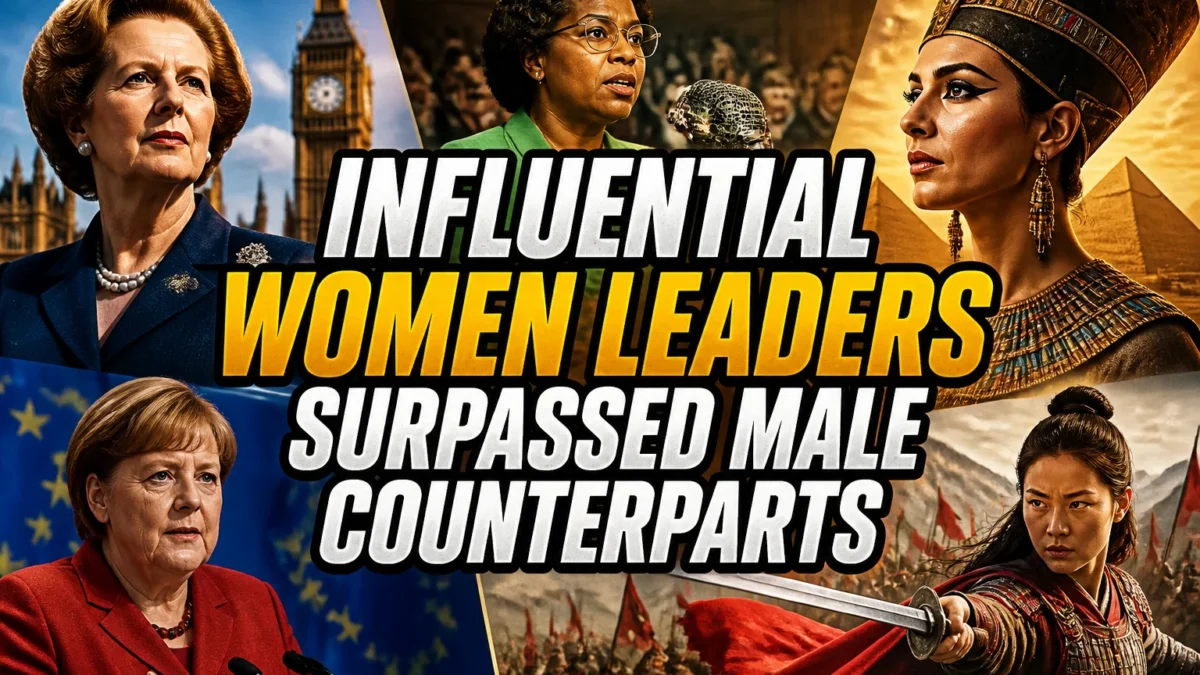
History books often read like a list of great men and a separate, shorter list of famous women. That split is not a fact of the past; it is a habit of the people who wrote the records. When you look closely, well known women leaders appear in every era and on every continent, often outperforming the men around them.
This article highlights notable female leaders who surpassed their male counterparts in specific, documented ways. It is not a ranking of perfection, because no ruler—male or female—was perfect. Instead, it is a corrective to the assumption that power is naturally male.
TL;DR: From ancient female leaders like Hatshepsut and Wu Zetian to modern heads of state like Angela Merkel, history is full of notable women leaders who surpassed male contemporaries in conquest, reform, longevity, and legacy.
A Note on Sources and Comparisons
Comparing rulers across centuries is difficult because the sources are uneven and often biased against women. Some of the ancient women leaders discussed here are known mainly through Greek or Roman writers who had their own agendas. Where the record is thin or mixed, this article says so rather than treating legend as fact.
The phrase 'surpassed their male counterparts' also needs care. It does not mean every woman on this list was universally better than every man alive. It means that in measurable areas—military success, political survival, reform, or legacy—their records equaled or exceeded those of the men who held similar power.
Ancient Female Leaders Who Expanded Empires and Defied Expectations
1. Hatshepsut: The Female Pharaoh Who Outbuilt Her Predecessors
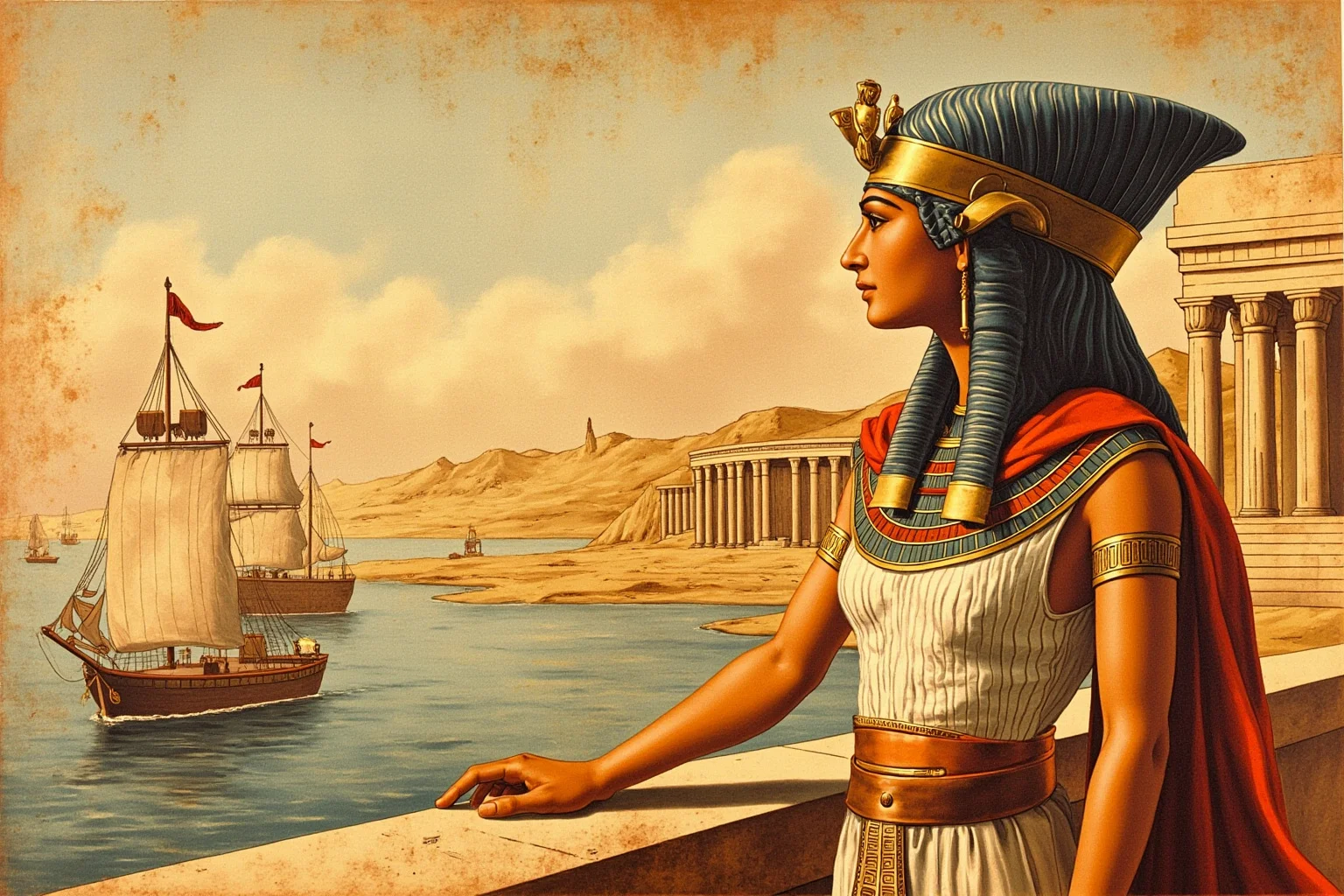
Hatshepsut began as regent for her young stepson Thutmose III, but within a few years she claimed the full powers of pharaoh. She ruled Egypt for about two decades during the 18th Dynasty, a period of relative peace and building. Rather than waging constant war, she used trade and construction to strengthen the state.
Her expedition to the land of Punt brought back luxury goods and expanded Egyptian commercial networks. The mortuary temple she built at Deir el-Bahri remains one of Egypt’s most famous monuments. That record compares favorably with many male pharaohs whose reigns were shorter or less stable.
Later rulers tried to remove her name from monuments, but the erasure only proves how deeply her reign challenged expectations. She remains one of the most studied ancient female leaders precisely because her achievements were so visible.
2. Cleopatra VII: The Strategist Behind the Romance
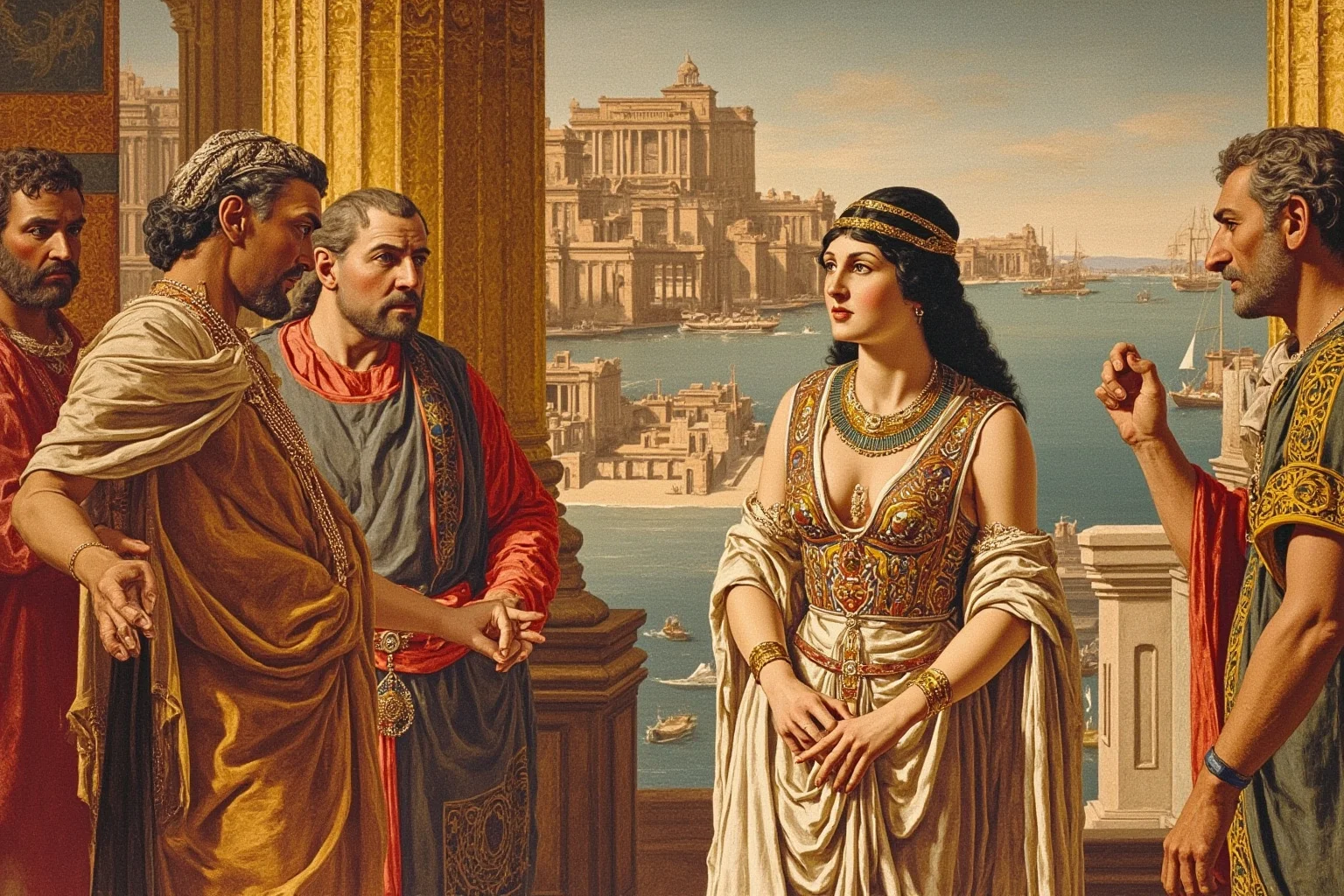
Cleopatra VII is often reduced to a romantic figure, but she was a capable administrator who ruled Egypt during a time of intense Roman pressure. She spoke several languages and personally managed economic and diplomatic affairs. Her younger brother-husbands Ptolemy XIII and XIV were weaker figures whom she outmaneuvered or outlasted.
Cleopatra allied with Julius Caesar and later Mark Antony to preserve Egyptian independence. The alliances ultimately failed after Octavian’s victory at Actium in 31 BCE, and she died by suicide. Even so, she held power longer and more effectively than most of her male Ptolemaic predecessors.
Roman propaganda painted her as a seductress, but surviving administrative records show a ruler deeply involved in grain shipments, tax policy, and religious ritual. That practical record makes her a far more serious historical actor than the legend suggests.
3. Wu Zetian: China’s Only Female Emperor
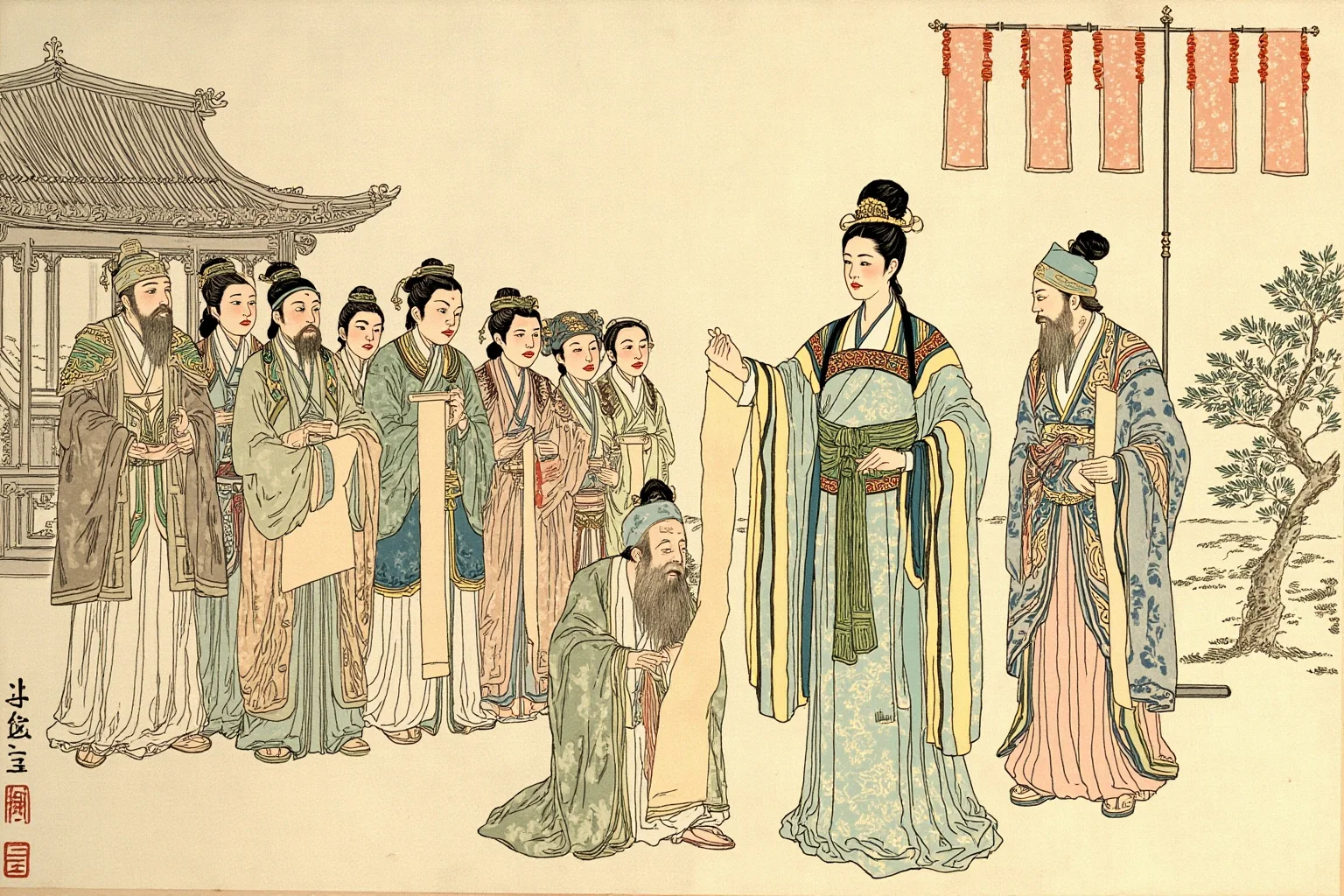
Wu Zetian rose from imperial consort to become the only woman in Chinese history to rule as emperor in her own name. She founded the Zhou dynasty in 690 CE and governed a vast empire for more than a decade. Her reign expanded the civil service examination system and promoted officials based on merit rather than aristocratic birth.
Traditional histories written later by Confucian scholars often portrayed her harshly, partly because she violated gender norms. Yet modern historians note that she maintained stability and expanded Chinese influence in Central Asia. In terms of centralized control, she surpassed many Tang emperors who faced court infighting.
Her path to power involved ruthless political maneuvering, which makes her a controversial figure. Still, the institutions she strengthened outlasted her dynasty and influenced Chinese governance for centuries.
4. Zenobia: The Queen Who Challenged Rome
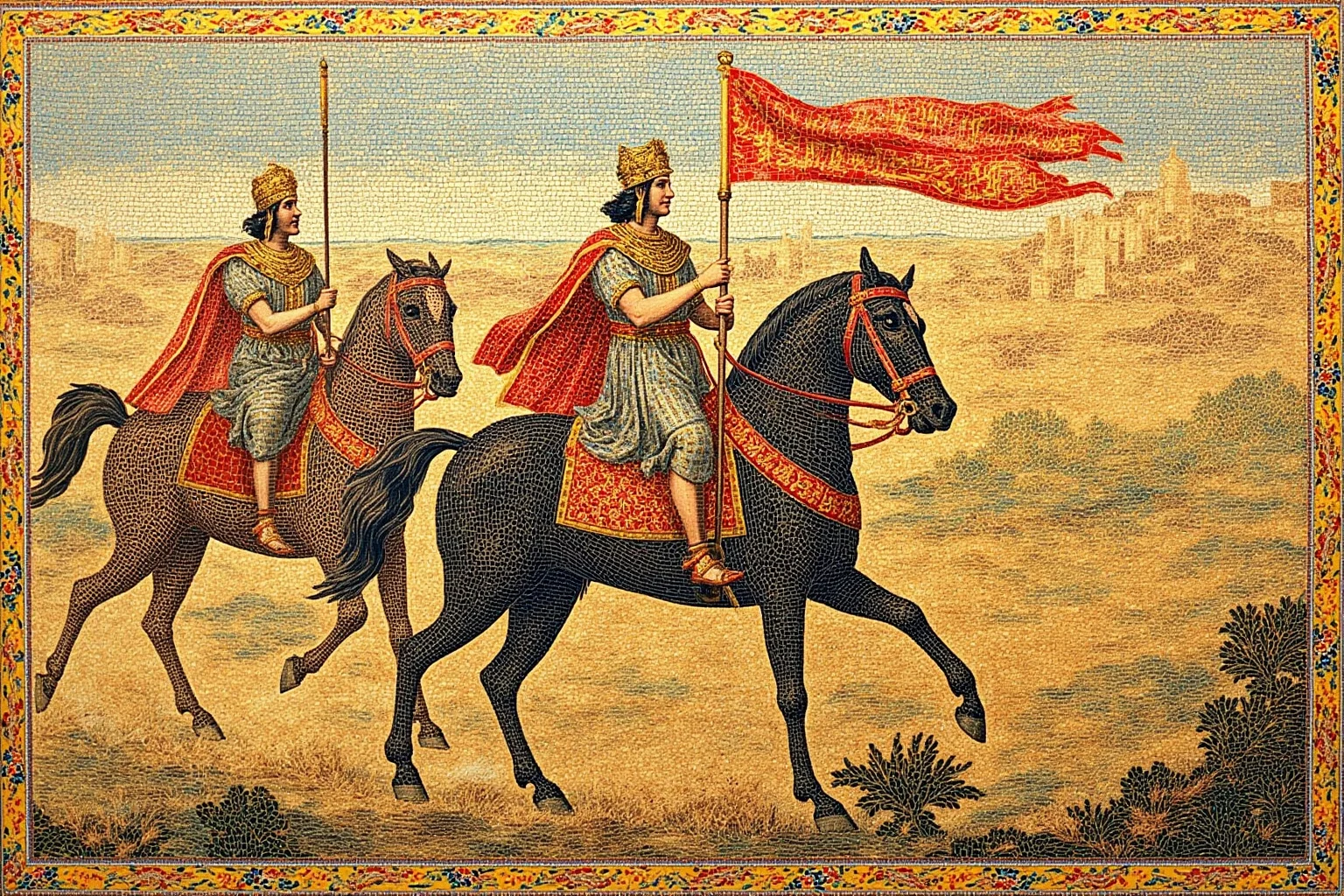
Zenobia ruled Palmyra as regent for her son after her husband Odaenathus was assassinated. She quickly expanded Palmyrene control into Egypt, Syria, and parts of Asia Minor. That rapid expansion made her a direct threat to Roman authority in the east.
Roman sources admired her intelligence and discipline even as they framed her as a rebel. Emperor Aurelian eventually defeated her in 272 CE, and she was paraded in Rome. Still, her brief empire outlasted several male client kings who had accepted Roman dominance without resistance.
Modern historians debate some details of her biography, but the scale of her military reach is well documented. She stands out among ancient female leaders for turning a regional power into an imperial challenger.
5. Queen Amanirenas: The One-Eyed Queen Who Fought Rome to a Draw
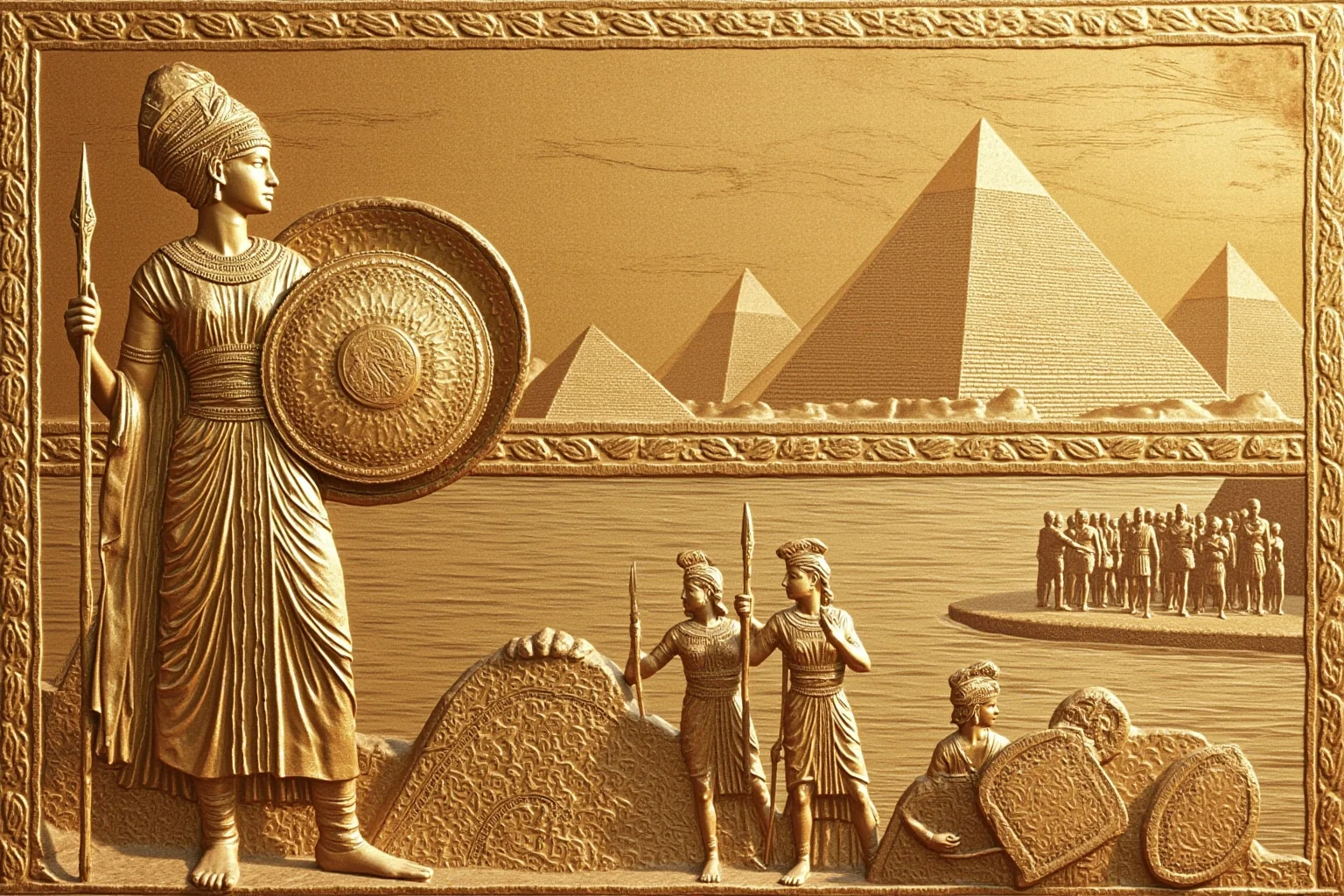
Amanirenas was a kandake, or queen, of the Kingdom of Kush in what is now Sudan. She led Kushite forces against Roman Egypt after the Romans occupied parts of the region. Ancient sources describe her as brave and determined, and later traditions say she lost an eye in battle.
The war ended with a negotiated settlement that left Kush independent and avoided further Roman expansion south. That outcome was stronger than what many local male rulers achieved when facing Roman legions. Her story is one of the clearest examples among ancient women leaders of military and diplomatic success.
The details of her reign come from limited sources, so some episodes remain uncertain. What is clear is that Kush remained free of Roman control, a rare result for a small kingdom bordering the empire.
6. Boudica: The Rebel Queen Who Shook Roman Britain
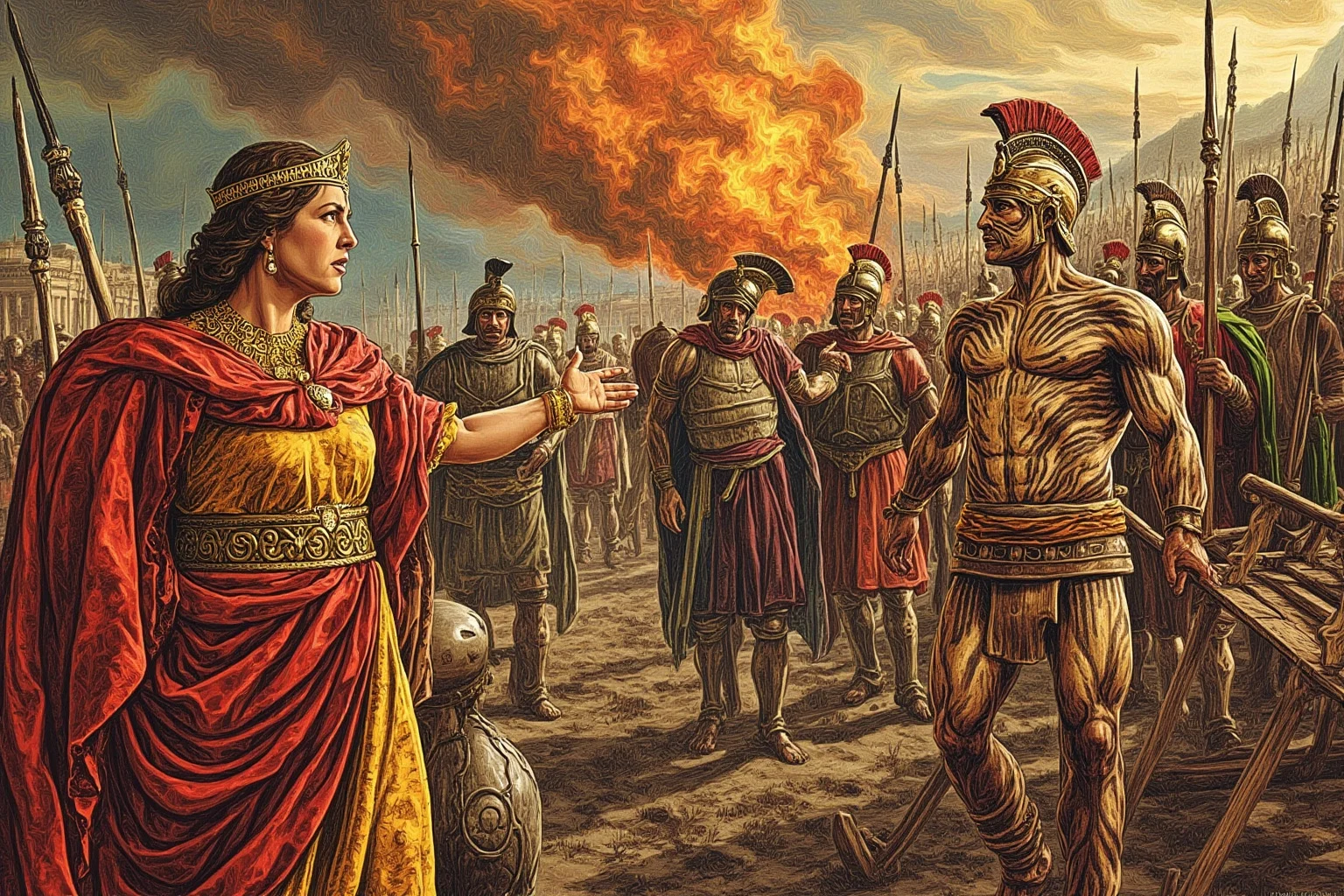
Boudica was queen of the Iceni tribe in Britain during the Roman occupation. After Roman officials mistreated her family and annexed Iceni land, she led a major rebellion in 60 or 61 CE. Her forces destroyed the Roman settlements at Camulodunum, Londinium, and Verulamium.
Roman historians Tacitus and Cassius Dio describe her as a commanding figure who united multiple tribes. The revolt was eventually crushed, but it shook Roman confidence in Britain. Compared with other British client kings who cooperated with Rome, Boudica mobilized a far larger and more dangerous coalition.
Because the sources are Roman and written decades later, some details may be shaped by propaganda. Even so, the destruction of three major Roman towns is well attested and demonstrates the scale of her leadership.
7. The Trưng Sisters: Vietnam’s First Resistance Leaders
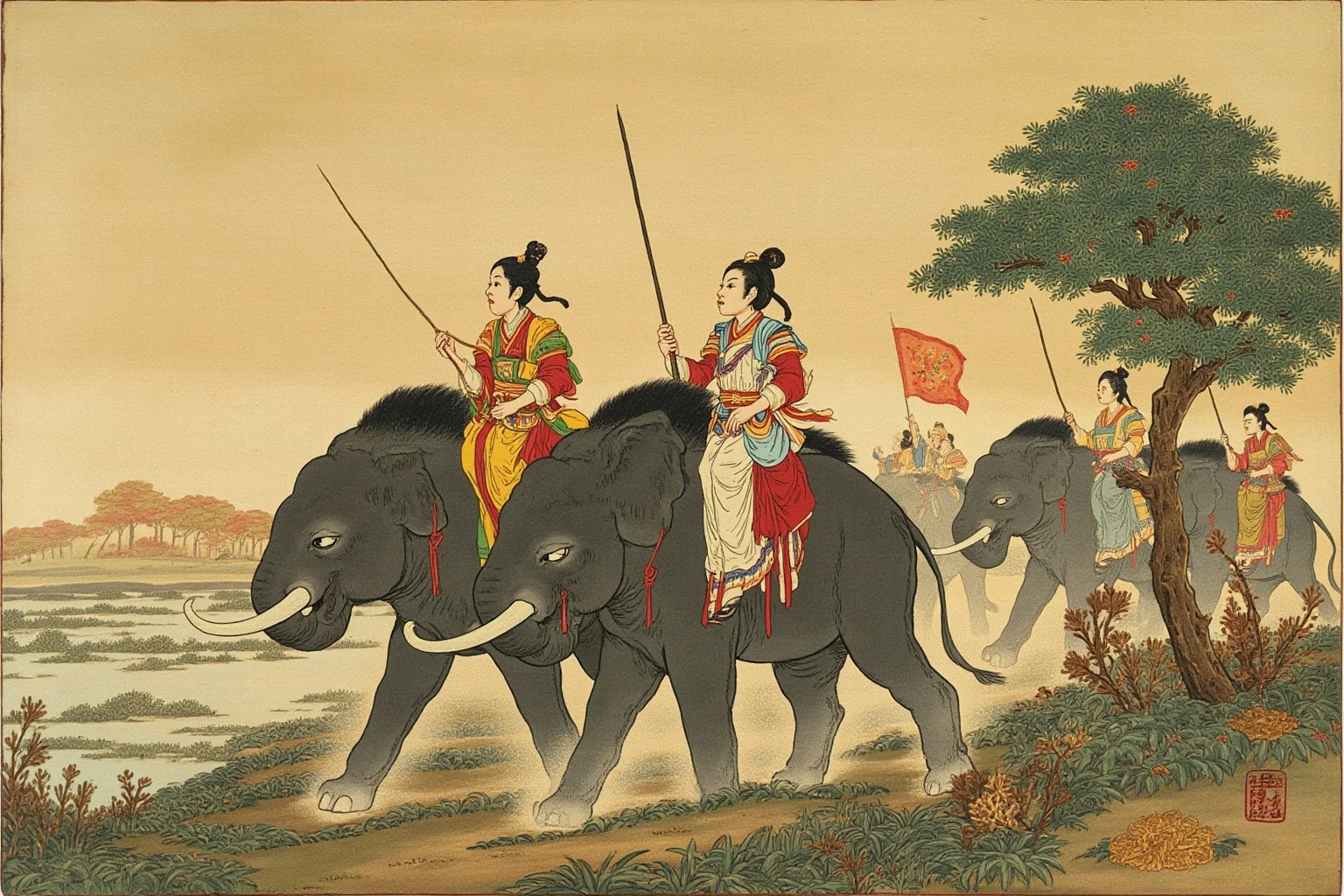
Trưng Trắc and Trưng Nhị led a rebellion against Han Chinese rule in Vietnam around 40 CE. They expelled the Han governors and established a short-lived independent kingdom with Trưng Trắc as queen. Their resistance made them enduring names for female leaders in Vietnamese history.
The Han eventually sent a large army to restore control around 43 CE, and the sisters died in the struggle. Later traditions elevated them into national symbols of independence. In their own time, they achieved a temporary reversal that no male Vietnamese leader of the period had managed.
Their story survives through a mix of historical record and later legend. Modern Vietnamese culture still honors them as founders of the national struggle for self-rule.
8. Queen Seondeok: Korea’s Pioneering Female Sovereign
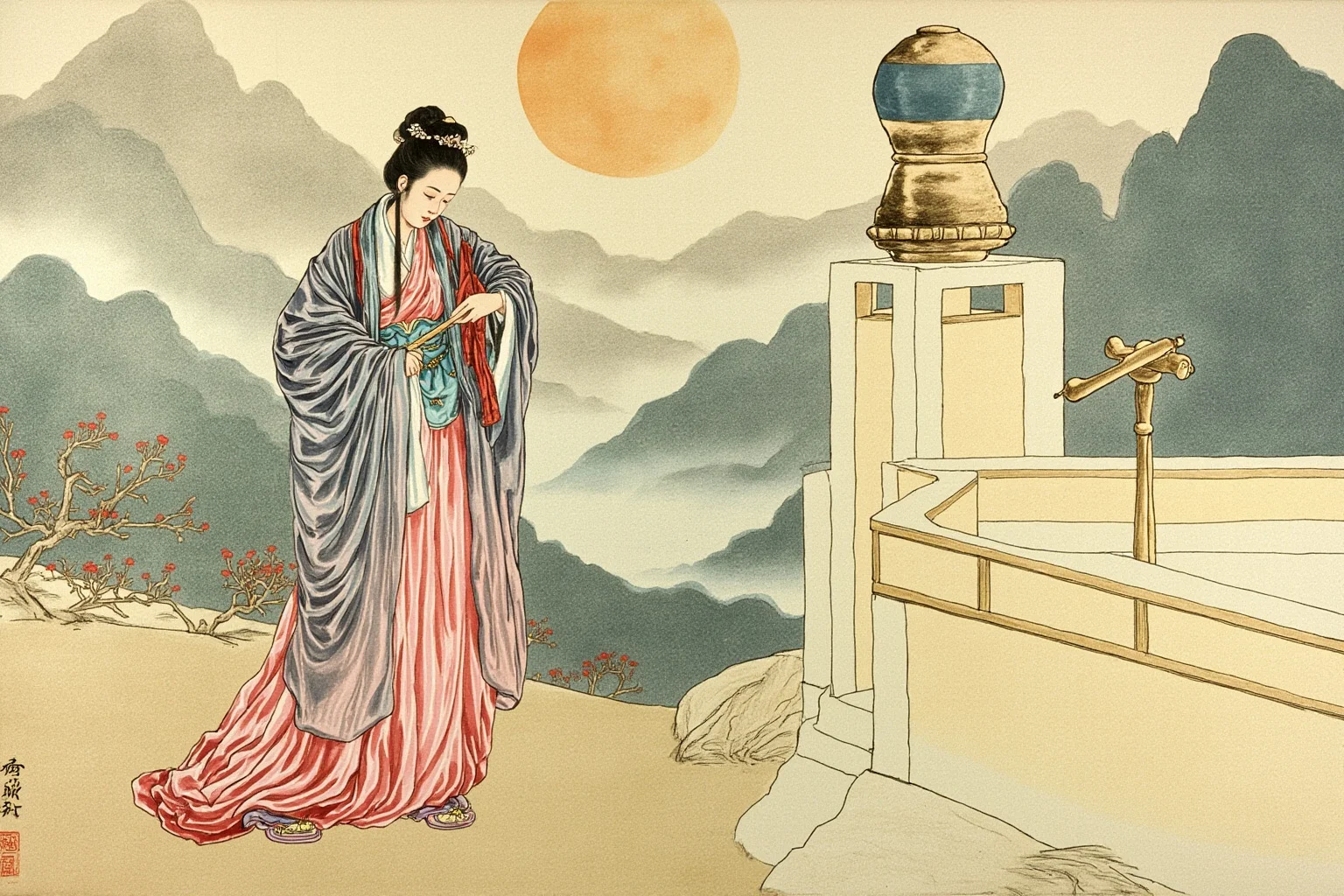
Queen Seondeok ruled the Korean kingdom of Silla from 632 to 647, becoming one of East Asia’s first confirmed female sovereigns. She promoted Buddhism and scholarship during a period of intense rivalry among the Three Kingdoms. Her reign also saw the construction of Cheomseongdae, one of the oldest surviving astronomical observatories in Asia.
Legends about her intelligence—such as recognizing the meaning of a peony painting—appear in later Korean sources. She faced revolts and external threats but kept Silla on a path toward eventual unification. Her ability to hold power in a male-dominated court made her a notable exception among East Asian rulers.
Her title and authority were recognized by neighboring states, which was unusual for a woman at the time. That diplomatic recognition mattered as much as military strength in Silla’s survival.
Medieval and Early Modern Women Who Held Power Better Than Men
9. Empress Theodora: The Co-Ruler Who Saved a Throne
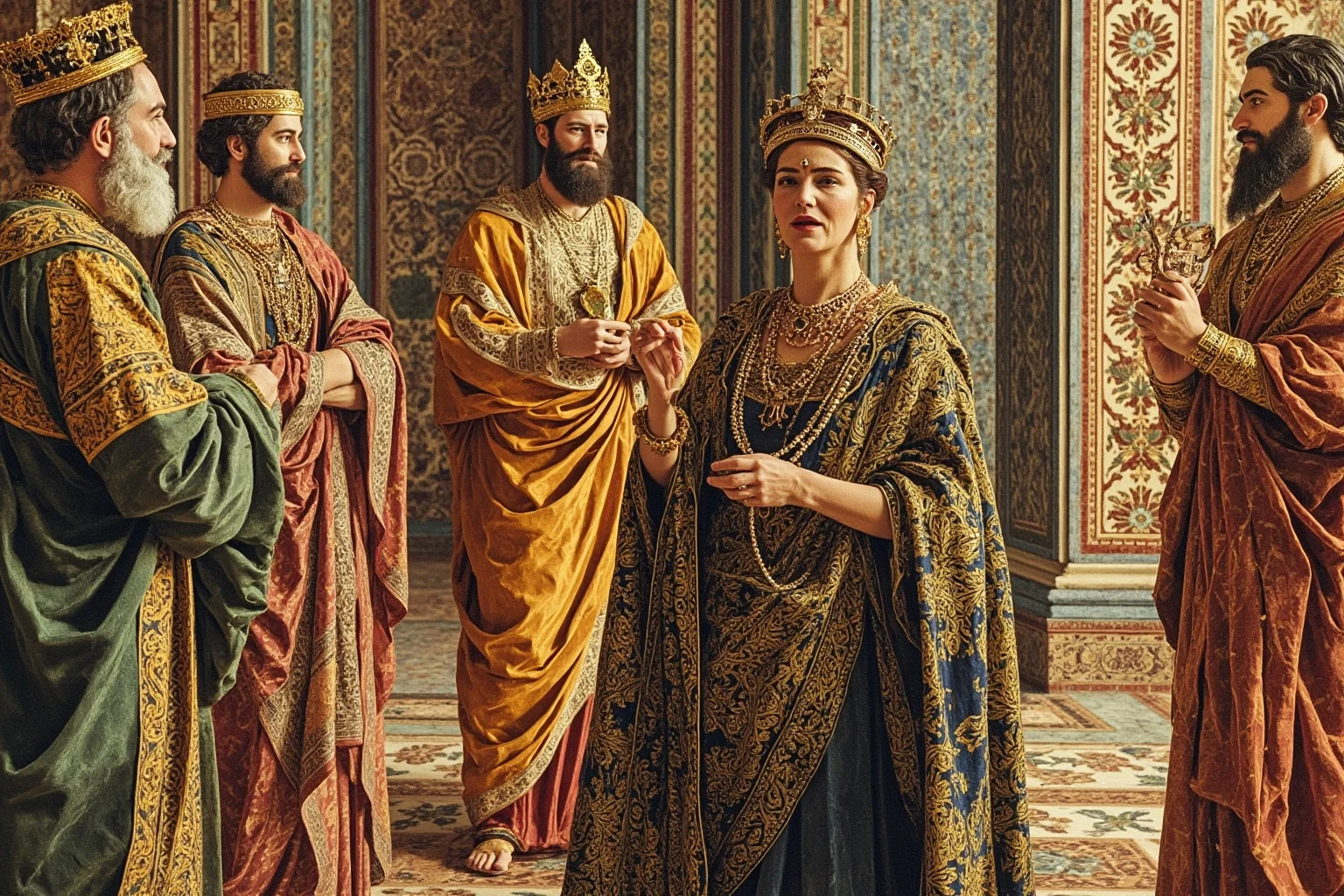
Theodora rose from humble origins to become Byzantine empress and a close political partner of Emperor Justinian. During the Nika riots of 532, courtiers reportedly urged Justinian to flee, but Theodora refused. She argued that imperial power was worth dying for, and her stance helped stiffen Justinian’s resolve.
Procopius, a hostile source, still shows her influence over policy and personnel. She supported laws that improved women’s legal status, including protections against forced prostitution. In practice, she functioned as a co-ruler and often outmatched male officials who sought to control the court.
Her background made her a target of elite gossip, but her political impact is difficult to deny. Byzantine law and court culture both show her fingerprints.
10. Isabel I of Castile: The Queen Who Unified Spain
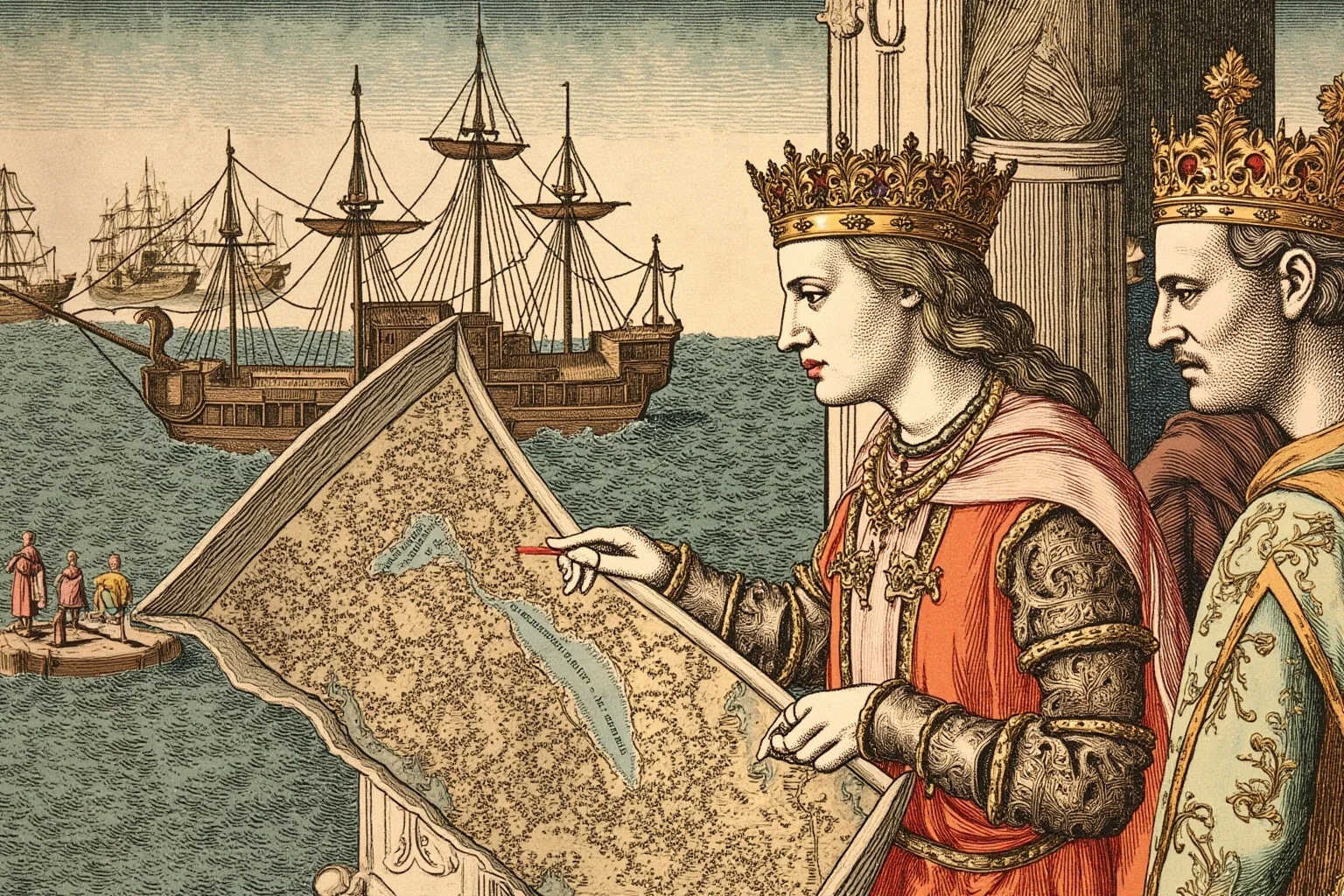
Isabel I ruled Castile in her own right and, through her marriage to Ferdinand, helped unify Spain under a shared monarchy. She insisted on her own royal authority in Castile rather than serving as a consort. Her reign completed the Reconquista with the conquest of Granada in 1492.
Isabel also made the decision to fund Christopher Columbus’s voyage, which reshaped global trade and colonization. She reorganized the royal administration and supported religious reform in ways that strengthened the crown. Compared with her husband Ferdinand, she was the senior partner in Castilian affairs.
Her reign was not without violence, especially against Jews and Muslims, and that legacy remains debated. Still, her capacity to project royal power exceeded that of many neighboring male monarchs.
11. Elizabeth I: The Virgin Queen Who Outlasted Them All
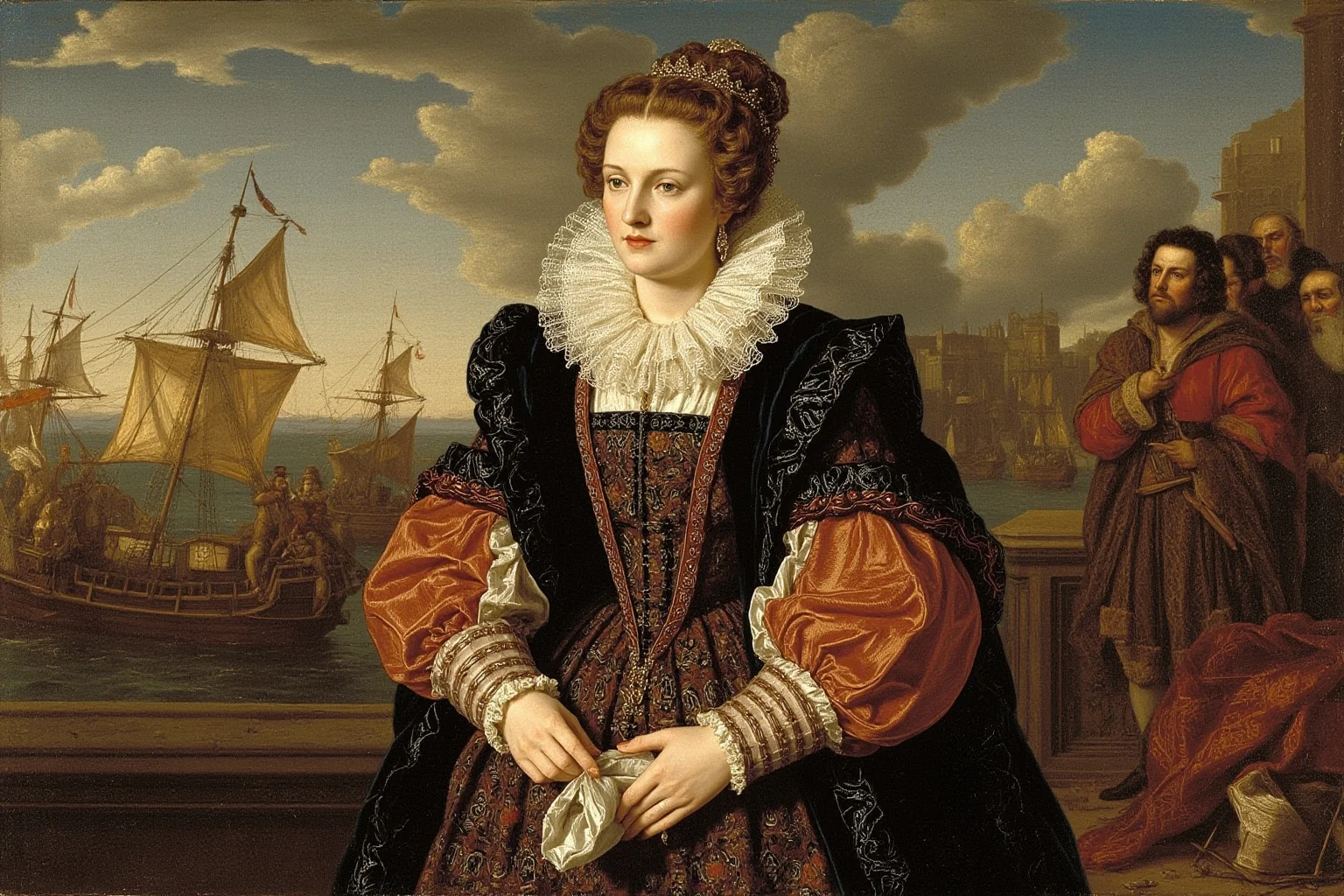
Elizabeth I inherited an England divided by religious conflict and financially weakened by earlier reigns. She stabilized the Church of England and maintained a careful balance between Protestant and Catholic factions. Her refusal to marry prevented a foreign prince or domestic noble from gaining control of the crown.
The defeat of the Spanish Armada in 1588 became a defining moment of her reign, though luck and English seamanship played important roles. Her era produced writers such as Shakespeare and explorers who expanded English influence. In longevity and political survival, she outlasted most of the male monarchs around her.
Her rule was not bloodless or free of repression, particularly in Ireland. Yet few rulers of her century matched her ability to turn weakness into symbolic strength.
12. Catherine the Great: The Empress Who Modernized Russia
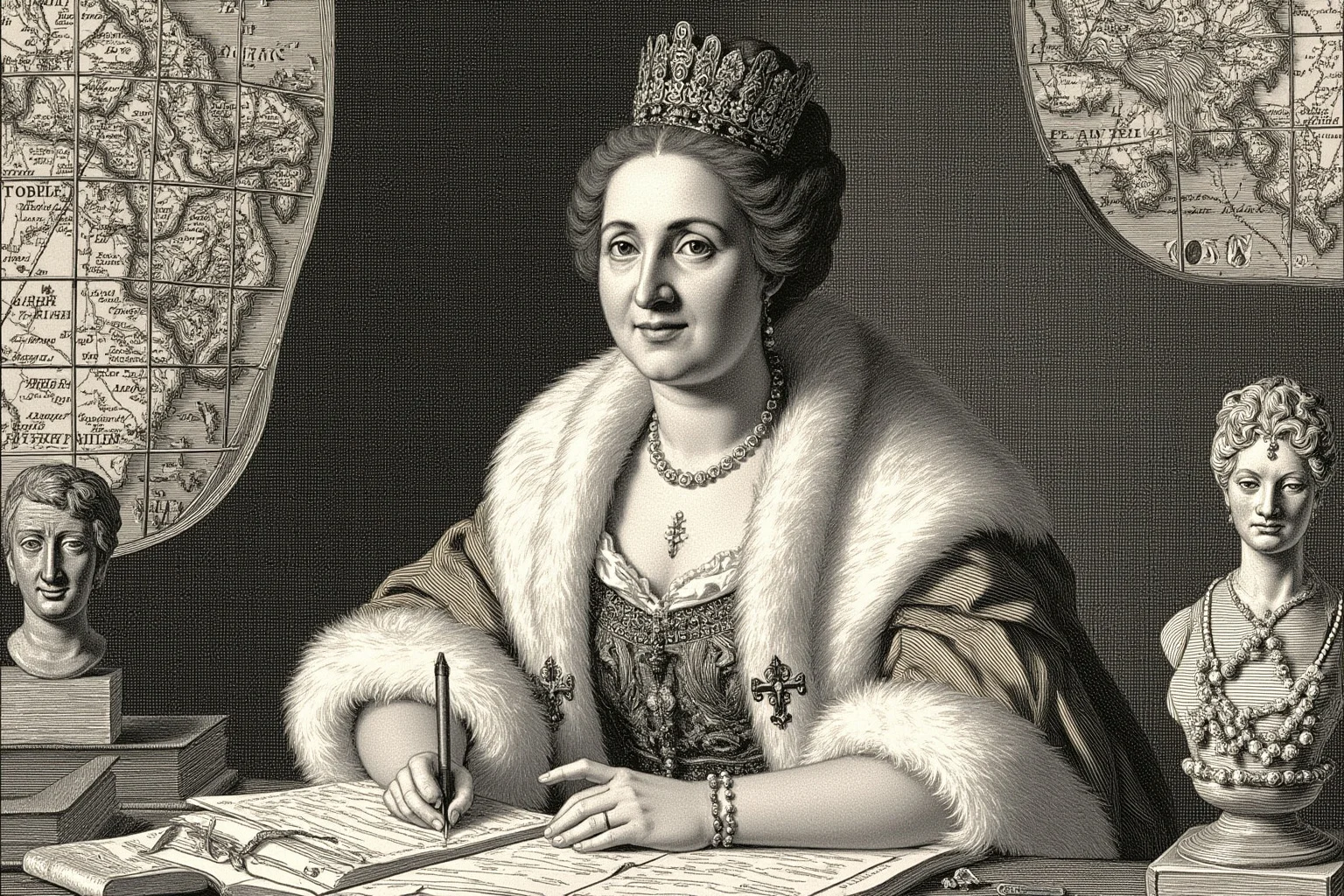
Catherine II came to power in 1762 after the overthrow of her husband Peter III, whose short reign was widely unpopular. She ruled Russia for 34 years and expanded its territory through wars with the Ottoman Empire and the partitions of Poland. Her court became a center of Enlightenment culture and education.
Catherine corresponded with Voltaire and Diderot and supported the arts, though she also strengthened serfdom in practice. Her administrative reforms reorganized provinces and encouraged economic development. She is often ranked among the most effective rulers of imperial Russia, male or female.
Her rise to power involved a coup against her own husband, which makes her legacy complicated. But her long reign transformed Russia into a major European power in ways her husband never could.
13. Maria Theresa: The Habsburg Ruler Who Defied Male Rivals
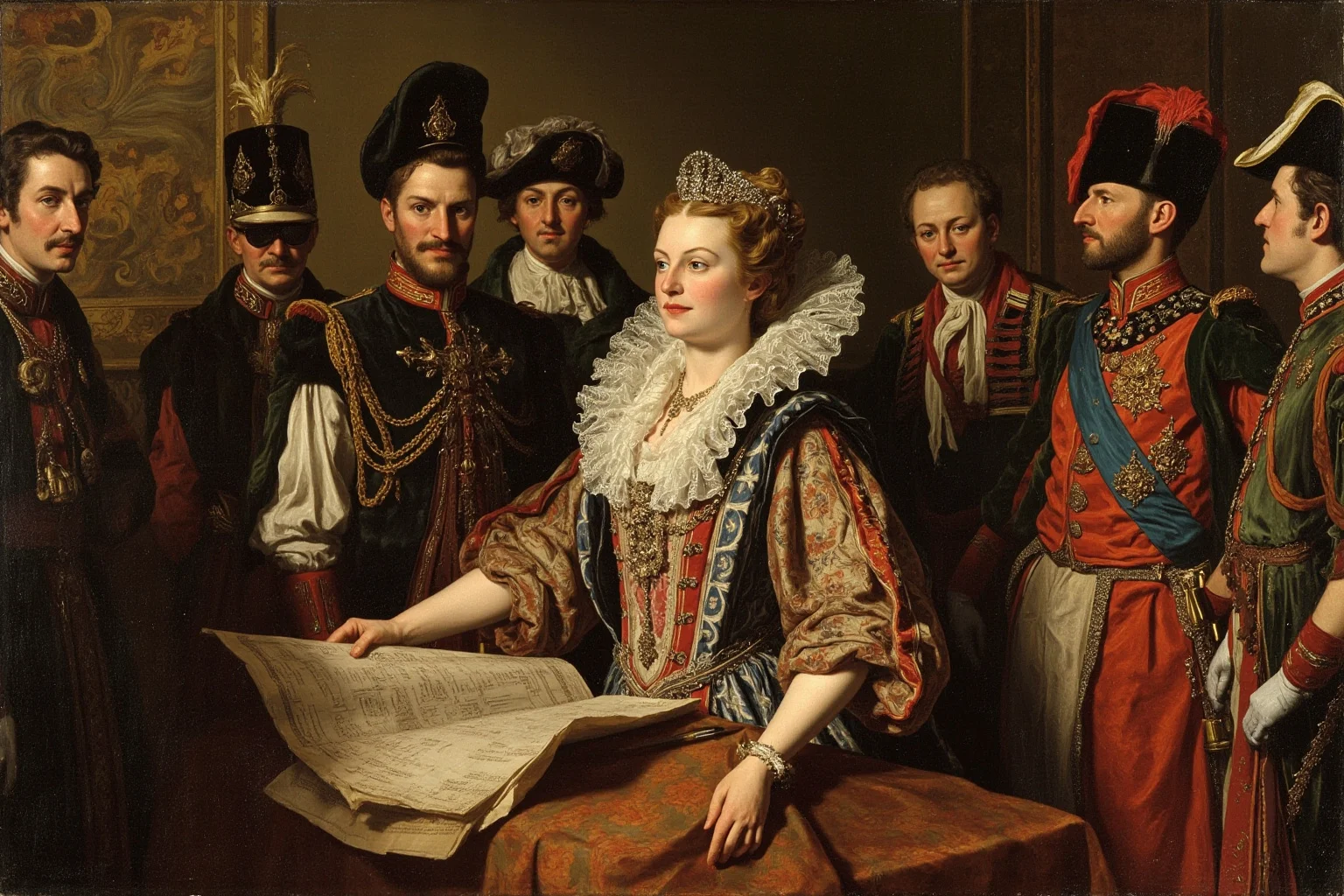
Maria Theresa inherited the Habsburg lands because her father issued the Pragmatic Sanction to allow female succession. Several European powers challenged her claim, triggering the War of the Austrian Succession in 1740. She defended her core territories and eventually secured recognition as ruler.
Maria Theresa reformed the army, tax system, and education while bearing sixteen children who shaped European dynastic politics. Her administrative changes made the Habsburg monarchy more centralized and efficient. In this she exceeded many male contemporaries who struggled to manage similar multi-ethnic empires.
She could be conservative in social policy, but her state-building record is concrete. The Habsburg monarchy survived a direct assault on her legitimacy and emerged stronger.
14. Nzinga of Ndongo and Matamba: The Diplomat Who Fought Portugal
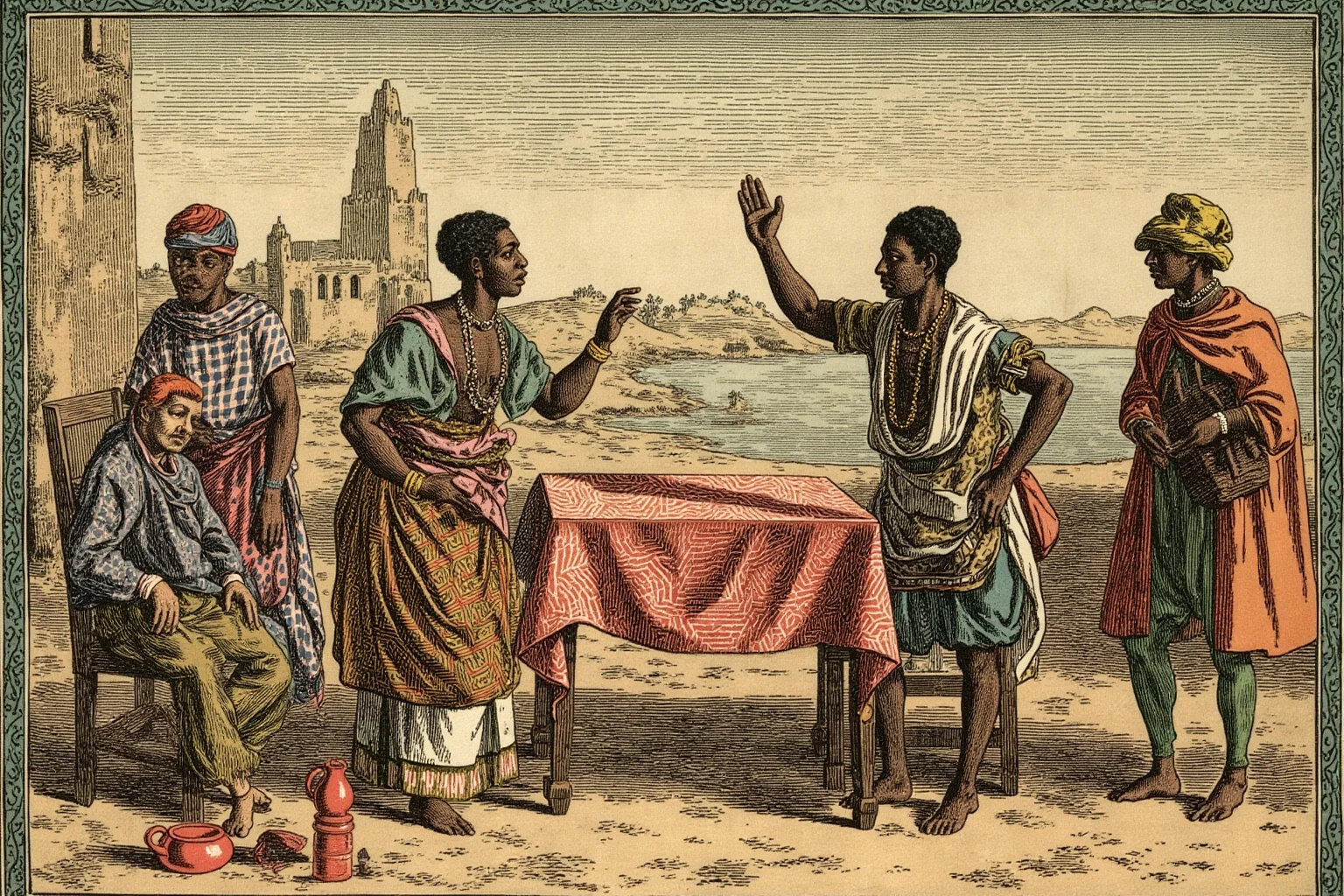
Nzinga of Ndongo and Matamba was a queen in what is now Angola who resisted Portuguese encroachment for decades. She negotiated with Portuguese officials as an equal, famously refusing to sit on the floor during talks. When diplomacy failed, she led military campaigns and formed alliances with neighboring groups.
Nzinga later ruled Matamba and built it into a strong trading state. Her resistance slowed Portuguese expansion in central Africa far more than most local male rulers did. She remains a symbol of anti-colonial leadership among notable women leaders in African history.
Her story comes from both Portuguese records and African oral tradition. While the details sometimes differ, both sources show a ruler of exceptional diplomatic skill and strategic patience.
15. Amina of Zazzau: The Warrior Queen Behind the Walls
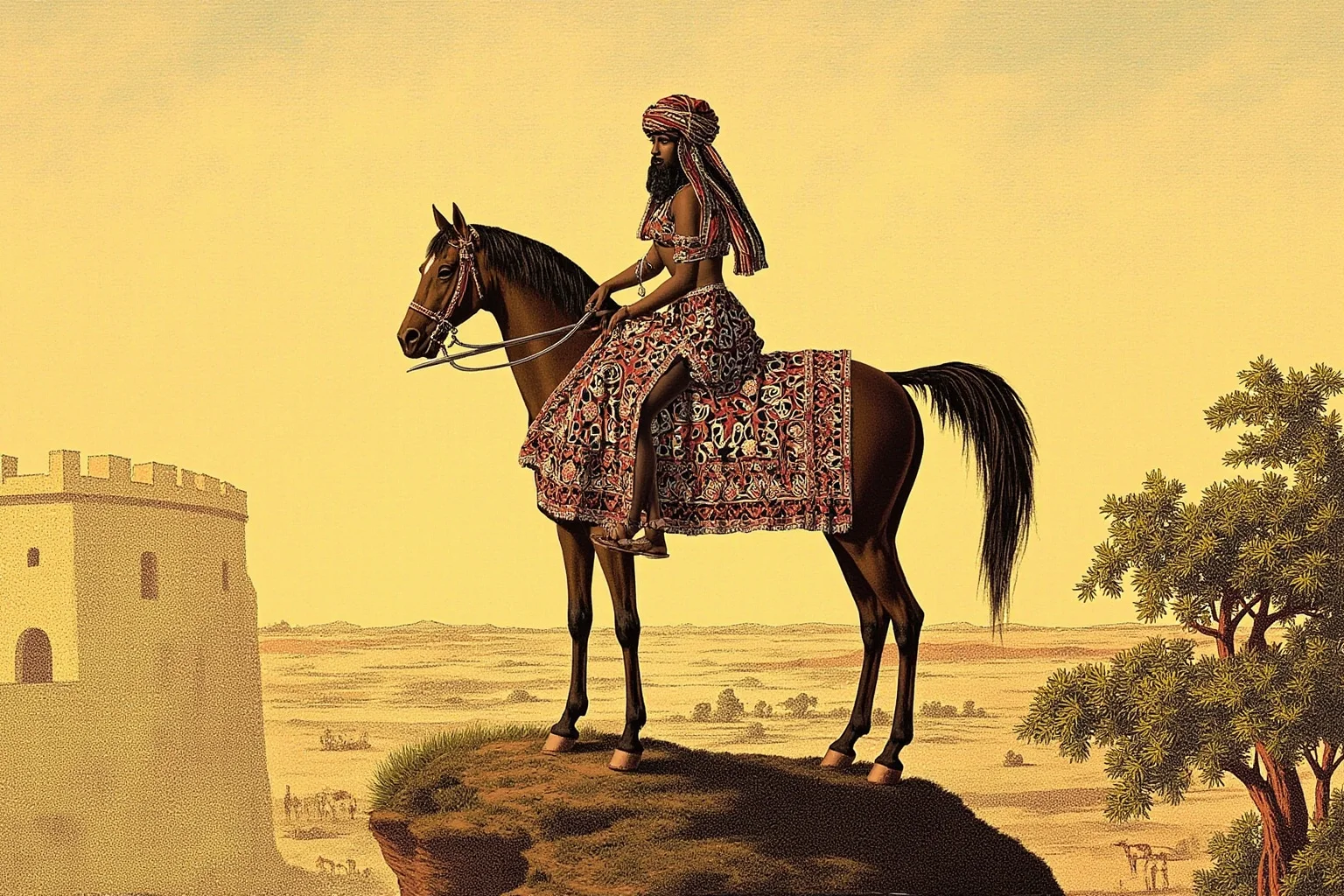
Amina was a 16th-century Hausa queen of Zazzau, now part of northern Nigeria. Oral tradition and later written chronicles credit her with expanding Zazzau’s territory through military campaigns. She is also associated with building defensive walls around settlements, some of which became known as Amina’s walls.
The historical record is partly legendary, so exact dates and details are uncertain. Still, her legacy as a warrior queen shaped Hausa political memory for centuries. In a region where male rulers often held power, Amina became one of the most remembered names for female leaders.
Her title, often rendered as queen or princess, varies across sources. What remains consistent is her reputation for expanding territory and protecting her people through both warfare and architecture.
16. Lakshmi Bai: The Rani Who Led a Rebellion
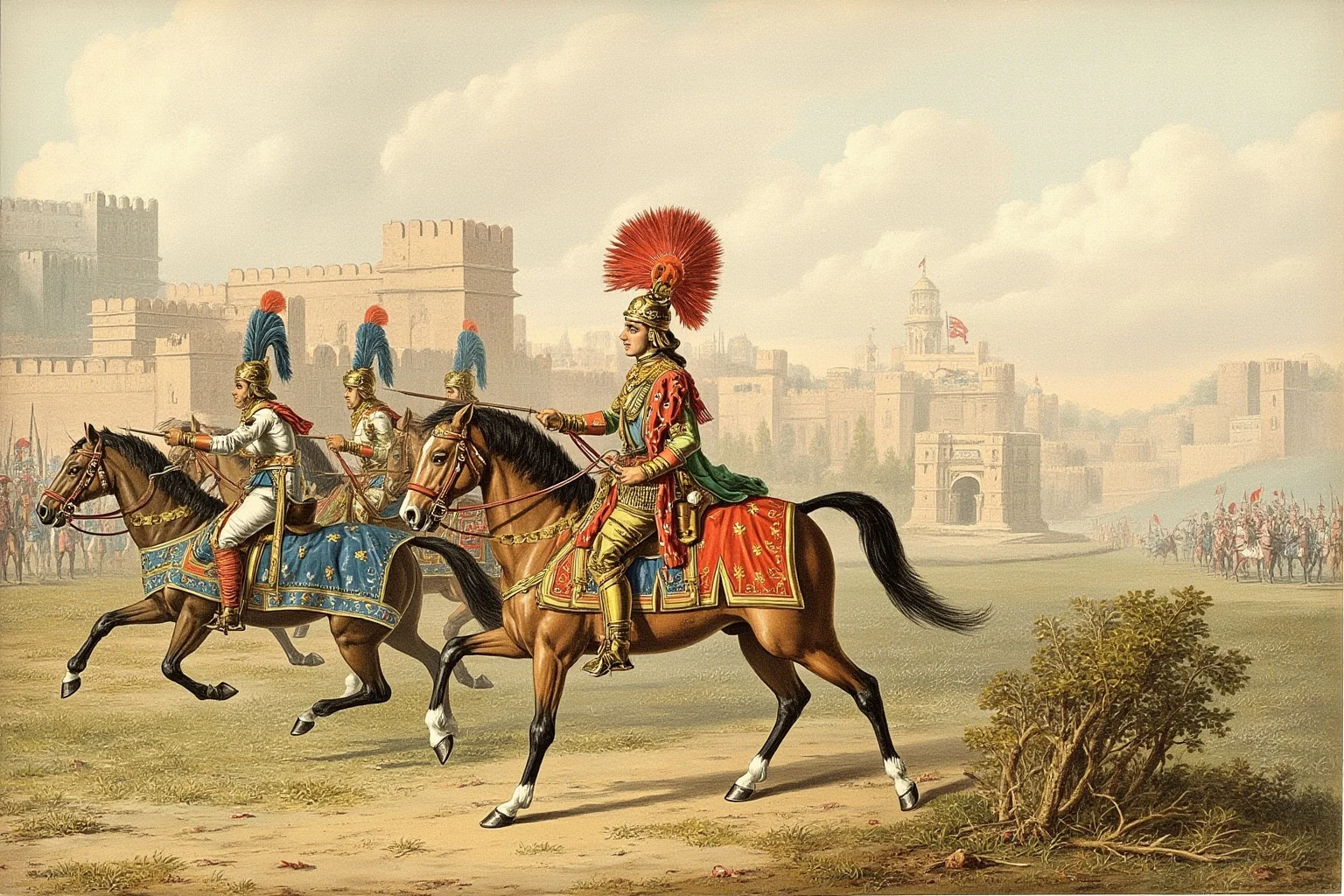
Lakshmi Bai, the Rani of Jhansi, became a leading figure in the Indian Rebellion of 1857 against British East India Company rule. After the British refused to recognize her adopted son’s succession, she organized the defense of Jhansi. British officers later described her as a skilled and courageous opponent.
When Jhansi fell, she escaped and joined other rebel forces at Gwalior, where she died in battle in 1858. Her leadership drew together soldiers and civilians in a way that many male rebel leaders failed to do. She remains one of the most celebrated figures of Indian resistance.
Her fame grew after her death, and later nationalist movements embraced her as a symbol. British accounts, though hostile, acknowledged her military ability in terms reserved for the strongest opponents.
17. Yaa Asantewaa: The Queen Mother Who Started a War
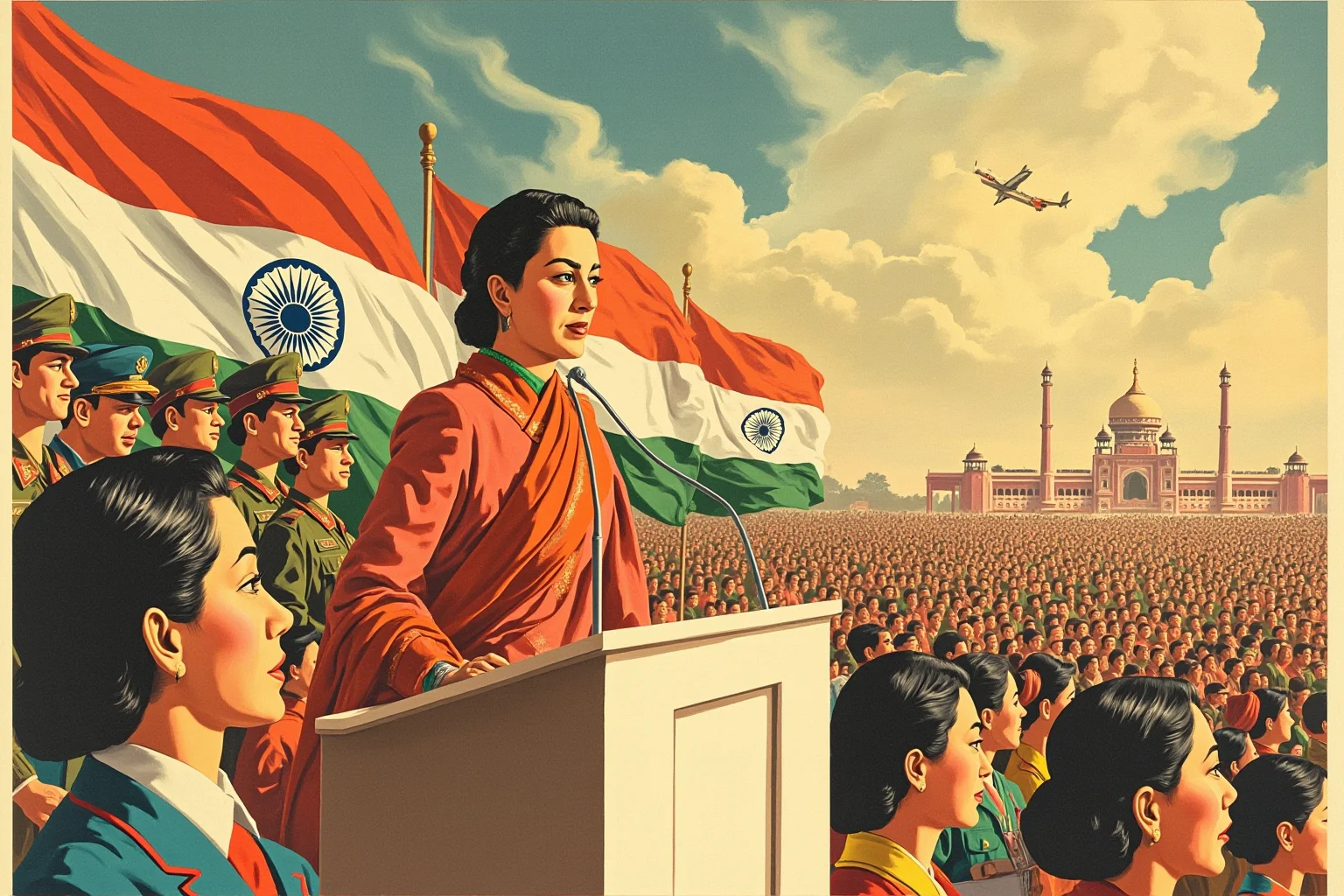
Yaa Asantewaa was queen mother of the Ejisu state in the Ashanti Empire, now Ghana. In 1900, after the British demanded the Golden Stool, an important symbol of Ashanti sovereignty, she rallied resistance. Her speech challenged Ashanti men who seemed unwilling to fight.
She led the Ashanti in the War of the Golden Stool, which kept the stool out of British hands. The rebellion was eventually suppressed, and she was exiled, but it became a defining moment of anti-colonial defiance. Her leadership was more decisive than that of several male Ashanti chiefs at the time.
The Golden Stool remains a sacred symbol, and Yaa Asantewaa’s name is now attached to schools, awards, and public memory across Ghana. Her title as queen mother carried authority that she used when male leaders hesitated.
Modern Female World Leaders Who Changed History
18. Sirimavo Bandaranaike: The World’s First Elected Female Prime Minister
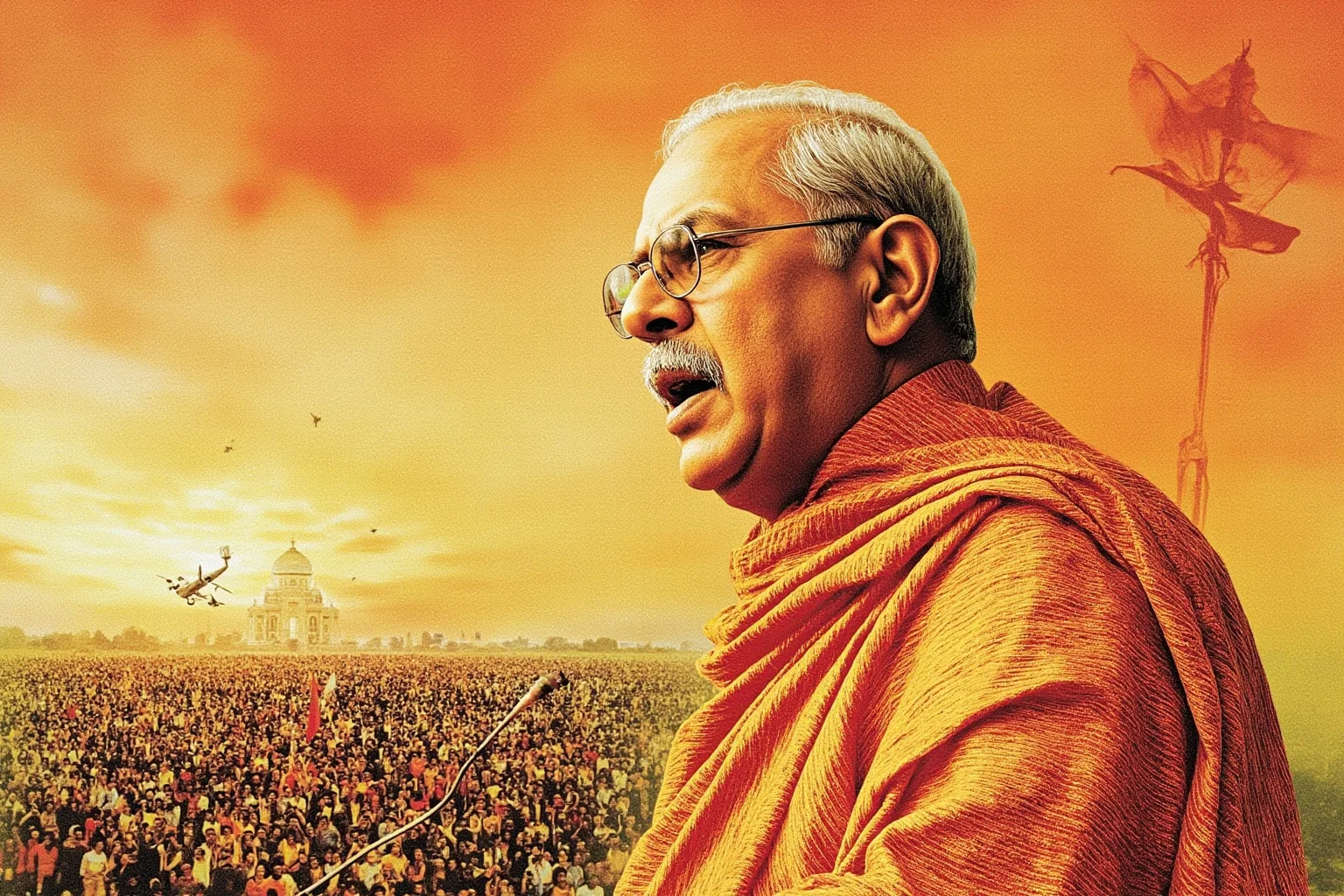
Sirimavo Bandaranaike became prime minister of Ceylon, now Sri Lanka, in 1960, making her the world’s first woman elected head of government. She entered politics after her husband’s assassination and led the party he had founded. Her victory changed assumptions about female world leaders history.
Bandaranaike pursued socialist economic policies and navigated Cold War pressures as a leader of a non-aligned nation. She served three terms as prime minister and remained a major political force for decades. Her career opened the door for later women to lead governments worldwide.
Her governments faced economic troubles and ethnic tension, so her legacy is debated within Sri Lanka. But her pioneering role is not in question—she proved that a woman could win and hold executive power in a competitive democracy.
19. Indira Gandhi: India’s Dominant Prime Minister
Indira Gandhi was India’s first and only female prime minister, serving from 1966 to 1977 and again from 1980 until her assassination in 1984. She centralized power in the prime minister’s office and often bypassed older male party leaders. Her leadership in the 1971 war helped create Bangladesh.
Gandhi also oversaw India’s first nuclear test in 1974 and launched economic policies aimed at self-sufficiency. Her declaration of a state of emergency from 1975 to 1977 remains deeply controversial. Still, her electoral dominance and political longevity outstripped most of her male rivals.
Her legacy is sharply contested because of the emergency and its abuses. Even critics, however, recognize her as one of the most consequential leaders in Indian history, male or female.
20. Golda Meir: The Prime Minister Who Led in Wartime
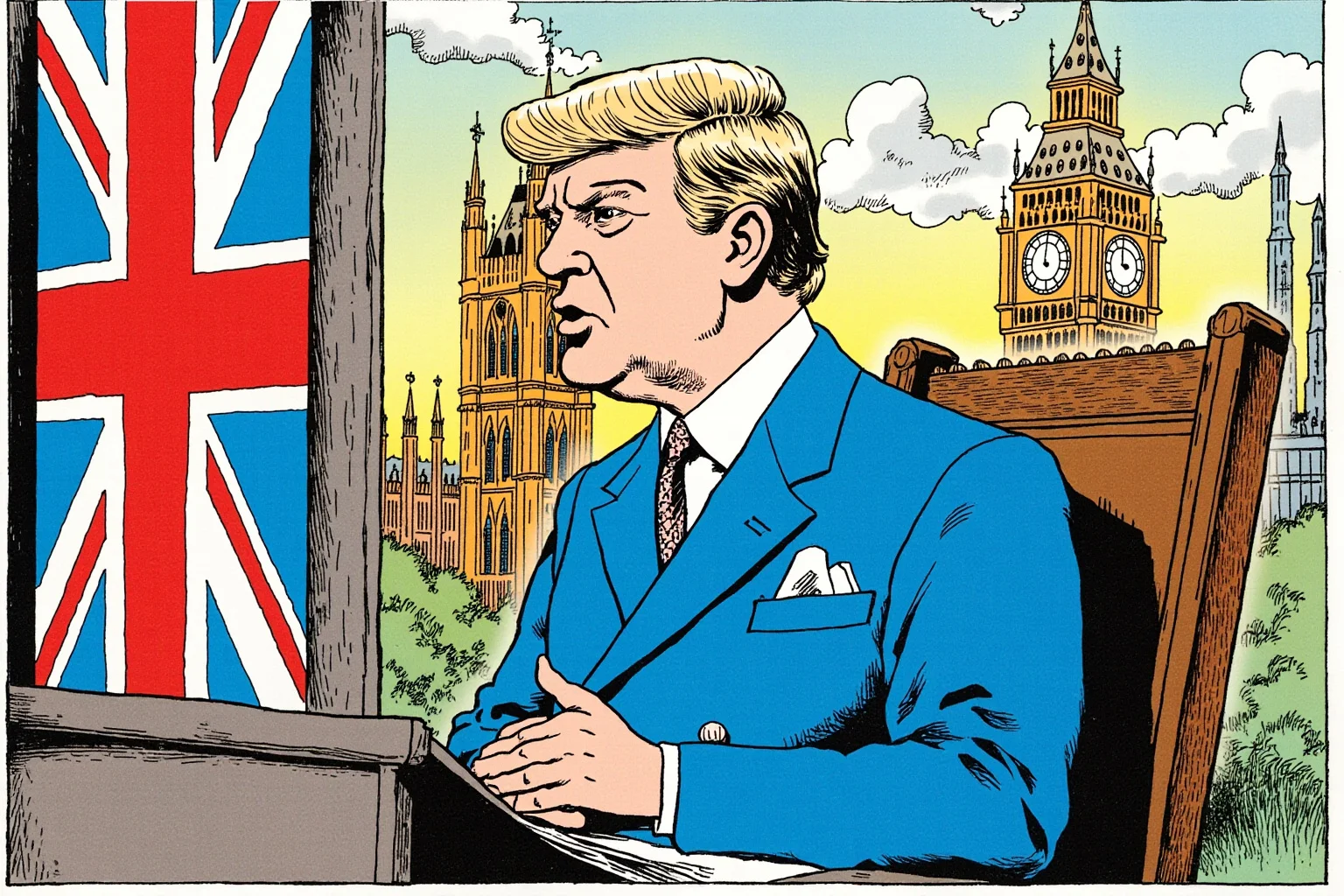
Golda Meir became Israel’s first female prime minister in 1969, after years of diplomatic and labor leadership. She led the country during the 1973 Yom Kippur War, when Israel faced a surprise attack from Egypt and Syria. Her government managed the crisis and secured continued American support.
Meir’s tenure was later criticized for intelligence failures before the war, and she resigned in 1974. Even so, she was one of the first women in modern history to lead a nation in wartime. Her blunt style and international experience made her a formidable counterpart to male leaders like Henry Kissinger and Anwar Sadat.
Her career began long before her prime ministership, including fund-raising for Jewish statehood and service as foreign minister. That depth of experience separated her from many male peers who rose through narrower paths.
21. Margaret Thatcher: The Iron Lady Who Reshaped Britain
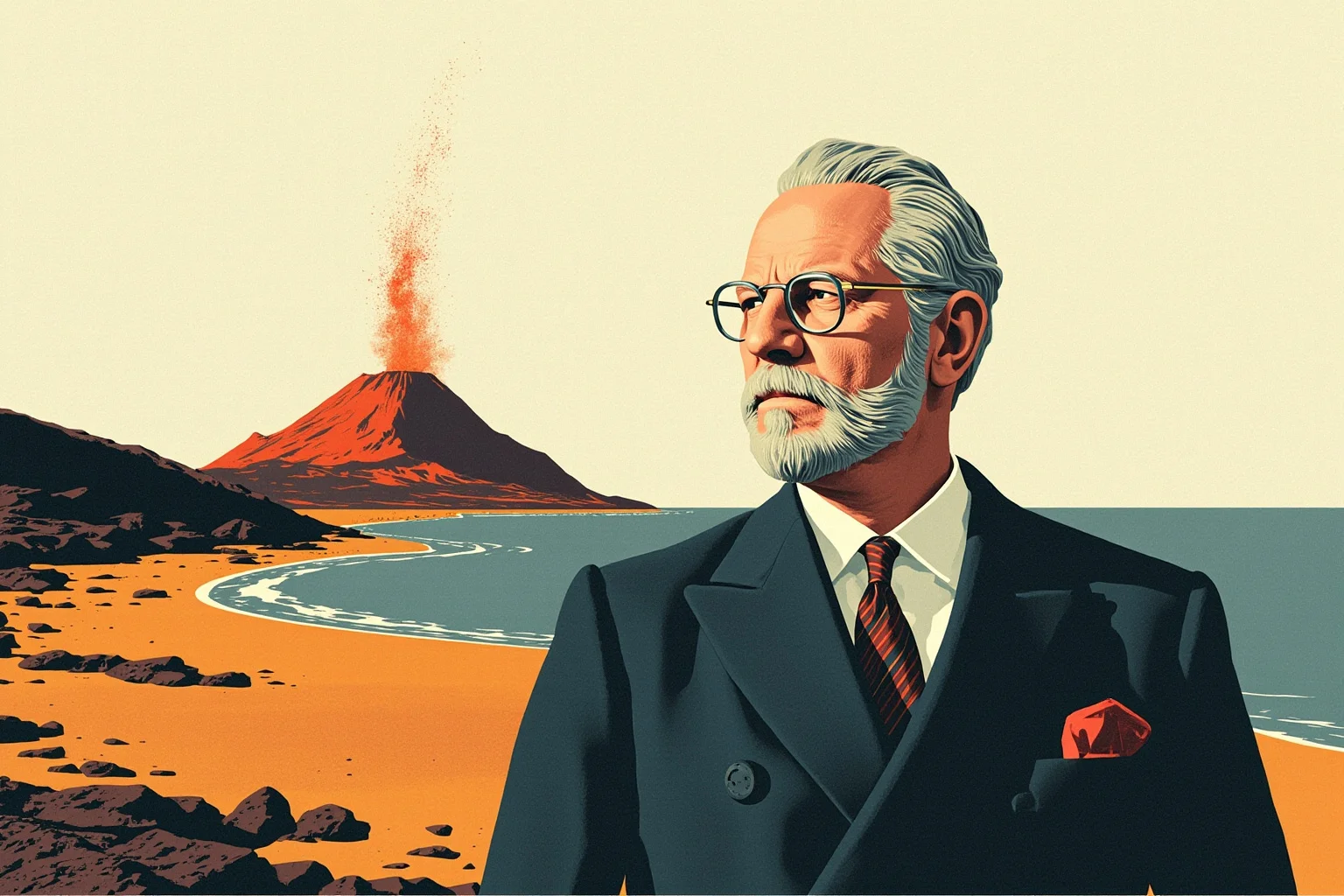
Margaret Thatcher became the United Kingdom’s first female prime minister in 1979 and served until 1990, the longest tenure of any 20th-century British leader. She implemented economic policies that reduced union power and privatized state industries. Her approach was polarizing, but it reshaped British politics.
Thatcher’s decision to reclaim the Falkland Islands by force in 1982 boosted her domestic standing and signaled British military resolve. She outlasted numerous male rivals in her own party and the opposition. Love her or hate her, she dominated her era more completely than almost any male British politician of the time.
Her policies widened inequality in many regions, and her legacy remains a subject of fierce debate. What is undeniable is that she changed the terms of British economic and political life for decades.
22. Vigdís Finnbogadóttir: The First Democratically Elected Female President
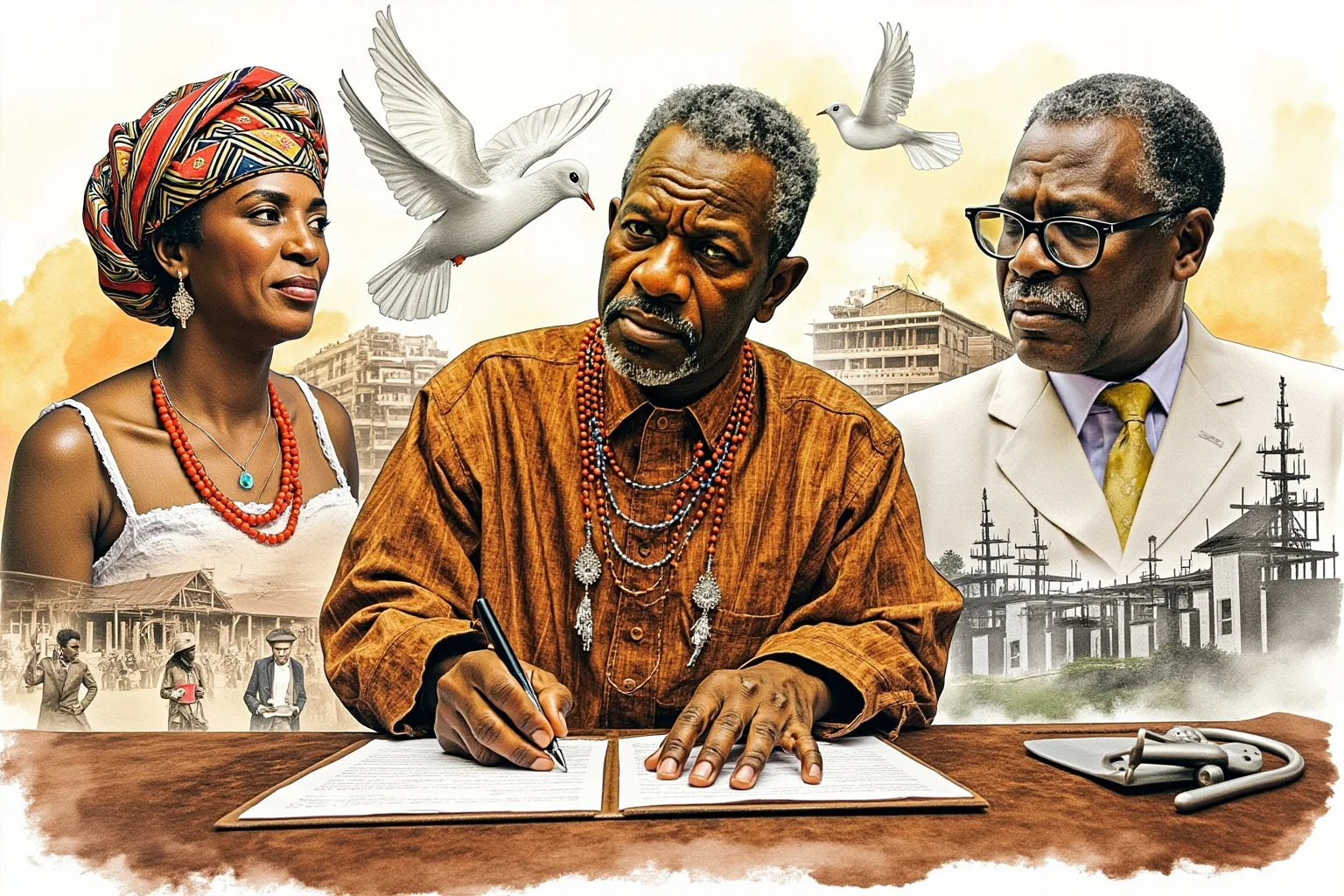
Vigdís Finnbogadóttir became president of Iceland in 1980, the first woman in the world democratically elected as head of state. She served four terms until 1996, a span of sixteen years. Her election showed that voters would support a female head of state even in a traditionally male political culture.
Finnbogadóttir used the largely ceremonial office to promote Icelandic culture, language, and environmental causes. She also represented Iceland internationally with a visibility that many male presidents had not achieved. Her repeated reelection made her one of the most successful politicians in Iceland’s history.
Her presidency was less about executive power and more about national identity. In that symbolic role, she outperformed most male predecessors who had held the office quietly.
23. Ellen Johnson Sirleaf: Rebuilding Liberia After Civil War
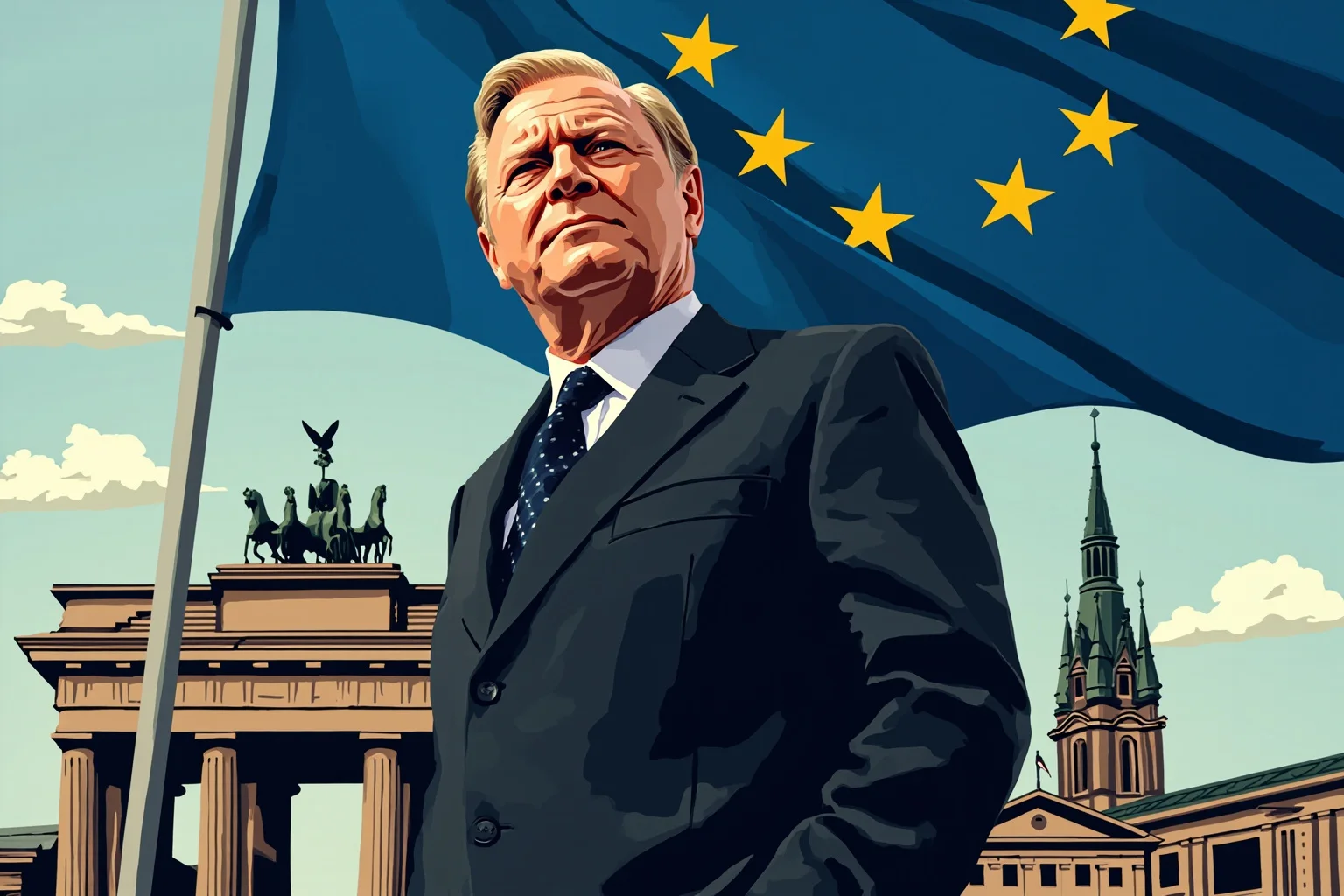
Ellen Johnson Sirleaf became Liberia’s president in 2006, making her Africa’s first elected female head of state. She inherited a country devastated by civil war and set about rebuilding institutions and securing debt relief. Her leadership helped stabilize Liberia after decades of conflict led mostly by men.
In 2011, she shared the Nobel Peace Prize for her work on women’s rights and peacebuilding. Her presidency was not without criticism, but Liberia remained peaceful after she took office. Compared with many male predecessors, she delivered a measurable improvement in governance and international standing.
Her background as a finance minister and World Bank economist gave her technical skills that many post-war leaders lacked. That expertise helped Liberia secure billions in debt relief and attract international investment.
24. Angela Merkel: Europe’s Longest-Serving Modern Leader
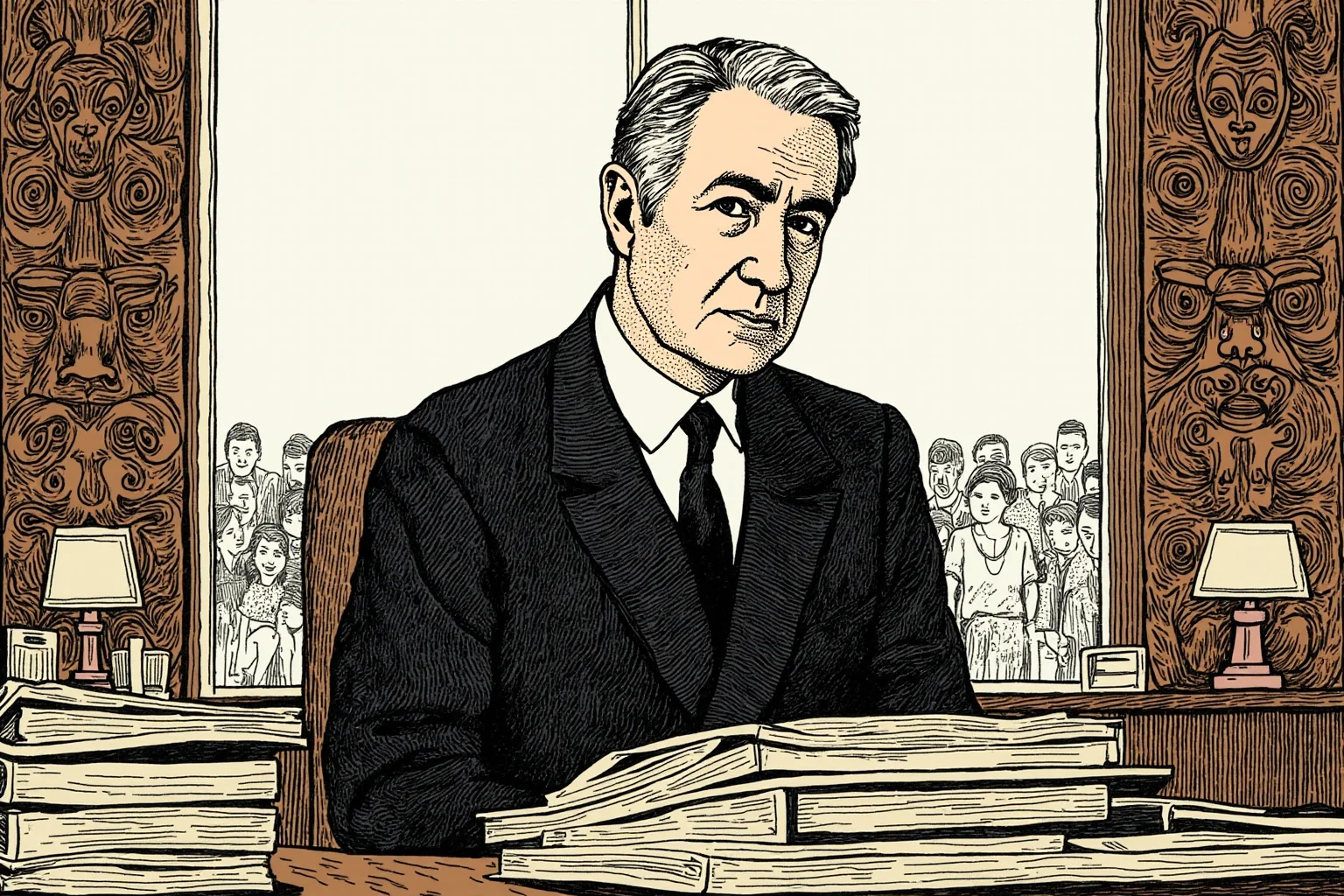
Angela Merkel served as chancellor of Germany from 2005 to 2021, making her one of the longest-serving democratic leaders of the modern era. She steered Germany and the European Union through the eurozone debt crisis, the 2015 refugee crisis, and the COVID-19 pandemic. Her patient, analytical style often contrasted with male leaders who favored rapid confrontation.
Merkel outlasted four American presidents, four French presidents, and multiple British prime ministers. She was widely described as Europe’s de facto leader during periods of instability. Whether praised or criticized, her endurance and influence made her one of the most consequential names in recent global leadership.
Her refugee policy drew strong domestic and international criticism, and her legacy will be debated for years. Still, no other European leader of her generation matched her record of electoral survival and crisis management.
25. Jacinda Ardern: Redefining Leadership on Her Own Terms
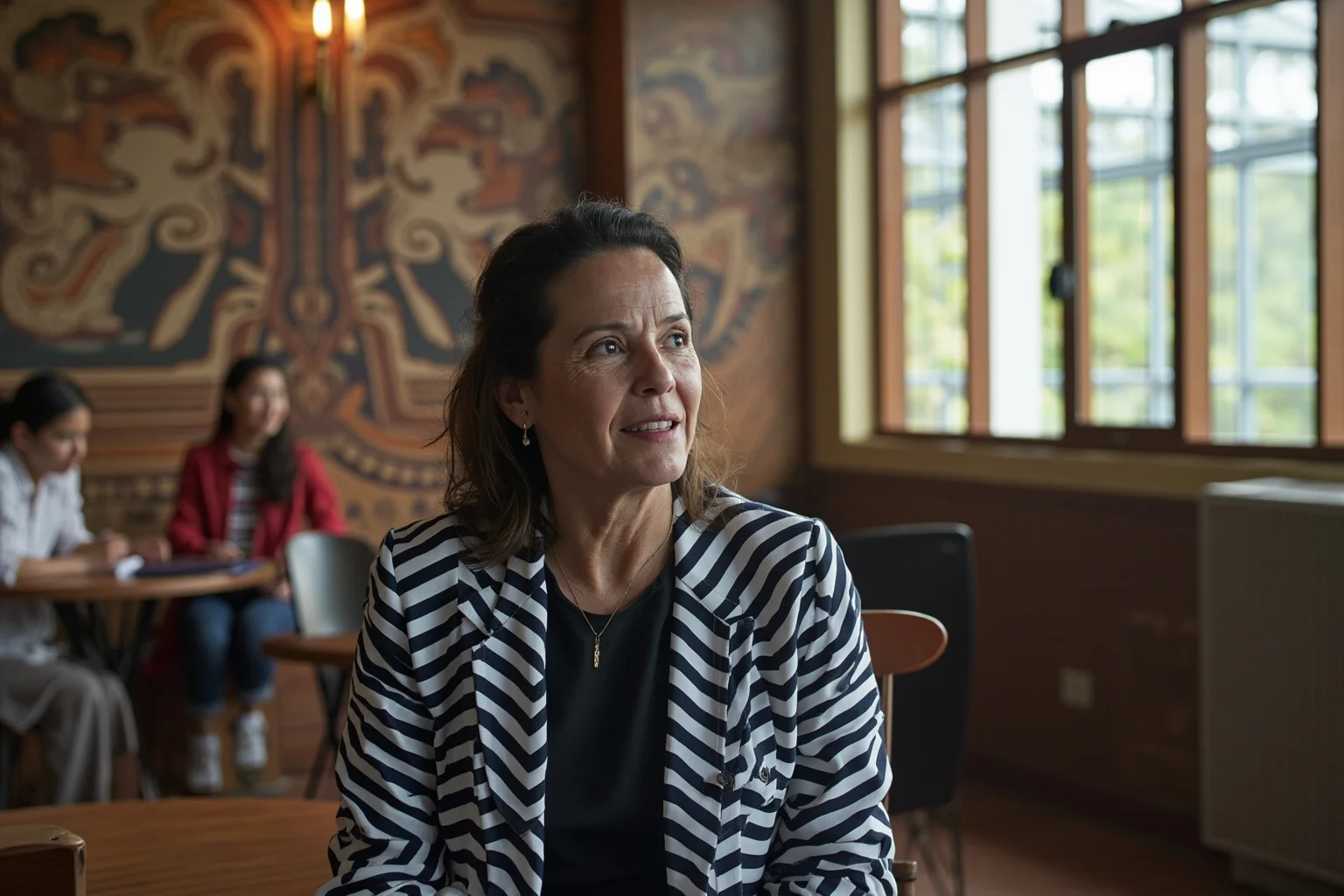
Jacinda Ardern became prime minister of New Zealand in 2017 and quickly gained international attention for her empathetic but decisive style. She led the country through the Christchurch mosque shootings in 2019 and the White Island volcanic eruption. Her government’s early response to COVID-19 produced some of the lowest death rates in the developed world.
Ardern also sought to redefine leadership by talking openly about mental health and work-life balance. She resigned in 2023, saying she no longer had enough energy to do the job justice. Her departure on her own terms was a rarity among modern politicians, male or female.
Her international visibility sometimes outpaced her domestic popularity, especially on housing and economic issues. But her ability to project calm during crises made her a new model of leadership for many observers.
What These Notable Women Leaders Have in Common
One pattern is that many of these women gained power during crises or inherited unstable situations. That forced them to act decisively while male rivals hesitated. From Hatshepsut’s regency to Merkel’s EU negotiations, crisis created openings for capable women to lead.
Another pattern is the variety of titles for women in power. Some were pharaohs or emperors, others were queens, prime ministers, or presidents. The titles changed, but the challenge remained: proving legitimacy in systems designed by and for men.
The historical record also shows how easily women are erased. Hatshepsut’s monuments were defaced, Wu Zetian was demonized by later historians, and Cleopatra was reduced to a seductress. Recovering their real records is part of seeing great men and famous women on the same historical plane, not separate shelves.
Why This List Still Matters
When we talk about female world leaders history, we are not just adding names to a list. We are correcting a distortion that treats men’s achievements as the norm and women’s achievements as anomalies. That distortion shapes which leaders children learn about and which qualities they associate with power.
The next time someone asks for well known women leaders, the answer should not be a short list of one or two examples. It should include queens, warriors, prime ministers, and presidents from every continent and era. Their records are not perfect, but they show that leadership is not a male trait—and never was.
Frequently Asked Questions
Who are some well known women leaders from ancient history?
Some well known women leaders from ancient history include Hatshepsut and Cleopatra VII of Egypt, Wu Zetian of China, Zenobia of Palmyra, Queen Amanirenas of Kush, Boudica of Britain, and the Trưng Sisters of Vietnam. Each ruled or led major military campaigns in a world where most formal power was held by men.
What are some names for female leaders throughout history?
Names for female leaders vary by culture and time. They include pharaoh, empress, queen, queen mother, kandake, rani, sultana, regent, prime minister, president, and chancellor. Hatshepsut was pharaoh, Wu Zetian was emperor, Amanirenas was kandake, and modern examples include prime minister and president.
Who was the first woman elected head of government in the modern world?
Sirimavo Bandaranaike of Ceylon, now Sri Lanka, became the world’s first woman elected head of government when she became prime minister in 1960. She served three terms and helped establish a path for later female world leaders in elected office.
Were there ancient women leaders outside Europe and Egypt?
Yes. Ancient women leaders appear across Asia, Africa, and the Americas. Examples include Queen Seondeok of Silla in Korea, the Trưng Sisters in Vietnam, Queen Amanirenas of Kush, and later rulers like Amina of Zazzau and Nzinga of Ndongo and Matamba in Africa.

Alex Warren
Related Articles