Most people know Nikola Tesla as the electrical pioneer who helped build the modern world. Fewer know that his private life was marked by obsessive rituals, severe isolation, and repeated financial collapse. The secret life of Nikola Tesla is not a simple cautionary tale, but it is often darker and more complicated than the usual genius-branded merchandise suggests.
For every verified achievement there is also a layer of legend, some of it promoted by Tesla himself. This list examines the documented facts, the known Nikola Tesla controversies, and the myths that still confuse people searching for the real Mr. Tesla.
TL;DR: Nikola Tesla’s inventions were world-changing, but the documented facts of his personal life show a brilliant man consumed by rituals, loneliness, failed ambitions, and a lifelong struggle between genius and self-destruction.
1. The World First Met “Mr. Tesla” as a Showman, Not a Recluse
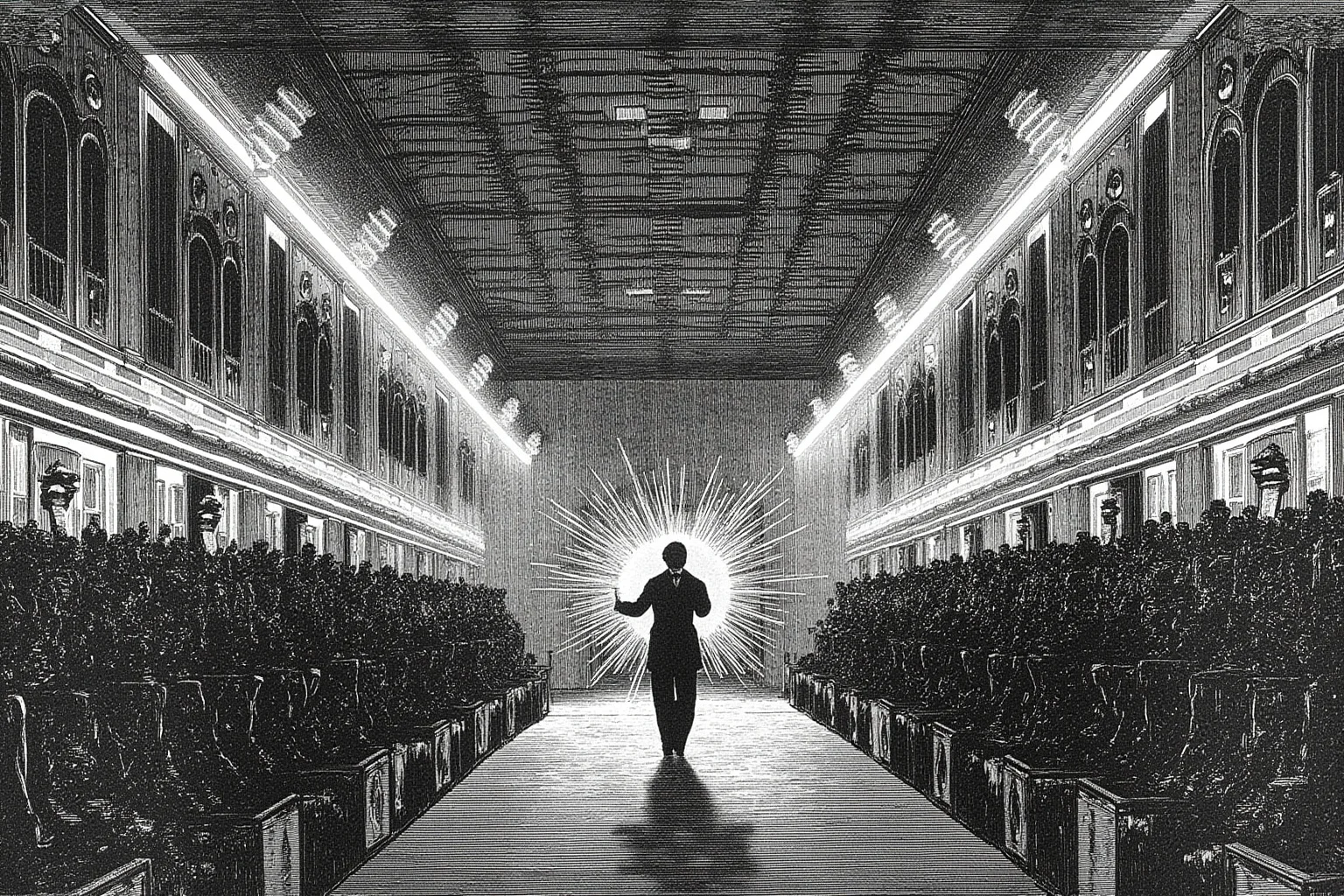
Long before he became a pop-culture icon, the public knew the inventor simply as “Mr. Tesla,” a polished lecturer who staged dramatic demonstrations. In the 1890s he stood on stages with currents flowing through his body and glowing tubes in his hands. These performances made him famous, but they also hid the fact that offstage he was becoming more withdrawn.
The Mr. Tesla of the lecture hall seemed confident, theatrical, and utterly in control. In private, however, he increasingly preferred solitude and rigid personal rules. That split between the public showman and the private man became one of the driving tensions of his life.
2. His Early Visions Were the First Sign of an Unusual Mind
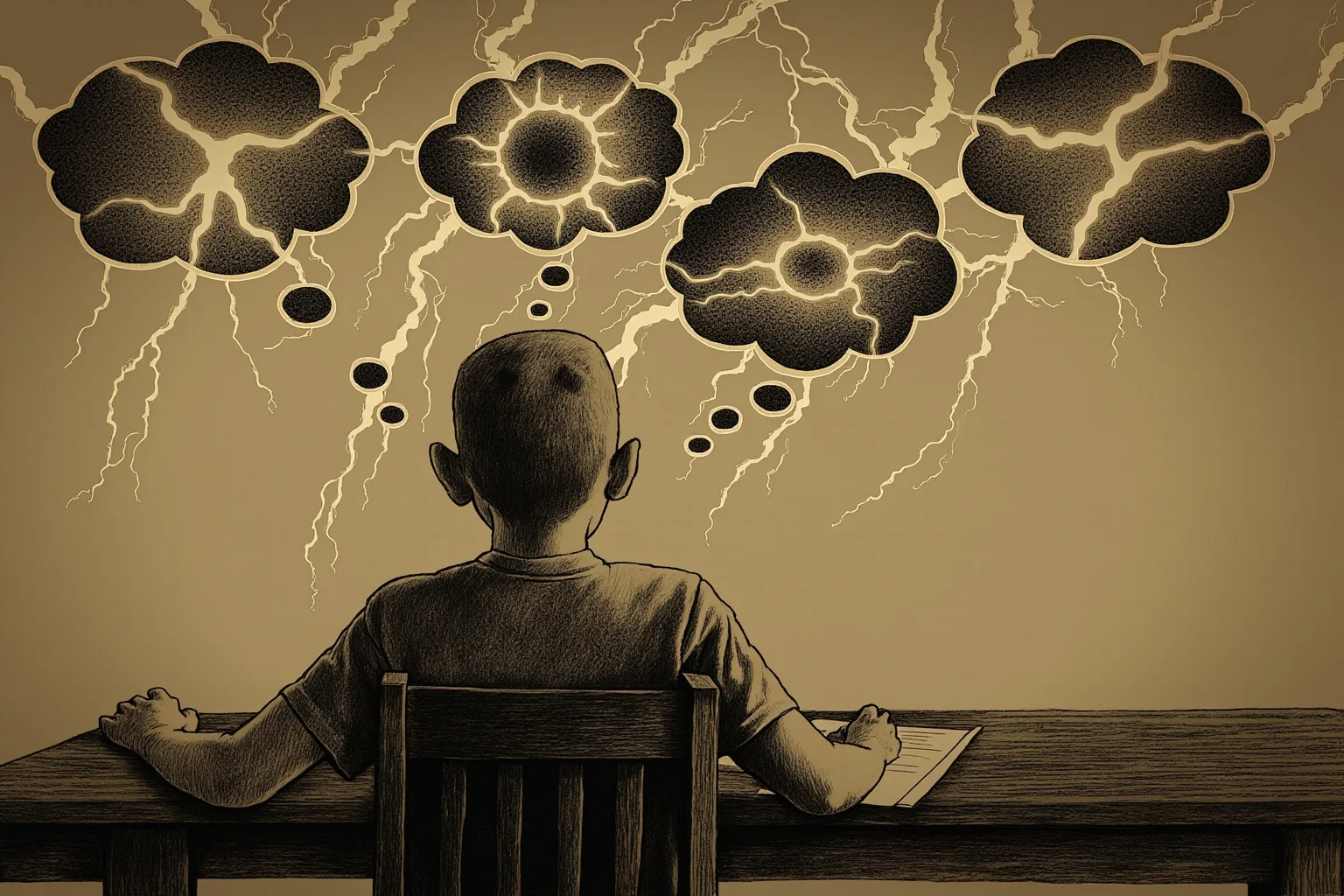
Tesla described his childhood as a time of unusually vivid mental images and sudden flashes of light. He claimed he could visualize inventions so completely that he sometimes did not need drawings before building a device. Those descriptions come primarily from his own memoirs, so historians treat them as part personal record and part self-mythology.
Even allowing for exaggeration, the pattern of intense inner experience is consistent with what close observers later reported. He often worked out mechanical problems entirely in his head. That same inward focus would later feed both his brilliance and his isolation.
He was not simply a daydreamer; the visions often came with precise mechanical detail. That mental clarity allowed him to refine designs before they reached the physical world. It also blurred the line for outsiders between observed fact and lifelong self-mythology.
3. Nikola Tesla’s Adult Life Ran on a Brutal, Self-Imposed Schedule
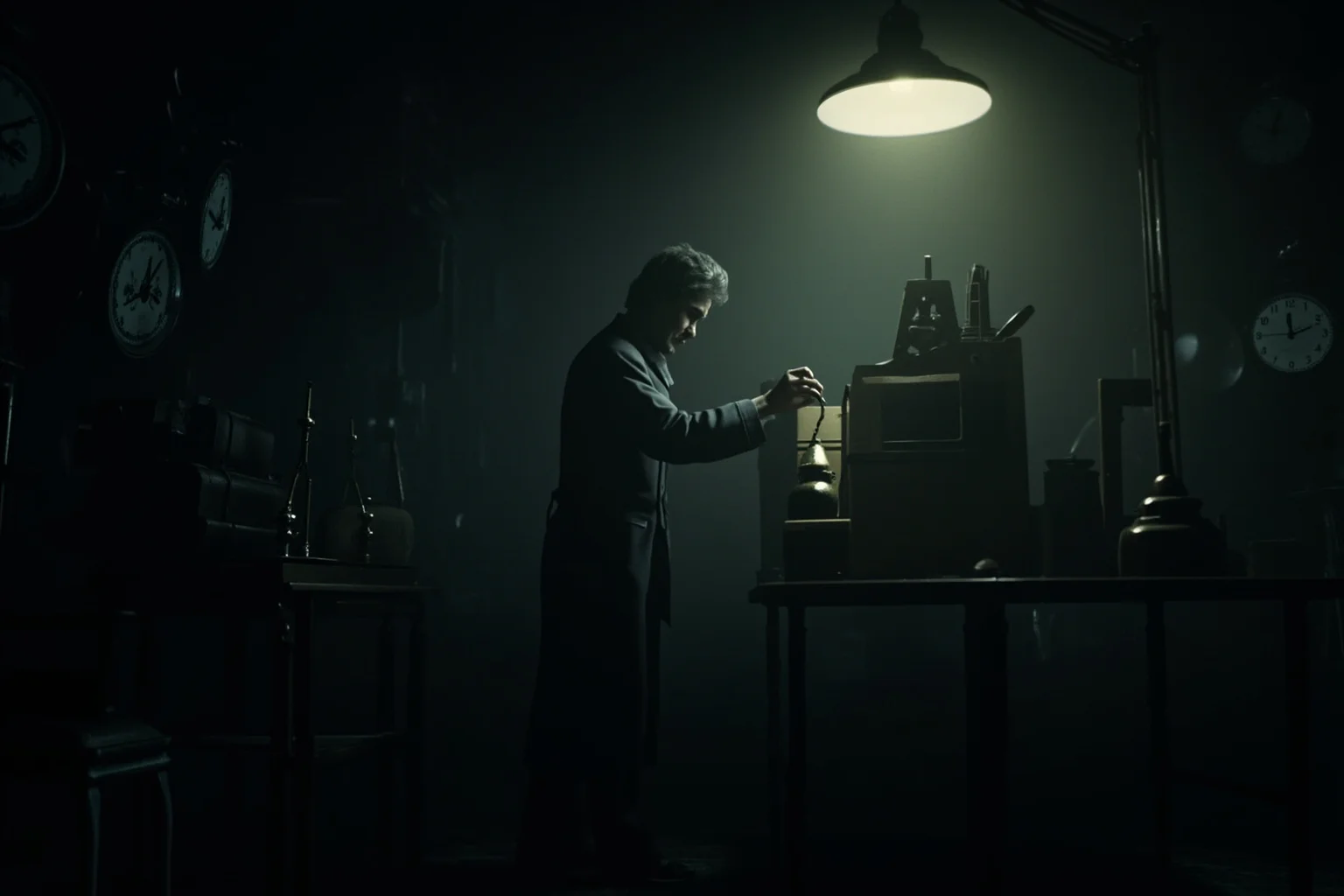
Nikola Tesla's adult life was governed by routines that sound exhausting even on paper. He claimed to sleep as little as two hours a night, worked from mid-morning until dawn, and kept meals at rigidly fixed times. Colleagues noted that he could sustain a frightening level of concentration for hours without a break.
This schedule helped him produce an enormous body of work, but it also wore him down. By middle age he was visibly struggling with exhaustion and nervous strain. The habits that made him productive may have also made ordinary rest and recovery feel impossible.
4. Nikola Tesla’s Personal Life Was Defined by Deliberate Isolation
Nikola Tesla's personal life remains a puzzle because he left so little intimate correspondence and never married. He had assistants, financial backers, and social contacts, but he kept most people at a carefully controlled distance. Late in life he told interviewers that solitude was not an accident but a chosen condition.
That isolation was not complete. He could be charming at dinner parties and had friendships with writers and journalists. Still, the overall pattern was one of withdrawal, especially as his financial troubles grew and his rituals became more demanding.
Even so, Tesla was not entirely friendless. Journalists found him warm when the conversation turned to science, and younger engineers sometimes visited him for long conversations. Those moments, however, rarely translated into stable daily companionship.
5. He Claimed Celibacy Was Essential to His Creativity
Tesla repeatedly said that he had remained celibate and that his creative power depended on it. He also made public statements suggesting that marriage could distract a serious inventor from his work. Those claims came from Tesla himself and should be read as his self-presentation, not as a full psychological profile.
Whatever the deeper truth, his stated attitude explains a great deal about his adult relationships. He admired certain women intellectually and socially, but he did not pursue domestic life. That choice left him with few close attachments outside his work and, later, his birds.
He was not hostile toward women, and he enjoyed intellectual conversations with prominent women of his era. But his public stance on marriage was consistent and uncompromising. It reinforced the image of a man who had chosen invention over intimacy.
6. Pigeons Became His Most Intimate Companions
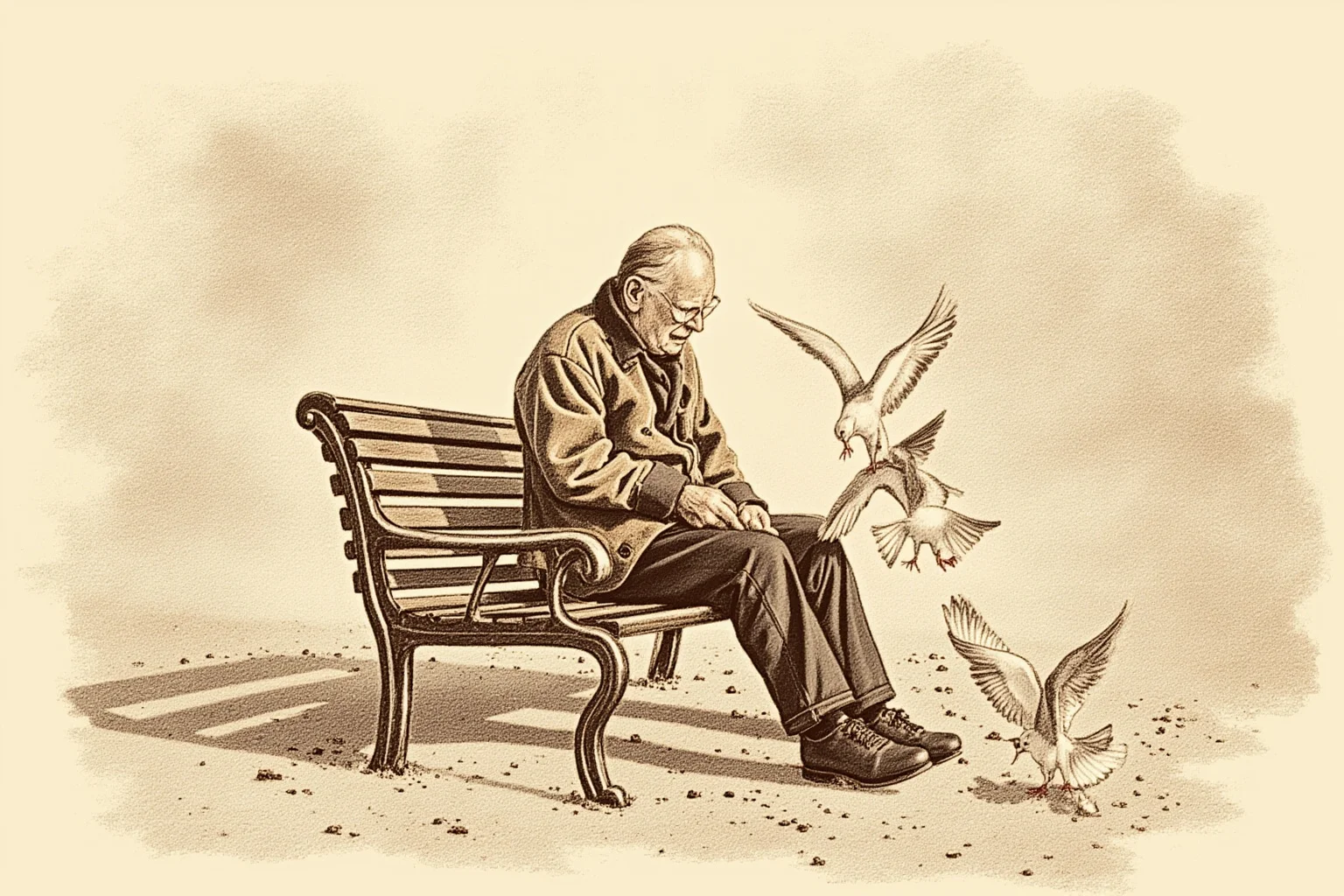
In his later years Tesla became devoted to local pigeons around New York City. He fed them regularly, paid for the care of injured birds, and eventually kept certain ones in his hotel room. The most famous was a white pigeon he described with language that sounded like romantic grief.
Many writers have treated this relationship as evidence of profound loneliness, and it likely was genuine emotional attachment. It is also one of the best-documented parts of Tesla's private life because he spoke about it openly. The image of the aging inventor nursing a wounded bird is touching, but it also reveals how isolated he had become.
7. His Compulsions Made Daily Life a Series of Private Rituals
Tesla developed habits that modern readers might recognize as obsessive-compulsive behavior, though no one should retroactively diagnose him from a distance. He had a strong aversion to dirt and germs, insisted on precise meal routines, and showed an intense dislike of round objects in certain contexts. He also had strong preferences about numbers, especially the number three, and could be visibly disturbed when a routine was broken.
These rituals were not mere eccentricities to Tesla. They seem to have been attempts to impose order on a mind that was constantly processing ideas. Friends and hotel staff learned to accommodate them, but the behaviors often made everyday life difficult for everyone involved.
8. The “Earthquake Machine” Story Is More Folklore Than Fact
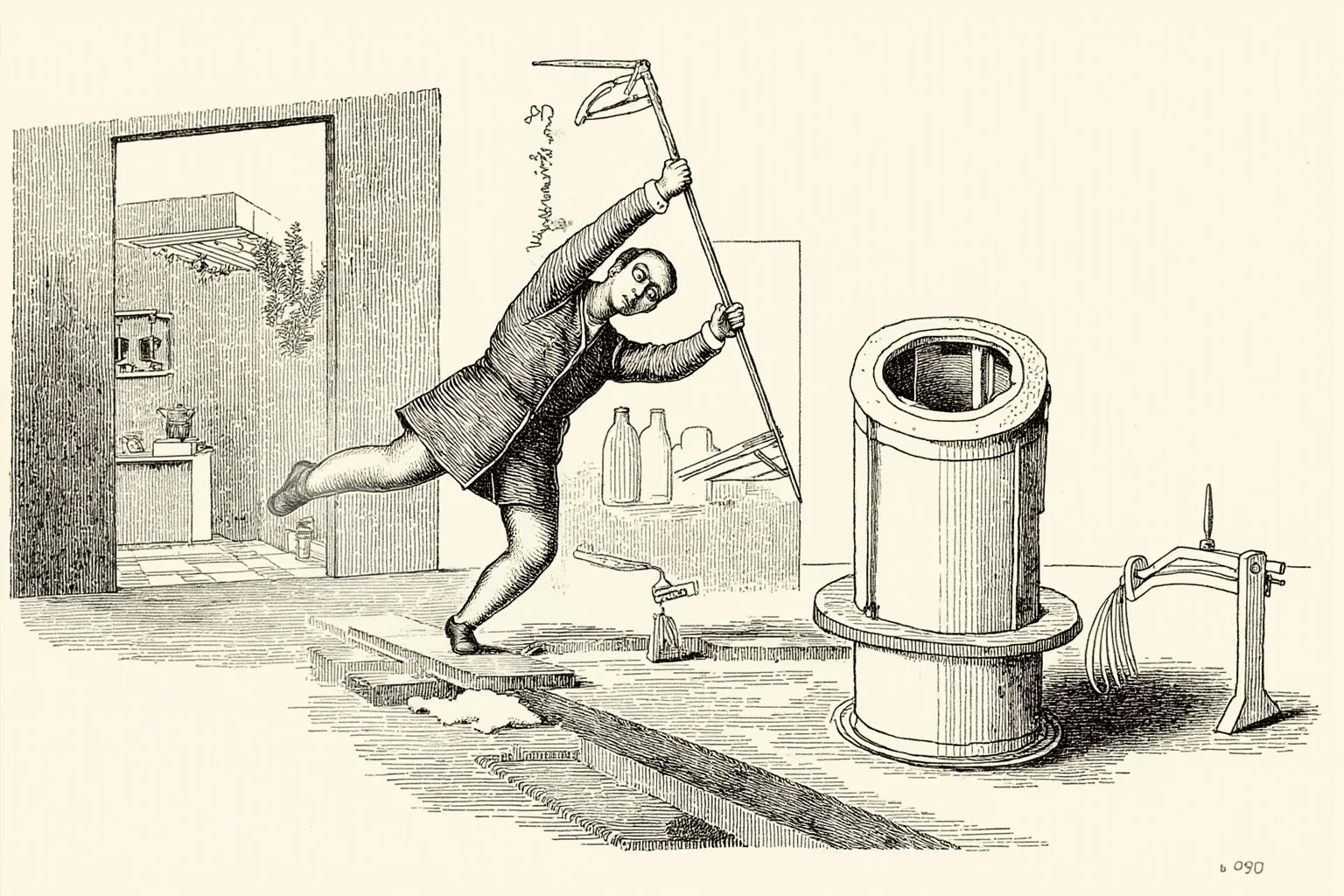
One of the most repeated Nikola Tesla controversy stories involves a small mechanical oscillator that supposedly shook buildings. Tesla did claim that a pocket-sized oscillator could produce powerful vibrations and possibly bring down a structure. The tale says he had to smash the device with a hammer to stop it from shaking his own laboratory.
That version of events makes for a great story, but the details cannot be verified and Tesla himself enjoyed theatrical exaggeration. The underlying physics of resonance is real, and large structures can indeed vibrate dangerously at certain frequencies. What Tesla never demonstrated was a working device that did anything close to causing an earthquake.
9. Was Nikola Tesla Rich? His Wealth Was Almost Always on Paper
The question “was Nikola Tesla rich” has a complicated answer. At his peak, he held lucrative patents and was a celebrated public figure with powerful backers. However, his income never matched the scale of his fame, and he repeatedly plowed money into projects that did not pay off quickly enough.
Some accounts say he tore up a royalty agreement with Westinghouse that could have made him extremely wealthy. The exact terms and motivations are debated, but the result is not: Tesla died with significant debts and no large fortune. He was rich in ideas and reputation, but poor in the ordinary financial sense.
The pattern repeated throughout his career: a burst of money would arrive, and he would pour it into the next grand experiment. He did not seem to manage wealth as a cushion against failure. That is why the simple question of his wealth has no simple yes-or-no answer.
10. The Wardenclyffe Tower Collapse Broke Him Financially and Emotionally
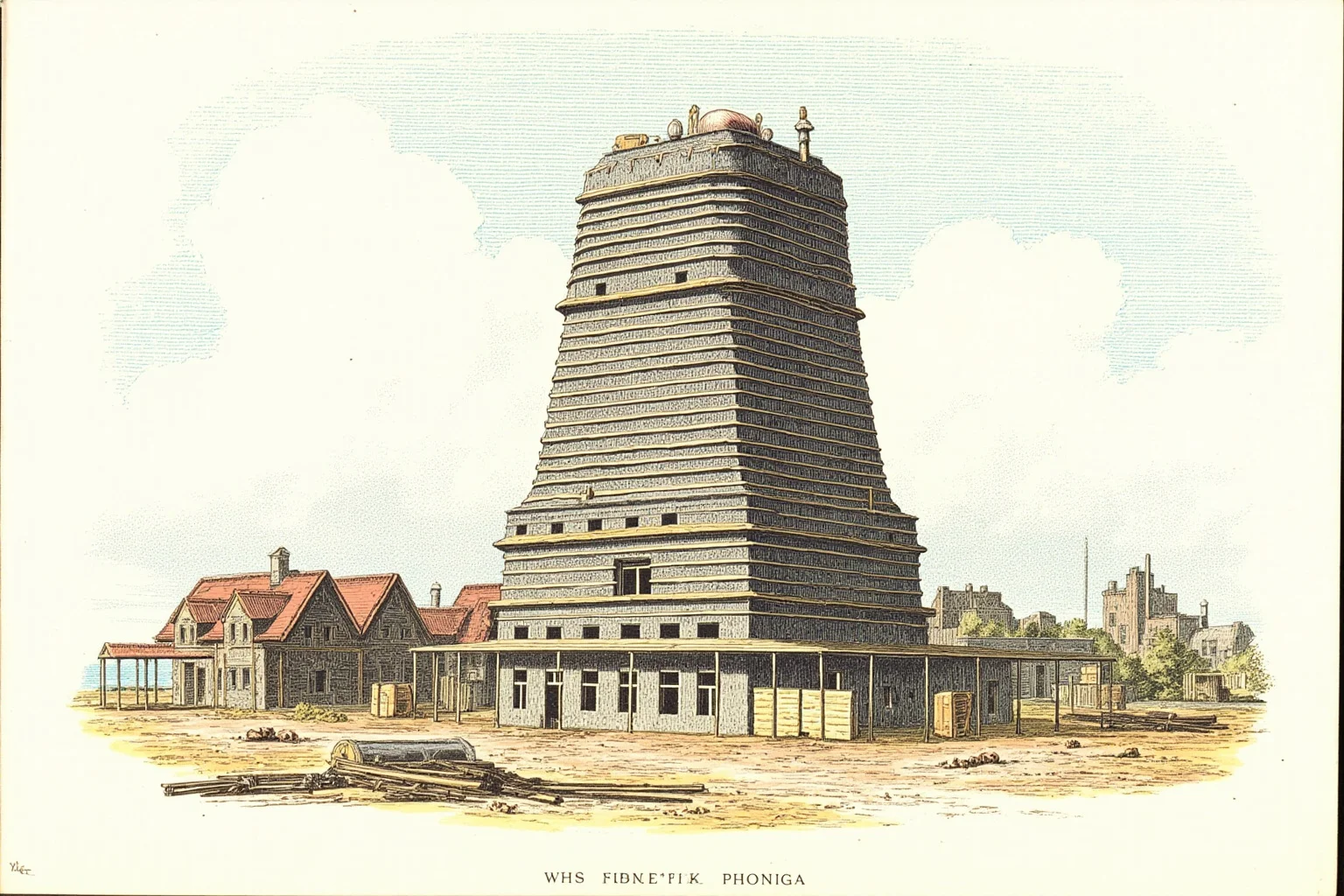
Tesla’s most ambitious project, the Wardenclyffe transmission tower on Long Island, was meant to send wireless messages and possibly power across the Atlantic. J.P. Morgan initially supported the plan, but the money dried up as the project fell behind. The Nikola Tesla challenges of this period were both technical and financial, and the site was eventually abandoned and demolished.
For Tesla, the loss was not just a business failure. He had poured years of belief into the idea of global wireless transmission. After Wardenclyffe collapsed, his career never fully recovered, and his later claims became more desperate and more grandiose.
11. His Rivalry With Edison Was Real, but It Was Not a Cartoon War
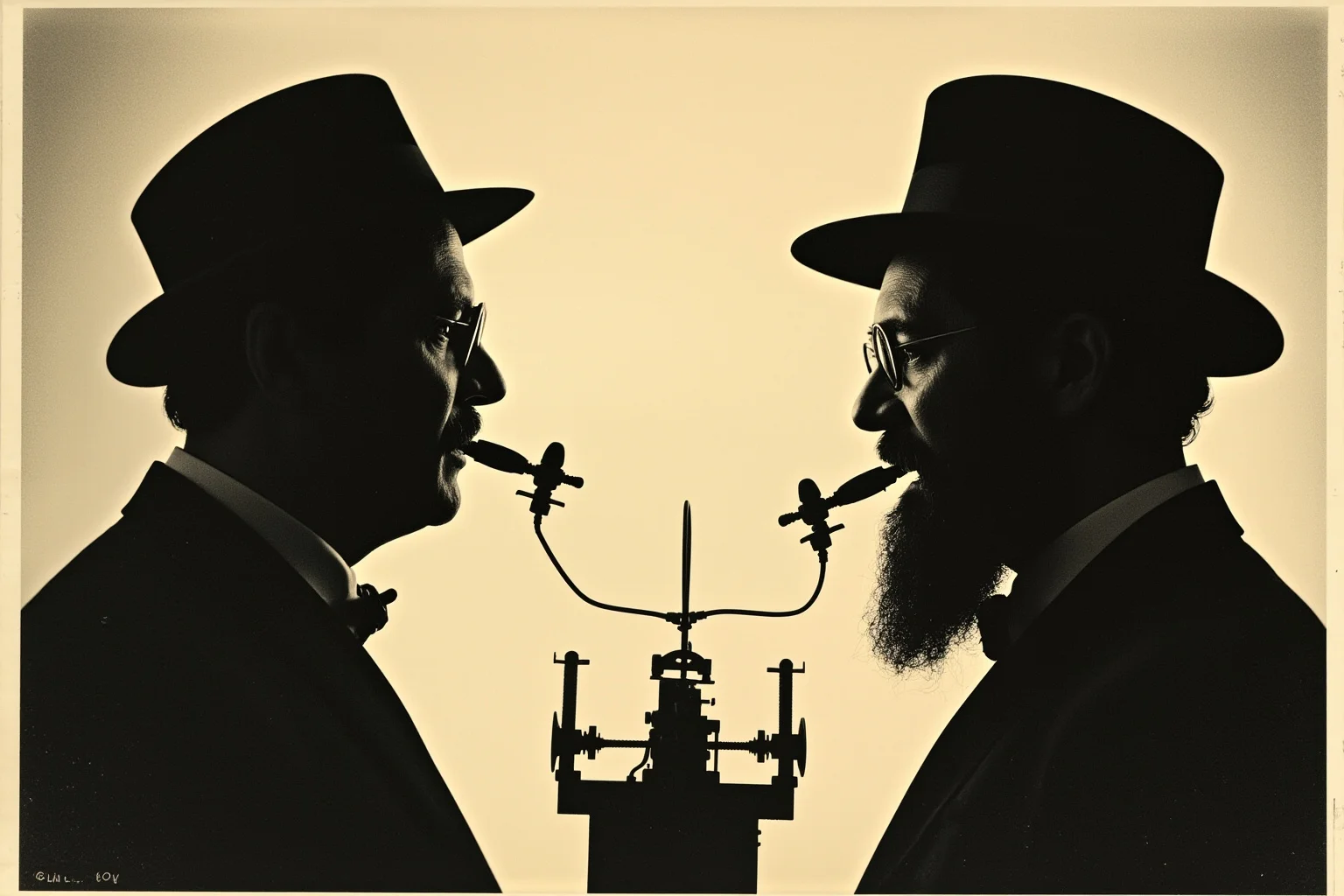
The Tesla-Edison conflict is often portrayed as a simple battle between an underdog genius and a greedy industrialist. The real history was messier. Edison promoted direct current for early electric systems, while Tesla and George Westinghouse argued for alternating current. The fight included harsh publicity stunts, but it also involved genuine engineering disagreements.
Tesla had worked for Edison early in his career and later spoke of him with a mixture of respect and frustration. Edison was not solely responsible for Tesla’s failures, and Tesla was not simply a victim. The war of the currents was a corporate and technical struggle as much as a personal one.
12. The Radio Patent Fight Was the Defining Nikola Tesla Controversy
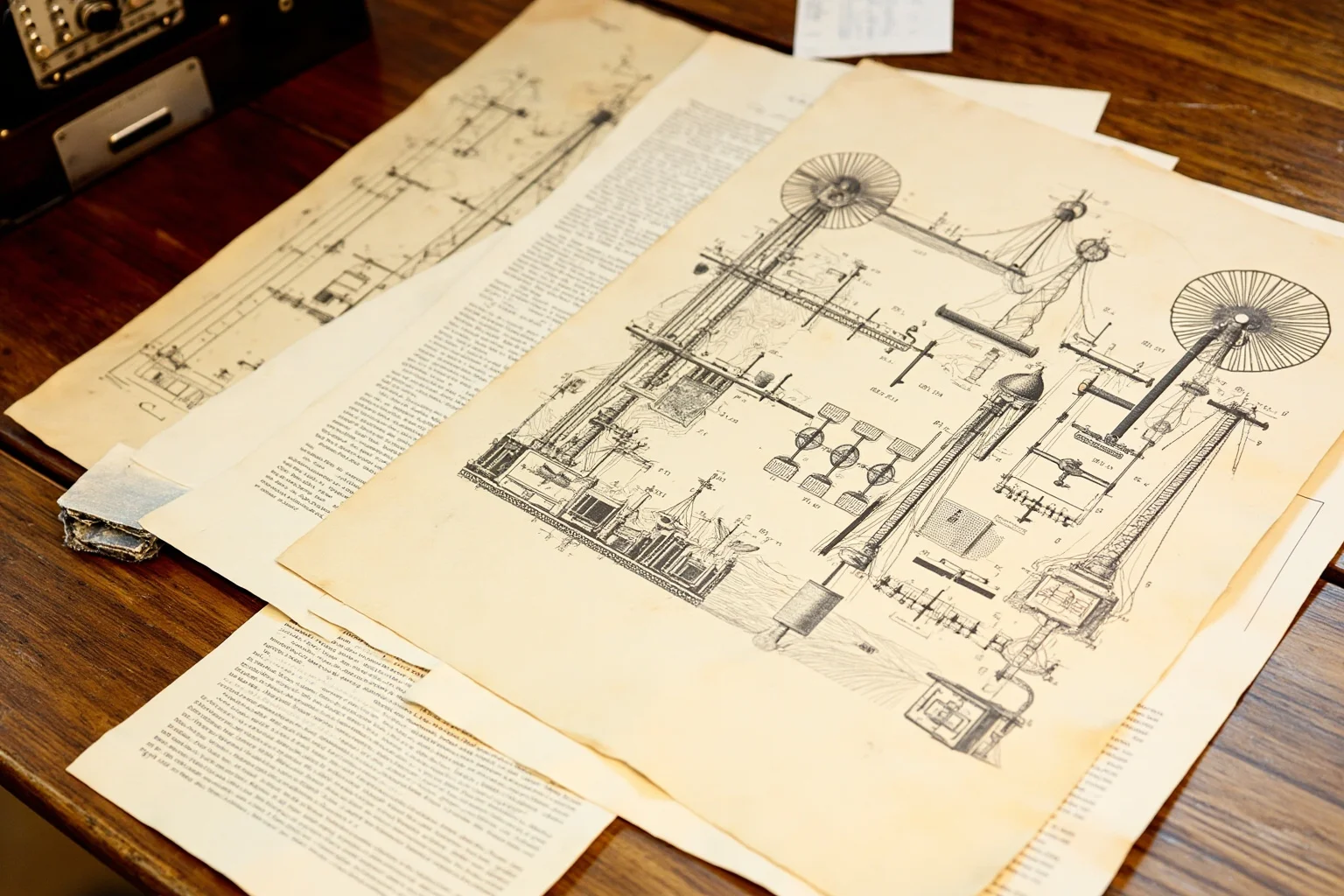
Among Tesla's battles, the fight over radio credit is one of the most enduring sources of Nikola Tesla controversy. Guglielmo Marconi built successful early wireless telegraphy systems and received much of the public credit. Tesla had his own patents, and a Supreme Court decision in 1943 addressed a specific patent claim, but it did not end the complicated question of who invented radio.
What is certain is that Tesla contributed crucial ideas to wireless technology and spent years pursuing that work. The patent dispute became part of his legacy and still fuels debates among historians and enthusiasts. It is a reminder that invention is rarely a single clean story with one hero.
13. His Later Years Were a Slow Unraveling in New York Hotels
Tesla spent the last decades of his life moving between hotels in New York City, often leaving unpaid bills behind. He kept up appearances with occasional interviews and birthday press events, but his living situation was unstable. Hotel managers tolerated him because of his fame, and he often had no permanent home.
Those years were marked by visible decline. He continued to announce dramatic new inventions, but fewer and fewer were ever demonstrated. The pattern of late-life announcements without working prototypes deepened the sense that he was living partly in the world of his own unfinished ideas.
The constant moves also reflected his shrinking professional circle. As financial backers drifted away and old friends died, he became more reliant on hotel staff and occasional admirers. The great public figure of the 1890s had become, by the 1930s, a lonely man with a long memory.
14. Tesla’s Notes Were Real, but Their “Lost” Status Is Often Exaggerated
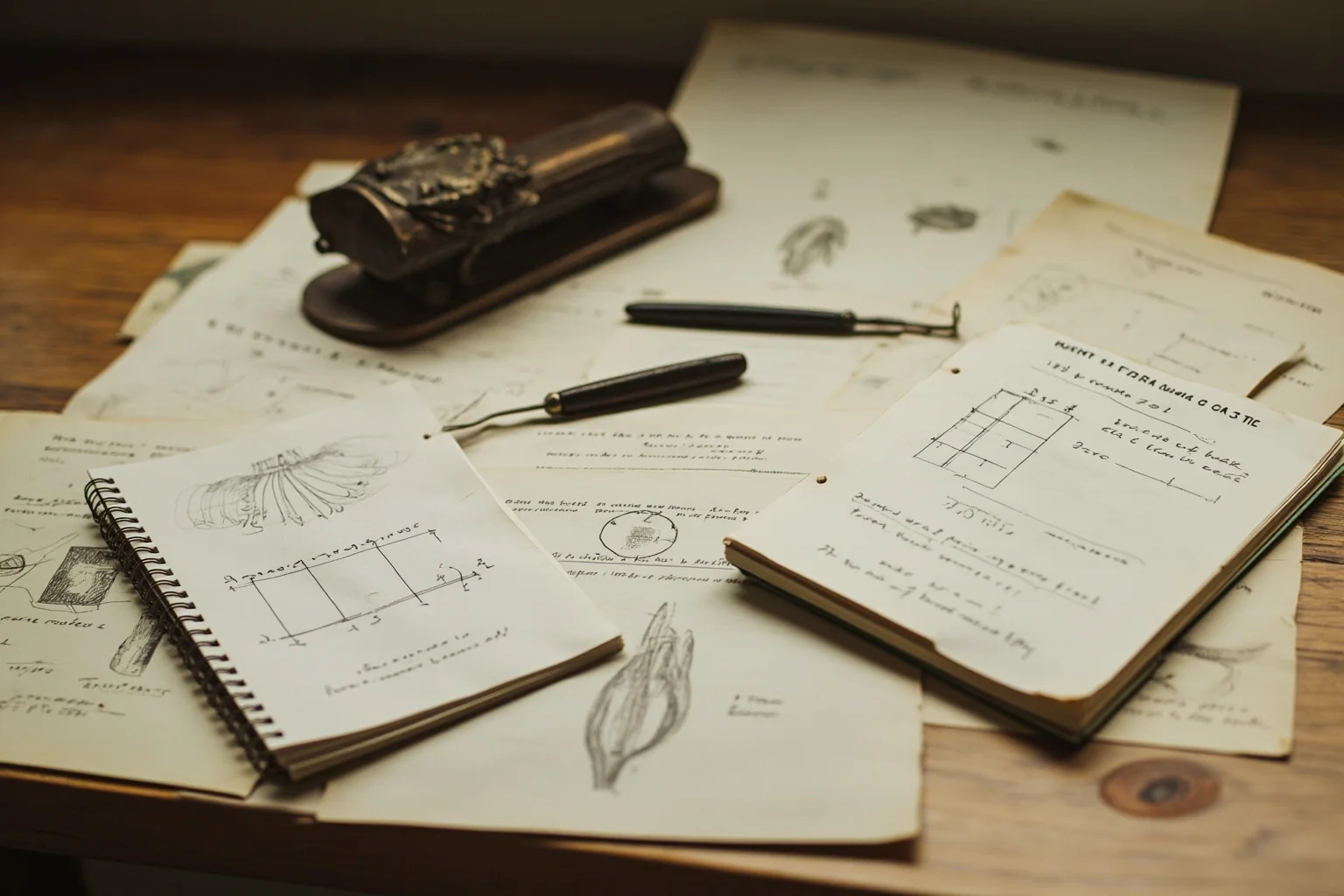
Tesla's notes were extensive, detailed, and sometimes baffling. He filled notebooks with plans, mathematical sketches, and descriptions of devices that were never built. After his death, many of those papers were examined by government officials and engineers, including a review by MIT professor John G. Trump.
The popular idea that all of Tesla's notes vanished into a secret vault is not accurate. Significant collections survive in museums and archives, especially in Belgrade. Some documents were returned to family representatives, and many have been studied openly by historians.
15. Why “Nikola Tesla Inventions Destroyed” Is a Persistent Search
The phrase “Nikola Tesla inventions destroyed” likely survives because Tesla himself claimed that he had invented important devices but had no working models to show. He sometimes said he had deliberately withheld or destroyed plans for dangerous weapons or devices that the world was not ready to use. Those statements, combined with the posthumous handling of his papers, created a powerful myth.
In reality, there is no verified evidence of a complete hidden superweapon or free-energy machine that was destroyed or suppressed. This is also why some people stumble onto garbled phrasing such as “Dane Tesla inventions,” usually a typo or misreading of Nikola Tesla's later ideas. The disappearance of individual papers is real, but the larger legend of a lost technological treasure is not well supported by the historical record.
16. The Teleforce “Death Ray” Was a Genuine Obsession, Not a Superweapon
Tesla spent years promoting a particle-beam weapon he called Teleforce, which newspapers nicknamed the “death ray.” He claimed it could shoot down aircraft or disable armies from a distance. No working prototype was ever built or demonstrated, and the technical details he offered were inconsistent.
The idea reflected Tesla's genuine interest in directed energy, but it was not a finished weapon. Governments did investigate his claims at various points, but no evidence shows that a secret operational Tesla death ray was produced. This is one case where the public image of Tesla overshadows what the historical record actually supports.
17. The FBI Raid Story Is Mostly a Posthumous Myth
A popular story says that the FBI raided Tesla's room immediately after his death and carted away all his papers. In reality, the seizure of his property was handled by the Office of Alien Property Custodian because Tesla was a foreign national. He was born in present-day Croatia, and his belongings were later reviewed under that legal process.
Some documents were indeed taken and examined, but the dramatic image of a secret FBI raid belongs more to novels and films than to the documented record. John G. Trump reviewed a portion of the papers and concluded they contained no dangerous secrets. The truth is bureaucratic, not cinematic.
The distinction matters because many versions of Tesla's story rely on the idea that shadowy forces confiscated world-changing technology. The documented review found no such thing, though the legend still circulates online. Responsible historians prefer the paper trail to the thriller plot.
18. The Pierce-Arrow Electric Car Story Cannot Be Verified
One of the most appealing stories about Tesla’s later years claims that he secretly converted a Pierce-Arrow automobile to run on an electric motor powered by a mysterious black box. The story says the car reached high speeds without any conventional fuel source. No photographs, engineering drawings, or credible period documents have surfaced to confirm the event.
The tale appears to have grown from secondhand accounts and was repeated long after Tesla's death. Because it cannot be verified, historians treat it as legend rather than established fact. It fits a pattern in which Tesla's genuine brilliance attracts stories that go far beyond the evidence.
19. His Final Years Were Shadowed by Poverty and Unpaid Bills
Tesla died on January 7, 1943, alone in a New York hotel room. He had spent his last years relying on the patience of hotel managers, the loyalty of a few friends, and the fading glow of his reputation. He never regained the financial stability or the public standing he had enjoyed decades earlier.
In those final years he continued to feed pigeons and to give occasional interviews about future inventions. The contrast between his youthful fame and his late-life poverty is one of the saddest parts of the entire Tesla story. It also explains why so many people ask whether Tesla was ever truly rich.
20. Modern Myth-Making Has Obscured the Real Nikola Tesla
Tesla has become a symbol of the unappreciated genius, a figure claimed by inventors, futurists, and internet culture. That mythic version often flattens him into either a saint of science or a victim of corporate greed. Both images miss the more difficult reality: he was a genuine innovator whose personal struggles were as powerful as his intellect.
The real Nikola Tesla deserves to be remembered for what he actually did, not only for what legend says he did. His story is compelling enough without invented superweapons, hidden papers, and secret cars. In the end, his greatest legacy may be the reminder that extraordinary genius and deep personal suffering can exist in the same life.
The Real Legacy: Genius Does Not Erase Suffering
Tesla's inventions helped shape the electrical age, and his ideas still influence modern technology. But the darker side of his private life is not a small footnote. It is central to understanding why such a brilliant man ended his years in poverty, isolation, and unfinished ambition.
The most honest way to tell Tesla's story is to hold both truths at once. He was a visionary who changed the world, and he was also a fragile, complicated person who struggled with patterns that likely caused him great pain. That is not a tragic simplification; it is the real historical record, and it is interesting enough on its own.
Frequently Asked Questions
Why do people ask about “Nikola Tesla inventions destroyed”?
The phrase likely comes from Tesla's own claims that he had built or conceived dangerous devices but had no working models to show. Some people also believe his papers were secretly destroyed after his death. However, historians have not found verified evidence of a complete hidden superweapon or free-energy machine that was deliberately destroyed.
Was Nikola Tesla rich?
Tesla was rich in ideas and briefly held valuable patents, but he was not wealthy in a lasting financial sense. He repeatedly poured money into ambitious projects, and his income never matched his fame. He died with significant debts and no large fortune.
What happened to Tesla’s notes after he died?
Many of Tesla's notes were reviewed by government officials and engineers, including MIT professor John G. Trump. They were not all destroyed or lost. Significant collections survive in museums and archives, including institutions in Belgrade, where they are still studied.
What are “Dane Tesla inventions”?
The phrase appears to be a common misspelling or misreading of Nikola Tesla's inventions. There is no separate historical inventor named Dane Tesla with a documented body of inventions.
Did Tesla ever marry?
No, Tesla never married. He publicly said that celibacy and solitude helped him focus on his work. His later life was marked by increasing isolation, with few close personal attachments.
Did the FBI really raid Tesla’s hotel room?
The dramatic FBI raid story is mostly a myth. Tesla's property was handled by the Office of Alien Property Custodian because he was a foreign national. Some papers were reviewed, but there is no evidence of a secret FBI operation to confiscate world-changing technology.

Alex Warren
Related Articles