Royal weddings can look like fairy tales, but a close look at the guest list often reveals the same family filling both sides of the aisle. For centuries, dynasties used marriage as a tool of statecraft, and that very often meant choosing a spouse from among your own extended relatives.
Before modern ideas about romantic love and genetic risk existed, royal cousin marriage was usually seen as practical, not scandalous. This list of famous people who married family members focuses on royal courts, where the pattern was most systematic and well documented.
TL;DR: Royal marriages were strategic alliances, and for centuries marrying a cousin, uncle, niece, or even sibling helped dynasties keep power, land, and legitimacy inside the family.
Why Did Royals Marry Their Cousins?
Marriage among close relatives was not an eccentric royal habit; it was a deliberate political strategy. A wedding could seal a peace treaty, merge two claims, or keep a contested territory under family control. Marrying a cousin kept those advantages inside the dynasty.
Royal families also believed that rank was inherited and that only certain bloodlines were equal to their own. This narrowed the pool of acceptable spouses to a tiny group of European and, in other regions, home-grown aristocratic houses. After a few generations, possible partners were almost always distant or sometimes close cousins.
Religious regulations played a role too. In medieval and early modern Europe, canon law prohibited marriages within several degrees of consanguinity, but popes regularly issued dispensations for royal couples. That paperwork allowed first cousins, uncles and nieces, and other close relatives to marry without scandal.
People in these families did not have modern genetics to warn them about inherited disease. They observed problems when close kin married, but they typically explained them through heredity, humoral theory, or divine judgment. The use of repeated close marriages in families like the Spanish Habsburgs made the consequences much more visible.
What looks like a bizarre choice today was, in its historical context, a rational move in a competitive dynastic system. The royals on this list were doing what their world expected: protecting land, title, and bloodline. Understanding that does not excuse the harmful outcomes, but it helps explain why the pattern survived for so long.
20 Royals Who Married Relatives
The following examples range from ancient Egypt to the twentieth century. Each entry shows how the same logic repeated across cultures, continents, and centuries.
1. Tutankhamun and Ankhesenamun

Tutankhamun married his half-sister Ankhesenamun, continuing an 18th Dynasty tradition of close royal marriage. Egyptian kings sometimes used sibling and half-sibling unions to echo divine myths and keep the succession focused. DNA studies suggest Tutankhamun’s own parents were also closely related, though the exact family tree remains unsettled.
For ancient Egyptians, royal marriage carried religious and political meaning rather than romantic intent. A royal daughter like Ankhesenamun could reinforce the young pharaoh’s legitimacy because her bloodline was considered uniquely pure. The court therefore saw close marriage not as a private matter but as a piece of sacred statecraft.
2. Ramesses II and His Royal Daughters
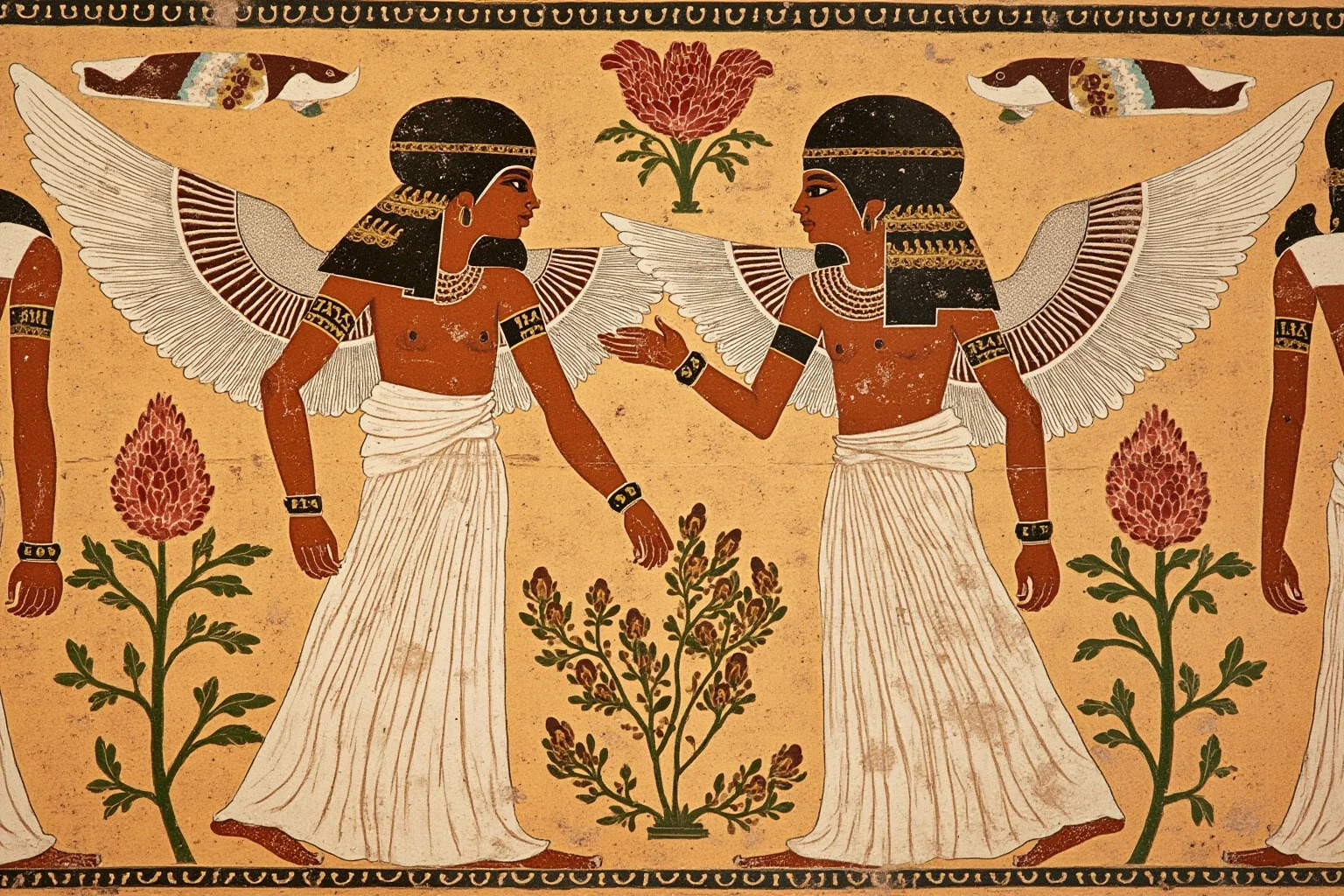
Ramesses II, one of Egypt’s most celebrated pharaohs, married several women from his own family. After senior queens died, he elevated daughters such as Meritamen and Bintanath to the role of royal wife. These marriages had a strongly symbolic and ritual function connected to the king’s semi-divine status.
A daughter as queen consort was not necessarily a domestic arrangement in the modern sense. The role brought temple duties, elevated rank, and public representation of the royal household. It also kept the circle of power extremely narrow around the pharaoh.
3. Arsinoe II and Ptolemy II
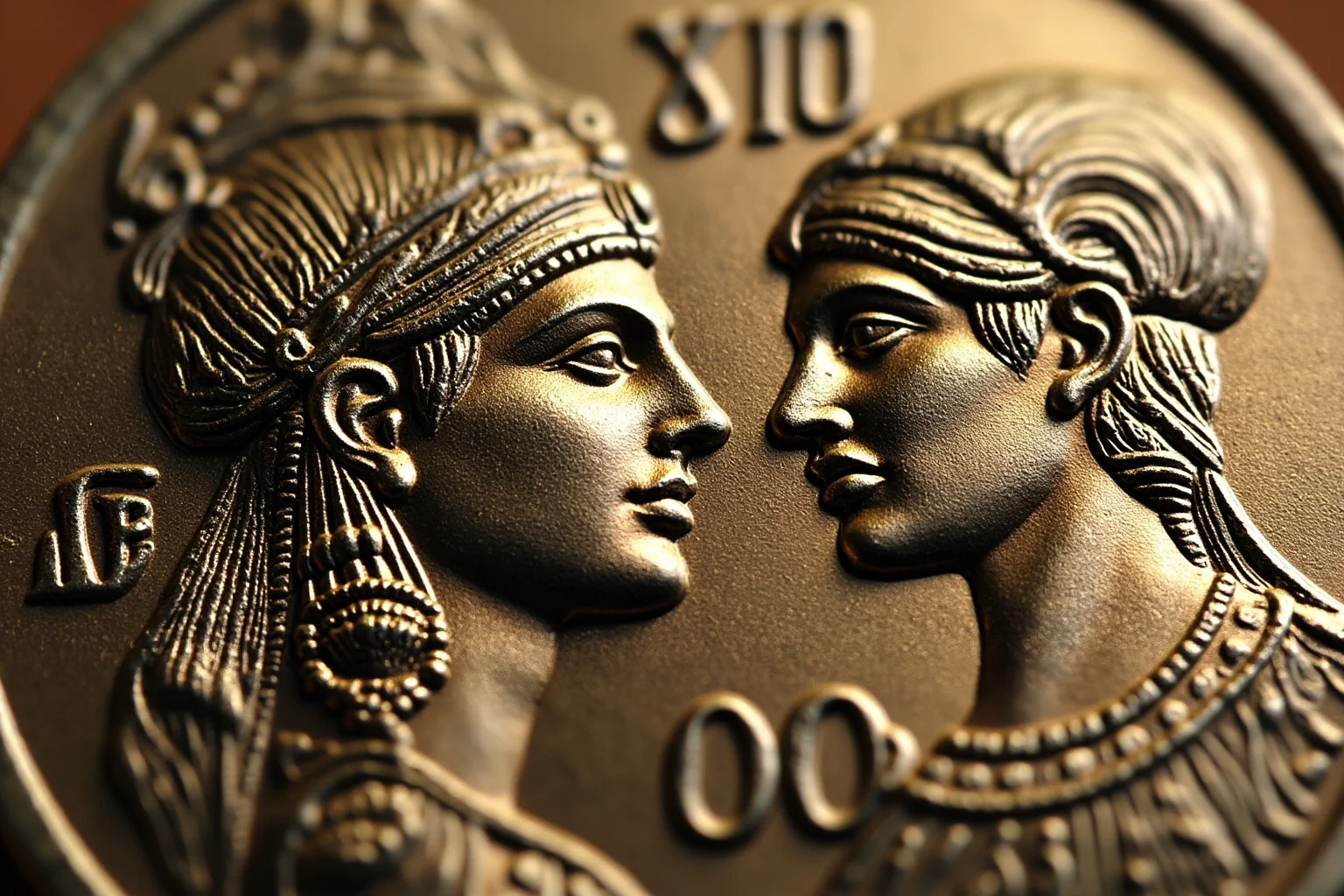
Arsinoe II married her full brother Ptolemy II Philadelphus in a marriage that scandalized Greek observers. The Ptolemies justified the union by pointing to divine sibling couples in Egyptian religion. Over time, sibling marriage became a defining feature of the Ptolemaic dynasty.
Greek sources mocked the practice, but the Ptolemies continued to present themselves as living gods. The marriage of Arsinoe and Ptolemy concentrated land, titles, and religious authority in a single family core. It also created a precedent that later Ptolemies, including Cleopatra’s family, followed.
4. Cleopatra VII and Her Brothers
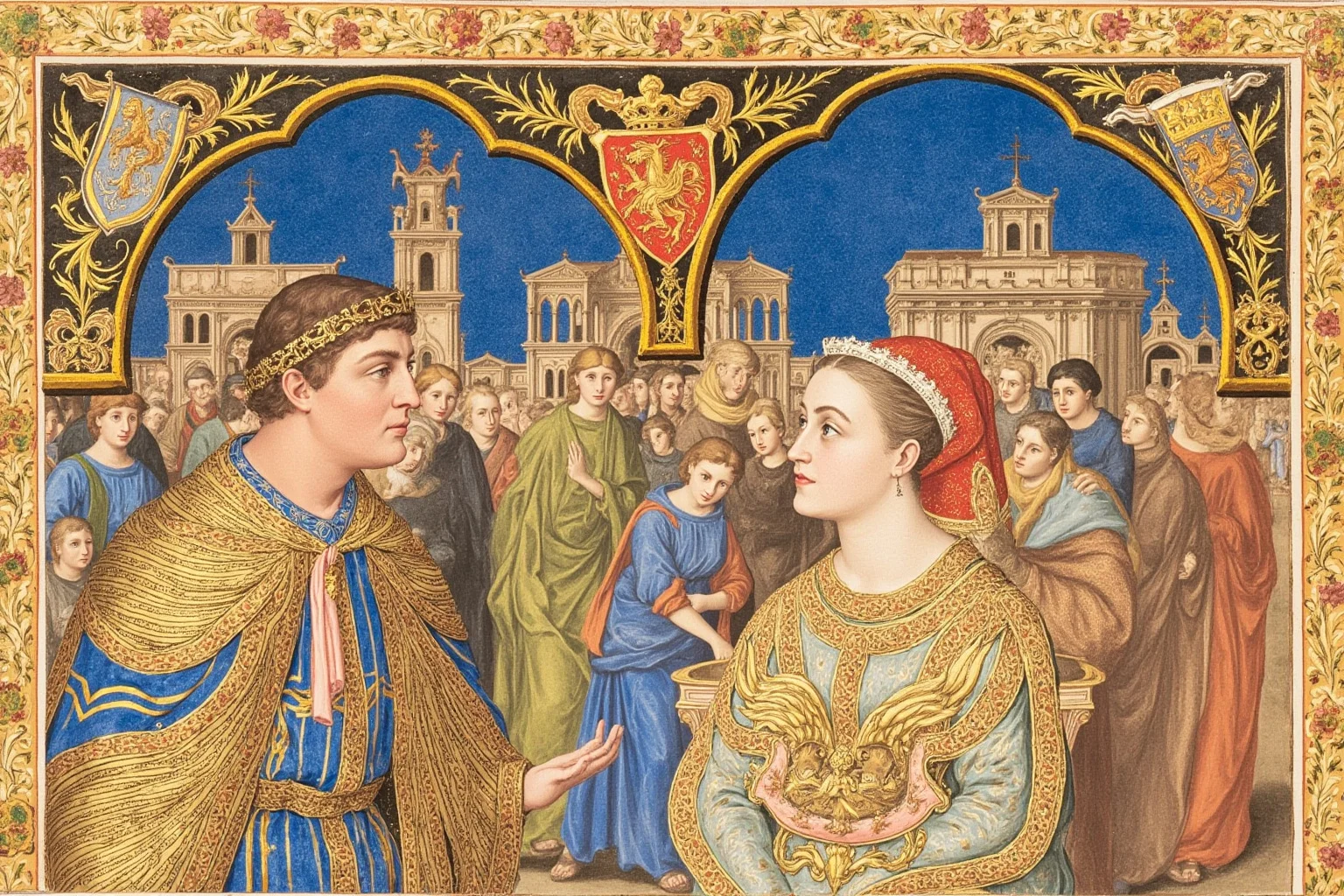
Cleopatra VII is one of the most famous people who married family members in ancient history. Under Ptolemaic custom, she married her younger brother Ptolemy XIII and, after his death, married another brother, Ptolemy XIV. These unions were less about romance than about co-rulership and dynastic legitimacy.
Cleopatra’s power struggles with Ptolemy XIII made their marriage an especially tense partnership. Even so, the sibling-marriage framework remained useful because it kept the throne within the family. Cleopatra was both a product and a shrewd operator of that system.
5. Ferdinand II of Aragon and Isabella I of Castile
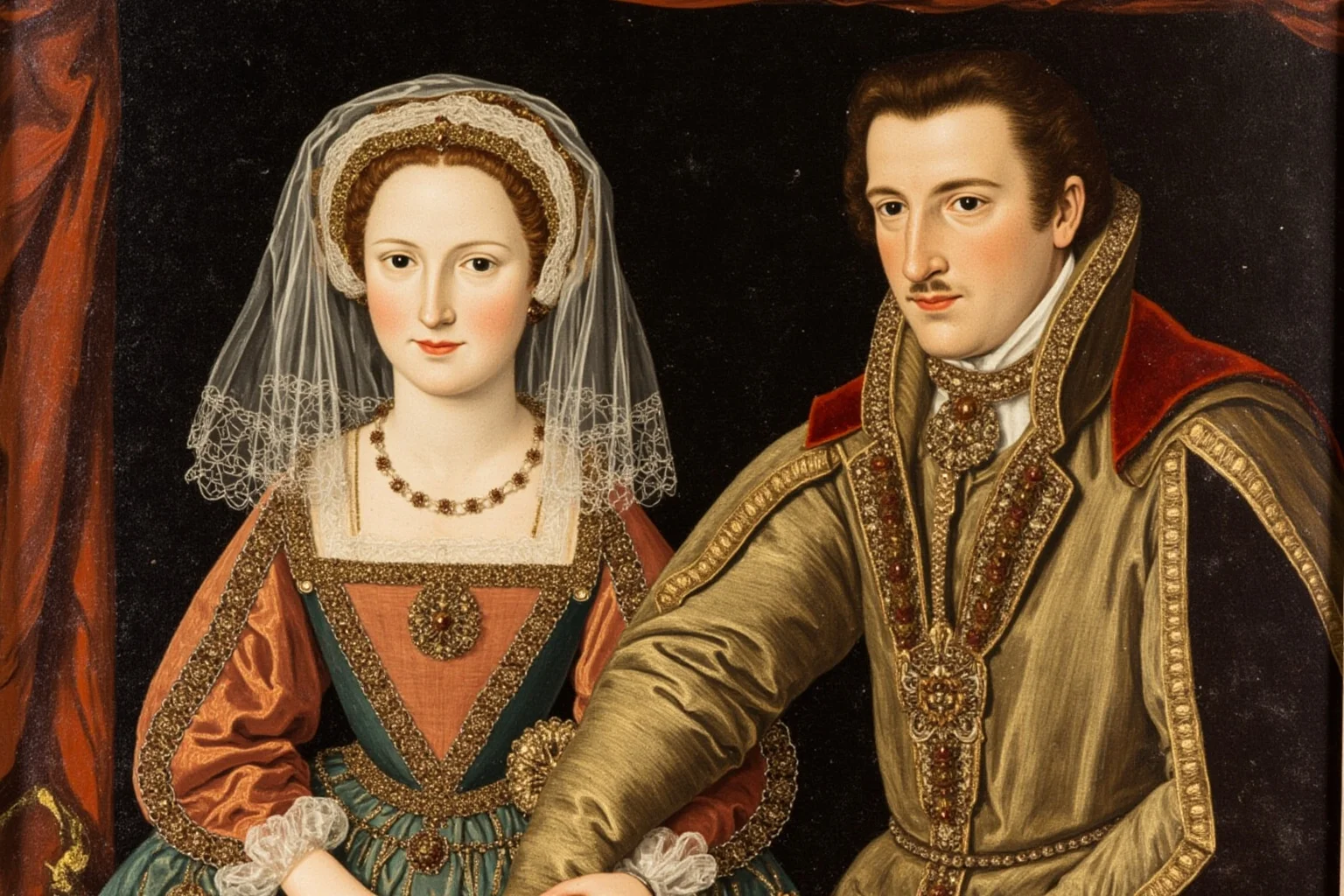
Ferdinand of Aragon and Isabella of Castile were second cousins, both members of the Trastámara dynasty. To marry in 1469, they needed a papal dispensation because their consanguinity fell within church restrictions. The document was initially questionable, which added political tension to the already bold union.
Their marriage did not formally merge their kingdoms, but it created a powerful partnership that reshaped Spanish politics. It also illustrates why royal cousins often chose each other: similar rank, shared family interests, and the promise of future claims. The church’s power to grant or withhold dispensations made royal cousin marriage both controlled and possible.
6. Mary, Queen of Scots, and Lord Darnley
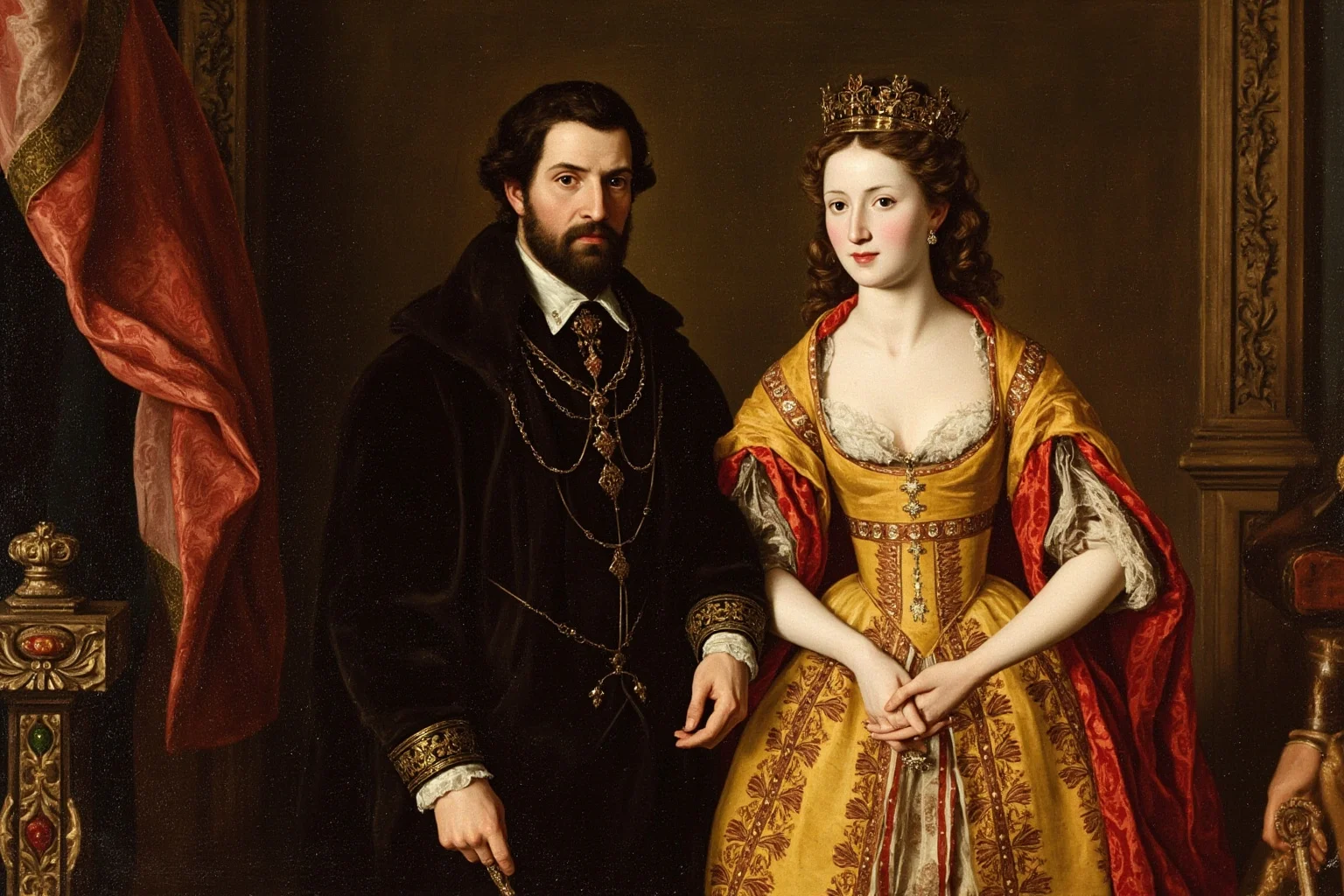
Mary, Queen of Scots, married Henry Stuart, Lord Darnley, in 1565. They were half-first cousins because both descended from Margaret Tudor, sister of Henry VIII. That shared connection strengthened both of their claims to the English throne.
The marriage was designed to combine those claims and produce an heir with an even stronger position. It backfired dramatically, producing conflict, murder, and Mary’s eventual downfall. Still, the couple’s son became James VI of Scotland and James I of England.
7. Philip II of Spain and Anna of Austria
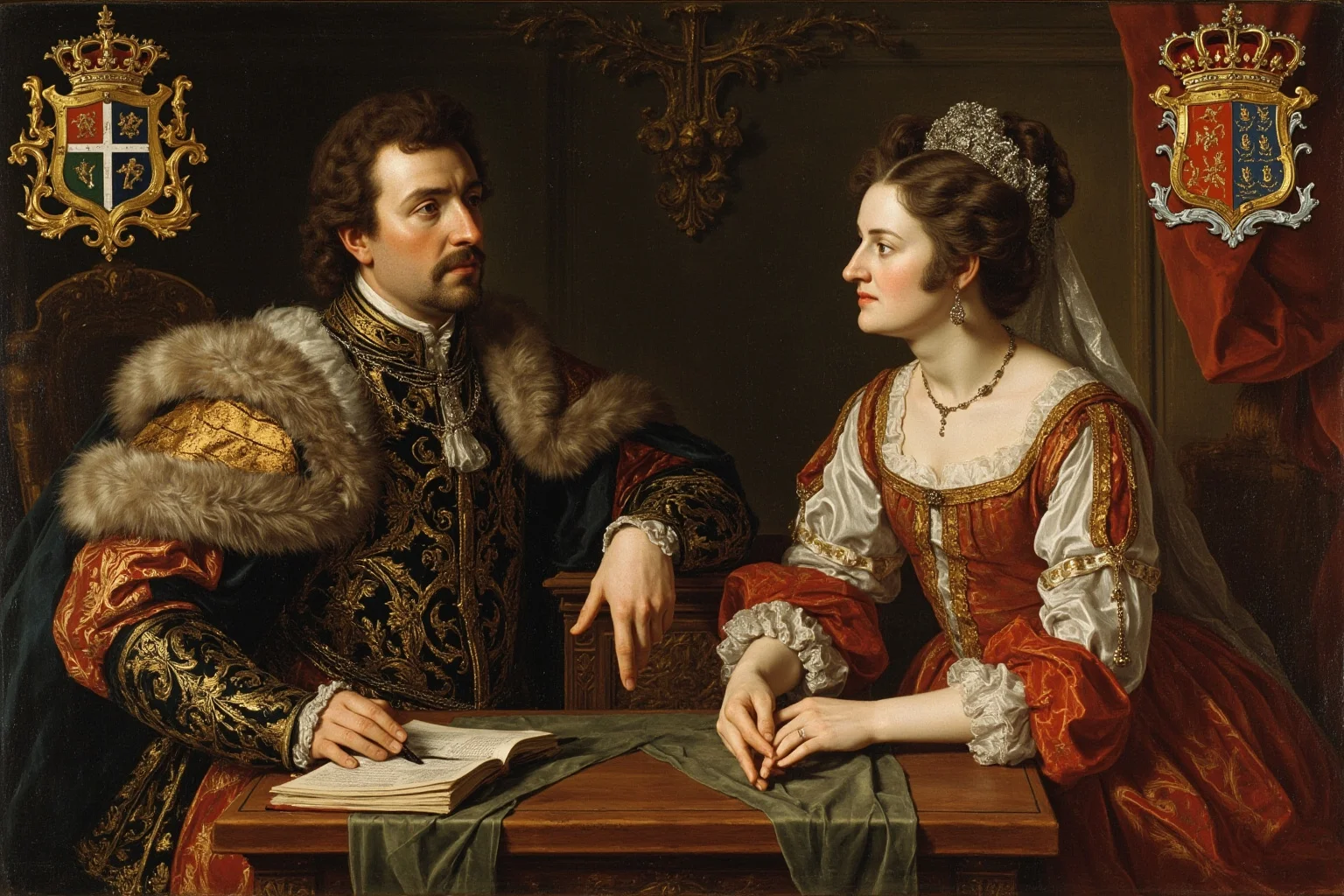
Philip II of Spain married his niece Anna of Austria in 1570. Anna was the daughter of Philip’s sister Maria and Maximilian II, which made the match a classic uncle-niece Habsburg union. The marriage required papal approval and was intended to bind the Spanish and Austrian branches closer together.
Close Habsburg marriages like this were not hidden; they were publicly recorded as dynastic policy. Over generations, they created a family tree with many repeated ancestors. That pattern became a central part of the story of the Spanish Habsburgs.
8. Louis XIV and Maria Theresa of Spain
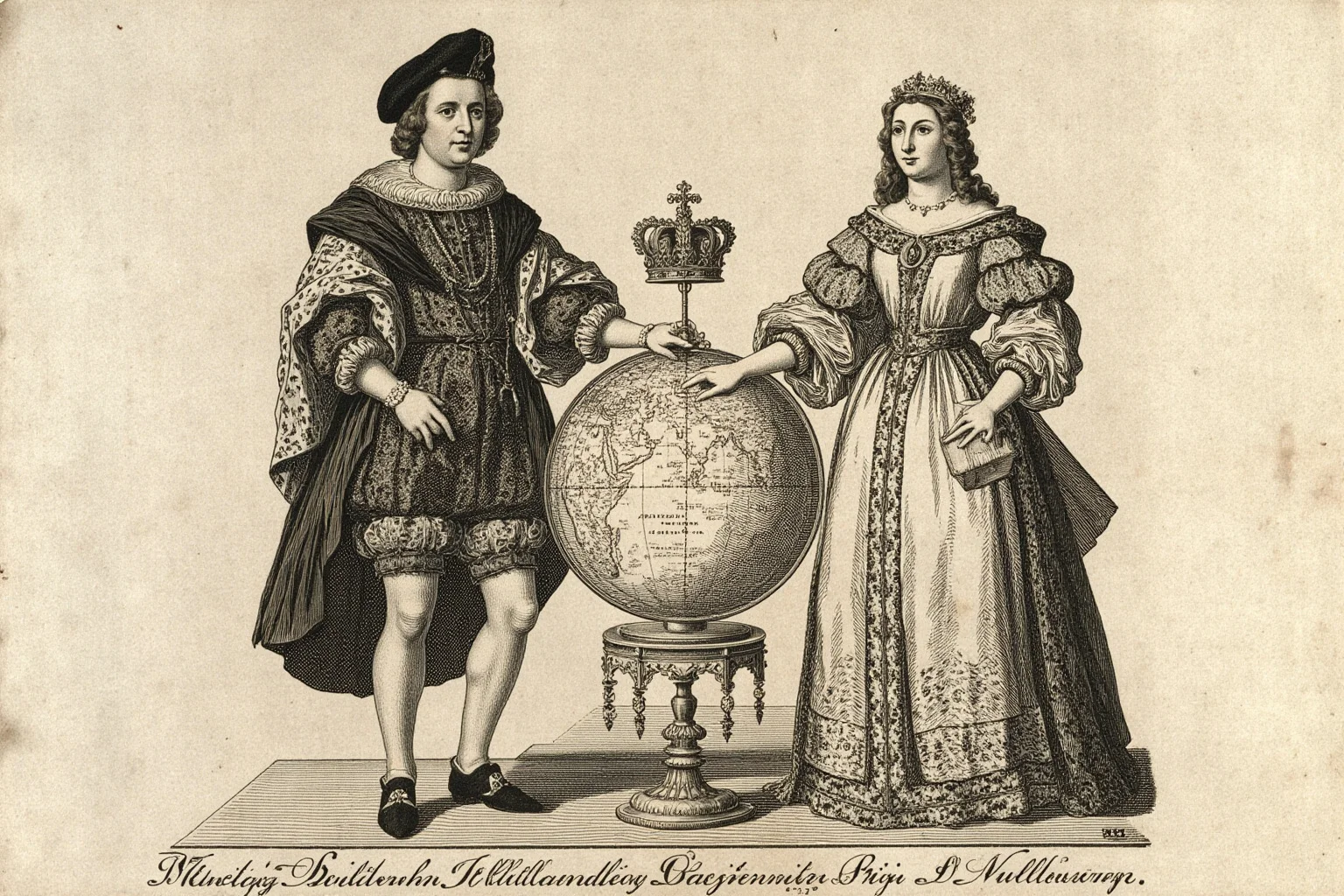
Louis XIV of France and Maria Theresa of Spain were first cousins on both sides. His mother, Anne of Austria, and her father, Philip IV of Spain, were siblings, while their other parents came from the same tightly linked royal houses. The marriage sealed the 1659 Treaty of the Pyrenees.
The union brought peace between two long-warring powers and made Maria Theresa a queen of France. Family ties were essential to the treaty because they gave each side a stake in the other’s dynasty. Royal weddings in this era were often diplomatic agreements with dynastic clauses attached.
9. William III and Mary II
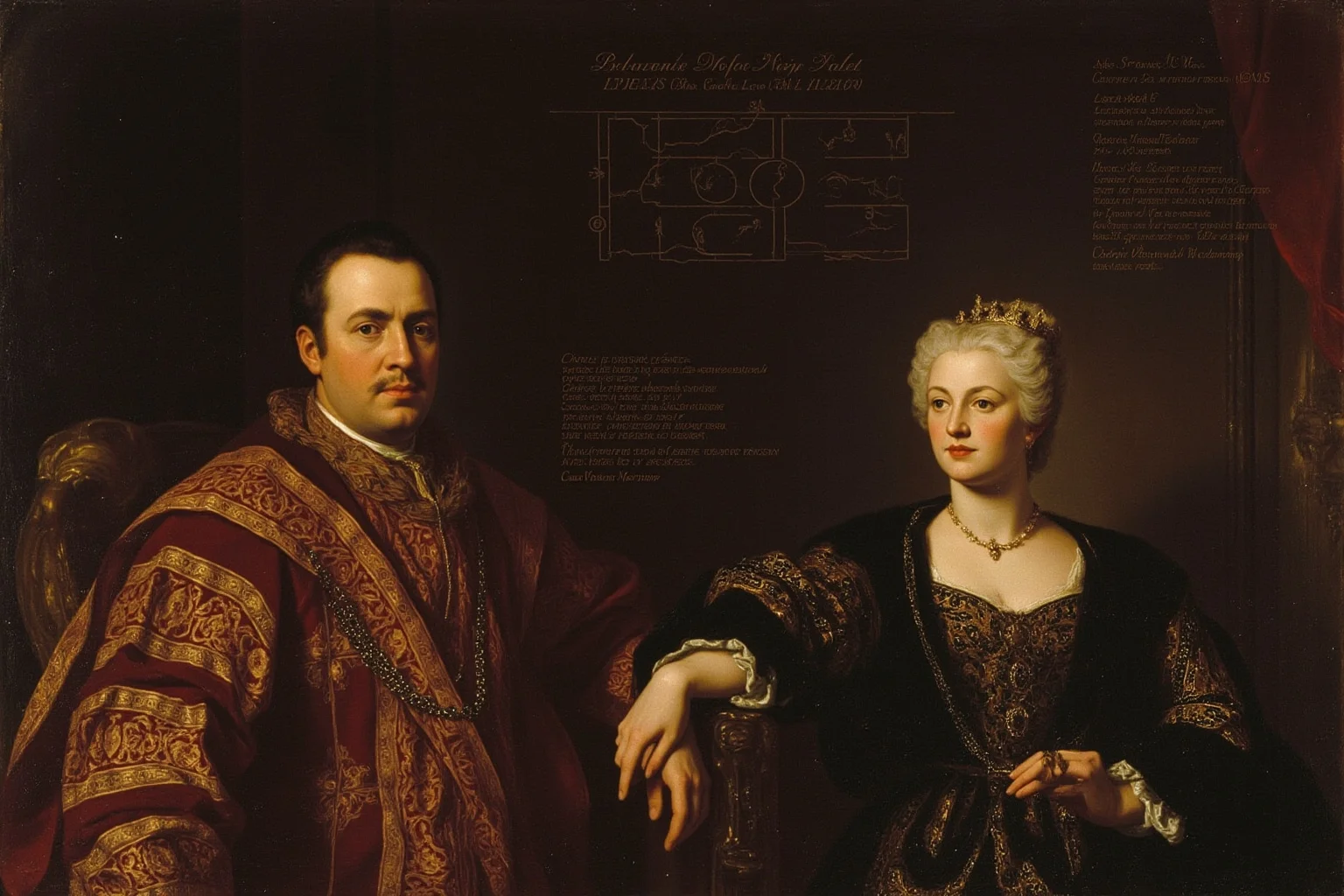
William of Orange and Mary Stuart were first cousins, both grandchildren of Charles I of England and Scotland. Their 1677 marriage was arranged by dynastic planners who wanted William to have a stake in English affairs. Later, the match enabled the couple to claim the English throne jointly after the Glorious Revolution.
William and Mary’s shared family line was not an obstacle because the relationship was well within the range of royal practice. Their joint rule changed English constitutional history. It also showed that cousin marriage could be used to manage succession crises.
10. Charles II of Spain and Marie Louise d’Orléans
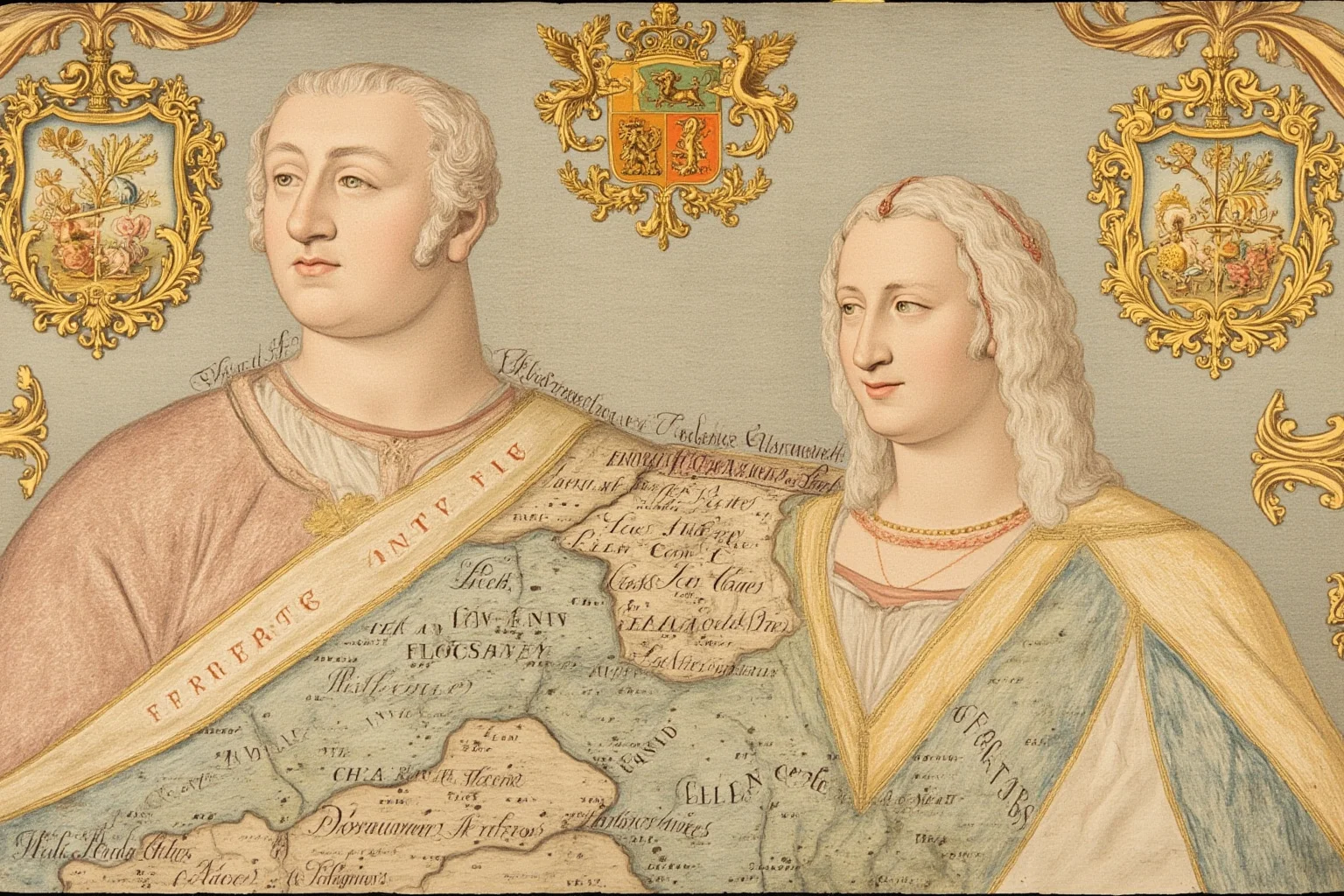
Charles II of Spain inherited the results of repeated Habsburg inbreeding, most notably an uncle-niece marriage between his own parents. He himself married Marie Louise d’Orléans, a cousin, in 1679. The marriage was part of the diplomatic dance between Spain and France.
Charles suffered from serious health problems that historians often associate with generations of close matches, though individual causes are complex. He left no heir, which helped spark the War of the Spanish Succession. His story made royal inbreeding a topic of open discussion across Europe.
11. George I and Sophia Dorothea of Celle
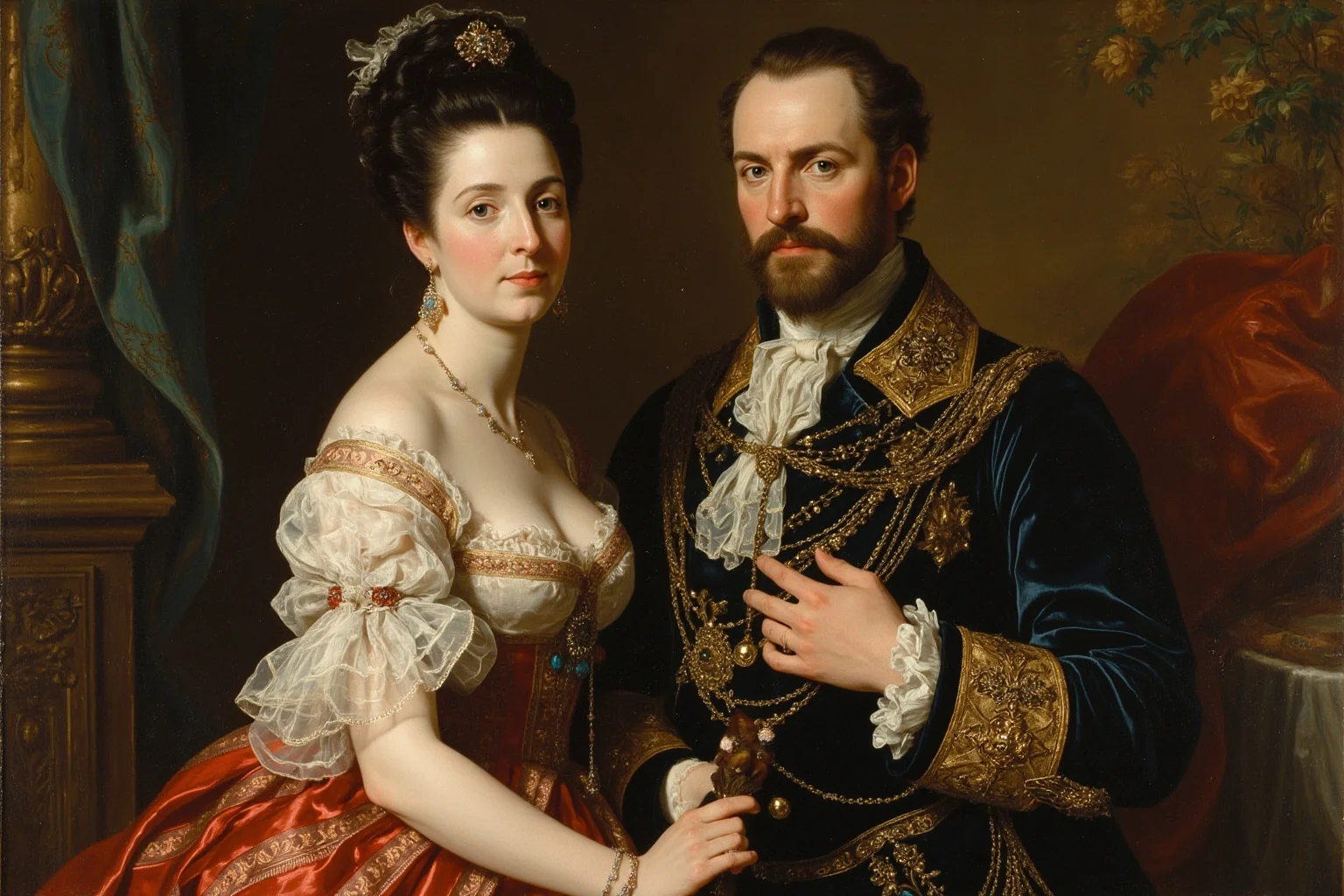
George I of Great Britain married his first cousin Sophia Dorothea of Celle in 1682. The marriage was designed to combine adjacent German territories and the resources of the House of Brunswick-Lüneburg. It provided an heir, the future George II.
The personal relationship collapsed into one of the most infamous royal estrangements of the era. Sophia Dorothea was confined for decades after an alleged affair. The marriage illustrates how little personal compatibility mattered when lands and titles were on the table.
12. Maria I and Peter III of Portugal
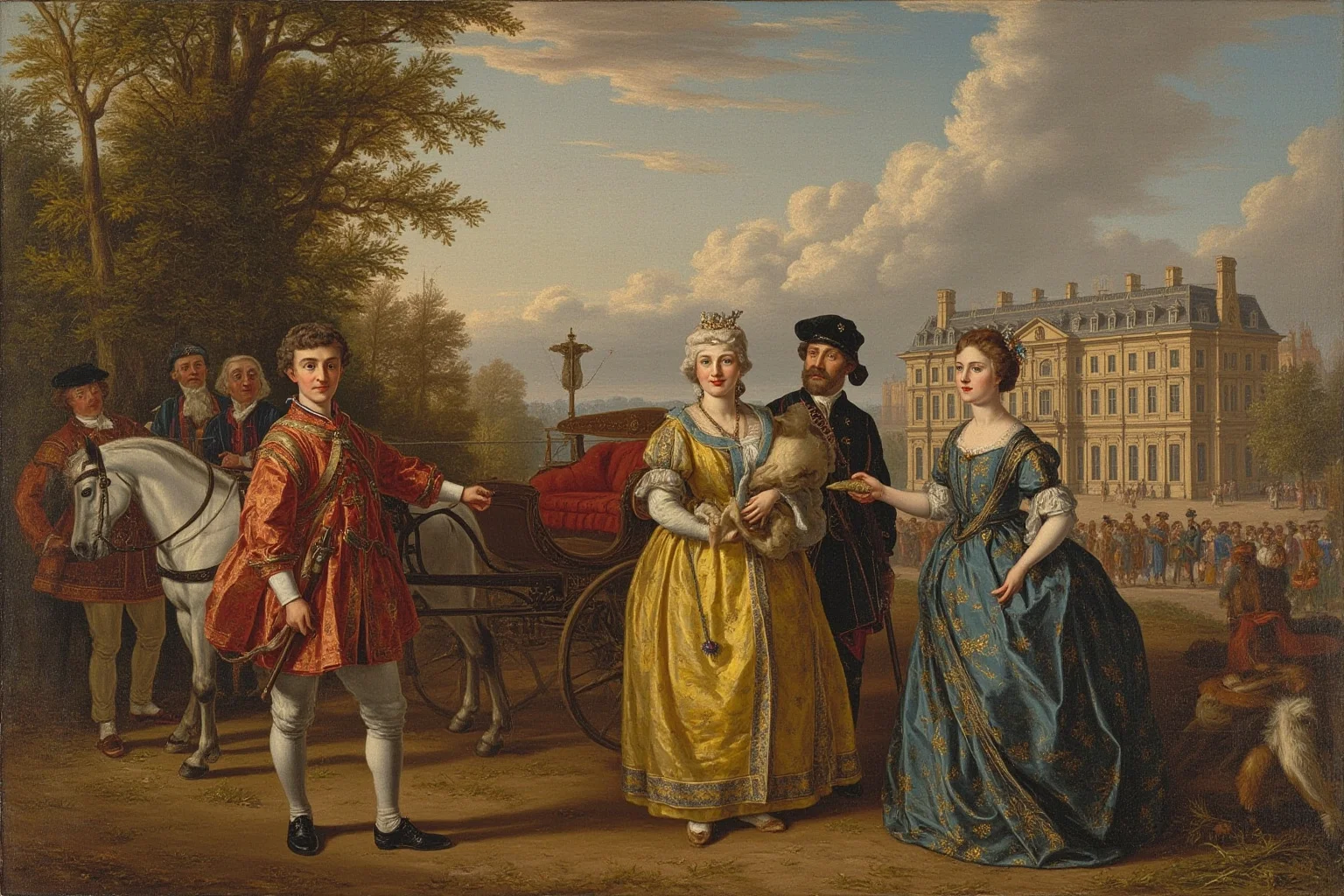
Maria I of Portugal married her uncle Peter III in 1760. The uncle-niece union kept the Portuguese crown securely inside the House of Braganza and avoided splitting the family’s claims. Such marriages required a church dispensation, but Portuguese royals had access to that machinery.
Maria and Peter ruled jointly until his death, and their sons continued the Braganza line. The marriage was considered a success by dynastic standards even if it appears striking to modern readers. It was one of many uncle-niece matches among European royals.
13. Christian VII and Caroline Matilda
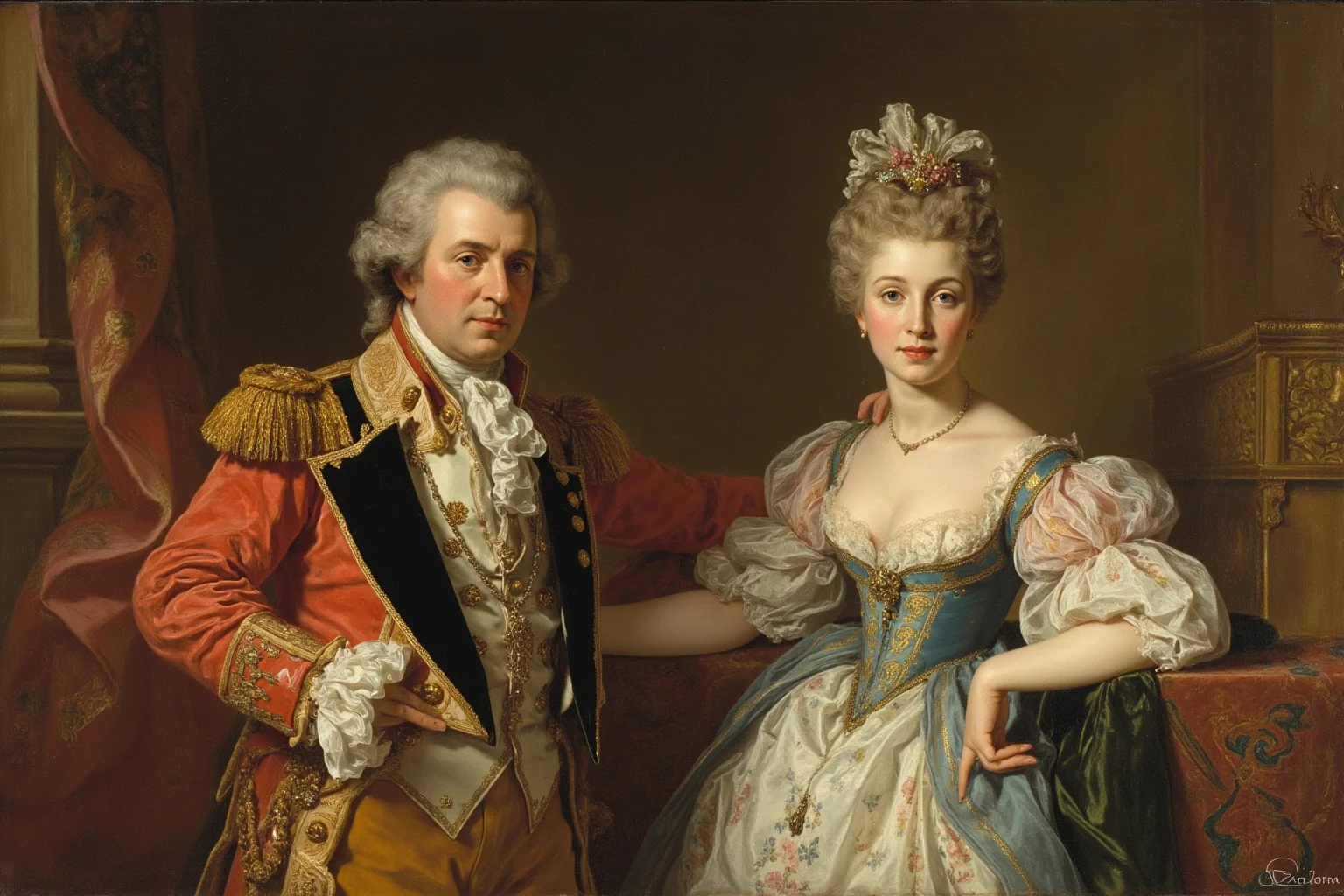
Christian VII of Denmark married his first cousin Caroline Matilda of Great Britain in 1766. Both were grandchildren of George II, making the marriage part of Protestant dynastic diplomacy. A Danish king and a British princess could reinforce alliances across the North Sea.
The marriage became a real-life court drama involving the queen’s relationship with Johann Friedrich Struensee, his execution, and her exile. The scandal overshadowed the fact that first-cousin marriage was completely ordinary in royal circles. The couple’s son later ruled as Frederick VI of Denmark.
14. Louis XVI and Marie Antoinette
Louis XVI of France and Marie Antoinette of Austria were distant cousins within the interconnected Bourbon and Habsburg families. Their 1770 wedding was meant to seal a diplomatic realignment between France and Austria. By the standards of the time, their family connection was utterly unremarkable.
Royal marriage had long been used to secure alliances, and both families had intermarried many times before. The couple’s later tragic fate made them symbols of a changing political world rather than a medical cautionary tale. Their story shows that not every cousin match produced the severe effects seen in some dynasties.
15. George IV and Caroline of Brunswick
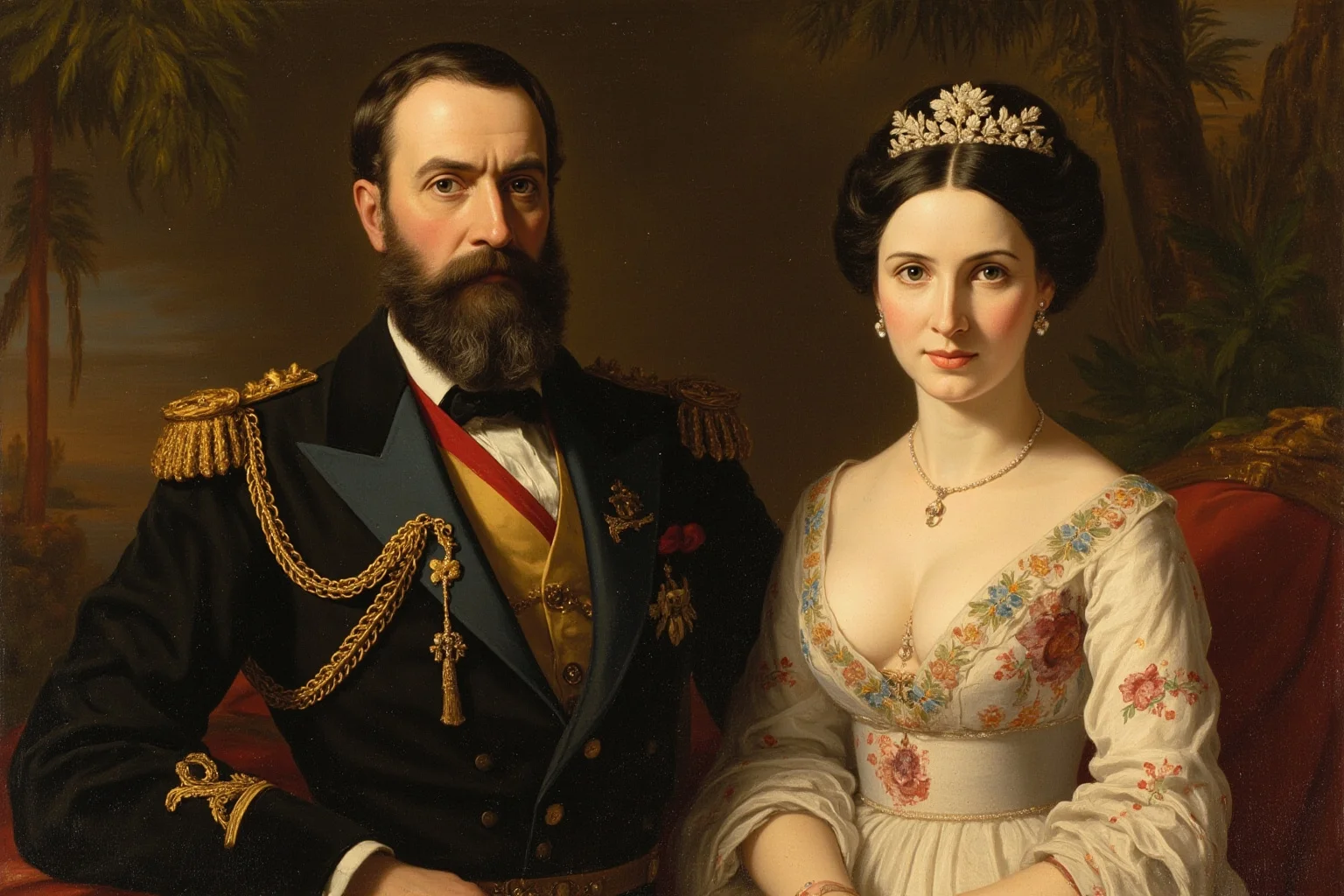
George IV was forced to marry his first cousin Caroline of Brunswick in 1795 to convince Parliament to pay off his debts. Both were grandchildren of Frederick, Prince of Wales, which made their family relationship close but entirely typical. The match was doomed before it began.
George and Caroline separated, and their marriage became one of the great scandals of the Regency and reign of George IV. The union did produce Princess Charlotte, an heir to the throne. It stands as a classic example of royal marriage as financial and political transaction rather than personal choice.
16. Pedro II of Brazil and Teresa Cristina
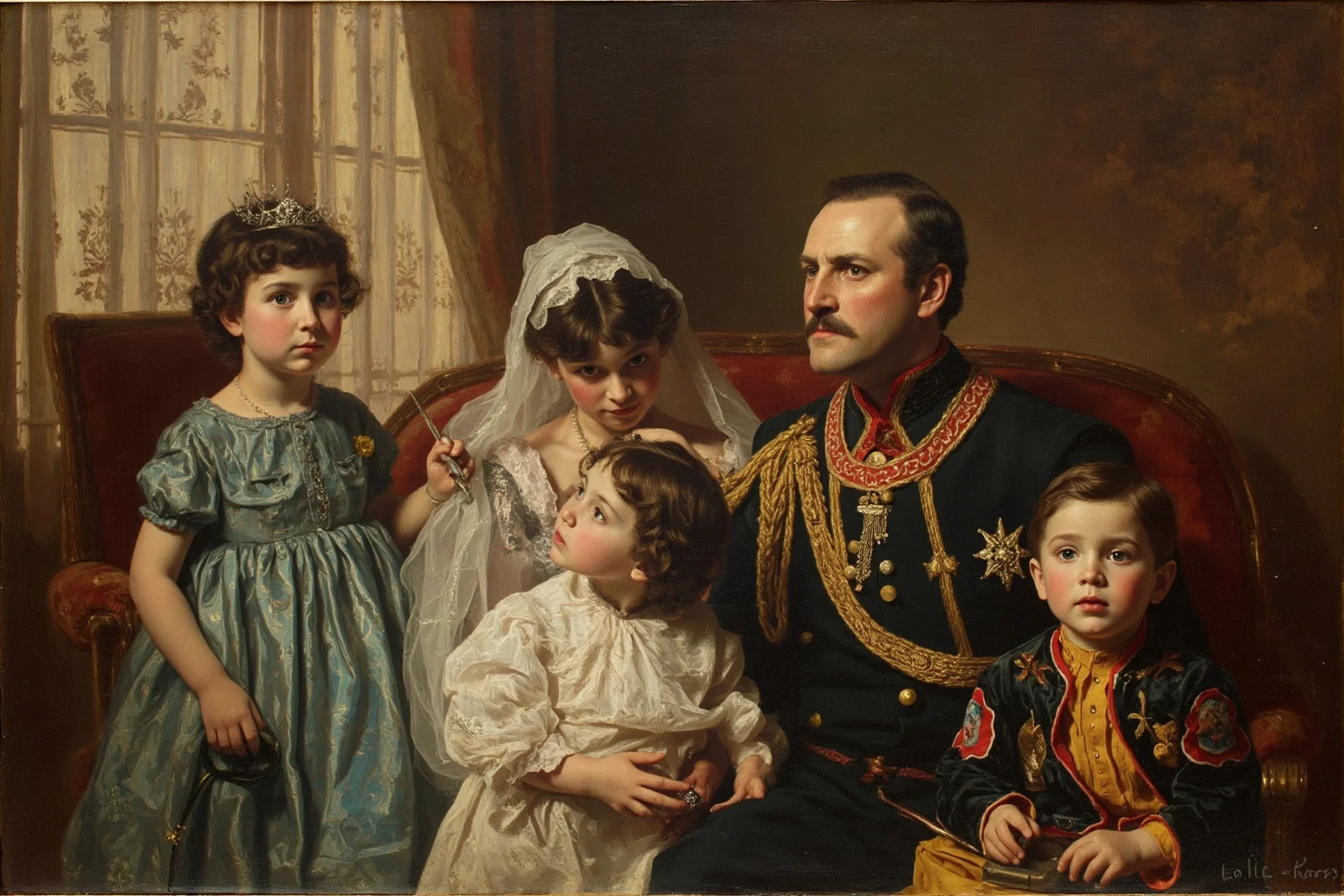
Pedro II of Brazil married Teresa Cristina of the Two Sicilies in 1843. She was his first cousin once removed, a relationship that raised no serious objections during the marriage negotiations. The match connected the Brazilian monarchy to a European royal house.
Pedro was initially disappointed by his bride’s appearance, but the two later built a respectful and intellectually lively partnership. Their marriage produced children and helped stabilize the young Brazilian empire. It also showed that close royal kinship did not automatically lead to tragedy or repulsion.
17. Queen Victoria and Prince Albert
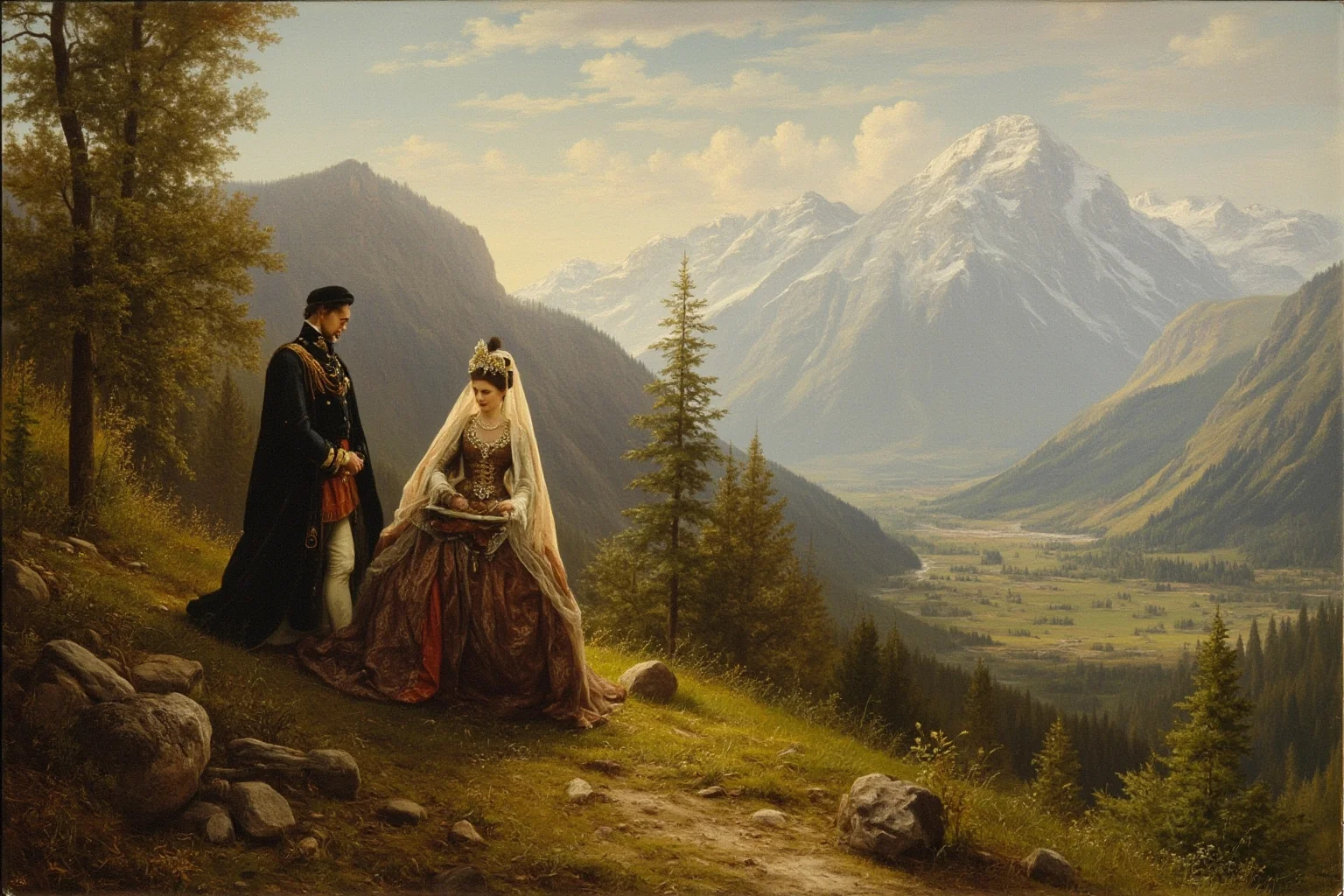
Queen Victoria married her first cousin Prince Albert of Saxe-Coburg and Gotha in 1840. Both were grandchildren of Francis, Duke of Saxe-Coburg-Saalfeld, and the marriage strengthened German royal networks. Over time, Victoria and Albert developed a genuine and powerful partnership.
Their nine children later married into many European royal houses, earning Victoria the nickname ‘grandmother of Europe’. Those marriages spread the family’s genes and its inherited vulnerabilities to several thrones. The story of Victoria and Albert is both a royal love story and a lesson in how interconnected the royal world had become.
18. Franz Joseph I and Elisabeth of Austria
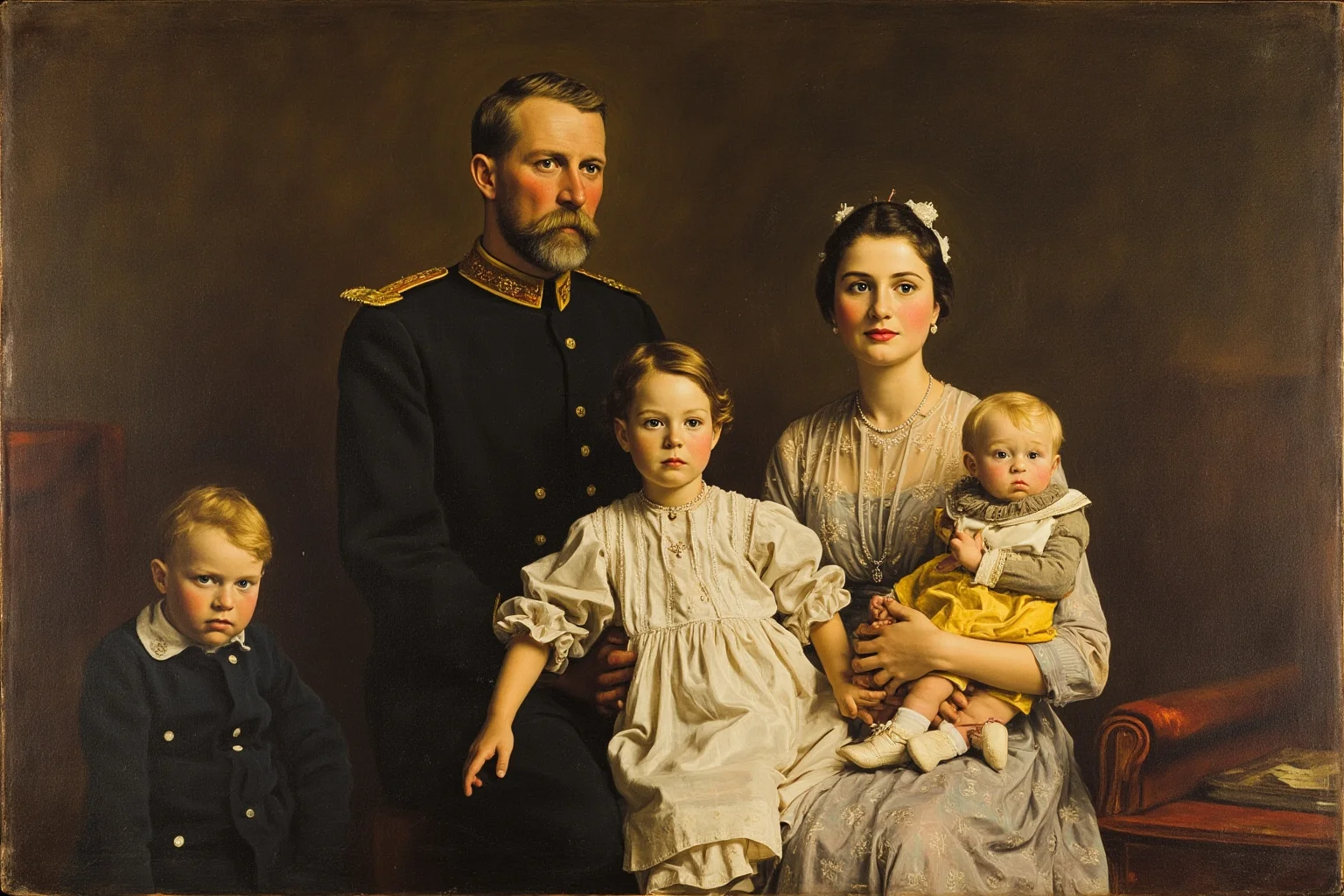
Franz Joseph I of Austria married his first cousin Elisabeth of Bavaria, known as Sisi, in 1854. Their mothers were sisters, and Franz Joseph had originally been expected to marry Elisabeth’s older sister Helene. The emperor fell for Elisabeth instead, but the family connection remained central to the match.
The marriage became one of the most romanticized royal stories in history, though the real relationship was often strained and unhappy. It nevertheless bound the Habsburgs and the Bavarian Wittelsbachs closer together. Sisi’s fame today often obscures how conventional the underlying cousin marriage was.
19. Nicholas II and Alexandra Feodorovna
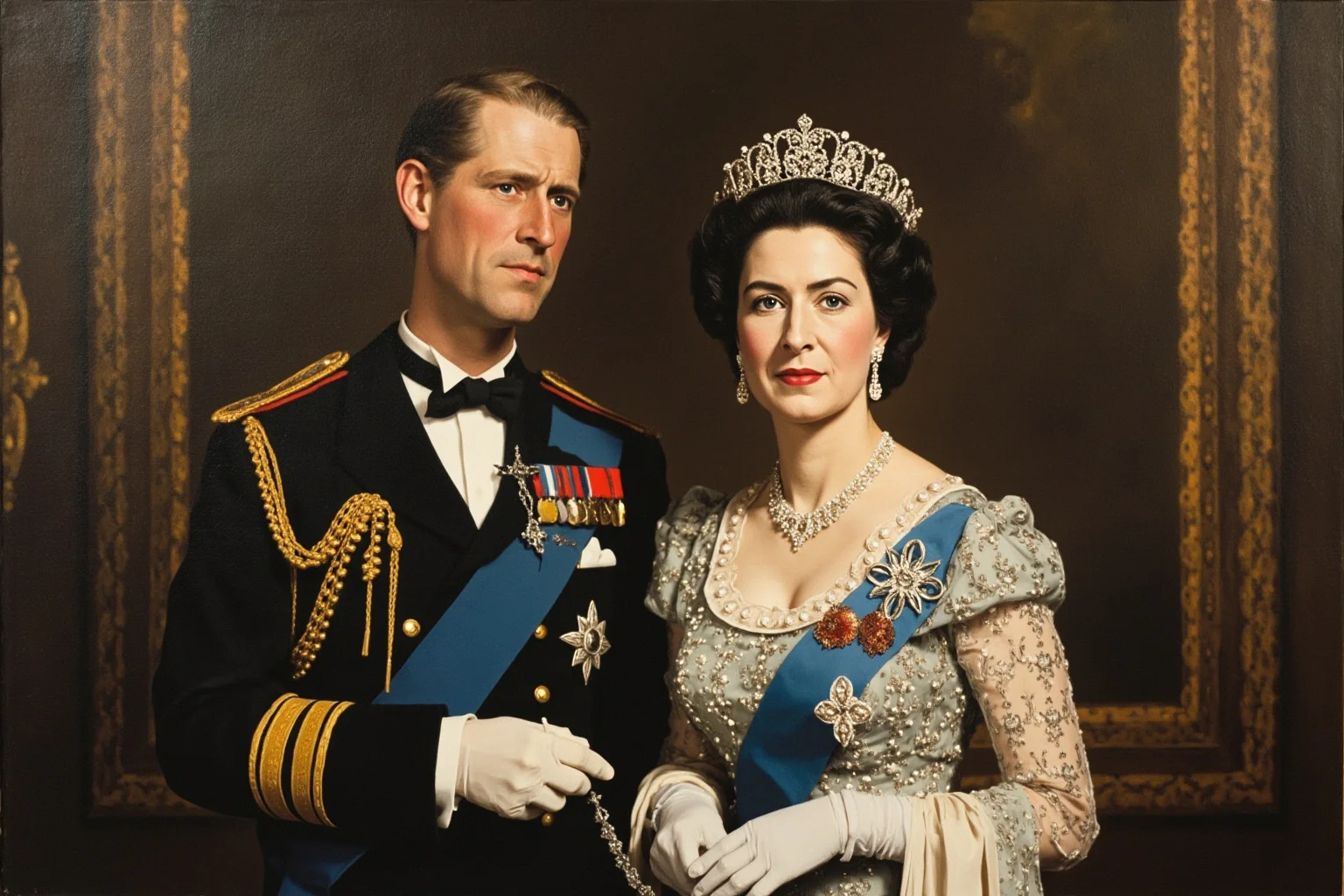
Nicholas II of Russia and Alexandra Feodorovna came from the same extended network of European dynasties. Alexandra was a granddaughter of Queen Victoria, and both spouses had ancestors among the royal houses of Germany and Denmark. The Russian imperial family had intermarried with these courts for generations.
Their marriage produced five children, including Alexei, whose hemophilia shaped the family’s private life. The couple’s dependence on the mystic Rasputin and their political isolation fed the crisis of the final Romanov years. Their story shows that even ordinary royal kinship could carry extraordinary consequences when combined with autocracy and war.
20. Queen Elizabeth II and Prince Philip
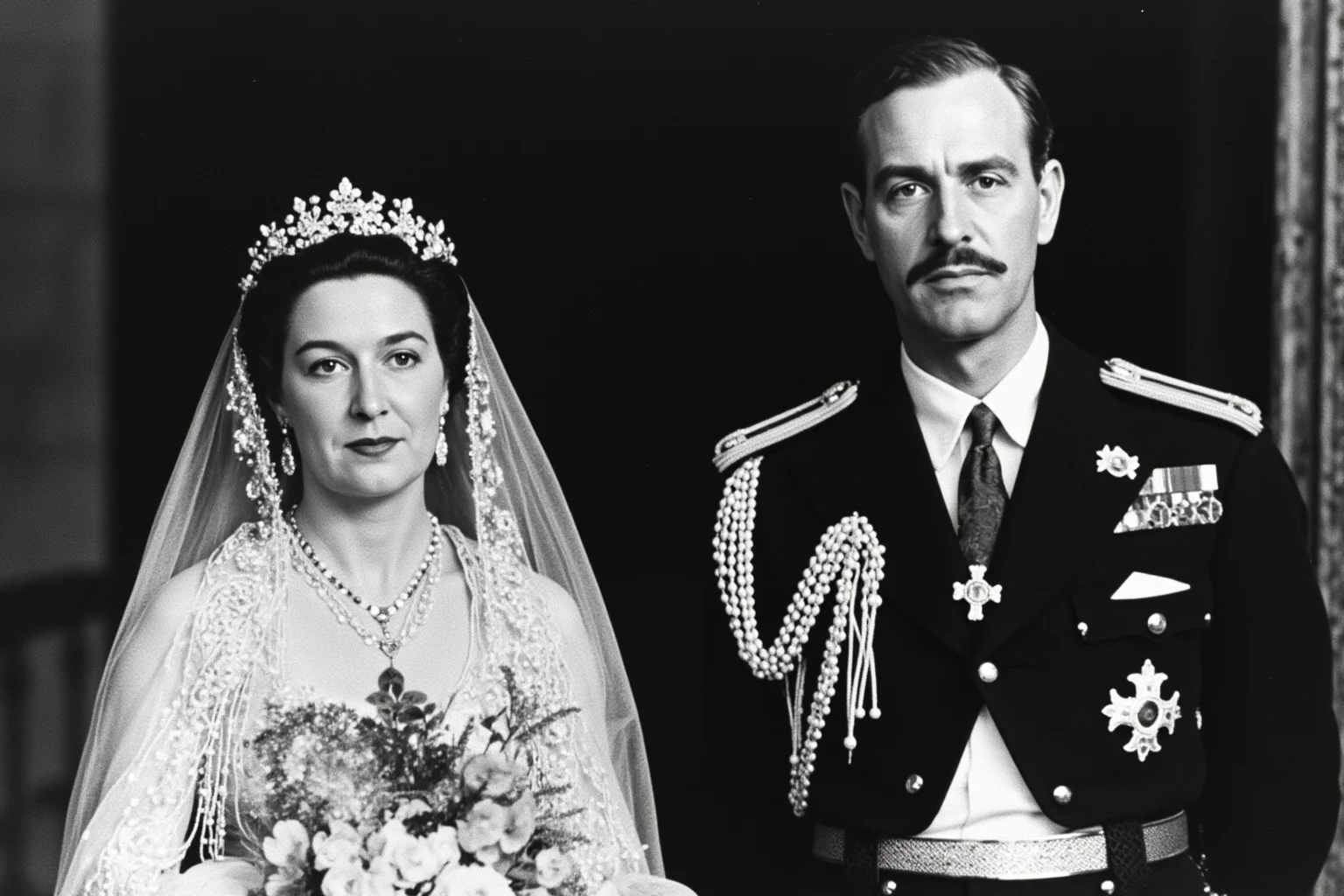
Queen Elizabeth II and Prince Philip were second cousins once removed through their shared descent from Queen Victoria and third cousins through King Christian IX of Denmark. Their 1947 marriage continued a long royal pattern, but they were far less closely related than many earlier couples. By the twentieth century, royal cousin marriage had already become much less routine.
Their union was primarily a personal choice within a social world that still overlapped heavily with royal relatives. Since the mid-twentieth century, heirs to European thrones have increasingly married people from outside the traditional cousinhood. That shift has changed both the royal family tree and its genetic legacy.
A Global Pattern Beyond Europe
Royal close marriage was not a European invention. In ancient Egypt, several dynasties used sibling and half-sibling matches, and some Mesoamerican and Andean ruling families followed similar logic. The Inca practice of royal sibling marriage was recorded by Spanish chroniclers, though colonial sources must be read with care.
In Polynesian and Hawaiian chieftaincies, elite marriages also sometimes folded close kin into the same ruling line. The pattern appears in many places where rulers were treated as sacred or semi-divine. That suggests the practice was not one empire’s oddity but a recurring strategy of sacred kingship.
Still, each society had different rules about which relatives were allowed or required to marry. Comparing them helps separate universal political logic from local religious customs. It also shows why the phrase ‘royal inbreeding’ covers a wide range of very different actions.
A Note on Sources
Historians reconstruct these marriages from documents such as papal dispensations, dynastic chronicles, marriage contracts, and court records. In some ancient cases, evidence is fragmentary and scholars continue to debate exact family links. The descriptions above therefore use cautious language where identification is uncertain.
Royal families often had strong incentives to advertise their unions, so many of these matches are unusually well documented. That documentary trail makes royal marriages one of the best places to study how families managed power. It also helps us avoid reading modern assumptions back into the past.
Myths and Realities of Royal Inbreeding
It is tempting to treat every royal cousin marriage as a genetic disaster waiting to happen. In reality, a single first-cousin marriage carries a smaller increase in risk than many people assume. The severe problems arose when families repeated close matches across generations, as the Spanish Habsburgs did.
Another myth is that royal families were unaware of the possible dangers. Court observers sometimes commented on the poor health of inbred dynasties and on the risk of ‘bad blood’. They lacked a scientific explanation, but they did not always ignore the evidence.
Finally, not every close royal marriage was loveless or purely cynical. Some couples, such as Victoria and Albert, built strong personal bonds within an arranged dynastic framework. Others were miserably unsuited, which made the political machine of royal marriage all the more visible.
The End of the Royal Cousin Market
Royal cousin marriage did not disappear overnight because people suddenly understood genetics. It faded as nation-states, parliaments, and public opinion began to limit the power of dynasties to choose spouses for political reasons. A good match slowly became more about compatibility than about consolidating territory.
Scientific understanding of inherited disease also made the risks of close marriage undeniable. Modern royal families still intermarry, but repeated sibling and first-cousin matches are now rare. The examples above remain important because they show how differently power and family operated before those changes.
These 20 royals who married relatives are not just curiosities. They are evidence of a world where the family tree doubled as a political map.
Frequently Asked Questions
Which famous people who married family members were royals?
Many royals married relatives, including Cleopatra VII, Tutankhamun, Queen Victoria and Prince Albert, Charles II of Spain, William III and Mary II, and Queen Elizabeth II and Prince Philip. Dynasties often considered these matches a practical way to protect power and territory.
Why did royals marry their cousins?
Royals married cousins to seal political alliances, keep land and titles within the family, preserve inherited rank, and manage a very small pool of equal-status partners. In Christian Europe, popes often issued dispensations that made such unions legal.
Did royal inbreeding always cause health problems?
Not always. A single cousin marriage creates only a modest increase in risk, but repeated close marriages across generations raised the likelihood of inherited disorders, as seen in the Spanish Habsburg line. Many royal cousin marriages produced healthy children.

Alex Warren
Related Articles