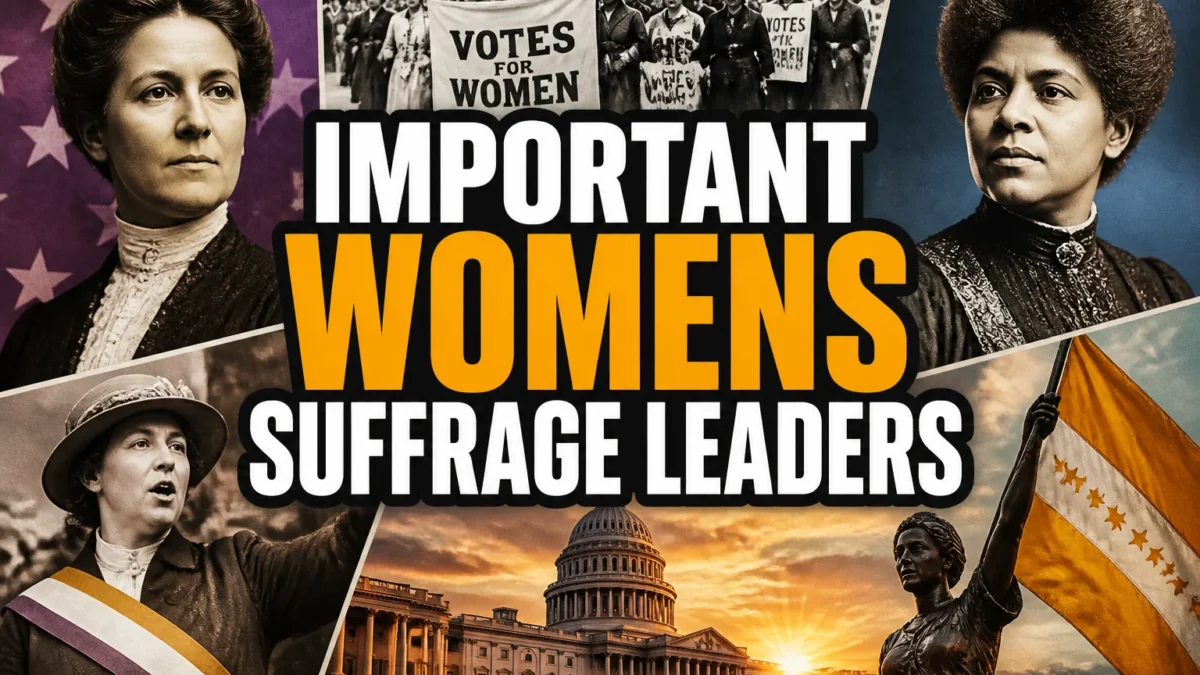
The fight for women's voting rights was not one campaign led by a single hero. It was a sprawling, multi-generational movement shaped by women's suffrage leaders who often disagreed with one another. Remembering that complexity makes the history more honest and more useful today.
Some of the people below were famous women suffragists in their own time. Others were sidelined by the organizations that wrote the first histories. This list introduces twenty important people in the women's suffrage movement, from the most recognized names to activists whose contributions deserve wider attention.
TL;DR: The women's suffrage movement was built by diverse, often disagreeing leaders, and many of the most important women suffragists still deserve a place in the story.
Why the Women's Suffrage Leadership Story Is Complicated
Leaders in the women's suffrage movement were organizers, writers, lobbyists, and public speakers. Some believed in a state-by-state strategy, while others demanded a federal constitutional amendment. That strategic split produced rival organizations and decades of tension.
The movement was also marked by racism and exclusion. White-led suffrage associations sometimes marginalized Black women, while Black suffragists organized their own clubs and linked the vote to racial justice. A complete list of women's suffrage leaders has to include both the mainstream and the dissenters.
The word 'suffragette' is often used for American campaigners, but many U.S. activists preferred 'suffragist.' In Britain, 'suffragette' described militant campaigners and was originally used as an insult. In this piece, 'women suffragists' refers broadly to people who fought for women's suffrage in the United States.
The American campaign also borrowed from movements abroad, especially in Britain. American women traveled, read newspapers, and adapted tactics from British campaigns. But U.S. activists faced their own legal landscape, and many rejected the 'suffragette' label.
The Core Demand Was Simple, but the Strategy Was Not
The central slogan of the movement sounds straightforward: vote. Beneath that demand lay deep questions about who counted as a citizen and how social change should happen. Some suffrage leaders wanted to amend the Constitution, while others believed the states were the more realistic path.
Those strategic choices had consequences. A state-by-state approach could win victories in the West, but it moved slowly in the South and elsewhere. The final victory required both state campaigns and a federal amendment.
1. Lucretia Mott
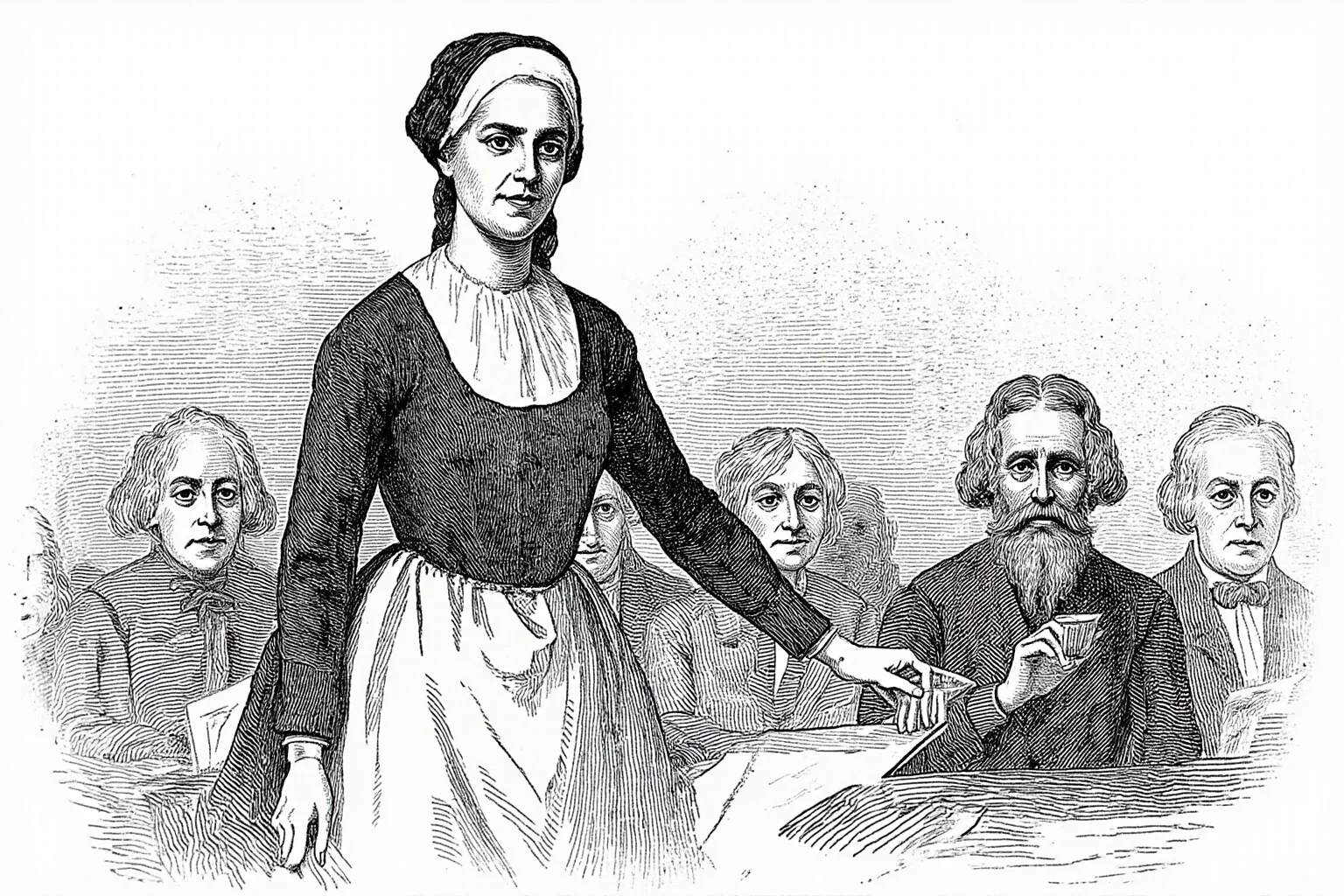
Lucretia Mott was a Quaker minister who helped call the 1848 Seneca Falls Convention. She and Elizabeth Cady Stanton had been barred from speaking at the World Anti-Slavery Convention in 1840. That exclusion helped push them toward a women's rights platform.
Mott was a seasoned abolitionist and women's rights activist. Her speaking style was forceful but grounded in religious conviction. Many historians consider her the moral anchor of the early women's suffrage movement.
She did not live to see national suffrage, but her mentorship shaped younger activists. Her example shows how abolition and suffrage were intertwined from the very beginning.
2. Elizabeth Cady Stanton
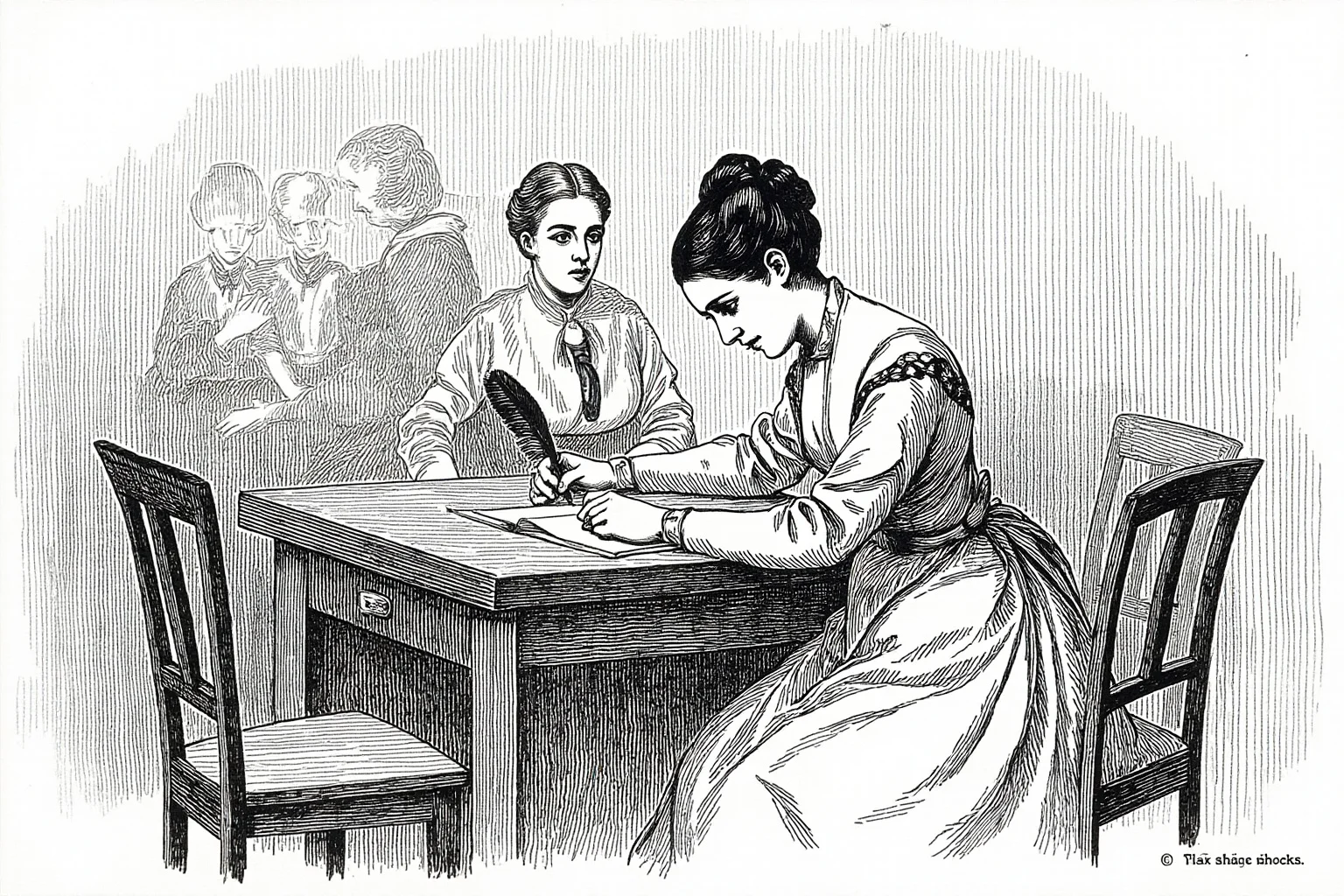
Elizabeth Cady Stanton was the primary author of the Declaration of Sentiments at Seneca Falls in 1848. The document borrowed from the Declaration of Independence and listed grievances against laws that denied women rights. It is one of the foundational texts of the women's rights movement.
Stanton was a women's suffrage leader who argued for broad reforms, including property rights and divorce law. Later in life, her rhetoric sometimes alienated allies, especially around race and religion. That legacy is still debated by historians.
Her partnership with Susan B. Anthony became one of the most famous collaborations in American reform. Stanton framed the intellectual case while Anthony organized on the ground.
3. Susan B. Anthony
Susan B. Anthony became the public face of the women's suffrage movement for generations. She was a brilliant organizer who gathered petitions, traveled constantly, and built a national network of local campaigners. Her name is so closely tied to the cause that she is sometimes imagined as its only leader.
In 1872, Anthony was arrested for voting in Rochester, New York. Her trial drew national attention and turned a legal defeat into a rallying point for the movement. The case helped popularize the demand for women's suffrage.
Anthony did not act alone, despite the myth that she saved the movement by herself. Her work with Stanton and countless local women was essential. Those local women are too often missing from the story.
4. Sojourner Truth
Sojourner Truth was born enslaved in New York and became one of the most powerful activists for women's suffrage and abolition. Her 1851 speech at a women's rights convention in Akron, Ohio, is often remembered as 'Ain't I a Woman?' She repeatedly pointed out how Black women were excluded from both racial and gender reforms.
The exact wording of that speech is disputed because later versions were published by other people. What is clear is that Truth used her public platform to challenge the idea that womanhood meant whiteness. Her arguments connected voting rights to the dignity of Black women's labor and family life.
Truth fought for women's suffrage as part of a broader battle for Black women's dignity. Her life is a reminder that the movement was never only about the ballot.
5. Lucy Stone
Lucy Stone was one of the first college-educated women's suffrage leaders in the United States. She graduated from Oberlin College in 1847 and became a full-time lecturer for abolition and women's rights. Her speeches were so popular that some churches closed their doors to her.
Stone kept her own name after marriage, a decision so notable that 'Lucy Stoners' became slang for married women who did the same. She helped found the American Woman Suffrage Association, which took a state-by-state approach to winning the vote. That group competed with the national organization led by Stanton and Anthony.
Her rivalry with those two leaders split the movement for years. That split shows that suffrage leaders did not share one strategy or one vision.
6. Alice Paul
Alice Paul brought confrontational tactics from the British suffrage campaign to the United States. She organized the 1913 Washington, D.C., procession and later the Silent Sentinels protests outside the White House. Her goal was to force a federal constitutional amendment.
Paul and her allies in the National Woman's Party were arrested, went on hunger strikes, and were force-fed in prison. Those tactics were polarizing, but they kept suffrage in the news during World War I. Many older suffrage leaders thought she was too radical.
Paul was a women's suffrage activist willing to break the rules that her predecessors had respected. Her pressure campaign helped push the Nineteenth Amendment to a vote. She showed that disruptive protest could change a national debate.
7. Carrie Chapman Catt
Carrie Chapman Catt led the National American Woman Suffrage Association during the final push for the Nineteenth Amendment. She developed the 'winning plan,' which coordinated state-level victories and federal lobbying at the same time. That strategy helped build unstoppable momentum by 1918.
Catt was a pragmatic organizer who sometimes prioritized political alliances over broader justice claims. Her approach differed sharply from Alice Paul's more disruptive tactics. The two women led rival wings of the final suffrage campaign.
Catt later founded the League of Women Voters. Her strategic skill made her one of the most influential women's suffrage movement leaders of the twentieth century.
8. Ida B. Wells
Ida B. Wells was a fearless journalist and anti-lynching campaigner who made Black women's voting rights central to racial justice. She founded the Alpha Suffrage Club in Chicago, one of the first Black woman suffrage organizations. She taught Black women how to register, vote, and hold politicians accountable.
During the 1913 Washington suffrage parade, organizers asked Black marchers to walk at the back. Wells reportedly refused and joined her Illinois delegation anyway. Her defiance exposed the racism inside a movement that claimed to represent all women.
Wells shows that white-led suffrage organizations often did not act as allies to Black women. She remains one of the most important people in the women's suffrage movement.
9. Mary Church Terrell
Mary Church Terrell was the first president of the National Association of Colored Women and a lifelong women's suffrage activist. She saw the vote as a tool to protect Black families and communities. Her activism connected education, racial justice, and political rights.
Terrell picketed the White House with the National Woman's Party in her later years. She also challenged segregation in Washington, D.C., well into her eighties. Her long career bridged the suffrage fight and the civil rights movement.
She is a reminder that many women fought for women's suffrage while also fighting racism. Her work did not stop when the Nineteenth Amendment passed.
10. Anna Howard Shaw
Anna Howard Shaw was a physician and one of the first women ordained as a Methodist minister. She brought that public-speaking experience to the women's suffrage campaign. Her sermons and lectures often blended faith, medicine, and politics.
Shaw served as president of the National American Woman Suffrage Association from 1904 to 1915. Her tenure included the growth of state campaigns and a difficult internal struggle over strategy. She was not the most efficient administrator, but she was a beloved speaker.
Her life shows that suffrage leaders came from many professions. Preachers, doctors, teachers, and journalists all built the movement.
11. Frances Ellen Watkins Harper
Frances Ellen Watkins Harper was a poet, novelist, and abolitionist who argued that suffrage must include Black women. At the 1866 National Women's Rights Convention, she told the audience that 'we are all bound up together' in one bundle of humanity. Her speech remains a sharp critique of racism inside the women's rights movement.
Harper was a founding member of the American Woman Suffrage Association and worked for education and temperance reform. She refused to separate her race from her gender. That position put her at odds with some white women's suffrage leaders.
Harper is a vital woman suffragist often missing from popular lists. Her writings and speeches connect the anti-slavery struggle to the movement for voting rights.
12. Matilda Joslyn Gage
Matilda Joslyn Gage was a suffrage theorist who co-authored early volumes of the History of Woman Suffrage with Stanton and Anthony. She was also a sharp critic of how churches and governments limited women. Her thinking pushed beyond the vote to question the foundations of women's inequality.
Gage's ideas were often too radical for mainstream suffrage organizations. She challenged religious authority and defended the rights of Indigenous nations. Many of her colleagues tried to distance themselves from her views.
Her book Woman, Church and State made arguments that remain controversial. She is an example of how varied women's suffrage leaders could be.
13. Lucy Burns
Lucy Burns worked closely with Alice Paul in the National Woman's Party. She spent more time in jail than many other famous women suffragettes and became a central figure in the White House picketing campaign. Her quiet determination kept the protests going when conditions worsened.
In prison, Burns helped lead hunger strikes and endured brutal force-feeding. Her health suffered permanently as a result. She rarely sought the spotlight, but her courage made the Silent Sentinels possible.
Burns is one of the most dedicated women suffrage activists in the final federal push. Her sacrifice shows the physical cost of the campaign.
14. Jeannette Rankin
Jeannette Rankin was not only a women's suffrage leader but also the first woman elected to the U.S. House of Representatives in 1916. She had worked as a field organizer for suffrage in Washington and Montana. Her election showed what women's suffrage could make possible.
Rankin voted against U.S. entry into World War I and, decades later, was the only member of Congress to vote against war after Pearl Harbor. Her pacifism made her a controversial figure, but she never separated peace from women's rights.
Rankin remains a symbol of the link between voting rights and political power. Electing women to office was the next logical step.
15. Victoria Woodhull
Victoria Woodhull was a women's rights speaker, newspaper publisher, and stockbroker. In 1872, she ran for president of the United States, although women could not yet vote in most places. Her campaign forced public conversation about women's political role.
Woodhull addressed a House committee on women's suffrage, arguing that the Fourteenth and Fifteenth Amendments already gave women the right to vote. Many suffrage leaders rejected that legal theory. Her personal scandals and unorthodox views also made her an outsider.
Still, Woodhull helped make suffrage part of national politics. She was a dramatic example of how far women might go.
16. Sarah and Angelina Grimké
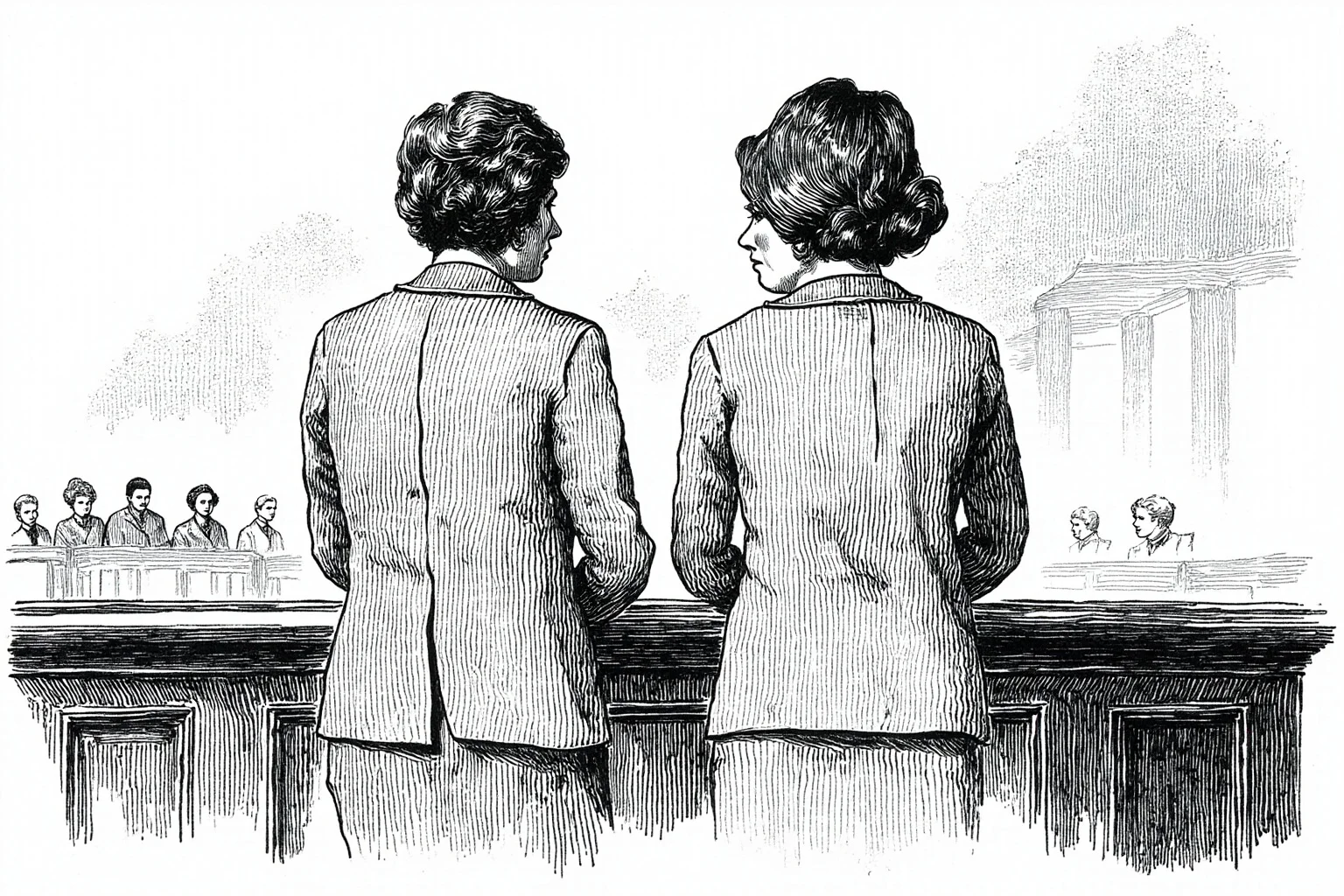
Sarah and Angelina Grimké were South Carolina sisters who became abolitionists and women's rights campaigners. Their public speeches against slavery drew outrage because many people believed women should not speak in public. That criticism pushed them to defend women's right to participate in reform.
Angelina Grimké became one of the first women to address a state legislature when she spoke before the Massachusetts legislature in 1838. The sisters argued that the struggle against slavery and women's inequality were connected. Their writings became key texts for the early movement.
They helped create the intellectual bridge between abolition and early women's rights. Later leaders in the women's suffrage movement built on that foundation.
17. Esther Hobart Morris
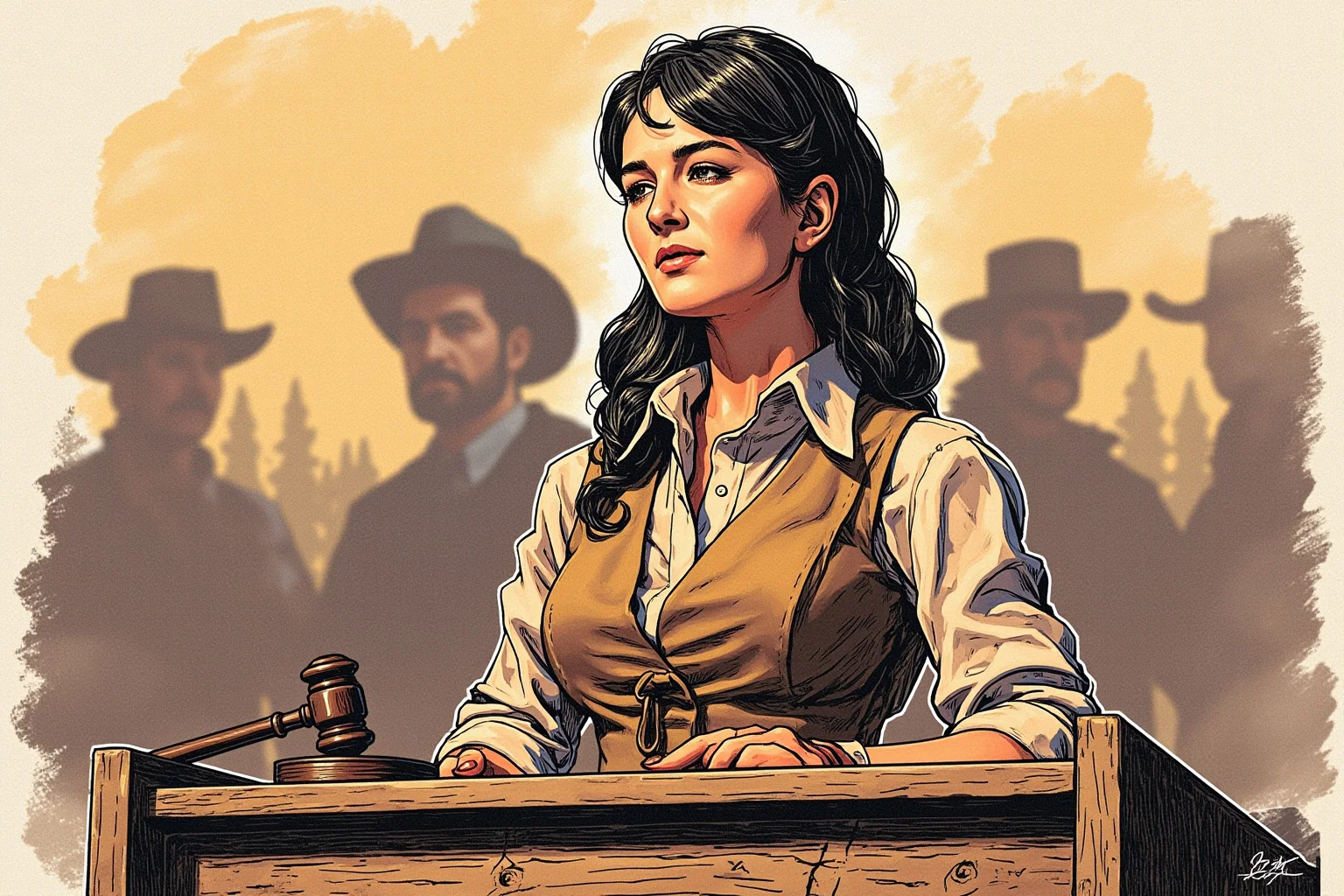
Esther Hobart Morris is often credited as a catalyst for Wyoming's 1869 law granting women the right to vote. Wyoming became the first U.S. territory to pass women's suffrage. That victory encouraged other western states to act.
Morris was later appointed justice of the peace in South Pass City, Wyoming. Historians debate the exact role she played in the suffrage law, but her public career made her a symbol of western women's political power. Western suffrage leaders often worked far from the national spotlight.
Her story reminds us that suffrage victories came earlier in some western states. Not all women's suffrage movement leaders worked on the East Coast.
18. Amelia Bloomer
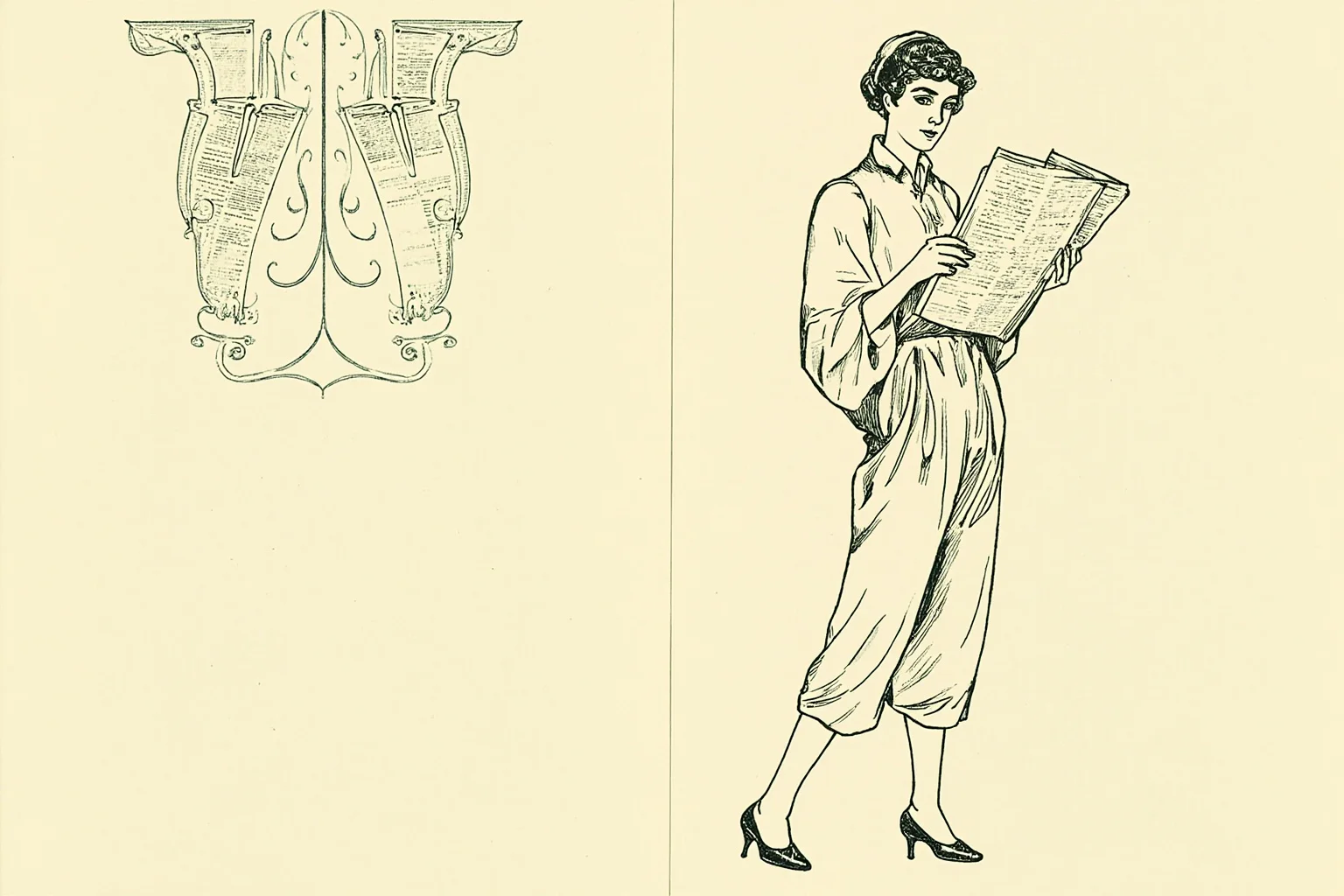
Amelia Bloomer edited The Lily, one of the first newspapers in the United States devoted to women's rights. She used the paper to promote temperance, property rights, and women's suffrage. The Lily also printed speeches by leading suffrage activists.
Bloomer's name became attached to the 'bloomer' costume, a loose trouser outfit that challenged restrictive women's clothing. The style was mocked, but it drew attention to women's physical freedom. Her fashion and journalism both challenged Victorian limits.
Bloomer gave women's rights arguments a wider public audience. She is a key woman suffragist in the history of the reform press.
19. Mabel Ping-Hua Lee
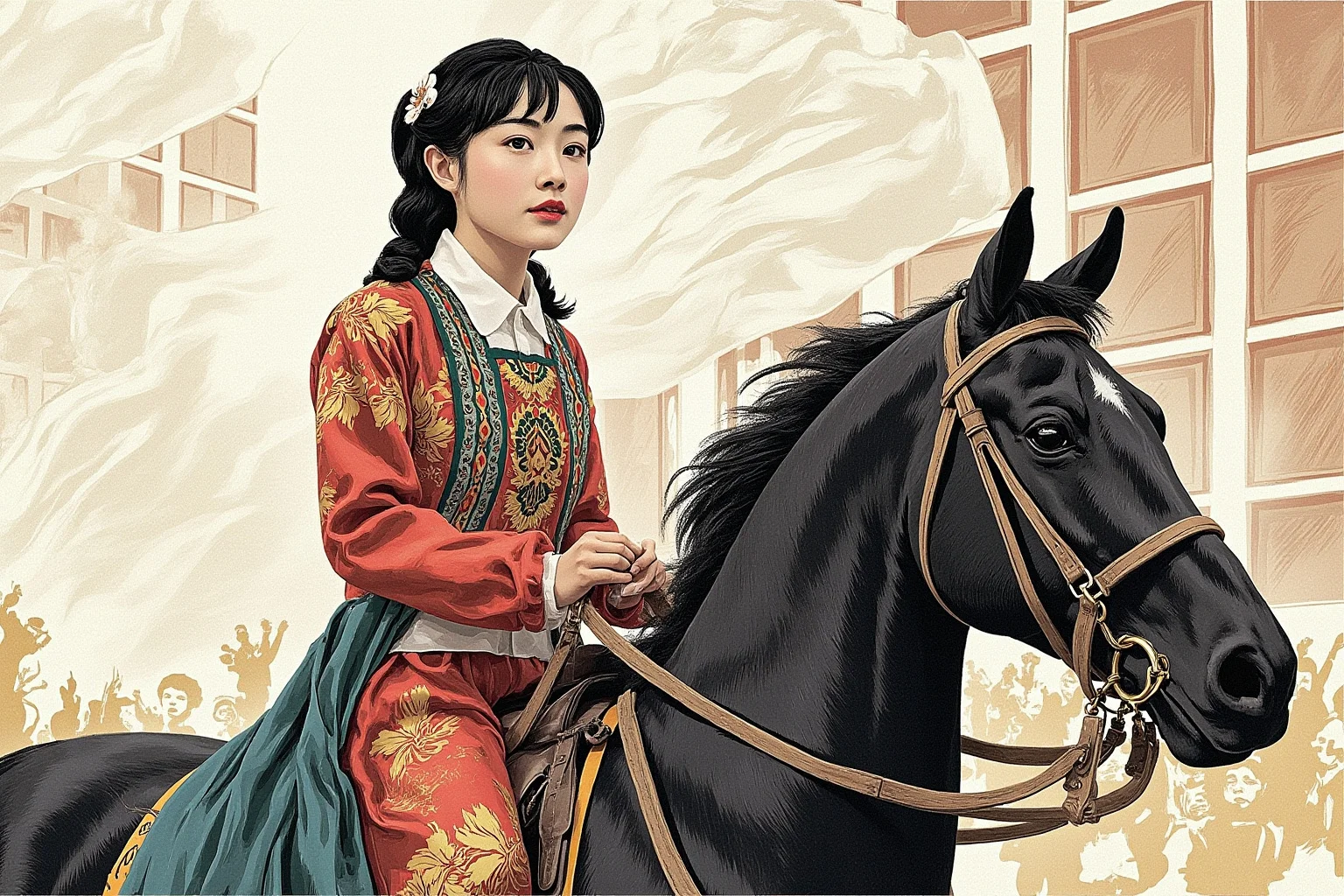
Mabel Ping-Hua Lee was a Chinese immigrant who campaigned for women's suffrage in New York City. In 1912, she helped lead a suffrage parade on horseback in Manhattan. Her public role challenged the idea that only white women belonged in the movement.
Even after New York women won the vote in 1917, Lee could not vote because federal law barred Chinese immigrants from naturalized citizenship. That barrier was not removed until 1943. Her status as a non-citizen made her activism especially personal.
Lee's career shows that the fight for women's suffrage was shaped by immigration and race. She is an essential women's suffrage activist in a more complete history of the movement.
20. Zitkala-Ša
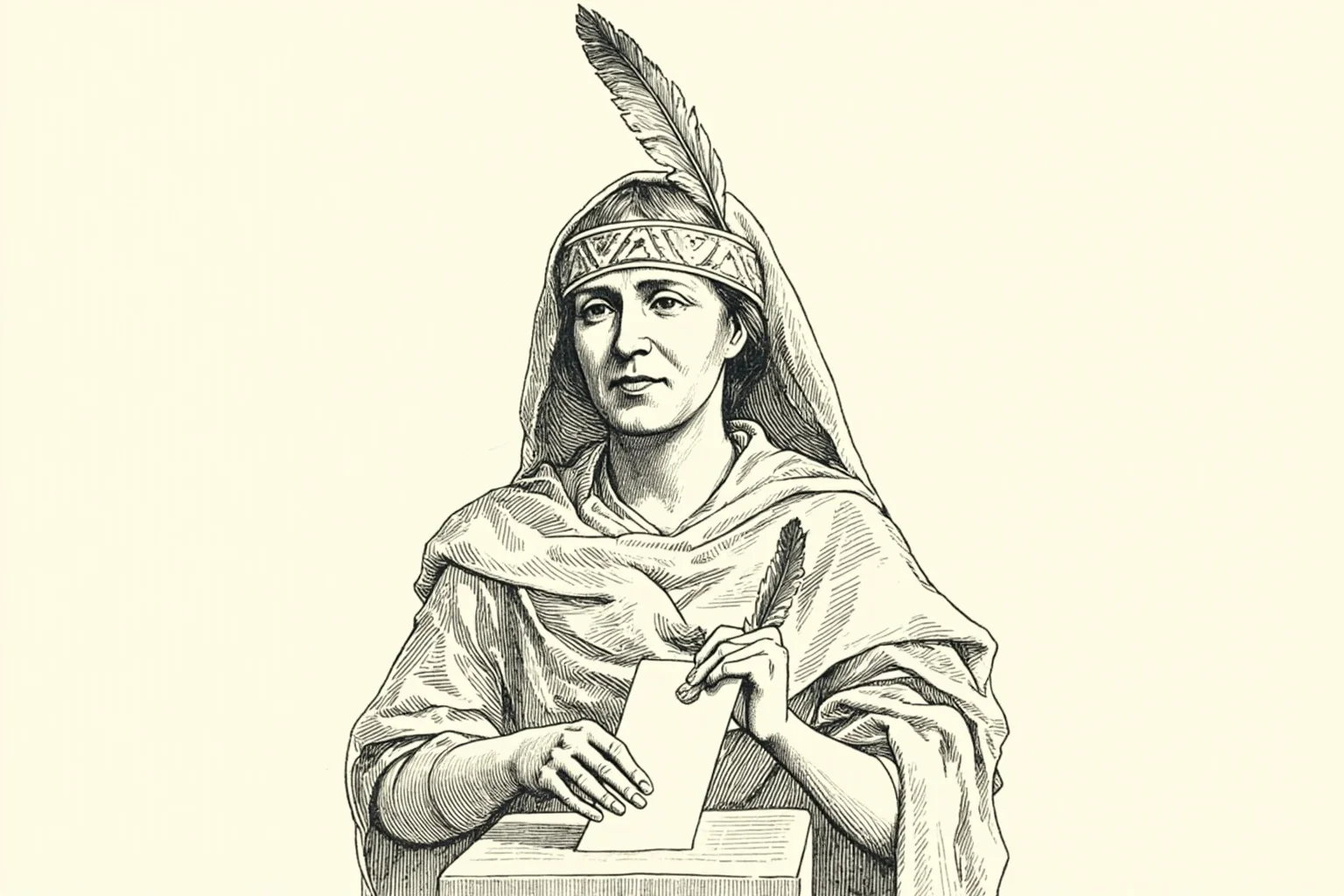
Zitkala-Ša, also known as Gertrude Simmons Bonnin, was a Yankton Dakota writer and activist. She advocated for Native American citizenship and voting rights at a time when Indigenous people faced legal exclusion. Her writing brought Native experiences to white reform audiences.
She served as secretary of the Society of American Indians and later founded the National Council of American Indians. Her speeches and writing pushed U.S. policymakers to recognize Native sovereignty and civil rights. The Indian Citizenship Act of 1924 declared all non-citizen Indians born in the United States to be U.S. citizens, though many states still barred them from voting.
Zitkala-Ša's work links the suffrage story to a longer struggle for Native rights. Her activism shows that women's suffrage leaders came from many nations and traditions.
Patterns Worth Remembering About Women Suffragists
One common myth is that the whole movement fell into line behind a few heroic women's suffrage leaders. In reality, the movement split over the Fifteenth Amendment, strategy, and racial inclusion. These divisions were not a footnote; they shaped which states moved first and which women were left out.
Another myth is that all women agreed on suffrage. Many women opposed the vote, sometimes because they feared losing influence in the home. Anti-suffrage movements were well organized and often led by women themselves.
The Nineteenth Amendment in 1920 barred gender-based voting restrictions at the federal level, but it did not guarantee every woman access to the ballot. Many Black women, Native American women, and Asian immigrant women still faced legal barriers. That reality is essential to understanding what the vote did and did not fix.
Remembering these patterns does not take away from the courage of the women suffragists who led the fight. It makes their work more human and more remarkable. The movement succeeded because it was broad enough to include many different strategies and voices.
Remembering the Full Cast of Suffrage Leaders
These twenty important people in the women's suffrage movement show that leadership was collective, contested, and far more diverse than older textbooks suggest. Some were famous women suffragettes known for protests, while others built movements through writing, faith, or local organizing.
Honoring the full cast of women suffragists also means remembering the movement's blind spots. The leaders who fought for women's suffrage did not always make room for everyone, but their work created tools that future generations used to demand more.
The vote was never the end of the story. It was one hard-won piece of a longer fight for full citizenship and equality. Learning these names is a way to restore that larger history without reducing it to a single hero.
The next time you see a list of women's suffrage movement leaders, look beyond the famous names. Ask who is missing and why. That question often leads to the most important untold stories.
Frequently Asked Questions
Who were the key women’s suffrage movement leaders?
The most prominent women's suffrage movement leaders included Susan B. Anthony, Elizabeth Cady Stanton, Lucretia Mott, Lucy Stone, Alice Paul, and Carrie Chapman Catt. But the movement was far larger, with essential contributions from Sojourner Truth, Ida B. Wells, Mary Church Terrell, and Frances Ellen Watkins Harper. Many local organizers whose names are less known also did the day-to-day work.
What is the difference between a suffragist and a suffragette?
In the United States, campaigners generally called themselves women suffragists, and many preferred that term. 'Suffragette' was commonly used in Britain for more militant activists and began as a dismissive label. Some American suffragettes, especially those around Alice Paul, embraced confrontational tactics, but 'suffragist' remains the broader, more accurate term for the U.S. movement.
Who fought for women’s suffrage beyond the famous names?
Many women fought for women's suffrage outside the white-led mainstream, including Ida B. Wells, Mary Church Terrell, Frances Ellen Watkins Harper, Mabel Ping-Hua Lee, and Zitkala-Ša. These activists connected the vote to racial justice, immigration rights, and Native American citizenship. Their organizing often happened in parallel because larger suffrage groups excluded them.
Why did some women’s suffrage movement leaders disagree with each other?
Leaders in the women's suffrage movement split over the Fifteenth Amendment, which protected Black men's voting rights but not women's. Some suffrage activists opposed it unless it included women, while others, including many Black suffragists, supported it and continued organizing for women's rights. There were also strategic disagreements about whether to pursue a federal amendment or state-by-state campaigns.

Alex Warren
Related Articles