History has always had a soft spot for the clever outlaw. The image of the criminal mastermind—the ice-cold planner, the smooth-talking con artist, the shadowy boss who never leaves a paper trail—drives movies, novels, and podcasts to this day.
But real criminal intelligence is messier than the legend. Some famous masterminds in history were disciplined planners and social observers, while others were merely patient opportunists, and a few of the greatest masterminds have been inflated by their own press coverage.
TL;DR: The smartest criminals in history combined planning, patience, and social manipulation, while the dumbest ignored basic evidence—proving that self-control often matters more than raw IQ.
What Makes an Intelligent Criminal a Mastermind?
The phrase 'intelligent criminal' can describe abstract reasoning, street smarts, or the ability to plan a crime that is hard to solve. Most historical outlaws did not leave behind verified IQ scores, so scholars look at their methods, decisions, and long-term evasions.
The search term 'Al Capone IQ' is a perfect example of this problem. No reliable IQ test result for Capone exists, and the number sometimes mentioned online is not a documented historical fact, so it should be treated as rumor rather than evidence.
A better measure of criminal intelligence is pattern: careful reconnaissance, good self-control, effective social manipulation, and the ability to exploit legal or security gaps. Under that standard, the ten figures below are often called the smartest criminals in their fields.
The Smartest Criminals in History: 10 Famous Masterminds
These ten names come from different eras and criminal trades, but they share a reputation for bold planning. Some are celebrated in legend precisely because their real stories are hard to verify and easy to embellish.
1. Adam Worth, the Real-Life Napoleon of Crime
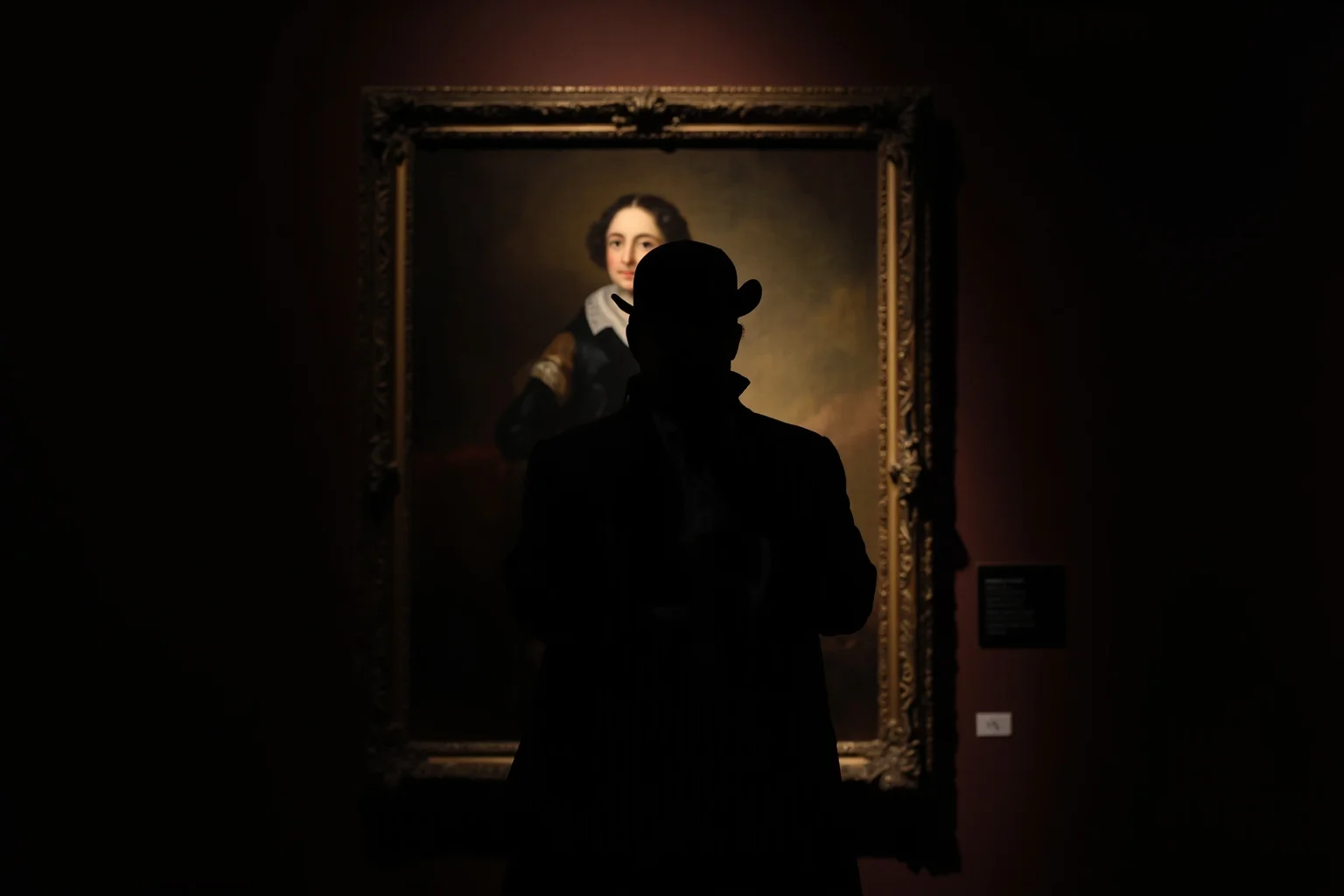
Born in Germany in 1844 and raised partly in the United States, Adam Worth built a transatlantic theft network and became known in his lifetime as the 'Napoleon of the Criminal World.' Scotland Yard and the Pinkertons pursued him for years, but his organization remained remarkably hard to roll up.
His most famous heist was the 1876 theft of Thomas Gainsborough's portrait of Georgiana, Duchess of Devonshire. Worth held the painting for about 25 years and eventually returned it through the Pinkertons after negotiations, making it one of the most famous art-theft recoveries of the Victorian era.
Many crime historians place Worth in the running for the greatest thief of all time and one of the greatest criminals of all time. Arthur Conan Doyle may also have borrowed elements of his shadowy empire for Professor Moriarty, though the link is widely discussed rather than proven.
2. Albert Spaggiari, the Sewer-Tunnel Bank Robber

Albert Spaggiari turned a bank robbery into an engineering project. In 1976, his team rented space next to a Société Générale branch in Nice, France, and spent months digging a tunnel from the sewer system into the bank vault.
The gang entered through the floor and cleaned out a large number of safe-deposit boxes, leaving behind a note that reportedly said 'without arms, without hatred, without violence.' French reports estimated the loss in tens of millions of francs, though the final figure remains uncertain.
Spaggiari was captured, but he later escaped during a court hearing and fled to Argentina. His heist is still studied as one of the most ambitious bank jobs of the twentieth century.
3. Leonardo Notarbartolo, the Antwerp Diamond Heist

In February 2003, thieves struck the Antwerp Diamond Center, a building marketed as one of the most secure places in the diamond trade. Police described an operation that reused security footage, disabled sensors, and opened more than a hundred safety-deposit boxes.
Leonardo Notarbartolo, an Italian merchant with a background in the jewelry trade, was convicted in connection with the theft. The total value of the loss has been disputed, and Notarbartolo has argued that he was only part of a smaller scheme, so the full truth remains contested.
What made the case famous was the apparent patience involved: the group reportedly studied the vault for months and used everyday habits to defeat high-tech security. Even critics of the investigation call the Antwerp heist a landmark in modern criminal planning.
4. Frank Abagnale Jr., the Teenage Chameleon
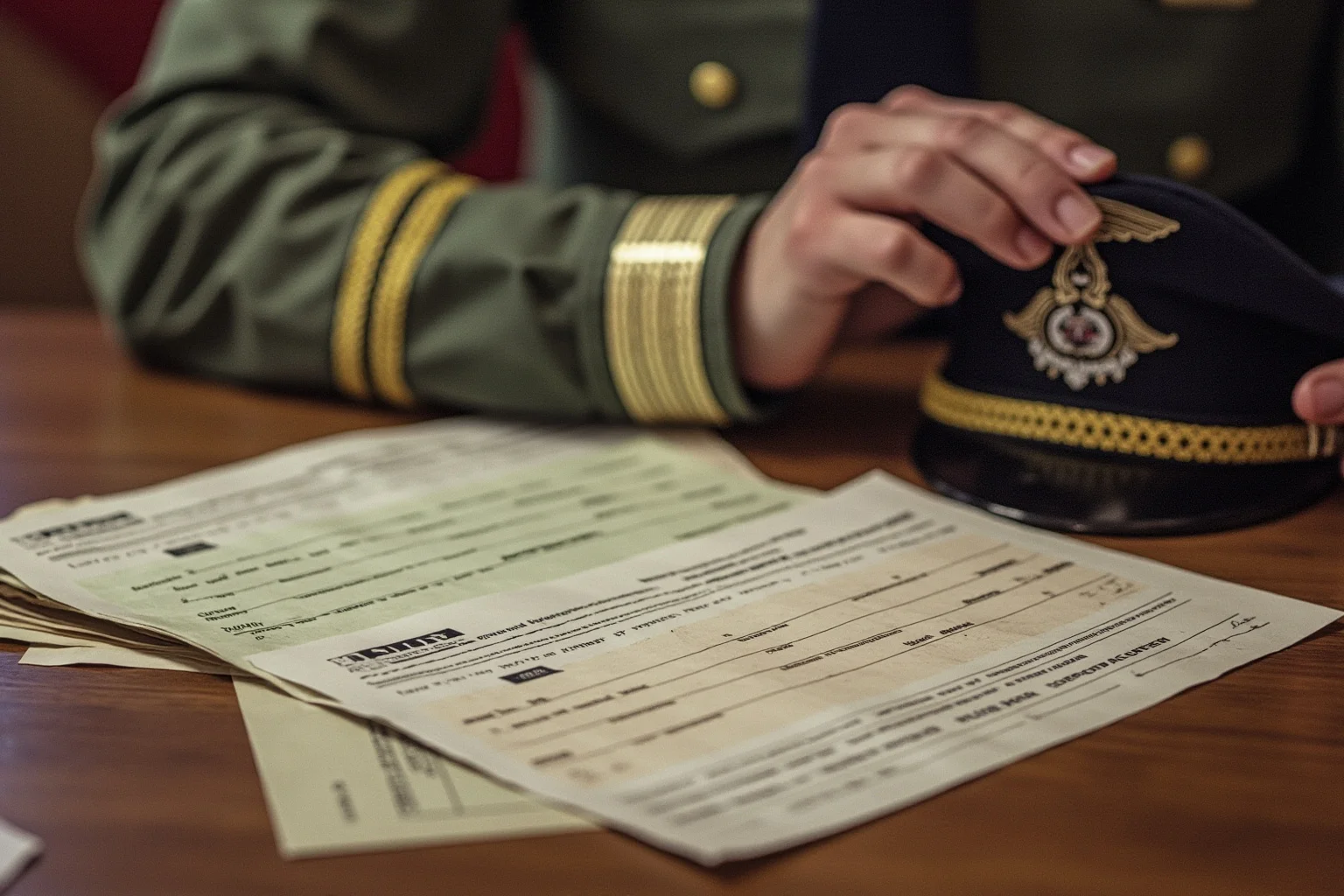
Frank Abagnale Jr. became the best-known teenage imposter of the late twentieth century after his story was told in the book and film Catch Me If You Can. He claimed to have posed as a Pan Am pilot, a doctor, and a lawyer while cashing forged checks across many countries.
Journalists have since challenged parts of Abagnale's account, and some of his most colorful claims do not have independent documentation. What is documented is that he was convicted for forgery-related offenses in France, Sweden, and the United States.
Later in life he became a security consultant and fraud educator, teaching businesses how a confident person can talk their way past ordinary controls. His legend shows how difficult it can be to separate a real skill for deception from a good story.
5. George Leonidas Leslie, the King of the Bank Robbers
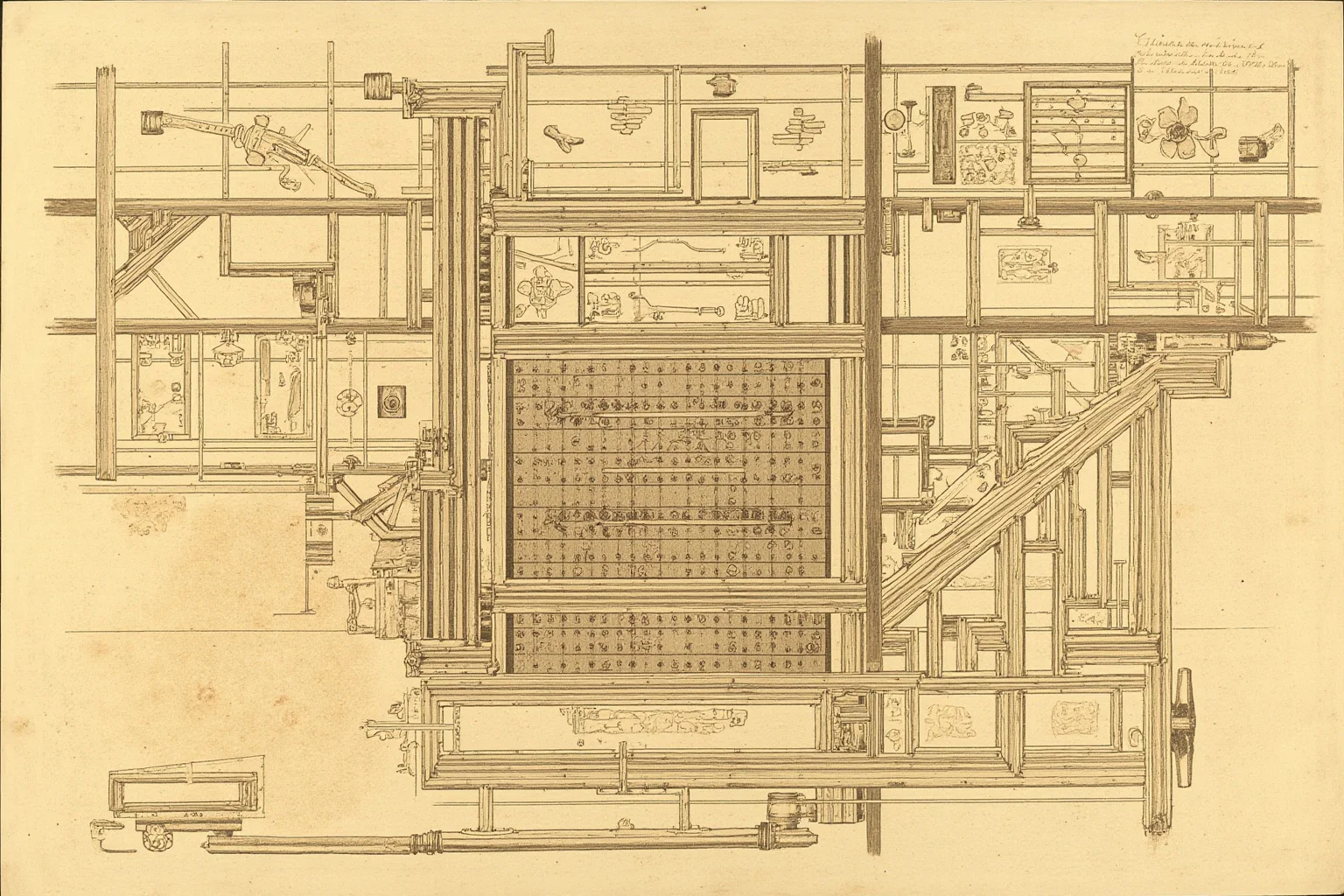
George Leonidas Leslie is one of the most influential famous masterminds that popular history forgot. In the 1860s and 1870s, he studied bank architecture, employee routines, and vault design to plan burglaries instead of smashing doors.
Investigators later believed Leslie was involved in a large share of bank burglaries during an era when bank security was primitive. He reportedly built a practice bank vault in a warehouse, timed guard patrols, and drilled his crew on specific roles.
Leslie died in 1878, and some of the stories around him are a mix of police files and dime-novel legend. Still, his nickname, the 'King of the Bank Robbers,' shows how planning can make a criminal more dangerous than a gun.
6. Charles Sobhraj, the Manipulator
Charles Sobhraj was a different kind of intelligent criminal: a predator who used charm, disguise, and border-hopping to stay ahead of police. During the 1970s, he drifted through Southeast Asia, often posing as a gem dealer or tour guide to gain the trust of young travelers.
He was arrested several times and escaped more than once, including a jailbreak in India after he and others reportedly drugged prison guards. By the time Nepal convicted him of murder in the 2000s, he had already become a fixture of true-crime books and television dramas.
Sobhraj's story is not a caper tale. It is a reminder that social intelligence and cruelty can combine in ways that make a criminal more harmful, not more admirable.
7. D.B. Cooper, the Vanishing Skyjacker
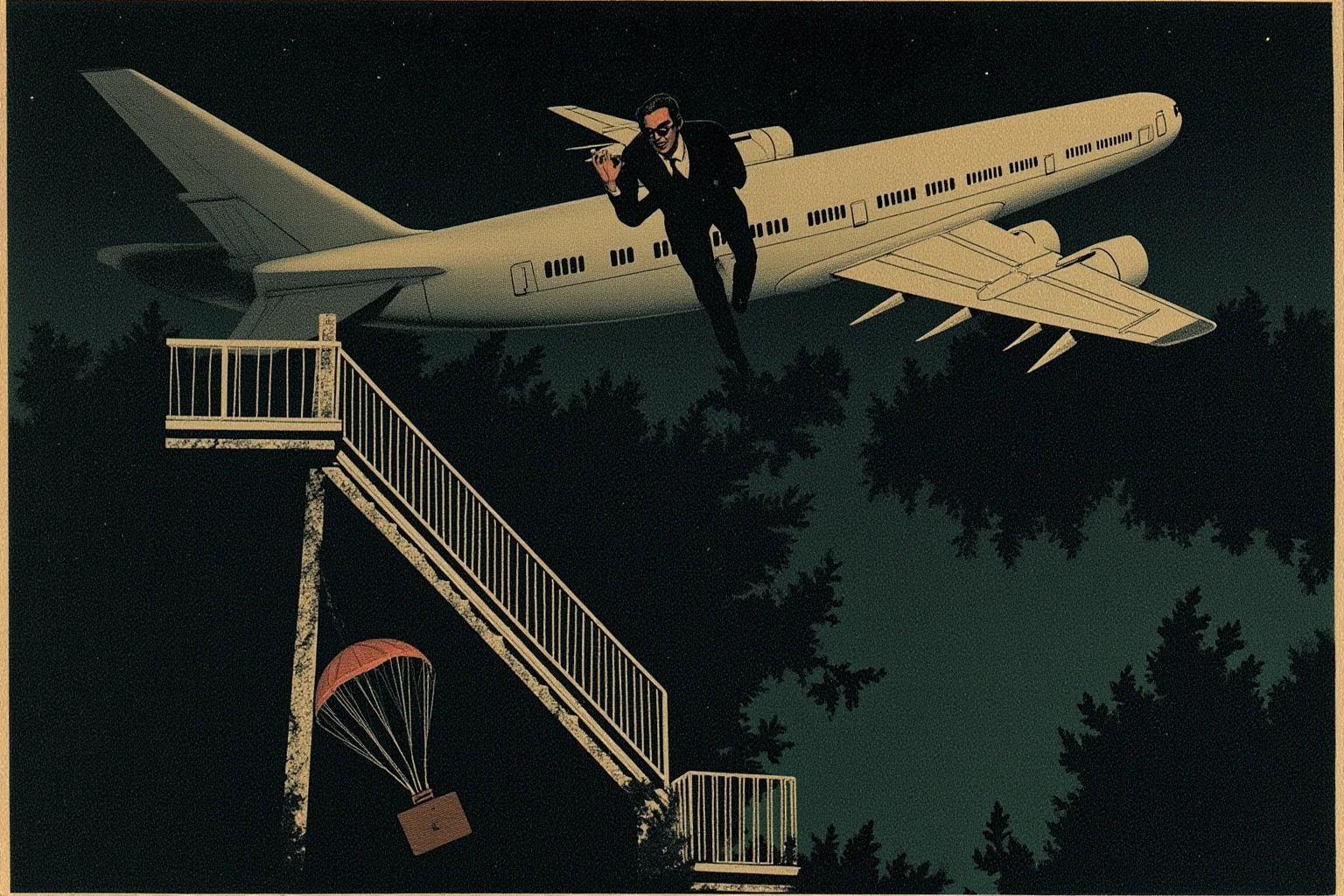
In 1971, a man using the alias Dan Cooper hijacked a Boeing 727, demanded $200,000 and parachutes, and jumped from the plane over the Pacific Northwest. A press mix-up turned his name into D.B. Cooper, and afterward he appeared to vanish completely.
The FBI pursued thousands of leads and ruled out many suspects, but the case remains unsolved. Cooper's advantage was not raw brilliance but a specific operational window: the rear staircase, the terrain, and the weather made the jump difficult to track.
D.B. Cooper is therefore one of the most famous escape mysteries in the history of air crime. No one can say whether he was a genius or simply lucky, because a clean disappearance hides most of the evidence.
8. Al Capone and the Endless Al Capone IQ Question

Al Capone remains one of the most recognized criminals of all time, and people still ask about his 'Al Capone IQ' as if a test score could explain his power. No verified IQ score for Capone is known, and the numbers circulated online are not supported by historical records.
Capone's real intelligence was administrative: he ran the Chicago Outfit during Prohibition, balanced alliances and bribes, managed supply networks, and carefully shaped his public image. That kind of criminal intelligence does not always show up on a standardized test.
His downfall also exposes the limit of his supposed genius. Federal prosecutors convicted him on tax evasion in 1931 because they could not easily prove the full scope of the Outfit's violence, and Capone spent his last years weakened by prison and illness.
9. Gerald Blanchard, the Aerial Jewel Thief
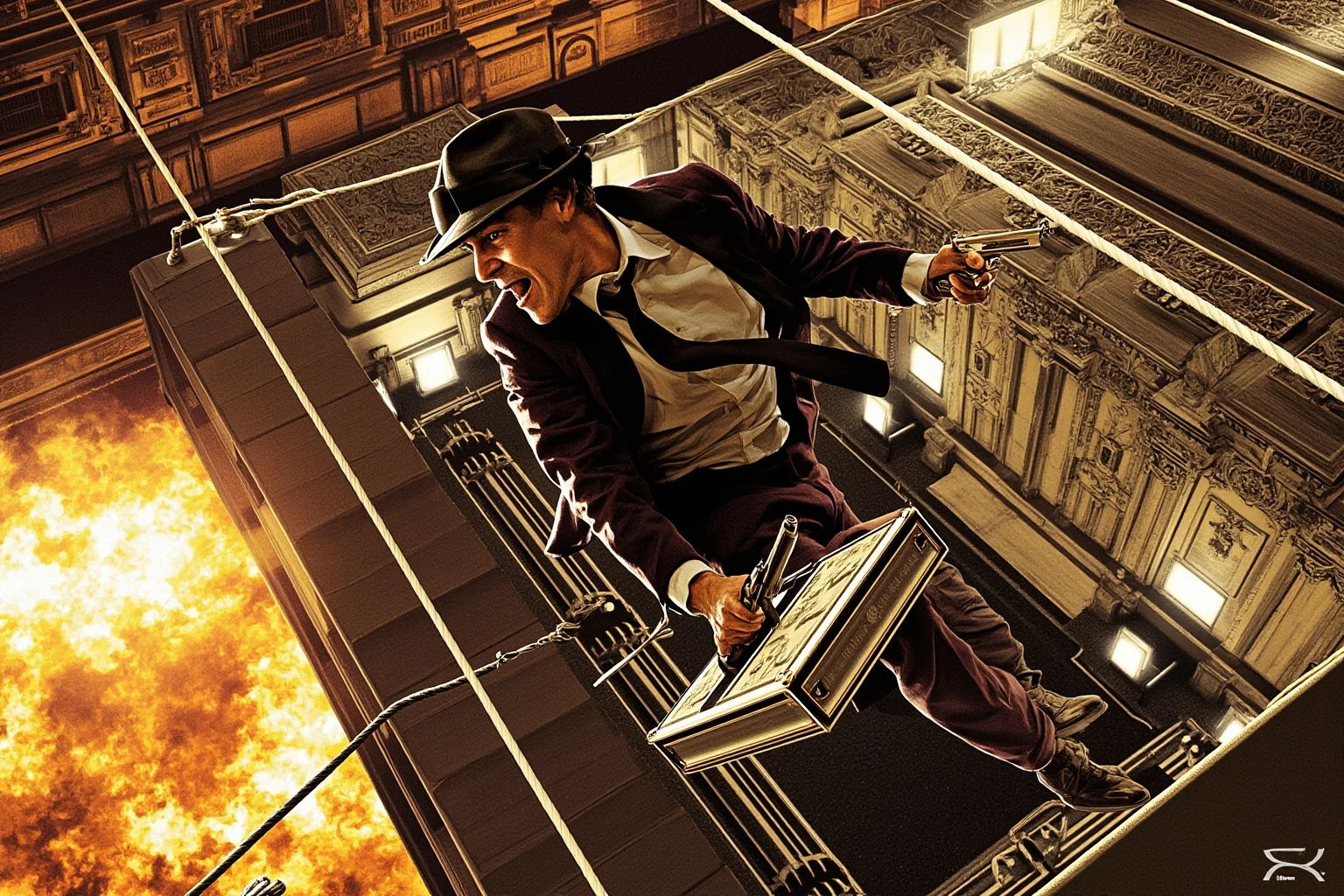
Canadian thief Gerald Blanchard became known for heists that sounded like spy films. Police linked him and a network of associates to frauds and high-value thefts in several countries, including a jewel theft in Austria.
The most theatrical version of his story involves reconnaissance from the air, hidden cameras, and a plan to access a secure site from above. Details differ between police reconstructions and true-crime documentaries, but investigators described an unusually organized operation.
Blanchard was eventually caught through a lengthy undercover operation. His case shows how a modern criminal can become one of the greatest masterminds in the public imagination even when the facts are more complicated than the legend.
10. Victor Lustig, the Con Man Who Sold the Eiffel Tower
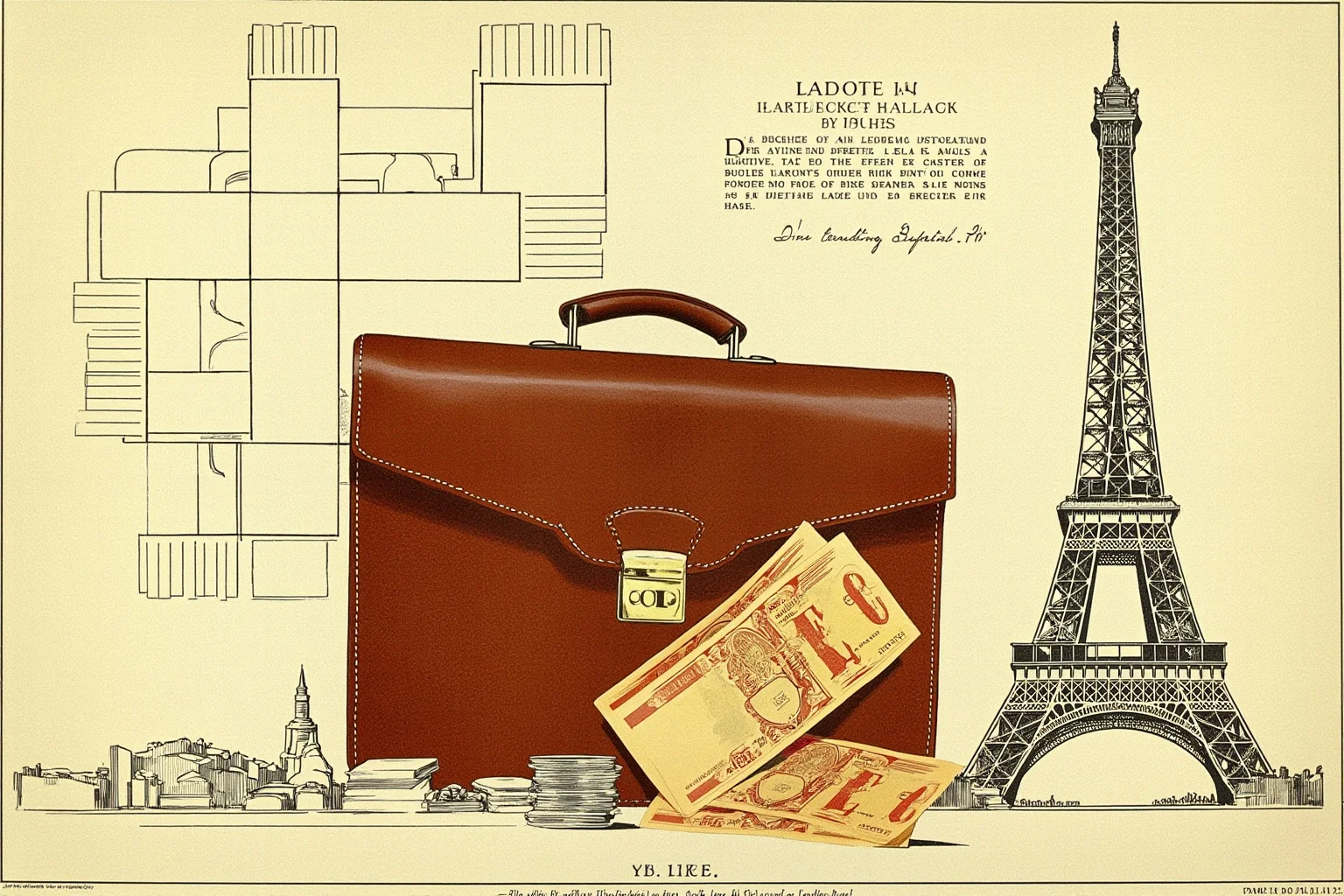
Victor Lustig is often remembered as the con man who sold the Eiffel Tower. In 1925, according to the famous account, he posed as a French government official and convinced scrap-metal dealers that the tower would be demolished and sold.
The story, repeated by crime historians and federal law-enforcement archives, says Lustig took a bribe from a dealer and disappeared before the buyer was too embarrassed to report the crime. He later ran a large counterfeit currency operation in Europe and the United States.
Lustig eventually died in federal custody in 1947 from pneumonia. His Eiffel Tower con remains a benchmark for social engineering because it used no violence—only the victim's greed and fear of humiliation.
The Dumbest Crooks: 10 Criminals Who Made It Easy
At the other end of the spectrum are criminals whose mistakes are so obvious that they became local legends and internet favorites. If you ask 'who is the world's worst criminal' in the sense of least competent, these names usually appear early in the conversation.
The following cases come from police reports and news coverage. Some have become so widely told that specific dates and details blur, but the core mistakes are well documented.
11. McArthur Wheeler and the Lemon Juice Logic

McArthur Wheeler robbed two banks in Pittsburgh in 1995 while wearing a disguise that made no sense. He believed that lemon juice, which can be used as invisible ink, would also make his face invisible to security cameras.
Police released the surveillance images and quickly identified him. The case became famous after psychologists used it to illustrate the Dunning-Kruger effect, where a person lacks the knowledge to realize how wrong he is.
Wheeler did not fail because he was uneducated; he failed because he acted on a belief he never tested. His story has become shorthand for armchair confidence without basic checking.
12. The Burglar Who Stayed Logged Into Facebook

In 2009, police in West Virginia said a burglar named Jonathan G. Parker broke into a home and stopped to check his Facebook account on the victim's computer. He left without logging out, and the digital trail pointed directly to him.
Officers arrested Parker after the victim and investigators traced the account. The case required no fingerprint wizardry, just the ordinary evidence left by a moment of habit.
Parker's mistake turned a private break-in into a public profile update. It is one of the clearest examples of social media becoming an unintended confession.
13. The Pay Stub Bandit

One widely reported bank robber handed a teller a demand note written on his own pay stub. The paper already carried his name and address, which made the follow-up investigation almost embarrassingly simple.
According to police accounts, the teller handed over cash while officers later went directly to the address on the note. The suspect was arrested without a dramatic manhunt.
The case is a lesson in document control. It is hard to remain anonymous when your own payroll information is printed on the threat.
14. The Clear Plastic Bag Mask

A would-be robber once tried to hide his identity by pulling a clear plastic bag over his head. The bag did nothing to obscure his face from security cameras, and the footage was clear enough for the public to identify him.
The arrest followed tips from people who recognized the suspect from the released CCTV. The plan was not a failure of technology but a basic misunderstanding of how transparent material works.
This case circulates as one of the purest examples of a criminal defeated by ordinary physics.
15. The Selfie Burglar
After a Florida break-in, a burglar stole a smartphone and took a selfie with the device. The photo automatically backed up to the victim's cloud account, giving police a clear image of the suspect.
The selfie was released and the burglar was identified. He had personally created the strongest piece of evidence against himself and delivered it to the victim's photo library.
The selfie burglar belongs to a growing file of criminals undone by automatic uploads, location tags, and social media habits.
16. The Man Who Called 911 on His Own Drug Deal
Some people call the police because they are victims; others call the police because they are confused about what police protect. In multiple reported cases, a person has dialed 911 to report that their own drugs were stolen or that a dealer shorted them.
The caller sometimes provides specific amounts and prices, apparently expecting officers to enforce the terms of an illegal deal. Officers instead investigate the caller, who has just admitted to a crime.
This kind of self-incrimination is more common than many people expect. It shows how panic can override even simple risk analysis.
17. The Burglar Who Cooked a Meal
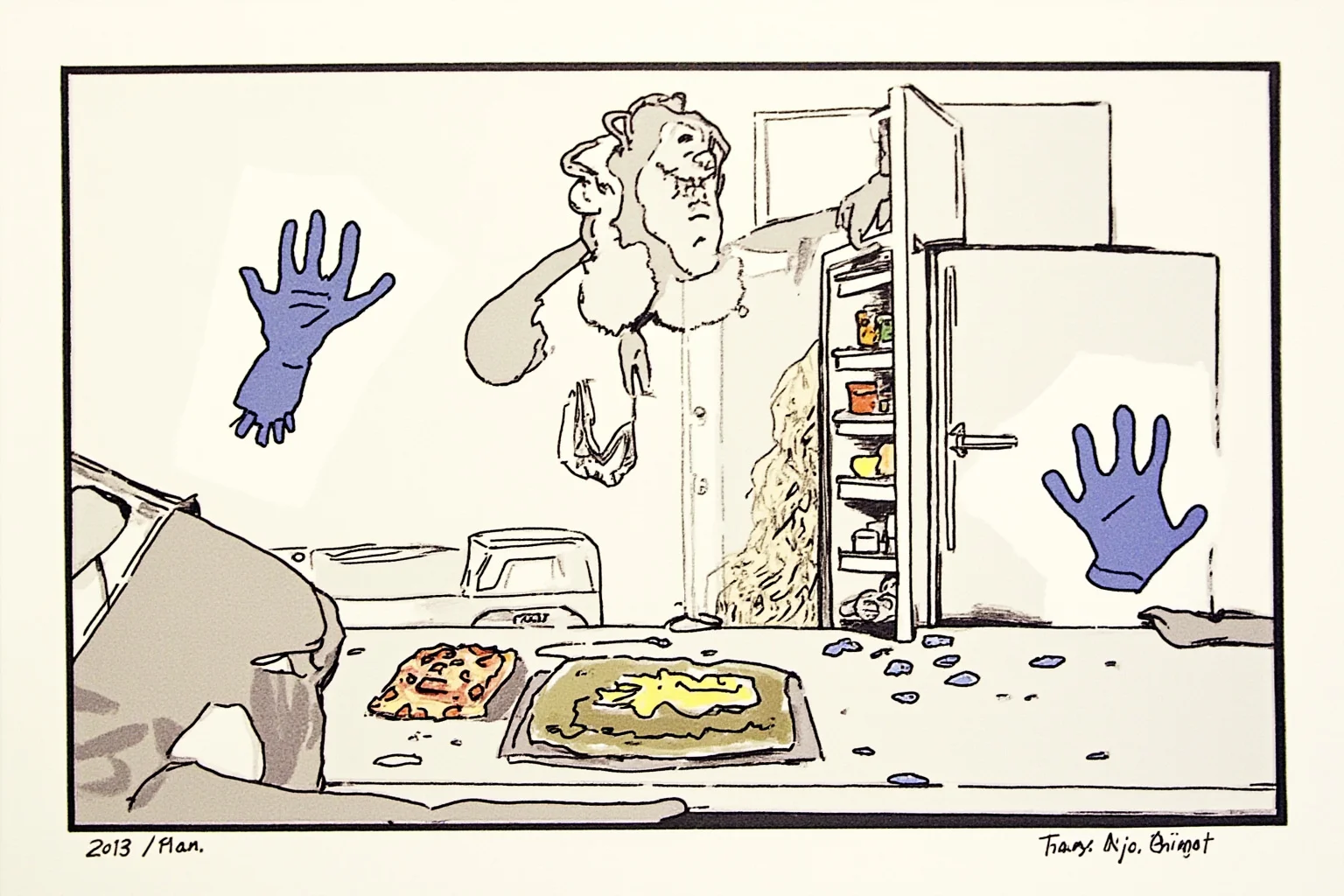
A burglar in a widely reported case broke into a home or business and decided to pause for a full meal. The suspect cooked food, drank from the refrigerator, and left behind dishes, DNA, and fingerprints.
Some versions of the story end with the burglar asleep at the scene, which makes the arrest even easier. Police did not need complicated forensics to identify someone who spent an hour eating at the crime scene.
The kitchen burglar is a reminder that every minute at a crime scene creates more evidence. Comfort is not a strategy.
18. The Robber Who Left His Wallet Behind

In another often-cited holdup, a bank robber collected cash but left his wallet on the counter. The wallet contained identification, bank cards, and sometimes a home address.
Police visited the address and found the suspect without needing fingerprints or a long investigation. The sequence is so commonplace in crime blotters that it has become a classic dumb-crime anecdote.
The failure here was purely attentional. In the stress of the moment, the robber forgot the most basic rule: take everything that leads back to you.
19. The Men Who Broke Into a Police Station

A pair of burglars once tried to force their way into a building they thought contained cash or valuables. Instead, they entered a police station or sheriff's office, where officers were available immediately.
The suspects had confused the address or mistaken the building for a nearby business. Their break-in ended before it began, and the story became a small legend in local crime reporting.
The case is about as close as a criminal can get to turning himself in without meaning to.
20. The Thief Who Asked for a Job After the Crime

After a convenience store theft, a suspect returned to the same store the next day to ask about a job application. The clerk recognized him immediately from the previous day's visit and called police.
Returning to the scene is already risky; doing it in front of the witness while asking for personal paperwork is far worse. The suspect was arrested without any need for a major investigation.
The case shows that some criminals do not simply lack intelligence. They lack the basic awareness of how their own actions appear to others.
Why the Smart vs. Dumb Divide Is Too Simple
The contrast between famous masterminds and foolish crooks is satisfying, but it also flattens reality. Some smart criminals succeeded because they had money, connections, or lucky timing, while some dumb ones were merely unemployed or in crisis.
Labels like 'greatest masterminds' often come from media narratives rather than measurable intelligence. A robber who escapes once on luck can be remembered as a genius, while a careful offender who is caught quickly is forgotten.
Crime historians therefore emphasize context. A great heist is rarely a solo act, and a dumb mistake is not always proof of low intelligence; it can also be proof of desperation, addiction, or mental illness.
How should we think about the question 'who is the world's worst criminal'? If worst means most incompetent, the lemon juice case often tops the list; if worst means most harmful, the answer is much darker and much harder to rank.
The Real Intelligence of a Criminal Mastermind
The smartest criminals in history tend to share a few ordinary traits: patience, observation, self-discipline, and the ability to predict how other people will behave. These are not superpowers, but they are rare enough when combined under pressure.
At the same time, the dumbest criminals often share one trait: they act on a version of the world that has not been tested against reality. Whether the error is lemon juice, a transparent mask, or a posted selfie, the result is the same.
Ultimately, the history of crime is less about IQ scores than about judgment. The question of who deserves the title 'greatest thief of all time' or 'greatest criminal of all time' is more a debate about imagination, luck, and harm than a ranking of pure intellect.
Frequently Asked Questions
Who is the greatest thief of all time?
Many historians name Adam Worth, the 19th-century 'Napoleon of the Criminal World,' as a leading candidate. He ran an international theft network and stole Gainsborough's portrait of Georgiana, holding it for 25 years. There is no official ranking, so the title remains a historical debate rather than a settled fact.
What is Al Capone’s IQ?
No verified Al Capone IQ score exists in the historical record. Numbers quoted online are unsupported rumors; Capone is better understood as organizationally intelligent, not as a tested genius.
Who is the world’s worst criminal?
There is no objective answer. If 'worst' means most incompetent, many point to McArthur Wheeler, the lemon-juice bank robber; if 'worst' means most harmful, the term belongs to a much darker and more complex discussion about mass violence and state crimes.
Who are some famous masterminds in history?
Adam Worth, Albert Spaggiari, Leonardo Notarbartolo, George Leonidas Leslie, and Victor Lustig are often cited. Each used planning, social engineering, or technical patience rather than simple violence.
What makes a criminal a mastermind?
A mastermind usually combines careful reconnaissance, discipline, social manipulation, and the ability to exploit systems before they act. Luck and media myth also play a role in the label.

Alex Warren
Related Articles