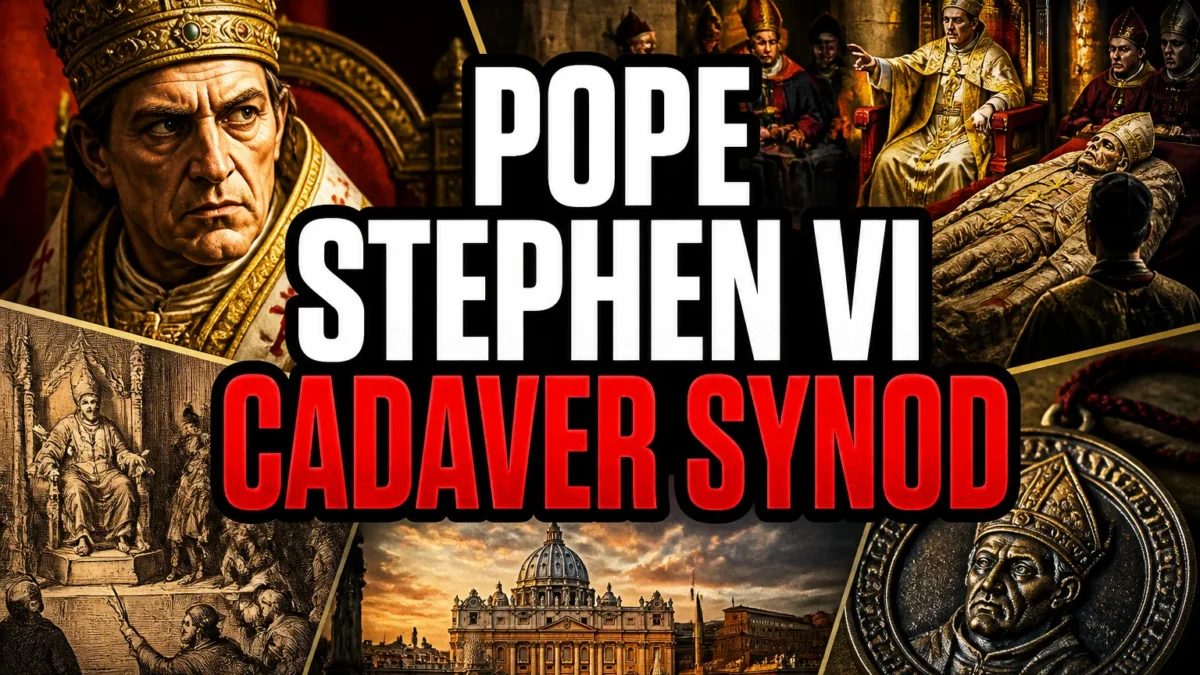
History has no shortage of strange trials, but the one presided over by Pope Stephen VI in early 897 occupies a category all its own. In a Rome already torn by aristocratic feuds, Stephen ordered the body of a dead predecessor to be dug up, vested in papal robes, and made to answer for crimes in an ecclesiastical court. That grotesque event, known as the Cadaver Synod, has echoed through centuries of church history.
The story of Stephen VI is often told as a gothic curiosity, but it is really a case study in how law and liturgy can be weaponized for revenge. To understand it, we need to separate the documented facts from the lurid legends that grew up around it. This article walks through the people, politics, and legal claims behind one of the most infamous moments in papal history.
TL;DR: Pope Stephen VI is remembered for the Cadaver Synod, a politically staged trial in which the exhumed corpse of Pope Formosus was condemned, mutilated, and stripped of its papal legacy.
The Context That Made the Cadaver Synod Possible
Ninth-century Rome was not a stable capital ruled by a clear hierarchy. The papacy had become a prize contested by aristocratic families and regional rulers. Popes could be installed, deposed, and even killed when the political winds shifted.
Stephen VI came to power in this environment, and his room for maneuver was limited from the start. The Cadaver Synod was not an isolated act by a lone lunatic. It was embedded in a longer struggle over who controlled Rome, the papacy, and the imperial crown.
The church in this era was also divided over how to handle bishops who changed sees. Reform-minded churchmen saw such transfers as a breach of spiritual loyalty. Those debates gave ambitious popes and nobles a convenient legal vocabulary for attacking their enemies.
1. Pope Stephen VI Is a Numbering Puzzle Before the Story Even Begins
Medieval papal lists do not always agree on how many popes named Stephen came before him. Some lists count an earlier priest named Stephen who was elected but died before consecration, while others do not. As a result, the man behind the Cadaver Synod appears as Stephen VI in some sources and Stephen VII in others.
Modern Catholic usage generally calls him Pope Stephen VI, though older books sometimes use Stephen VII. The numbering confusion is a helpful warning that even basic facts from this period require careful handling.
2. His Papacy Lasted Only About a Year
Stephen VI became pope around May 896 and was dead by the summer of 897. During that brief window, he managed to create one of the most notorious episodes in papal history. It is worth remembering that a single year was enough for long-lasting damage.
His short reign was not unusual in a period when popes rose and fell with the fortunes of Roman noble factions. Still, few short papacies are remembered as vividly as his. The Cadaver Synod defined his entire legacy.
3. Before He Was Pope, He Was Bishop of Anagni
Stephen VI was not a Roman outsider; he held the see of Anagni before his papal election. In the ninth-century church, the relationship between a bishop and his diocese was treated as permanent and solemn. Moving from one see to another was heavily restricted and often condemned.
Some accounts claim that Formosus, the man Stephen later put on trial, had consecrated Stephen as bishop of Anagni. If true, it would make the Cadaver Synod a direct attack on the man who gave Stephen his episcopal office. The irony was not lost on later commentators.
4. He Ruled in the Shadow of the Spoleto Faction
Rome in Stephen VI's day was not governed by a neutral papal bureaucracy. Powerful noble families such as the Spoletans, led by the young emperor Lambert II and his mother Agiltrude, competed for control of the city and the papacy. Stephen's election cannot be disentangled from that factional pressure.
The Spoletans had a particular hatred for Formosus, the pope who preceded Stephen's immediate predecessor. They backed Stephen because he could be useful in settling that score. This political reality helps explain why a corpse trial happened at all.
5. Formosus Had Made Violent Enemies While He Was Alive
Formosus served as pope from 891 to 896 and faced one central crisis: who would hold the imperial crown in Italy. He had dealings with the Spoletan rulers and later called on Arnulf of Carinthia, the king of East Francia, to intervene in Rome. When Arnulf arrived, Formosus crowned him emperor in 896.
That coronation infuriated the Spoleto family and their supporters. To them, Formosus had betrayed their claims and sided with a foreign ruler. Once Formosus was dead, his body became a target for the political anger his actions had provoked.
6. The Cadaver Synod Opened in January 897
The trial of the dead pope took place around January 897, most likely at the Lateran Basilica in Rome. The setting was one of the most sacred spaces in Western Christendom, which made the proceedings even more scandalous. Exactly which day it began is not preserved with certainty, but the general date is consistent in medieval sources.
Stephen VI convened the synod himself, and it was not a small private meeting. It involved clergy and officials whose presence gave the event an official character. That official framing is why it is called a synod rather than simply an act of desecration.
The choice of the Lateran made the proceedings impossible to ignore. It sent a signal that the attack on Formosus carried official papal authority. That authority would soon prove fragile.
7. Formosus Had Been Dead for About Nine Months
Formosus died in April 896, so by January 897 his body had been interred for roughly nine months. The trial was therefore not a stunned reaction in the immediate aftermath of death. It was a deliberate stage managed after months of political maneuvering.
The delay also meant that the body would have been badly decomposed when it was brought into the council. Later accounts emphasize the gruesome condition of the corpse. Historians treat those descriptions cautiously, but they reflect the shock the event produced.
The combination of death, decay, and ritual authority made the event especially disturbing. It also made it easier for later writers to embellish. Even without later additions, the historical core is dark enough.
8. The Corpse Was Exhumed, Dressed, and Placed on a Throne
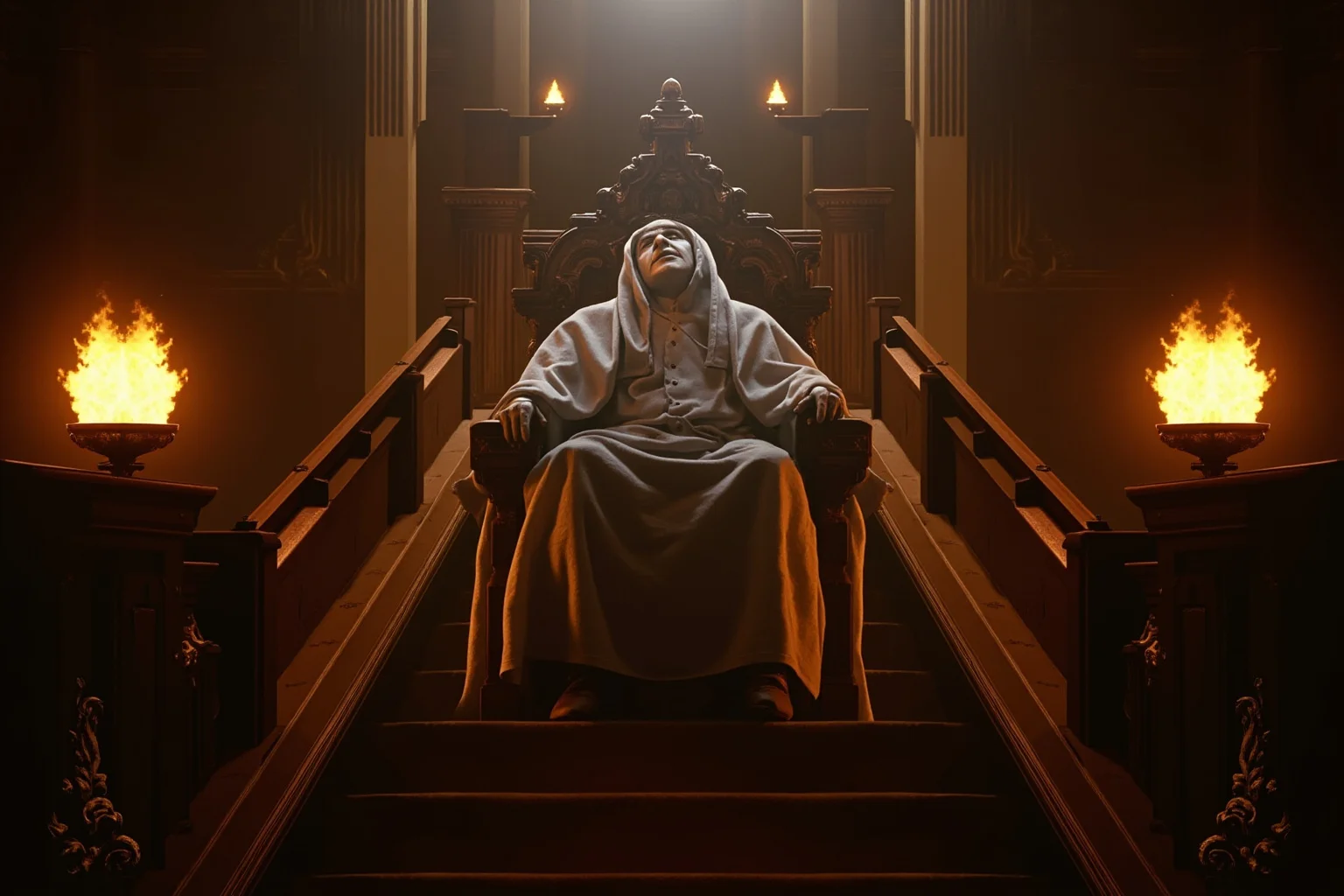
According to the principal medieval accounts, Formosus's remains were taken from the tomb, dressed in full papal vestments, and seated on a throne in the council chamber. The intention was to make the dead man present as the accused. It was a form of ritual theater as much as a legal procedure.
Scholars debate how literally every detail of the scene should be read. The core claim, that the body was put on trial in the dead pope's vestments, is solidly attested in multiple sources. The visual image was designed to invert papal authority.
9. A Deacon Answered for the Dead Pope
Because a corpse could not speak, a deacon was assigned to respond on Formosus's behalf during the proceedings. The exact identity of this stand-in is not clear from surviving records. Some later retellings add details such as a young or trembling deacon, but those flourishes are poorly sourced.
What is clear is that the trial was deeply irregular by any standard of canon law. The dead could not properly mount a defense, and the outcome was never in constitutional doubt. Stephen VI presided over the proceedings as both judge and accuser in a symbolic display.
10. The Formal Charges Were Mostly Canonical, Not Personal
The synod did not merely accuse Formosus of being ambitious or unpleasant. It charged him with specific violations of church law, including perjury, coveting the papal office, and abandoning his original see. Those accusations gave the trial a legalistic coating that helped justify the spectacle.
Modern historians see the legal framing as a way to legitimize a political vendetta. The charges may have had roots in ninth-century reform debates, but they were applied to a dead man in a way that made a fair hearing impossible. This blending of law and revenge is central to the Cadaver Synod's infamy.
11. The Biggest Charge Was the Transfer from One See to Another
Formosus had been bishop of Porto before he became pope. Under strict interpretations of canon law in that era, transferring a bishop from one see to another was forbidden. This rule was often honored in the breach, but it could be deployed selectively against enemies.
By condemning Formosus for translation, Stephen VI was using a respected legal principle as a political weapon. The irony is that Stephen himself was a bishop of Anagni who became pope, so the charge could easily be turned back on him. That did not stop the synod from pressing the accusation.
12. The Verdict Was Essentially Predetermined
The council was packed with Stephen's allies and the Spoletan faction. Formosus was declared guilty of the charges, and his papal election was ruled illegitimate. There was no genuine effort to weigh evidence or allow a defense.
The trial therefore functioned as a public sentencing rather than a fair inquiry. It gave the appearance of canonical authority while delivering a predetermined result. That is why later papal reformers treated it as a parody of justice.
13. The Corpse Was Stripped and Mutilated
After the verdict, the papal vestments were torn from the corpse. According to the main accounts, the three fingers of the right hand used in blessing were cut off. This act was meant to nullify the blessings and consecrations Formosus had performed while alive.
Some sources add that the body was then clad in humble or secular clothing before being carried away. The exact details vary, but the intent was clearly to strip the dead man of every trace of papal dignity. These actions were rituals of degradation rather than random cruelty.
These degradations had a legal purpose in the minds of the synod. By mutilating the body, the council symbolically unmade a pope. It was an act of theology through violence.
14. The Body Was Buried and Then, by Tradition, Thrown into the Tiber
The remains of Formosus were first placed in a common grave, according to early reports. Later chroniclers say the body was then removed and thrown into the Tiber River. The sequence is not perfectly attested, so historians treat the river detail as a strong tradition rather than an absolute fact.
What is certain is that the burial was meant to be humiliating and final. The body of a pope was denied the honors normally given to a successor of Peter. That symbolic erasure was exactly what Stephen VI wanted.
15. Stephen VI Declared All of Formosus's Acts Invalid
The synod did not stop at condemning the man himself. It annulled Formosus's papal acts and ruled that ordinations performed by Formosus were invalid. This was a sweeping legal claim with enormous practical consequences.
It meant that clergy ordained by Formosus suddenly had no legitimate standing. Many of those clergy had served faithfully for years. The ruling turned an abstract legal argument into a crisis for churches across the region.
The decision also had implications for anyone Formosus had confirmed in office. Rival leaders quickly saw opportunity in the confusion. The ruling was not an abstract legal footnote; it touched thousands of lives.
16. The Ruling Threw the Church into a Canonical Mess
If Formosus's ordinations were invalid, then some churchmen worried that the sacraments administered by those clergy were cast into doubt. Some priests and bishops were pressured to be reordained, while others faced confusion about their status. The decision created a chain reaction of legal and spiritual uncertainty.
Rather than restoring order, the Cadaver Synod deepened division in Rome and beyond. Factional rivals used the ruling to attack their enemies. The practical damage outlasted the brief papacy of Stephen VI.
The crisis was compounded by a lack of clear procedure for what to do next. Some clergy sought reordination as a precaution, while others denied the ruling's authority. The result was a prolonged period of uncertainty.
17. Public Horror in Rome Turned Against Stephen VI
Medieval sources describe widespread revulsion at the treatment of a dead pope. Whether the shift was driven by genuine popular outrage, rival factional maneuvering, or both is hard to say. Within months of the trial, Stephen's position became untenable.
The Cadaver Synod was so shocking that it alienated people who might otherwise have supported him. It was one thing to attack a living rival and another to desecrate a corpse in a sacred hall. That distinction helps explain the rapid collapse of his authority.
18. Stephen VI Was Deposed and Imprisoned
By the summer of 897, Stephen VI was removed from office and thrown into prison. The exact sequence of events is murky because contemporary sources are fragmentary. His Spoleto backers either could not protect him or chose not to.
The deposition of a pope was not a neat constitutional process in the ninth century. It was a violent shift in factional power. Stephen's fall came quickly after his infamous moment of power.
19. He Died by Strangulation in Prison
Stephen VI was strangled while imprisoned, likely in July or August 897. The death was not natural, and it reflected the brutal norms of Roman politics at the time. He did not survive to witness the full reversal of his actions.
His killers were likely political enemies, though the sources do not provide a clear prosecutable account. What matters for history is that the man who staged the trial of a corpse soon became a corpse himself. The symmetry was not lost on later writers.
20. Pope Theodore II Recovered Formosus's Body
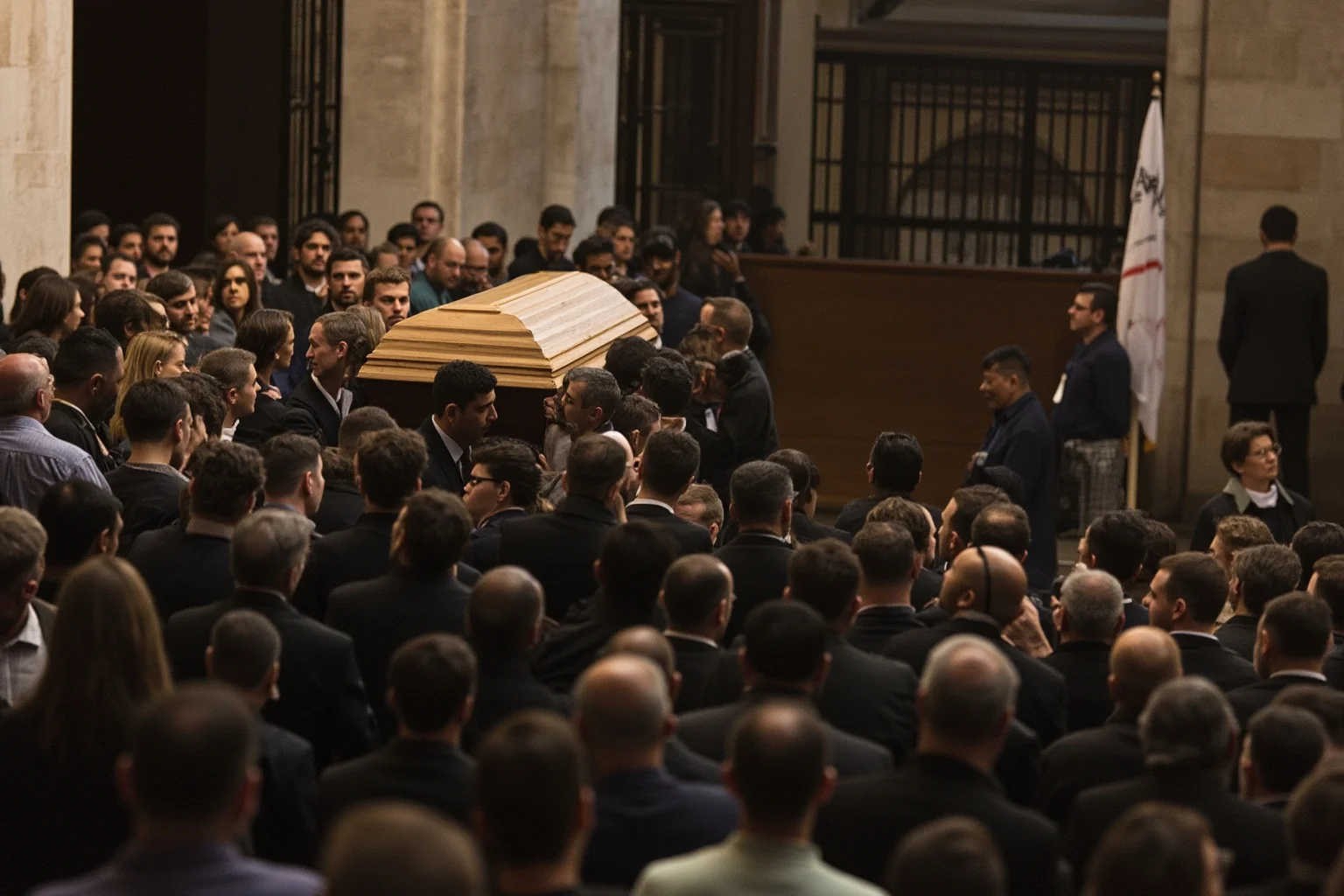
After Stephen's death, a rapid series of popes began to undo the Cadaver Synod. Pope Theodore II, who reigned for only about twenty days in late 897, ordered Formosus's remains to be recovered from wherever they had been discarded. He gave the body an honorable reburial in St. Peter's, according to the main accounts.
Theodore's papacy was almost entirely defined by this single act of rehabilitation. It showed how urgent the church considered the need to repair the scandal. A short reign could still leave a lasting mark.
21. Pope John IX Formally Annulled the Cadaver Synod in 898
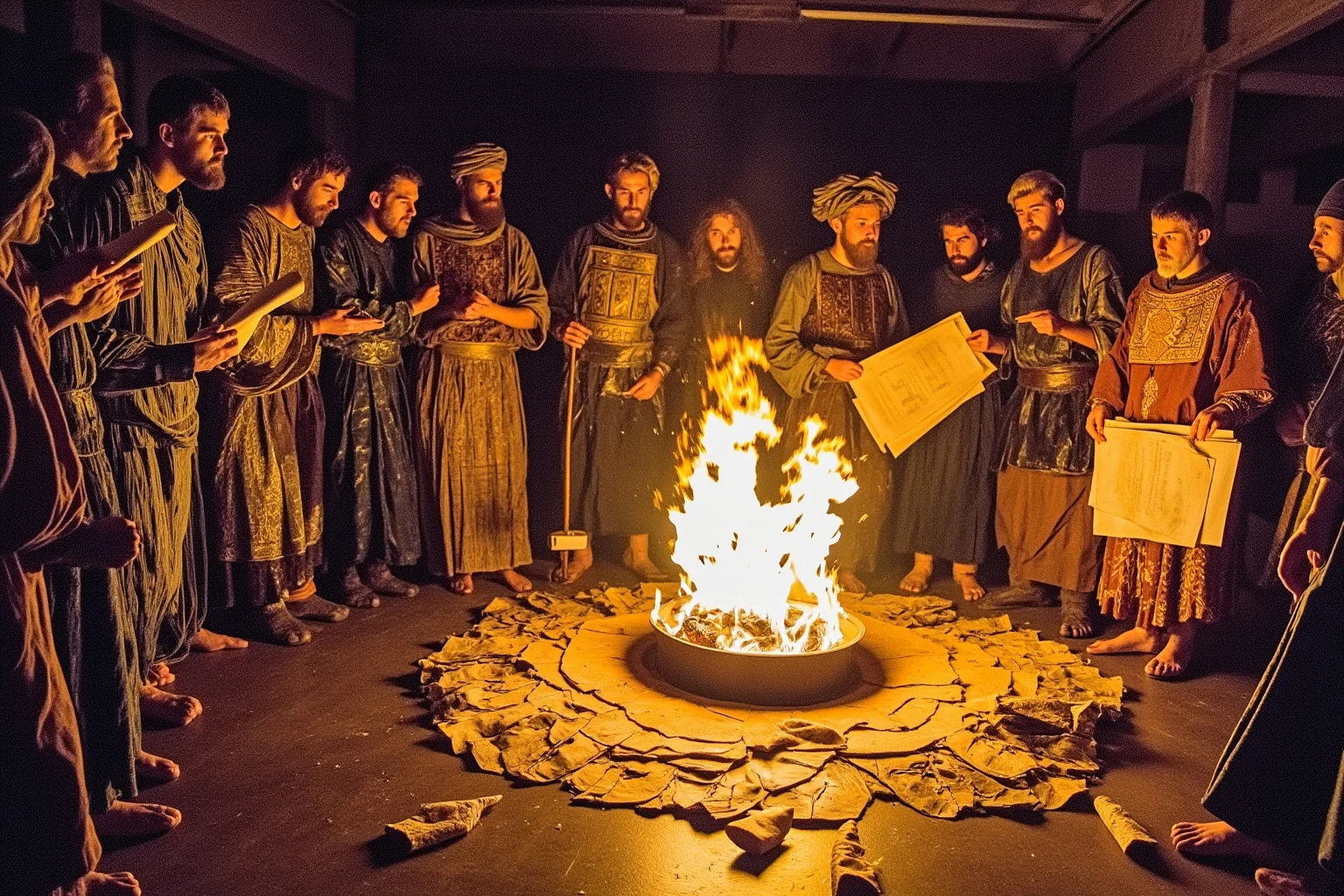
The most consequential reversal came under Pope John IX in 898. A synod convened under his authority annulled the Cadaver Synod and ordered its acts to be burned. It also forbade future trials of dead persons.
This was a clear theological and legal rejection of what Stephen VI had done. The ruling attempted to close the chaotic chapter and restore the reputations of clergy ordained by Formosus. John IX's synod remains a key source for understanding the affair.
22. Later Popes and Chroniclers Kept the Memory Alive
The Cadaver Synod did not simply fade away after 898. A later pope, Sergius III, aligned with the anti-Formosan faction and reopened aspects of the dispute, though the evidence is less complete. Medieval chroniclers, especially Liutprand of Cremona, wrote vivid accounts that shaped how later generations remembered the event.
Those accounts helped turn Stephen VI into a byword for papal corruption and brutality. Modern historians distinguish between confirmed facts and later dramatic embellishments. The core story is shocking enough without needing much invention.
What the Sources Actually Say
Most of what we know about the Cadaver Synod comes from later chroniclers, not from a complete official transcript. Court records from the synod have not survived in a clear form. Writers such as Liutprand of Cremona recorded the story with moral outrage, and their accounts shaped the popular image of Stephen VI.
Modern historians read those chronicles against other evidence, including papal letters and the acts of the 898 synod. This comparative approach helps separate the probable facts from later embellishments. It also means that some vivid details, such as the exact condition of the corpse, should be treated with care.
Why the Cadaver Synod Still Matters
Pope Stephen VI's trial of Formosus was not a random act of madness. It was a public ritual designed to settle a political score and rewrite the recent past. By attacking the body and legacy of a dead pope, Stephen hoped to delegitimize an entire faction.
The episode reminds us that legal forms can be used to commit profound injustices. It also shows how quickly political power in medieval Rome could shift. Understanding those dynamics is more useful than treating Stephen VI as a simple monster from a horror story.
The Cadaver Synod endures because it sits at the intersection of religion, politics, and the macabre. But the historical record is clear enough to separate the facts from the folklore. That separation is the real task for anyone trying to remember Pope Stephen VI accurately.
Frequently Asked Questions
Why did Pope Stephen VI put a corpse on trial?
Pope Stephen VI was backed by the Spoleto faction, which hated Pope Formosus for crowning their rival Arnulf of Carinthia as emperor. The trial allowed Stephen to delegitimize Formosus's papacy and invalidate his acts. Although the charges were framed in canon law, the proceeding was essentially political.
Was the Cadaver Synod real?
Yes. Multiple medieval sources describe a synod in January 897 in which Pope Formosus's remains were exhumed and condemned. Some dramatic details vary between accounts, but the core event is well attested.
What happened to Pope Stephen VI after the trial?
Public outrage and a political shift led to his deposition within months. He was imprisoned and strangled in the summer of 897.
How was the Cadaver Synod reversed?
Pope Theodore II recovered Formosus's body and reburied it with honor. Then Pope John IX's synod of 898 annulled the Cadaver Synod, burned its acts, and prohibited future trials of the dead.

Alex Warren
Related Articles