The Titanic's first-class passenger list was meant to be a showcase of Gilded Age wealth, talent, and power. A surprising number of the era's most prominent names almost joined it. Others changed plans at the last minute and spent the rest of their lives explaining the quirk of fate.
These near-miss stories are full of business decisions, family pressure, and plain luck. Sorting fact from legend is important because some "supposed to be on the Titanic" stories have hardened into myth.
TL;DR: Several Gilded Age titans, inventors, writers, and shipbuilders canceled Titanic passage in the final days before sailing, while a few passengers actually left the ship before it entered the Atlantic.
Why Famous People on the Titanic and the Near-Miss List Still Fascinate
The phrase "famous people on the Titanic" usually calls to mind John Jacob Astor IV, Isidor Straus, and Benjamin Guggenheim, who were aboard and died. But the list of people who almost boarded is equally crowded.
A missed connection or a canceled stateroom could decide who lived. That dramatic contrast is why stories about who got off the Titanic before it sailed have circulated for more than a century.
These stories also reveal how much of the Titanic's legend rests on chance. A name that appears on the passenger list can become eternal, while a last-minute change can erase someone from the story entirely.
The 20 Famous People Who Almost Boarded Titanic
This list moves roughly from the most documented cases to the names that rest on contemporary reporting rather than surviving ticket records. A person included here may have held a genuine reservation or been reported as a likely passenger in reputable newspapers of the day.
The boundary between a canceled reservation and a rumor can blur after more than a century. Where the evidence is soft, the entry says so rather than presenting family lore as fact.
Gilded Age Money and Industry
1. J.P. Morgan
J. P. Morgan wasn't simply a rich passenger who missed a ship. He controlled the International Mercantile Marine trust, which owned the White Star Line, so his presence on the maiden voyage would have been a boardroom event.
Morgan was in France at Aix-les-Bains, and the usual explanation is that he stayed for his health and business. His elegantly appointed private promenade suite sailed empty, and he avoided the disaster.
Had he sailed, his presence would have likely changed the public's memory of the disaster. Instead, Morgan remains the most famous person connected to the Titanic who never stepped aboard.
2. Milton S. Hershey
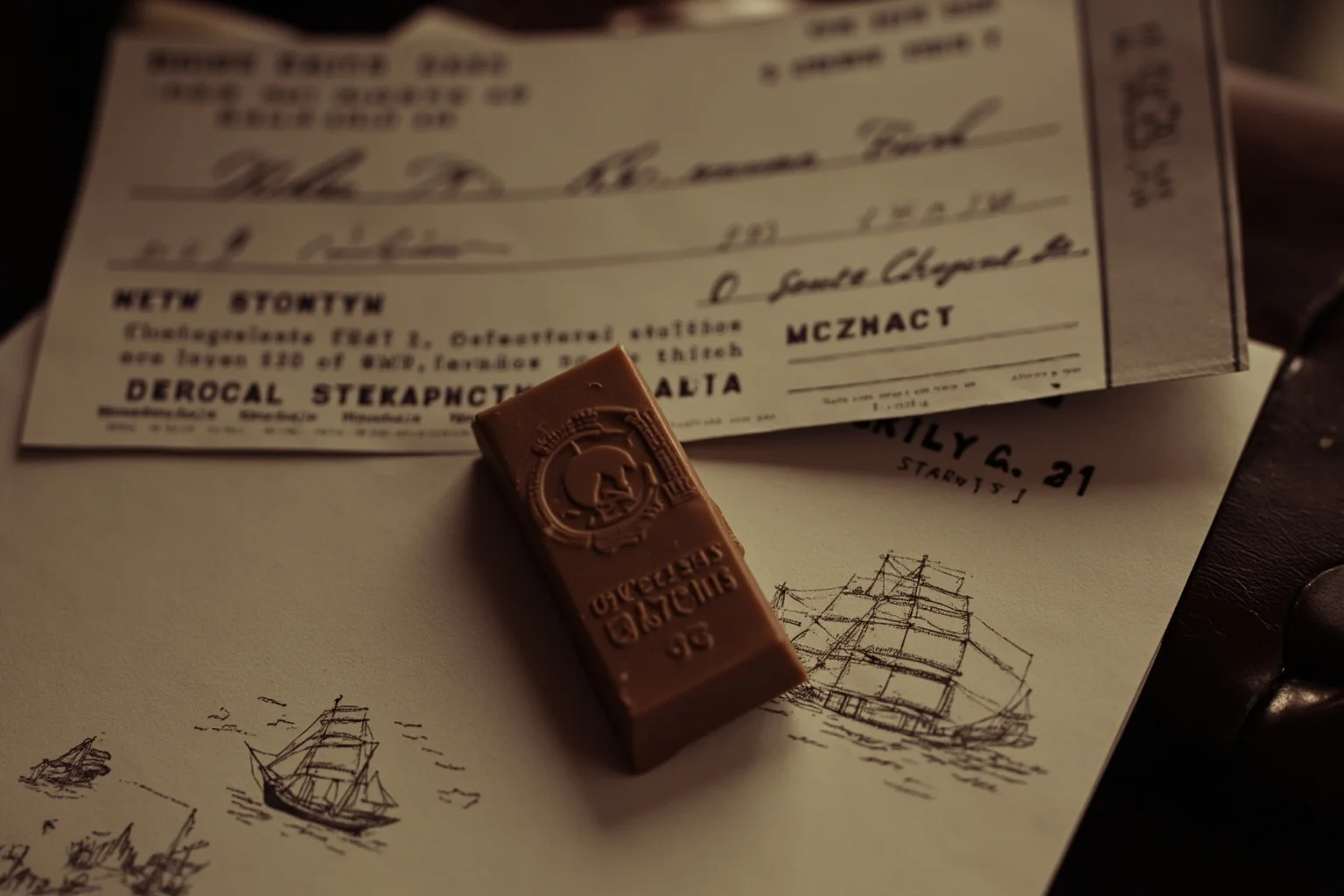
Milton S. Hershey and his wife Catherine were touring Europe in 1912 and had reserved a stateroom on the Titanic. Hershey had already written a $300 deposit check to the White Star Line, a document that still survives.
Business at his chocolate company pulled him home earlier than planned, so the couple returned on the German liner Amerika. Hershey kept the canceled check as a reminder of the close call.
The Hershey decision is one of the most documented near-misses because of the check. It also turned a routine business duty into a life-saving interruption.
3. Henry Clay Frick
Pittsburgh steel magnate Henry Clay Frick and his wife Adelaide had booked first-class passage on the Titanic. The most common story says Adelaide's ankle injury forced them to postpone their return.
The Fricks later sailed on a different liner and missed the disaster entirely. While the ankle story is widely repeated, the outcome is not in doubt: Frick never boarded.
Frick's name often appears on lists of famous people who almost boarded Titanic because his party had already made firm plans. The injury story is plausible, but the exact reason may never be fully clear.
4. Charles M. Schwab
Charles M. Schwab, one of the most prominent American steel executives, was another industrial titan named in last-minute cancellation reports. He had been in Europe and was expected back in the United States around the same time as the Titanic's voyage.
Some period sources suggest Schwab changed his plans because of business pressure or his wife's health. The exact details are thinner than for Morgan or Frick, but he was not on the passenger list.
Schwab's later career kept him in the headlines, but his absence from Titanic never attracted the same attention as Morgan's. It still illustrates how many business leaders were moving between America and Europe that winter.
5. J. Horace Harding
J. Horace Harding was a New York financier who moved in the same circles as Morgan and other Wall Street figures. Contemporary accounts placed him among the wealthy passengers who canceled Titanic plans after his wife became ill.
Harding later helped with survivor relief in New York, giving his near-miss story a quieter footnote in the disaster's aftermath. His decision not to board was reported widely at the time, though the surviving paper trail is sparse.
The White Star Line's record keeping was not perfectly preserved, so some of these near-misses are known through newspapers rather than internal documents. That does not make them false, but it does mean the exact reason can remain fuzzy.
6. Robert Bacon
Robert Bacon had served as U.S. Secretary of State under Theodore Roosevelt and as ambassador to France by 1912. He was in Europe and had planned to return on the Titanic.
A last-minute illness or personal matter kept him off the ship, and he sailed later. Bacon went on to use his organizational skill in wartime aid, but the Titanic close call remained part of his biography.
Bacon's diplomatic and political career made him a familiar figure on both sides of the Atlantic. His canceled passage is another reminder that the Titanic's passenger list was shaped heavily by schedules and health.
Authors, Inventors, and Men of Ideas
7. Theodore Dreiser
Novelist Theodore Dreiser was traveling in Britain and had considered the Titanic for his return to New York. He ended up on the more modest liner Kroonland instead.
Dreiser later realized the layover or lower fare saved his life. The decision kept him from becoming one of the famous people on the Titanic who perished in the sinking.
Dreiser was not a typical first-class industrialist, but his literary fame was already growing. The choice to take Kroonland came from practical concerns rather than grandeur.
8. John R. Mott
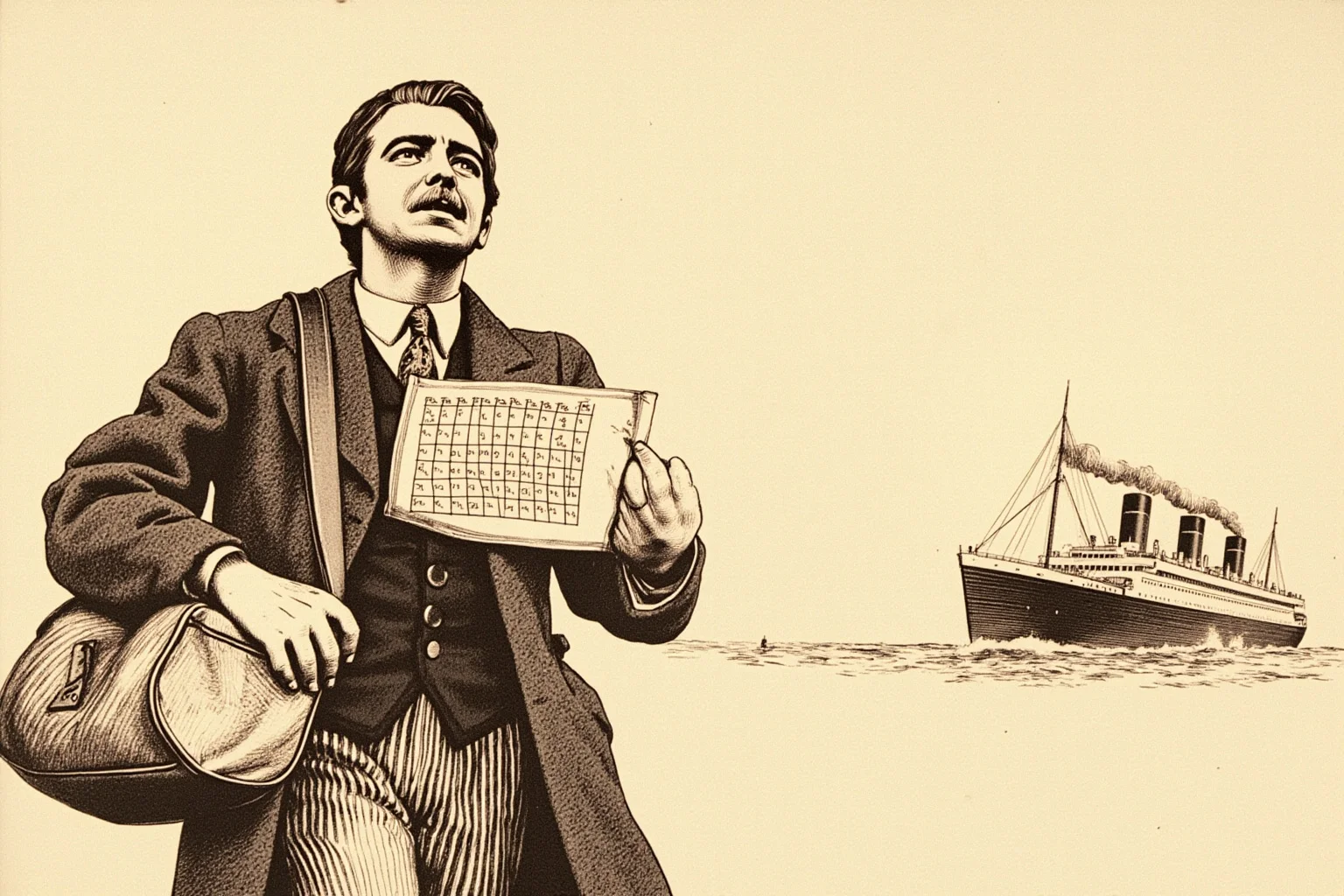
John R. Mott was a leader of the international YMCA movement and a tireless organizer. He later won the Nobel Peace Prize in 1946, but in April 1912 he was simply a busy man with a speaking schedule.
Mott and his colleague Sherwood Eddy had booked passage on the Titanic but switched to an earlier ship to meet their commitments. By his own later account, the scheduling change carried him away from the disaster.
Mott's near-miss later became part of his reputation as a man whose work seemed to protect him for a larger purpose. He often credited the changed schedule with saving his life without giving it a supernatural meaning.
9. Guglielmo Marconi
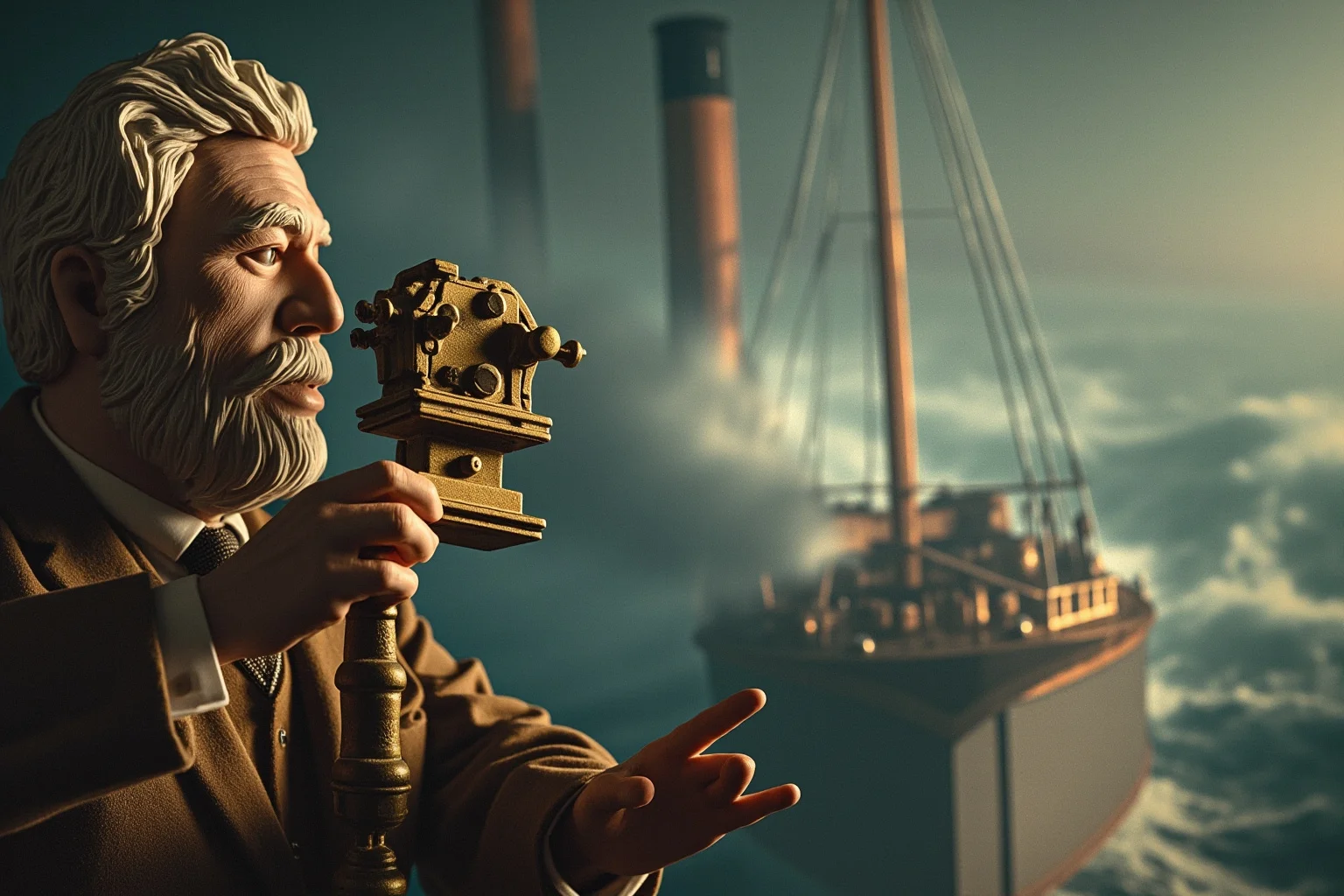
Guglielmo Marconi, the radio pioneer and 1909 Nobel laureate, was one of the era's most famous living inventors. The White Star Line offered him free passage aboard the Titanic, but he had already booked a crossing on the speedier Lusitania.
His earlier departure kept him off the ship that his radio technology would later help. Marconi's near-miss became a popular story in the press.
Marconi's connection to the Titanic went beyond the near-miss story. His wireless equipment was used by the ship to send distress calls, making his absence both personal and technological.
10. Father Francis Browne
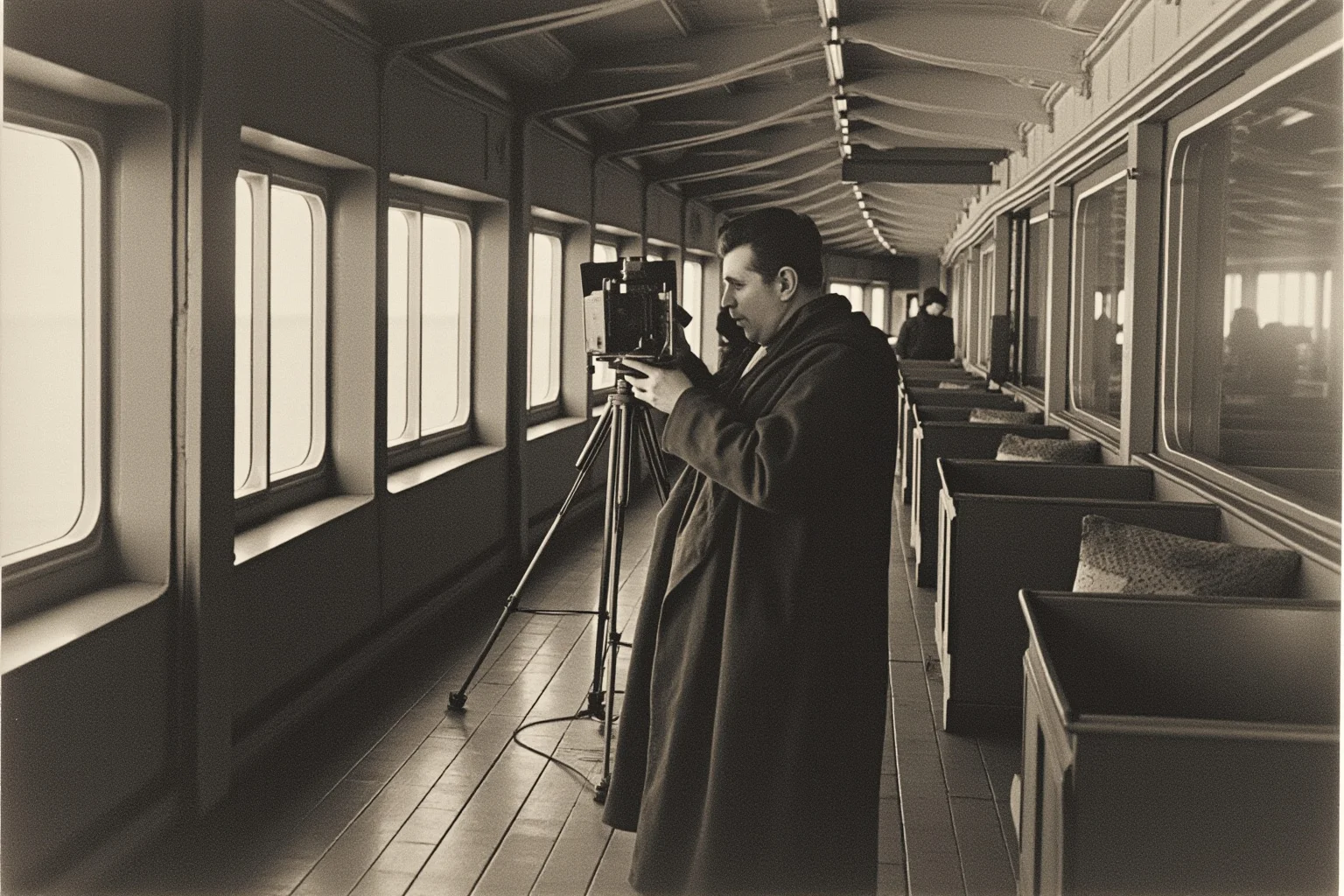
Father Francis Browne was a young Irish Jesuit priest and an unusually gifted photographer. He boarded the Titanic at Southampton as a first-class passenger, but he did not stay for the full voyage.
Browne disembarked at Queenstown, Ireland, after taking some of the most important photographs ever made of the ship. Those images survived because he got off the Titanic before she sailed into the open Atlantic.
Browne's photographs fixed the Titanic in the public imagination before the ship became a catastrophe. The camera he carried became a time capsule that would have been lost with the ship.
11. Bishop Charles P. Anderson
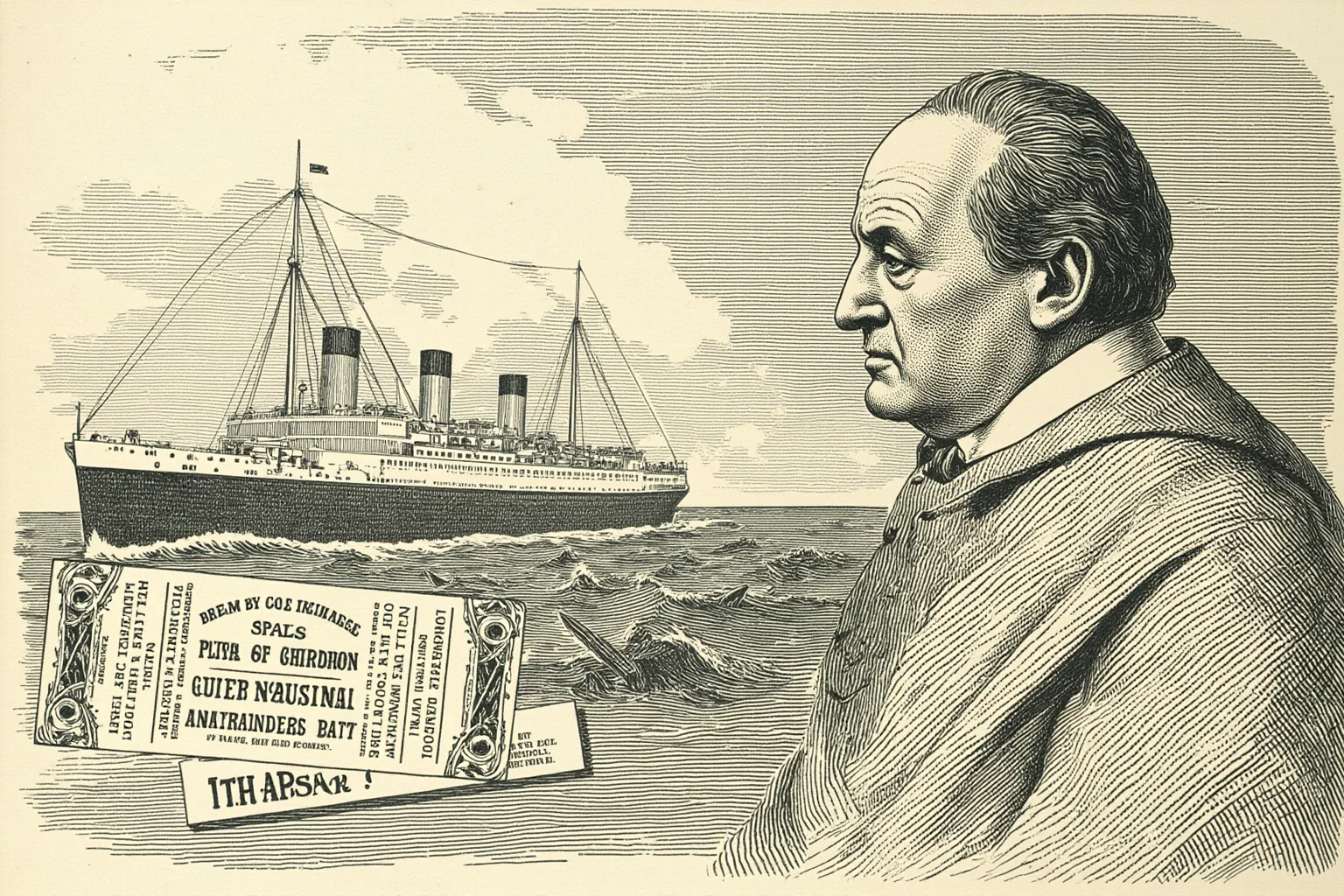
Charles Palmerston Anderson, the Episcopal bishop of Chicago, was another prominent figure whose name appears in "supposed to be on the Titanic" accounts. Reports at the time said he canceled his passage because of his wife's health.
The bishop's near-miss is less documented than some of the industrialists' stories. Still, it circulated widely in the weeks after the disaster.
Clergy near-miss stories were common in the press after the disaster, and Anderson's name helped fuel the idea that providence protected certain travelers. That kind of framing reflected the era's religious language.
Heirs, Politicians, and Gilded Age Names
12. Alfred Gwynne Vanderbilt
Alfred Gwynne Vanderbilt, an heir to the Vanderbilt railroad fortune and a noted sportsman, had reserved a first-class suite on the Titanic. He changed his plans and remained in Europe.
The exact reason is layered with family lore, but his absence saved him in 1912. Three years later, Vanderbilt died aboard the Lusitania after a German U-boat torpedoed the liner.
Vanderbilt's close call is often mentioned alongside his later death on the Lusitania. The two events gave him a strange place in the story of early 20th-century Atlantic travel.
13. George W. Vanderbilt II
George W. Vanderbilt II, the man behind North Carolina's massive Biltmore estate, was another Vanderbilt who reportedly held a Titanic reservation. Family accounts sometimes say his wife Edith had a premonition, though such stories are hard to verify.
What is clear is that he did not board the ship. He died in 1914 from complications after an appendectomy, making him a near-miss figure who did not live long after the disaster.
Vanderbilt's death two years later meant his Titanic story stayed in the shadow of larger family tragedies. But the Biltmore connection keeps his near-miss alive in public memory.
14. William Jennings Bryan
William Jennings Bryan, three-time Democratic presidential nominee and later Secretary of State, was in Europe in early 1912. Multiple accounts say he had intended to return on the Titanic but took another ship to make an earlier speaking date.
Bryan's name appears with less frequency than Morgan or Hershey, but his would have been one of the most famous men on the Titanic. The timeline of his April 1912 return supports the idea of a changed sailing plan, though surviving details are not complete.
Bryan would have been one of the most famous people on the Titanic had he not changed plans. That detail makes his near-miss more significant than the surviving record might suggest.
15. Jacob Ruppert Jr.
Jacob Ruppert Jr. was a New York brewer and politician who later became famous as the owner of the New York Yankees. A few period reports list him among the prominent men who changed Titanic plans before departure.
The paper trail for Ruppert is thinner than for some of the other names. Because he was in Europe that spring and later returned to New York, the near-miss claim circulated without ever becoming fully settled.
Ruppert's later ownership of Babe Ruth and the Yankees made his name far more widely known. By then, the Titanic near-miss had become a minor anecdote in an eventful life.
16. John Hays Hammond
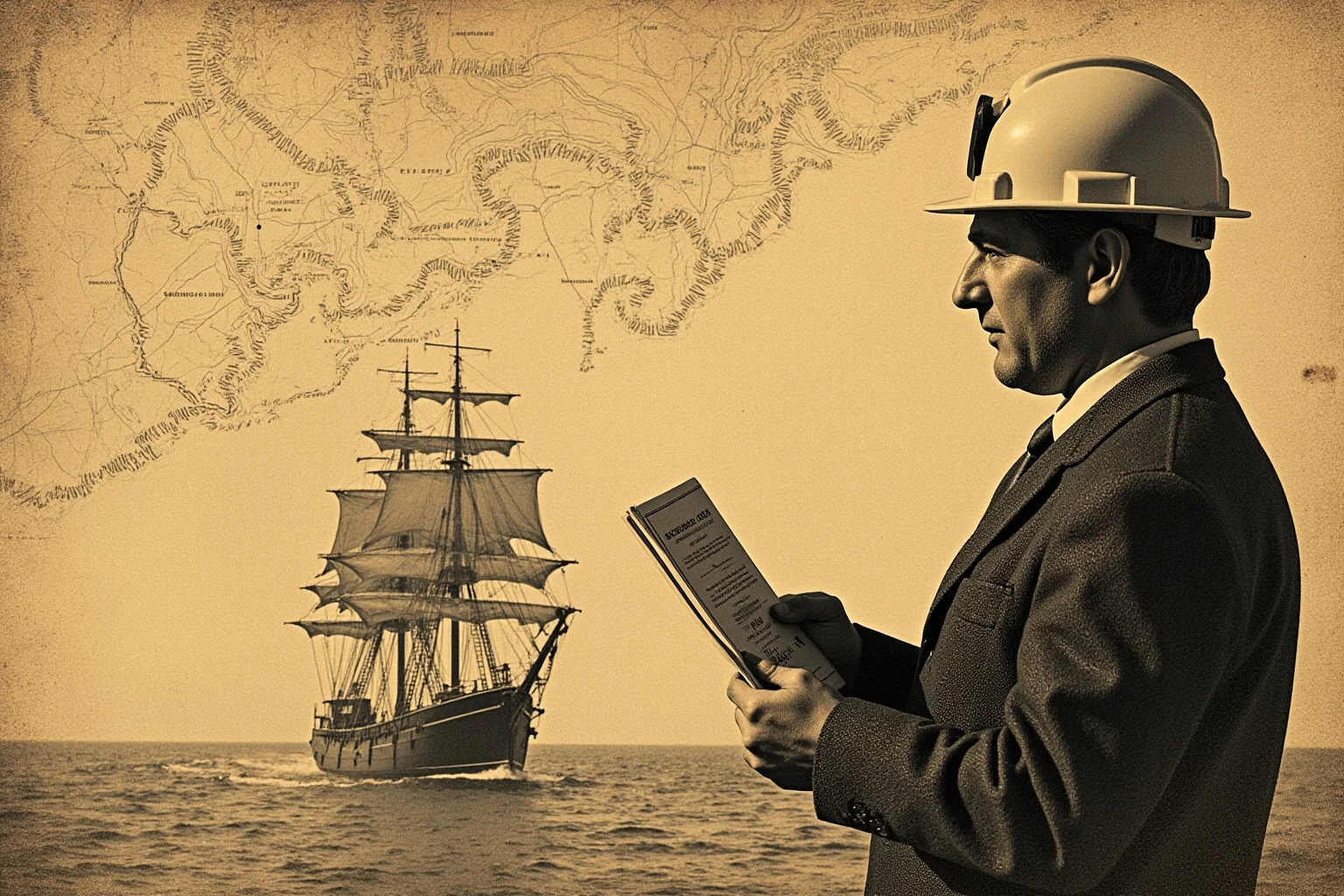
Mining engineer and diplomat John Hays Hammond was a celebrated fixer in early 20th-century business and politics. Some contemporary newspapers reported that he had reserved Titanic passage but delayed it because of meetings.
Hammond's life was full of global travel, so a changed Atlantic crossing would not have been unusual. The Titanic claim survives more as a footnote than a confirmed ticket record.
Hammond's connections to American business and foreign governments meant his travel plans were often newsworthy. That public interest is likely why the Titanic rumor appeared in the first place.
Merchants, Shipbuilders, and Sailors
17. Lord Pirrie
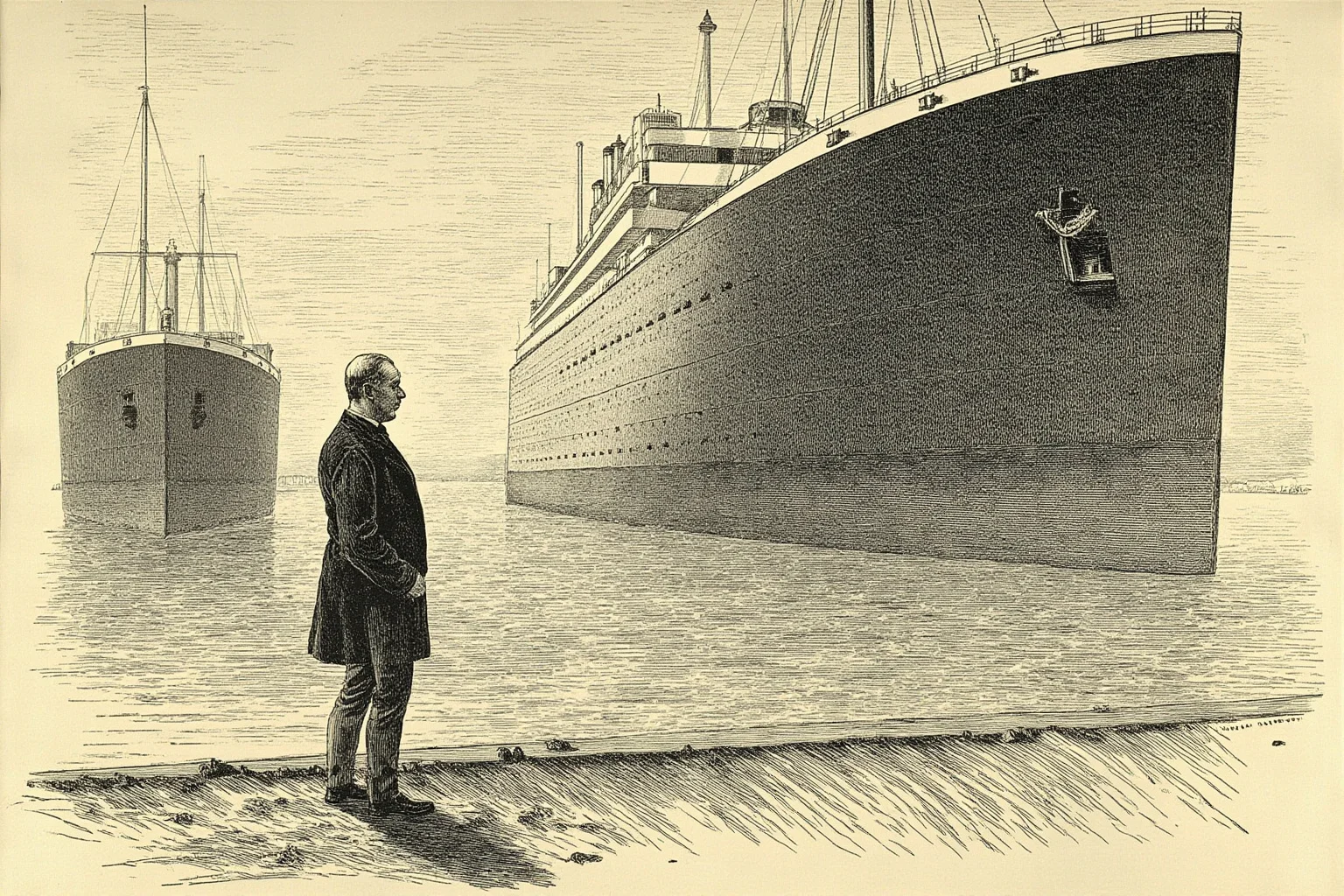
Lord Pirrie was chairman of Harland & Wolff, the Belfast shipyard that built the Titanic. He had intended to join the maiden voyage as the builder's representative.
Illness kept Pirrie ashore, and his place was taken by Thomas Andrews, the shipyard's naval architect. Andrews stayed aboard and went down with the ship, while Pirrie's name became one of the most significant absences from the voyage.
Pirrie's absence is striking because the Titanic represented the peak of his shipyard's ambition. He was supposed to be on hand to observe the ship's performance, but illness turned that plan into a historical absence.
18. David Blair
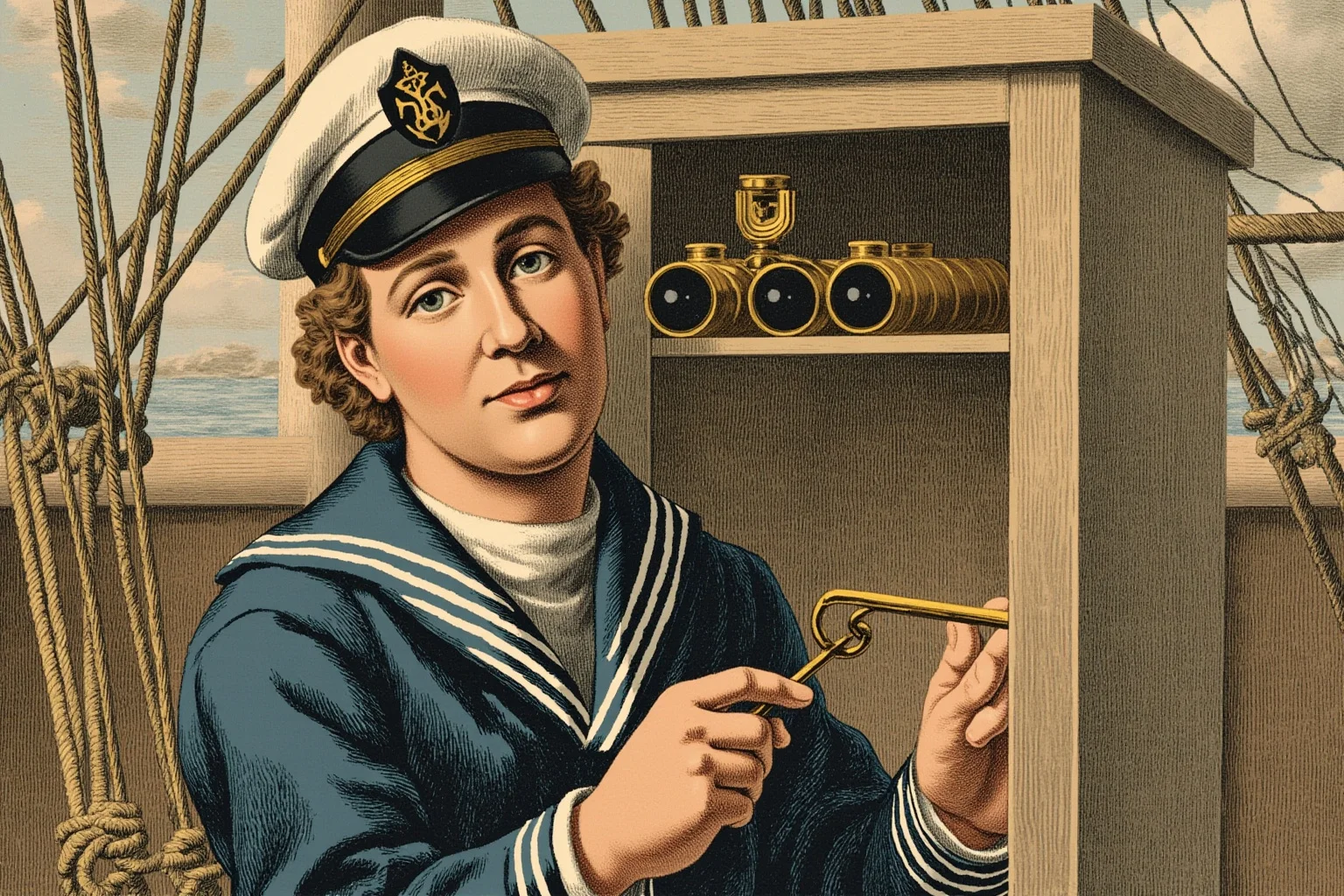
David Blair was supposed to serve on the Titanic as second officer before a last-minute officer shuffle removed him from the roster. He left the ship at Southampton and accidentally kept a key that has fascinated historians ever since.
The key likely opened the locker that held the crow's nest binoculars, which the lookout later lacked during the voyage. Blair's missed assignment became one of the most repeated small "what-if" details in the disaster.
The binoculars key has been called one of the Titanic's most debated small artifacts. Historians still argue over whether the missing key would have made a difference in spotting the iceberg.
19. John Coffey
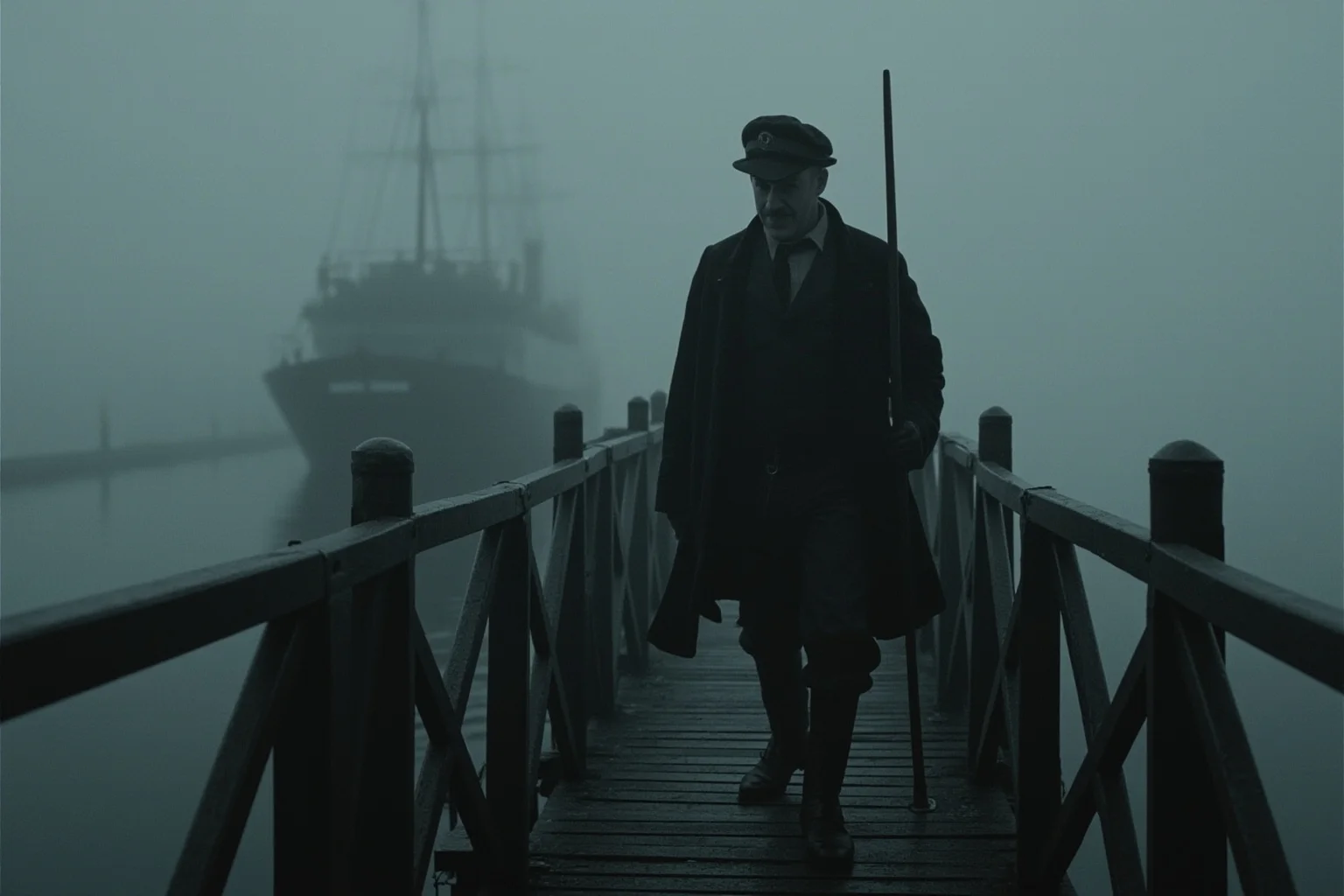
John Coffey was an Irish fireman or stoker who signed on for the Titanic's delivery trip and maiden voyage. At Queenstown he slipped ashore, either out of a premonition or plain dissatisfaction.
Coffey's desertion saved his life, though it likely cost him his job and any future sea career. His story is one of the few documented cases of a crew member who got off the Titanic before the ocean crossing.
Coffey's story is less glamorous than the millionaires' near-misses, but it is valuable because it shows that ordinary crew had agency too. He saw the shore and chose to stay there.
20. Harry Gordon Selfridge
Harry Gordon Selfridge, the American-born retail tycoon who founded London's Selfridges department store, was another name caught up in the period's near-miss speculation. His position in British and American business made him a natural subject for "famous person on Titanic" rumors.
Some reports claimed he had planned to cross on the Titanic, but the evidence is not strong enough to call it a confirmed reservation. He returned to the United States later that spring by another route.
Selfridge was the kind of modern, ambitious figure who might have been written about if he had been aboard. The fact that his near-miss remains uncertain is a good example of why careful language matters in Titanic histories.
How a Last-Minute Change Could Keep You Off the Passenger List
Some near-miss stories came from the mechanics of Edwardian travel. White Star Line ships could be rebooked, and passengers often changed crossings to suit health, business, or family pressure.
A coal strike had already disrupted transatlantic schedules in early 1912, forcing some passengers onto different ships. Those disruptions help explain why so many prominent travelers had unusual or last-minute arrangements.
For the very wealthy, a ticket was not a fixed commitment; it was a financial instrument that could be abandoned. That flexibility saved lives, but it also makes the historical record messier.
The Rockefeller Question and Other Myths
The question "was Rockefeller on the Titanic?" comes up constantly because John D. Rockefeller was exactly the kind of man reporters expected to be aboard. There is no credible evidence that he booked a crossing or canceled one.
He was not on the ship, and claims that he skipped the voyage are usually based on internet rumor rather than White Star records. This kind of myth also clings to other famous people on the Titanic because the passenger list operated as a status symbol.
It helps to distinguish between a verified canceled booking and a good story. The strongest near-miss cases, such as Morgan, Hershey, and Frick, leave a paper trail or consistent contemporary reporting.
Luck, Logistics, and the Famous Person on Titanic Story
The Titanic's disaster unfolded partly because of hardware and weather, but class and routine also shaped the passenger list. A delayed business meeting or a sprained ankle could keep a famous person off the ship.
The names that almost boarded remind us that history is built from small choices. The famous people who were on the Titanic and died, along with the famous people who never sailed, both tell the same story from different sides.
In the end, a near-miss is not destiny; it's logistics. The lucky ones simply had a reason to be somewhere else.
Frequently Asked Questions
Who were some famous people on the Titanic who didn’t actually sail?
J.P. Morgan, Milton Hershey, Henry Clay Frick, Theodore Dreiser, and Guglielmo Marconi are among the famous people on the Titanic near-miss list. They had tickets or plans to sail but changed course before departure.
Was Rockefeller on the Titanic?
No. John D. Rockefeller did not sail on the Titanic, and there is no credible evidence that he booked a stateroom. The claim is a persistent internet myth, likely fueled by his status as one of America's wealthiest men.
Who got off the Titanic before it sailed?
Father Francis Browne, a photographer, disembarked at Queenstown after boarding at Southampton. A few crew members, including fireman John Coffey, also left the ship before it entered the Atlantic.
Which famous person missed the Titanic and later died on the Lusitania?
Alfred Gwynne Vanderbilt canceled his Titanic plans in 1912 but died three years later when the Lusitania was torpedoed in 1915.
Who were the most famous people actually aboard the Titanic?
John Jacob Astor IV, Isidor and Ida Straus, Benjamin Guggenheim, and Margaret 'Molly' Brown were among the famous people who were on the Titanic when it sank.

Alex Warren
Related Articles