Most people can quote Marie Antoinette, Abraham Lincoln, or Albert Einstein without missing a beat. The problem is that many of those famous lines were never said by the people we associate with them. A surprising number of popular quotations are misattributed, warped by movies, political campaigns, or just repeated internet posts.
In some cases, a real quote gets attached to a more famous name. In others, the line is a paraphrase that hardened into a fake exact quote. This post looks at 22 famous quotes with shaky or entirely wrong credits.
TL;DR: Famous quotes often survive because a name, not evidence, carries them, and many widely shared lines are misattributed to historical figures who never said them.
Why Do Quotes Get Misattributed?
Misattribution usually starts when a memorable idea becomes more useful than the truth behind it. A quote from an obscure writer gains authority when it is reassigned to a president, a philosopher, or a scientist. Over time, repetition replaces documentation.
Movies and television also reshape dialogue. Once viewers hear the cinematic version, the original wording fades from memory. The result is a phantom quote that sounds right but fails the historical record.
Some of these false credits are harmless shorthand. Others distort what historical figures actually believed. Spotting the difference requires looking for a primary source rather than a meme.
The original wording is often mis attributed to a more famous person because a recognizable name makes it easier to share. That brief shift removes the need to hunt down an obscure author. The familiar name becomes the source.
How a Famous Name Becomes a Magnet for Quotes
Fame works like a magnet. A saying with no clear author tends to drift toward the most famous figure in the room because that person's authority makes the quote more shareable. The original speaker, if there was one, is forgotten.
Political legends and movie stars attract the most false credits. Their public images are broad enough to absorb almost any clever line. This is why a quote can be assigned to several different celebrities over time.
The internet accelerates the process. A fake quote can reach millions of people before anyone checks an archive. By then, the misattributed version has already become the version people remember.
The Misattributed Quotes
1. 'Let Them Eat Cake' — Not Marie Antoinette
The phrase 'Let them eat cake' is often presented as the cruel response of Marie Antoinette to bread shortages in France. In the French original, the phrase is 'Qu'ils mangent de la brioche,' which translates more closely to a rich bread, not cake. There is no reliable evidence that Antoinette ever said it.
The line appears in Jean-Jacques Rousseau's Confessions, written years before the French Revolution. He attributes it to 'a great princess,' not to Antoinette by name. At the time Rousseau wrote the scene, Antoinette was still a child in Austria, making the direct credit historically improbable.
2. 'Et Tu, Brute?' — Not Caesar's Historical Last Words
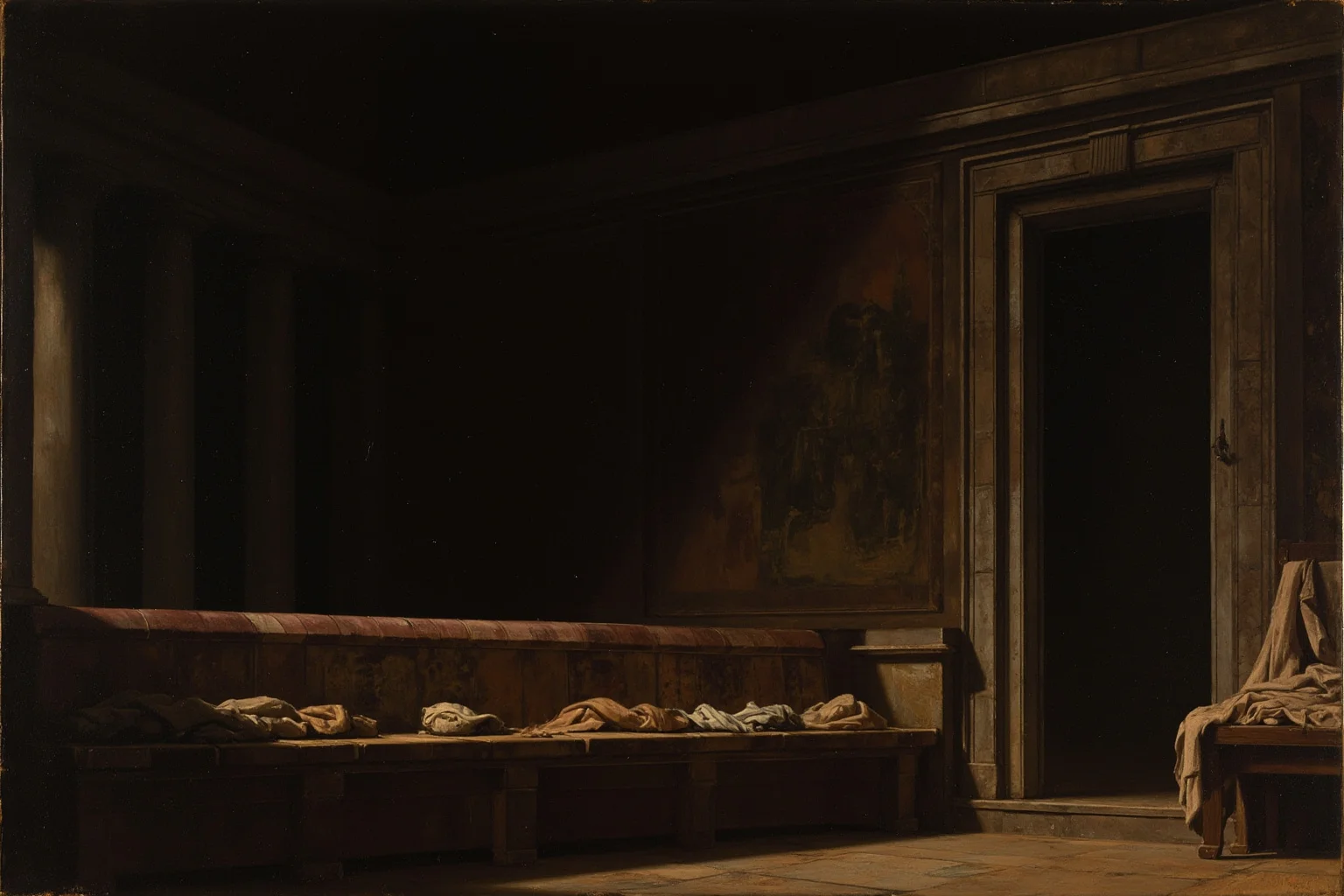
The line 'Et tu, Brute?' comes from William Shakespeare's play Julius Caesar, not from a Roman source. Ancient writers disagree about whether Julius Caesar spoke at all as he was assassinated. Suetonius reports a Greek phrase that may mean 'You too, child?', while Plutarch suggests Caesar pulled his toga over his head and said nothing.
Shakespeare gave Caesar a memorable dramatic exit, and the phrase became fixed in popular history. Roman senators did kill Caesar, but the exact theatrical line is a literary invention. That makes the quote a case of art rewriting history.
3. 'I Cannot Tell a Lie' — The Washington Cherry Tree Myth
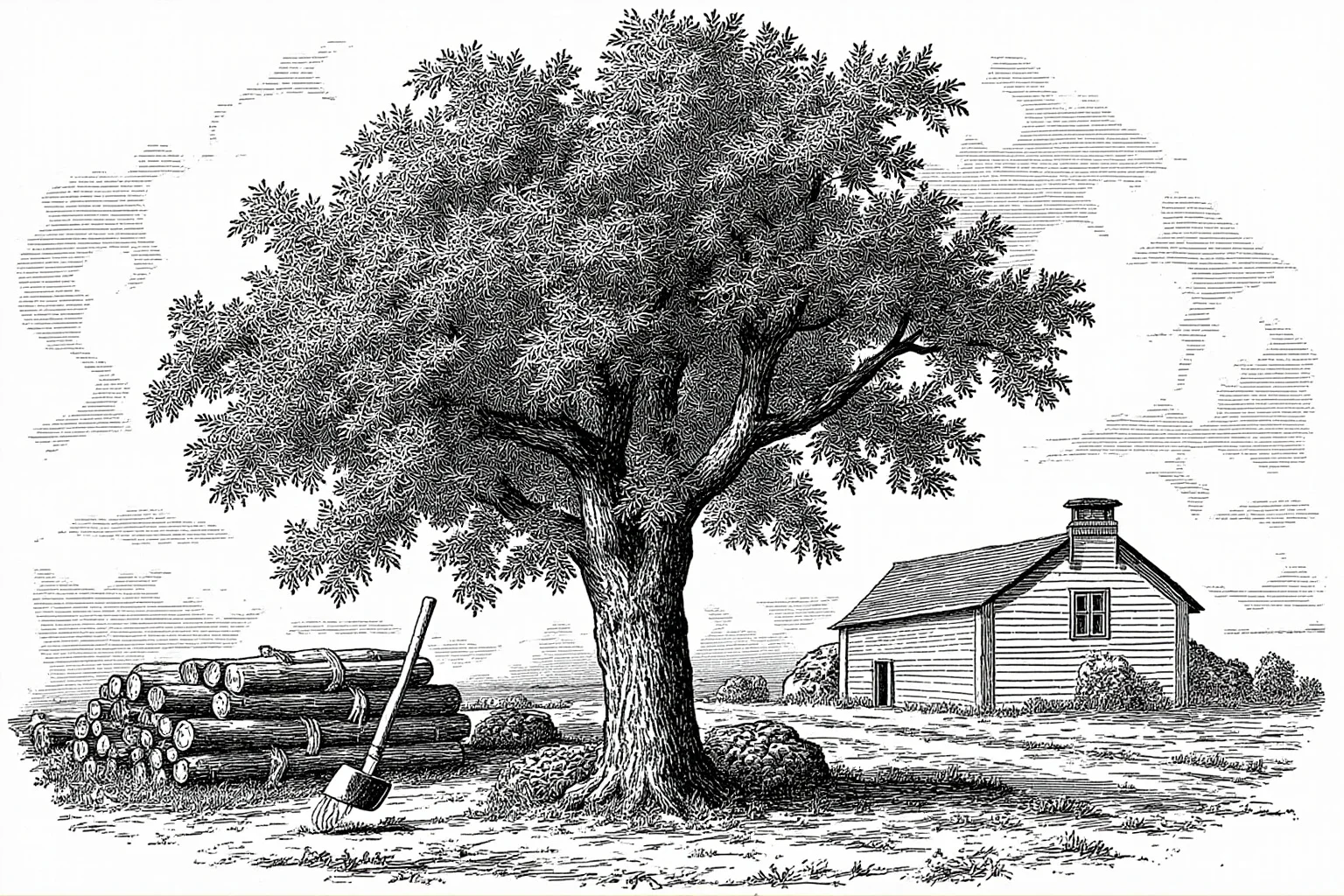
The story of young George Washington admitting he chopped down the cherry tree comes from a biography by Mason Locke Weems. It first appeared in an 1806 edition of The Life of Washington, seven years after Washington died. No contemporary source or family letter records the confession.
The line 'I cannot tell a lie' belongs to Weems's moral storytelling, not to documented biography. Washington was a real person and the first president, but the cherry tree episode is considered a legend. It shows how hagiography can create false quotes.
4. 'The Only Thing Necessary for the Triumph of Evil…' — Not Edmund Burke
This quote is widely shared on posters and social media and tagged to the British statesman Edmund Burke. Researchers have found no record of Burke saying or writing the phrase in his speeches, letters, or published works. The closest documented line comes from the philosopher John Stuart Mill, who argued that evil needs good people to do nothing.
The Burke version is punchier, but its historical basis is weak. It is a classic example of a paraphrase repackaged as a direct quotation. Once a famous name is attached, the false version travels farther than the original.
5. 'I Disapprove of What You Say…' — Not Voltaire
This famous defense of free speech is often quoted as Voltaire's own words. In fact, the line was written by Evelyn Beatrice Hall in her 1906 biography of Voltaire. Hall used it to summarize Voltaire's attitude, not to record something he said.
Voltaire did defend free expression, but the exact sentence belongs to his biographer. Hall's phrase is now one of the most frequently misattributed lines in political debate. The confusion persists because the sentiment fits Voltaire so neatly.
6. 'Insanity Is Doing the Same Thing…' — Not Einstein

The definition of insanity as repeating the same action while expecting a different result is often attributed to Albert Einstein. Einstein's collected papers contain no reliable record of the phrase. Similar ideas appear in recovery literature and popular self-help writing from the mid-20th century.
Some versions also credit Benjamin Franklin, but no primary source supports that connection either. The quote may have grown from a much older idea about habit and irrationality. Its false Einstein tag gives a folk saying borrowed scientific weight.
7. 'There's a Sucker Born Every Minute' — Not P.T. Barnum

P.T. Barnum is remembered as a great showman and promoter, but there is no proof he coined the line 'There's a sucker born every minute.' The phrase was more likely associated with his rival David Hannum during the Cardiff Giant hoax. It later attached to Barnum because he became the most famous showman in American history.
Barnum did say many colorful things, but this quote is not documented. The credit probably grew from his reputation rather than from a verified source. That is a common pattern in misattributed quotes.
8. 'You Can Fool All of the People…' — Not Lincoln
Abraham Lincoln is credited with 'You can fool all the people some of the time and some of the people all the time, but you cannot fool all the people all the time.' The line appears in no Lincoln speech, letter, or memoir from his lifetime. It surfaced in print decades after his assassination and then became attached to his legacy.
The sentiment sounds Lincolnesque, which is exactly why the false credit stuck. Political quotes often migrate to the most respected name in the room. Without a primary source, the attribution should be treated as legend.
9. 'Go West, Young Man' — Not Horace Greeley
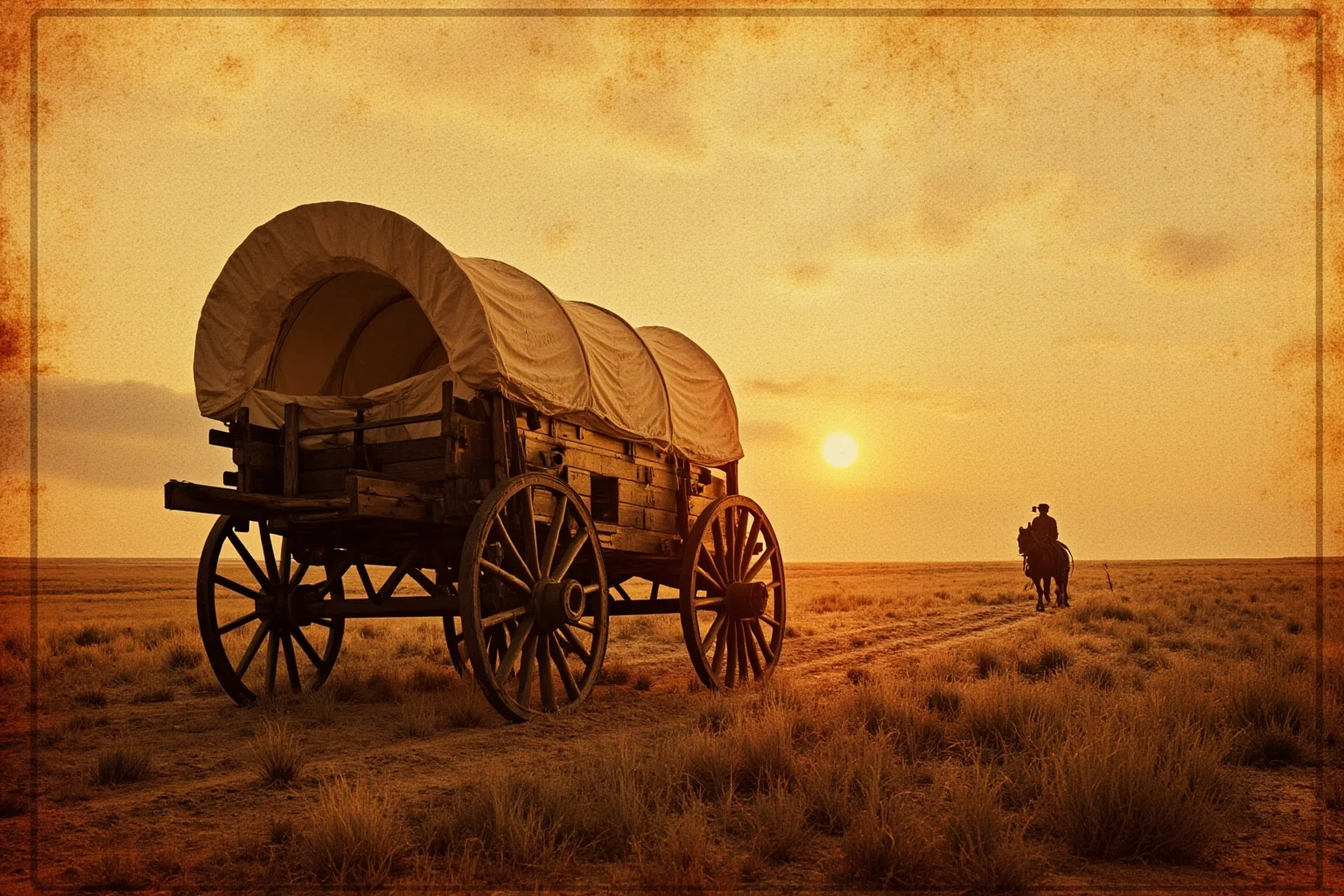
'Go West, young man' is usually attached to newspaper editor Horace Greeley. The phrase was first printed by John Babsone Lane Soule in an Indiana newspaper in 1851. Greeley later repeated and popularized the advice, but he did not originate it.
This is a case where a quote is partially tied to a famous editor. Greeley helped spread the idea, but the exact wording began with Soule. The distinction matters for anyone tracking the history of American westward expansion.
10. 'God Helps Those Who Help Themselves' — Not Biblical
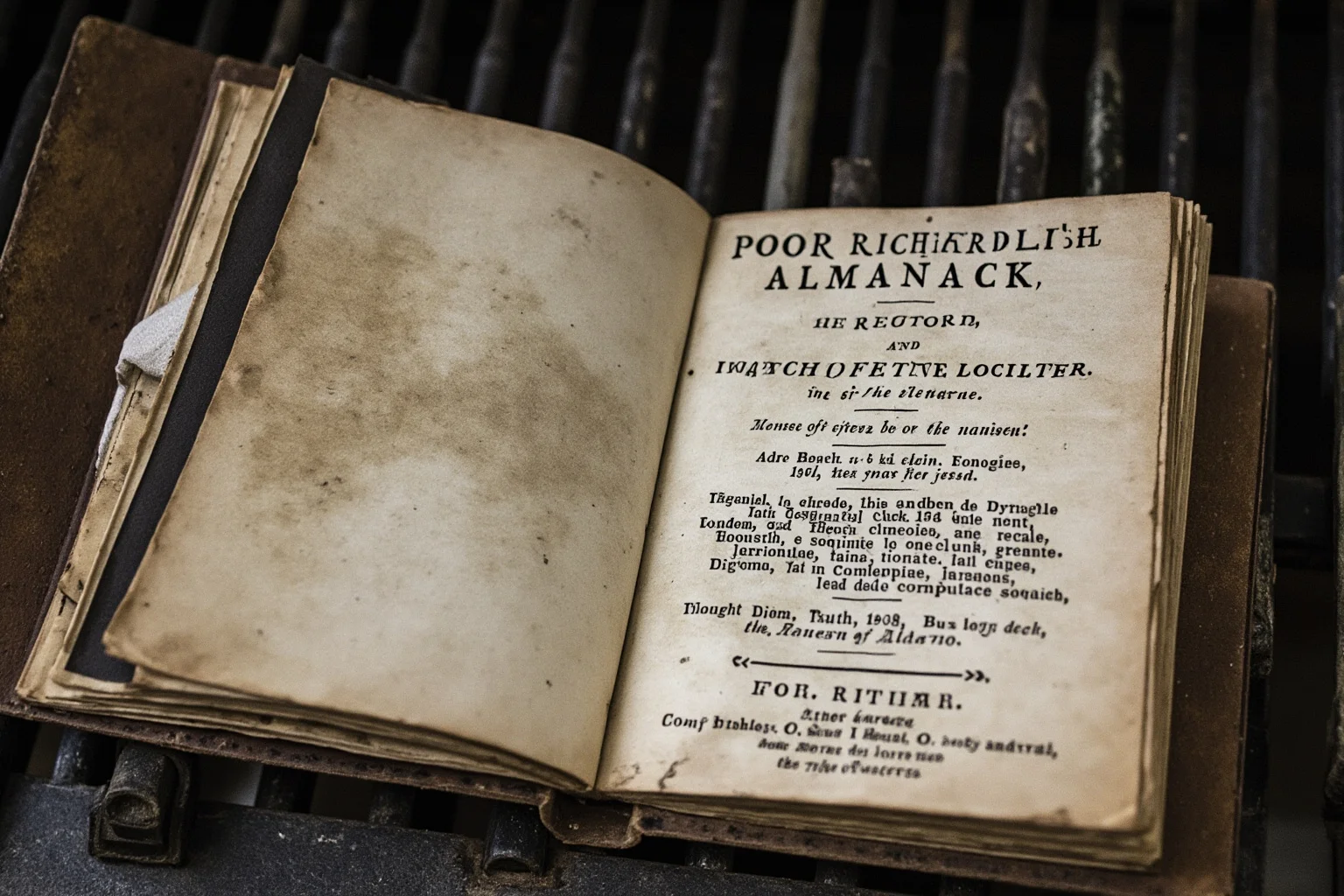
Many people treat 'God helps those who help themselves' as scripture. The line does not appear in the Bible in any standard translation. It was popularized in early modern political and moral writing, including by Benjamin Franklin in Poor Richard's Almanack.
The phrase's plain-speaking pragmatism made it feel like a proverb. But giving it biblical authority changes its meaning. This is one of the most common misattributed quotations in religious conversation.
11. 'Well-Behaved Women Seldom Make History' — Not Marilyn Monroe
The line 'Well-behaved women seldom make history' is frequently printed on mugs and banners under Marilyn Monroe's name. It was actually written by historian Laurel Thatcher Ulrich in a 1976 academic article. Ulrich intended it as a dry observation about how historians often overlook ordinary women.
The quote gained a second life as a feminist slogan and then picked up the Monroe credit. Monroe never said it, and the false attribution obscures Ulrich's scholarly point. This one shows how a careful phrase can be ripped from its original context.
12. 'The Customer Is Always Right' — Not One Clear Speaker

The retail slogan 'The customer is always right' has been credited to Harry Gordon Selfridge, Marshall Field, and César Ritz. No single source confirms who first used the exact line. It emerged in the competitive world of late-19th and early-20th-century department stores.
The slogan is best treated as an unattributed business maxim rather than a verified quotation. Its origins remain murky even though the phrase is deeply embedded in customer service. The confusion misattributes a corporate slogan to several founders who may not have said it.
13. 'The Ends Justify the Means' — Not Machiavelli
Niccolò Machiavelli is often summarized as saying 'the ends justify the means.' The exact phrase does not appear in The Prince. Scholars describe it as a crude compression of Machiavelli's more careful arguments about political outcomes.
Machiavelli did argue that rulers sometimes need to act in ways that serve the state. But turning his ideas into a short slogan distorts them. This is a paraphrase that replaced the original text.
14. 'Elementary, My Dear Watson' — Not Sherlock Holmes
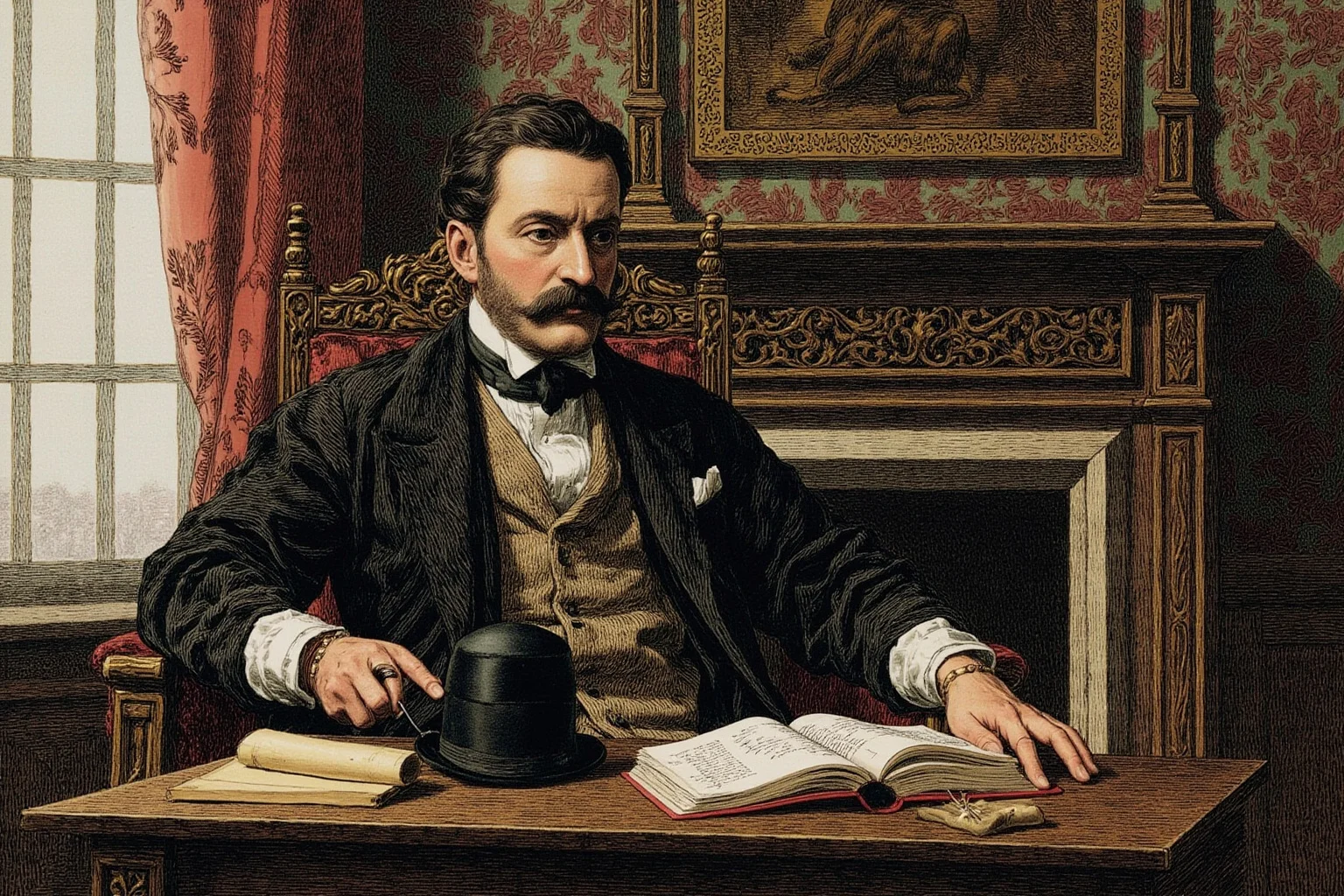
Sherlock Holmes never says 'Elementary, my dear Watson' in the stories by Arthur Conan Doyle. He says 'elementary' and 'my dear Watson' at different times, but not as the combined phrase. Stage and film adaptations cemented the familiar version.
The line has become shorthand for Holmes's brilliant deductions. It is a cinematically perfect phrase that Doyle did not write. Even devoted fans may be surprised to learn it is a misattributed quotation.
15. 'Beam Me Up, Scotty' — Not From Star Trek
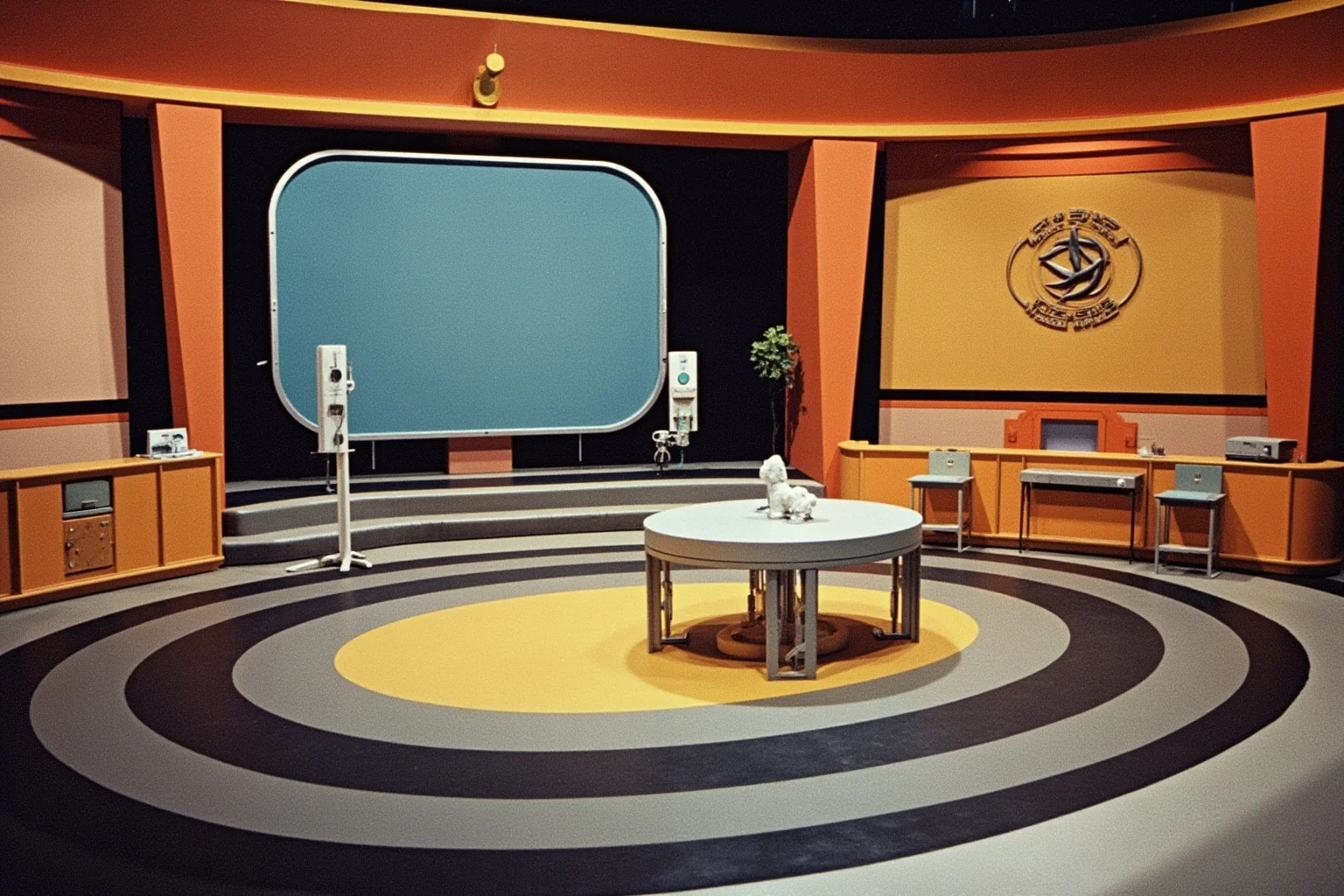
Captain Kirk never says 'Beam me up, Scotty' in the original Star Trek series. Characters use close variations such as 'Beam us up' or 'Scotty, beam us up.' The exact wording became a pop-culture catchphrase outside the show.
The phrase works because it captures the show's transport-room routine. Yet it is a synthetic quote built from the series' rhythms. This is a classic example of a misattributed line created by fans, not writers.
16. 'Luke, I Am Your Father' — Not the Actual Film Line
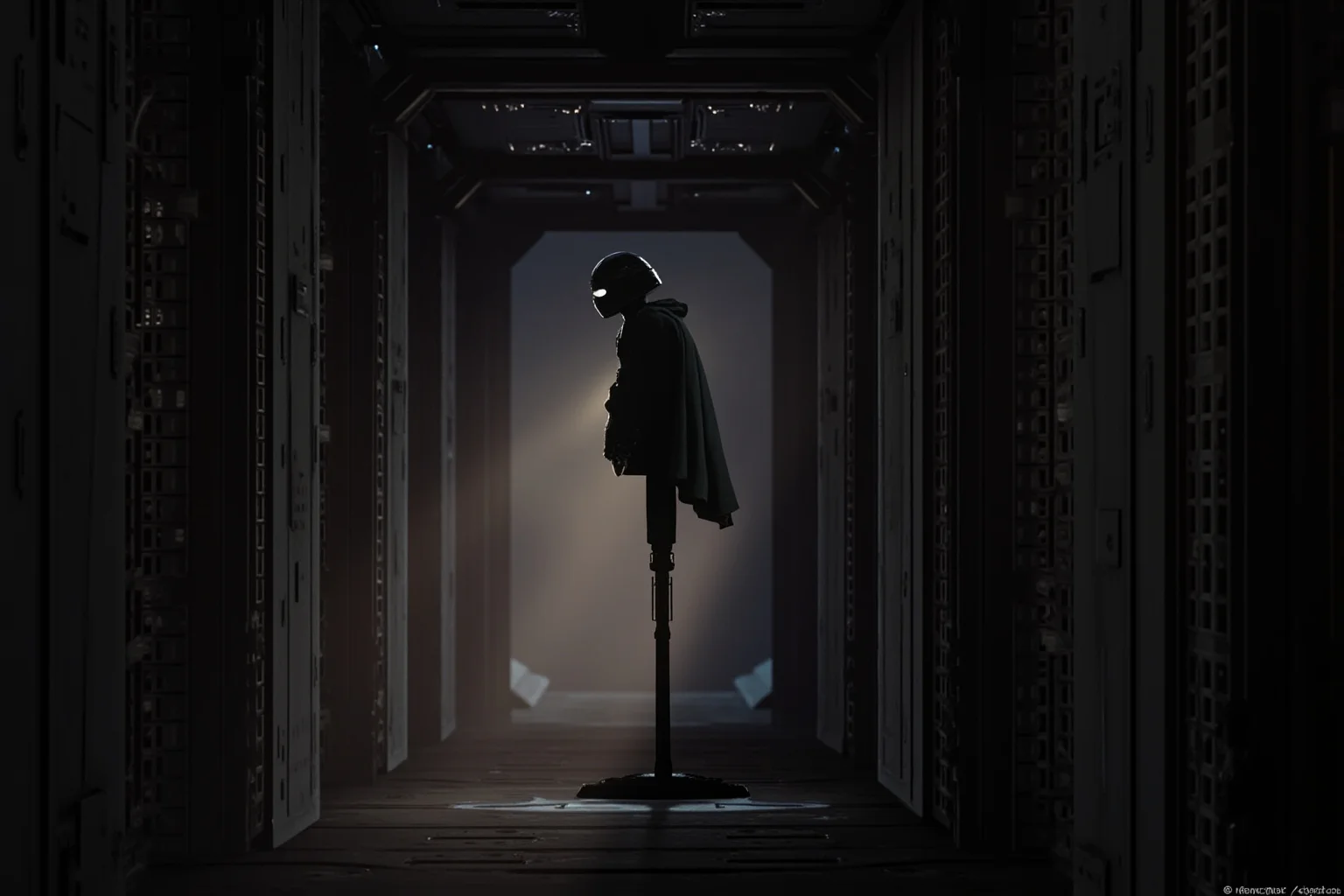
In The Empire Strikes Back, Darth Vader tells Luke Skywalker 'No, I am your father.' The line is often remembered as 'Luke, I am your father,' but that version never appears in the movie. The added name makes the line easier to recognize out of context.
This may be the most famous misquote in cinematic history. It demonstrates how memory simplifies dialogue for clarity. The real line is one of the best-known examples of a misattributed screen quote.
17. 'Play It Again, Sam' — Not Exactly Casablanca

In Casablanca, Rick says 'Play it, Sam' and Ilsa says 'Play it once, Sam.' The phrase 'Play it again, Sam' does not appear in the film. The misquote became the title of a later Woody Allen play and movie.
The repeated form is catchier, so it replaced the original dialogue in public memory. Casablanca's actual lines are more halting and natural. The film quote is another case of collective memory smoothing over the text.
18. 'Houston, We Have a Problem' — Not What They Said

Apollo 13 astronauts did report a problem, but their words were different. Jack Swigert first said 'Okay, Houston, we've had a problem here.' Jim Lovell then repeated 'Houston, we've had a problem.' The 1995 film changed the line to 'Houston, we have a problem.'
The movie version works better for drama, but it is not the original transcript. The change from past tense to present tense altered how the emergency felt. This is a precise, well-documented case of a misquote becoming history.
19. 'The British Are Coming!' — Not Paul Revere's Real Warning
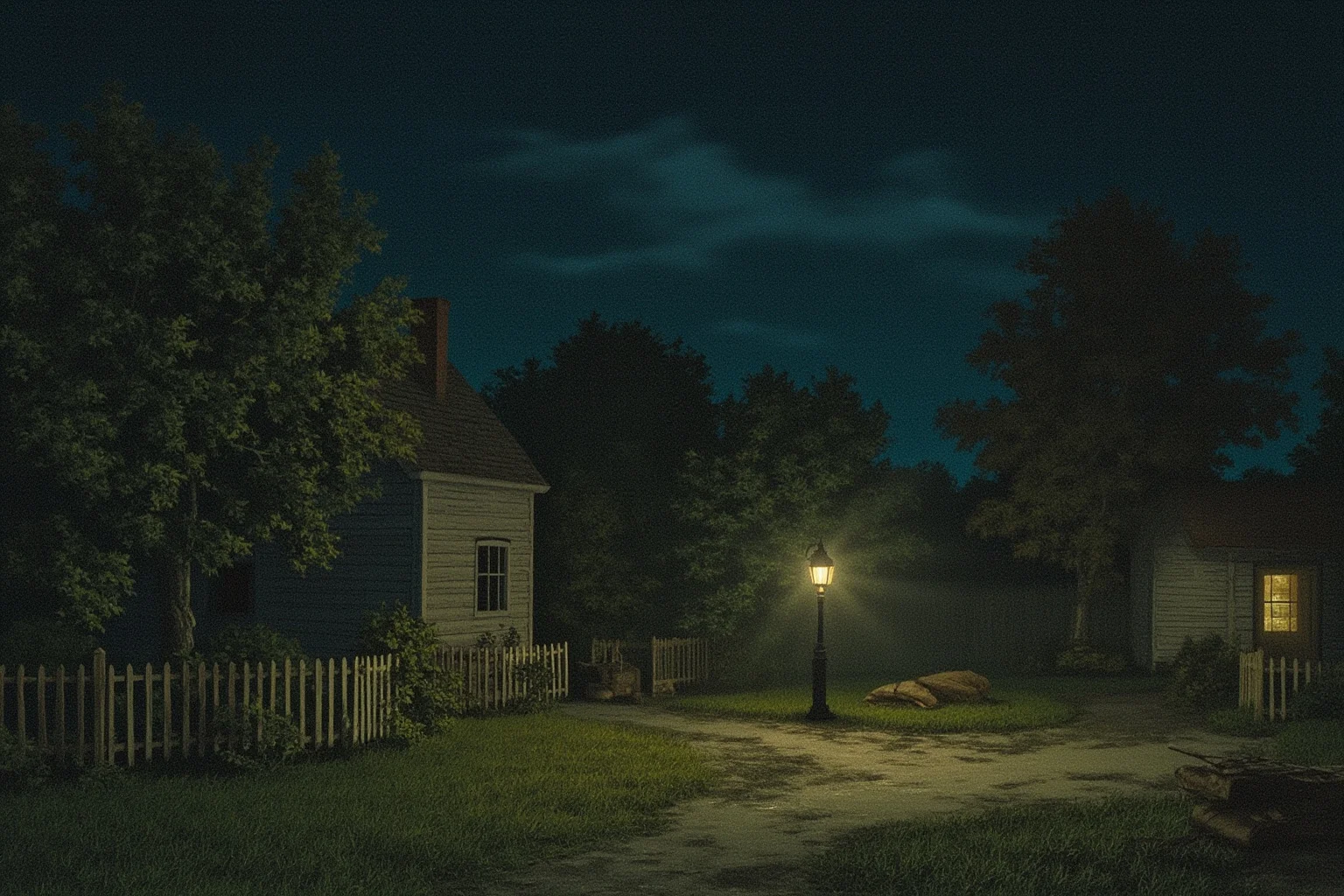
Paul Revere's famous midnight ride likely did not include shouting 'The British are coming.' The mission required secrecy, and most colonists still considered themselves British. Revere probably spread the alert through a network of riders and local militia communication.
The line comes from Henry Wadsworth Longfellow's poem 'Paul Revere's Ride,' published in 1860. Longfellow used dramatic license to create a national legend. This is a literary quote that replaced the historical record.
20. 'Awakening a Sleeping Giant' — Not Admiral Yamamoto

The quote about awakening a sleeping giant and filling him with terrible resolve is often attributed to Japanese Admiral Isoroku Yamamoto after Pearl Harbor. No Japanese military document or reliable postwar account shows Yamamoto saying or writing the line. It gained fame through the 1970 film Tora! Tora! Tora! and later American narratives.
Yamamoto did have concerns about a long war with the United States, but the exact quote is not documented. It serves American dramatic interpretations more than history. The phrase is a cinematic invention that hardened into fact.
21. 'Judge a Fish by Its Ability to Climb a Tree' — Not Einstein

The quote about judging a fish by its ability to climb a tree is widely shared as an Albert Einstein quote. There is no record of Einstein saying or writing those words. The line likely originated in modern internet discourse and attached itself to Einstein for authority.
Einstein did say many things about education, but this is not one of them. The quote is an example of how fake wisdom spreads under a famous name. It also shows why fact-checking remains essential online.
22. 'The Trouble With Quotes on the Internet…' — Not Lincoln
The joke that Abraham Lincoln said 'The trouble with quotes on the internet is that it's hard to verify their authenticity' is a modern internet creation. Lincoln died long before the internet existed, so the quote is obviously fake. It is shared as a knowing wink at the broader problem of bogus citations.
The line works because it names the exact problem it performs. But it also reminds readers that a famous name does not make a quote real. The best defense is to check the original source before sharing.
How to Spot a Misattributed Quote
Checking a quote starts with looking for a primary source such as a speech transcript, letter, or collected work. If the earliest reliable source appears long after the person's death, the credit is weak. A quote with no original document should be treated as uncertain.
Watch for quotes that sound too polished or modern for the historical figure. Paraphrases often harden into fake direct speech because they fit a narrative. Searching quoted phrases in digitized archives can reveal whether the line actually appears in a person's work.
The most famous names attract the most false quotes. A celebrity intellect or revered leader becomes a magnet for sayings people want to validate. Being aware of that pattern helps readers separate history from legend.
History Deserves Better Than Phantom Quotes
Many of these misattributed lines are harmless fun, but they quietly distort how we remember real people. Marie Antoinette, Lincoln, and Voltaire deserve to be understood through evidence, not through catchy fictions. The record is interesting enough without borrowed sayings.
Each false quote teaches the same lesson. A good idea can survive without attaching it to a famous mouth. When we check the source, we keep history sharper and give credit to the people who actually spoke.
Frequently Asked Questions
Where does the ‘mistakes were made quote’ come from?
The passive-voice 'mistakes were made' quote is not tied to a single original speaker. It was used in political and corporate contexts across the 20th century, often to acknowledge a problem without assigning direct blame. It is frequently associated with the Watergate era, but any direct attribution to one president or official is unreliable.
Which famous quote is most often misattributed?
'Let them eat cake' is probably the most famous example. It is widely credited to Marie Antoinette, but the line appears earlier in Rousseau's Confessions and was not reliably said by her.
Why do fake quotes spread so easily?
Fake quotes spread because a famous name gives a saying instant authority. The internet recycles short, emotionally satisfying lines, and few people stop to check primary sources.
Did Voltaire say ‘I disapprove of what you say…’?
No. Evelyn Beatrice Hall wrote it in a 1906 biography to summarize Voltaire's attitude, not as a direct quotation from him.
How can I verify if a quote is misattributed?
Look for a primary source such as a letter, speech, book, or transcript from the person's lifetime. Quote dictionaries, academic archives, and digital collections can help, but the earliest reliable source is the best test.

Alex Warren
Related Articles