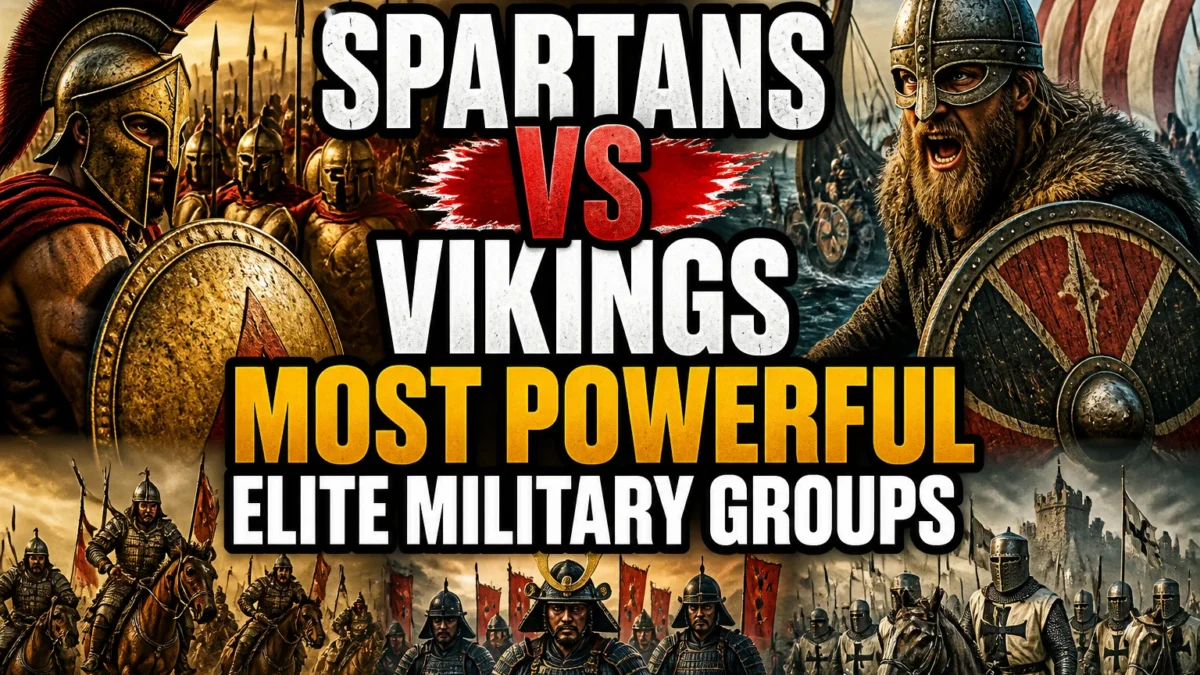
The internet loves a good historical cage match, and the question 'Spartans vs Vikings who would win in a war' has become a favorite debate. Both groups have huge reputations built on discipline, brutality, and dramatic stories that blur the line between history and Hollywood.
The trouble is that these two warrior cultures existed in very different worlds. The Spartans fought as heavy infantry in the ancient Mediterranean, while Viking raiders used ships and surprise to strike across medieval Europe and beyond.
TL;DR: The spartan vs viking debate is fun but not historically settled, and the most powerful elite units in history earned their status through discipline, logistics, and adaptability more than individual ferocity.
Why a Spartan vs Viking War Is Hard to Judge
Any serious answer to the Spartan vs Viking question crashes into the problem of comparing different eras. The Spartan army reached its peak around the fifth and fourth centuries BCE, while the Viking Age ran from roughly 793 to 1066 CE.
That gap means the two sides never met in battle. It also means they used completely different weapons, armor, naval technology, and battlefield tactics.
A Spartan phalanx was built for open-field shock combat. A Viking warband was built for amphibious raids, fast movement, and avoiding fights it could not win.
What Made an Elite Military Group Truly Powerful?
Elite status rarely came from muscle alone. The most effective fighting groups combined rigorous training, good equipment, strong leadership, and reliable supply networks.
This list includes units from different continents and centuries. It does not pretend that a Spartan hoplite and a modern special operator can be ranked like sports teams.
Power is measured within each group's own context. Some units dominated through discipline, others through speed, terror, or unmatched specialist skill.
Common Myths About Spartan and Viking Warriors
Both the Spartans and the Vikings are weighed down by centuries of myth. The movie version of a Spartan often shows a lone warrior fighting with speed and flourish, but real Spartan power came from slow, locked-shield formation work.
Viking myths are just as thick. Horned helmets are a 19th-century invention, and most Viking warriors were farmers, traders, and sailors who raided seasonally rather than full-time professional soldiers.
That does not make them less impressive. It means their actual military advantage came from social organization and practical skill rather than fantasy.
20 Most Powerful Elite Military Groups in History
The entries below are arranged roughly by era, from ancient Greece to the modern world. Spartans and Vikings both appear, but they are joined by other elite forces that often get less attention.
1. Spartan Hoplites
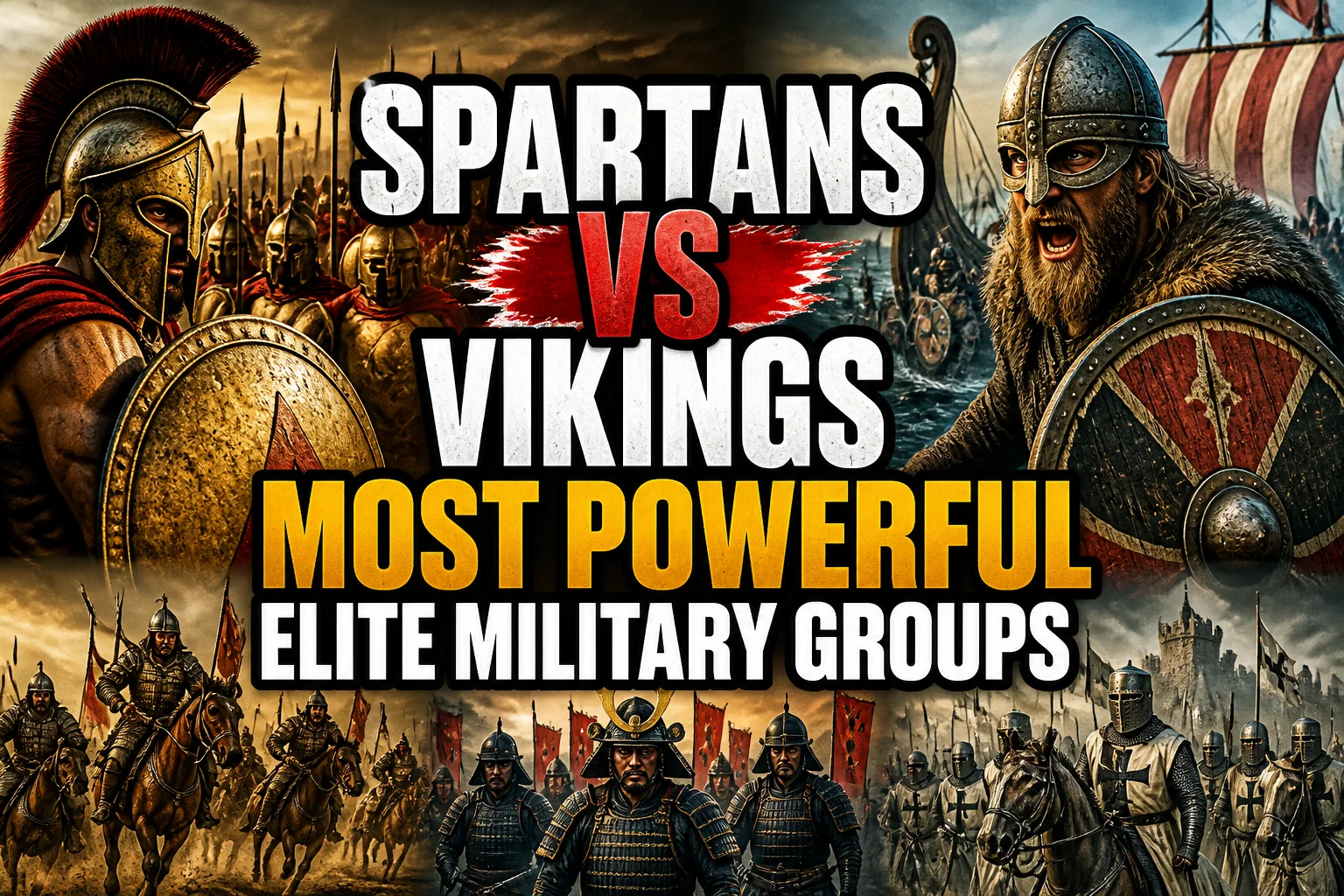
Sparta did not produce a superhuman army of lone warriors. It produced a citizen body trained from youth to fight as a tightly packed phalanx of heavy infantry called hoplites. The agoge, the Spartan training system, was brutal but its goal was social discipline more than individual sword skill.
The Spartan advantage on a classical battlefield was formation holding. Every man carried a large shield that protected the soldier to his left, and breaking formation meant death. That discipline made Sparta the most feared land power in Greece for several centuries, though it also made the army rigid and slow to adapt.
2. Viking Raiders and Berserkers
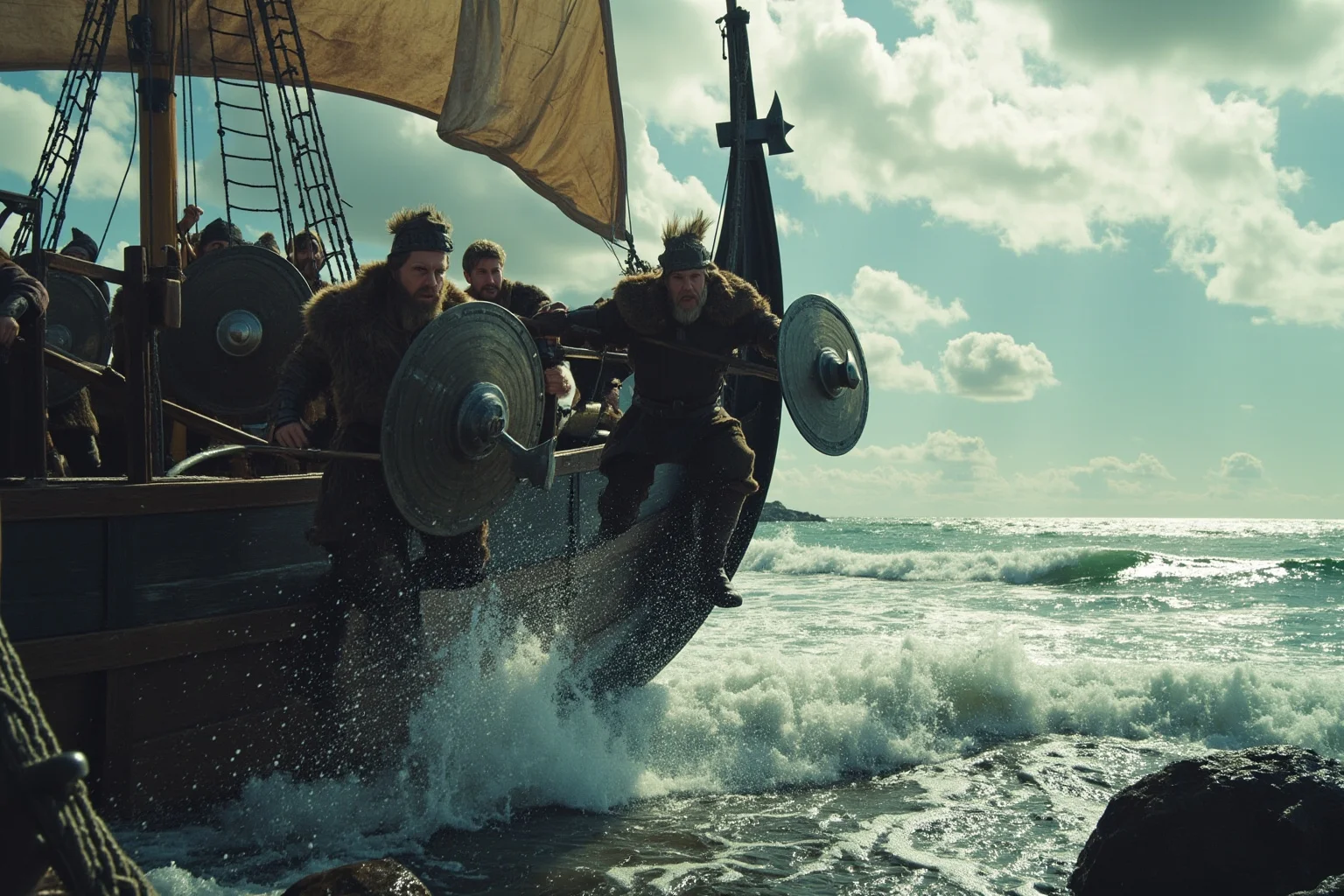
The Vikings were not a single standing army, but their shipborne raiding parties became the terror of medieval Europe. They used shallow-draft longships to strike coastal towns, monasteries, and rivers far inland. This mobility allowed them to appear suddenly and disappear before local forces could respond.
Some Viking warriors known as berserkers may have fought in a frenzied state connected to the god Odin. The popular image of drug-crazed naked berserkers is probably exaggerated, but the core reputation for fearless shock attack is grounded in real tactics. Viking success came from seamanship, surprise, and opportunistic targeting rather than set-piece battlefield supremacy.
3. The Sacred Band of Thebes
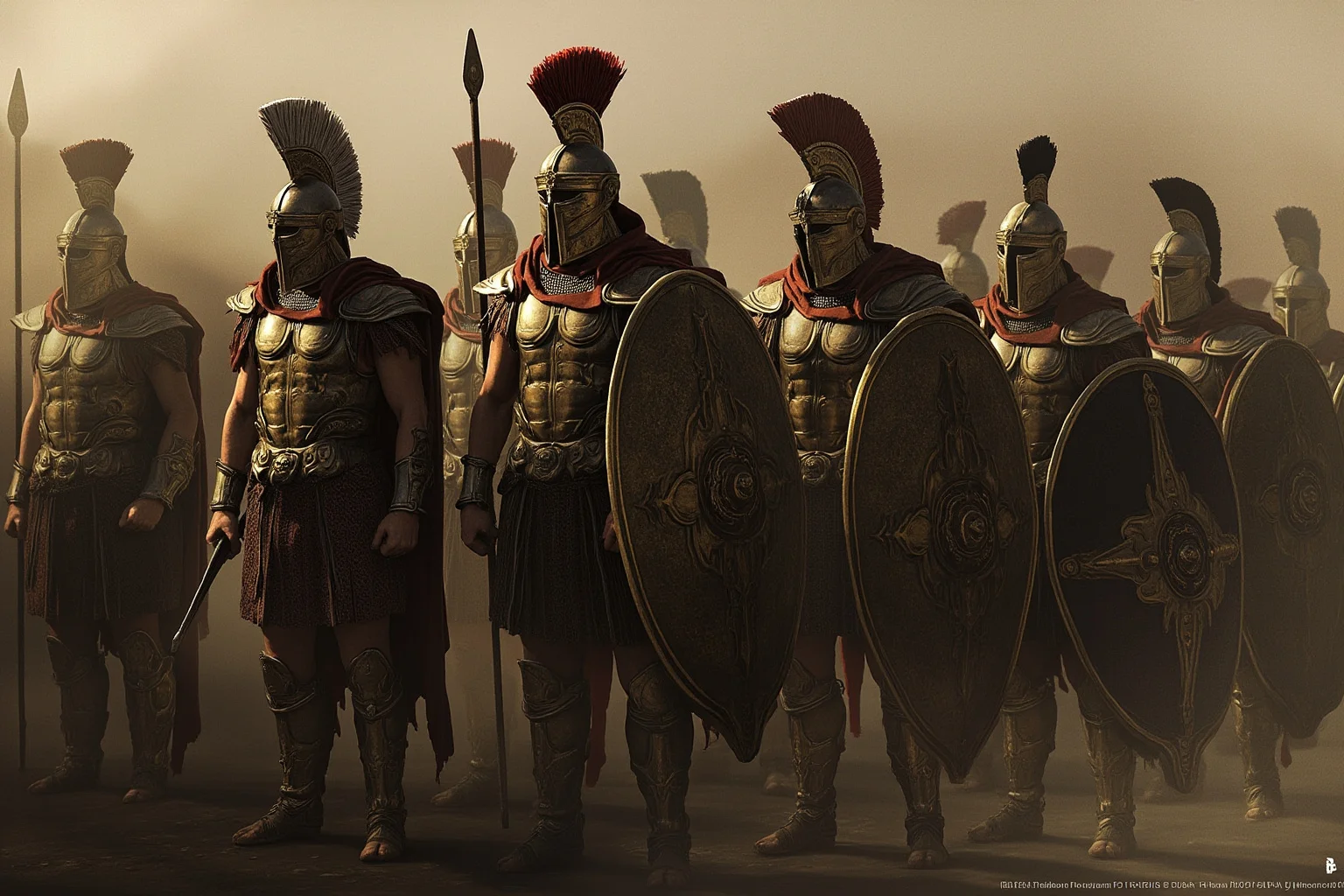
Theban commander Gorgidas formed this elite unit in the fourth century BCE from 150 pairs of male lovers. The idea was that soldiers would fight harder to protect the person beside them, and the unit became a compact, highly motivated strike force. Ancient sources present it as an experiment in loyalty and emotional bonding under arms.
The Sacred Band proved its effectiveness at the Battle of Leuctra in 371 BCE. Its deep formation helped shatter the supposedly invincible Spartan line and permanently damaged Sparta's military reputation. The unit remained famous until Philip II of Macedon's forces destroyed it at Chaeronea in 338 BCE.
4. Achaemenid Immortals
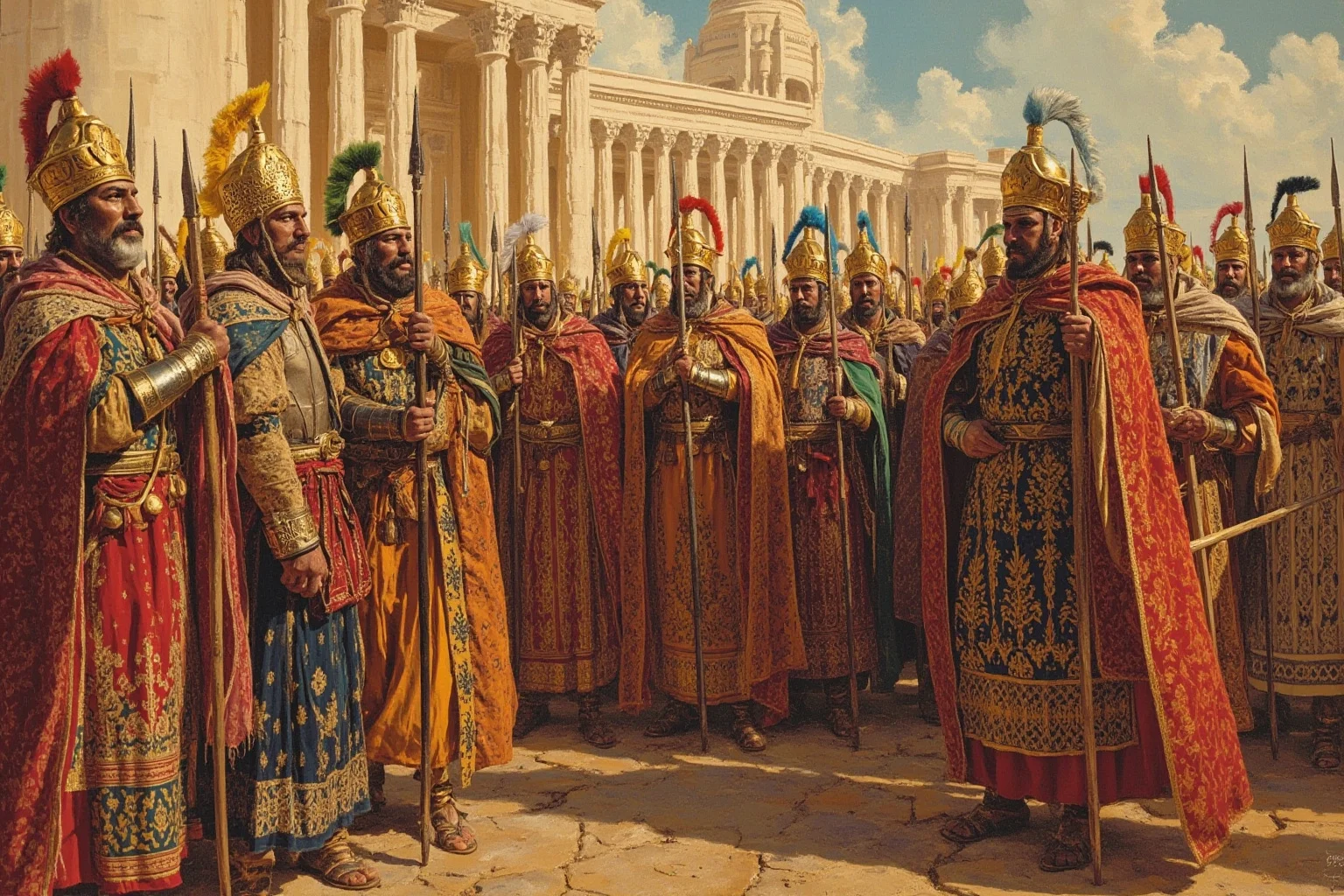
The Persian Immortals were a 10,000-strong unit that served as both elite infantry and royal guard. Their name came from the practice of immediately replacing fallen soldiers, so the unit's strength never appeared to drop. Greek writers like Herodotus emphasized their disciplined appearance and conspicuous dress.
Modern historians treat some of Herodotus's details with caution, but the Immortals clearly represented the professional core of Achaemenid imperial power. They were used for critical assaults and guarded the Great King on campaign. Their endurance and order made them far more effective than the disorganized horde often shown in popular films.
5. Roman Praetorian Guard
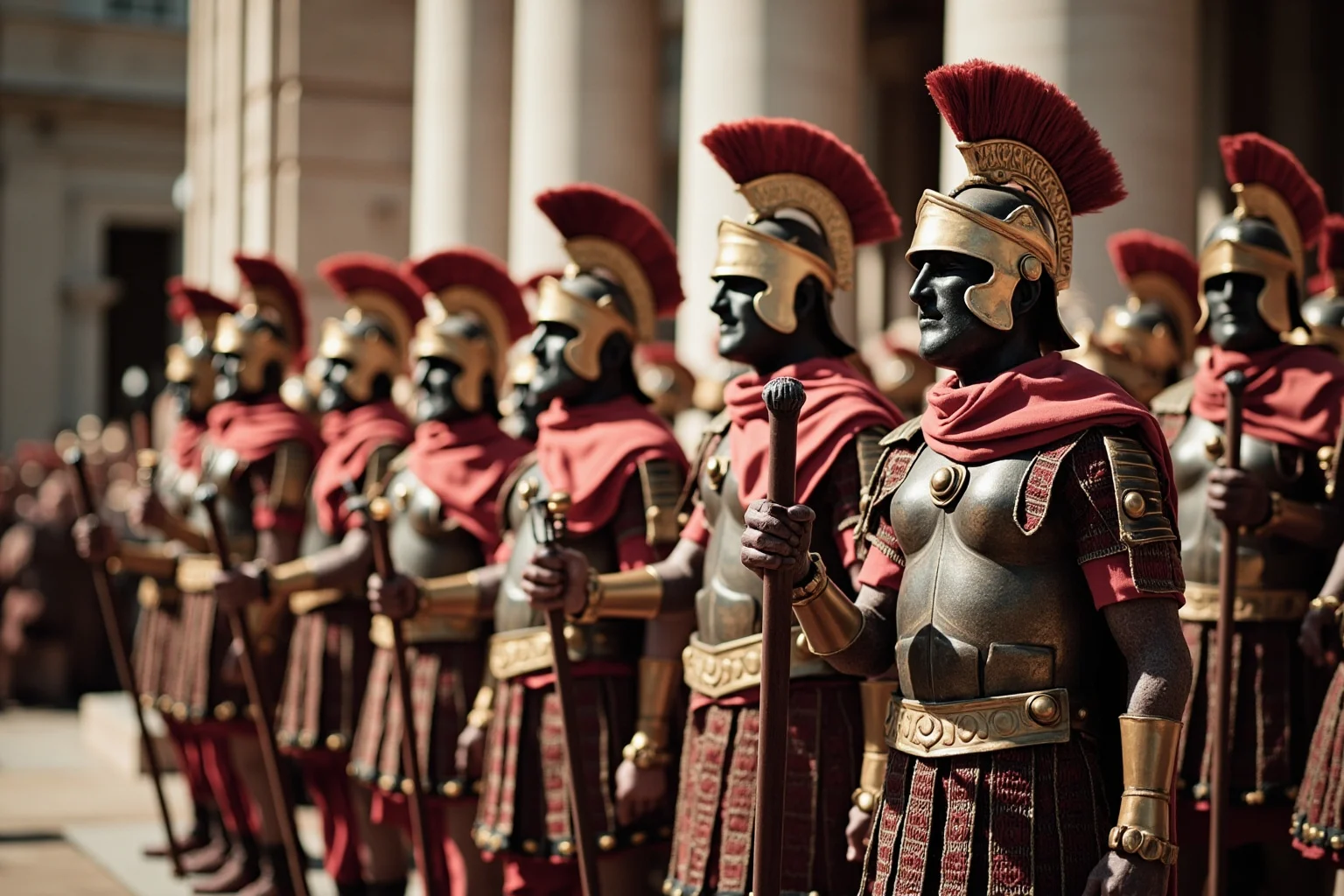
The Praetorian Guard began as a bodyguard unit for Roman generals and later became the emperor's personal guard. They were often the best-paid and best-equipped soldiers in Rome, stationed near the capital where political power was most direct. That proximity made the Guard a kingmaker in imperial succession.
Their battlefield record was mixed, but their political power was unmatched. Praetorians could protect an emperor or assassinate him, and several emperors were installed or removed with Guard support. In that sense, the Praetorian Guard was elite less for combat skill than for its lethal position at the heart of the empire.
6. Varangian Guard
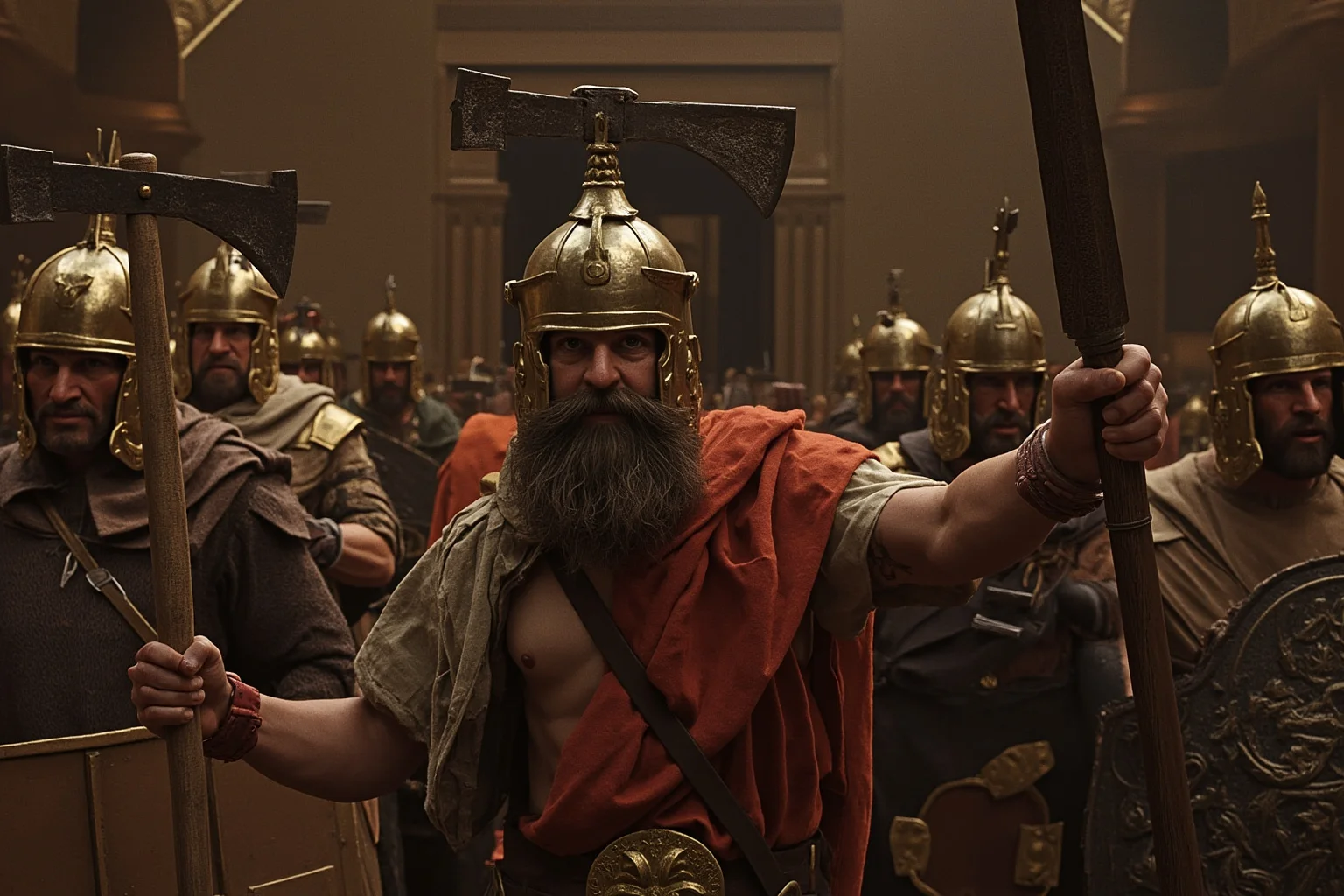
Byzantine emperors recruited Viking and Rus warriors into an elite bodyguard known as the Varangian Guard. These northerners brought axes, longswords, and a reputation for fierce loyalty to the imperial throne. They became a trusted force because they came from outside Byzantine politics.
The Varangian Guard fought in key Byzantine campaigns from the late 10th century onward. Their Scandinavian ferocity and Byzantine pay created one of history's most distinctive mercenary elites. They were known for heavy axes that could split shields and armor in close combat.
7. Knights Templar
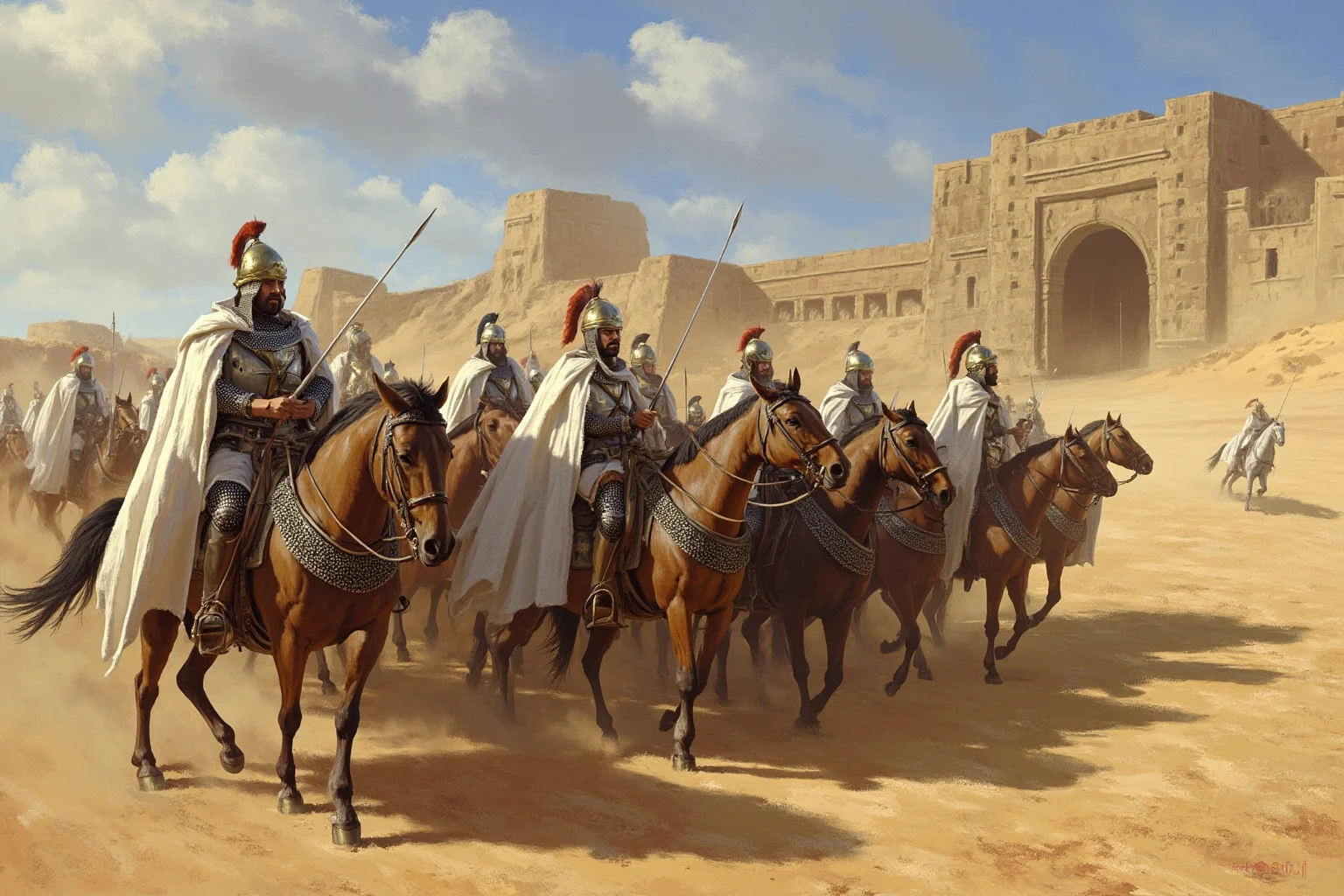
The Knights Templar began in the early 12th century as a monastic military order charged with protecting Christian pilgrims in the Holy Land. They became famous as heavily armored cavalry and disciplined garrison defenders. Unlike many feudal levies, the Templars maintained a permanent, well-funded fighting force.
The order also built an early international banking network that financed its military operations. Their wealth, secrecy, and political independence eventually made them targets of royal jealousy. King Philip IV of France moved against them in the early 1300s, leading to arrests, trials, and the order's violent suppression.
8. Mongol Keshig
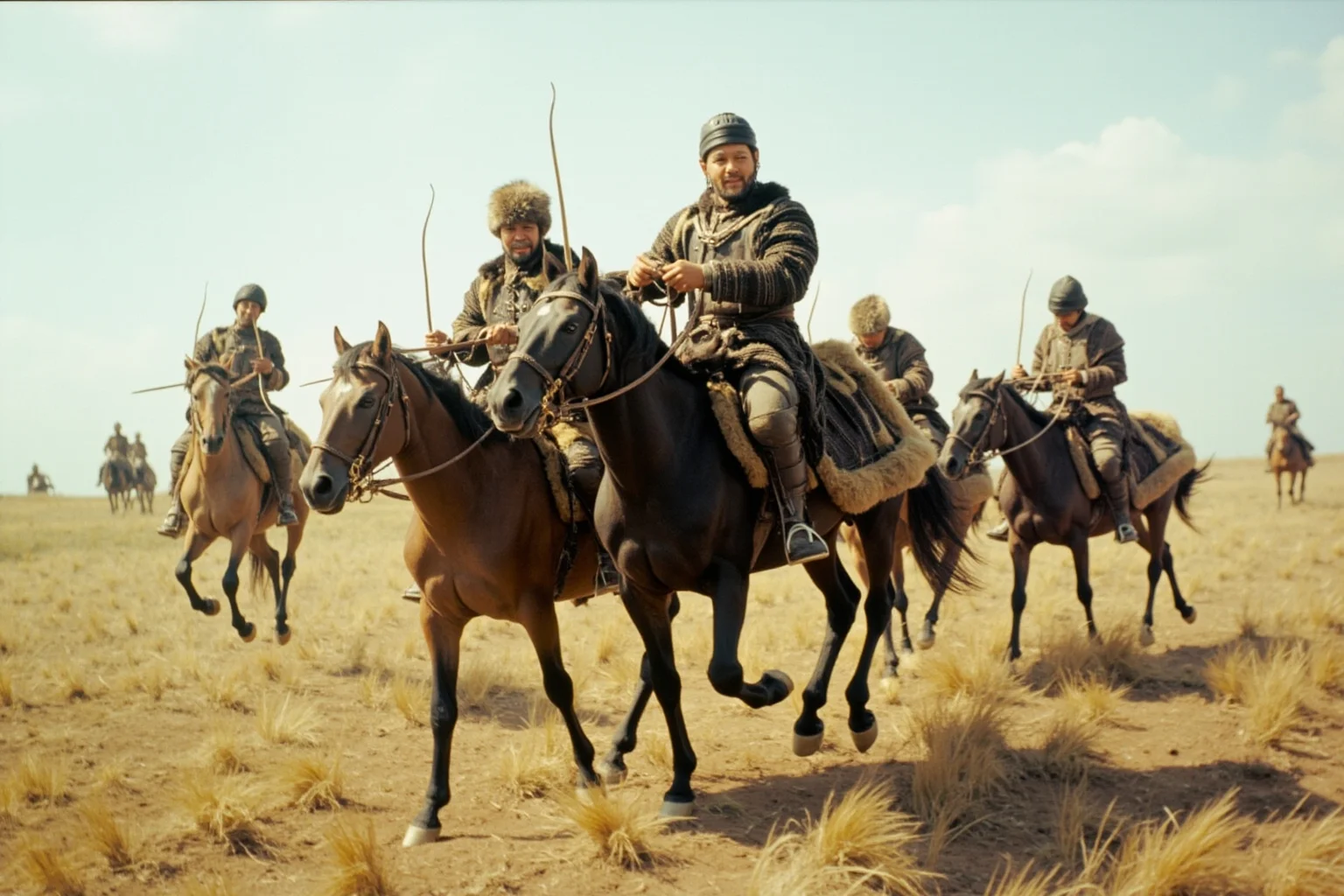
The Mongol Empire did not rule through mass numbers alone. Genghis Khan created the Keshig, an elite imperial guard that served as bodyguards, officers, and administrators. Members were trained in horse archery, mobility, and absolute loyalty to the khan.
The Keshig formed the professional core that helped Mongol armies coordinate across vast distances. Its members often rotated into command roles, spreading discipline and loyalty throughout the empire. This structure made Mongol cavalry a flexible, fast-moving force rather than just a large horde.
9. Samurai
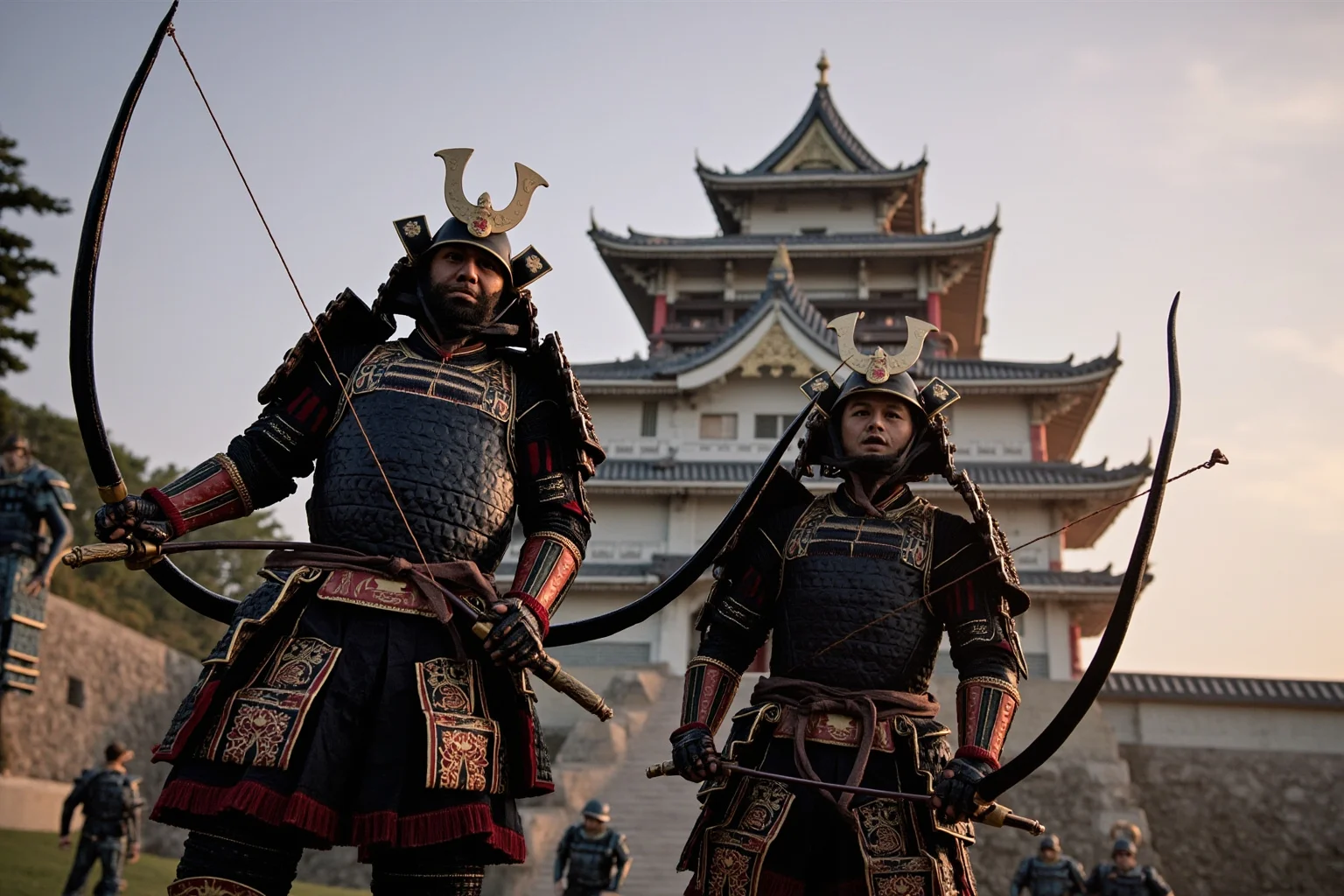
Japanese samurai emerged as a distinct warrior class during the Heian period and dominated Japanese warfare for centuries. They were originally trained as mounted archers, but later became famous for swordsmanship and strict codes of honor. The samurai's real power came from clan loyalty, heavy armor, and a social system that supported a professional fighting class.
The popular image of samurai as lone master duelists is partly romanticized. In battle they fought as coordinated mounted and foot warriors backed by retainers. Their battlefield dominance lasted until the arrival of firearms and massed infantry tactics changed Japanese warfare in the 16th century.
10. Janissaries
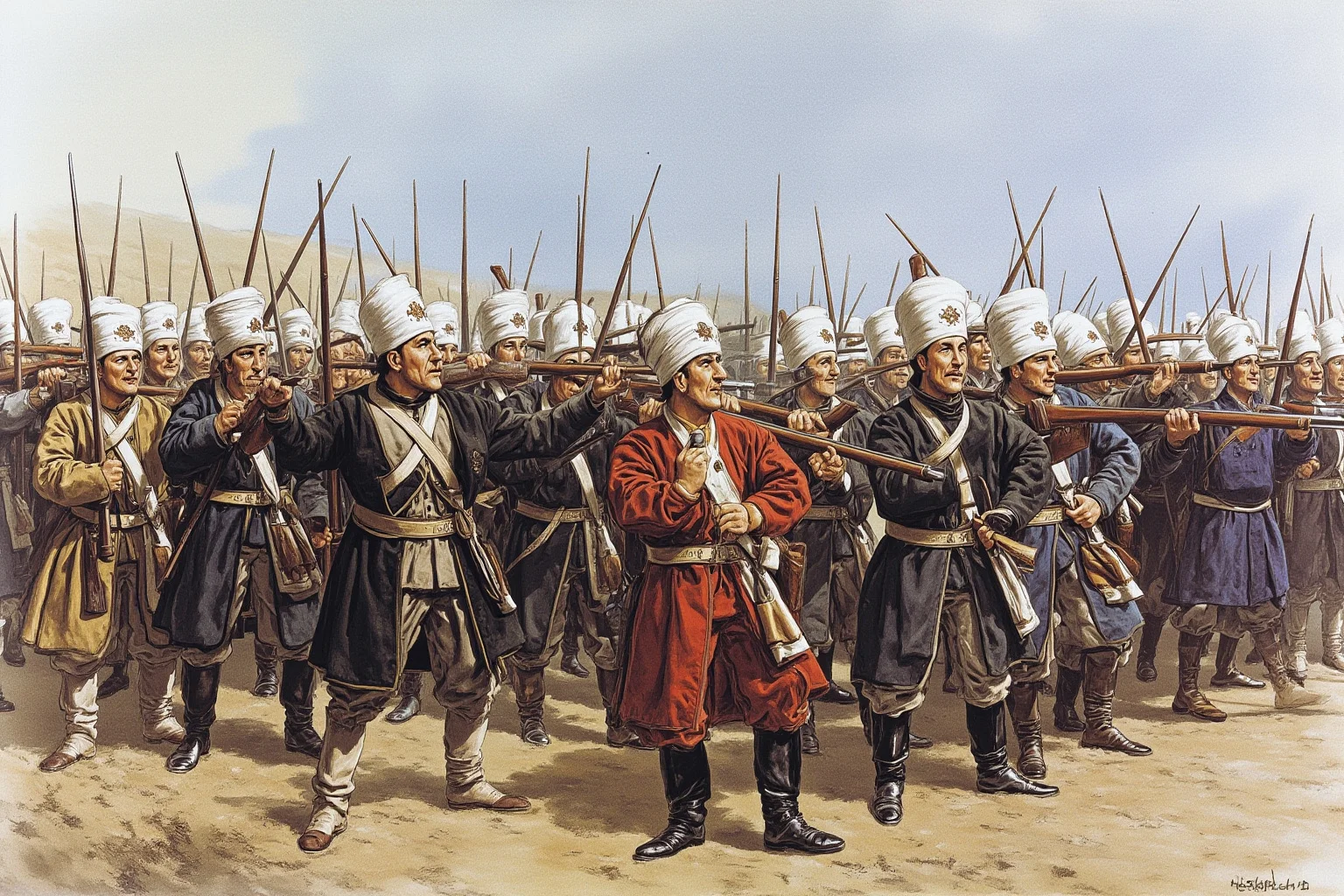
The Ottoman Janissaries were an elite infantry corps formed from enslaved Christian boys taken through the devshirme system. They received rigorous training, converted to Islam, and became fiercely loyal to the sultan. For centuries they served as the disciplined, professional core of Ottoman armies.
Janissaries were among the first infantry forces in Europe and the Middle East to adopt firearms on a large scale. Their steady volley fire and defensive formations made them a terror on battlefields from the Balkans to Egypt. Over time they also became a political force powerful enough to depose sultans and resist military reform.
11. Swiss Pikemen
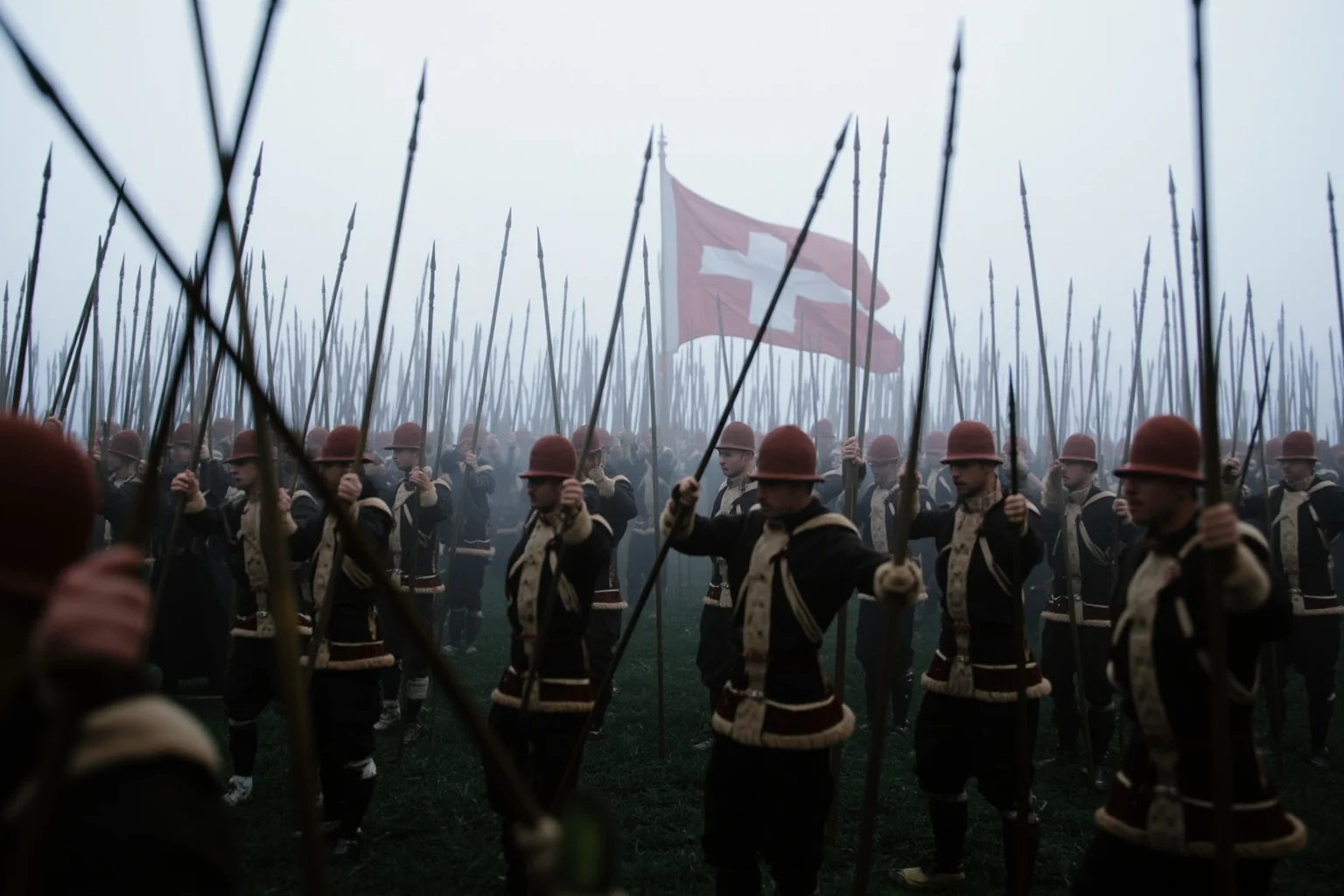
Swiss mercenary pikemen dominated European battlefields in the late medieval and early modern periods. They fought in deep columns with long pikes, making them almost impossible for cavalry to break. Their formations moved quickly and pressed attacks relentlessly.
Swiss soldiers earned a reputation for refusing to retreat and for executing prisoners from armies that resisted too long. Their success reshaped infantry tactics across Europe and helped end the dominance of heavily armored knights. By the 16th century, Swiss mercenaries were in high demand across the continent.
12. Winged Hussars
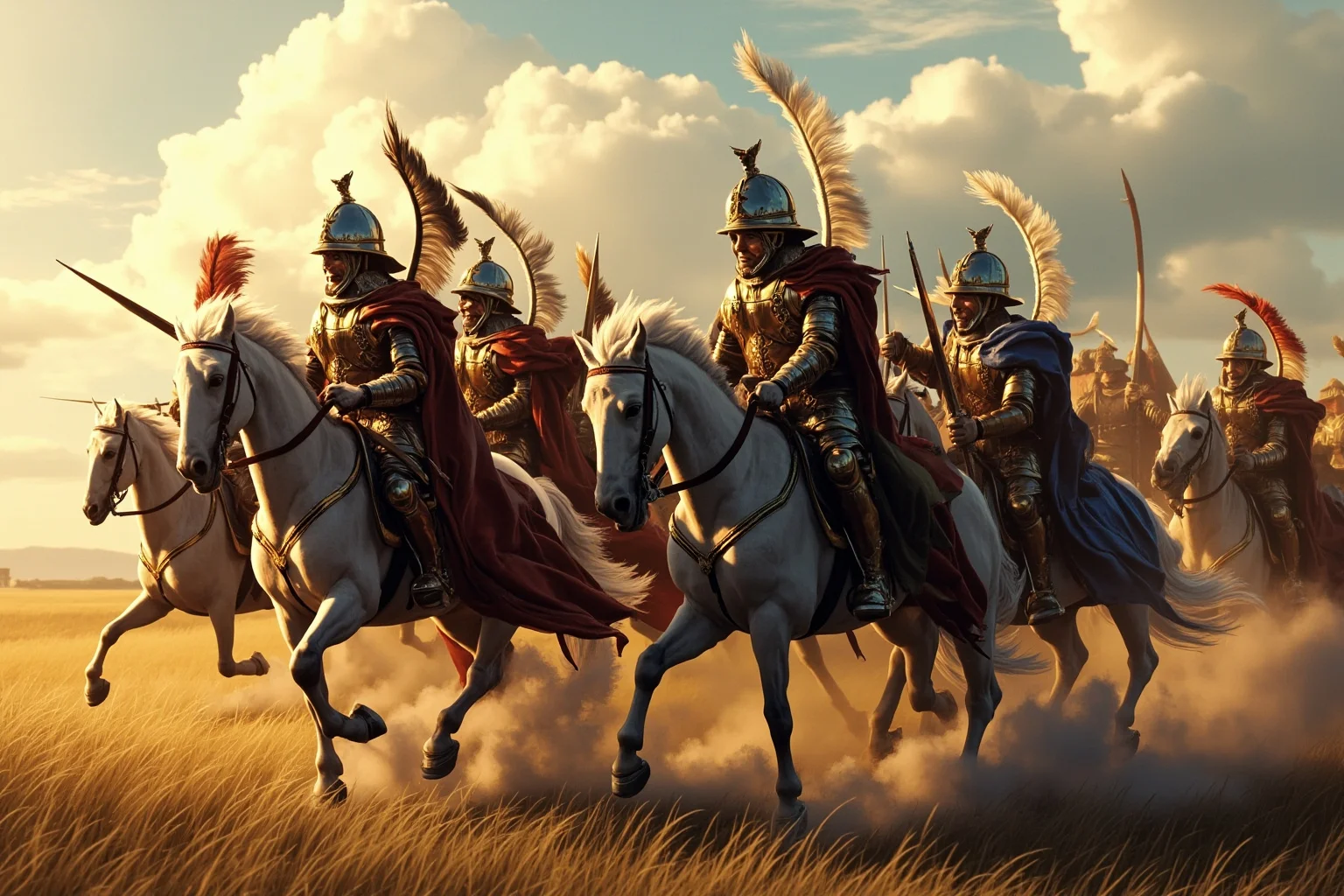
The Polish-Lithuanian Winged Hussars were heavy cavalry known for their dramatic feathered wings and devastating charges. They fought with long lances, sabers, and pistols, and they trained to charge through infantry and cavalry alike. The wings may have had a psychological as well as ceremonial purpose.
Their most famous moment came at the Siege of Vienna in 1683. A massive hussar charge helped break the Ottoman siege and became one of the largest and most decisive cavalry actions in European history. The unit remains a national symbol of Polish military tradition.
13. Zulu Impis
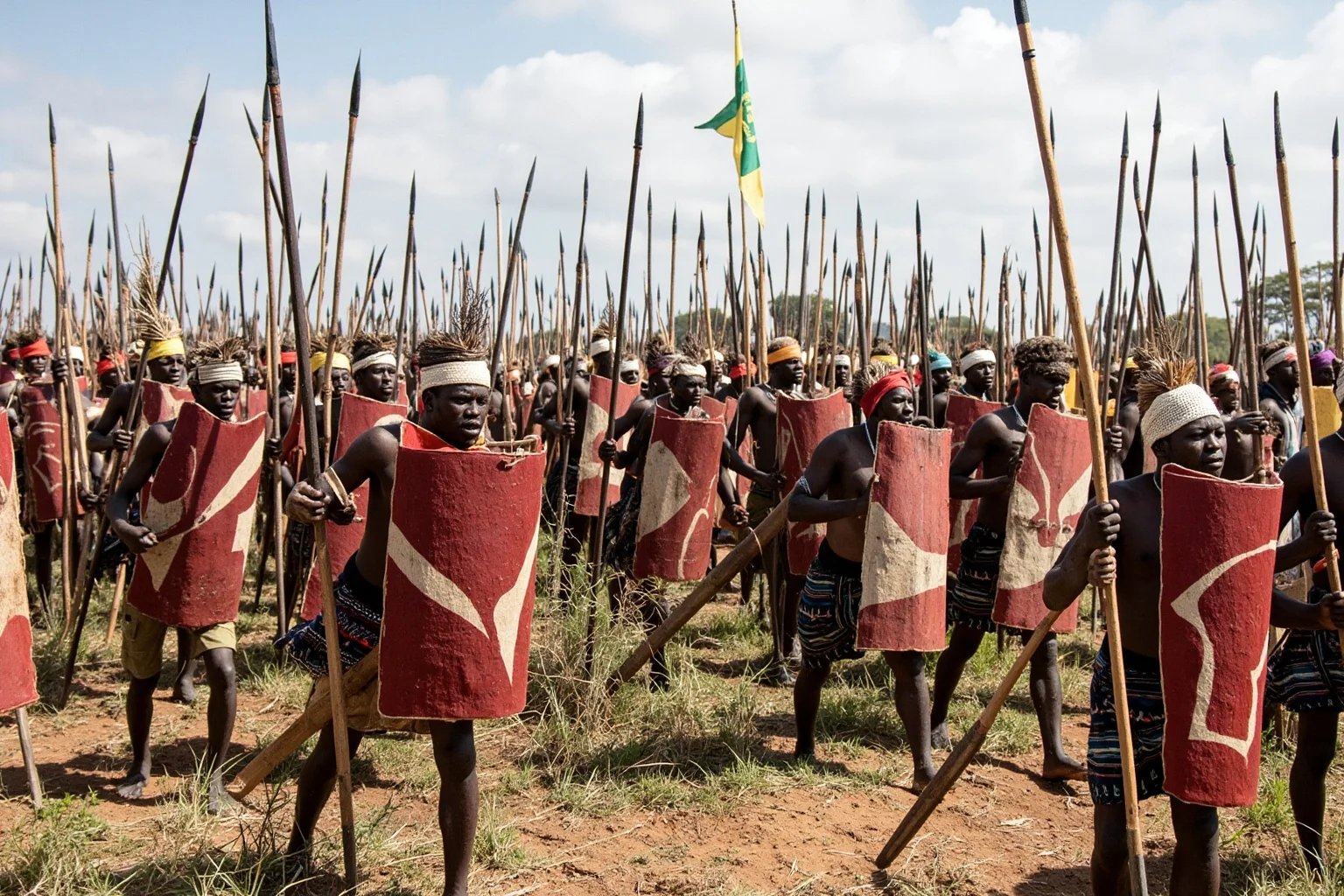
Under King Shaka in the early 19th century, Zulu warriors were organized into disciplined regiments called impis. Shaka introduced the short stabbing spear and tight, coordinated tactics that replaced long-range spear throwing. The impi system turned a collection of clans into a centralized military machine.
Zulu impis used speed, encirclement, and the famous 'horns of the buffalo' formation to surround and crush enemies. The horns would sweep around the flanks while the chest, or main body, pinned the enemy in place. This tactical system dominated southern Africa until British firearms and modern rifles changed the balance.
14. Gurkhas
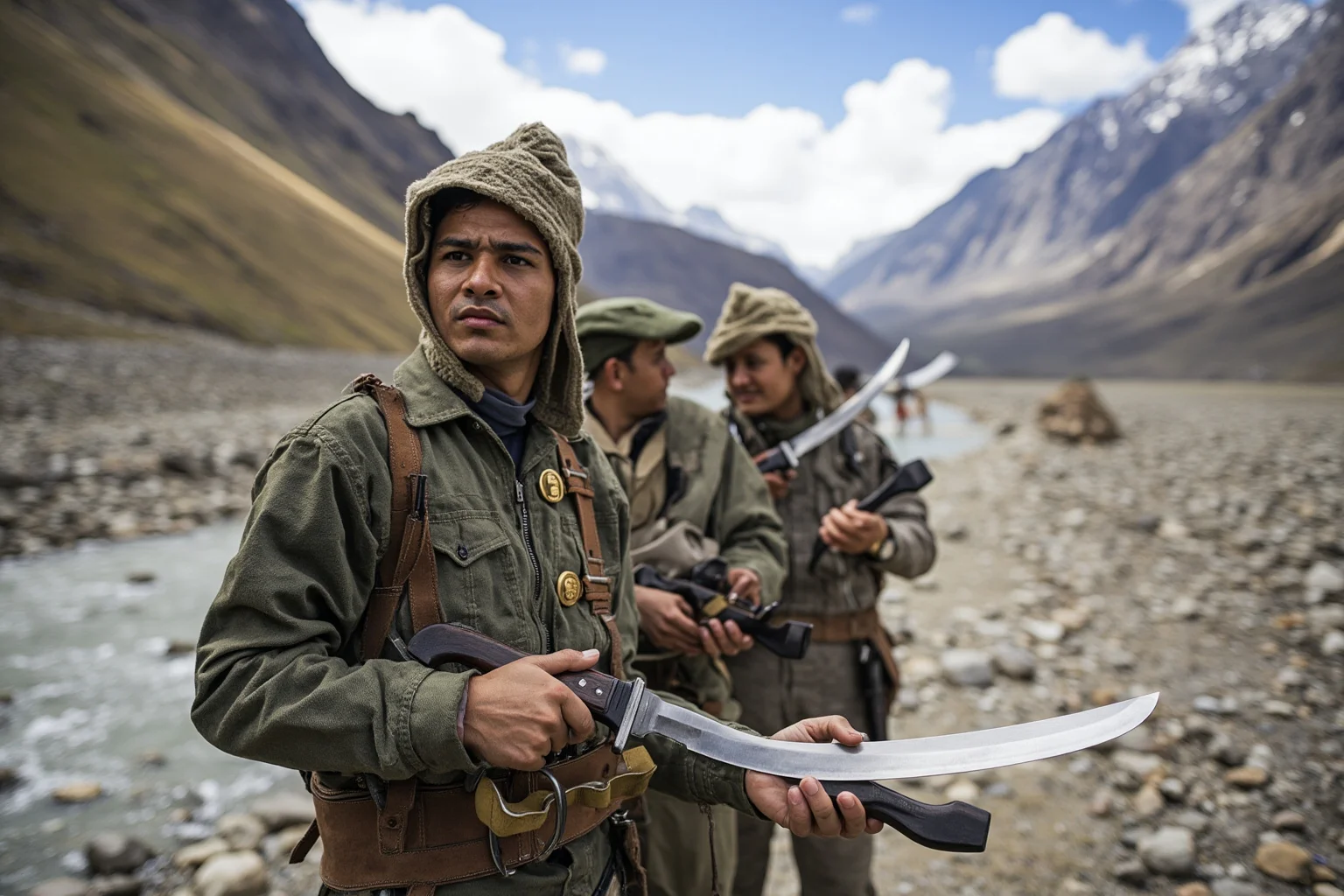
Nepalese Gurkhas have served in the British and Indian armies for more than two centuries. They are known for their distinctive curved kukri knife and exceptional endurance in mountain terrain. Gurkha units have fought in both world wars and numerous modern conflicts.
The Gurkha reputation is not based on myth alone. Their units have won widespread respect for disciplined service, close-quarters ferocity, and loyalty to their regiments. Even today, selection into Gurkha service remains intensely competitive in Nepal.
15. French Foreign Legion
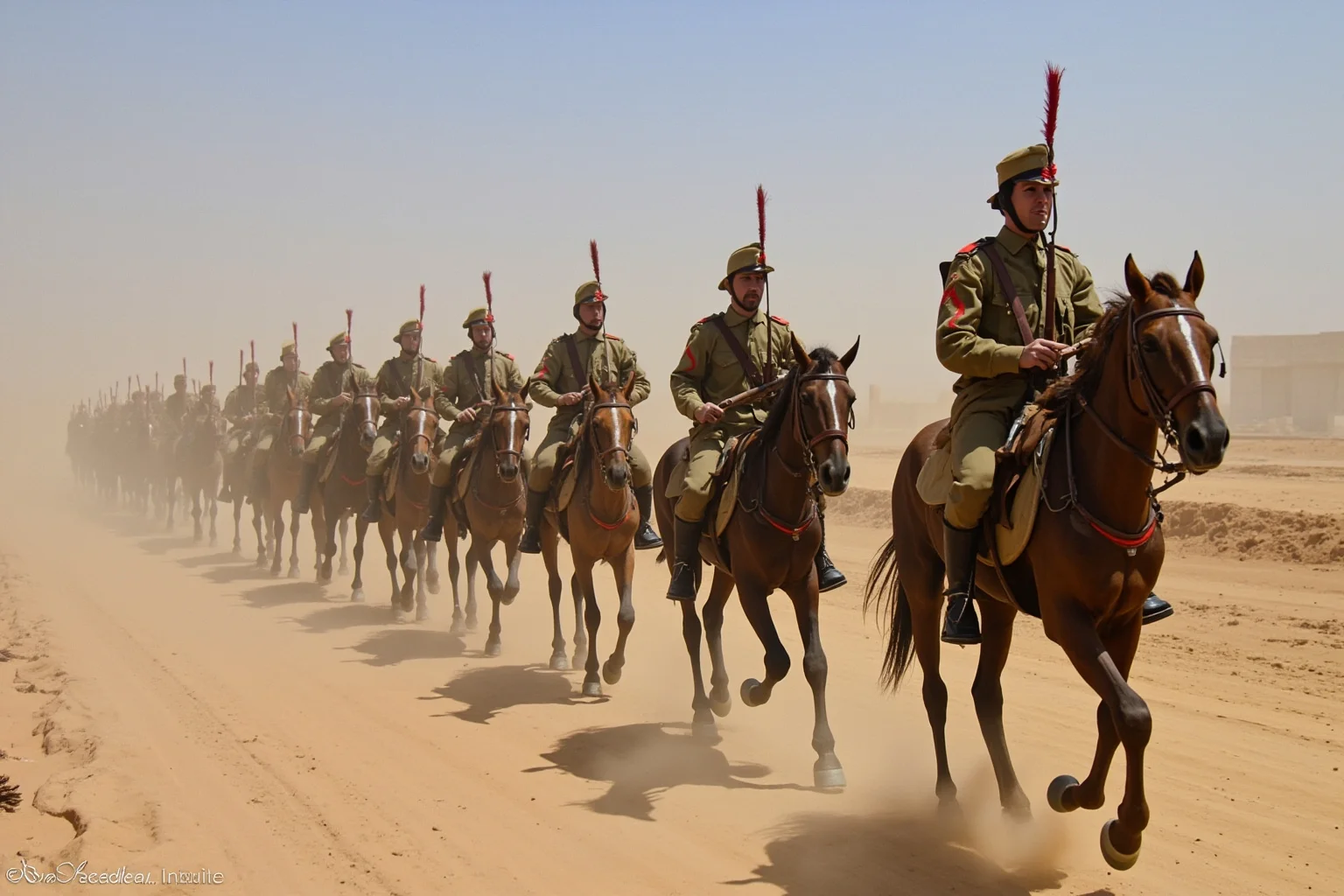
The French Foreign Legion was created in 1831 to recruit foreign volunteers into a professional fighting force. The legion became famous for tough training, unit loyalty, and service in harsh colonial and desert campaigns. Recruits often joined under assumed identities, and the Legion asked few questions about a volunteer's past.
Legionnaires are taught to value the regiment over personal identity. That culture of sacrifice has made the Legion one of the most storied elite units in modern military history. It still serves today in overseas operations and is often used for difficult, politically sensitive missions.
16. British SAS
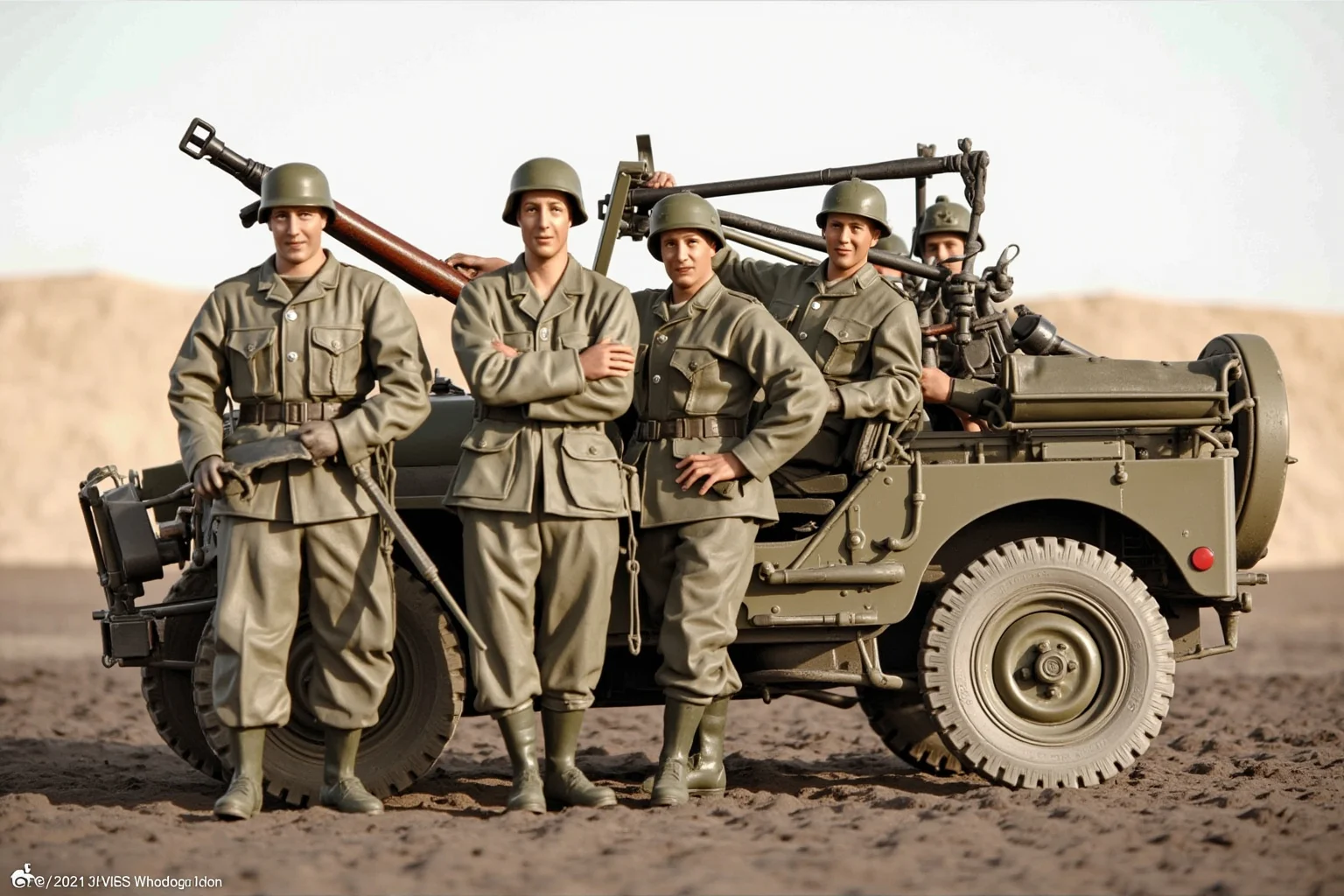
The British Special Air Service was founded during World War II to conduct raids behind enemy lines in North Africa. It helped pioneer modern special operations through sabotage, reconnaissance, and direct action. Early SAS units destroyed hundreds of enemy aircraft on the ground and spread chaos far from front lines.
The modern SAS selects soldiers through one of the toughest training pipelines in the world. Its methods influenced special forces units in dozens of other nations. The SAS remains a model for small-unit warfare, counterterrorism, and covert operations.
17. US Navy SEALs
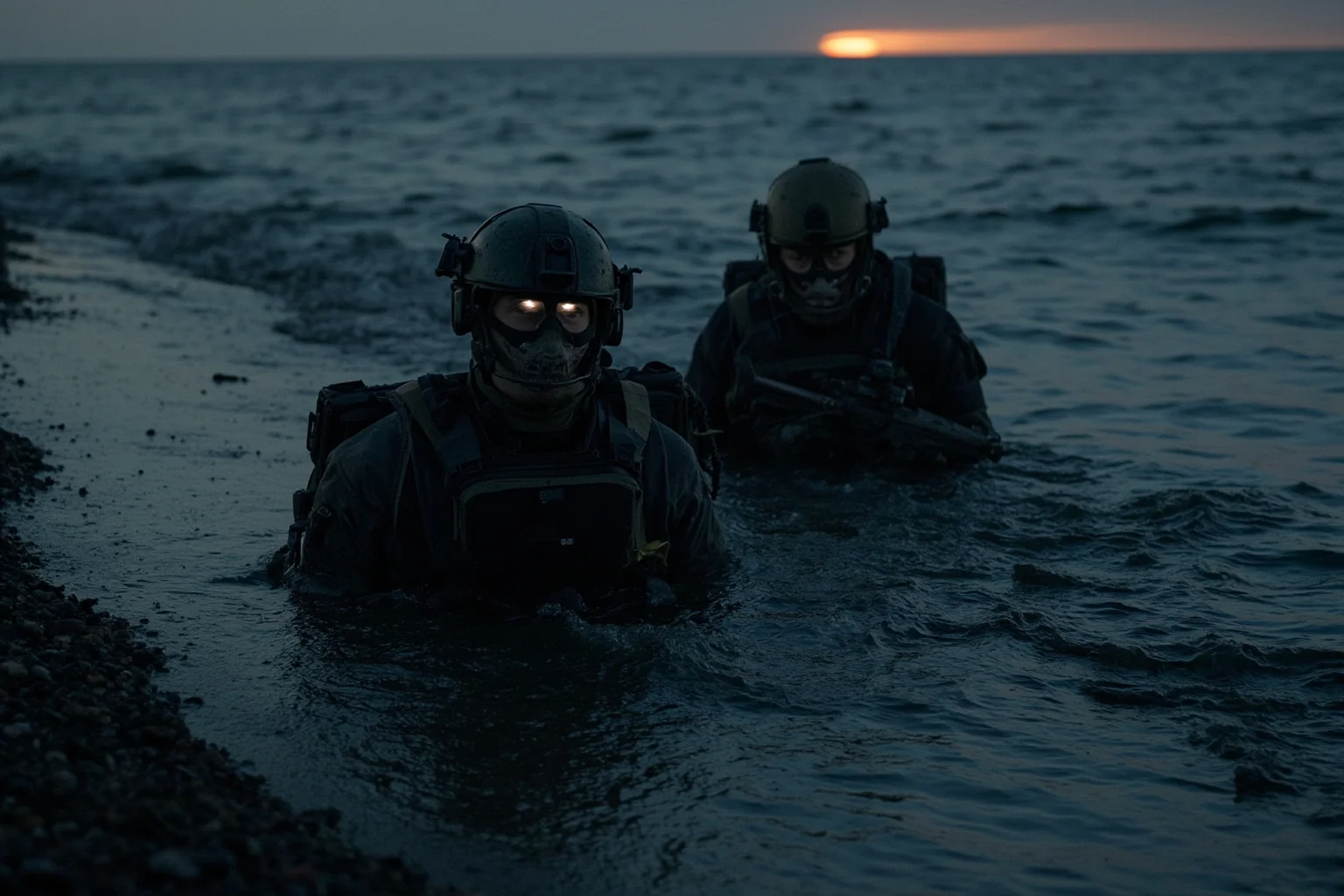
The US Navy SEALs trace their origins to World War II underwater demolition teams and later special warfare units. They are trained for sea, air, and land operations in small, flexible teams. SEAL training includes brutal physical conditioning, underwater skills, and a selection phase known as BUD/S.
SEALs became globally famous after high-profile counterterrorism missions and hostage rescues. Their effectiveness comes from intense selection, extensive funding, and the ability to operate in almost any environment. The unit's public image is sometimes oversized, but its professional reputation is real.
18. Spetsnaz
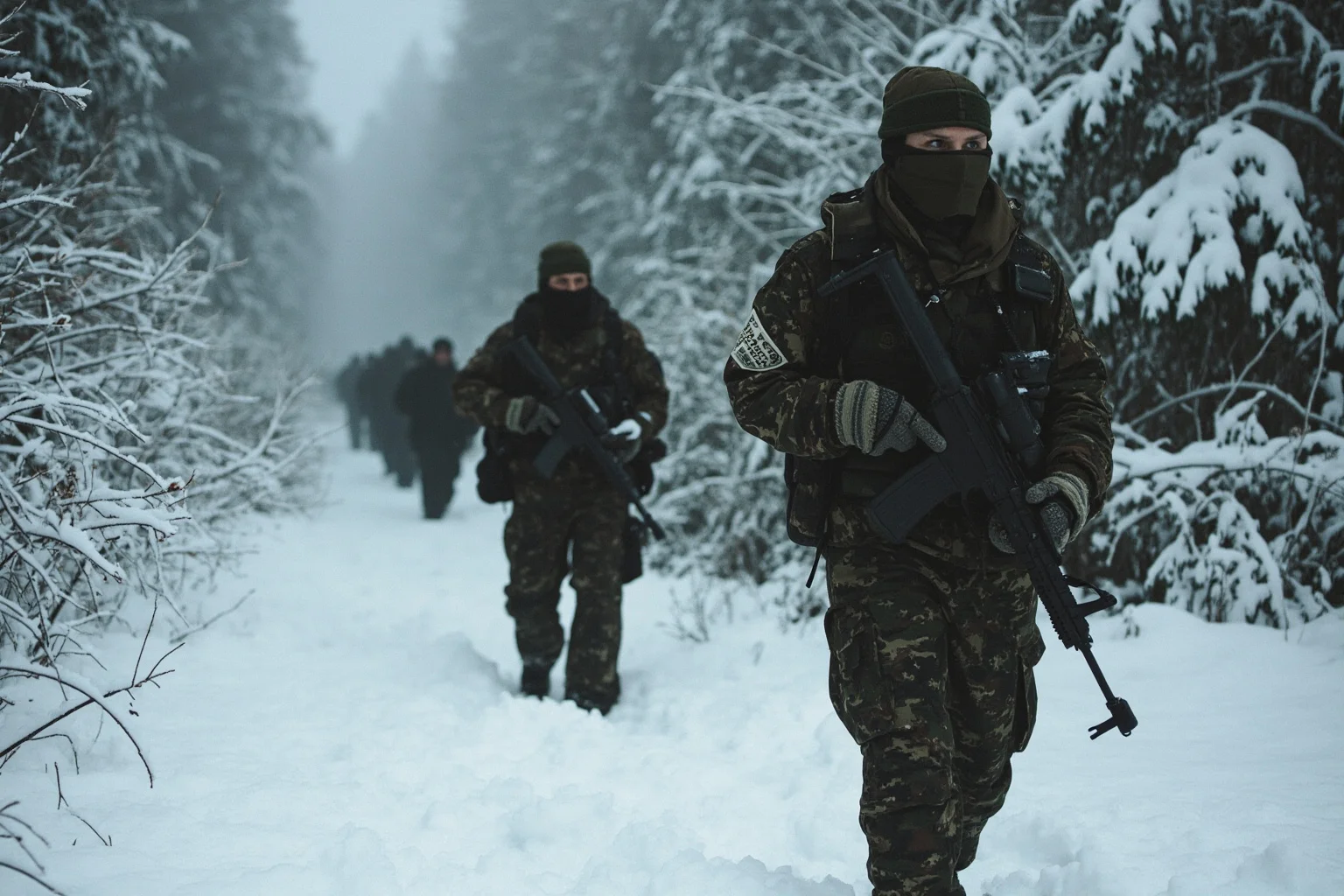
Russian Spetsnaz units are special operations forces known for brutal selection and unconventional warfare training. They served in Soviet-era conflicts and continue to operate in modern Russian military campaigns. The term Spetsnaz actually covers several different military and intelligence units rather than one single force.
Their methods emphasize speed, aggression, and psychological shock. Training often includes hand-to-hand combat, airborne insertion, and operations in extreme conditions. Spetsnaz troops have been used for reconnaissance, sabotage, and direct action behind enemy lines.
19. Sayeret Matkal
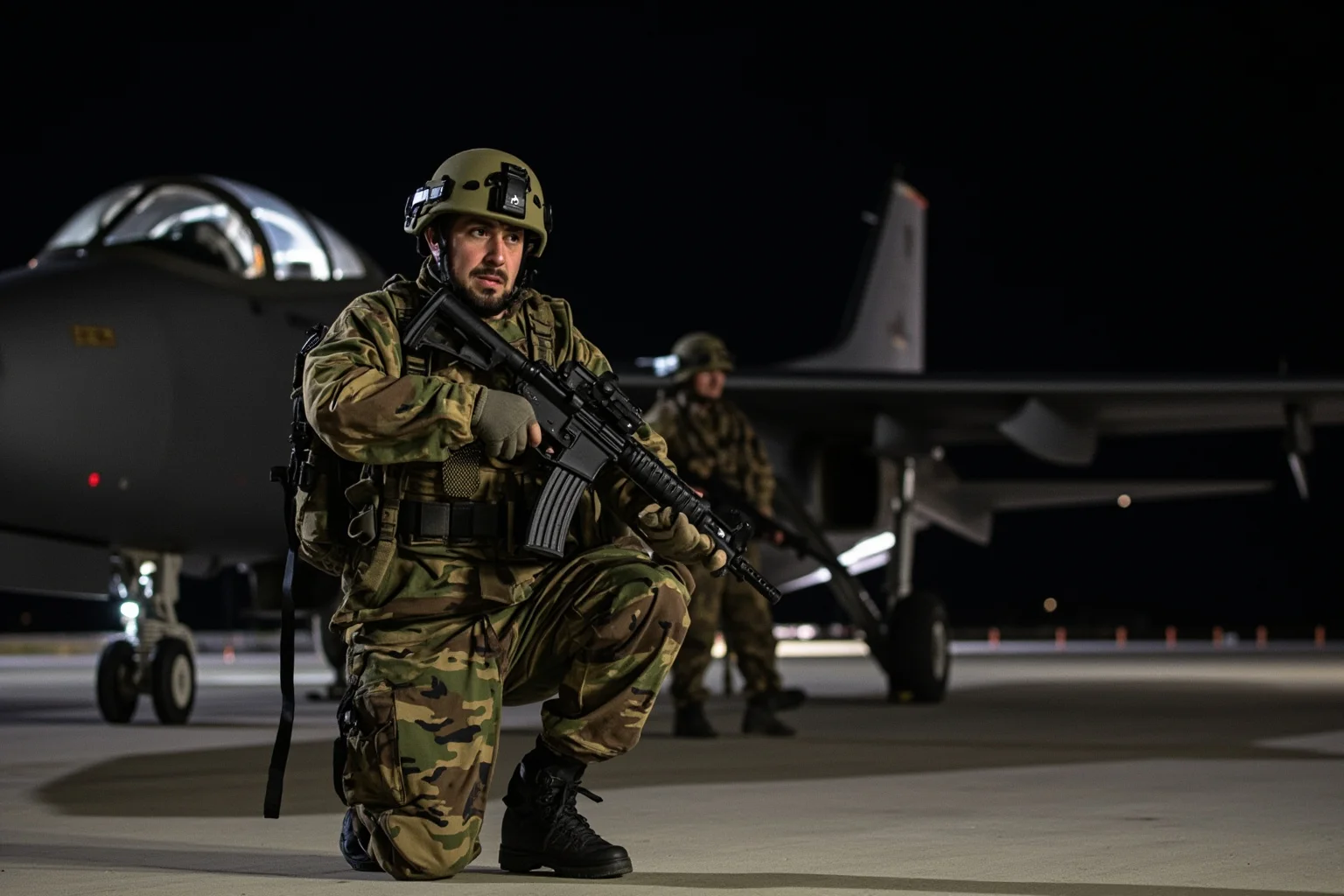
Sayeret Matkal is Israel's elite special reconnaissance unit, formed in 1957. It specializes in intelligence gathering, hostage rescue, and missions deep behind enemy lines. The unit is modeled partly on the British SAS and operates under the Israeli military intelligence directorate.
Sayeret Matkal gained worldwide attention after operations like the 1976 Entebbe rescue in Uganda. Its selection process is extremely demanding, and many Israeli military and political leaders came from its ranks. The unit remains central to Israel's strategic special operations capability.
20. US Army Rangers
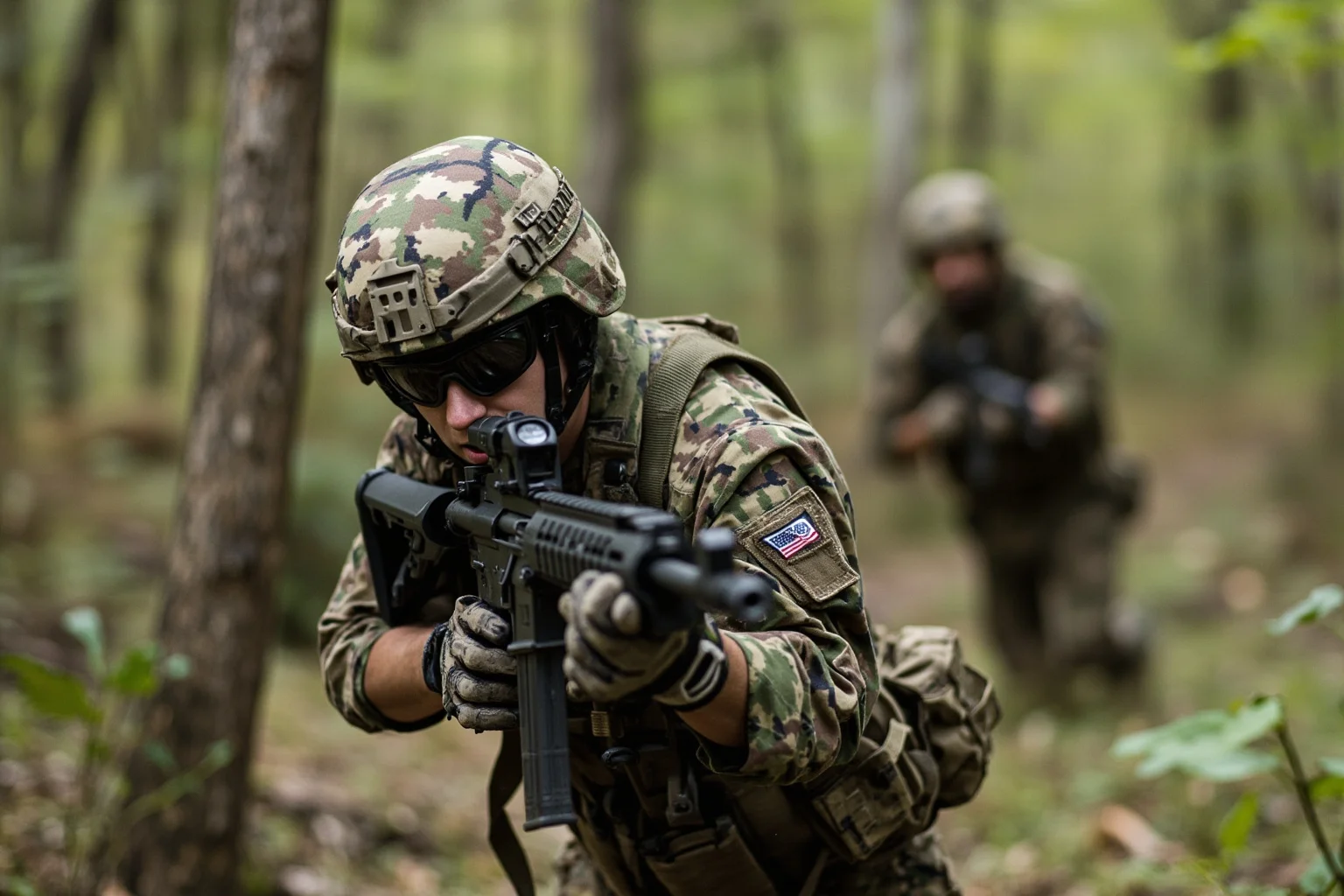
The US Army Rangers trace their lineage to colonial frontier fighters and elite light infantry units in multiple wars. Modern Rangers are trained for airfield seizure, direct action, and large-scale special operations raids. They often serve as a highly mobile infantry spearhead for broader combat operations.
Ranger School is one of the most grueling leadership courses in the United States military. Rangers are expected to move fast, strike hard, and operate in small units under extreme pressure. Their role differs from special mission units like Delta Force, but they remain among the most effective light infantry in the world.
The Real Answer Behind Spartans vs Vikings Who Would Win in a War
Historians rightly avoid giving a knockout answer to the spartan vs viking fantasy matchup. A Spartan army would likely dominate a set-piece battle on open ground where its phalanx could anchor the fight.
A Viking army would likely avoid that exact situation. Norse warfare depended on ship mobility, surprise, and the freedom to raid and withdraw.
The deeper truth is that military power depends on time, place, and objective. Both groups were elite in their own environment, and neither should be stripped of that context.
Final Thought
Elite military groups across history share something beyond weapons. They have a strong identity, a clear purpose, and a culture that convinces people to fight for one another.
That is why the Spartan phalanx and the Viking warband both endure in the imagination. They were not just fighters; they were communities built around a very specific way of war.
The next time someone asks you to settle the spartan vs viking debate, you can give the honest answer. It depends, and that is exactly what makes military history worth studying.
Frequently Asked Questions
Spartans vs Vikings who would win in a war?
There is no settled historical answer because the two groups lived roughly a thousand years apart. On open ground, a Spartan phalanx would likely have the edge in a direct heavy infantry clash. In a longer campaign, Viking ships, mobility, and hit-and-run tactics would make them a very different kind of enemy.
What was the biggest difference between Spartan and Viking warriors?
Spartans were drilled as heavy infantry fighting in a tight phalanx, while Viking raiders used ships and loose warbands for surprise attacks. Spartan identity was built around permanent military training, while most Viking fighters were seasonal warriors who also farmed and traded.
Were Viking berserkers real?
Berserkers appear in Norse sagas and poetry, and they likely existed as elite shock troops associated with Odin. The popular idea of drug-crazed naked warriors is partly later myth. The historical record is too limited to confirm many details.
Why are Spartans so famous if their army was not unbeatable?
Sparta's fame rests on its unusual social system, the agoge, and its success in major wars including the war against Persia. Later sources, including Roman-era writers, romanticized Spartan discipline. The Spartans were powerful in their time, but they also lost major battles when their rigid tactics met more flexible enemies.

Alex Warren
Related Articles