
Type “who is the nicest person in the world” or “who is the kindest person in the world” into a search bar and you’ll get a flood of opinions, viral TikToks, and the occasional Guinness World Record claim.
The truth is a little less flashy but a lot more interesting: there is no scoreboard for kindness, no official title belt for being the world’s nicest person.
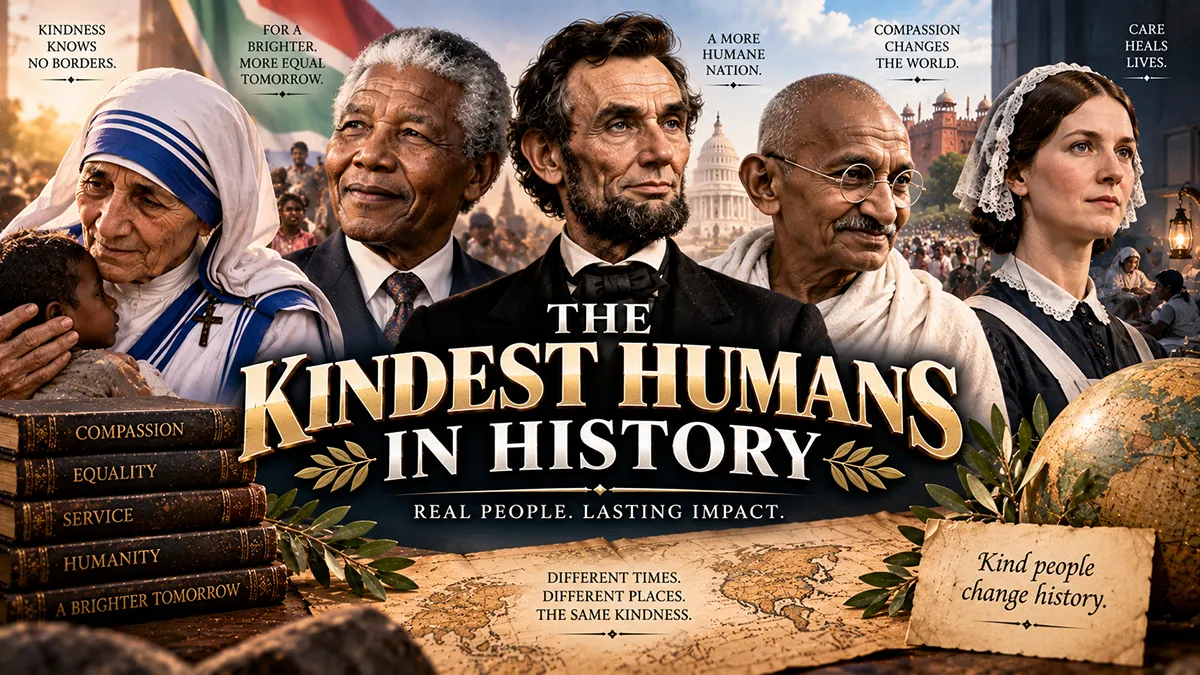
What we do have is thousands of years of recorded history full of people whose compassion, courage, and generosity left a mark big enough that we still talk about them today.
This list isn’t a scientific ranking of the “best person in the world” — that title is subjective and always will be. Instead, it’s a tour through 25 of the good people of history whose lives offer real, verifiable examples of what kindness in action actually looks like.
TL;DR: There’s no official “nicest person in the world,” but history is full of real, well-documented humans — from Gandhi to Mister Rogers — whose compassion and courage still set the standard for goodness today.
What Does “Kindest Person” Even Mean?
Before ranking anyone, it helps to define the term. The kindest person meaning isn’t just someone who’s polite or smiles a lot — it’s someone whose actions consistently put other people’s wellbeing ahead of their own comfort, safety, or self-interest. That’s a much higher bar than being pleasant at a dinner party.
Historians and psychologists often talk about “kindness character” as a trait built from repeated choices rather than a single grand gesture. Someone who quietly helps neighbors for decades can be just as kind — arguably kinder — than someone who makes one dramatic, headline-grabbing sacrifice.
Compassionate people tend to share a few traits: empathy, consistency, humility, and a willingness to act even when it costs them something.
You’ll also see the word “compassionist” floating around online. It’s not a standard dictionary term, but it’s increasingly used informally to describe someone devoted to relieving other people’s suffering — basically a modern shorthand for a person of compassion.
Honorable people, sweetest people, the friendliest people in the world — these are all overlapping ideas pointing at the same core quality: people who make life measurably better for others.
Why Nobody Can Officially Be Crowned “The Nicest Person in the World”
Here’s the myth-busting part. Search engines love absolute answers, but “who is the best person” or “who’s the best person in the world” doesn’t have one.
There’s no global panel measuring niceness, no census of compassion, and no agency tracking who is the cleanest person in the world either — that one usually turns out to be a misheard search for hygiene records or a viral joke, not a real historical superlative.
What we can measure are actions: lives saved, movements led, institutions founded, and testimonies left behind by the people who were helped. That’s exactly the standard used for this list — verifiable deeds, not vibes.
The 25 Most Admired and Kind People in History
These are 25 of the good people from history whose documented actions have earned them a lasting reputation for kindness, courage, and compassion. They span continents and centuries, which is worth noting — goodness clearly isn’t limited to one culture, religion, or era.
1. Mahatma Gandhi
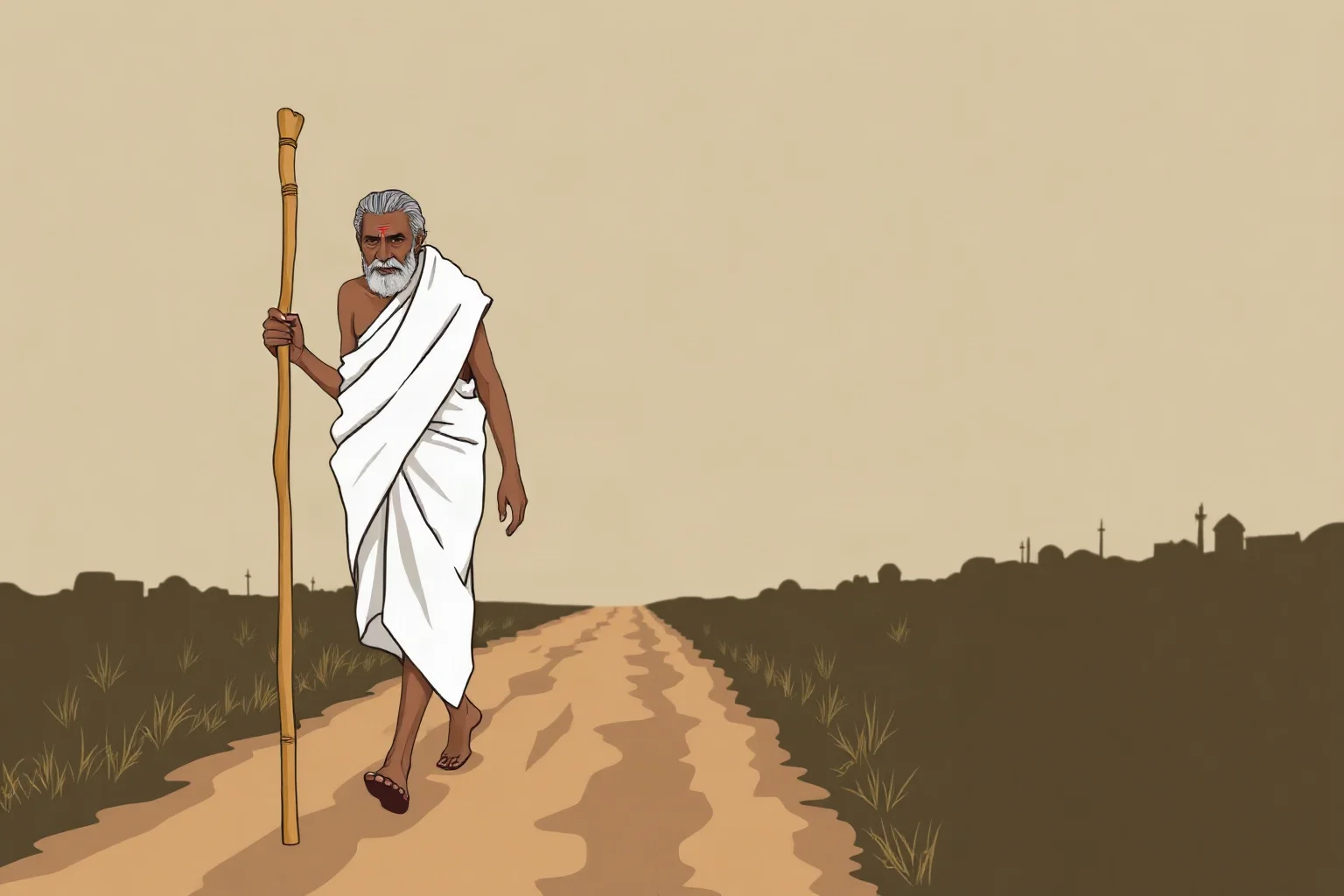
Gandhi led India’s independence movement through nonviolent civil disobedience, a strategy he called satyagraha. He endured repeated imprisonment rather than resort to violence, and his approach directly influenced later civil rights leaders around the world. He was assassinated in 1948, shortly after India gained independence.
2. Mother Teresa

Born Anjezë Gonxhe Bojaxhiu, she founded the Missionaries of Charity in Calcutta in 1950 to care for the sick, dying, and destitute. She won the Nobel Peace Prize in 1979 and was canonized as Saint Teresa of Calcutta in 2016. Her work has also faced serious scrutiny from researchers over the quality of medical care in her facilities, a reminder that even widely admired figures deserve honest, balanced history rather than blind hero-worship.
3. Nelson Mandela
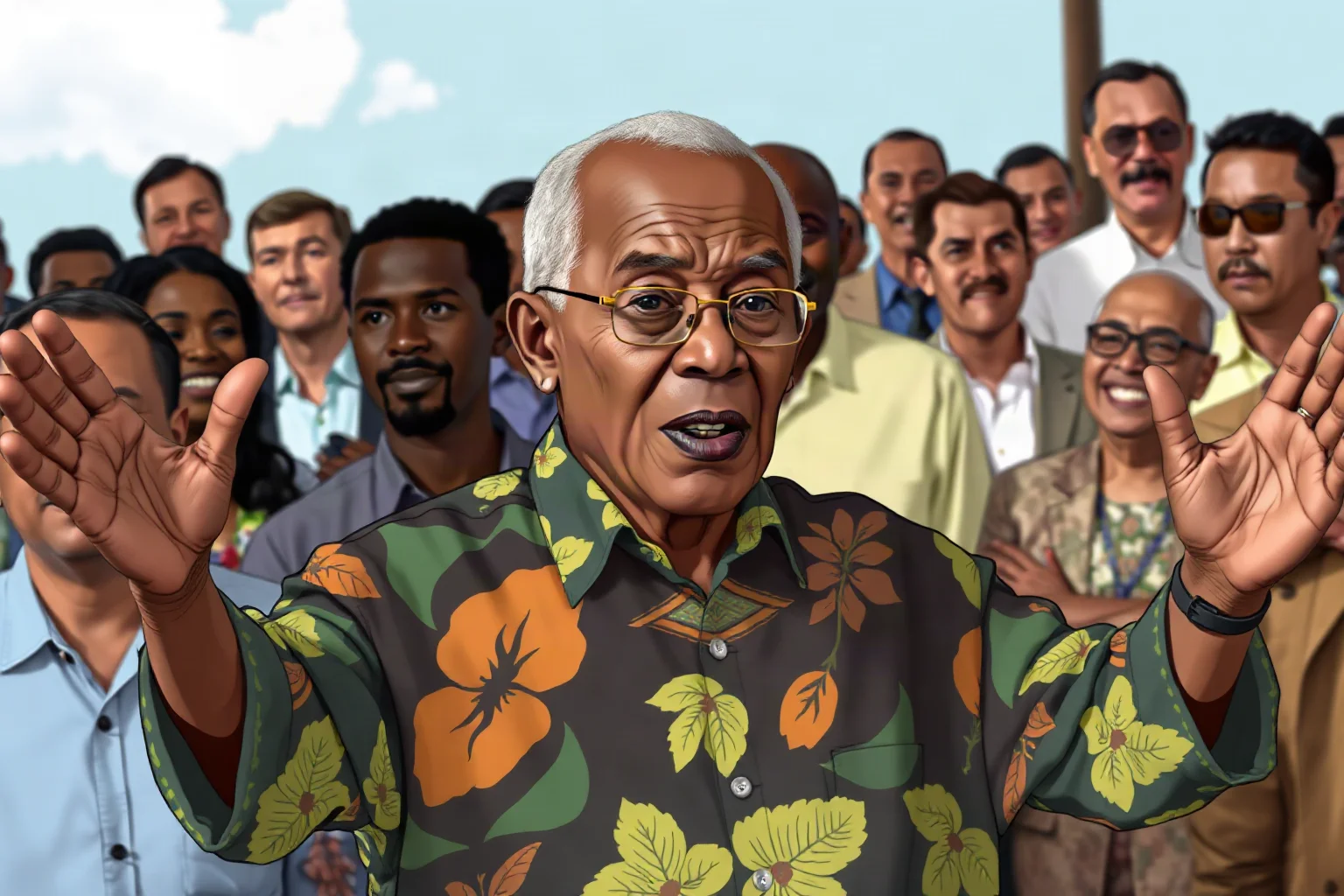
Mandela spent 27 years in prison for opposing South Africa’s apartheid regime before becoming the country’s first Black president in 1994. Rather than pursue revenge, he championed reconciliation through the Truth and Reconciliation Commission. He received the Nobel Peace Prize in 1993, shared with F.W. de Klerk.
4. Abraham Lincoln
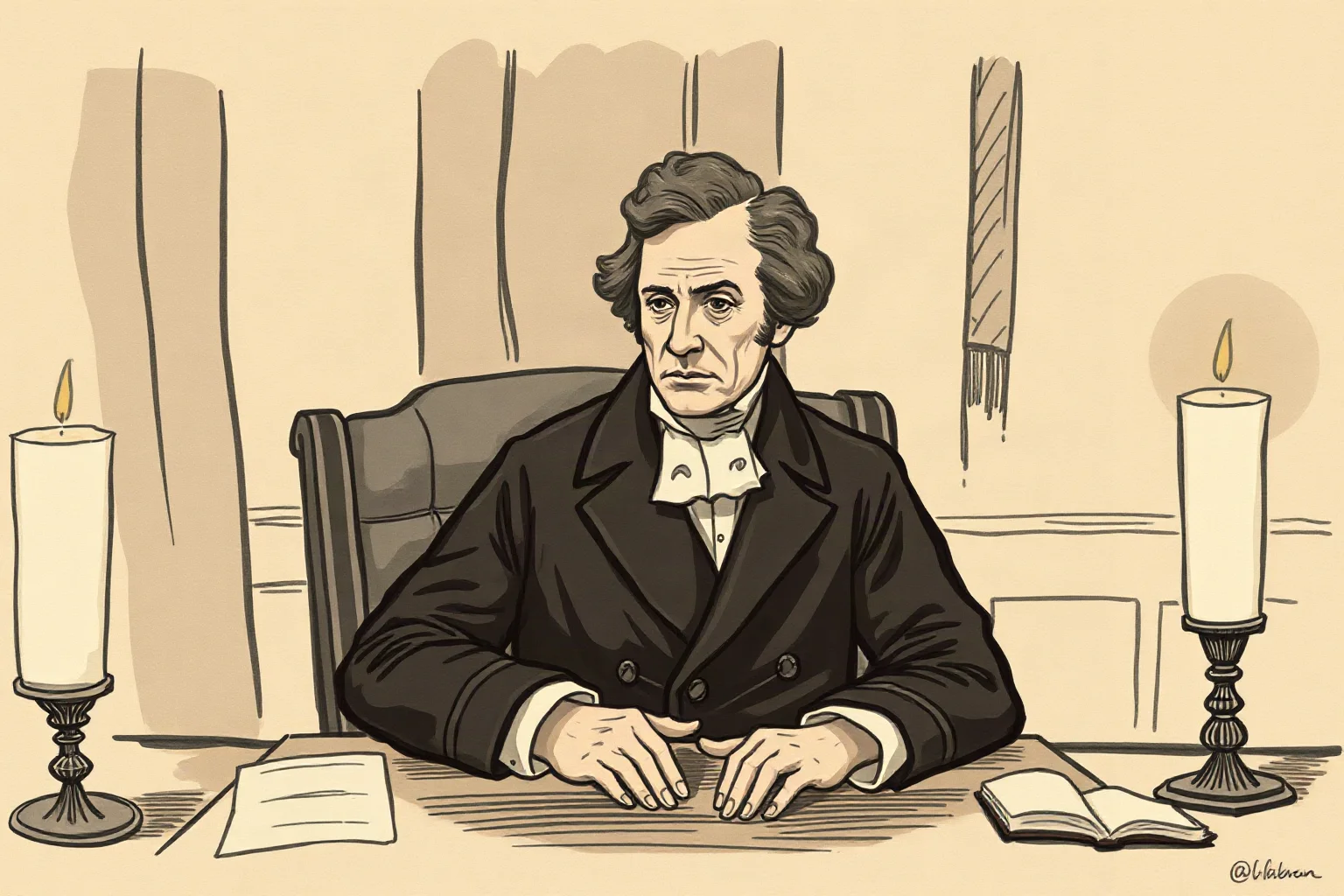
Lincoln led the United States through the Civil War and issued the Emancipation Proclamation in 1863. Contemporaries frequently noted his personal humility and his tendency to grant pardons and mercy where he legally could. He was assassinated in 1865, just days after the war’s end.
5. Florence Nightingale
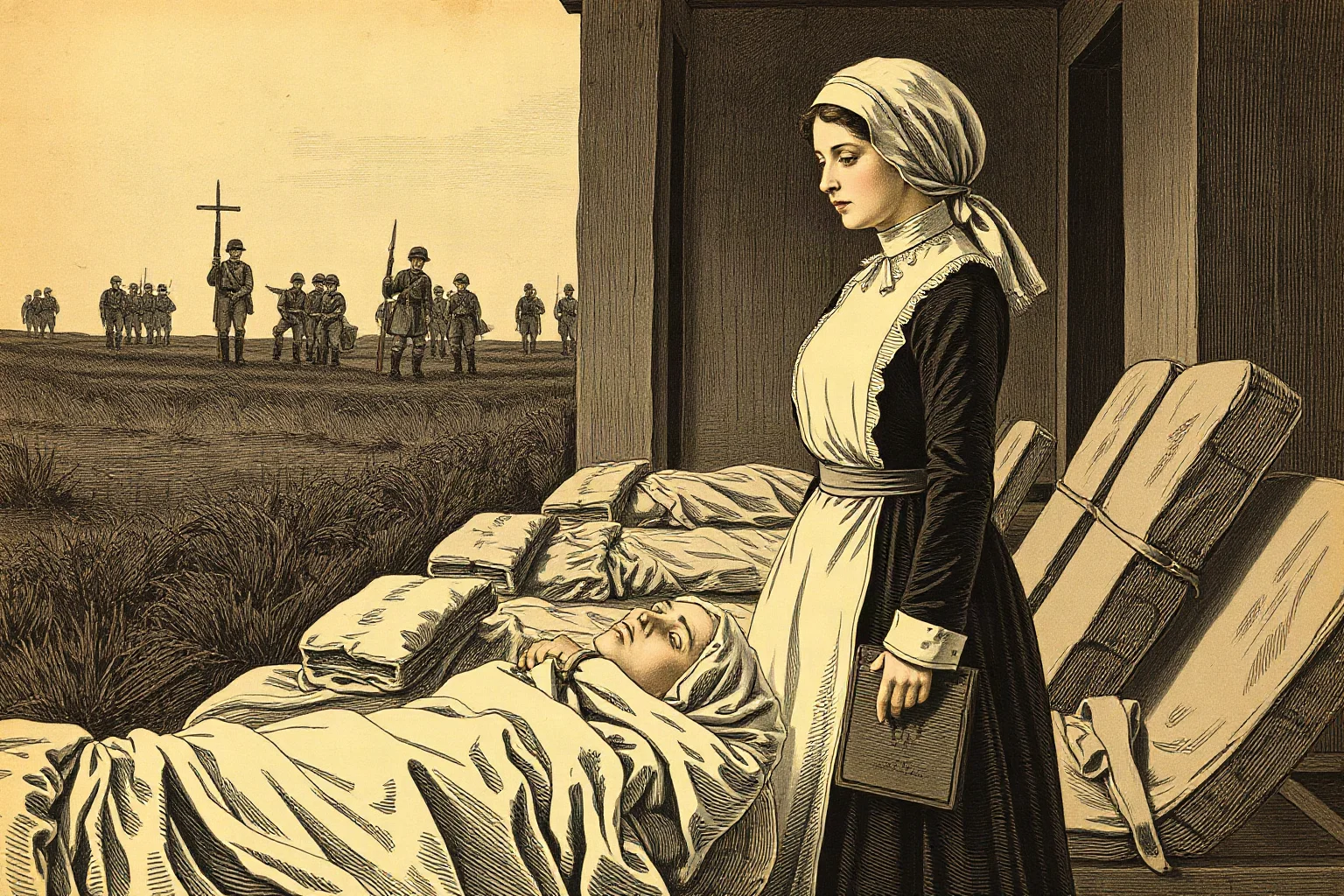
Known as the founder of modern nursing, Nightingale organized care for wounded soldiers during the Crimean War in the 1850s. She used early statistical analysis to prove that better sanitation dramatically reduced deaths, reshaping hospital practice for good. Her work laid the groundwork for professional nursing as we know it today.
6. Martin Luther King Jr.
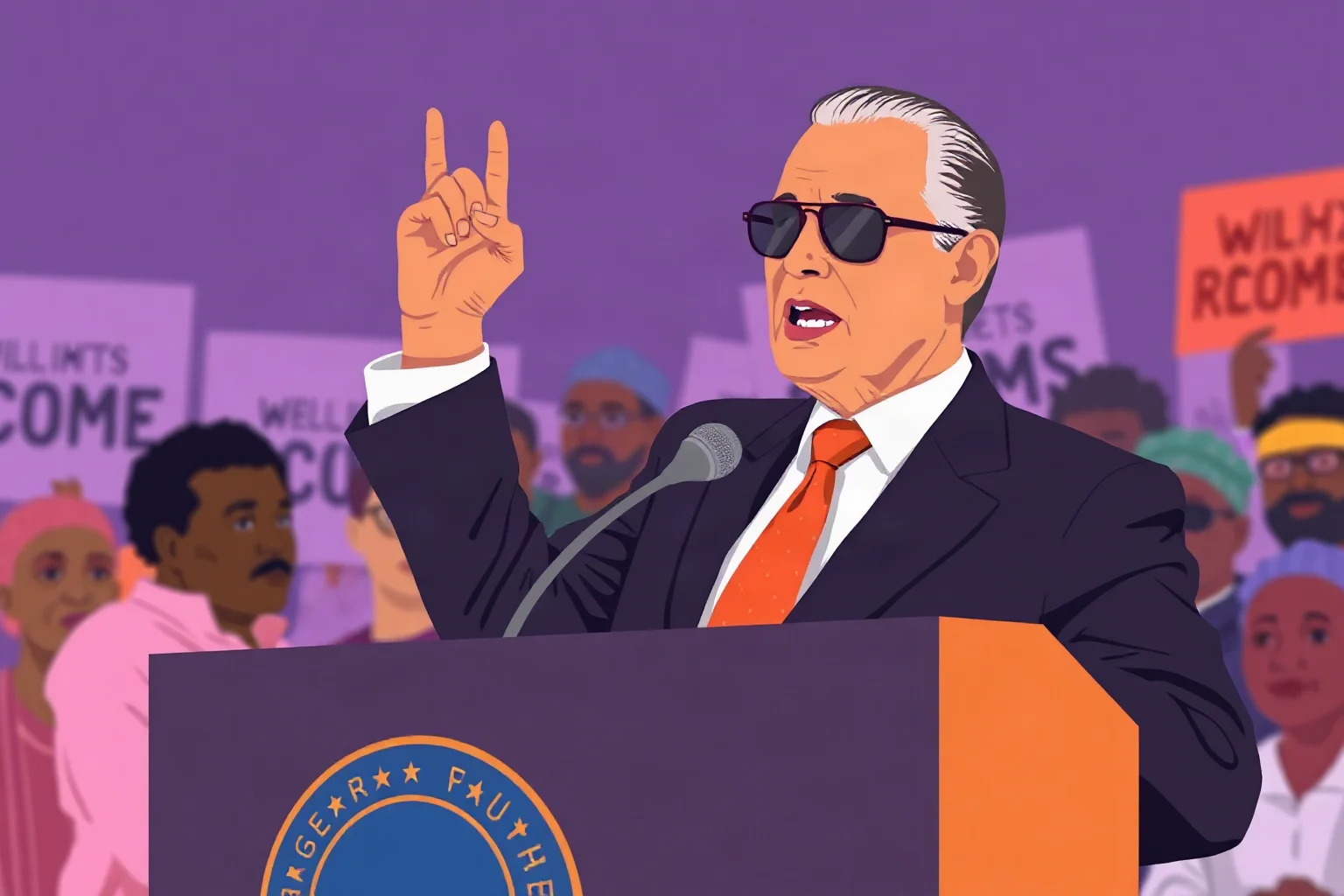
King led the American civil rights movement using nonviolent protest, most famously articulated in his 1963 “I Have a Dream” speech. He won the Nobel Peace Prize in 1964 at age 35, one of the youngest recipients ever. He was assassinated in Memphis in 1968.
7. Desmond Tutu
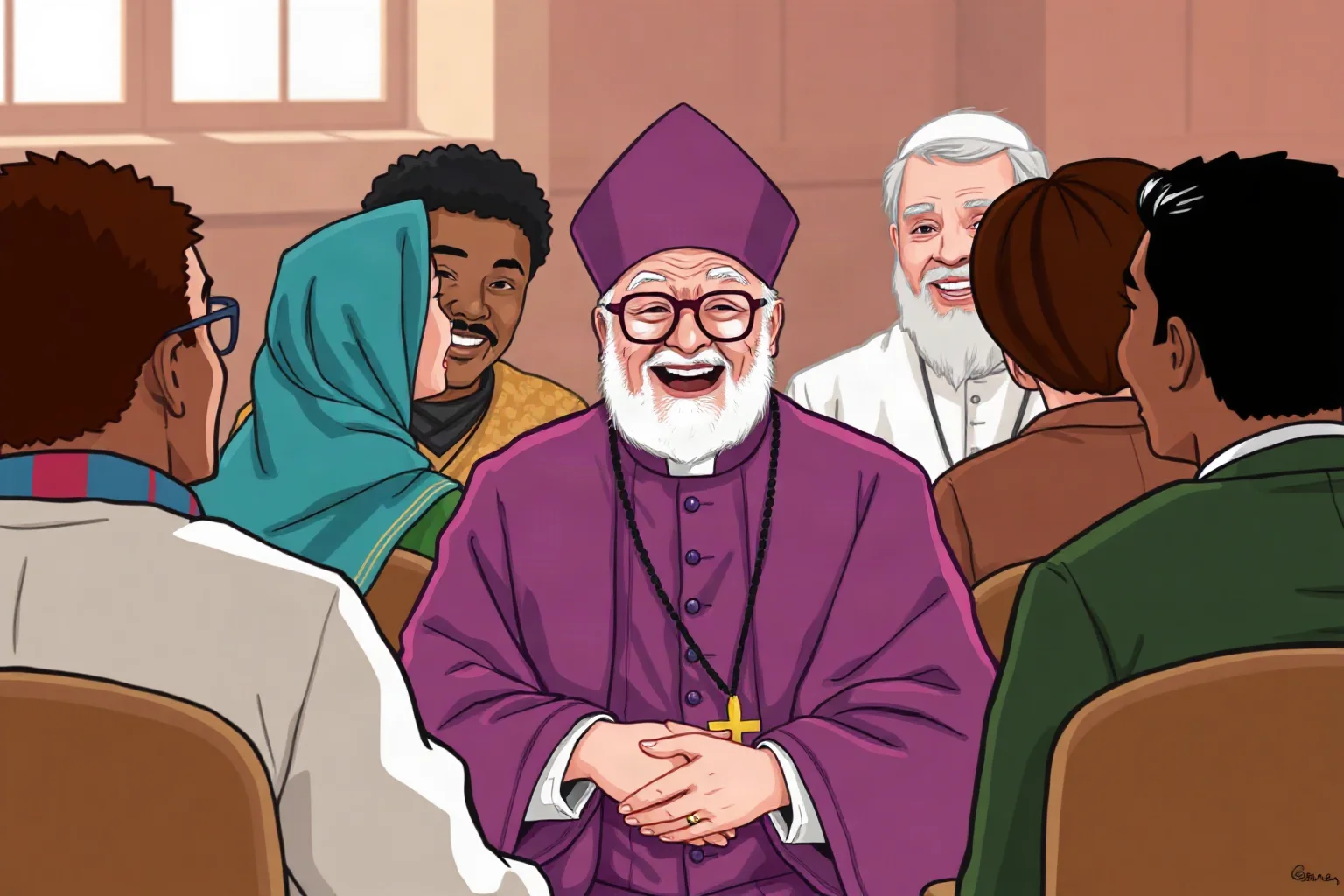
As Anglican Archbishop of Cape Town, Tutu was a leading voice against apartheid in South Africa. He later chaired the Truth and Reconciliation Commission, helping the country process decades of state violence without descending into civil war. He received the Nobel Peace Prize in 1984.
8. Anne Frank

Anne Frank kept a diary while hiding from Nazi persecution in Amsterdam, documenting both the horror of her situation and her enduring hope for humanity. She died in the Bergen-Belsen concentration camp in 1945, just months before liberation. Her diary remains one of the most widely read accounts of the Holocaust and a testament to resilience.
9. Fred Rogers

Fred Rogers hosted “Mister Rogers’ Neighborhood” for over three decades, using gentle, direct conversation to help children process emotions like fear and grief. In 1969 he testified before the U.S. Senate to defend public television funding, turning a skeptical senator into an ally within minutes. Many still call him one of the kindest men in the world for how consistently his public and private behavior matched.
10. Norman Borlaug

Borlaug was an agronomist whose wheat-breeding research sparked the “Green Revolution,” dramatically increasing crop yields across Mexico, India, and Pakistan. His work is credited with helping prevent widespread famine in the 20th century. He received the Nobel Peace Prize in 1970 for this contribution to global food security.
11. Paul Farmer

Dr. Paul Farmer co-founded Partners in Health, an organization delivering medical care to some of the world’s poorest communities, including rural Haiti and Rwanda. He insisted that quality healthcare was a basic human right, not a privilege for the wealthy. He continued this work until his death in 2022.
12. Malala Yousafzai

Malala survived an assassination attempt by the Taliban in 2012 after advocating for girls’ education in Pakistan. She continued campaigning for education rights and became, in 2014, the youngest person ever to win the Nobel Peace Prize. She now runs the Malala Fund, supporting girls’ education globally.
13. Jimmy Carter

After serving as the 39th U.S. President, Carter spent decades building homes with Habitat for Humanity and monitoring elections through the Carter Center. His post-presidency humanitarian work is often cited as more influential than his time in office. He received the Nobel Peace Prize in 2002 for these efforts.
14. Oskar Schindler

A German industrialist, Schindler used his factories to protect more than a thousand Jewish workers from deportation during the Holocaust, often at great personal financial and legal risk. His story became widely known through Thomas Keneally’s book and Steven Spielberg’s film “Schindler’s List.” He’s remembered as proof that individual choices can save lives even under a murderous regime.
15. Irena Sendler

A Polish social worker, Sendler helped smuggle an estimated 2,500 Jewish children out of the Warsaw Ghetto during World War II, often hiding them in coffins, sacks, or ambulances. She kept records of the children’s real identities buried in jars so families could be reunited after the war. She was arrested and tortured by the Gestapo but survived and continued her work.
16. Confucius

The Chinese philosopher Confucius taught “ren,” often translated as benevolence or humaneness, as the central virtue people should cultivate. His recorded teachings, compiled in the Analects, shaped ethics, education, and governance across East Asia for over two thousand years. His emphasis on empathy and moral self-cultivation still influences ideas about good historical figures today.
17. The Buddha (Siddhartha Gautama)
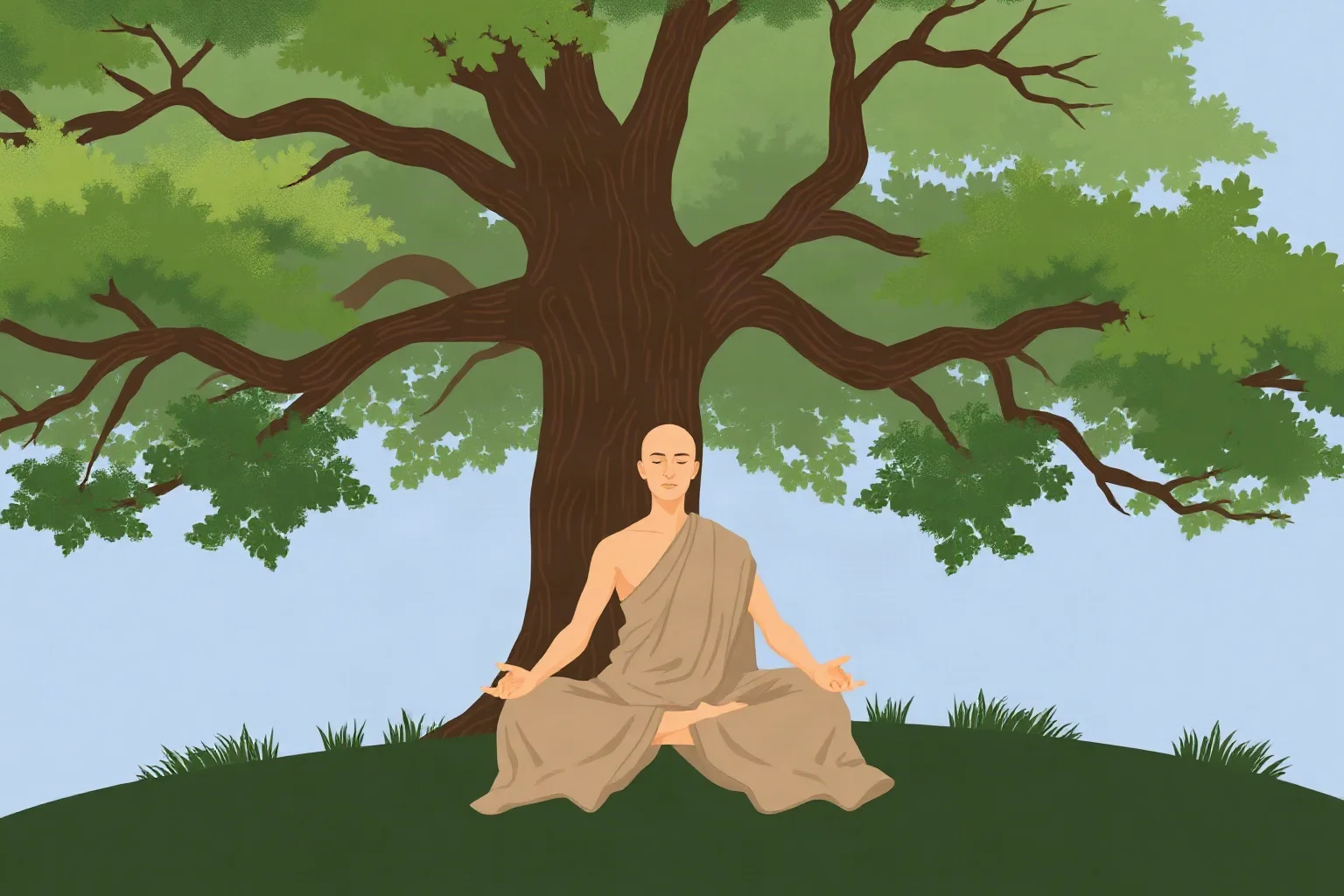
Siddhartha Gautama, later known as the Buddha, taught compassion (karuna) as essential to ending suffering, both one’s own and others’. His teachings became the foundation of Buddhism, practiced by hundreds of millions of people today. The historical details of his life are drawn primarily from religious texts written after his death, so scholars treat some biographical specifics as tradition rather than confirmed fact.
18. Saint Francis of Assisi

Francis renounced wealth to live in voluntary poverty, founding the Franciscan religious order in the early 13th century. He’s remembered for his care for the poor, the sick, and famously for animals, later becoming a patron figure for environmental causes. His example influenced Catholic thought on humility and simplicity for centuries afterward.
19. Dorothy Day
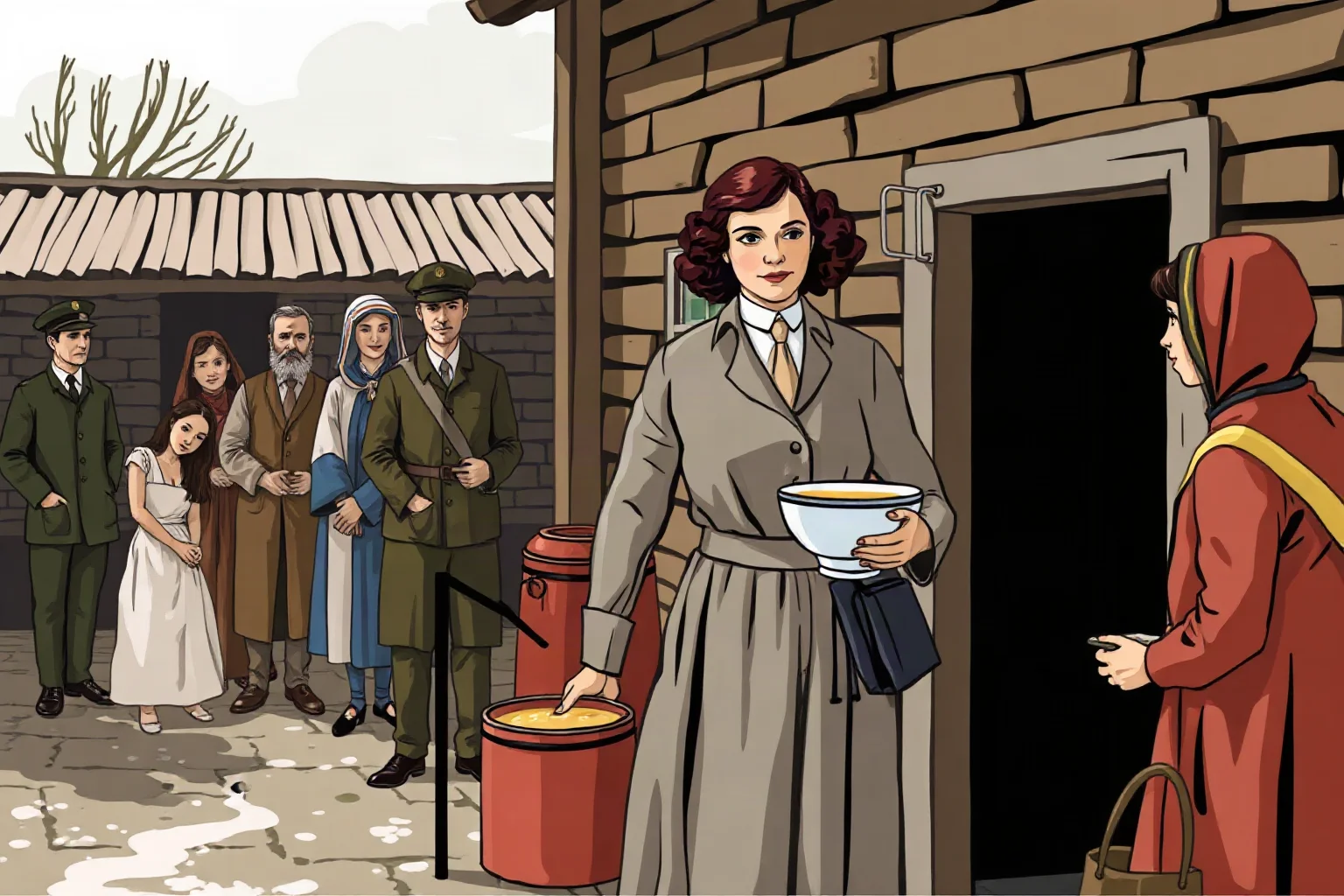
Day co-founded the Catholic Worker Movement in 1933, combining journalism with direct aid for the poor and unemployed during the Great Depression. She ran houses of hospitality that fed and sheltered thousands, while also advocating for pacifism and workers’ rights. The Catholic Church later opened a case for her canonization, reflecting her lasting reputation for compassion.
20. Wangari Maathai
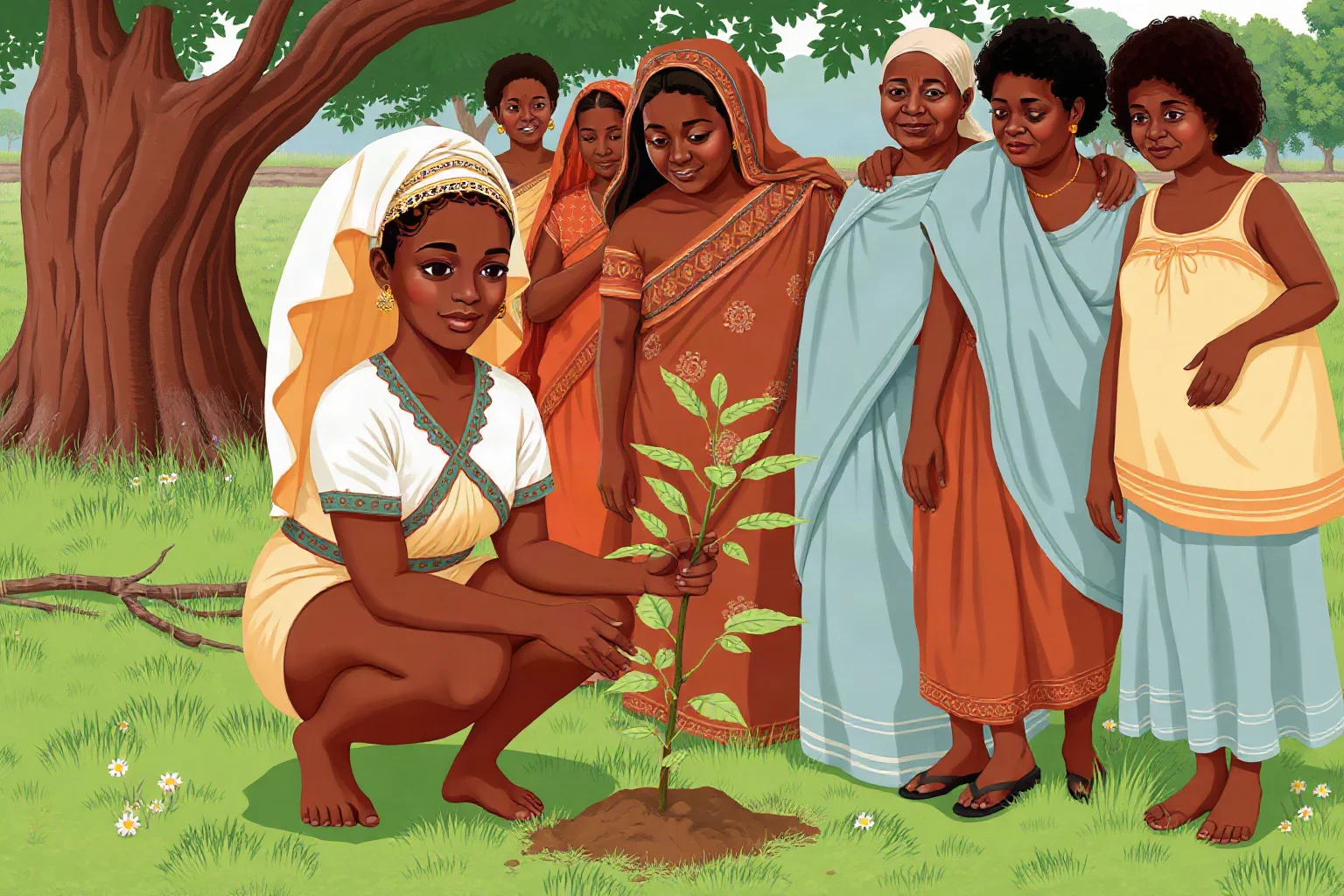
Maathai founded Kenya’s Green Belt Movement in 1977, mobilizing women to plant tens of millions of trees to fight deforestation and poverty simultaneously. In 2004 she became the first African woman to win the Nobel Peace Prize, recognized for linking environmental protection to peace and democracy. Her grassroots approach empowered ordinary citizens rather than relying solely on top-down policy.
21. Henry Dunant
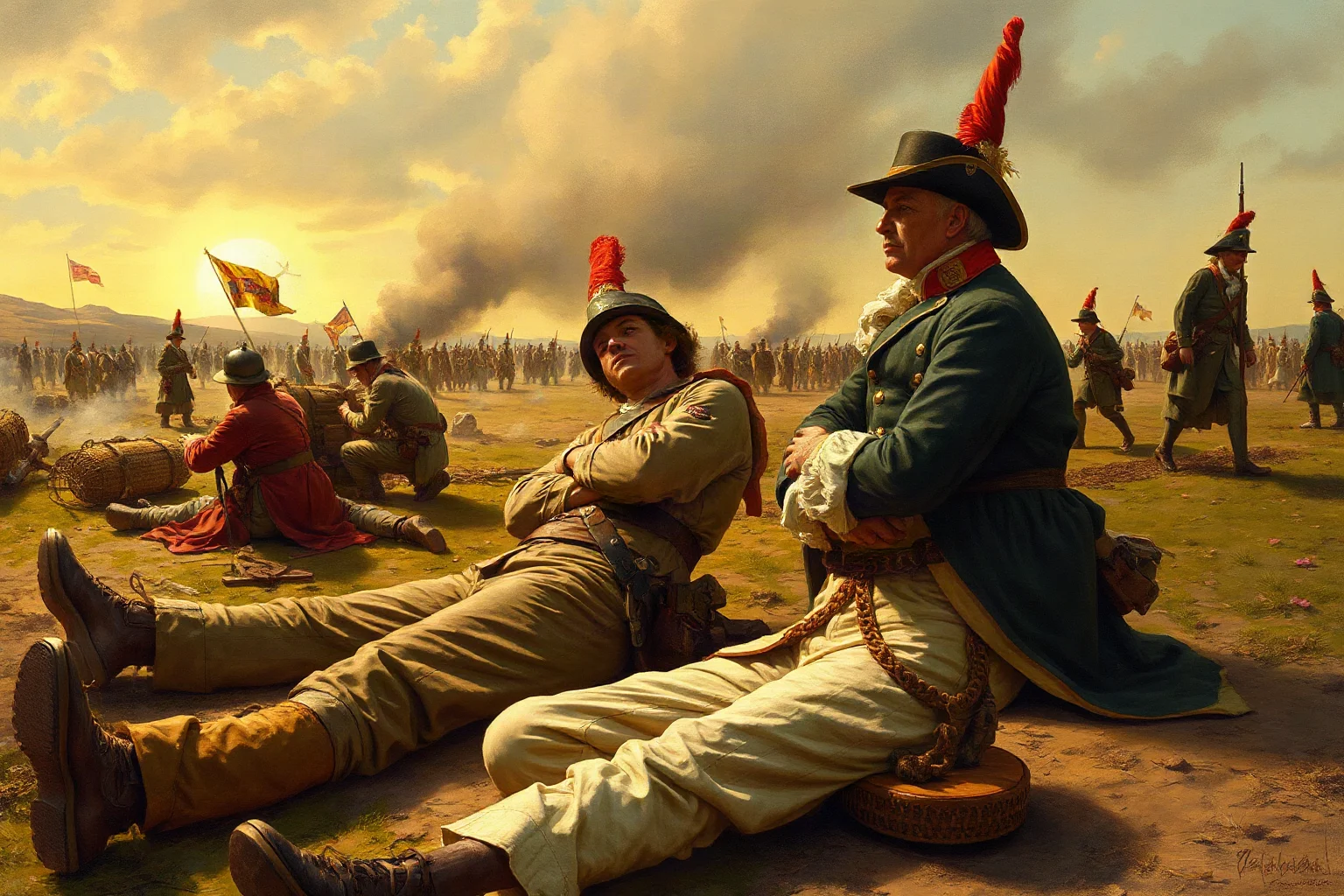
Dunant witnessed the aftermath of the Battle of Solferino in 1859 and was so disturbed by the suffering of wounded soldiers that he pushed for a neutral organization to care for war casualties. His efforts led to the founding of the International Red Cross. He became the first-ever recipient of the Nobel Peace Prize in 1901.
22. Fridtjof Nansen
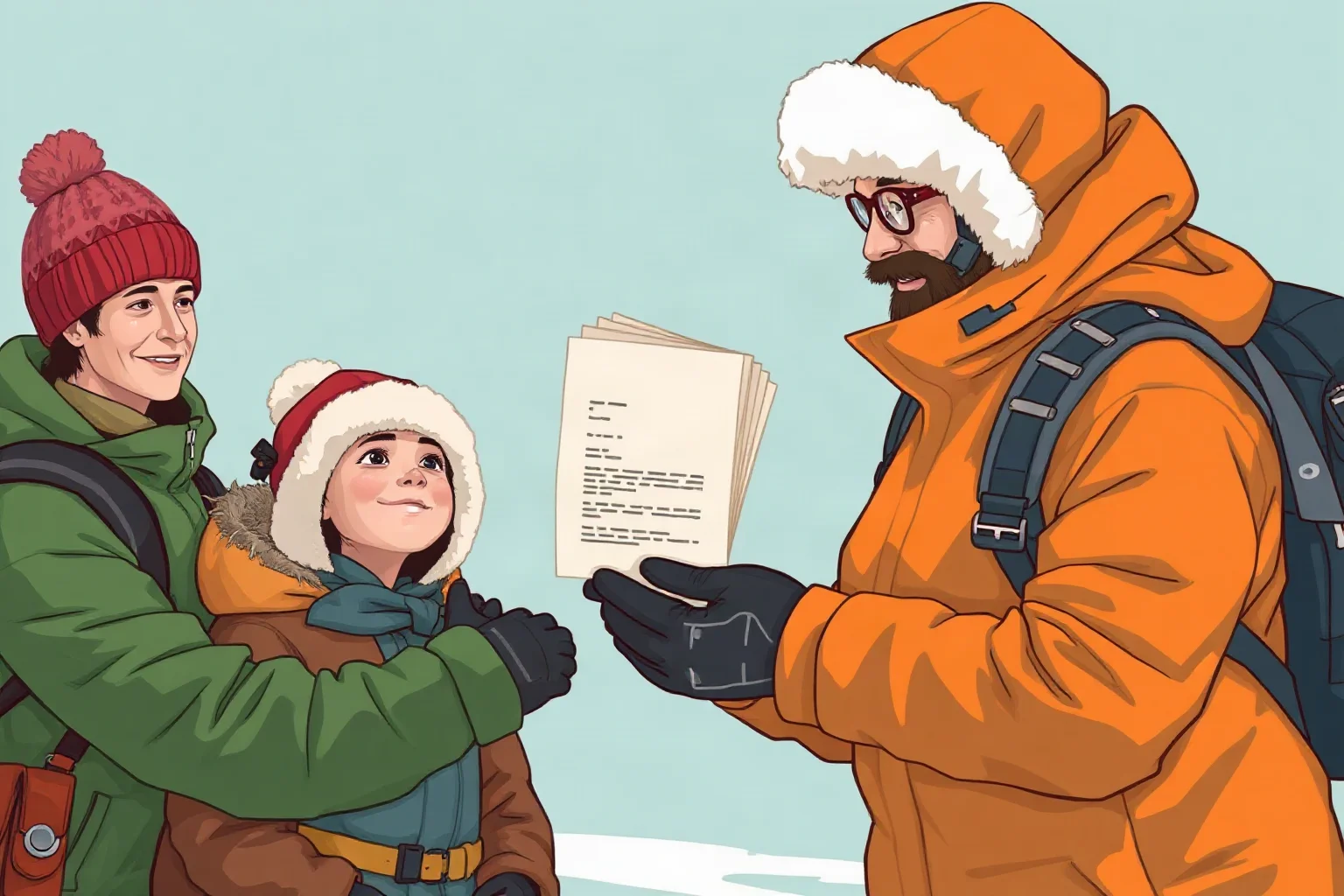
Originally famous as a polar explorer, Nansen later became the League of Nations’ High Commissioner for Refugees after World War I. He created the “Nansen passport,” giving stateless refugees legal identity documents recognized across dozens of countries. He won the Nobel Peace Prize in 1922 for his humanitarian relief work.
23. Eglantyne Jebb
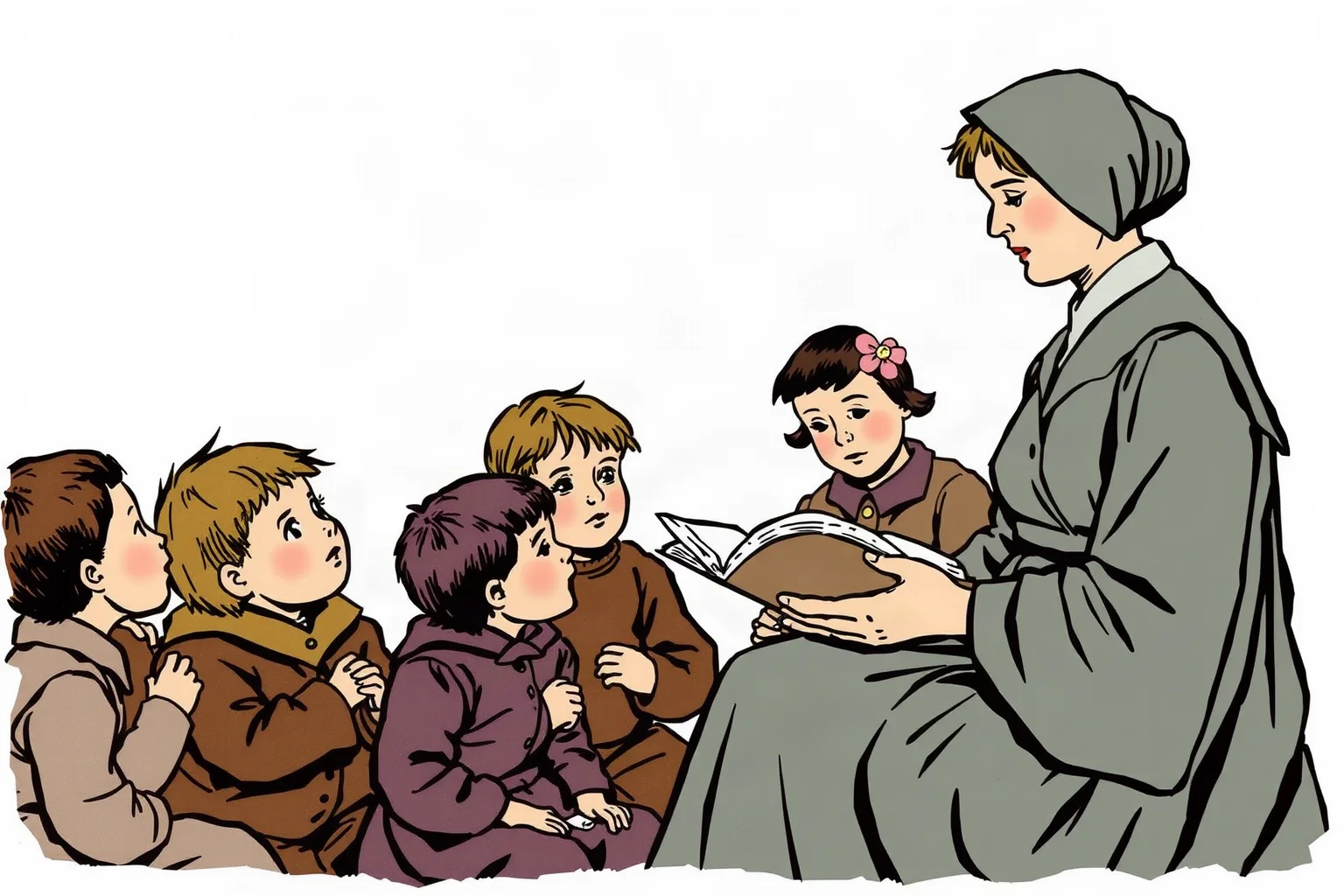
Jebb founded Save the Children in 1919 to help children suffering from famine and war in Europe. She later drafted an early declaration of children’s rights that helped shape the 1924 Geneva Declaration, a forerunner to modern international child protection law. Her work established children’s welfare as a matter of international responsibility rather than pure charity.
24. Rigoberta Menchú
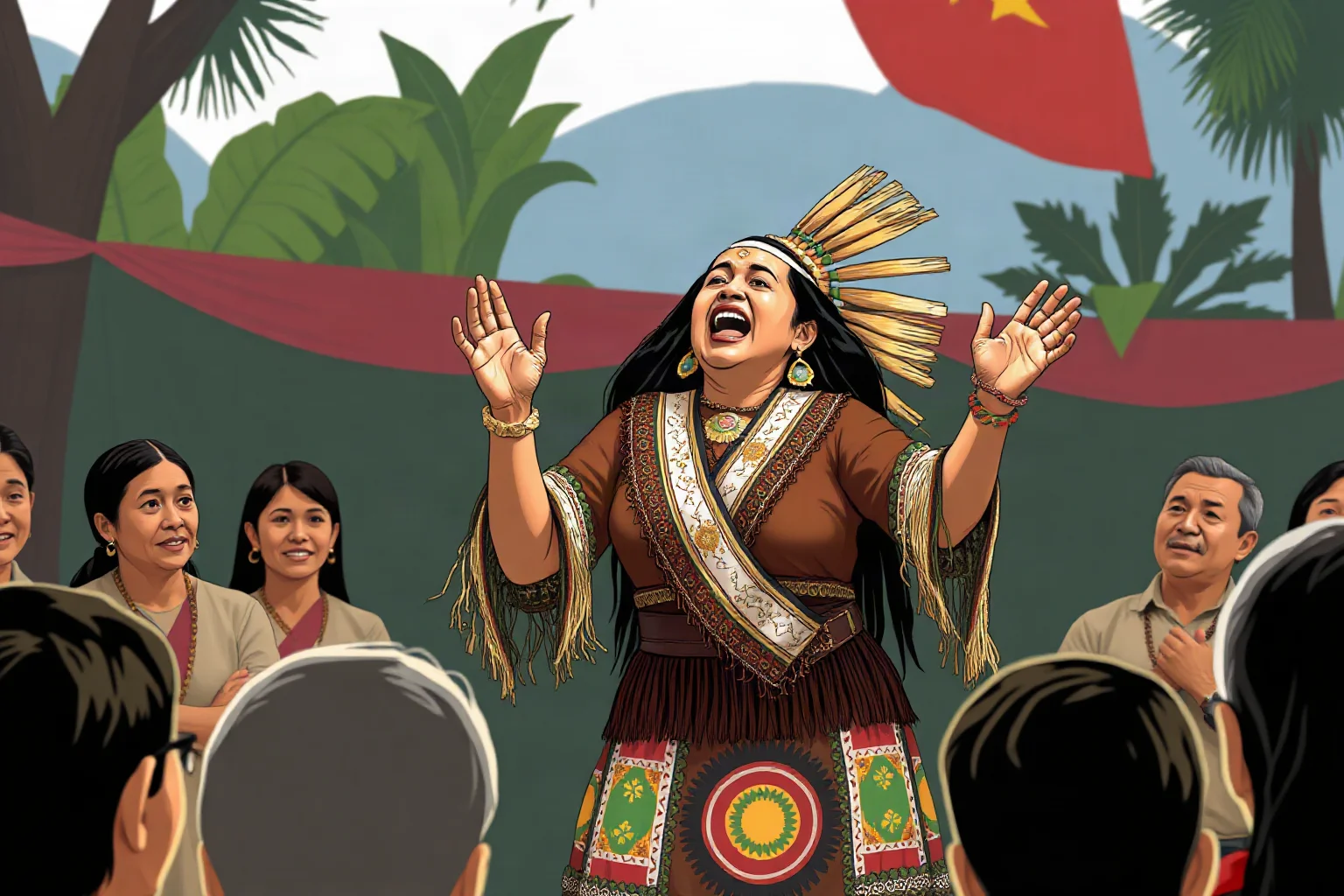
Menchú is a Guatemalan Indigenous rights activist who brought international attention to the persecution of Maya communities during Guatemala’s civil war. She received the Nobel Peace Prize in 1992 for her advocacy on behalf of Indigenous peoples’ rights. Her work highlighted ethnic and social justice issues that had long been overlooked internationally.
25. Harriet Tubman
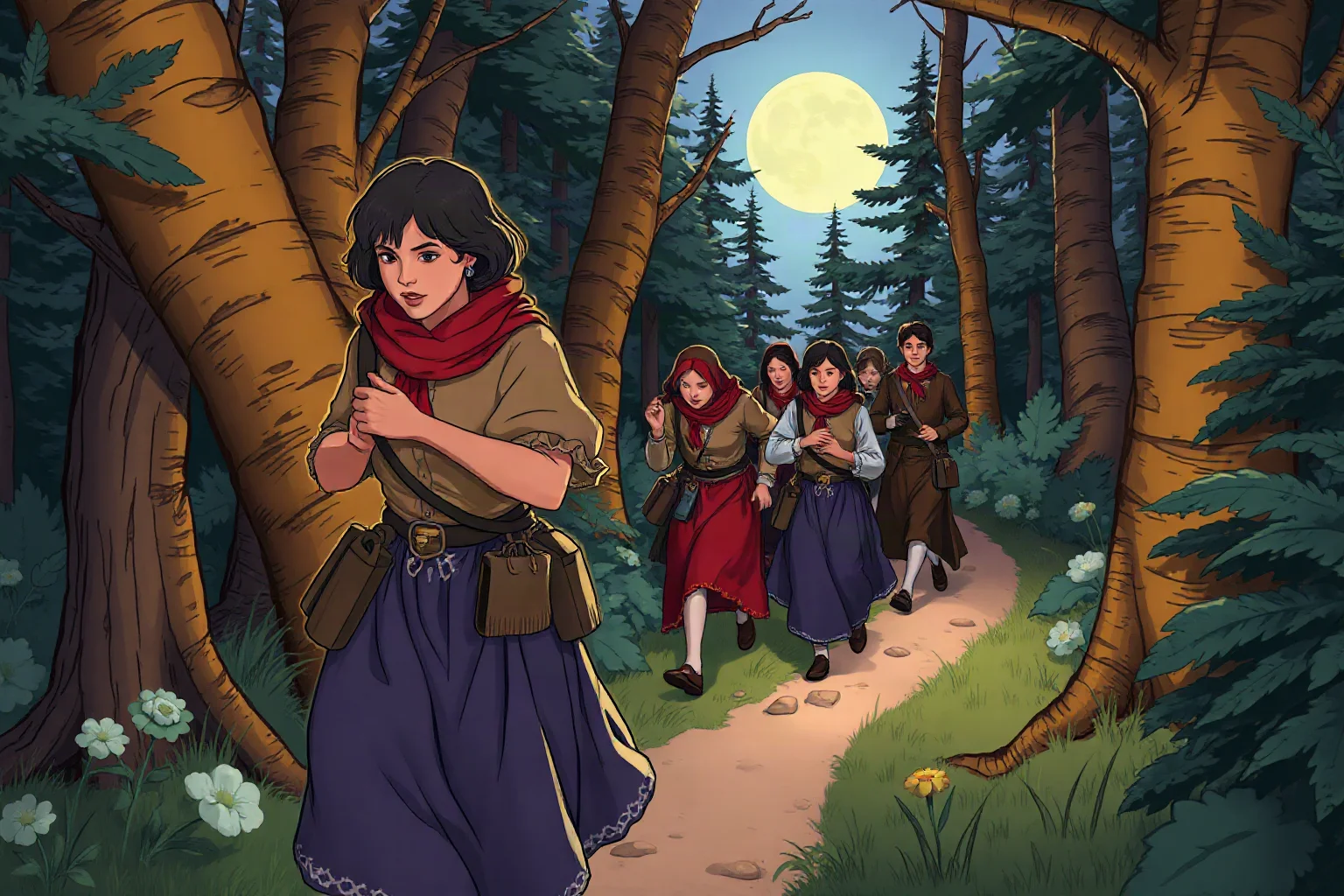
Born into slavery, Tubman escaped and then repeatedly risked her life returning to the South to guide dozens of enslaved people to freedom via the Underground Railroad. During the Civil War she served the Union Army as a scout, spy, and nurse, and helped lead an armed raid that freed more than 700 enslaved people. Her courage under extreme personal risk makes her one of the most striking examples of good people throughout American history.
Modern-Day Candidates: Who’s in the Running Today?
People still ask who counts among the good people of the world right now, and there’s no shortage of candidates. Physicians running free clinics, teachers in under-resourced schools, and disaster-relief volunteers rarely make headlines, yet they fit the definition of compassionate people just as well as anyone on a Nobel Peace Prize list.
Publicly recognized humanitarians today include figures like Denis Mukwege, a Congolese physician awarded the Nobel Peace Prize in 2018 for his work treating survivors of sexual violence. There are also countless local nonprofit founders and community organizers whose names never trend online but whose day-to-day work quietly answers the question of who the kindest people in the world really are.
The honest takeaway is that “most admired person in history” lists — including this one — are necessarily incomplete. History remembers people who left records, founded institutions, or made it into a newspaper. Millions of equally kind people lived and died without documentation, and that doesn’t make their goodness any less real.
Which Places Have a Reputation for the Nicest People?
You’ll often see questions like “which state has the nicest people” or searches for the friendliest people in the world, usually pointing to surveys from outlets like WalletHub or Travel + Leisure. These rankings typically measure things like volunteer rates, charitable giving, and public perception of politeness. Minnesota, for example, frequently shows up near the top of U.S. friendliness surveys, partly due to the informal “Minnesota nice” reputation.
Internationally, discussions about the happiest people in the world usually point to the World Happiness Report, which has ranked countries like Finland, Denmark, and Iceland highly for years. Happiness and kindness aren’t the same thing, though — a country can score well on life satisfaction surveys without any special claim to having the nicest people on earth. These rankings are useful conversation starters, not scientific verdicts.
The Real Measure of Goodness: Small Acts, Not Rankings
If there’s one thing this list makes clear, it’s that the best kinds of people rarely set out to be remembered. Gandhi wasn’t chasing a title, and Irena Sendler wasn’t hiding children in coffins for recognition. They acted because the moment demanded it, and history simply happened to notice.
That’s worth remembering the next time you’re tempted to rank people by fame or achievement alone. Saying nice things about people you actually know — a coworker, a neighbor, a partner — matters just as much as admiring historical icons from a distance. A simple, sincere line like “you are the best that ever happened to me” carries real weight precisely because it’s personal, not because it’s famous.
Goodness, in other words, isn’t a competition with a final scoreboard. It’s a daily practice, visible in both grand historical gestures and quiet, unglamorous kindness. The people on this list simply show us, in very different centuries and circumstances, what that practice can look like when someone commits to it fully.
Frequently Asked Questions
Who is the kindest person in the world?
There's no official title or measurable ranking for this, so no single person can be definitively named. Historically, figures like Mahatma Gandhi, Mother Teresa, and Irena Sendler are frequently cited examples because their compassion is backed by well-documented actions rather than just reputation.
What does ‘kindest person’ actually mean?
The kindest person meaning generally refers to someone who consistently prioritizes others' wellbeing through real actions, not just polite words. It's less about a single dramatic gesture and more about a repeated pattern of empathy, generosity, and self-sacrifice over time.
Is ‘you are the best that ever happened to me’ a historical quote?
No, it's a modern, widely-used expression of affection rather than a documented historical quote attributed to any specific person. It's popular in messages and cards because it communicates deep personal gratitude, similar in spirit to how historical figures on this list are remembered for the positive impact they had on others.
Is there an official ranking of the best people in history?
No official or scientific ranking exists, since 'goodness' isn't a measurable statistic like height or wealth. Lists like this one are based on verifiable actions — lives saved, movements led, institutions founded — rather than a formal scoring system.
Which state has the nicest people in the U.S.?
Surveys from sources like WalletHub often rank states such as Minnesota, Nebraska, and Iowa highly for friendliness and volunteerism. These are perception-based studies, though, not objective scientific measurements of kindness.
What are the happiest countries in the world?
The World Happiness Report has consistently ranked countries like Finland, Denmark, and Iceland among the happiest based on factors like social support and life satisfaction. Happiness rankings measure wellbeing, though, which isn't the same as measuring kindness or niceness.
What is a ‘compassionist’?
It isn't a standard dictionary word, but it's increasingly used informally online to describe someone deeply devoted to compassion and relieving others' suffering. It functions as a casual synonym for a compassionate or humanitarian-minded person.
Who is considered the cleanest person in the world?
This isn't a recognized historical or scientific superlative — there's no verified record or ranking for 'cleanest person.' The phrase is often searched out of curiosity or humor rather than pointing to any documented historical figure or fact.

Alex Warren
Related Articles