
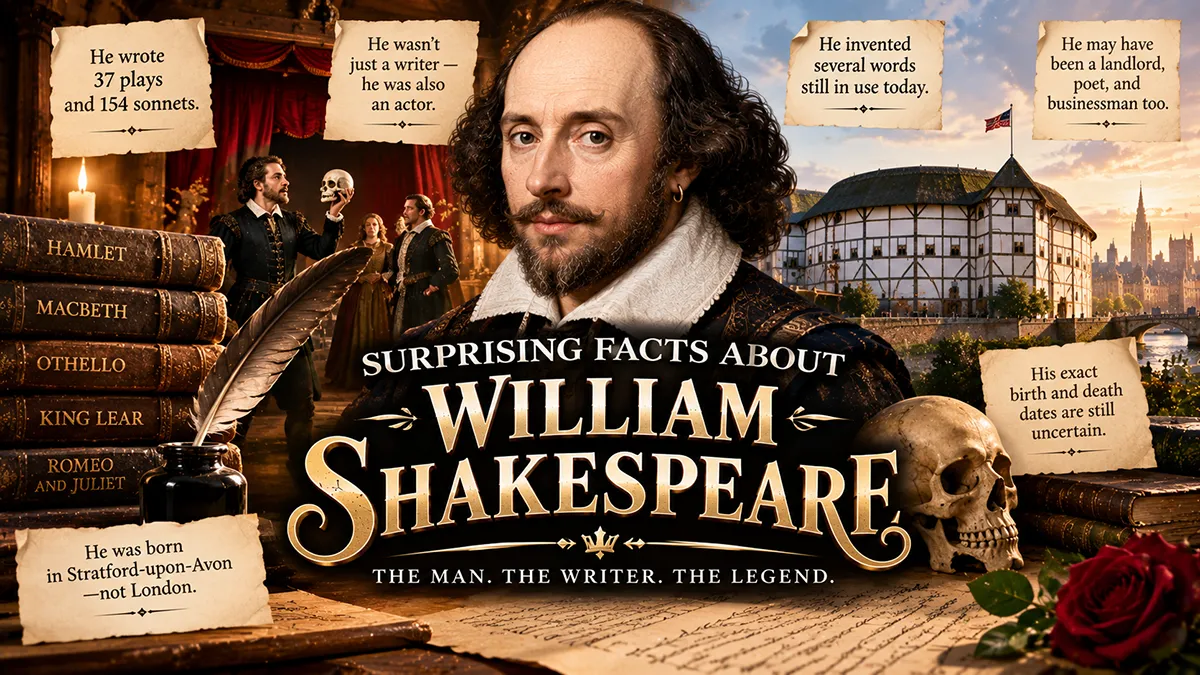
William Shakespeare is probably the most famous writer in the English language, yet his real life is far stranger, blurrier, and more surprising than the tidy version taught in school.
Historians have spent centuries piecing together his story from parish registers, court records, and a handful of legal documents, and huge gaps remain. That mix of certainty and mystery is exactly what makes the facts about Shakespeare’s life so fascinating.
Whether you’re after a quick list of 5 facts about Shakespeare for a school project or you want the full deep dive with 20 or more entries, this guide separates the well-documented history from the popular myths. We’ll flag anything speculative along the way, because good history means being honest about what we don’t know.
TL;DR: William Shakespeare’s documented life is full of genuine oddities — spelling chaos, a family tragedy, a theater fire, and a possible curse on his own grave — that are stranger than most of the legends built up around him.
The Shakespeare Fact File: The Basics
Before the surprising stuff, here’s the essential fact file on Shakespeare. He was baptized in April 1564 in Stratford-upon-Avon, England, and died on April 23, 1616, in the same town.
He worked as a playwright, poet, and actor, and he is credited with 38 to 39 plays and 154 sonnets, depending on how scholars count collaborative and disputed works.
He was a member of the acting company known first as the Lord Chamberlain’s Men and later, under royal patronage, the King’s Men. These are the important facts about Shakespeare that most biographies agree on. Everything else, as you’re about to see, gets a lot more complicated.
1. Nobody Knows His Exact Birthday
Shakespeare’s birth was never officially recorded. Parish records only show that he was baptized on April 26, 1564, in Stratford-upon-Avon.
Because infants were typically baptized within a few days of birth, historians have traditionally settled on April 23 as his likely birthday. It’s a tidy guess, but it is genuinely a guess, not a documented fact.
2. His Name Was Spelled at Least 80 Different Ways
Standardized spelling didn’t really exist in Elizabethan England, and Shakespeare’s own name suffered for it. Records from his lifetime spell it as Shakspere, Shaksper, Shakespear, Shakspeare, and dozens of other variations.
Even Shakespeare himself doesn’t seem to have spelled it the same way twice across his surviving signatures. This is one of those odd facts about William Shakespeare that surprises people who assume his name was always fixed.
3. There’s a Seven-Year Gap Historians Call the “Lost Years”
Between 1585, when records show the baptism of his twins, and 1592, when he shows up as an established London playwright, there is almost no documentation of Shakespeare at all. This stretch is famously nicknamed the “lost years.”
Theories about what he was doing range from working as a schoolteacher to poaching deer to touring with an acting troupe. None of these theories can be confirmed, which is a big part of why don’t we know much about Shakespeare’s life during this period.
4. He Married Anne Hathaway While She Was Already Pregnant
Shakespeare married Anne Hathaway in late 1582, when he was 18 and she was 26. Their first daughter, Susanna, was baptized just six months later, in May 1583.
A rushed wedding license and an unusual bond suggest the marriage may have been arranged quickly. It’s a detail that rarely makes it into the romanticized version of his biography.
5. He Had Twins Named Hamnet and Judith
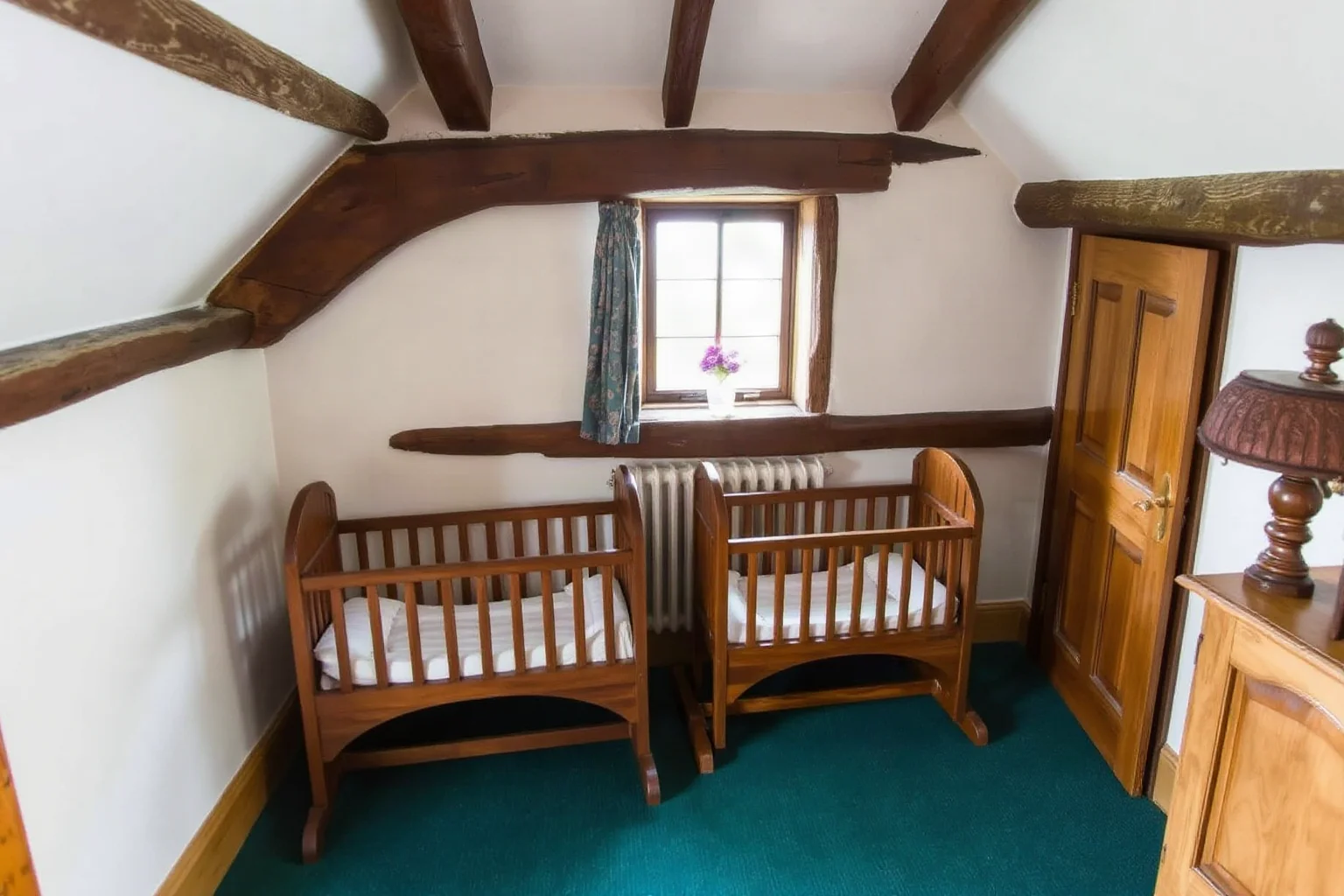
In 1585, Anne gave birth to twins, a boy named Hamnet and a girl named Judith. Twin births were riskier in the 16th century, and the couple likely named them after close friends, Hamnet and Judith Sadler.
Judith lived a long life, but Hamnet’s story took a tragic turn just over a decade later.
6. His Son Hamnet Died at Age 11
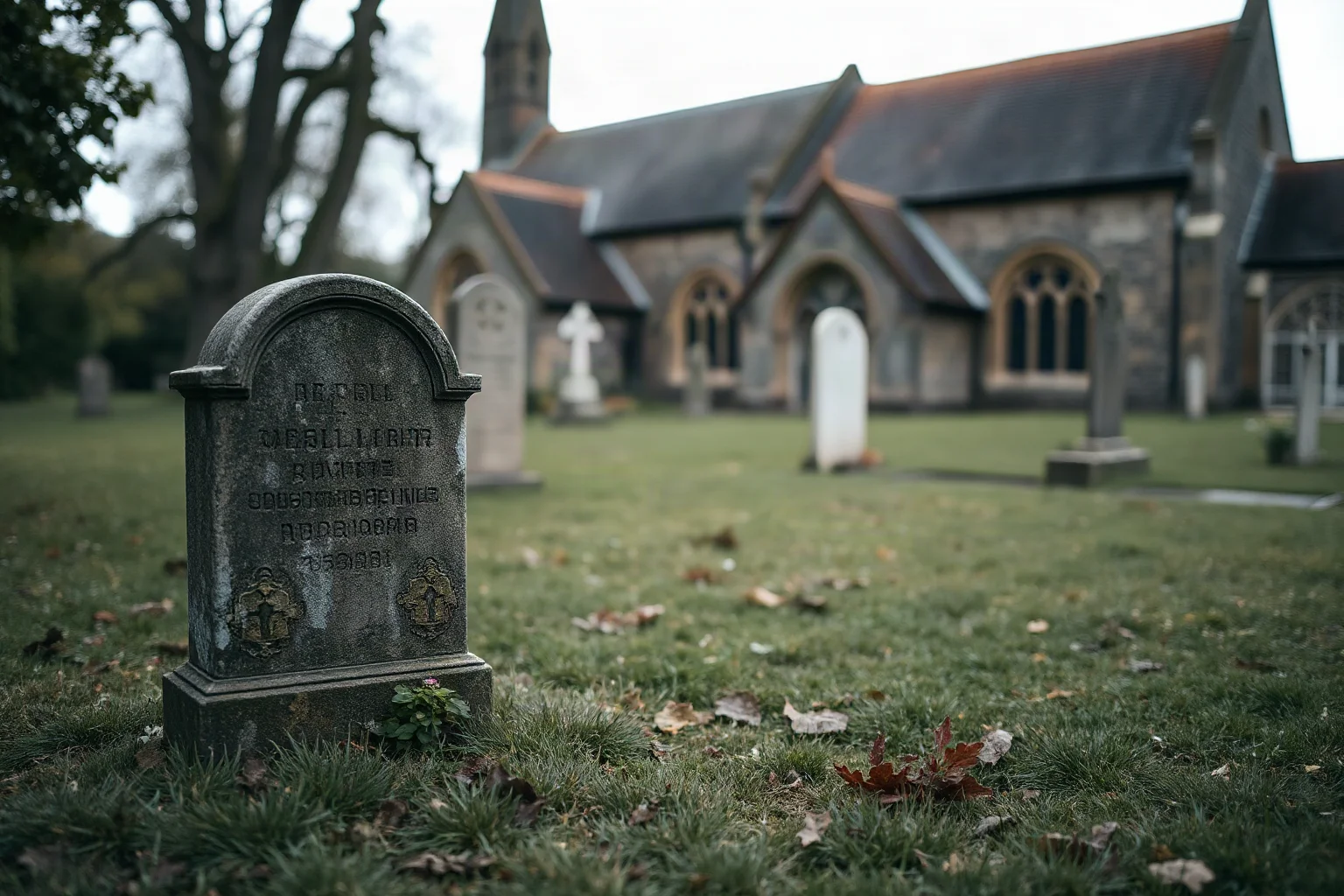
Hamnet Shakespeare died in 1596 and was buried in Stratford-upon-Avon. Some scholars have speculated about a connection between Hamnet’s death and the similarly named play “Hamlet,” written a few years later.
This link is intriguing but unproven, since “Hamlet” and “Hamnet” were common, interchangeable names in that era. It’s worth remembering as a poignant coincidence rather than a confirmed inspiration.
7. Shakespeare Was Also a Working Actor
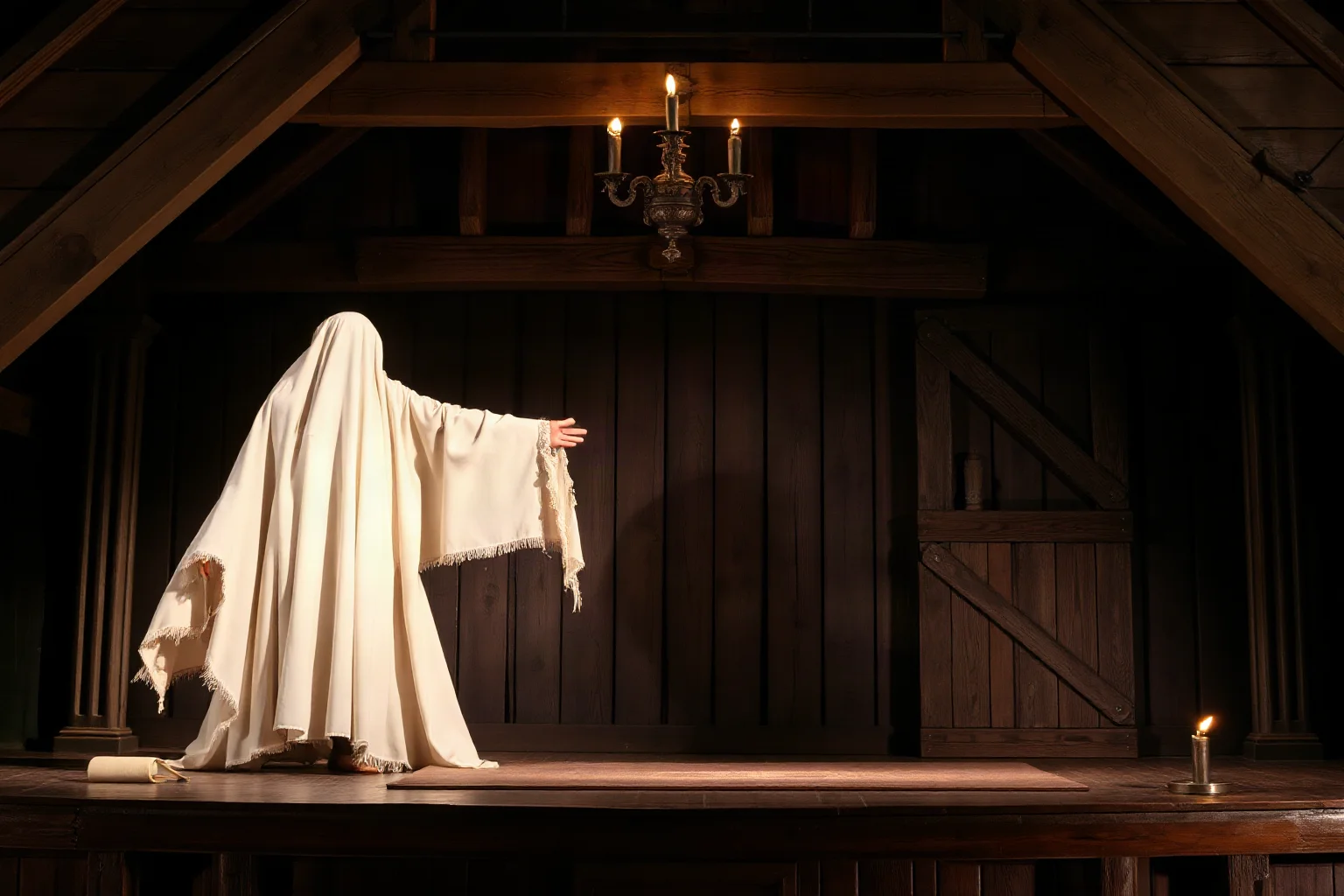
Shakespeare wasn’t only a playwright behind the scenes. Historical records list him as a performer with the Lord Chamberlain’s Men, and he’s believed to have played smaller roles like the Ghost in “Hamlet.”
He was listed among the “principal actors” in the First Folio’s cast credits for several plays. Writing and performing were simply part of the same job for an Elizabethan theater professional.
8. He Helped Popularize Hundreds of Words and Phrases
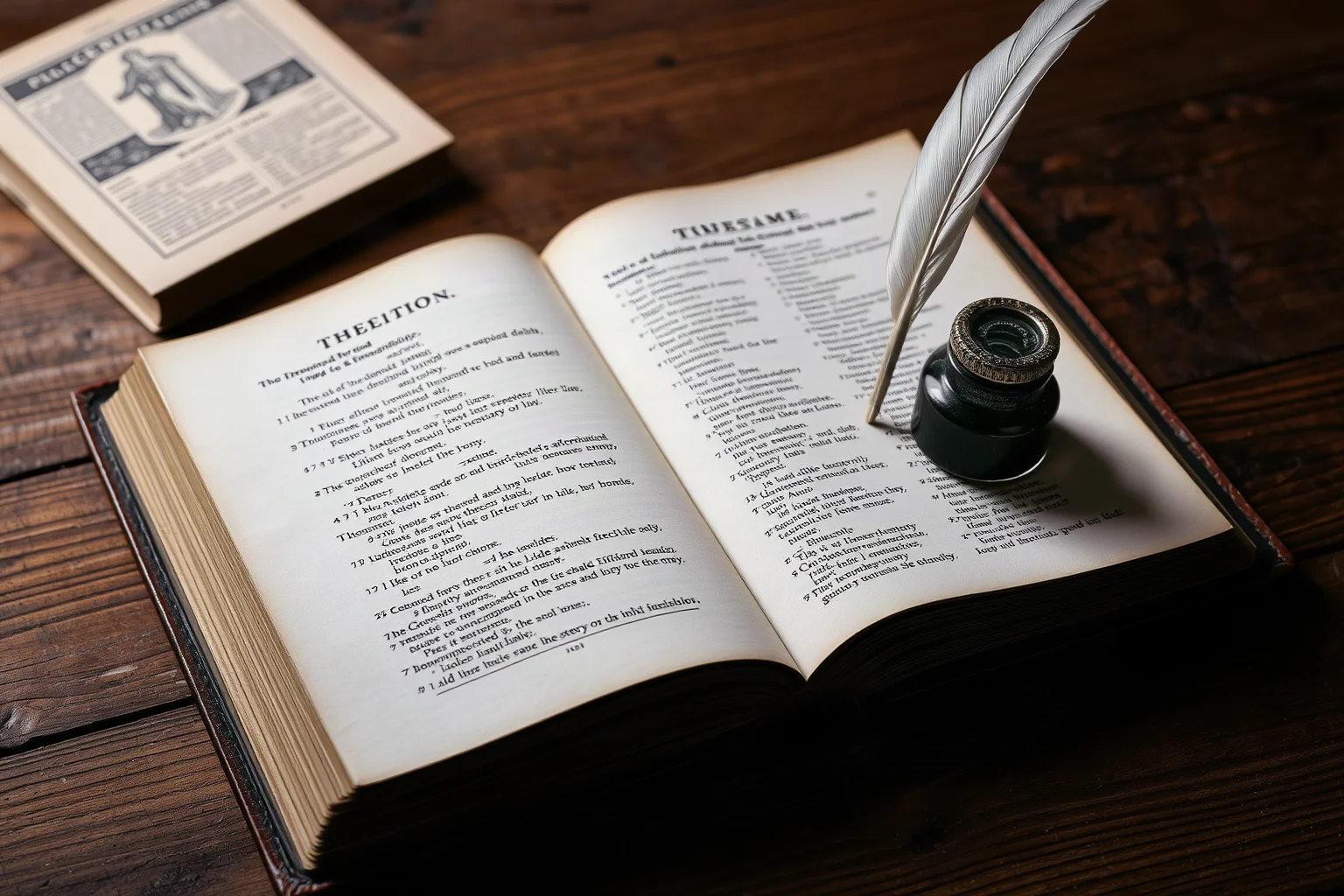
Shakespeare is often credited with coining hundreds of words, though modern linguists caution that many were already in casual use and he was simply the first to write them down. Words like “bedazzled,” “lonely,” and “eventful” are commonly linked to him.
Phrases like “break the ice,” “wild goose chase,” and “heart of gold” also trace back to his plays. This linguistic influence is one of the most genuinely important facts about Shakespeare’s lasting legacy.
9. He Owned a Financial Stake in the Globe Theatre
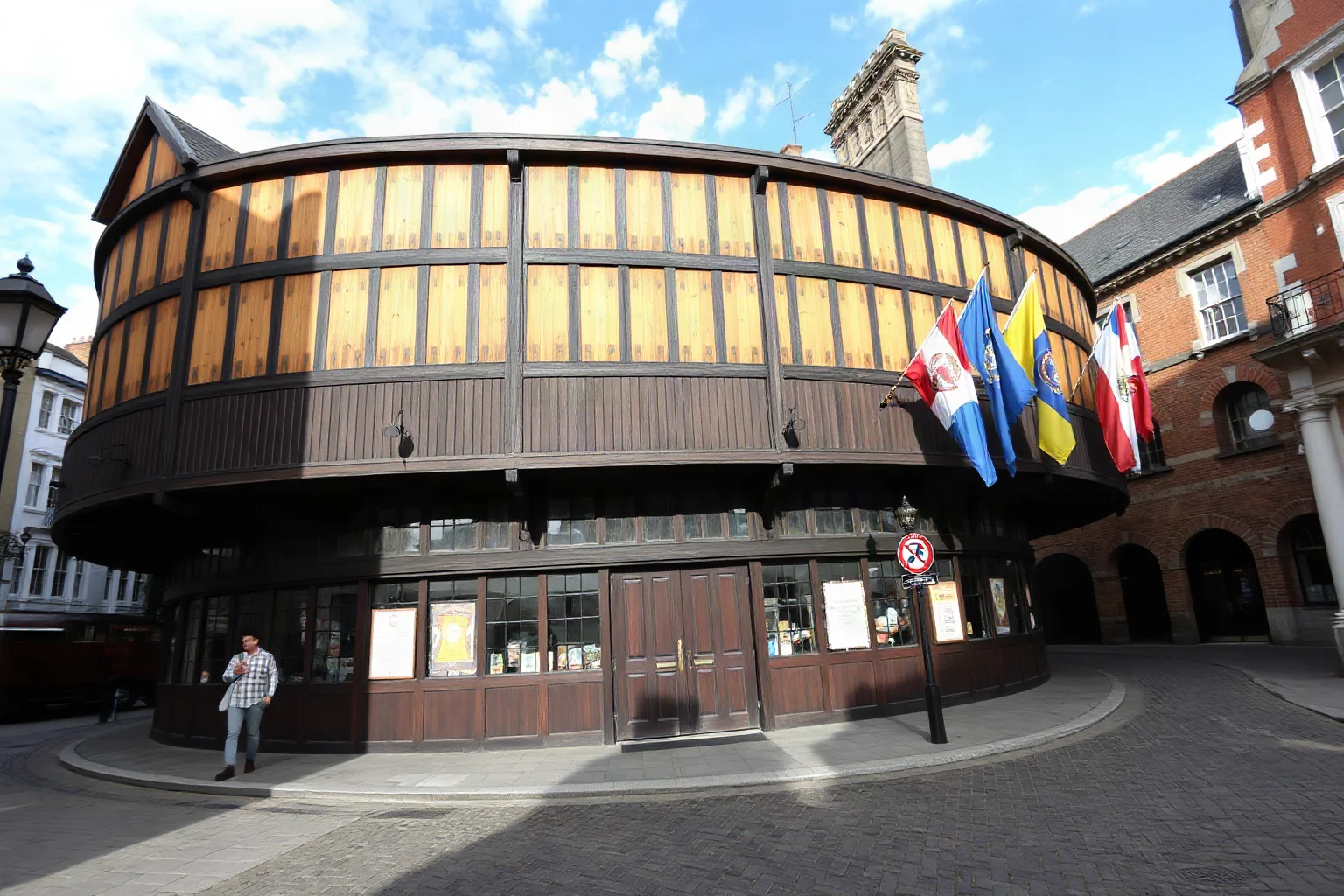
Shakespeare wasn’t just a writer for hire. He held shares in the Globe Theatre as one of its “sharers,” meaning he earned a cut of the profits alongside his fellow actors and investors.
This business arrangement made him considerably wealthier than most playwrights of his time. It’s a big reason he was able to retire comfortably later in life.
10. The Globe Theatre Burned Down During One of His Plays
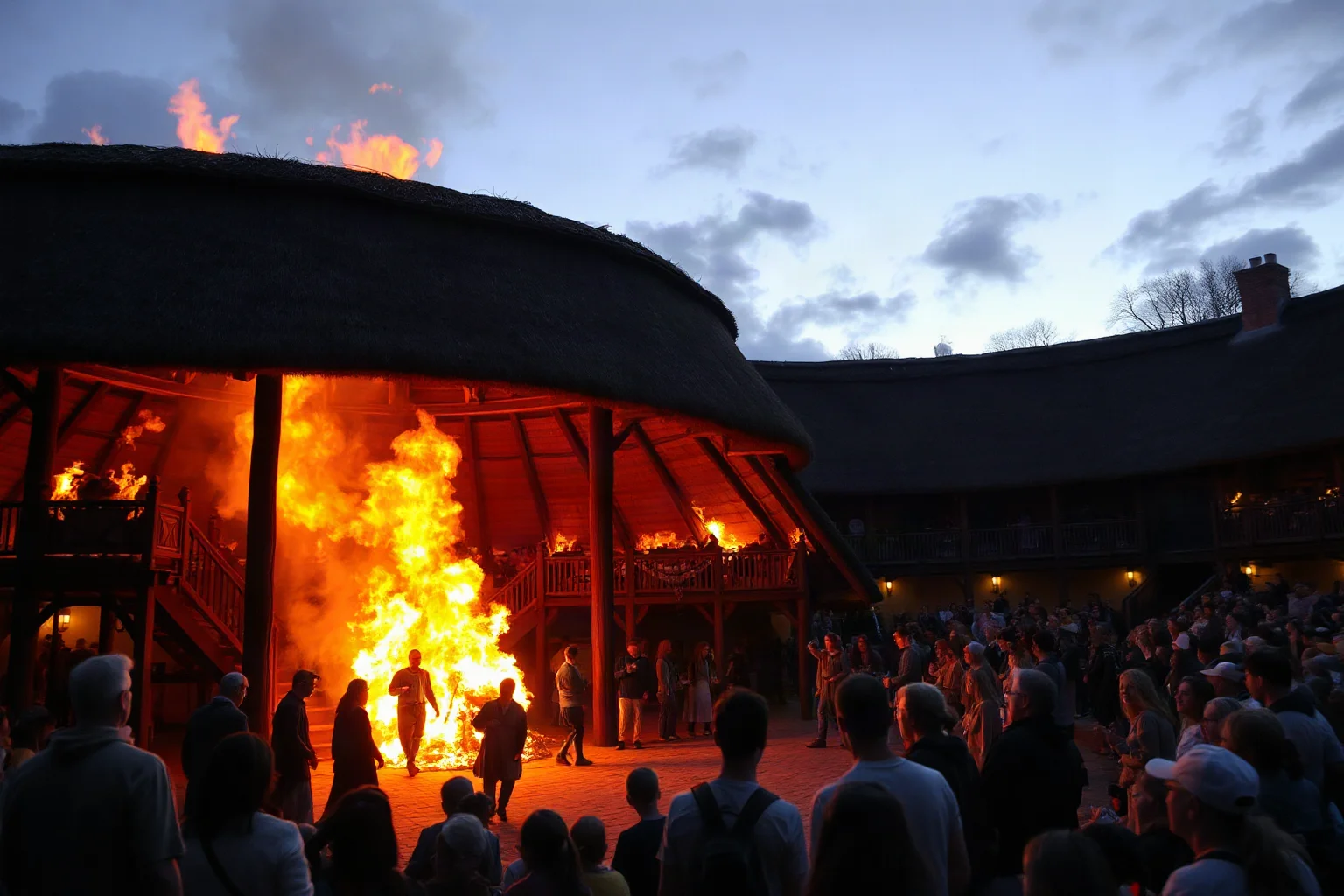
In June 1613, the Globe Theatre caught fire during a performance of “Henry VIII” (also known as “All Is True”). A cannon fired for a dramatic effect ignited the thatched roof, and the entire building burned to the ground within an hour.
Remarkably, no one is recorded to have died, though one account mentions a man whose burning breeches were doused with a bottle of ale. The theater was rebuilt the following year with a tiled roof instead of thatch.
11. Women Were Legally Banned From the Stage
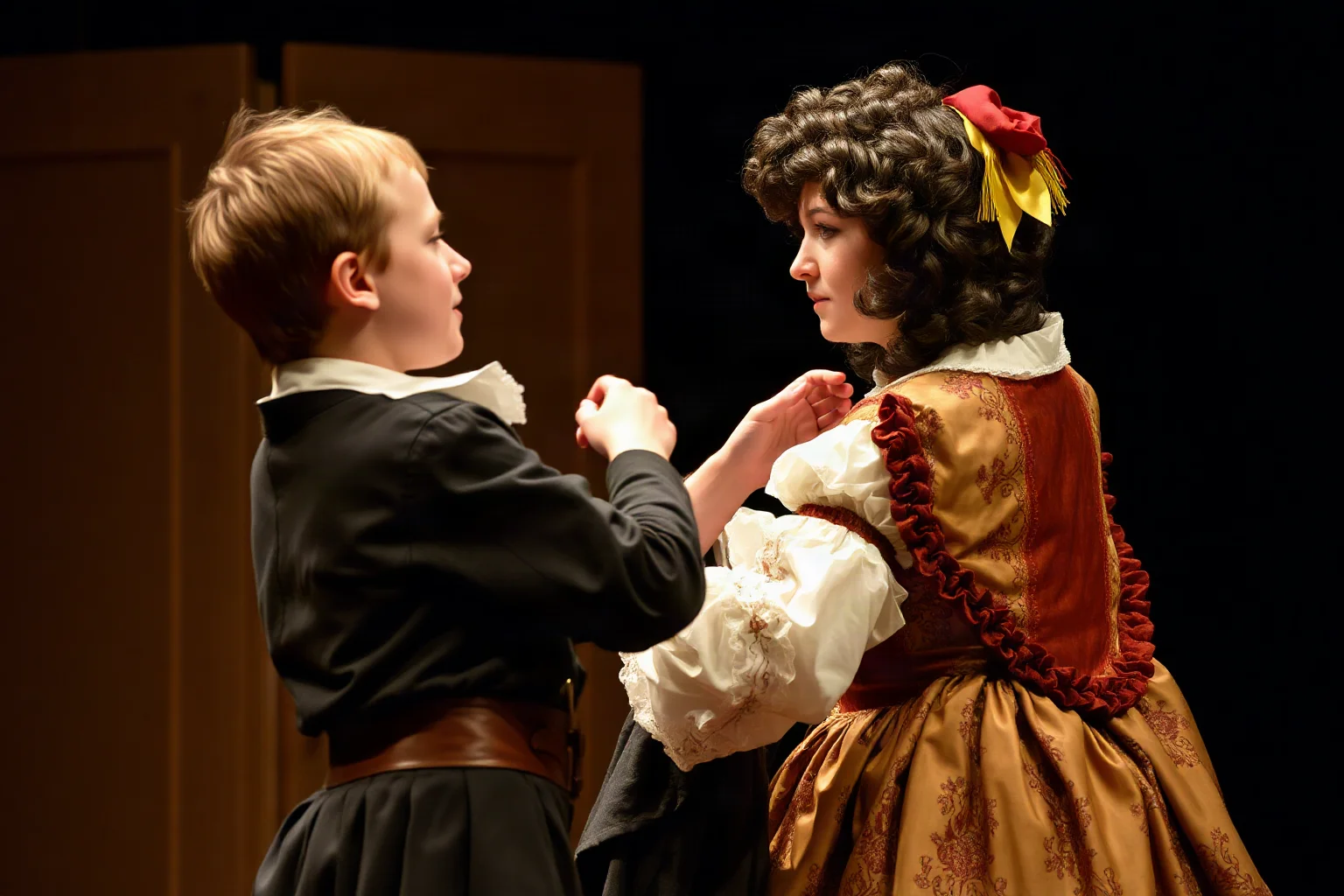
In Shakespeare’s England, women were not permitted to perform on public stages. All of his female characters, from Lady Macbeth to Juliet, were originally played by young boys or men.
This wasn’t unique to Shakespeare; it was standard practice across English theater until the Restoration period decades later. It’s an odd fact about Shakespeare’s plays that changes how we should picture the original performances.
12. Half His Plays Might Have Been Lost Forever Without the First Folio
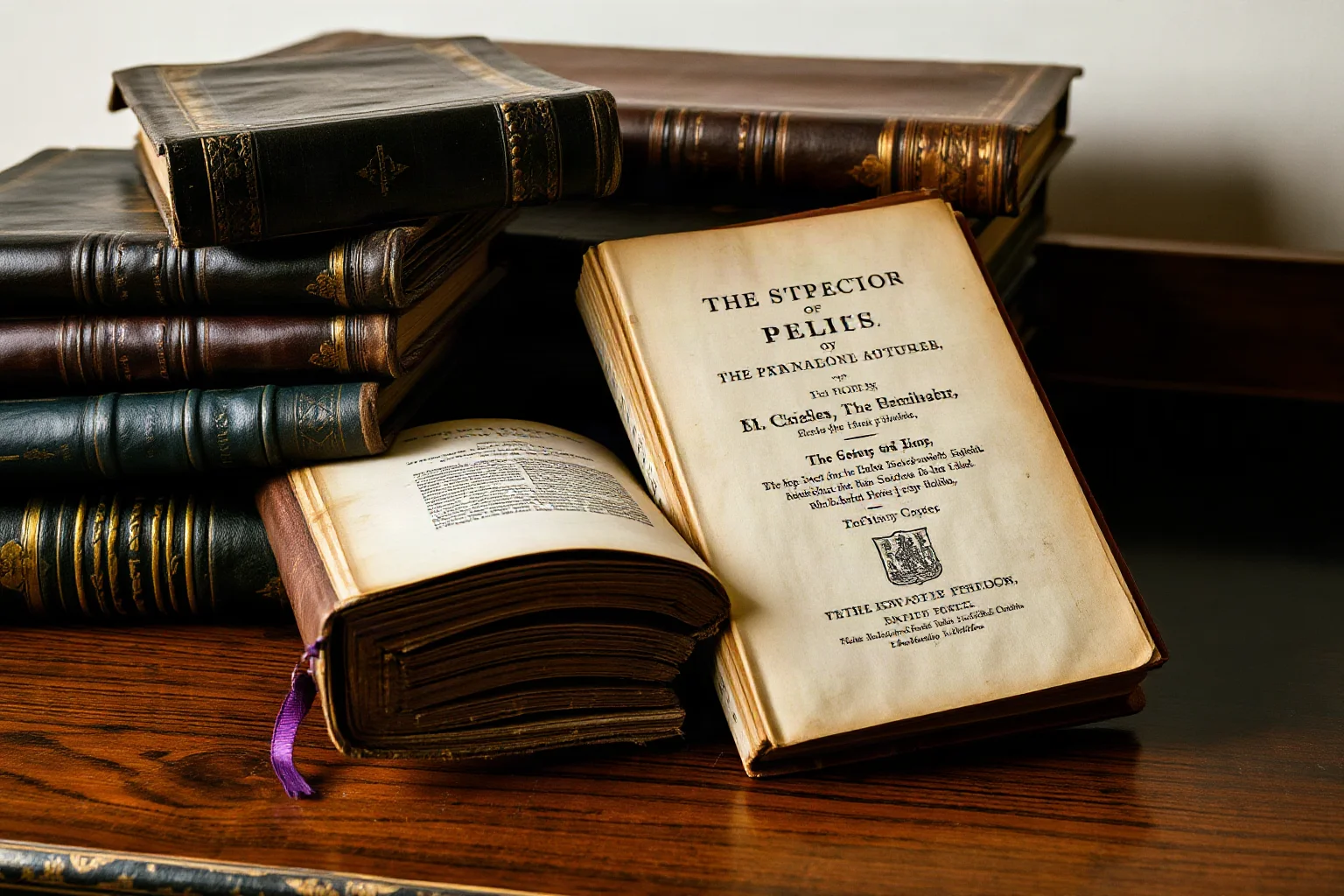
Shakespeare never personally oversaw a complete, authoritative collection of his own plays. After his death, two of his fellow actors, John Heminges and Henry Condell, compiled his works into the First Folio in 1623.
Without that effort, about half of his plays, including “Macbeth,” “The Tempest,” and “Twelfth Night,” might never have survived at all. Only earlier, less reliable printed versions existed for some plays before then.
13. His Grave Bears an Actual Curse
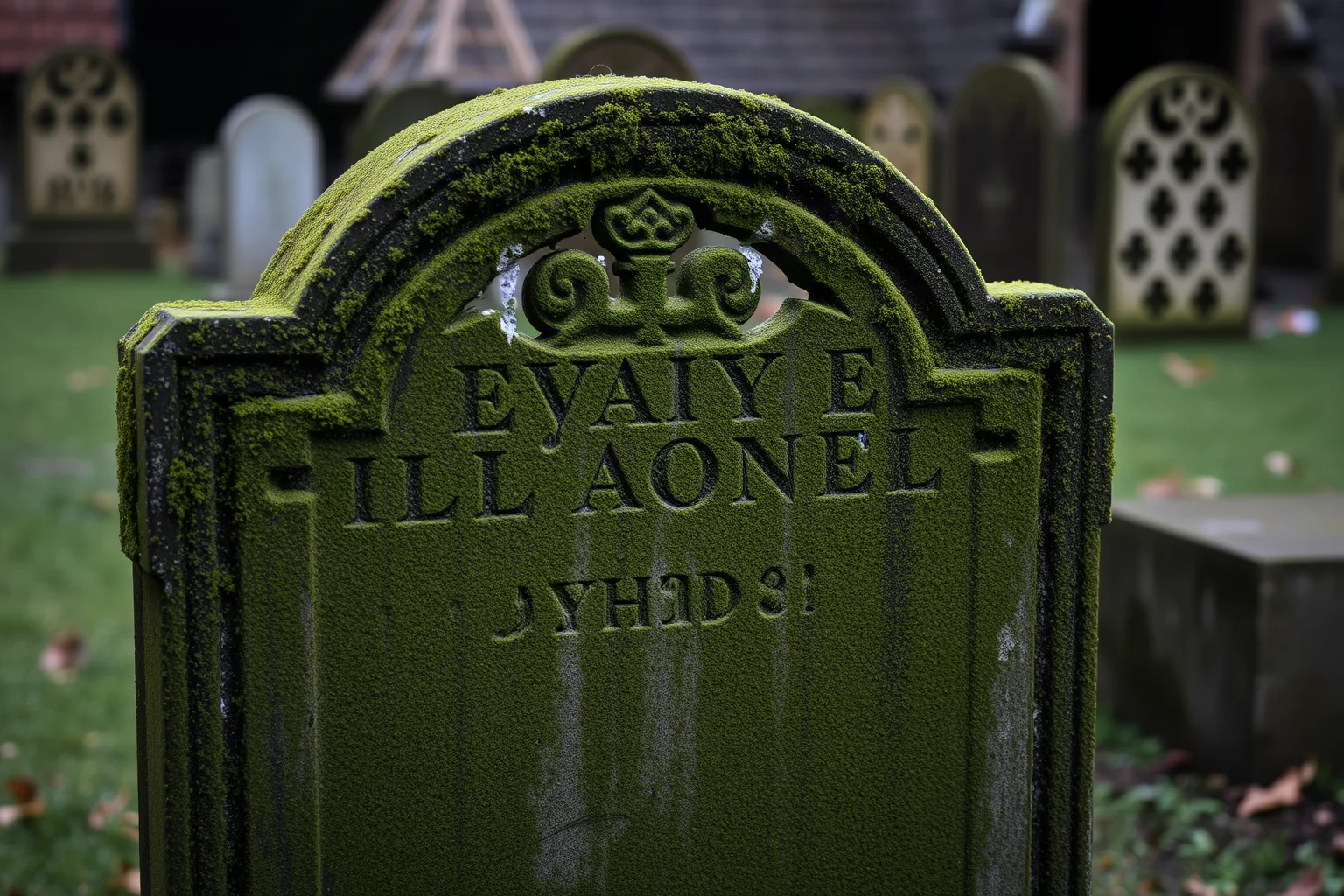
Shakespeare’s epitaph, inscribed on his gravestone in Holy Trinity Church, includes a warning against disturbing his remains. It reads, in part, that the person who moves his bones will be cursed.
Whether this was a genuine superstition, a common practice of the time, or just a serious request for privacy remains debated. Either way, his grave has reportedly never been opened for study, in part because of that warning.
14. His Will Famously Left His Wife the “Second Best Bed”
Shakespeare’s surviving will, written shortly before his death, includes a specific bequest of his “second best bed” to his wife, Anne. For centuries this was read as a slight or an insult toward her.
Many historians now argue the second-best bed was likely the couple’s actual marital bed, since the “best” bed was often reserved for guests. It’s a good reminder that Elizabethan customs don’t always translate neatly into modern assumptions.
15. Only a Handful of His Signatures Survive
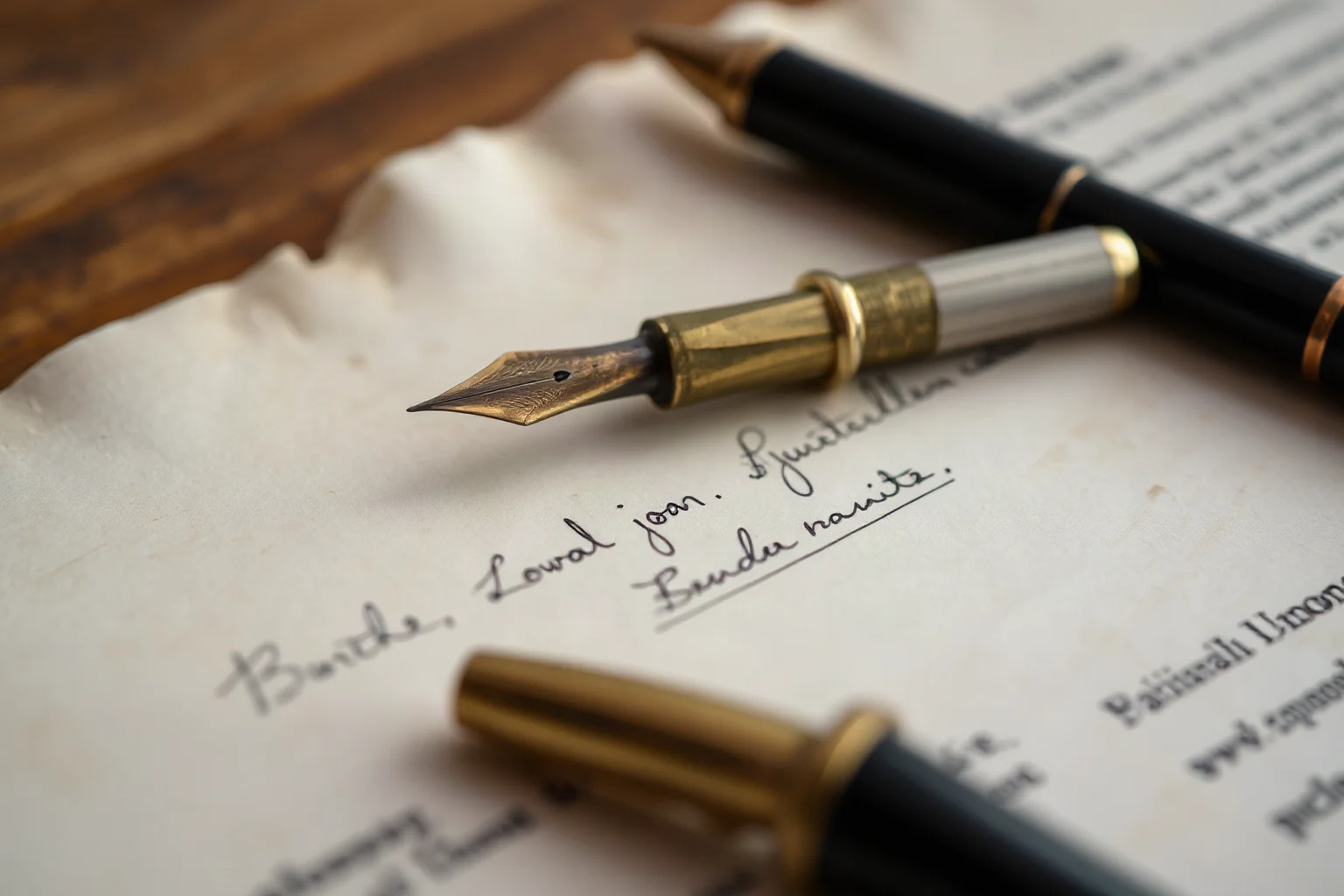
Historians have identified just six authenticated signatures written by Shakespeare himself, all from legal documents near the end of his life. Strikingly, no two of them are spelled exactly the same way.
No confirmed manuscript in his own handwriting of any play has ever been found. This scarcity is part of why so much about his personal life remains a puzzle.
16. Some People Still Question Whether He Wrote His Own Plays
A minority theory known as the Shakespeare authorship question suggests that someone else, such as Francis Bacon or the Earl of Oxford, actually wrote the plays credited to him. The vast majority of Shakespeare scholars reject this theory, citing strong documentary evidence tying him to the works.
Still, the debate persists in popular culture and is worth knowing about if you’re exploring facts about Shakespeare’s life in depth. It says more about the mystery surrounding his biography than about any real doubt among historians.
17. Tradition Says He Died on His Birthday
Shakespeare died on April 23, 1616, a date that, by tradition, is also treated as his birthday. Because his actual birth date wasn’t officially recorded, this neat coincidence can’t be verified with certainty.
It remains one of the most repeated, and most uncertain, of all Shakespeare fun facts. The date is memorable enough that UNESCO now marks April 23 as World Book Day partly in his honor.
18. No Portrait From His Lifetime Is Confirmed Authentic
Despite being one of history’s most recognizable faces, no painting of Shakespeare can be definitively proven to have been made while he was alive. The famous engraving in the First Folio, by Martin Droeshout, was created after his death based on secondhand descriptions.
Other candidates, like the Chandos portrait, are debated by art historians and have never been conclusively authenticated. This means the “face” of Shakespeare we all picture may not closely resemble the real man at all.
19. He Was a Shrewd Local Businessman
Beyond theater, Shakespeare invested heavily in Stratford-upon-Avon real estate and agriculture. In 1597 he purchased New Place, one of the largest houses in town, and later bought land and a share of local tithes.
He also pursued small debtors in court to recover money owed to him. These practical, money-minded details rarely appear in the romantic image of the poet, but they’re well documented in surviving legal records.
20. His Father Rose and Fell in Local Politics
John Shakespeare, William’s father, was a glove-maker who became a respected town official in Stratford, eventually serving as bailiff, roughly equivalent to mayor. Later in life, he fell into serious debt and reportedly stopped attending town council meetings.
Some historians believe financial troubles at home may have shaped young William’s early ambitions. It’s a useful piece of family context for anyone researching facts about Shakespeare’s early life.
21. His Formal Education Is Assumed, Not Documented
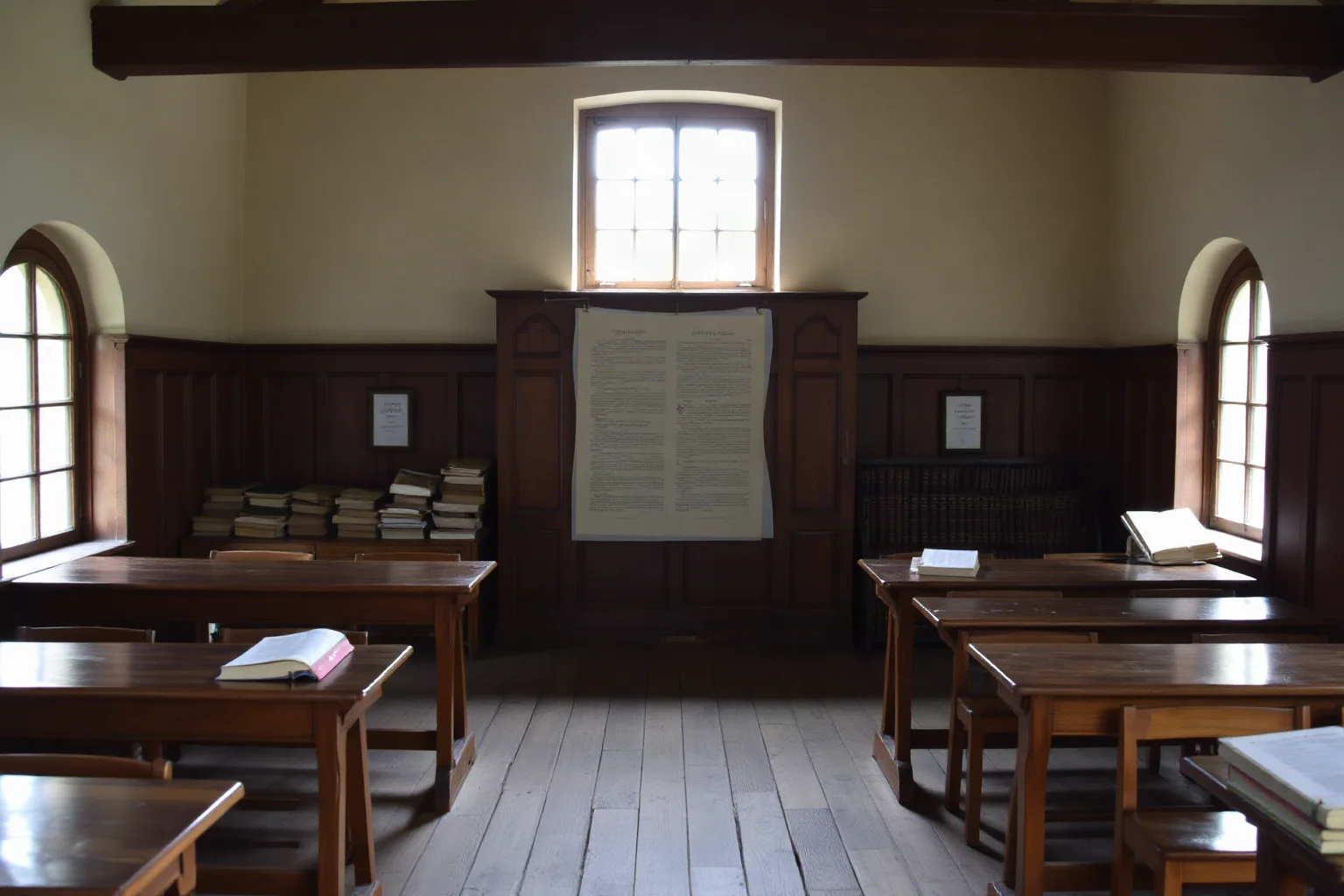
No attendance records survive for Shakespeare’s schooling. Historians generally assume he attended Stratford’s local grammar school, King’s New School, because his father’s civic status entitled the family to a free education there.
The curriculum would have emphasized Latin grammar, rhetoric, and classical literature, which lines up with references found throughout his plays. But strictly speaking, this is an educated guess, not a confirmed fact.
22. He Wrote for Two Very Different Monarchs
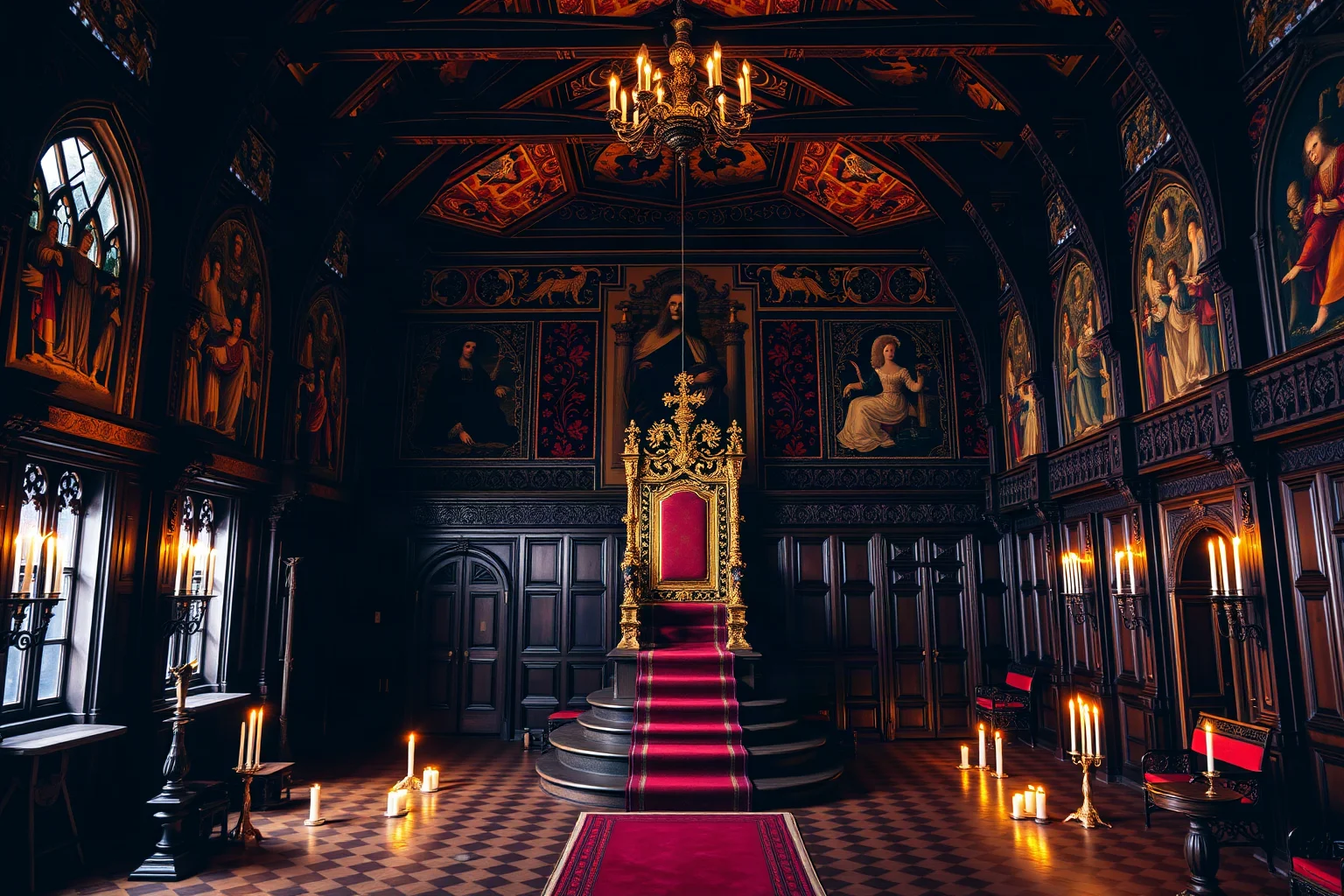
Shakespeare’s acting company performed for Queen Elizabeth I and later gained direct royal patronage under King James I, who renamed the troupe the King’s Men in 1603. This royal connection meant frequent court performances and a steady, prestigious income.
Some plays, including “Macbeth,” are thought to contain flattering references tailored to James I’s interests, such as witchcraft and Scottish history. It’s a reminder that Shakespeare wrote with real patrons and real politics in mind.
23. His Plays Weren’t Neatly Divided Into Genres at First
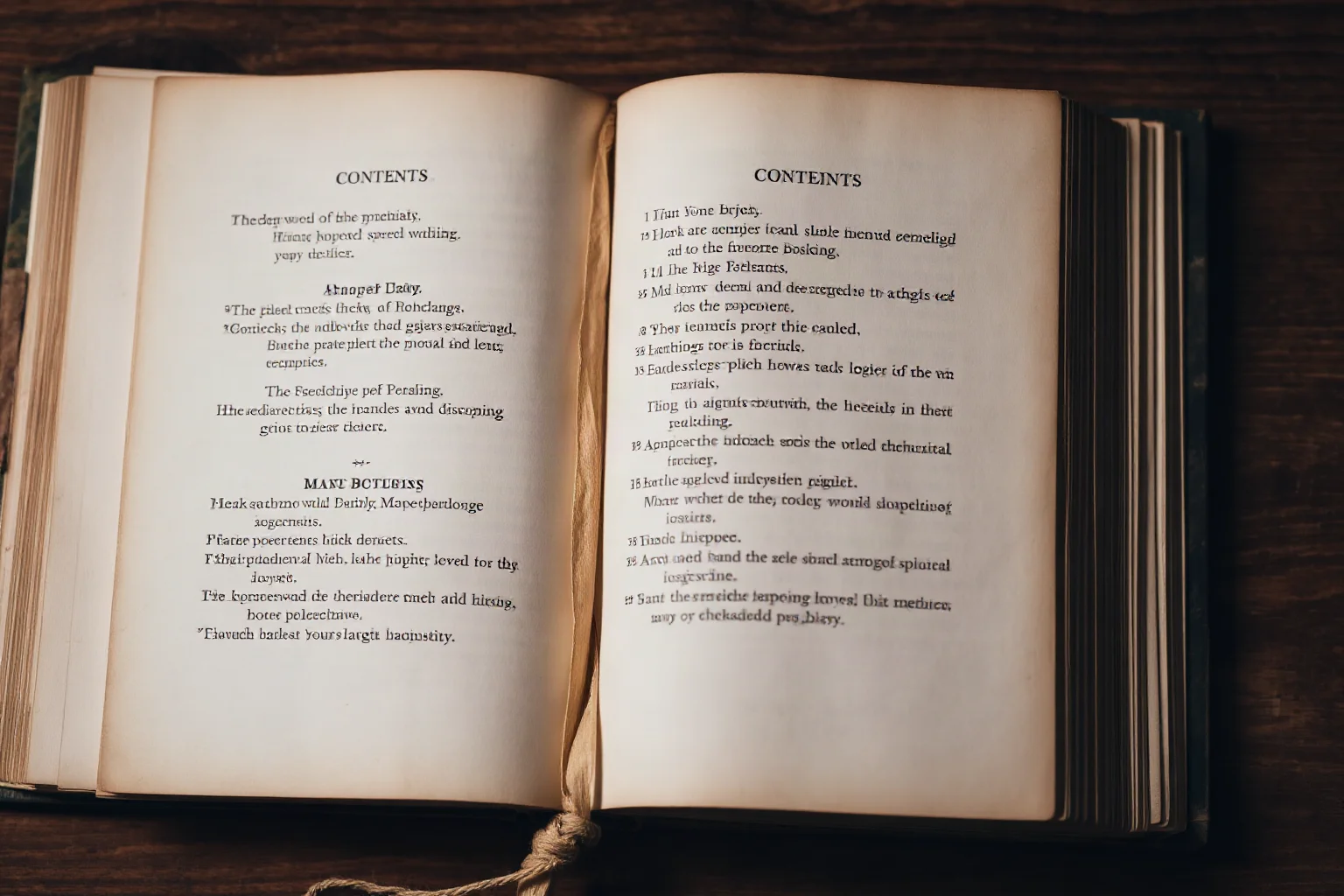
Modern editions sort Shakespeare’s work into comedies, tragedies, and histories, but this classification came later, largely from the First Folio’s own table of contents. Some plays, like “The Winter’s Tale” or “Measure for Measure,” blend tones so much that scholars still debate how to categorize them.
This flexibility is part of why his plays remain so adaptable across different productions and eras. It’s also a subtle but important fact about Shakespeare’s plays that gets lost in simplified summaries.
24. He Retired to Stratford Years Before He Died
Around 1613, after decades of writing and theater work in London, Shakespeare appears to have scaled back his career and spent more time at his home in Stratford-upon-Avon. He continued some collaborative writing, including work later attributed jointly with playwright John Fletcher.
This quieter final chapter contrasts with the intense productivity of his most famous years. It shows a working writer easing into a comfortable, locally rooted retirement.
25. His Monument Includes a Written Tribute, Not Just a Curse
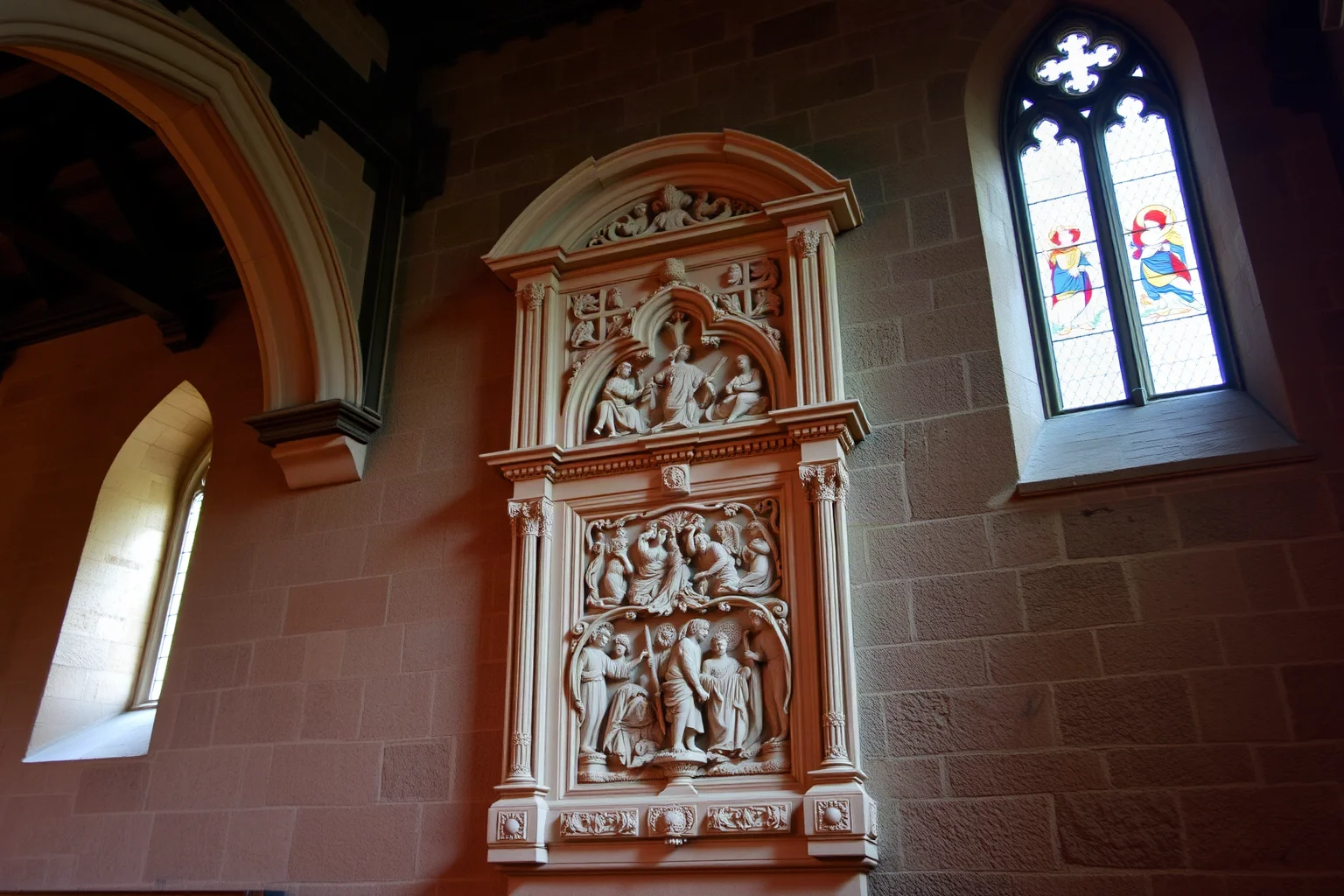
Inside Holy Trinity Church in Stratford-upon-Avon, a carved monument shows Shakespeare with a quill and paper, alongside a Latin and English inscription praising his genius. It was likely commissioned by his family within a few years of his death.
The monument, combined with his gravestone’s warning epitaph, gives visitors two very different messages: one celebrating his literary legacy, and one protecting his physical remains. Together they capture how quickly his admirers began shaping his myth.
Why the Gaps in His Story Matter
So much of what circulates online as a “weird William Shakespeare fact” is really just a symptom of how little formal documentation survived from ordinary Elizabethan lives. Birth records, personal letters, and manuscripts were simply not preserved the way we might expect today. Shakespeare wasn’t unusually secretive; he was an ordinary commoner living in an era before consistent record-keeping.
That’s genuinely why we don’t know much about Shakespeare’s life beyond legal documents, parish registers, and the plays themselves. The gaps have left plenty of room for myths, theories, and embellishments to grow over four centuries. Approaching his story with healthy skepticism doesn’t make him less impressive; it makes the documented facts even more remarkable.
Final Thoughts on the Real Shakespeare
William Shakespeare’s true biography is a mix of hard legal records, a handful of personal milestones, and a lot of educated speculation filling the gaps. The strange facts about Shakespeare that hold up to scrutiny are often stranger than the myths people invent, from a possible curse on his grave to a theater fire caused by a misfired cannon. Meanwhile, some of the most repeated “facts,” like his exact birthday, deserve a more cautious label of “likely” rather than “certain.”
What remains beyond doubt is his influence. Centuries later, his words, phrases, and stories are still woven into everyday English and global culture. That lasting impact, built from such a thin paper trail, might be the most genuinely amazing fact about Shakespeare of all.
Frequently Asked Questions
What are some interesting facts about Shakespeare?
Some of the most interesting facts about Shakespeare include that his exact birthdate was never recorded, his name was spelled over 80 different ways in historical documents, he owned shares in the Globe Theatre, and his gravestone includes an epitaph warning against disturbing his remains. His will also famously left his wife his 'second best bed,' which was likely the couple's actual marital bed rather than an insult.
Why don’t we know much about Shakespeare’s life?
Detailed personal records simply weren't kept for ordinary commoners in Elizabethan England, and Shakespeare, despite his later fame, was not treated as a public figure worth documenting during his lifetime. Most of what we know comes from parish registers, legal contracts, and property records, leaving large gaps like the so-called 'lost years' between 1585 and 1592.
Did Shakespeare really invent hundreds of English words?
Shakespeare is often credited with coining hundreds of words and phrases, but many linguists believe he was frequently the first to write down words that were already emerging in spoken English rather than inventing them outright. Even so, his plays are credited with popularizing lasting phrases like 'break the ice' and 'wild goose chase.'
Did Shakespeare actually write all of his own plays?
The overwhelming majority of scholars agree that Shakespeare wrote the plays attributed to him, based on strong documentary and textual evidence from his lifetime. A minority theory called the Shakespeare authorship question proposes other writers, but it is not widely accepted within mainstream historical scholarship.
How many plays and sonnets did Shakespeare write?
Shakespeare is generally credited with 38 to 39 plays, depending on how collaborative or disputed works are counted, along with 154 sonnets. Many of these plays survived only because two of his fellow actors compiled them into the First Folio in 1623, seven years after his death.
What is the strangest fact about Shakespeare’s grave?
One of the strangest facts about Shakespeare is that his epitaph on his gravestone in Holy Trinity Church includes a warning cursing anyone who moves his bones. Partly because of this, his grave has reportedly never been opened for scientific study.

Alex Warren
Related Articles