Ask someone to name a famous author, and history’s classroom habits often nudge the answer toward a man. But women have been shaping literature for as long as literature has existed, often while writing under pseudonyms, fighting for basic legal rights, or working entirely outside the male-dominated publishing world.
Their fingerprints are on epic poetry, the invention of the novel, detective fiction, feminist philosophy, and the historical fiction lining bookstore shelves today.
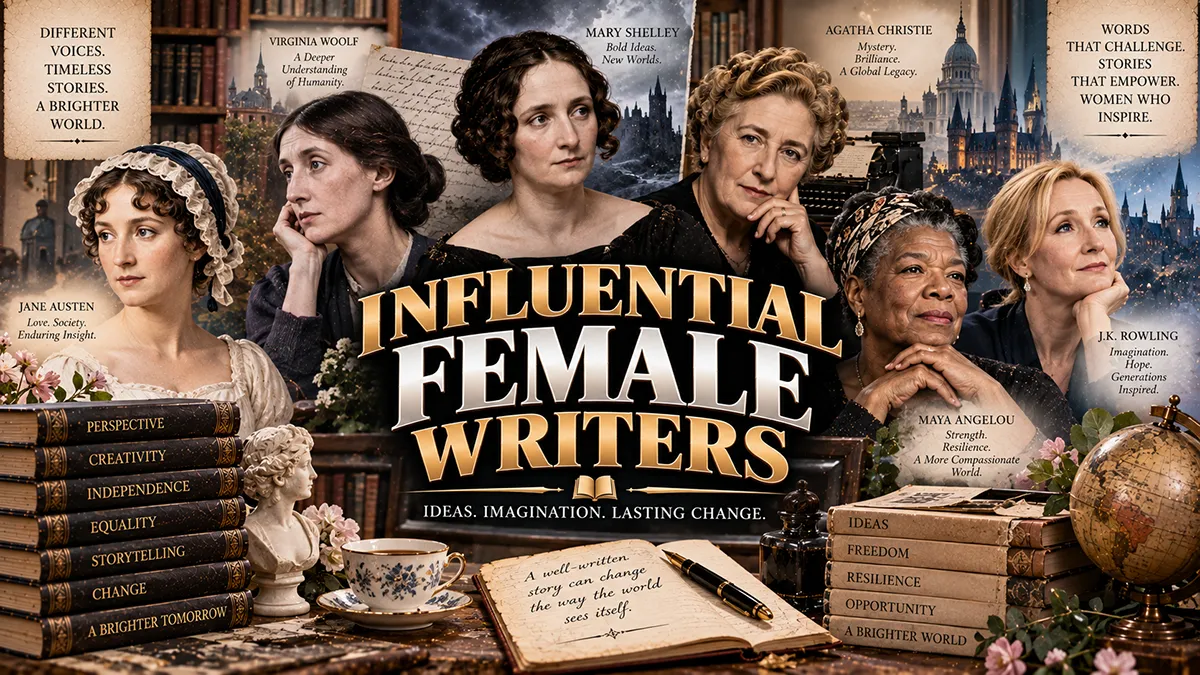
This guide walks through 24 of the most influential female writers throughout history, organized roughly by era so you can see how women’s literature evolved from ancient poetry to 21st-century bestsellers.
We’ll also bust a few myths along the way, since the popular image of “famous female authors” is often narrower than the real history.
TL;DR: Women writers have shaped every major literary era — from Sappho’s ancient poetry to Toni Morrison’s novels and today’s bestselling historical fiction — often against enormous social and legal barriers.
Why Women Writers Deserve a Closer Look
For most of recorded history, women faced real legal and social obstacles to becoming professional writers. Many couldn’t own property, sign contracts, or attend university, which made a serious literary career difficult before it even started. Some famous female authors published anonymously or under male pseudonyms just to get a fair read from critics and publishers.
Despite this, women writers have driven some of literature’s biggest innovations, including the modern novel, gothic fiction, and detective stories. Understanding their history helps explain why terms like “female author” or “woman writer” still get searched separately from just “author” — because for centuries, gender determined whether your work was taken seriously at all. The list below traces that arc from antiquity to today.
Ancient and Medieval Trailblazers
Long before the printing press, women were already composing poetry, philosophy, and prose that would outlast empires. These early female writers worked in oral traditions, court circles, and convents, often against considerable odds.
1. Sappho of Lesbos
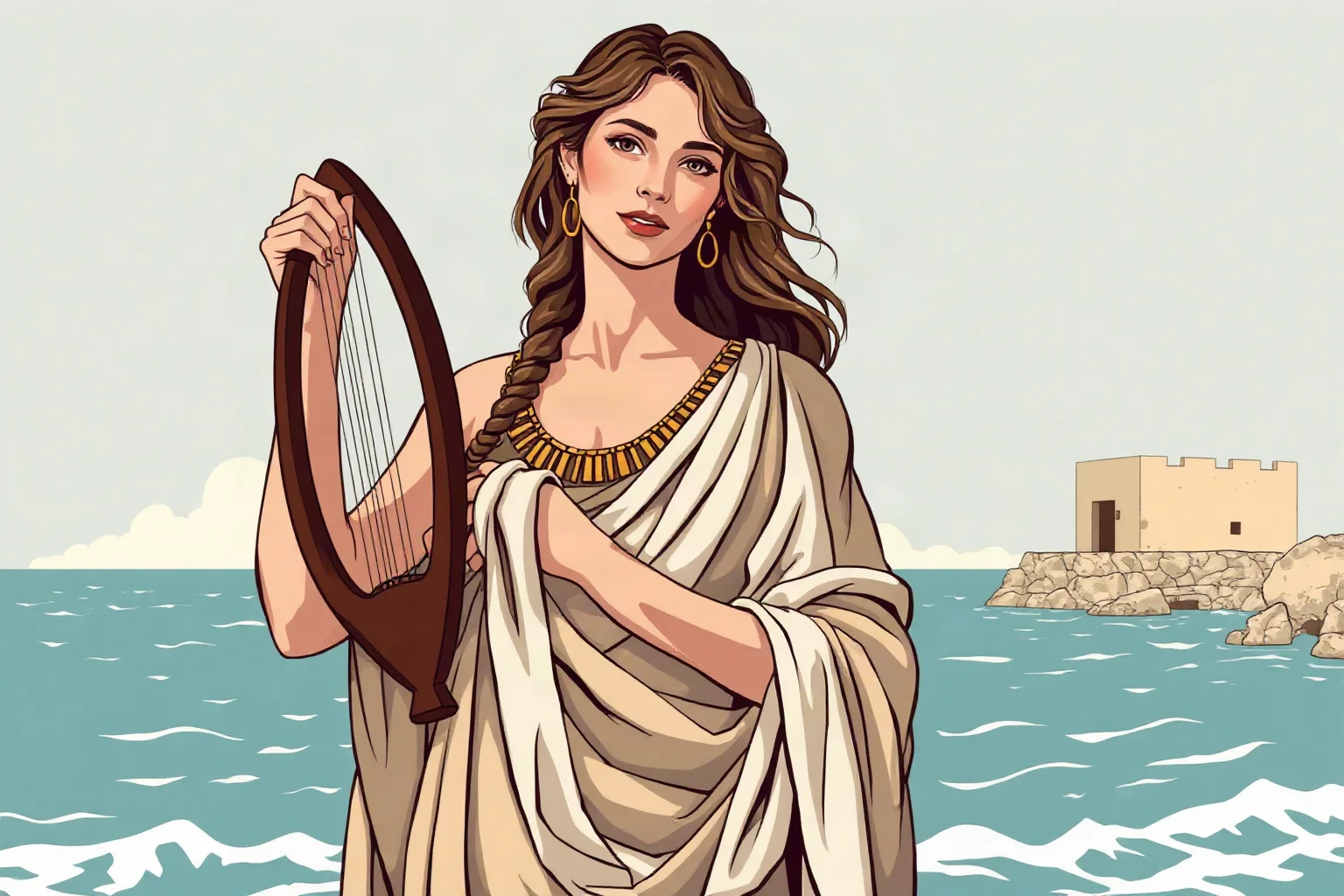
Sappho lived on the Greek island of Lesbos around the 7th century BCE and is one of the earliest known female poets in Western history. Her lyric poetry, much of it about love and longing, survives only in fragments, but ancient writers considered her among the greatest poets of her time. The word “lesbian” itself derives from her home island, a nod to the romantic themes in her verse.
2. Murasaki Shikibu
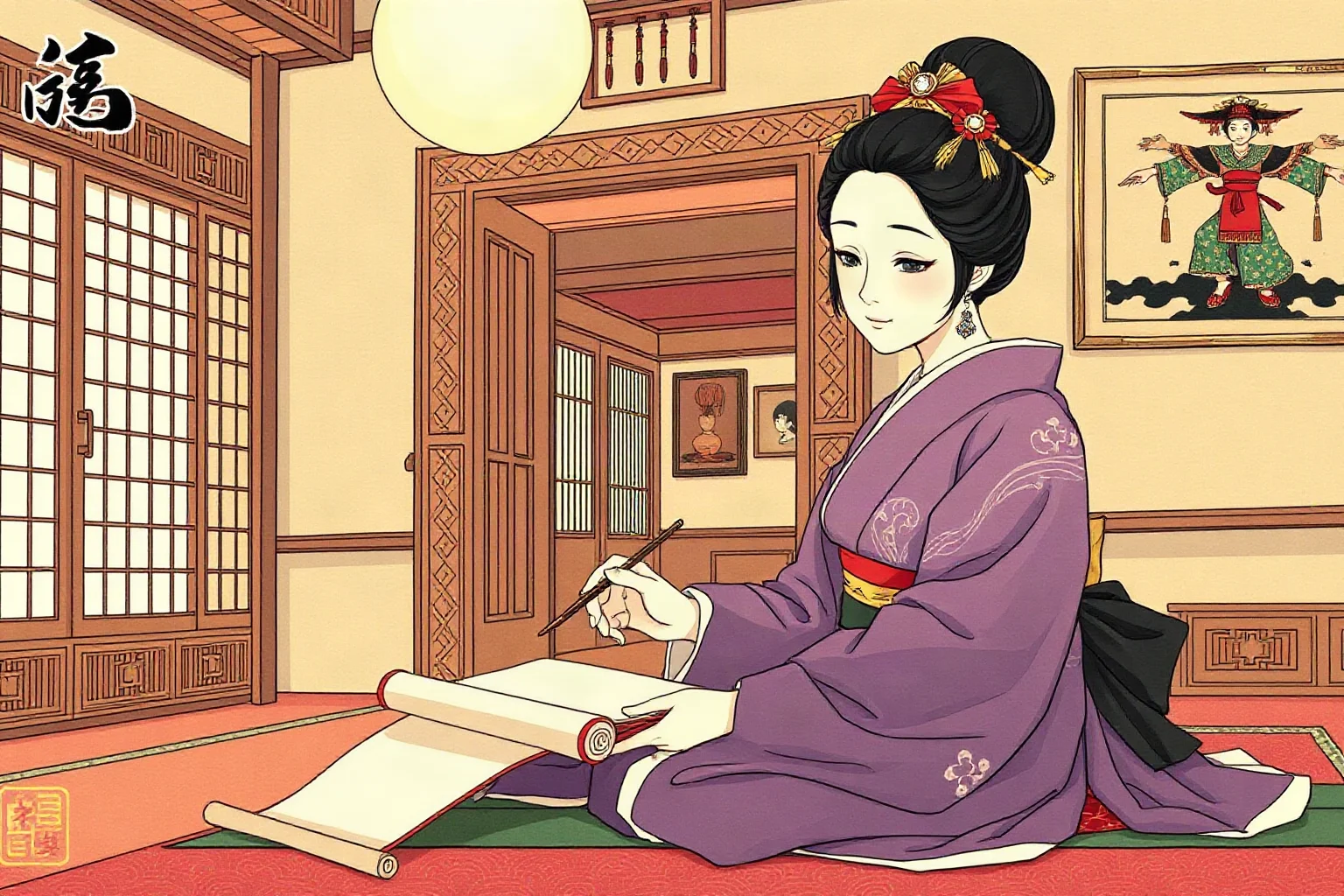
A noblewoman in Heian-era Japan, Murasaki Shikibu is widely credited with writing “The Tale of Genji” around the early 11th century. Many scholars consider it one of the first novels ever written, predating the European novel by centuries. It remains a landmark in world literature and a foundational text in women in literature discussions.
3. Christine de Pizan
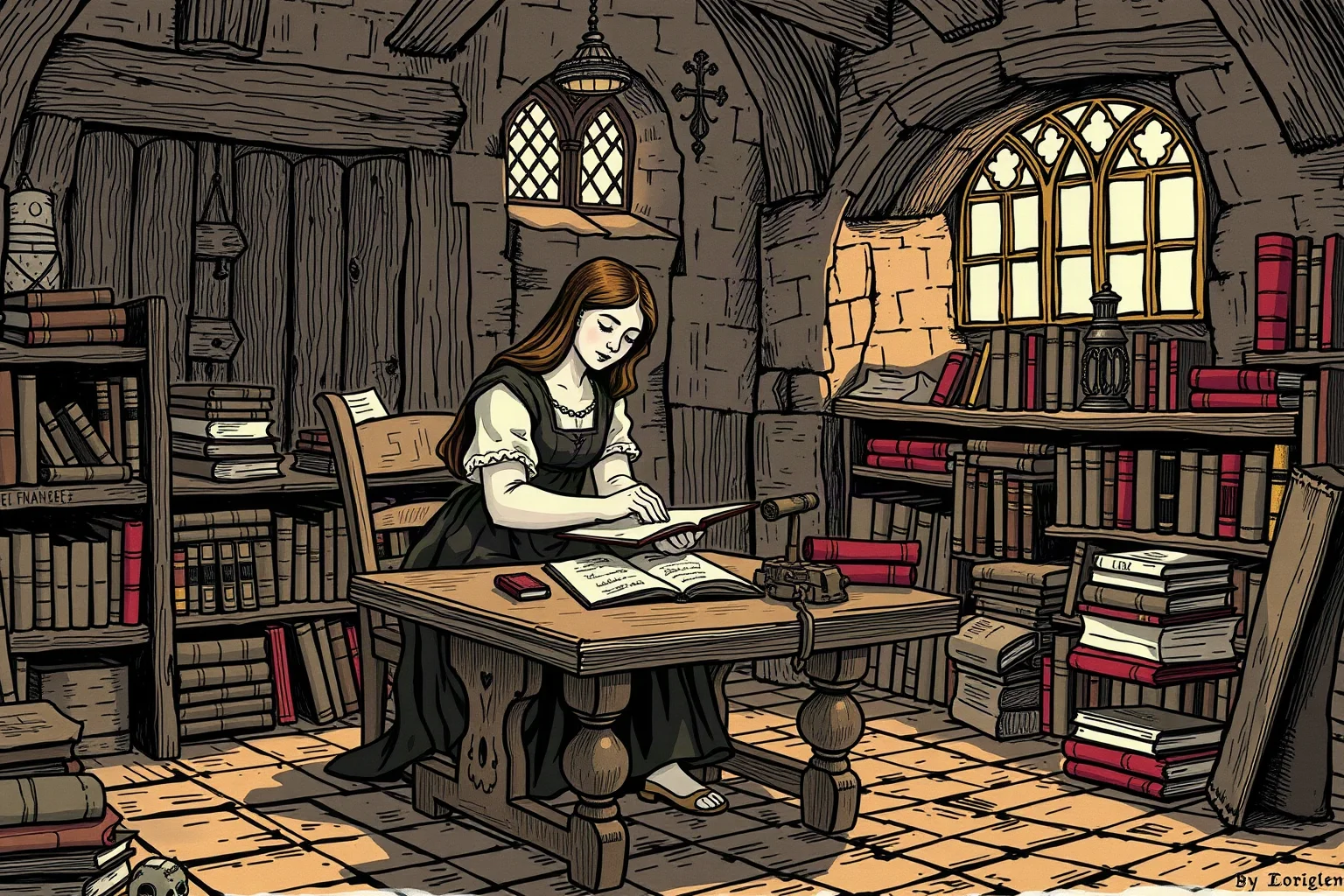
Writing in France in the late 14th and early 15th centuries, Christine de Pizan is often called one of the first professional female writers in European history. She supported herself and her children through her writing after being widowed, producing works like “The Book of the City of Ladies,” which directly challenged misogynistic literature of her era. Historians frequently cite her as an early voice in what would later be called feminist writing.
4. Aphra Behn
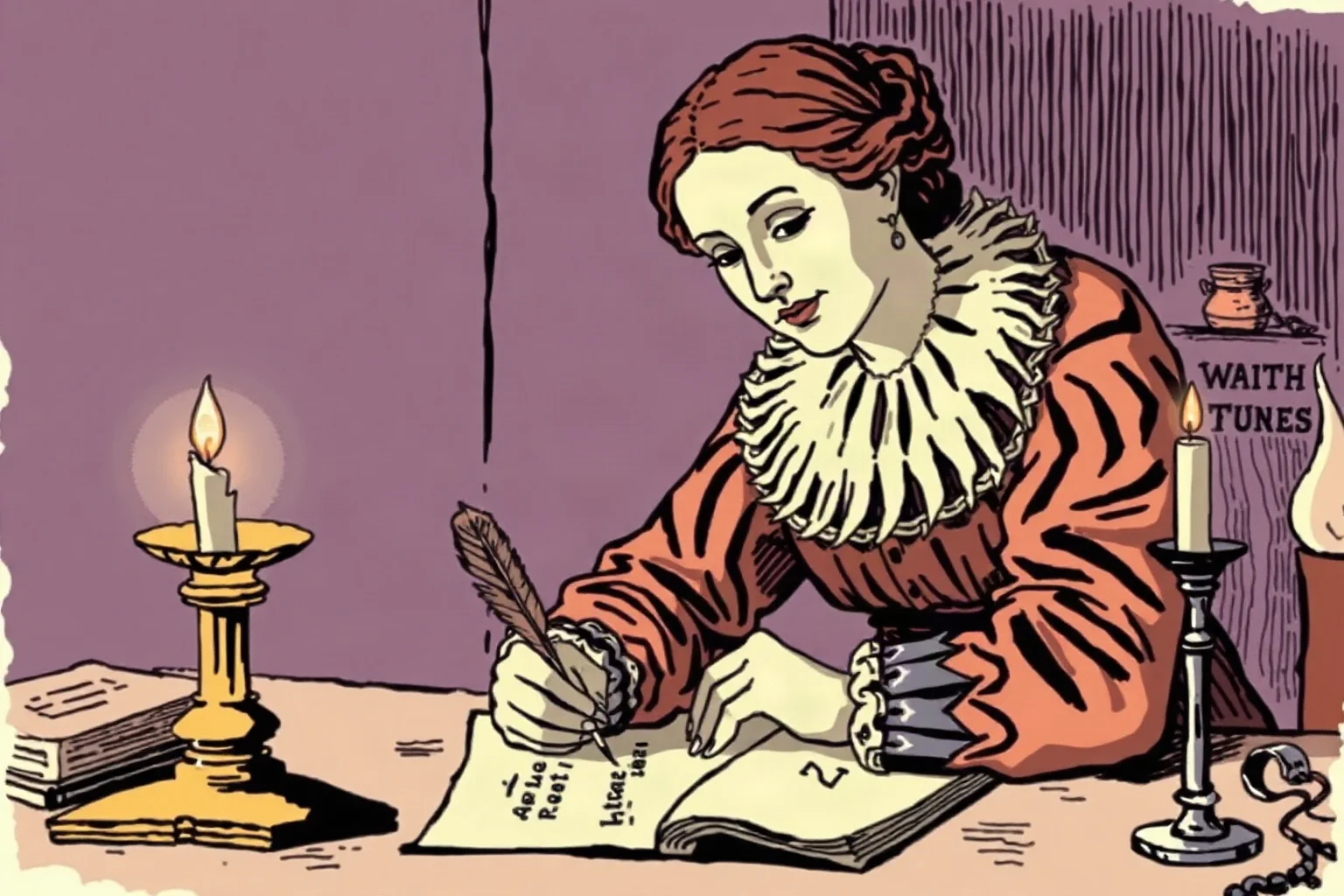
Aphra Behn was a 17th-century English playwright, poet, and novelist, and one of the first English women to earn her living entirely through writing. Her novel “Oroonoko” (1688) is often discussed as an early precursor to the English novel and touches on colonialism and slavery. Virginia Woolf later credited Behn with helping open the door for women writers who came after her.
Female Authors of the 19th Century
The 19th century saw an explosion of female authors, many of whom still top lists of the best female novelists of all time. This era also popularized the use of pseudonyms, since publishers and critics often dismissed work known to be written by women.
5. Jane Austen
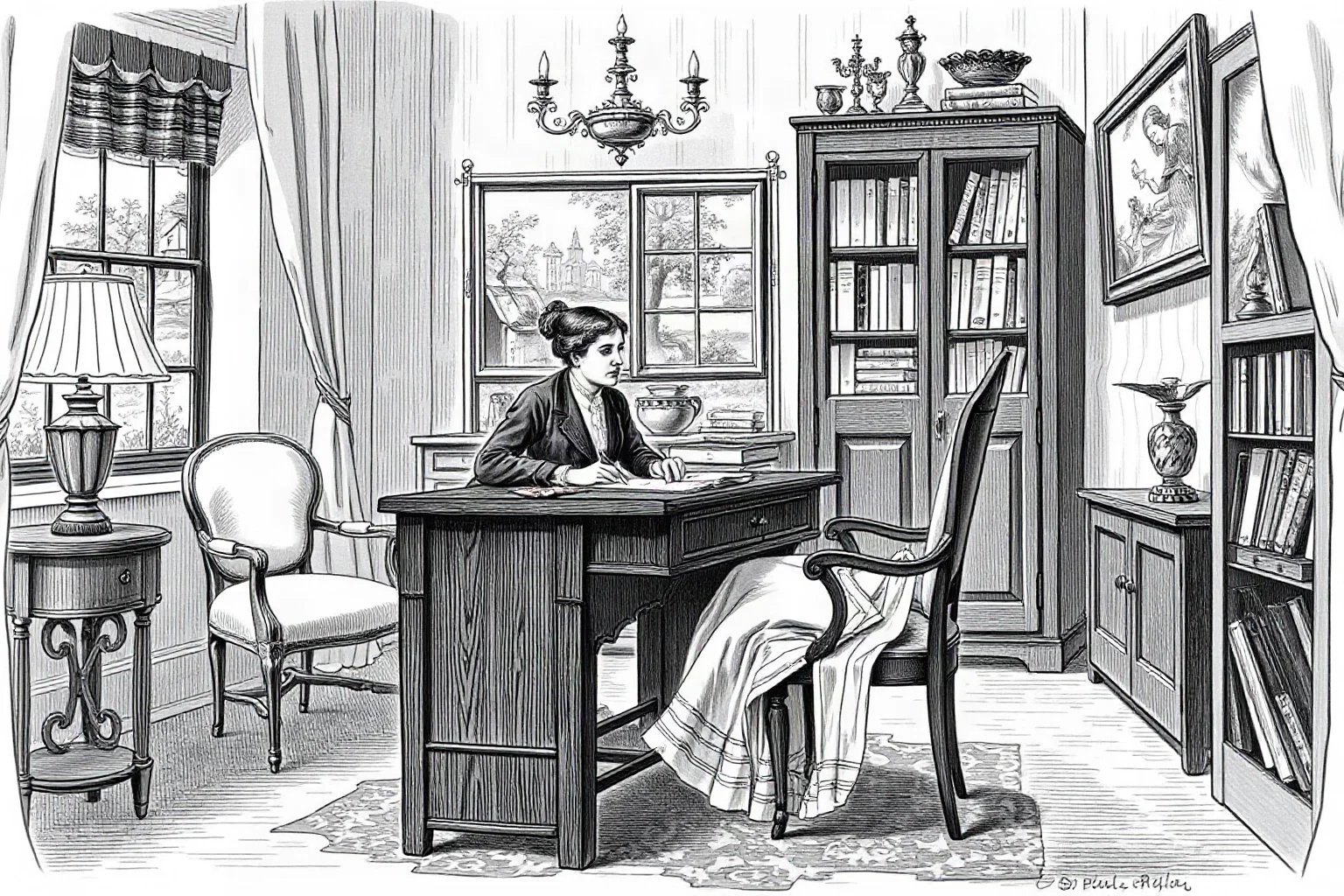
Jane Austen published novels like “Pride and Prejudice” and “Sense and Sensibility” anonymously, often credited only to “A Lady.” Her sharp social satire and enduring popularity make her one of the most famous female writers in history, still adapted into films and TV series today. Austen’s work is frequently cited as proof that domestic fiction can carry serious literary weight.
6. Mary Shelley
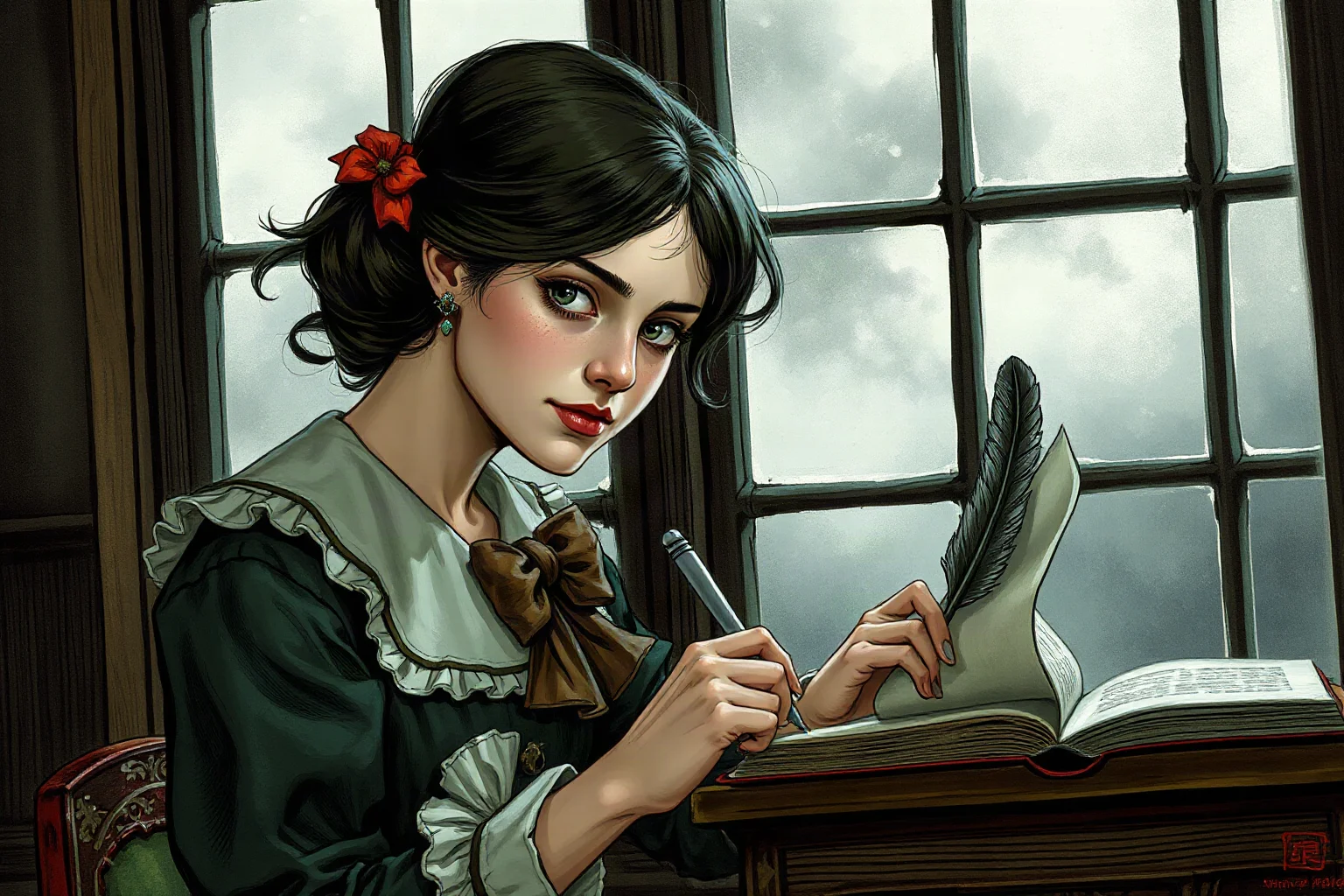
Mary Shelley wrote “Frankenstein” at just 18 years old, and it was first published anonymously in 1818. The novel is widely regarded as one of the earliest works of science fiction, making Shelley a foundational figure in a genre later dominated by men. Her personal life, including her relationship with poet Percy Shelley, has sometimes overshadowed her literary achievement, though her influence on speculative fiction is undeniable.
7. Charlotte Brontë
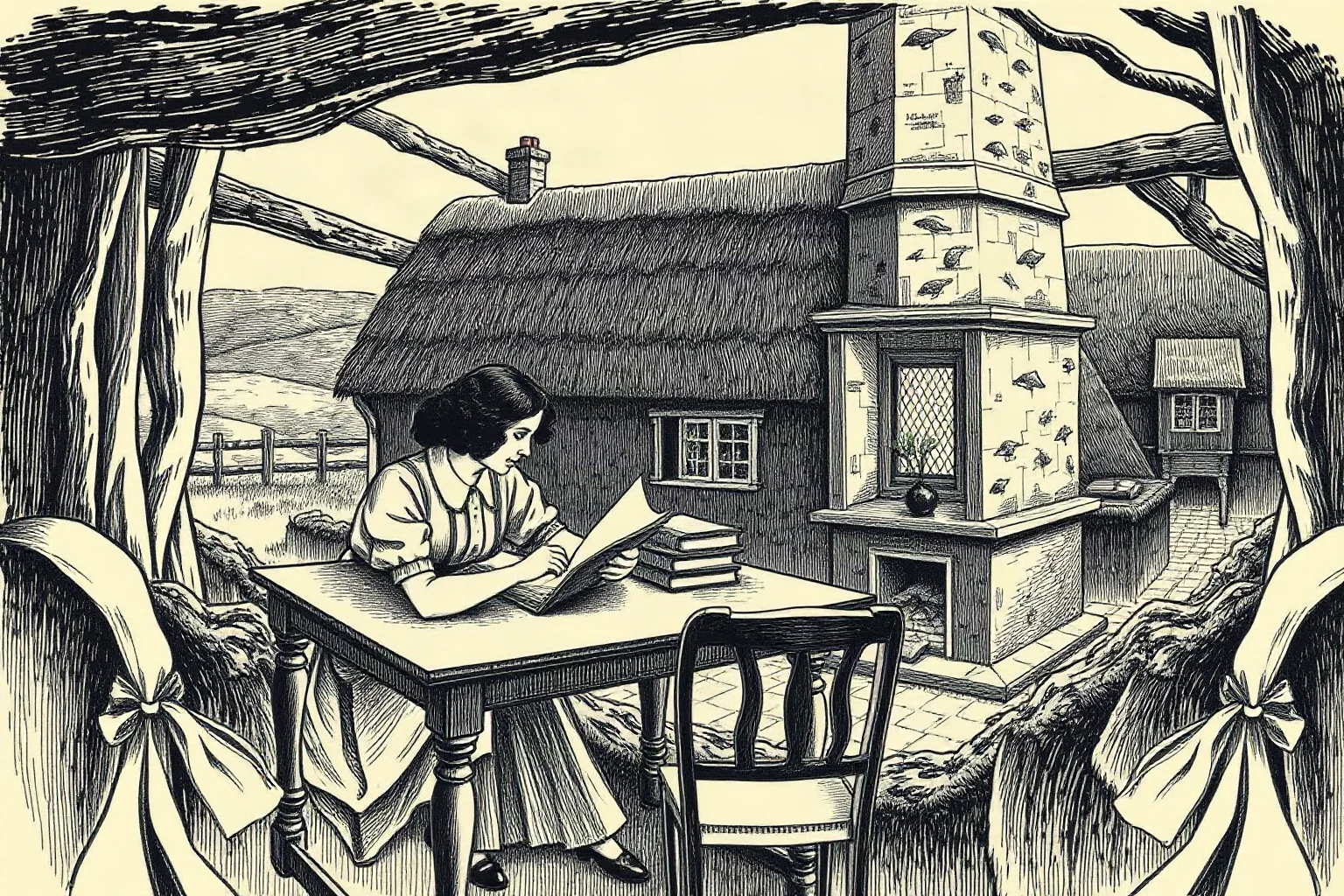
Charlotte Brontë published “Jane Eyre” in 1847 under the pseudonym Currer Bell. The novel’s intense first-person narration and morally complex heroine were groundbreaking for Victorian literature. Along with her sisters, Charlotte helped prove that female authors of the 19th century could write with as much psychological depth as their male peers.
8. Emily Brontë
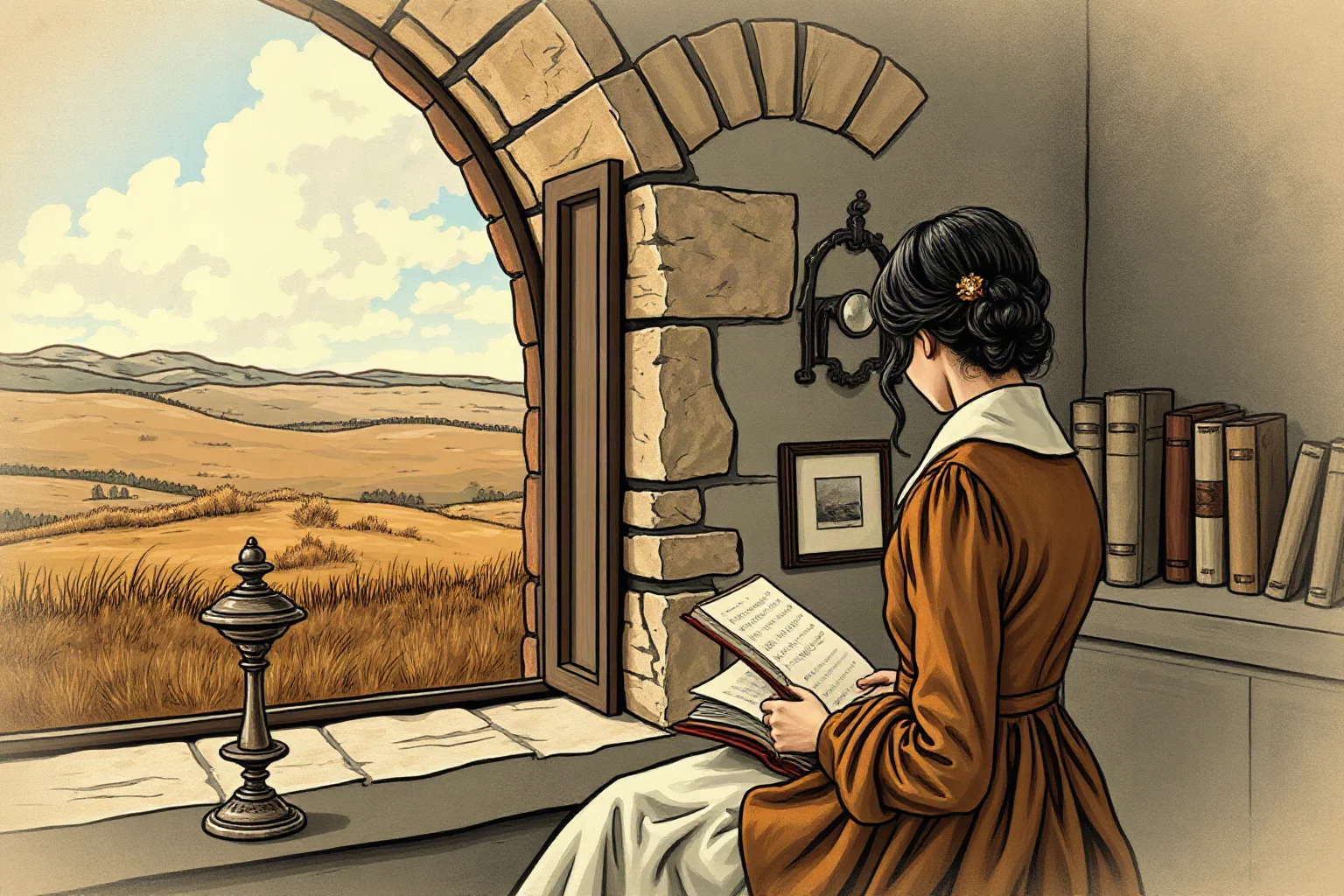
Emily Brontë wrote only one novel, “Wuthering Heights” (1847), published under the pseudonym Ellis Bell. Its dark, unconventional structure and morally ambiguous characters confused many contemporary critics but later earned recognition as a masterpiece. Emily died young, at 30, making her singular literary legacy even more remarkable.
9. George Eliot
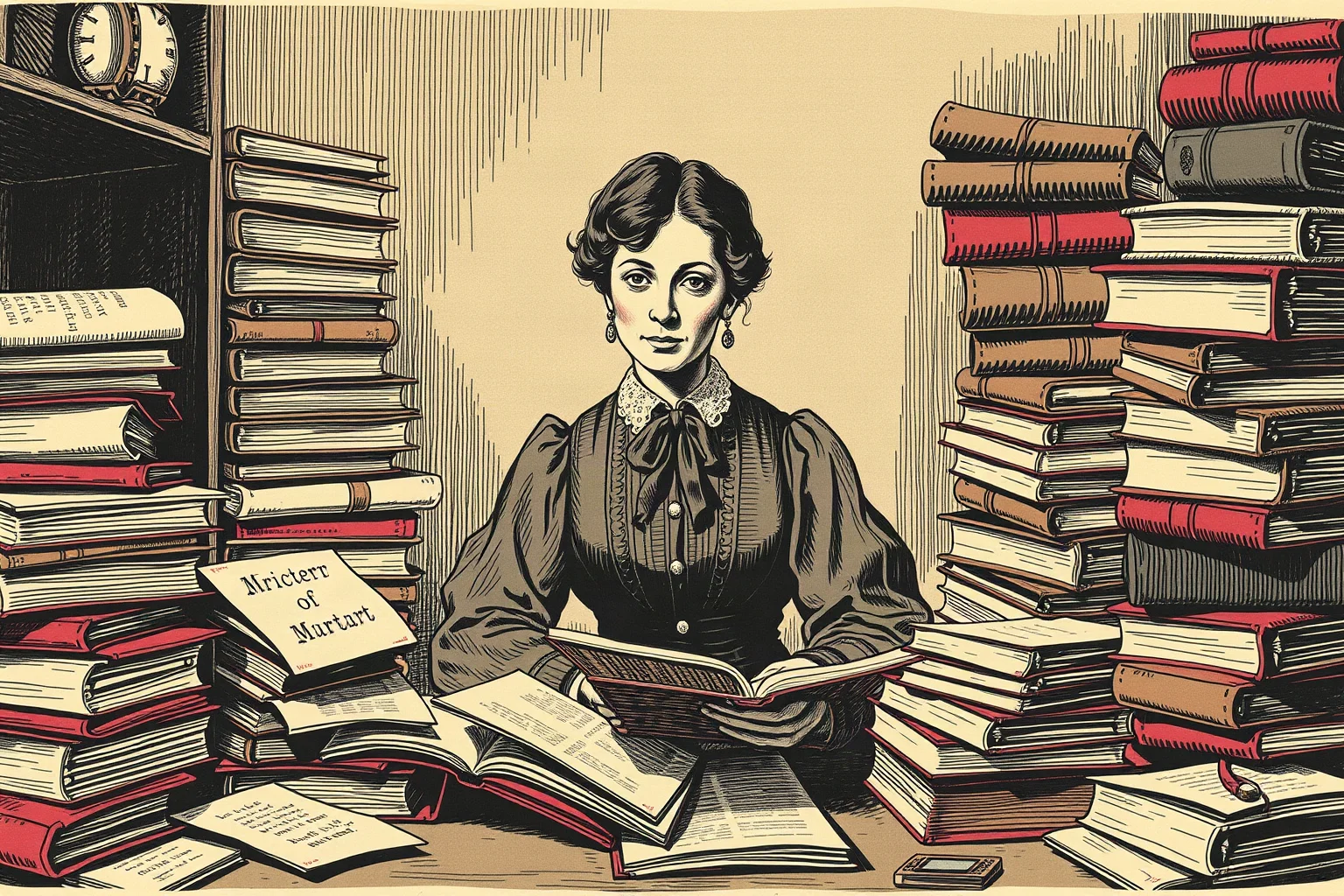
Mary Ann Evans wrote under the male pen name George Eliot to ensure her work, including “Middlemarch,” was judged seriously rather than dismissed as typical “lady authors” fare. “Middlemarch” is still regularly ranked among the greatest novels in the English language. Eliot’s choice of pseudonym highlights just how real the barriers were for women writers even in the mid-1800s.
10. Louisa May Alcott
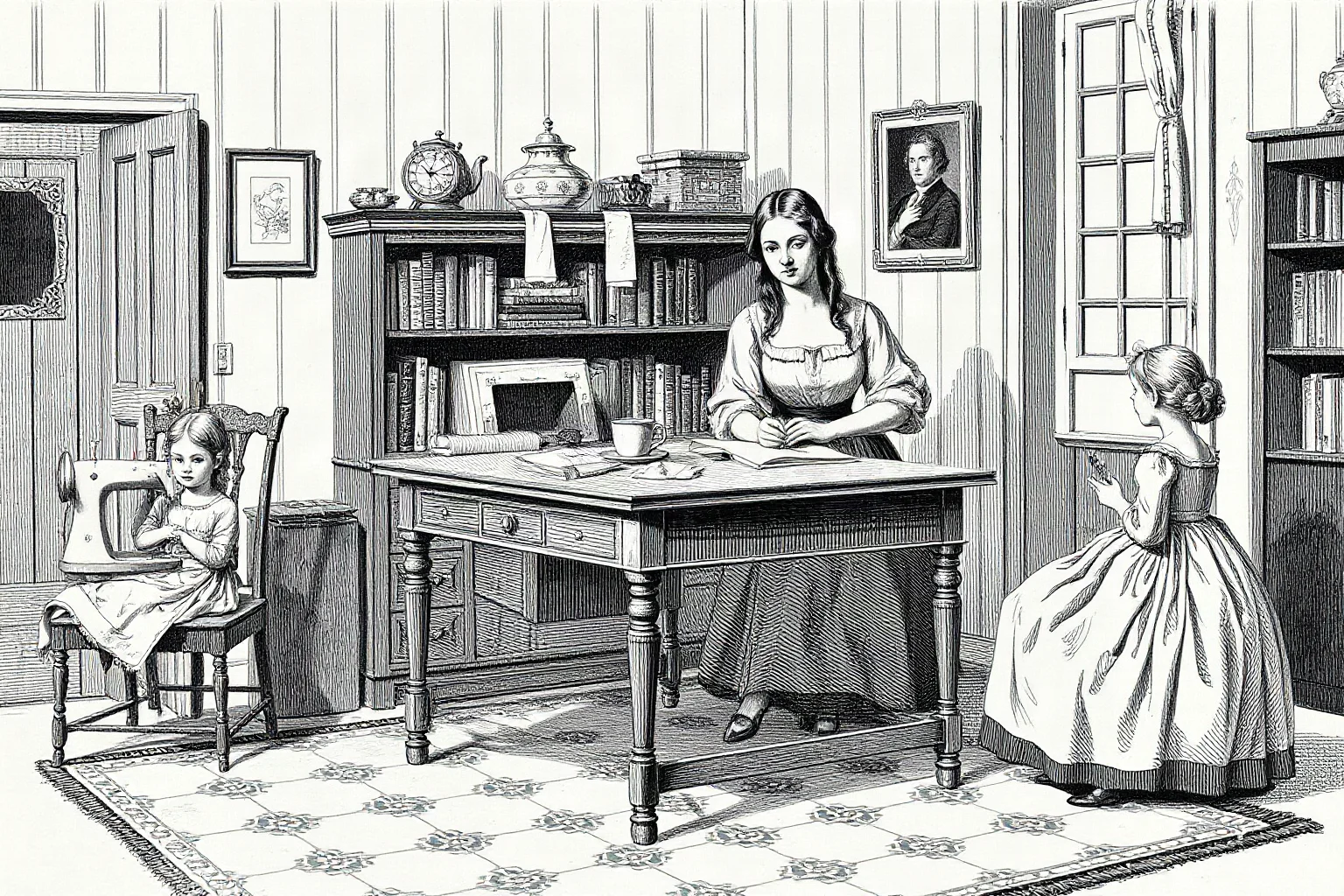
Louisa May Alcott’s “Little Women” (1868) became an instant success and remains one of the most beloved coming-of-age novels ever written. Alcott used her own family life and abolitionist upbringing as inspiration for the March sisters. She also wrote pulpier thrillers under a pseudonym, showing the creative range many women writers had to hide.
11. Emily Dickinson
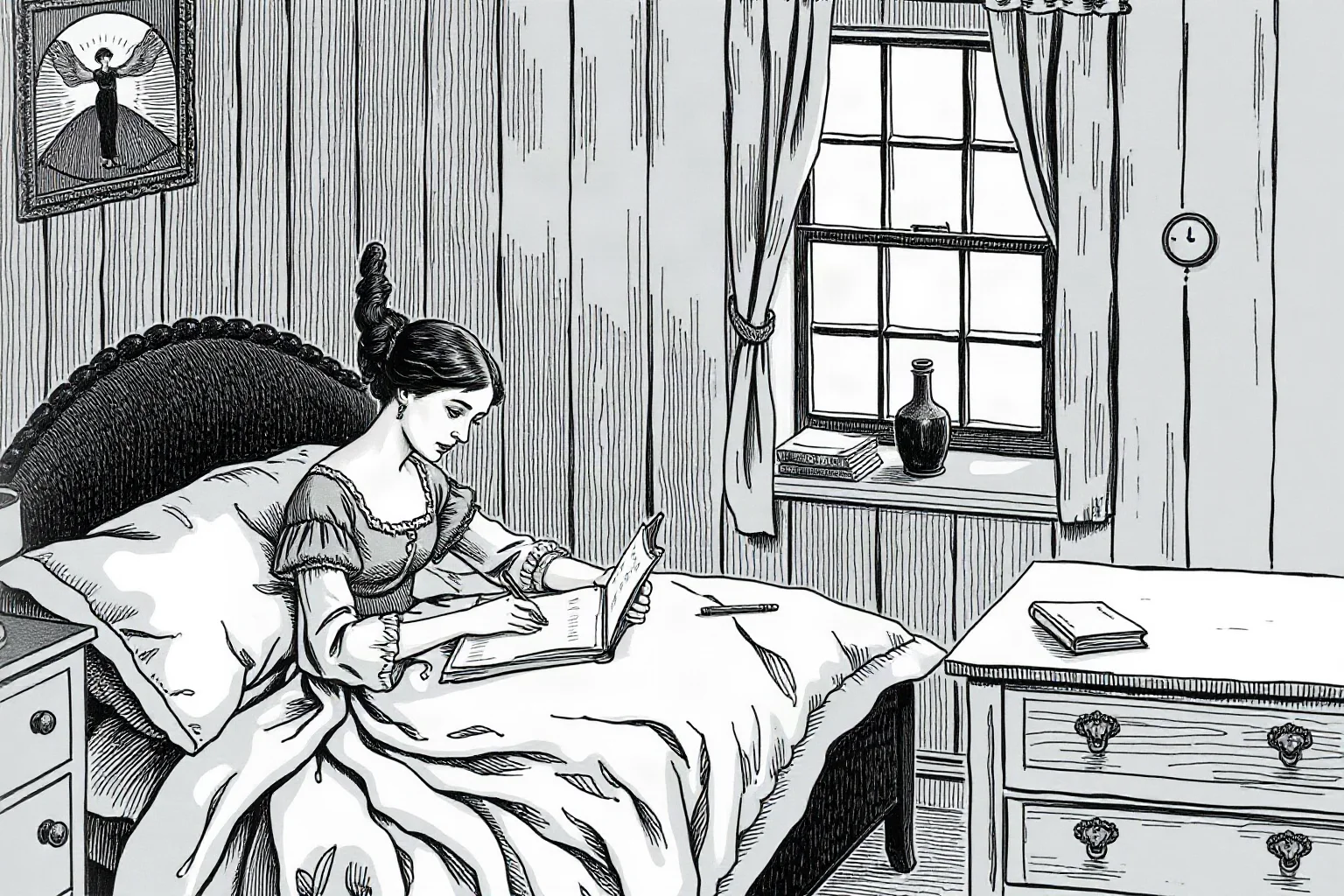
Emily Dickinson wrote nearly 1,800 poems but published fewer than a dozen during her lifetime. Her innovative use of meter, dashes, and slant rhyme wasn’t fully appreciated until after her death in 1886, when her family discovered her manuscripts. Today she’s considered one of the most important and original poets in American literature.
Famous Female Writers of the Early 20th Century and the 1920s
The early 1900s, especially the 1920s, were a turning point for women in literature. Modernist experimentation, new publishing houses, and expanding women’s rights created space for bolder, more varied female voices.
12. Virginia Woolf
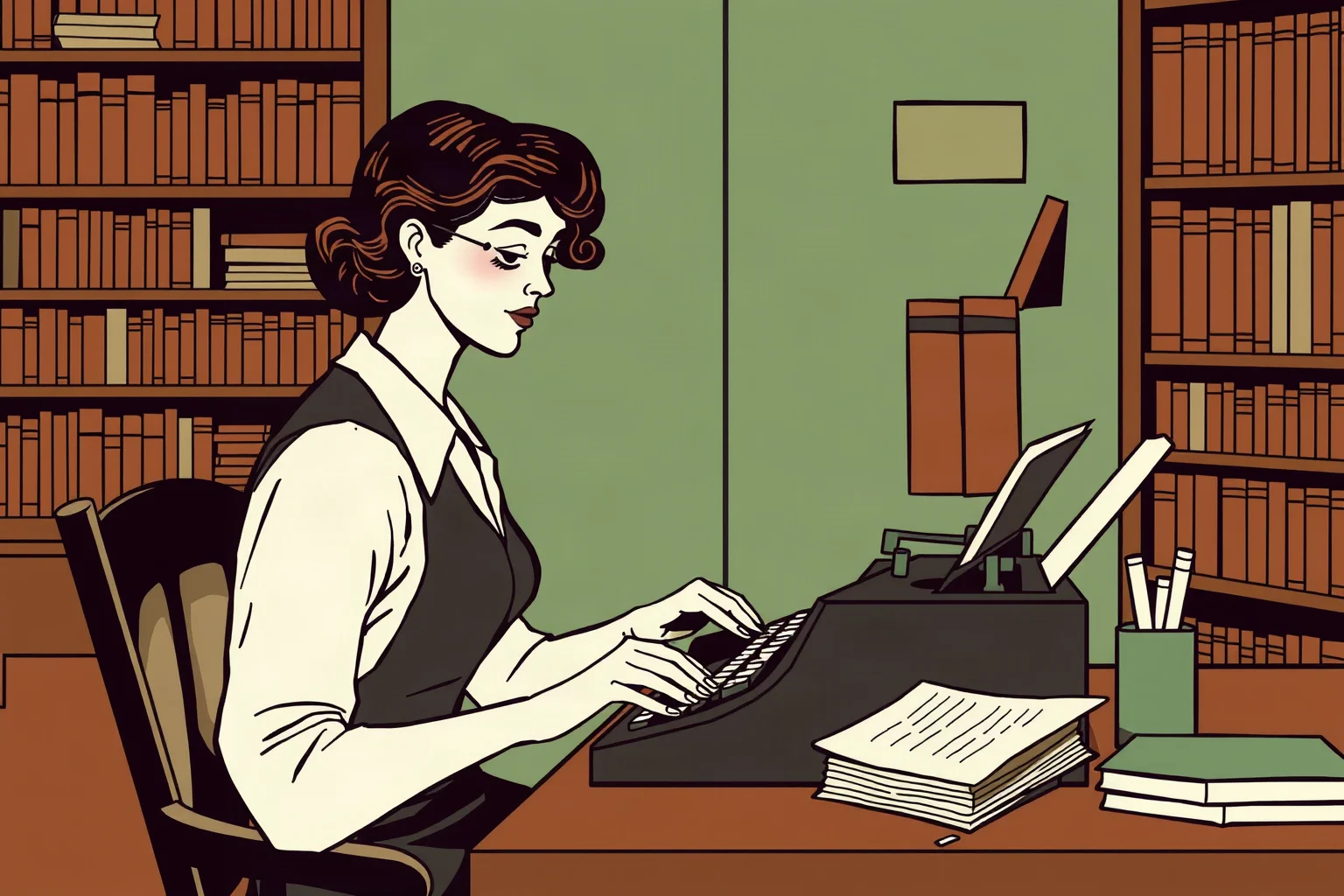
Virginia Woolf was one of the defining modernist writers of the 1920s, known for novels like “Mrs Dalloway” (1925) and “To the Lighthouse” (1927). Her extended essay “A Room of One’s Own” (1929) remains a cornerstone text in feminist literary criticism, arguing that women need financial independence and private space to create art. Woolf is frequently the answer when people search for two women writers active in the 1920s, often paired with contemporaries like Edith Wharton.
13. Edith Wharton
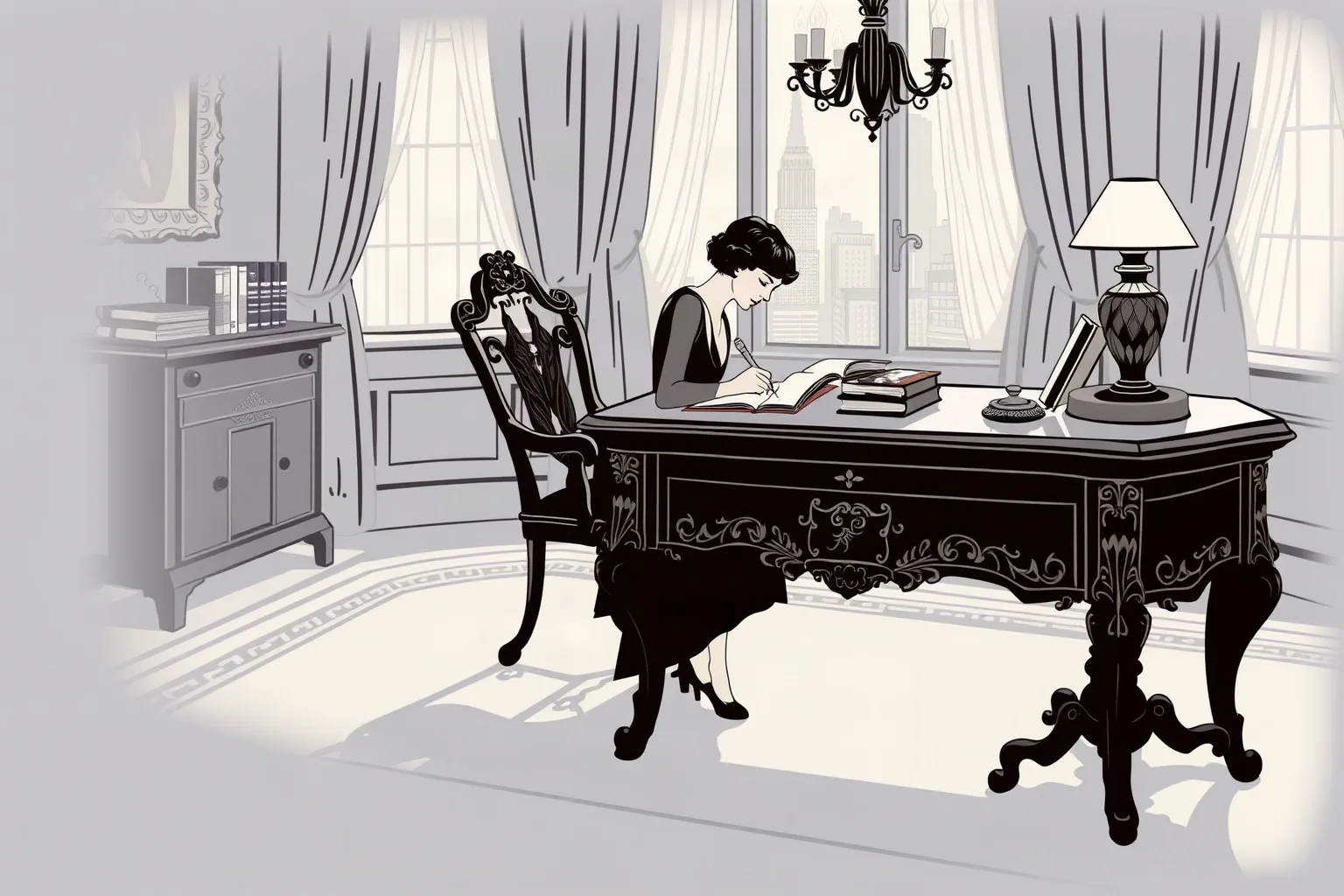
Edith Wharton became the first woman to win the Pulitzer Prize for Fiction, awarded in 1921 for “The Age of Innocence.” Her novels dissected the manners and hypocrisies of New York’s high society with precision and wit. Wharton’s success in the 1920s helped cement the idea that famous American women authors could achieve both critical and commercial acclaim.
14. Willa Cather
Willa Cather wrote vividly about immigrant life and the American frontier in novels like “My Ántonia” (1918) and “One of Ours,” which won the Pulitzer Prize in 1923. Her spare, evocative prose style influenced generations of American fiction writers. Cather is often cited alongside Wharton and Woolf as one of the notable women writers active in the 1920s.
15. Zora Neale Hurston
Zora Neale Hurston was a key figure in the Harlem Renaissance, blending anthropology and fiction in works like “Their Eyes Were Watching God” (1937). Her earlier writing in the 1920s captured Black Southern life and dialect with a richness that was underappreciated during her lifetime. She was rediscovered decades later and is now considered essential reading in American literature.
16. Agatha Christie
Agatha Christie published her first novel in 1920 and went on to become the best-selling novelist in history, with billions of copies sold worldwide. Her Hercule Poirot and Miss Marple mysteries essentially defined the modern detective novel formula. Christie remains a go-to answer for anyone researching famous female authors of the 20th century or the best-selling female authors of all time.
Feminist and Mid-to-Late 20th Century Voices
As the century progressed, women writers increasingly used fiction and nonfiction to directly challenge social structures, racism, and gender inequality. This era produced some of the most influential feminist writers in history.
17. Simone de Beauvoir
Simone de Beauvoir’s 1949 book “The Second Sex” is one of the most influential feminist texts ever written, exploring how society constructs womanhood as “the other.” She was also a novelist and philosopher deeply tied to the existentialist movement in postwar France. Beauvoir remains a central reference point whenever people discuss major feminist writers or great feminist writers historically.
18. Harper Lee
Harper Lee published “To Kill a Mockingbird” in 1960, and it won the Pulitzer Prize the following year. The novel’s unflinching look at racism in the American South made it a staple of school curriculums for decades. Lee wrote relatively little afterward, but the impact of that single novel secured her place among history’s most famous American female authors.
19. Toni Morrison
Toni Morrison became the first Black woman to win the Nobel Prize in Literature, awarded in 1993. Novels like “Beloved” (1987) and “Song of Solomon” explored slavery’s legacy and Black identity with lyrical, unflinching prose. Morrison is widely regarded as one of the greatest American novelists of any gender from the 20th century.
20. Maya Angelou
Maya Angelou’s memoir “I Know Why the Caged Bird Sings” (1969) broke new ground in autobiographical writing by addressing trauma, racism, and resilience with poetic honesty. She was also an acclaimed poet, performing at President Bill Clinton’s 1993 inauguration. Angelou’s blend of memoir and poetry made her one of the most widely read and quoted female writers of the 20th century.
21st Century Female Authors Shaping Literature Today
Contemporary female authors continue to top bestseller lists, win major literary prizes, and expand what genres like historical fiction and fantasy can do. This new generation shows that the appetite for popular female authors today is as strong as ever.
21. J.K. Rowling
J.K. Rowling’s Harry Potter series, launched in 1997, became one of the best-selling book series in history and reshaped children’s and young adult publishing. Her success proved that a single female author could dominate global pop culture across books, film, and merchandising. Rowling remains one of the most commercially successful and widely discussed authors of the 21st century.
22. Chimamanda Ngozi Adichie
Chimamanda Ngozi Adichie’s novels, including “Half of a Yellow Sun” and “Americanah,” explore Nigerian history, immigration, and identity with clarity and nuance. Her TED talk and essay “We Should All Be Feminists” introduced her feminist writing to a massive global audience. She’s frequently cited among the most important contemporary voices in women in literature today.
23. Margaret Atwood
Margaret Atwood’s “The Handmaid’s Tale” (1985) saw renewed cultural relevance in the 21st century thanks to a hit television adaptation and ongoing debates about reproductive rights. Atwood has written across genres, including speculative fiction, poetry, and literary criticism, for over five decades. Her continued output makes her one of the most prolific and celebrated 21st century women writers.
24. Hilary Mantel
Hilary Mantel won the Booker Prize twice for her Thomas Cromwell trilogy, starting with “Wolf Hall” (2009), a landmark in historical fiction. Her meticulous research and immersive prose style raised the bar for what historical fiction female authors could achieve in literary fiction. Mantel’s success helped keep historical fiction firmly in the literary mainstream well into the 21st century.
What Ties These Women Writers Together
Across three thousand years, these women wrote in wildly different genres, languages, and social conditions. Yet many shared common obstacles: legal restrictions, pressure to use pseudonyms, and critics who assumed “serious” literature required a male author. Even so, they produced work that shaped the novel, poetry, memoir, and detective fiction as we know them.
Today’s popular lady authors and bestselling women novelists owe a real debt to these earlier writers who fought simply to be read on equal terms. The next time someone asks for a list of famous female authors, it’s worth remembering just how long and varied that list actually is.
Final Thoughts
The history of women in literature isn’t a single, tidy narrative. It’s a long, uneven struggle marked by brilliant individual breakthroughs, decades of underappreciation, and eventual, well-earned recognition. From Sappho’s fragments to Hilary Mantel’s sprawling historical novels, female authors have consistently pushed literature forward, even when the world was reluctant to give them credit.
Whether you’re looking for classic 19th century novels, feminist nonfiction, or the best female novelists working right now, this history offers no shortage of remarkable reading. The 24 writers above are a starting point, not a finish line, for anyone curious about the full scope of what women have contributed to literature.
Frequently Asked Questions
What does the phrase “female writer jurisprudence commerce literature career” refer to?
This phrase usually comes up in trivia or quiz contexts asking which fields a specific historical woman worked across before or alongside her writing career, often law (jurisprudence), business (commerce), and literature. Historically, many women writers supported themselves through unconventional combinations of legal, business, and literary work because formal writing careers were harder for women to access. There isn't one single universally famous figure tied to this exact phrase, so it's best treated as a general pattern rather than a reference to one confirmed person.
Who are two women writers active in the 1920s?
Virginia Woolf and Edith Wharton were both highly active and influential in the 1920s. Woolf published "Mrs Dalloway" and "To the Lighthouse" during this decade, while Wharton won the Pulitzer Prize for Fiction in 1921 for "The Age of Innocence." Willa Cather and Agatha Christie were also prominent women writers publishing major work during the same period.
Is there a well-known novel titled “Rot” by a female author from the early 20th century?
There isn't a widely documented, major novel titled simply "Rot" by a famous early 20th-century female author in standard literary reference sources. This search phrase may stem from a mistitled book, a niche or regional publication, or confusion with a similarly named work. If you're trying to track down a specific book, checking the exact spelling, publication year, and any secondary details will help narrow down the actual title and author.
Who are considered the greatest female authors of all time?
Names that consistently appear on lists of the greatest female authors include Jane Austen, Virginia Woolf, Toni Morrison, George Eliot, and Agatha Christie. These rankings vary by genre and personal taste, but these authors are widely studied, translated, and referenced across literary criticism. Many also appear on lists of the best female novelists of all time for their lasting influence on the novel as a form.
Who are some famous female authors of the 21st century?
Notable 21st century female authors include J.K. Rowling, Chimamanda Ngozi Adichie, Margaret Atwood, and Hilary Mantel. These writers span genres from fantasy to literary fiction to historical fiction, and several have both critical acclaim and massive commercial success. Newer voices continue to emerge each year across memoir, literary fiction, and speculative genres.
Why did so many female authors of the 19th century use pseudonyms?
Many 19th-century female writers, including the Brontë sisters and George Eliot, used male or ambiguous pen names because publishers and critics often dismissed writing known to be by women. A male-sounding name gave their manuscripts a better chance of being judged on literary merit rather than gender. This practice reflected broader legal and social restrictions women faced at the time, including limited property and publishing rights.
Who are considered major feminist writers?
Simone de Beauvoir, Virginia Woolf, and Chimamanda Ngozi Adichie are frequently cited as major feminist writers whose work shaped feminist theory and popular understanding of gender inequality. Beauvoir's "The Second Sex" and Woolf's "A Room of One's Own" are considered foundational feminist texts. Adichie's more recent essays have introduced feminist ideas to a new generation of readers globally.
What’s the difference between a “female writer” and a “feminist writer”?
A female writer simply refers to the author's gender, while a feminist writer specifically engages with themes of gender equality, women's rights, or critiques of patriarchal structures in their work. Not all female writers write about feminist themes, and some feminist writing has historically been produced by men. The two labels can overlap, as with Simone de Beauvoir or Virginia Woolf, but they aren't interchangeable terms.

Alex Warren
Related Articles