
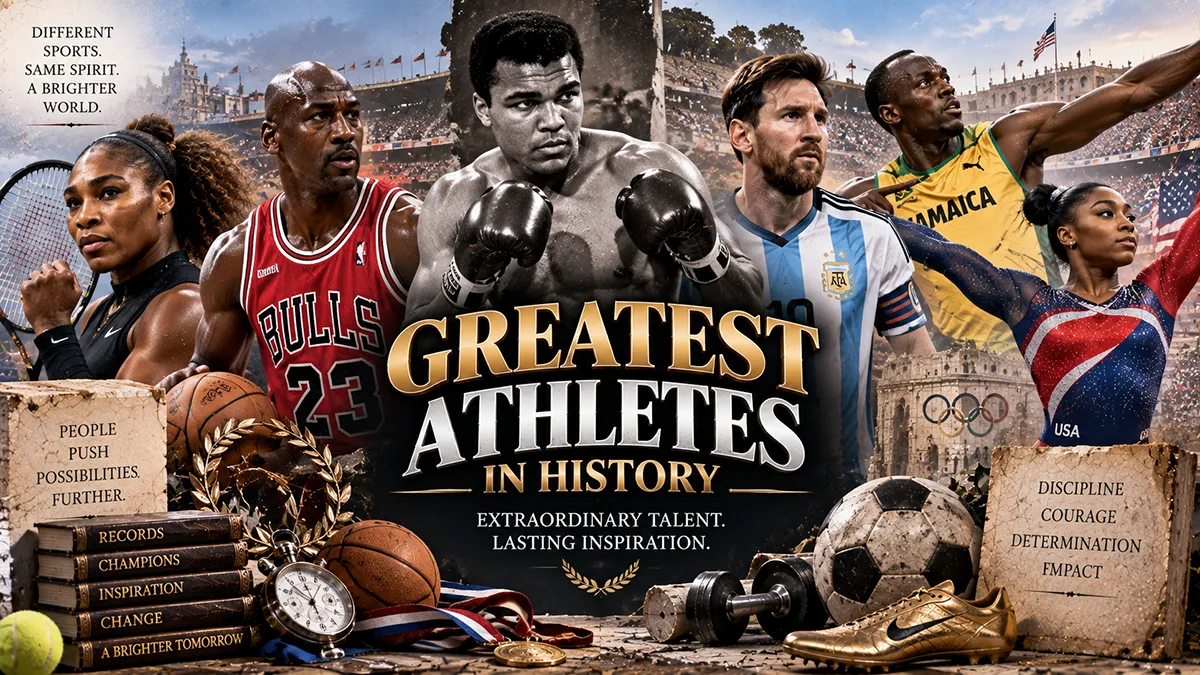
Ask ten sports fans to name the greatest athlete of all time, and you’ll likely get ten different answers — plus a friendly argument that lasts well past midnight.
That’s part of what makes the debate so much fun. Comparing a 1920s baseball slugger to a modern Olympic swimmer, or a barefoot marathoner from Rome 1960 to a sprinter running on synthetic track in carbon-plated shoes, is never a clean, apples-to-apples exercise.
Still, certain names keep rising to the top of every list, every poll, and every barstool debate. This guide walks through the athletes most historians, sportswriters, and fans point to when they talk about the best athletes of all time — while being honest about the myths, exaggerations, and unanswerable questions that come with the territory.
TL;DR: There’s no single, provable “greatest athlete ever,” but figures like Muhammad Ali, Pelé, Jim Thorpe, Jesse Owens, Serena Williams, and Usain Bolt consistently top the conversation for combining dominance, longevity, and lasting cultural impact.
What Actually Makes an Athlete “The Greatest”?
Before ranking anyone, it’s worth asking what the word “greatest” is even measuring. Some fans mean pure statistics — records broken, medals won, championships collected. Others mean dominance over rivals, longevity across decades, or the sheer difficulty of what a person accomplished in their sport.
Then there’s cultural impact, which is a completely different scale. Muhammad Ali and Pelé are remembered as much for what they represented outside their sport as for what they did inside it. That’s why any “top 10 athletes of all time” list is really a blend of numbers, eras, and storytelling, not a hard science.
It’s also worth being upfront about a myth: there is no official, universally agreed-upon ranking. Lists produced by outlets like ESPN, whose SportsCentury project famously ranked North American athletes of the 20th century, reflect the opinions of that particular panel at that particular time — not an objective formula. Treat every ranked list, including this one, as a well-researched conversation starter rather than a verdict.
The Greatest Athletes of All Time, Ranked
The athletes below span more than a century of sport, from the earliest modern Olympics to today’s global superstars. They’re organized roughly by era and impact rather than a rigid 1-to-22 scorecard, since comparing a gymnast to a marathoner on the same numeric scale is its own kind of myth.
1. Milo of Croton
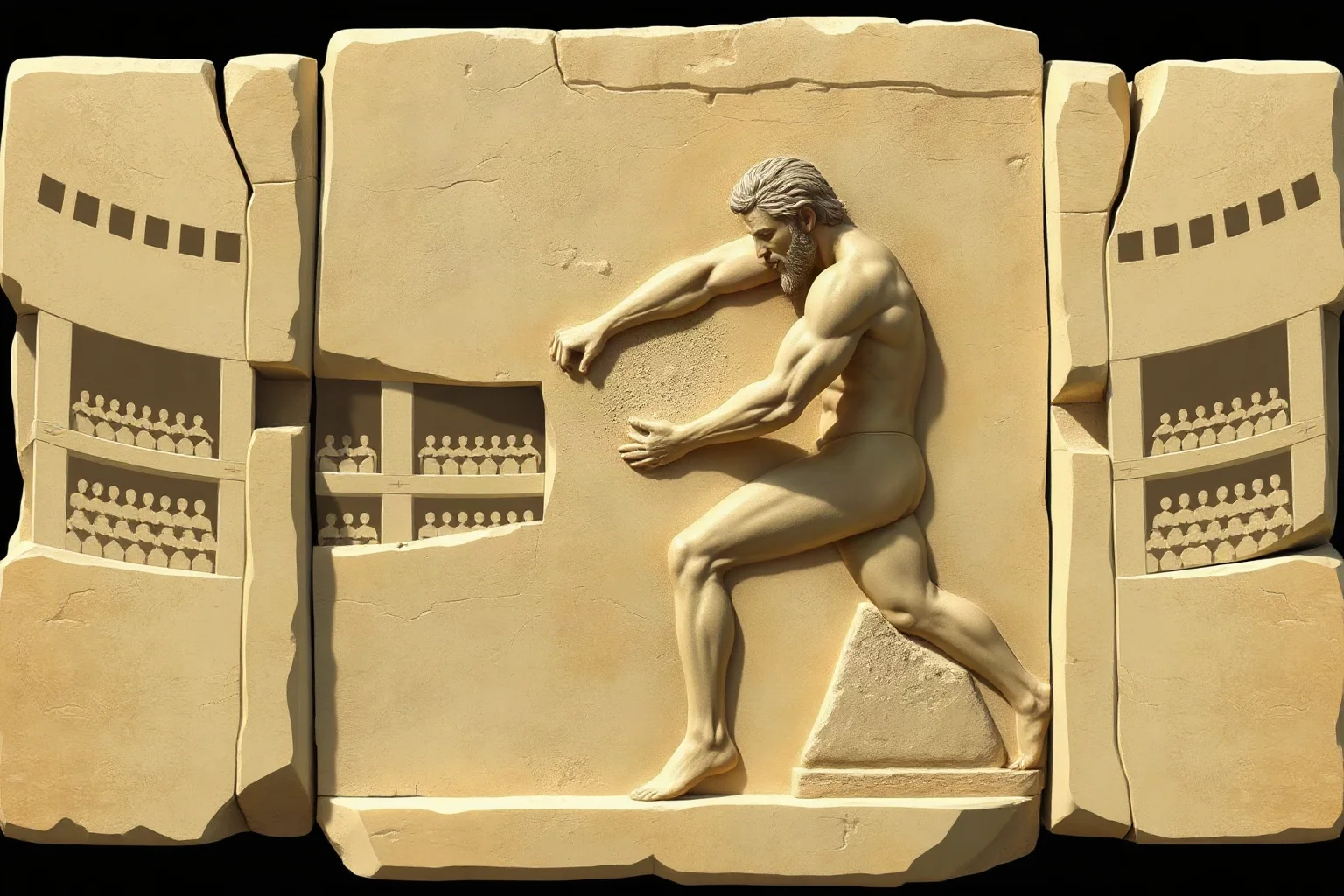
Long before modern stadiums, ancient Greece had its own athletic legends, and Milo of Croton is the name that survives most vividly. According to ancient sources like Pausanias, he won multiple wrestling titles at the Olympic Games in the 6th century BCE and became a symbol of superhuman strength in Greek legend.
Many of the specific feats attributed to Milo — carrying a bull on his shoulders, snapping cords tied around his head — come from stories written long after his life and should be read as legend rather than verified fact. Even so, he’s a useful reminder that debates about “the greatest athlete ever” are almost as old as organized sport itself.
2. Jim Thorpe

Jim Thorpe is frequently cited as one of the most versatile athletes in history, and for good reason. He won gold medals in both the pentathlon and decathlon at the 1912 Stockholm Olympics, then went on to play professional football, baseball, and basketball.
Thorpe’s Olympic story also carries an important historical footnote. He was stripped of his 1912 medals in 1913 after it was revealed he’d been paid to play minor-league baseball, violating strict amateurism rules of the era; the International Olympic Committee restored his status as sole gold medalist in 2022, decades after his death.
3. Babe Ruth

Babe Ruth reshaped baseball in the 1920s, shifting the sport from a low-scoring, defense-first game to one built around the home run. His 714 career home runs stood as the all-time record for decades, and his larger-than-life personality made him one of the first true American sports celebrities.
One popular Ruth story deserves a gentle myth-check: the famous “called shot” home run in the 1932 World Series, where he supposedly pointed to the outfield before hitting a home run there. Contemporary accounts vary, and historians still debate whether Ruth was truly predicting the shot or simply gesturing at the pitcher.
4. Jesse Owens
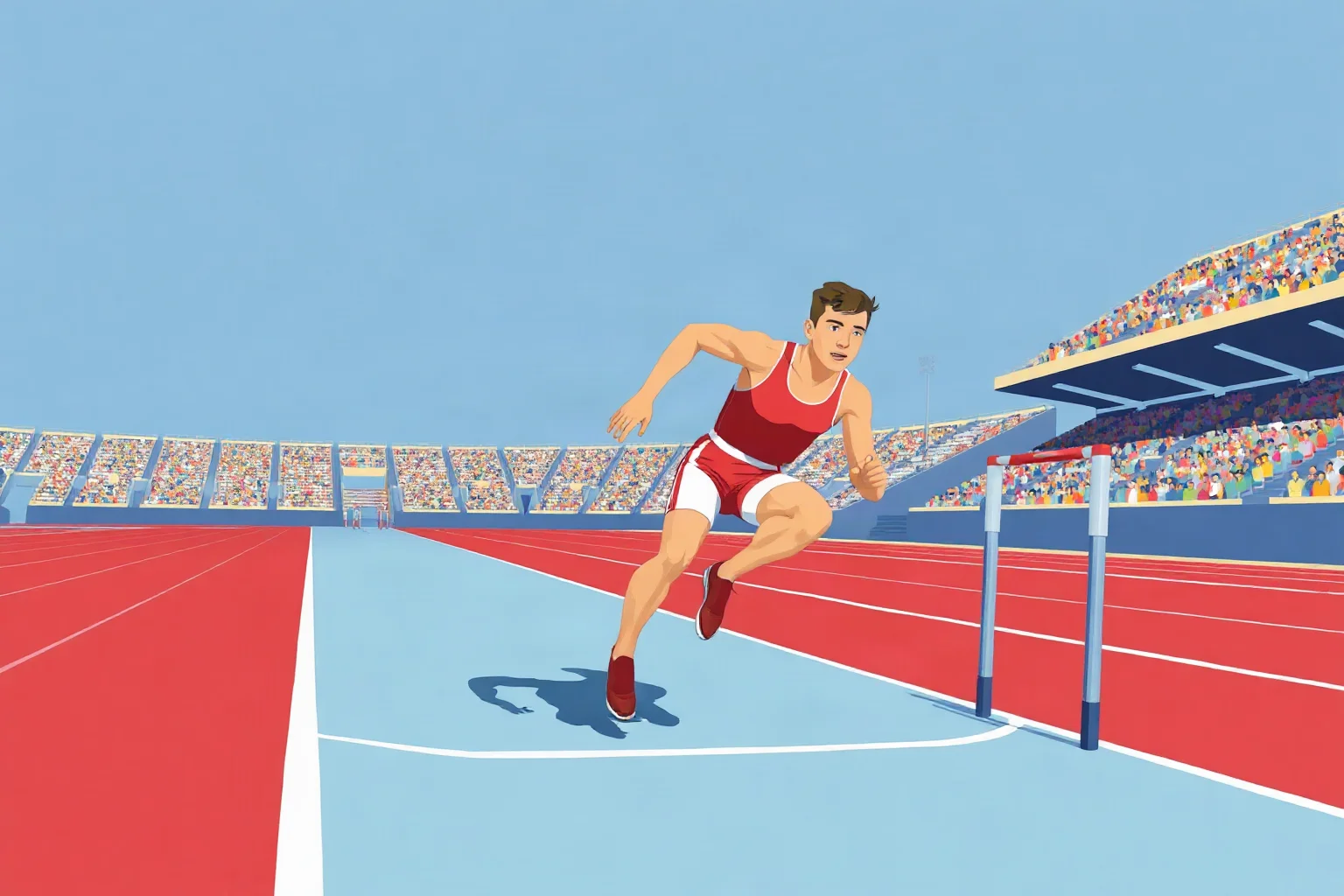
Jesse Owens delivered one of the most politically charged performances in Olympic history at the 1936 Berlin Games, winning four gold medals in track and field in front of Adolf Hitler and Nazi officials promoting theories of racial superiority. His victories in the 100m, 200m, long jump, and 4x100m relay stood as a powerful rebuttal to that ideology.
Owens returned home to a country still enforcing segregation, a detail often left out of the celebratory version of his story. His athletic brilliance and the complicated reality he faced afterward are both essential parts of understanding his legacy.
5. Babe Didrikson Zaharias

Babe Didrikson Zaharias may be the most versatile female athlete in American history. She won two gold medals and a silver in track and field at the 1932 Olympics, then went on to become one of the founders and dominant early stars of the LPGA golf tour.
She also played competitive basketball and baseball exhibition games, which was almost unheard of for a woman in that era. Her career is a strong answer for anyone searching for early famous sportswomen who dominated multiple disciplines.
6. Emil Zátopek
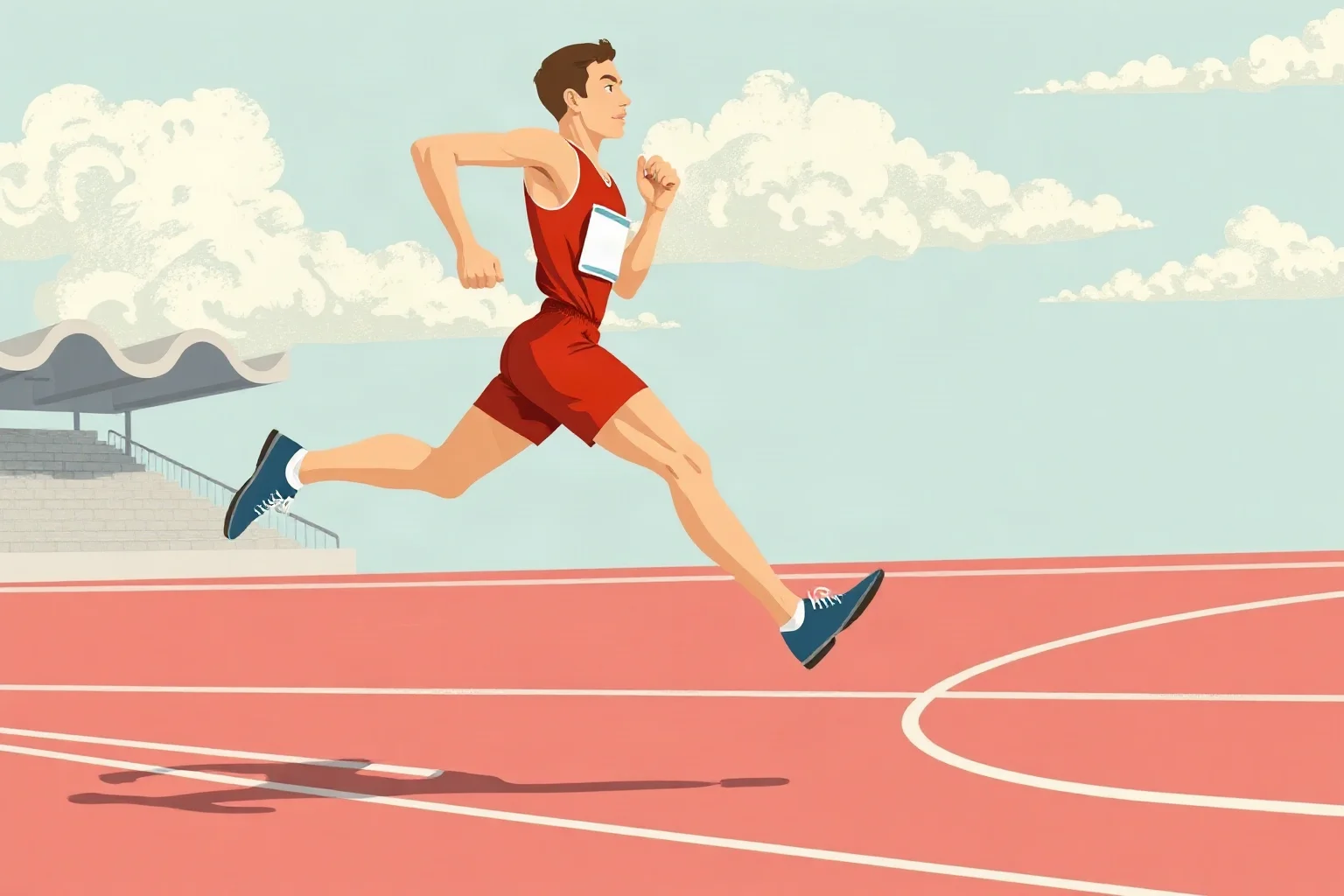
Emil Zátopek, a Czech distance runner, pulled off one of the most remarkable feats in Olympic history at the 1952 Helsinki Games. He won gold in the 5,000m, 10,000m, and — in an event he’d never raced before — the marathon, all within the same Olympics.
His unconventional, seemingly exhausting running style led rivals to joke that he looked like he was in pain the entire race. Results, however, spoke for themselves, and he remains a benchmark for distance-running dominance.
7. Muhammad Ali

Muhammad Ali is arguably the most recognizable name in boxing history and a strong contender whenever people debate the greatest sportsman of all time. He won Olympic gold in 1960, became a three-time heavyweight champion, and famously refused induction into the U.S. military during the Vietnam War, a stance that cost him his title and years of his career.
His rivalry with Joe Frazier, especially the 1975 “Thrilla in Manila,” is still referenced as one of boxing’s defining moments. Ali’s self-declared nickname, “The Greatest,” has stuck in pop culture partly because his career backed it up.
8. Pelé
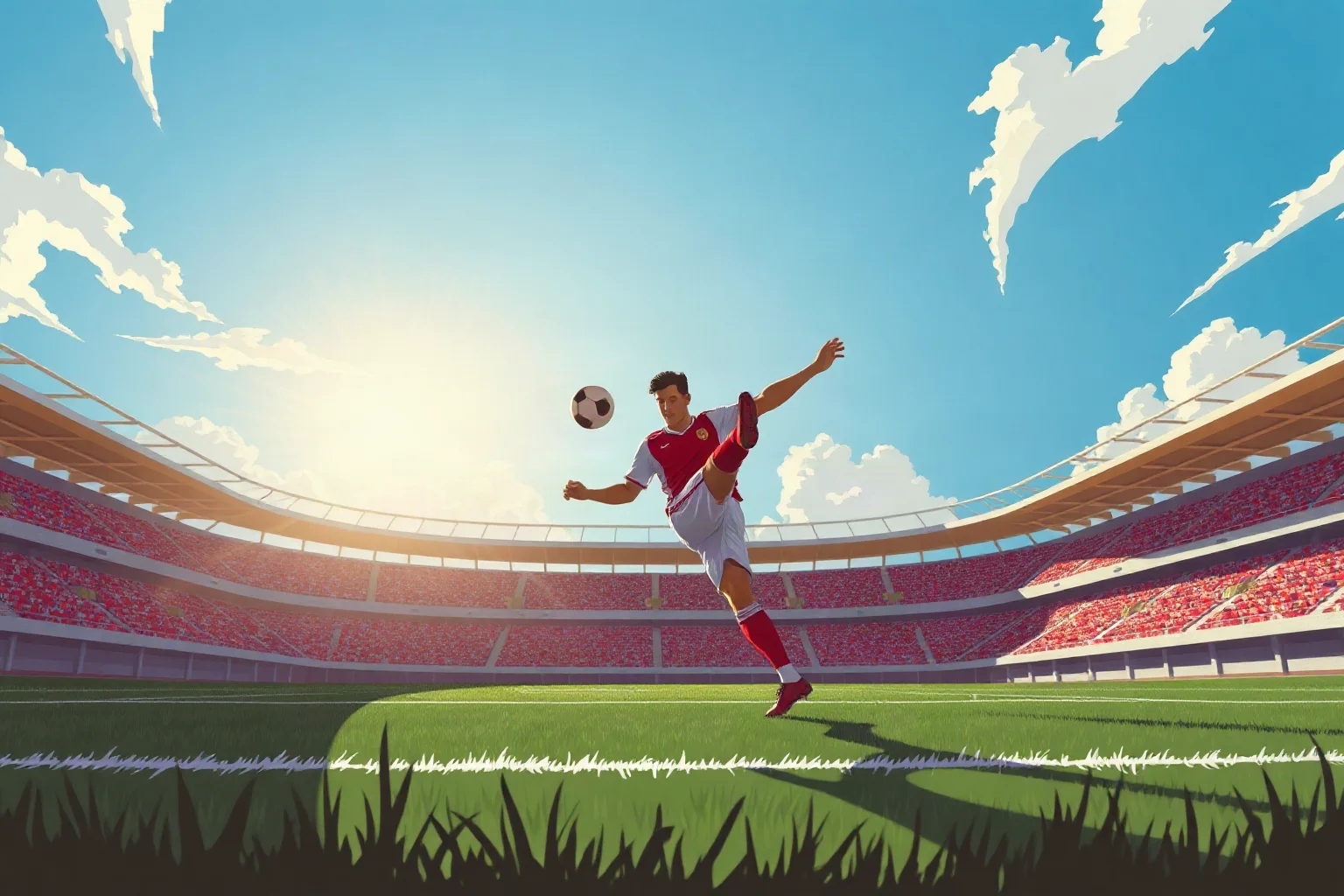
Pelé remains the benchmark for greatness in world football, having won three FIFA World Cups with Brazil in 1958, 1962, and 1970 — a feat no other player has matched. He scored, by most club and international counts, well over 1,000 goals across his career, though exact totals vary depending on which exhibition matches are included.
Pelé’s move to the New York Cosmos in the mid-1970s also helped popularize soccer in the United States at a time when the sport had little mainstream traction there. He remains a touchstone answer to “who is the most famous sportsman in the world,” even decades after retiring.
9. Wilma Rudolph
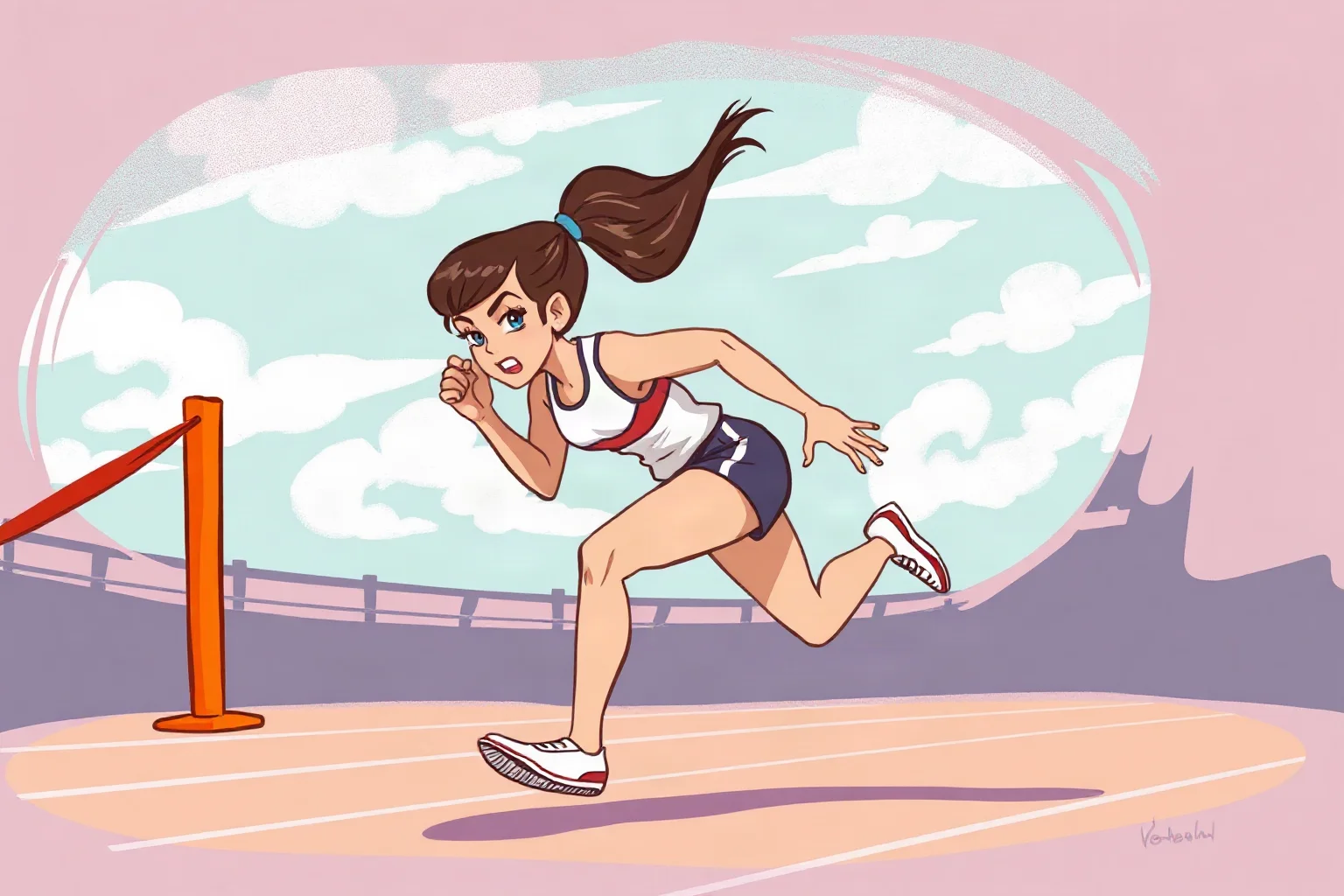
Wilma Rudolph overcame childhood polio to become the first American woman to win three gold medals at a single Olympics, doing so at the 1960 Rome Games in the 100m, 200m, and 4x100m relay. Her story helped raise the profile of women’s track and field in the United States.
Rudolph also became an outspoken advocate for civil rights after her athletic career, using her platform in a way that extended well beyond the track. Her combination of speed and social impact places her firmly among history’s most influential athletes.
10. Wayne Gretzky

Known simply as “The Great One,” Wayne Gretzky holds more NHL scoring records than any player in the league’s history, including career goals, assists, and total points. His statistical dominance is so pronounced that some of his records may never be broken.
Gretzky’s calm playmaking style, rather than pure physical power, is part of what made him unique among dominant athletes. He’s regularly cited among the greatest sports players of all time specifically because his numbers hold up under any statistical lens.
11. Nadia Comăneci

Nadia Comăneci made Olympic history at the 1976 Montreal Games by scoring the first perfect 10 ever recorded in Olympic gymnastics, on the uneven bars. She went on to earn seven perfect 10s at those Games alone, a feat that reshaped how the sport was scored going forward.
Her performance came at just 14 years old, which added to the sense that she was doing something previously thought impossible. Comăneci remains a reference point whenever gymnastics fans discuss the most dominant athletes of all time.
12. Carl Lewis

Carl Lewis matched Jesse Owens’ feat of four gold medals in a single Olympics at the 1984 Los Angeles Games, winning the 100m, 200m, long jump, and 4x100m relay. He went on to compete across four Olympics, collecting a total of nine gold medals over his career.
His longevity is what separates him from many track stars, as he remained competitive at the highest level for well over a decade. That combination of dominance and endurance is a big reason he shows up on nearly every “top 10 athletes in the world” retrospective for track and field.
13. Michael Jordan

Michael Jordan won six NBA championships with the Chicago Bulls in the 1990s and became arguably the most popular athlete in the 90s globally, thanks in part to Nike’s marketing and his highlight-reel scoring. Five MVP awards and two Olympic gold medals rounded out a résumé that changed how basketball was marketed worldwide.
His rivalry with the “greatest of all time” debate is ongoing, especially against modern stars, and that’s a healthy sign of how subjective these rankings really are. Jordan’s global fame in the 1990s, though, is one of the least disputed parts of his legacy.
14. Diego Maradona

Diego Maradona led Argentina to the 1986 World Cup title, a tournament remembered for his famous “Hand of God” goal against England — a handball he later admitted to — as well as a stunning solo run against the same opponent minutes later. That mix of controversy and brilliance defines much of his career.
His club career at Napoli also turned him into a folk hero in southern Italy. Maradona’s story is a reminder that “greatest ever” conversations often include complicated, very human athletes, not just clean highlight reels.
15. Martina Navratilova

Martina Navratilova won 18 Grand Slam singles titles and dozens more in doubles, dominating women’s tennis through the 1980s with her aggressive serve-and-volley style. Her rivalry with Chris Evert is considered one of the greatest in tennis history.
She also competed at an elite level well into her 40s, an unusually long career for professional tennis. That longevity, paired with her peak dominance, makes her a frequent answer to “who are the best athletes” in women’s sports history.
16. Michael Phelps
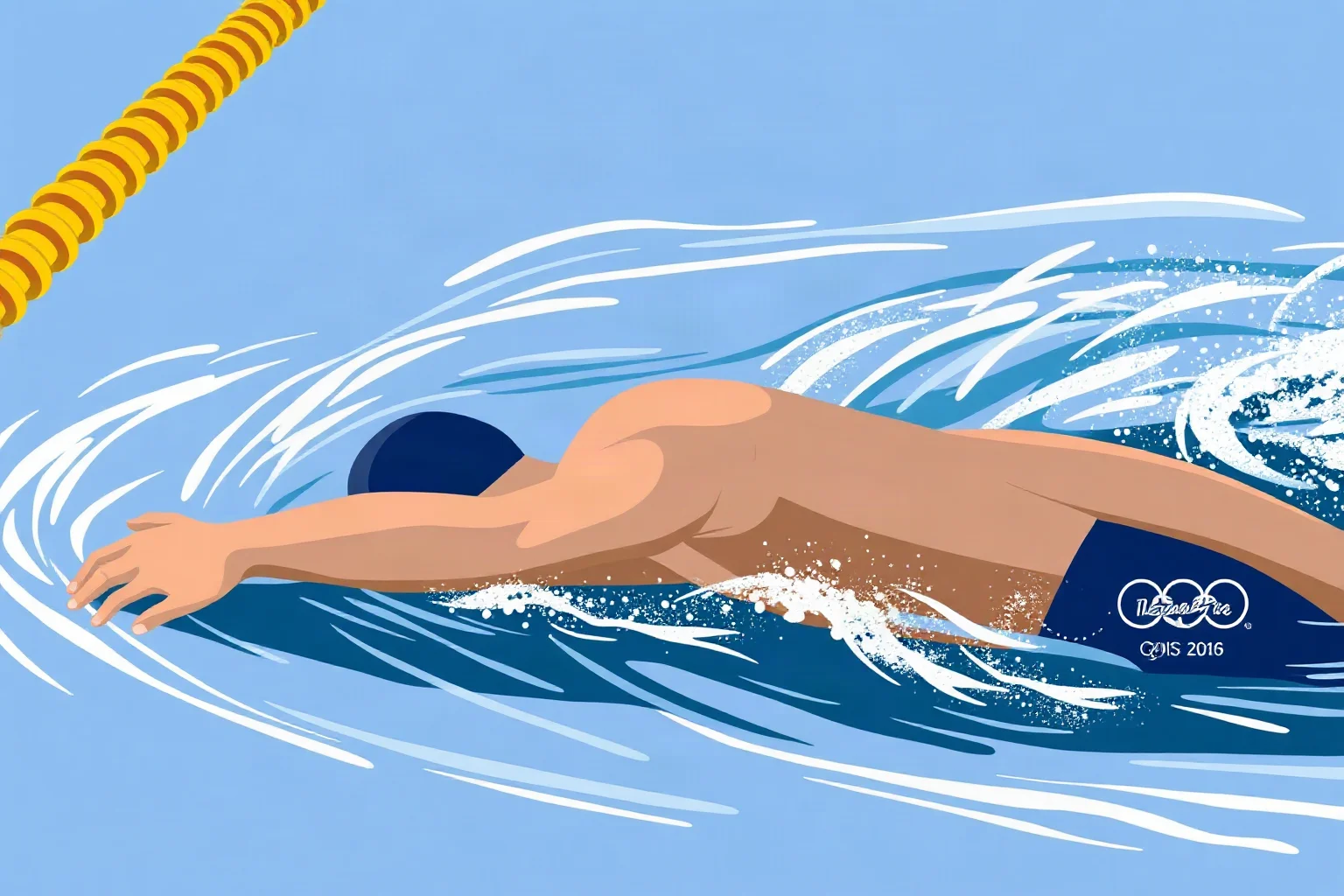
Michael Phelps is the most decorated Olympian in history, with 23 gold medals and 28 total medals across five Olympic Games between 2004 and 2016. His performance at the 2008 Beijing Olympics alone, where he won eight golds, remains one of the single greatest showings by any athlete at one Games.
Phelps’ combination of technique, physiology, and sheer medal count makes him almost impossible to leave off any serious “greatest athletes of all time” discussion. Few athletes in any sport have matched his sustained dominance across four Olympic cycles.
17. Usain Bolt

Usain Bolt’s world records in the 100m (9.58 seconds) and 200m (19.19 seconds), both set in 2009, still stand as of this writing and remain the benchmark for human sprinting speed. He won gold in both events at three consecutive Olympics — 2008, 2012, and 2016 — a level of sprint dominance never seen before.
Bolt’s showmanship, including his signature lightning-bolt pose, also made him a global personality far beyond track and field circles. He’s one of the most common answers whenever people search for the fastest, most dominant athlete of all time.
18. Serena Williams
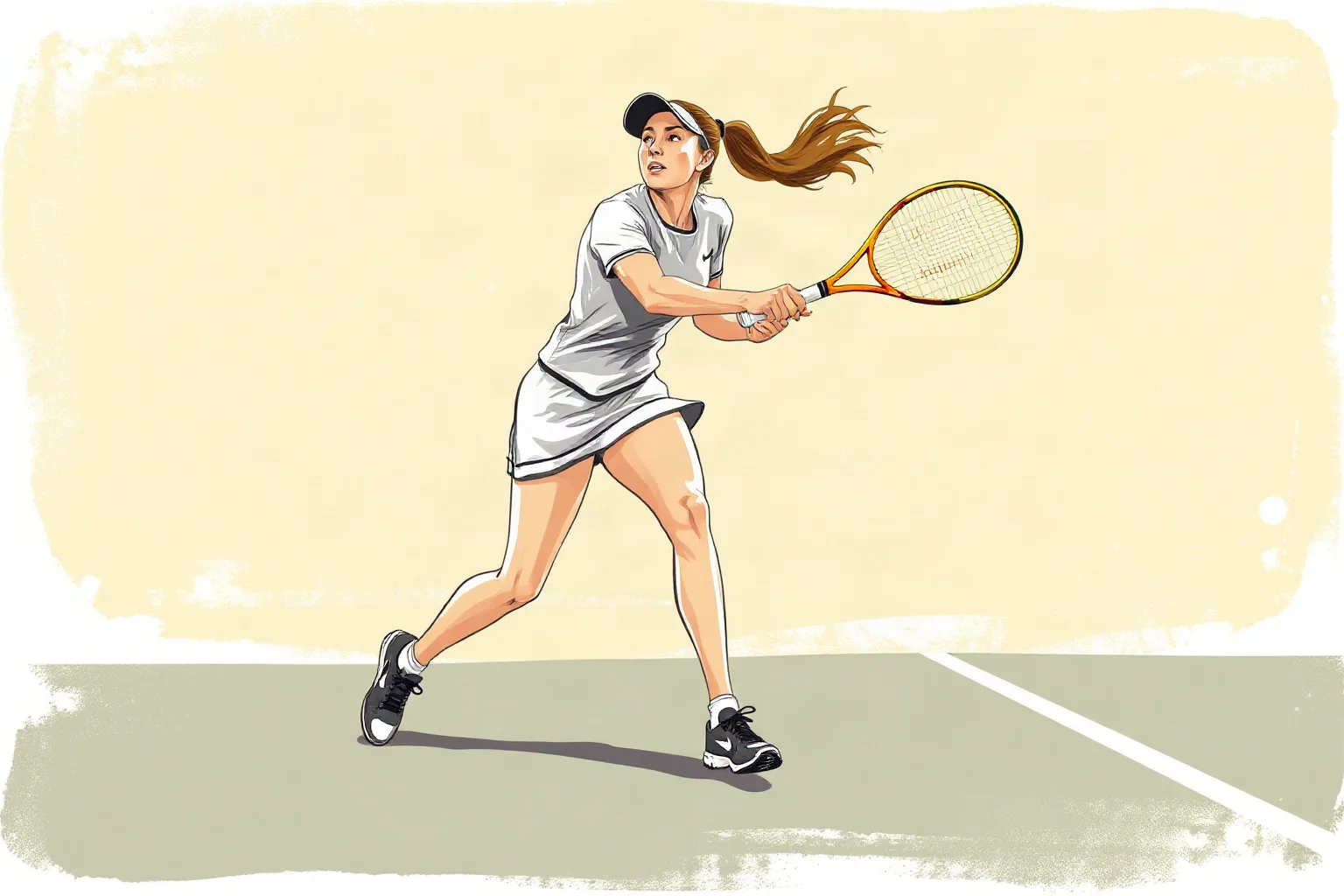
Serena Williams won 23 Grand Slam singles titles, the most of any player in the Open Era, across a career that spanned more than two decades at the top of women’s tennis. Her powerful serve and return game redefined what physical dominance looked like in the sport.
Williams also competed at an elite level after becoming a mother, returning to major finals in her late 30s. That combination of power, longevity, and cultural influence keeps her near the top of nearly every list of famous sportswomen and famous athletes overall.
19. Simone Biles
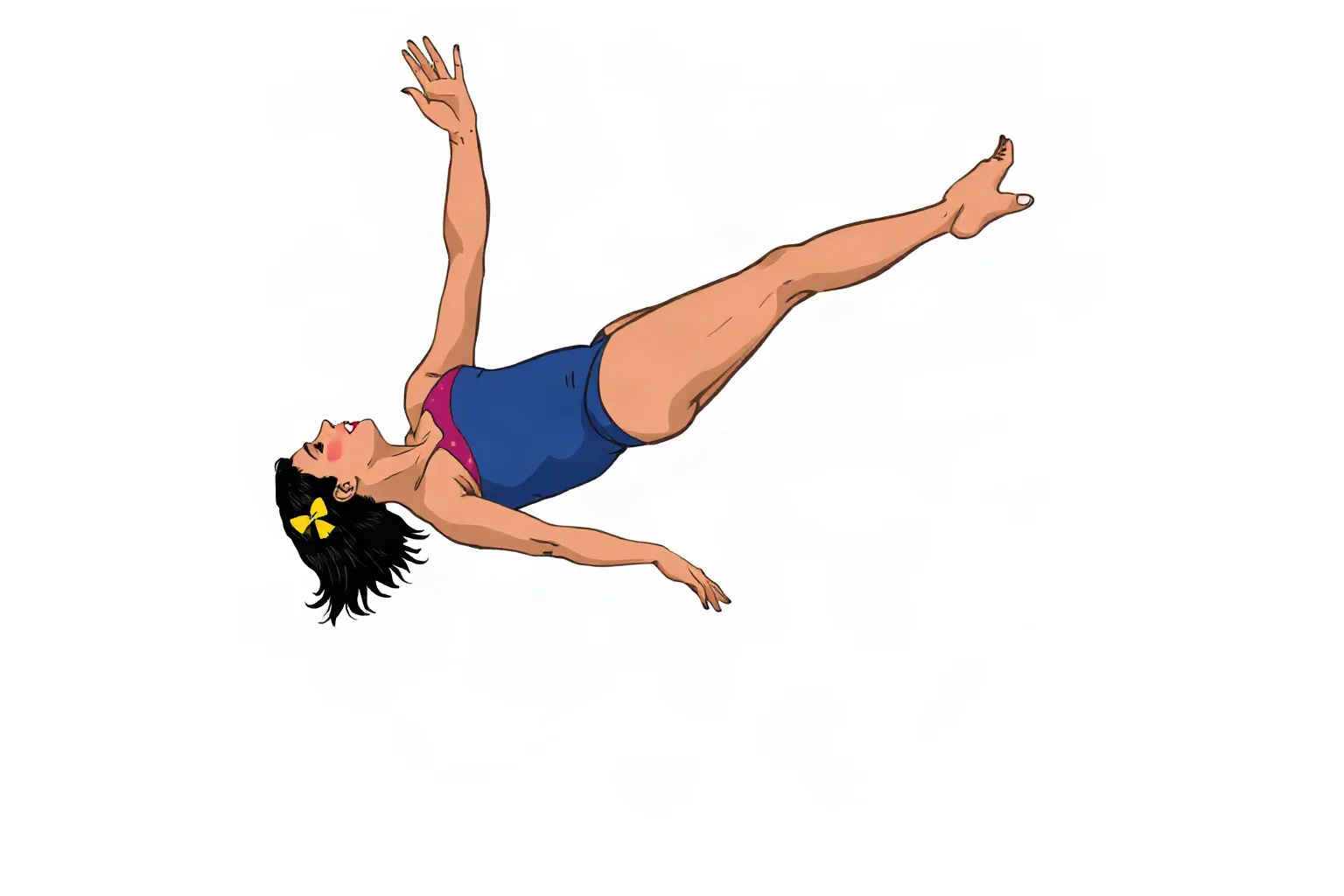
Simone Biles has become the most decorated gymnast in World Championship history, with multiple Olympic and world titles across the 2016 Tokyo-cycle and Paris 2024 Games. Several skills are now named after her because she was the first gymnast to successfully land them in competition.
Biles has also been notably open about mental health, including her decision to step back from several events at the 2020 Tokyo Olympics to protect her wellbeing. That honesty added a different, important dimension to how fans understand elite athletic pressure.
20. Eliud Kipchoge

Eliud Kipchoge has set multiple official marathon world records, including a 2:01:09 finish in Berlin in 2022 and a further improvement to 2:00:35 in 2023. He’s also an Olympic gold medalist in the marathon, winning in both 2016 and 2021.
It’s worth separating fact from headline here: Kipchoge did run a marathon distance in under two hours during 2019’s Ineos 1:59 Challenge, but that run used rotating pacers and other conditions that meant it wasn’t eligible as an official world record. His legitimate marathon records are still historic on their own.
21. LeBron James

LeBron James became the NBA’s all-time leading scorer in February 2023, surpassing a record set decades earlier by Kareem Abdul-Jabbar. He’s won four NBA championships across three different franchises and maintained elite-level performance for over 20 seasons.
His longevity is the standout part of his case in GOAT debates, since very few athletes in any physical, contact-heavy sport remain dominant into their late 30s. James’ career overlaps enough with Jordan’s that fans still argue over who belongs higher on basketball’s all-time list.
22. Lionel Messi
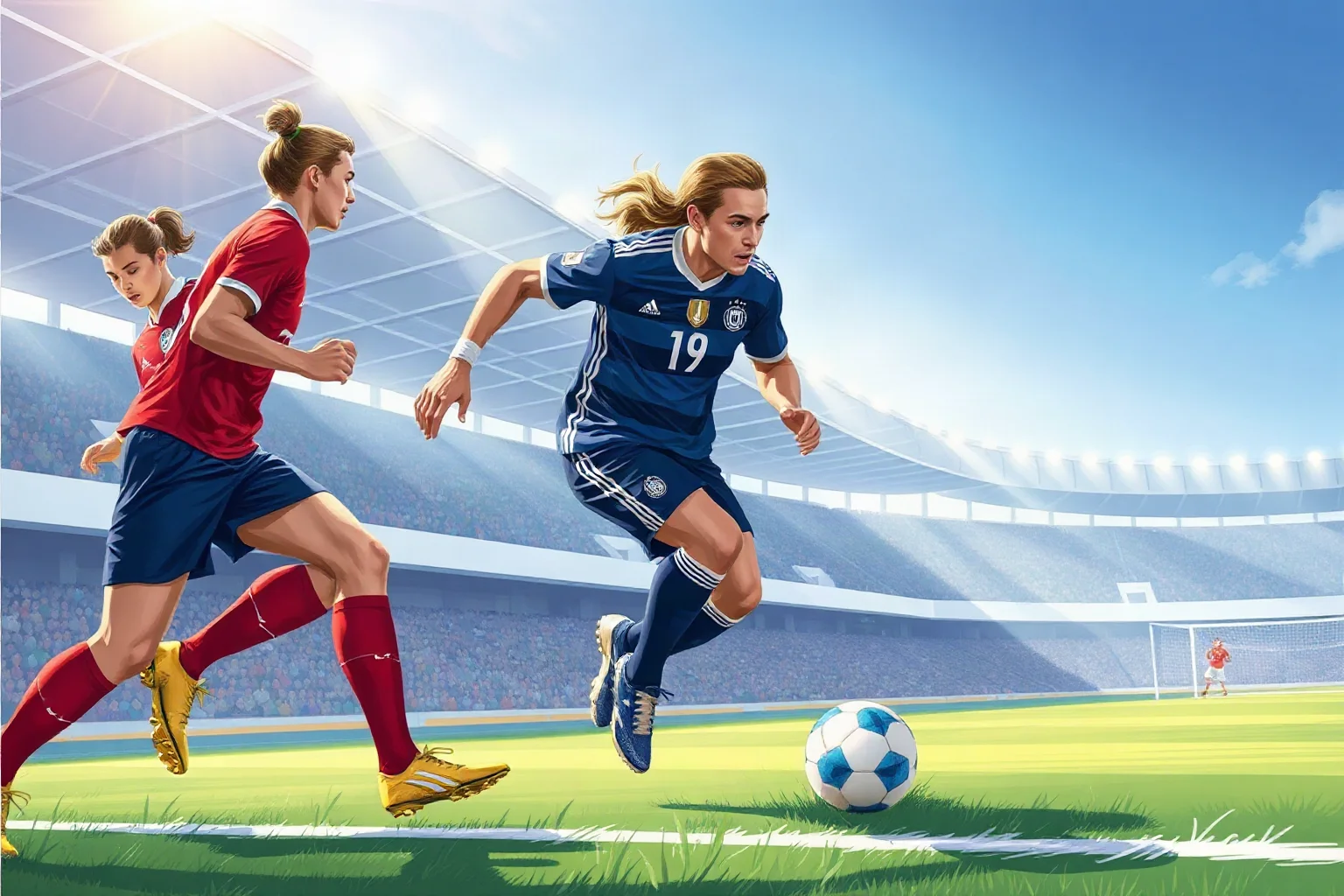
Lionel Messi capped his career highlights by leading Argentina to the 2022 World Cup title, finally answering the one major criticism that had followed him throughout his club dominance at Barcelona. He also holds a record eight Ballon d’Or awards, more than any other player in the award’s history.
Messi’s rivalry with Cristiano Ronaldo defined an entire generation of soccer fandom, with fans endlessly debating which player deserved the “greatest of all time” title. Both players’ longevity at the top of world football, stretching well over 15 years each, is genuinely rare in the sport.
Honorable Mentions Who Nearly Made the Cut
Narrowing a list like this to 22 names means leaving out plenty of legitimate contenders. Jackie Robinson, Roger Federer, Tiger Woods, Katie Ledecky, Jack Nicklaus, and Paavo Nurmi could all reasonably appear on a longer version of this list.
Bruce Lee is another name that often comes up in these conversations, even though martial arts and film work sit slightly outside traditional competitive sport. His influence on physical culture and public fascination with athleticism, though, is hard to ignore.
The honest truth is that any list claiming to name the single most famous athlete in the world, or the definitive top 10 athletes ever, is making a judgment call. Sports fandom is regional, generational, and emotional, which is exactly why these debates never really end.
Greatest Athletes of the 20th Century vs. Today’s Stars
Comparing 20th-century legends to today’s athletes involves more than just stats. Training science, sports medicine, nutrition, and even the equipment used have changed dramatically, which makes head-to-head comparisons tricky at best.
When ESPN’s SportsCentury project ranked the top North American athletes of the 20th century around the turn of the millennium, Babe Ruth topped that particular list, with Michael Jordan and Muhammad Ali also placing near the top. That result reflects the opinions of the panel involved at that specific moment, not some permanent scientific ranking.
Modern athletes like Bolt, Phelps, and Biles benefit from decades of advances in training and recovery that simply didn’t exist for athletes competing in the 1920s or 1950s. That doesn’t make their achievements less impressive; it just means the comparison across eras is never entirely fair to either side.
Why Comparing Athletes Across Eras Is So Difficult
One of the biggest myths in sports debate is that there’s a clean, objective way to rank “the greatest athlete ever” across different sports and centuries. In reality, a swimmer’s Olympic medal count, a boxer’s win-loss record, and a footballer’s World Cup titles aren’t measured on the same scale at all.
Competition pools have also changed enormously. Jesse Owens competed against a fraction of the athletes, from a fraction of the countries, that modern Olympians face today, which doesn’t diminish his achievement but does complicate direct comparisons.
Cultural reach adds another layer of difficulty. An athlete’s global fame today is amplified by social media and international broadcasting in ways that simply weren’t available to athletes competing before television, let alone before the internet.
Final Thoughts: There’s No Single Greatest
After all this, it’s tempting to want a definitive answer to “who is the greatest athlete of all time.” The more honest answer is that greatness in sport comes in different shapes: raw dominance, incredible longevity, cultural transformation, or some combination of all three.
What’s clear is that names like Ali, Pelé, Owens, Thorpe, Williams, and Bolt keep appearing across generations of fans, historians, and sportswriters for good reason. Their stories, achievements, and even their controversies are worth remembering accurately, not just as highlight reels but as real history.
The next time someone asks you to name the best athlete of all time, it’s fair to say the real answer depends on what you’re measuring — and that might be the most interesting part of the debate.
Frequently Asked Questions
Who are considered the best athletes of all time?
There's no single official ranking, but names like Muhammad Ali, Pelé, Michael Phelps, Usain Bolt, Serena Williams, Jim Thorpe, and Jesse Owens consistently appear near the top of most historians' and sportswriters' lists of the best athletes of all time.
Who is the greatest athlete of all time?
There's no universally agreed answer, since it depends on whether you weigh statistics, dominance, longevity, or cultural impact most heavily. Muhammad Ali and Pelé are among the most frequently cited answers, but the honest response is that it's a subjective debate.
Who is the most famous athlete in the world?
Global fame shifts over time, but figures like Pelé, Muhammad Ali, and Michael Jordan have each held that unofficial title during their prime eras, largely due to their reach beyond their home sport and country.
What criteria make someone the greatest athlete ever?
Most rankings weigh a mix of dominance over competitors, statistical achievements, longevity at an elite level, and lasting cultural or historical impact. Different fans and analysts weigh these factors differently, which is why no single ranking is definitive.
Who is the most dominant athlete of all time?
Michael Phelps' 23 Olympic gold medals and Usain Bolt's still-standing sprint world records are often cited as some of the most dominant individual performances in modern sports history, alongside Wayne Gretzky's scoring records in the NHL.
Did ESPN name an official greatest athlete of all time?
ESPN's SportsCentury project ranked the top North American athletes of the 20th century, placing Babe Ruth at number one with Michael Jordan and Muhammad Ali close behind. This reflects that particular panel's opinion around 1999, not a permanent or scientific ranking.
Who is often called the greatest sportsman of the 20th century?
Muhammad Ali and Babe Ruth are two of the names most frequently used in this conversation, though Pelé and Jesse Owens are also commonly cited depending on which sport and region a list focuses on.

Alex Warren
Related Articles