

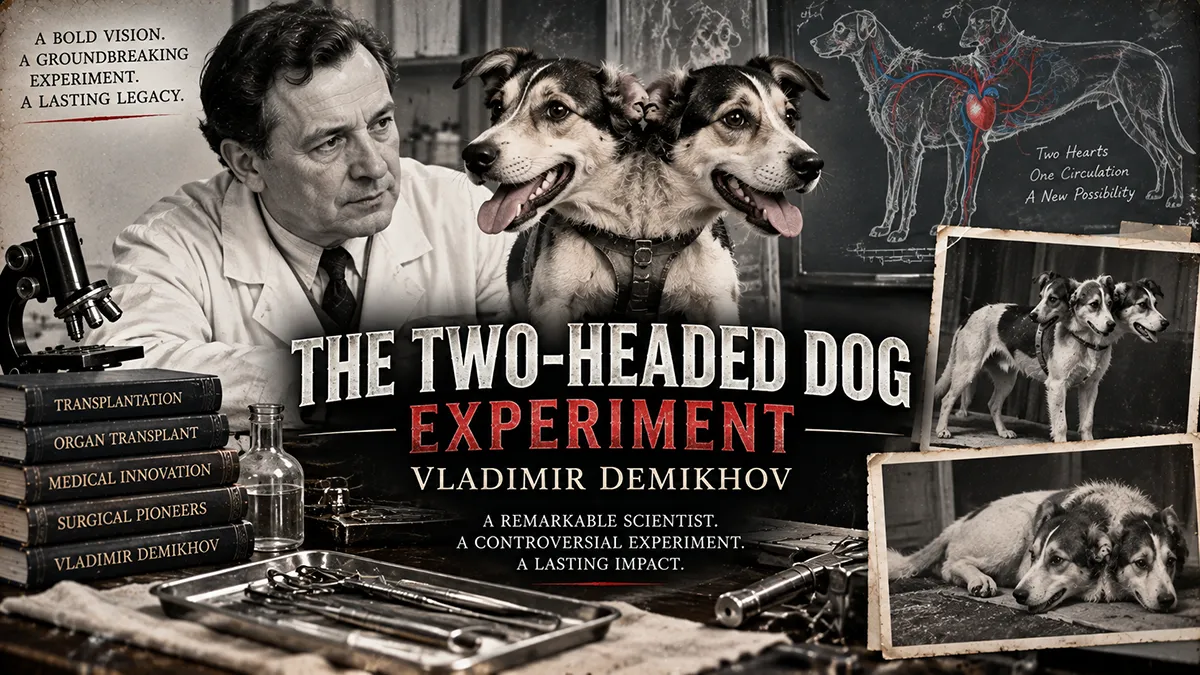
If you’ve ever stumbled across a grainy black-and-white photo of a dog with two heads and wondered whether it was real, a hoax, or something out of a horror movie, you’re not alone.
The image is real, and so was the science behind it — sort of. It comes from the strange, brilliant, and controversial career of a Soviet surgeon named Vladimir Demikhov, whose two-headed dog experiments shocked the world in the 1950s and quietly helped build the foundation of modern organ transplant medicine.
TL;DR: Soviet surgeon Vladimir Demikhov really did graft puppies’ heads and forelegs onto adult dogs in the 1950s-60s as organ-transplant research, not spectacle — and while the dogs were real, many photos and “museum” claims circulating online today are exaggerated or unverified.
1. Who Was Vladimir Demikhov?
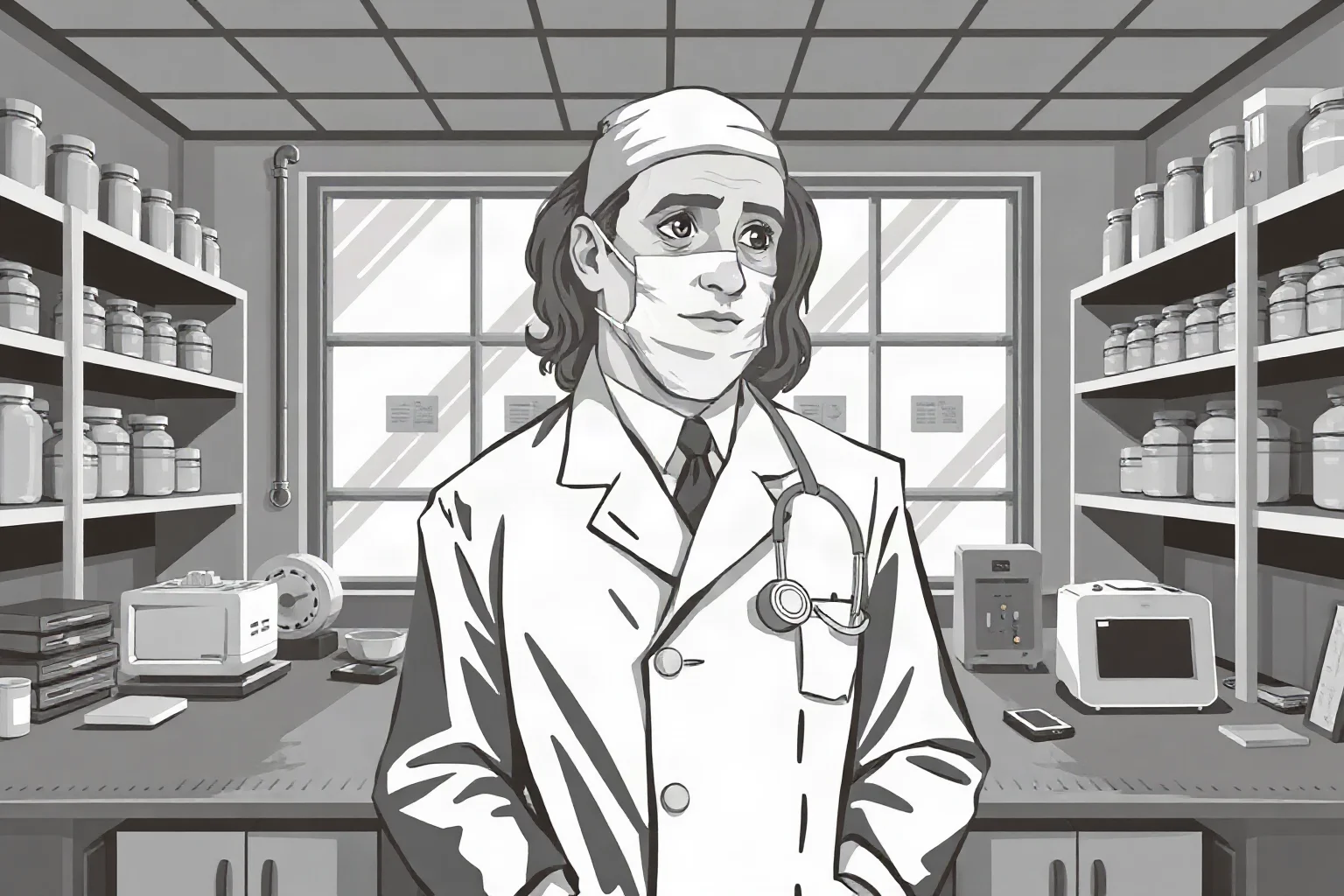
Vladimir Demikhov was a Soviet scientist born in 1916, working out of Moscow’s medical research institutes during the mid-20th century. He wasn’t a mad scientist chasing headlines; he was a transplant pioneer trying to solve one of medicine’s biggest puzzles. That puzzle was whether organs, and even entire body parts, could be successfully moved from one living creature to another.
Long before he became known for two-headed dogs, Demikhov had already performed groundbreaking work on artificial hearts and organ grafts. His name rarely appears in Western textbooks the way Christiaan Barnard’s does, but many transplant historians consider him one of the most important, and most overlooked, figures in the field.
2. Not Just One Dog: More Than 20 Two-Headed Creations
Here’s something that surprises most people: there wasn’t just one famous two-headed dog. Demikhov performed this type of surgery on roughly two dozen dogs between the early 1950s and mid-1960s, according to accounts of his research published at the time. Each operation was a variation on the same basic idea, refined over years of trial and error.
This wasn’t a single viral stunt; it was a sustained experimental program. Demikhov treated every dog as a data point in a much larger question about circulation, immune rejection, and organ survival.
3. The First Two-Headed Dog Surgery, 1954
Demikhov’s first widely reported two-headed dog experiment took place in 1954, and it made international news almost immediately. Soviet science rarely got this kind of global attention during the Cold War, which made the story even more sensational to Western readers. Reporters and scientists outside the USSR struggled to decide whether to be horrified or fascinated.
The timing mattered too. This was an era when transplant surgery of any kind was still considered almost science fiction, so a living two-headed dog was as shocking as it was scientifically significant.
4. How the Two-Headed Dog Experiment Actually Worked
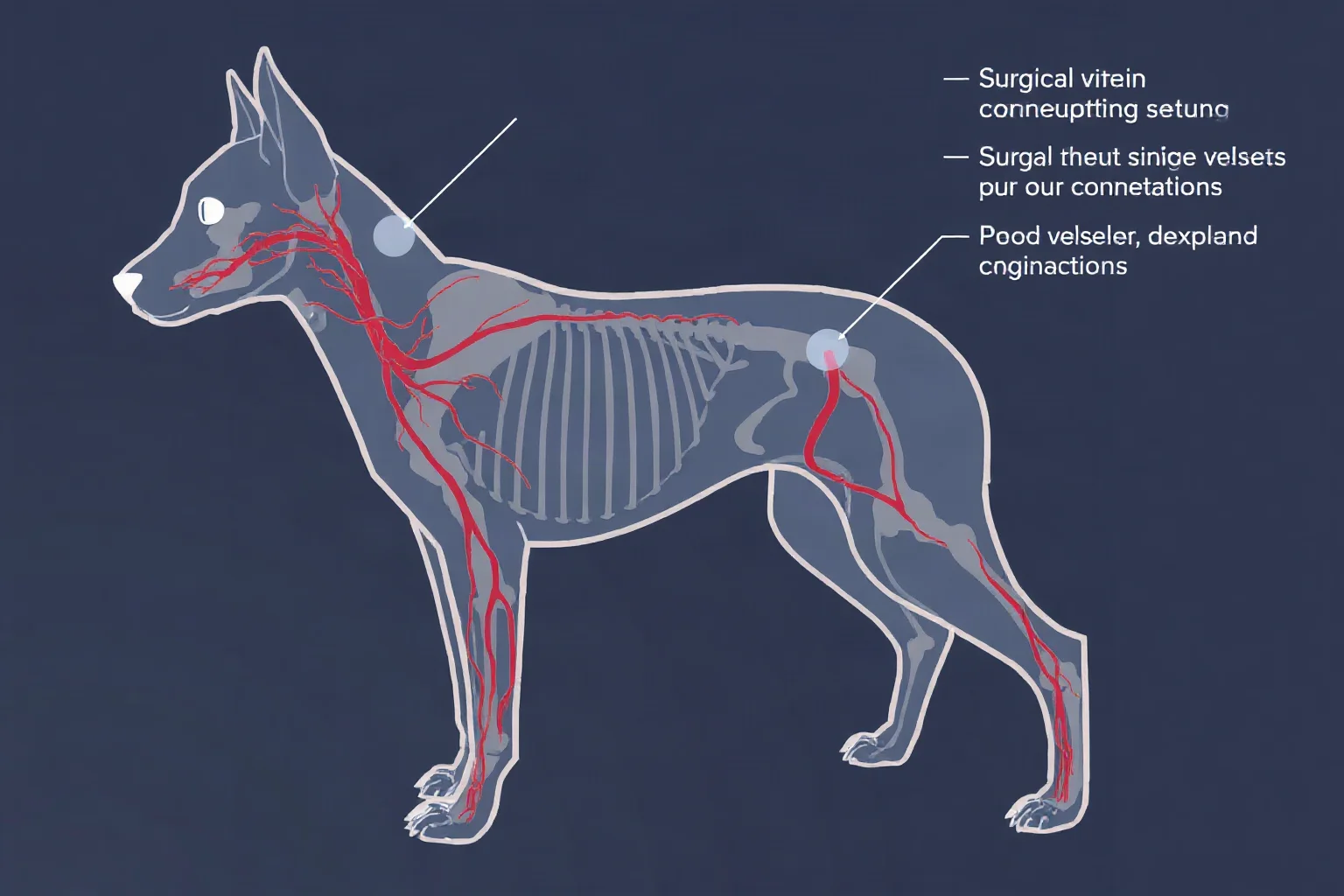
The surgery itself was more precise than most people imagine. Demikhov took the head, shoulders, and front legs of a smaller puppy and grafted them onto the neck and major blood vessels of a larger, adult host dog. The puppy’s head kept its own brain and could see, hear, smell, and even lap up water, but it depended entirely on the host’s heart and lungs to stay alive.
This meant the second head wasn’t a separate creature bolted onto a body; it was essentially a living, thinking head being kept alive by someone else’s bloodstream. That distinction is exactly why Demikhov’s peers took the experiment seriously as circulatory research rather than dismissing it as spectacle.
5. Meet Brodyaga and Shavka
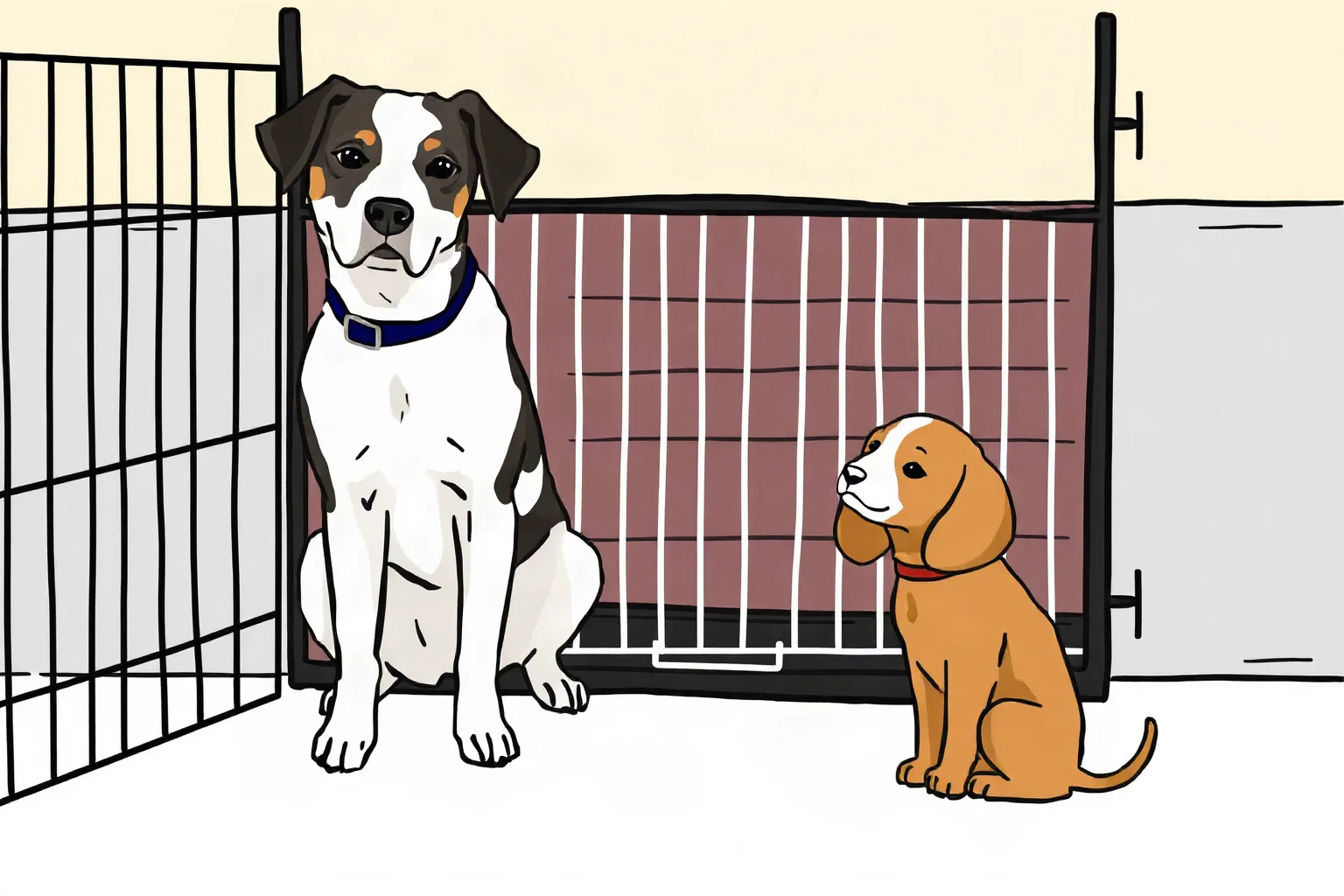
Among the two dozen dogs used across the program, one especially well-documented pairing involved a stray named Brodyaga (Russian for “tramp”) serving as the host, with a smaller dog’s head and forelegs grafted on. Photographs of this pairing were among the first to circulate in Western media. Reports of the time noted that the transplanted head could react to its surroundings, drink milk, and even attempt to bite.
It’s worth noting that names and details vary slightly between historical sources, since Soviet-era documentation wasn’t always consistent with what reached Western journalists. Still, these accounts are consistently cited across multiple retellings of Demikhov’s work.
6. How Long Could a Two-Headed Dog Survive?

Survival times varied a lot, and most were short. Many of the dogs lived only a few days after surgery, typically succumbing to tissue rejection or infection rather than surgical failure itself. Immunosuppressant drugs, which are standard in transplant medicine today, simply didn’t exist yet in a usable form.
The longest-surviving dog reportedly lived around 29 days, which was considered remarkable for the time. That single case demonstrated something crucial: two separate heads, sharing one circulatory system, could function together for weeks rather than hours, and that finding mattered enormously for transplant science.
7. Why Demikhov Did It: Organ Transplant Research, Not a Circus Act
It’s tempting to read the two-headed dog experiment as shock value, but that misses the point of the research. Demikhov was studying whether blood vessels, tissues, and organs from one animal could be successfully connected to another animal’s system and keep functioning. The second head was essentially a monitorable, living transplant.
By watching how the grafted head responded to stimuli, reflexes, and blood flow, Demikhov could study rejection and vascular surgery techniques in real time. It was ethically extreme by today’s standards, but scientifically it was a genuine (if brutal) attempt to answer questions that organ transplant medicine still depends on.
8. The Father of Transplantology
Many historians of medicine refer to Demikhov as the father of transplantology, and the two-headed dogs were only one part of that legacy. He performed the first experimental heart transplant in a dog, and years before Western researchers attempted anything similar. His 1960 book, “Experimental Transplantation of Vital Organs,” became a foundational text that circulated among surgeons worldwide.
What makes this remarkable is that Demikhov achieved much of this work with limited equipment and without the institutional support that Western researchers often had. His resourcefulness under those constraints is part of why his story still fascinates historians of science.
9. Demikhov’s Other Breakthroughs: Hearts, Lungs, and Bypasses
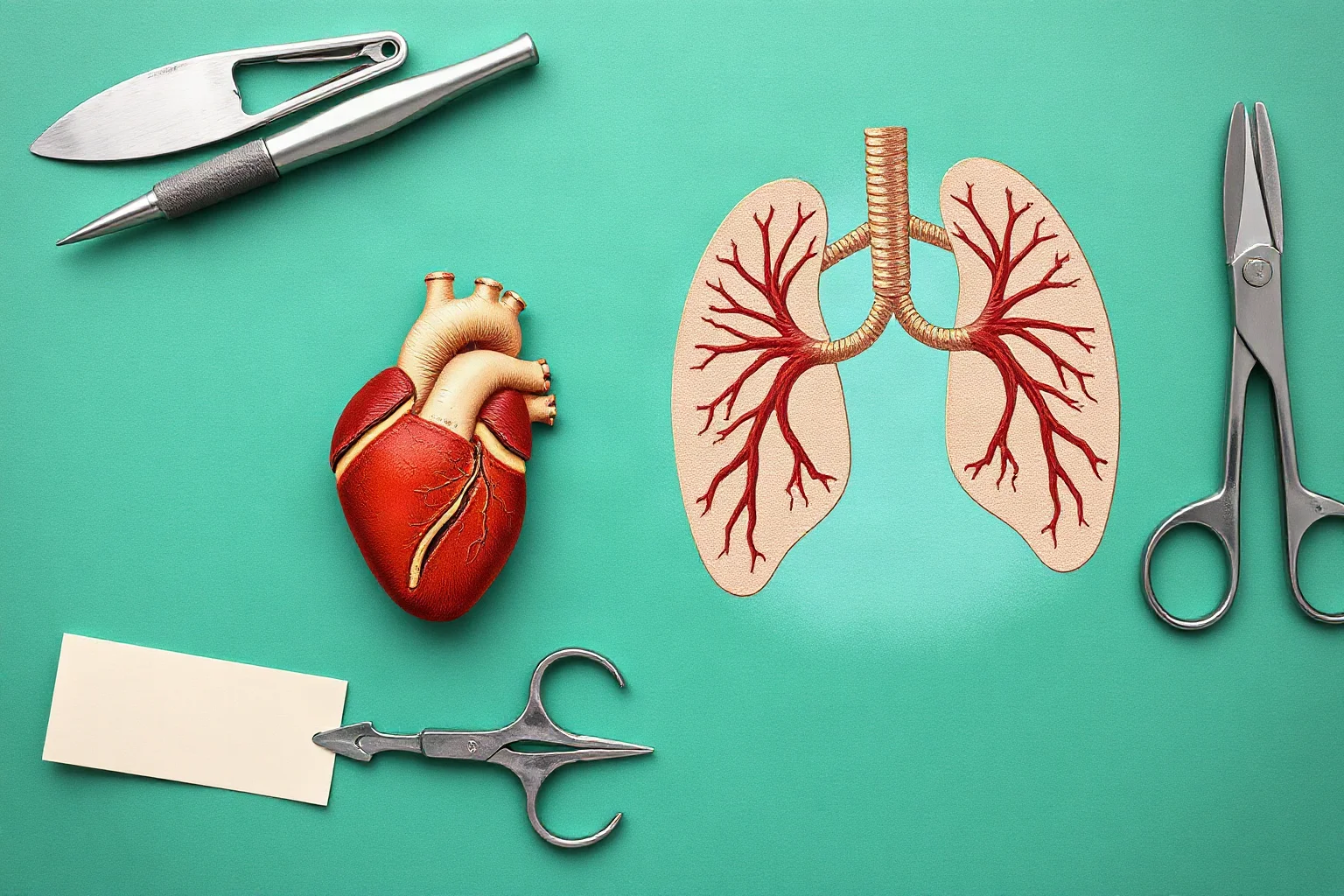
Beyond the two-headed dogs, Demikhov performed some of the earliest experimental heart-lung transplants and coronary artery bypass procedures on dogs. He was pushing the boundaries of what circulatory surgery could accomplish long before these procedures became viable for humans. Some of his techniques for connecting blood vessels are still recognizable in modern cardiac surgery.
These experiments got far less media attention than the two-headed dogs, which is a little ironic. The heart and lung work arguably had a more direct and lasting impact on medicine than the more visually shocking head grafts.
10. Cold War Science: Western Shock and Skepticism
When photos and reports of the two-headed dog experiment reached the West, reactions ranged from disbelief to outright horror. Cold War tensions meant many Western scientists were instinctively suspicious of Soviet claims, wondering if this was propaganda rather than genuine research. Some publications treated it almost like a sideshow curiosity rather than serious science.
Over time, though, enough independent observers and visiting scientists confirmed that the surgeries were real and repeatable. That grudging acknowledgment helped Demikhov’s transplant work gain more credibility internationally, even if his name still isn’t widely known outside specialist circles.
11. The Surgeon Who Studied Under Demikhov: Christiaan Barnard’s Visit

One of the most important chapters in this story involves Christiaan Barnard, the South African surgeon who performed the world’s first human-to-human heart transplant in 1967. Barnard visited Demikhov’s laboratory in Moscow and studied his techniques before that historic operation. Barnard later credited Demikhov’s animal transplant research as foundational to his own understanding of the surgery.
This connection is one of the clearest pieces of evidence that Demikhov’s dog experiments, two-headed or otherwise, weren’t just curiosities. They directly influenced the surgical breakthroughs that made human heart transplants possible.
12. Life Magazine and the Photos That Went Global

Photographs of Demikhov’s two-headed dogs eventually made their way into major Western publications, including features that introduced millions of readers to the experiment for the first time. These images are largely responsible for why “two headed dog” remains a searchable, talked-about topic decades later. The visual of a calm-looking dog with a second smaller head resting beside it was simply unforgettable.
Those same photos, unfortunately, have also been endlessly recirculated, cropped, and mislabeled online over the years. That’s part of why separating the real history from internet myth takes a little digging.
13. The Ethics Debate: Then and Now
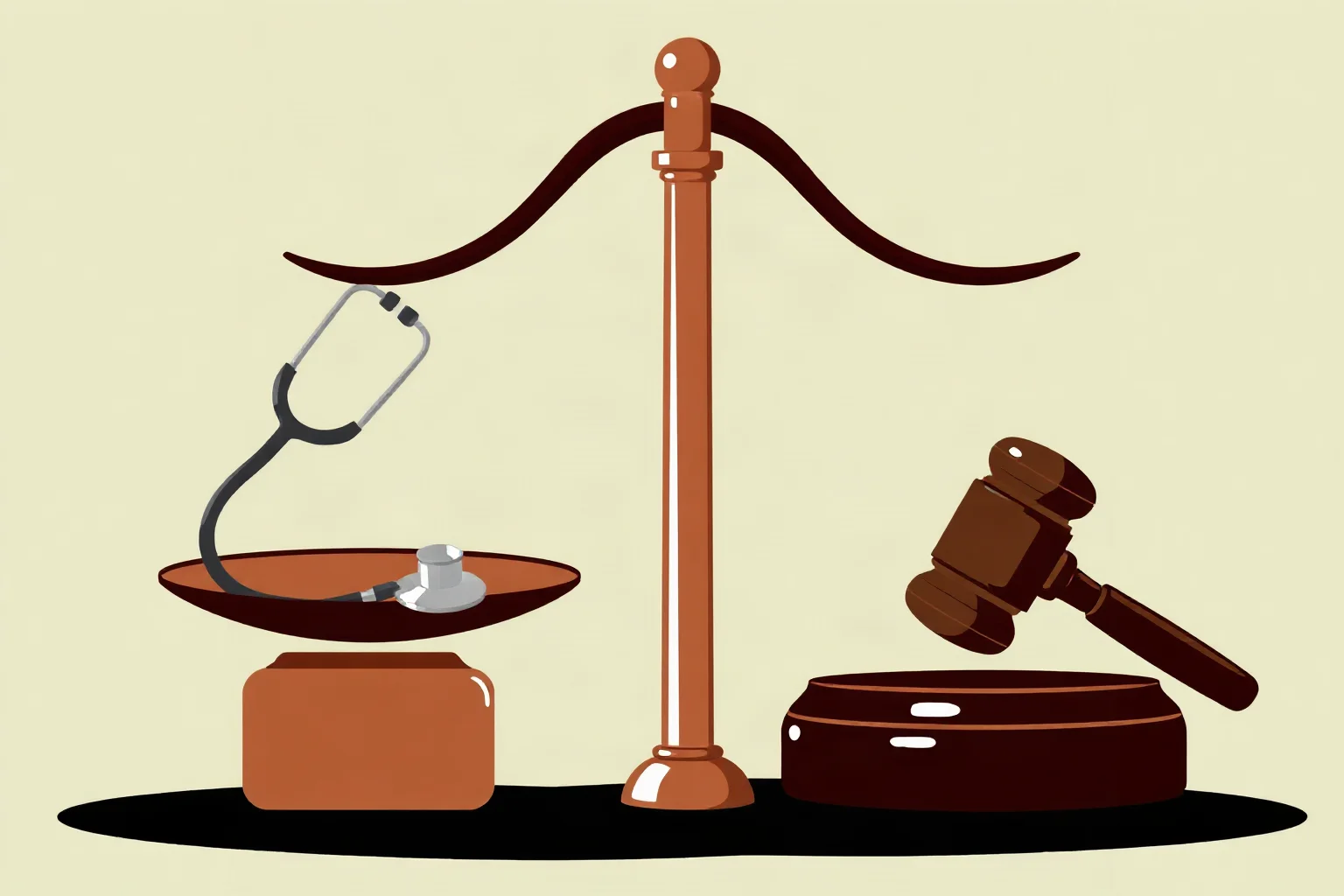
By today’s standards, Demikhov’s experiments would almost certainly violate modern animal research ethics guidelines. Survival times were short, suffering was likely significant, and there was no anesthesia protocol comparable to what’s required in labs today. Modern review boards would not approve this kind of research now.
At the same time, historians generally caution against judging 1950s Soviet science purely through a 21st-century ethical lens, while still being honest that the procedures were harsh. It’s possible to acknowledge the scientific contribution and the ethical discomfort at the same time, and most serious accounts of Demikhov’s work do exactly that.
14. Debunking the “Two-Headed Dog Hoax” Photos Online

Here’s where the myth-busting really matters. A lot of two-headed dog images floating around social media today are not Demikhov’s original photographs at all. Some are digitally altered, some are taxidermy props, and some are entirely unrelated animals passed off as “Soviet experiment” photos for shock value.
If you see a suspiciously crisp, colorized “two headed dog experiment” photo claiming to be from the 1950s, treat it with skepticism. The genuine historical photographs are grainy, black-and-white, and were published in specific, traceable outlets rather than appearing out of nowhere on random meme accounts.
15. The Two-Headed Dog Museum in Latvia: Fact or Legend?

This is one of the most searched claims connected to this topic, and it deserves a careful answer. Riga, Latvia is home to the Paul Stradiņš Museum of the History of Medicine, a real institution known for unusual and sometimes unsettling medical exhibits. Online claims frequently state that this museum displays a preserved two-headed dog specimen connected to Demikhov’s research.
The honest answer is that this claim circulates widely but isn’t something that can be verified with full certainty from reputable, primary sources. Some sources describe unusual biological specimens at the museum generally, but a confirmed, documented link to Demikhov’s specific dogs is harder to pin down than the internet rumor suggests. Treat “two headed dog museum” claims as a popular but unconfirmed piece of medical folklore rather than settled fact.
16. Naturally Occurring Two-Headed Dogs: Real Bicephaly Cases
Separate from anything surgical, two-headed dogs do occasionally occur in nature through a rare congenital condition called bicephaly, or craniofacial duplication. This happens when a developing embryo partially splits, similar to conjoined twins in humans, but doesn’t fully separate into two individuals. It’s exceptionally rare in dogs, and sadly, most puppies born this way don’t survive long after birth due to severe internal complications.
News outlets occasionally report on real cases of naturally conjoined puppies born with two heads, which understandably get some public attention. These are a completely different phenomenon from Demikhov’s surgical grafts, even though they get lumped together under the same search terms.
17. Conjoined Twin Puppies vs. Demikhov’s Surgical Dogs
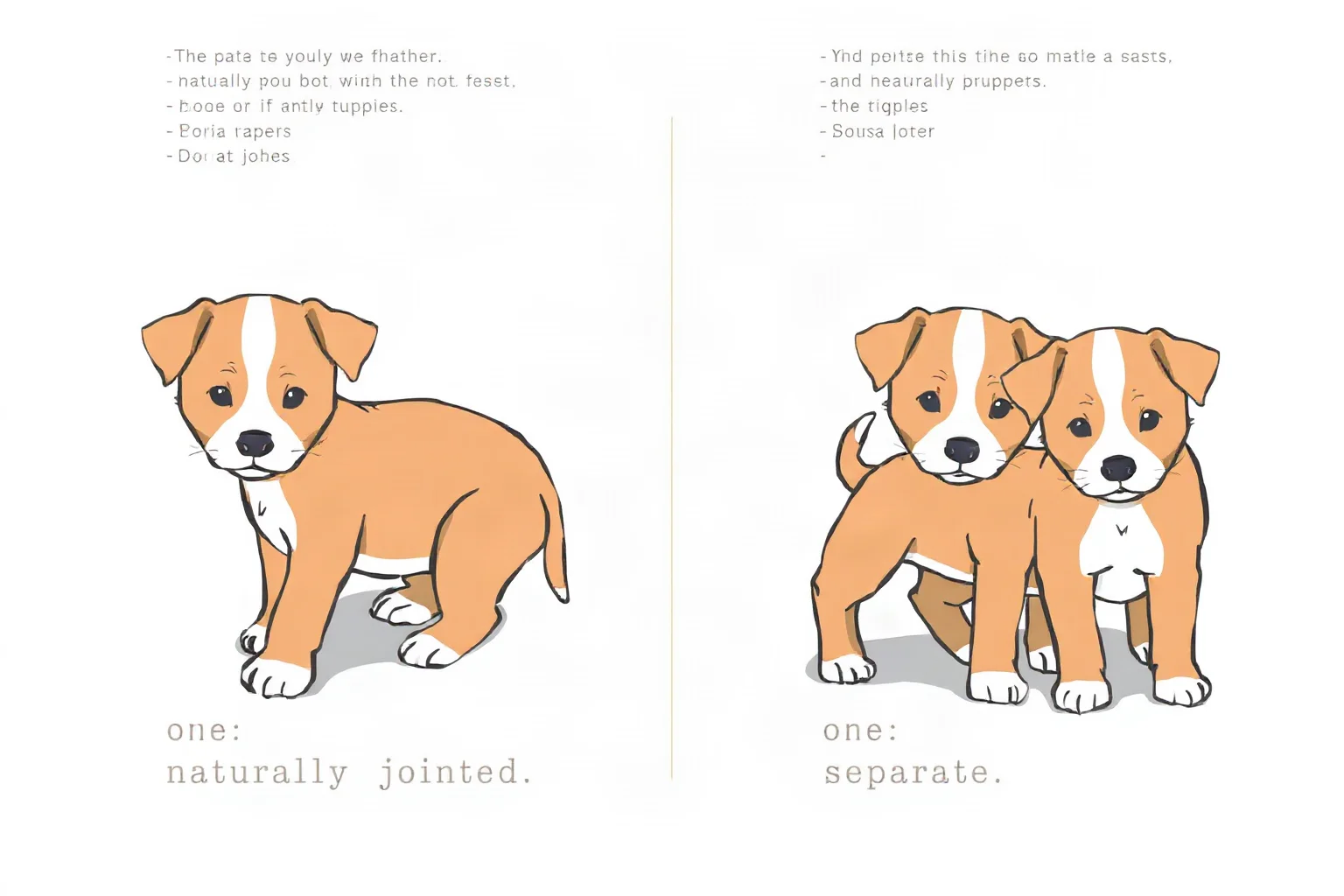
It’s worth being extra clear about this distinction, because the two get confused constantly online. Naturally conjoined dogs are the result of a developmental accident during pregnancy, with one animal’s genetics throughout. Demikhov’s dogs were two genetically distinct animals, one head and body surgically joined to another’s circulatory system.
Both are real biological phenomena, but they answer completely different questions. One is a tragic accident of nature; the other was a deliberate, engineered experiment in transplant science.
18. Two-Headed Dogs in Myth and Culture: Cerberus and Beyond
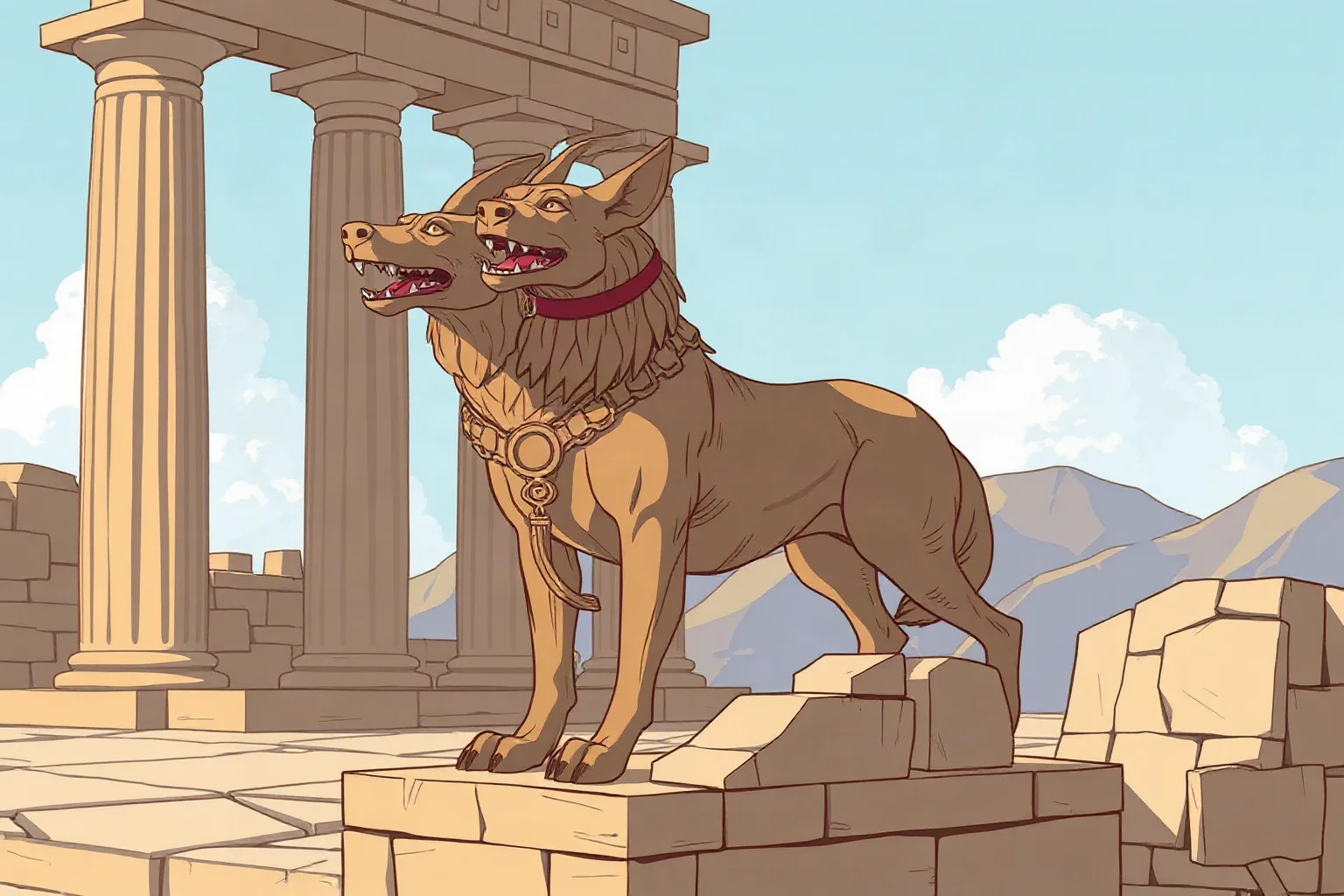
Humans have been fascinated by multi-headed dogs long before Demikhov ever picked up a scalpel. Greek mythology gives us Orthrus, a two-headed hound who guarded the cattle of the giant Geryon, and his more famous three-headed brother Cerberus, who guarded the underworld. These myths reflect a much older cultural unease and fascination with animals that defy normal anatomy.
That ancient fascination is part of why the real-world Demikhov photographs hit such a nerve when they surfaced. They seemed to make an old myth suddenly, uncomfortably real.
19. Why the Soviet Union Downplayed Demikhov’s Work

Despite his groundbreaking research, Demikhov didn’t receive strong institutional support at home for much of his career. Soviet medical authorities were sometimes suspicious of his methods, and he reportedly worked with limited funding and recognition compared to what his results should have earned him. Some accounts suggest professional jealousy and bureaucratic resistance played a role.
Ironically, his work was often more celebrated and studied abroad than within his own country during his most active research years. It wasn’t until decades later that his contributions to transplant medicine were more fully appreciated, even inside Russia.
20. Recognition Came Late: Demikhov’s Final Years
Vladimir Demikhov continued working in Soviet medical research institutions for years after the two-headed dog experiments ended, shifting focus toward organ transplantation more broadly. He lived to see human heart transplants become a real, if still risky, medical procedure, partly thanks to techniques he had pioneered on animals. He died in 1998, having spent much of his career underappreciated relative to his actual influence.
Today, transplant medicine historians increasingly credit him alongside better-known figures like Christiaan Barnard. It’s a case of a scientist’s reputation catching up with his actual scientific legacy, just a little too late for him to fully enjoy it.
21. What Happened to the Dogs After the Experiments Ended
Most of Demikhov’s two-headed dogs did not survive long after surgery, for the immune-rejection reasons already discussed. There isn’t strong, verifiable documentation of large numbers of these specific dogs being preserved and displayed afterward. Claims about specific taxidermied specimens ending up in museums should be treated with the same caution as the Latvia museum claim discussed earlier.
What does survive clearly are the photographs, film footage, and written scientific accounts from Demikhov’s own publications and the journalists who covered his lab. Those remain the most reliable evidence of what actually happened.
22. The Legacy: How Two-Headed Dogs Paved the Way for Modern Transplants
It’s easy to look at old two-headed dog photos and see only shock value, but the real legacy runs much deeper. Demikhov’s work on circulatory grafting, organ preservation, and tissue rejection directly informed the surgeons who went on to perform the first human heart, lung, and liver transplants. Every successful organ transplant today owes at least an indirect debt to this uncomfortable chapter of Soviet science.
It’s a reminder that scientific progress doesn’t always come from clean, comfortable experiments. Sometimes the strangest-looking chapter in medical history turns out to be one of its most consequential.
The Bottom Line on the Two-Headed Dog Story
The two-headed dog experiment is one of those rare historical stories that’s genuinely stranger, and genuinely more important, than the meme version suggests. Vladimir Demikhov wasn’t a mad scientist chasing shock value; he was a serious, if ethically extreme, transplant researcher working decades ahead of the tools he needed. The dogs were real, the science was real, but a lot of the images and museum claims swirling around online today deserve a healthy dose of skepticism.
If you take away one thing, let it be this: history is usually more interesting than the exaggerated version, and Demikhov’s actual contribution to transplant medicine is a far better story than any hoax photo could ever be.
Frequently Asked Questions
Is there really a two headed dog museum?
There's no single, universally confirmed "two headed dog museum," but online claims often point to the Paul Stradiņš Museum of the History of Medicine in Riga, Latvia, which is known for unusual medical exhibits. A confirmed, documented link between that museum's collection and Vladimir Demikhov's specific dogs hasn't been firmly established in reputable sources, so this claim is best treated as popular folklore rather than settled fact.
Was the two-headed dog experiment real?
Yes. Soviet scientist Vladimir Demikhov performed real surgical experiments in the 1950s and 1960s in which he grafted a puppy's head, shoulders, and forelegs onto an adult host dog's circulatory system. The experiments were documented by contemporary journalists and scientists, though many photos circulating online today are exaggerated, altered, or mislabeled.
Who was Vladimir Demikhov?
Vladimir Demikhov was a Soviet surgeon and researcher, often called the father of transplantology, who pioneered early organ transplant techniques on animals, including heart, lung, and coronary bypass procedures. He's most famous for his two-headed dog experiments, but his broader work influenced later human transplant surgery, including Christiaan Barnard's first heart transplant.
How many two-headed dogs did Demikhov create?
Demikhov performed this type of head-and-foreleg graft surgery on roughly two dozen dogs over about a decade, starting in 1954. Each operation was part of an ongoing research program studying circulation and organ rejection, not a single one-off stunt.
How long did the two-headed dogs survive?
Most of Demikhov's two-headed dogs survived only a few days after surgery due to tissue rejection, since effective immunosuppressant drugs didn't exist yet. The longest reported survival time was around 29 days, which was considered a major result for the era.
Are two-headed dogs born naturally?
Yes, in extremely rare cases, dogs can be born with two heads due to a congenital condition called bicephaly, caused by incomplete separation during embryonic development, similar to conjoined twins. This is a completely different phenomenon from Demikhov's surgically created two-headed dogs, and most naturally bicephalic puppies do not survive long after birth.
Did Vladimir Demikhov’s work influence modern medicine?
Yes, significantly. Demikhov's transplant research, including his heart, lung, and vascular graft experiments, directly informed later human transplant surgery, and Christiaan Barnard visited his Moscow lab before performing the first human heart transplant in 1967. Many transplant historians consider Demikhov's animal experiments foundational to the field.

Alex Warren
Related Articles