
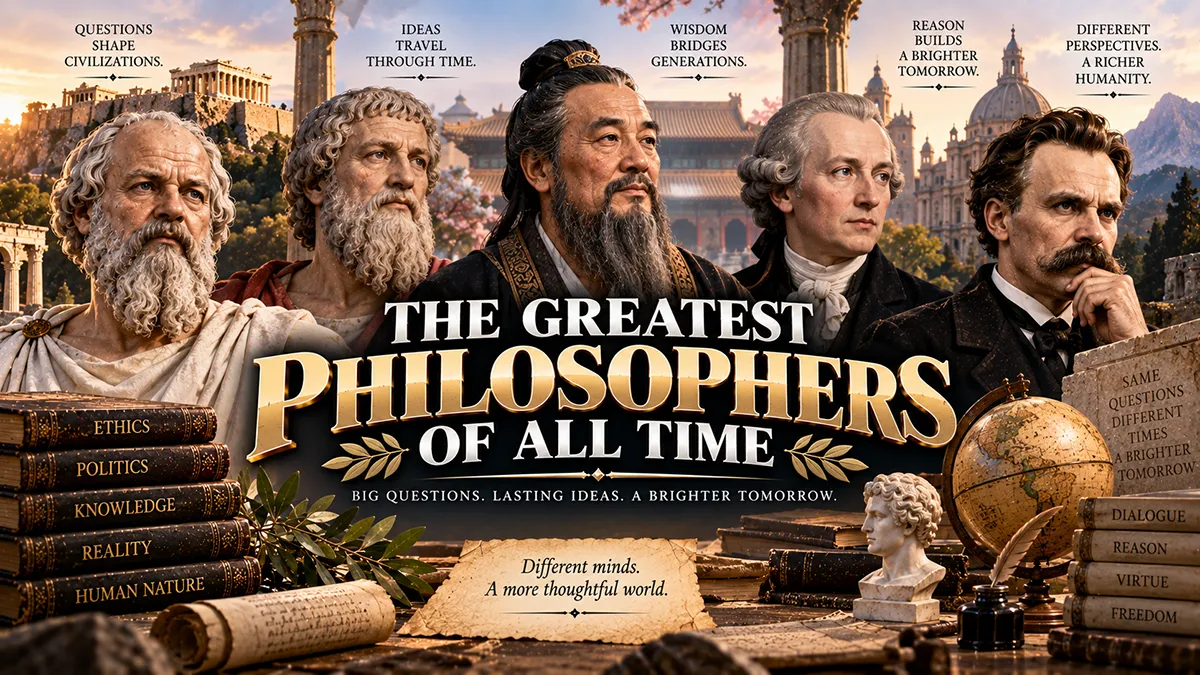
Ask ten people to name the greatest philosophers of all time and you’ll get ten different lists. Some will reach for Socrates and Plato, others for Confucius or Nietzsche, and a few will insist a mathematician like Pythagoras belongs right up there with the rest.
That disagreement is actually the point — philosophy has never been one tidy tradition, it’s a few thousand years of brilliant, stubborn, occasionally contradictory people arguing about how to live, what’s real, and what we can actually know.
This guide rounds up 25 of history’s most influential philosophers and thinkers, organized roughly by era, with a plain-English breakdown of the theory each one is best known for.
You might see this subject searched as philosophy, filosifia, philosopical, phylisophical, or even philopsophy — different spellings, same fascinating subject. Whatever you call it, the ideas below shaped law, science, politics, and the way ordinary people think about their own lives.
TL;DR: From Socrates to Hannah Arendt, history’s greatest philosophers built the ideas behind modern science, democracy, ethics, and human rights — and their theories still shape daily life today.
Quick Answer: The Top 10 Greatest Philosophers at a Glance
If you only need the short list, most historians and philosophy departments would put these ten near the very top of any ranking of the greatest philosophers ever. They span roughly 2,500 years and several continents.
- Socrates – the Socratic method and relentless questioning
- Plato – the Theory of Forms and ideal justice
- Aristotle – logic, ethics, and empirical observation
- Confucius – social harmony through virtue and duty
- René Descartes – rationalism and “I think, therefore I am”
- John Locke – natural rights and the social contract
- Immanuel Kant – duty-based ethics and the limits of reason
- Karl Marx – historical materialism and class struggle
- Friedrich Nietzsche – the critique of morality and the “will to power”
- Hannah Arendt – totalitarianism and the nature of political evil
The rest of this list fills in the bigger picture, including the Enlightenment thinkers, ancient philosophers, and 20th-century voices who round out any serious conversation about the most influential philosophers of all time.
What Actually Makes a Thinker “Great”?
There’s no exam or committee that hands out the title of great philosopher. Influence is usually measured by how far an idea traveled, how long it lasted, and how much it changed the questions other thinkers asked next. By that measure, a great thinker is less a genius working alone and more a person whose ideas kept getting argued with for centuries.
It’s also worth being careful with the popular “great men of history” theory, the old idea that history is driven almost entirely by a handful of exceptional individuals. Most historians today see it as an oversimplification. Philosophers didn’t invent their ideas in a vacuum — they were reacting to political upheavals, religious institutions, trade routes, and each other, often building on thinkers whose names never made it into the textbooks.
Why Were Philosophers Treated Like Celebrities?
In ancient Athens, medieval Baghdad, and Enlightenment Paris, public intellectuals genuinely drew crowds. Socrates reportedly debated in the marketplace where anyone could listen in, and Enlightenment salons in 18th-century France turned thinkers like Voltaire and Rousseau into something close to household names among the educated public.
Part of this came down to scarcity. Literacy and formal education were limited, so a sharp public speaker with new ideas about justice, God, or government stood out fast. Philosophers also tended to take on the biggest questions of their moment — monarchy versus liberty, faith versus reason — which made their arguments feel like the news of the day rather than abstract theory.
Different Types of Philosophers and Thinkers
Not every great thinker was doing the same job. It helps to think of philosophy in a few broad, overlapping categories.
Moral and political philosophers, such as Confucius and John Locke, focused on how people should live together and be governed. Metaphysicians, like Plato, asked what’s actually real behind appearances. Logicians and mathematician philosophers, including Pythagoras and Bertrand Russell, treated philosophy almost like a branch of mathematics, built on proof and structure.
Existentialists, such as Kierkegaard and Simone de Beauvoir, zoomed in on individual freedom, anxiety, and meaning. More recently, cognitive philosophers have blended philosophy with psychology and neuroscience, asking what consciousness even is. Keeping these lanes in mind makes it much easier to compare thinkers who, on the surface, don’t seem to have much in common.
Ancient Philosophers Who Built the Foundations
1. Socrates
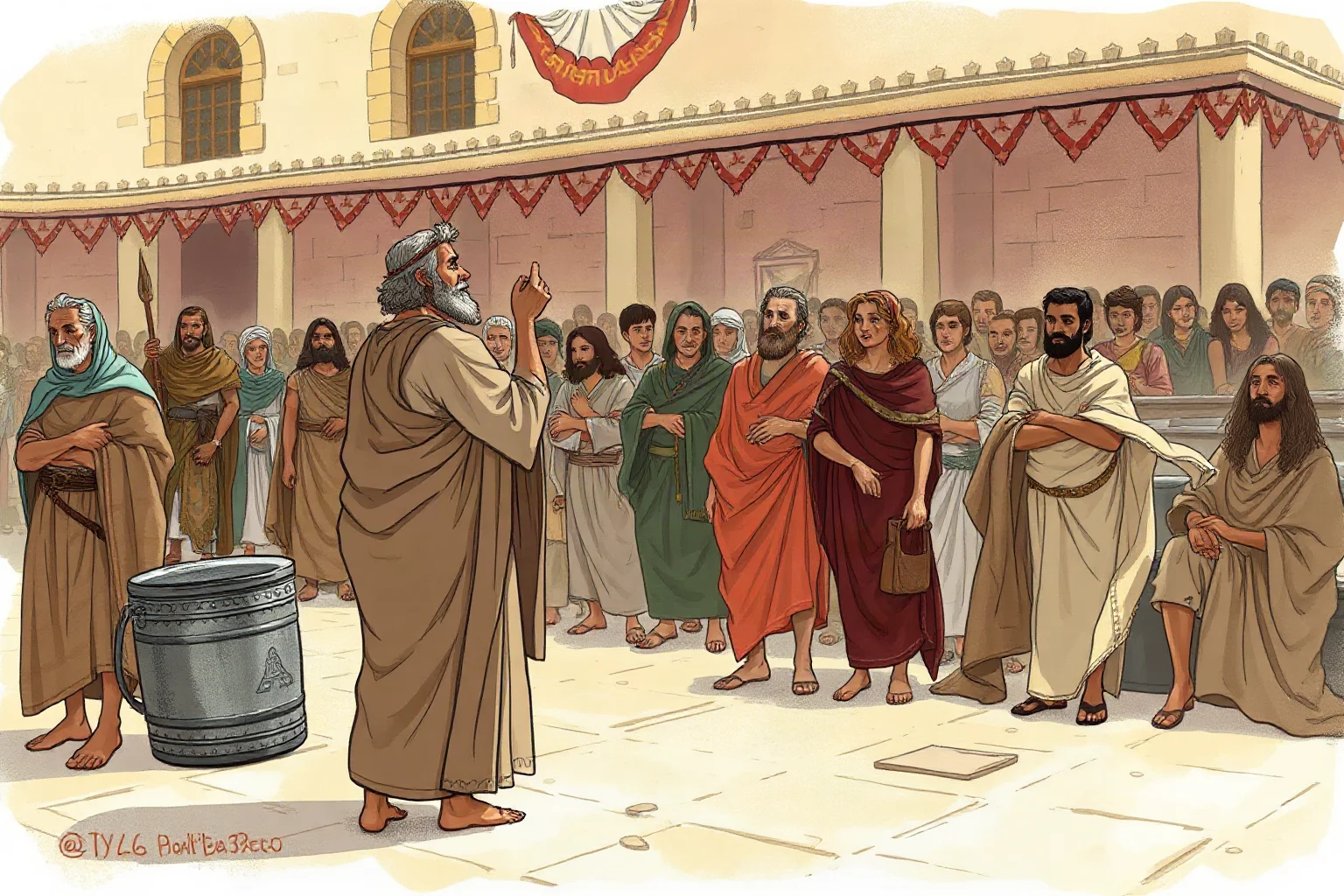
Socrates left no writings of his own, so almost everything we know comes through his student Plato, which means some details are debated among historians. What’s well established is his method: relentless questioning designed to expose contradictions in what people claimed to know.
That approach, now called the Socratic method, is still used in law schools and classrooms today. Socrates was eventually tried and executed in Athens around 399 BCE, a moment that turned him into philosophy’s first great martyr for free inquiry.
2. Plato
Plato founded the Academy in Athens and gave us the Theory of Forms, the idea that the physical world is just a shadow of a deeper, perfect reality of ideas. His dialogue “The Republic” laid out a vision of the ideal state ruled by philosopher-kings.
Whether or not you buy his politics, Plato basically invented the vocabulary Western philosophy still argues in. Alfred North Whitehead once quipped that all of Western philosophy is “footnotes to Plato,” and it’s not entirely a joke.
3. Aristotle
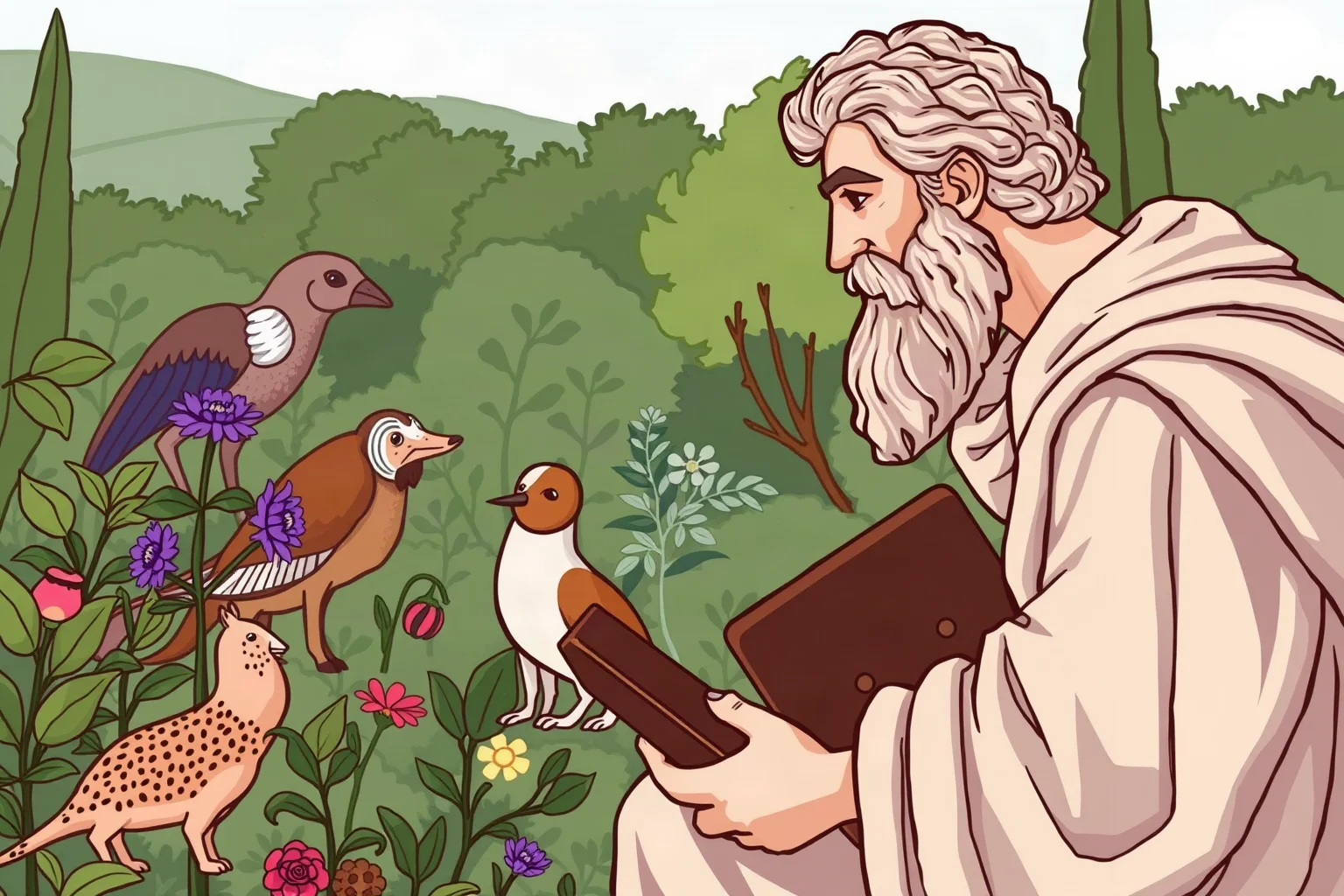
Aristotle studied under Plato but pushed back hard against pure abstraction, insisting philosophy needed careful observation of the real world. He essentially founded formal logic, wrote foundational texts on biology, politics, and ethics, and argued that a good life comes from cultivating virtuous habits, not just having good intentions.
His concept of the “golden mean” — virtue as a balance between extremes — still shows up in modern self-help and ethics classes. Aristotle also tutored a young Alexander the Great, giving philosophy a rare direct line to real political power.
4. Confucius

Confucius lived in China during a period of political chaos and argued that social harmony comes from personal virtue, respect for family, and proper conduct between rulers and the ruled. His teachings, collected by students in the “Analects,” shaped East Asian politics, education, and family life for over two thousand years.
Unlike many Greek philosophers, Confucius wasn’t chasing abstract metaphysical truths. He was intensely practical, focused on how to actually run a household, a court, or a country well.
5. Laozi
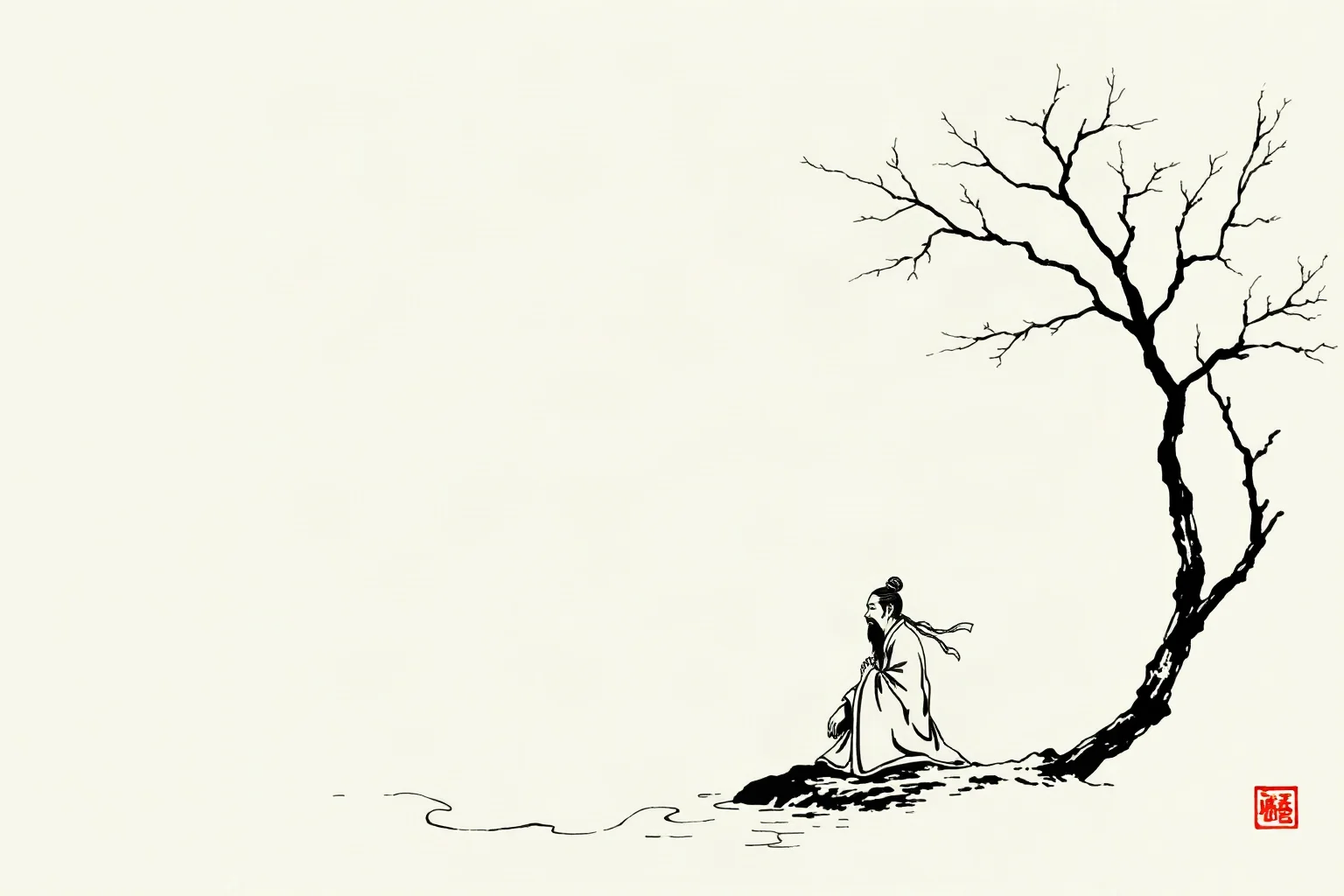
Laozi is the traditional author credited with the “Tao Te Ching,” the foundational text of Taoism, though historians aren’t fully certain such a single person existed or wrote it as we have it today. The philosophy built around this text emphasizes wu wei, or effortless action in harmony with the natural flow of things.
Where Confucius stressed structure and duty, Taoism leaned toward simplicity and letting go of rigid control. The contrast between the two remains one of the most useful ways to understand classical Chinese thought.
6. Siddhartha Gautama (The Buddha)

Siddhartha Gautama was a prince in what is now Nepal who gave up his privileged life to search for the cause of human suffering. His conclusions became the Four Noble Truths and the Eightfold Path, a practical framework for reducing suffering through ethical conduct, mental discipline, and insight.
Buddhism spread from India across Asia and eventually the world, and its philosophy of impermanence and non-attachment continues to influence modern psychology and mindfulness practices. He’s as much a religious founder as a philosopher, but his core teachings function as a genuine ethical and metaphysical theory.
7. Pythagoras
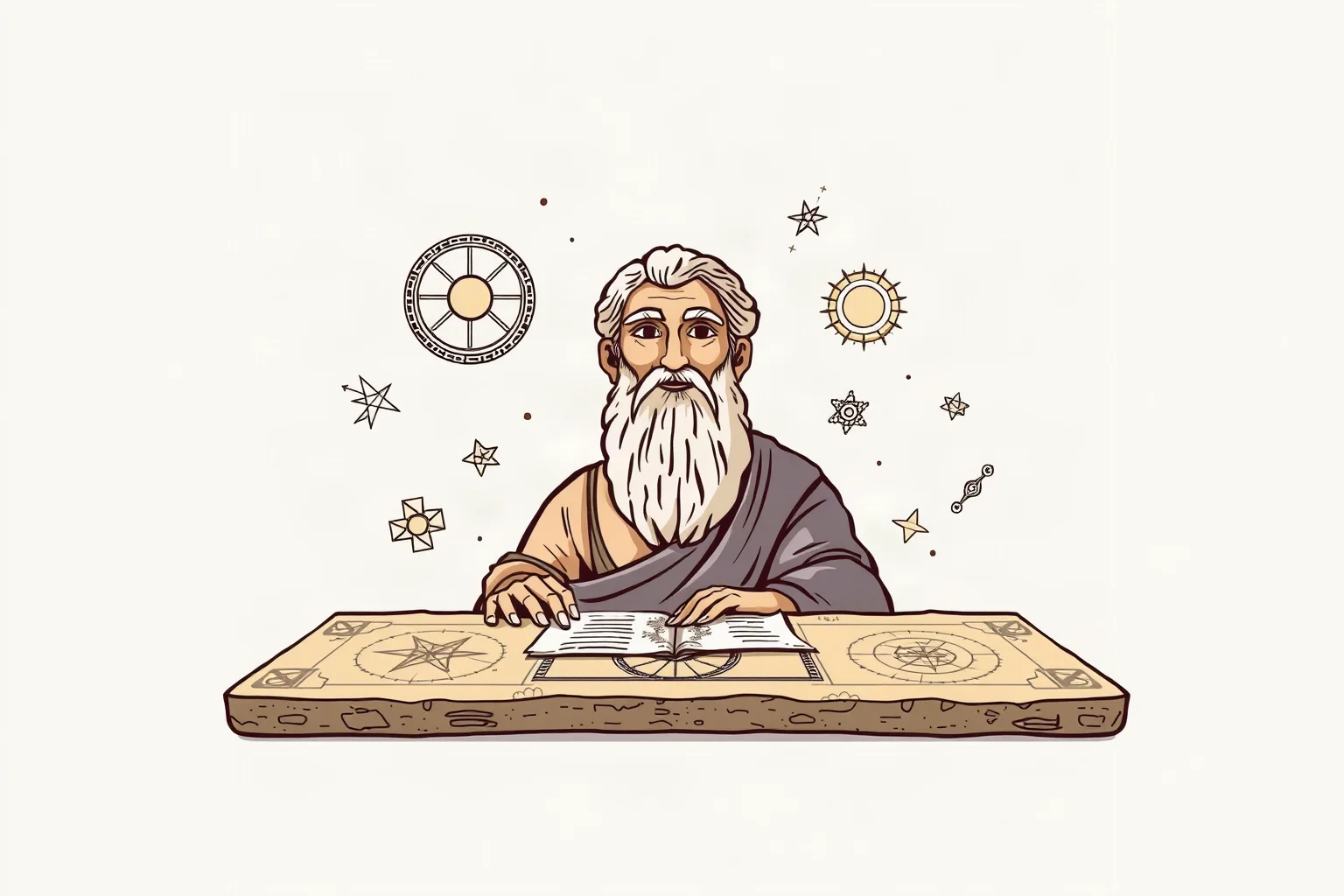
Pythagoras is remembered today mostly for a geometry theorem, but ancient sources describe him as the head of a genuine philosophical and religious community. His followers believed numbers were the fundamental reality behind the universe, making him one of history’s earliest true mathematician philosophers.
Much of what’s attributed to Pythagoras personally is uncertain, since his followers wrote in his name for generations after his death. Still, the idea that the universe runs on discoverable mathematical order became one of the most productive assumptions in the history of science.
Medieval Bridge-Builders Between Faith and Reason
8. Ibn Sina (Avicenna)
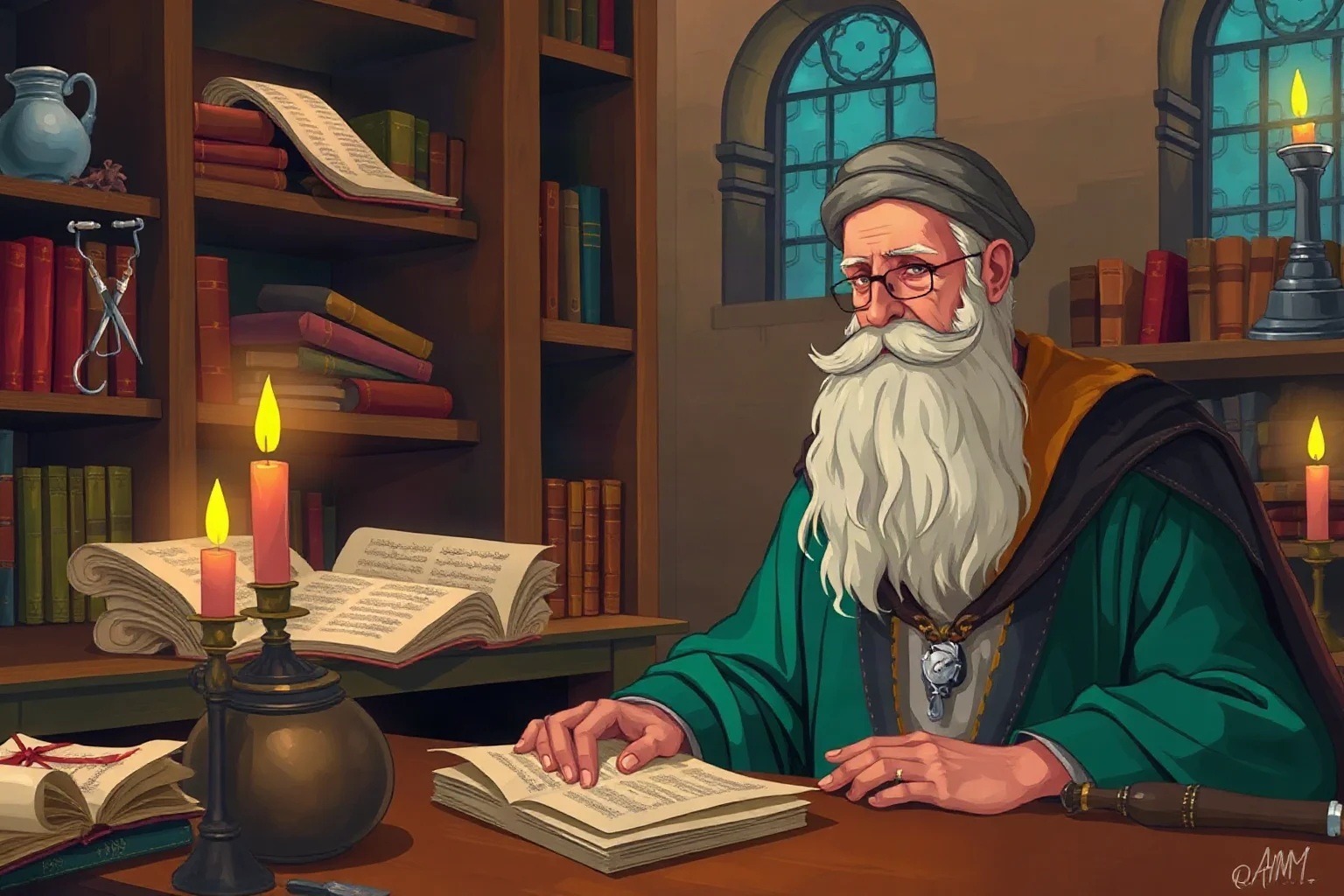
Ibn Sina was a Persian physician and philosopher whose “Canon of Medicine” was used as a standard medical text in Europe for centuries. Philosophically, he worked to merge Aristotelian logic with Islamic theology, developing influential arguments about the soul, existence, and necessity.
His work traveled through translation into medieval Europe, where it directly shaped Christian scholastic philosophy. He’s a reminder that the line between “ancient” Greek philosophy and later European thought runs straight through the Islamic Golden Age.
9. Thomas Aquinas
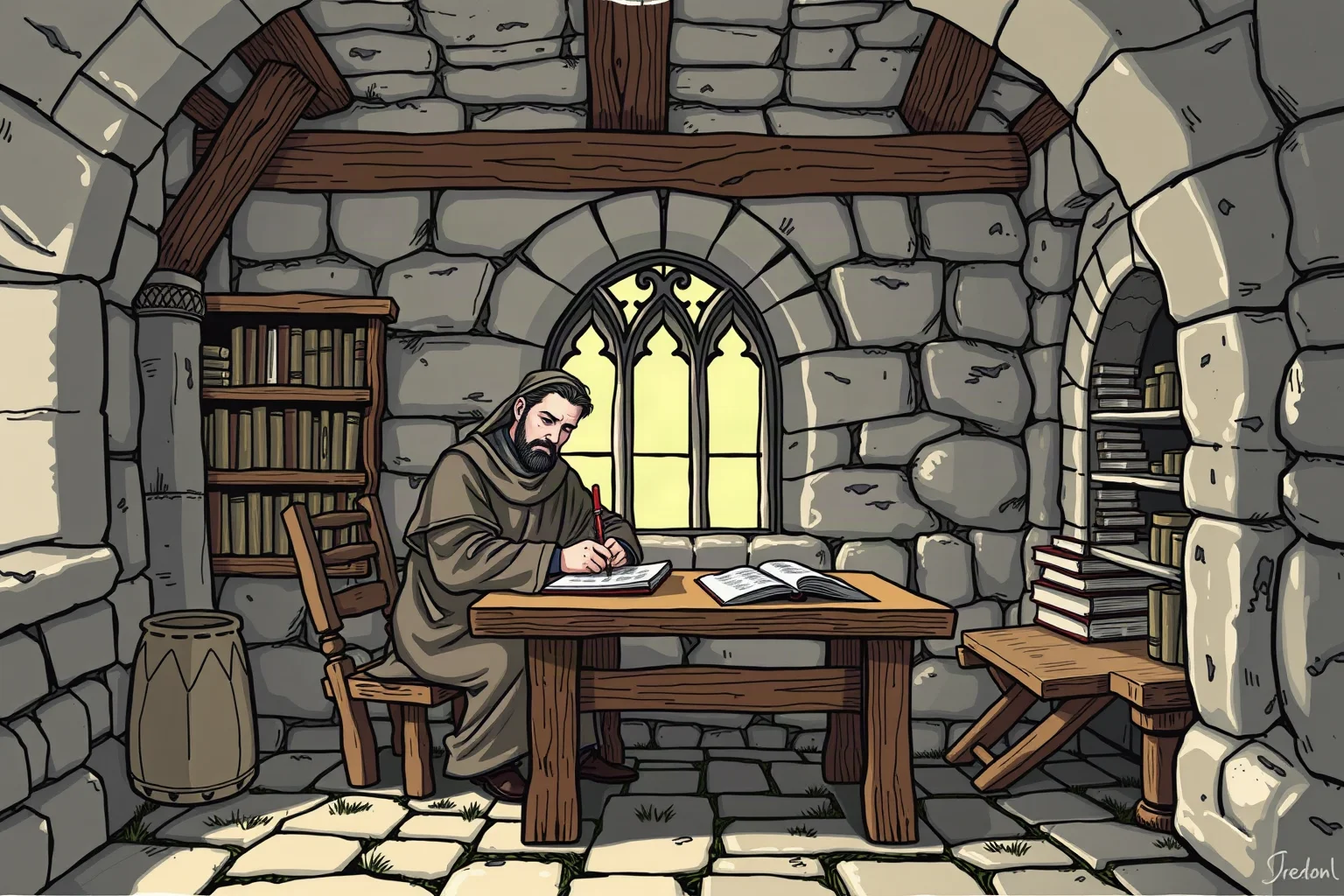
Thomas Aquinas took on the huge project of reconciling Aristotle’s logic with Christian theology, most famously in his “Summa Theologica.” His Five Ways are still-cited arguments attempting to prove God’s existence through reason rather than faith alone.
Aquinas essentially made it respectable for medieval scholars to treat classical philosophy and religious doctrine as compatible projects. His influence on Catholic theology remains enormous even today.
The Enlightenment Thinkers Who Reshaped the World
So who were the Enlightenment thinkers, exactly? Broadly, they were 17th- and 18th-century writers across Europe who argued that reason, evidence, and individual rights should guide government and society, rather than tradition or royal decree alone. The following figures are usually considered the major thinkers of the Enlightenment.
10. René Descartes
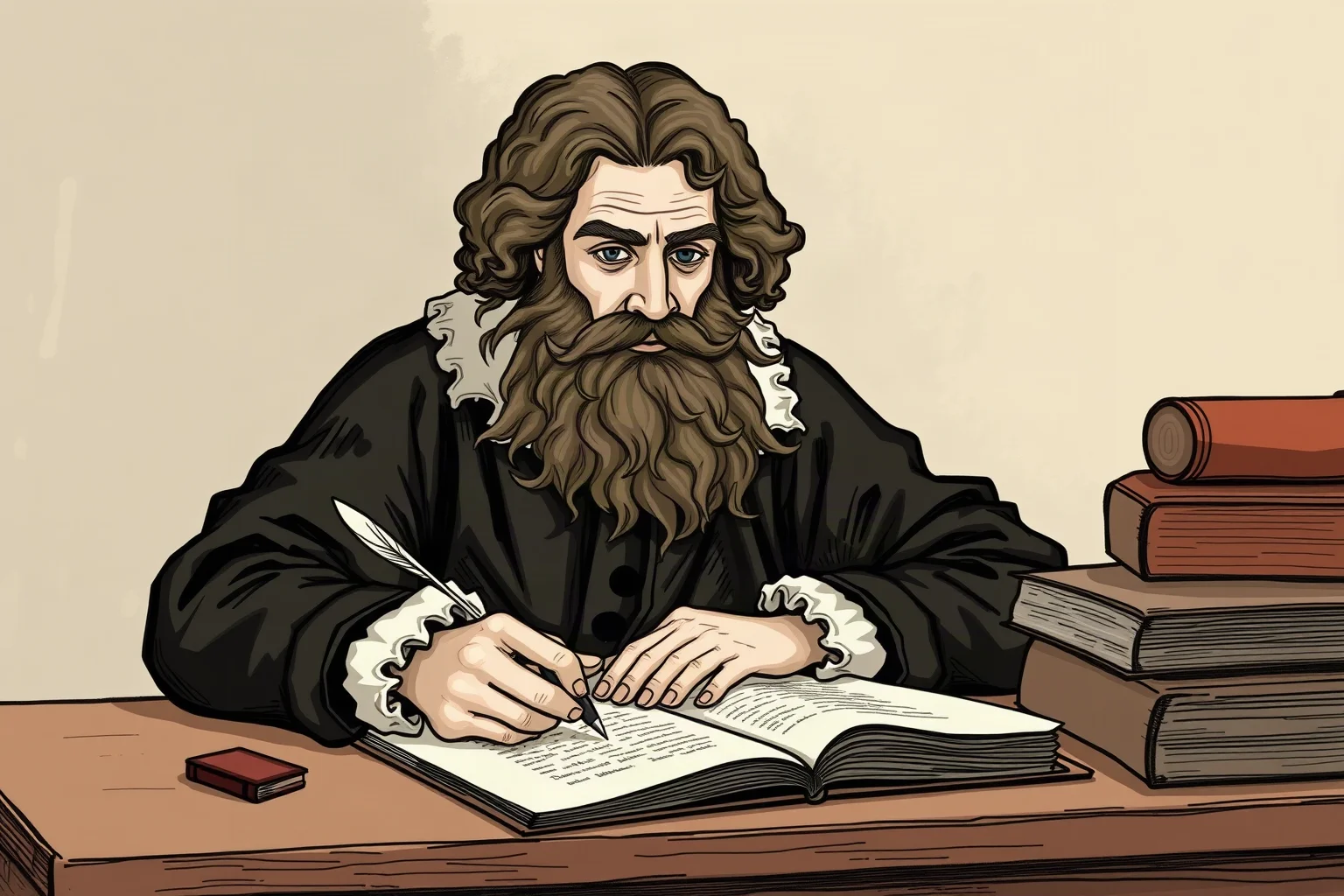
Descartes wanted to rebuild knowledge from scratch using only what could be proven beyond doubt. His famous conclusion, “I think, therefore I am,” became the starting point of modern rationalist philosophy.
He’s often called the father of modern philosophy for good reason — his emphasis on doubt and systematic reasoning still underpins the scientific method. Descartes was also a serious mathematician, another entry in philosophy’s long list of mathematician philosophers.
11. Baruch Spinoza
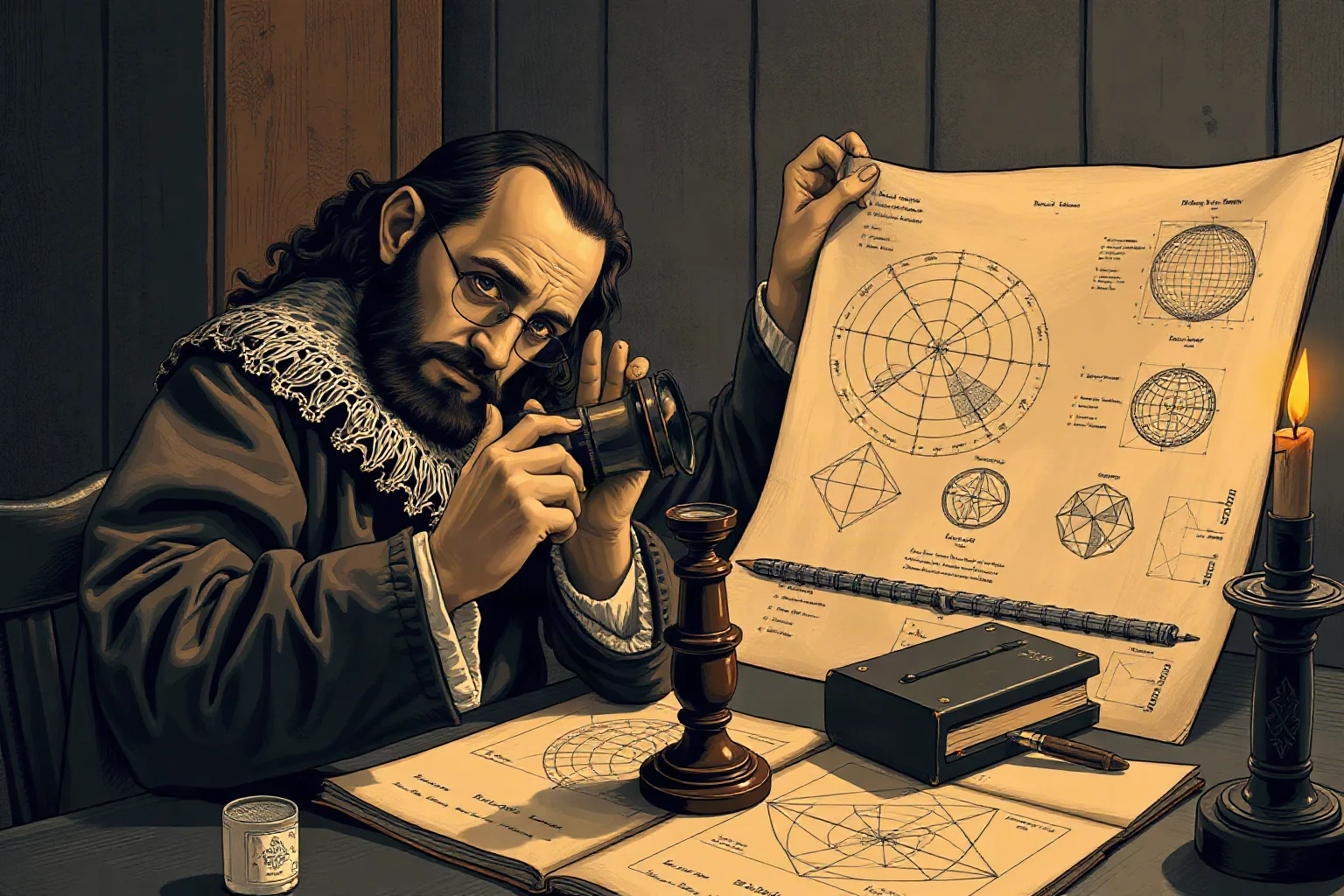
Spinoza argued that God and nature were essentially the same single substance, a controversial idea that got him expelled from his Jewish community in Amsterdam. His rigorous, almost geometric style of reasoning in “Ethics” tried to prove moral truths the way a mathematician proves theorems.
Spinoza’s view that everything, including human emotion, follows natural laws was radical for his time. Many historians see him as a crucial bridge between rationalist philosophy and later scientific determinism.
12. John Locke
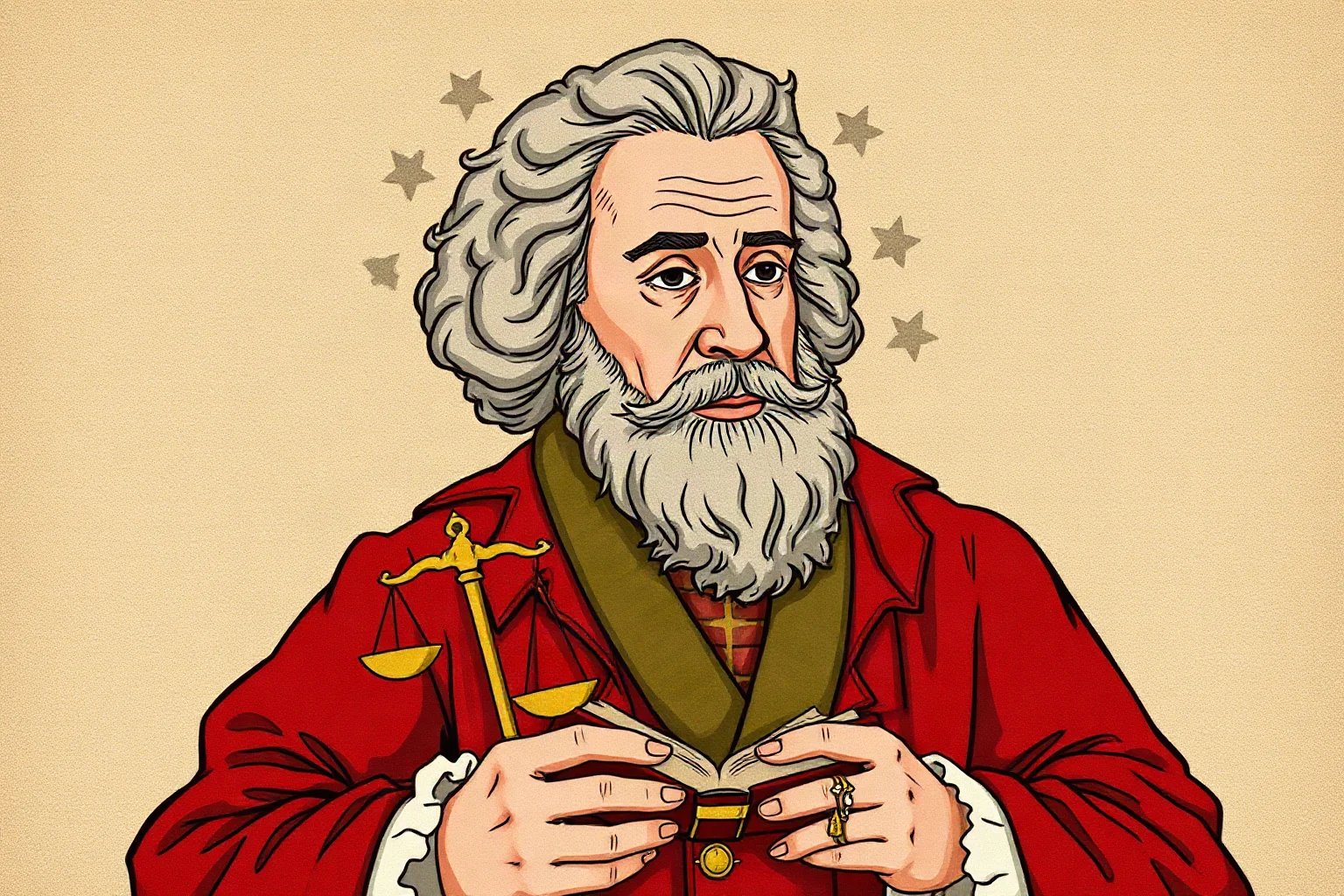
Locke argued that people are born with natural rights to life, liberty, and property, and that governments only have legitimate authority when the people consent to it. This idea of the social contract directly influenced the American Declaration of Independence.
He also proposed that the mind starts as a “blank slate” shaped by experience, a theory that reshaped how people thought about education and human nature. Few philosophers can claim as direct a line to real-world political documents as Locke.
13. Voltaire

Voltaire used sharp wit and biting satire, most famously in “Candide,” to attack religious intolerance, censorship, and rigid political authority. He championed freedom of speech and religious tolerance long before those became mainstream political values.
He was also a genuine celebrity of his day, exiled more than once for his outspoken criticism of powerful institutions. Voltaire shows how philosophy and public performance often went hand in hand during the Enlightenment.
14. Jean-Jacques Rousseau
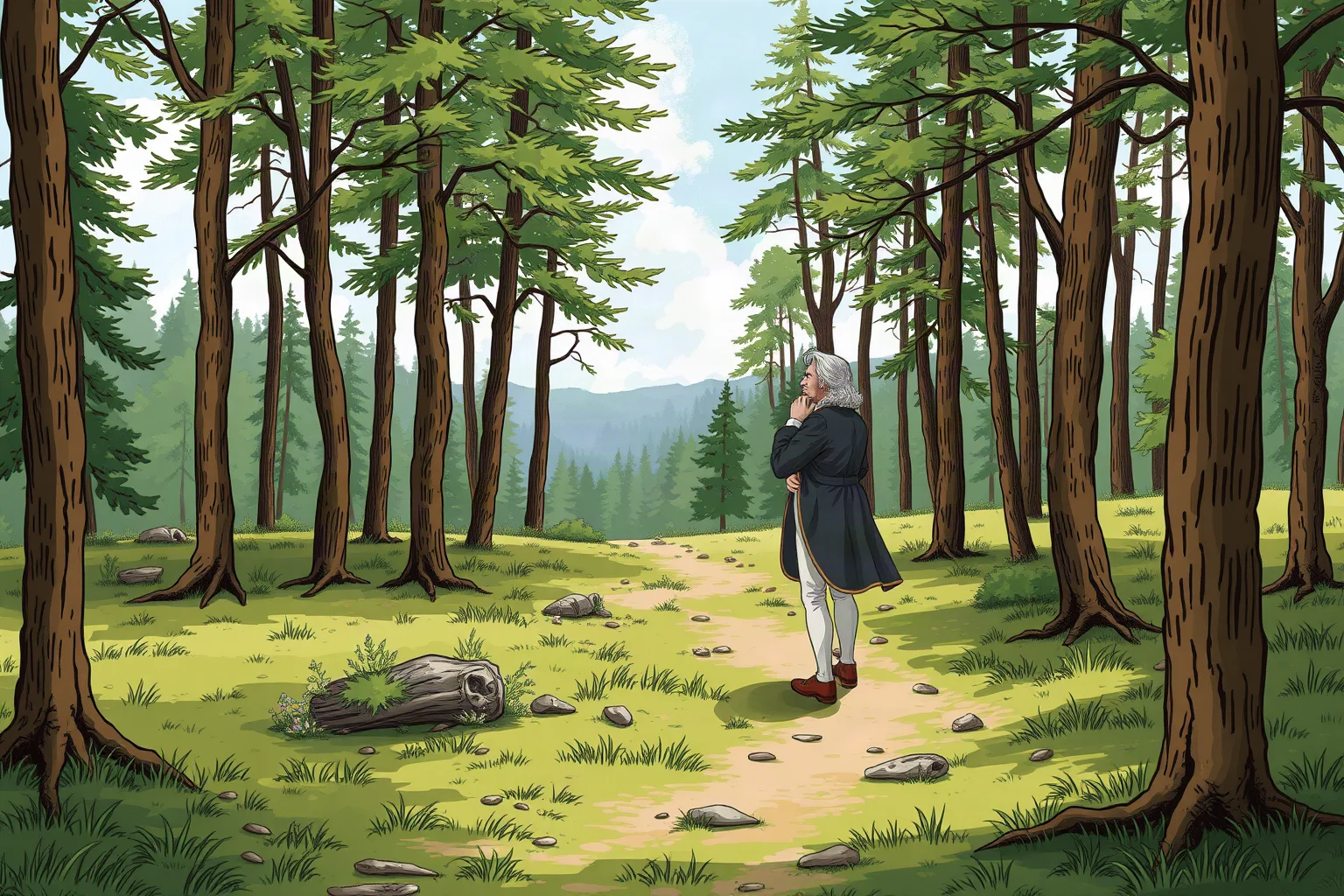
Rousseau argued that civilization often corrupts a naturally good human being, and that legitimate political authority comes from the “general will” of the people. His book “The Social Contract” opens with the famous line about man being born free yet everywhere in chains.
His ideas influenced the French Revolution, though scholars still debate how directly, since his political theory was complex and sometimes contradictory. Rousseau’s writing on education and natural human goodness also reshaped how Europeans thought about childhood.
15. David Hume
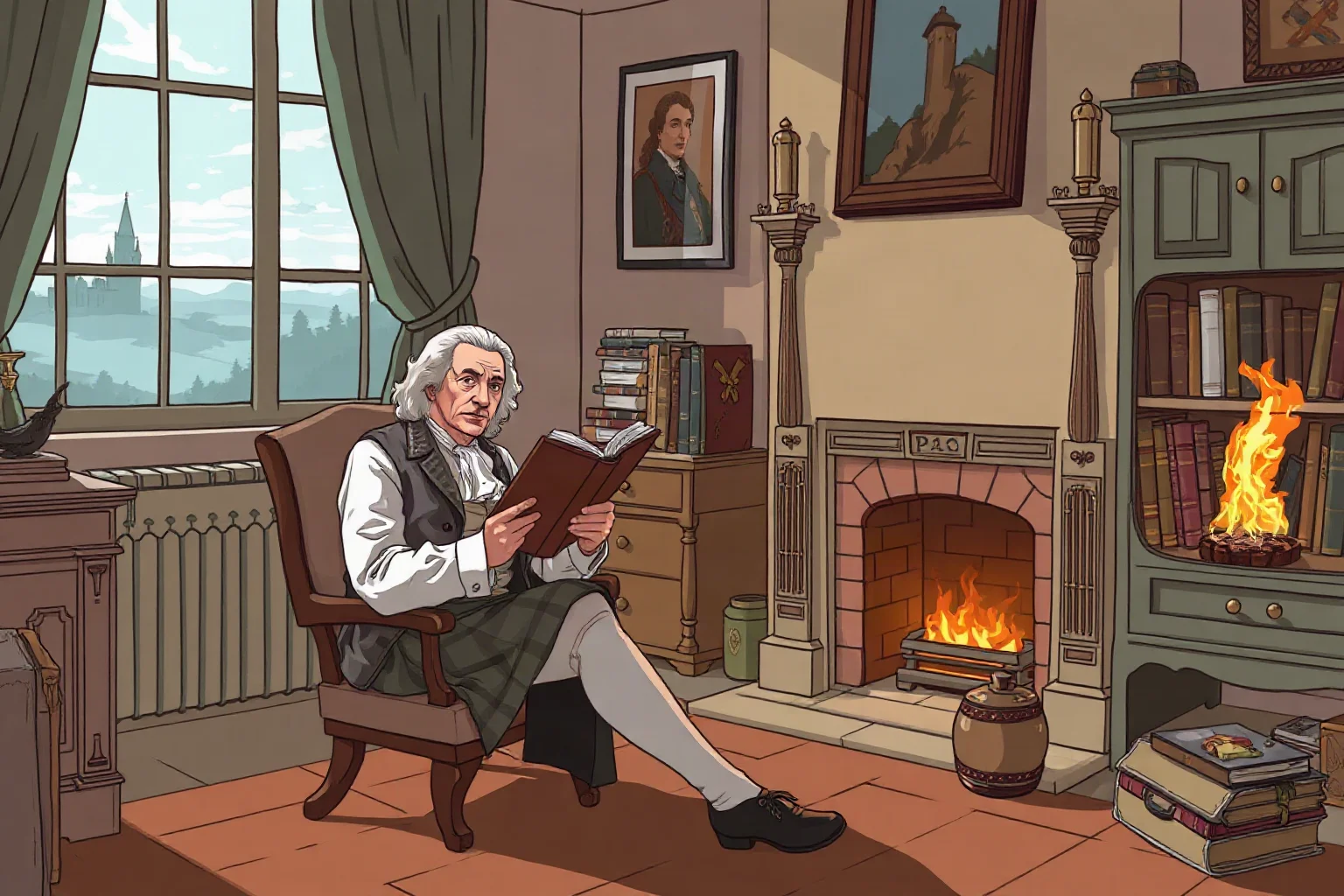
Hume was a skeptical empiricist who argued that all human knowledge ultimately comes from sensory experience, not innate reason. He famously questioned whether cause and effect could ever really be proven, only observed as a habitual pattern.
His skepticism about religion and miracles was controversial enough that he was passed over for university posts during his lifetime. Hume’s influence later resurfaced strongly in 20th-century analytic philosophy and modern science’s approach to evidence.
16. Immanuel Kant
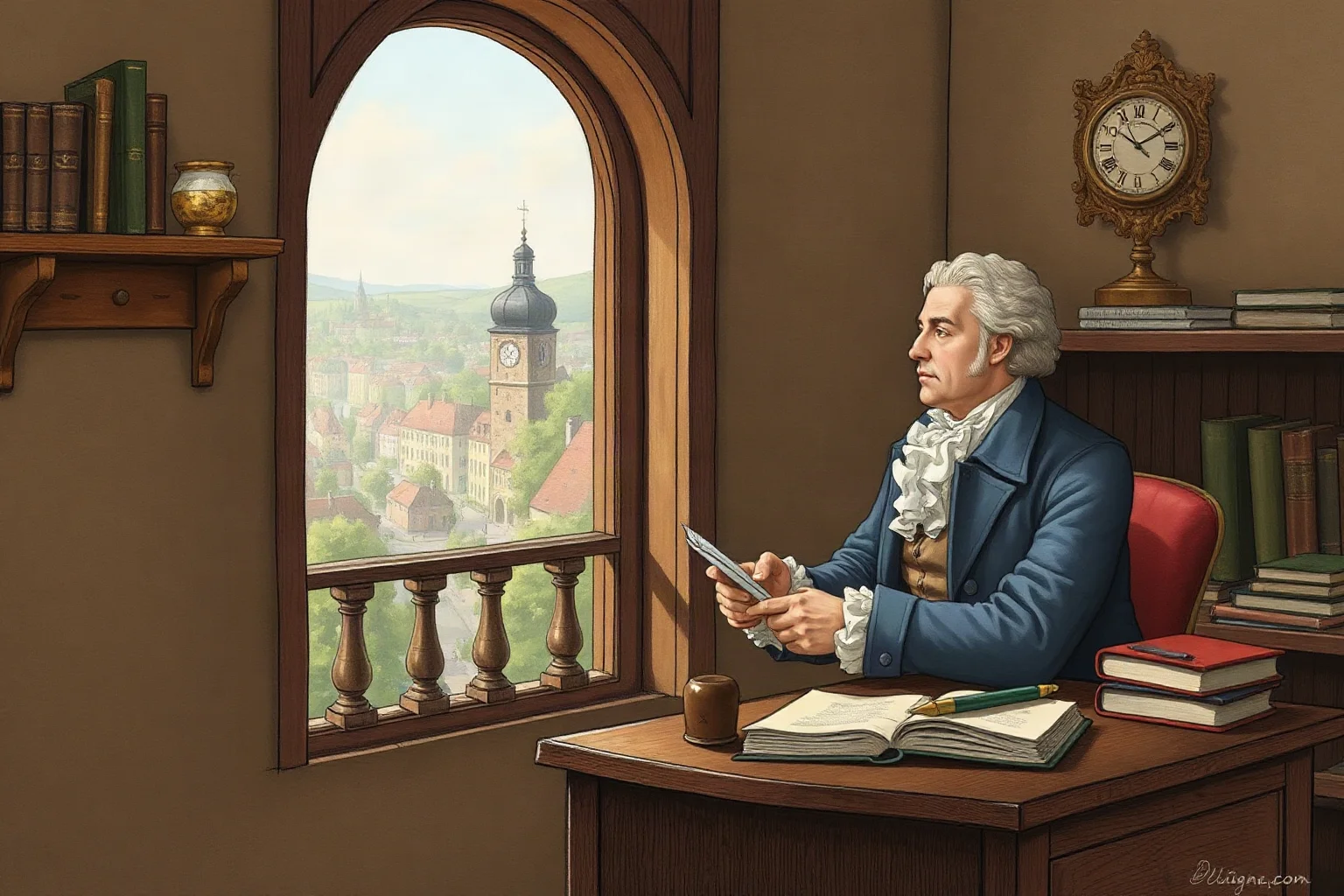
Kant tried to find a middle path between Hume’s skepticism and rationalist confidence, arguing that the mind actively shapes how we experience reality rather than passively recording it. His ethical theory, built around the “categorical imperative,” says you should only act according to rules you’d want applied universally.
Kant’s work in “Critique of Pure Reason” is famously dense, but its core question — what can we actually know, and how — still anchors modern philosophy courses. He’s frequently ranked among the most important philosophers of all time for reshaping the very ground rules of the discipline.
17. Mary Wollstonecraft

Wollstonecraft’s “A Vindication of the Rights of Woman” argued that women weren’t naturally inferior to men, but simply denied the same education and opportunities. She used Enlightenment reasoning about natural rights to challenge the exclusion of women from that same reasoning.
Her work is now considered a foundational text of feminist philosophy, though it wasn’t widely credited that way during her own lifetime. She’s a crucial reminder that the Enlightenment’s ideals of equality weren’t applied evenly at the time they were written.
Modern Philosophers Who Questioned Everything
18. Georg Wilhelm Friedrich Hegel
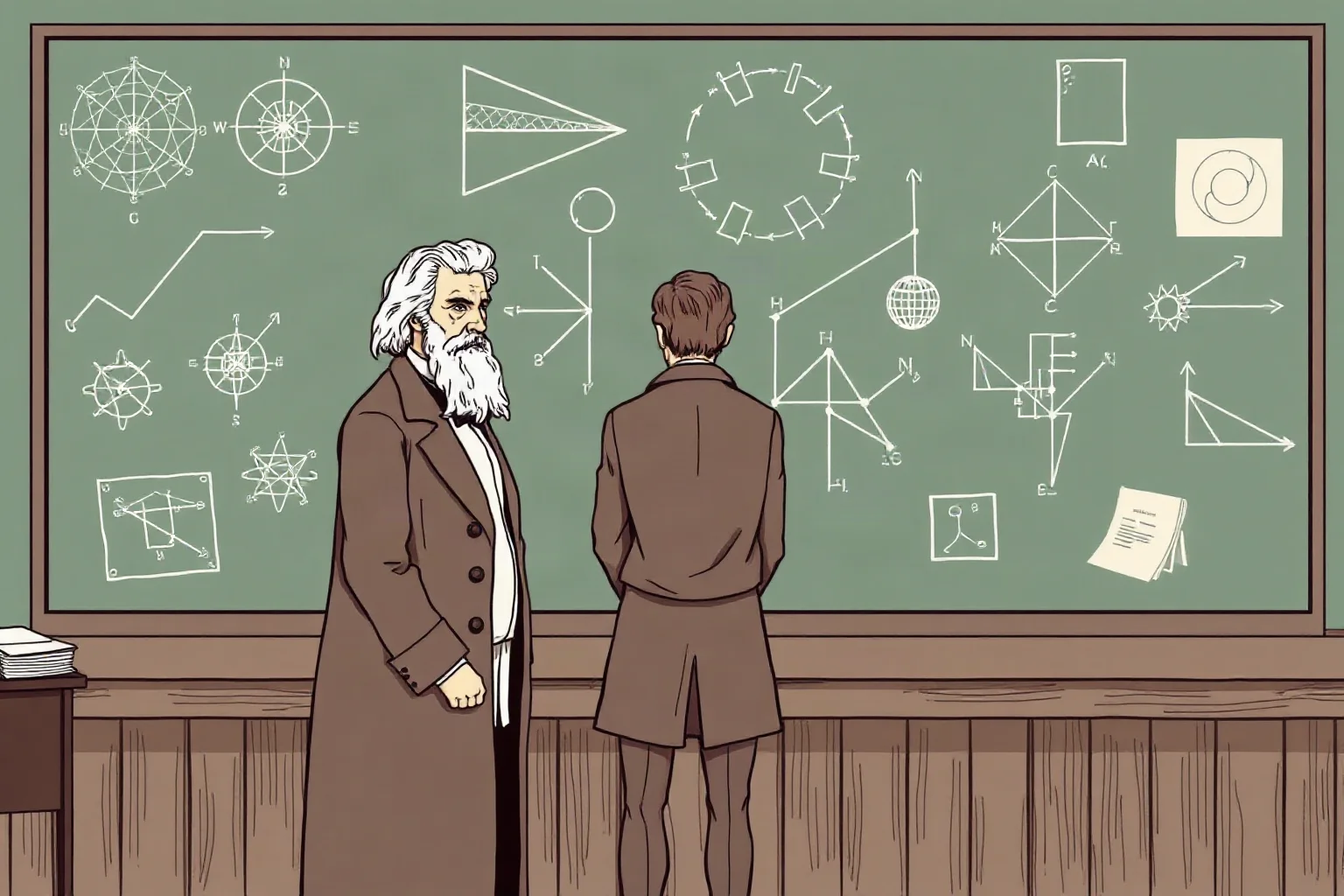
Hegel proposed that history moves forward through a process of conflict and resolution between opposing ideas, often summarized as thesis, antithesis, and synthesis. His writing is notoriously difficult, but his theory of historical progress deeply influenced later thinkers, including Karl Marx.
Hegel also argued that individual freedom only becomes meaningful within social and political institutions, not in isolation. That idea still shapes debates in political philosophy about the relationship between the individual and the state.
19. Karl Marx
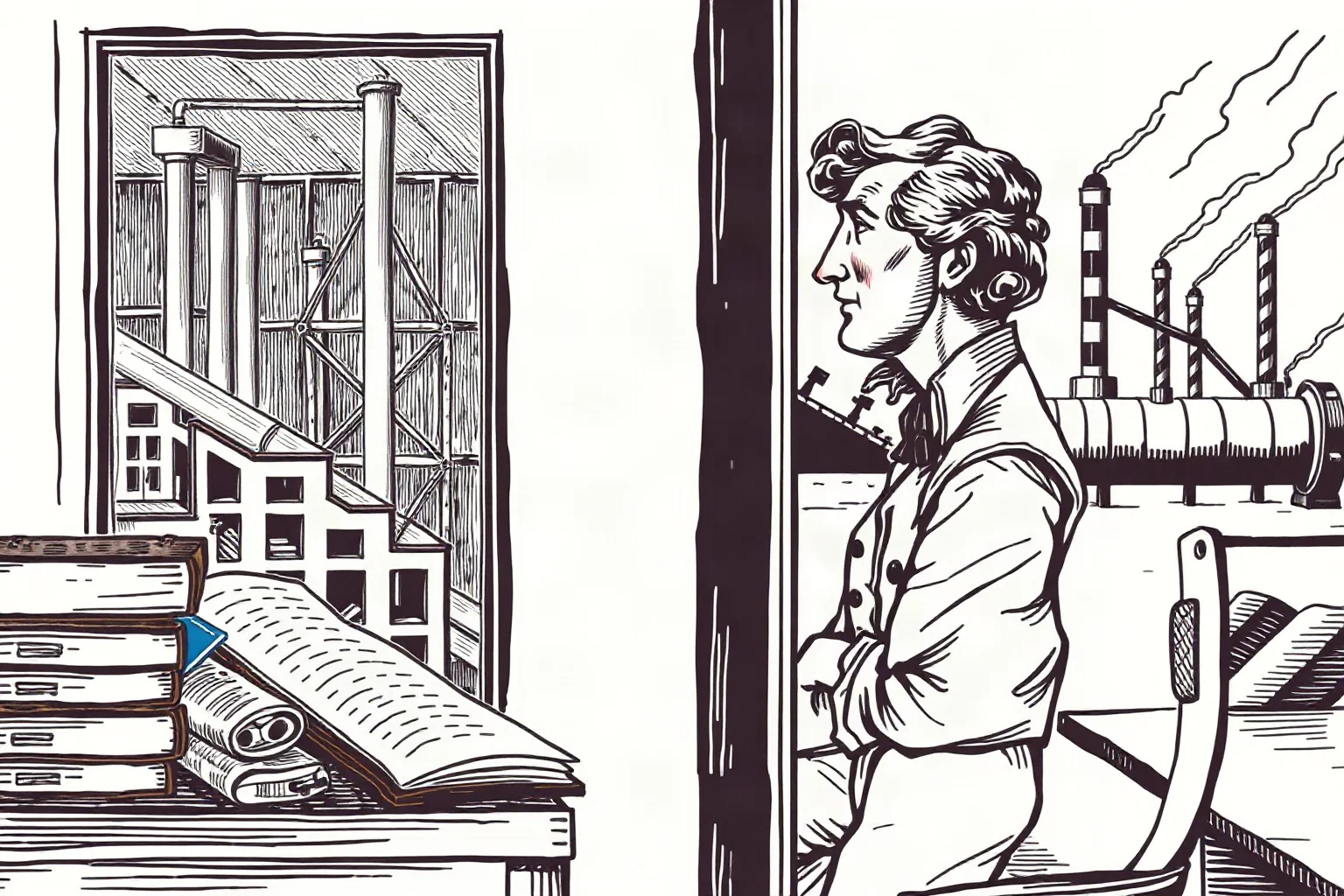
Marx argued that economic systems and class conflict, not ideas alone, are the real engines driving human history — a theory known as historical materialism. Working with Friedrich Engels, he predicted that capitalism’s internal contradictions would eventually lead to its own collapse.
Whatever one thinks of Marxist politics in practice, Marx fundamentally changed how economists, sociologists, and historians analyze power and inequality. He remains one of the most debated and most influential philosophers of the modern era.
20. Søren Kierkegaard
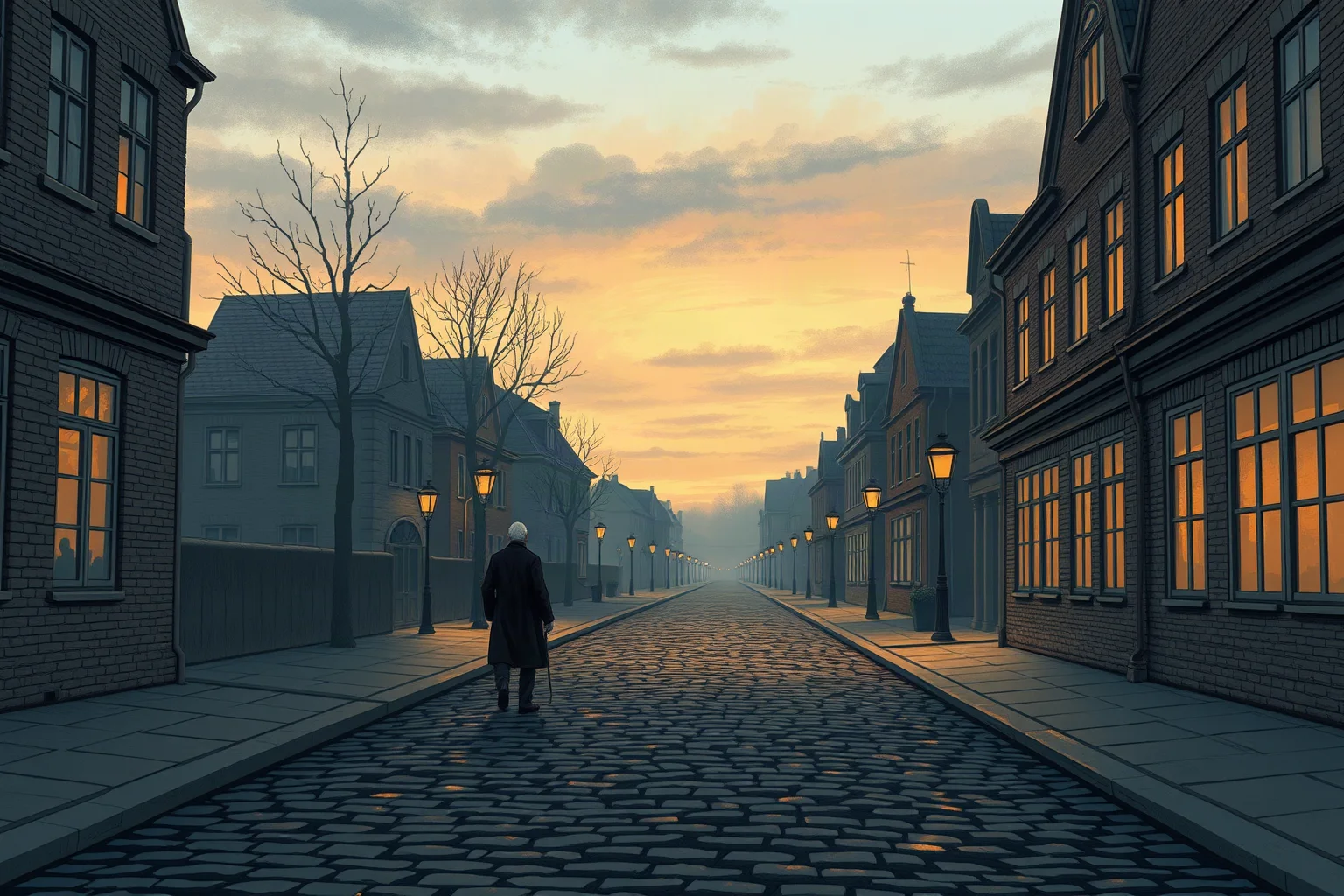
Kierkegaard is widely considered a founding figure of existentialism, focusing on individual choice, anxiety, and what it means to live an authentic life. He was deeply critical of organized religion’s tendency to turn personal faith into empty ritual.
His concept of the “leap of faith” described the deeply personal, non-rational commitment required for genuine belief. Kierkegaard’s focus on subjective experience over abstract systems influenced nearly every existentialist who followed him.
21. Friedrich Nietzsche
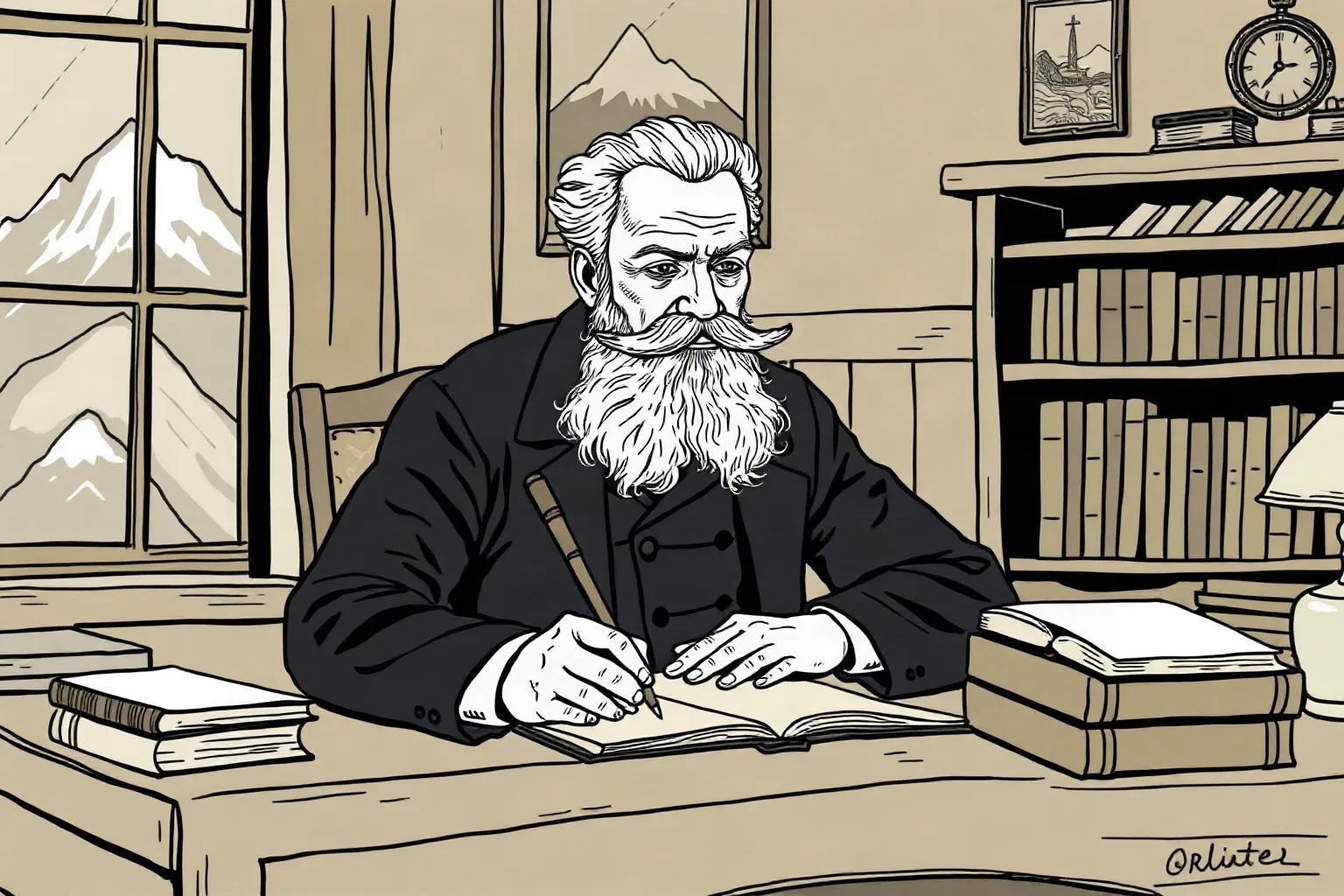
Nietzsche is famous for declaring “God is dead,” not as a literal claim but as an observation that traditional religious morality was losing its grip on European culture. He introduced the idea of the “will to power” as a fundamental human drive, and urged people to create their own values rather than inherit them unquestioned.
His ideas have been badly misused by others throughout history, most notoriously twisted by Nazi propagandists despite Nietzsche’s own writings rejecting antisemitism and nationalism. Modern scholars generally treat him as a sharp, provocative critic of morality rather than the villain later propaganda made him out to be.
22. John Stuart Mill
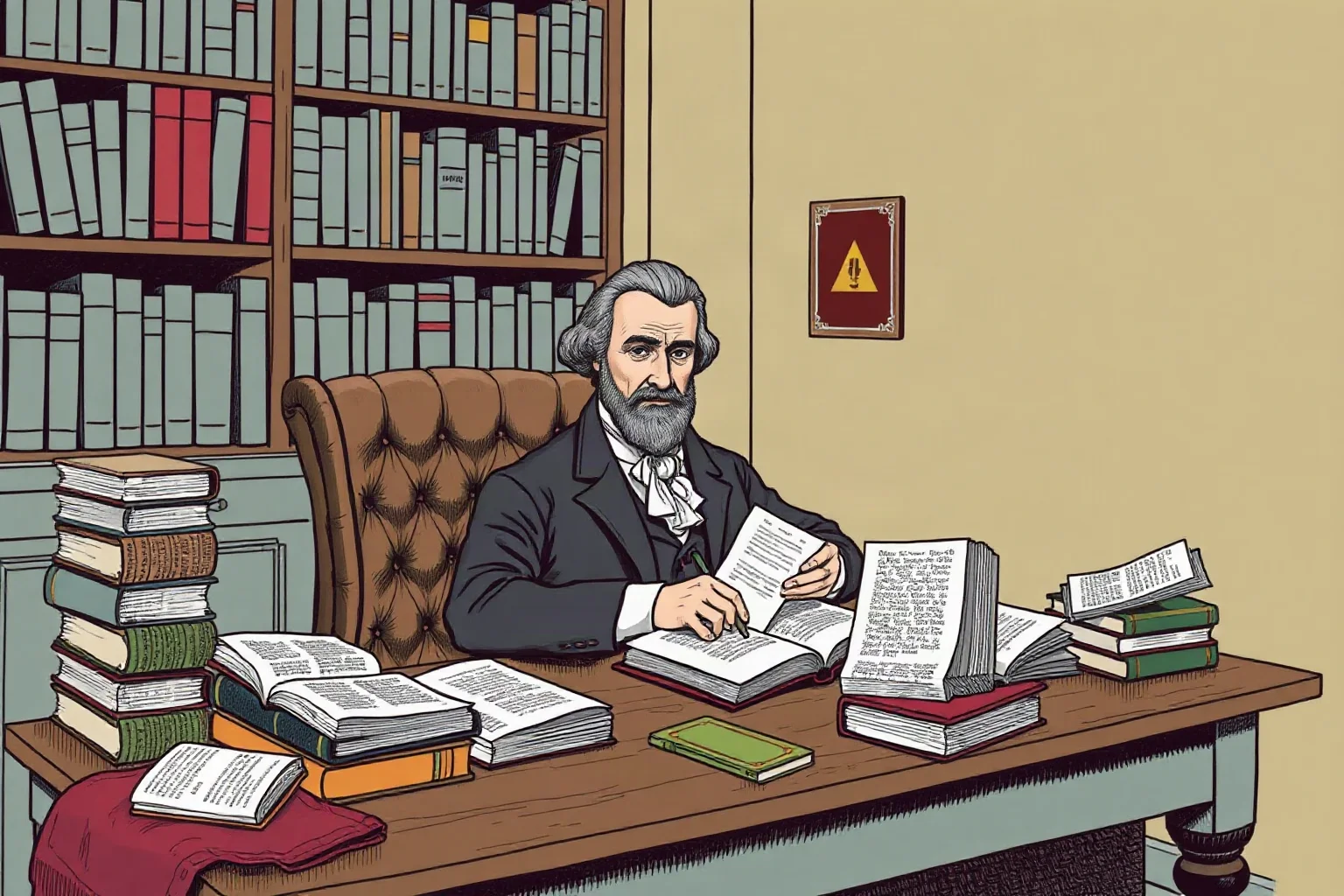
Mill refined utilitarianism, the theory that the right action is whichever produces the greatest happiness for the greatest number of people. In “On Liberty,” he argued passionately for individual freedom, limited only when one person’s actions cause real harm to others.
He was also an early and vocal supporter of women’s suffrage at a time when that view was far from mainstream. Mill’s blend of ethical theory and practical political reform makes him one of the most cited philosophers in modern law and public policy.
23. Bertrand Russell
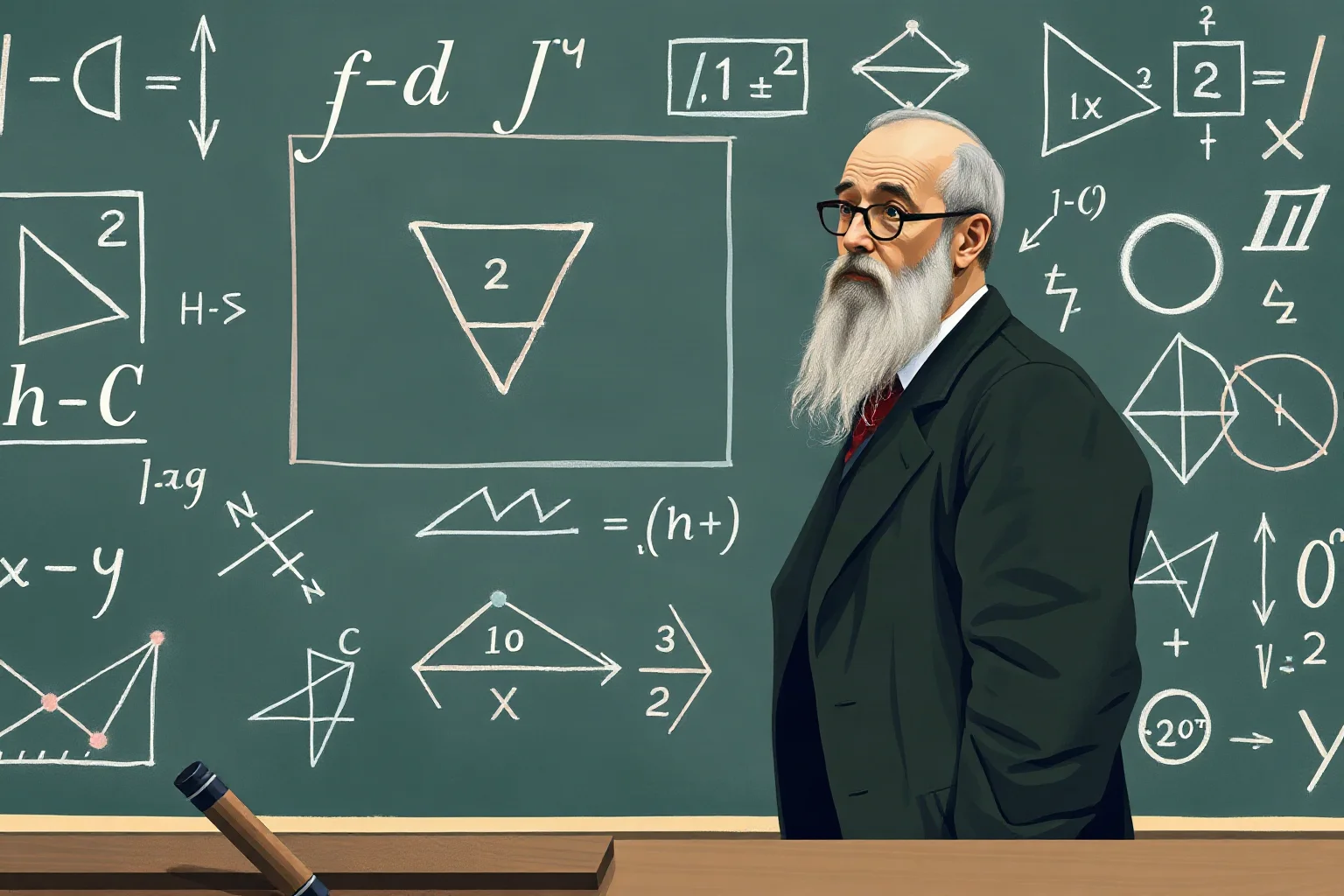
Russell helped found modern analytic philosophy, working to ground mathematics in pure logic alongside Alfred North Whitehead. He was also a committed public intellectual, writing accessibly about politics, religion, and nuclear disarmament for a general audience.
His 1945 book “A History of Western Philosophy” introduced generations of readers to the entire field in one accessible volume. Russell won the Nobel Prize in Literature in 1950, a rare crossover for a working philosopher.
24. Simone de Beauvoir
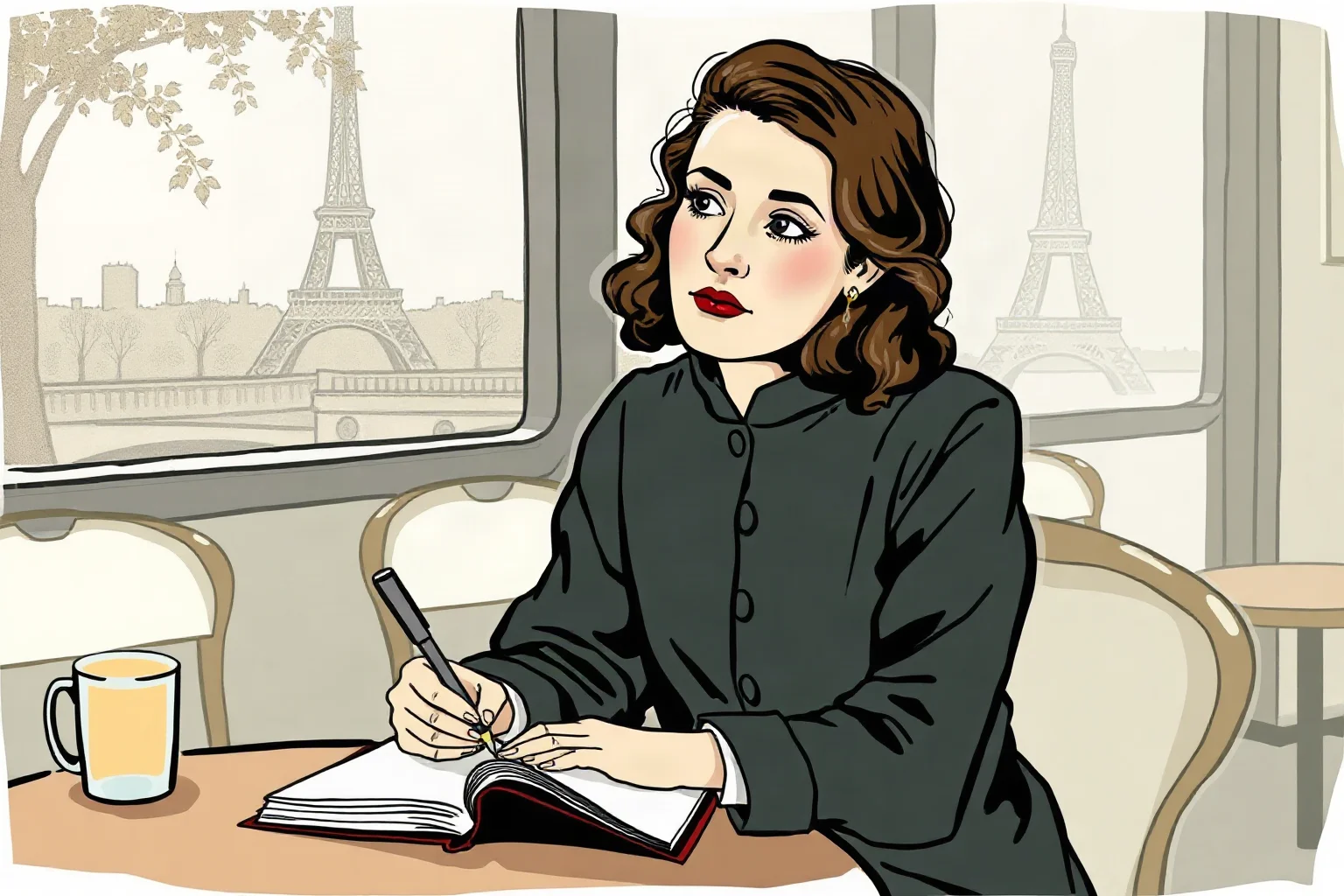
De Beauvoir’s “The Second Sex” argued that womanhood is largely a social construction, famously summarized in her line that one is not born, but rather becomes, a woman. She applied existentialist ideas about freedom and identity to the specific social situation of women in a way few philosophers had attempted before.
Her work became a foundational text of second-wave feminism and modern gender theory. De Beauvoir was also a serious philosopher in her own right, not simply, as she was long dismissed, Jean-Paul Sartre’s partner and editor.
25. Hannah Arendt
Arendt fled Nazi Germany and spent much of her career trying to understand how ordinary societies descend into totalitarianism. Her book “The Origins of Totalitarianism” remains a key text for understanding 20th-century authoritarian regimes.
Her coverage of the Eichmann trial introduced the controversial and widely debated concept of the “banality of evil,” the idea that atrocity can come from bureaucratic conformity rather than obvious monstrousness. Arendt is frequently named among the most important political philosophers of the modern era for making abstract political theory feel urgently relevant.
So, Who Really Is the Greatest Philosopher of All Time?
There’s no single correct answer, and that’s honestly part of the appeal. Socrates, Plato, and Aristotle usually top most rankings simply because nearly every later philosopher on this list was reacting to, building on, or arguing against them in some way.
But “greatest” depends heavily on what you value most. If you care about political freedom, Locke or Mill might top your list. If you care about existential honesty, Kierkegaard or de Beauvoir might matter more to you personally than anyone from ancient Athens.
The Bigger Picture: Why These Theories Still Matter
It’s tempting to treat philosophy as a purely academic subject, but these theories are quietly baked into modern life. Democratic constitutions borrow from Locke and Rousseau, courtroom logic borrows from Aristotle, and modern human rights language borrows from Enlightenment natural rights theory.
Even arguments happening right now about free speech, economic inequality, gender, and political extremism are often just updated versions of debates these thinkers started centuries or millennia ago. Understanding the great thinkers of history isn’t really about memorizing names and dates. It’s about recognizing the intellectual toolkit we’re all still using, often without realizing where it came from.
Frequently Asked Questions
Who are considered the greatest philosophers of all time?
Most rankings of the greatest philosophers of all time center on Socrates, Plato, and Aristotle from ancient Greece, alongside figures like Confucius, Kant, Descartes, and Nietzsche. There's no official list, since "greatest" depends on whether you value ethics, logic, political theory, or metaphysics most.
Who are the 3 most famous philosophers in history?
Socrates, Plato, and Aristotle are usually named as the three most famous philosophers, largely because they formed a direct teaching lineage and their ideas shaped nearly every philosophical tradition that came after them in the Western world.
Who were the Enlightenment thinkers?
The Enlightenment thinkers were 17th- and 18th-century writers such as John Locke, Voltaire, Jean-Jacques Rousseau, David Hume, Immanuel Kant, and Mary Wollstonecraft, who argued that reason, evidence, and individual rights should guide society rather than tradition or royal authority alone.
What are the different types of philosophers?
Philosophers are often grouped by focus: moral and political philosophers examine how people should live and be governed, metaphysicians study the nature of reality, logicians and mathematician philosophers focus on reasoning and proof, and existentialists explore individual freedom and meaning.
Can a mathematician also be considered a philosopher?
Yes. Figures like Pythagoras, René Descartes, and Bertrand Russell were both serious mathematicians and philosophers, and many foundational philosophical questions about logic, proof, and the structure of reality overlap directly with mathematics.
Why were philosophers treated like celebrities in their own time?
In eras with limited literacy and formal education, a compelling public speaker tackling big questions about government, religion, or justice stood out quickly. Enlightenment salons and ancient Greek marketplaces both turned sharp thinkers, like Voltaire or Socrates, into genuine public figures.
Is the ‘great man theory’ of history accurate?
Most historians consider the great man theory, which credits a handful of exceptional individuals for driving history, to be an oversimplification. Philosophers' ideas usually grew out of the political, religious, and social conditions of their time, often building on lesser-known predecessors.

Alex Warren
Related Articles