

When people picture a palace, they usually imagine gold leaf, endless hallways, and a monarch somewhere getting dressed for dinner. But "biggest" is a surprisingly slippery word when it comes to palaces. Do you measure by floor area, total volume, number of rooms, or the size of the grounds? Different sources answer that question differently, which is why you'll see several buildings each claiming the title of world's largest palace.
In this guide, we're ranking and exploring the biggest, oldest, highest, and most expensive palaces on the planet — and we're separating verified facts from popular legend along the way. We'll also tackle the closely related question of the world's largest castles, since palaces and castles get mixed up constantly in casual conversation (and in search results).
TL;DR: Brunei's Istana Nurul Iman is generally considered the world's largest residential palace, while China's Forbidden City remains the largest surviving ancient palace complex — and neither claim is as simple as it first sounds.
What Actually Counts as the "Biggest" Palace?
Before diving into the list, it helps to know why rankings disagree so much. Some palaces are measured by interior floor area, others by total footprint including courtyards, and others by sheer room count. A palace with fewer square feet but 1,000 more rooms can still "feel" bigger to visitors.
There's also a difference between a palace that's still a single functioning residence and a sprawling historic complex made up of dozens of connected buildings, like the Forbidden City or Topkapi Palace. That's part of why so many people search for "what palace" holds the record — the honest answer depends on which category you mean. With that caveat in mind, here are the palaces that consistently top the lists, organized roughly from largest residential palaces to the oldest and most record-breaking castles.
1. Istana Nurul Iman, Brunei
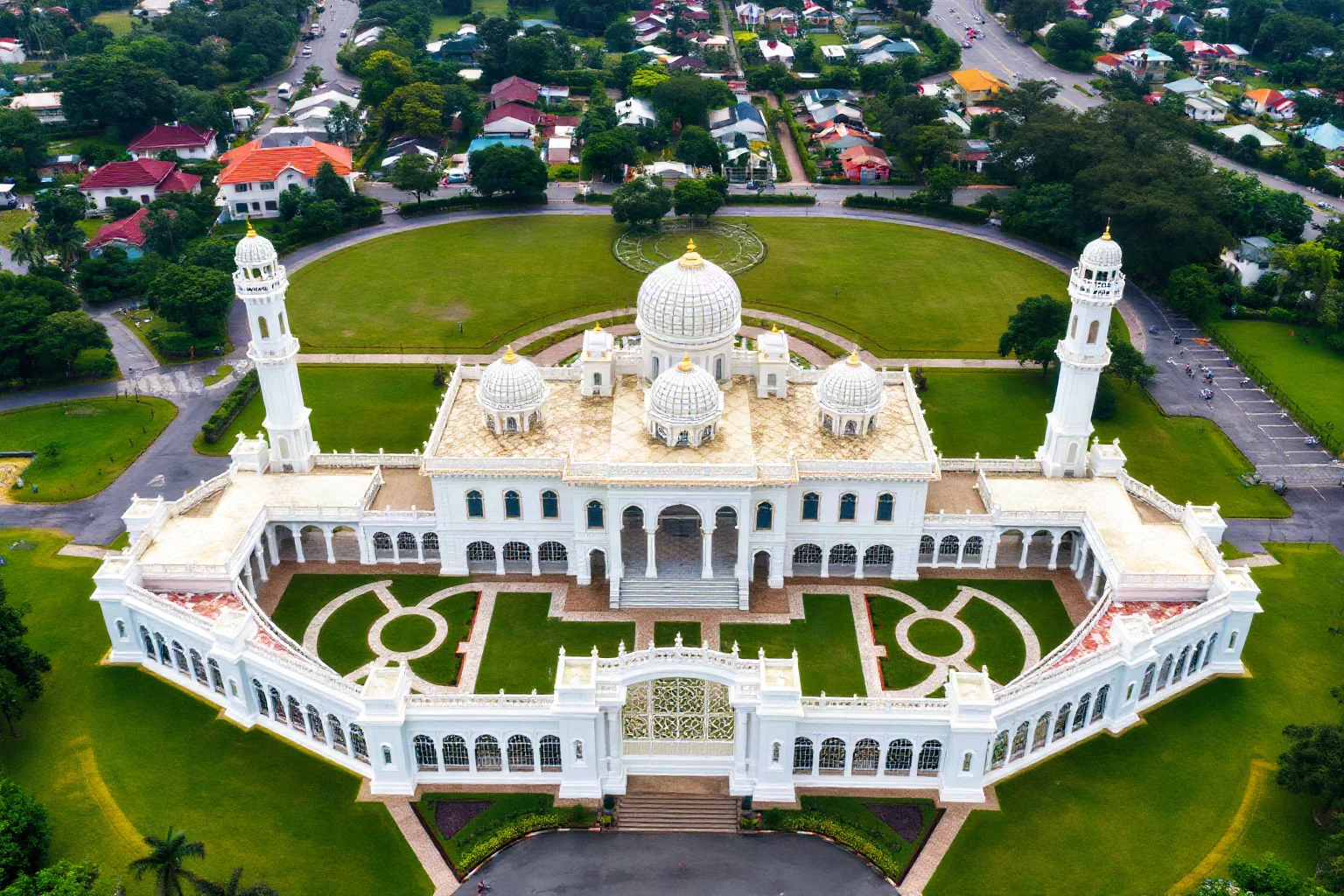
Istana Nurul Iman is the official residence of the Sultan of Brunei, and it's widely cited as the largest residential palace in the world. Estimates put its floor area at roughly 2.15 million square feet, spread across nearly 1,800 rooms, including a mosque with a capacity for 1,500 worshippers.
Completed in 1984, it's also frequently named the most expensive palace in the world, with construction costs estimated well into the hundreds of millions of dollars (some estimates run past a billion) — putting the Sultan's household in the same conversation as the richest and most powerful families in history. Because it's a private royal residence, it isn't regularly open to the public, which adds to its mystique.
2. Royal Palace of Madrid
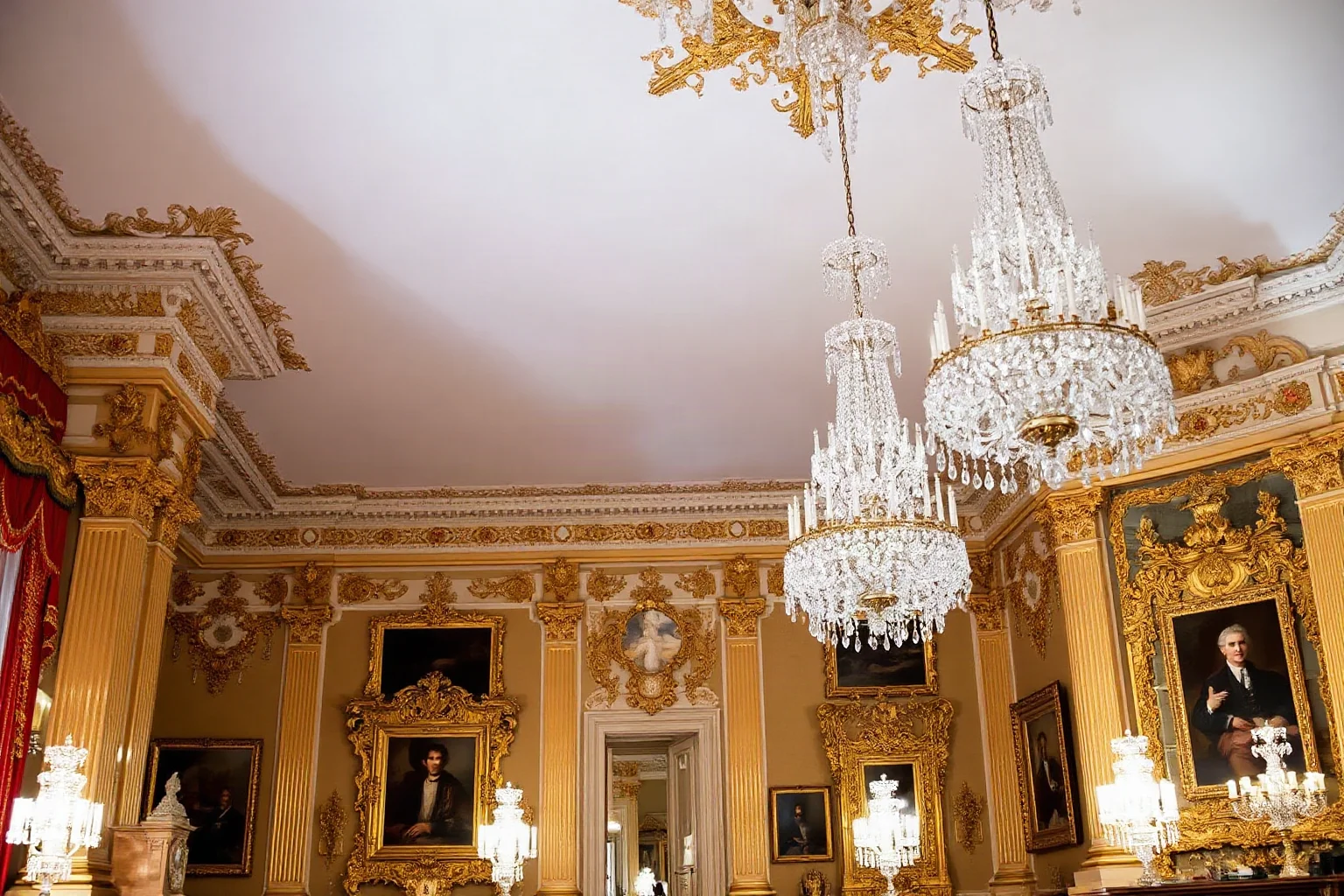
The Royal Palace of Madrid is the largest functioning royal palace in Western Europe, with a floor area of around 1.45 million square feet and more than 3,400 rooms. Spain's royal family doesn't actually live there full-time anymore, but it's still used for state ceremonies and official functions.
It was built on the site of a former Moorish fortress after a fire destroyed the previous royal residence in 1734. Only a fraction of its rooms are open to visitors, but that fraction still takes hours to explore properly.
3. The Louvre Palace, Paris
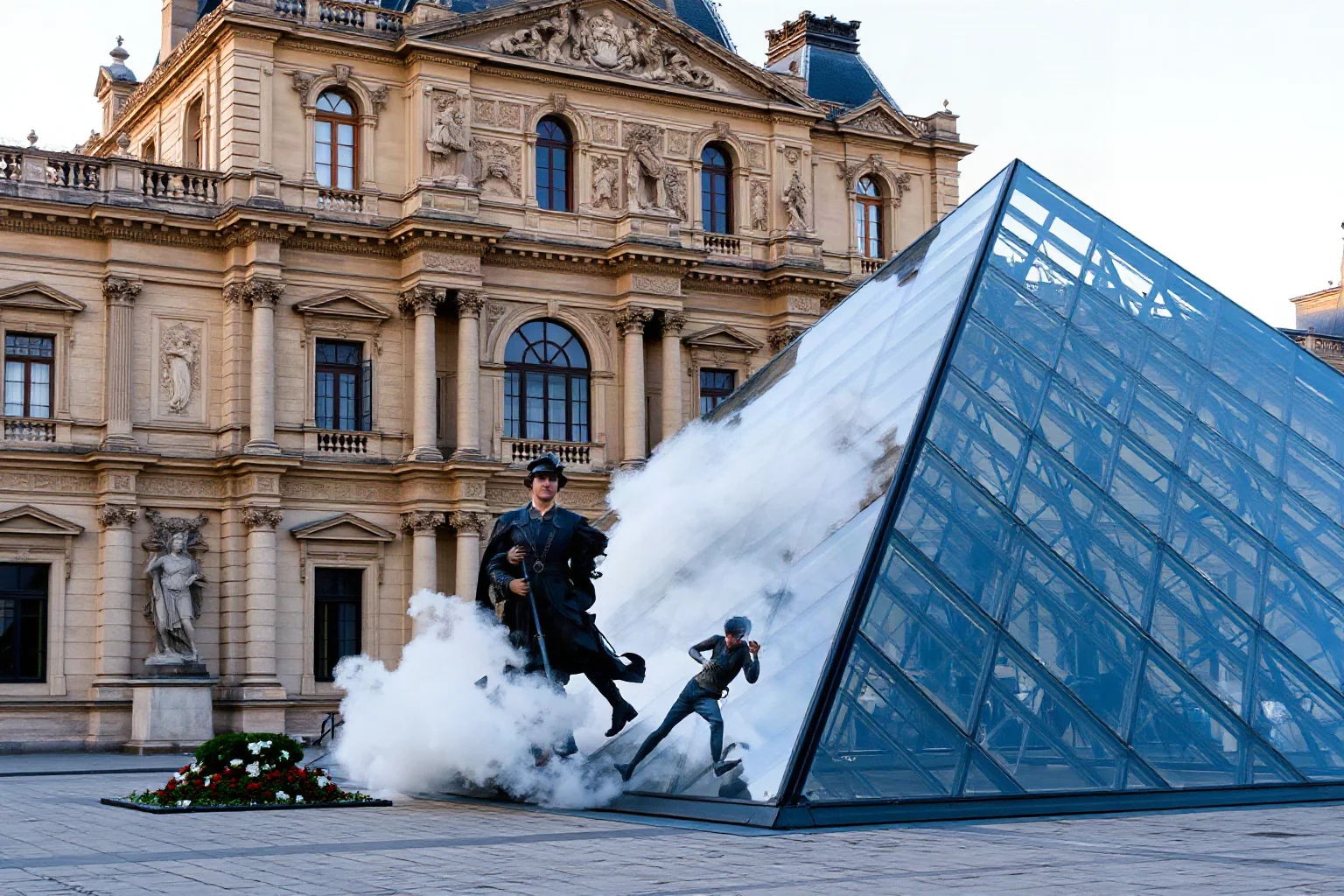
Before it became the world's most visited art museum, the Louvre was a working royal palace for French kings, dating back to the 12th century. Its transformation from medieval fortress to Renaissance palace to public museum makes it one of the most architecturally layered buildings on Earth.
The palace complex covers roughly 780,000 square feet of exhibition space alone, not counting storage and administrative areas. It's a reminder that many of today's "famous palaces" have had several completely different lives.
4. The Forbidden City, Beijing
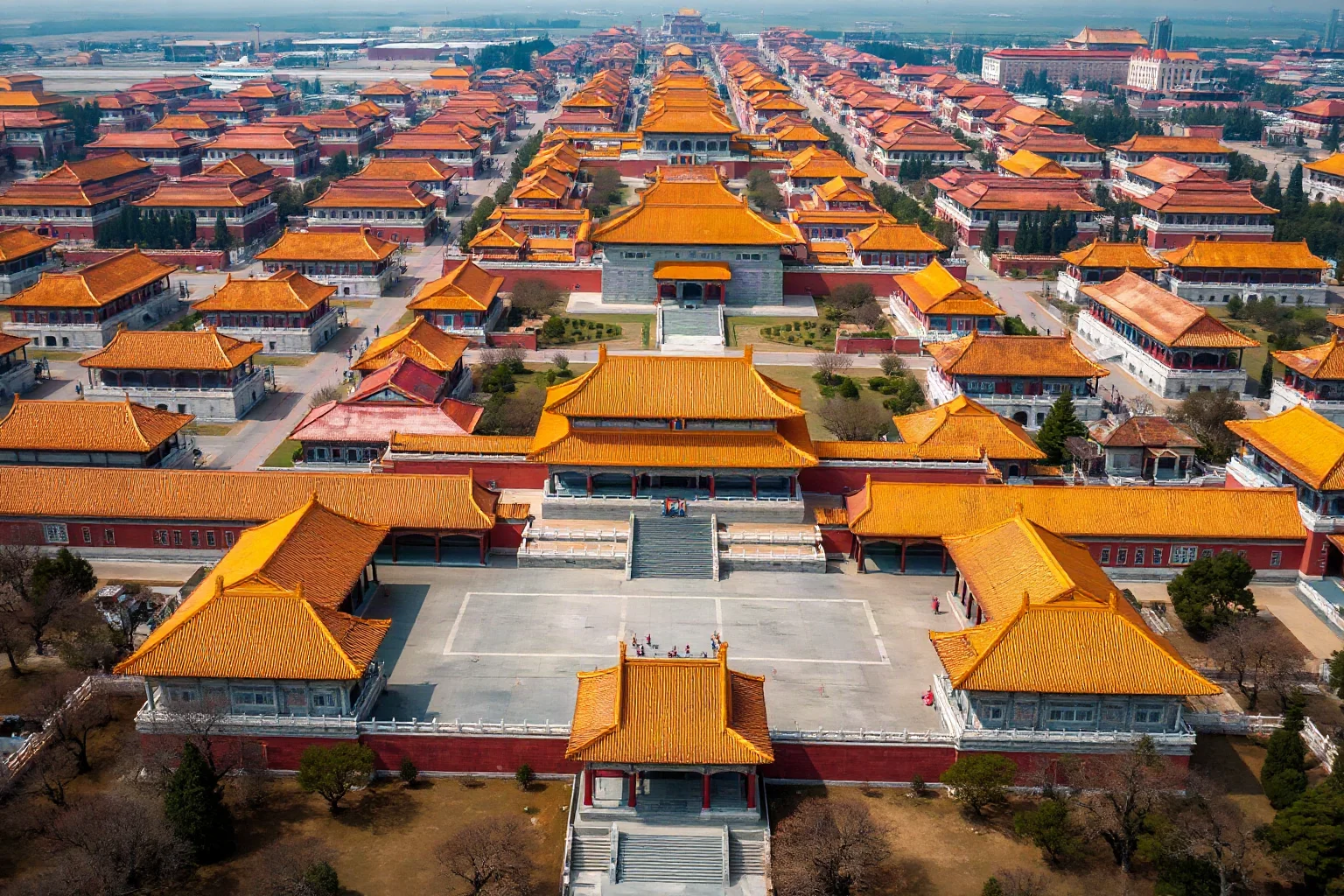
The Forbidden City is the largest surviving ancient palace complex in the world, covering about 178 acres and originally home to two dynasties of Chinese emperors from 1420 to 1912 — a reign spanning centuries within China, itself frequently discussed among the oldest countries in the world. A popular legend claims it has exactly 9,999.5 rooms, supposedly one half-room short of the mythical 10,000 rooms reserved for heaven.
That number is folklore, not fact — modern architectural surveys count roughly 8,886 rooms. It's still an enormous, genuinely record-setting complex; it just doesn't need an invented number to be impressive.
5. Quirinal Palace, Rome
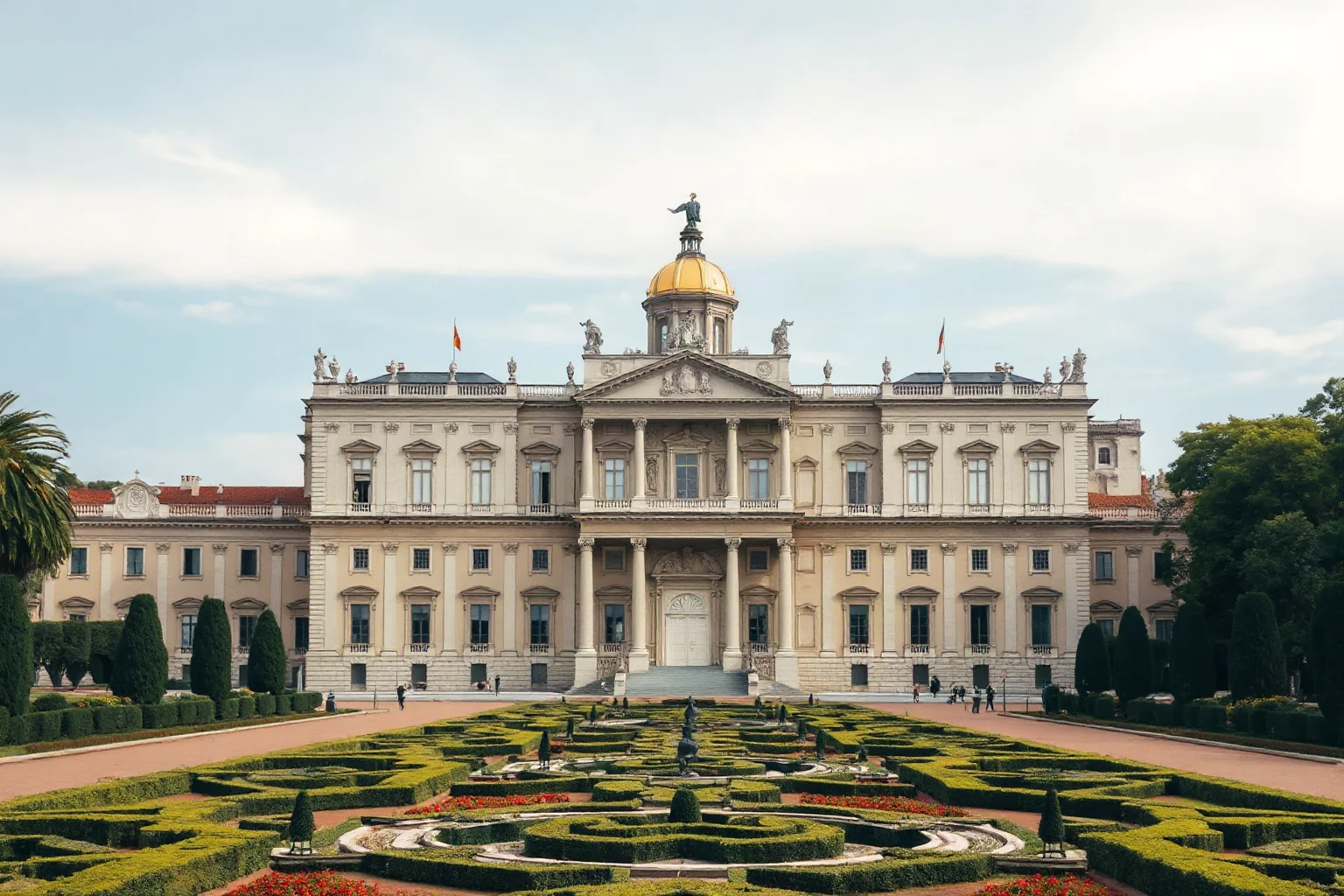
Quirinal Palace, now the official residence of the President of Italy, is often recognized as the largest palace in Europe by total area, covering roughly 1.2 million square feet. It has served popes, kings, and now presidents since construction began in the 16th century.
Its room count exceeds 1,000, and its gardens alone rival the size of many entire European palaces. It's a strong contender whenever the question of the largest palace in Europe comes up.
6. Buckingham Palace, London
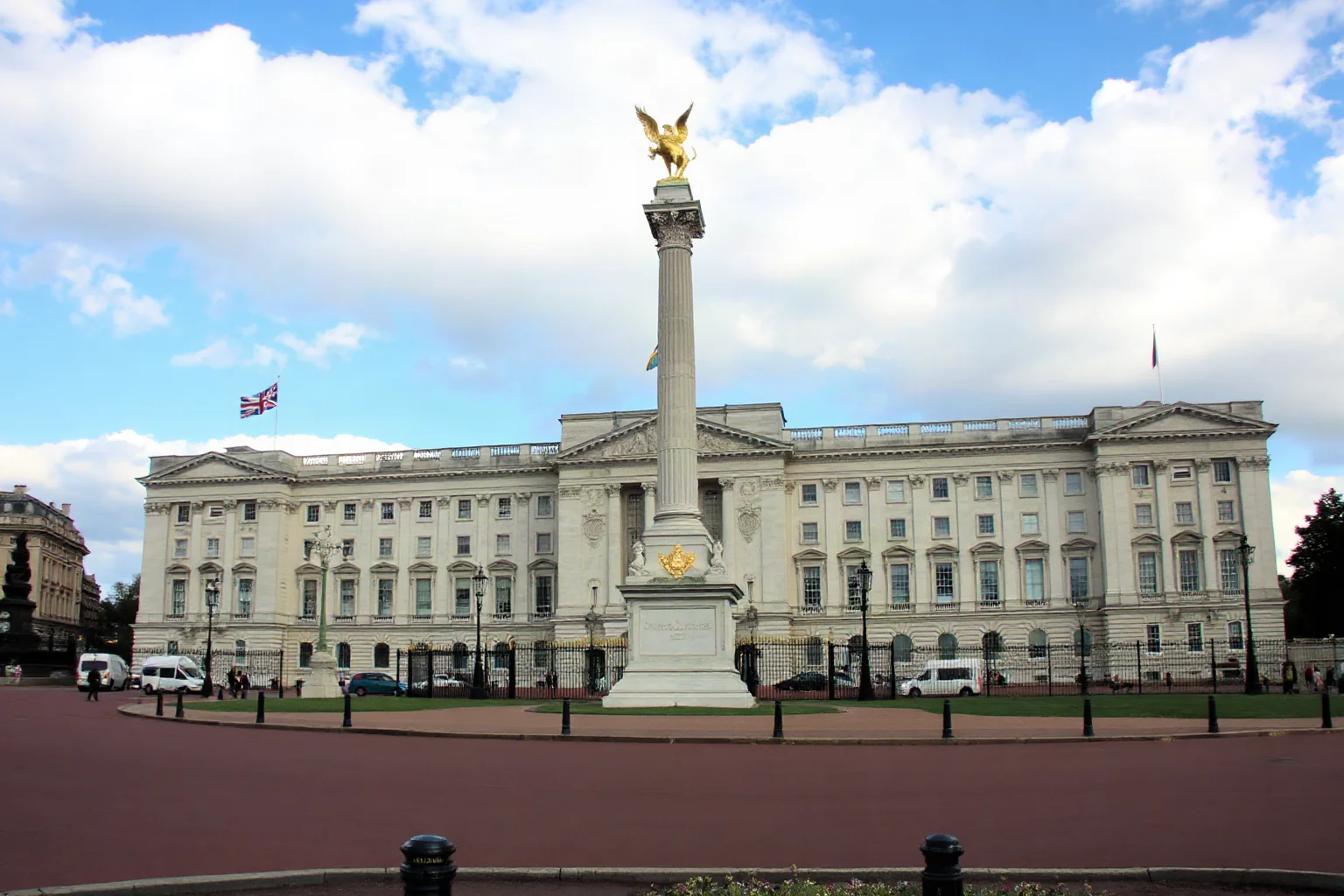
Buckingham Palace is arguably the most famous palace on the planet, and it's a frequent search for exact measurements. Buckingham Palace's square footage is approximately 828,000 square feet (around 77,000 square meters), containing 775 rooms, including 19 state rooms and 92 offices.
It has served as the official London residence of the British monarch since 1837. Despite its fame, it's actually smaller in floor area than several other palaces on this list — proof that recognition and raw size don't always match.
7. Potala Palace, Lhasa
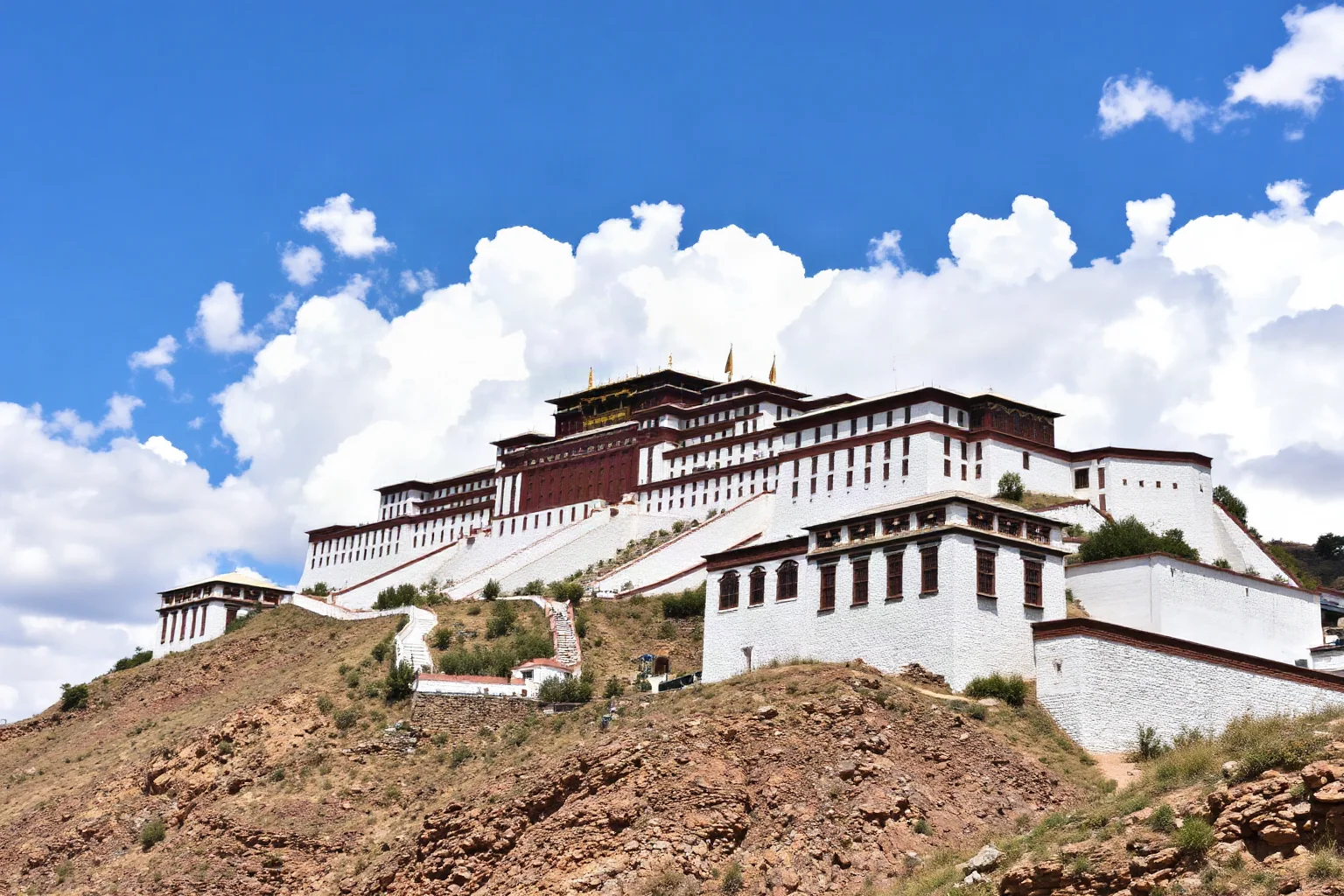
Sitting at roughly 3,700 meters (about 12,100 feet) above sea level, Potala Palace is generally considered the highest palace in the world. Built into the Red Hill above Lhasa, Tibet, it has served as both a political and religious center since the 7th century, with major expansion in the 1600s.
It's sometimes referred to informally as the "highest castle in the world" because of its fortress-like architecture, though historically and functionally it's a palace and monastery complex rather than a defensive castle. Either way, its altitude alone makes it one of the most remarkable palaces ever built.
8. Topkapi Palace, Istanbul
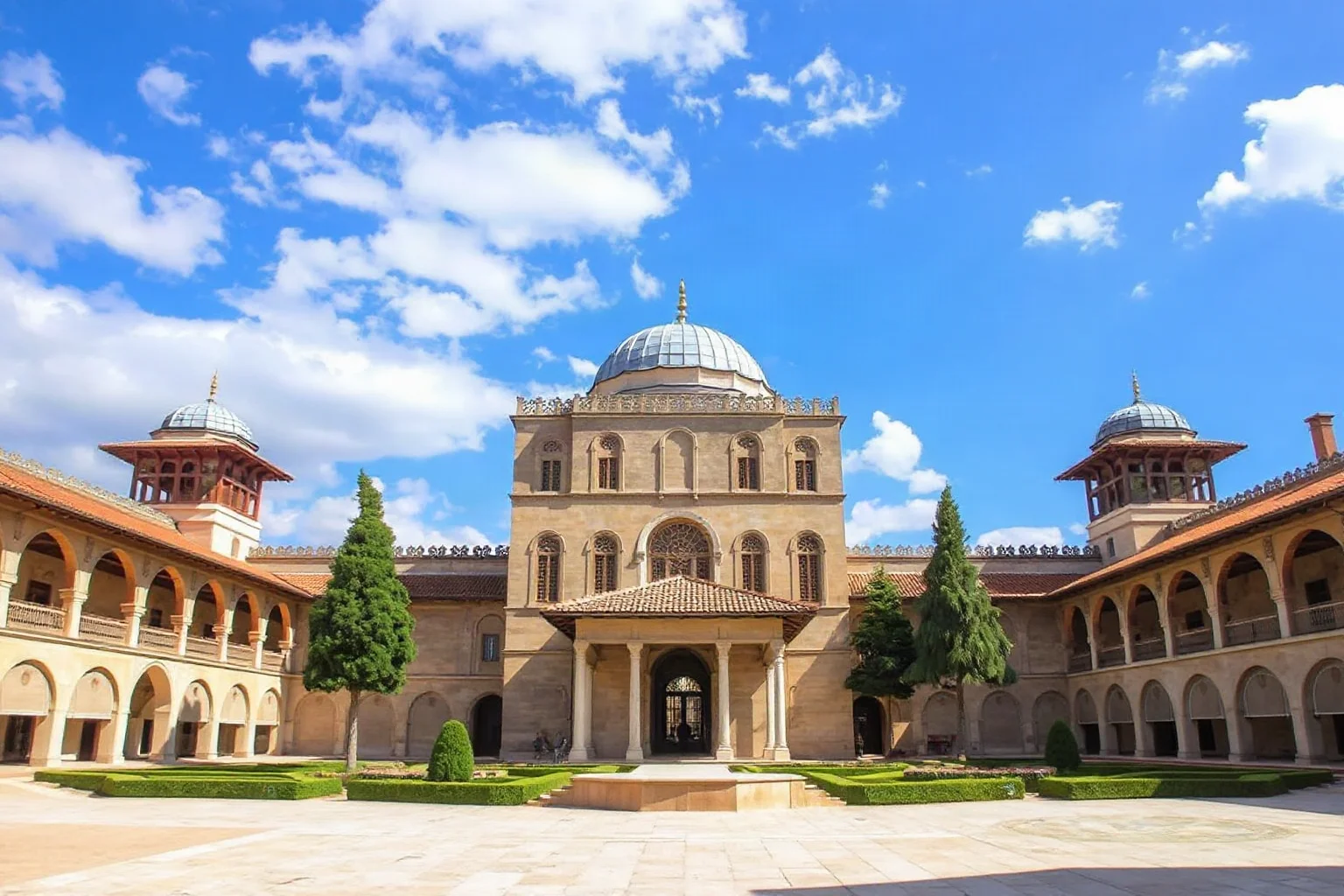
Topkapi Palace served as the primary residence of Ottoman sultans for roughly 400 years, from the 1450s until the mid-19th century. The complex spans around 173 acres, including courtyards, gardens, and the famous Harem quarters.
Rather than one building, it's a series of pavilions and courtyards, each added by different sultans over the centuries. It's one of the best-preserved examples of how imperial palaces could double as entire self-contained cities.
9. Schönbrunn Palace, Vienna
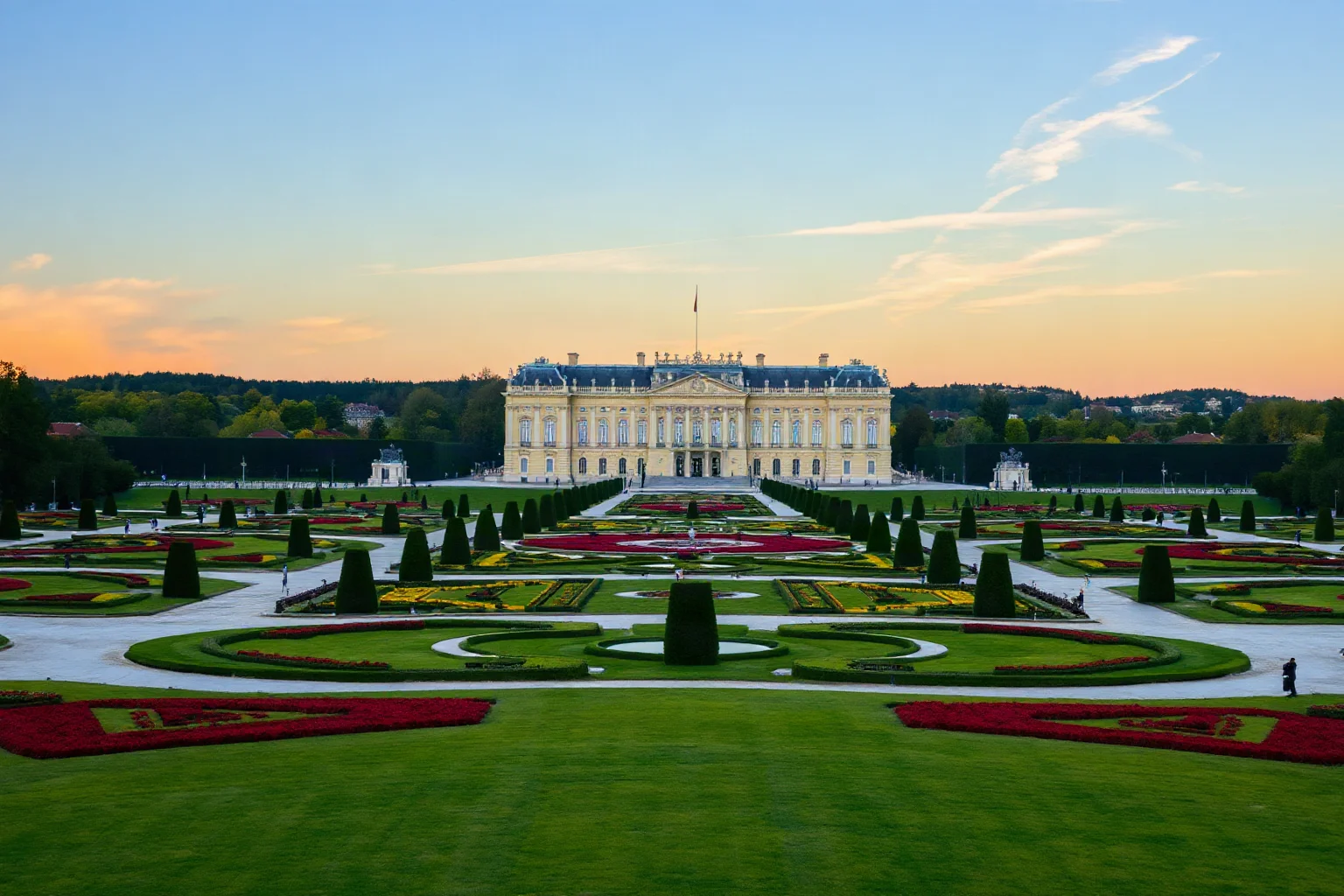
Schönbrunn was the summer residence of the Habsburg emperors and contains 1,441 rooms across its Baroque façade. Empress Maria Theresa expanded it significantly in the 18th century, turning it into a showcase of Habsburg wealth and taste.
Today it's one of Austria's most visited attractions and a strong example of how European palaces used architecture and gardens together to project imperial power. Its gardens alone cover nearly 500 acres.
10. Peterhof Palace, Russia
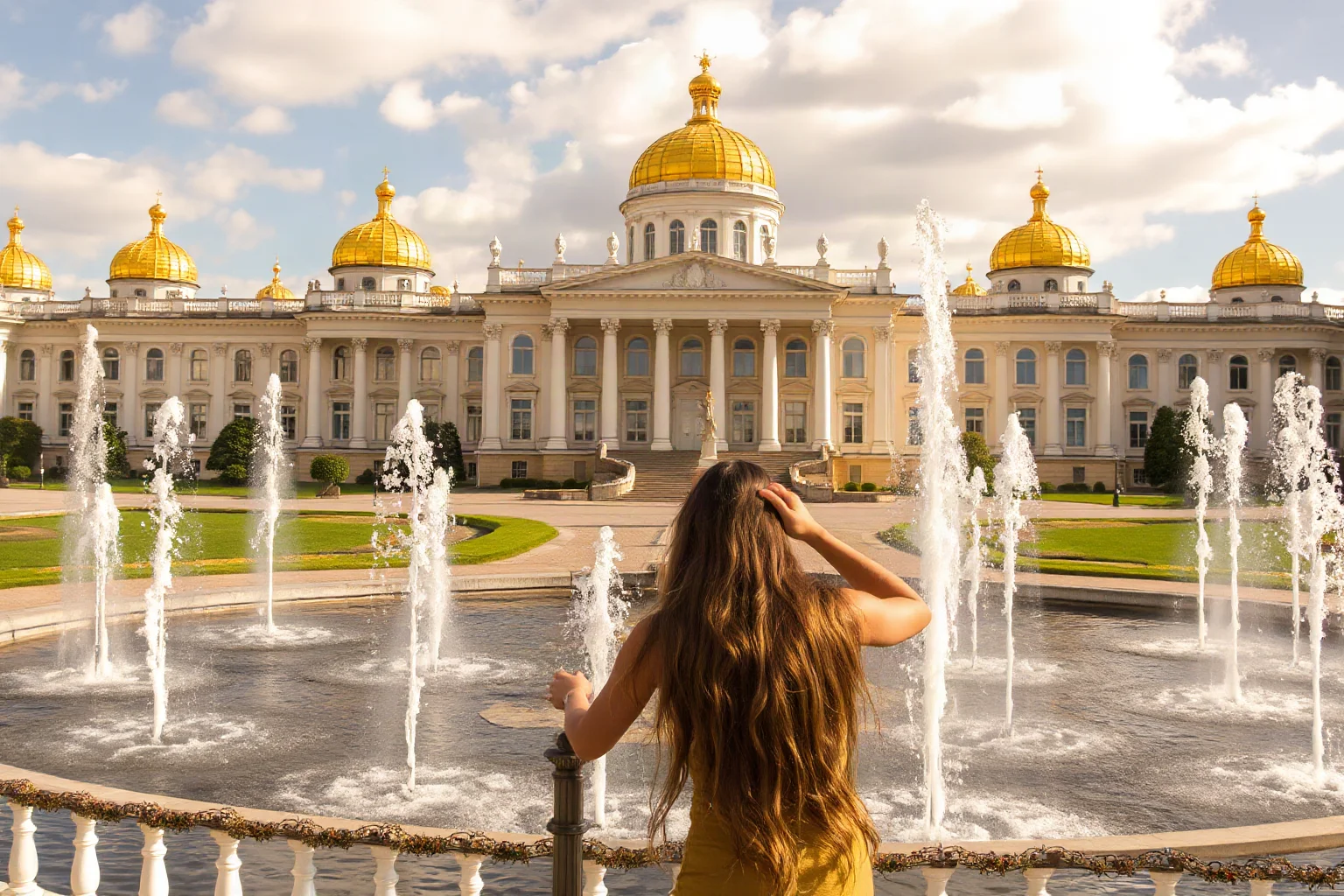
Often nicknamed the "Russian Versailles," Peterhof was commissioned by Peter the Great in the early 18th century along the Gulf of Finland. Its fountains, powered entirely by gravity rather than pumps, are considered an engineering marvel for their era.
The palace was heavily damaged during World War II and painstakingly restored over decades afterward. It remains one of the most visited royal residences in Russia today.
11. Palace of Versailles, France
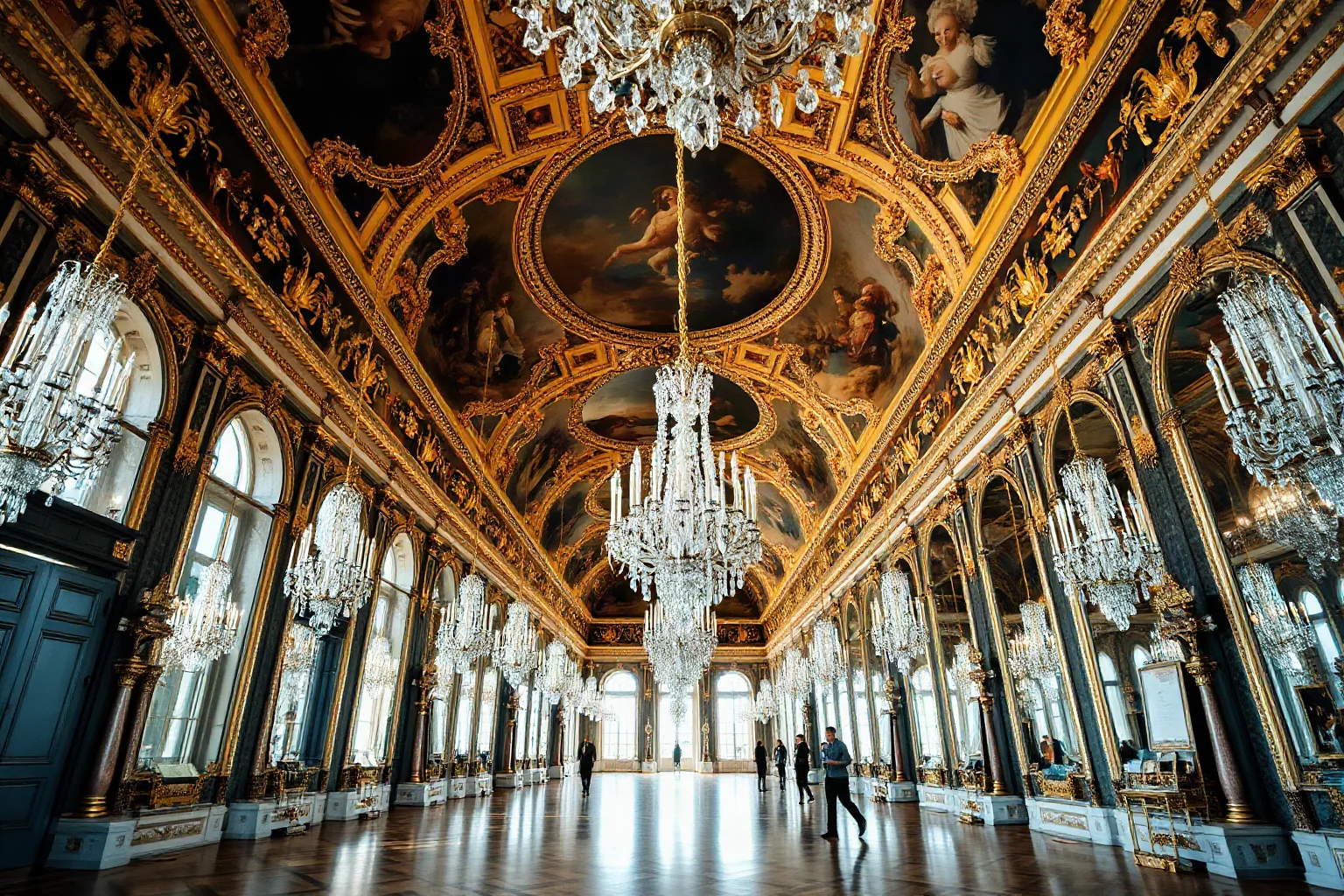
Versailles is perhaps the single most influential palace in Western history, transformed by Louis XIV from a hunting lodge into a 2,300-room symbol of absolute monarchy. Its Hall of Mirrors and formal gardens became the template countless European rulers tried to copy.
The main palace building covers about 720,000 square feet, though the wider estate, including gardens and outbuildings, is vastly larger. It's a textbook example of how palaces were built not just to live in, but to be seen.
12. The Great Palace of Constantinople
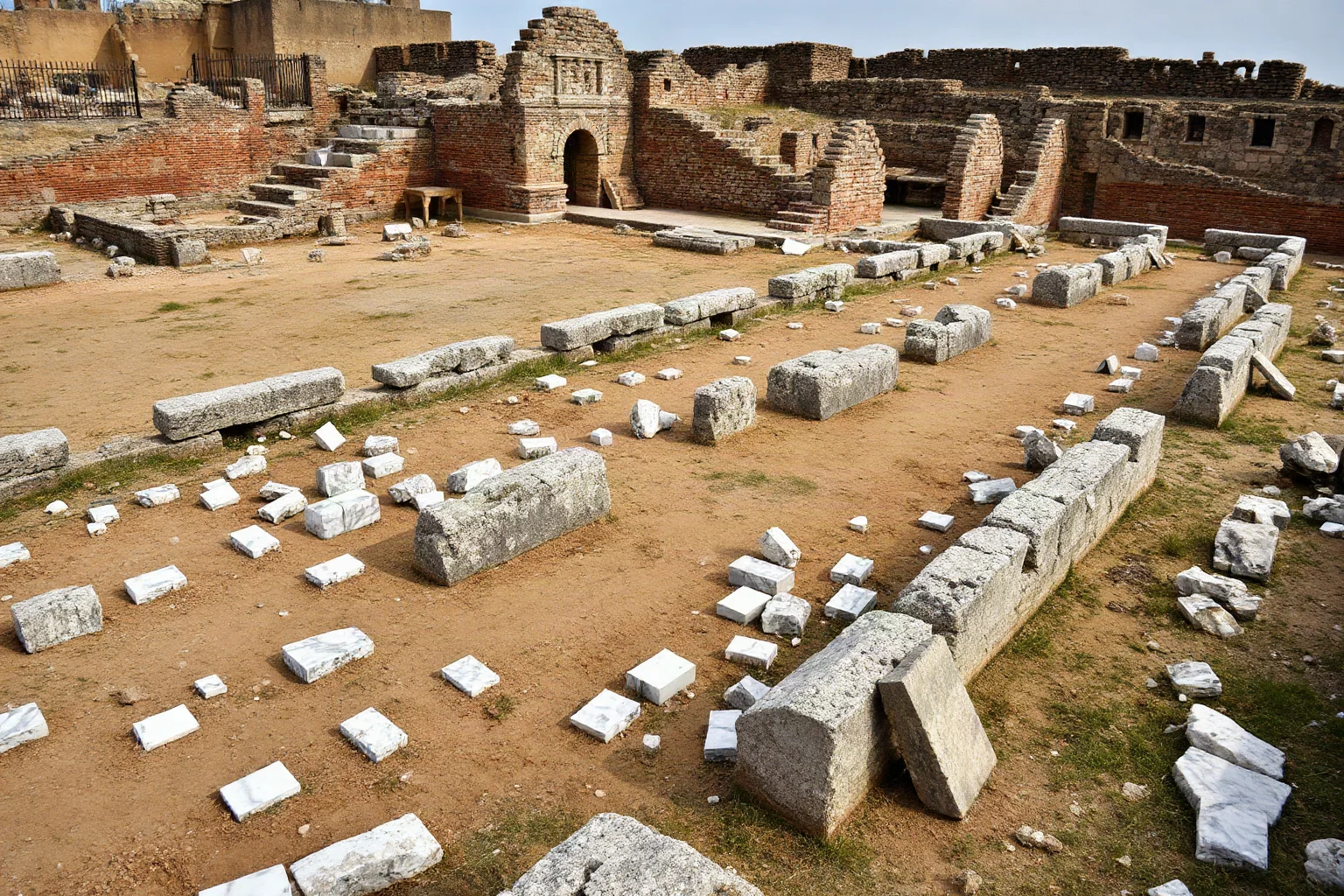
When people search for "the Great Palace," they're often referring to this specific Byzantine complex, built by Constantine the Great and expanded by emperors for nearly a thousand years. It served as the seat of Byzantine imperial power from the 4th century until the empire's decline.
Most of it was abandoned after the Ottoman conquest in 1453 and gradually lost to time; today, only fragments and mosaics survive beneath modern Istanbul. Archaeologists are still piecing together its original scale from excavations near the Hagia Sophia and Blue Mosque.
13. Mysore Palace, India
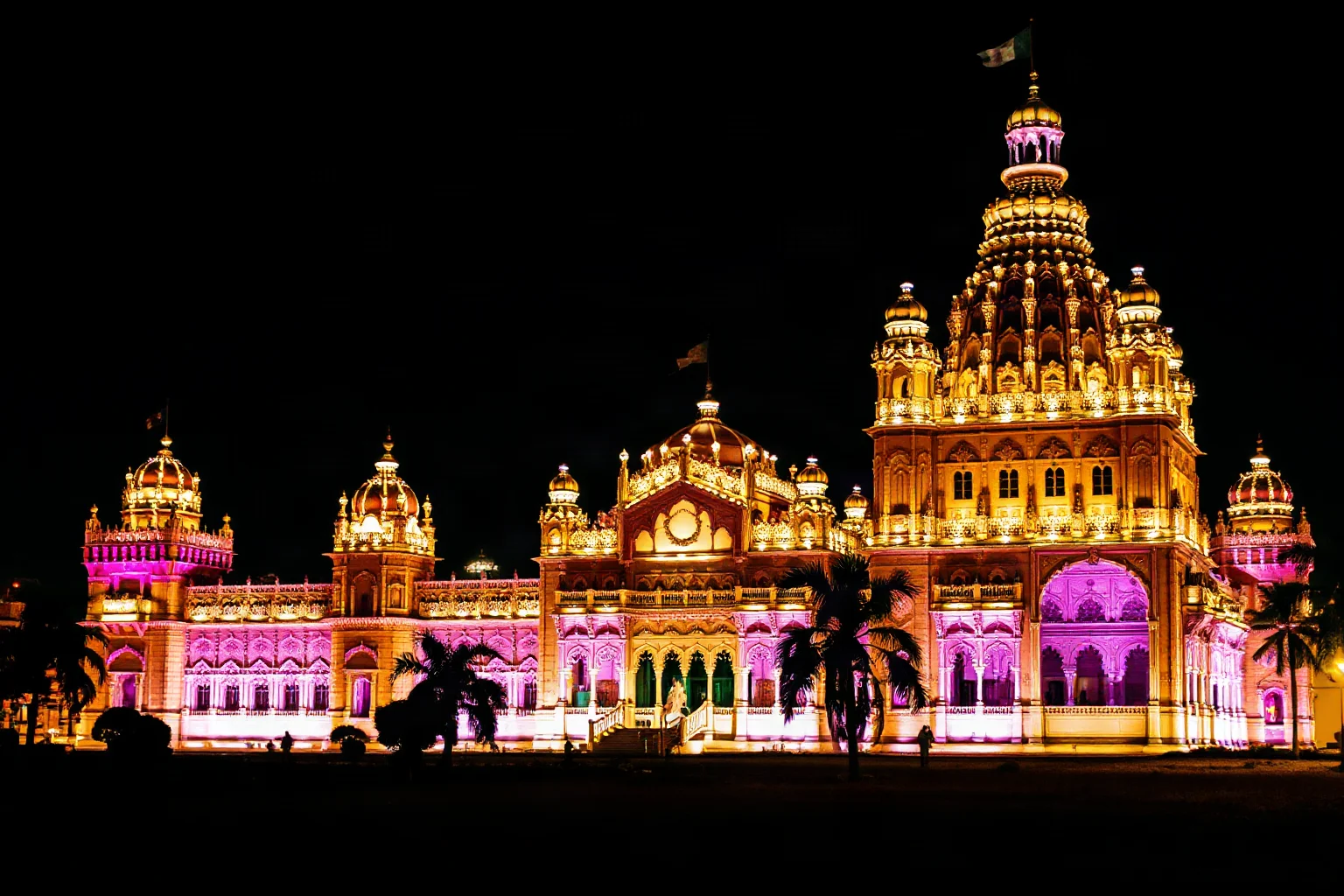
Mysore Palace is the official residence of the Wadiyar dynasty and one of India's most visited monuments, drawing millions of visitors annually. The current structure, completed in 1912 after a fire destroyed an earlier wooden palace, blends Hindu, Islamic, Rajput, and Gothic architectural styles.
It's especially famous for the nightly illumination of nearly 100,000 light bulbs during festival season. Few palaces anywhere combine that many architectural influences into a single coherent building.
14. City Palace, Jaipur
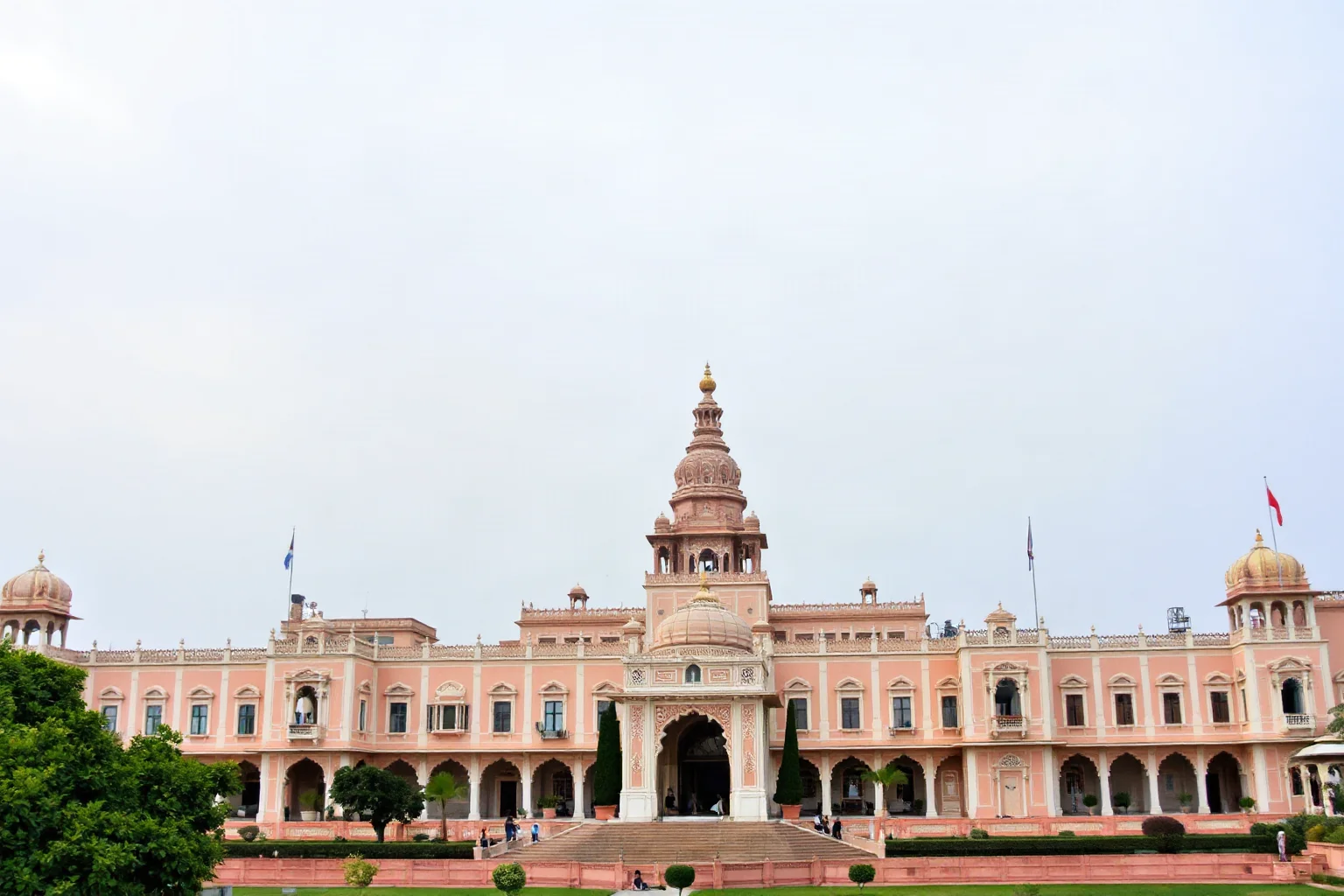
Built by Sawai Jai Singh II in the early 18th century, the City Palace of Jaipur is actually a complex of courtyards, gardens, and buildings rather than a single structure. It includes the Chandra Mahal and Mubarak Mahal, and parts of it are still home to the former royal family today.
Its pink-and-white sandstone architecture reflects Rajasthani royal style at its peak. Like several other entries here, it shows how many of the world's "largest palaces" are really palace cities.
15. Catherine Palace, Russia
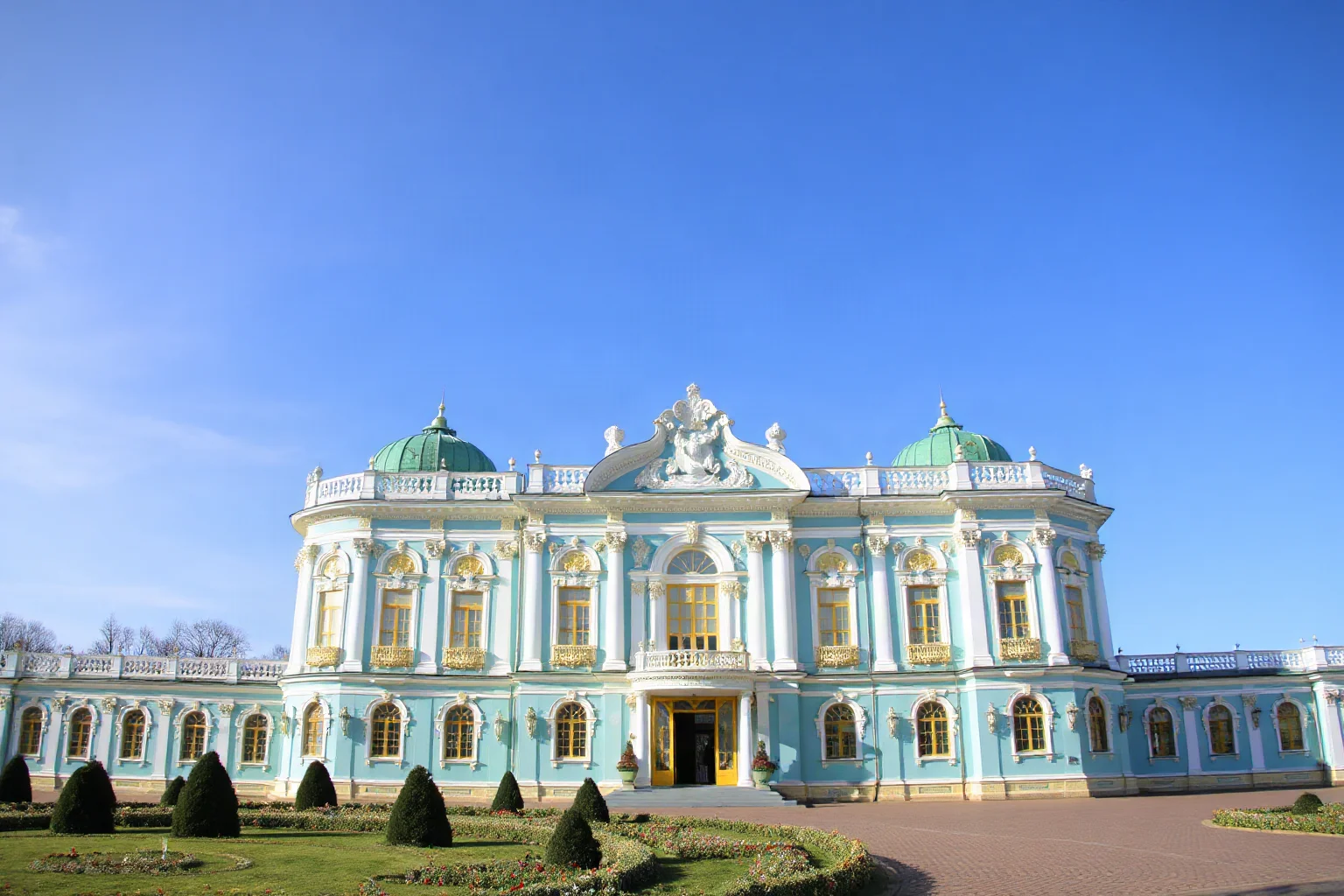
Located in Tsarskoye Selo near St. Petersburg, Catherine Palace is a Rococo masterpiece best known for its reconstructed Amber Room. The original Amber Room, made of gold-backed amber panels, was looted by Nazi forces during World War II and has never been fully recovered.
What visitors see today is a meticulous reconstruction completed in 2003. The palace's blue-and-gold façade remains one of the most photographed in Russia.
16. Royal Palace of Caserta, Italy
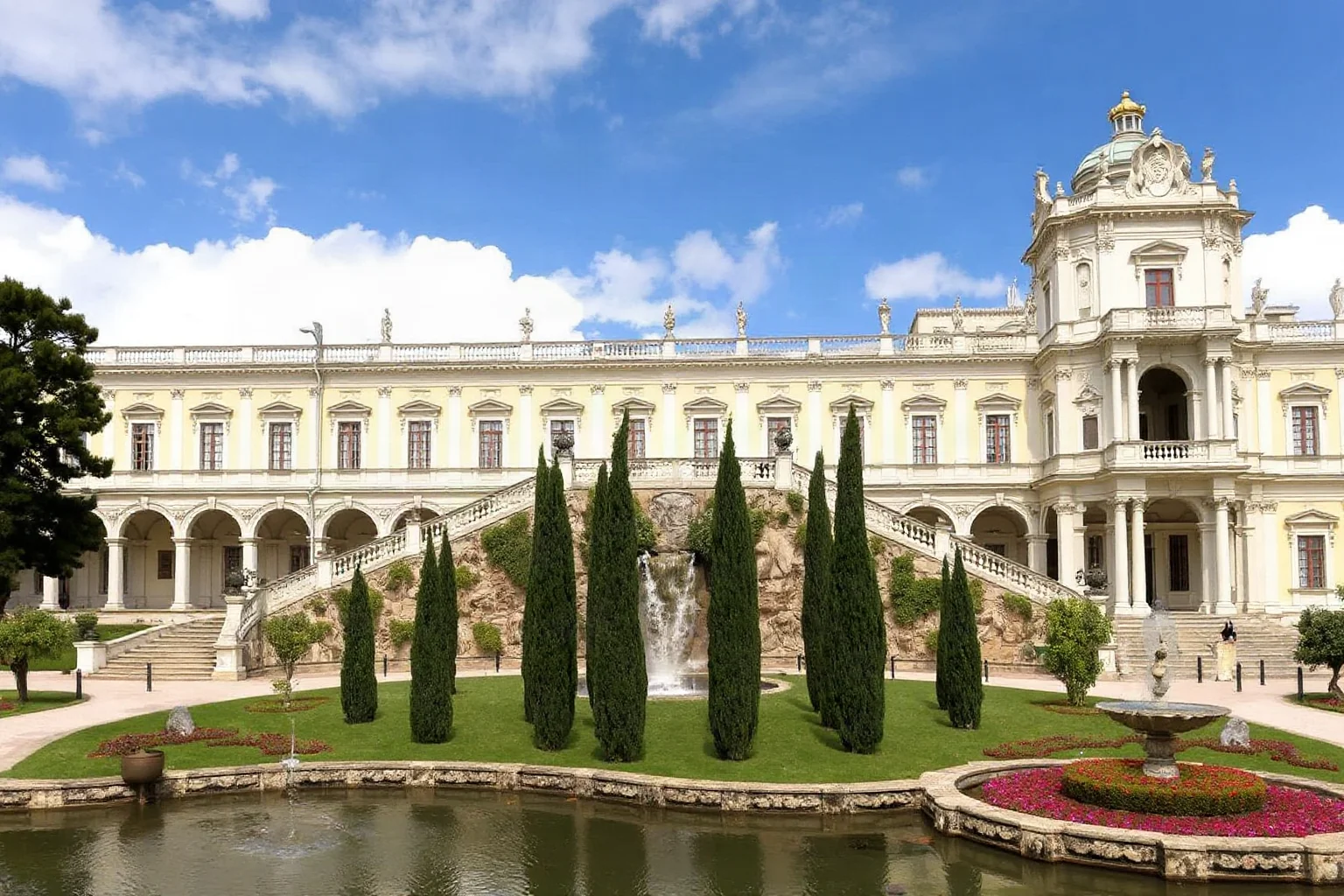
Built for the Bourbon kings of Naples starting in 1752, the Royal Palace of Caserta is often described as the largest royal residence in the world by volume, with roughly 1,200 rooms and about 2 million cubic meters of built space. It was designed to rival Versailles in scale and ambition.
Its gardens stretch for more than two miles, ending in a dramatic man-made waterfall. UNESCO recognized the palace as a World Heritage Site in 1997.
17. The Alhambra, Spain
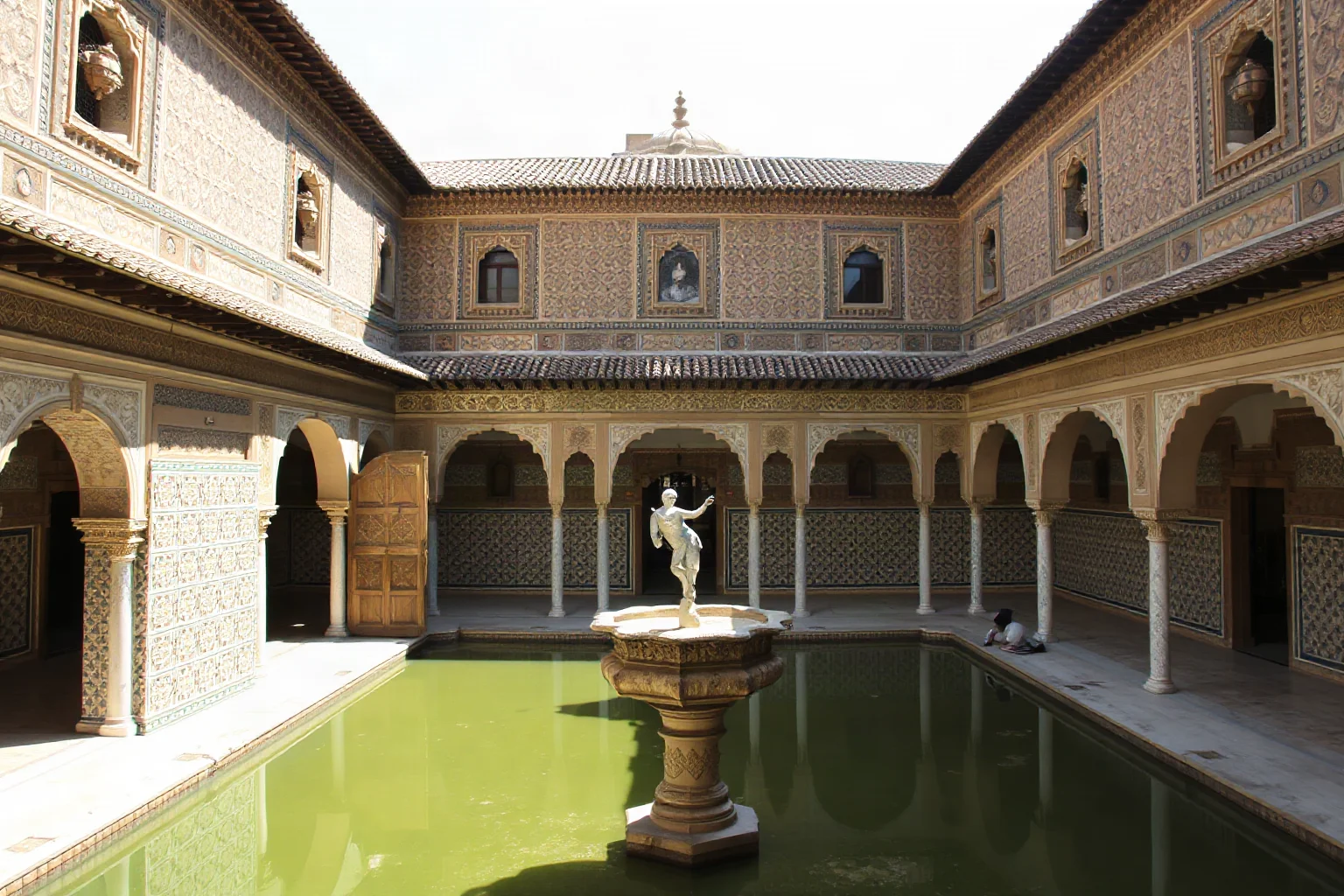
The Alhambra in Granada is frequently named the most beautiful palace in the world, and it's easy to see why once you walk through its courtyards. Built primarily by the Nasrid dynasty in the 13th and 14th centuries, it combines palace, fortress, and garden into one Moorish masterpiece.
Its intricate tilework, carved stucco, and reflecting pools have influenced architecture and design well beyond Spain. It stands as one of the finest surviving examples of Islamic palace architecture in Europe.
18. Taj Mahal, India — the So-Called "Crown of Palaces"
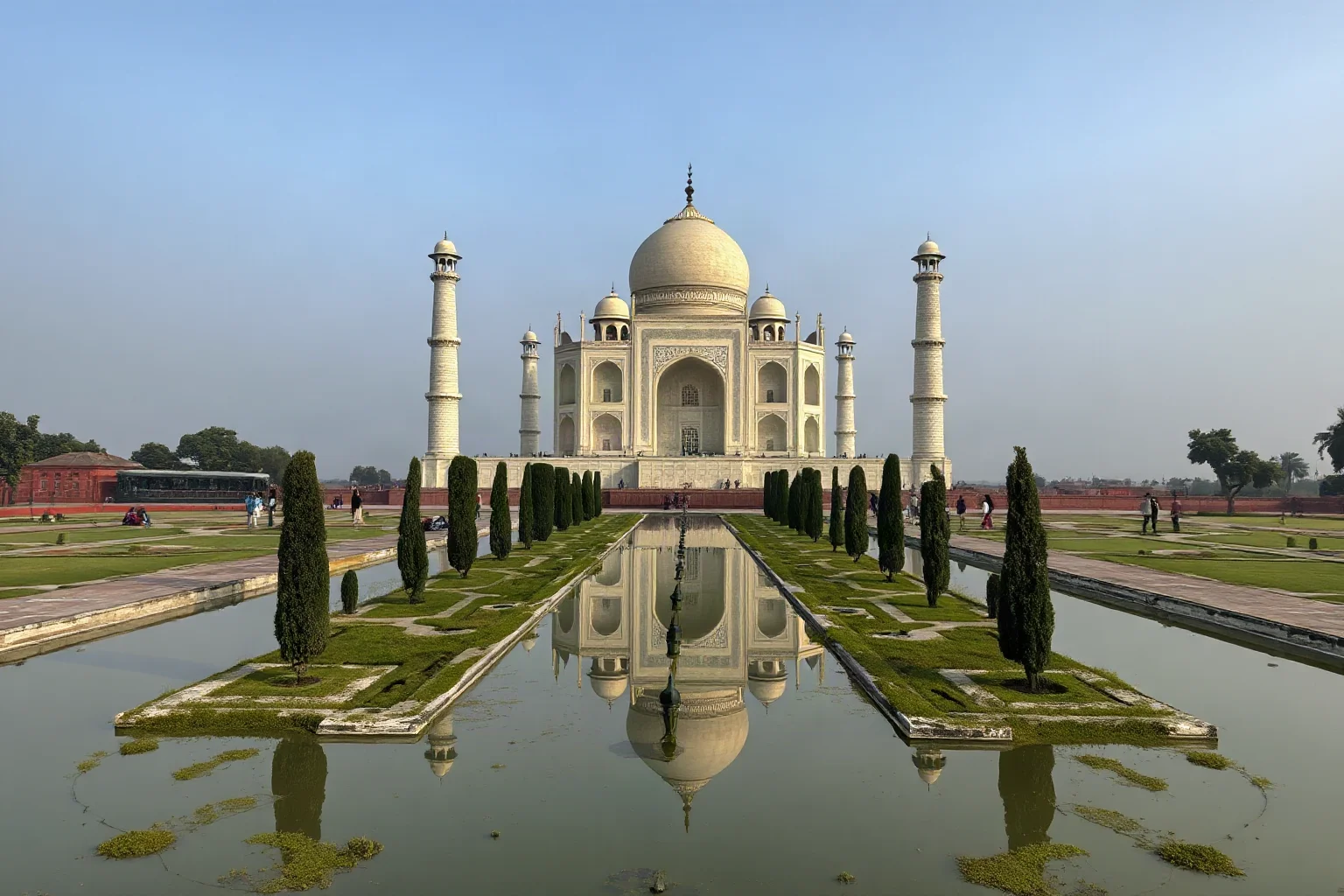
The Taj Mahal is commonly nicknamed the "crown of palaces," a rough popular rendering of its name (Taj meaning crown, Mahal meaning palace or mansion). Here's the myth-busting part: the Taj Mahal isn't actually a palace at all.
It was built by Mughal emperor Shah Jahan in the mid-17th century as a mausoleum for his wife, Mumtaz Mahal. It's one of the most famous buildings in the world, but architecturally and functionally, it belongs in the tomb category, not the palace one.
19. Palace of Knossos, Crete
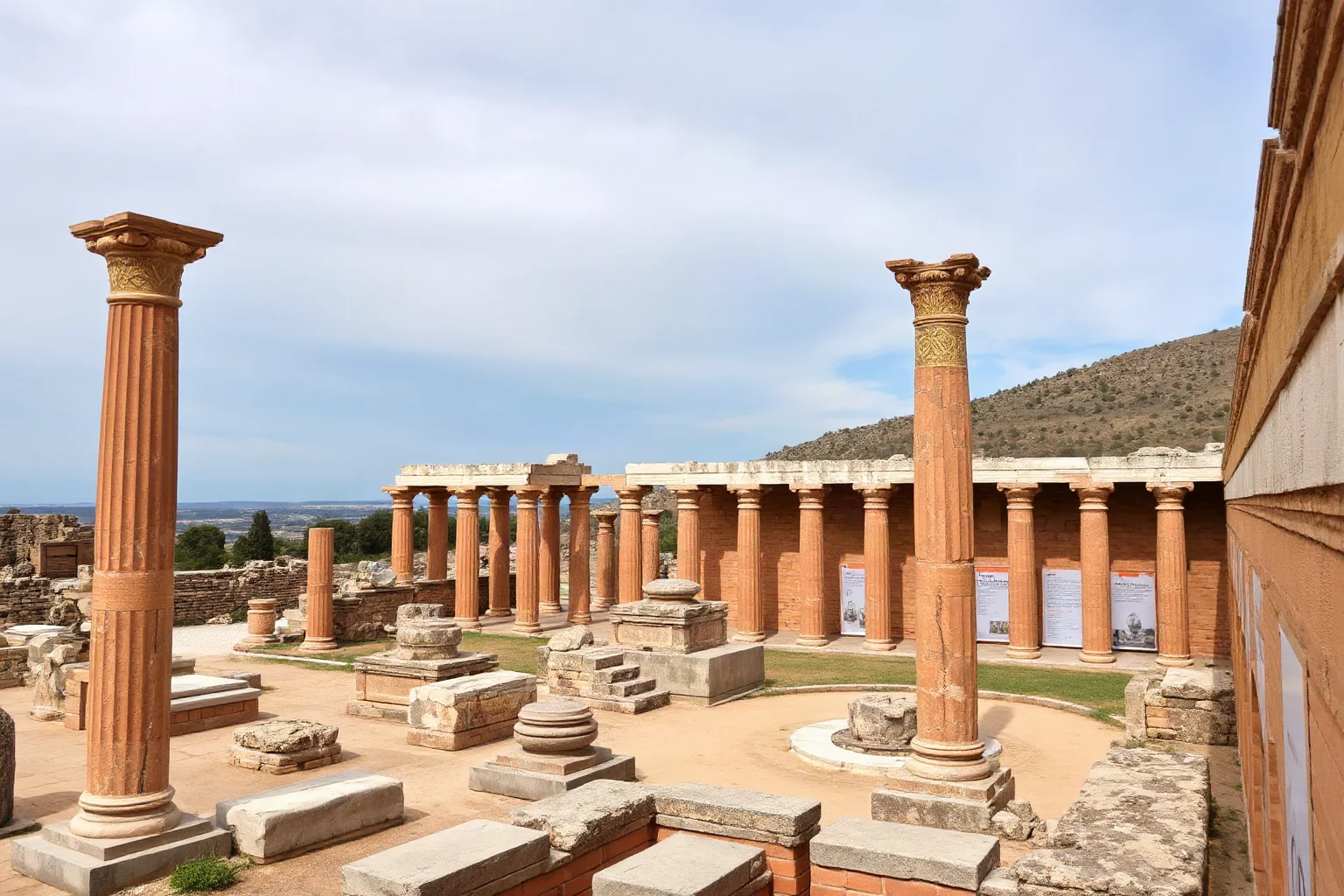
The Palace of Knossos on the island of Crete is often cited as the oldest known palace in the world, with construction dating back roughly 3,800–4,000 years to the Minoan civilization, and it's a frequent stop on lists of the most stunning ancient Greek landmarks. It was excavated in the early 1900s by archaeologist Arthur Evans, who gave the Minoans their name.
The site's maze-like layout likely inspired the Greek myth of the labyrinth and the Minotaur, though there's no archaeological evidence of an actual monster-holding maze. It remains one of the most important sites for understanding Bronze Age Europe.
20. Hampton Court Palace, England
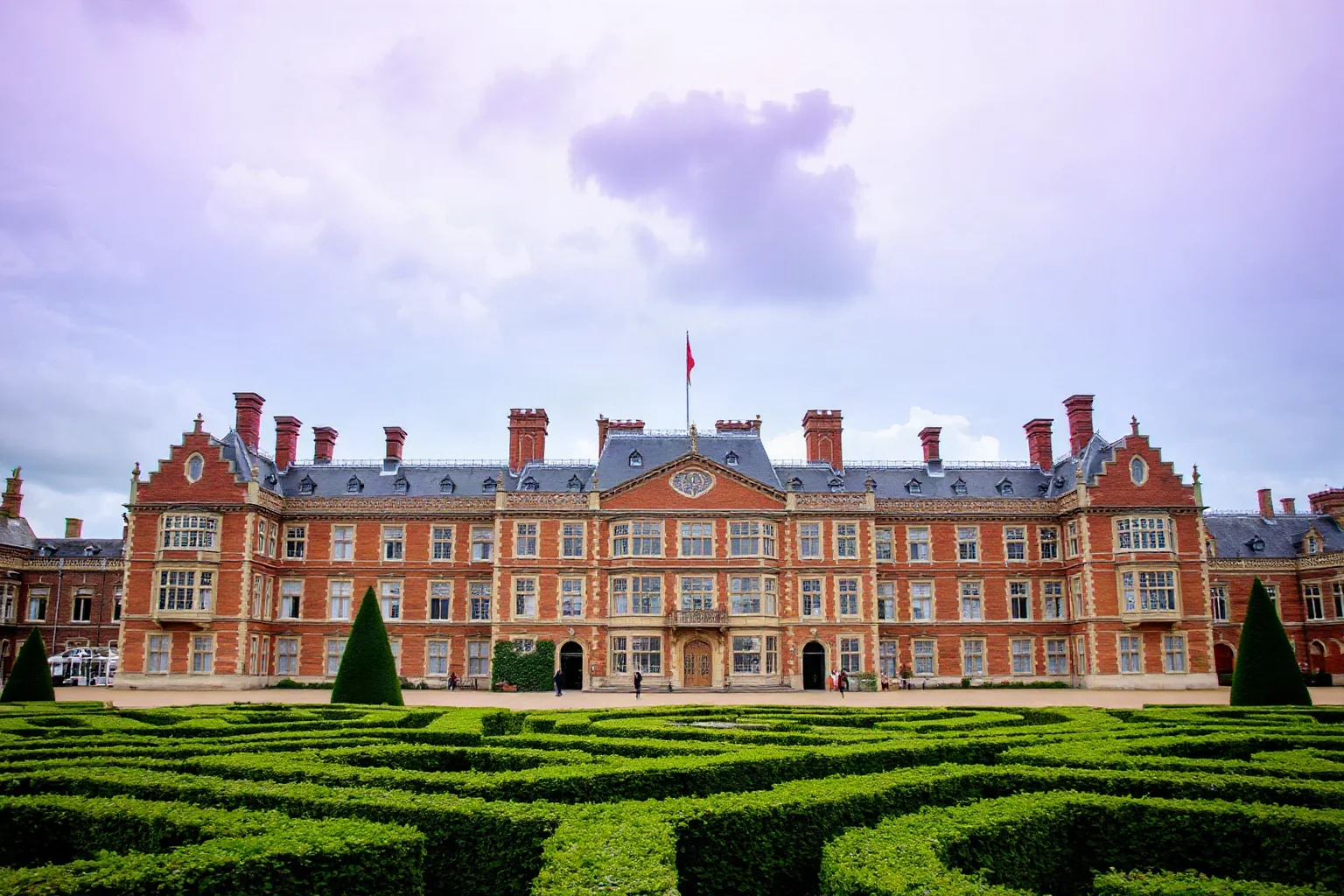
Hampton Court Palace was originally built for Cardinal Thomas Wolsey before Henry VIII took it over in 1529. Henry expanded it significantly, and it later served other Tudor and Stuart monarchs before falling out of regular royal use.
Its Tudor kitchens, Great Hall, and famous garden maze make it one of England's most visited historic sites. It's also one of the best-preserved examples of Tudor palace architecture anywhere in the country.
21. Malbork Castle, Poland
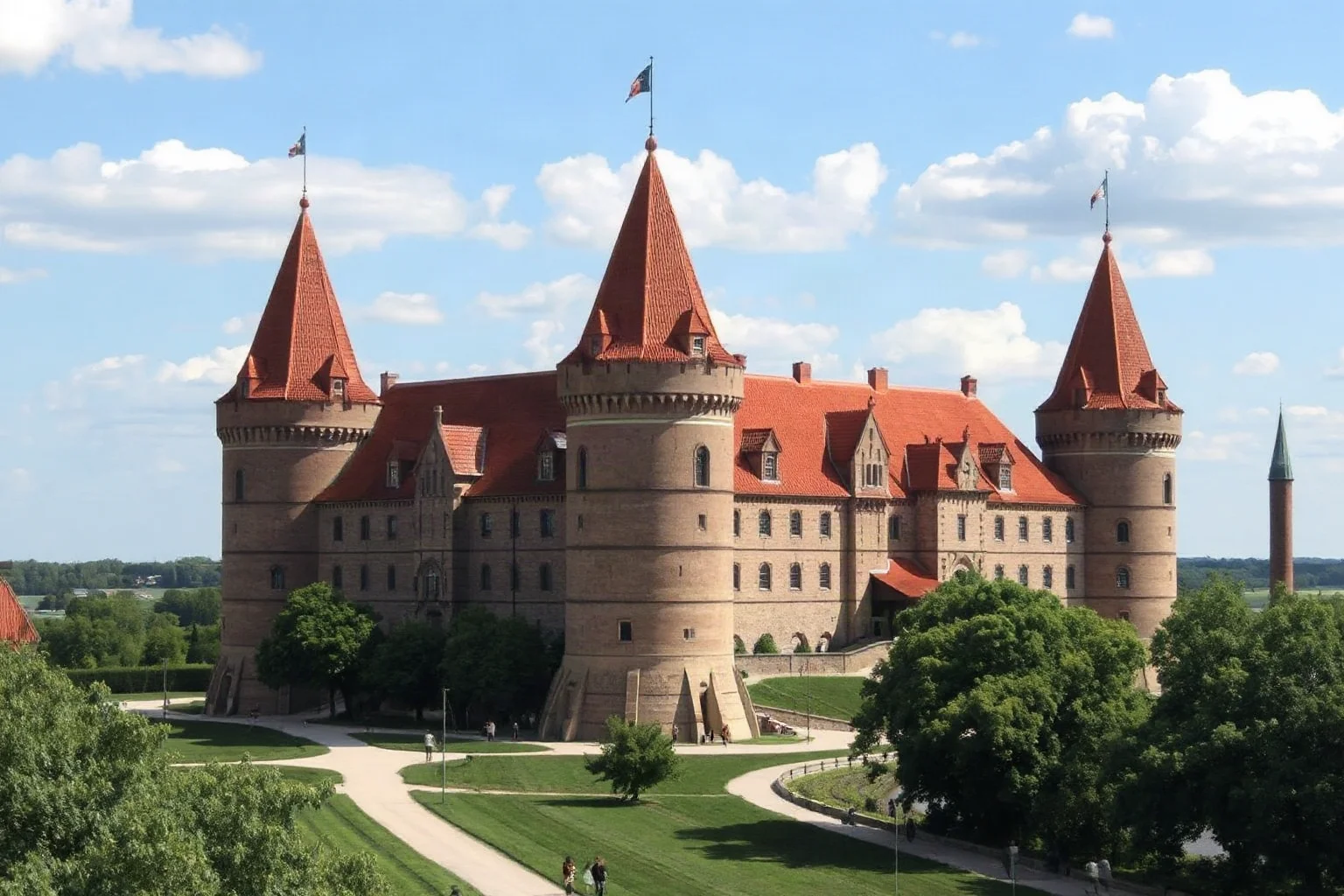
When people ask what is the biggest castle in the world, Malbork Castle in Poland is usually the answer. Built by the Teutonic Knights starting in the 13th century, Guinness World Records recognizes it as the largest castle in the world by land area, covering roughly 21 hectares (about 52 acres).
It served as the headquarters of the Teutonic Order for over 150 years before passing through Polish and Prussian control. Heavily damaged during World War II, it has since been restored and is now a UNESCO World Heritage Site.
22. Prague Castle, Czech Republic
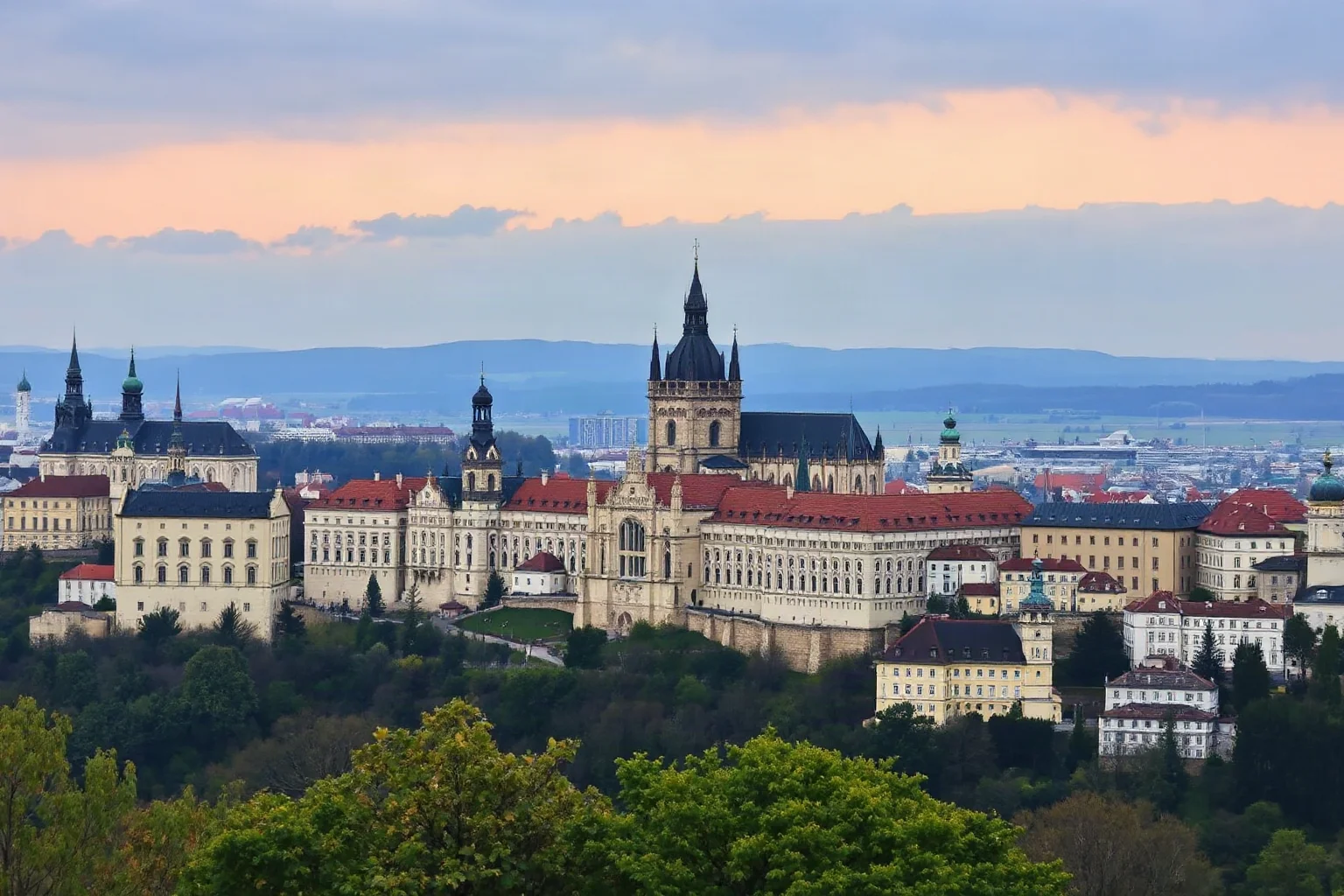
Prague Castle is often listed as the largest ancient castle complex in the world, stretching about 570 meters long and 130 meters wide. It has served as the seat of Bohemian kings, Holy Roman Emperors, and Czech presidents at various points across more than 1,100 years of continuous use.
Unlike a single fortified building, it's a whole complex of palaces, churches, and courtyards, including St. Vitus Cathedral. That combination of age, size, and continuous political relevance is hard to match anywhere in Europe.
23. Windsor Castle, England
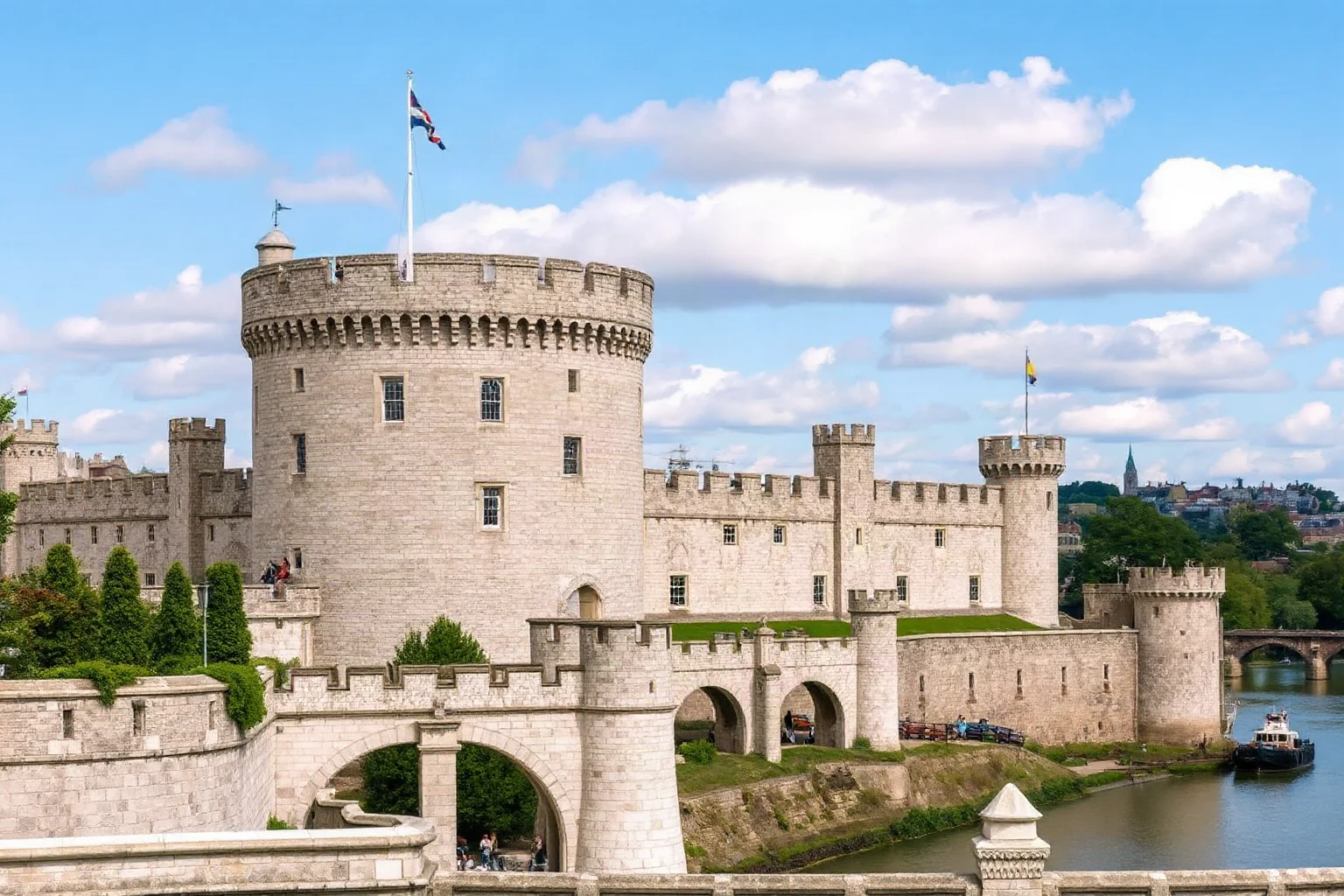
Windsor Castle is widely described as the largest and oldest continuously occupied castle in the world, with a history stretching back to William the Conqueror in the 11th century. It has been a residence for British monarchs for roughly 900 years, longer than any other castle currently in royal use.
Its floor area is estimated at around 484,000 square feet, and it remains a working royal residence today. Among the biggest castles in Europe, it's the one with the longest unbroken royal connection.
24. The Apostolic Palace, Vatican City
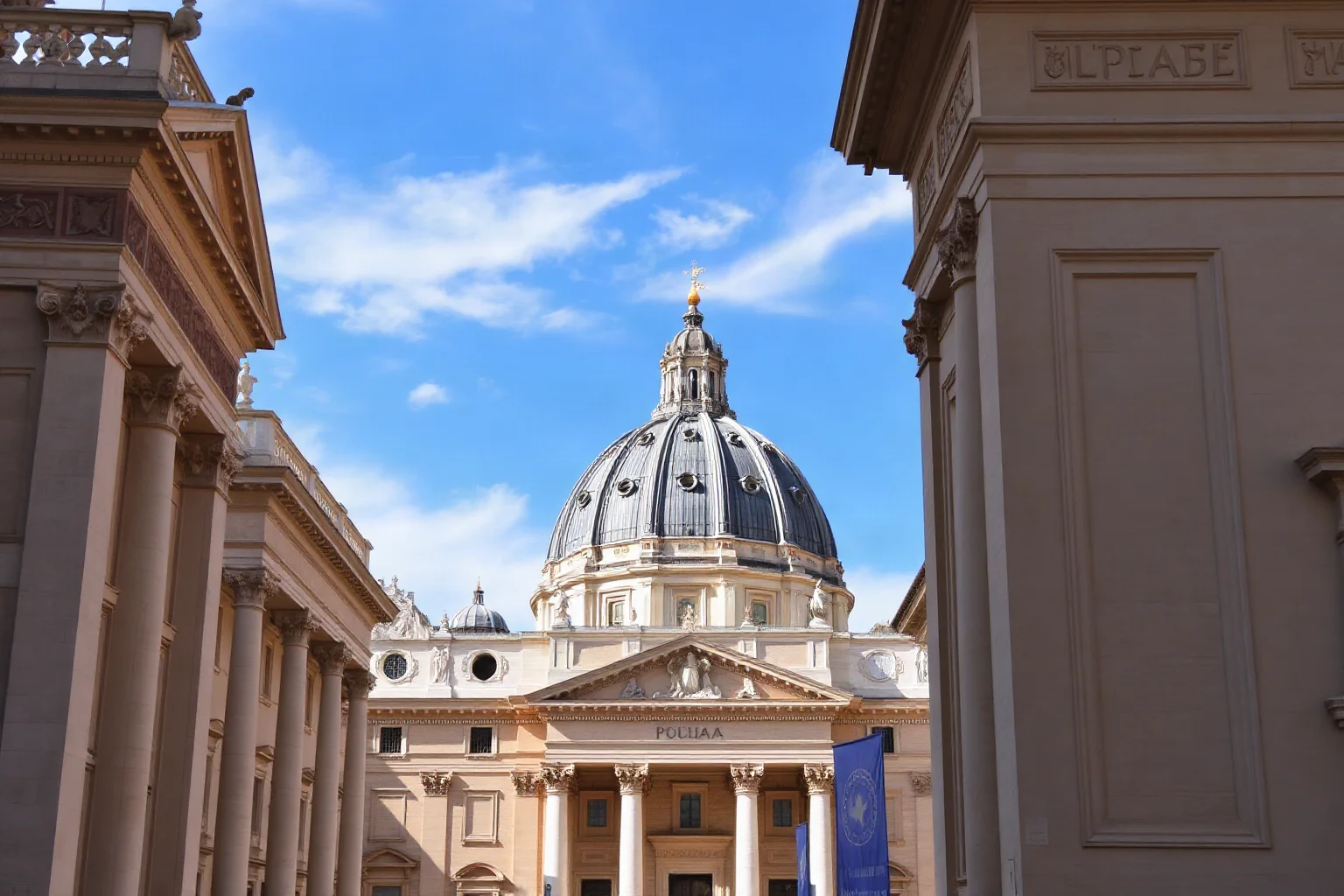
The Apostolic Palace is the official residence of the Pope and part of the wider Vatican complex, which also includes the Sistine Chapel and the Vatican Museums. While the Vatican itself is the smallest sovereign state in the world, its palace complex punches well above its size in historical and artistic weight.
Construction and expansion took place across many centuries, with contributions from some of the most famous architects and artists in history, including Michelangelo and Raphael. It's a reminder that a palace's importance isn't always about square footage.
Palaces vs. Castles: Why the Difference Matters
A lot of the confusion in "biggest palace" searches actually comes from mixing up palaces and castles. Castles were primarily built for defense, with thick walls, moats, and fortifications designed to withstand sieges. Palaces, on the other hand, were built to display wealth and host court life, often with far less concern for defense.
Some buildings, like Potala Palace and the Alhambra, blur this line by combining fortress-like features with palatial living quarters. That's exactly why you'll see the same building show up in both "biggest castle" and "biggest palace" searches, depending on who's writing about it.
Palaces Around the World: A Pattern of Power
Across very different cultures and centuries, the same idea kept repeating itself. In the palaces of crowned kings, sultans, emperors, and popes, architecture became a language for announcing status without saying a word.
Bigger rooms, longer hallways, and more elaborate gardens all sent the same message to visitors and rivals alike. Whether it was Louis XIV at Versailles or the Ottoman sultans at Topkapi, scale itself was a form of political communication.
Final Thoughts
There's no single, universally agreed-upon answer to which is the biggest palace in the world, because the ranking depends entirely on how you measure it. What is clear is that these buildings, from Brunei's enormous royal residence to the ancient stones of Knossos, tell a remarkably consistent story about how power has been expressed through architecture for thousands of years.
The next time someone claims to know the definitive "world's largest palace," it's worth asking: largest by what measure? As this list shows, the honest answer is almost always "it depends" — and that's part of what makes these buildings so fascinating to compare.
Frequently Asked Questions
What is the biggest palace in the world?
It depends on the measure used. Istana Nurul Iman in Brunei is generally considered the largest residential palace by floor area, while the Forbidden City in Beijing is the largest surviving ancient palace complex. Neither claim is universally agreed upon, since sources measure area, volume, and room count differently.
What is the biggest castle in the world?
Malbork Castle in Poland is widely recognized, including by Guinness World Records, as the largest castle in the world by land area, covering roughly 21 hectares. Prague Castle is often cited as the largest ancient castle complex, and Windsor Castle is the largest continuously inhabited castle.
What is the highest palace or castle in the world?
Potala Palace in Lhasa, Tibet, sits at approximately 3,700 meters (about 12,100 feet) above sea level, making it the highest palace in the world. It's sometimes informally called the highest castle due to its fortress-like appearance, though it functioned primarily as a palace and monastery complex.
What is the oldest palace in the world?
The Palace of Knossos on Crete, dating back roughly 3,800 to 4,000 years to the Minoan civilization, is commonly cited as the oldest known palace. Older palatial structures may still be discovered, so this is based on current archaeological evidence rather than absolute certainty.
How many square feet is Buckingham Palace?
Buckingham Palace covers approximately 828,000 square feet (around 77,000 square meters) and contains 775 rooms, including 19 state rooms and 92 offices. It's famous worldwide, but several other palaces on this list actually have a larger floor area.
Is the Taj Mahal really a palace, and what does its name mean?
No, despite being popularly nicknamed the "Crown of Palaces," the Taj Mahal is a mausoleum, not a palace. It was built by Mughal emperor Shah Jahan in the mid-17th century as a tomb for his wife, Mumtaz Mahal.
What is the most expensive palace in the world?
Istana Nurul Iman in Brunei is frequently cited as the most expensive palace ever built, with construction cost estimates ranging from several hundred million to over a billion dollars. Exact figures vary by source since the palace is privately owned and not officially disclosed in detail.
What is considered the most beautiful palace in the world?
This is subjective, but the Alhambra in Granada, Spain, and the Palace of Versailles in France are among the most frequently named contenders. Both are celebrated for their intricate architecture, gardens, and lasting influence on palace design worldwide.

Alex Warren
Related Articles