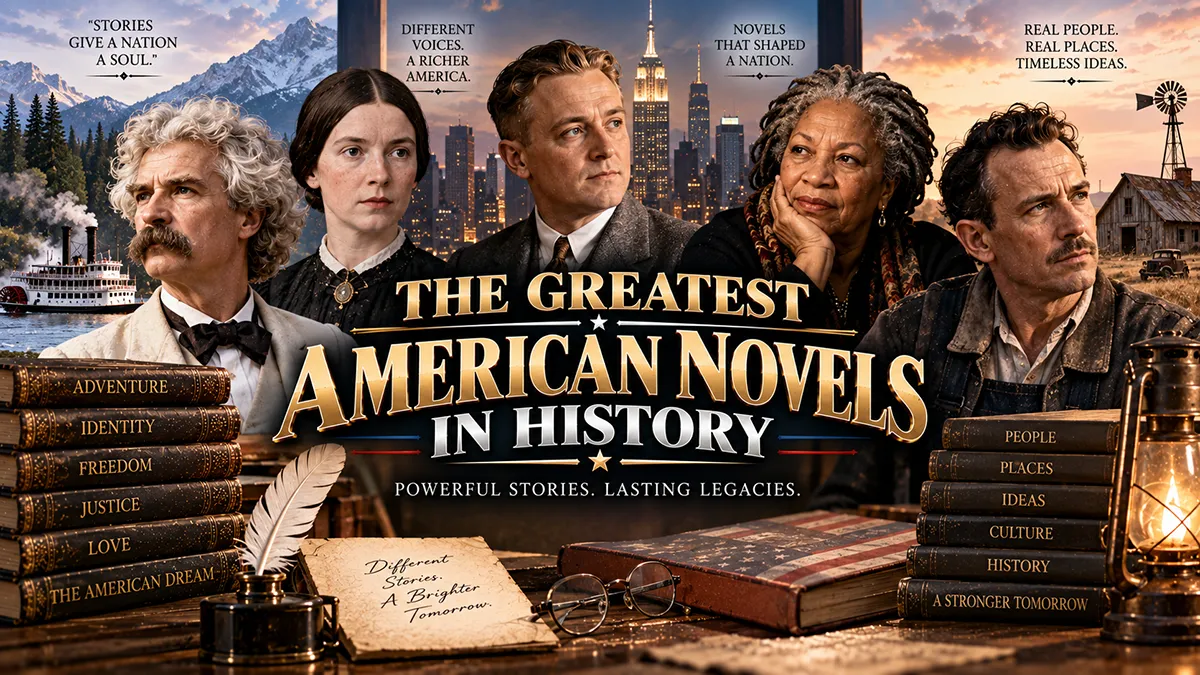
Ask ten readers to name “the greatest American novel” and you’ll get ten different answers, followed by a friendly argument. That’s part of the fun.
American literature and American history writing have never spoken with one voice, and the best books about the United States often contradict each other on purpose, wrestling with the same messy, unfinished country from wildly different angles.
This list blends three overlapping traditions: the great American novels that shaped our literary identity, the nonfiction history books that explain how we got here, and the historical fiction that brings the past to life in ways textbooks rarely manage.
Some entries are beloved classics from every high school syllabus. Others are more recent and still earning their place in the canon. None of them tell the whole story alone, which is exactly why it’s worth reading widely.
TL;DR: There’s no single “greatest American novel,” but books like Moby-Dick, Beloved, A People’s History of the United States, and The Killer Angels together capture the nation’s history, contradictions, and character better than any one title ever could.
Why There’s No Single “Greatest American Novel”
The phrase “the great American novel” has been tossed around since novelist John William De Forest coined it in an 1868 essay, and writers have chased that elusive title ever since.
The truth is that no committee has ever crowned an official winner, and any list claiming otherwise is selling you a personal opinion dressed up as fact. What we can do honestly is point to the novels and histories that critics, historians, and generations of readers keep returning to.
The Library of Congress once ran an exhibition called “Books That Shaped America,” and it’s a useful model for this kind of list.
Rather than ranking books against each other, it grouped them by the conversations they started, from westward expansion to civil rights to immigration. That’s the spirit of this roundup: fewer rankings, more context about why each book still matters.
Foundational Histories and Nonfiction Every Reader Should Know
Before diving into fiction, it helps to have a solid nonfiction foundation. These are among the best US history books for readers who want the real events behind the stories, along with a reminder that even respected historians disagree on interpretation.
1. A People’s History of the United States by Howard Zinn
Howard Zinn’s 1980 book retells American history from the perspective of laborers, enslaved people, women, and Indigenous nations rather than presidents and generals. It became one of the most widely read and most debated history books of the last fifty years. Some historians praise its corrective focus on marginalized voices, while others argue it overcorrects into its own one-sided narrative, so it’s best read alongside more traditional accounts rather than as the final word.
2. Battle Cry of Freedom by James M. McPherson
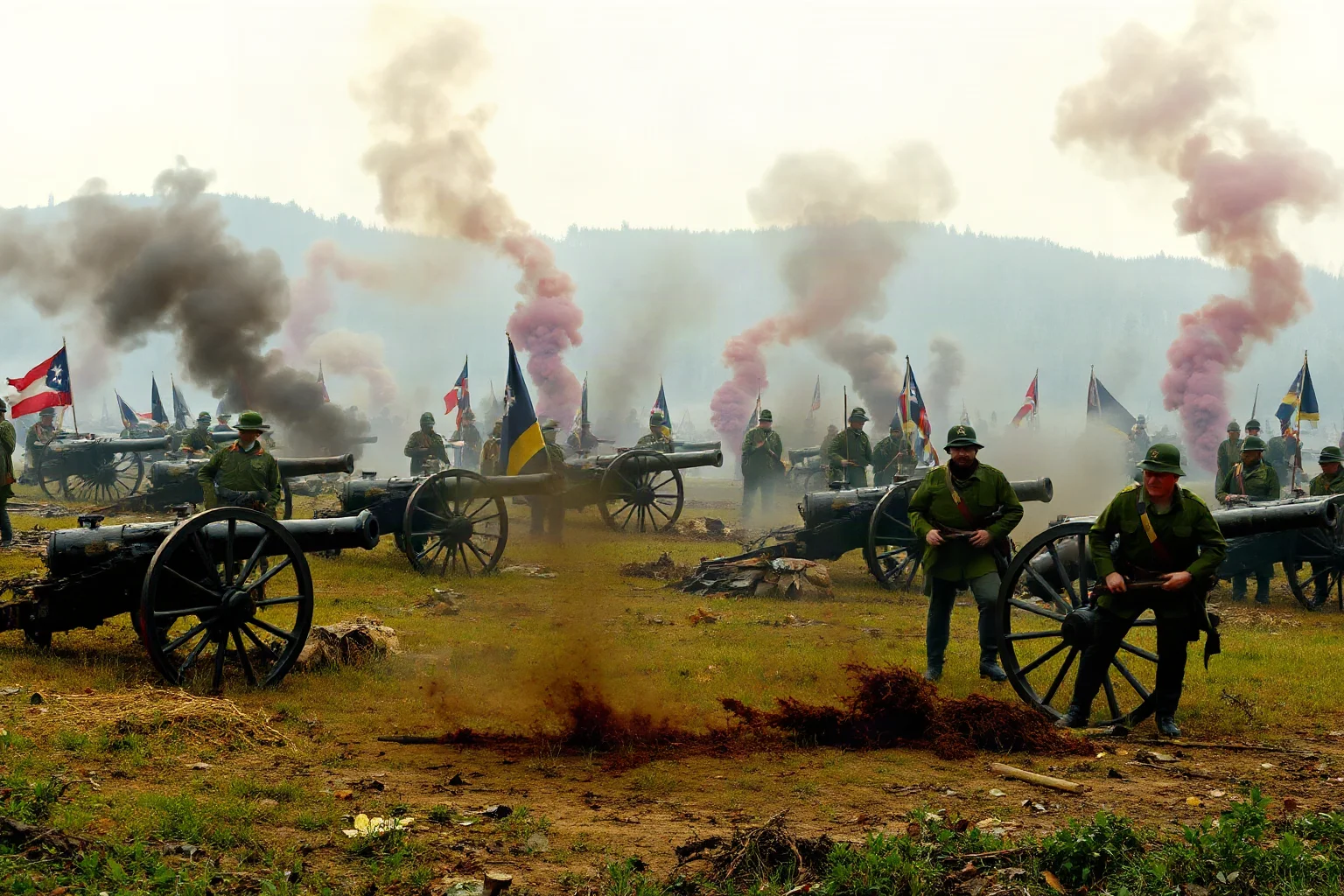
Widely considered one of the greatest US history books on the Civil War era, this Pulitzer Prize-winning volume covers the political and military causes and consequences of the war in vivid detail. McPherson writes with genuine narrative drive, which is rare for a book this thoroughly footnoted. It’s frequently cited by historians as a benchmark single-volume Civil War history.
3. Team of Rivals by Doris Kearns Goodwin
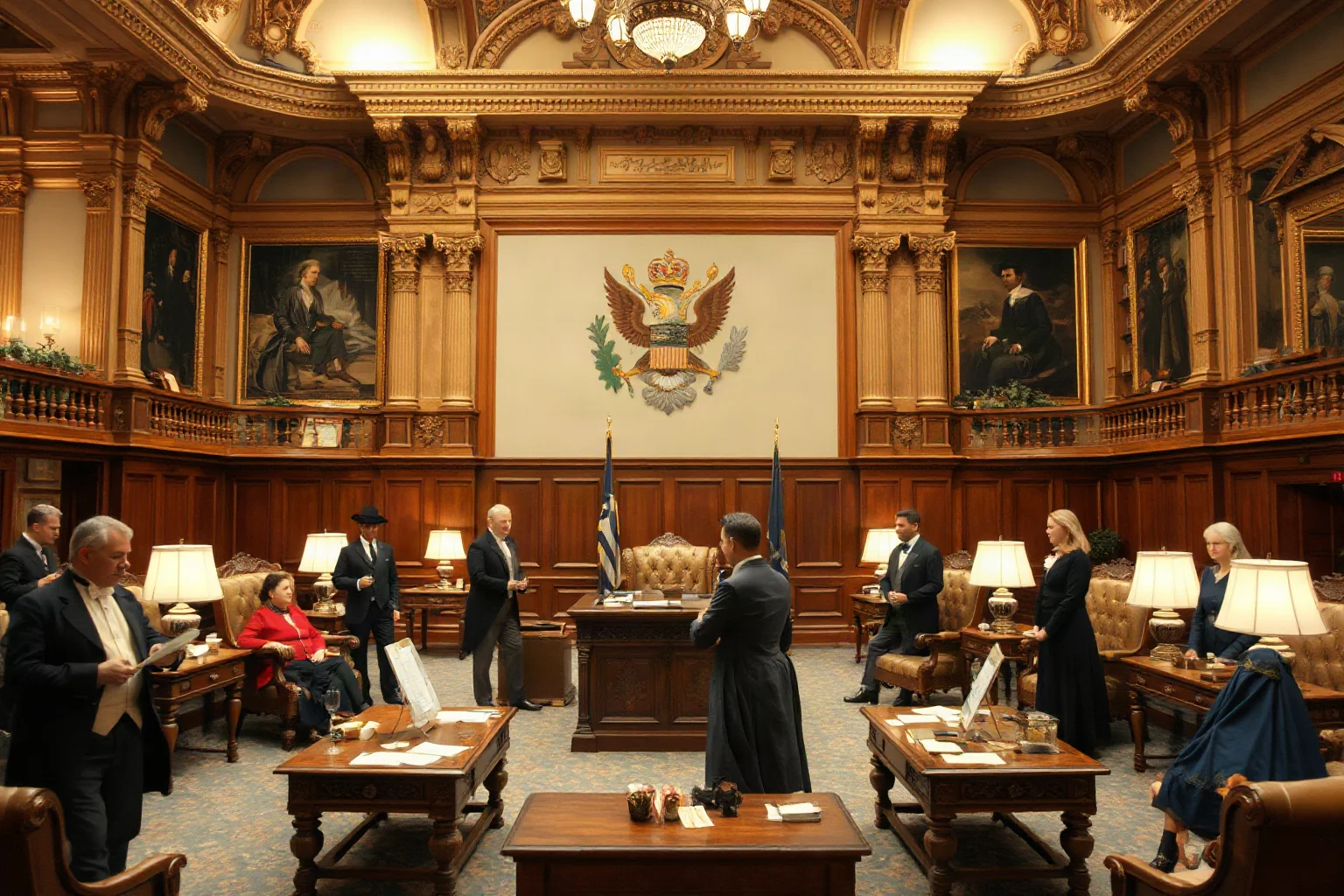
Goodwin’s account of Abraham Lincoln, one of history’s most recognized historical figures, and his cabinet reads almost like a political drama, showing how Lincoln turned former rivals into a functioning government during the nation’s most dangerous years. It won the Pulitzer Prize and later inspired Steven Spielberg’s film Lincoln. It remains one of the best books on United States history for readers who love political strategy as much as historical detail.
4. 1776 by David McCullough
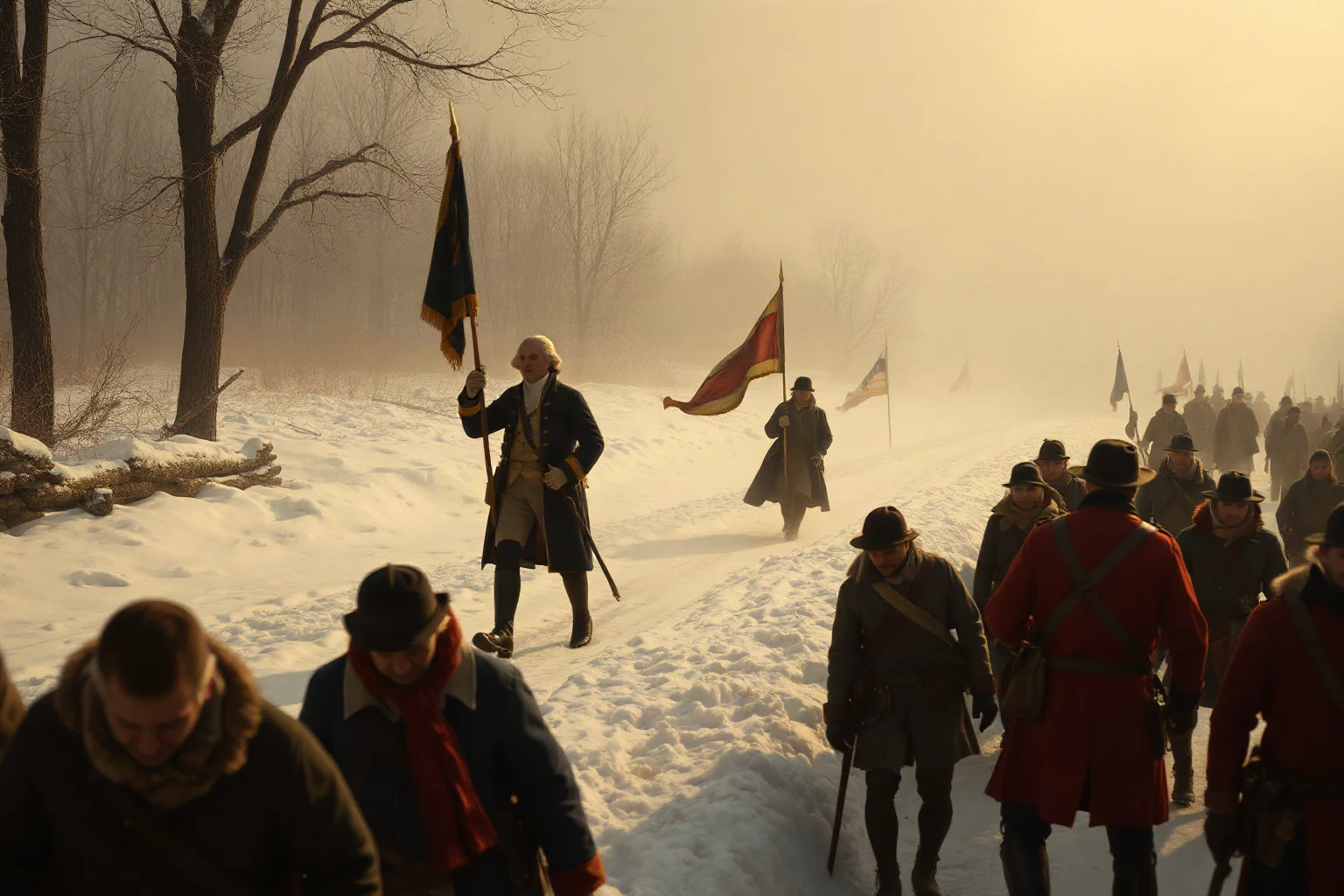
David McCullough narrows his focus to a single pivotal year of the American Revolution, following George Washington’s army through defeat, retreat, and eventual resilience. McCullough was known for making history accessible without sacrificing accuracy, and this book is often a gateway title for readers new to Revolutionary War history. It’s a strong pick for anyone assembling a best US history books list for beginners.
5. The Warmth of Other Suns by Isabel Wilkerson
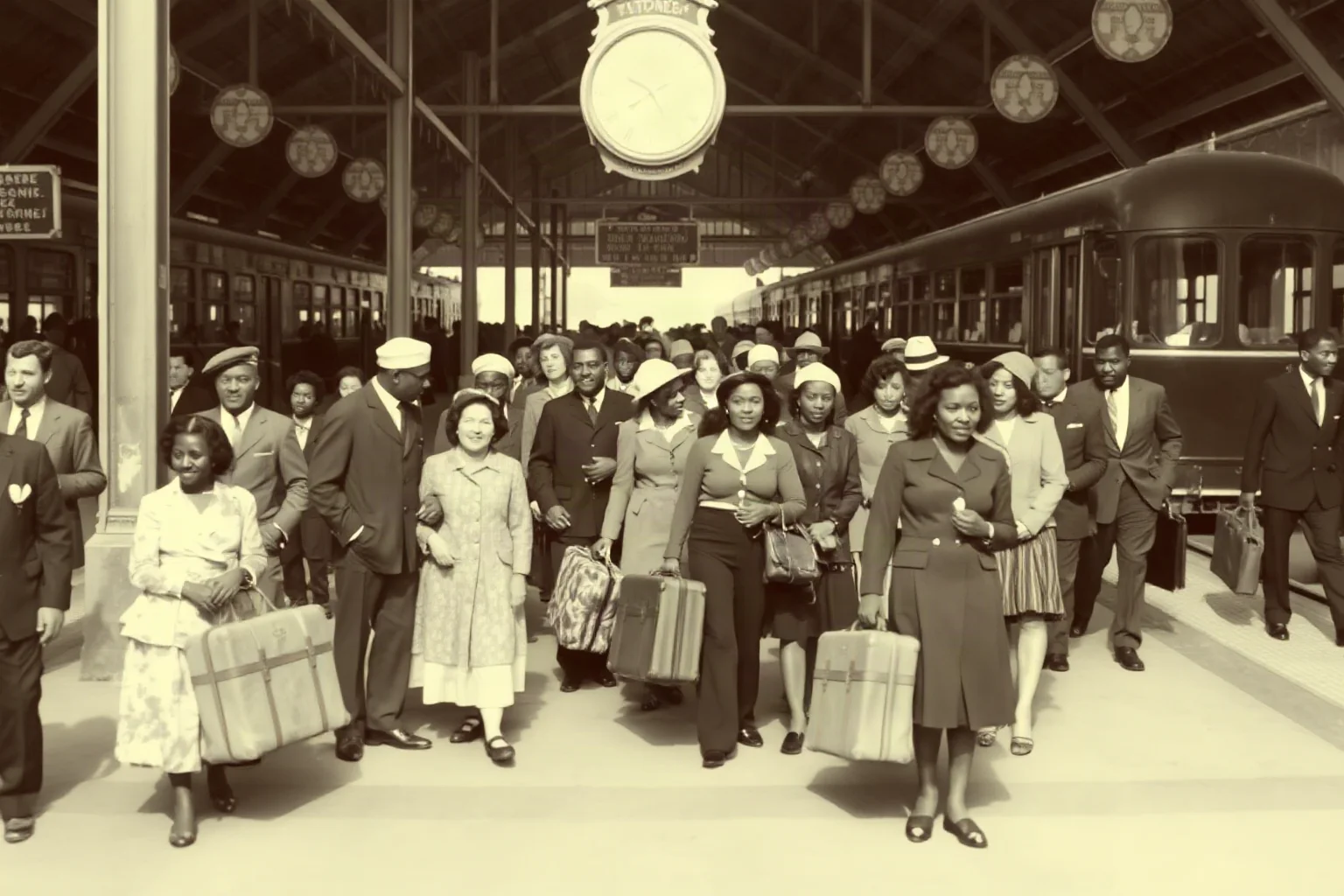
This Pulitzer Prize-winning book follows the Great Migration, when millions of Black Americans left the rural South for cities in the North and West between roughly 1915 and 1970. Wilkerson tells the sweeping story through the lives of a few individual families, which makes an enormous demographic shift feel personal and immediate. It’s essential reading for understanding twentieth-century American cities.
6. Democracy in America by Alexis de Tocqueville
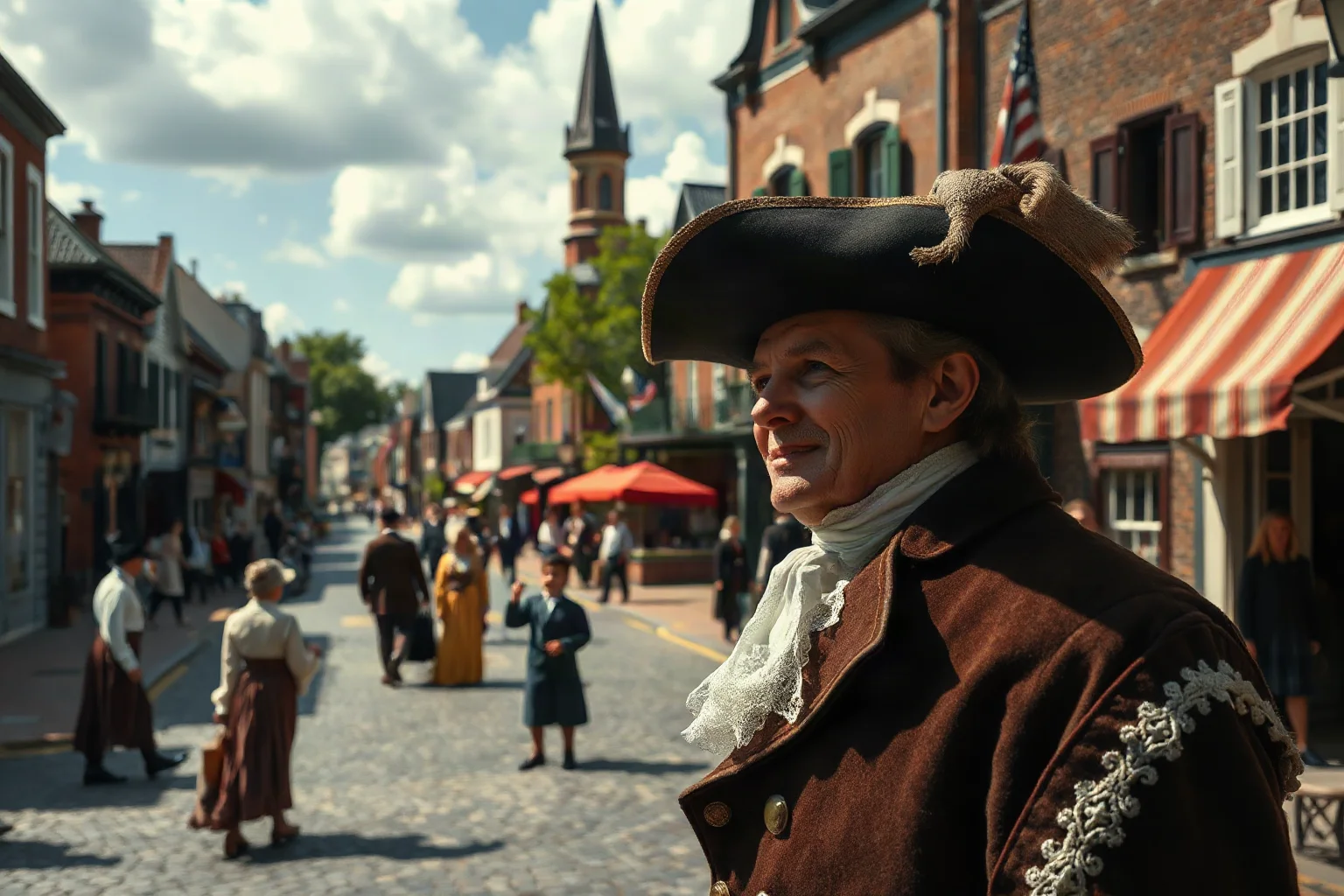
Written by Alexis de Tocqueville, a French aristocrat touring the young United States in the 1830s and often mentioned alongside history’s renowned historical philosophers, this two-volume work remains one of the most quoted analyses of American civic life ever written. Tocqueville admired American self-governance while also warning about the dangers of majority rule and creeping conformity. It’s dense, but it’s a foundational text for understanding how outsiders once viewed the American experiment.
7. The Federalist Papers by Alexander Hamilton, James Madison, and John Jay
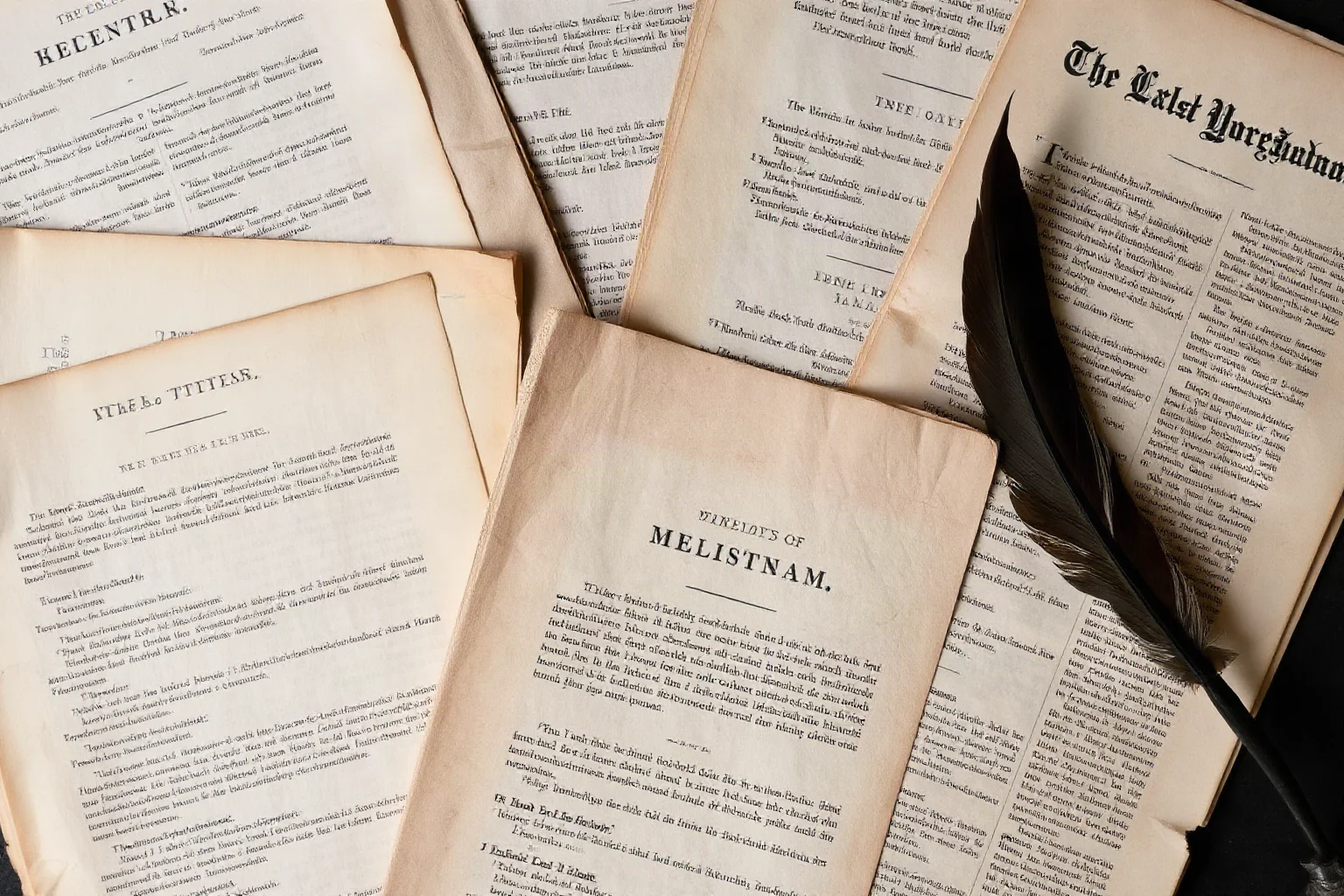
Originally published as newspaper essays in 1787 and 1788 to persuade New Yorkers to ratify the Constitution, these 85 essays — penned by three of the era’s sharpest political minds, names still found on lists of history’s smartest people — are still cited today in Supreme Court opinions and legal arguments. They’re not always easy reading, but they offer a direct window into the arguments that shaped American government. Anyone building a list of great American classics books should have this one on it.
8. Common Sense by Thomas Paine
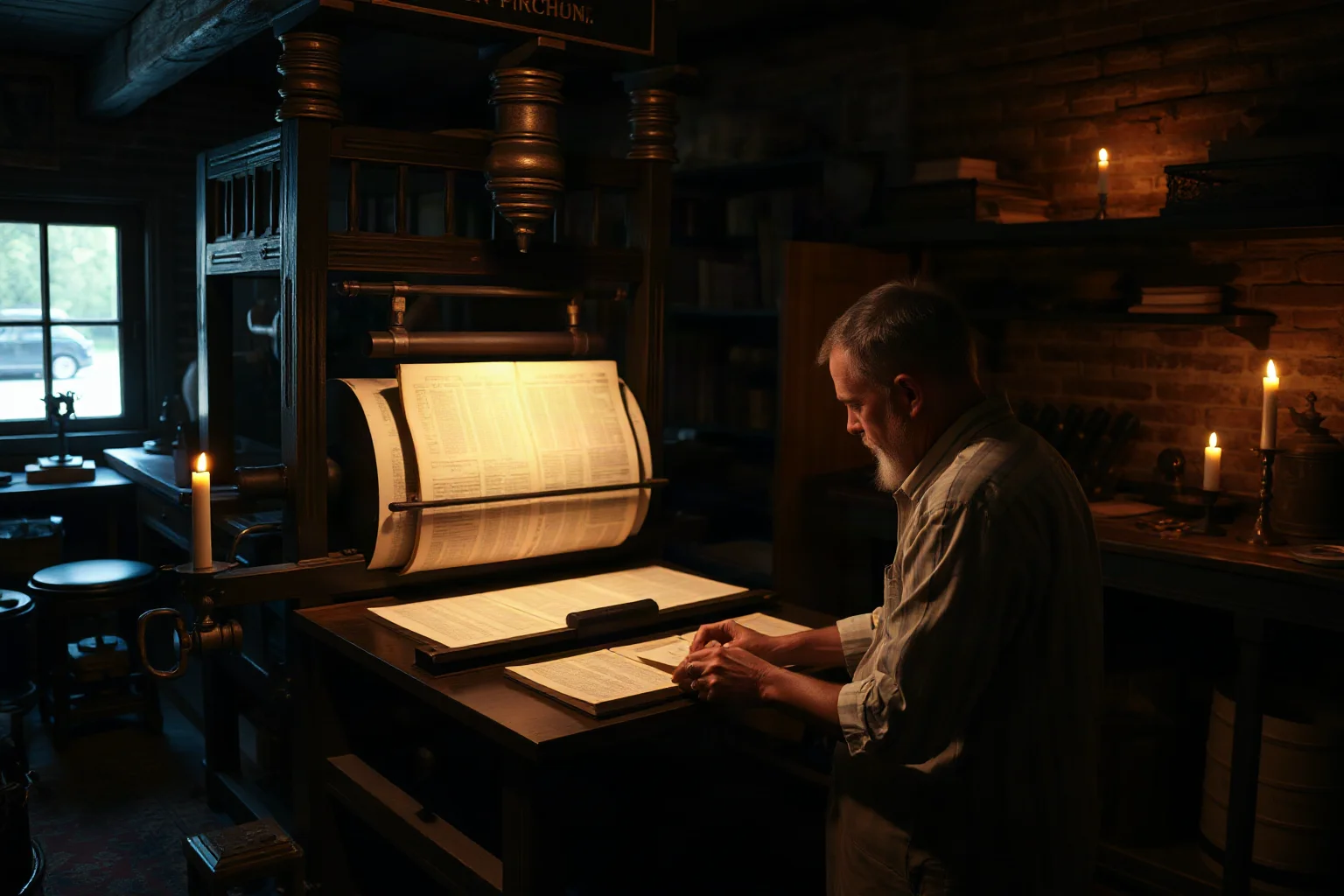
Published anonymously in January 1776, this pamphlet argued plainly for American independence at a moment when many colonists still hoped for reconciliation with Britain. It sold widely for its time and is often credited with shifting public opinion toward independence, though historians caution against treating exact sales figures as precisely verified. Either way, its plain-spoken style made revolutionary ideas accessible to ordinary readers.
9. The Souls of Black Folk by W.E.B. Du Bois
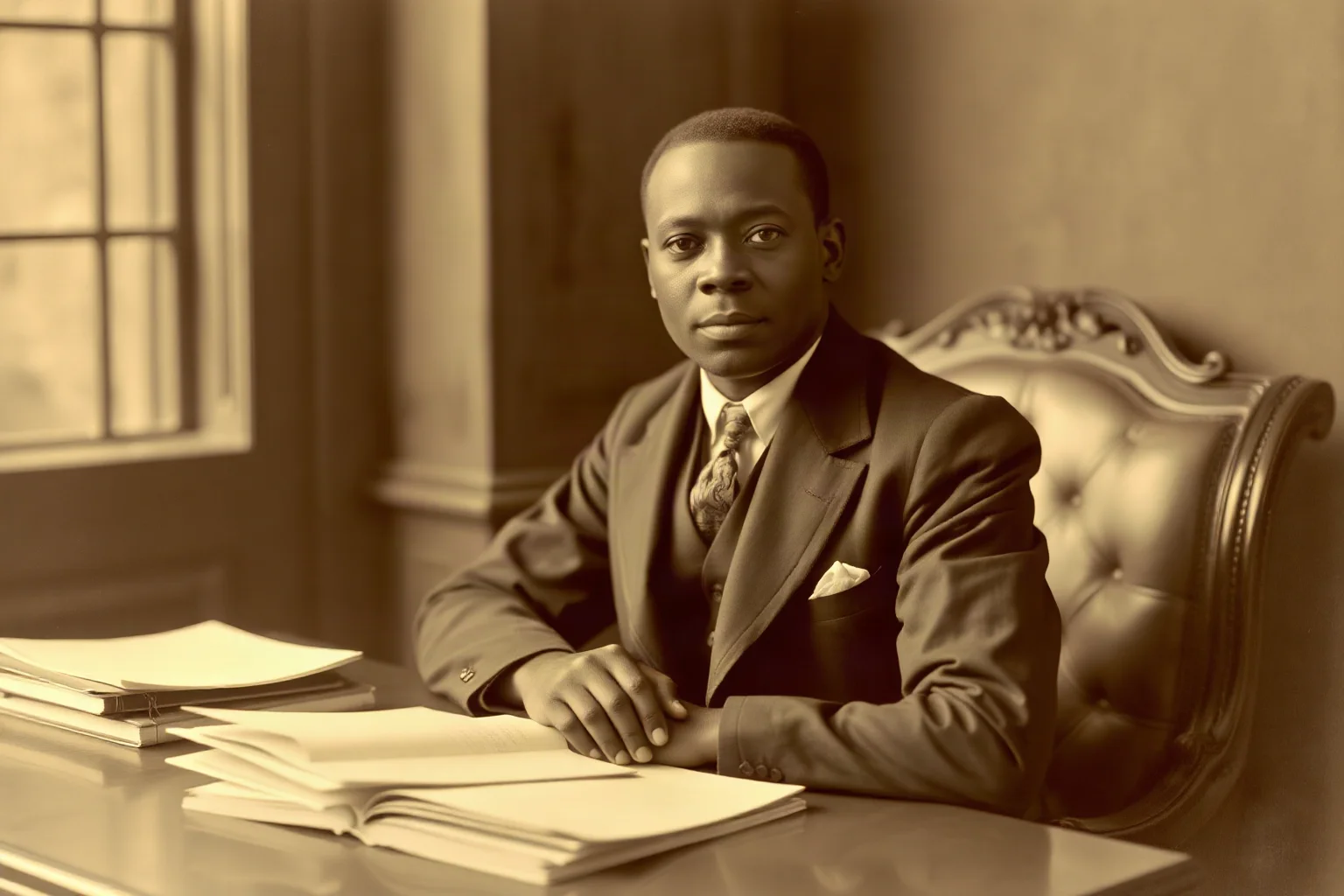
Published in 1903, this collection of essays blends history, sociology, and personal reflection to examine Black life in America after Reconstruction. Du Bois introduced the enduring concept of “double consciousness,” describing the experience of seeing oneself both through one’s own eyes and through the eyes of a prejudiced society. It remains foundational to American sociology and civil rights literature alike.
10. I Am an American: A True Story of Japanese Internment by Jerry Stanley
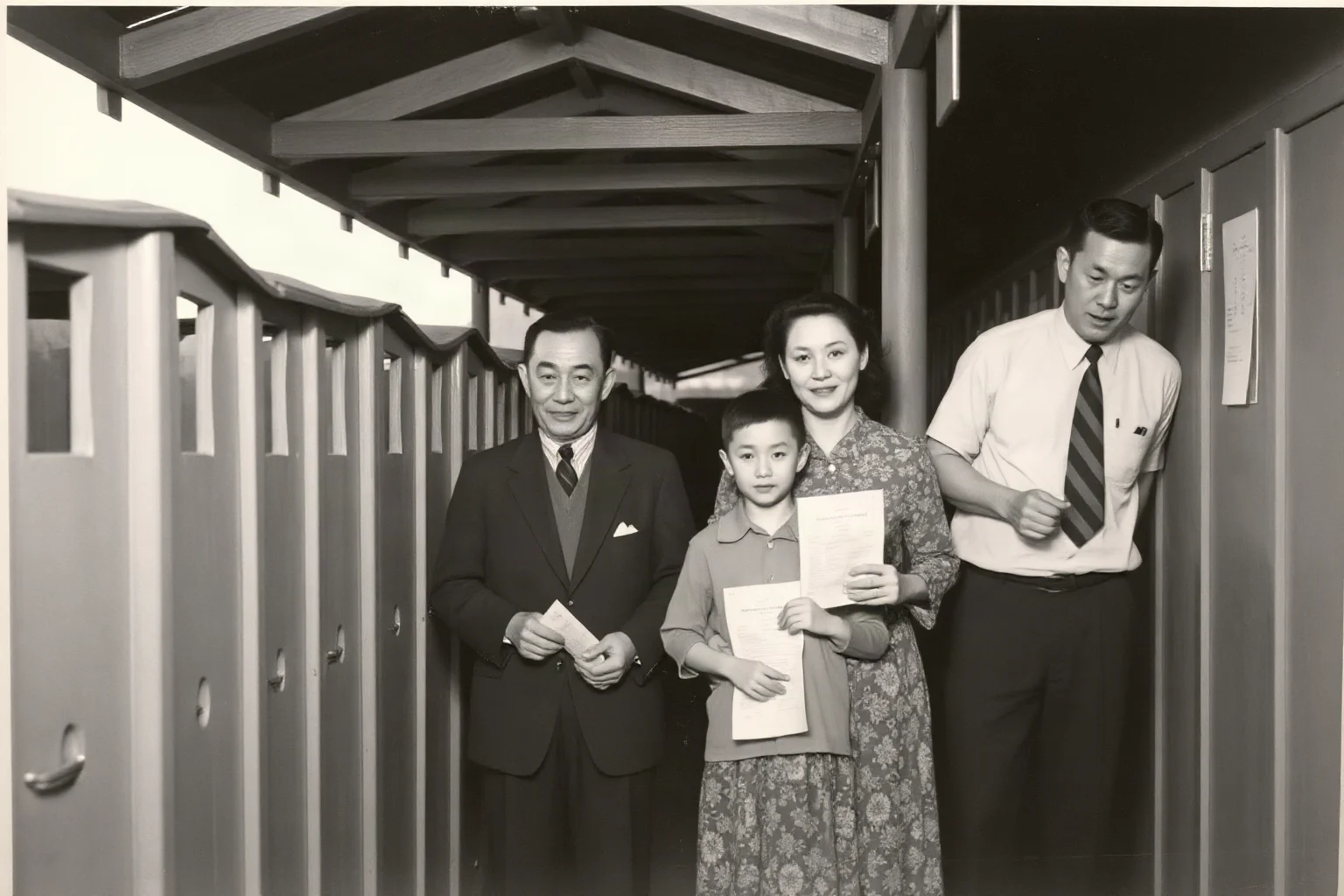
This nonfiction account follows a Japanese American teenager and his family through the forced relocation and internment camps of World War II. It’s a clear, well-documented entry point into a chapter of American history that many textbooks still gloss over briefly. Books like this matter because they turn a policy decision into a lived human experience.
The Great American Novels That Shaped a Literary Identity
This is the heart of most conversations about the greatest American novels of all time. These books are frequently taught, frequently argued over, and frequently reread, which is usually a sign that a novel has staying power.
11. The Great Gatsby by F. Scott Fitzgerald
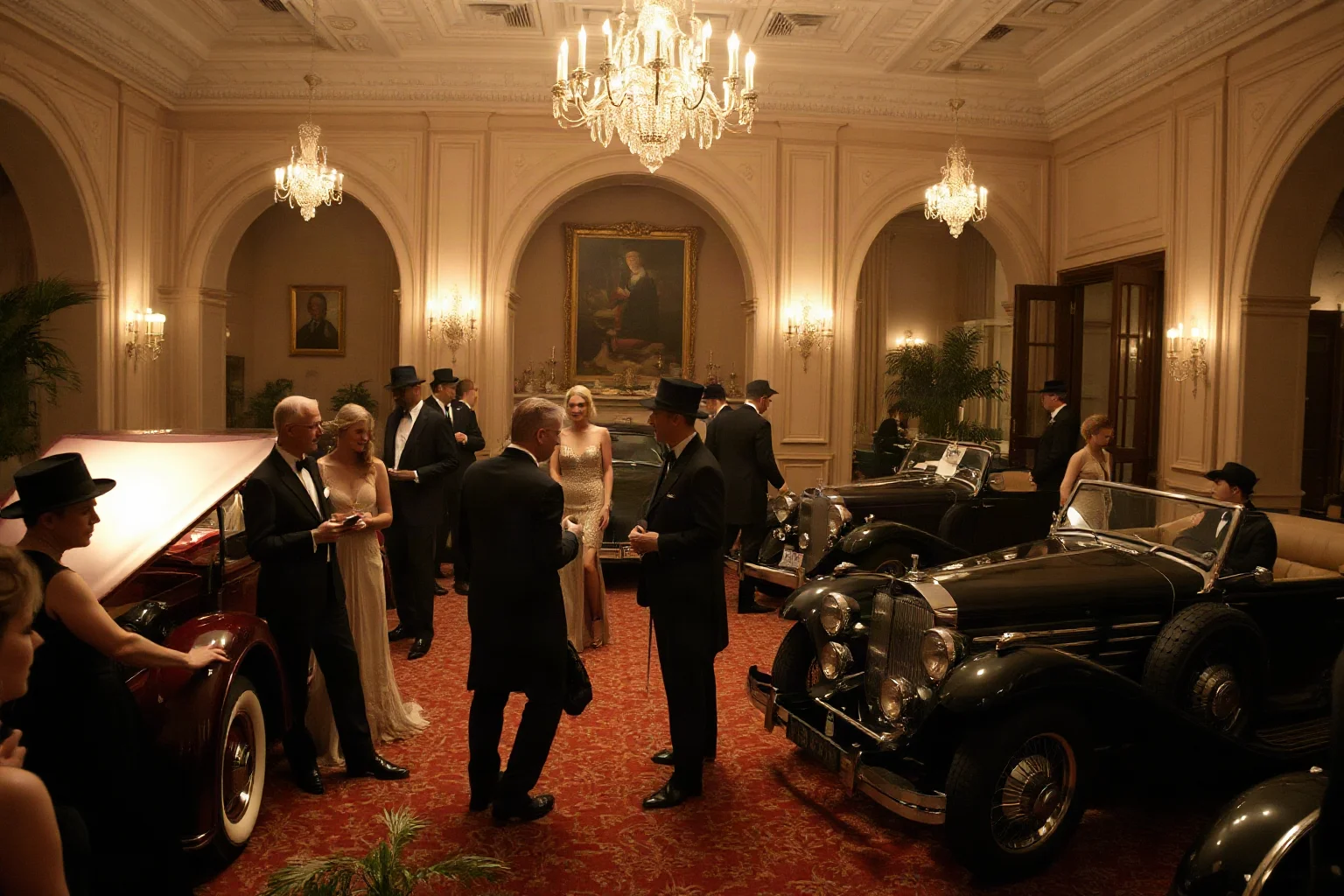
Published in 1925, Fitzgerald’s slim novel about Jay Gatsby’s obsession with wealth, status, and a lost love has become the go-to symbol of the Jazz Age, an era whose speakeasies and bootleggers later fueled popular fascination with some of the most notorious gangsters of the 20th century. Its critique of the American Dream feels just as sharp a century later, echoing the rise and fall of fortunes chronicled among history’s richest and most powerful families. It’s routinely named among the best American novels of the 20th century, and for good reason.
12. Moby-Dick by Herman Melville

Melville’s 1851 epic about Captain Ahab’s obsessive hunt for a white whale was largely dismissed in its own time and only rediscovered as a masterpiece decades after his death. It’s sprawling, philosophical, and occasionally exhausting, but its ambition is unmatched in American fiction. Many literary scholars still nominate it as a leading contender for the unofficial title of greatest American novel.
13. The Adventures of Huckleberry Finn by Mark Twain

Twain’s 1884 novel follows a boy and an escaped enslaved man named Jim rafting down the Mississippi River, and it remains one of the most influential and most challenged books in American literature. Ernest Hemingway once called it the source of all modern American writing. Its unflinching, satirical look at racism and hypocrisy still sparks classroom debate today.
14. The Scarlet Letter by Nathaniel Hawthorne
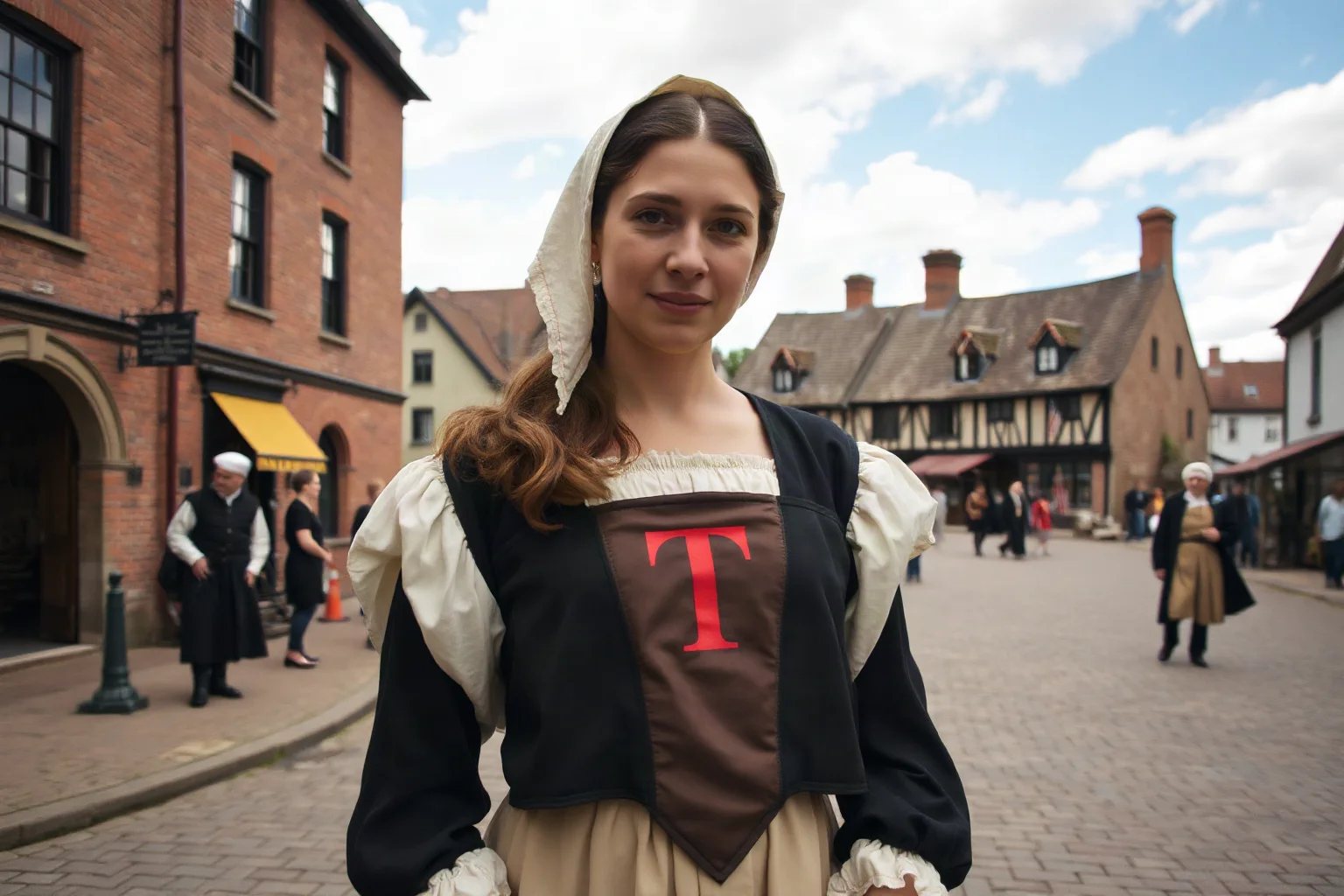
Set in Puritan Boston in the 1640s, Hawthorne’s 1850 novel follows Hester Prynne as she’s publicly shamed for adultery while the man involved hides his guilt. It’s often taught as an early masterwork of American symbolism and a sharp critique of moral hypocrisy. Few American famous novels have aged into required reading quite as thoroughly.
15. To Kill a Mockingbird by Harper Lee
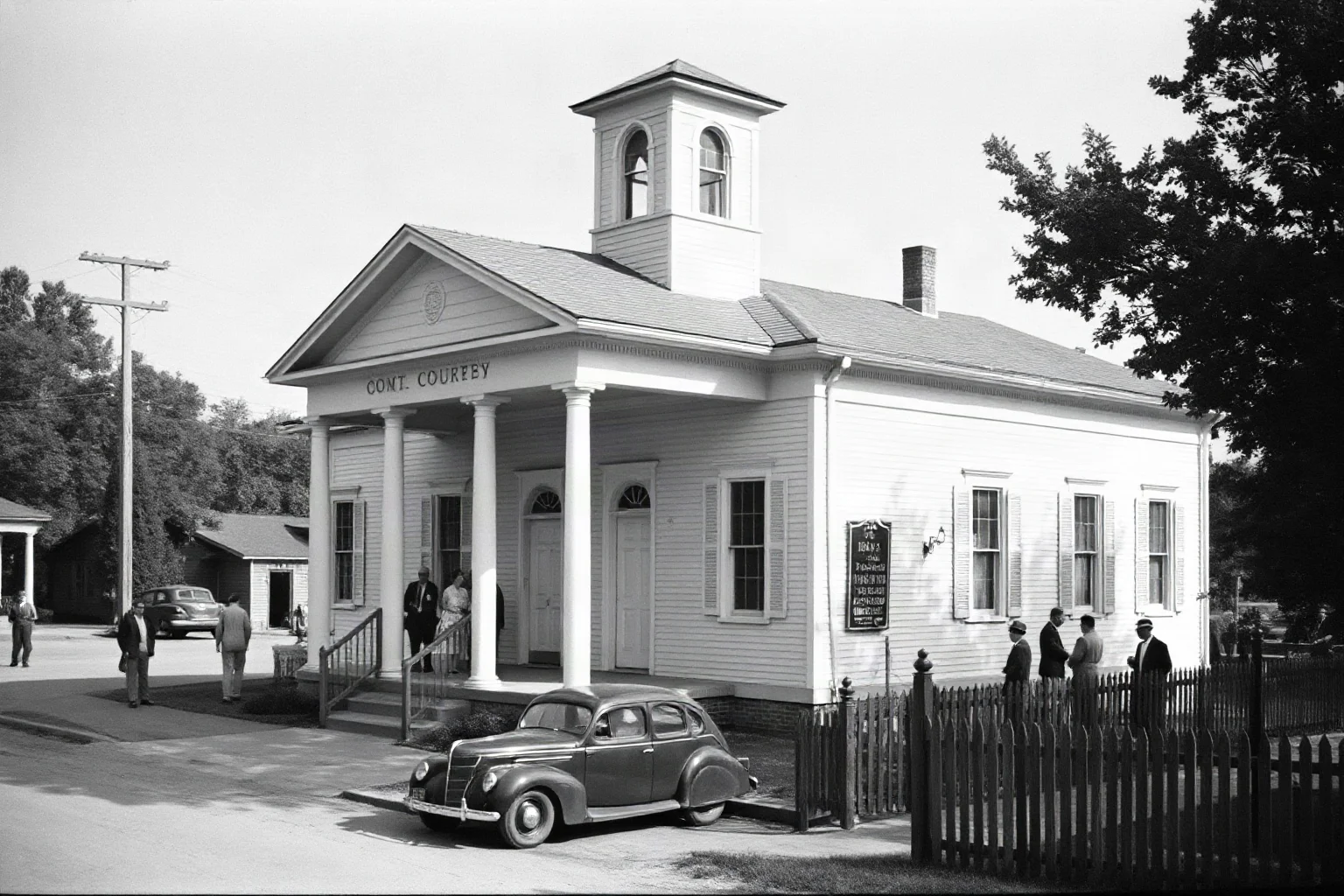
Harper Lee’s 1960 novel, narrated by young Scout Finch in Depression-era Alabama, tackles racial injustice through the trial of a Black man falsely accused of assault. It won the Pulitzer Prize and has sold tens of millions of copies worldwide. It’s consistently ranked among the most popular books in America across generations of readers.
16. The Grapes of Wrath by John Steinbeck

Steinbeck’s 1939 novel follows the Joad family as they flee the Dust Bowl for California during the Great Depression, only to face exploitation and poverty on arrival. It won the Pulitzer Prize and contributed to Steinbeck’s later Nobel Prize in Literature. It remains one of the most powerful American historical fiction novels ever written about economic hardship.
17. Beloved by Toni Morrison
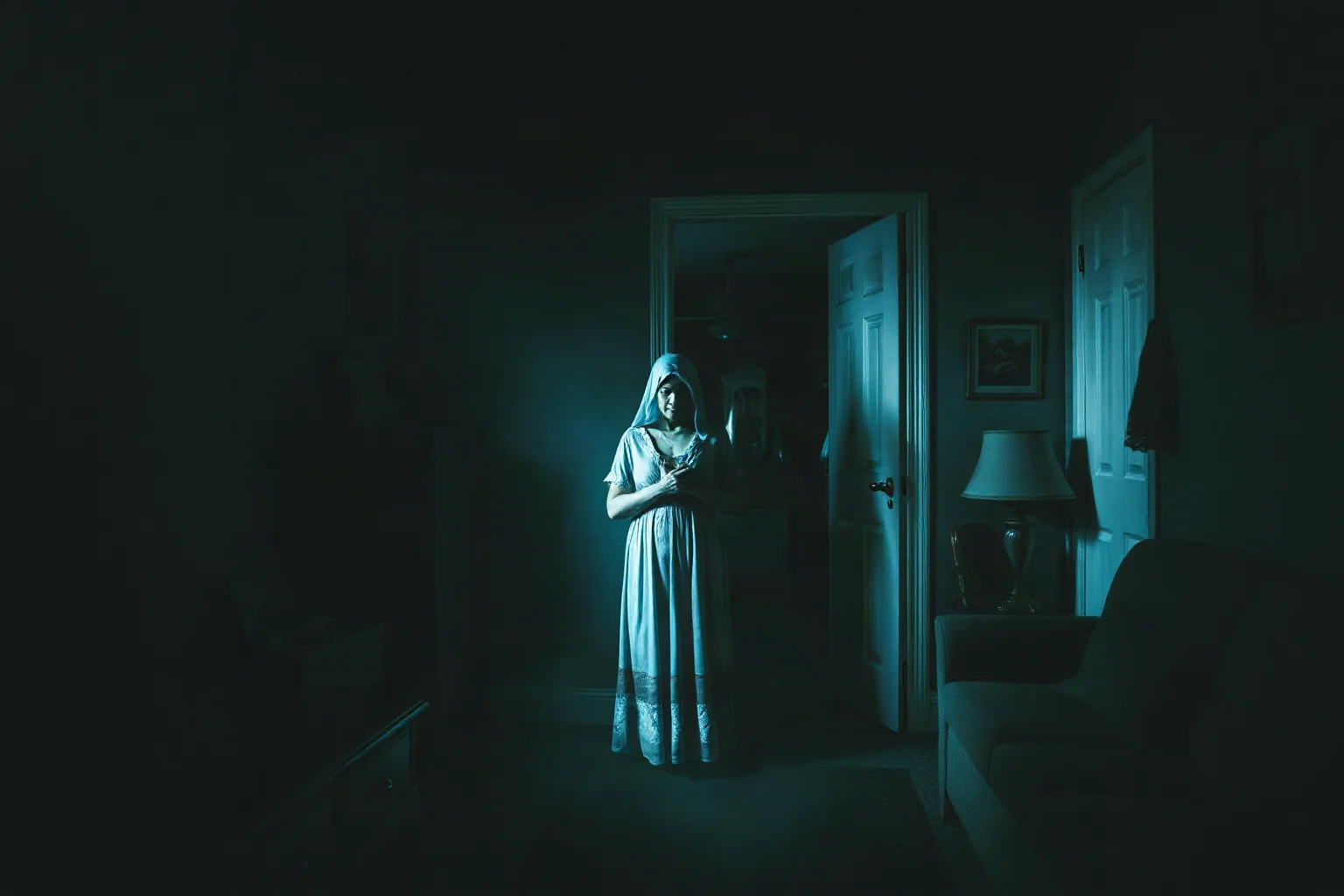
Morrison’s 1987 novel, inspired by the real story of an enslaved woman named Margaret Garner, follows a mother haunted by the trauma of slavery long after emancipation. It won the Pulitzer Prize and helped earn Morrison, now remembered among history’s most powerful women, the Nobel Prize in Literature in 1993. It’s frequently cited as one of the best American novels of all time for how it renders slavery’s psychological aftermath.
18. Invisible Man by Ralph Ellison
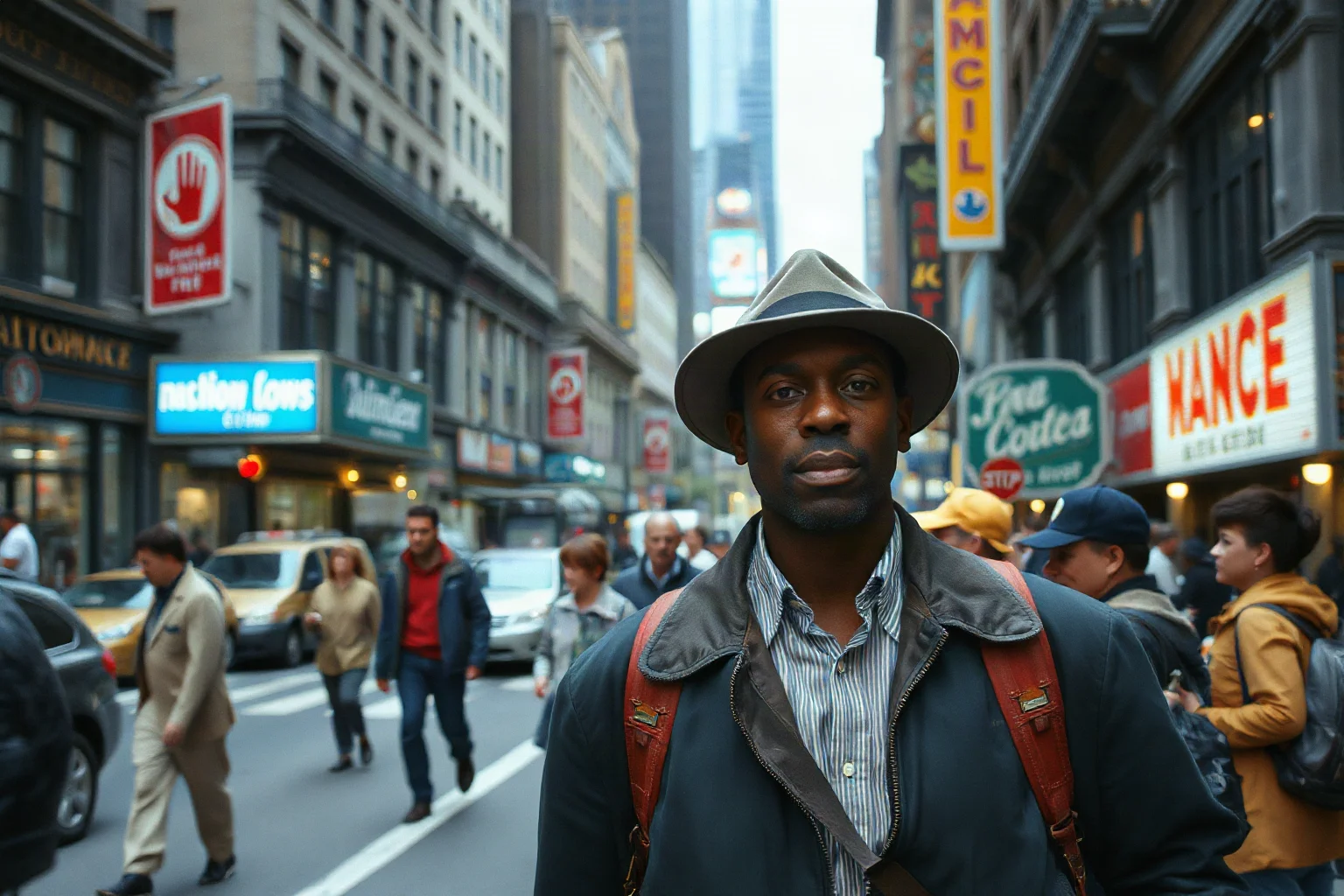
Ellison’s 1952 novel follows an unnamed Black narrator navigating identity, racism, and disillusionment in mid-century America. It won the National Book Award and is celebrated for its blend of realism, surrealism, and biting social commentary. It’s a cornerstone of any serious list of great American classics books.
19. Their Eyes Were Watching God by Zora Neale Hurston
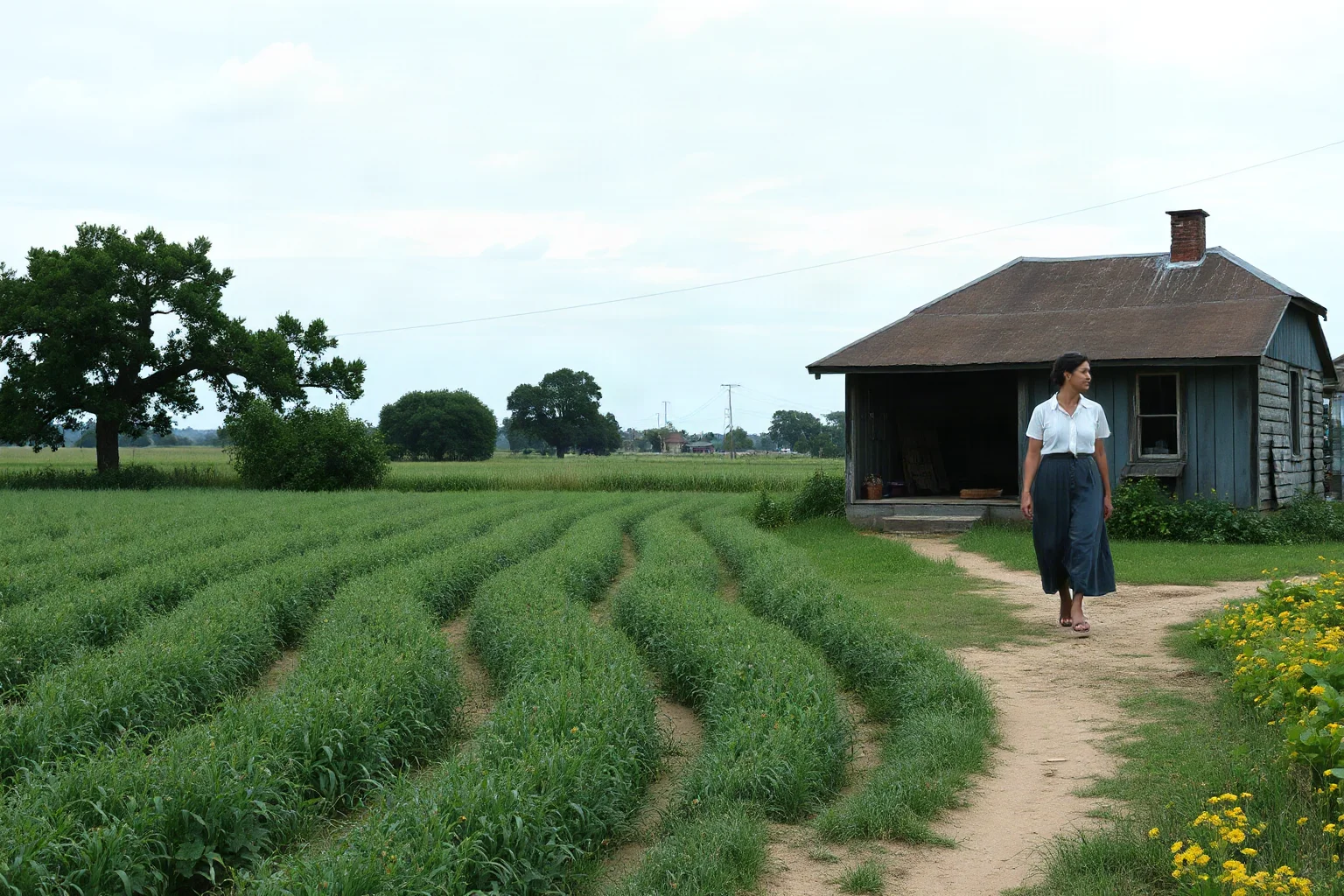
Published in 1937, Hurston’s novel follows Janie Crawford’s journey toward independence and self-discovery in the rural Black South. It was largely overlooked at publication and only widely celebrated decades later, partly thanks to advocacy from writer Alice Walker. It’s now considered essential to the American literary canon.
20. Uncle Tom’s Cabin by Harriet Beecher Stowe
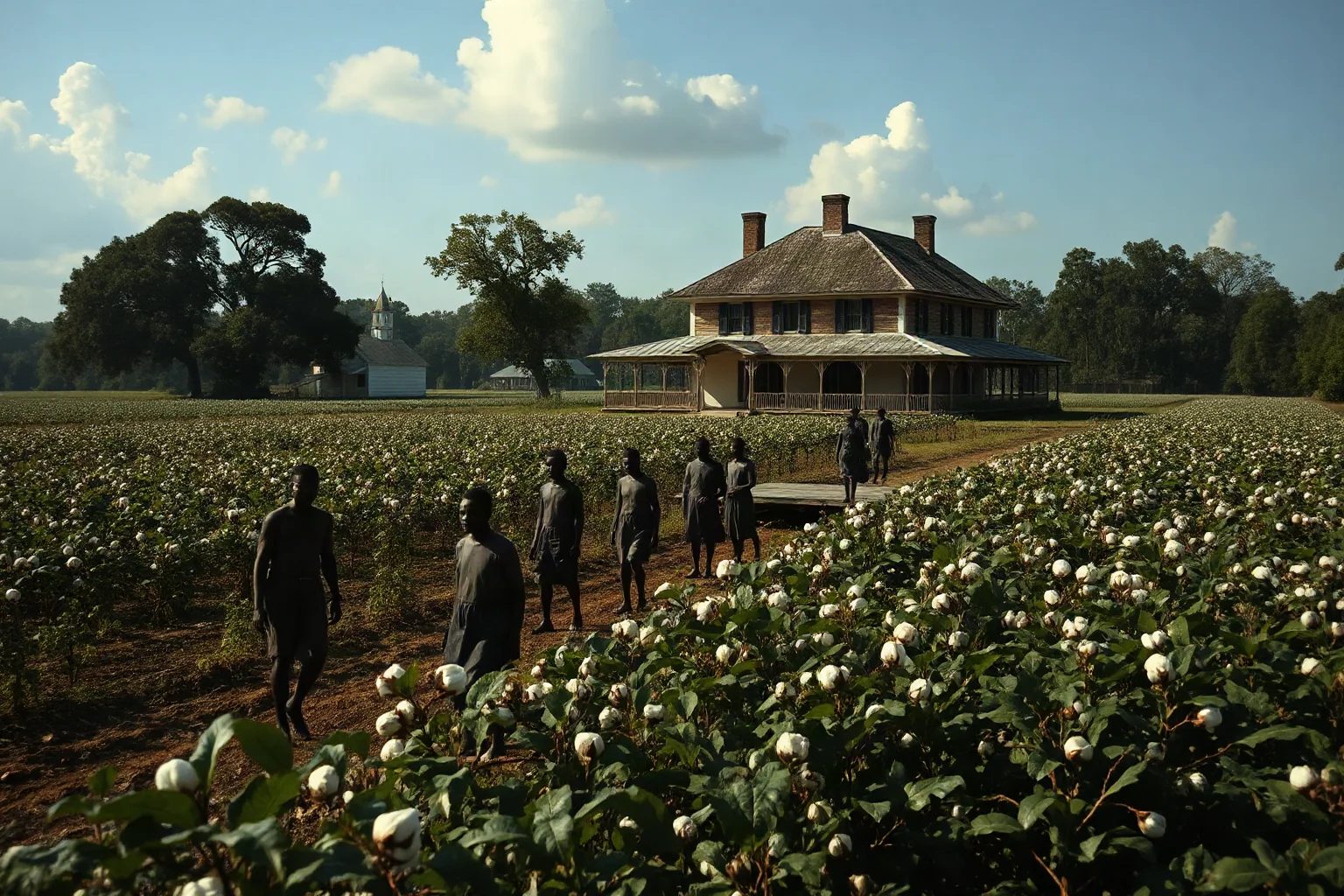
Harriet Beecher Stowe, a writer now counted among history’s most powerful women, published this 1852 anti-slavery novel, which was one of the best-selling books of the 19th century and is often credited with shifting Northern public opinion against slavery ahead of the Civil War. Modern readers and scholars also critique its stereotypical characterizations, which shaped harmful tropes for generations afterward. It’s a complicated but historically significant entry in American famous books.
21. The Sound and the Fury by William Faulkner

Faulkner’s 1929 novel uses four shifting narrators, including one with a cognitive disability, to tell the story of a declining Southern family after the Civil War. Its experimental structure was groundbreaking and remains challenging even for experienced readers. Faulkner’s Nobel Prize in 1949 cemented his place among the greatest American novelists.
American Historical Fiction: History Brought to Life
Historical fiction occupies a middle ground, using real events and settings as a backdrop for invented or dramatized characters. Done well, it can make readers feel eras that dry textbooks struggle to convey. These titles are among the most respected in American historical fiction.
22. The Killer Angels by Michael Shaara
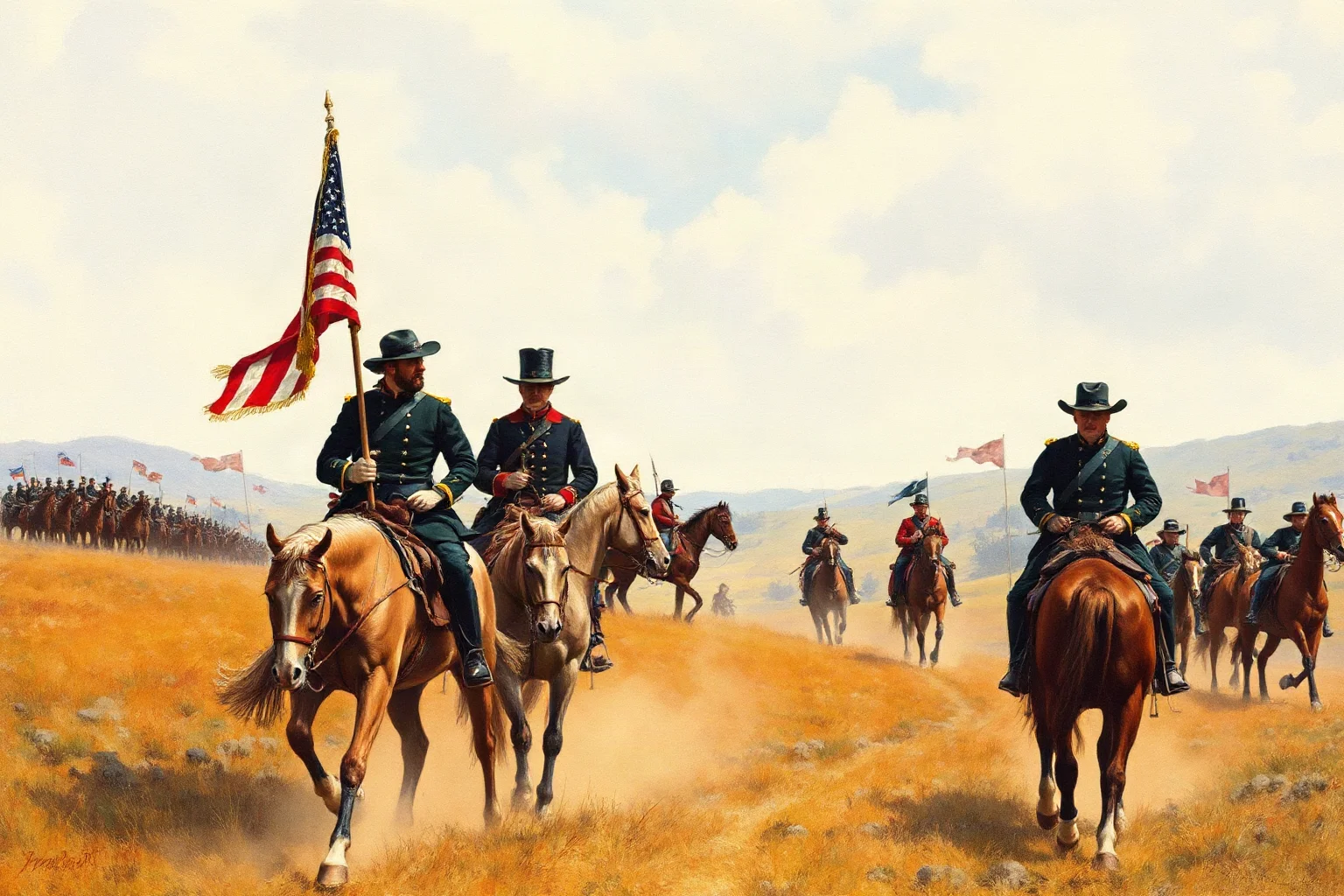
Shaara’s 1974 novel dramatizes the Battle of Gettysburg through the eyes of officers on both sides, blending careful research with novelistic tension. It won the Pulitzer Prize for Fiction and later inspired the film Gettysburg. It’s frequently recommended as an entry point into Civil War historical fiction.
23. Lonesome Dove by Larry McMurtry
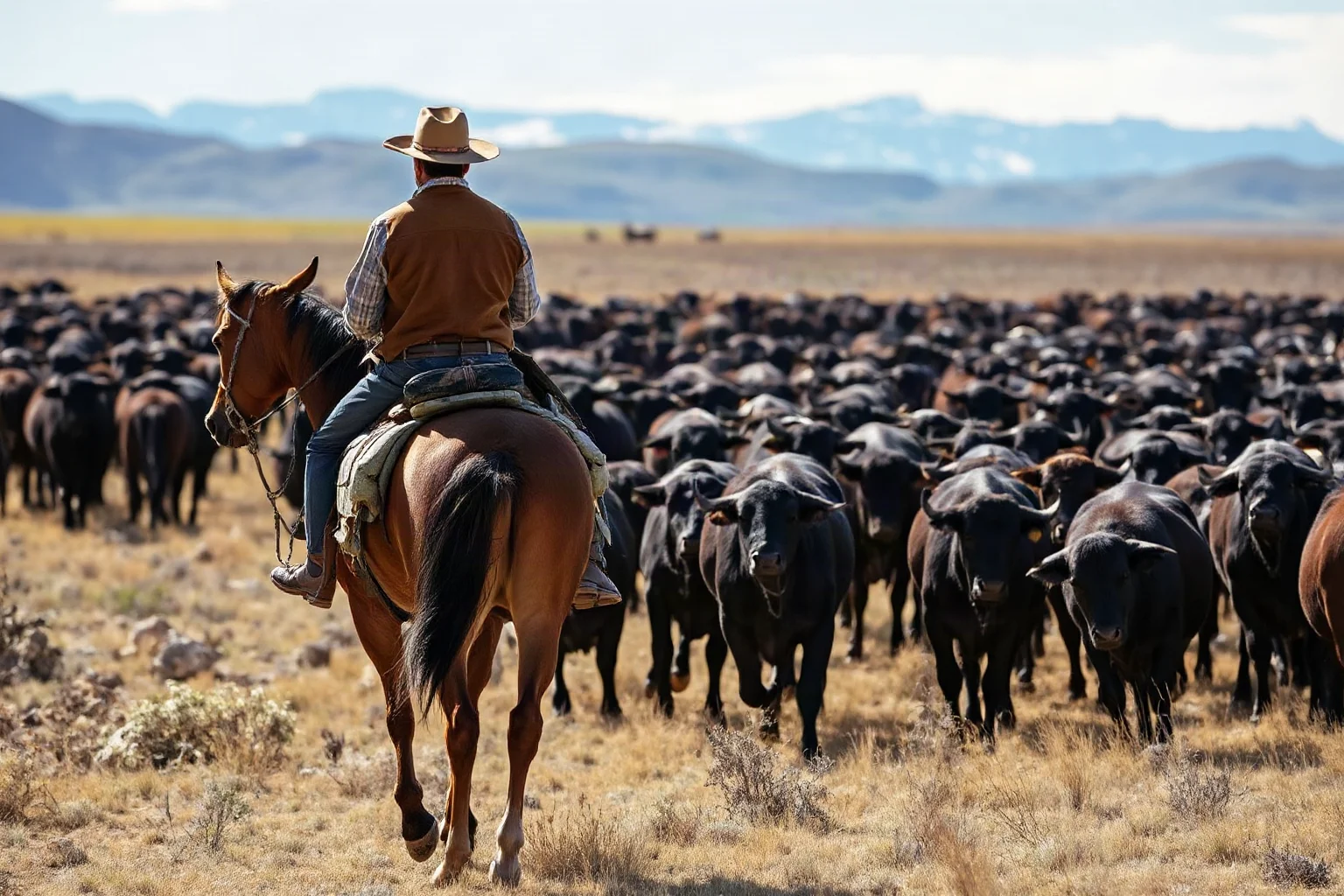
This 1985 novel follows two former Texas Rangers on a cattle drive from Texas to Montana, offering a more grounded, less romanticized take on the American West than most classic Westerns. It won the Pulitzer Prize and is often praised for its clear-eyed treatment of violence, ambition, and loss on the frontier. It reshaped what Western fiction could be.
24. The Underground Railroad by Colson Whitehead

Whitehead’s 2016 novel imagines the Underground Railroad as a literal railway running beneath the American South, following an enslaved woman named Cora as she escapes northward. It won both the Pulitzer Prize and the National Book Award. Its blend of historical detail and speculative imagination makes it a standout in modern American historical fiction books.
25. Cold Mountain by Charles Frazier

Set during the final year of the Civil War, Frazier’s 1997 novel follows a wounded Confederate deserter making his way home to the woman he loves. It won the National Book Award and drew comparisons to Homer’s Odyssey for its long, perilous journey structure. It captures the exhaustion and moral confusion of the war’s closing months.
26. March by Geraldine Brooks
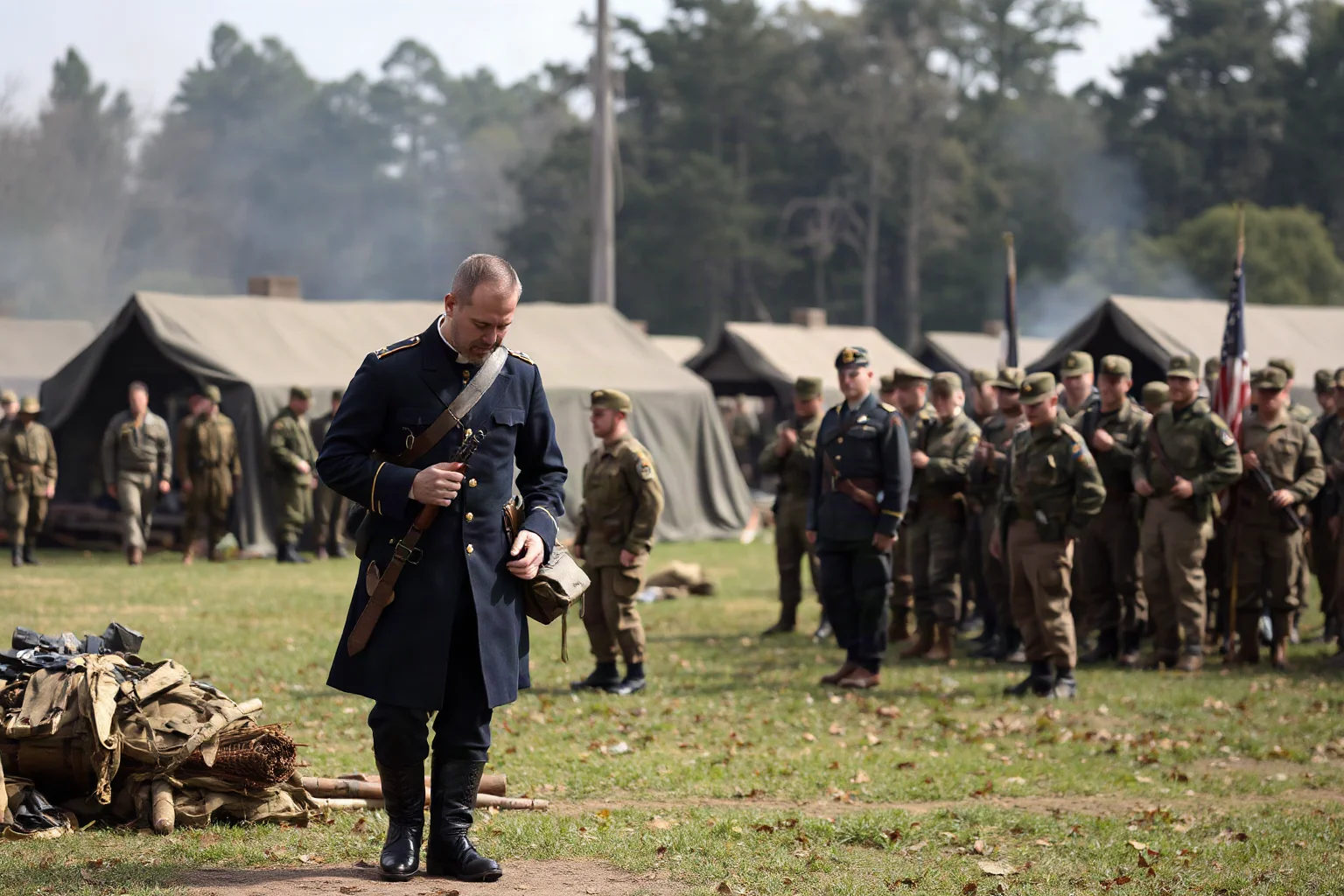
Brooks’s 2005 novel imagines the wartime experiences of the absent father from Louisa May Alcott’s Little Women, following him as a chaplain in the Union Army. It won the Pulitzer Prize for Fiction and offers a darker, more morally complicated view of the Civil War than most 19th-century domestic fiction allowed. It’s a clever bridge between classic American literature and modern historical fiction.
How to Build Your Own American Reading List
If this list feels overwhelming, that’s normal. A good approach is to pick one title from each category above rather than trying to read everything at once.
Start with a nonfiction history book for context, pair it with a novel from roughly the same era, and add a piece of historical fiction if you want a more emotional entry point into the same events. Reading The Killer Angels alongside Battle Cry of Freedom, for example, gives you both the drama and the documented history of the Civil War in one sitting. That kind of pairing tends to stick with readers far longer than either book alone.
Final Thoughts
There’s no final answer to what is the greatest American novel, and there probably never will be, because the country itself keeps changing and so does what readers need from its stories. What these books share is a willingness to look honestly at ambition, injustice, resilience, and reinvention, sometimes all in the same chapter. Whether you start with Moby-Dick, A People’s History of the United States, or The Underground Railroad, you’ll come away understanding America a little differently than you did before.
The best books about United States history rarely agree with each other, and that’s not a flaw in the reading list. It’s an accurate reflection of a country built on argument, correction, and reinterpretation. Pick a few titles from this list, read them side by side, and you’ll get a far richer picture than any single “greatest” book could ever offer alone.
Frequently Asked Questions
What are the best US history books to start with?
For readers new to American history, strong starting points include 1776 by David McCullough for the Revolutionary era, Battle Cry of Freedom by James M. McPherson for the Civil War, and The Warmth of Other Suns by Isabel Wilkerson for 20th-century migration. Pairing a widely respected narrative history with a more perspective-driven book like A People's History of the United States gives a fuller, more balanced picture.
What is the greatest American novel?
There is no official or universally agreed-upon answer, since the phrase 'the great American novel' describes an ongoing cultural conversation rather than a settled title. Books like Moby-Dick, The Great Gatsby, Beloved, and The Adventures of Huckleberry Finn are among the most frequently nominated by critics and scholars, but personal opinion plays a large role in any such ranking.
What are the ‘Books That Shaped America’?
This phrase comes from a Library of Congress exhibition that grouped influential American books by theme rather than ranking, covering topics from the founding era to civil rights to the American frontier. It included a mix of novels, historical documents, and nonfiction, showing that no single genre defines American literature.
Is historical fiction a reliable way to learn American history?
Historical fiction can bring real events and eras to life emotionally, but authors often invent dialogue, characters, or details to serve the story. It's best used alongside verified nonfiction history books rather than as a standalone factual source, since even well-researched novels take creative liberties.
Why do some classic American novels feel outdated or controversial today?
Books like Uncle Tom's Cabin and The Adventures of Huckleberry Finn were written in specific historical moments and reflect the language, biases, and stereotypes of their eras. Many are still taught precisely because they offer a window into how attitudes about race and society have shifted over time, alongside genuine literary and historical value.

Alex Warren
Related Articles