

When most people picture a Viking, they imagine a horned helmet, a battle axe, and a longship cutting through the fog toward a doomed coastal village.
Real Vikings in history were stranger, more varied, and honestly more interesting than that cartoon. Some were raiders, yes, but others were traders, lawmakers, poets, explorers, and even queens who shaped kingdoms far beyond Scandinavia.
This list rounds up the most famous Vikings in history, mixing verifiably real historical figures with a few legendary names whose stories survive mainly through sagas written generations later. Where the historical record is thin or debated, we say so, because separating real Vikings from myth is part of what makes this era so fascinating.
TL;DR: The greatest Vikings in history were as often skilled explorers, traders, and rulers as they were famous Viking warriors, and separating the real figures from saga legend is key to understanding the Viking Age.
What Were the Vikings Known For?
The Viking Age generally runs from around 793 to 1066 CE, spanning roughly three centuries of Norse activity out of what is now Denmark, Norway, and Sweden.
Vikings are best known for their longships, fast and shallow-drafted vessels that let them raid, trade, and explore across an enormous geographic range.
That range stretched from Newfoundland in the west to Baghdad in the east, connecting them to trade networks most people don’t associate with medieval Scandinavia.
Raiding is the reputation that stuck, thanks to violent attacks on monasteries and towns across Britain, Ireland, and Frankia. But most Norse people of the era were farmers, craftspeople, and merchants who never raided anyone. Notable Vikings also built early legal assemblies called “things,” settled Iceland and Greenland, and left behind a rich body of mythology and saga literature that still shapes fantasy fiction today.
It’s also worth clearing up a popular myth early: horned helmets are a 19th-century theatrical invention, popularized by Wagner opera costumes, not anything actual Viking-Age warriors wore into battle. Real Viking helmets, on the rare occasions people could afford one, were simple rounded or conical iron caps.
Who Was the Most Famous Viking?
Ask people who was the most famous Viking today, and many will say Ragnar Lothbrok, largely thanks to television and saga literature. The trouble is that historians generally believe Ragnar was likely a composite figure, blending the deeds of several real Viking raiders into one legendary character. That doesn’t make him unimportant, but it does mean his fame rests more on story than on solid documentary evidence.
Among Vikings whose existence is much better documented, Leif Erikson and Cnut the Great are strong contenders for the title of most historically significant. Leif Erikson is widely credited as the first European to reach North America, and Cnut the Great actually ruled England, Denmark, and Norway simultaneously. Which one counts as “the” most famous Viking really depends on whether you’re measuring pop-culture recognition or genuine historical impact, a tension that also shapes broader debates about the most recognized historical figures of all time.
The 20 Greatest Vikings in History
Here are 20 of the most notable Vikings in history, ranging from real kings and explorers to legendary warriors preserved mainly in saga tradition. Each entry notes how solid the historical evidence actually is, since that distinction matters a lot in Viking history.
1. Ragnar Lothbrok
Ragnar Lothbrok is arguably the single most famous Viking name in popular culture, largely due to sagas like the Ragnarssona þáttr and modern television adaptations. Historians widely suspect he’s a legendary or composite figure rather than one verifiable person, since the sagas describing him were written centuries after the events they claim to depict.
What makes Ragnar enduringly important is that several of his supposed sons, including Ivar the Boneless and Bjorn Ironside, do appear in more contemporary historical sources. Whether or not one single Ragnar existed, the family name became shorthand for Viking ambition and raiding across Britain and Frankia.
2. Leif Erikson
Leif Erikson was a Norse explorer, son of Erik the Red, generally credited with leading the first documented European expedition to North America around 1000 CE. Icelandic sagas describe his landing at a place he called Vinland, which most scholars now associate with the Norse settlement site at L’Anse aux Meadows in Newfoundland, Canada.
Archaeological evidence at L’Anse aux Meadows, discovered in the 1960s, gives Leif Erikson a rare distinction among famous Viking explorers: physical proof backing up saga claims. That makes him one of the best-documented real Vikings in history when it comes to transatlantic exploration.
3. Erik the Red
Erik the Red was a Norse explorer and outlaw credited with founding the first Norse settlements in Greenland around 985 CE. According to sagas, he was exiled from Iceland after a violent dispute, and it was during that exile that he explored and named Greenland, reportedly to make the harsh landscape sound more inviting to potential settlers.
His reputation combines real colonization achievements with a personality sagas paint as fierce and combative. As the father of Leif Erikson, Erik the Red also sits at the center of one of history’s most remarkable family lineages of Norse exploration.
4. Harald Hardrada
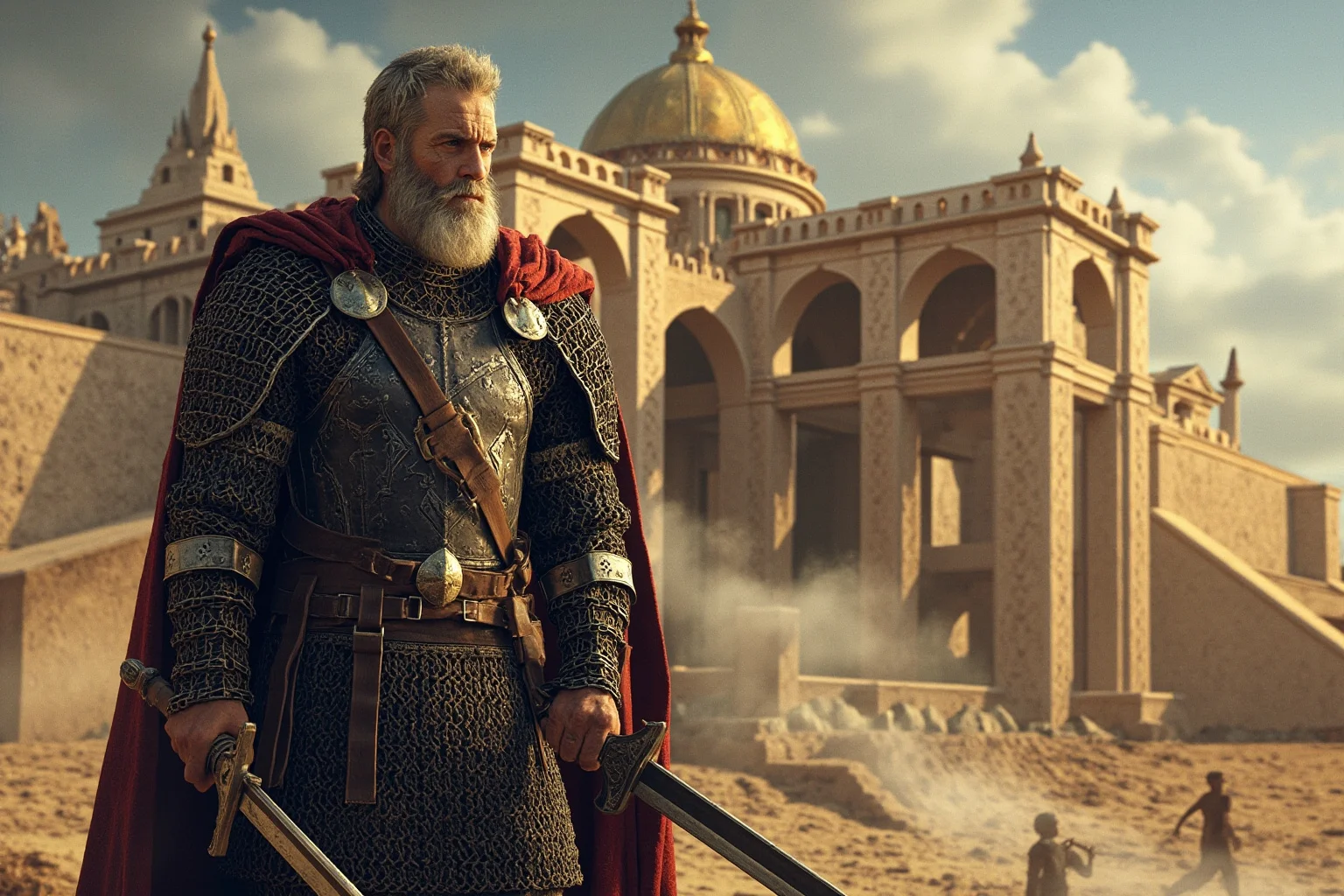
Harald Hardrada, or Harald III of Norway, is often called one of the last great Viking-style warrior kings. Before becoming king of Norway, he served as a mercenary commander in the Byzantine Empire’s elite Varangian Guard, fighting across the Mediterranean and Middle East in campaigns ambitious enough to draw comparisons with commanders like Alexander the Great.
Harald’s death at the Battle of Stamford Bridge in 1066, fighting to claim the English throne just weeks before the Norman Conquest, is frequently cited by historians as marking the symbolic end of the Viking Age. Few notable Vikings had careers that spanned quite so much of the known medieval world.
5. Cnut the Great
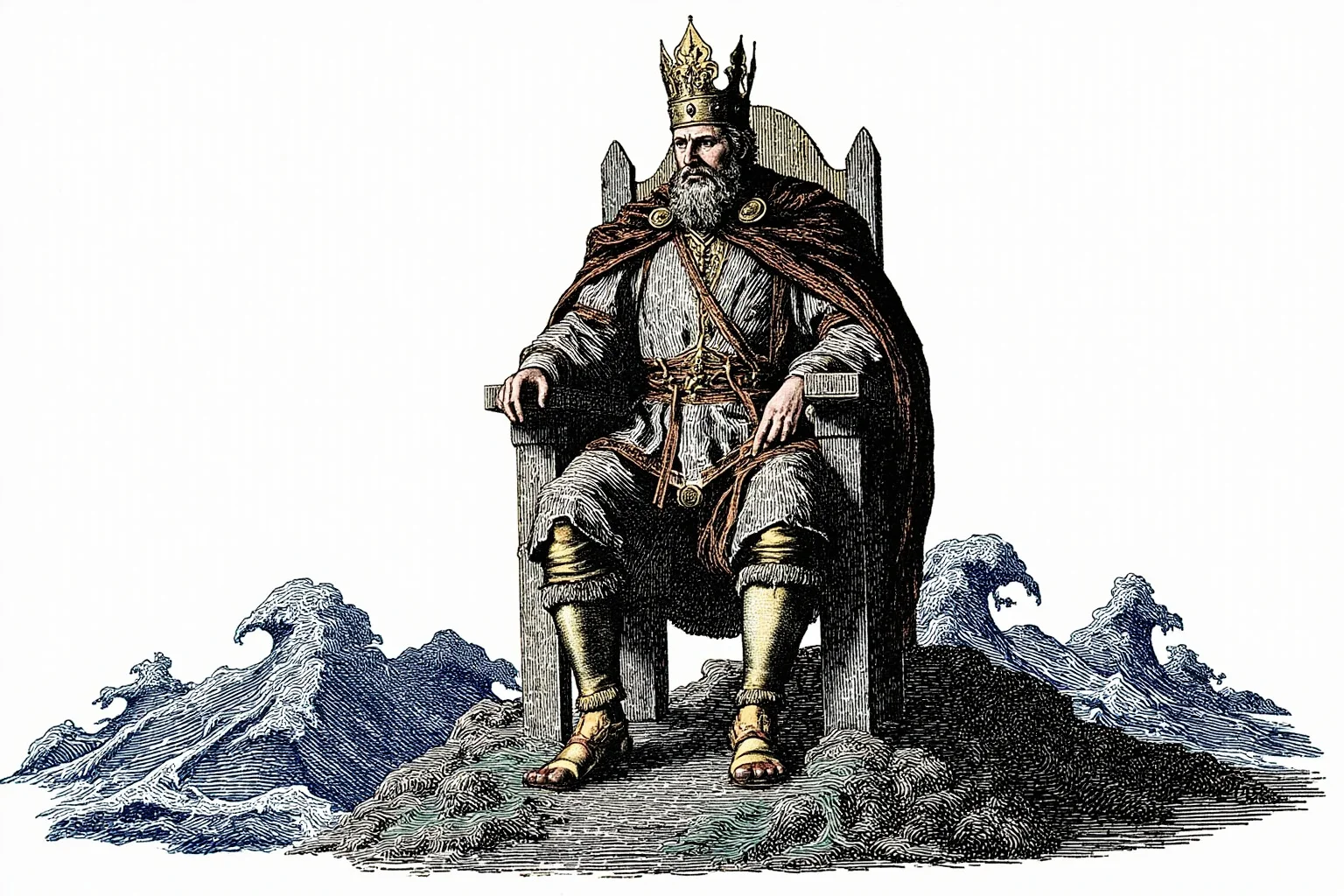
Cnut the Great ruled a genuine North Sea empire, holding the crowns of England, Denmark, and Norway at various points in the early 11th century. Unlike many famous Viking warriors, Cnut is remembered as much for governance as for combat, issuing law codes and maintaining relatively stable rule over English territory.
A popular legend claims Cnut once commanded the tide to stop rising, then let the waves soak his feet to prove even a king can’t control nature. Historians treat that story as a later moral parable about humility rather than a literal historical event.
6. Rollo of Normandy
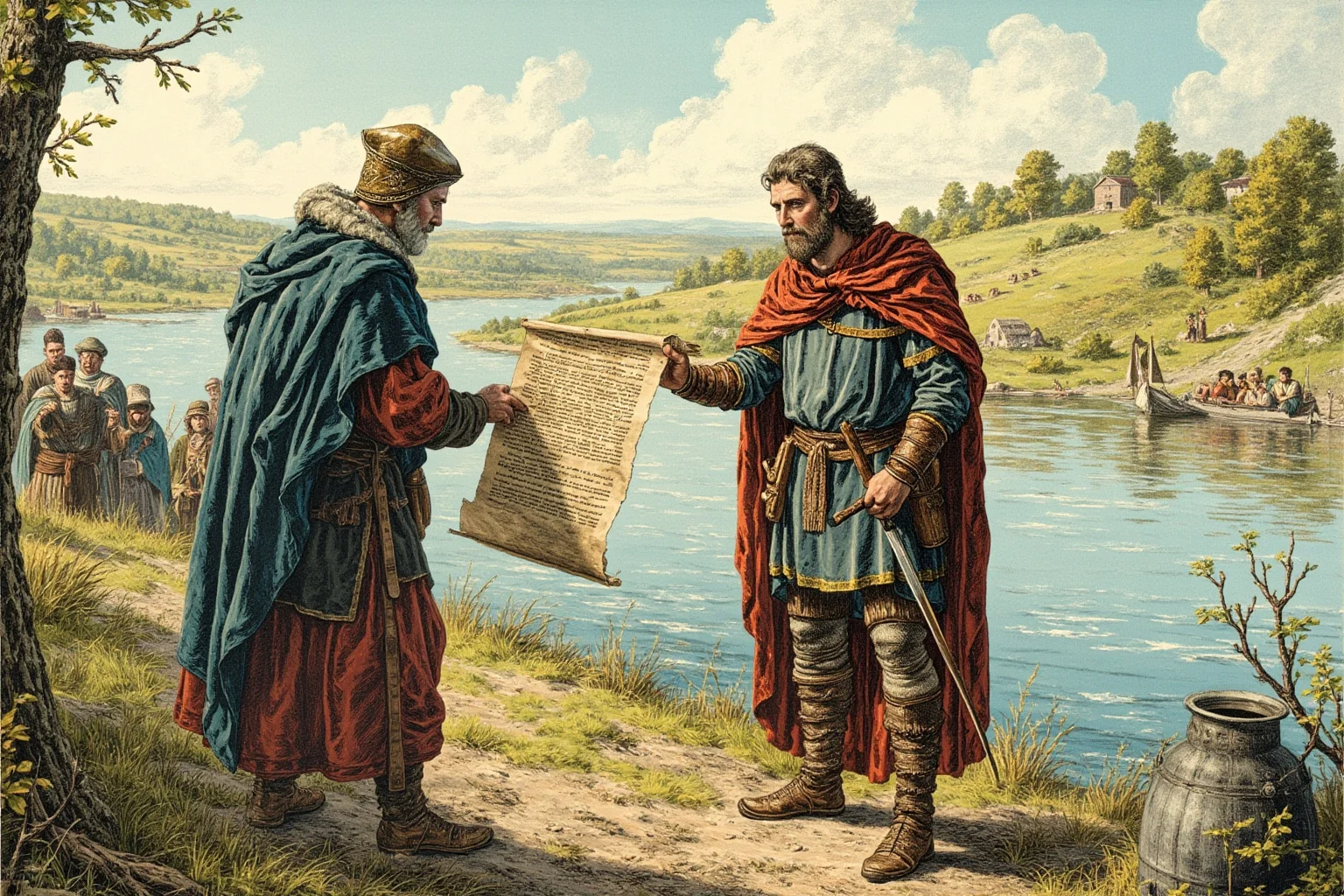
Rollo was a Viking leader who, after years of raiding in Frankia, was granted land along the Seine River by King Charles the Simple in 911 CE. That land became the Duchy of Normandy, and Rollo’s descendants eventually included William the Conqueror, founding one of the richest and most powerful families in history and linking Viking history directly to the 1066 Norman Conquest of England.
Rollo’s exact origins are debated, with some sagas linking him to Norway and others to Denmark. What’s clearer is his lasting legacy: an entire French region and a royal bloodline that reshaped English history two centuries later.
7. Ivar the Boneless
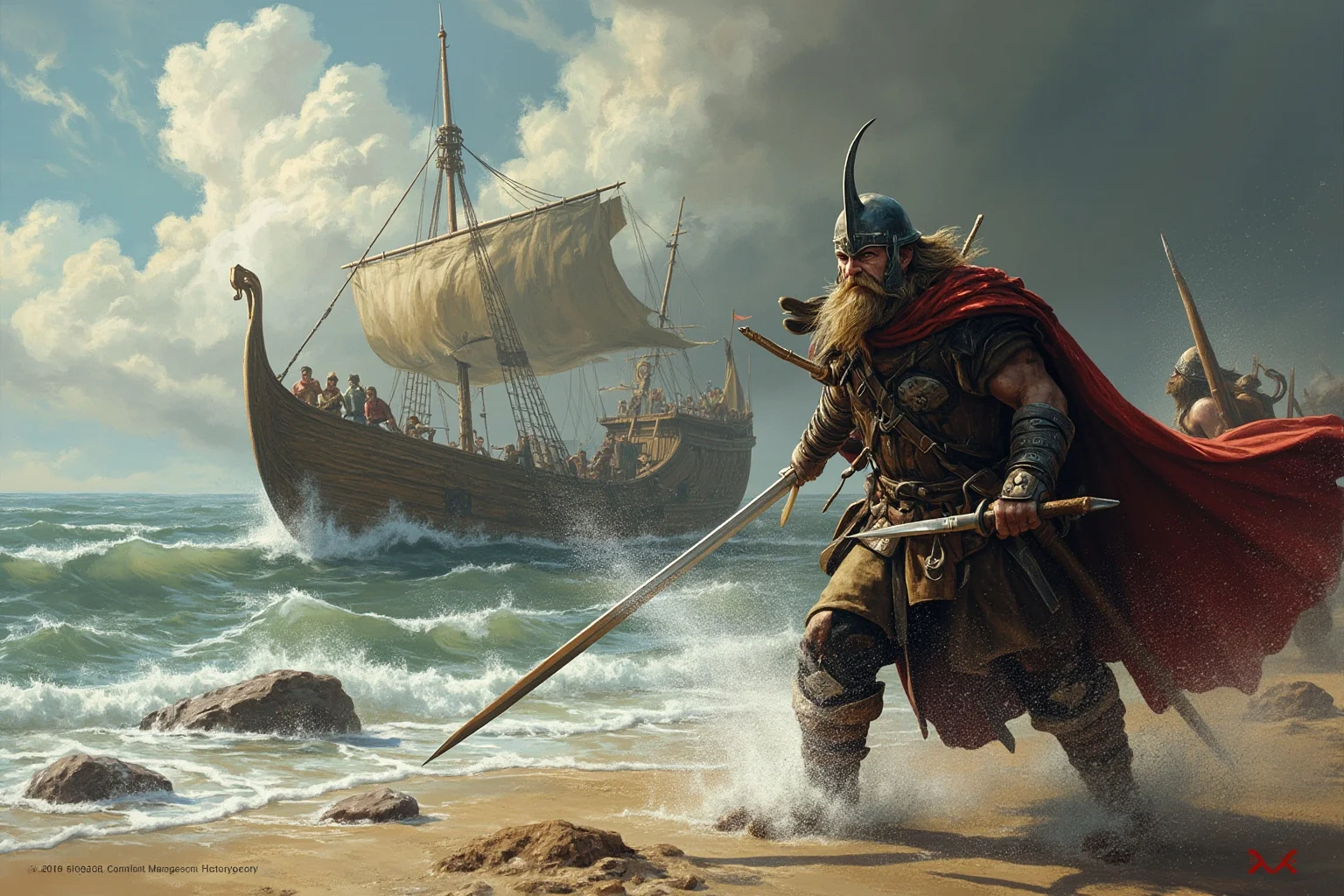
Ivar the Boneless was a Viking leader active in the mid-9th century, associated with the Great Heathen Army that invaded Anglo-Saxon England. His unusual nickname has sparked long-running debate, with some historians suggesting it referred to a physical condition, while others think it was a poetic or symbolic epithet.
Sources describing Ivar are fragmentary and sometimes contradictory, which is common for this period of Viking history. He’s nonetheless remembered as one of the most feared famous Viking warriors of the Anglo-Saxon invasions.
8. Bjorn Ironside
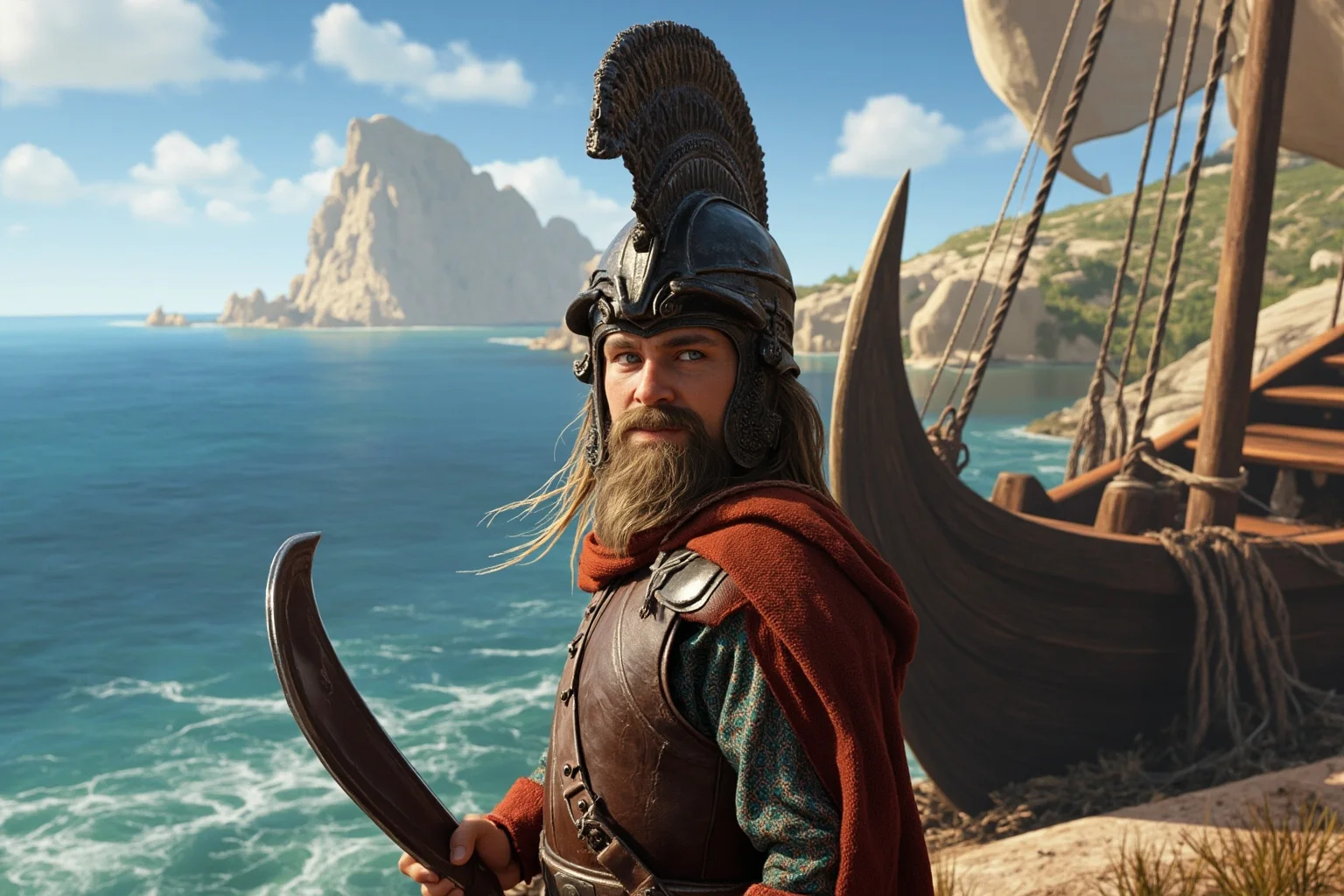
Bjorn Ironside appears in sagas as another son of Ragnar Lothbrok, credited with extensive raiding across Frankia and reportedly even into the Mediterranean. Some historians tentatively connect him to a real Viking leader mentioned in Frankish annals, though the identification isn’t certain.
Later Scandinavian tradition also credits Bjorn as a founding figure of Swedish royal lineage. As with much of the Ragnarsson family, separating documented fact from saga embellishment remains genuinely difficult.
9. Sweyn Forkbeard
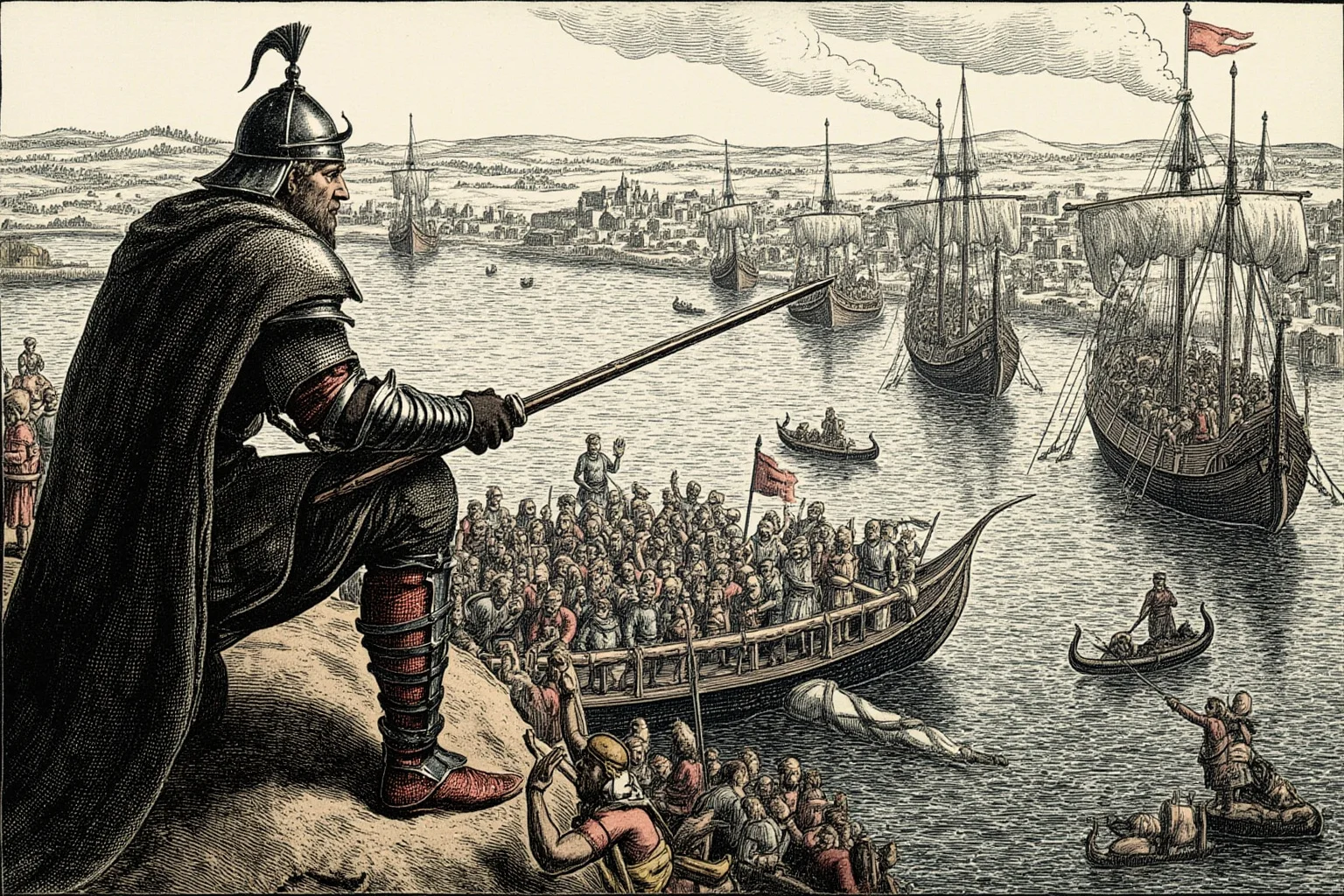
Sweyn Forkbeard was King of Denmark, and later England, whose reign set the stage for his son Cnut the Great’s later North Sea empire. He led repeated invasions of England in the late 10th and early 11th centuries, exploiting weak Anglo-Saxon leadership under King Æthelred the Unready.
Sweyn briefly held the English throne itself in 1013, though he died the following year before consolidating full control. His campaigns are well documented in contemporary English chronicles, making him one of the more reliably attested notable Vikings on this list.
10. Harald Bluetooth
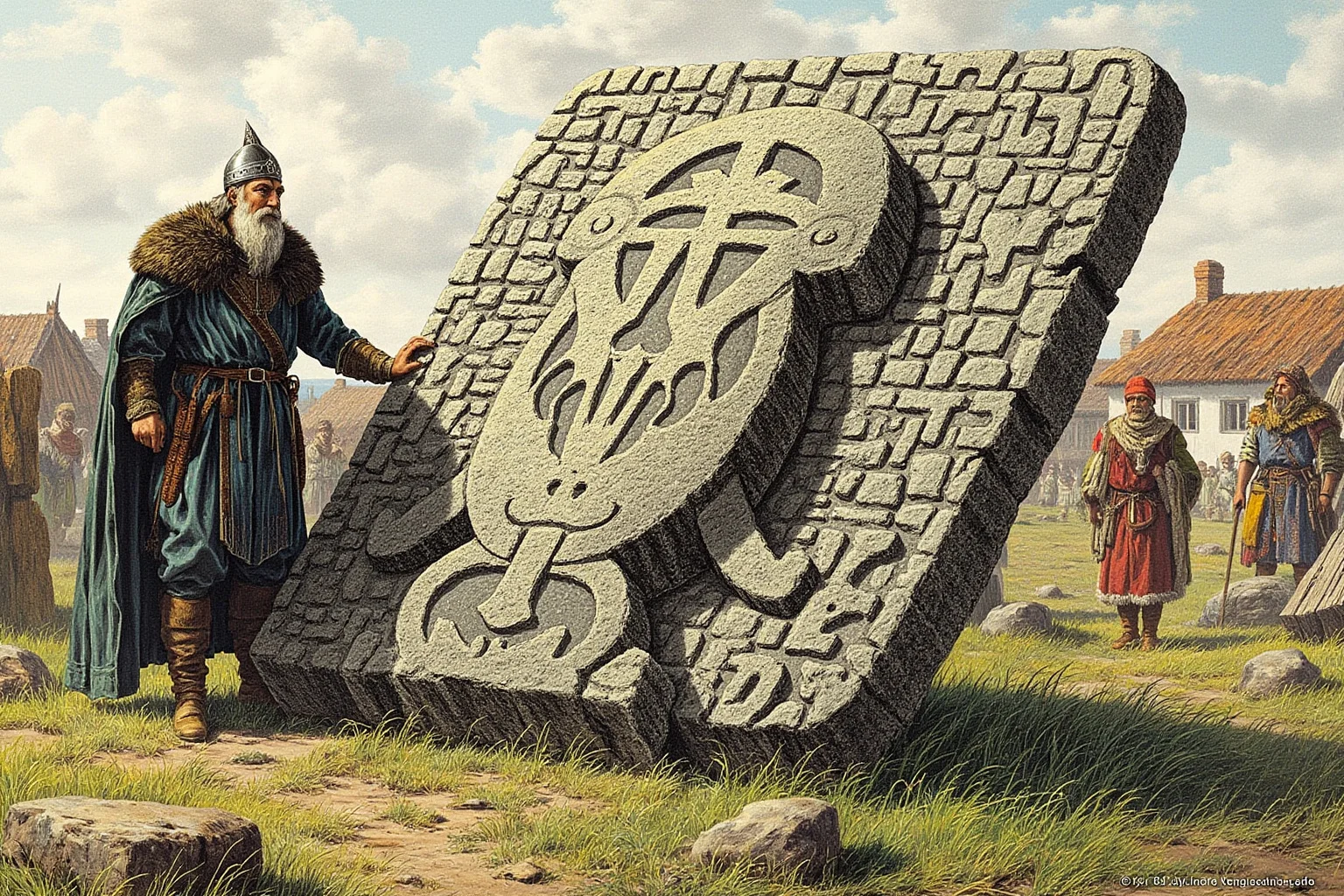
Harald Bluetooth Gormsson united Denmark and oversaw its official conversion to Christianity in the 10th century, marking a major turning point away from the old Norse religious traditions. He’s commemorated on the Jelling Stones, one of the most important runic monuments in Scandinavia.
Modern audiences may recognize his name from Bluetooth wireless technology, which was deliberately named after him as a symbol of uniting different communication standards. It’s a strange but fitting modern legacy for a king focused on unification.
11. Olaf Tryggvason
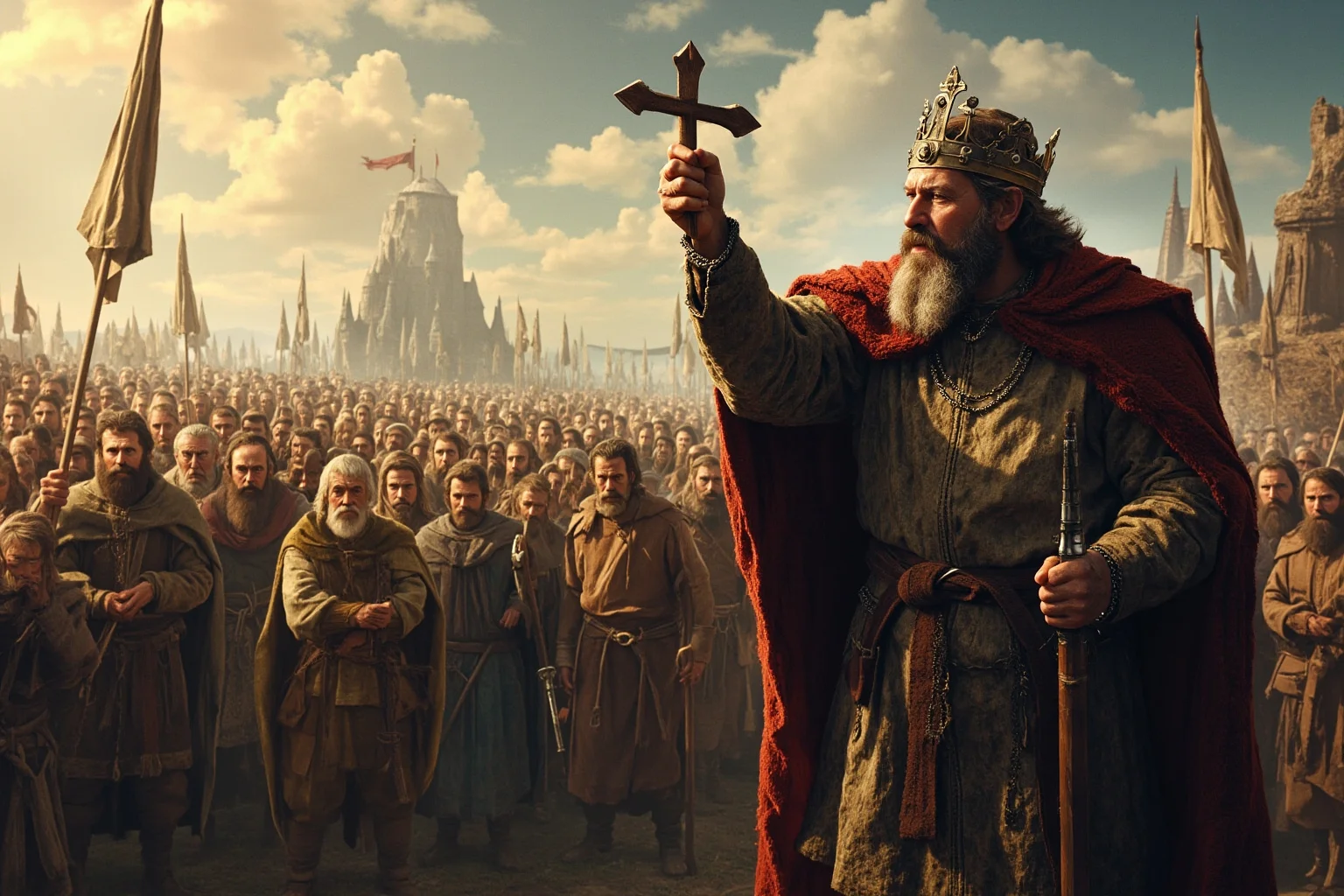
Olaf Tryggvason was King of Norway in the late 10th century, remembered largely for aggressively pushing Christianity across Norwegian territory. Before becoming king, sagas describe him as an active raider across the British Isles and continental Europe.
His reign ended at the Battle of Svolder around 1000 CE, where he died fighting a coalition of rival Scandinavian rulers. Olaf’s story illustrates how quickly Viking-era Scandinavia shifted from old Norse paganism toward Christian kingship.
12. Erik Bloodaxe
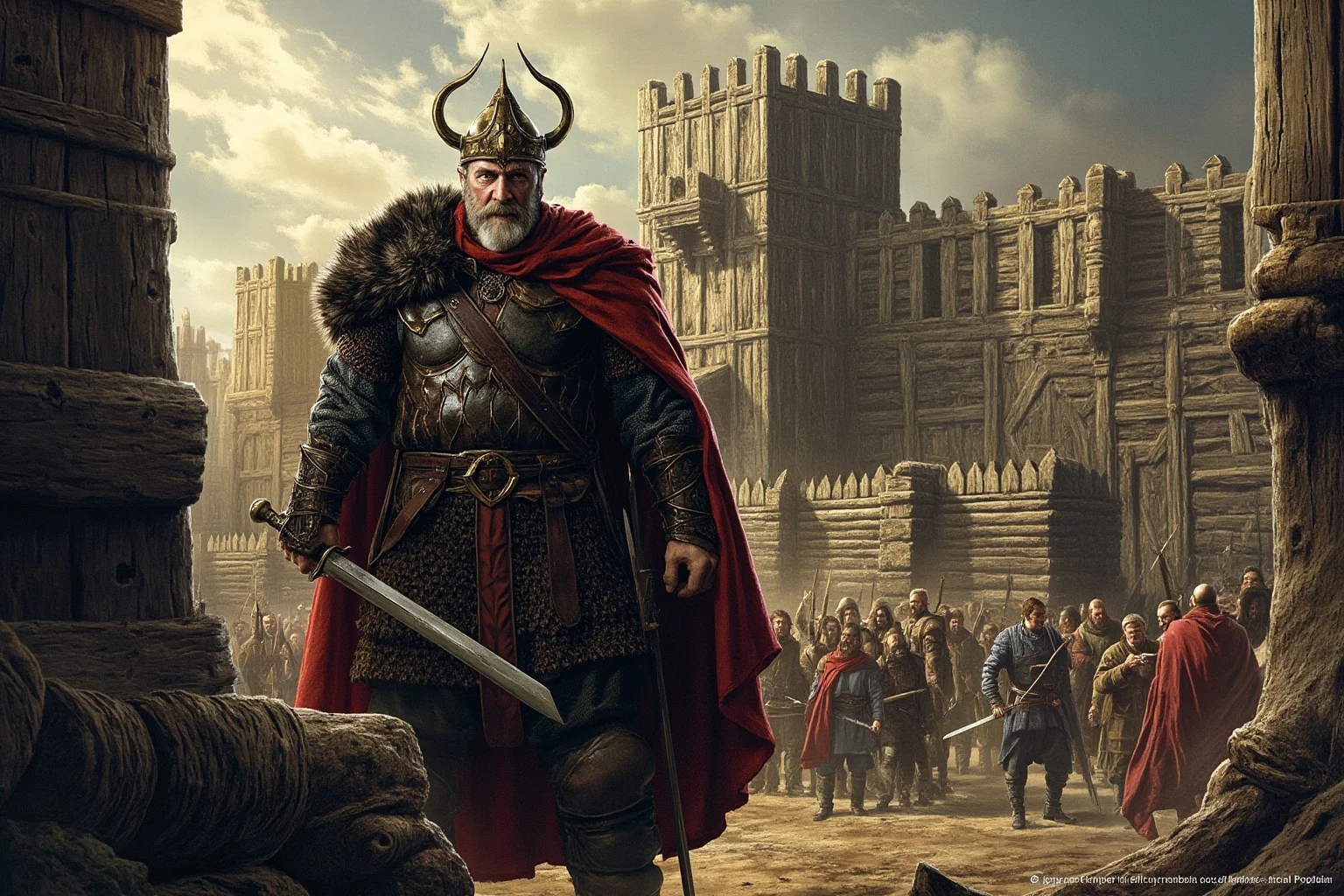
Erik Bloodaxe ruled briefly as King of Norway before being driven out, later becoming the last independent Viking king of Northumbria in northern England. His nickname reflects a violent reputation, allegedly including the killing of several of his own brothers to secure power.
Erik’s rule in York represents one of the clearest examples of a Viking leader governing an English kingdom directly, rather than simply raiding it. His eventual death around 954 CE effectively ended independent Viking rule in that region.
13. Guthrum
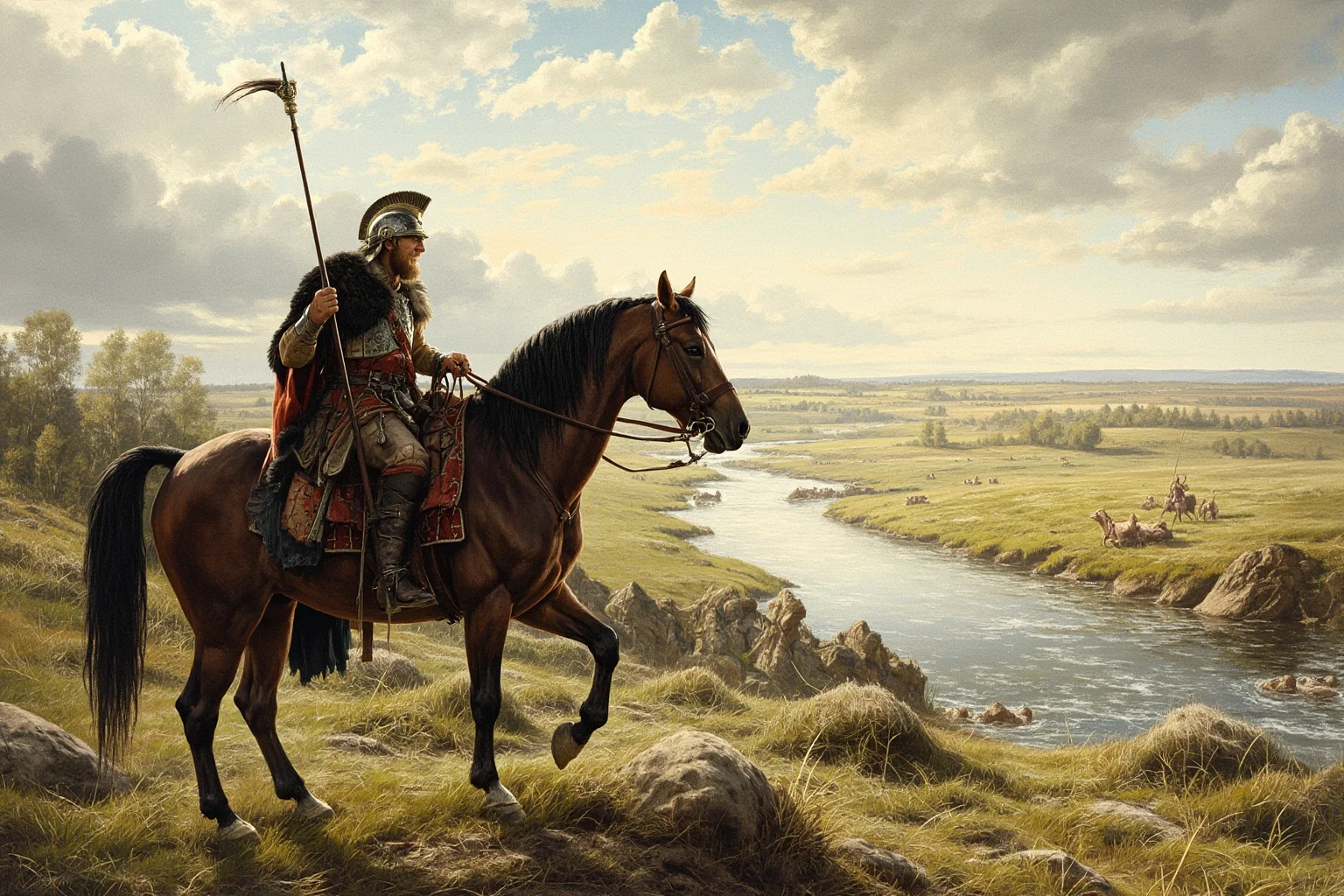
Guthrum was a Viking king who led major campaigns against Anglo-Saxon Wessex, ultimately facing King Alfred the Great in a defining conflict of the 9th century. After his defeat at the Battle of Edington in 878 CE, Guthrum agreed to be baptized as part of the peace settlement, taking the Christian name Æthelstan.
The resulting Treaty of Wedmore divided England into Anglo-Saxon and Viking-controlled zones, the latter becoming known as the Danelaw. Guthrum’s story shows how Viking conquest sometimes ended in negotiated coexistence rather than total victory or defeat.
14. Freydís Eiríksdóttir
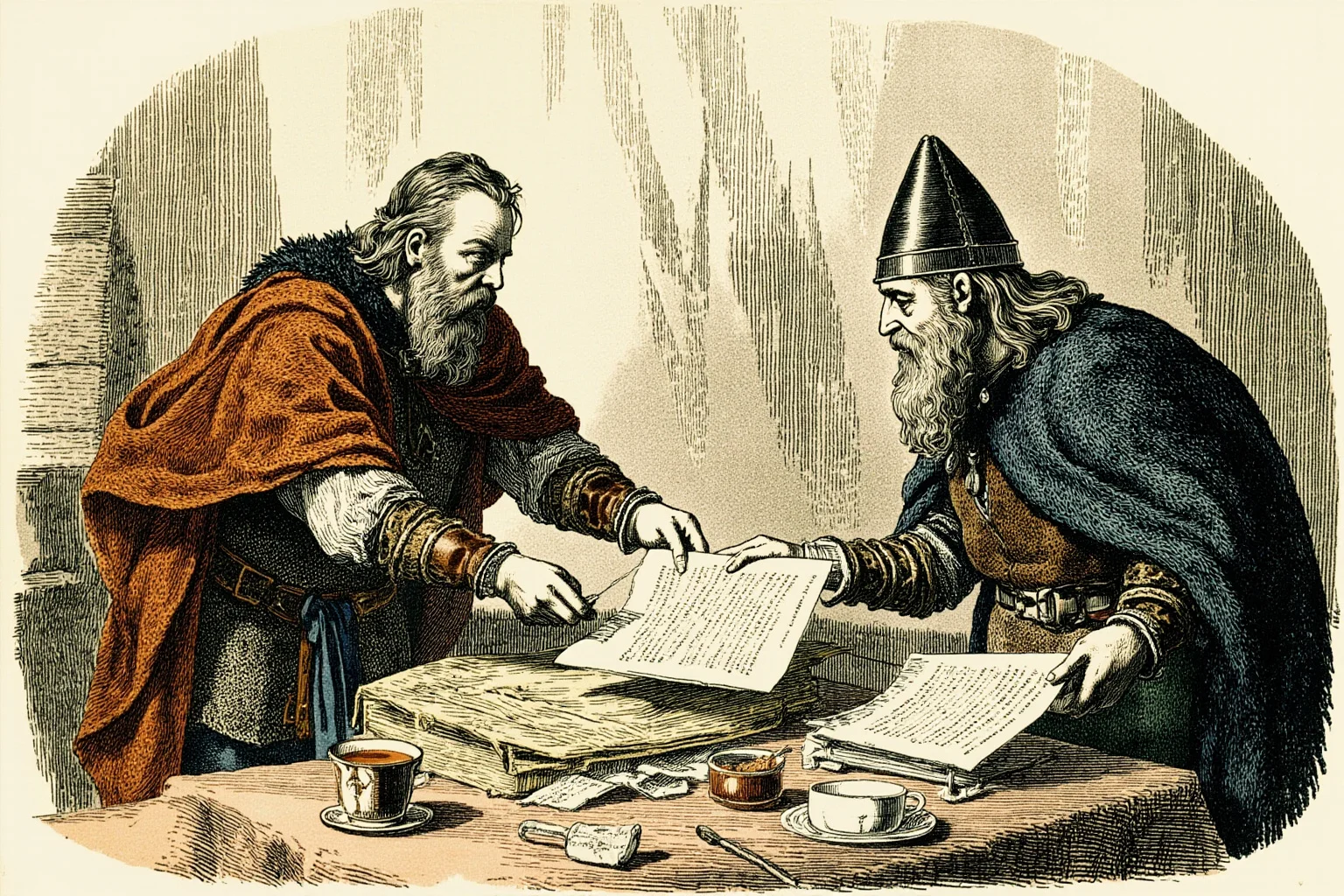
Freydís Eiríksdóttir was the daughter of Erik the Red and, according to Icelandic sagas, took part in Norse expeditions to Vinland alongside her brothers. The Saga of Erik the Red describes her defending a Norse camp during a conflict with Indigenous people, reportedly frightening off attackers through a display of aggression.
As with many saga-based accounts, some details of her story are difficult to verify independently. She remains one of the most frequently cited Viking women in history, illustrating that famous Vikings names weren’t exclusively male.
15. Gunnhild, Mother of Kings
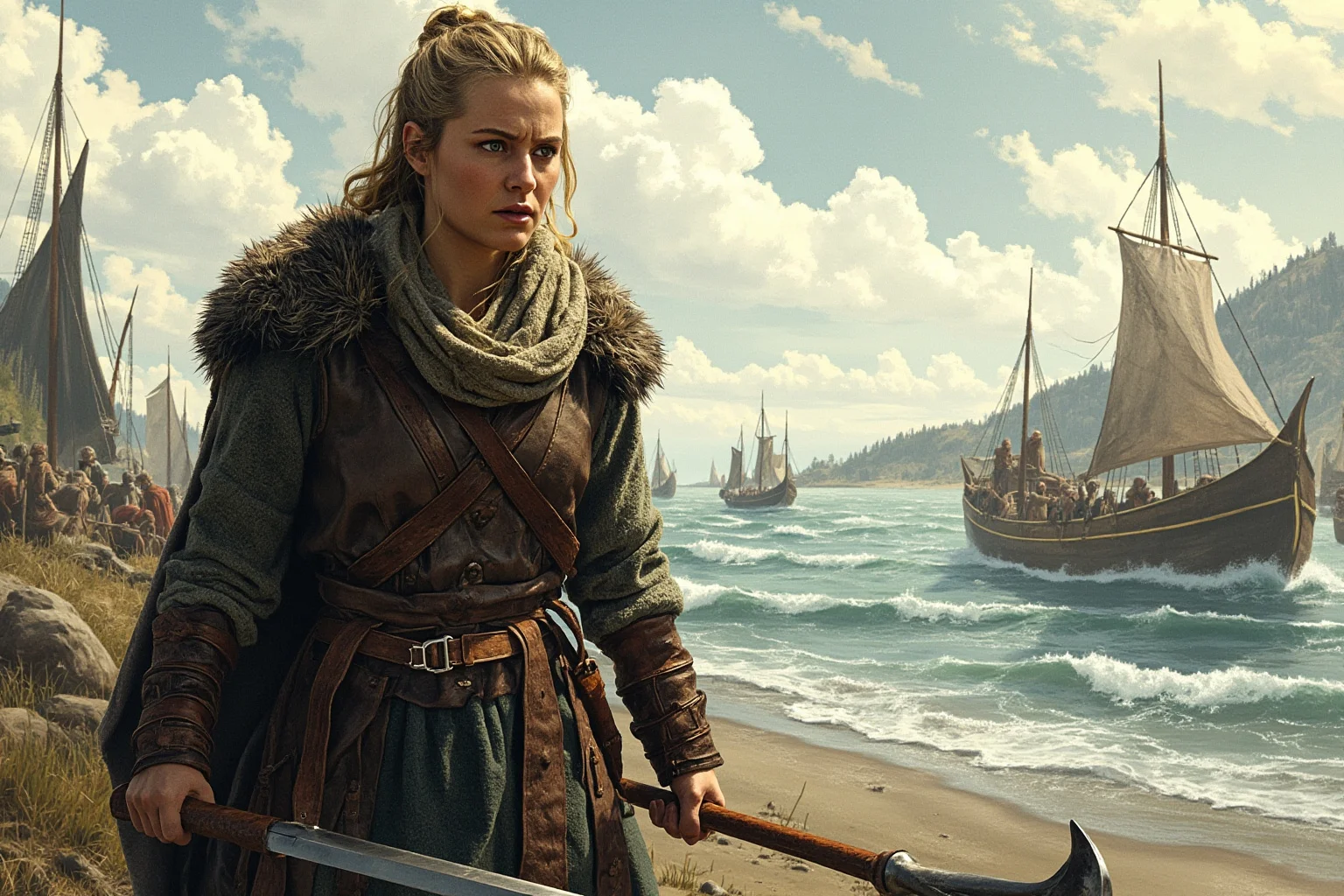
Gunnhild, often called “Mother of Kings,” was a powerful royal consort connected to Erik Bloodaxe and mother to several Norwegian kings. Norse sagas portray her as a shrewd and sometimes ruthless political operator, heavily involved in the power struggles of 10th-century Scandinavia.
Saga sources occasionally attribute sorcery to her, which modern historians read more as a literary device than literal fact. Regardless, her real political influence over Norwegian royal succession is well attested across multiple sources.
16. Egil Skallagrímsson
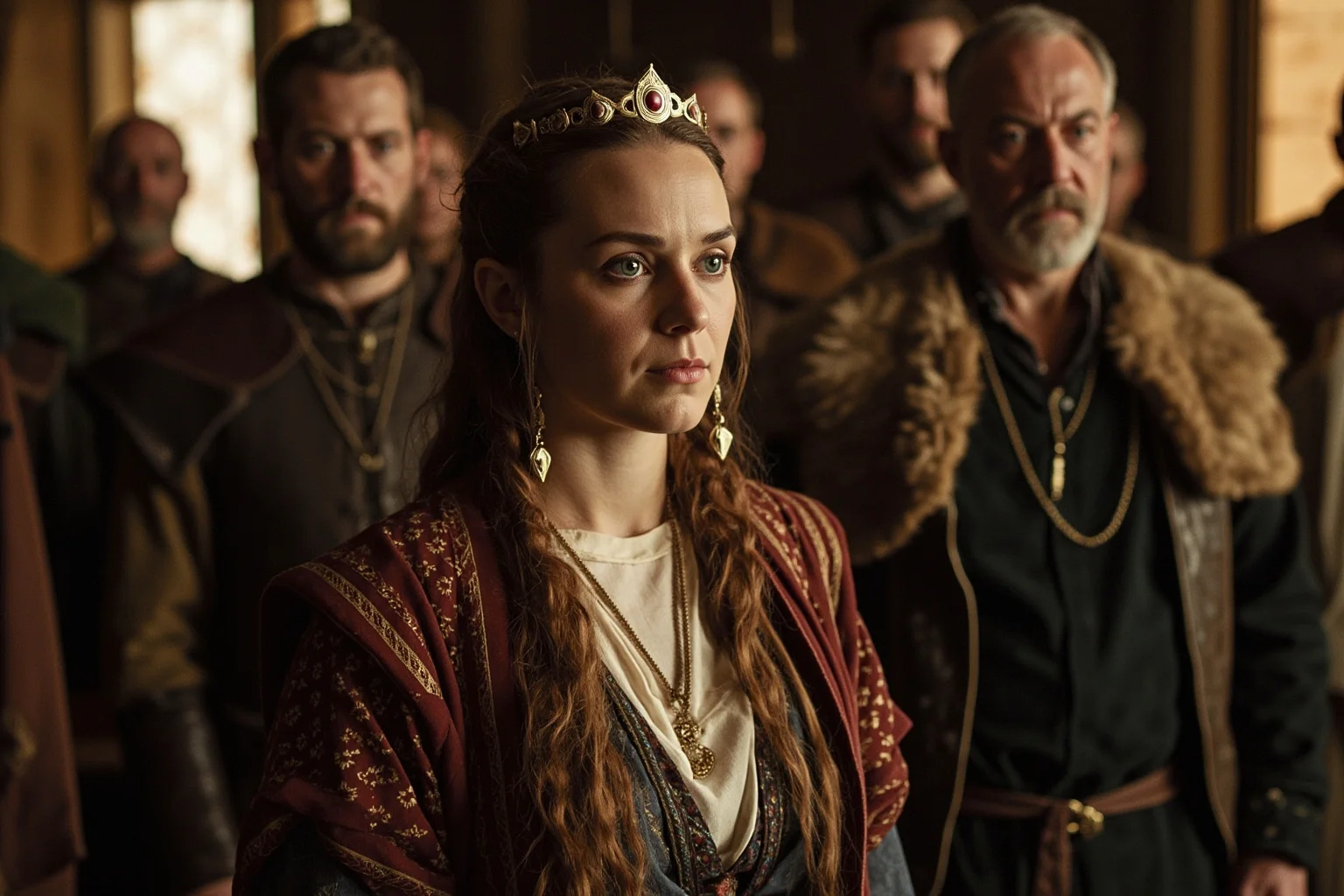
Egil Skallagrímsson was a 10th-century Icelandic warrior-poet whose life is detailed in Egil’s Saga, one of the richest surviving sources on Viking-Age Iceland. He’s remembered both for violent exploits and for composing skaldic poetry, blending the eras’s warrior culture with genuine literary sophistication.
Egil’s saga offers valuable insight into Icelandic law, feuding customs, and social structure, beyond just battle narratives. He stands out among famous Viking warriors as proof that Norse culture prized verbal skill alongside physical combat.
17. Thorfinn Karlsefni
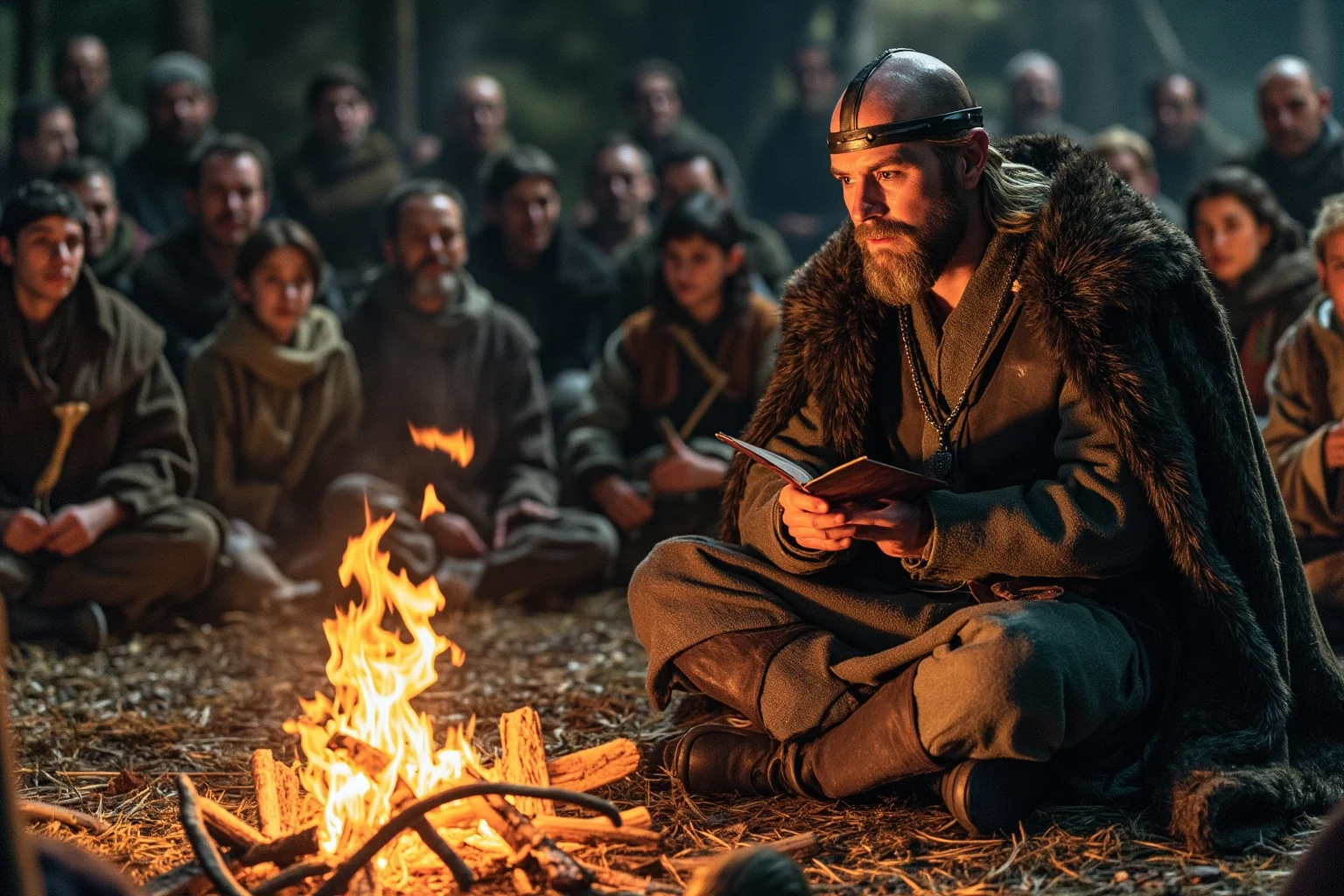
Thorfinn Karlsefni led one of the more substantial Norse expeditions to Vinland, attempting to establish a lasting settlement in North America around the early 11th century. Sagas describe encounters with Indigenous peoples, referred to in Norse sources as Skrælings, that eventually contributed to the abandonment of the settlement.
His expedition reportedly included his wife, Gudrid, whose travels are said to have covered an extraordinary range from Greenland to Vinland to Rome. Thorfinn’s story rounds out the picture of famous Viking explorers as families and communities, not just lone adventurers.
18. Halfdan Ragnarsson
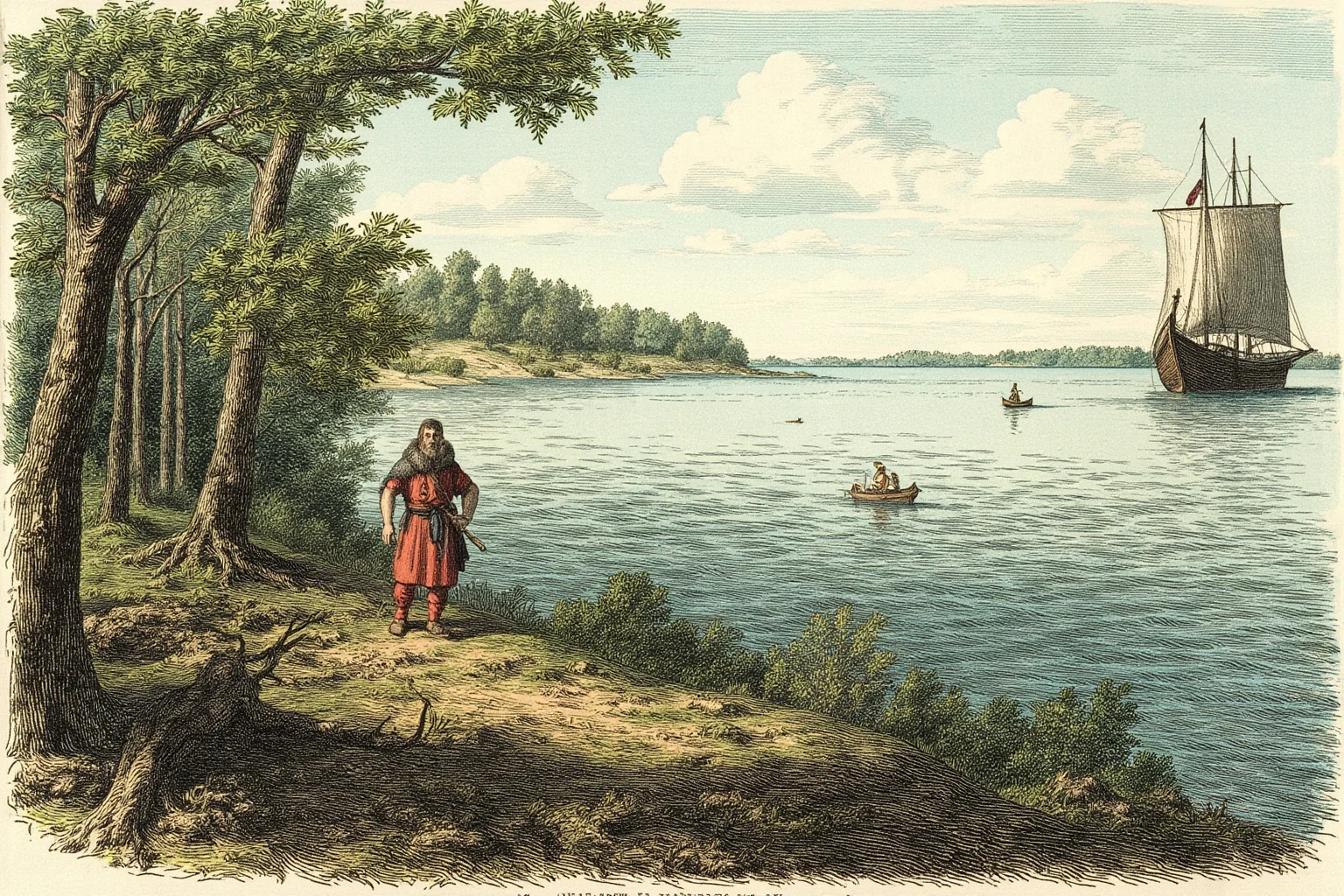
Halfdan Ragnarsson was another leader associated with the Great Heathen Army, credited in sources like the Anglo-Saxon Chronicle with campaigns across Northumbria and Ireland. He’s linked in some sagas as a brother of Ivar the Boneless and Bjorn Ironside, though family relationships in these accounts are not always consistent.
Halfdan eventually settled and distributed land in Northumbria, contributing to permanent Norse settlement rather than pure raiding. His career highlights the shift many Viking leaders made from short raids to long-term territorial control.
19. Sigurd the Stout
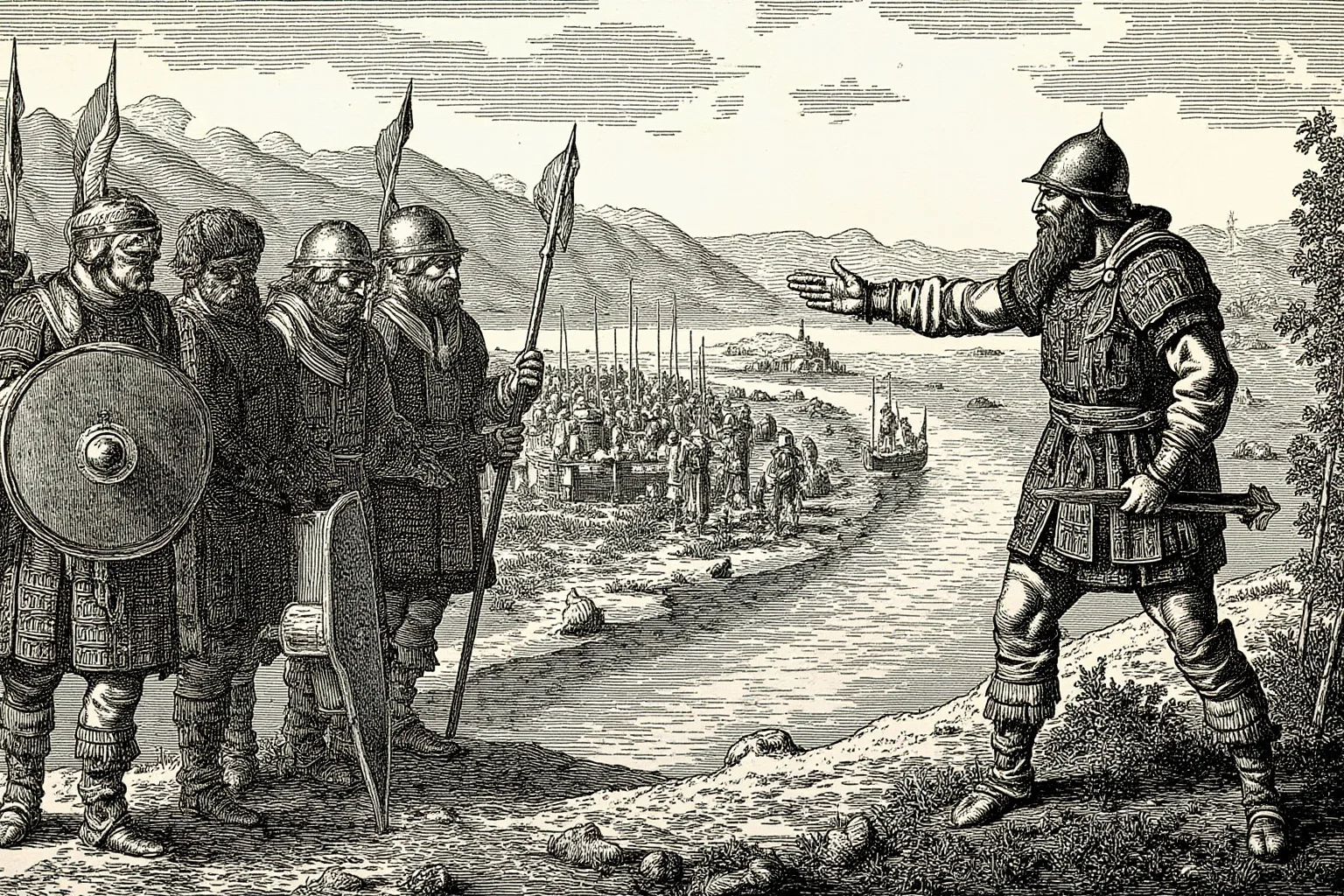
Sigurd Hlodvirsson, known as Sigurd the Stout, was a powerful Earl of Orkney in the late 10th and early 11th centuries, ruling a significant Norse territory off the coast of Scotland. He died at the Battle of Clontarf in 1014, a major conflict in Ireland that also involved legendary Irish High King Brian Boru.
Orkney under Sigurd functioned as a genuine Norse power center, not just a raiding outpost. His reign demonstrates how deeply Viking political structures took root in parts of the British Isles.
20. Lagertha
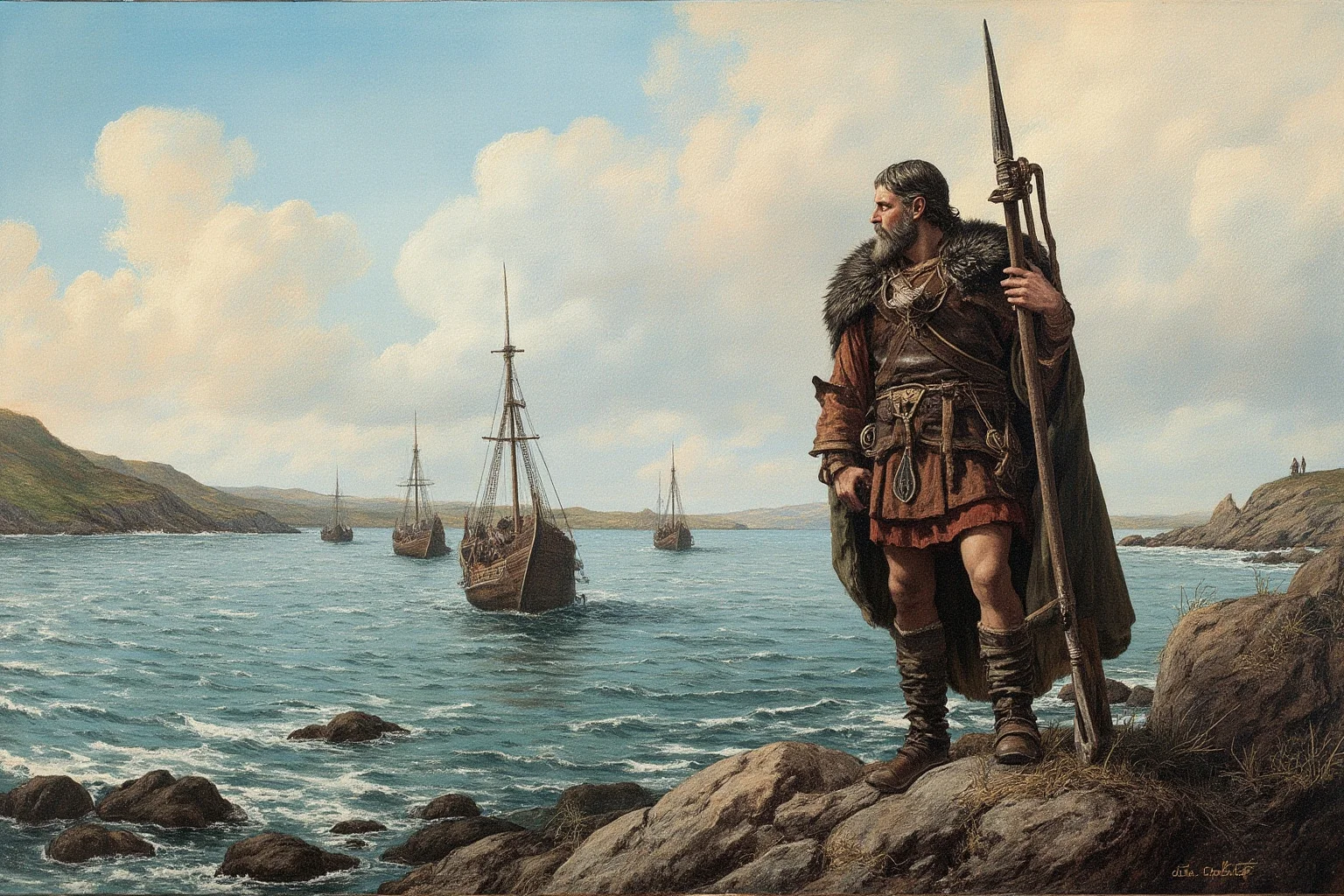
Lagertha is a legendary shieldmaiden mentioned by the medieval chronicler Saxo Grammaticus, described as a warrior who fought alongside, and later separated from, a Viking king. Unlike most names on this list, there’s no reliable independent historical evidence confirming Lagertha as a real individual.
Historians generally treat her as part of a broader Norse literary tradition around warrior women, some of which may reflect real practices and some of which is likely legend or metaphor. She’s included here because her enduring fame makes her one of the most recognizable names people search for among popular Vikings, even though her historicity remains unconfirmed.
Real Vikings vs. the Pop-Culture Image
Modern shows and movies have done a lot to make Viking history popular again, but they’ve also blurred the line between real Vikings in history and dramatic invention. The horned helmet myth is the most obvious example, borrowed from 19th-century opera costuming rather than any archaeological find. Most actual Norse helmets were plain and practical, built for protection rather than intimidation.
Another common misconception is that every Norse person was a warrior. In reality, the vast majority of Viking-Age Scandinavians were farmers, fishers, and traders who never went raiding at all. The word “viking” itself likely referred to the act of going on a raiding expedition, not to an ethnic identity, meaning not every Norse person was technically a Viking by the era’s own standards.
The dramatic “blood eagle” execution ritual, sometimes shown in fiction, is also debated among historians, since it appears in only a handful of much later saga sources that may reflect literary invention rather than documented practice. Similarly, while Norse women did have more legal rights than many of their European contemporaries, including property and divorce rights, the idea that large numbers of women regularly fought as frontline shieldmaidens remains unproven and contested among archaeologists and historians.
Final Thoughts
The greatest Vikings in history were a genuinely mixed group of kings, explorers, poets, raiders, and settlers, not the single homogenous warrior stereotype pop culture often suggests. Some, like Cnut the Great and Leif Erikson, left behind clear documentary and archaeological evidence of real achievements. Others, like Ragnar Lothbrok and Lagertha, live on mostly through saga tradition, which makes them fascinating cultural figures even where their historical reality is uncertain.
What ties all of these notable Vikings together is the sheer scope of the world they touched, from North American shores to Byzantine courts to English throne rooms. That range is really what earns the Viking Age its lasting fascination, far beyond the horned helmets and battle-axe clichés.
Frequently Asked Questions
Who was the most famous Viking?
In popular culture, Ragnar Lothbrok is usually named the most famous Viking, largely due to saga literature and TV adaptations, though historians believe he was likely a legendary or composite figure rather than one documented person. Among Vikings with strong historical evidence, Leif Erikson and Cnut the Great are often considered the most historically significant, given their documented achievements in exploration and governance.
What were the Vikings known for?
Vikings are best known for their longships, seaborne raids across Europe, and extensive trade networks stretching from North America to the Middle East. They were also skilled settlers, founding communities in Iceland, Greenland, and Normandy, and left behind a rich mythology and saga tradition still influential today.
Who was the leader of the Vikings?
There was no single leader of all Vikings, since Norse society was organized into separate chiefdoms and kingdoms across Denmark, Norway, and Sweden. Notable individual leaders included kings like Cnut the Great, Harald Hardrada, and Sweyn Forkbeard, each ruling their own territory rather than a unified Viking nation.
Were the Vikings real people, or mostly legend?
Vikings were absolutely real, historically documented people from Scandinavia active roughly between 793 and 1066 CE, confirmed through archaeology, contemporary chronicles, and runestones. However, some famous names, like Ragnar Lothbrok and Lagertha, come mainly from sagas written centuries later, so their exact historicity is genuinely debated among historians.
Who were some famous Viking explorers?
The most famous Viking explorers include Leif Erikson, credited with reaching North America around 1000 CE, and his father Erik the Red, who founded Norse settlements in Greenland. Thorfinn Karlsefni and Freydís Eiríksdóttir also led or joined expeditions to Vinland, the Norse name for parts of North America.
Did Vikings really wear horned helmets?
No, this is one of the most persistent myths about the Vikings. The horned helmet image comes from 19th-century opera costume design, not from archaeological evidence, and real Viking-Age helmets were simple rounded or conical iron caps.

Alex Warren
Related Articles





