

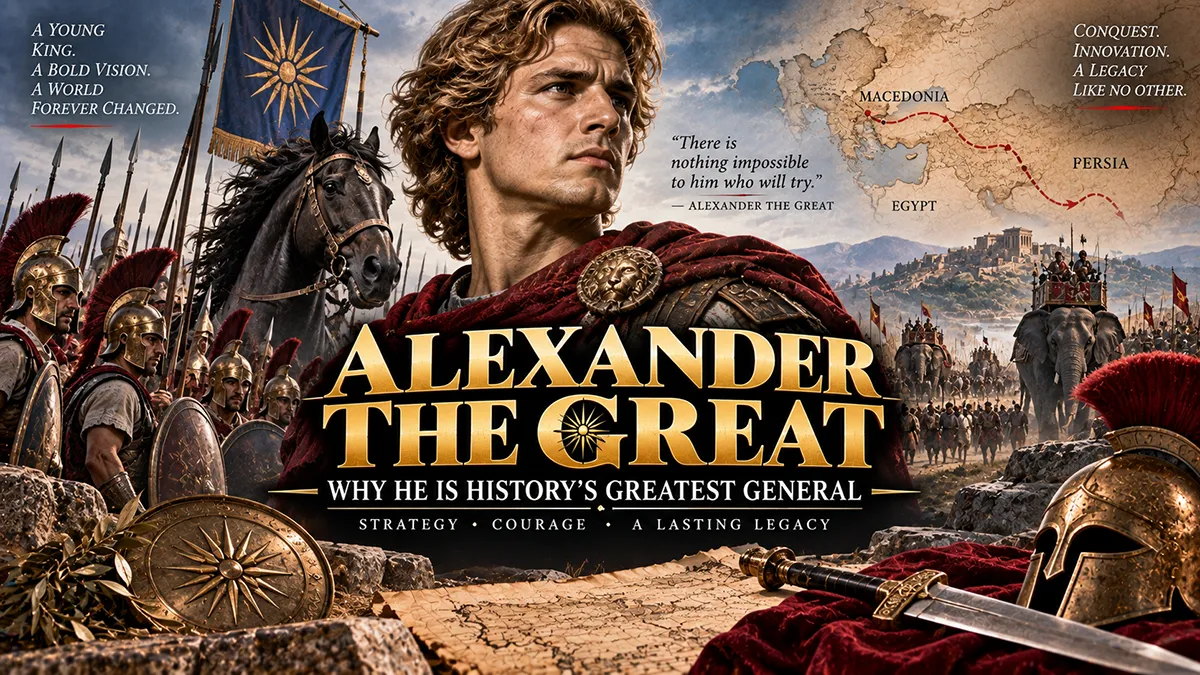
Not many historical figures carry a permanent adjective welded to their name. We don’t say Julius Caesar the Great or Napoleon the Great, even though both men studied him obsessively. So what did Alexander the Great actually do to earn a title that’s followed him around for more than two thousand years?
The short answer really is in the name itself. This post digs into what made Alexander the Great so great, walks through the battles and decisions that built his legend, introduces the generals who carried his empire forward, and then asks the harder question: was he actually a good leader, or just a wildly successful one?
TL;DR: Alexander the Great earned his title through an unmatched, undefeated military career that toppled the Persian Empire and spread Greek culture across three continents, but his brutal methods and his empire’s rapid collapse after his death mean ‘great’ and ‘good’ were never quite the same thing.
Who Was Alexander the Great? A Quick Definition
For a clean definition of Alexander the Great: he was Alexander III of Macedon, born in 356 BCE in Pella, the son of King Philip II and Queen Olympias, who is remembered today as one of history’s most powerful women. He ruled as king of Macedon from 336 BCE until his death in 323 BCE, and along the way was also declared pharaoh of Egypt and “Great King” of Persia.
He died in Babylon at just 32 years old, having spent almost his entire adult life on campaign. If you’ve seen the search term “Alexandra the Great” floating around, it’s worth clearing up quickly: there was no Alexandra. The historical figure is Alexander, a man, and the confusion is almost certainly just a common spelling slip rather than a separate historical person.
Why Is Alexander the Great Called “The Great”?
This is one of the most-asked questions about him, and the honest answer is that Alexander didn’t crown himself with the epithet the way some later rulers did. During his lifetime, he preferred titles like “King of Asia” after defeating Persia, reflecting real territorial claims rather than a vague compliment.
The nickname “the Great” (Alexandros ho Megas in Greek, later Alexander Magnus in Latin) appears to have solidified after his death, as Greek and Roman writers looked back at the sheer scale of what he’d pulled off. By the time Roman comic playwrights and historians were writing centuries later, the title was already common shorthand, a sign of just how fast his reputation outgrew ordinary language.
So why is Alexander the Great called “the Great” specifically, rather than just a successful king? It comes down to scale and speed: no one before him had conquered so much territory so quickly, and few military leaders since have matched his combination of tactical genius and sheer battlefield nerve.
How Do We Know Alexander the Great Existed?
It’s a fair question, especially given how much of his story sounds like legend, not unlike the myth-and-fact tangle surrounding Joan of Arc. No full autobiography or contemporary court record of Alexander survives intact today. What we have instead are later histories, written decades or even centuries after his death, by authors like Arrian, Plutarch, Diodorus Siculus, and Quintus Curtius Rufus.
These writers drew on earlier, now-lost sources, including memoirs reportedly written by Ptolemy, one of Alexander’s own generals who later became a source many ancient historians trusted. Layered on top of the written record is a mountain of physical evidence: coins minted with his image by his successors, inscriptions across the former empire, the so-called Alexander Sarcophagus, and the archaeological remains of cities that still bear his name, like Alexandria in Egypt.
Archaeologists have also found corroborating evidence closer to home, including the royal tombs at Vergina in Greece linked to his father Philip II. Taken together, the literary and material evidence gives historians strong confidence in the broad outline of his life, even where individual anecdotes remain debated or embellished.
What Made Alexander the Great So Great? 20 Achievements That Built the Legend
Here is what Alexander the Great did, campaign by campaign, to build a reputation that has outlasted his empire by more than two thousand years. Some of these are documented military facts, and a few are famous stories that come to us through later, sometimes romanticized sources, so we’ll flag where the historical record gets a little fuzzy.
1. He Became King of Macedon at Just Twenty
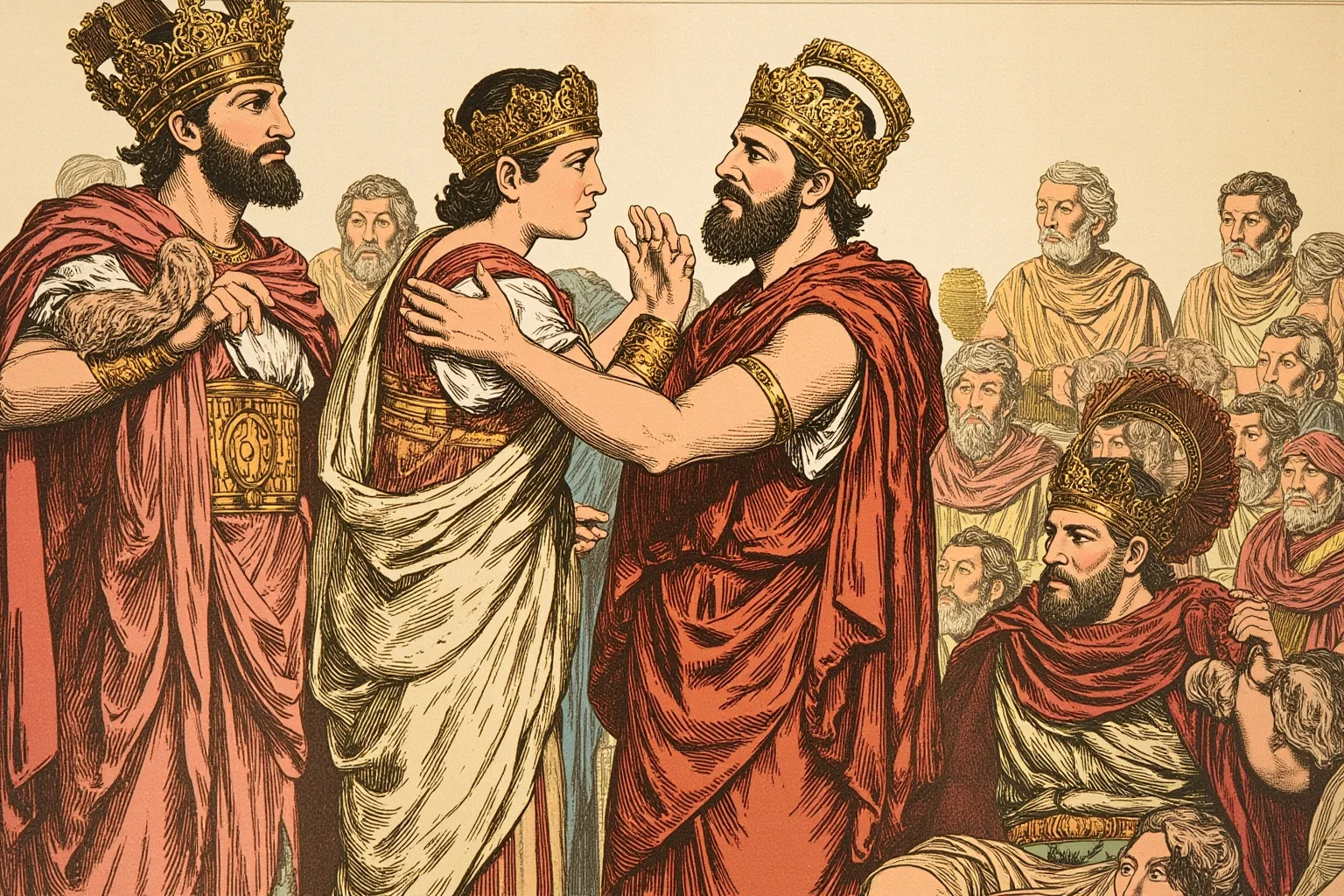
Alexander inherited the throne in 336 BCE after his father Philip II was assassinated, a moment that could easily have triggered chaos. Instead, the young king moved quickly and ruthlessly to secure his position against rival claimants.
Within two years he had stabilized Macedon and was already planning the invasion of Persia his father had started organizing. Taking control of a kingdom at twenty and holding it is itself one of his most underrated accomplishments.
2. He Was Personally Tutored by Aristotle
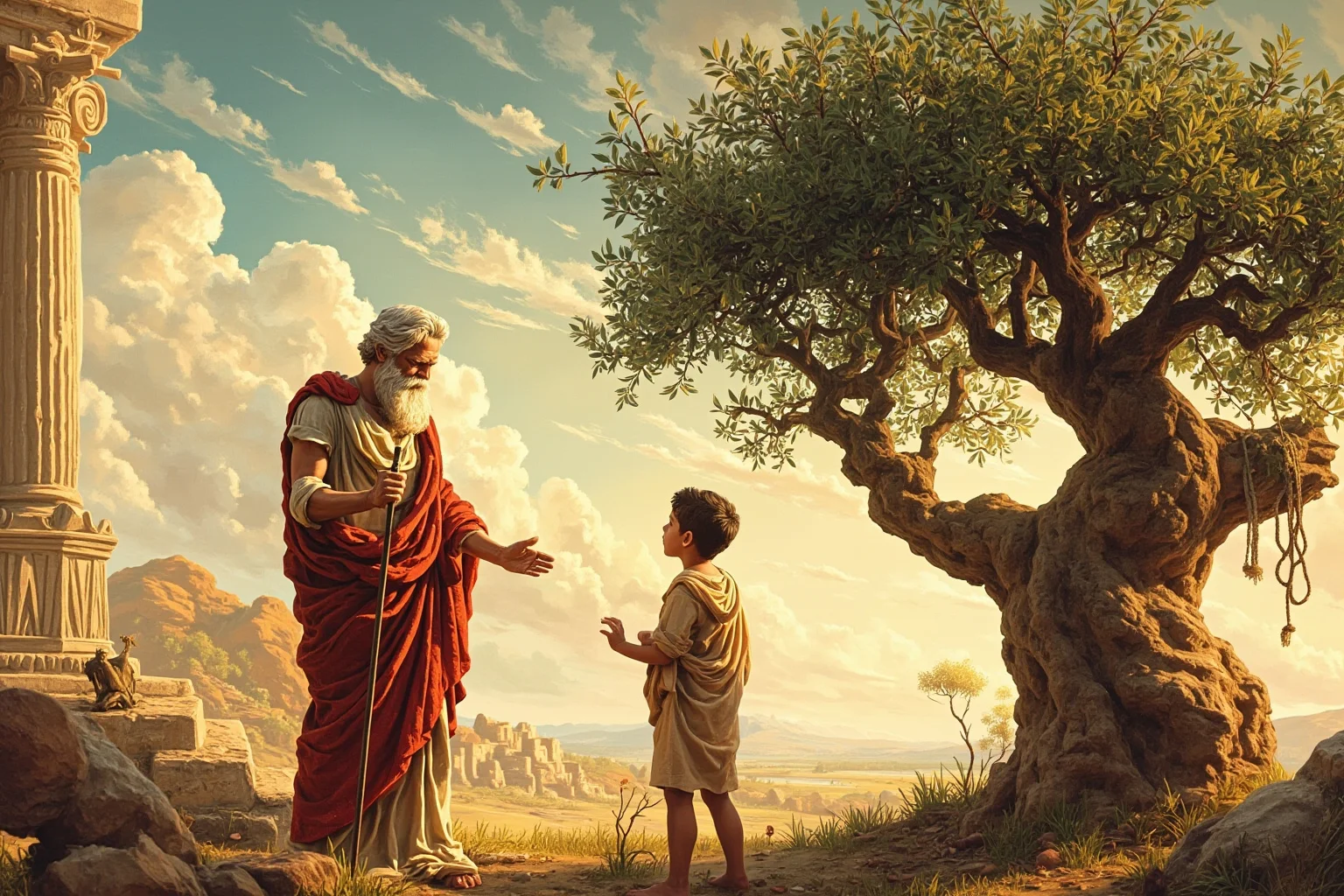
As a teenager, Alexander studied under Aristotle, still counted among the smartest people in history and one of the most influential philosophers in Western history. The lessons reportedly covered logic, medicine, poetry, and political theory, giving Alexander an education far beyond typical military training.
This intellectual grounding may help explain why his conquests weren’t purely destructive. He founded libraries, sponsored scientific observation on his campaigns, and showed a genuine curiosity about the cultures he encountered.
3. He United the Fractious Greek City-States
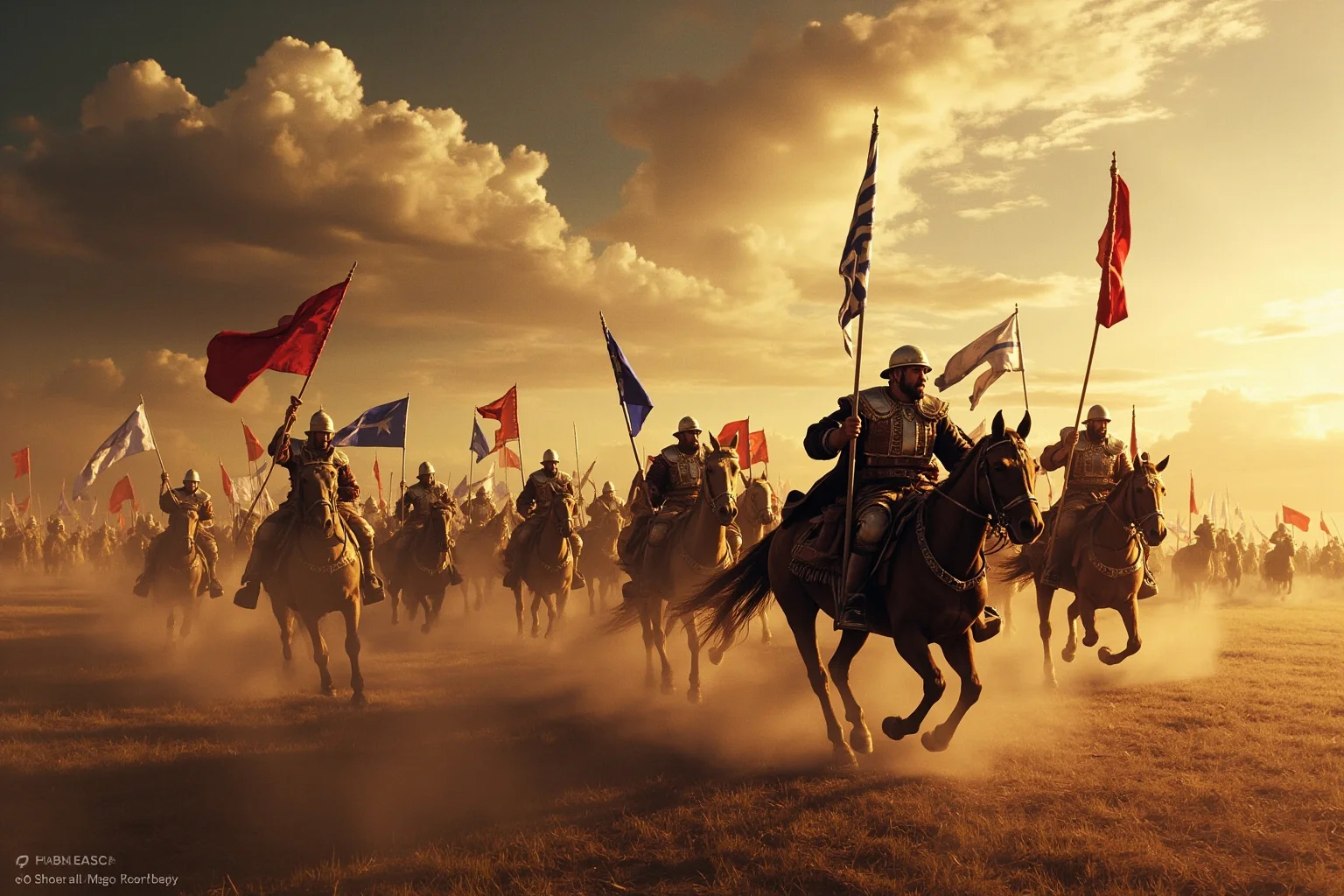
Greek city-states like Athens, Thebes, and Sparta had spent generations fighting each other as much as any outside enemy. After his father’s earlier military and diplomatic groundwork, Alexander consolidated Greek cooperation through the League of Corinth.
This alliance, even if partly forced, gave him the manpower and political cover to launch a unified invasion of Persia rather than fighting on two fronts. Managing fiercely independent city-states was a political achievement as much as a military one.
4. He Never Lost a Battle He Commanded
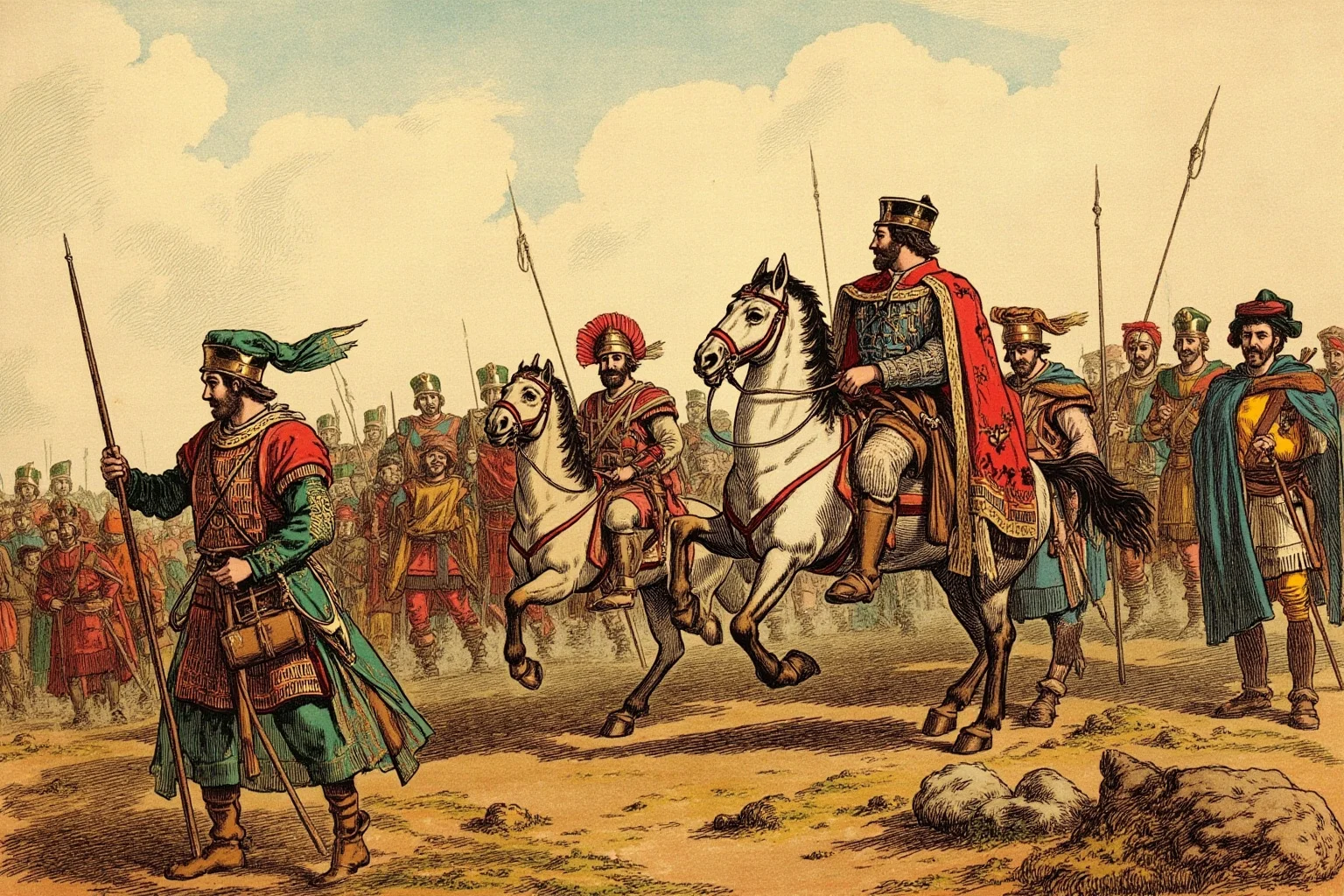
This is the claim most people already know: Alexander never lost a major battle in over a decade of nearly constant warfare. He fought against larger armies, unfamiliar terrain, and determined opponents, and still came out on top every time.
Historians do note that some skirmishes and sieges were costlier or messier than the grand narrative suggests. But as far as the historical record shows, his formal battlefield record really is unbeaten, which is a big part of why is Alexander the Great famous in the first place.
5. He Fought on the Front Lines With His Men
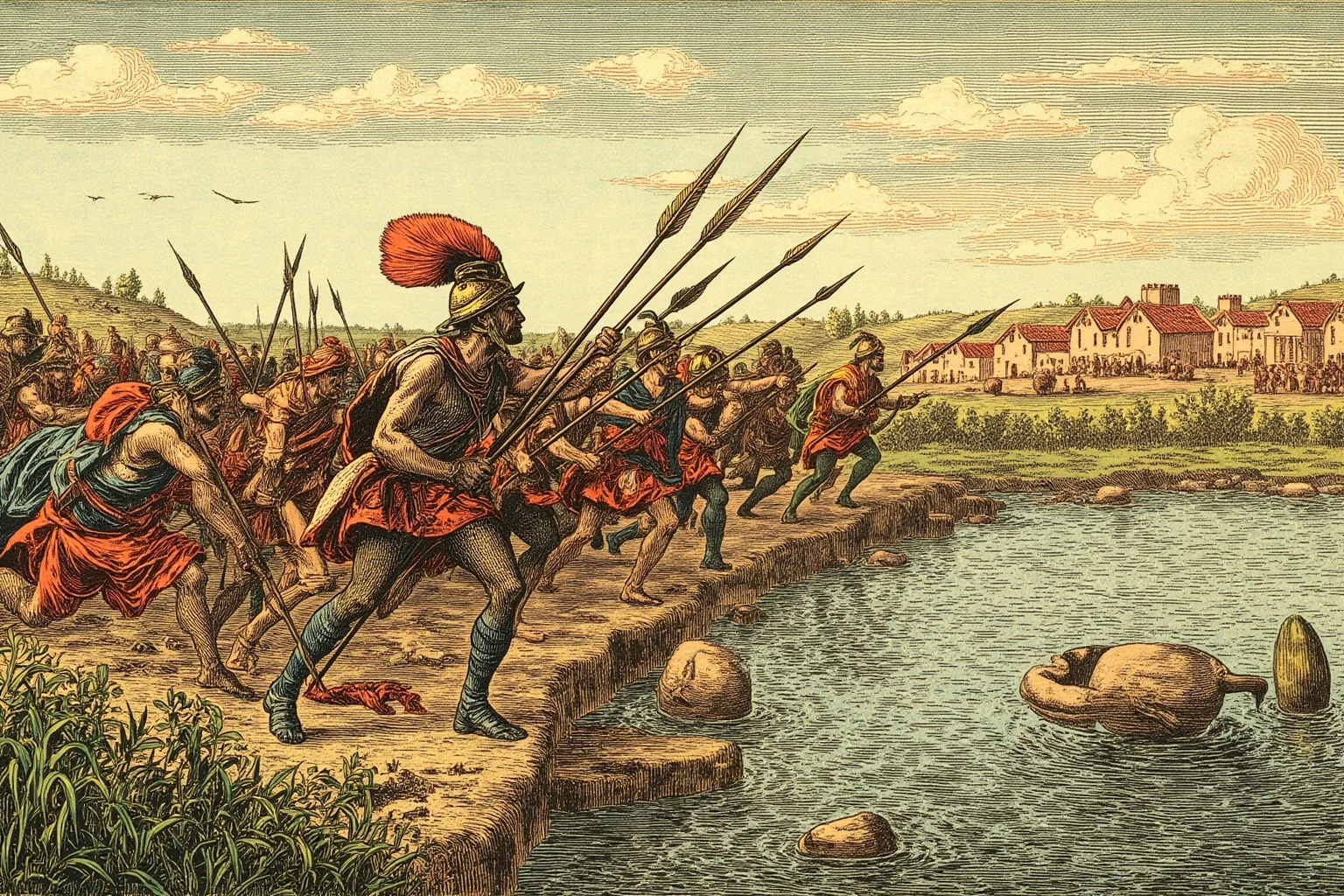
Unlike many commanders who directed battles from a safe distance, Alexander regularly led cavalry charges himself. He was wounded multiple times over his campaigns, including a serious chest wound in India that nearly killed him.
This leadership style built intense loyalty among his soldiers, who saw their king sharing their exact risks. It’s a major reason historians still debate why was Alexander so successful as a general and ruler, since morale and trust mattered as much as tactics.
6. The Battle of the Granicus: His First Major Victory in Asia
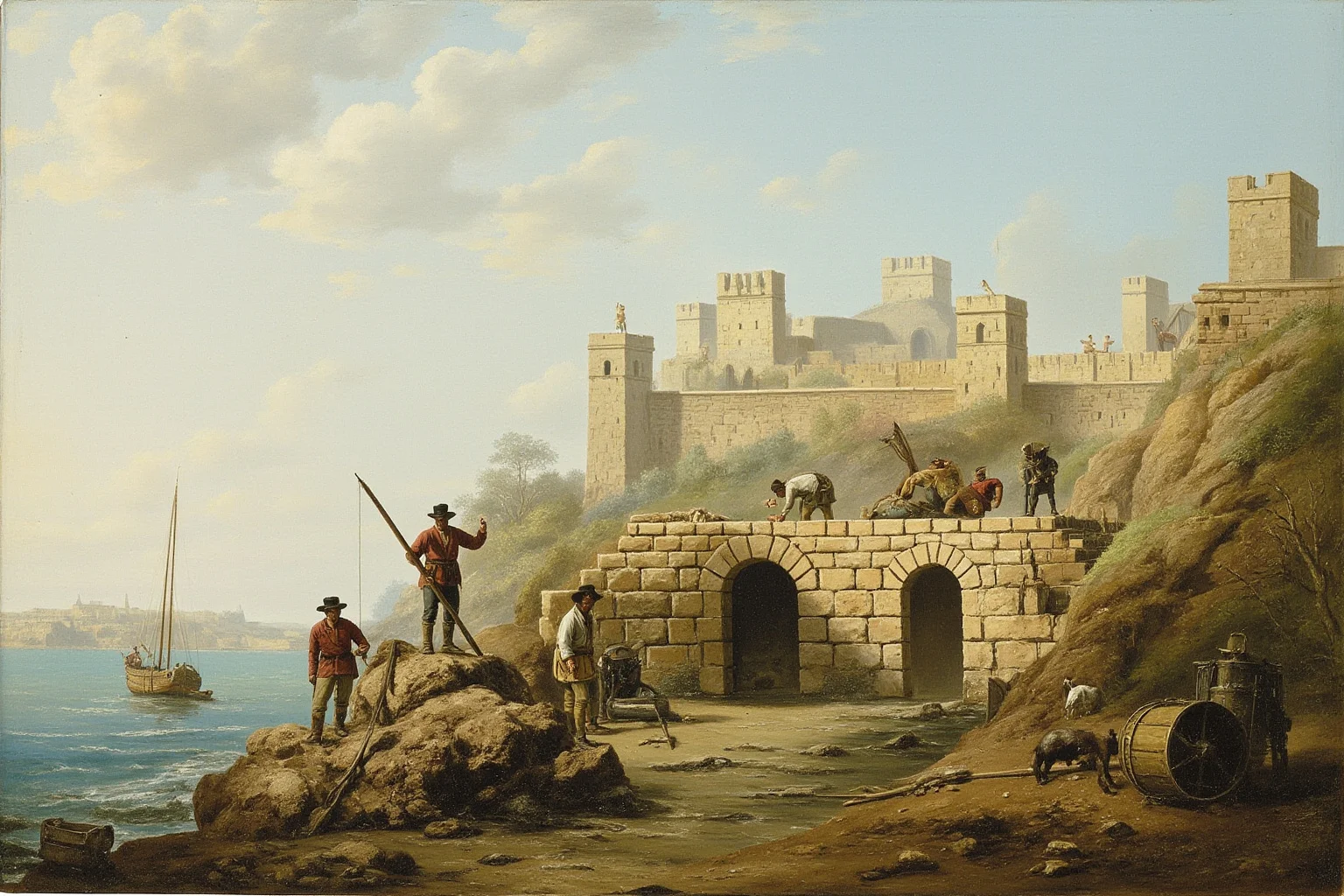
In 334 BCE, Alexander crossed into Asia Minor and faced Persian forces at the Granicus River. It was his first real test against the Persian military machine, and a win here was essential for morale and momentum.
His forces broke through despite a tricky river crossing under fire, opening the door to further campaigns across Anatolia. It set the tone for the entire Persian campaign that followed.
7. The Siege of Tyre: Solving an “Impossible” Problem

The island city of Tyre was considered nearly unconquerable, protected by walls and open water. Rather than give up, Alexander’s engineers built a massive causeway out into the sea to reach the city walls.
The siege in 332 BCE took months and was brutal on both sides, but it showcased his willingness to solve unprecedented military problems with patience and engineering innovation. It’s one of the clearest answers to what is Alexander the Great best known for beyond just winning open-field battles.
8. He Cut the Gordian Knot
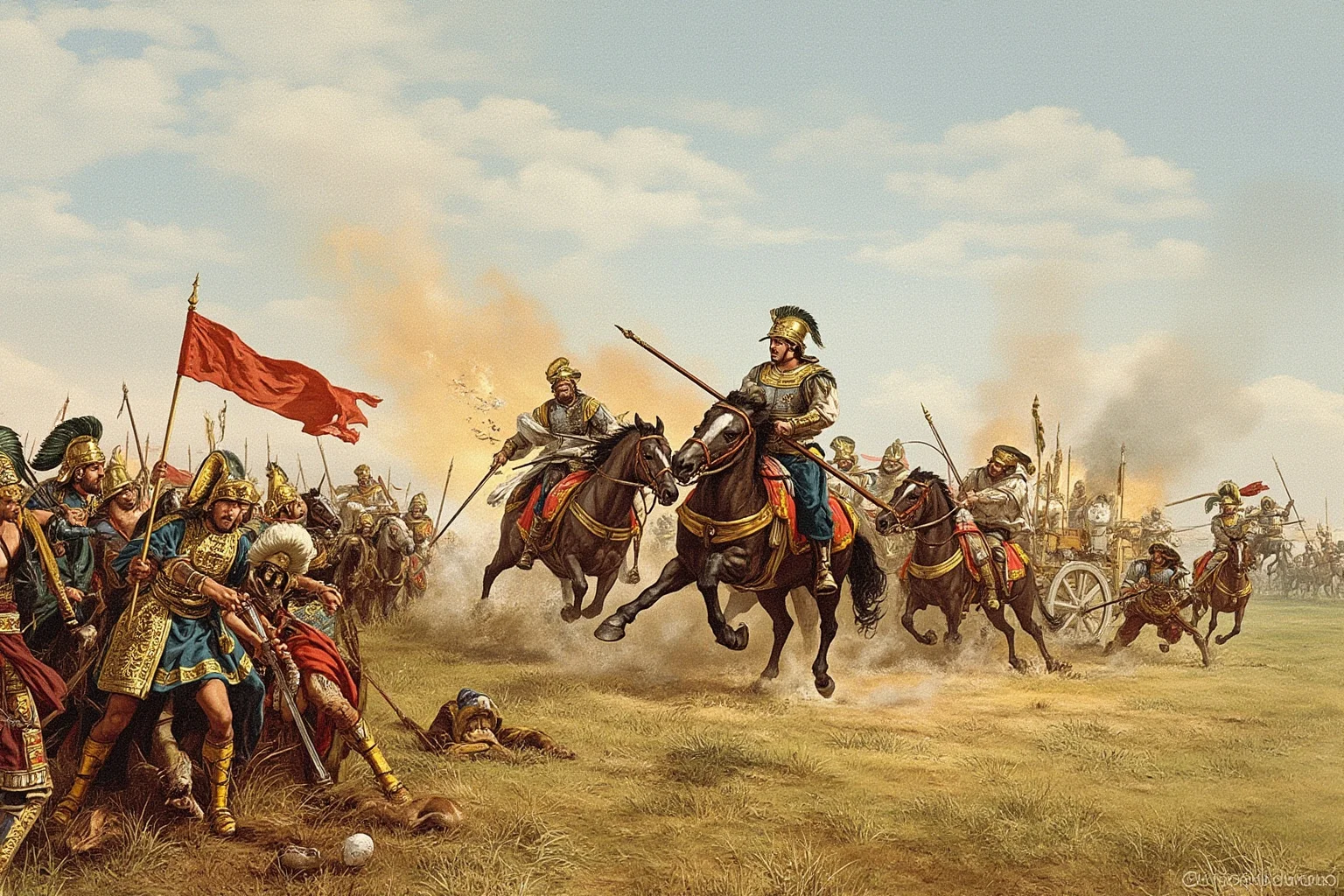
According to a famous story, an ancient prophecy held that whoever untied the impossibly complex Gordian Knot would rule all of Asia. Alexander, the story goes, simply sliced it apart with his sword.
Historians can’t fully verify the details of this tale, and some ancient sources even disagree on exactly what happened. Still, it became one of the most enduring symbols of his reputation for solving problems through bold, direct action rather than patience.
9. The Battle of Issus: Routing a Persian King
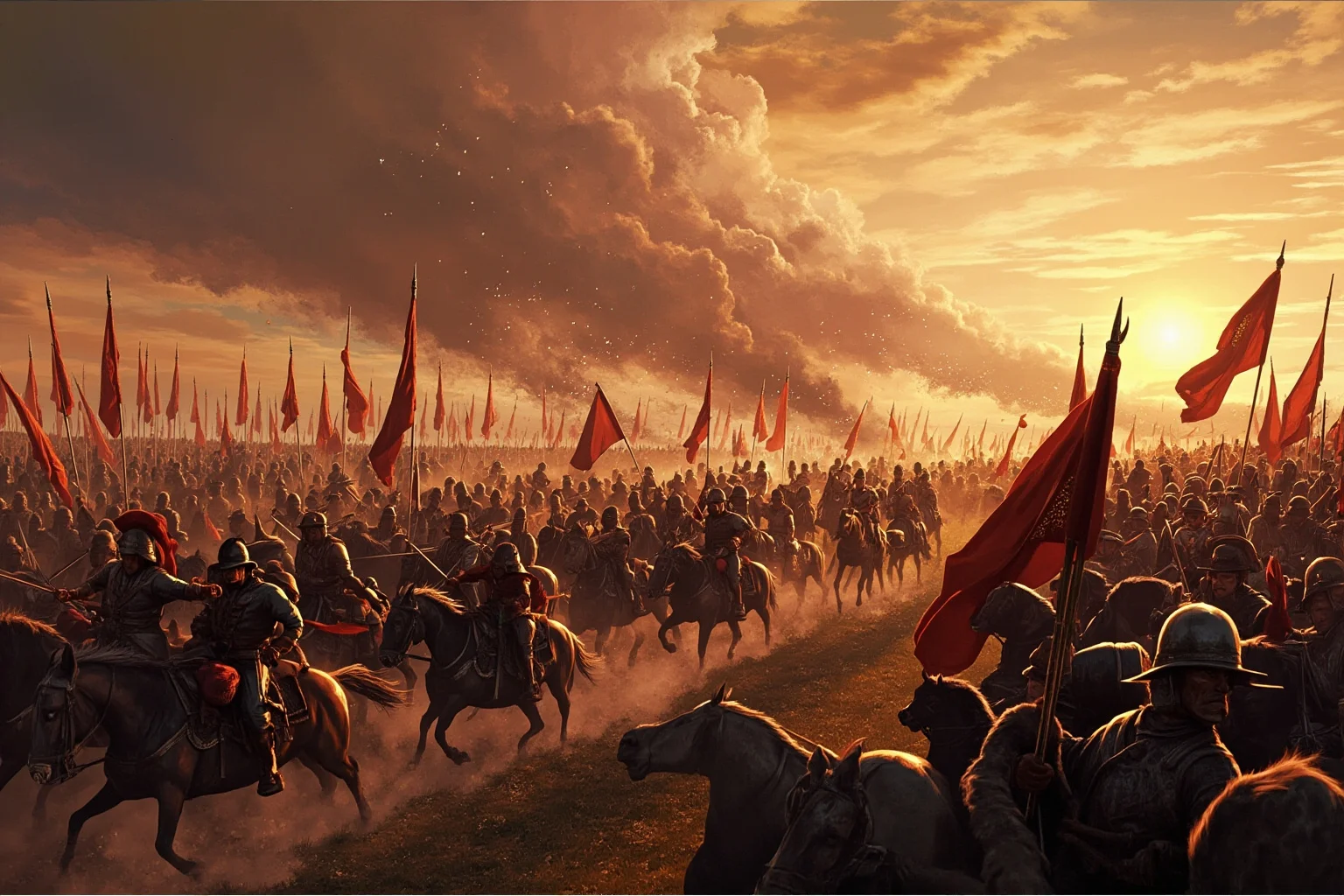
In 333 BCE, Alexander faced the Persian King Darius III directly at Issus, despite being significantly outnumbered. The battle turned into a rout, with Darius fleeing the field and leaving behind his own family, who Alexander reportedly treated with notable respect.
This victory proved that Alexander could beat not just Persian generals but the Persian king himself. It also boosted his legitimacy as a serious rival for the entire empire, not just its western edges.
10. The Battle of Gaugamela: The Masterstroke That Ended an Empire
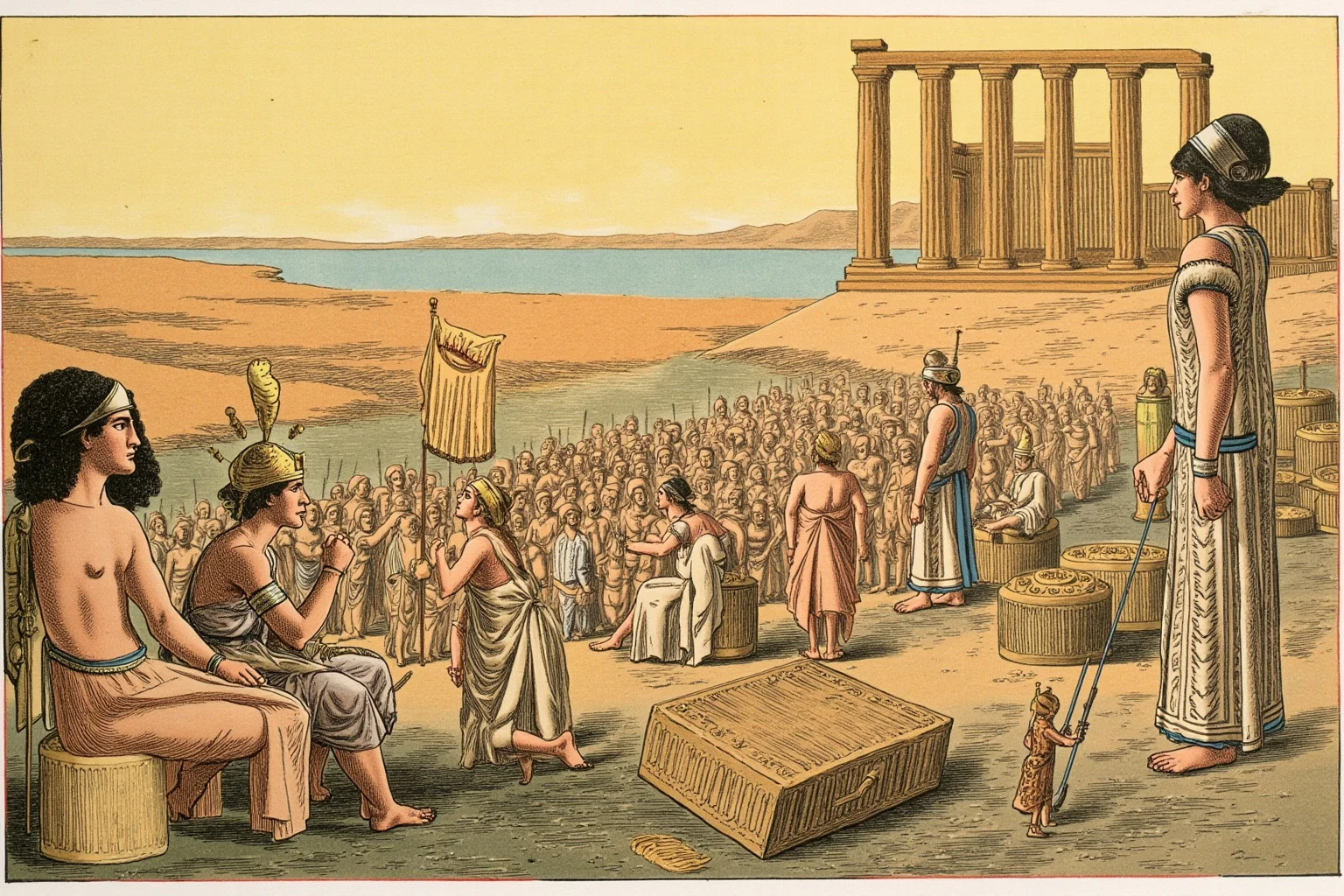
Gaugamela in 331 BCE is widely considered Alexander’s tactical masterpiece and one of history’s most studied battles. Facing a Persian army several times the size of his own, he used clever formations and a decisive cavalry strike to shatter Darius’s forces.
This victory effectively ended the Persian Empire as a political power, opening the path to Babylon and beyond. It’s frequently cited as the answer to what was Alexander the Great’s greatest achievement in purely military terms.
11. He Was Crowned Pharaoh and Founded Alexandria

After securing Egypt in 332 BCE, Alexander was welcomed as a liberator from Persian rule and crowned pharaoh. While there, he founded the city of Alexandria, which would go on to become one of the great intellectual centers of the ancient world.
The city later housed the legendary Library of Alexandria under his successors, cementing a legacy that outlived his empire by centuries. Few generals can claim their name is still on a major world city today.
12. He Consulted the Oracle at Siwa
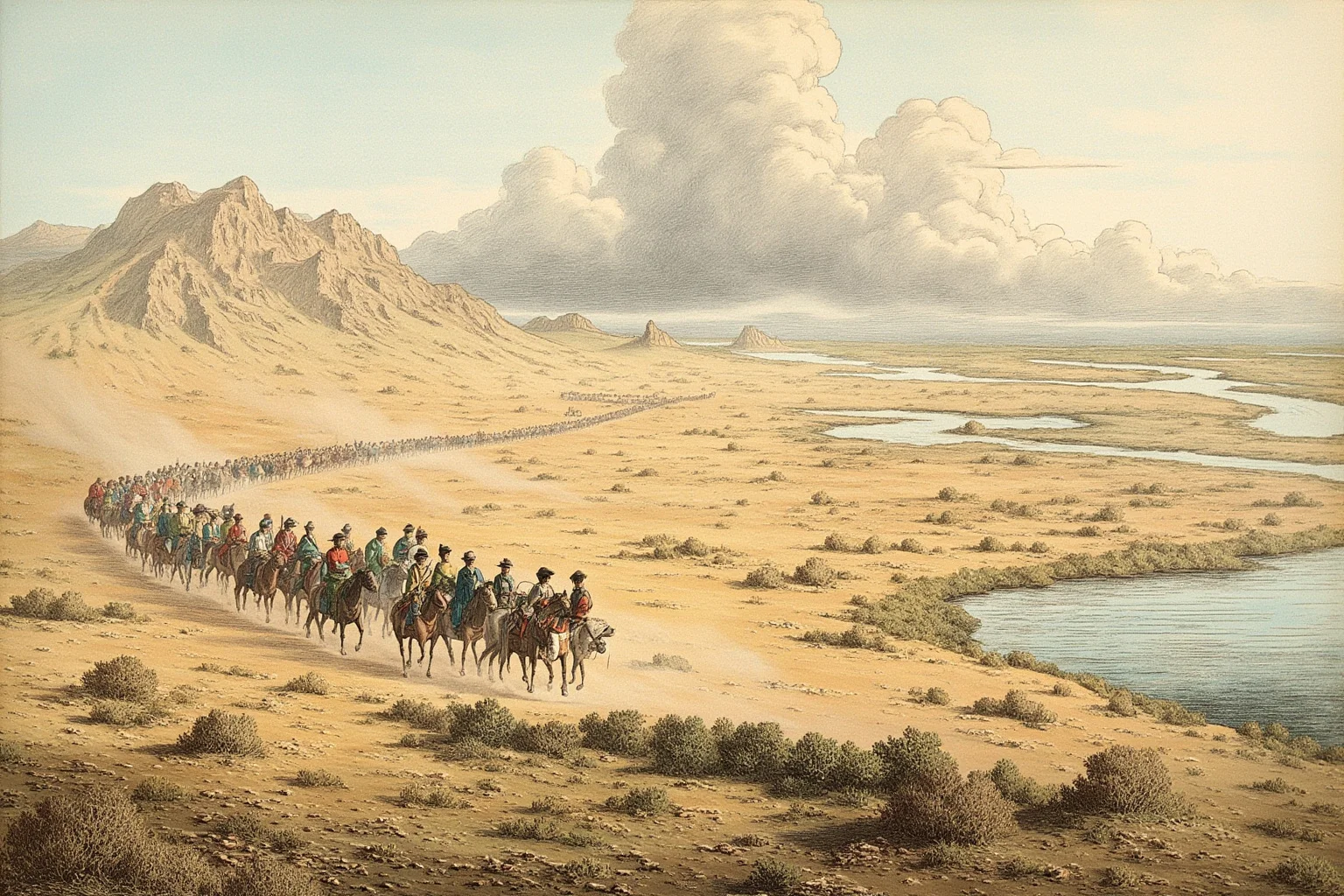
Alexander made a difficult desert journey to consult the Oracle of Amun at the Siwa Oasis in Egypt. Ancient sources report that the visit reinforced ideas about his divine parentage, though what exactly was said remains uncertain and was likely shaped by later propaganda.
Whatever happened there, the trip became part of his carefully cultivated image as more than an ordinary king. It’s a good reminder that not every dramatic story about him should be taken at face value.
13. He Pursued Darius III Across the Persian Heartland
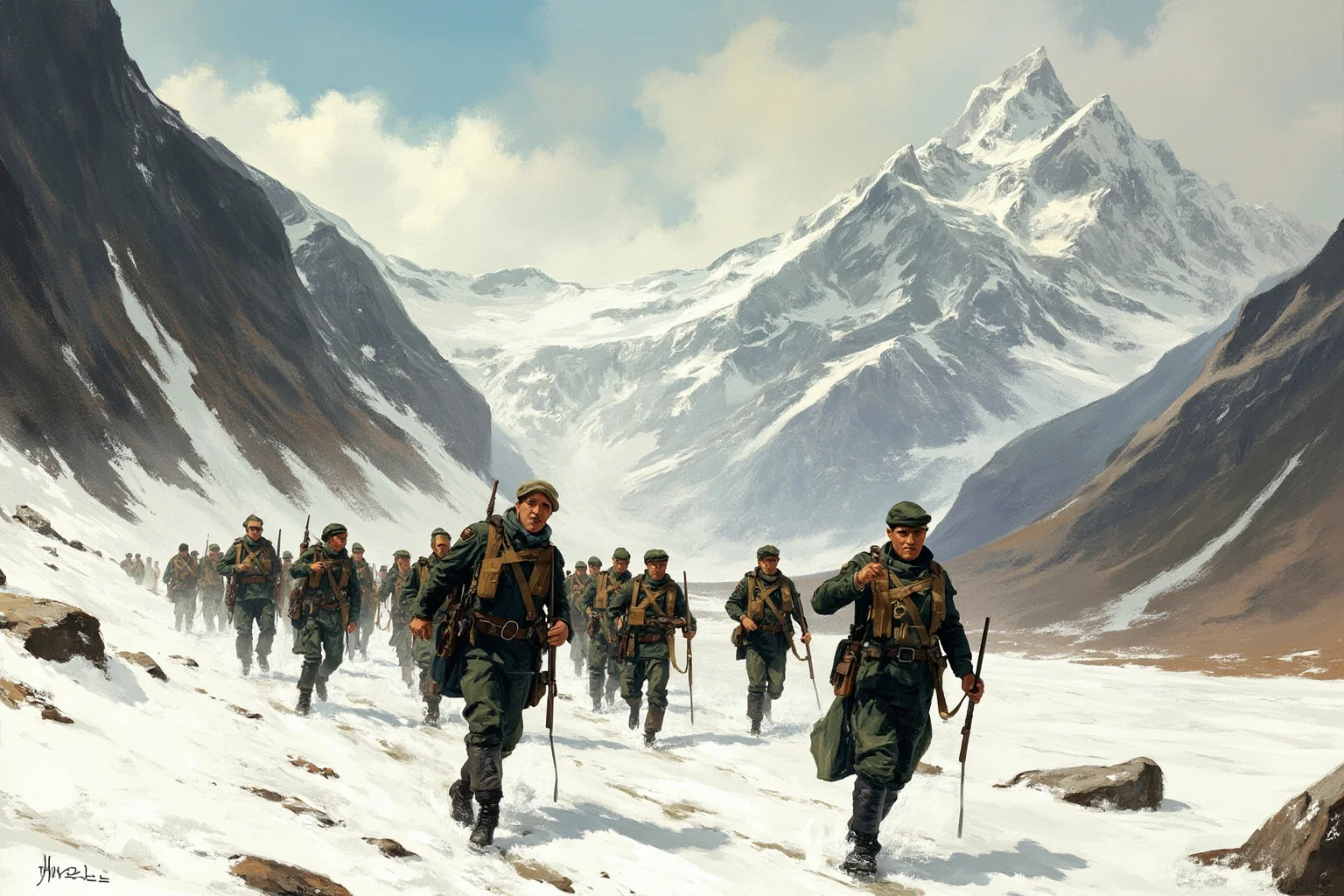
After Gaugamela, Alexander didn’t stop to consolidate; he pushed deep into Persia, capturing the ceremonial capital of Persepolis. He then pursued the fleeing Darius III for hundreds of miles, only to find the Persian king murdered by his own officers.
Alexander reportedly gave Darius a formal royal burial, positioning himself as the legitimate successor to the Persian throne rather than a mere invader. This relentless pursuit is a clear example of what Alexander the Great was known for: refusing to let an enemy regroup.
14. He Crossed the Hindu Kush and Pushed Into Central Asia
Instead of settling for Persia, Alexander pushed his army through brutal mountain terrain into Bactria and Sogdiana, in what is now Afghanistan and Central Asia. The campaigns here were some of the hardest of his career, involving guerrilla-style resistance and harsh winters.
It was also here that he married Roxana, a local noblewoman, partly as a political move to stabilize the region. The campaign shows just how far his ambitions extended beyond simply defeating Persia’s main army.
15. The Battle of the Hydaspes: His Toughest Fight
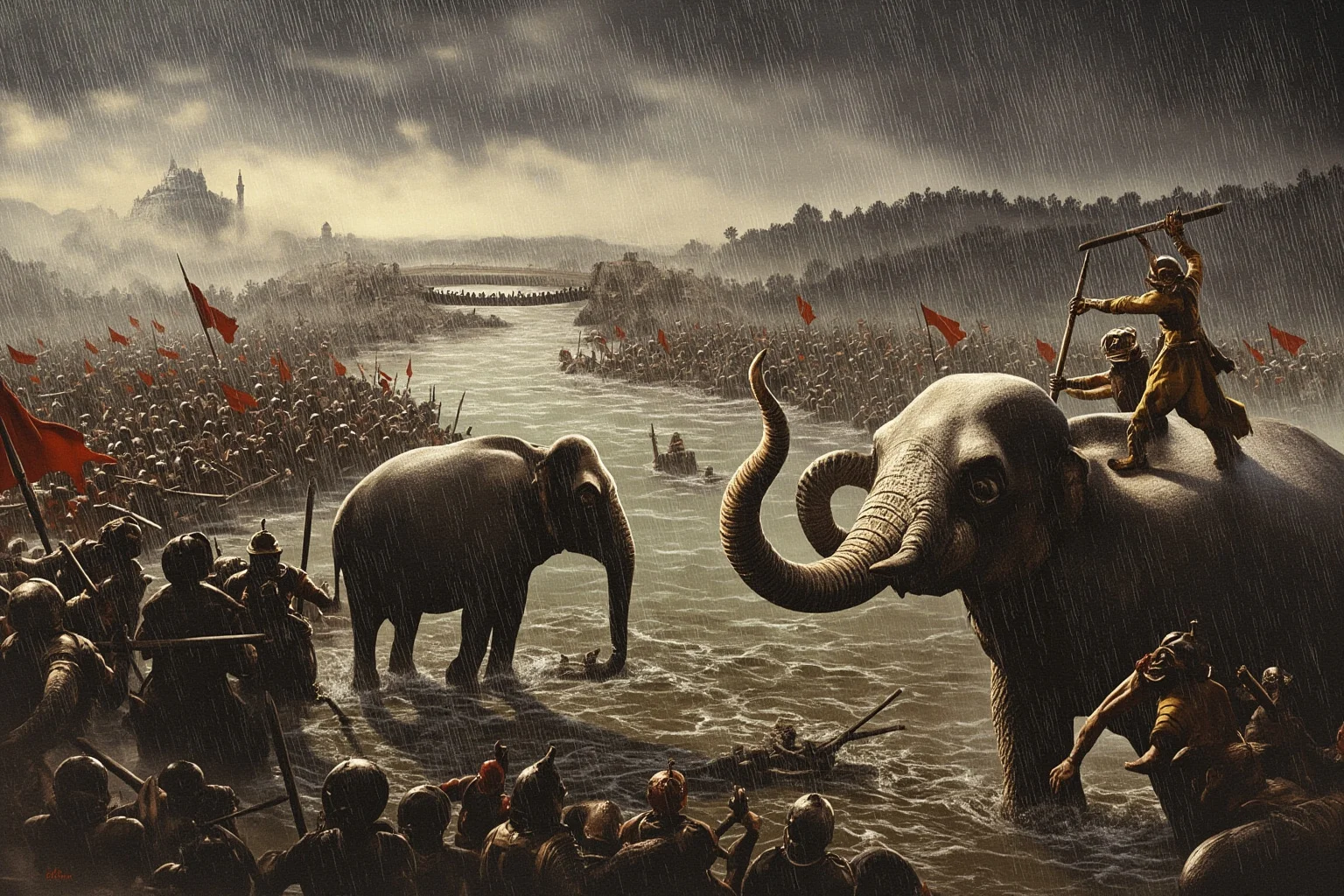
In 326 BCE, Alexander faced King Porus in India at the Hydaspes River, in a battle complicated by monsoon rains, war elephants, and a difficult river crossing. Ancient accounts describe it as one of his hardest-fought victories, with real losses on both sides.
Impressed by Porus’s courage, Alexander reportedly reinstated him as a regional ruler under Macedonian oversight rather than removing him entirely. It’s often cited as evidence of a more pragmatic, respectful side to his approach toward defeated rivals.
16. His Generals: The Men Who Carved Up an Empire
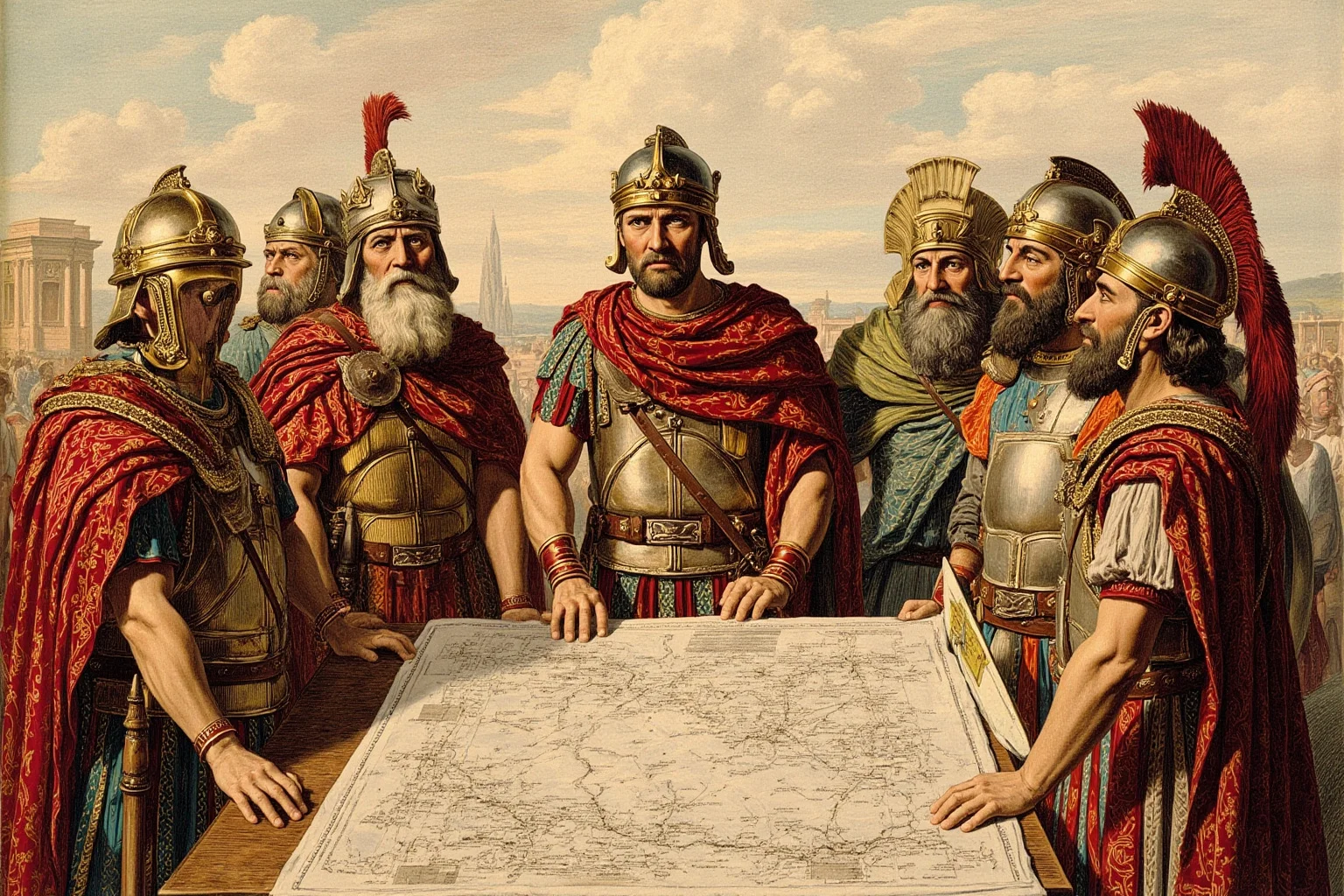
No discussion of Alexander the Great’s generals is complete without Ptolemy, Seleucus, Antigonus, Cassander, and Lysimachus. These commanders, later known as the Diadochi or “successors,” had all served under Alexander during his campaigns.
After his death, they split his empire into competing kingdoms, with Ptolemy founding a dynasty in Egypt and Seleucus establishing a vast realm across the former Persian territories. Studying the generals of Alexander the Great is really studying the birth of the entire Hellenistic world.
17. He Built the Largest Empire the Ancient World Had Seen
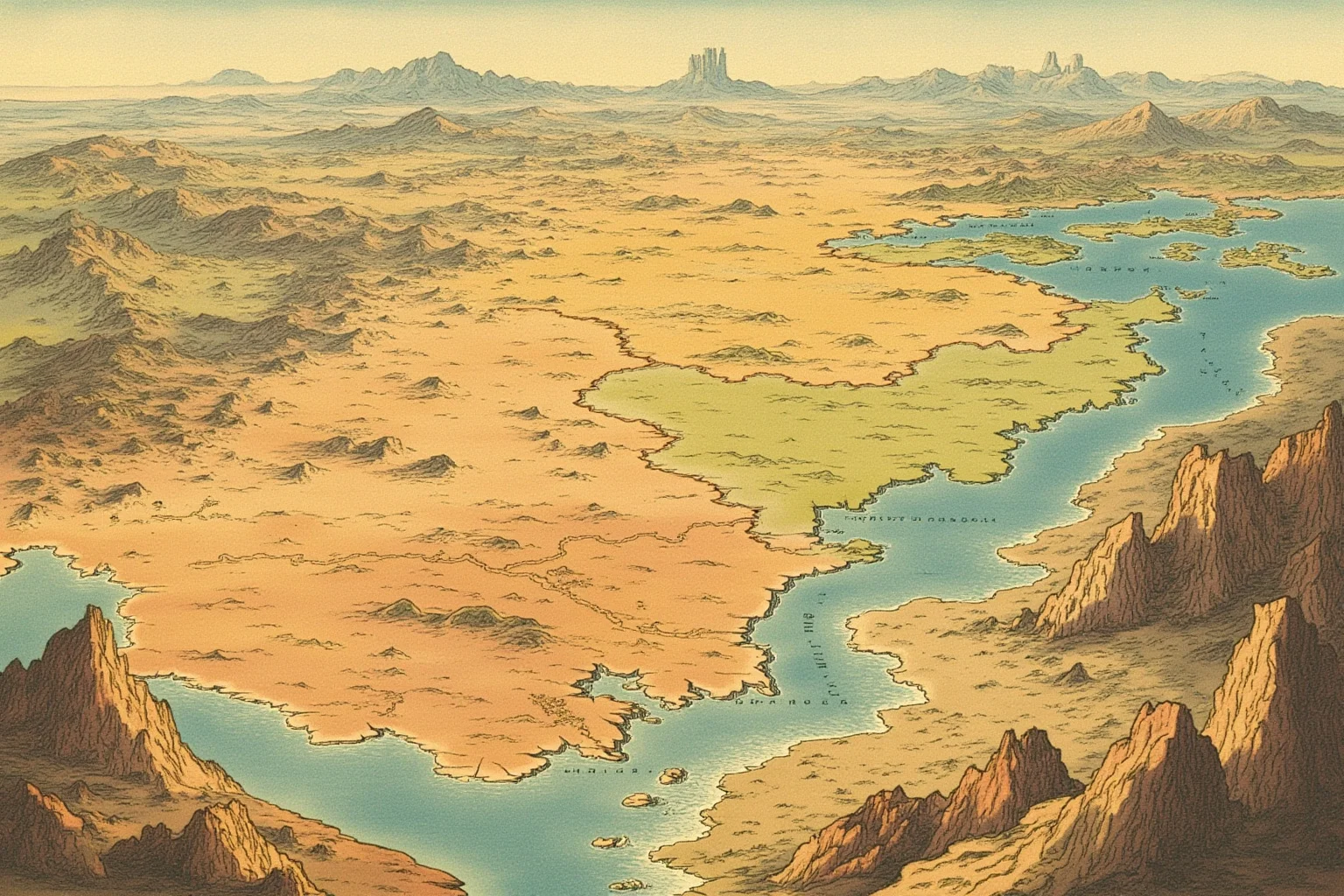
At its peak, Alexander’s empire stretched from Greece and Egypt in the west to the Indus Valley in the east. This made it, at the time, the largest empire ever assembled by a single ruler, achieved in roughly a decade of campaigning.
For comparison, it took the Roman Empire centuries to reach a comparable geographic footprint. That speed is central to how great Alexander the Great really was in strictly military terms.
18. He Founded Roughly Twenty Cities Named After Himself
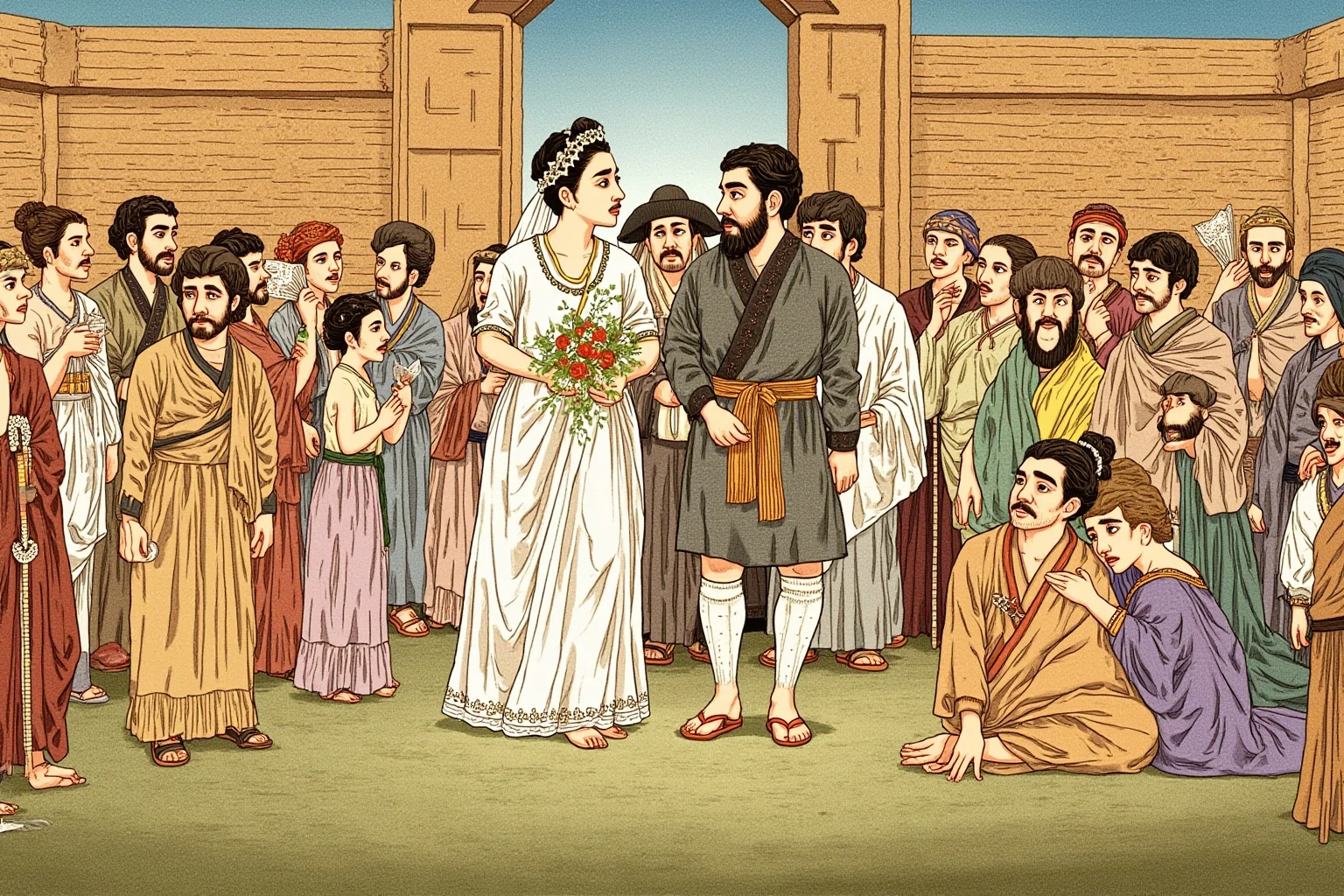
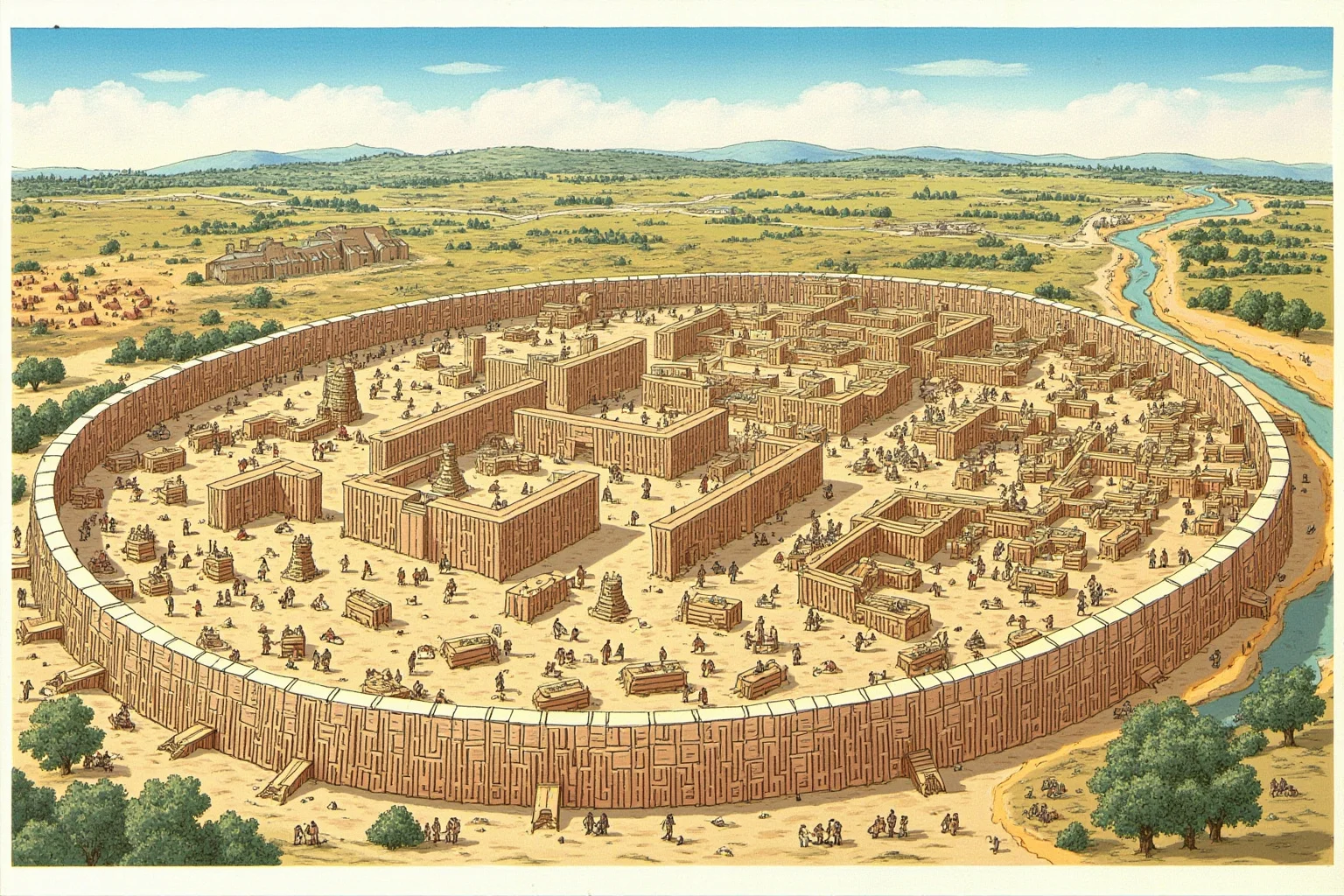
Alexander founded or refounded around twenty cities across his empire, many named Alexandria after himself, stretching from Egypt to Central Asia. Several of these, including Alexandria in Egypt and Kandahar in modern Afghanistan (believed to derive from “Alexandria Arachosia”), still exist today.
These weren’t just military outposts; many became genuine centers of trade and cultural exchange. It’s a rare case of a conqueror’s name literally staying on the map for over two thousand years.
19. He Blended Greek and Persian Culture
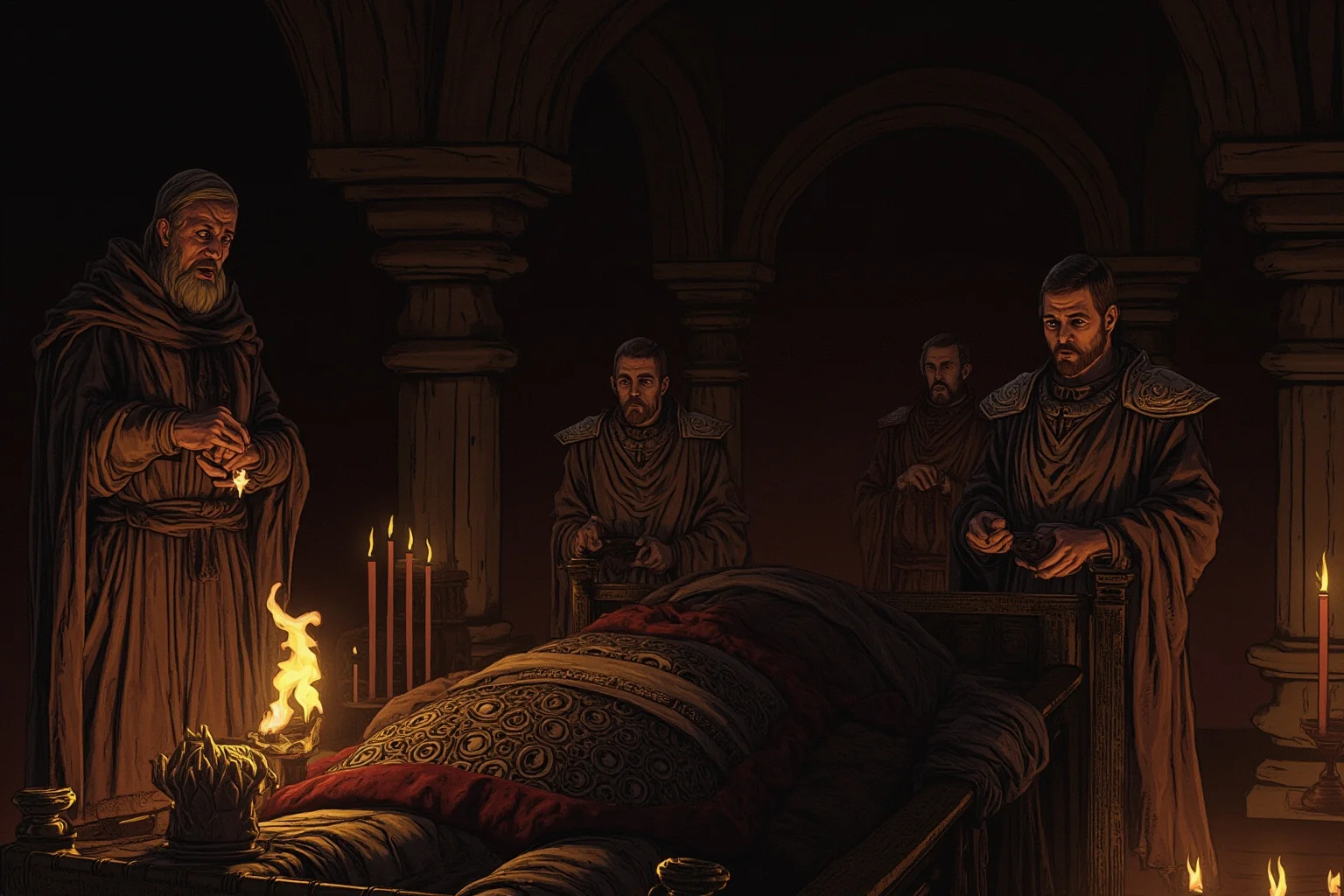
Rather than simply ruling as an occupying Greek king, Alexander adopted elements of Persian dress, court ceremony, and administration. He encouraged marriages between his soldiers and local women, and organized a mass wedding at Susa between Macedonian officers and Persian noblewomen.
This fusion policy was controversial even at the time, with many of his own Macedonian officers resenting what they saw as “going native.” Still, it helped stabilize his enormous, multi-ethnic empire far better than pure military occupation could have.
20. His Sudden Death in Babylon at Thirty-Two
Alexander died in Babylon in 323 BCE, likely from illness, though ancient sources speculated about poisoning without any solid evidence to confirm it. Modern historians generally lean toward natural causes, such as an infectious disease, though the exact cause remains genuinely unresolved.
He reportedly left no clear plan for succession, famously leaving his empire “to the strongest” according to some ancient accounts, whose accuracy is debated. That vacuum triggered decades of wars among his former generals, and it’s a crucial piece of context for anyone asking how great Alexander the Great really was as an administrator, not just a battlefield commander.
Was Alexander the Great Actually a Good Leader?
Here’s where the myth-busting has to come in, because greatness on a battlefield doesn’t automatically mean good leadership or good character. Alexander was also responsible for genuinely brutal episodes that don’t fit neatly into the hero narrative.
When the city of Thebes rebelled early in his reign, Alexander had it razed and its surviving population enslaved as a warning to other Greek cities. The burning of the Persian palace at Persepolis remains debated among historians, with some ancient sources suggesting it was a calculated political statement and others describing it as a drunken decision that got out of hand.
His personal conduct could also be alarming. In a drunken argument, he killed his close friend and officer Cleitus the Black, an act ancient sources describe him regretting deeply afterward.
He also had his general Parmenion and Parmenion’s son Philotas executed after accusations of conspiracy, decisions that remain controversial for how much real evidence supported them. Later in his campaign, his troops mutinied at the Hyphasis River in India, refusing to march further east, showing that even a beloved commander had limits to his men’s loyalty.
So was Alexander the Great a good leader? The fairest answer is that he was an extraordinarily effective one by military and political standards of his era, inspiring genuine devotion in his troops. But “effective” and “good” aren’t the same thing, and his empire’s rapid collapse into decades of war after his death suggests his genius was built more around personal charisma and battlefield brilliance than durable institutions.
That nuance matters when people ask was Alexander the Great actually great, or whether the label deserves an asterisk. Most historians today would say both things are true at once: undeniably great in terms of impact and achievement, but far from a straightforwardly good or gentle ruler by any standard, ancient or modern.
The Importance and Significance of Alexander the Great Today
The importance of Alexander the Great isn’t just about conquest, it’s about what came after. His campaigns kicked off the Hellenistic period, an era in which Greek language, art, philosophy, and science spread across the Middle East, Egypt, and parts of Central and South Asia for centuries.
Greek became a common administrative and trade language across huge swaths of the former empire, a linguistic legacy that later shaped the spread of ideas, including the Greek New Testament centuries afterward. The city of Alexandria, founded by him and developed under his successor Ptolemy’s dynasty, became home to one of the ancient world’s great centers of learning.
His military campaigns are still studied at academies around the world today, with Gaugamela in particular treated as a case study in tactical creativity against superior numbers. Later commanders, from Julius Caesar to Napoleon Bonaparte, are recorded as having studied or admired his campaigns, using them as a benchmark for their own ambitions.
This is really the significance of Alexander the Great in a nutshell: he didn’t just build an empire, he permanently altered the cultural map connecting Europe, Africa, and Asia. Few individuals in history can claim to have reshaped that much territory that quickly, for better and for worse, which is a big part of why he still ranks among the most recognized historical figures of all time.
The Verdict: History’s Greatest General?
So, why is Alexander the Great a hero to some and a cautionary tale to others? It depends entirely on which part of the story you’re weighing. As a general, his record of tactical innovation, personal courage, and battlefield success remains essentially unmatched in the ancient world, rivaled in popular imagination only by later warrior-kings like Richard the Lionheart.
As a ruler and a person, the picture is messier, marked by real brutality, impulsive violence, and an empire that couldn’t hold together without him. Both of these things can be true at the same time, and honestly, that tension is part of what makes his story endure.
The name “Alexander the Great” was never really about being a good man. It was about being an unforgettable one, and by that standard, more than two thousand years later, the name has clearly stuck.
Frequently Asked Questions
What did Alexander the Great do?
Alexander the Great conquered the Persian Empire, became pharaoh of Egypt, pushed his army as far as India, and founded roughly twenty cities, several named Alexandria after himself. In about a decade of campaigning, he built the largest empire the ancient world had seen and helped spread Greek language and culture across the Middle East and parts of Asia.
What is Alexander the Great best known for?
He's best known for his unbroken record of military victories, especially the Battle of Gaugamela, which effectively ended the Persian Empire. He's also remembered for founding Alexandria in Egypt and for spreading Greek culture across his conquests, an era historians call the Hellenistic period.
Was Alexander the Great a good leader?
He was an extremely effective military leader who inspired deep loyalty by fighting alongside his troops, but 'effective' isn't the same as 'good.' He was also responsible for brutal acts, including the destruction of Thebes and the killing of his own officer Cleitus, and his empire collapsed into decades of conflict soon after his death.
Why was Alexander so successful as a general and ruler?
His success came from a mix of factors: a strong military education, tactical creativity in battles like Gaugamela, personal courage on the battlefield, and a willingness to adapt Persian administrative practices to govern a huge, multi-ethnic empire. Charisma and speed of decision-making also played a major role in keeping his army loyal through years of hard campaigning.
How do we know Alexander the Great existed?
Historians rely on later ancient sources like Arrian, Plutarch, and Diodorus Siculus, who drew on earlier eyewitness accounts, including a memoir reportedly written by his general Ptolemy. This is backed up by physical evidence such as coins, inscriptions, and the archaeological remains of cities founded in his name, like Alexandria in Egypt.
Was Alexander the Great actually great, or is his reputation exaggerated?
In terms of military achievement and historical impact, his reputation is well-supported by both ancient sources and archaeology. But 'great' shouldn't be confused with 'good,' since his methods were often brutal and his empire fell apart quickly after his death due to a lack of clear succession planning.
Who were the generals of Alexander the Great?
His key generals included Ptolemy, Seleucus, Antigonus, Cassander, and Lysimachus, collectively known later as the Diadochi, or 'successors.' After Alexander's death, they divided his empire among themselves, with Ptolemy founding a dynasty in Egypt and Seleucus establishing a vast kingdom across former Persian territory.
What was Alexander the Great’s greatest achievement?
Most historians point to the Battle of Gaugamela in 331 BCE as his greatest achievement, since it decisively broke Persian military power despite Alexander being significantly outnumbered. More broadly, his lasting cultural achievement was launching the Hellenistic Age, spreading Greek language and ideas across three continents.
Why is Alexander the Great sometimes called a hero and sometimes a villain?
He's celebrated as a hero for his military genius, personal bravery, and role in spreading Greek culture across the ancient world. He's criticized as a villain for brutal acts like the destruction of Thebes, mass killings during sieges, and the execution of officers on questionable evidence, showing his legacy is genuinely mixed.
What is the significance of Alexander the Great today?
His campaigns triggered the Hellenistic period, spreading Greek language, art, and philosophy across the Middle East, Egypt, and Central Asia for centuries. His military tactics are still studied today, and later commanders like Julius Caesar and Napoleon reportedly drew inspiration from his campaigns.

Alex Warren
Related Articles





