
In the quiet Suffolk village of Woolpit, medieval chroniclers recorded one of England's strangest tales. Two children with green-tinted skin supposedly appeared out of nowhere, spoke a language nobody recognized, and refused to eat anything except raw beans. The story survived for more than 800 years, retold in monastic histories, Victorian folklore collections, and now countless online searches for "the green children of Woolpit" and "Woolpit green."
No one has ever definitively solved what actually happened at Woolpit, and that unresolved core is exactly why the legend still fascinates historians, folklorists, and curious readers alike. This guide walks through the original medieval sources, the strangest details of the story, and the leading theories that try to make sense of it, without pretending any single explanation is proven fact.
TL;DR: In 12th-century Suffolk, two mysterious green-skinned children reportedly appeared near Woolpit speaking an unknown language, and centuries later historians still debate whether the tale reflects a real, garbled event or medieval folklore.
1. The Basic Legend, in Brief
According to medieval English chronicles, two children, a boy and a girl, were discovered near the village of Woolpit in Suffolk sometime in the 12th century. Their skin was described as green, their clothing was unfamiliar, and their speech was unintelligible to everyone who encountered them. They were taken in by local villagers, and over time their story became one of the most debated oddities in English folklore.
The tale sits in an unusual space between history and legend. It was not recorded as a rumor or a fairy story at the time, but as an event described by two separate, reasonably credible medieval writers. That is part of why it has resisted easy dismissal for so long.
2. Where Woolpit, Suffolk Actually Is
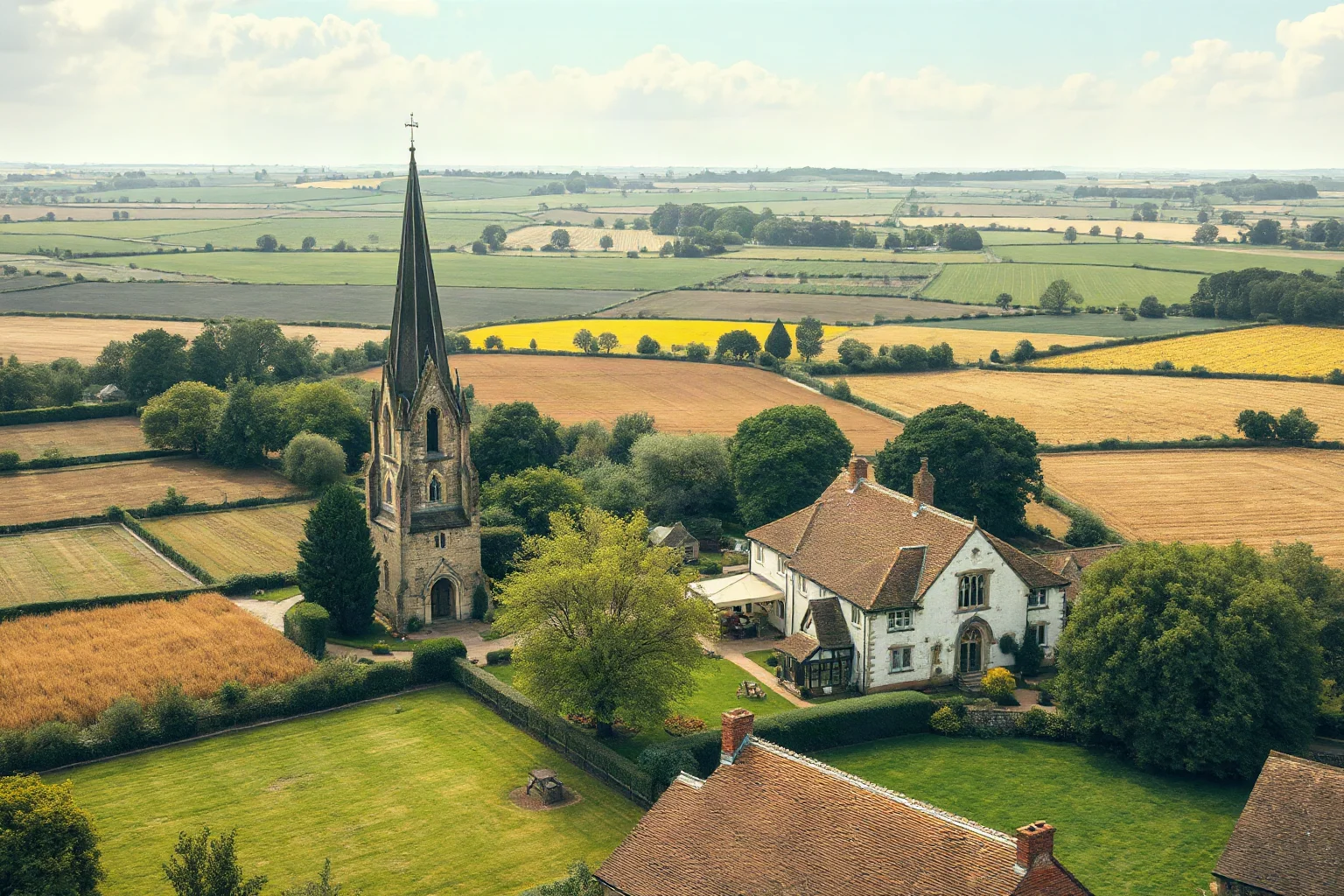
Woolpit is a real village in Suffolk, England, located roughly between the towns of Bury St Edmunds and Stowmarket. It still exists today as a small, unassuming rural community, home to a historic church and a handful of well-preserved medieval and Tudor buildings. Nothing about the modern village suggests anything unusual, aside from the legend itself.
In the 12th century, this part of Suffolk was largely agricultural, dotted with small manors and farmland. It sat within reach of Bury St Edmunds Abbey, one of medieval England's most important religious houses, which helped put local events on the radar of chroniclers working elsewhere in the region.
3. What the Name "Woolpit" Actually Means
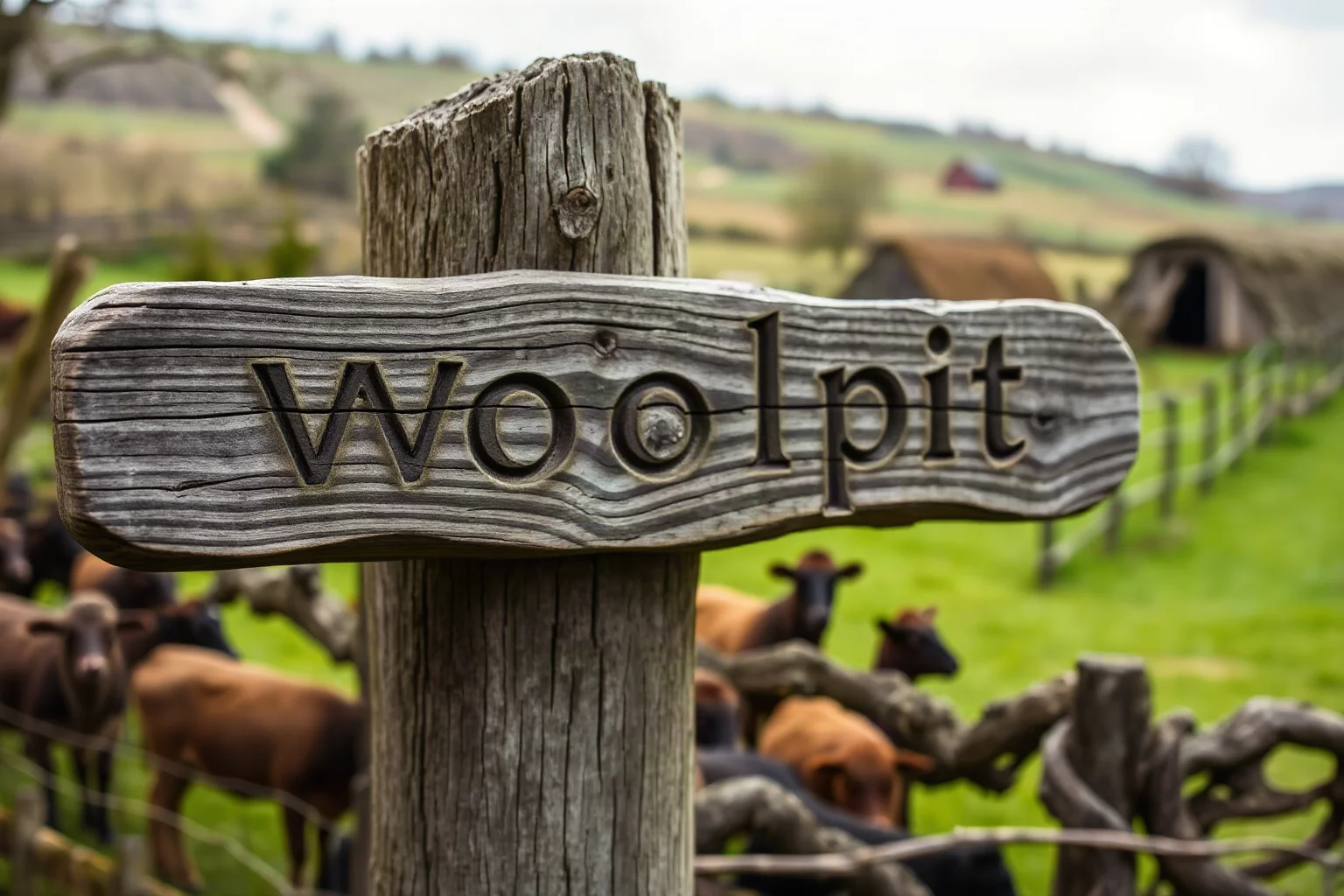
Despite sounding like it might relate to wool production, the name Woolpit almost certainly derives from "wolf pits," deep pits historically dug in the area to trap wolves. Wolves were still present in parts of England during the early medieval period, and place names referencing them are not unusual. The village's own sign today depicts the green children standing near one of these pits.
This detail matters because the wolf pits are specifically where the children were said to have been found. It is a small but useful anchor connecting a folkloric story to a real, physical landscape feature.
4. The Two Medieval Chroniclers Who Recorded It
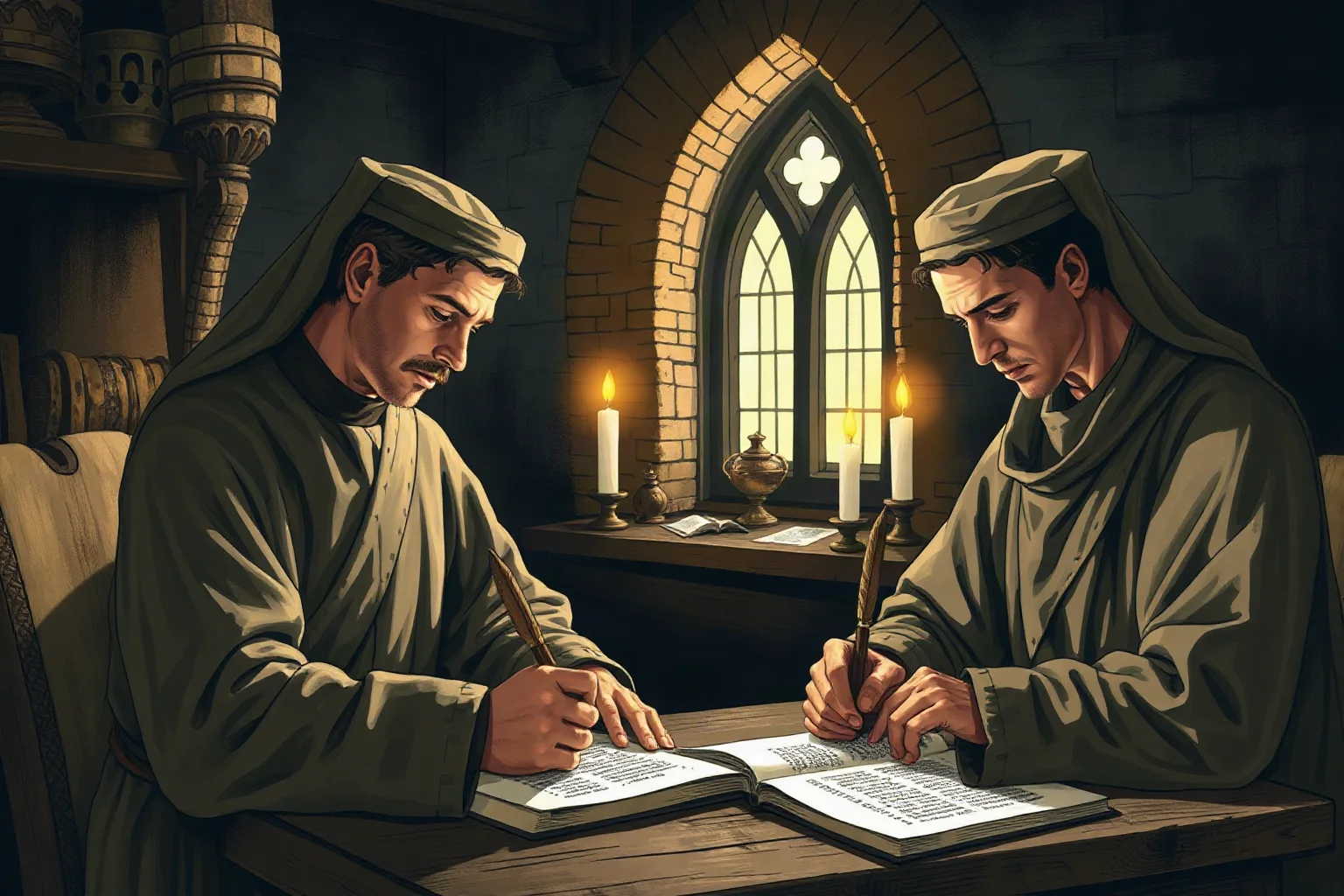
The Woolpit story survives because two separate 12th and early 13th-century writers included it in their historical works. The first is William of Newburgh, an Augustinian canon in Yorkshire who wrote a Latin history called Historia rerum Anglicarum in the 1190s. The second is Ralph of Coggeshall, abbot of Coggeshall Abbey in Essex, who included the story in his Chronicon Anglicanum in the early 1200s.
Both men were writing decades after the events supposedly occurred, and neither claimed to have witnessed anything themselves. They were recording an account that was already circulating as local memory or hearsay, which is an important caveat for anyone treating the story as verified history.
5. Ralph of Coggeshall's Version of the Story
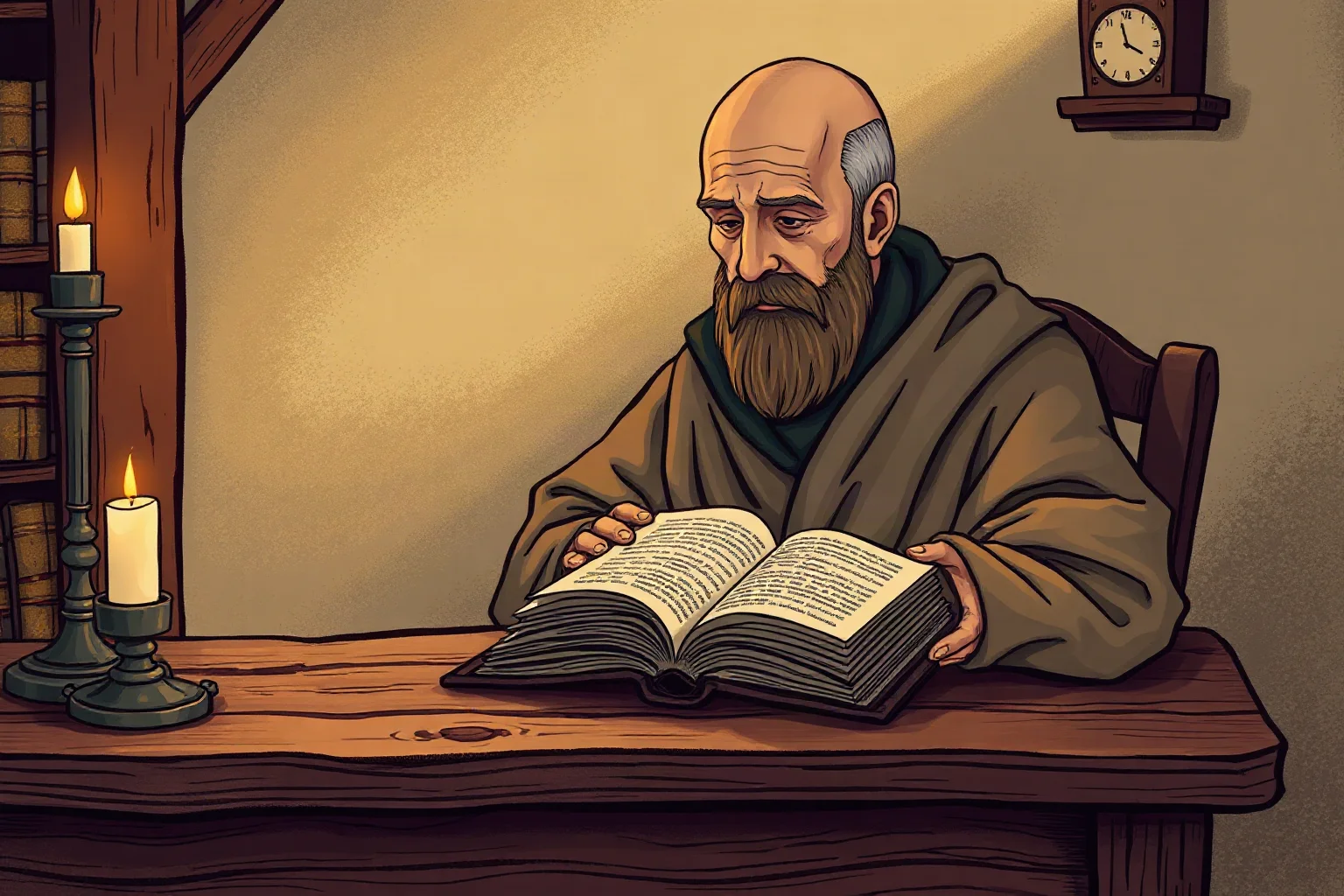
Ralph of Coggeshall's account is generally considered the more detailed of the two. He describes the children being found by villagers during the harvest season, near the wolf pits, and being brought to the home of a local knight named Sir Richard de Calne. Ralph includes specific details about their diet, their eventual baptism, and the fate of each child.
His writing reads less like folklore embellishment and more like an attempt at a factual local report, even though he was relaying a story secondhand. This has led some historians to treat his version as the more reliable baseline, while still stressing that reliable and true are not the same thing.
6. William of Newburgh's Version of the Story
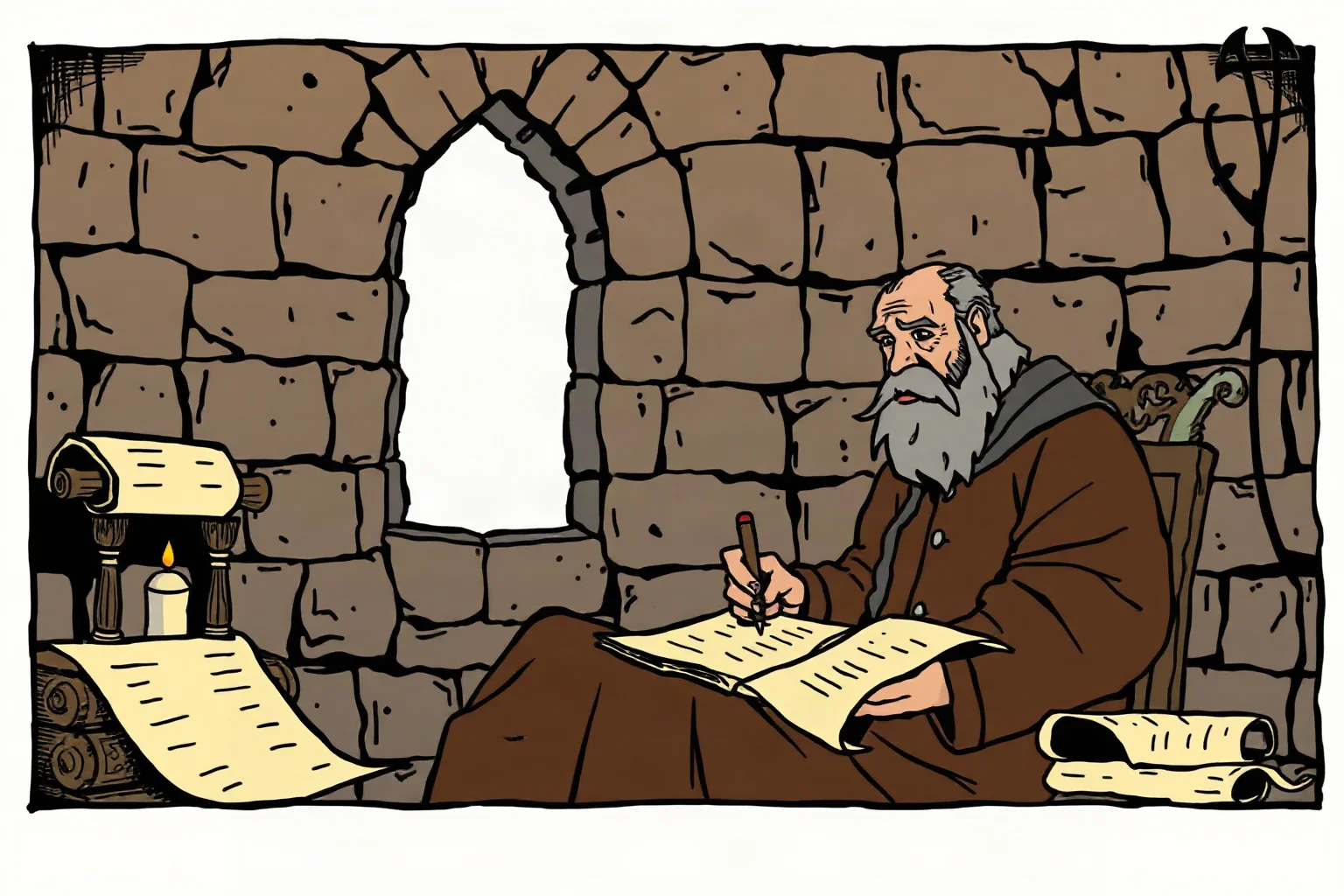
William of Newburgh's account covers similar ground but is shorter and slightly more skeptical in tone. Newburgh was known elsewhere in his chronicle for questioning implausible tales, which makes his inclusion of the Woolpit story notable. He essentially says that although the event sounds incredible, it was so widely reported that he felt obliged to record it.
That framing is important for a myth-busting read of the legend. Newburgh is not vouching for the story as something he personally verified; he is documenting that it was a well-known local tradition in his time.
7. How the Children Were Reportedly Found
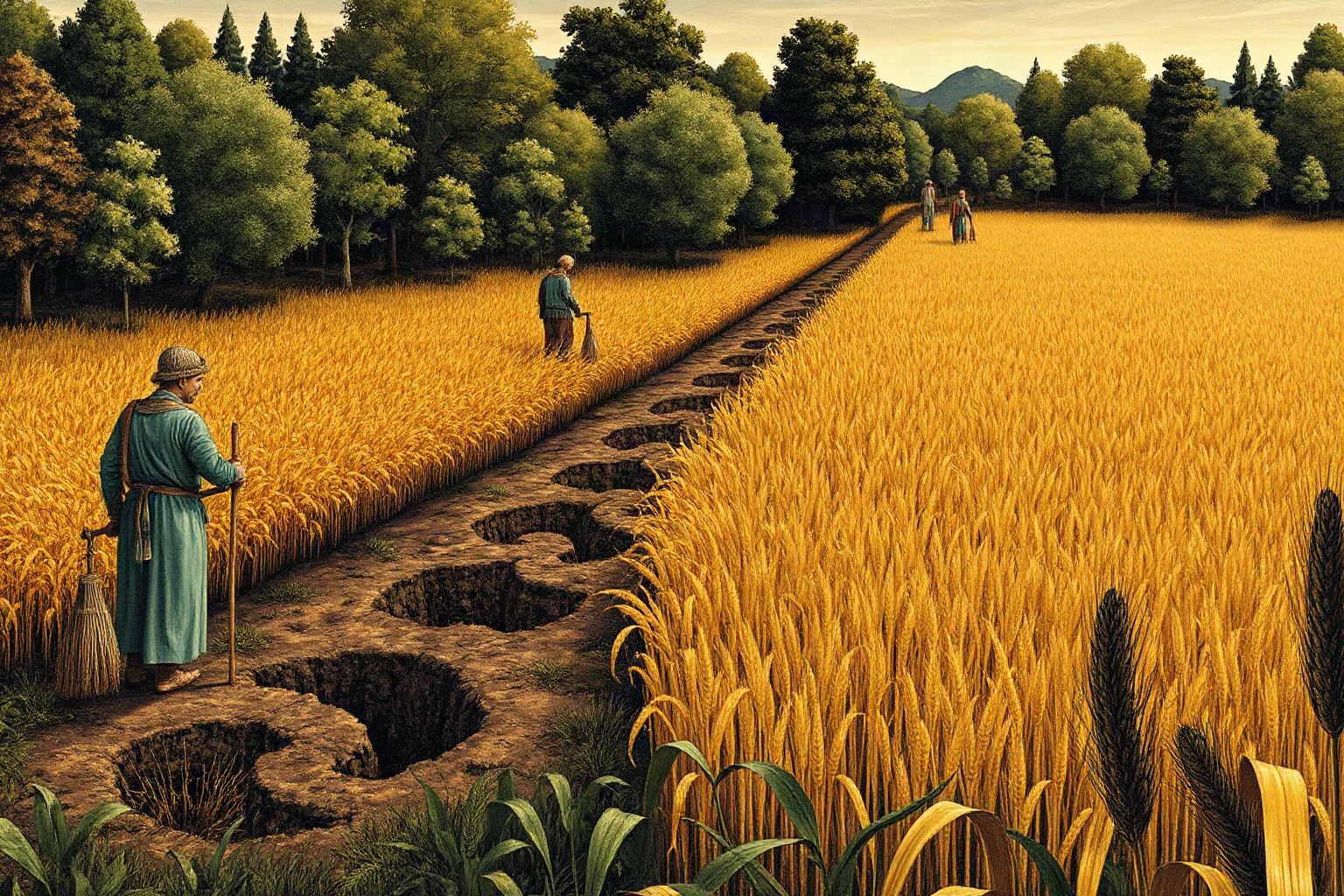
According to both chroniclers, the children emerged near the wolf pits during harvest time, disoriented and apparently lost. Villagers noticed them because of their strange appearance and clothing, and because they seemed unable to communicate in English or any language locals recognized. They were brought into the village rather than left in the fields.
There is no description in either account of exactly how the children arrived at the pits, only that they were discovered there. This gap in the story is one of the main reasons so many competing theories have emerged over the centuries.
8. Their Unusual Green-Tinted Skin
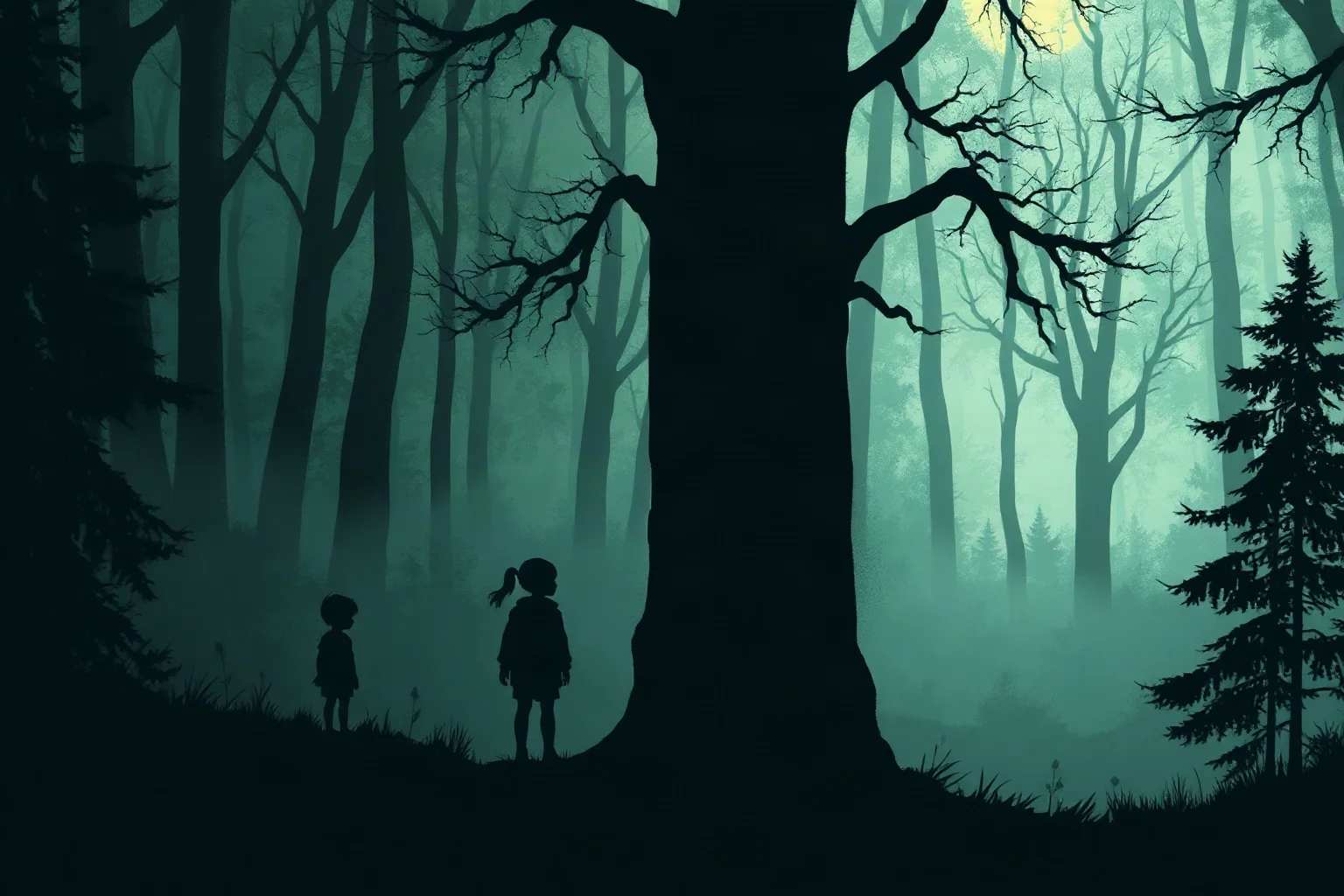
The children's most famous feature was their green-colored skin, which both chroniclers mention explicitly. This detail is what gave the legend its lasting name and its enduring strangeness. No other well-known medieval account describes anything quite like it.
According to the story, the green tint reportedly faded over time as the surviving child adjusted to a normal diet. This detail has become central to several modern medical theories, discussed further below, which try to explain the color through nutrition rather than anything otherworldly.
9. The Language No One Could Understand
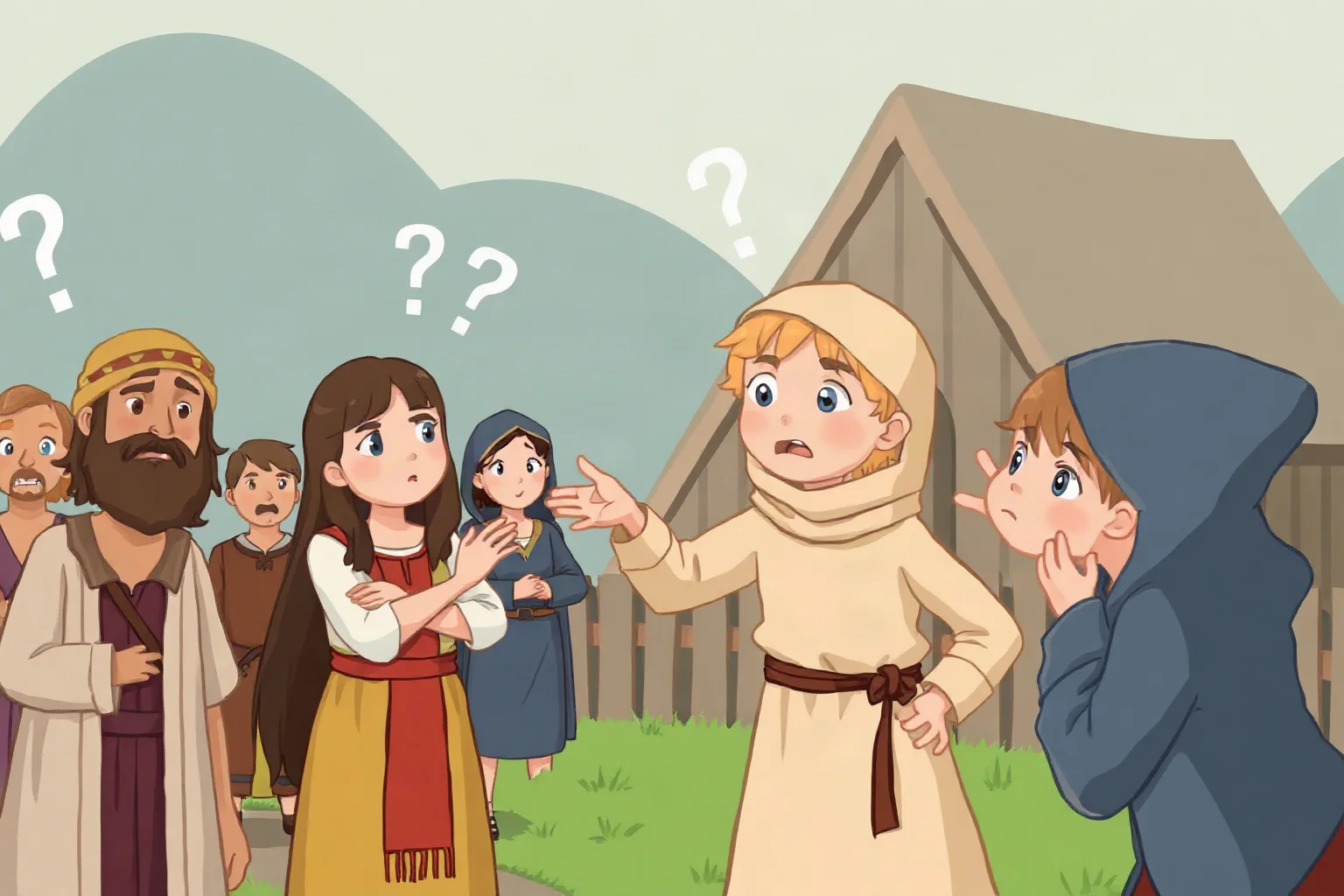
Both chronicles agree that the children spoke a language unfamiliar to everyone in Woolpit. This alone would have been startling in a small, insular 12th-century English village, where most residents would rarely have encountered genuine foreign languages. The inability to communicate is part of what made the children so memorable and so easy to mythologize.
Over time, as the surviving girl learned English, she reportedly was able to explain something about where she and the boy had come from. Whether her later explanation was an accurate account of a real origin or a story shaped by years of trying to fit into an unfamiliar culture is impossible to know for certain.
10. Their Strange Refusal to Eat Normal Food
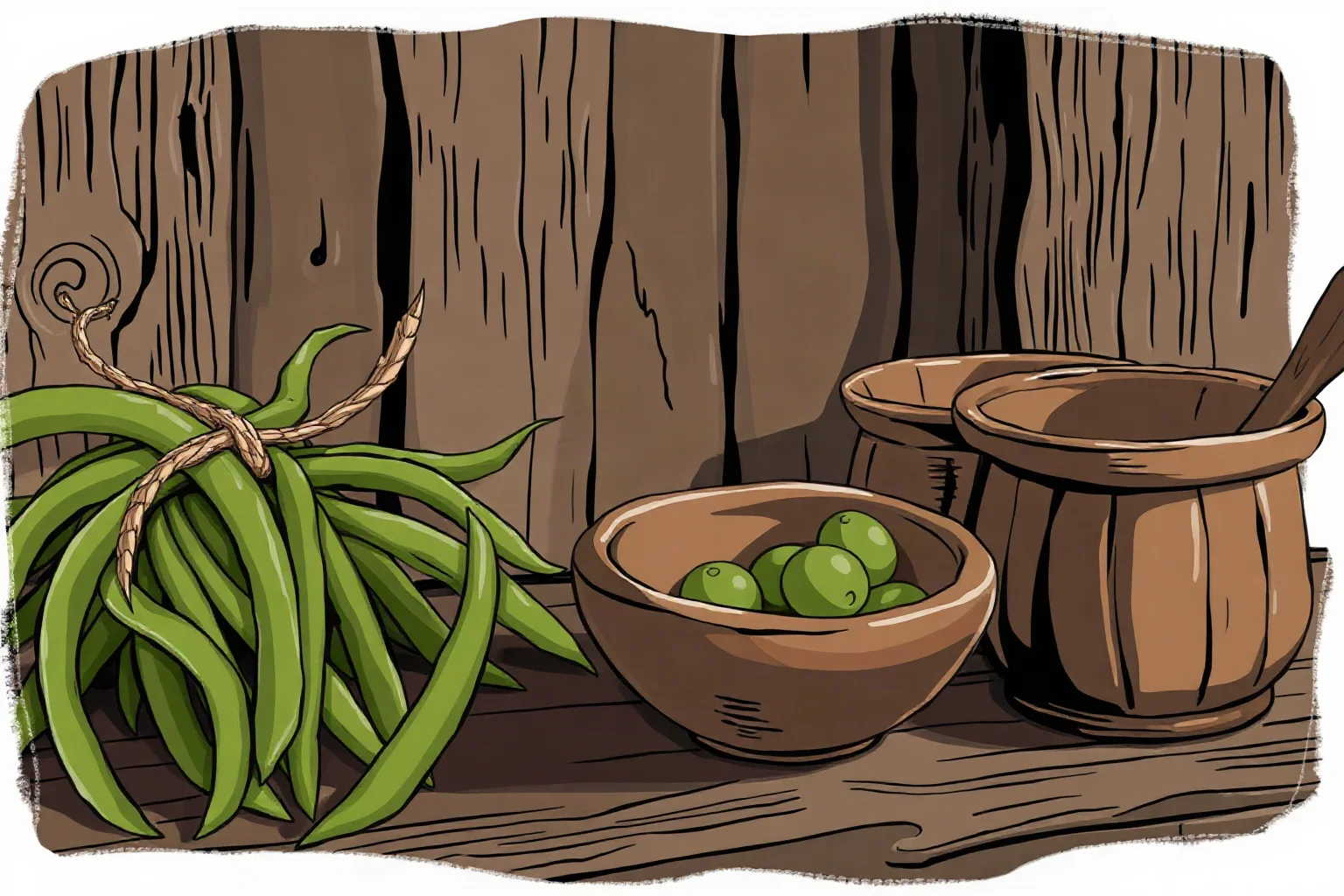
One of the most specific and oddly convincing details in the story involves the children's diet. Both chronicles report that the children refused all food offered to them at first, and only calmed down when they were given raw beans, sometimes described as bean stalks rather than the beans themselves. They reportedly ate only beans for a long period before gradually accepting other foods.
This is a strikingly specific and unglamorous detail for a medieval legend to include. It is exactly the kind of mundane fact that some historians argue would be unlikely to appear in a story invented purely for entertainment or moral instruction.
11. Taken In by Sir Richard de Calne
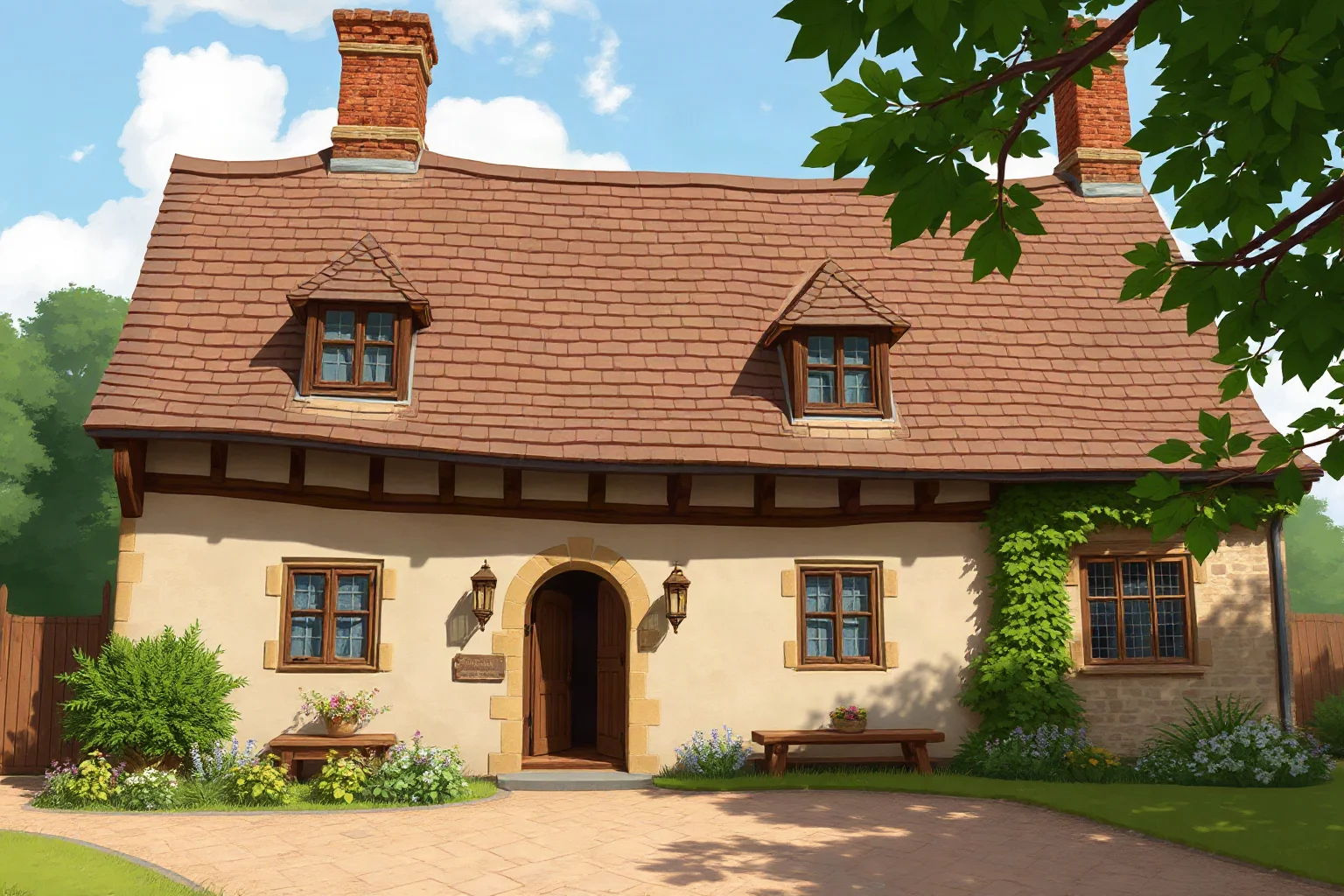
According to Ralph of Coggeshall, the children were taken into the household of a knight identified as Sir Richard de Calne, who lived at Wikes near the village. De Calne is described as caring for the children, having them baptized, and eventually integrating them into the household and community. This detail grounds the story in a specific, nameable local figure rather than leaving it entirely anonymous.
The involvement of a named knight also gave the tale a degree of local credibility at the time it was first circulating. It suggested the story could, in theory, be checked against real people and real households in the area.
12. The Boy's Decline and Death
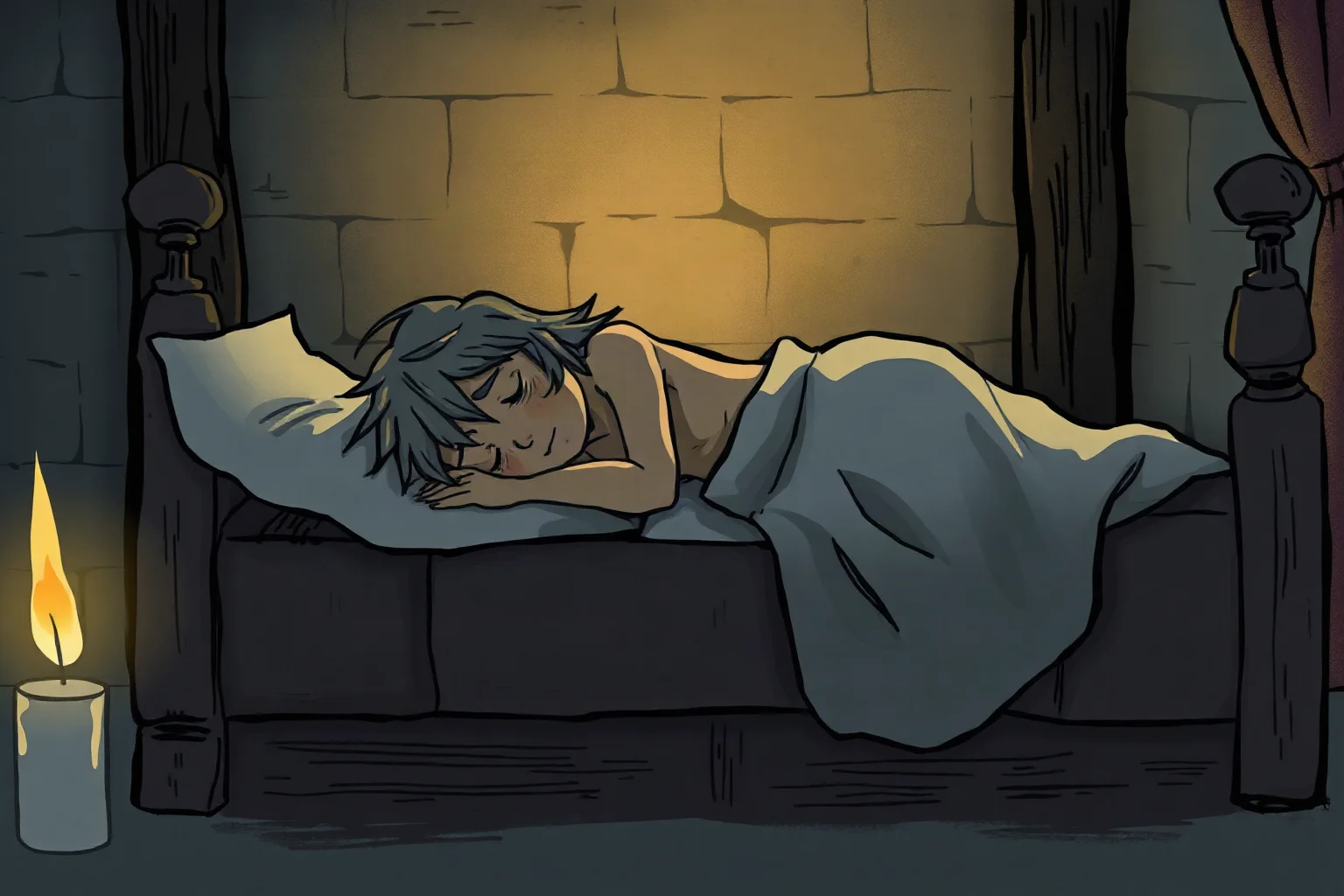
According to the chronicles, the boy among the two children never fully adapted to his new surroundings. He reportedly remained weak, struggled with the change in diet and environment, and died not long after being taken in. His death is treated in the accounts as a sad but unremarkable outcome, without any dramatic supernatural explanation attached.
His passing leaves the surviving girl as the only source for whatever explanation of their origins eventually emerged. This single-witness problem is one more reason historians treat the deeper backstory with caution.
13. The Girl's Survival and Gradual Assimilation
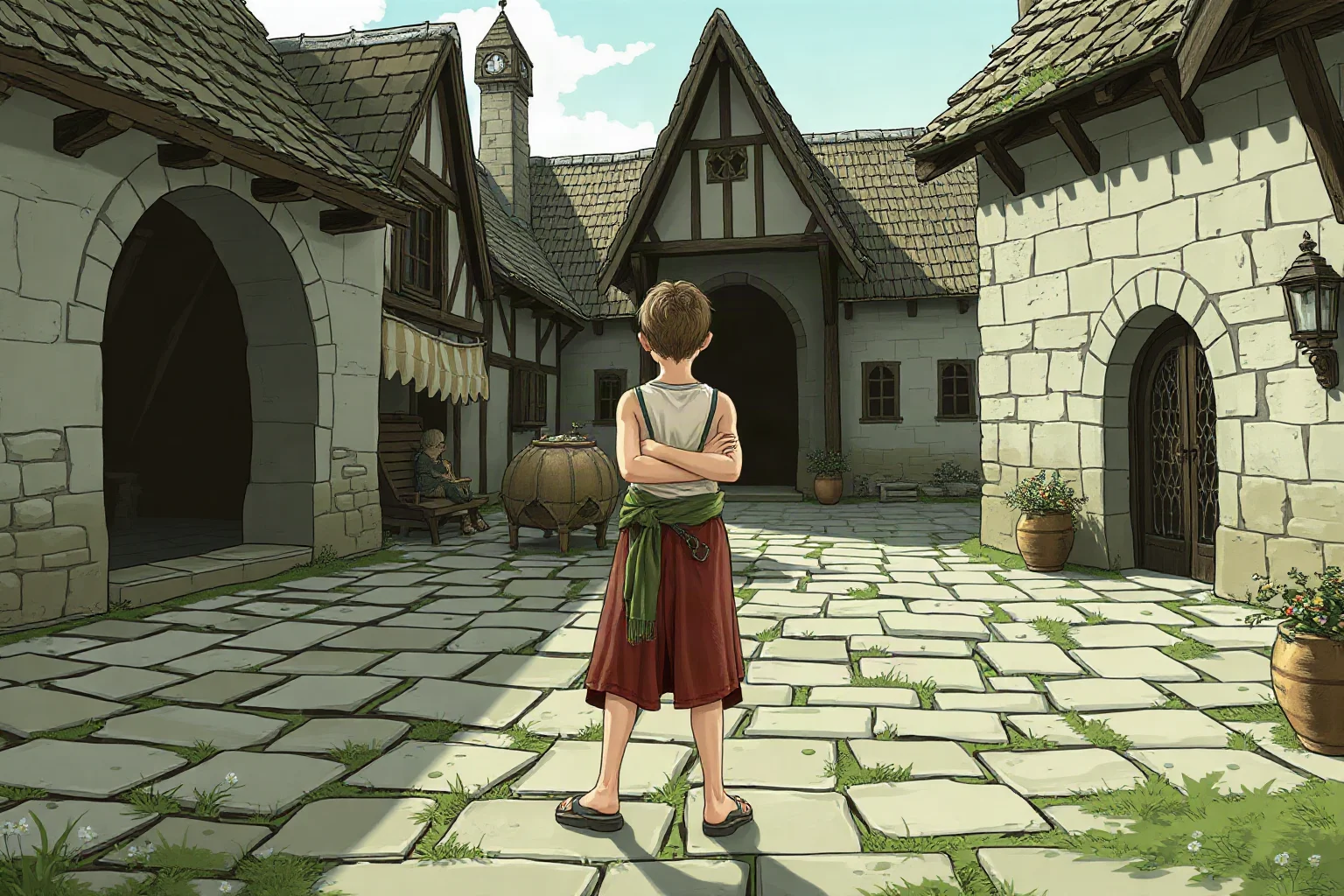
The girl, unlike the boy, survived and reportedly adapted over time. As her diet changed, her green skin tone is said to have faded until she looked like any other local resident. She eventually learned to speak English, was baptized, and was said to have lived a long life within the local community.
Some versions of the chronicle note that as she grew older, her behavior was viewed critically by observers of the time, though such judgments say as much about medieval attitudes toward women as they do about her actual character. This part of the story should be read with some skepticism about the biases of its original recorders.
14. The Later Addition of a Name: Agnes Barre

Neither original 12th or 13th-century chronicle gives the surviving girl a name. The name "Agnes Barre," along with a claim that she later married a royal official named Richard Barre, appears only in later folklore and antiquarian writing, well after the medieval sources were composed. This detail is often repeated online as though it were part of the original record, but it is not.
Treating this name as historical fact would be a mistake. It is best understood as a much later embellishment layered onto an already uncertain medieval story.
15. What the Girl Reportedly Said About Her Homeland

Once she learned enough English, the surviving girl reportedly described coming from a place called "St Martin's Land," a twilight country where the sun never shone brightly and everything, including its people, was green. She said she and the boy had been tending their father's cattle when they heard a loud noise, possibly bells, and suddenly found themselves at the Woolpit wolf pits.
This description is often the starting point for theories connecting the story to a real place name, since several villages in eastern England are associated with Saint Martin. It is also exactly the kind of vague, dreamlike detail that fuels otherworldly interpretations of the tale.
16. Theory: Displaced Flemish Immigrant Children
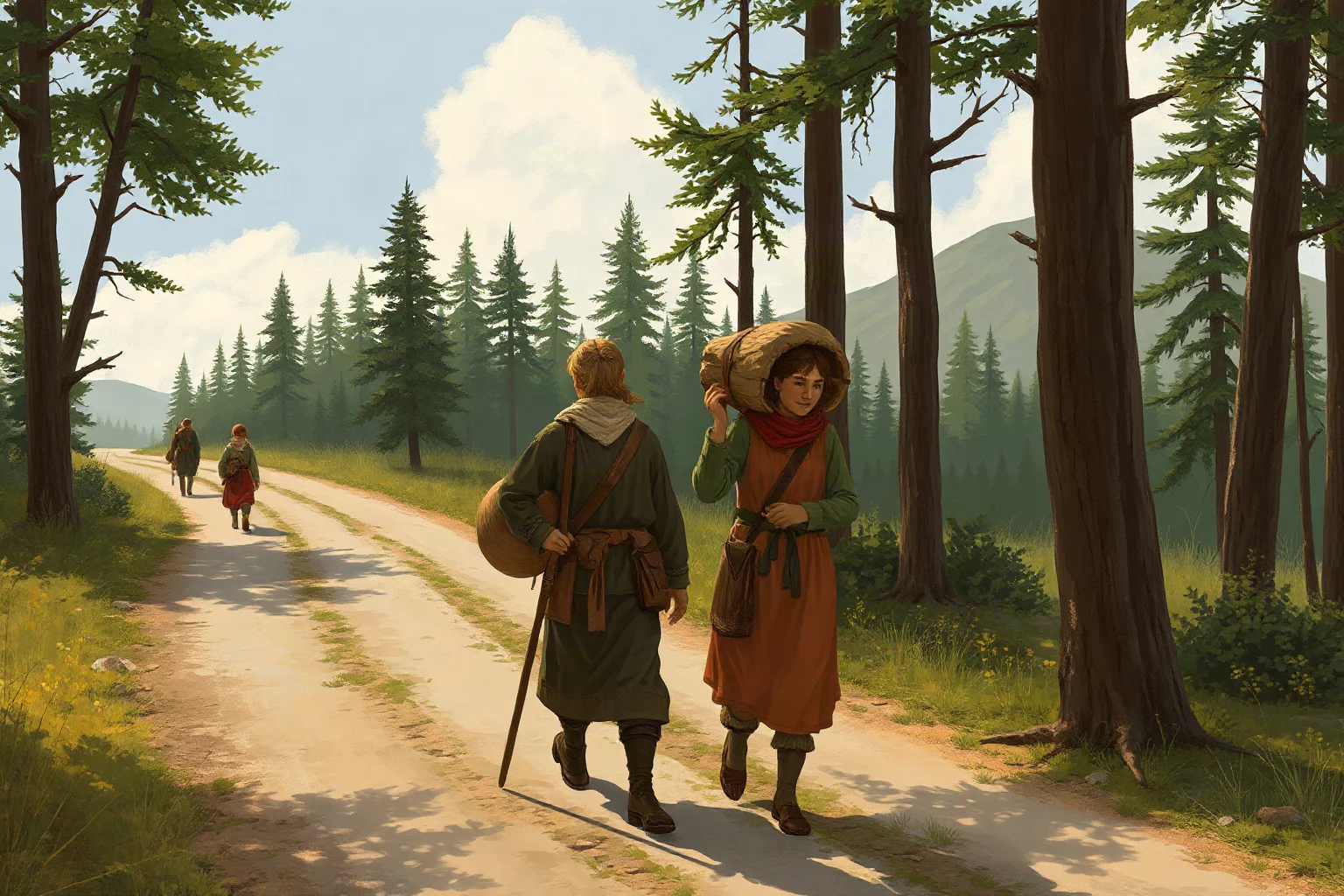
One of the more grounded historical theories suggests the children were not otherworldly at all, but ordinary immigrant children. 12th-century Suffolk had communities of Flemish settlers, and Flemish speech would have sounded completely foreign to English villagers, potentially explaining the "unknown language." Some researchers have pointed to Fornham St Martin, a real Suffolk location, as a possible garbled source for "St Martin's Land."
Under this theory, the children may have been orphaned or separated from parents during a period of local unrest, wandered through nearby forest, and emerged disoriented, malnourished, and dressed in unfamiliar clothing. It is a plausible, non-supernatural explanation, though it remains a theory rather than a confirmed history.
17. Theory: Fairies or Otherworld Visitors
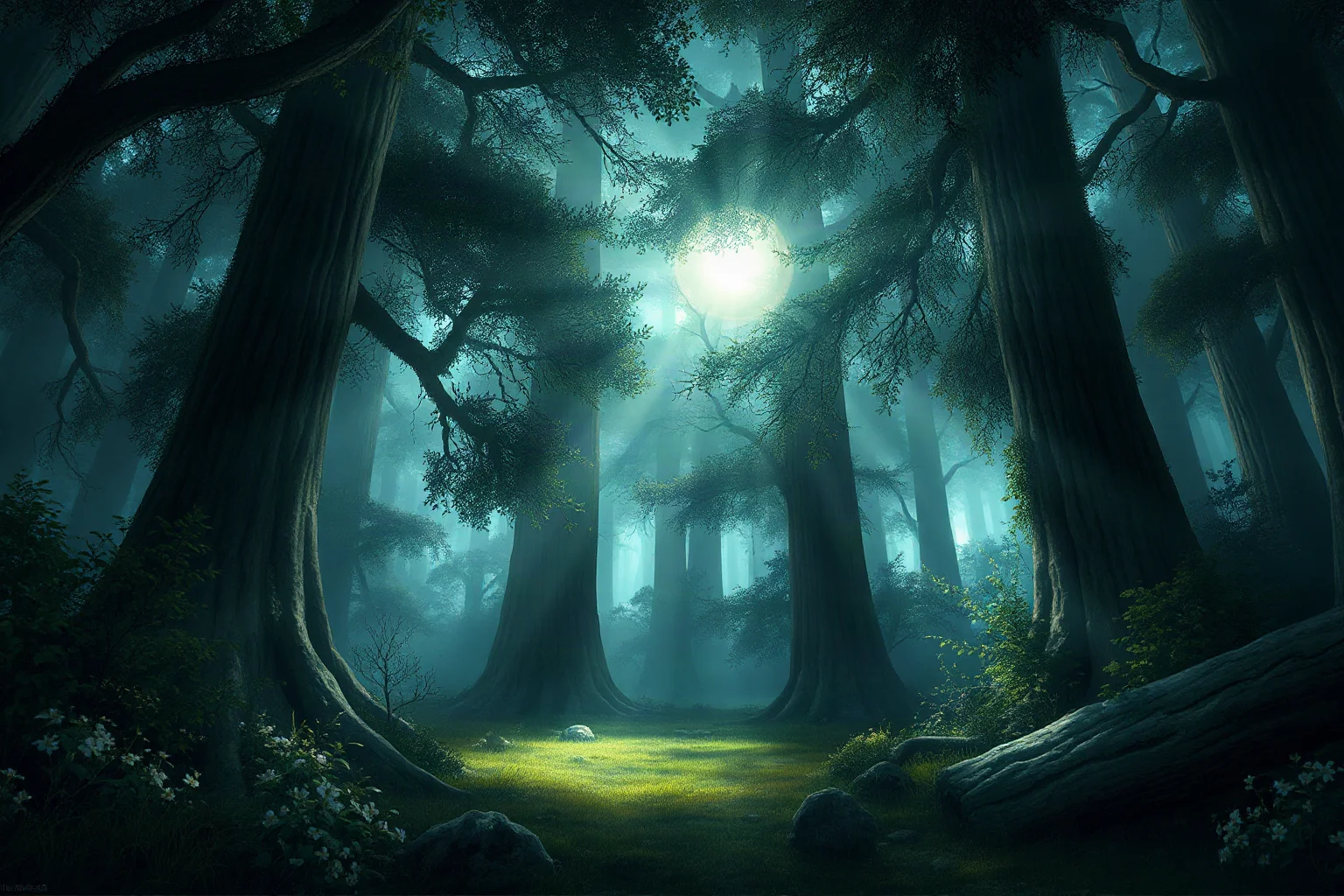
Medieval and later folklore both have a long tradition of green-skinned or otherworldly beings emerging unexpectedly from the landscape. Some folklorists have grouped the Woolpit story alongside other British "otherworld visitor" tales, where green skin symbolizes a connection to fairyland or an underground realm rather than ordinary humanity. This reading treats the story as a piece of folklore first, rather than a literal historical event.
This interpretation is culturally interesting but is not treated as a serious historical explanation by most modern researchers. It is included here because it heavily shapes how the story has been retold and marketed in popular culture, especially in fantasy fiction and folklore anthologies.
18. Theory: Malnutrition and Hypochromic Anemia

A popular modern medical theory proposes that the children's green skin resulted from a nutritional deficiency, specifically a form of anemia known as chlorosis or hypochromic anemia, which can produce a pale, faintly greenish skin tone in malnourished individuals. Under this theory, a period of near-starvation, followed by a gradual return to a normal diet, would explain both the initial coloring and its later disappearance. The children's odd initial diet of only beans fits neatly with a body slowly readjusting to regular food.
This explanation is attractive because it accounts for multiple details at once: the color, the fading of that color over time, and the initial food refusal. It remains speculative, since there is no physical evidence from the 12th century to test it against, but it is one of the more scientifically grounded readings of the legend.
19. Fringe Theory: Extraterrestrial or Parallel-World Origins

In more recent decades, some popular and speculative writers have suggested the green children came from another planet or a parallel dimension, pointing to the description of a dim, twilight land and their unfamiliar appearance. This interpretation owes far more to modern science fiction tropes than to anything in the original medieval sources. It is worth mentioning only because it circulates widely online.
Serious historians and folklorists do not treat this as a credible explanation. It is best understood as a modern reinterpretation layered onto an old story, rather than an idea rooted in the 12th-century material itself.
20. The Skeptical Historian's View
Many historians urge caution about treating the Woolpit story as a literal, verified event at all. Both surviving accounts were written well after the fact, based on local report rather than firsthand witness, and medieval chronicles regularly mixed genuine local history with folklore, moral allegory, and traveler's tales. The specificity of details like Sir Richard de Calne's household lends some credibility, but it does not prove the more fantastical elements are accurate.
The honest scholarly position is that something unusual may well have happened near Woolpit involving two unfamiliar children, but the greener, stranger details may have grown in the retelling. Separating a possible real event from centuries of embellishment is, at this point, extremely difficult.
21. Woolpit Today: A Village That Embraces Its Legend
Modern Woolpit has fully embraced its strange claim to fame. The village sign depicts the green children standing near the wolf pits, and local businesses, including a well-known pub, reference the legend in their names and decor. A village well is also popularly associated with the story, though its direct connection to the original chronicles is more folklore than documented fact.
For visitors searching for "Woolpit Suffolk" or planning a trip based on the legend, the village itself is a genuine, charming stop with real medieval heritage beyond just the green children tale. It offers a rare case where a centuries-old mystery has become a welcomed, low-key part of a community's identity rather than a burden.
22. The Legacy of the Green Children in Books, Art, and Pop Culture
The story of the Woolpit green children, often searched simply as "Woolpit green" or "Woolpit kids," has inspired novels, poems, songs, and works of visual art over the past century. Author Herbert Read wrote a novel inspired by the legend in the mid-20th century, and the story continues to surface in folklore documentaries, historical mystery podcasts, and speculative fiction anthologies. Its blend of a real English village, a documented medieval source, and an unresolved mystery makes it uniquely appealing across different creative mediums.
This lasting cultural footprint is part of why the legend remains so searchable and so discussed today, centuries after William of Newburgh and Ralph of Coggeshall first put pen to parchment. It endures not because it has been proven, but precisely because it has not.
Why the Mystery Still Matters
The Green Children of Woolpit sit in a genuinely rare category of historical legend. They are documented by two independent, named medieval writers rather than existing only as anonymous folklore, yet key details remain impossible to verify against any other evidence. That combination of credible sourcing and unresolved mystery is unusual, and it is exactly why historians keep returning to it.
Whether the truth involves displaced Flemish children, a case of severe malnutrition, or details lost and reshaped over eight centuries of retelling, no single theory has closed the case. The most responsible approach is to enjoy the story as a genuinely fascinating piece of medieval English record, while resisting the urge to treat any one explanation as definitively solved.
Frequently Asked Questions
What is the story of the Green Children of Woolpit?
According to two 12th and early 13th-century English chronicles, two children with green-tinted skin were found near the village of Woolpit in Suffolk, unable to speak a recognizable language and refusing to eat anything but raw beans. The boy died soon after, while the girl reportedly lost her green color over time, learned English, and lived on in the community.
Where is Woolpit, Suffolk located?
Woolpit is a small village in Suffolk, England, situated roughly between Bury St Edmunds and Stowmarket. It is a real, still-existing rural community best known today for its association with the medieval green children legend.
Is the story of the green children of Woolpit historically true?
Parts of the story, such as the village, the wolf pits, and the knight Sir Richard de Calne, are grounded in real medieval Suffolk history. However, the more fantastical details, like green skin and an unknown twilight homeland, cannot be independently verified, so historians treat the tale as unproven rather than confirmed fact.
Why were the children’s skin green?
No one knows for certain. Leading theories include severe malnutrition causing a form of anemia that can produce a greenish skin tone, or embellishment added as the story was retold as folklore over the centuries.
What language did the Woolpit green children speak?
Medieval chronicles describe their speech as completely unintelligible to the villagers who found them. Some historians suggest they may have spoken Flemish, a language that would have sounded foreign to 12th-century English villagers in that region.
What happened to the surviving green child?
According to Ralph of Coggeshall's chronicle, the surviving girl was baptized, gradually lost her green coloring, learned English, and lived within the local community for the rest of her life. A later, non-medieval tradition gave her the name Agnes Barre, though this name does not appear in the original 12th-century sources.
Who first wrote about the Green Children of Woolpit?
The story is recorded by two medieval writers: William of Newburgh, in his Historia rerum Anglicarum from the 1190s, and Ralph of Coggeshall, in his Chronicon Anglicanum from the early 1200s. Both were writing based on earlier local reports rather than firsthand witness.

Alex Warren
Related Articles