
Ask most people what they know about the Civil War, and you’ll usually get the same handful of textbook lines: Lincoln, Gettysburg, slavery, the Union versus the Confederacy. Those basics are true, but they only scratch the surface of one of the strangest, saddest, and most consequential chapters in American history.
This list digs past the highlight reel to bring you real, well-documented facts about the Civil War, covering the Union and Confederate sides alike, along with a few myths worth retiring.
Whether you’re a student hunting for solid facts on the Civil War for a project or just someone who loves a good historical rabbit hole, there’s something here you probably didn’t know.
TL;DR: The Civil War was bloodier, stranger, and more technologically modern than most people realize, and its true death toll and lasting effects are still being reassessed by historians today.
Civil War at a Glance
Before diving into the deeper stories, here are the basic characteristics of the Civil War worth knowing:
- Dates: April 12, 1861 to roughly May 1865, though the last land battle happened in Texas after Lee’s surrender.
- Sides: The Union (23 states and territories) versus the Confederate States of America (11 seceded states).
- Estimated deaths: Traditionally cited as 620,000, though modern research suggests the true number may be closer to 750,000 or more.
- Key documents: The Emancipation Proclamation (1863), the Gettysburg Address (1863), and the 13th Amendment (1865).
- Leaders: Abraham Lincoln led the Union; Jefferson Davis led the Confederacy.
With those basics established, let’s get into the details: the interesting, odd, and occasionally jaw-dropping facts about the Civil War that rarely make it into the standard summary.
1. Two Different “Civil Wars” Share the Name
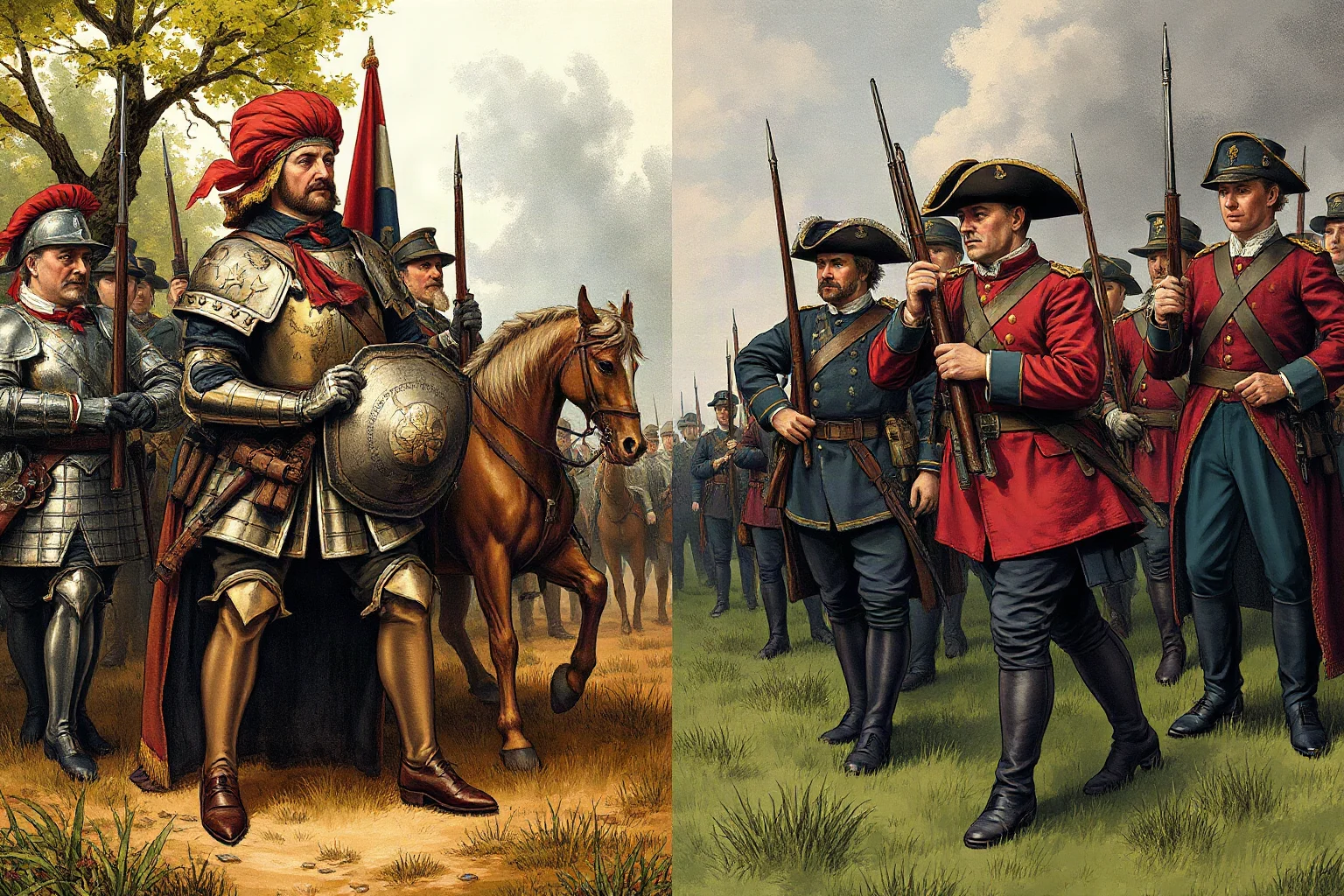
When people search for facts about the Civil War, they usually mean the American Civil War of 1861 to 1865. But there’s another Civil War entirely: the English Civil War, fought between 1642 and 1651 between supporters of King Charles I and Parliament.
The two conflicts share almost nothing beyond the name, since they happened in different centuries, on different continents, over entirely different causes. If you’re specifically researching facts about the English Civil War, make sure you’re not accidentally reading about Gettysburg instead.
2. The Death Toll Was Far Higher Than Once Believed
For over a century, textbooks cited roughly 620,000 deaths from the Civil War. That figure came from a 19th-century census-based estimate that historians long treated as settled.
In 2011, historian J. David Hacker used improved demographic techniques and revised the number upward, suggesting the true toll may have been closer to 750,000, and possibly higher. Even the lower estimate remains greater than American deaths in World War I, World War II, Korea, and Vietnam combined.
3. Disease Killed More Soldiers Than Bullets Did
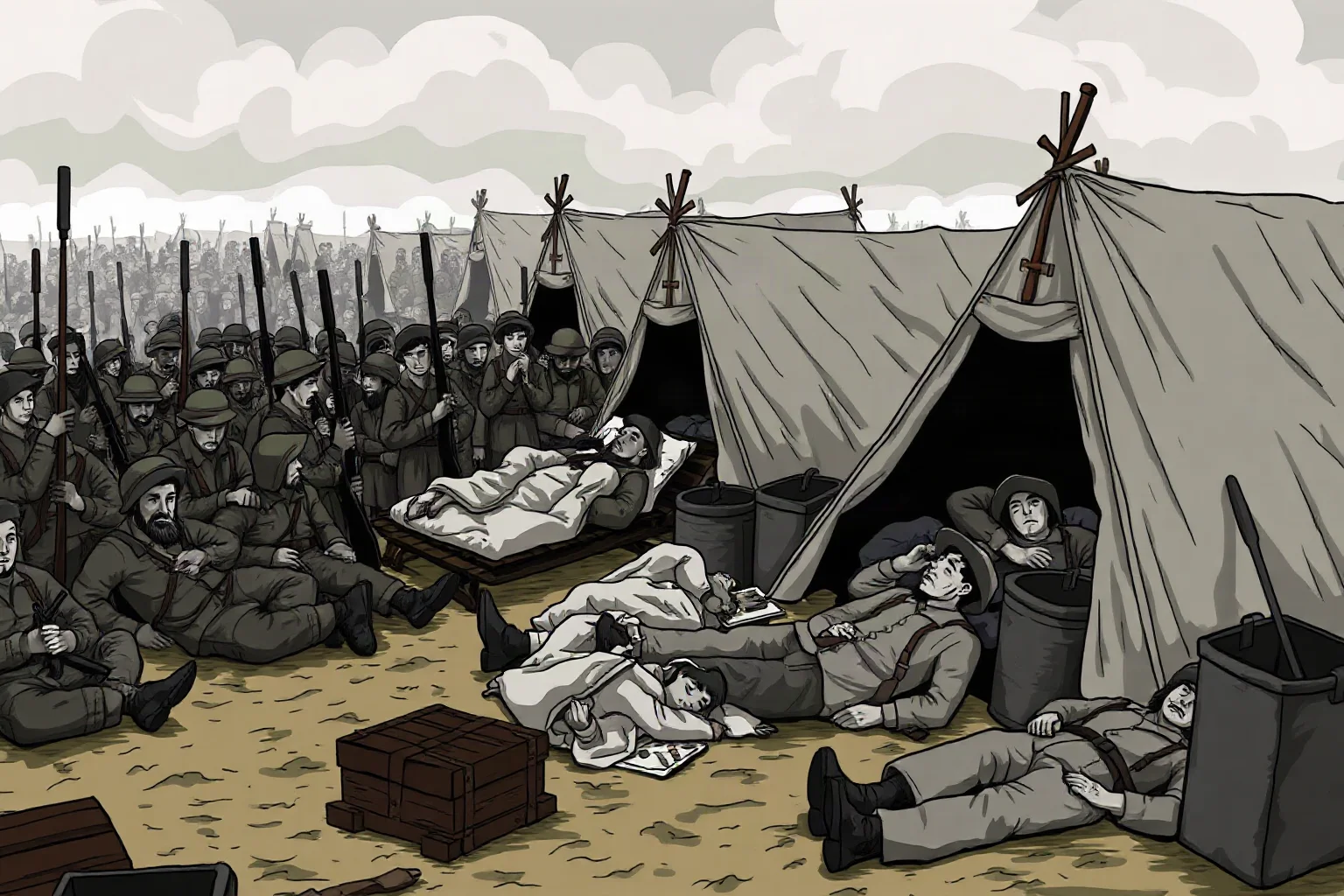
One of the more sobering facts about the Civil War is that roughly two out of every three soldier deaths came from disease, not combat. Dysentery, typhoid, pneumonia, and measles tore through crowded camps with poor sanitation.
Medical understanding of germs was still decades away, so wounds and illnesses were often treated with methods that did more harm than good. It’s a grim reminder that 19th-century battlefields were dangerous long before anyone fired a shot.
4. The Youngest and Oldest Soldiers Broke All the Rules
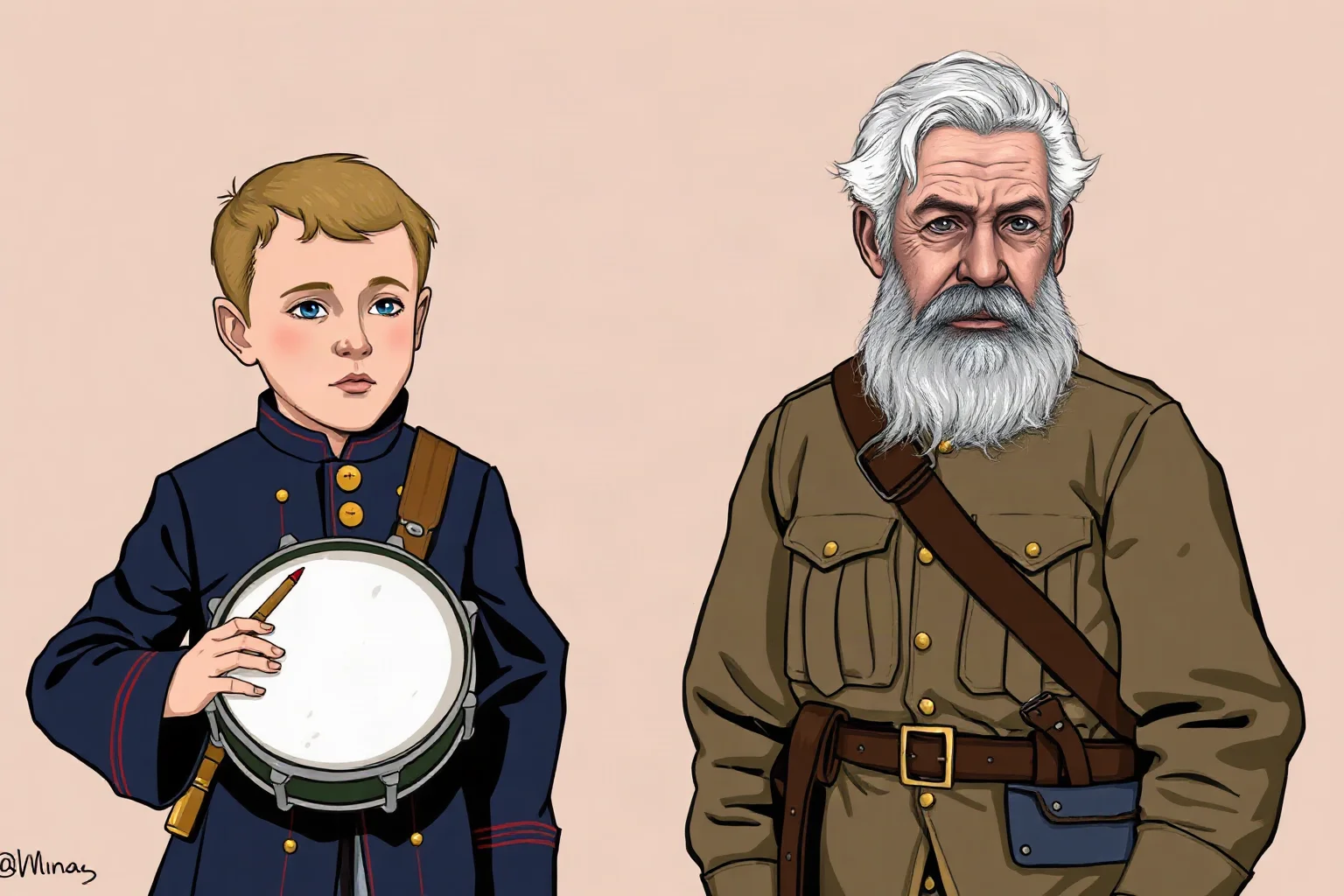
Officially, Union and Confederate armies required soldiers to be at least 18. In practice, boys as young as 9 or 10 served as drummers, messengers, or buglers, and plenty of teenagers lied about their age to enlist.
On the other end of the spectrum, some volunteers in their 60s and even 70s found their way into the ranks, often in support roles. Age limits, it turned out, were more of a suggestion than a rule.
5. Photography Turned the War Into America’s First Documented Conflict
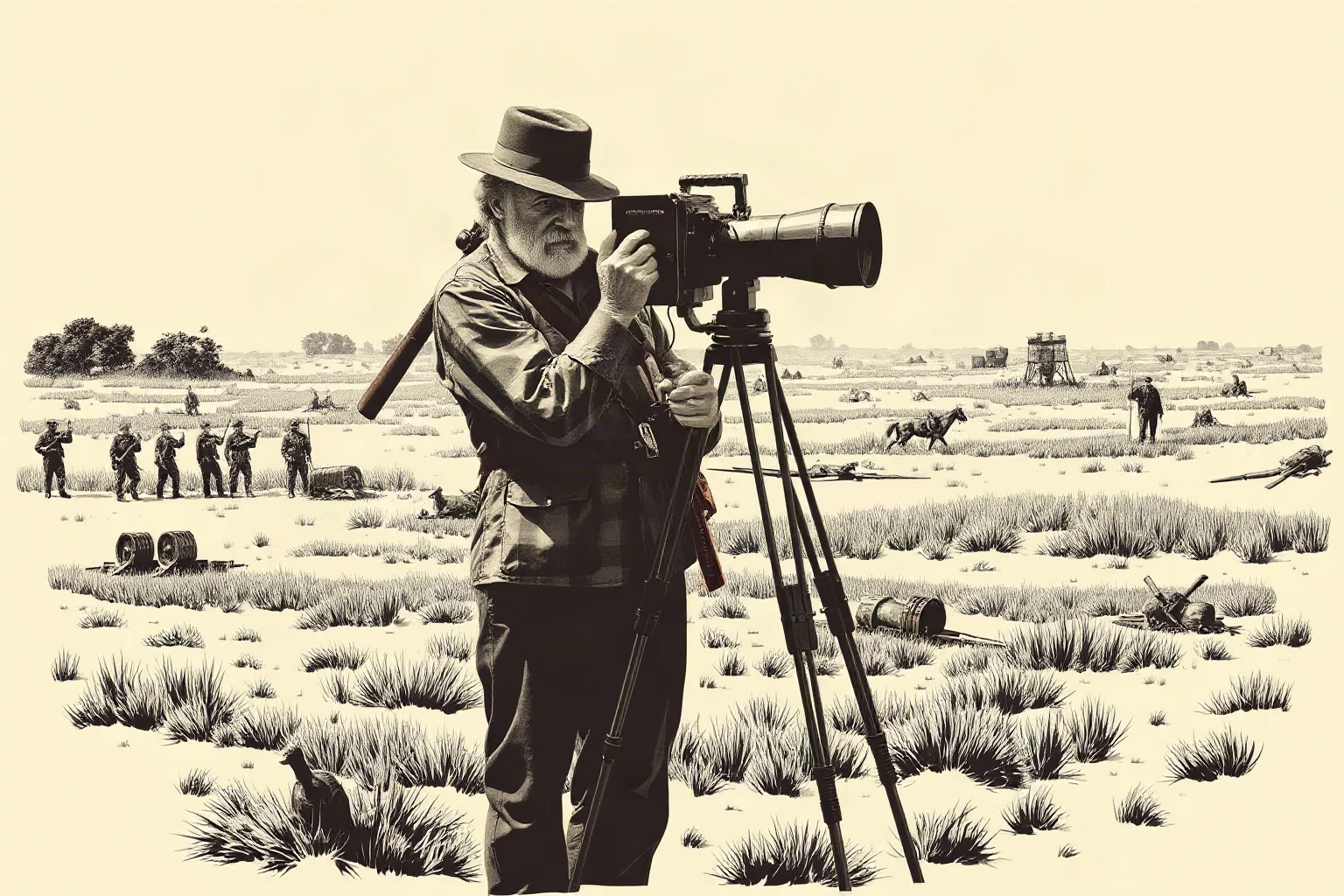
The Civil War was the first American war extensively documented through photography. Photographers working in the field, most famously associated with Mathew Brady’s studio, captured battlefields, camps, and the fallen in ways no earlier American conflict had recorded.
These images shocked civilians who had never seen the physical reality of combat before. They remain some of the most important primary sources historians rely on today.
6. It Featured Some Startlingly Modern Technology
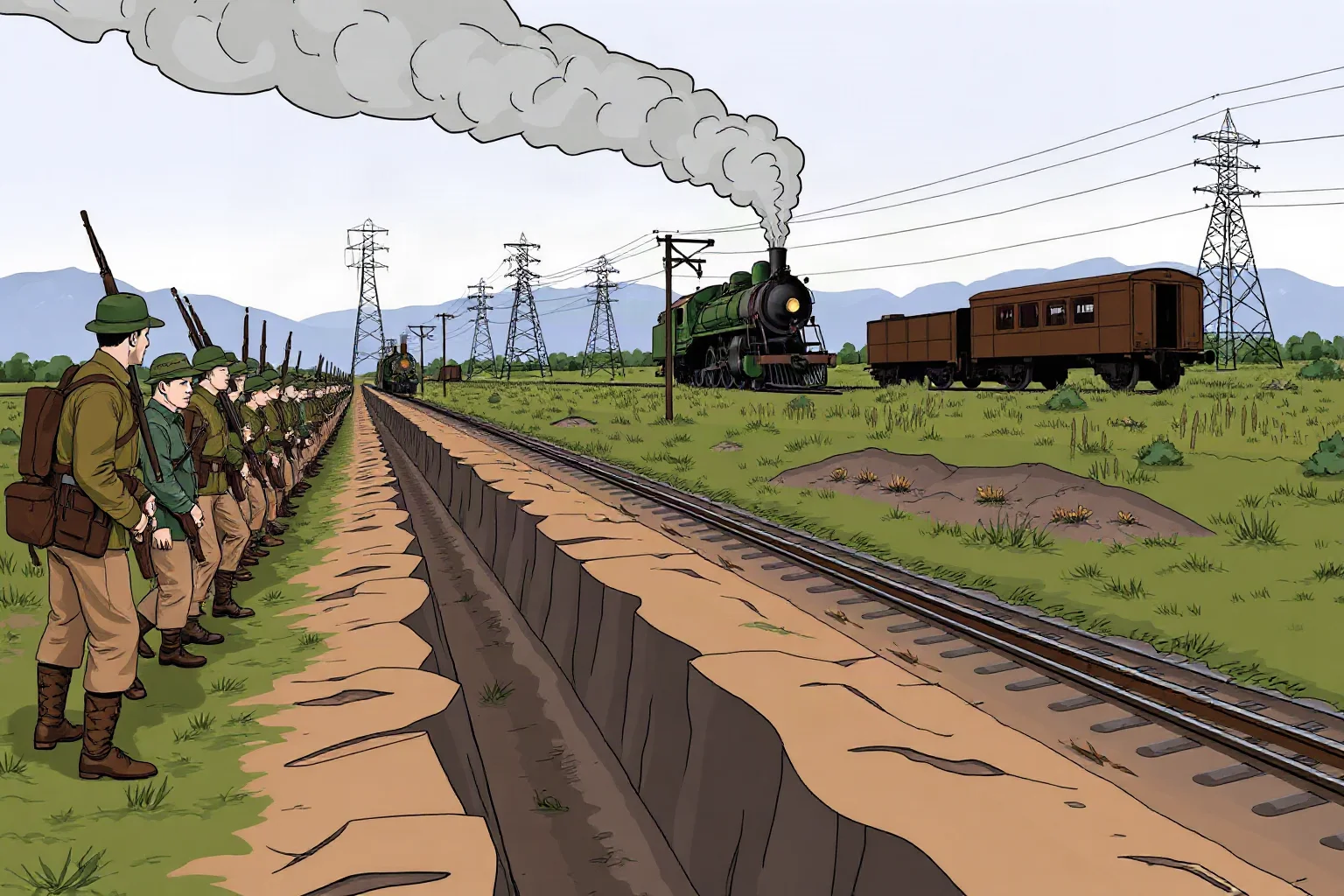
While it’s remembered for cavalry charges and muskets, the Civil War also introduced technology that pointed toward the wars of the 20th century. Rifled muskets and repeating rifles increased range and lethality, railroads moved troops faster than ever, and the telegraph let commanders communicate almost in real time.
Trenches dug around Petersburg, Virginia, in 1864 and 1865 foreshadowed the static, grinding warfare of World War I. Ironclad warships, discussed further below, rewrote naval combat almost overnight.
7. Eleven States Formed the Confederacy, But It Was Never Just “The South”
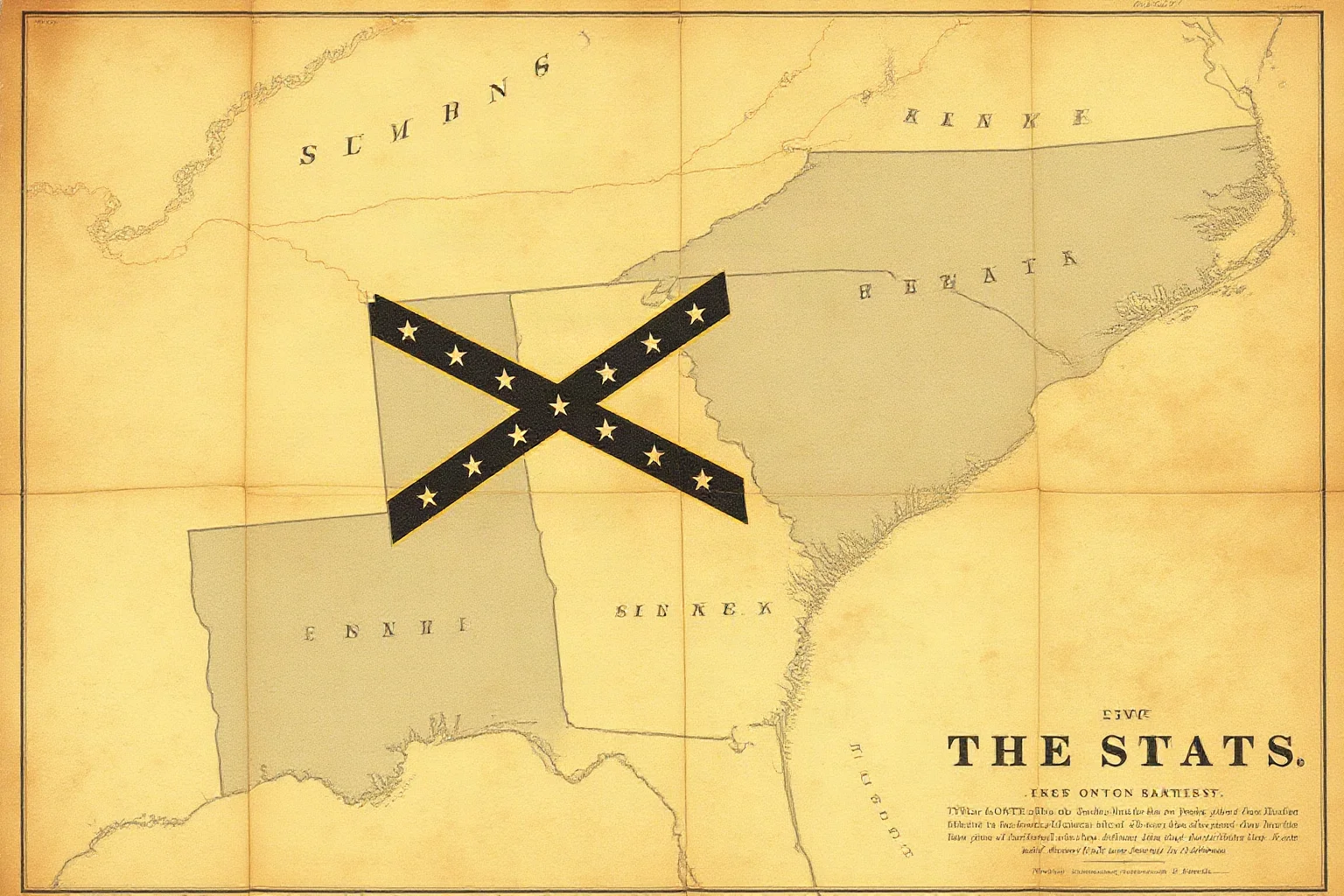
The Confederate States of America was made up of eleven states that seceded between December 1860 and June 1861: South Carolina, Mississippi, Florida, Alabama, Georgia, Louisiana, Texas, Virginia, Arkansas, Tennessee, and North Carolina. South Carolina went first, just weeks after Lincoln’s election.
Confederate civil war facts often get flattened into “the South” as a single unified block, but there was real disagreement within these states over secession, states’ rights, and how the war should be fought. Richmond, Virginia, served as the Confederate capital for most of the war.
8. The Union Was a Bigger, More Complicated Coalition Than Just “The North”
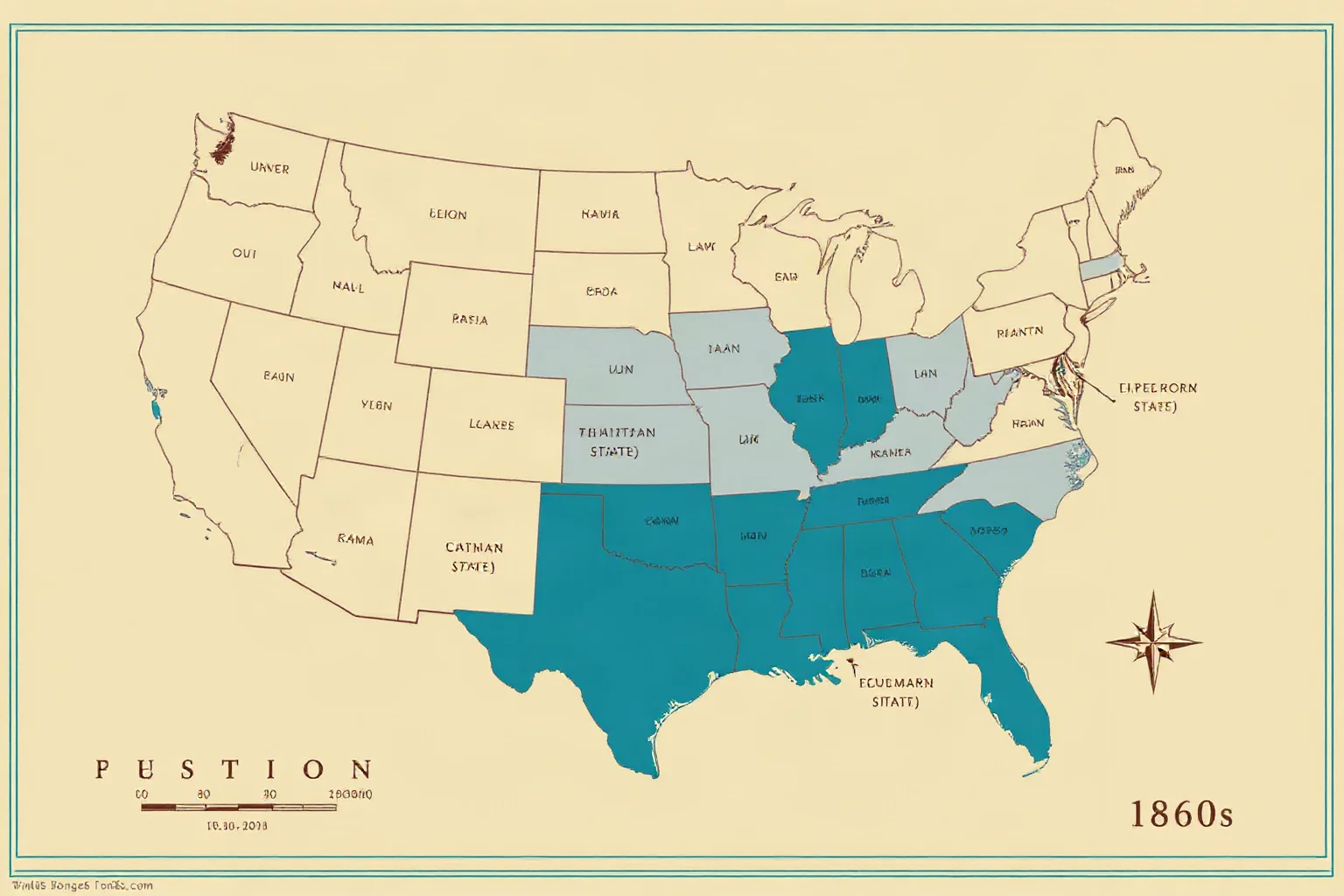
The Union included 23 states, and its makeup was more complicated than a simple North-versus-South divide suggests. Four slaveholding border states, Missouri, Kentucky, Maryland, and Delaware, stayed in the Union despite permitting slavery.
West Virginia was created in 1863 when counties in western Virginia refused to secede alongside the rest of the state and split off to join the Union instead. Union American Civil War facts like these show how messy the actual map really was.
9. Hundreds of Women Fought Disguised as Men
Women were officially barred from combat roles in both armies, but historians estimate several hundred disguised themselves as men in order to enlist anyway. Some were only discovered after being wounded or killed.
Others served as spies, nurses, or smugglers without ever picking up a rifle. Their stories are some of the more overlooked interesting facts about the Civil War, since official records rarely acknowledged them at the time.
10. Brothers, Fathers, and Sons Sometimes Fought on Opposite Sides
Border states and mixed-loyalty families sometimes produced literal brother-against-brother situations. Mary Todd Lincoln, the First Lady, had several brothers and half-brothers who served in the Confederate military while her husband led the Union.
Divided households weren’t rare in border regions like Kentucky and Missouri, where loyalty often split along family lines rather than geography. It’s one of the more human, unsettling facts about the Civil War’s reach.
11. Animal Mascots Marched Into Battle
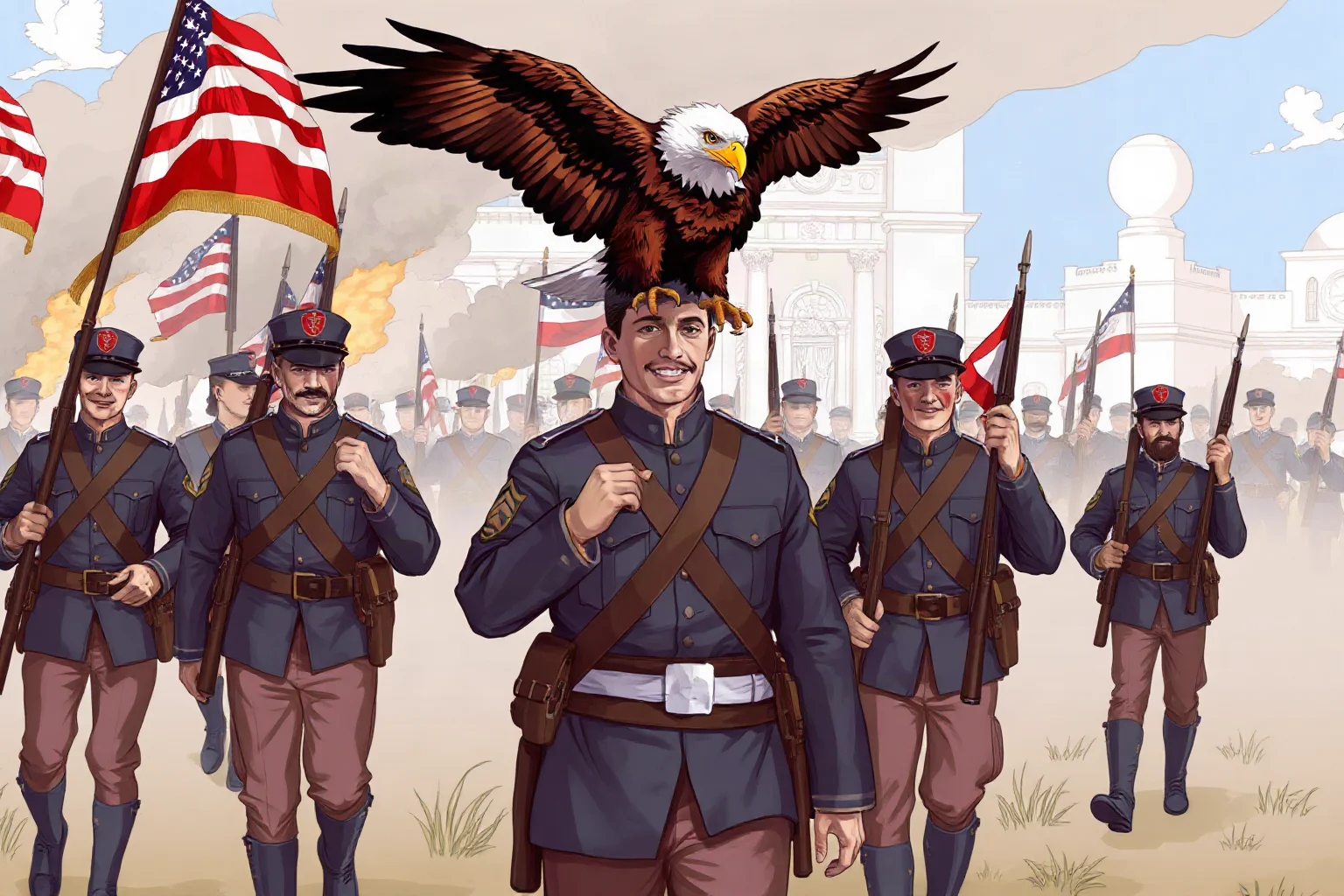
Regiments on both sides adopted animal mascots to boost morale, including dogs, goats, and even the occasional bear cub in documented cases. The most famous was “Old Abe,” a bald eagle carried into numerous battles by a Wisconsin regiment as a living standard.
These mascots weren’t just for show; some accompanied their units into genuine combat and became minor celebrities afterward. It’s a small but memorable entry on any list of weird Civil War facts.
12. Antietam Remains the Bloodiest Single Day in American History
The Battle of Antietam, fought on September 17, 1862, in Maryland, produced roughly 22,000 casualties, killed, wounded, and missing, in a single day. No other day in American military history, before or since, has matched that toll.
The battle was tactically inconclusive, but it gave Lincoln the political opening he needed to issue the preliminary Emancipation Proclamation shortly afterward. Sometimes the most important turning points come from the costliest days.
13. Confederate Currency Became Worthless Paper
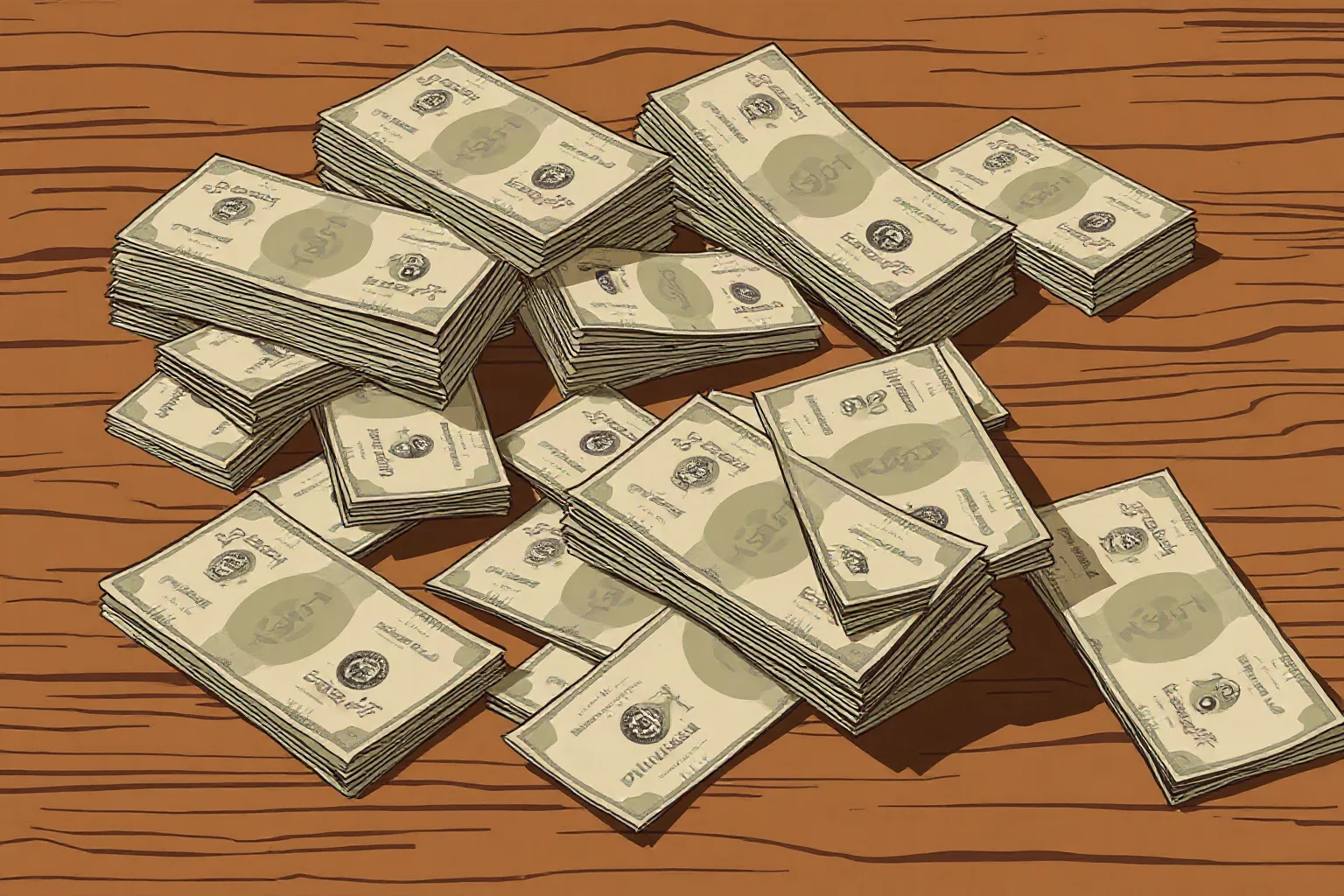
The Confederate government printed its own money to fund the war, but without gold backing or a stable economy behind it, inflation spiraled out of control. By the war’s end, Confederate dollars had lost the overwhelming majority of their value.
Soldiers and civilians alike watched their savings evaporate as prices for basic goods skyrocketed. It’s one of the starker civil war south facts: the Confederacy’s economic collapse was arguably as damaging as its military defeats.
14. Robert E. Lee Was Offered Command of the Union Army First
In April 1861, before Virginia seceded, Lee was offered a senior command in the Union Army. He declined, and later resigned his U.S. Army commission when his home state joined the Confederacy.
Lee went on to lead the Army of Northern Virginia, the Confederacy’s most famous fighting force. It’s a reminder that loyalties in 1861 were often tied to state identity as much as, or more than, national identity.
15. The Gettysburg Address Lasted Barely Two Minutes
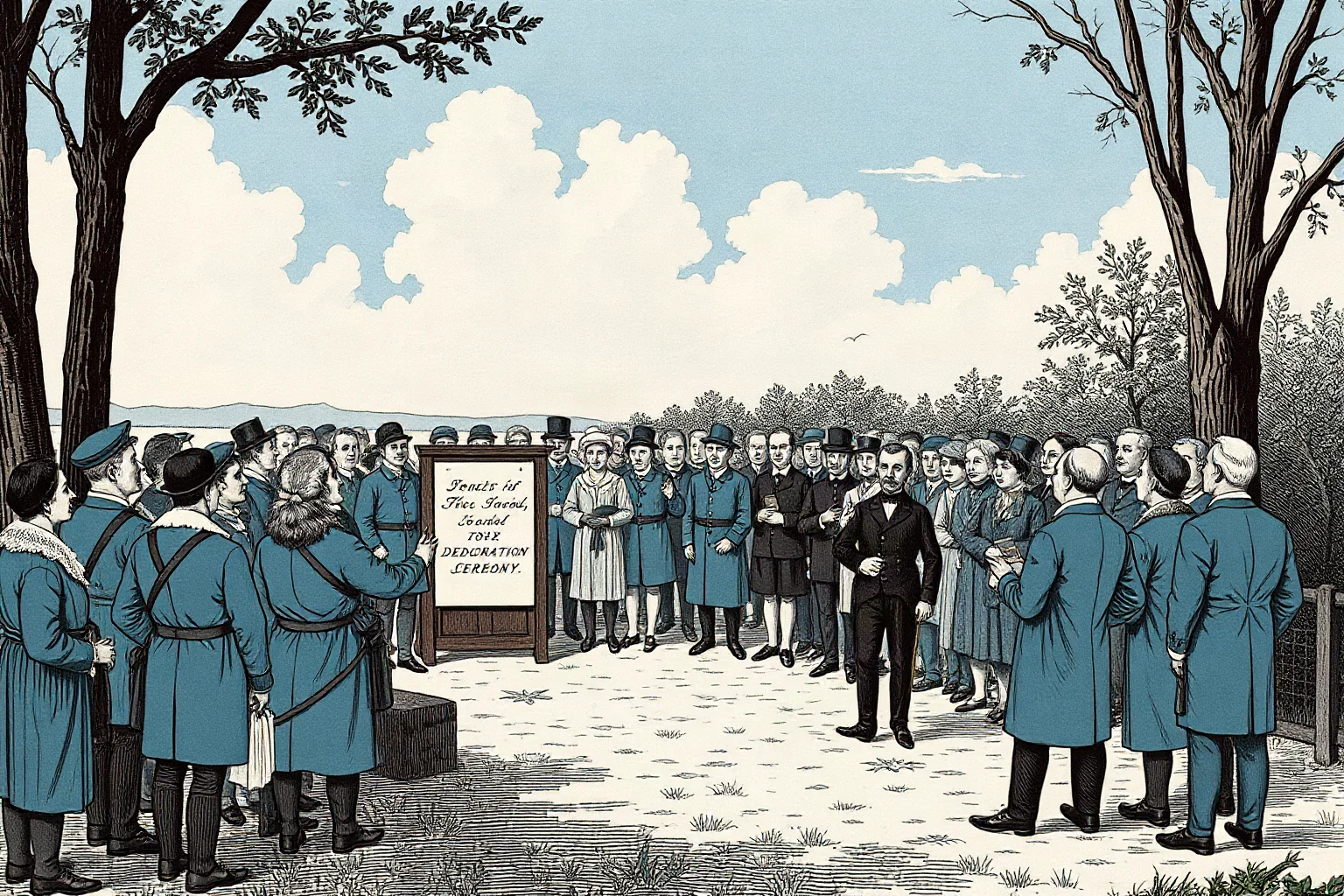
Abraham Lincoln’s Gettysburg Address, delivered on November 19, 1863, is one of the most quoted speeches in American history, yet it ran only about two to three minutes and roughly 270 words. Lincoln wasn’t even the main speaker that day.
Orator Edward Everett spoke for around two hours beforehand, and it was Lincoln’s brief remarks that history ended up remembering instead. Short and simple, it turns out, can outlast long and elaborate.
16. Balloons Gave Armies a Bird’s-Eye View
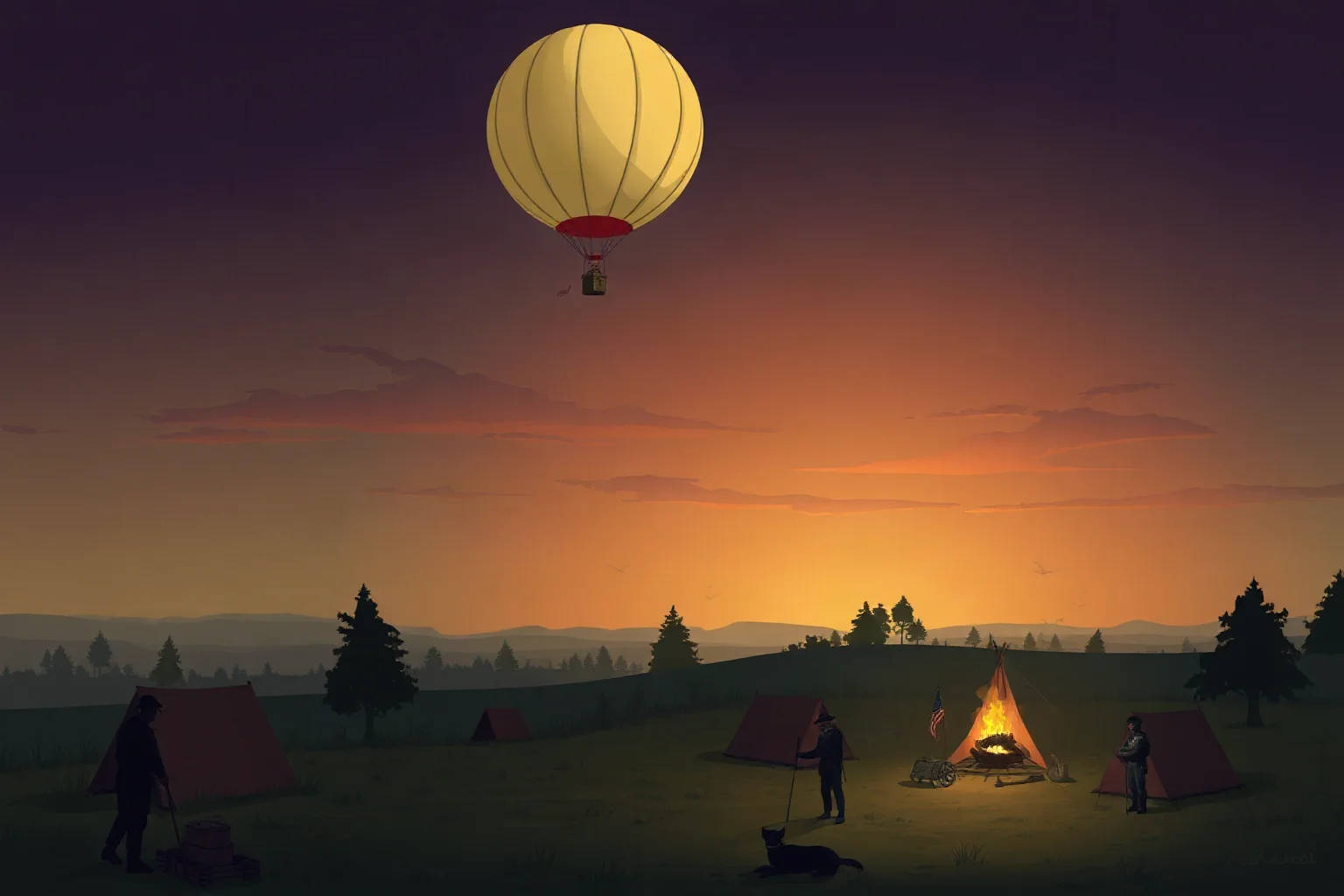
The Union Army Balloon Corps, organized early in the war, used hydrogen and hot-air balloons to observe Confederate positions from above. Aeronaut Thaddeus Lowe helped pioneer aerial reconnaissance for the Army.
The balloons had real limitations, including weather dependency and vulnerability to enemy fire, and the corps was eventually disbanded. Still, it marked one of the earliest uses of aerial surveillance in American military history.
17. The Confederacy Deployed One of the First Combat Submarines
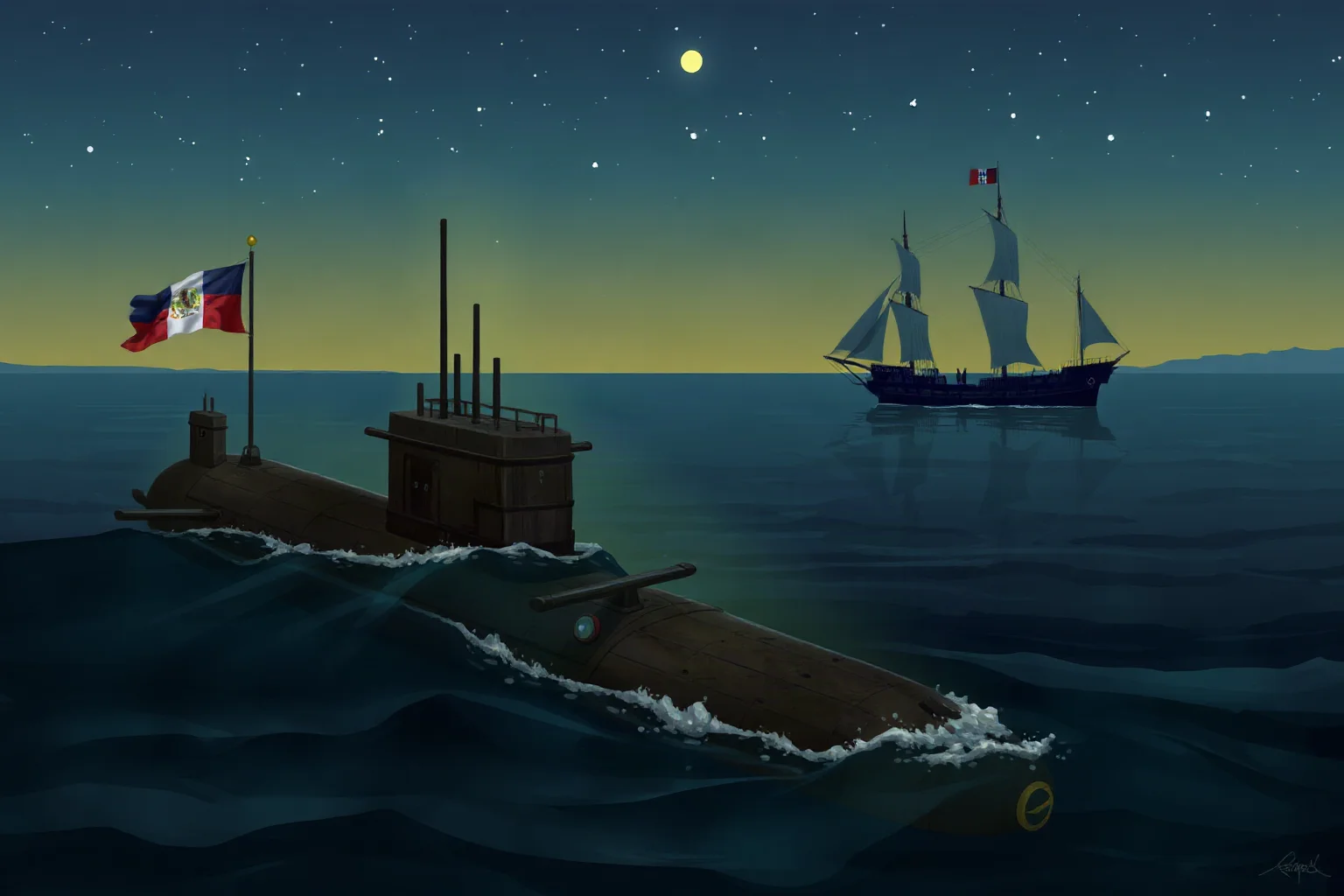
The H.L. Hunley, a Confederate submarine, became the first submarine in history to sink an enemy warship when it struck the USS Housatonic off Charleston in February 1864. It was a genuine technological milestone.
The victory came at a steep cost, since the Hunley itself sank shortly after the attack, killing its crew. The wreck wasn’t located and raised until the late 20th century, giving historians a rare, direct look at Civil War-era engineering.
18. The Union Introduced America’s First Income Tax
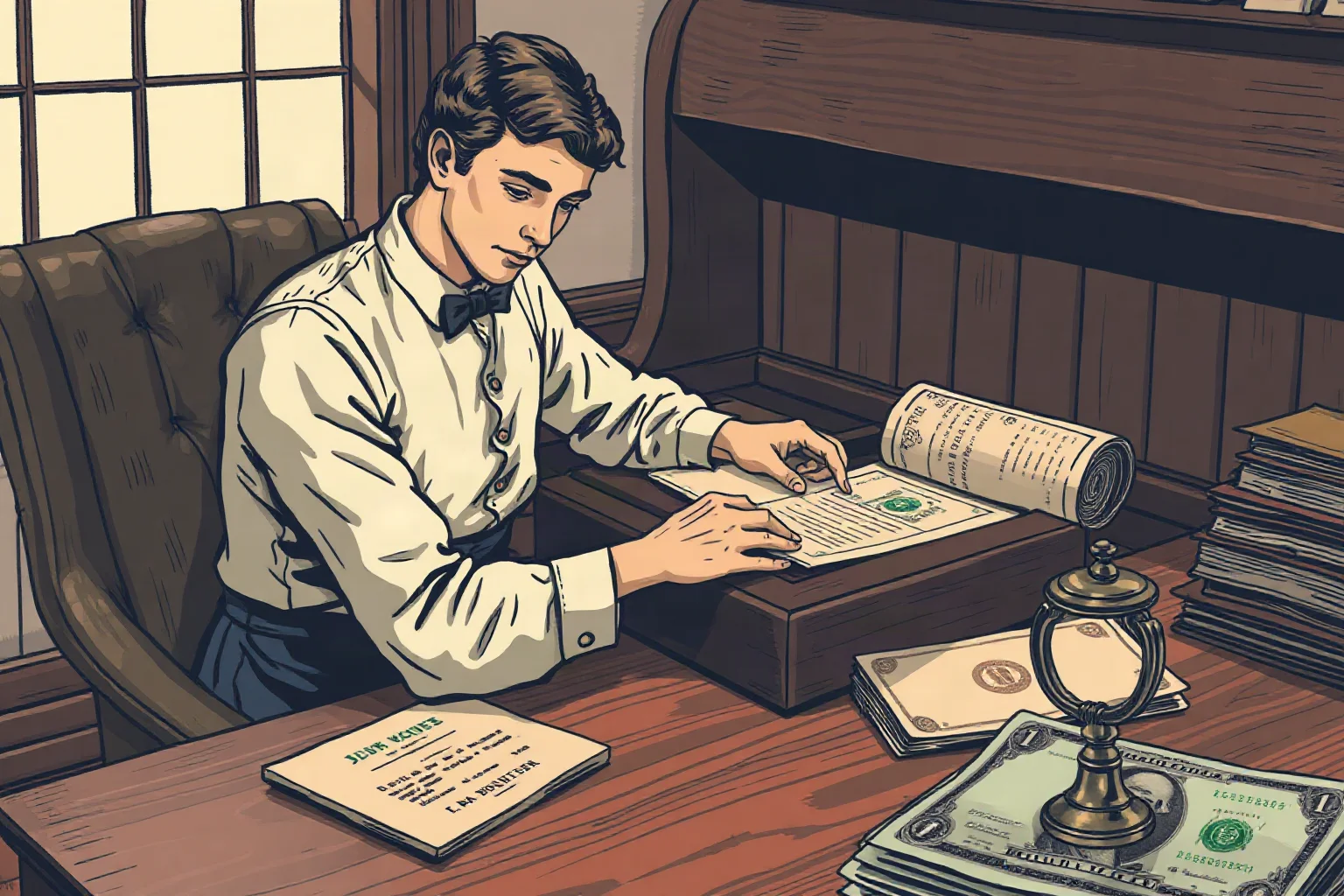
To help fund the war effort, Congress passed legislation creating the nation’s first federal income tax in the early 1860s. It was a temporary measure, later repealed, but it set an important precedent.
Financing a war of this scale required new kinds of federal power, including taxation, bond sales, and a national currency. These wartime financial tools reshaped how the federal government operated long after the fighting ended.
19. Nearly Four Million People Gained Their Freedom
At the war’s start, roughly four million people were enslaved in the United States, almost entirely in the Southern states. The Emancipation Proclamation of 1863 declared enslaved people in Confederate-held territory free, though enforcement depended on Union military advances.
Full legal abolition came with the 13th Amendment, ratified in December 1865, after the fighting had ended. This transformation of millions of lives stands as the war’s most significant lasting consequence.
20. No Foreign Government Ever Recognized the Confederacy
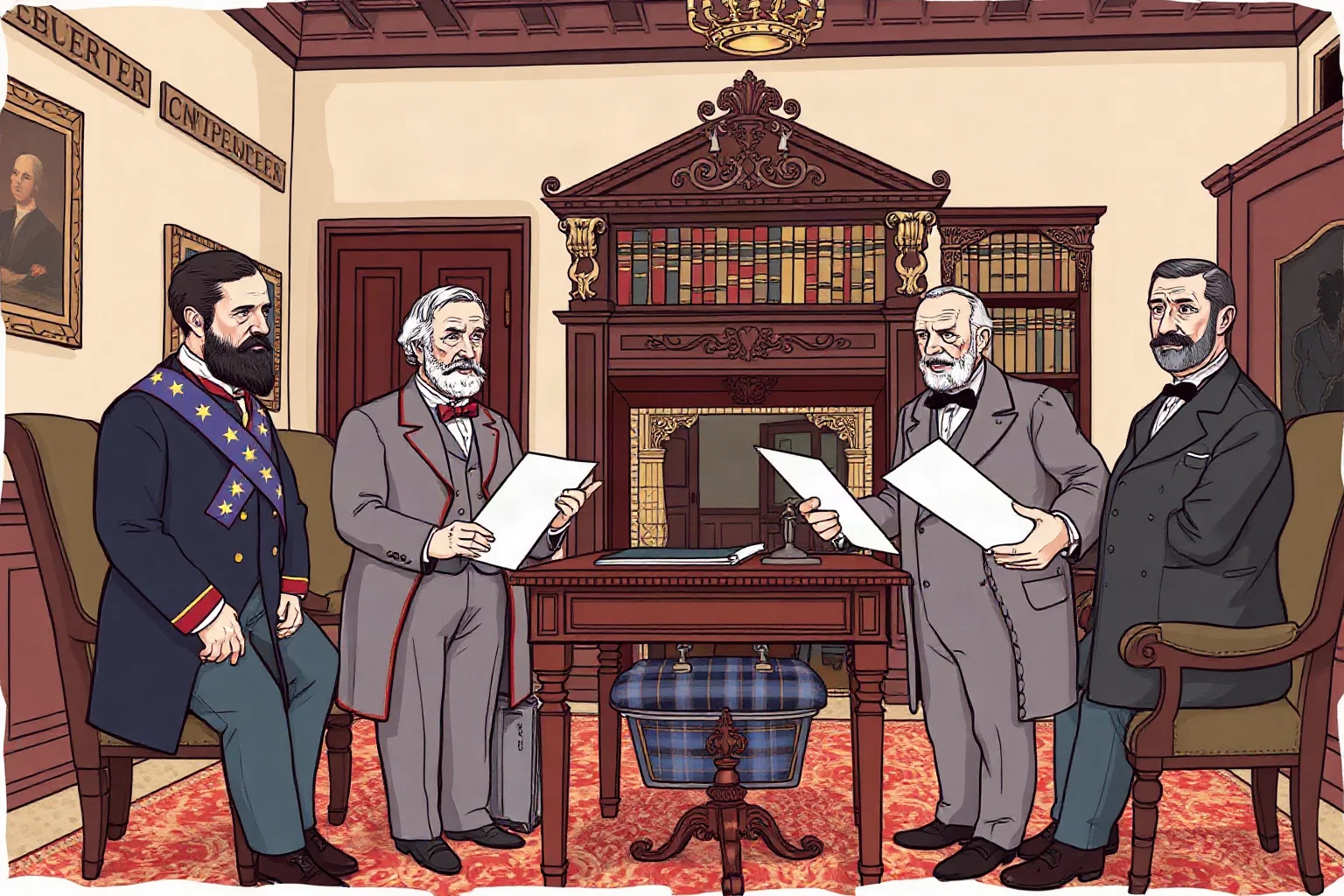
Confederate diplomats worked hard to secure recognition and support from Britain and France, hoping European cotton demand would translate into political backing. Both countries granted the Confederacy limited “belligerent” status but stopped short of full diplomatic recognition.
Without formal recognition, the Confederacy struggled to secure loans, weapons, and international legitimacy. It’s an underappreciated fact about the Confederacy’s isolation on the world stage.
21. Fighting Continued for Weeks After Lee Surrendered
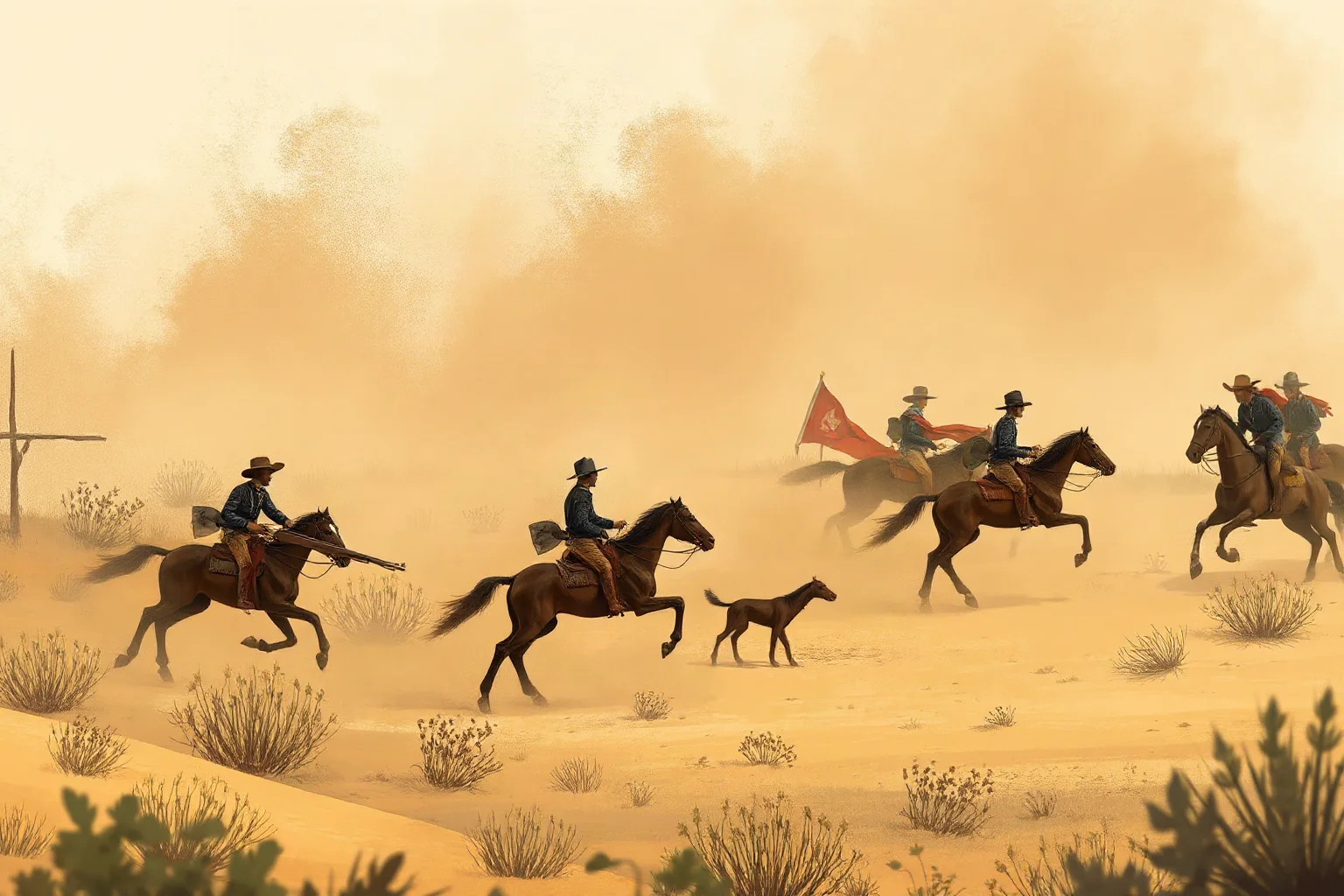
Robert E. Lee’s surrender at Appomattox Court House on April 9, 1865, is often treated as the war’s end, but scattered fighting continued afterward. The last significant land battle, at Palmito Ranch in Texas, took place on May 12 and 13, 1865, more than a month later.
Ironically, Confederate forces won that final battle, though it changed nothing about the war’s ultimate outcome. News simply hadn’t reached everyone yet, and some commanders kept fighting out of habit, disbelief, or stubbornness.
22. A Cherokee General Was the Last Confederate to Surrender
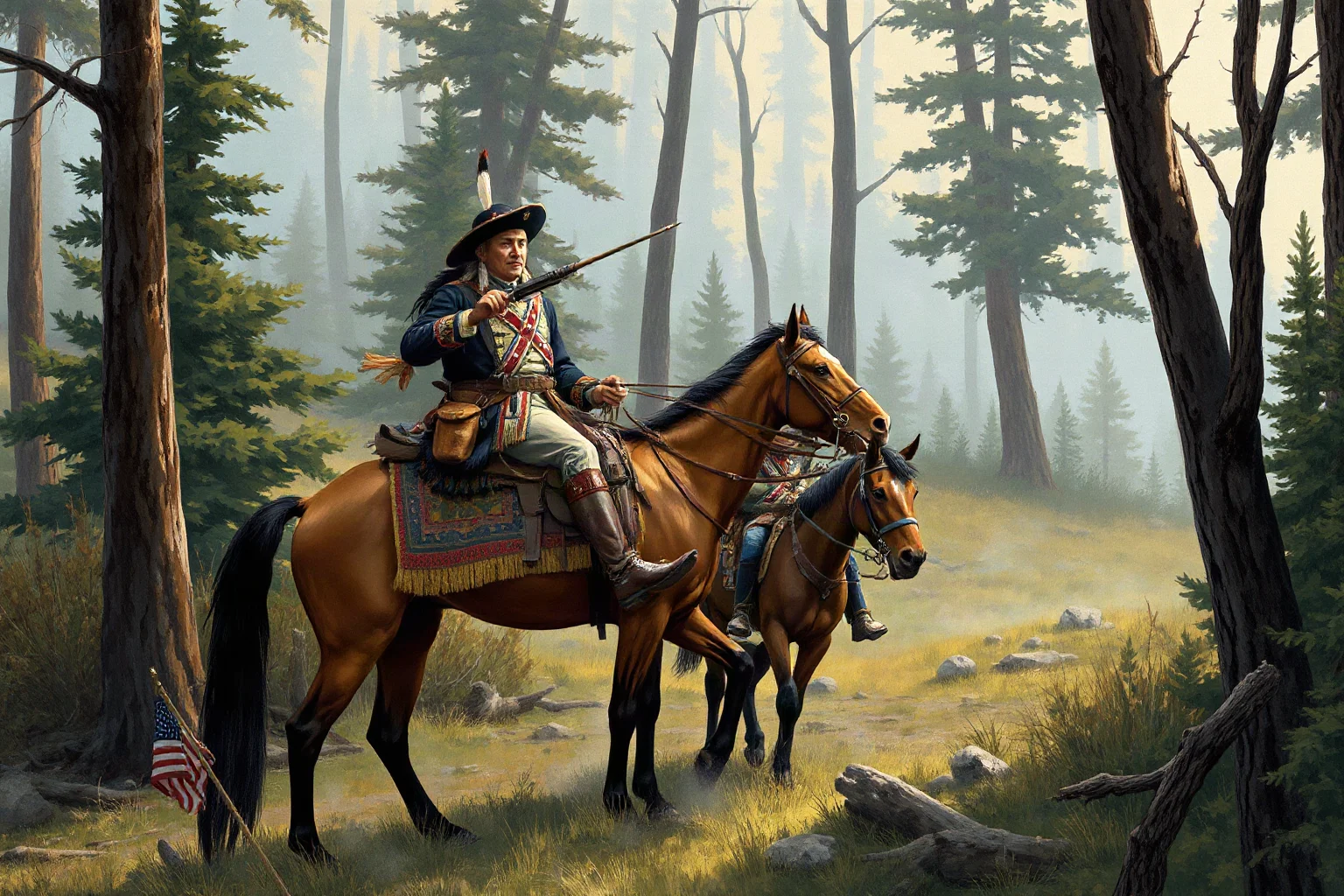
Stand Watie, a Cherokee leader and Confederate brigadier general, commanded Native American troops in the war’s western theater. He didn’t formally surrender until June 23, 1865, weeks after most Confederate forces had already stood down.
His story highlights a lesser-known dimension of the war: several Native American nations were drawn into the conflict, with divided loyalties of their own. It’s one of the more surprising things about the Civil War that rarely makes the highlight reel.
23. Amputations Were the Most Common Surgery
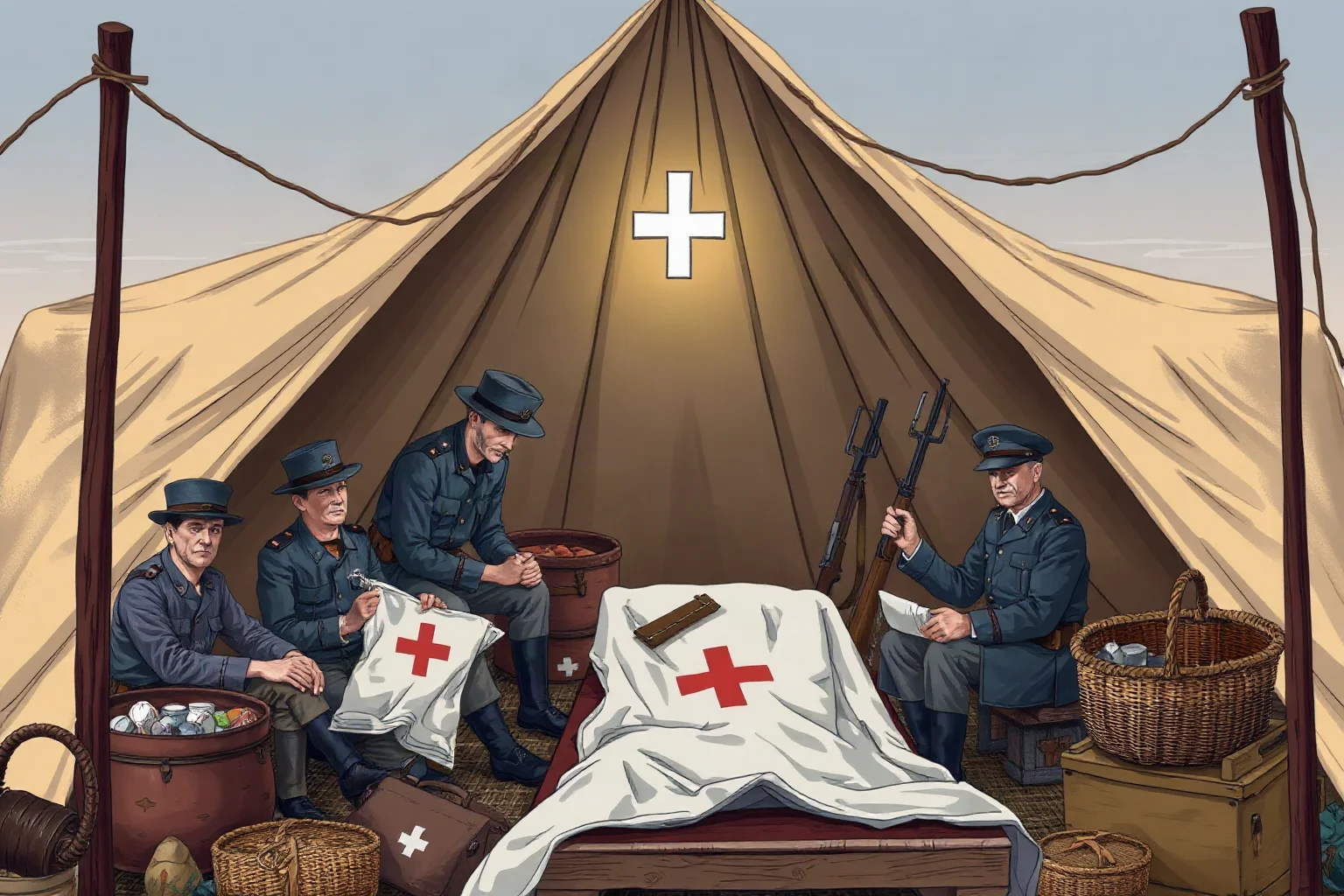
Minie ball ammunition caused devastating bone and tissue damage, and amputation was often the only option surgeons had to save a soldier’s life. Historians estimate tens of thousands of amputations were performed over the course of the war.
Anesthesia, usually chloroform or ether, was more widely available than popular myth suggests, though supplies ran short at times, especially for the Confederacy. Field hospitals became grim but genuinely lifesaving operations under brutal conditions.
24. The War Gave Us the Term “Sideburns”
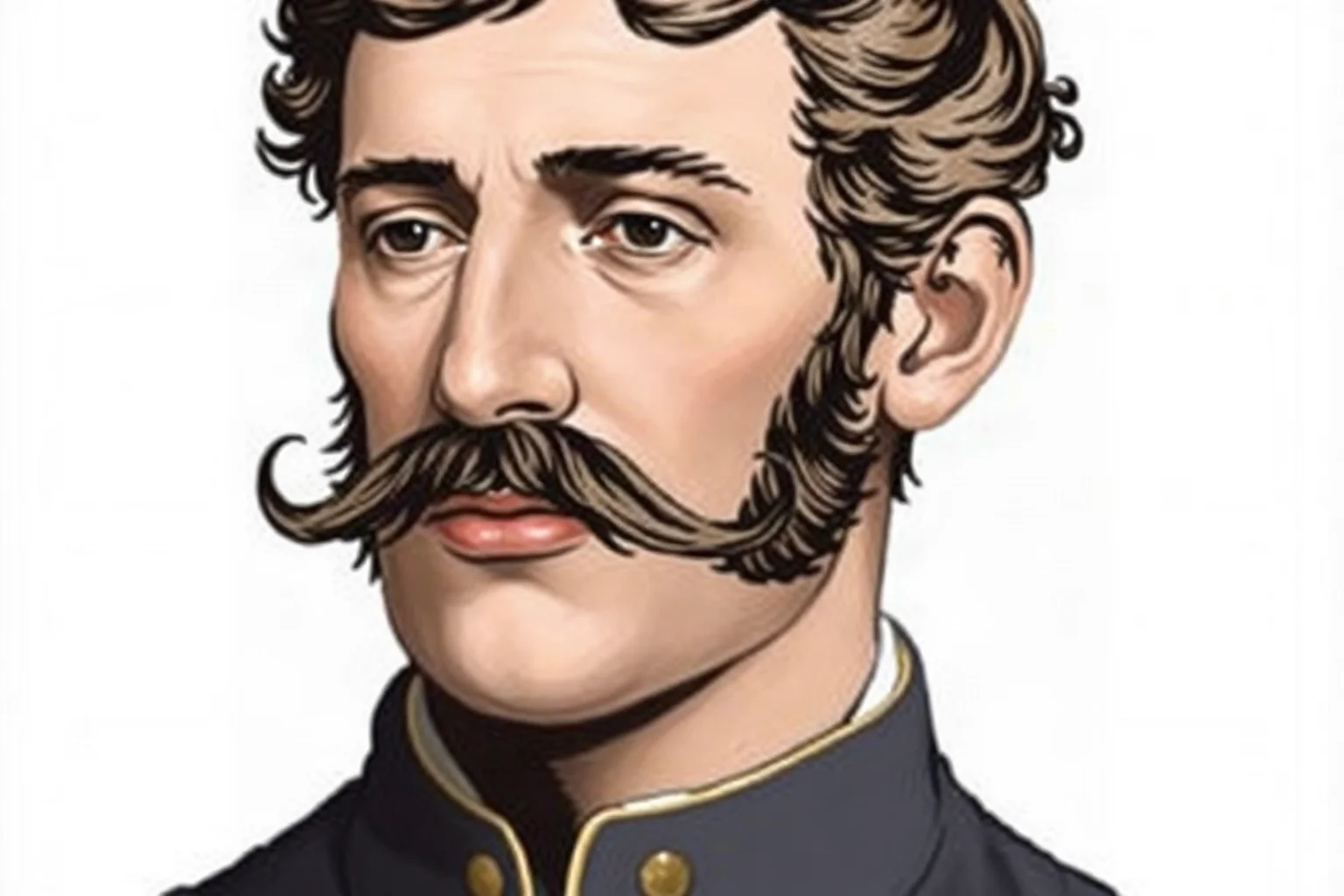
Union General Ambrose Burnside was known for his distinctive facial hair, connecting a full mustache to thick strips of hair down each cheek while keeping his chin clean-shaven. The style became known as “burnsides.”
Over time, the syllables flipped, and the term evolved into “sideburns,” which is still used today. It’s a fun fact about the Civil War that has nothing to do with battles and everything to do with grooming trends.
25. Memorial Day Traditions May Trace Back to Freed Slaves
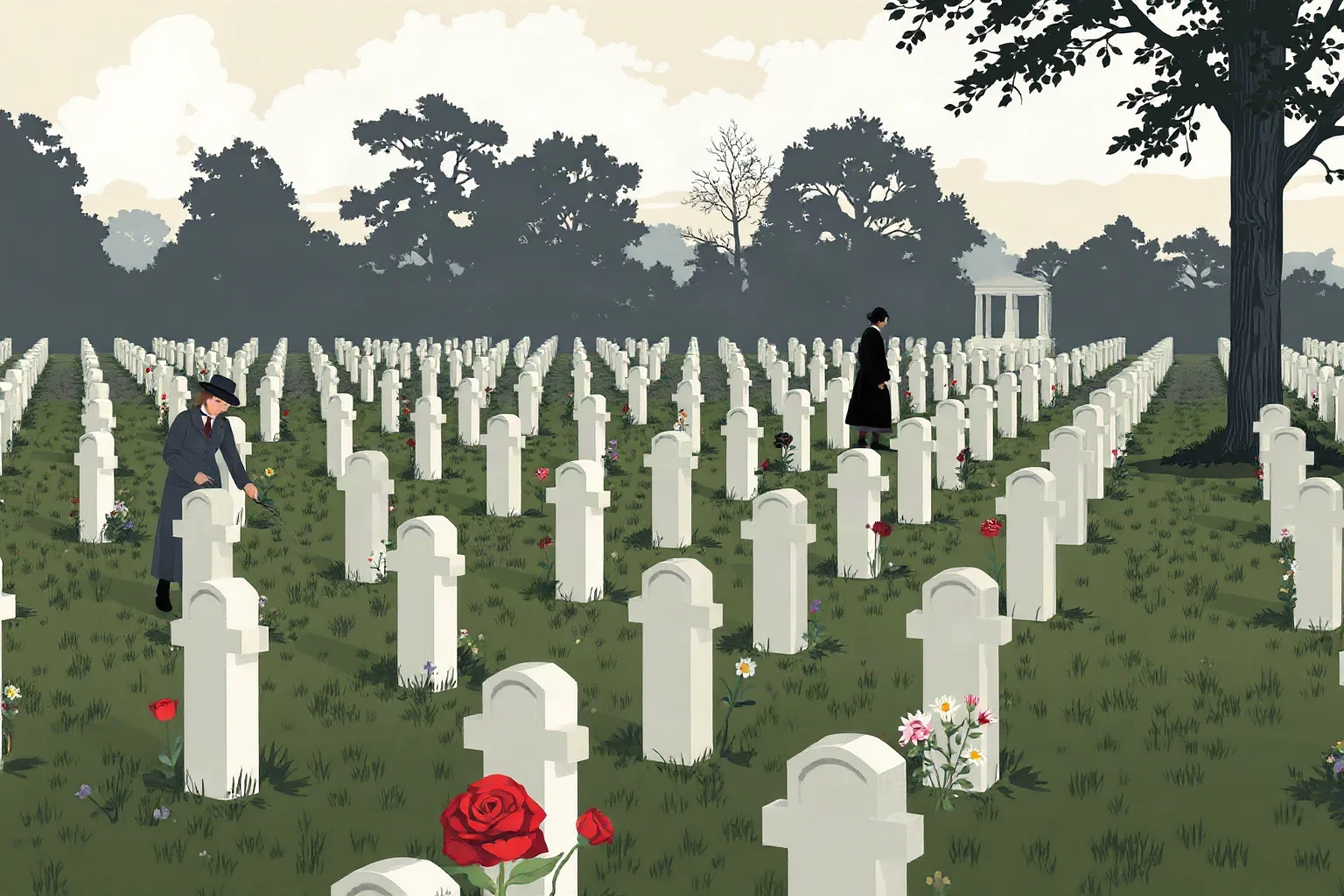
The origins of Memorial Day are debated among historians, but scholar David Blight and others have documented an early commemoration in Charleston, South Carolina, in May 1865. Freed Black residents gathered to honor Union soldiers who had died nearby, tending graves and holding a ceremony.
Several towns across the North also independently claim early Memorial Day observances around the same period. Whatever the precise origin, the holiday’s roots are tangled up directly with the Civil War’s aftermath and legacy.
The Bottom Line on Civil War Facts
The Civil War doesn’t need any exaggeration to be one of the most dramatic chapters in American history. Between the staggering death toll, the surprising technology, and the human stories on both the Union and Confederate sides, the real history is more than compelling enough on its own.
Hopefully this list gave you a few genuinely new facts about the Civil War, whether you came looking for confederate civil war facts, union civil war facts, or just a handful of odd stories to share. History rewards a closer look, and this particular war still has plenty left to teach us.
Frequently Asked Questions
What are some interesting confederate civil war facts?
The Confederacy was made up of 11 seceded states with Richmond, Virginia, as its capital and Jefferson Davis as president. Its currency collapsed into near-worthlessness by 1865, it never received full diplomatic recognition from any foreign government, and Cherokee general Stand Watie was actually the last Confederate general to surrender, in June 1865.
How many soldiers died in the Civil War?
The long-cited estimate is about 620,000 deaths, but a 2011 demographic study by historian J. David Hacker suggests the true figure may be closer to 750,000, and possibly higher. Roughly two-thirds of those deaths were caused by disease rather than combat.
What caused the Civil War?
The central cause was slavery, particularly disputes over whether it would expand into new U.S. territories, along with deep disagreements over states' rights and federal authority. Eleven Southern states seceded after Abraham Lincoln's election in 1860, leading directly to war in April 1861.
How long did the Civil War last?
The war is generally dated from April 12, 1861, to Robert E. Lee's surrender on April 9, 1865, making it almost exactly four years. However, scattered fighting continued for weeks afterward, with the last land battle occurring in Texas in mid-May 1865.
Is the American Civil War the same as the English Civil War?
No, they are entirely different conflicts. The English Civil War was fought in Britain between 1642 and 1651 over royal versus parliamentary power, while the American Civil War was fought in the United States between 1861 and 1865 primarily over slavery and secession.
What are some fun facts about Union soldiers?
Union soldiers ranged from boys as young as 9 or 10 serving as drummers to volunteers in their 60s and 70s. Several hundred women are believed to have disguised themselves as men to serve, and some regiments even marched with animal mascots, including a bald eagle nicknamed 'Old Abe.'

Alex Warren
Related Articles