
Ask most people to name an astronaut and you'll usually get the same two or three answers: Neil Armstrong, maybe Buzz Aldrin, and if they're a space history buff, Yuri Gagarin. But the real list of astronauts who've shaped space exploration is far longer and far more interesting than the handful of names that make it into textbooks.
From the first human to orbit Earth to the record-holders quietly racking up months aboard the International Space Station today, famous astronauts come from dozens of countries, backgrounds, and eras. This guide walks through the astronaut names history actually remembers, why they matter, and how to separate genuine achievement from pop-culture myth along the way.
TL;DR: The most famous astronauts in history span from Cold War pioneers like Yuri Gagarin and Neil Armstrong to modern record-setters like Peggy Whitson and Scott Kelly, each pushing the boundaries of what humans can survive and achieve beyond Earth.
Quick Answer: Who Is the Most Famous Astronaut in History?
If you had to pick just one, Neil Armstrong is usually considered the most famous astronaut worldwide, thanks to being the first person to walk on the Moon in 1969. Yuri Gagarin runs a close second, since he was the first human in space at all, beating Armstrong's Moon landing by eight years.
Who is the most famous astronaut really depends on which milestone you value most: first in space, first on the Moon, or longest-serving in orbit — a debate not unlike ranking any of the most recognized historical figures of all time. That's exactly why this list covers more than just one name — it traces the full arc of astronaut history through the people who actually lived it.
How We Chose This List of Astronauts
This isn't a random astronaut list. Each person below is included because they set a genuine record, represented a historic first, or became a cultural touchpoint that shaped how the public understands spaceflight.
We've mixed NASA astronauts' names with cosmonauts, taikonauts, and international space travelers, because astronaut history has never been a purely American story. We've also noted where a claim is more folklore than fact, in keeping with a myth-busting approach to history.
1. Yuri Gagarin — First Human in Space
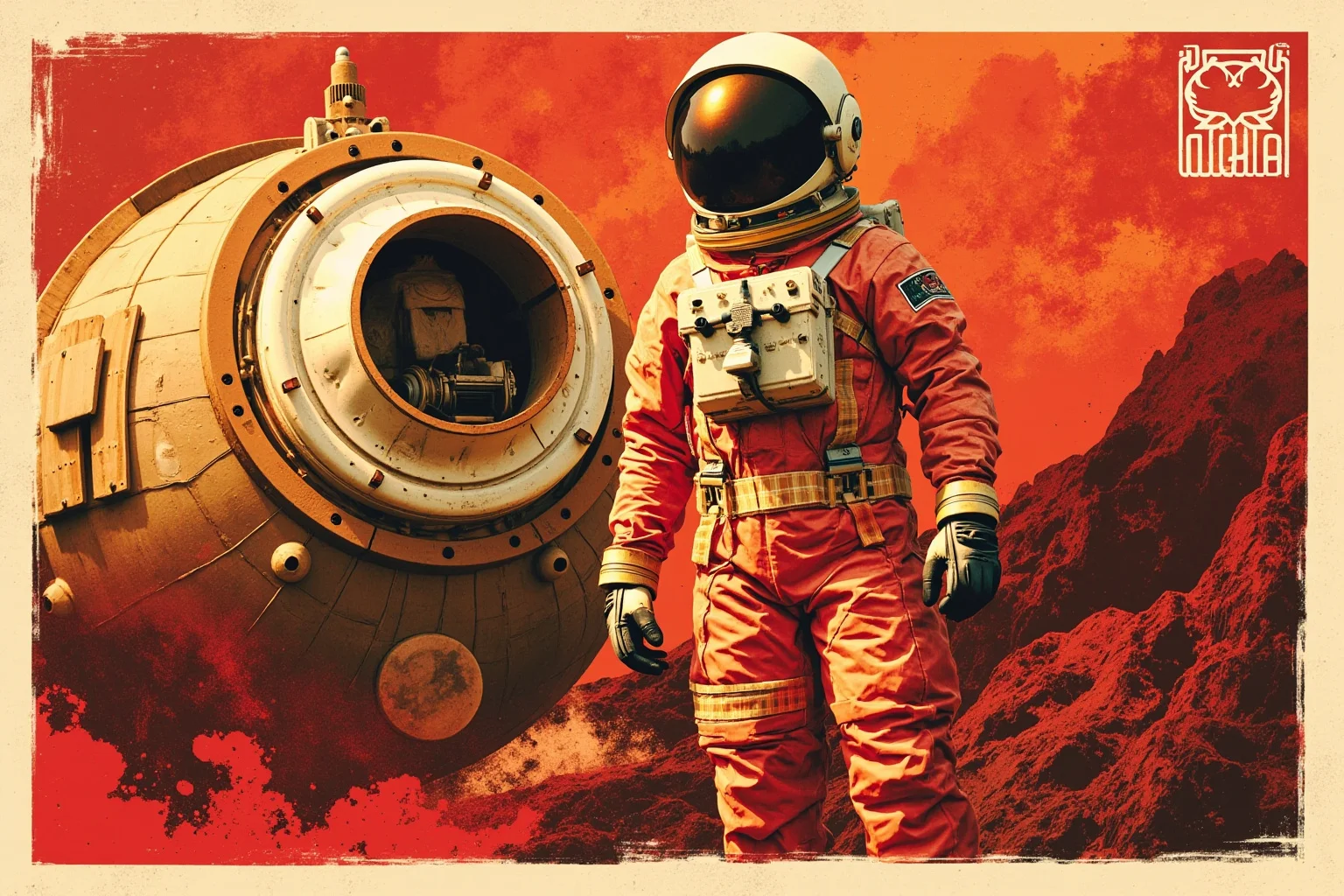
On April 12, 1961, Soviet cosmonaut Yuri Gagarin became the first human being to travel into space, orbiting Earth once aboard Vostok 1. The flight lasted 108 minutes and instantly made Gagarin a global celebrity, especially across the Soviet Union.
Gagarin never flew in space again, largely because Soviet officials considered him too valuable a symbol to risk. He died in 1968 during a routine jet training flight, an accident unrelated to spaceflight itself.
2. Neil Armstrong — First Person on the Moon
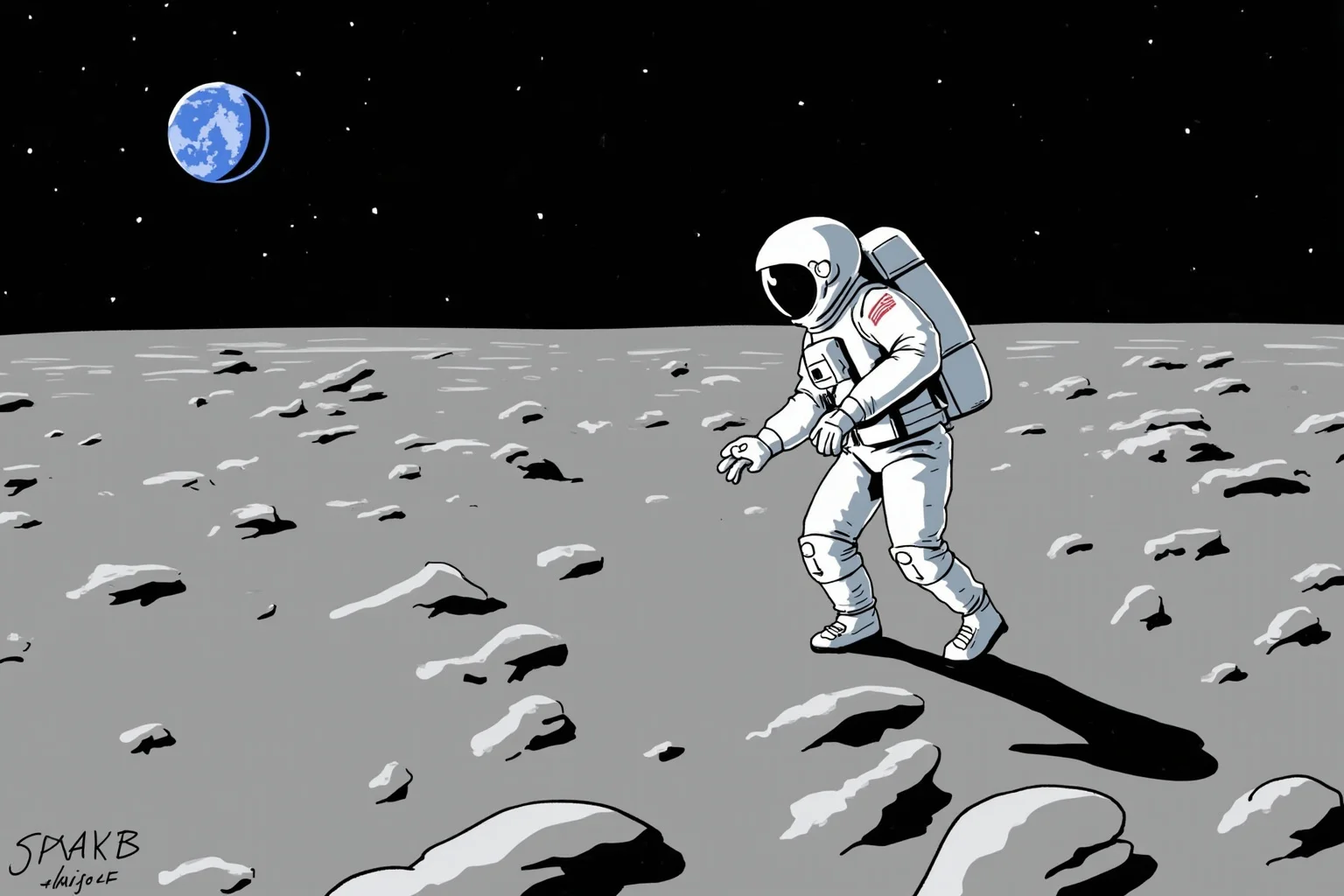
Neil Armstrong commanded Apollo 11 and became the first person to step onto the lunar surface on July 20, 1969. His radioed words, "That's one small step for man, one giant leap for mankind," remain one of the most quoted lines in modern history.
Armstrong was famously private after his Moon landing, avoiding the celebrity circuit and returning to teaching and engineering work. He rarely gave interviews about the mission, which only added to his mystique.
3. Buzz Aldrin — Second Man on the Moon
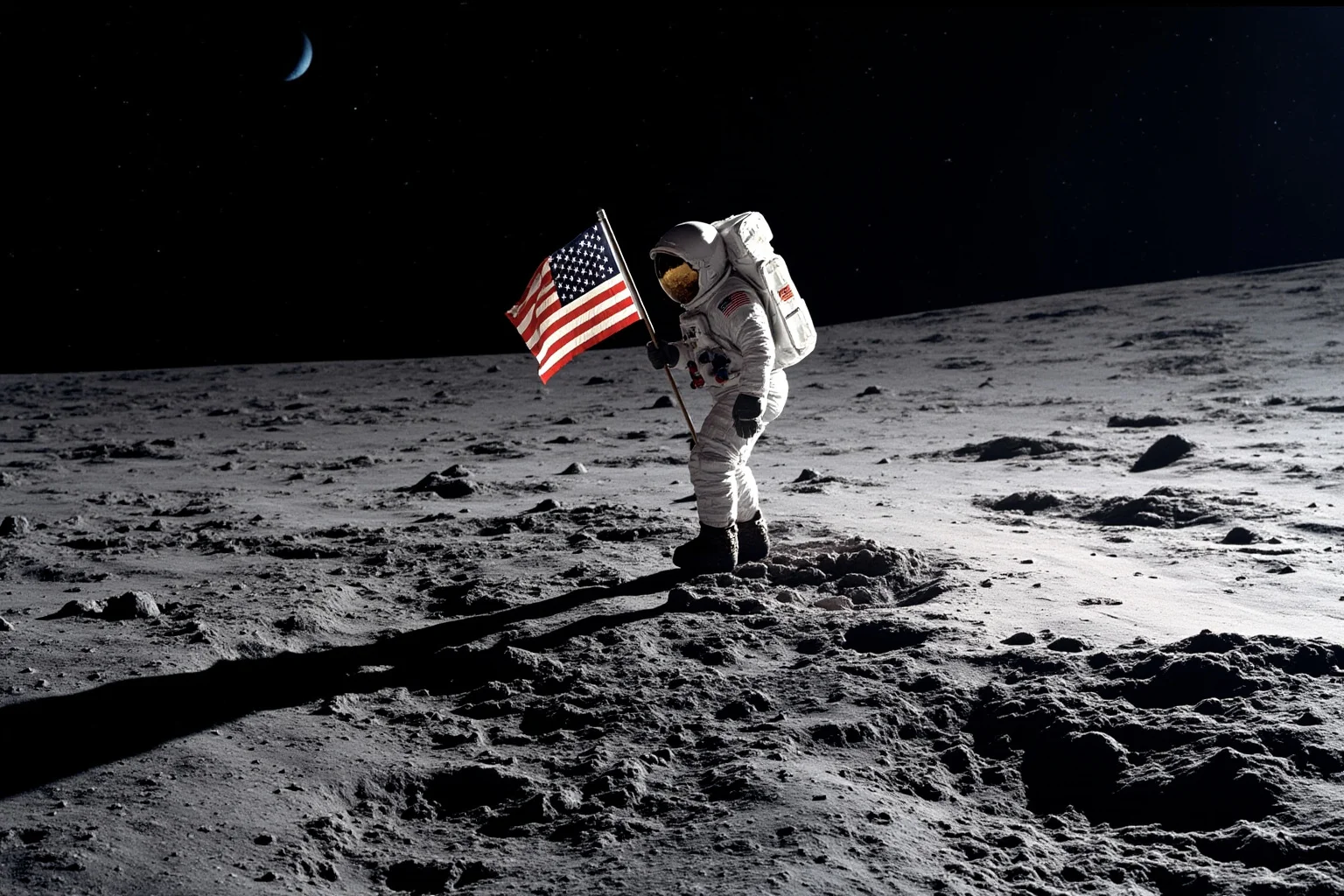
Buzz Aldrin joined Armstrong on the lunar surface during Apollo 11, becoming the second human to walk on the Moon. He held a doctorate in astronautics from MIT — credentials that wouldn't look out of place among history's smartest people — and helped pioneer orbital rendezvous techniques still used in spaceflight today.
Unlike Armstrong, Aldrin embraced public life after NASA, writing books, appearing in documentaries, and remaining an outspoken advocate for Mars exploration well into his 90s.
4. Michael Collins — The Astronaut Who Stayed in Orbit
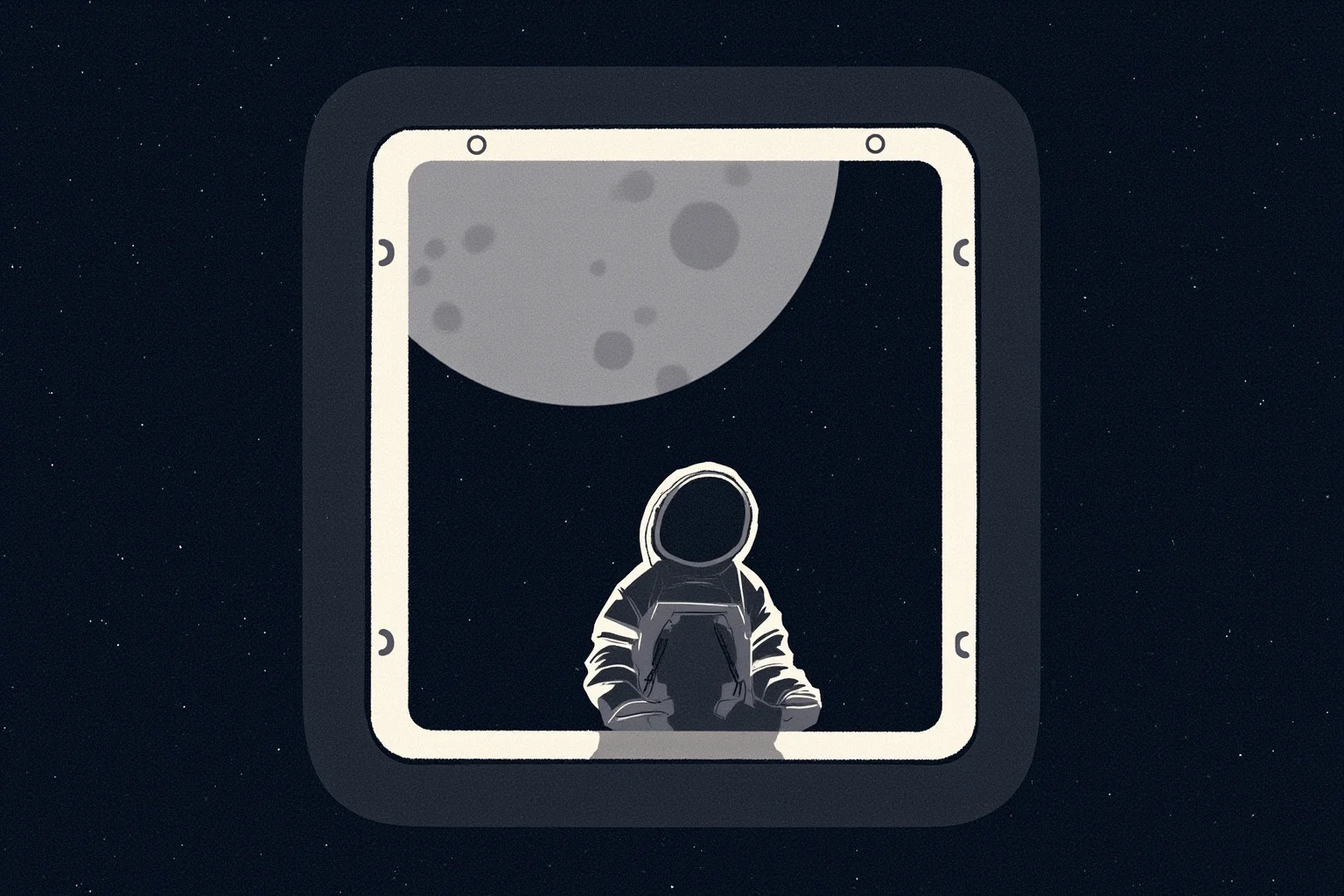
Michael Collins was the third member of Apollo 11, but he never actually walked on the Moon. Instead, he piloted the command module Columbia alone in lunar orbit while Armstrong and Aldrin made history below.
Collins later joked about being "the loneliest man" in history during those orbits, though he insisted he never felt lonely at all. His memoir, Carrying the Fire, is still considered one of the best astronaut accounts ever written.
5. Alan Shepard — First American in Space
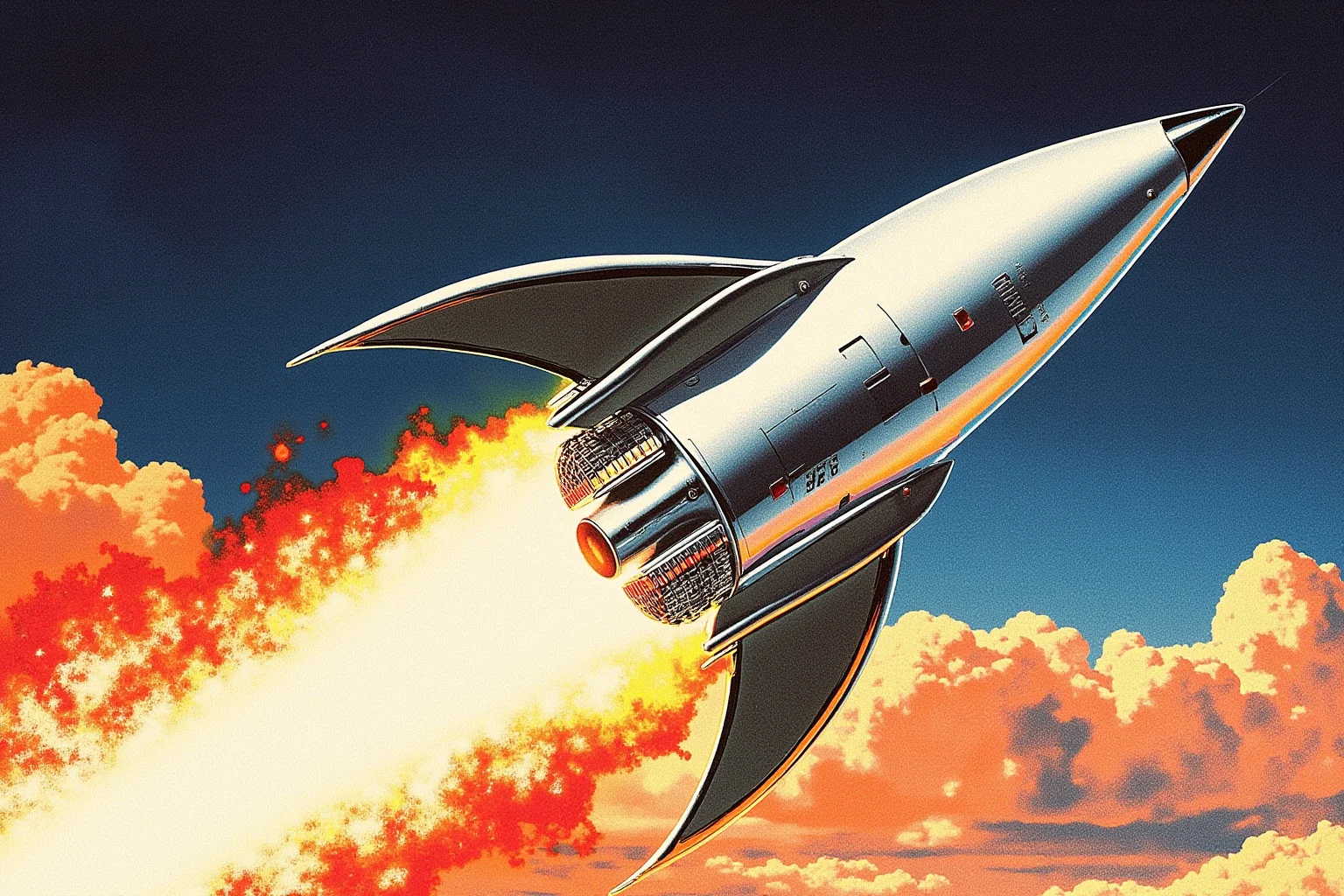
Alan Shepard became the first American launched into space on May 5, 1961, aboard the Mercury capsule Freedom 7. His 15-minute suborbital flight came just weeks after Gagarin's orbital mission, intensifying the space race.
Shepard later commanded Apollo 14 in 1971 and became the fifth person to walk on the Moon, making him one of the few astronauts with both an early Mercury flight and a lunar landing to his name.
6. John Glenn — First American to Orbit Earth
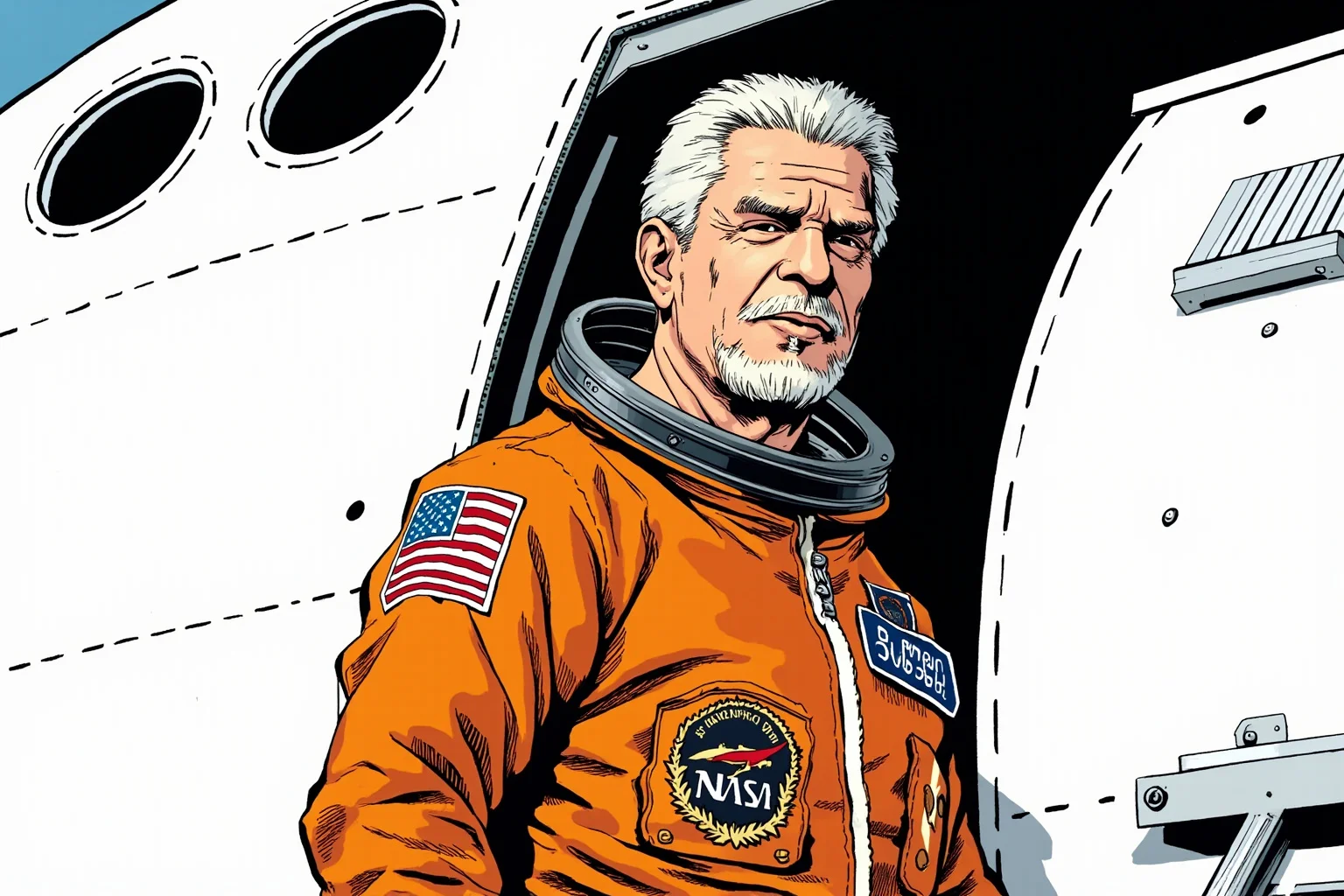
John Glenn became the first American to orbit the Earth in 1962 aboard Friendship 7, circling the planet three times. He later served decades as a U.S. senator, making him one of the most recognizable former astronauts in American political history.
In 1998, at age 77, Glenn returned to space aboard the Space Shuttle Discovery, becoming the oldest person to fly in space at the time. That record has since been broken, but his second flight remains a landmark moment in astronaut history.
7. Valentina Tereshkova — First Woman in Space
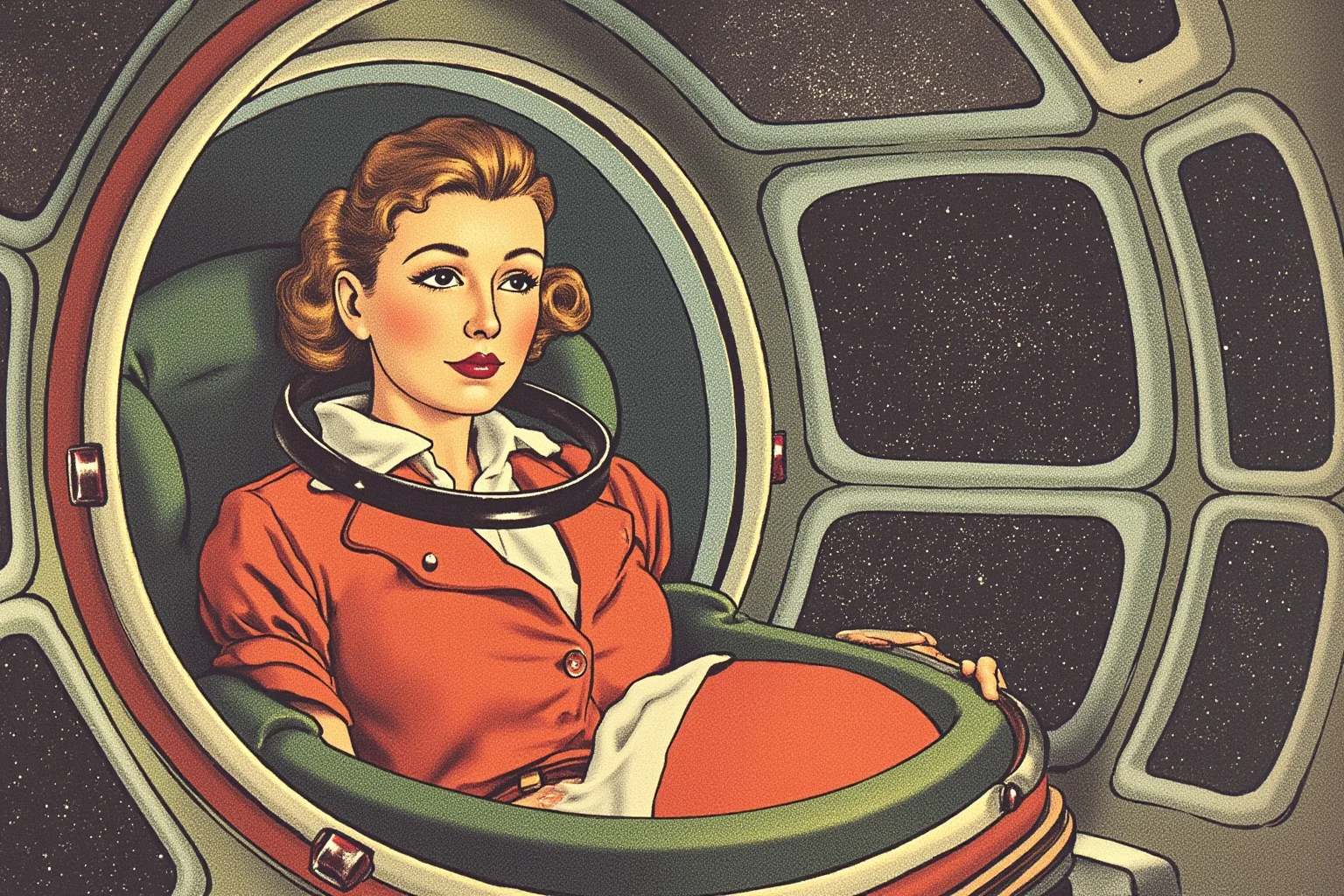
Valentina Tereshkova became the first woman in space in June 1963, flying solo aboard Vostok 6 for nearly three days. She was selected partly for her parachuting background and completed 48 orbits of Earth during the mission.
Remarkably, no other woman flew in space again until Sally Ride in 1983, a 20-year gap that says a lot about the era's gender politics in both the U.S. and Soviet space programs.
8. Sally Ride — First American Woman in Space
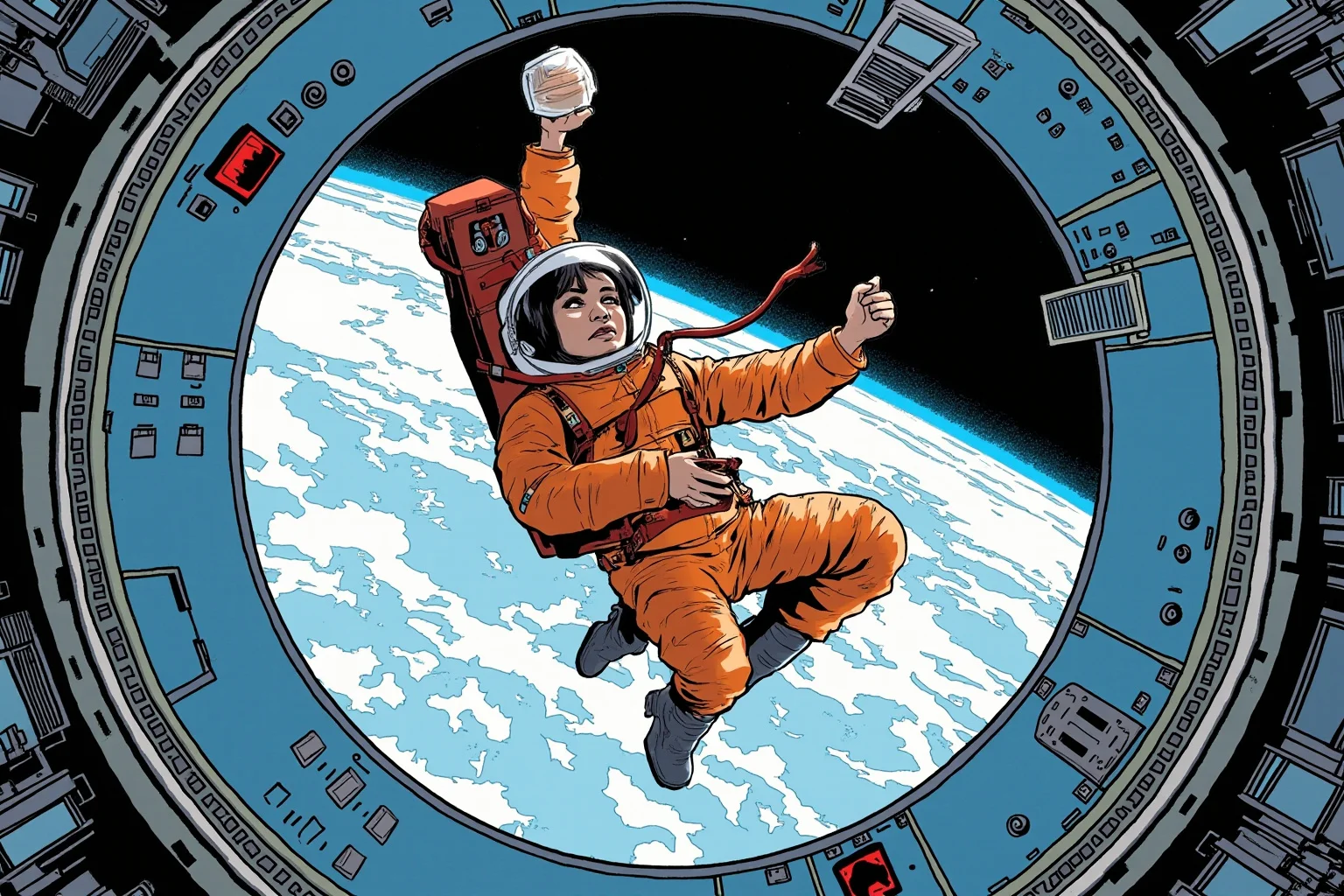
Sally Ride flew aboard the Space Shuttle Challenger in June 1983, becoming the first American woman in space. She held a PhD in physics and was selected from NASA's first astronaut class to include women, in 1978.
After retiring from NASA, Ride became a physics professor and founded a company focused on encouraging girls to pursue science and engineering, extending her influence well beyond her actual spaceflights.
9. Mae Jemison — First Black American Woman in Space
Mae Jemison flew aboard the Space Shuttle Endeavour in 1992, becoming the first Black American woman to travel into space. She held both a medical degree and engineering training, and conducted life sciences experiments during her eight days in orbit.
Jemison later founded a science education nonprofit and even appeared in an episode of Star Trek: The Next Generation, becoming one of the few real astronauts to guest-star in the franchise that inspired her career. Her achievements place her firmly among history's most powerful women, decades after her historic flight.
10. Guion Bluford — First Black American in Space
Guion "Guy" Bluford became the first Black American in space in 1983, flying aboard the Space Shuttle Challenger. He flew four shuttle missions total and held a doctorate in aerospace engineering.
Bluford's flight came a full 22 years after Gagarin's first spaceflight, a gap that reflects how slowly opportunities in early spaceflight opened up beyond a narrow group of test pilots.
11. Kalpana Chawla — First Indian-Born Woman in Space
Kalpana Chawla became the first Indian-born woman to fly in space in 1997, aboard the Space Shuttle Columbia. Born in Karnal, India, she later became a naturalized U.S. citizen and NASA astronaut.
Chawla died in 2003 when Columbia broke apart during reentry, killing all seven crew members. She remains one of the most honored astronauts in Indian history, with schools, streets, and even a satellite named after her.
12. Ellen Ochoa — First Hispanic Woman in Space
Ellen Ochoa became the first Hispanic woman to fly in space in 1993, aboard the Space Shuttle Discovery. She flew four shuttle missions over her career and later became the second female director of NASA's Johnson Space Center.
Ochoa's engineering background in optical systems shaped much of her mission work, and her leadership role afterward made her one of the most influential former astronauts in NASA's modern history.
13. Christa McAuliffe — The Teacher Who Never Reached Space

Christa McAuliffe was selected as the first participant in NASA's Teacher in Space Project, intended to inspire students by sending an educator into orbit. Tragically, she died along with six crewmates when the Space Shuttle Challenger exploded shortly after launch on January 28, 1986.
McAuliffe never technically completed a spaceflight, but she remains one of the most famous astronaut candidates in history precisely because of that loss. The Challenger disaster led to major safety reforms across NASA's entire shuttle program.
14. Jim Lovell — The Commander of Apollo 13
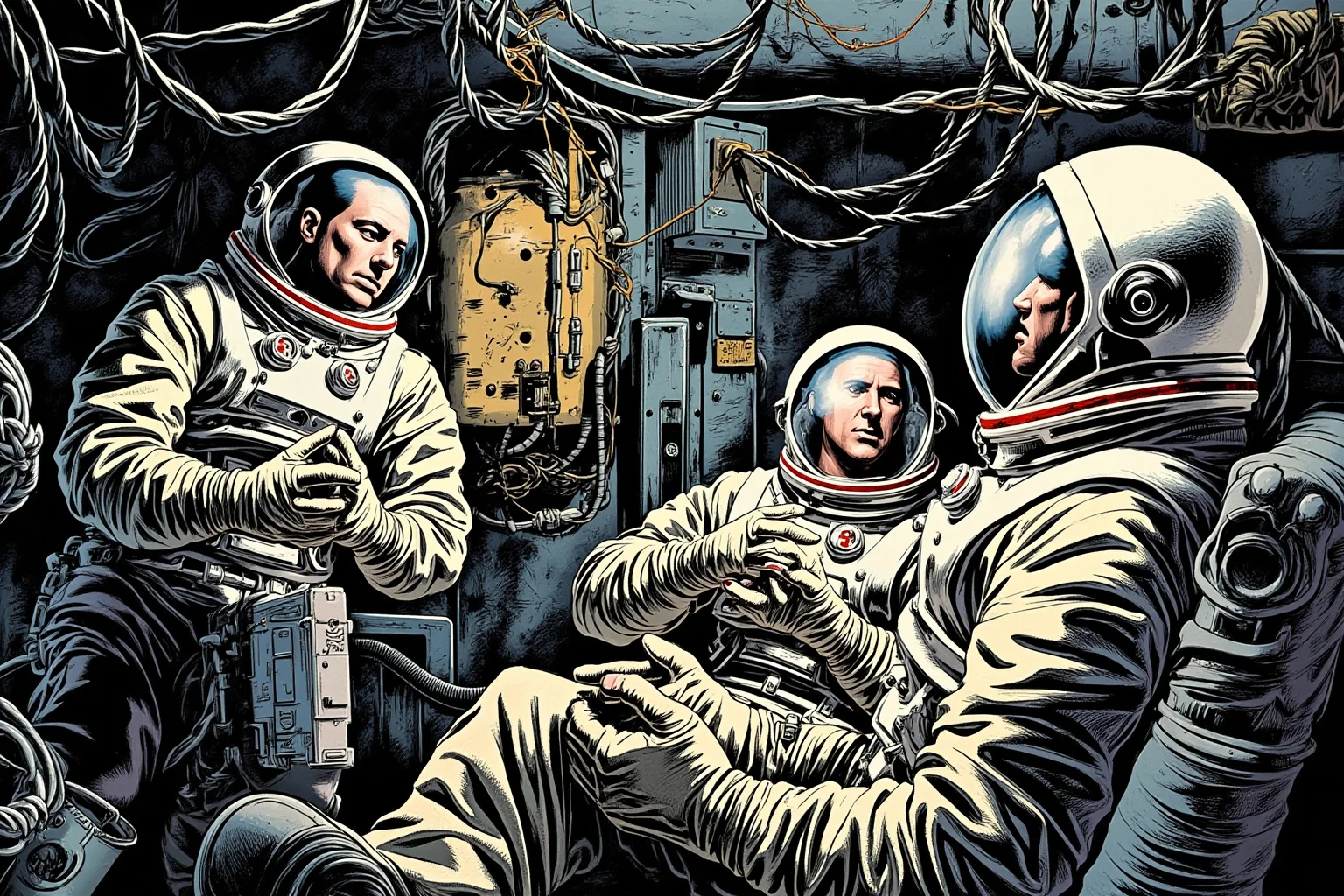
Jim Lovell commanded Apollo 13 in 1970, a mission that became a dramatic survival story after an oxygen tank exploded en route to the Moon. Lovell and his crew never landed on the lunar surface, but their safe return using the lunar module as a lifeboat became one of NASA's proudest engineering triumphs.
Lovell had also flown on Apollo 8, part of the crew that became the first humans to orbit the Moon in 1968. Between the two missions, he logged more time in space than almost any astronaut of his era.
15. Eugene Cernan — The Last Man on the Moon
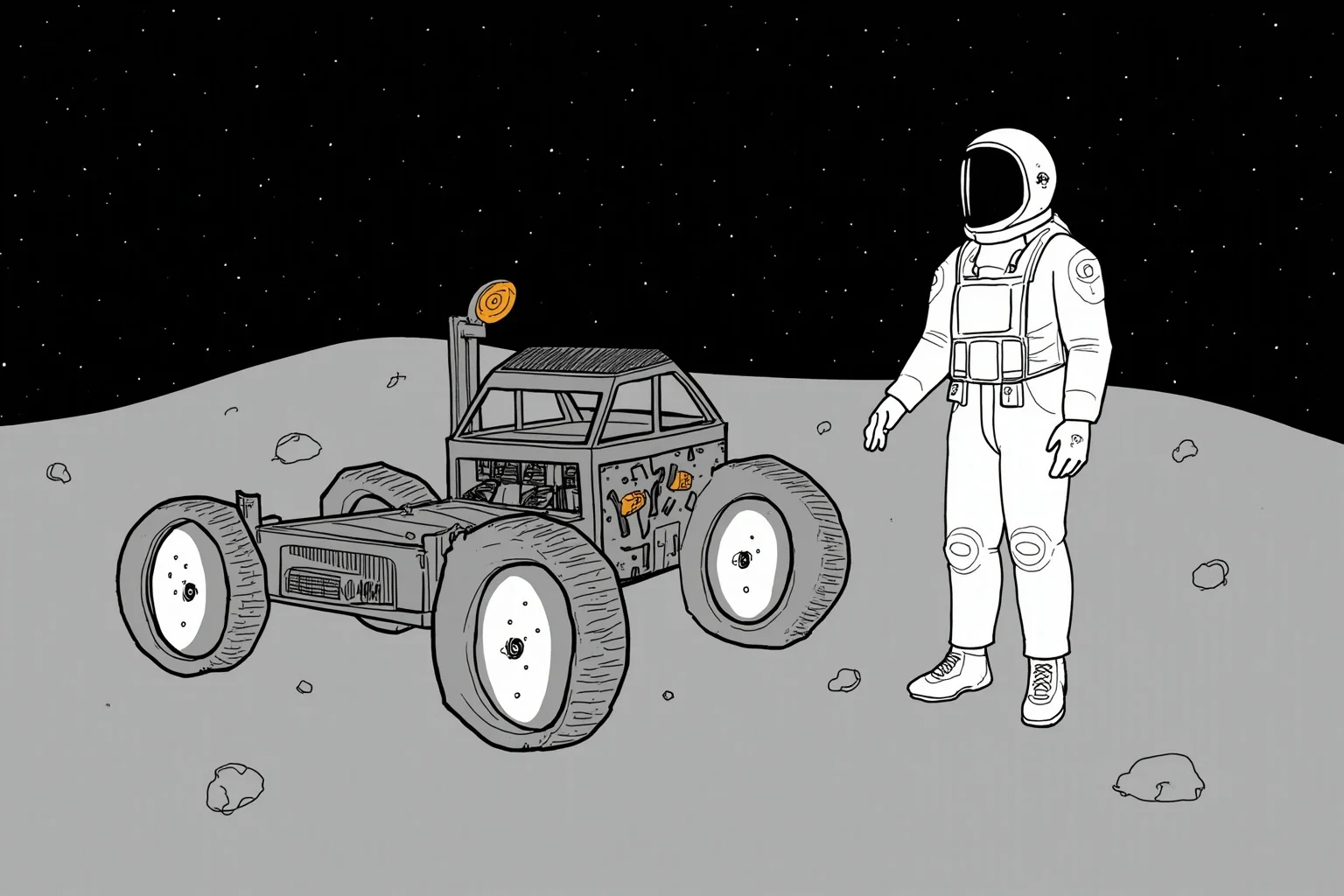
Eugene "Gene" Cernan commanded Apollo 17 in December 1972, the final crewed mission to the Moon in the Apollo program. As he climbed back into the lunar module, he became the last human being to walk on the Moon, a title he held for over five decades and counting.
Cernan later spoke often about how strange it felt that no one had returned since, and he remained a passionate advocate for renewed lunar and Mars exploration until his death in 2017.
16. John Young — Six Missions Across Three Space Programs
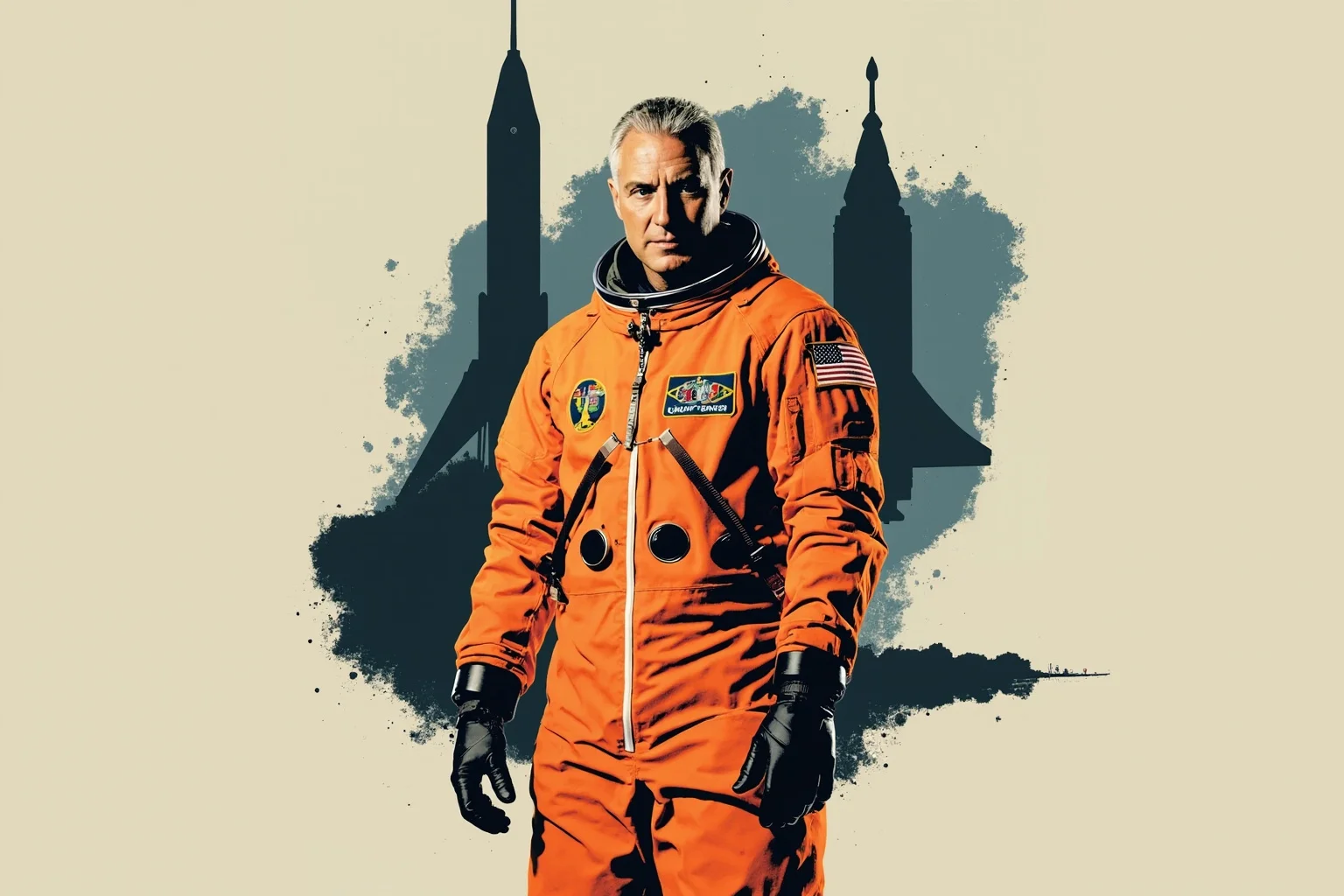
John Young flew in space six times across the Gemini, Apollo, and Space Shuttle programs, a record unmatched by almost any other astronaut. He walked on the Moon during Apollo 16 and later commanded the very first Space Shuttle flight in 1981.
Young's career spanned more than four decades at NASA, making him a living bridge between the earliest astronaut names and the shuttle era.
17. Story Musgrave — The Oldest Astronaut to Fly on the Shuttle
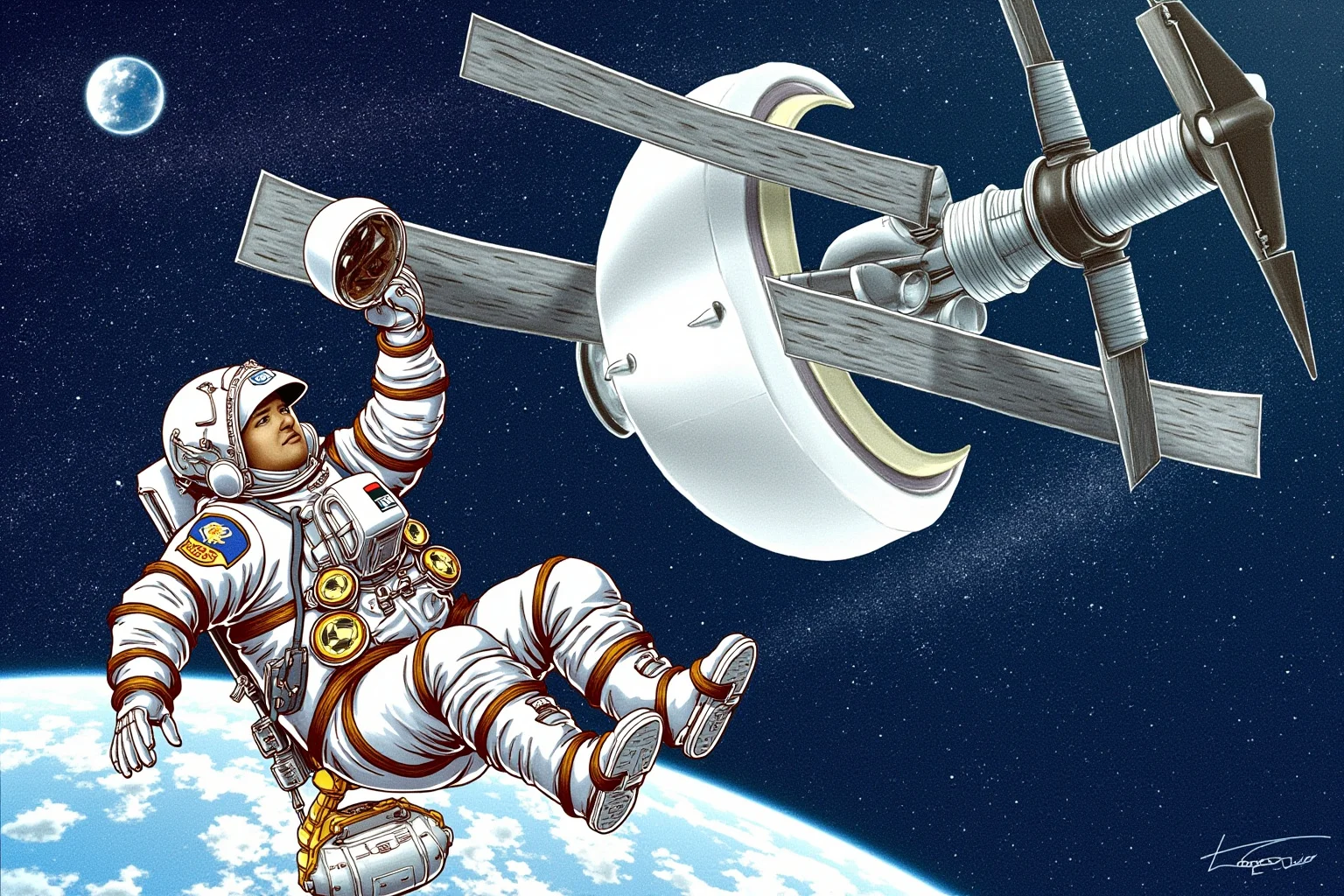
Story Musgrave flew six Space Shuttle missions and holds six academic degrees, ranging from mathematics to medicine, a résumé often mentioned alongside historical geniuses with the highest estimated IQs. He performed the first shuttle-based spacewalk in 1983 and later helped repair the Hubble Space Telescope in 1993.
At 61, Musgrave became one of the oldest astronauts to fly in space at the time, showing that astronaut careers could stretch far longer than the early Mercury and Gemini days suggested.
18. Peggy Whitson — Record-Setting Spacewalker
Peggy Whitson holds the record for the most cumulative time in space by any NASA astronaut, with more than 665 days spent in orbit across multiple missions. She also became the first woman to command the International Space Station, doing so twice.
Whitson's spacewalk records and leadership roles have made her one of the most decorated astronauts in NASA's modern history, even though she's far less of a household name than the Apollo-era pioneers.
19. Scott Kelly — The Year in Space Astronaut
Scott Kelly spent nearly a full year aboard the International Space Station between 2015 and 2016, one of the longest single spaceflights by an American astronaut. The mission was partly a research study, since his identical twin brother Mark Kelly, also a former astronaut, remained on Earth for comparison.
The twins study gave researchers rare insight into how long-duration spaceflight affects the human body, data that's now shaping plans for future Mars missions.
20. Chris Hadfield — The Astronaut Who Went Viral
Chris Hadfield, a Canadian astronaut, commanded the International Space Station in 2013 and became famous for his social media presence during the mission. His zero-gravity cover of David Bowie's "Space Oddity," filmed aboard the ISS, became one of the most-watched astronaut videos ever posted online.
Hadfield's approachable, educational style helped introduce a new generation to daily life in orbit, well beyond the traditional NASA press conference format.
21. Yang Liwei — China's First Astronaut
Yang Liwei became the first person sent into space by China's space program in October 2003, aboard the Shenzhou 5 spacecraft. His flight made China only the third country, after the Soviet Union and the United States, to independently launch a human into orbit.
Chinese astronauts are often called "taikonauts," a term blending the Mandarin word for space with the Greek root used in "astronaut" and "cosmonaut." Yang's flight marked a major turning point in the modern era of astronaut history.
22. Tim Peake — Britain's High-Profile Astronaut
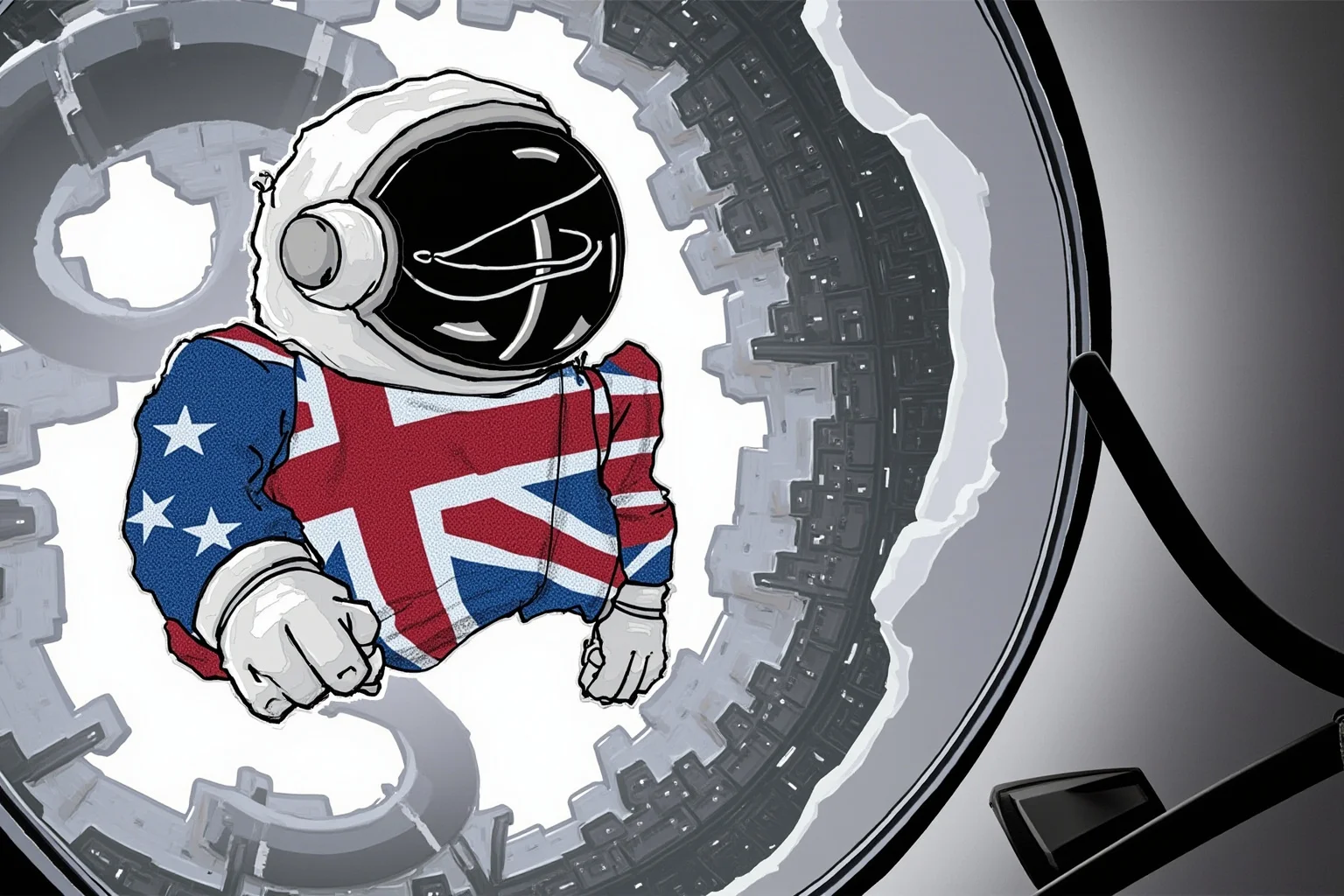
Tim Peake became one of the best-known British astronauts after his 2015–2016 mission to the International Space Station with the European Space Agency. He ran the London Marathon from a treadmill in orbit and remains active in public science outreach.
Peake's mission helped popularize spaceflight in the UK at a scale not seen since Helen Sharman's brief 1991 flight, the first by any British citizen.
23. Sunita Williams — Long-Duration Spaceflight Record Holder
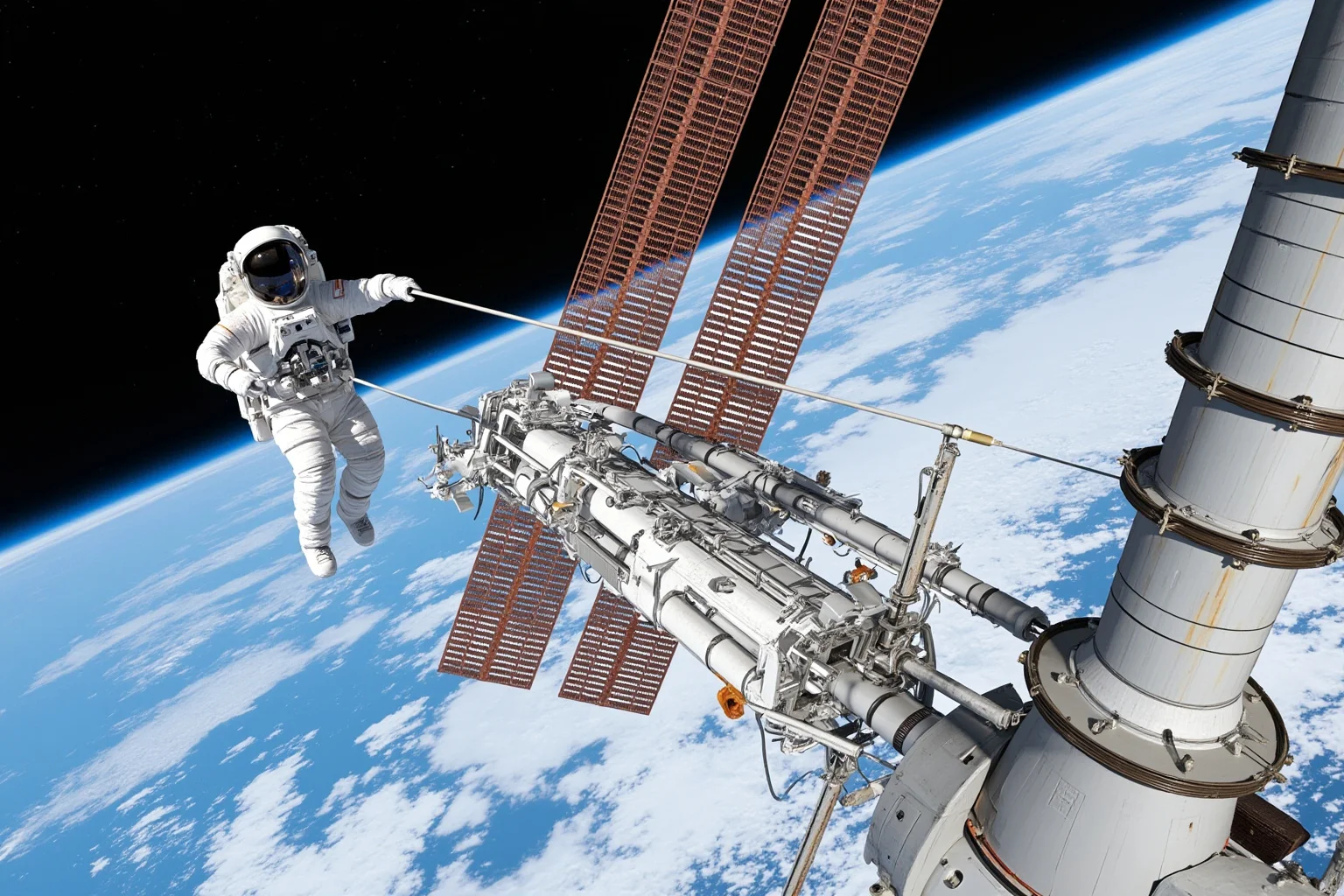
Sunita Williams has spent hundreds of days in space across multiple missions and once held the record for the longest single spaceflight by a woman. She's also logged more spacewalking hours than almost any other female astronaut in NASA's history.
Williams became one of the astronauts selected for NASA's Commercial Crew Program, flying on Boeing's Starliner test missions as the vehicle worked toward full certification.
24. William Shatner — A Celebrity Who Went to Space
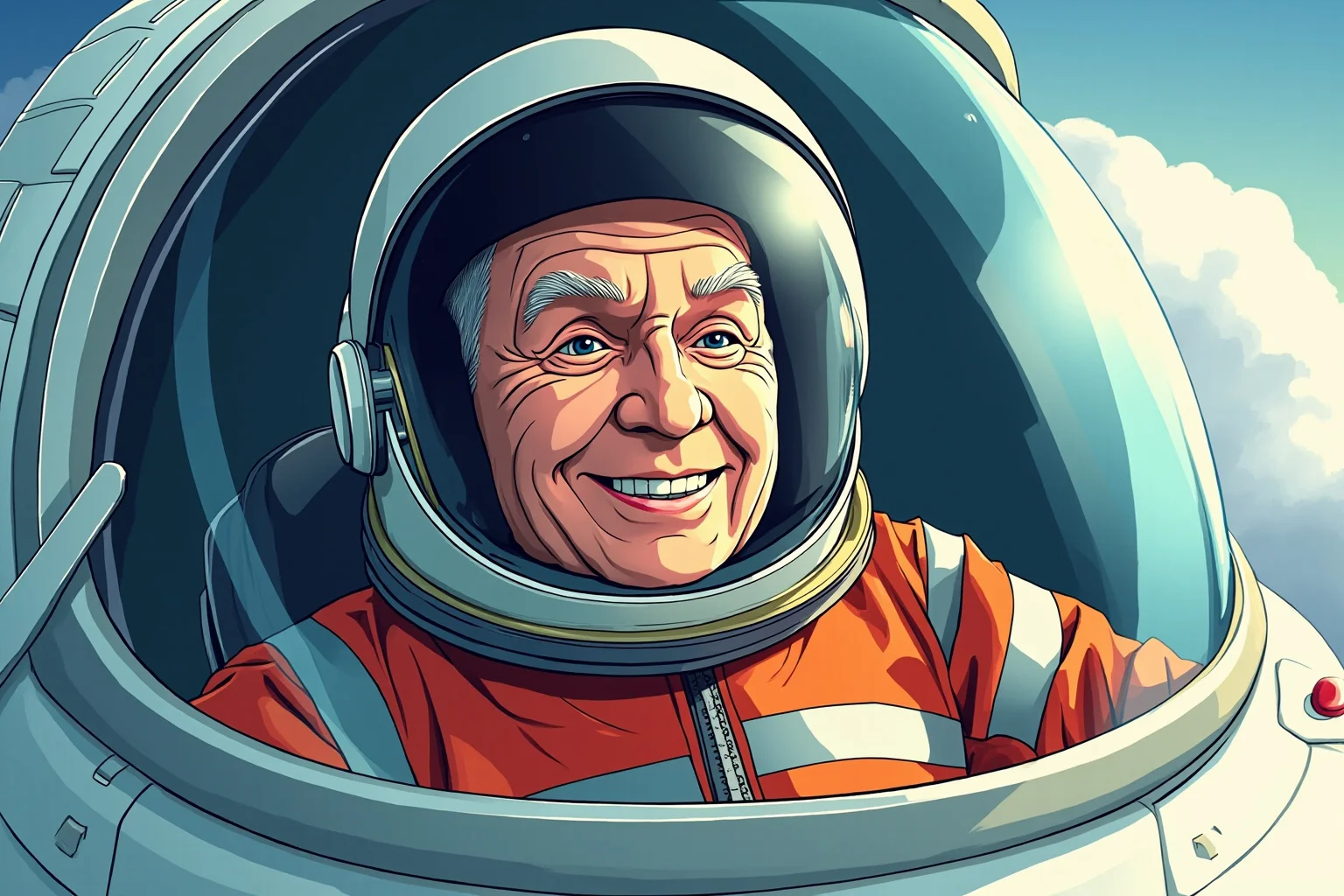
William Shatner, best known for playing Captain Kirk in Star Trek, flew aboard Blue Origin's New Shepard rocket in October 2021. At 90 years old, he became the oldest person to reach space at the time, on a brief suborbital flight lasting about ten minutes.
Shatner's trip is a good example of what's often searched as "celebrity that went to space" — he wasn't a trained astronaut in the traditional sense, but a paying passenger on a commercial spaceflight. His emotional reaction afterward, describing an unexpected sense of grief over Earth's fragility, became widely discussed in the press.
25. Fictional Astronaut Characters Who Shaped Public Imagination

Not every famous "astronaut" is real, and pop culture has produced its own set of iconic astronaut characters that shaped how the public pictures spaceflight. Buzz Lightyear from Toy Story, named partly in honor of Buzz Aldrin, is one of the most recognizable fictional astronauts in modern entertainment.
Other notable astronaut characters include Major Tom from David Bowie's songs and Ryan Stone from the film Gravity. These characters aren't part of real astronaut history, but they've done a lot to shape public fascination with what real astronauts actually experience.
Famous American Astronauts You Should Know
Among the names above, several stand out specifically as famous US astronauts who defined different eras of NASA's history. Armstrong, Aldrin, Glenn, and Shepard represent the Mercury-through-Apollo generation, while Ride, Jemison, and Bluford represent the shift toward a more diverse astronaut corps in the shuttle era.
More recently, Whitson, Kelly, and Williams represent NASA's modern focus on long-duration spaceflight aboard the International Space Station. Together, these famous American astronauts trace a fairly clear arc from short Cold War missions to the kind of endurance spaceflight needed for eventual Mars exploration.
Former Astronauts Who Made an Impact Back on Earth
A surprising number of former astronauts went on to notable second careers once their flying days ended. John Glenn became a long-serving U.S. senator, while Sally Ride became a physicist and science educator focused on getting girls into STEM fields.
Others, like Chris Hadfield, became authors and media figures, using their fame to make spaceflight more accessible to the public. This pattern shows that being a famous astronaut is often just the first chapter of a much longer public life.
Closing Thoughts on Astronaut History
The full list of astronauts who've flown in space now numbers in the hundreds, and no single blog post could cover every name of famous astronauts fairly. What's clear from this list, though, is that astronaut history is much richer than the handful of names most people can immediately recall.
From Gagarin's first orbit to Shatner's brief brush with weightlessness, each of these astronauts pushed the definition of what's possible for the human body and human ambition. As commercial spaceflight expands who gets to go, the list of famous astronauts is only going to keep growing.
Frequently Asked Questions
Who is the most famous astronaut of all time?
Neil Armstrong is generally considered the most famous astronaut worldwide because he was the first person to walk on the Moon in 1969. Yuri Gagarin is a close second, since he became the first human in space in 1961, eight years before Armstrong's Moon landing.
Where can I find astronaut names and pictures?
NASA's official website and the Smithsonian National Air and Space Museum both maintain public archives with astronaut names and pictures, including official mission photos. Many astronauts covered in this list, like Armstrong, Ride, and Gagarin, also have widely available historical photos through national space agency archives.
Who are the most famous American astronauts?
Neil Armstrong, Buzz Aldrin, John Glenn, and Sally Ride are among the most famous American astronauts historically. More recently, Peggy Whitson and Scott Kelly have become well known for their long-duration spaceflight records aboard the International Space Station.
What celebrities have been to space?
William Shatner, known for playing Captain Kirk in Star Trek, flew on a Blue Origin suborbital flight in 2021 as a paying passenger rather than a trained astronaut. Other public figures, including musicians and business leaders, have since flown on similar commercial suborbital flights, though these trips differ significantly from full orbital astronaut missions.
Are there real rankings of the ‘hottest astronauts’?
No serious space agency or historical organization ranks astronauts by appearance; 'hottest astronauts' lists are informal pop-culture content found on entertainment and social media sites, not historical or scientific sources. This site focuses on astronauts' actual missions and achievements rather than subjective appearance-based rankings.
How many astronauts have there been throughout history?
As of the mid-2020s, several hundred people have flown in space across NASA, Roscosmos (and its Soviet predecessor), the European Space Agency, China's space program, and various commercial spaceflight companies. The exact number continues to grow as commercial spaceflight makes trips to space accessible to more non-professional astronauts.
What’s the difference between an astronaut, a cosmonaut, and a taikonaut?
The terms all describe trained space travelers, but they reflect national origin: 'astronaut' is used by the U.S. and most Western countries, 'cosmonaut' refers to Russian and former Soviet space travelers, and 'taikonaut' refers to Chinese space travelers. The words share Greek roots related to stars and travel, adapted differently by each country's space program.

Alex Warren
Related Articles