
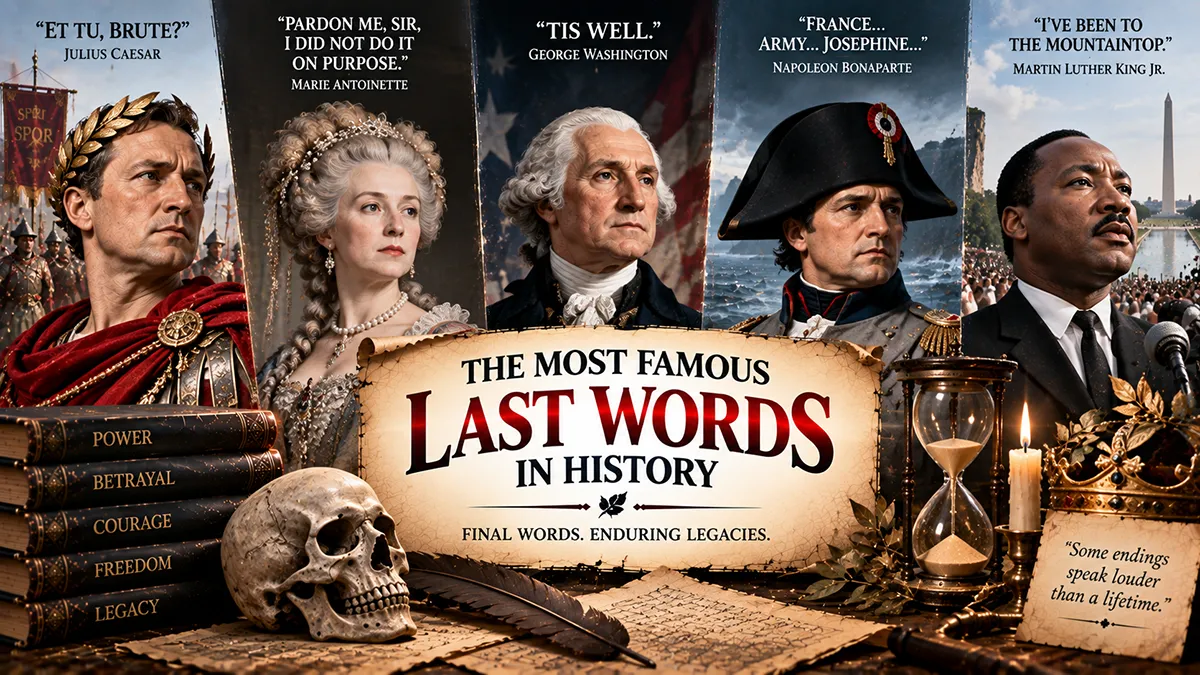
There’s something irresistible about a person’s final sentence. It’s the last thing they ever chose to say, and we want it to mean something — to sum up a life, deliver a joke, or land one final punch of wisdom.
History has obliged us with plenty of quotable deathbed moments, from battlefield generals to philosophers to a Hollywood icon or two.
But here’s the catch that most lists of “famous dying words” skip over: a huge number of these quotes were written down years, decades, or even centuries after the fact, often by people who weren’t in the room.
Some are almost certainly real. Others are legend dressed up as fact. This list walks through both kinds, and tells you honestly which is which.
TL;DR: History’s most memorable last words range from solidly documented (George Washington, Steve Jobs) to almost certainly embellished (Julius Caesar, Pancho Villa) — and knowing the difference is half the fun.
Why So Many Famous Last Words Are Probably Not Word-for-Word Accurate
Before diving into the list, it’s worth understanding why this genre is such a minefield for accuracy. Deathbed scenes are chaotic, emotional, and rarely recorded by a stenographer standing nearby with a notepad.
Most “last words” come from secondhand memory: a grieving spouse, a servant, a biographer writing decades later, or a playwright looking for a dramatic closing line. Shakespeare, in particular, is responsible for putting some of the most quoted last words in history into mouths that may never have actually spoken them. Historians generally sort these quotes into three buckets: contemporaneous accounts from eyewitnesses, secondhand reports written after the fact, and outright legend with no documentary basis at all.
With that context in mind, here are the most famous, ironic, and genuinely awesome last words ever recorded — along with an honest read on how much we can trust each one.
1. Julius Caesar — “Et tu, Brute?”
Everyone knows this line — it’s one of those famous quotes everyone knows by heart — but almost no serious historian believes Caesar actually said it. “Et tu, Brute?” comes from Shakespeare’s 1599 play, written more than 1,600 years after Caesar’s assassination in 44 BC.
The Roman historian Suetonius, writing much closer to the event, reported that Caesar said nothing at all as he was stabbed, though some accounts claimed he addressed Brutus in Greek with a phrase meaning roughly “you too, my child.” It’s a great example of a movie-famous quote overshadowing the murkier historical record.
2. Socrates — A Debt Repaid
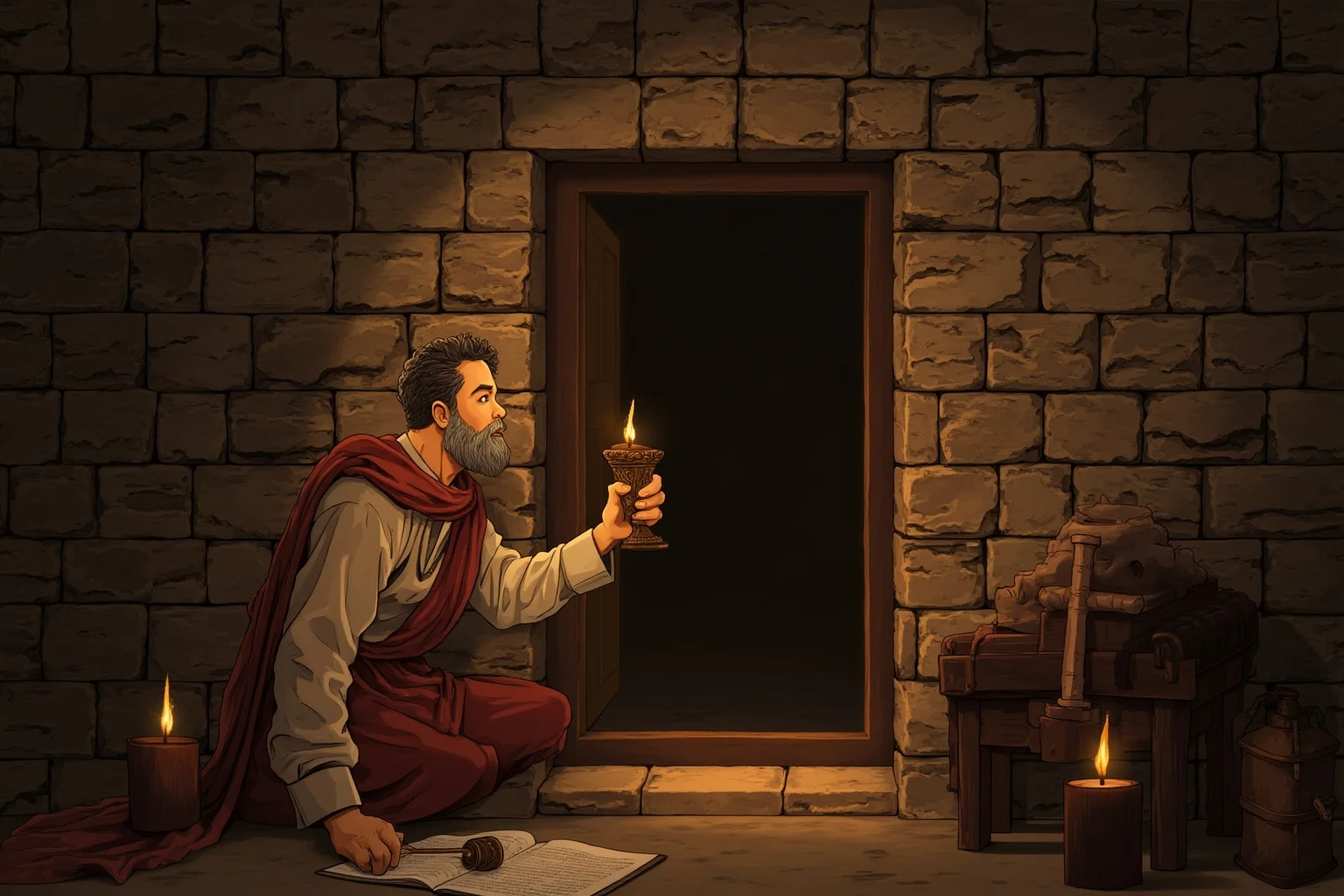
Socrates was sentenced to death by hemlock in 399 BC for “corrupting the youth” of Athens. According to Plato’s dialogue Phaedo, written by a student who knew him, Socrates’ final recorded words were remarkably mundane: he asked his friend Crito to remember to pay a debt of a rooster owed to the god Asclepius.
It’s a strangely calm, almost businesslike way to close out one of philosophy’s most famous deaths. Plato’s account is one of the closer things we have to a firsthand record on this entire list.
3. Joan of Arc — Calling Out a Single Name
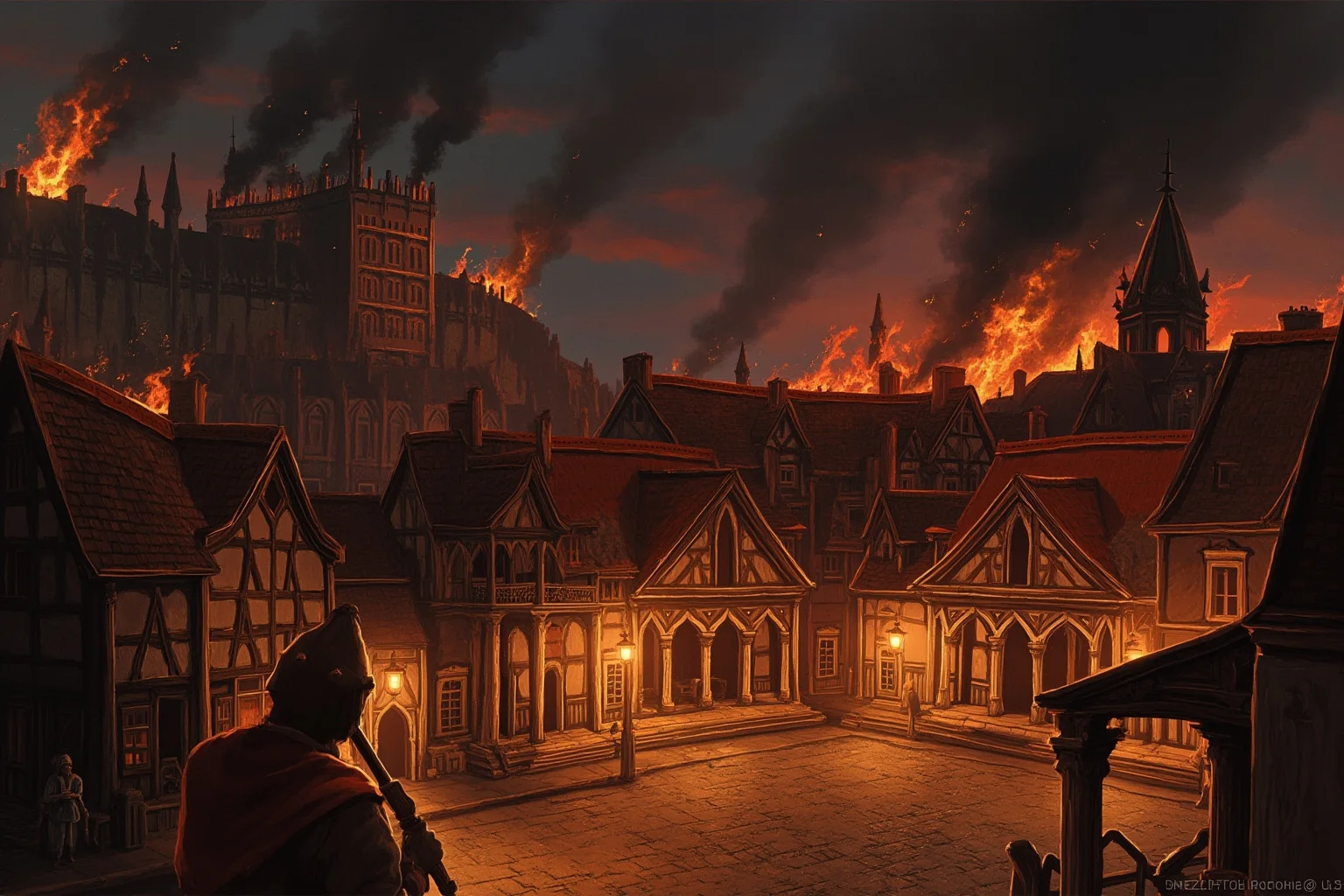
Joan of Arc was burned at the stake in Rouen in 1431 after being convicted of heresy by an English-aligned court. Multiple witness testimonies collected during her later rehabilitation trial state that she repeatedly cried out the name “Jesus” as the flames rose.
This is one of the more historically grounded entries here, since it comes from actual trial documentation rather than folklore. It remains one of the most somber examples of memorable last words from the medieval period.
4. Marie Antoinette — An Apology on the Scaffold
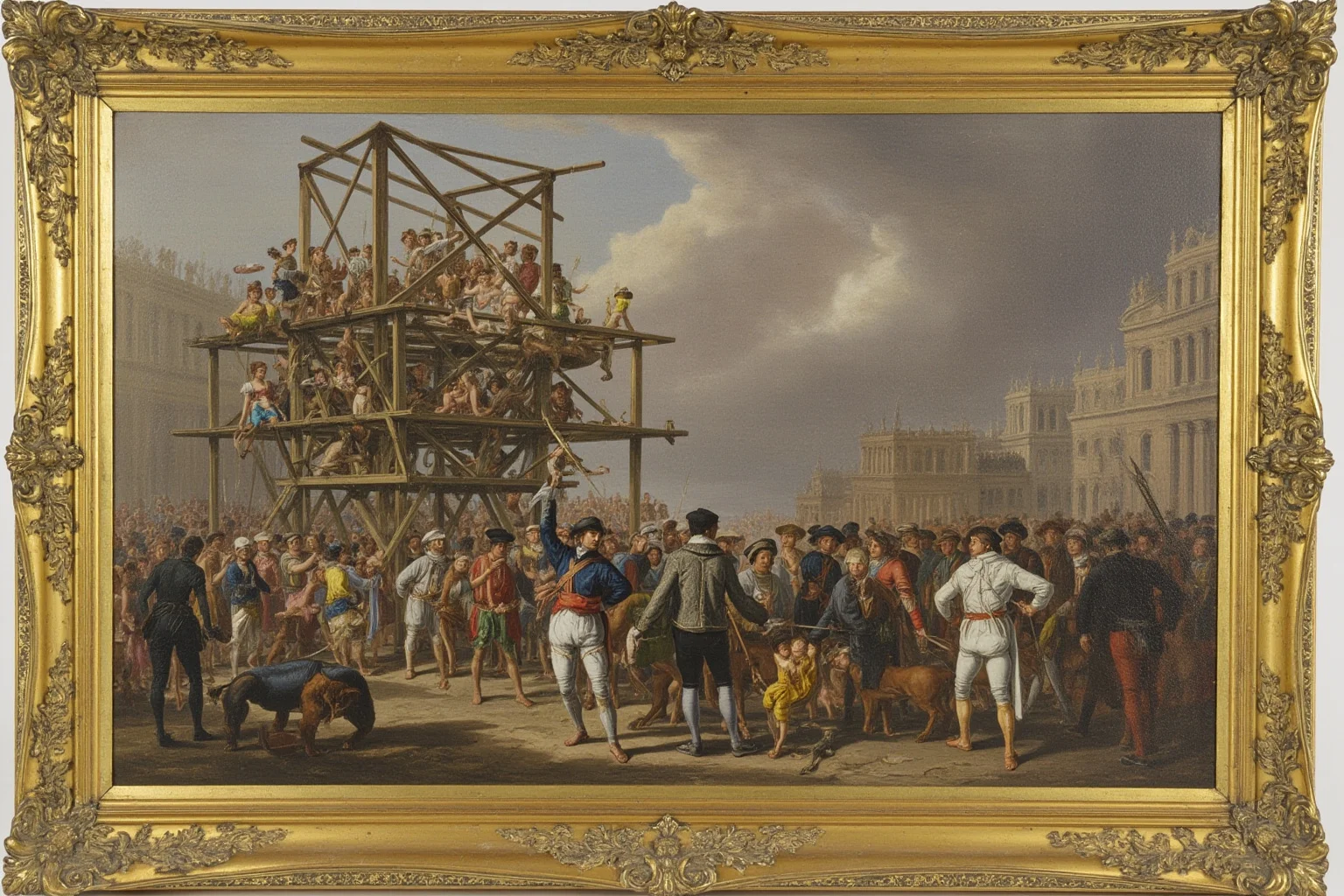
Moments before her execution by guillotine in 1793, Marie Antoinette reportedly stepped on her executioner’s foot by accident and said something to the effect of, “Pardon me, sir, I did not do it on purpose.” Contemporary accounts of the French Revolution recorded this small, very human moment.
It’s a strikingly polite final act from a queen who spent the Revolution being cast as anything but sympathetic. Historians treat it as plausible, though like most scaffold-side quotes from this era, it rests on secondhand witness reports rather than an official transcript.
5. Louis XVI — Cut Off by Drums
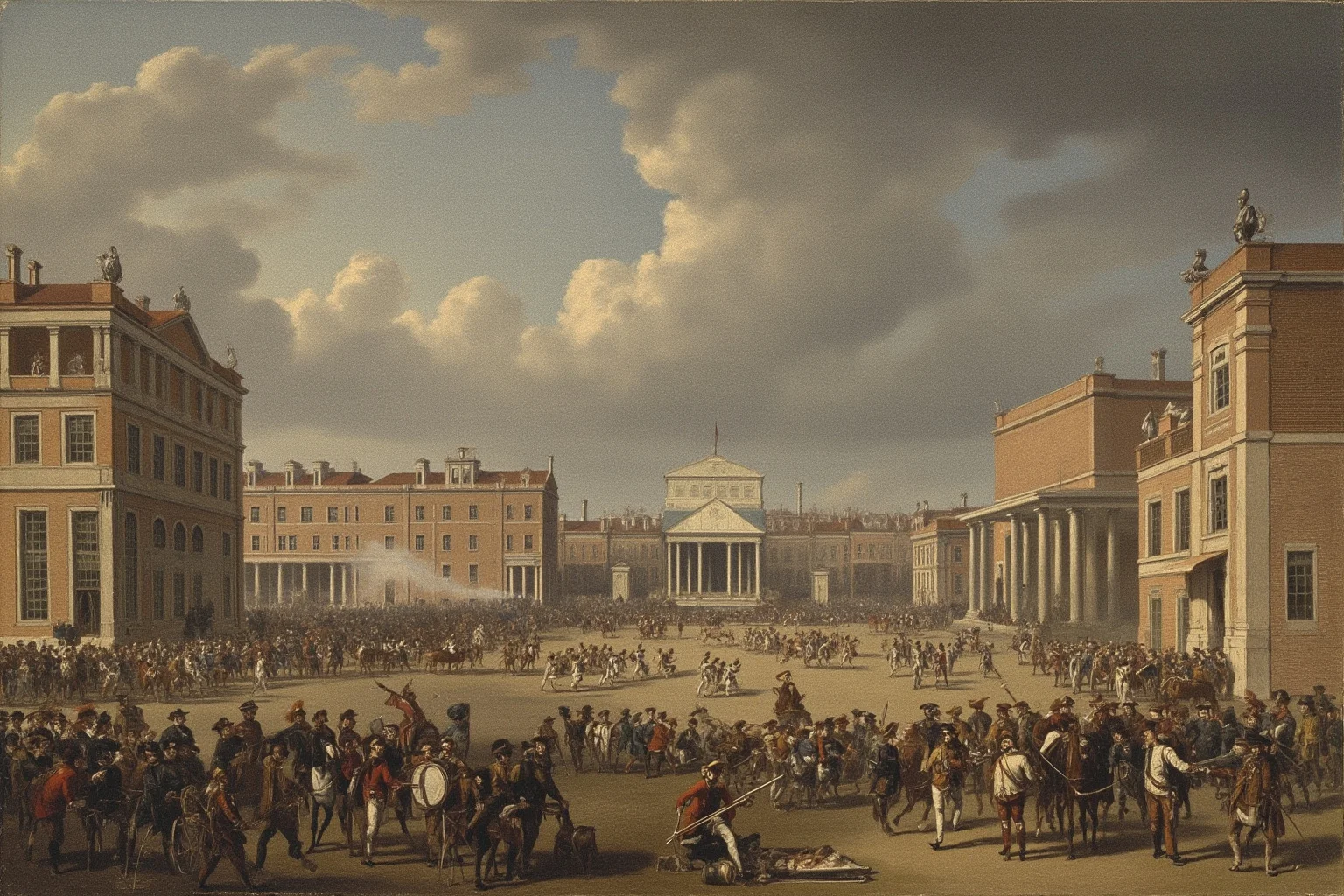
Louis XVI, executed just months before his wife in 1793, reportedly tried to address the crowd from the scaffold, saying he died innocent of the charges against him and forgave those responsible. Witnesses recorded that drummers were ordered to drown out his speech before he could finish.
This makes Louis XVI’s final words a genuinely ironic historical footnote: whatever he intended to say to history was, quite literally, silenced by history in real time.
6. Nathan Hale — “I Only Regret…”
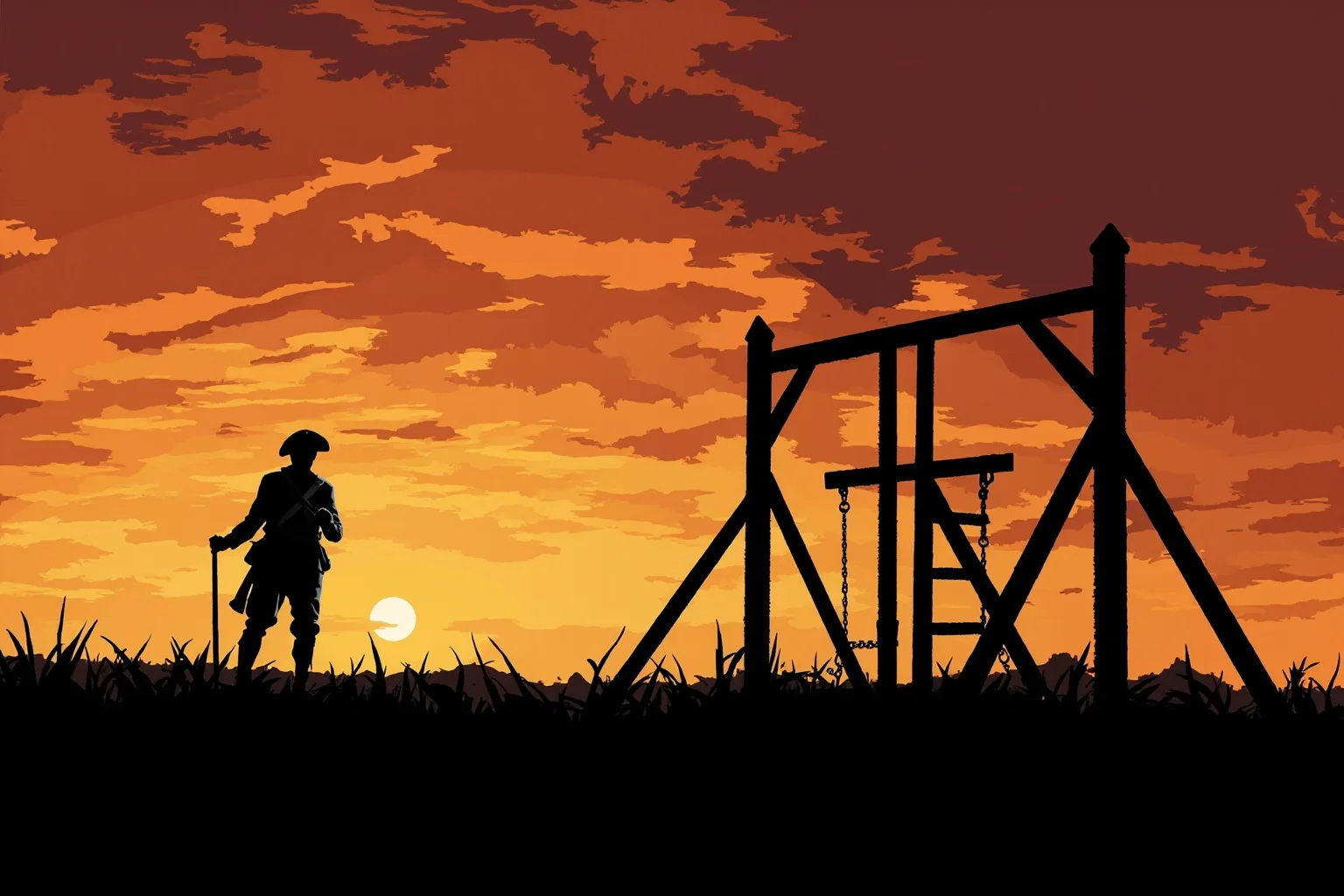
American Revolutionary War spy Nathan Hale was hanged by the British in 1776 after being caught behind enemy lines. He’s remembered for supposedly saying, “I only regret that I have but one life to lose for my country.”
No contemporary transcript of his execution exists, and the earliest accounts come from people who weren’t present. Historians have noted the phrase closely echoes a line from Cato, a popular 18th-century play, suggesting Hale may have paraphrased a line he admired rather than coining an original one.
7. George Washington — “‘Tis Well”
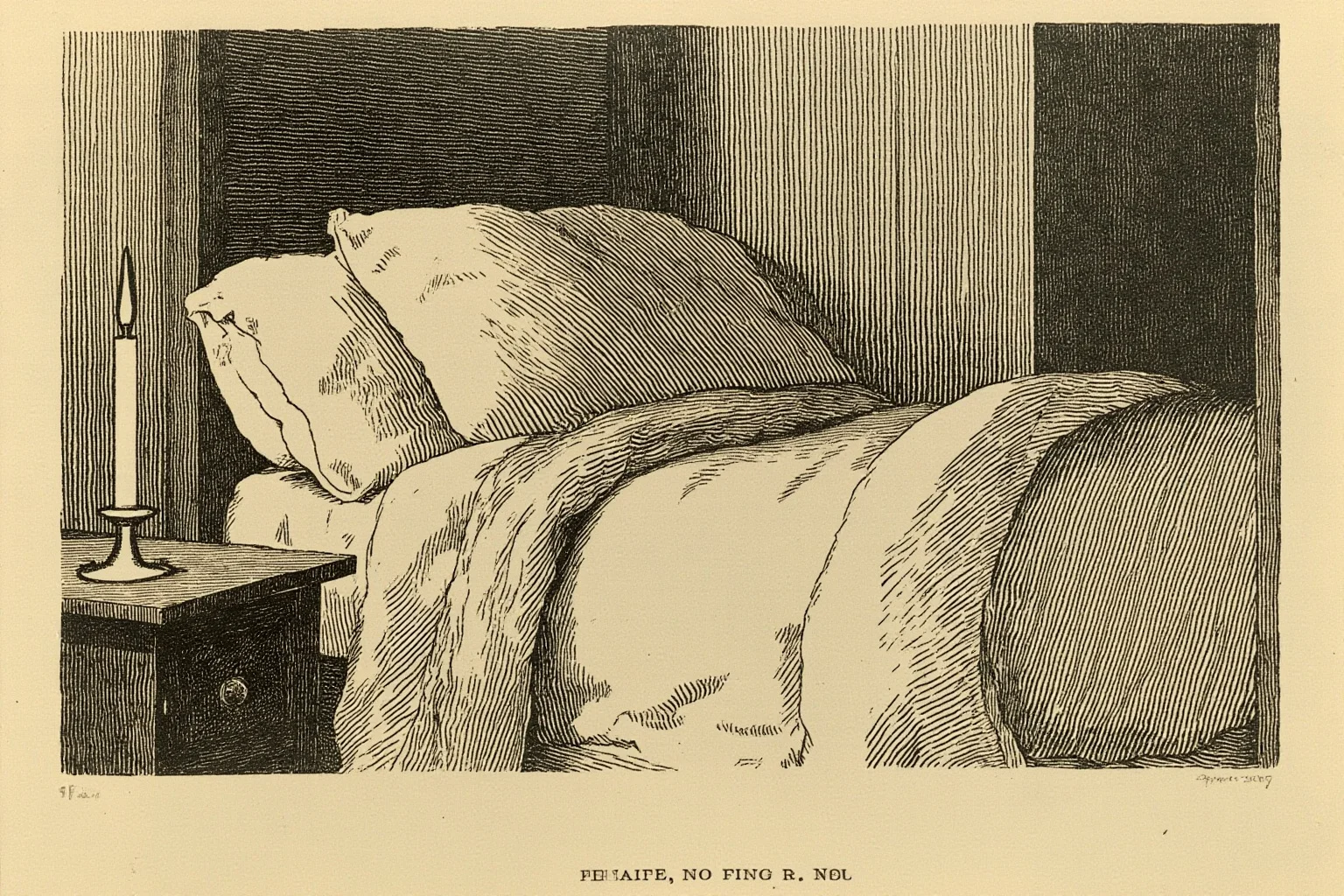
George Washington died at Mount Vernon in 1799 after a short, severe illness. According to his secretary Tobias Lear, who was present and kept detailed notes, Washington checked his own pulse, then said simply, “‘Tis well,” before he died.
This is one of the better-documented entries on this list, since Lear’s account was written down close to the event by someone actually in the room. It’s a quietly composed exit for one of the most iconic revolutionary figures in history and the first American president.
8. Napoleon Bonaparte — France, the Army, Josephine
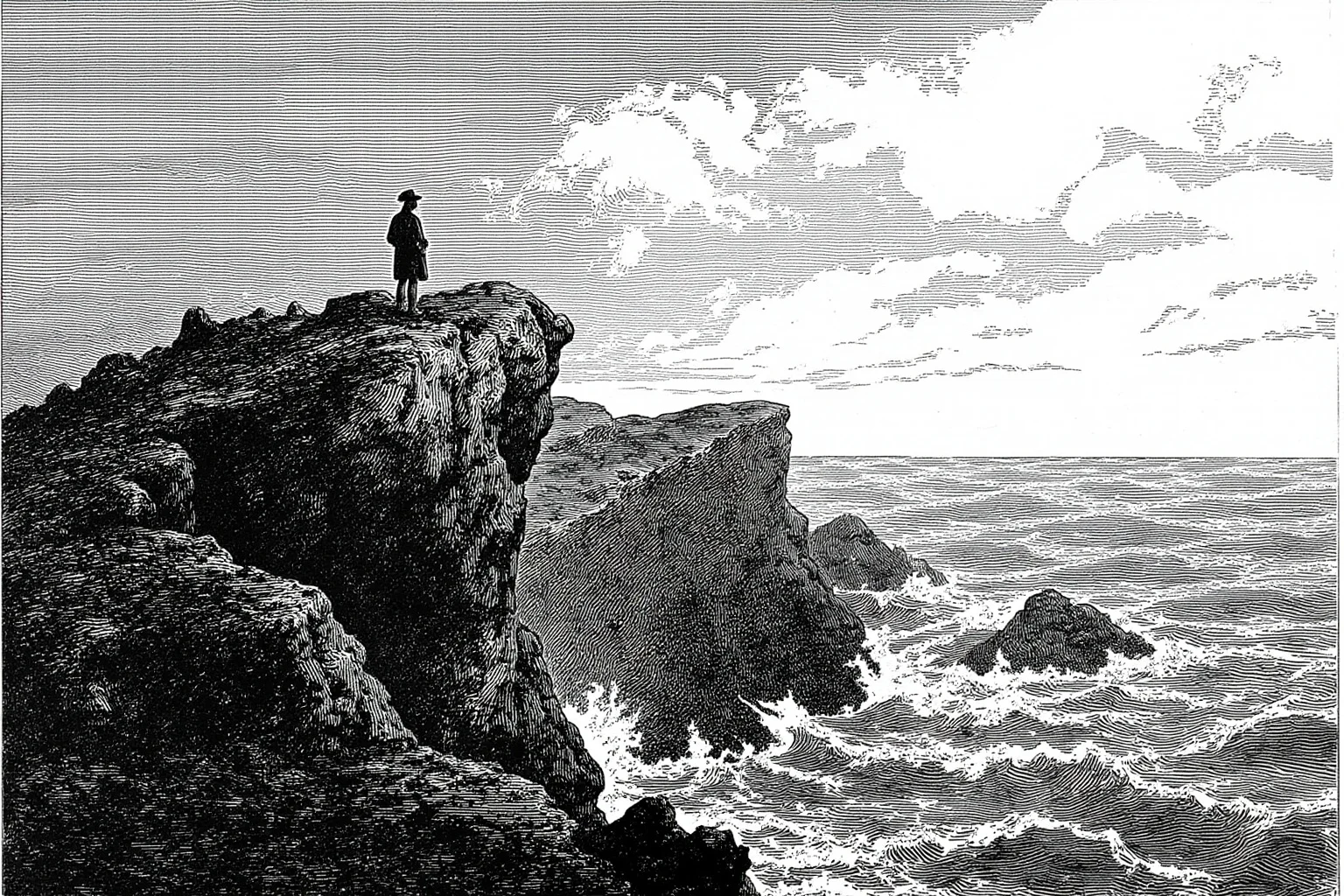
Exiled on the remote island of St. Helena, Napoleon died in 1821 after years of declining health. His valet reported his final words as a fragmented mix of “France… the army… head of the army… Josephine,” naming his country, his soldiers, and his first wife.
Given how ill and disoriented Napoleon reportedly was in his final hours, historians treat this account with some caution. Still, it’s endured as one of the more poetic entries in the history of famous dying words.
9. General John Sedgwick — “They Couldn’t Hit an Elephant at This Distance”
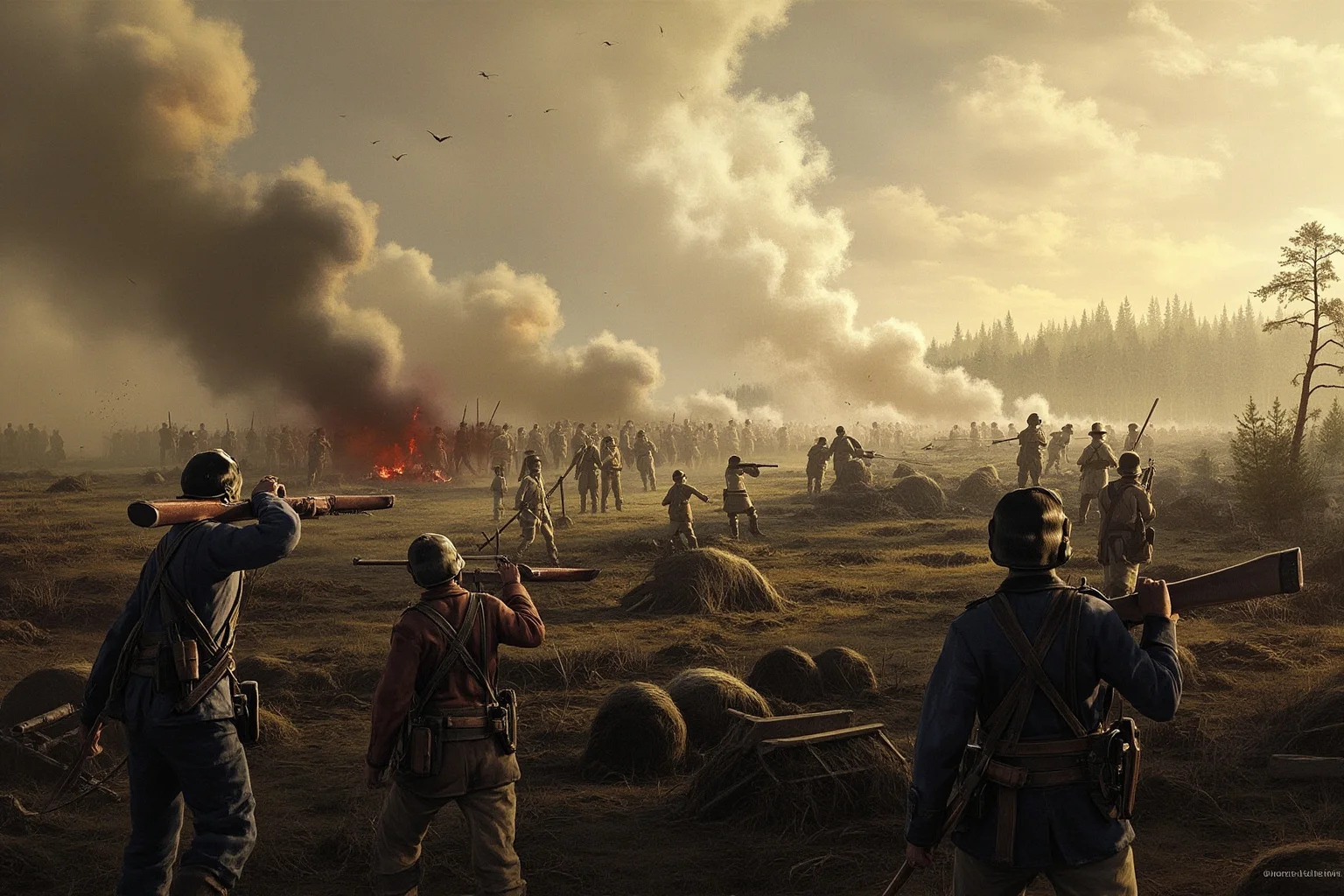
If you’re looking for the single most ironic last words in military history, this is hard to beat. Union General John Sedgwick, during the 1864 Battle of Spotsylvania Court House, mocked his own men for flinching at distant Confederate sharpshooter fire.
He reportedly said something close to, “They couldn’t hit an elephant at this distance,” and was shot and killed moments later by that very sharpshooter fire. It’s one of the most well-documented cases of dark irony in the American Civil War, recorded by multiple soldiers present at the scene.
10. Karl Marx — Dismissing the Whole Idea
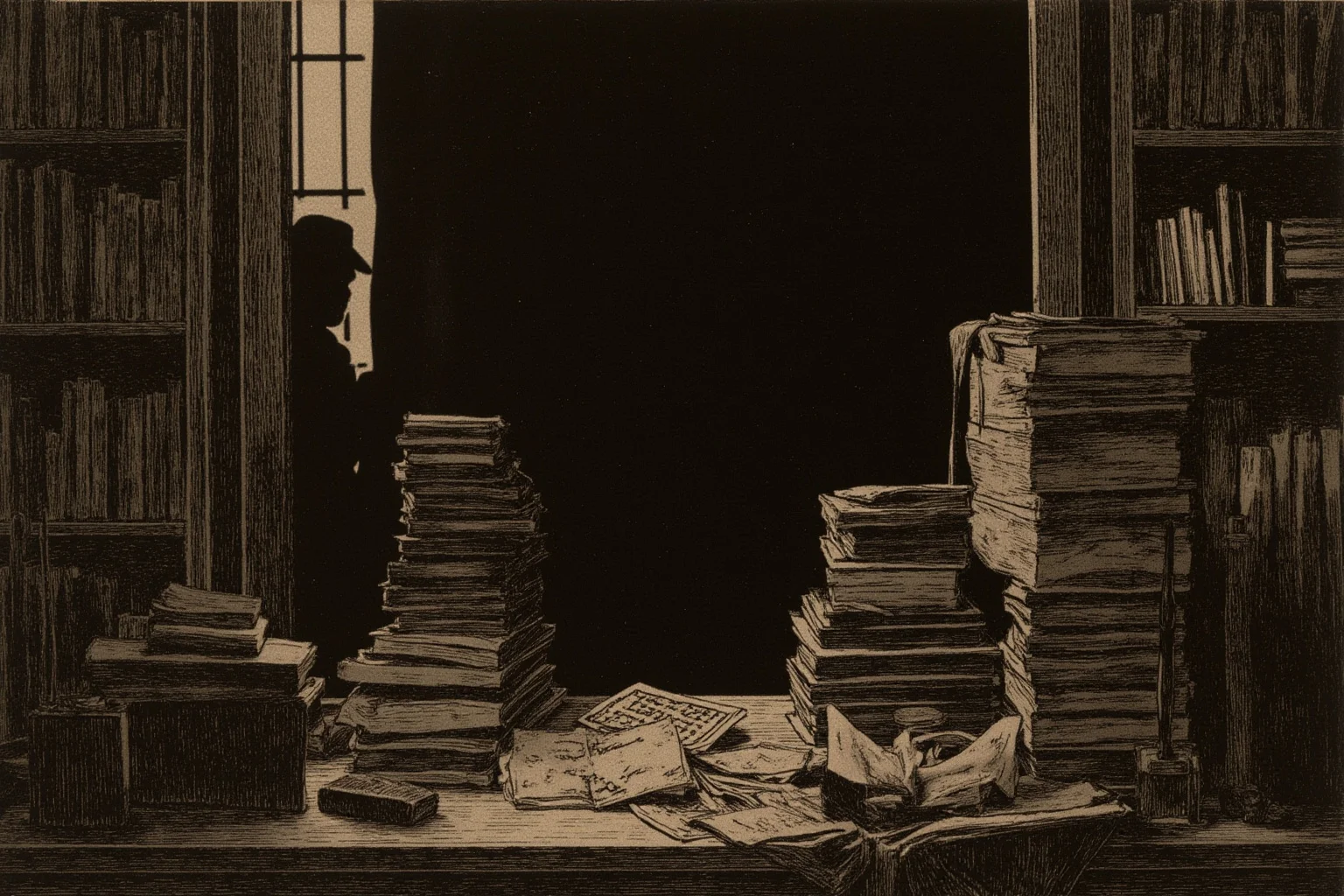
Karl Marx died in London in 1883. His housekeeper, Helene Demuth, reportedly asked if he had any final words for the world, and he allegedly snapped back, “Go on, get out — last words are for fools who haven’t said enough.”
It’s a perfectly Marx-ian sentiment, sharp and dismissive of sentimentality, but biographers note the quote is not fully verified and may have been polished over time. Fittingly, even his skepticism about last words has become one of history’s most quoted last words.
11. Oscar Wilde — A Fight With the Wallpaper

Oscar Wilde died in a modest Paris hotel room in 1900, and legend holds that he looked around at the room’s décor and quipped, “My wallpaper and I are fighting a duel to the death. One of us has got to go.” Some versions shorten it to, “Either this wallpaper goes, or I do.”
Biographers generally consider this one charming but unverified, the kind of line that sounds exactly like something Wilde would say, which is precisely why it’s suspicious. It remains one of the most cited examples of witty, ironic last words, verified or not.
12. Voltaire — No Time for New Enemies
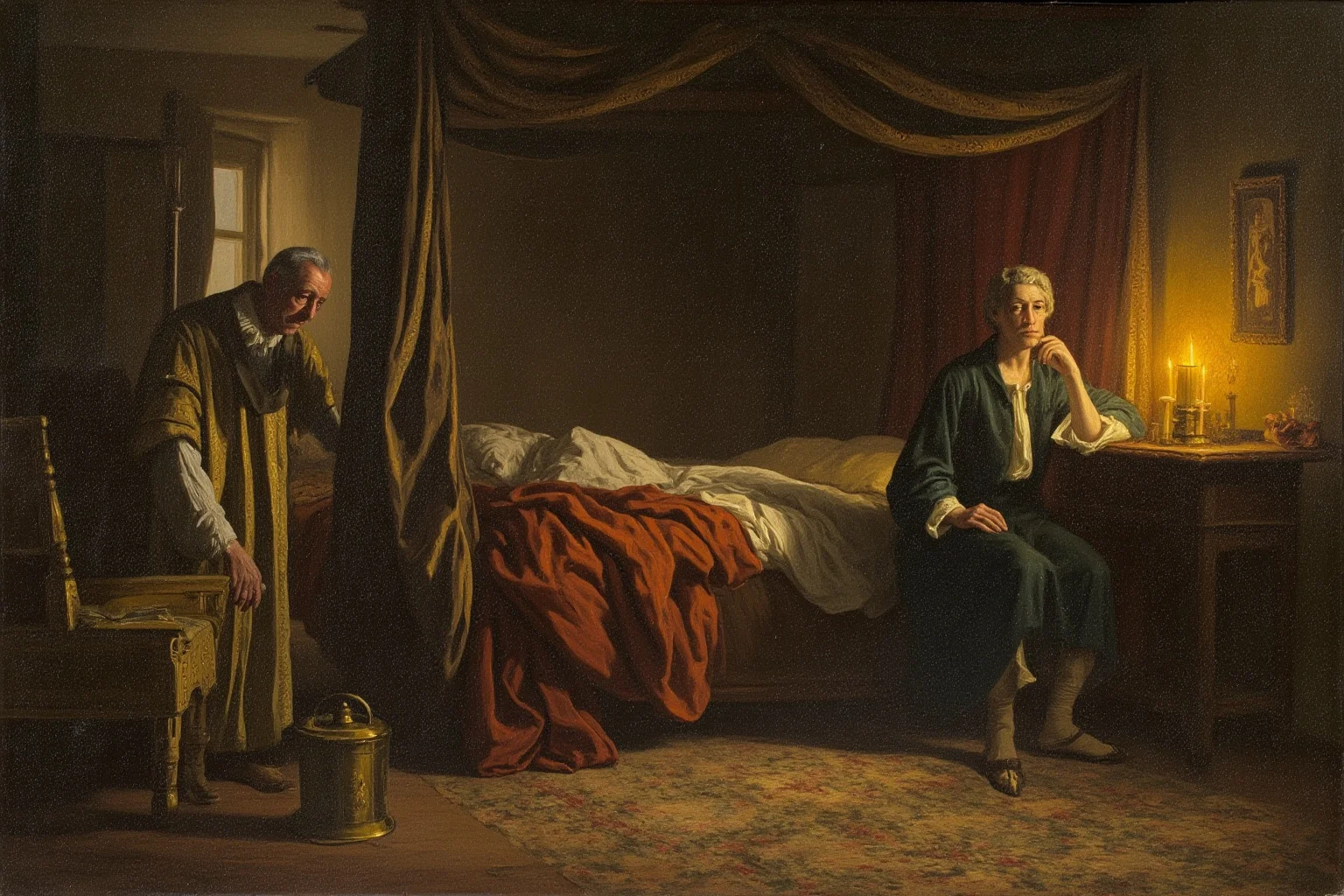
As the story goes, a priest at Voltaire’s bedside in 1778 urged him to renounce Satan before he died. Voltaire supposedly replied, “This is not the time to make new enemies.”
It’s a brilliant line, and one that fits Voltaire’s reputation as a relentless wit right up to the end. The trouble is that the anecdote doesn’t appear in print until decades after his death, which is a major red flag for historians trying to separate real quotes from later invention.
13. Vincent van Gogh — “The Sadness Will Last Forever”
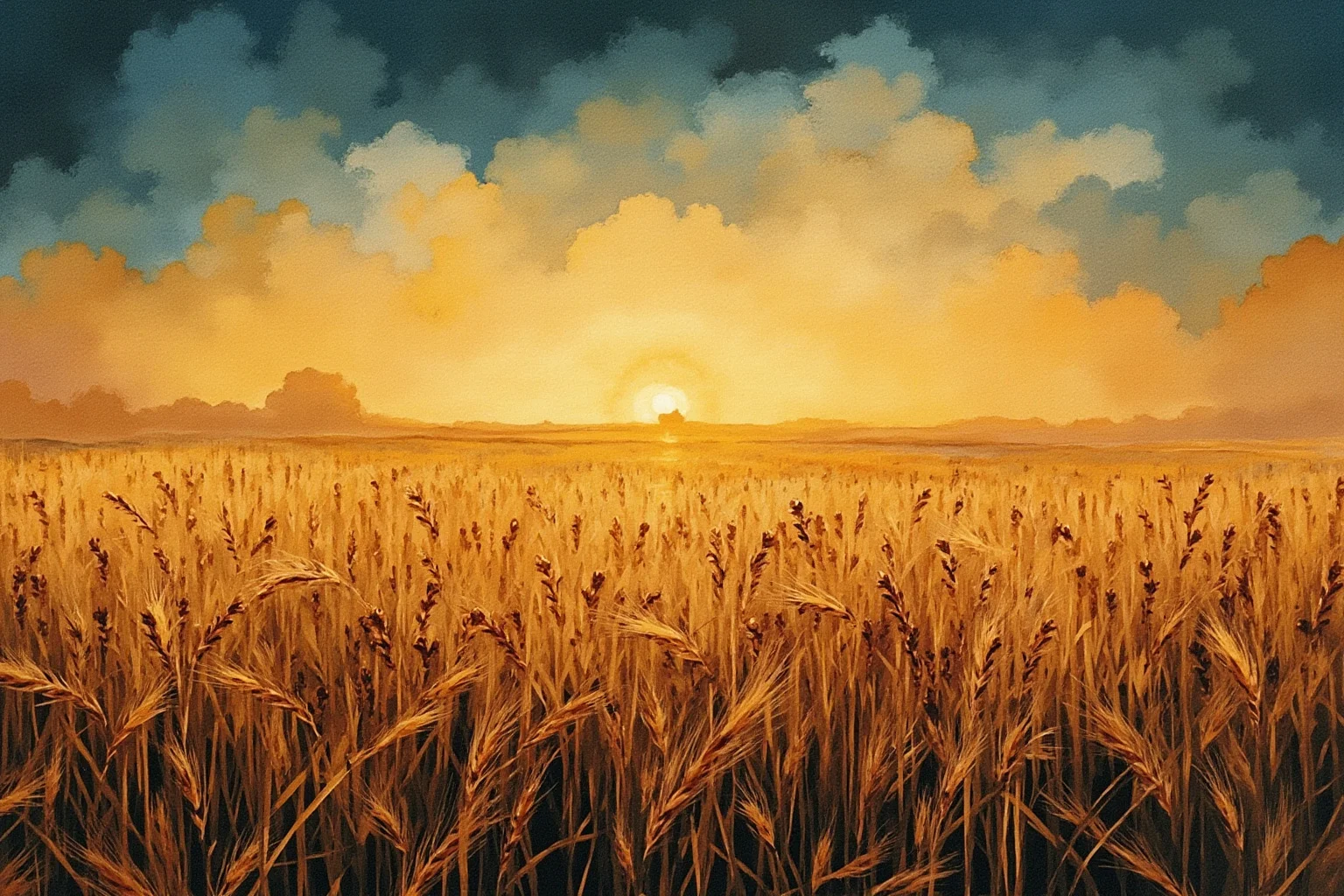
Vincent van Gogh died in 1890, two days after shooting himself in a wheat field near Auvers-sur-Oise, France. His brother Theo was at his bedside, and later wrote in a letter that van Gogh’s final words were, in French, “La tristesse durera toujours” — “the sadness will last forever.”
Because this comes from Theo’s own correspondence rather than a later secondhand retelling, it’s considered one of the more reliably sourced entries on this list. It’s also one of the most quietly devastating.
14. Leonardo da Vinci — Regret Over Unfinished Work
According to the artist and biographer Giorgio Vasari, Leonardo da Vinci lamented on his deathbed in 1519 that he had “offended God and mankind” by not reaching the level of quality his work deserved. It’s a poignant image: one of history’s smartest people worried he hadn’t done enough.
The catch is that Vasari wrote this account roughly three decades after Leonardo’s death, and Vasari was known for embellishing his artist biographies for dramatic effect. Historians treat it as plausible legend rather than confirmed fact.
15. Ludwig van Beethoven — “Pity, Pity, Too Late”
Beethoven died in Vienna in 1827, and the romantic legend attributes to him the line “I shall hear in heaven,” a poetic nod to his deafness. Unfortunately, this phrase doesn’t actually come from anyone present at his death.
Witnesses closer to the scene, including his secretary, instead recorded him reacting to a delivery of wine with the far less poetic “Pity, pity — too late.” It’s a good reminder that the most quoted version of a historical death isn’t always the accurate one.
16. Thomas Edison — “It Is Very Beautiful Over There”

Thomas Edison died in 1931, and his wife Mina later recounted that he had murmured, “It is very beautiful over there,” while drifting in and out of consciousness in his final hours. The line has taken on an almost mystical afterlife in popular retellings of his death.
As with many bedside accounts, this rests entirely on one family member’s memory rather than independent corroboration. It’s widely repeated, but historians classify it as unverifiable rather than confirmed.
17. Winston Churchill — “I’m Bored With It All”
Winston Churchill spent his final days in 1965 largely unconscious following a severe stroke. Household accounts describe him murmuring, “I’m bored with it all,” at some point before slipping into his final coma.
Given his declining condition in those last days, biographers note real uncertainty about exactly when this was said or how precisely it was recorded. Still, it fits Churchill’s famously blunt personality well enough that it has stuck as one of his most quoted lines.
18. Humphrey Bogart — A Joke About Cocktails
Humphrey Bogart died in 1957 after a long illness, and his wife, actress Lauren Bacall, recounted his final words as a dry joke: “I should never have switched from scotch to martinis.” It’s exactly the kind of wry, self-deprecating line audiences loved him for on screen.
Because it comes directly from Bacall, who was present, it’s considered one of the more credible celebrity deathbed quotes on this list. It’s also one of the more genuinely funny ones.
19. James Dean — Moments Before the Crash

James Dean died in a car crash in 1955 at just 24 years old. His passenger and mechanic, Rolf Wütherich, survived the wreck and later recalled that Dean had said something like, “That guy’s gotta stop… he’ll see us,” referring to an oncoming car, moments before the fatal collision.
This isn’t a deathbed quote in the traditional sense, but it’s one of the most chillingly ironic last recorded statements of the 20th century. It’s a sentence about safety spoken seconds before a fatal accident.
20. Che Guevara — Facing the Firing Squad

Che Guevara was captured by Bolivian forces in 1967 and executed shortly afterward. Soldiers present recounted that, facing his executioner, he said something along the lines of, “Shoot, coward, you are only going to kill a man.”
Exact wording varies across different soldiers’ accounts, which is common for battlefield and execution-style deaths with multiple witnesses. Even so, the defiant sentiment has become a fixed part of the legacy of one of history’s most iconic revolutionary figures.
21. Pancho Villa — A Line Hollywood Loves
Mexican revolutionary Pancho Villa was assassinated by gunfire in 1923. Popular legend has him saying, “Don’t let it end like this. Tell them I said something,” as his final words.
This is one of the clearest cases of a famous last-words quote with essentially no contemporary documentation behind it. Historians widely believe the line was invented later for dramatic effect, likely popularized through film and folklore rather than any eyewitness record.
22. Steve Jobs — “Oh Wow. Oh Wow. Oh Wow.”

Steve Jobs died in 2011 after a long battle with cancer. His sister, writer Mona Simpson, delivered a eulogy later published in The New York Times, describing how Jobs looked at his family in his final moments and repeated, “Oh wow. Oh wow. Oh wow.”
Because this account comes from a close family member who published it in a reputable, on-the-record source shortly after his death, it’s one of the more solidly documented modern entries on this list. It’s also become one of the most widely shared examples of memorable last words in the internet era.
What These Final Words Actually Teach Us
Looking across two and a half thousand years of recorded deaths, a pattern emerges. The best-documented last words tend to be the least dramatic — Washington’s quiet “‘Tis well,” Socrates’ request about a small debt, Beethoven’s mundane comment about wine.
The most quotable, punchy, and perfectly-timed lines, on the other hand, are often the ones with the shakiest paper trail. That doesn’t make them worthless as history. It just means they tell us more about what later generations wanted a hero, villain, or wit to have said than about what was actually whispered in a room centuries ago.
Either way, these lines have earned their place in popular memory. Whether verified, embellished, or entirely invented, they keep getting repeated because they capture something true about the person, even if the exact words are up for debate.
Frequently Asked Questions
What are the greatest last stands in history?
While this article focuses on final spoken words, 'last stands' refer to famous battles fought against overwhelming odds. Widely cited examples include the Spartans at Thermopylae (480 BC), the defenders of the Alamo (1836), Custer's 7th Cavalry at Little Bighorn (1876), and the British garrison at Rorke's Drift (1879). These events are remembered less for verified quotes and more for the desperate circumstances the fighters faced, though, as with last words, many of the dramatic lines attributed to participants in these battles were added by later writers rather than recorded at the time.
Are famous last words usually historically accurate?
Often not word-for-word. Many famous last words were recorded secondhand, sometimes decades after the death occurred, by biographers, family members, or playwrights looking for a dramatic close. Some, like George Washington's or Steve Jobs', have reasonably solid contemporary sourcing, while others, like Julius Caesar's 'Et tu, Brute?', are widely regarded by historians as later invention.
What makes last words ‘ironic’ rather than just memorable?
Ironic last words are ones where the statement is immediately, and often tragically, contradicted by what happens next. General John Sedgwick's comment that Confederate sharpshooters 'couldn't hit an elephant at this distance,' spoken moments before he was shot, is one of history's most cited examples of this kind of dramatic irony.
Why do so many historical figures have disputed or apocryphal last words?
Deathbed scenes were rarely documented by neutral, contemporary witnesses, and many accounts were written well after the fact by people with an interest in a good story. Over time, quotes attributed to famous figures were often polished, exaggerated, or invented outright, and later popular culture, including plays and films, cemented these embellished versions in public memory.
Who has the most reliably documented last words on record?
Figures whose final moments were recorded by someone actually present tend to have the most credible accounts. George Washington's secretary Tobias Lear documented his death directly, Theo van Gogh wrote his brother Vincent's last words in a personal letter, and Steve Jobs' sister Mona Simpson described his final moments in a published eulogy, making these among the better-sourced entries compared to ancient or heavily mythologized examples.

Alex Warren
Related Articles