
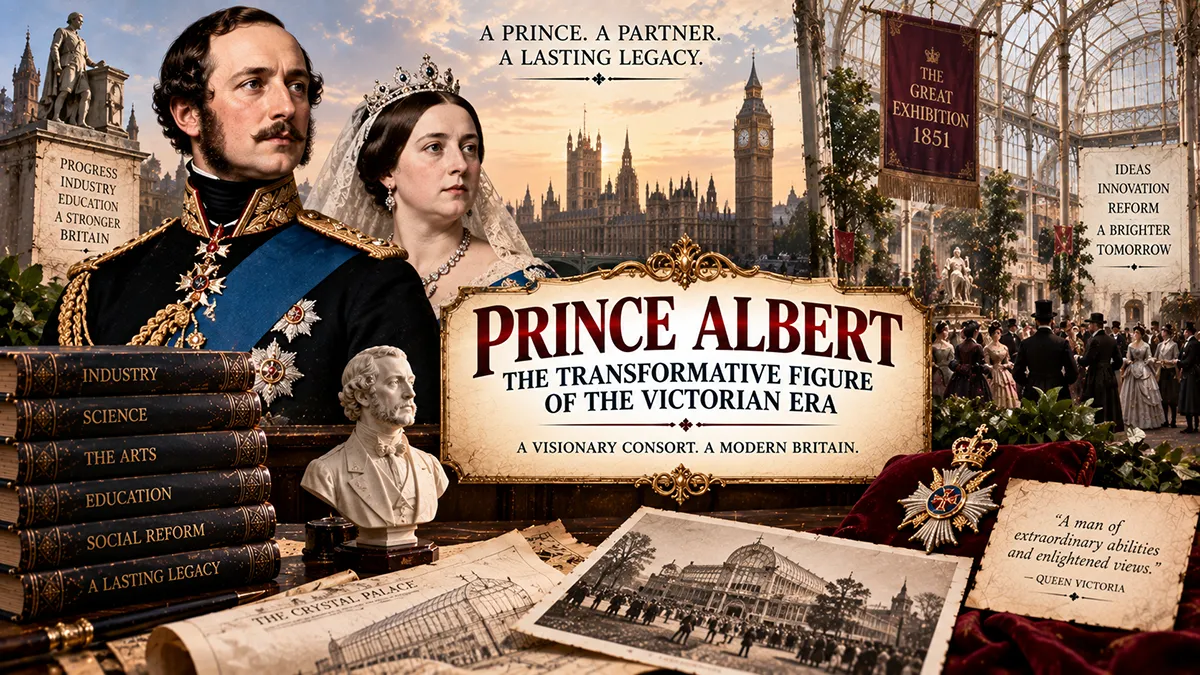
When people search for the “royal Prince Albert,” they’re usually picturing a stiff man with a mustache standing quietly behind Queen Victoria. That image does him a disservice.
Prince Albert of Saxe-Coburg and Gotha was one of the most quietly influential people in nineteenth-century Britain, and his fingerprints are still visible today on London’s museums, Cambridge University, and even how Britain celebrates Christmas.
This isn’t a story about a decorative royal husband. It’s a story about a workaholic reformer who reshaped science, industry, education, and public morality in Victorian Britain, often while facing suspicion simply for being a foreign-born prince.
Below is a comprehensive, myth-checked look at everything Prince Albert actually did, and a fair assessment of whether the man behind the legend deserves the praise.
TL;DR: Prince Albert used his position as Queen Victoria’s consort to modernize British science, education, housing, and industry, while also giving one of the era’s most quoted anti-slavery speeches, and his legacy still shapes London and Cambridge today.
1. Royal Prince Albert: A German-Born Prince Who Reshaped the British Monarchy
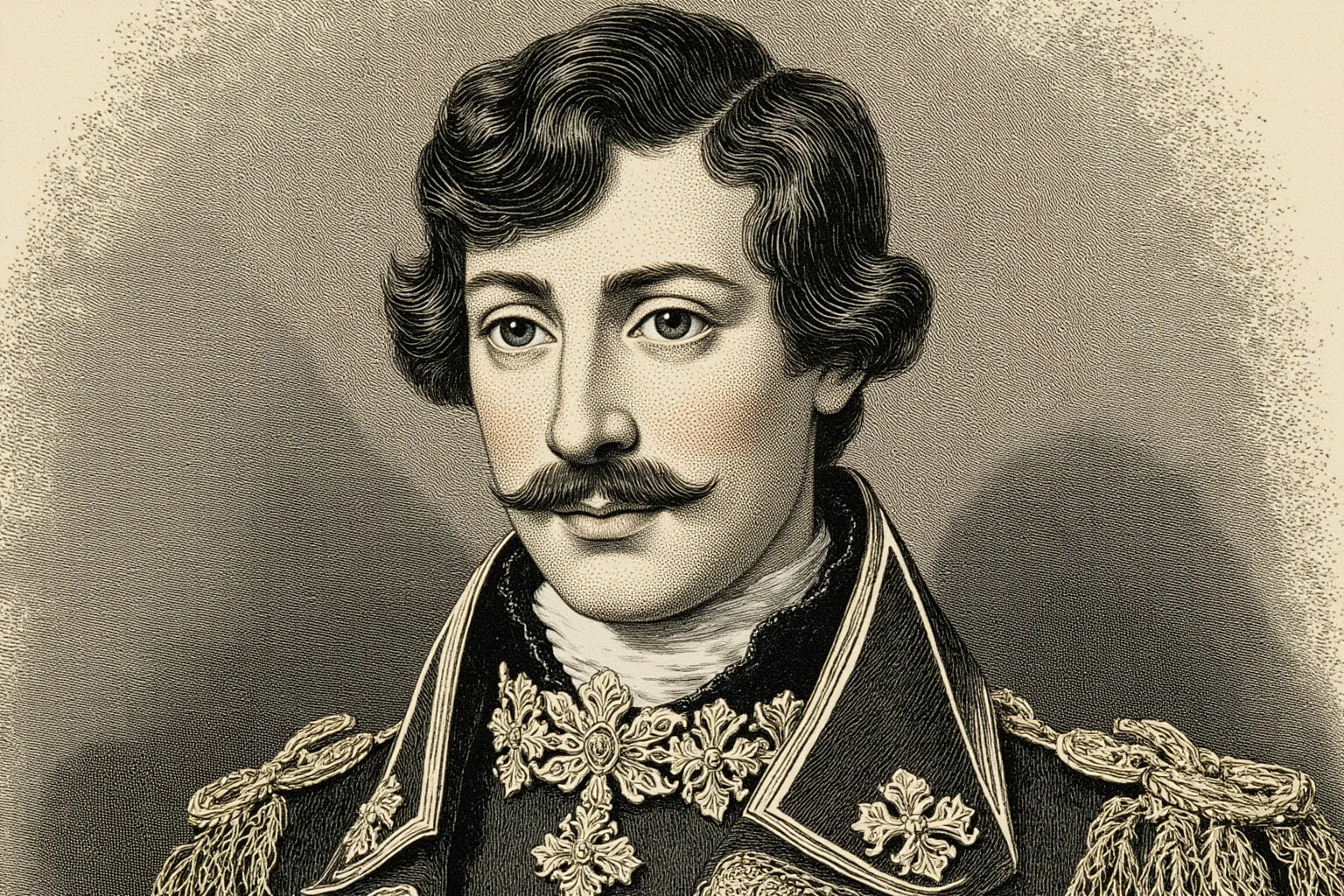
Prince Albert was born in 1819 in the Duchy of Saxe-Coburg and Gotha, a small German state, not in Britain. He arrived as a relative outsider when he married his first cousin, Queen Victoria, in 1840, and many in the British establishment initially distrusted him as a foreign interloper with no real constitutional role.
Over the following two decades, he transformed that role from a ceremonial afterthought into something far more substantial. He effectively invented the modern template for a working royal consort, one who influences policy, culture, and public life without holding formal political power.
2. He Married Queen Victoria and Redefined What It Meant to Be a Royal Consort
Before Albert, the husbands of reigning British queens had little defined function, and the position carried no automatic title or authority. Albert changed that by becoming Victoria’s closest advisor, reading state papers, drafting correspondence, and quietly shaping decisions on foreign policy and government appointments.
He was never a king and never sought to be one, which mattered enormously to a Parliament wary of foreign influence. Instead, he built influence through competence and constant work, becoming indispensable to Victoria personally and to the monarchy institutionally.
3. He Was the Driving Force Behind the Great Exhibition of 1851
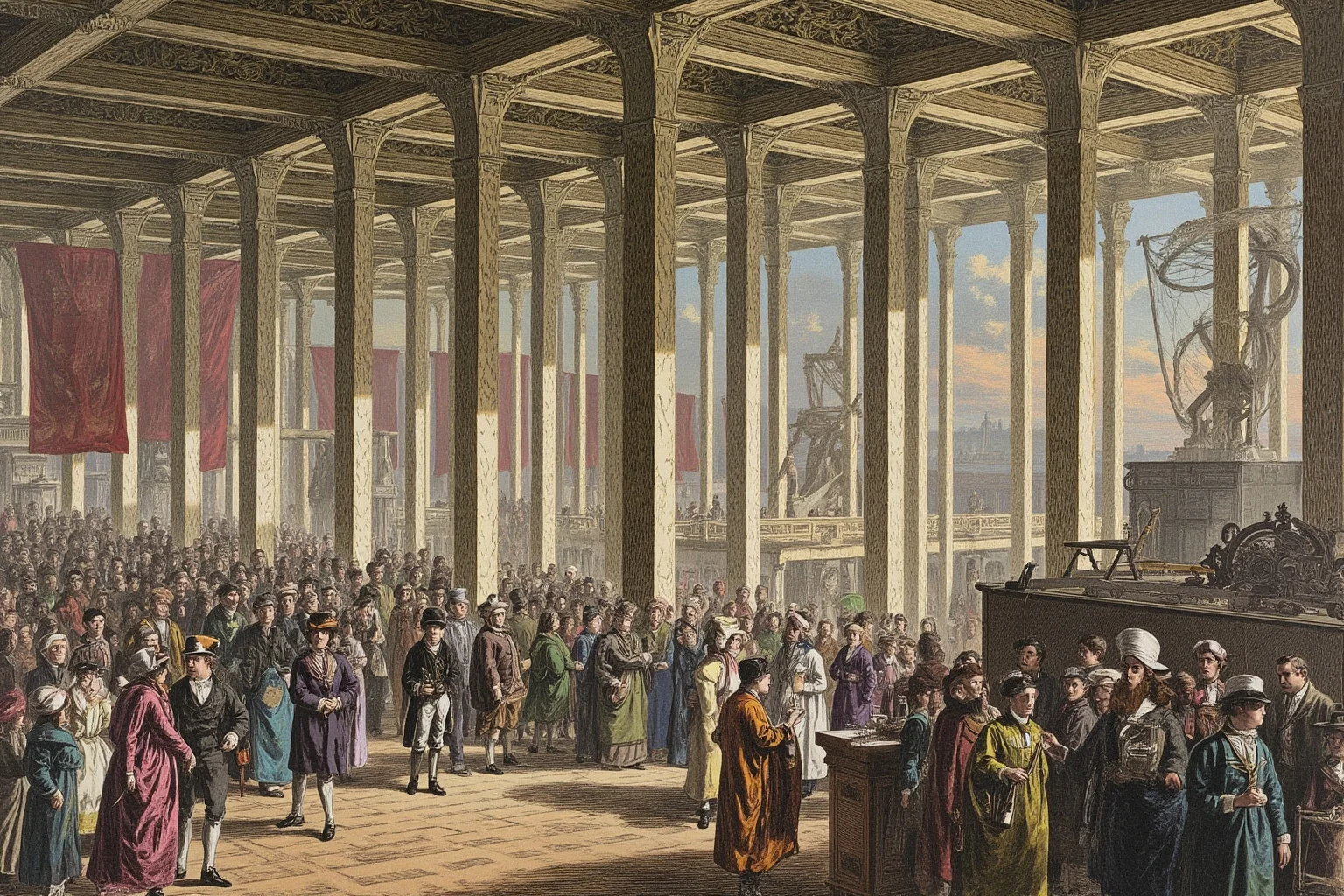
The Great Exhibition of 1851 is arguably Albert’s single most famous achievement, and he was its principal champion. As president of the Royal Commission that organized it, he pushed through a project that many politicians and newspapers initially mocked or opposed.
The exhibition showcased industry, manufacturing, and design from around the world, including early work from several of the greatest American inventors in history, inside a purpose-built hall in London’s Hyde Park. It drew roughly six million visitors over less than six months, an extraordinary number for the time, and it cemented Britain’s image as the workshop of the world.
4. He Helped Build the Crystal Palace
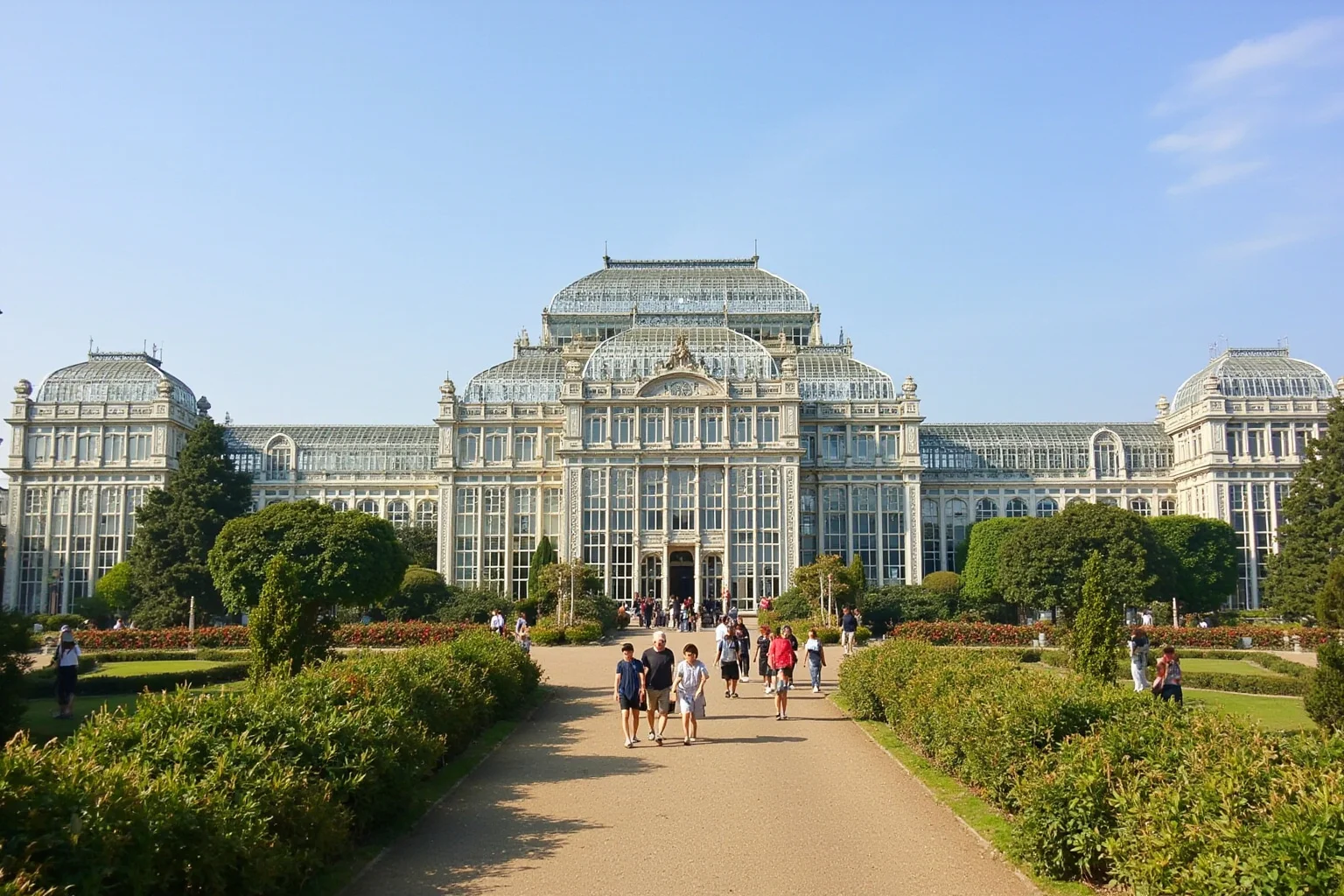
The exhibition needed a building unlike anything London had seen, and Albert was closely involved in selecting the winning design. The result was the Crystal Palace, an enormous structure of cast iron and glass engineered by Joseph Paxton, built in Hyde Park in under a year.
It was one of the largest glass structures ever built at that point, and it later became a template for exhibition halls and greenhouses worldwide. After the exhibition closed, the building was relocated to Sydenham in south London, where it stood until a fire destroyed it in 1936.
5. He Used Exhibition Profits to Build London’s Museum District
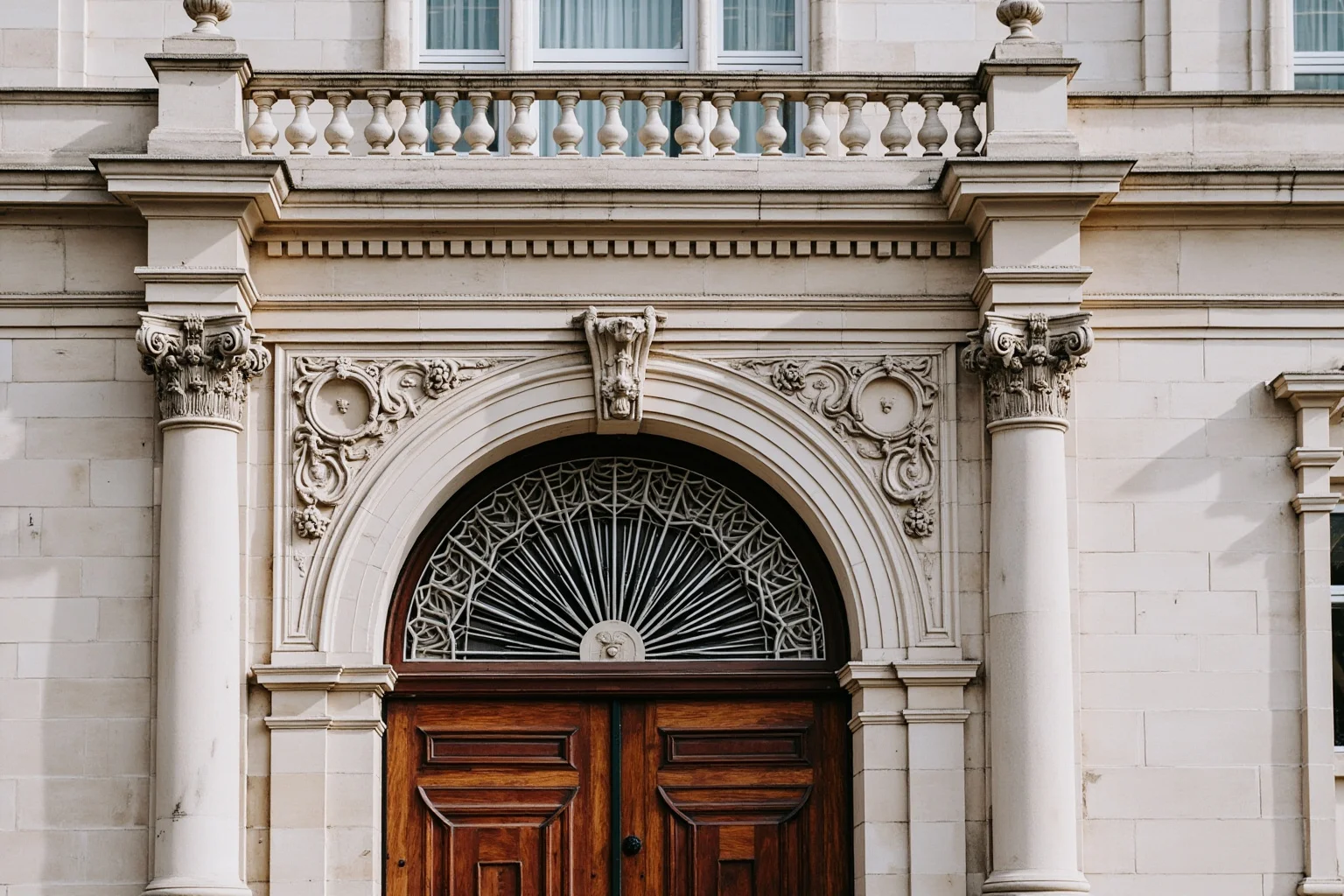
What did Prince Albert build beyond the Crystal Palace? This is where his longest-lasting legacy really lives. The Great Exhibition generated a substantial profit, and Albert insisted the money be reinvested in education and culture rather than simply banked.
That profit funded land purchases in South Kensington that eventually became home to the Victoria and Albert Museum, the Natural History Museum, and the Science Museum. The area was nicknamed “Albertopolis” by contemporaries, and it remains one of London’s great cultural quarters today.
6. He Served as Chancellor of the University of Cambridge
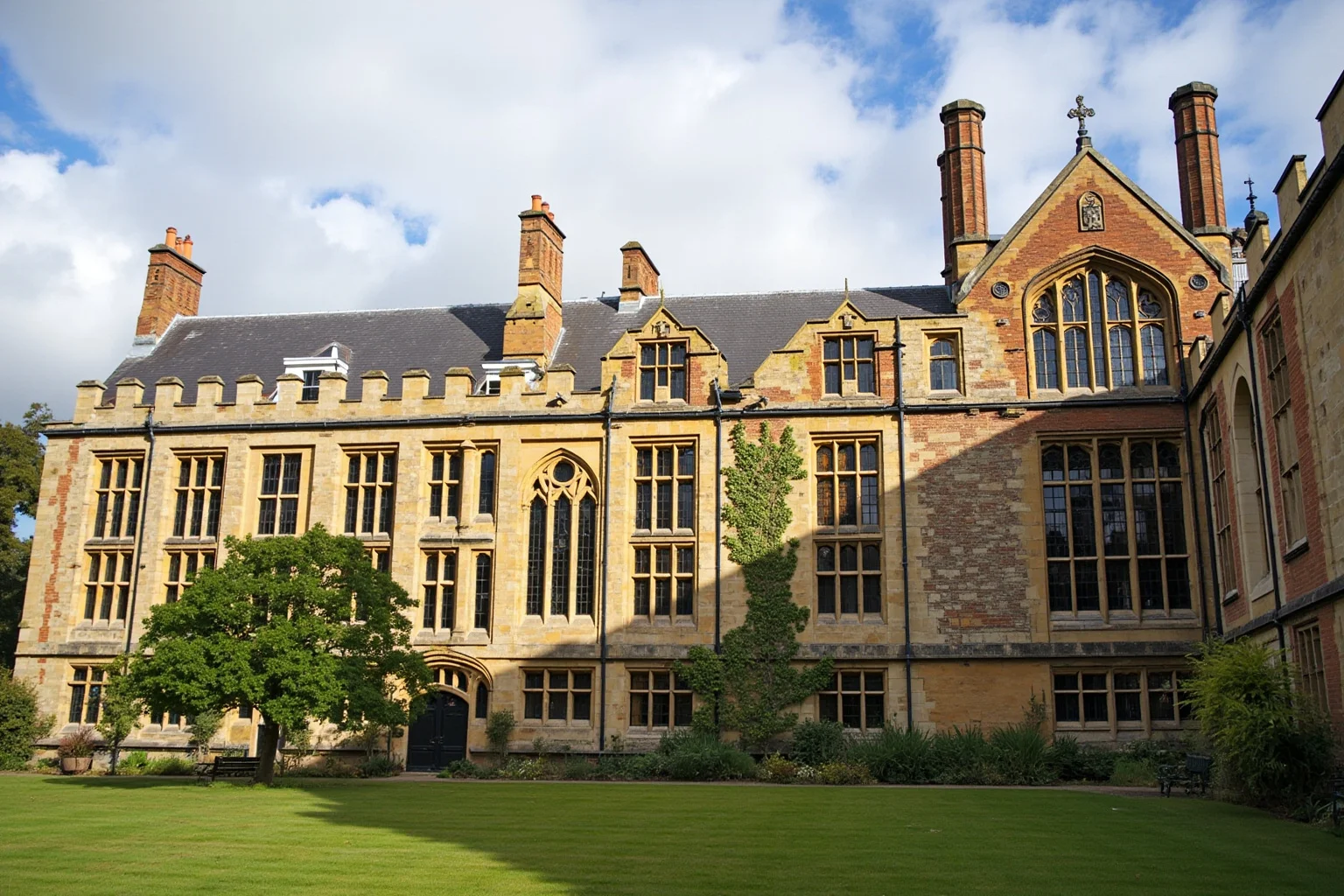
Yes, Prince Albert was Chancellor of Cambridge, elected to the largely ceremonial post in 1847 after a surprisingly contested election against the Earl of Powis. The Prince Albert Cambridge connection wasn’t just a title on paper, either; he took the role seriously and used it to push for academic modernization.
He encouraged the university to expand its curriculum beyond classics and theology into natural sciences, history, and modern languages. He held the chancellorship until his death in 1861, and his reforms nudged Cambridge toward the broader, more scientific institution it would become in the following decades.
7. He Delivered a Powerful Speech Against Slavery
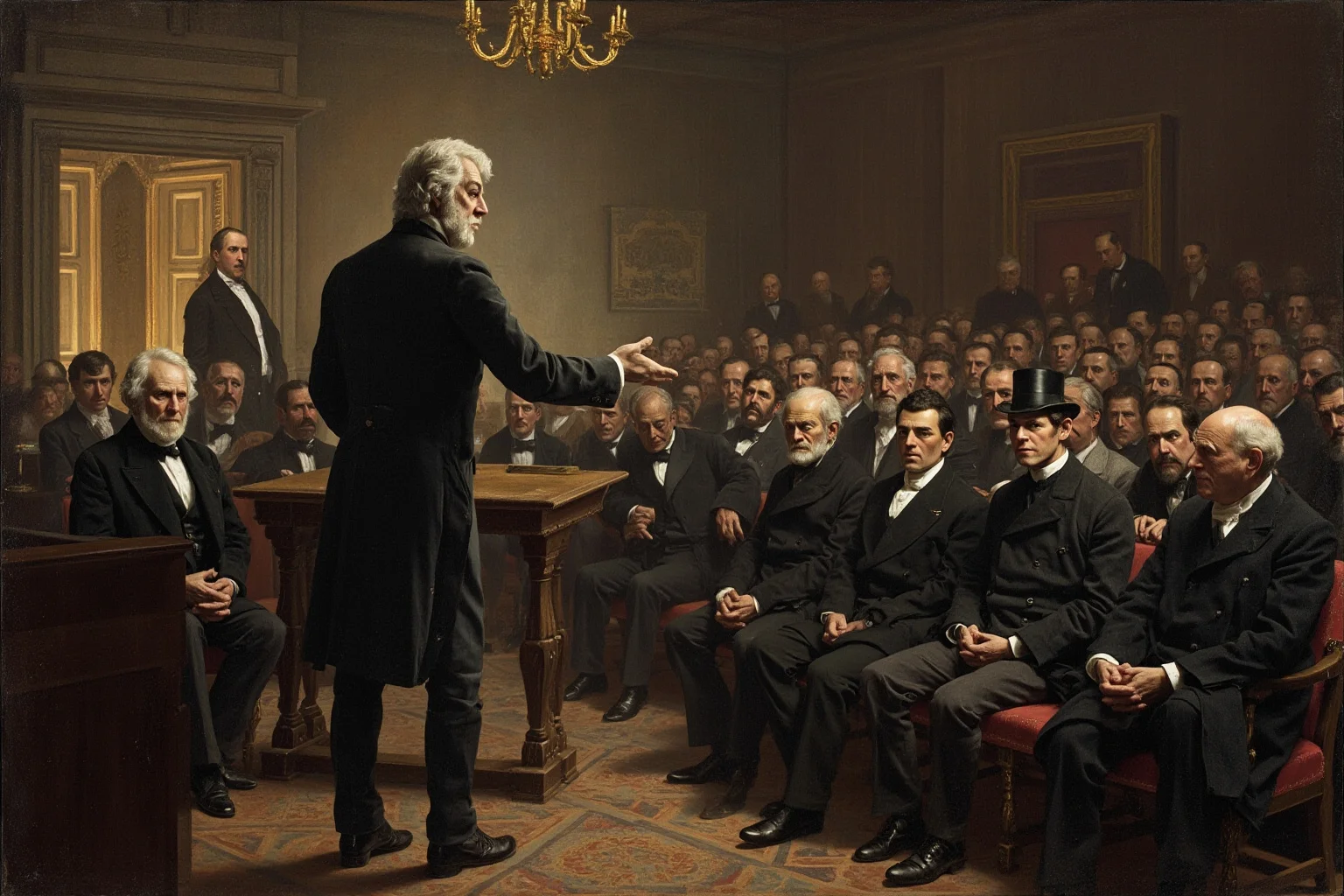
The Prince Albert speech on slavery is one of the most quoted moments of his public life, and it came remarkably early in his time in Britain. In June 1840, only months after his wedding, he addressed a meeting of the Society for the Extinction of the Slave Trade and for the Civilization of Africa, marking his first public speech on English soil.
In it, he expressed hope that Britain would lead the world toward ending slavery entirely, framing the cause in moral and religious terms consistent with the era’s abolitionist rhetoric. It was a notably bold choice of subject for a new, foreign-born royal still trying to win public trust.
8. He Championed the Global Abolition of the Slave Trade
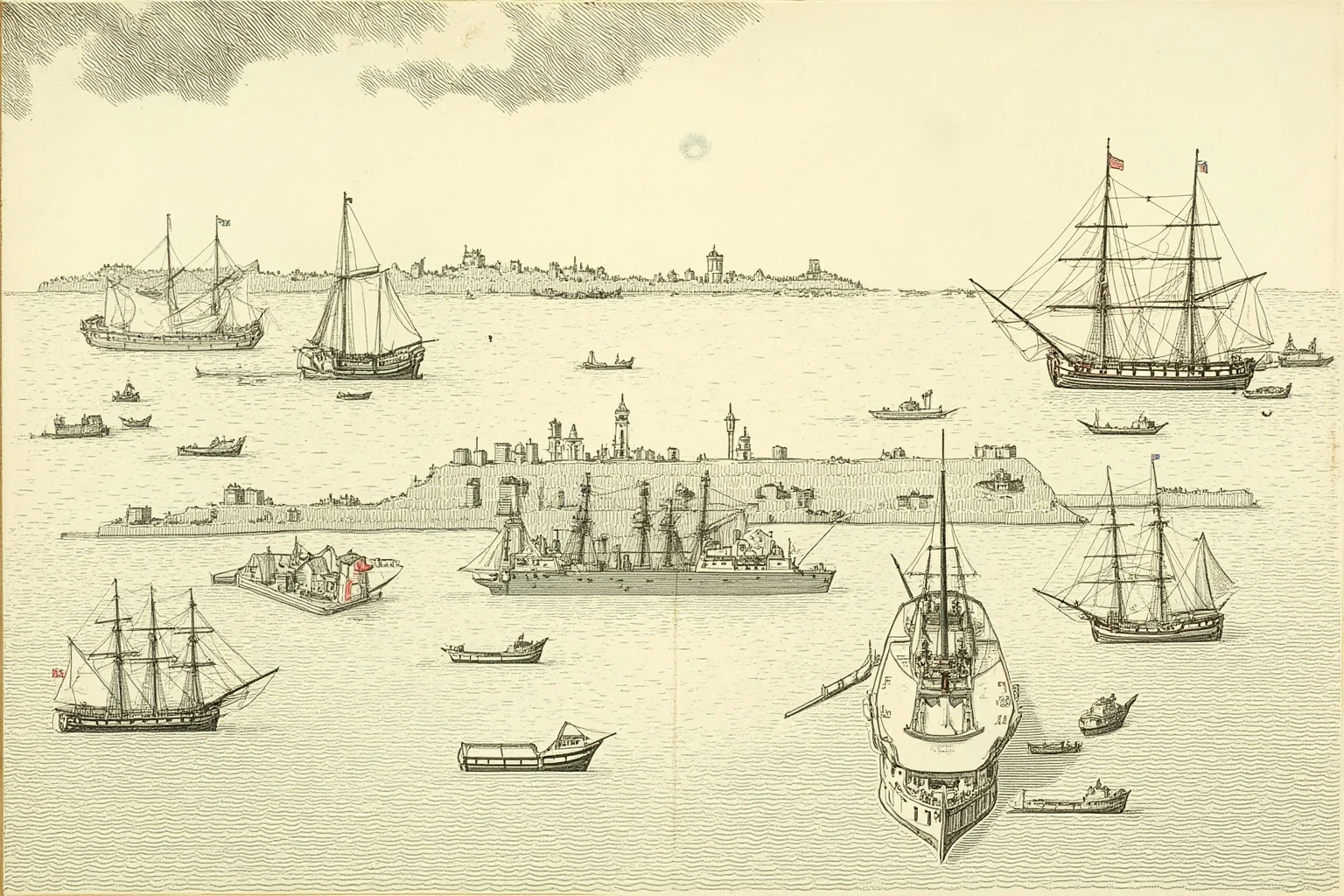
Britain had already abolished slavery within its own empire in 1833, so Prince Albert’s abolition of slavery advocacy was really about pressuring other nations to follow suit. His 1840 speech specifically supported international efforts to suppress the transatlantic slave trade, which remained active in places like Brazil, Cuba, and the United States.
He continued to associate himself with anti-slavery causes throughout his public life, lending royal prestige to a movement that still faced fierce resistance abroad. It’s worth being careful here: Albert was a prominent supporter of abolitionist goals, but he was not the movement’s architect, and credit for ending the slave trade belongs to a much wider network of campaigners, politicians, and formerly enslaved activists.
9. He Modernized the Royal Finances and Household
When Albert arrived in Britain, the royal household’s finances were notoriously disorganized, with overlapping departments and wasteful spending going largely unchecked. He took a hands-on interest in cleaning this up, reorganizing how the royal residences were managed and cutting unnecessary costs.
This wasn’t glamorous work, but it mattered. It reflected Albert’s broader instinct for efficiency and administration, the same instinct he later applied to national institutions far beyond the palace walls.
10. What Was Prince Albert’s Allowance?
This is one of the most commonly asked practical questions about him, so it’s worth answering clearly. When Albert married Victoria in 1840, Parliament granted him an annual allowance of £30,000, funded through a civil list annuity.
That figure was actually lower than the £50,000 initially proposed, after opposition politicians, wary of foreign royals and mindful of economic hardship among ordinary Britons, pushed to reduce it. Even at the reduced amount, it was a very substantial income for the time, though smaller than the allowances given to some previous royal consorts.
11. He Reformed Farming and Land Management on the Royal Estates

Albert had a genuine, hands-on interest in agriculture, and he applied it to the royal estates at Windsor and later at Balmoral and Osborne. He introduced new farming techniques, model dairies, and improved livestock breeding practices that were considered progressive for the era.
He treated these estates almost like working laboratories, testing ideas about efficient land management that reflected the same improvement-minded thinking he brought to national projects. Contemporary agricultural societies took notice, and his estates were sometimes cited as examples of modern farming practice.
12. He Helped Prevent a War Between Britain and the United States
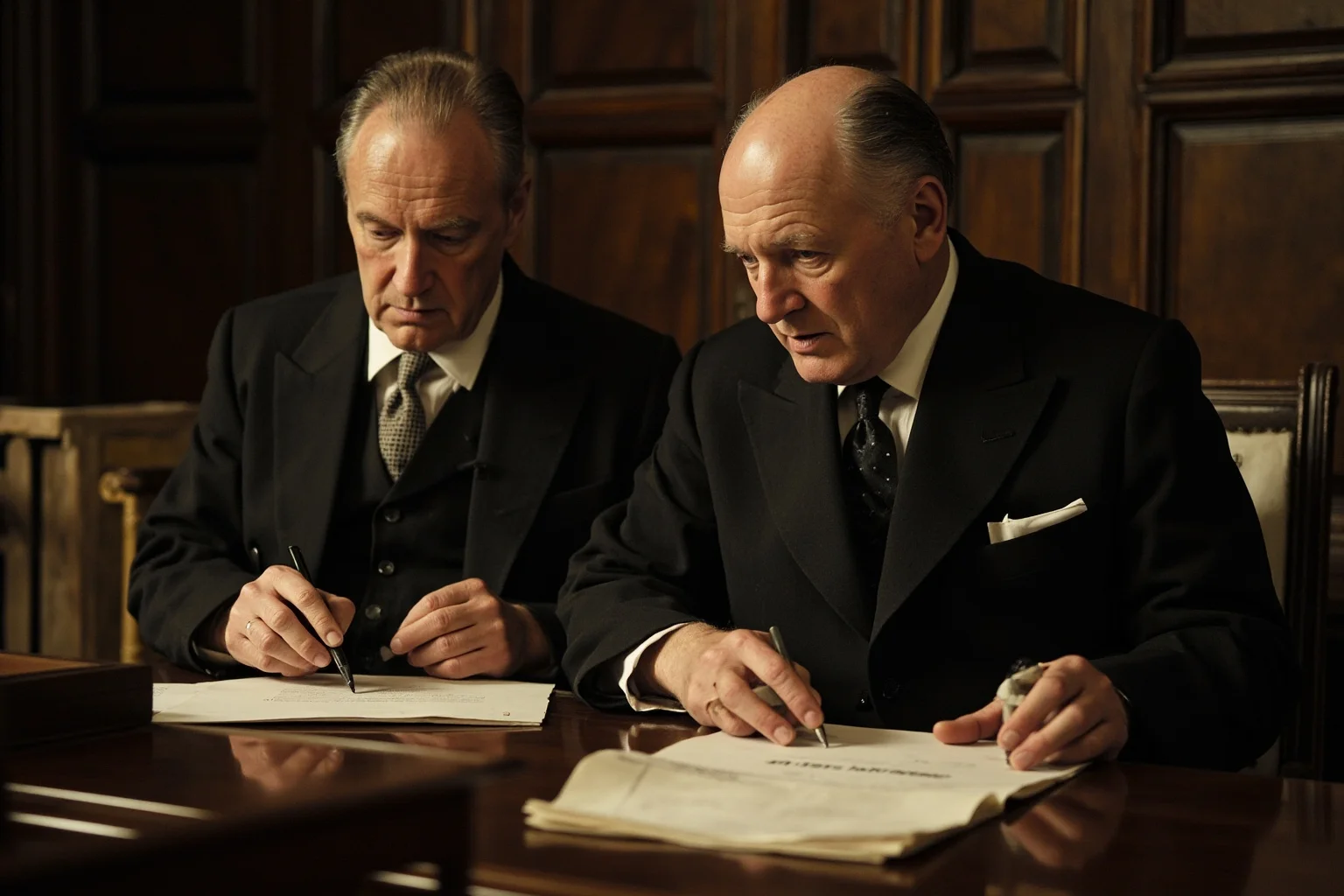
In late 1861, during the American Civil War, a diplomatic crisis known as the Trent Affair threatened to pull Britain into open conflict with the United States after a Union ship intercepted a British vessel carrying Confederate diplomats. The British government drafted a strongly worded response that risked escalating the situation dangerously.
Albert, though already seriously ill, reviewed and softened the language of the dispatch before it was sent. Historians generally credit this intervention as one of his final, quietly significant contributions to public life, coming just weeks before his death.
13. He Was a Patron of Science, Industry, and Innovation
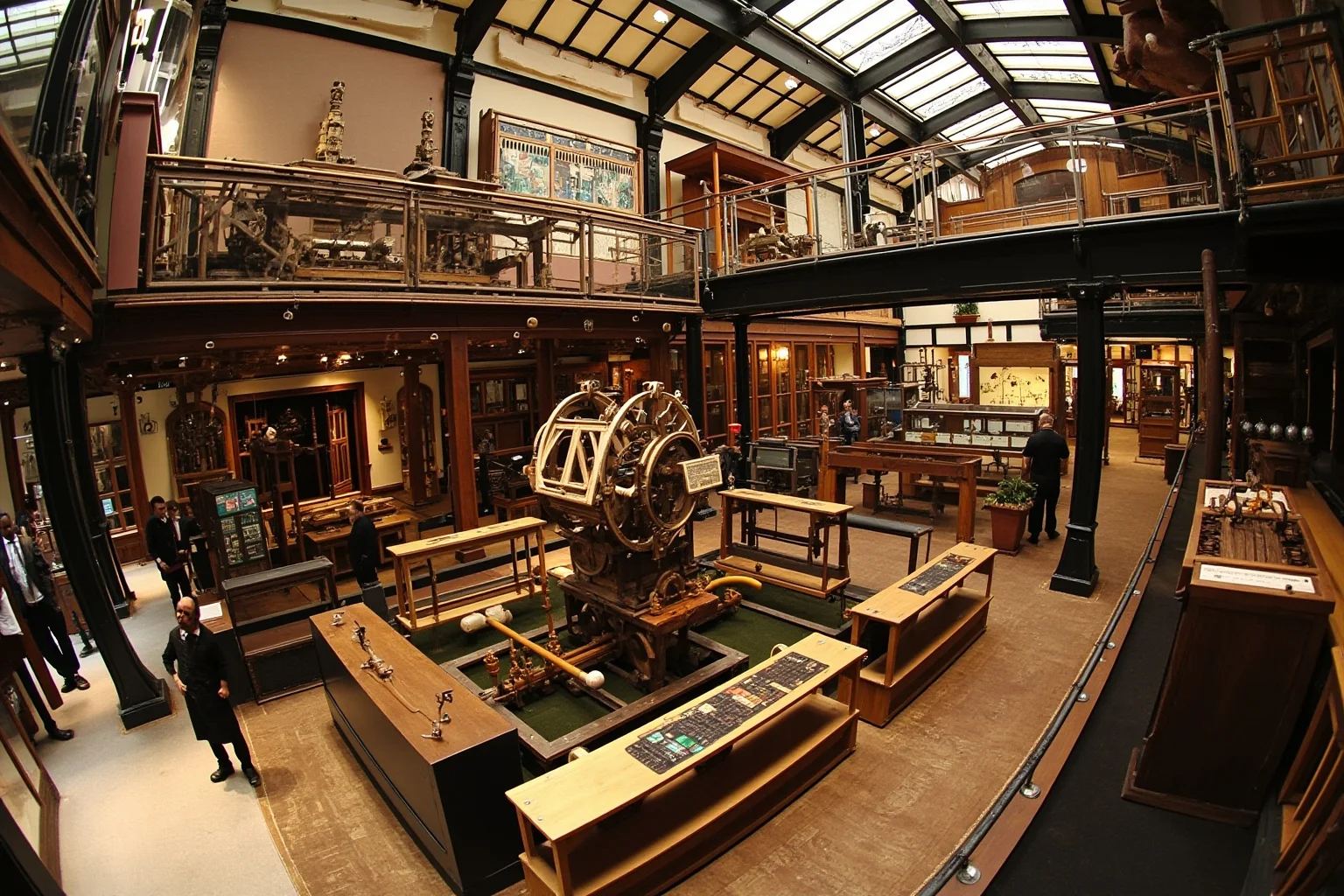
Beyond the Great Exhibition, Albert consistently supported scientific societies, technical education, and industrial innovation throughout his time in Britain. He served as president of the Society of Arts and took an active interest in engineering, photography, and emerging technologies of the period, engaging with many of the scientific minds later remembered among the smartest people in history.
He believed strongly that Britain’s future prosperity depended on combining science with industry and design, an idea that feels almost obvious now but was genuinely progressive for a royal figure in the 1840s and 1850s. This philosophy underpinned nearly everything else on this list.
14. He Championed Social Housing for the Working Poor
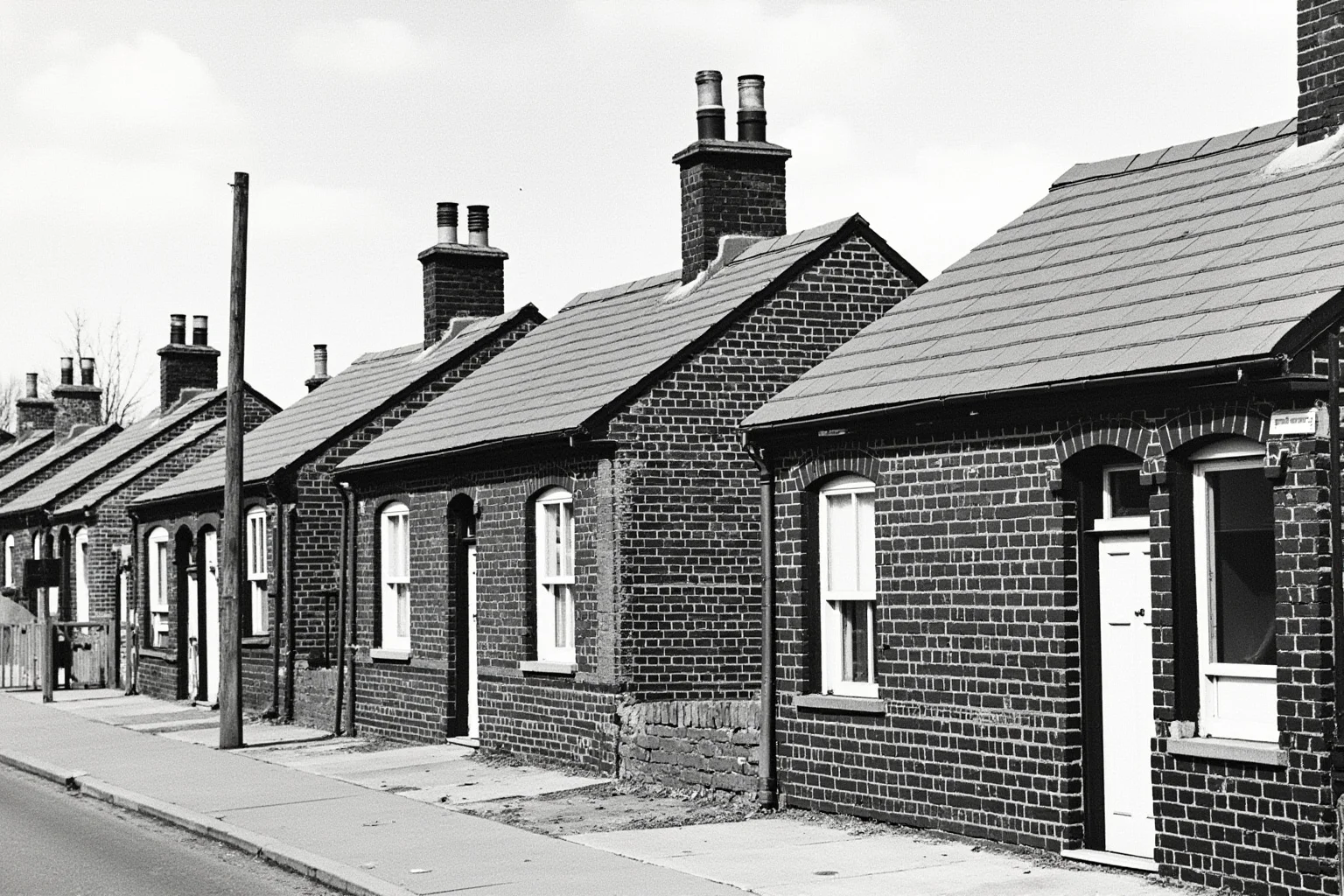
Albert served as president of the Society for Improving the Condition of the Labouring Classes, an organization focused on urban housing reform during a period of rapid, often squalid, industrial growth. Under his patronage, the society commissioned model cottage designs meant to demonstrate that decent, affordable housing for workers was achievable.
A set of these model dwellings was actually displayed near the Great Exhibition in 1851, letting visitors walk through an example of improved working-class housing. It was a small gesture in the scale of Britain’s housing crisis, but it reflected a genuine, sustained concern with social conditions that went beyond royal charity photo-ops.
15. He Redesigned Osborne House and Balmoral Castle
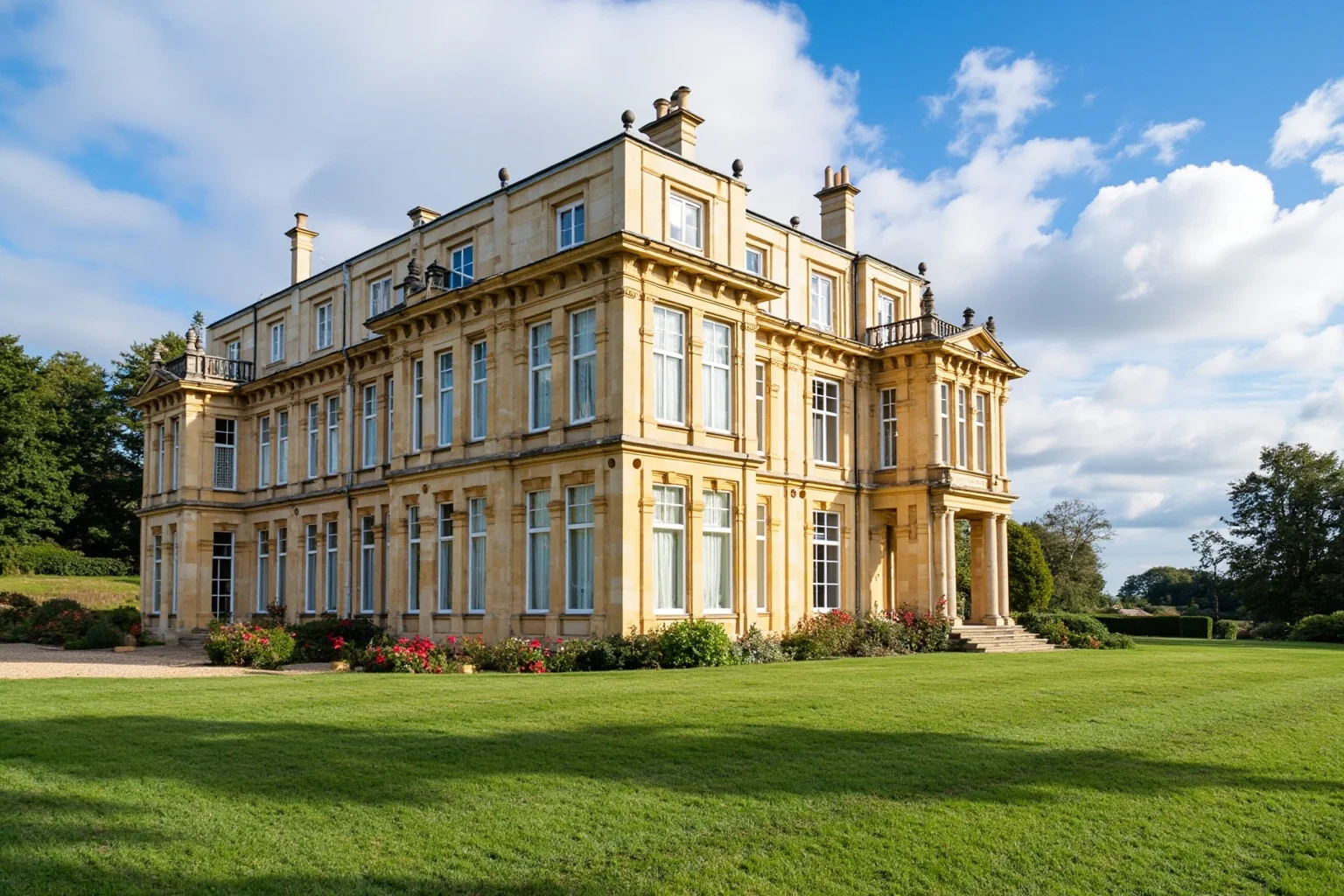
Albert took a direct, almost obsessive interest in architecture when it came to the family’s private residences. At Osborne House on the Isle of Wight, he worked closely with builder Thomas Cubitt on an Italianate design that reflected his own aesthetic taste, rather than simply commissioning an architect and stepping back.
At Balmoral in Scotland, he oversaw the construction of a new castle in the Scottish Baronial style, helping cement Victoria and Albert’s enduring association with the Scottish Highlands. Both properties remain in royal family hands today and are open to visitors for parts of the year.
16. He Popularized, But Didn’t Invent, the Christmas Tree Tradition in Britain
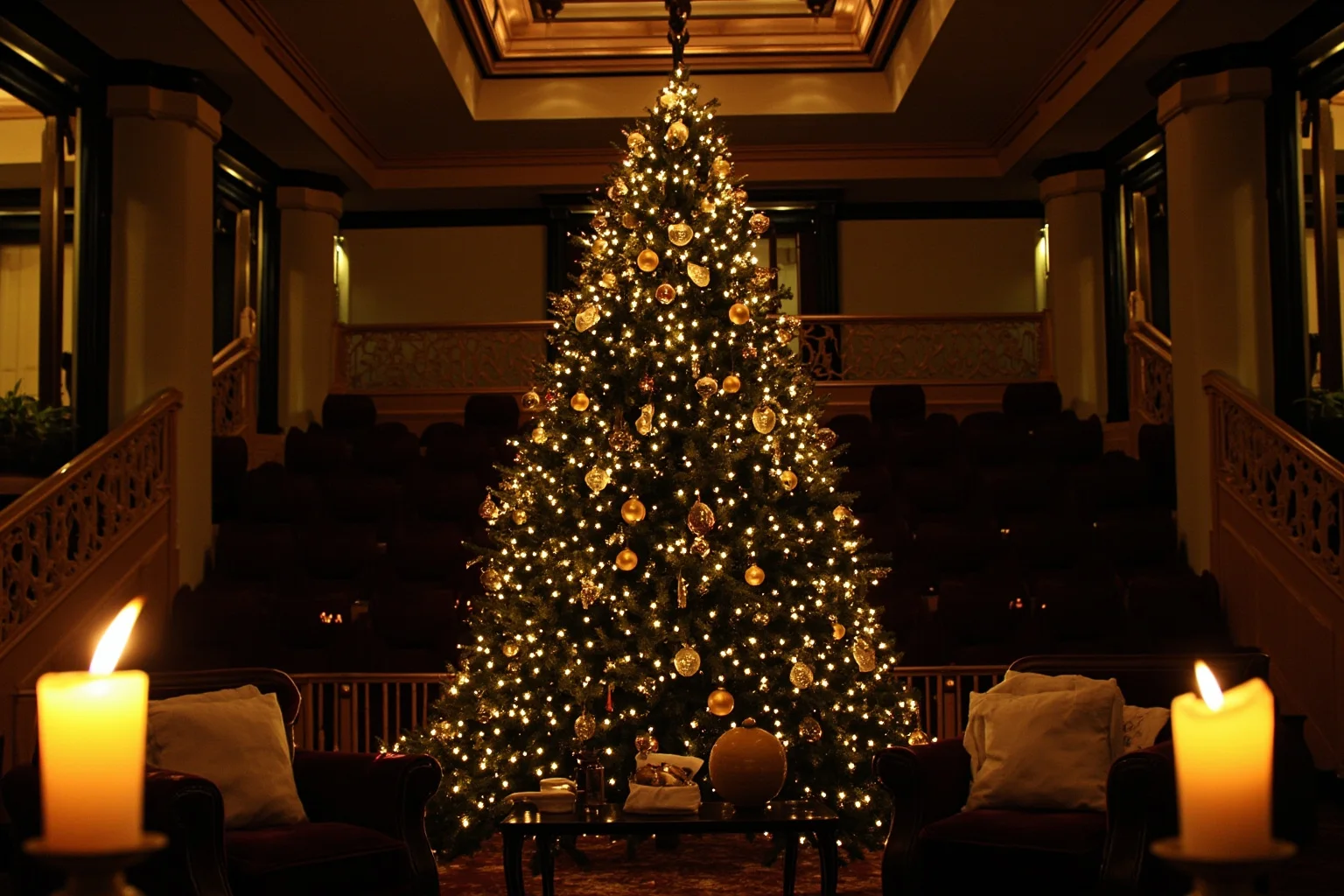
Here’s a genuine myth worth busting. Prince Albert is often credited with “inventing” the British Christmas tree, but that’s not quite accurate. German royals, including Queen Charlotte decades earlier, had already introduced decorated trees to the British royal court before Albert was even born.
What Albert and Victoria actually did was make the tradition wildly popular with the wider public. A widely circulated 1848 illustration of the royal family gathered around a decorated Christmas tree at Windsor helped turn a niche German custom into a mainstream British Christmas tradition almost overnight.
17. He Received the Title Prince Consort in 1857
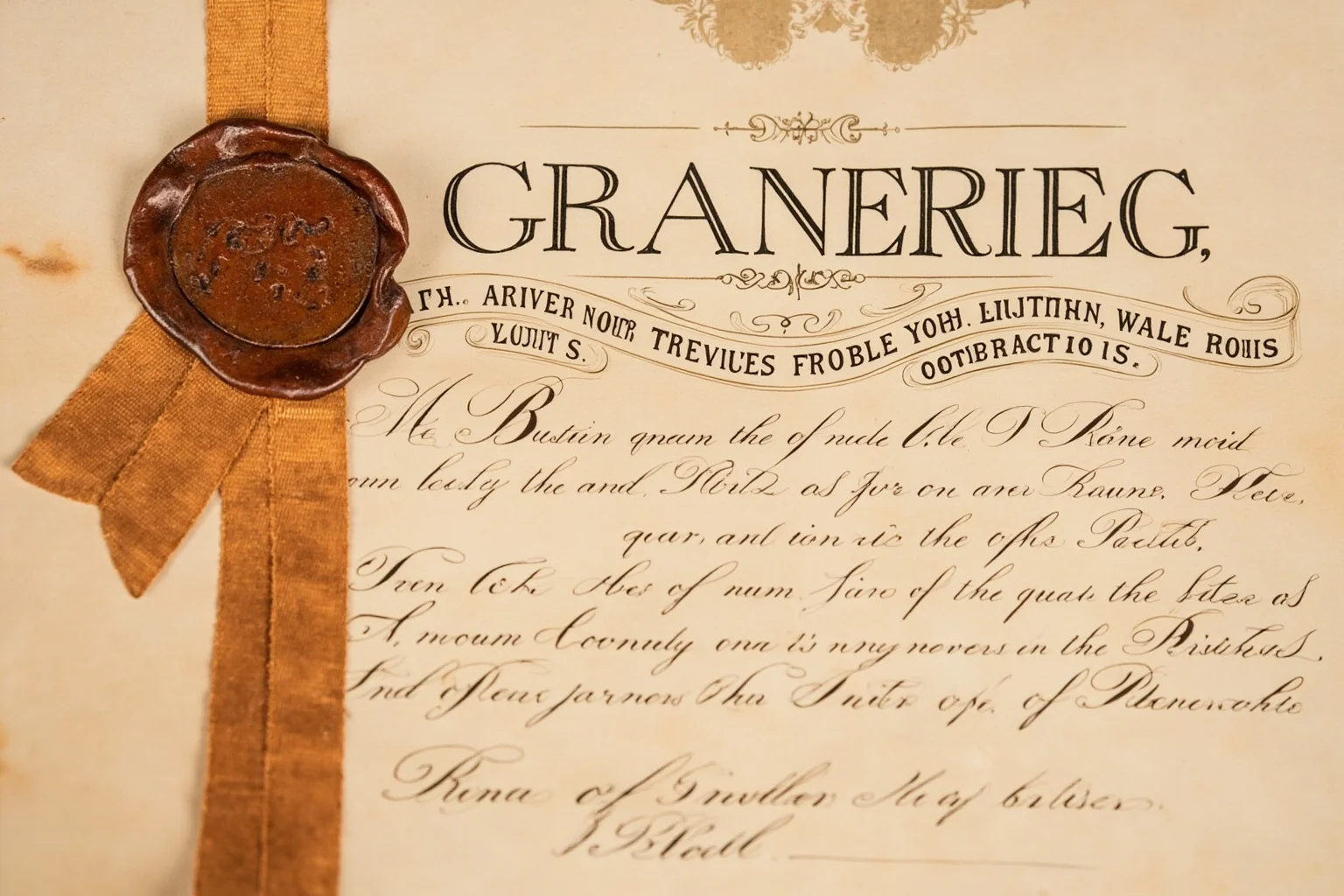
For the first 17 years of his marriage, Albert held no official title reflecting his role as the queen’s husband, which caused ongoing diplomatic awkwardness, particularly abroad. In 1857, Victoria formally granted him the title Prince Consort by Letters Patent, finally giving his position clear legal recognition.
It might seem like a small bureaucratic fix, but it mattered symbolically. It publicly acknowledged, after nearly two decades, just how central his role had become to the functioning of the monarchy.
18. He Worked Himself to Death
Albert was famous among contemporaries for an almost punishing work ethic, often rising early and working late into the night across multiple projects simultaneously. Friends and family reportedly worried about his health for years before his final illness, describing him as chronically overworked and prone to stomach ailments and stress.
He died on 14 December 1861 at Windsor Castle, officially of typhoid fever, at just 42 years old. Many historians believe exhaustion and chronic ill health likely weakened him and worsened the outcome, though typhoid itself was a genuinely dangerous and common killer in Victorian Britain regardless of a patient’s overall health.
19. Was Prince Albert a Good Person? Weighing the Man Behind the Myth

So, was Prince Albert a good person? The honest answer is that he was, by most credible historical accounts, a serious, hardworking, and reform-minded man, but not a flawless one. He could be rigid, controlling, and privately difficult, and Victoria’s own letters describe periods of real tension in their marriage alongside genuine devotion.
He also operated within, and benefited from, a deeply unequal aristocratic system, and his moral positions, including on slavery, reflected the era’s dominant abolitionist framing rather than a uniquely radical personal philosophy. What does distinguish him is consistency: he devoted real time and political capital to education, science, housing, and industry, at a moment when he easily could have coasted on ceremonial duties instead.
20. His Legacy Lives On in the Royal Albert Hall and Albert Memorial
After his death, a grief-stricken Queen Victoria commissioned two major monuments in his honor. The Royal Albert Hall opened in 1871, a decade after his death, and remains one of London’s premier concert and event venues today.
Nearby in Kensington Gardens stands the Albert Memorial, an ornate Gothic monument completed in 1872 featuring a gilded statue of Albert surrounded by allegorical sculptures representing the arts, sciences, and industry he championed. Both landmarks are still among London’s most visited sites, quietly reinforcing his connection to the city he helped shape.
21. What Is Prince Albert Known For Today?
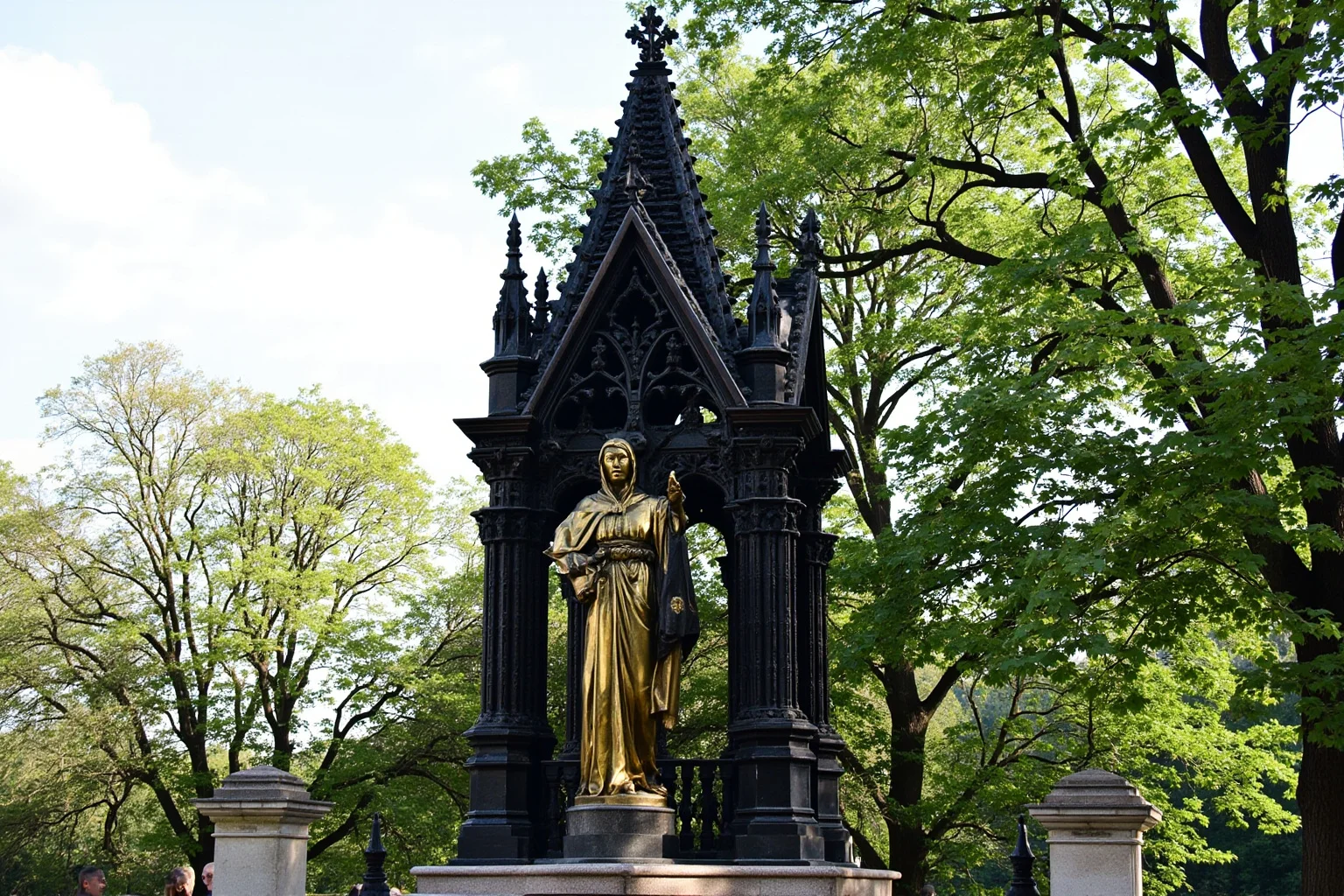
Pulling all of this together, what is Prince Albert known for in modern popular memory? Most casually, people know him as Queen Victoria’s devoted husband and the namesake of the piercing style and various place names across the former British Empire, including Canadian and Australian towns.
More substantively, historians and museum curators know him as the organizing force behind the Great Exhibition, the founding patron of South Kensington’s museum cluster, a genuine Cambridge chancellor and education reformer, and an outspoken supporter of anti-slavery efforts. That combination of cultural nickname and genuine institutional legacy is fairly rare among royal consorts, and it helps explain why his name remains grouped with some of the most recognized historical figures that still circulate widely today.
The Bottom Line on Prince Albert’s Legacy
Prince Albert never held a crown, and he spent much of his life navigating the awkward, undefined space of being a queen’s husband in a country that didn’t quite know what to do with him. Yet he used that ambiguous position more productively than almost anyone might have expected, pouring his energy into science, education, housing reform, and cultural institutions that still function today.
He wasn’t a saint, and it’s worth resisting the urge to flatten him into either a flawless Victorian hero or a purely ceremonial footnote. What the evidence actually supports is a genuinely industrious, forward-thinking figure whose specific, documented projects, from Cambridge to the Crystal Palace, quietly reshaped Victorian Britain far more than his modest public image usually suggests.
Frequently Asked Questions
What was Prince Albert’s allowance?
Parliament granted Prince Albert an annual allowance of £30,000 upon his marriage to Queen Victoria in 1840. This was lower than the £50,000 originally proposed, reduced after political opposition from MPs wary of a foreign-born royal and concerned about public spending during a period of economic hardship.
Was Prince Albert Chancellor of Cambridge?
Yes. Prince Albert was elected Chancellor of the University of Cambridge in 1847, narrowly winning a contested election against the Earl of Powis. He held the largely ceremonial position until his death in 1861 and used it to push for a broader, more modern curriculum, including expanded natural sciences.
Was Prince Albert a good person?
By most historical accounts, Prince Albert was hardworking, disciplined, and genuinely committed to social and educational reform, though he could also be rigid and controlling in private life. He wasn't flawless, but his sustained, documented efforts on issues like education, housing, and industry set him apart from a purely ceremonial royal consort.
What did Prince Albert say in his speech on slavery?
In June 1840, in his first public speech in England, Prince Albert addressed the Society for the Extinction of the Slave Trade and expressed hope that Britain would help lead the world toward ending slavery and the slave trade entirely. It was a notably bold public stance for a newly arrived, foreign-born royal consort.
What did Prince Albert build?
Prince Albert was the driving force behind the Great Exhibition of 1851 and its Crystal Palace venue, and he directed the exhibition's profits toward creating London's South Kensington museum district, home to the V&A, Science Museum, and Natural History Museum. He also oversaw major redesigns of Osborne House and Balmoral Castle.
What is Prince Albert known for?
Prince Albert is best known as Queen Victoria's devoted husband and as the organizer of the Great Exhibition of 1851, but he was also a genuine reformer who served as Cambridge's chancellor, supported anti-slavery causes, championed working-class housing, and modernized royal estate farming practices.
Did Prince Albert invent the Christmas tree tradition in Britain?
Not exactly. Decorated Christmas trees had already appeared at the British royal court before Albert's time, introduced by earlier German-born royals. Albert and Victoria didn't invent the custom, but a famous 1848 illustration of them with a Windsor Christmas tree helped popularize the tradition across British households.

Alex Warren
Related Articles