
Hannie Schaft is often remembered as the 'girl with red hair' who used charm and seduction to kill Nazis in the occupied Netherlands. That image is dramatic, cinematic, and mostly wrong. The real Hannie Schaft was a serious law student who became an armed Dutch resistance fighter, and her actual record is more complicated than the femme fatale legend suggests.
The story has been shaped by novels, films, and postwar political battles. This account separates the myths from the documented history of Hannie Schaft, from her student years to her death in the dunes of Bloemendaal.
TL;DR: Hannie Schaft was a young Dutch law student turned armed resistance fighter who took part in killing Nazi officials and collaborators, but the popular story of her seducing her victims is largely myth rather than verified history.
1. She Was Born Jannetje Johanna Schaft in Haarlem

Most people know her only as Hannie Schaft, but her full name was Jannetje Johanna Schaft. She was born on 16 September 1920 in Haarlem, a city near the Dutch coast west of Amsterdam. Her early life was fairly ordinary for a Dutch girl in the interwar period.
She grew up in a time when the Netherlands was still trying to maintain neutrality in European affairs. The nickname 'Hannie' was a friendly shortening that later became the name the whole country knew.
Haarlem was also a center of resistance activity in North Holland, which meant Hannie had access to networks that would later draw her into underground work.
2. She Was a Serious Law Student, Not a Teenage Action Hero
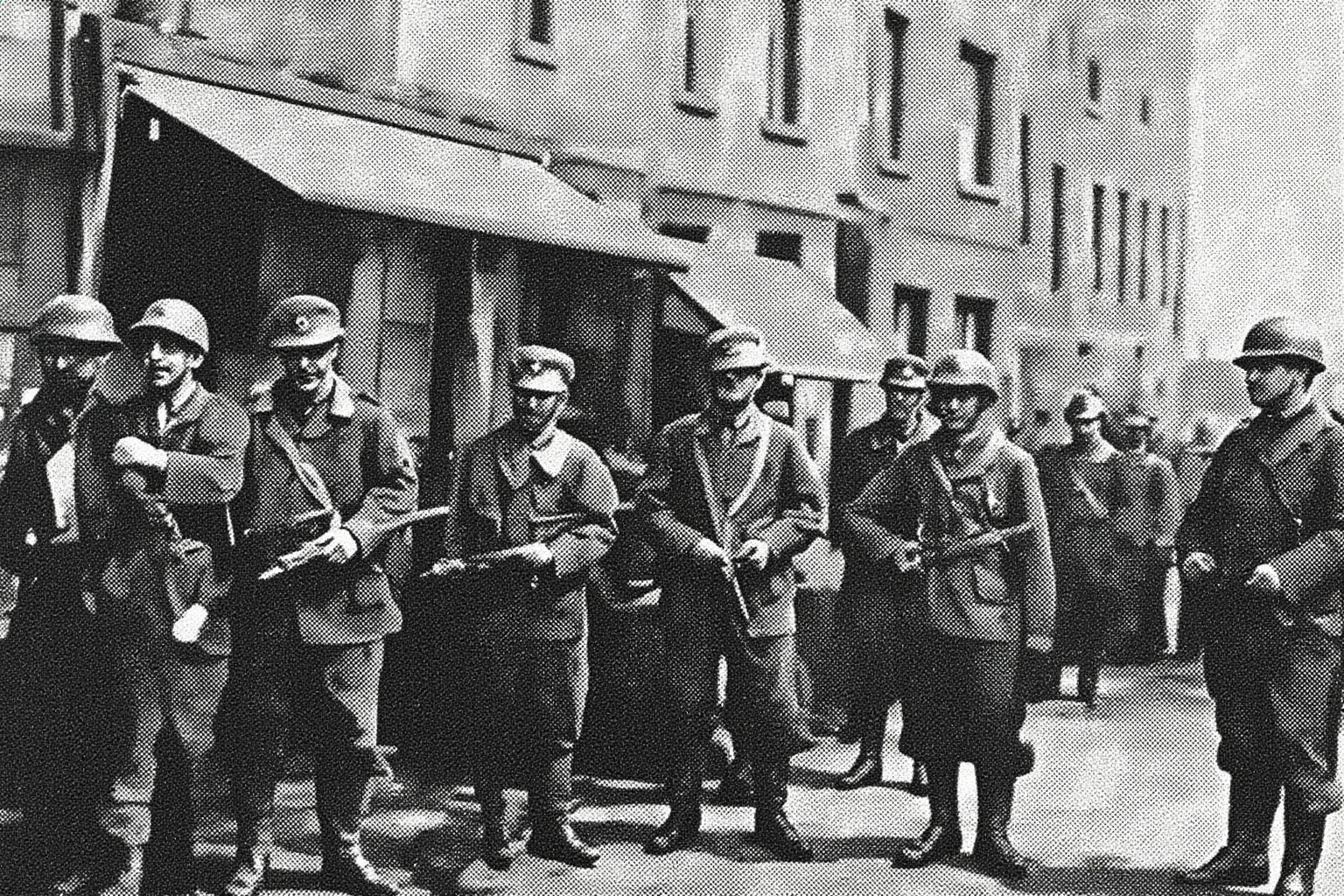
Before the war, Hannie Schaft enrolled in law at the University of Amsterdam. She was one of relatively few women in the law faculty, which makes her academic path notable even before her resistance fame. The image of a reckless girl with a gun misses how disciplined and studious she actually was.
Legal study gave Hannie a sharp sense of justice and the rule of law, ideas that would later collide violently with the Nazi occupation. It also meant she was older and more educated than the teenage rebel image suggests.
Her professors and fellow students were also affected by occupation, and universities became centers of quiet defiance.
3. The Nazi Invasion Changed Her Life

Germany invaded the Netherlands in May 1940, when Hannie was 19. The occupation quickly turned ordinary choices into moral tests. Like many Dutch students, she was drawn from private concern into more direct forms of resistance.
The Netherlands had hoped to remain neutral, as it had during much of the First World War. The swift German victory shattered that hope and forced young people across the country to decide how far they were willing to go.
For Hannie, the invasion was not an abstract event; it happened while she was still forming her adult identity.
4. She Refused the Nazi Loyalty Oath

During the occupation, German authorities demanded that Dutch university students sign a declaration of loyalty. Hannie Schaft refused, a decision shared by many students who then had to abandon their studies or go underground. This refusal helped push her into full-time resistance work.
Refusing the loyalty oath meant losing access to formal education and accepting a life outside official systems. For Hannie, it marked a clear break between her student identity and her role as an opponent of the occupiers.
This oath became a flashpoint in Dutch universities. It separated those who would accommodate the occupation from those who refused to cooperate.
5. Her Resistance Work Started with Paper, Not Pistols
Hannie Schaft did not become an armed fighter overnight. Her underground activity began with distributing illegal newspapers, which circulated news the censors tried to suppress. She also helped people who had to go into hiding, including Jews and others targeted by the Nazi regime.
The illegal press was essential in the occupied Netherlands because it countered Nazi propaganda and shared information from Allied sources. This work was less dramatic than assassination, but it was the foundation of the resistance network Hannie later served.
Moving newspapers and false papers required constant travel and trust. A single mistake could lead to arrest or worse.
6. She Joined the Raad van Verzet

Hannie Schaft became part of the Raad van Verzet, or Resistance Council, a major underground network in the occupied Netherlands. The group had strong left-wing and communist connections, which influenced its tactics and later political memory. Within this network, she trained and took part in increasingly dangerous operations.
The Raad van Verzet organized sabotage missions, attacks on collaborators, and the movement of weapons and false papers. Hannie’s involvement placed her inside one of the most active resistance currents in the country.
Because the group was politically left, its members were sometimes viewed with suspicion after the war. That later affected Hannie's legacy.
7. She Worked Alongside Truus and Freddie Oversteegen

Hannie did not operate alone. She worked closely with Truus and Freddie Oversteegen, two sisters from Haarlem who were also young resistance fighters. Together they moved weapons, gathered intelligence, and carried out armed actions.
The Oversteegen sisters were even younger than Hannie, which made their trio especially striking to later historians and filmmakers. Their collaboration is one of the most remarkable stories of female resistance in occupied Europe.
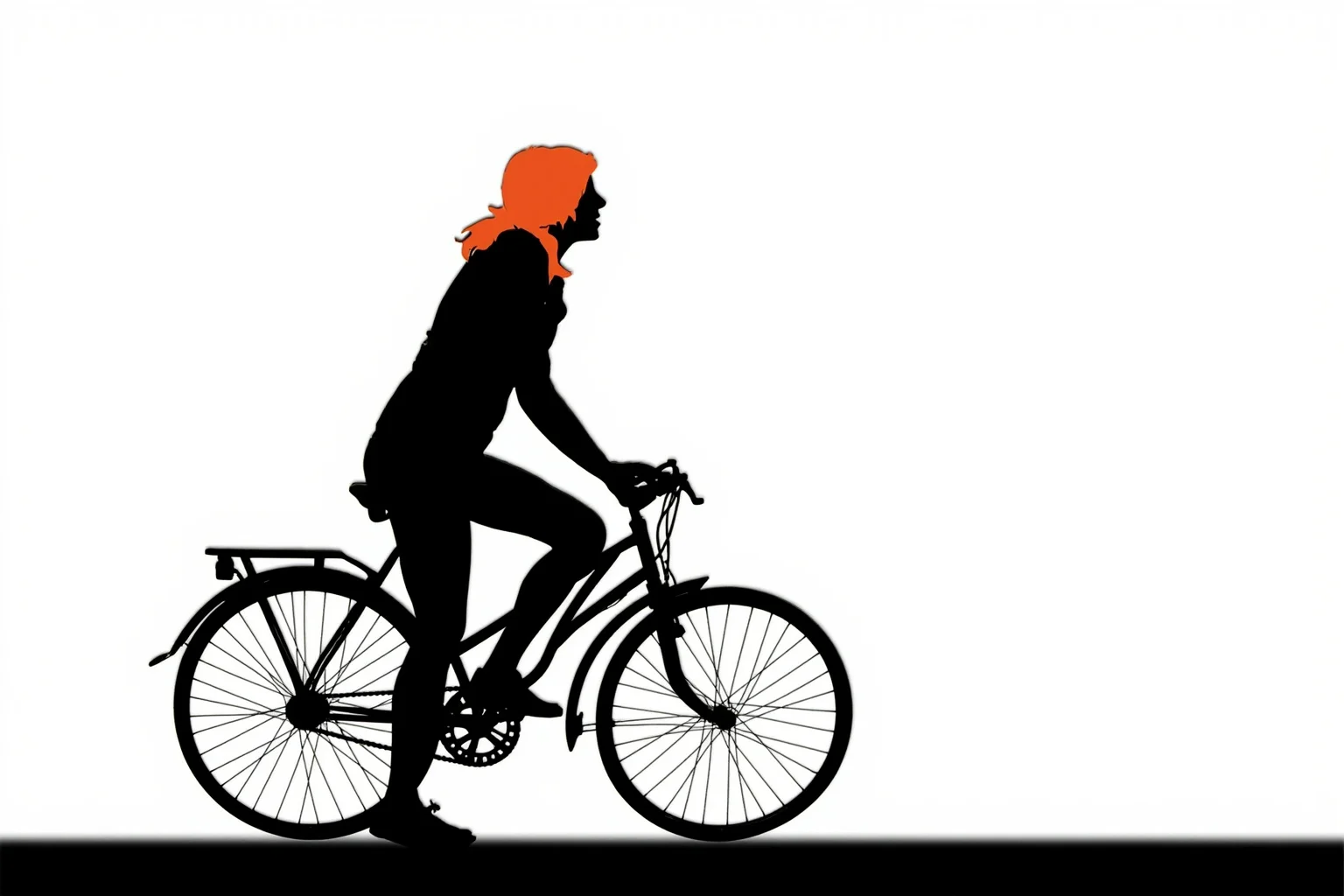
All three women used bicycles, trains, and safe houses to move across the region. They knew the danger of being young women in a male-dominated underground, but they also used underestimation as a tactical advantage.
8. “The Girl with the Red Hair” Was a Real Nickname

Her red hair made her unusually recognizable, and she became known as 'het meisje met het rode haar.' In an occupied country full of checkpoints and informants, a distinctive appearance was a serious danger. The nickname later became the title of a book and film, which cemented her image in popular memory.
The name was romantic, but the reality was practical and often frightening. Being identifiable meant every simple journey could become a trap.
Even friends warned Hannie that her hair made her a liability. She understood the danger but continued the work.
9. The Seduction Stories Are Mostly Myth
The popular claim that Hannie Schaft seduced Nazis before killing them is not strongly supported by historical evidence. Many female resistance fighters have been romanticized as femmes fatales, often because that story fits familiar entertainment formulas. Historians generally describe Hannie as serious, focused, and careful rather than seductive.
There is no reliable German security file or resistance testimony that shows her using romance as a weapon. Instead, the seduction myth appears to be part of a larger pattern of sexualizing women who fought in underground movements.
Some versions of the story borrow from other real or fictional accounts of female spies. Separating those sources from Hannie's documented record is essential.
10. She Took Part in Armed Attacks and Assassinations
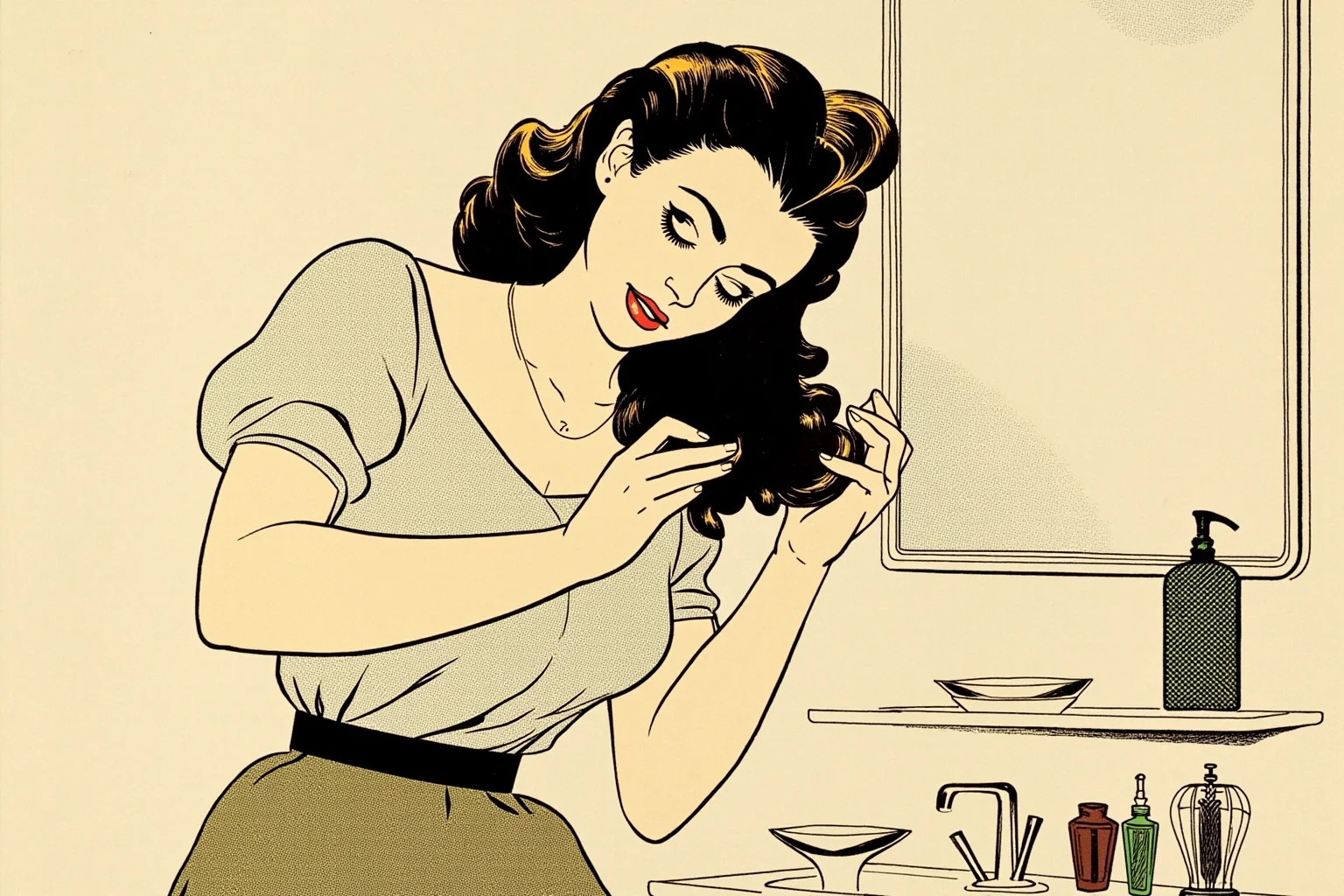
Hannie Schaft was no mere courier. She carried a pistol and participated in planned attacks on German officials, Dutch collaborators, and police officers who served the occupation. These assassinations were ordered by resistance leaders as part of a wider strategy of sabotage and reprisal.
Such missions were dangerous and morally heavy acts carried out by young people under extraordinary pressure. They were not acts of personal revenge, but deliberate operations aimed at weakening the occupation apparatus.
Resistance leaders gave specific orders, and the fighters often did not know the full context of their missions. That secrecy was necessary but added to the moral burden.
11. She Dyed Her Famous Hair to Evade Detection
Because her red hair was so distinctive, Hannie Schaft changed her appearance to survive. She dyed her hair darker so that she would not be recognized as the woman in resistance descriptions. This was a practical security measure, not a disguise from a spy film.
Resistance workers often altered their appearance, used false identity papers, and moved between safe houses. Hannie’s decision to dye her hair shows how much daily survival depended on small, careful choices.
Hannie also used false names and carried different papers depending on where she was working. These small details were often the difference between life and death.
12. She Was Hunted by Nazi Security Forces
By late 1944 and early 1945, Hannie Schaft was a wanted person. The Sicherheitsdienst and Dutch collaborators actively searched for a young woman connected to multiple resistance killings. Every visit to a safe house or pass through a checkpoint carried the risk of betrayal or recognition.
Being hunted meant she could rarely stay in one place for long. The psychological toll of constant movement and vigilance was part of the resistance experience that postwar stories often omit.
Safe houses were supplied by sympathetic civilians who risked their own families to shelter people like Hannie. Their contribution is part of her story too.
13. Her Arrest Came from a Routine Checkpoint Stop

On 21 March 1945, Hannie Schaft was stopped at a control point in Haarlem. She was carrying illegal papers and a pistol, and the weapon was quickly linked to earlier armed actions. The arrest happened just weeks before the Netherlands would be liberated, which makes her subsequent death especially cruel.
A routine stop was enough to undo months of careful resistance work. Hannie had survived many dangerous operations, but the system of random checks finally caught up with her.
The papers and weapons she carried would have been damning in any occupied country. By 1945, German forces were increasingly brutal as defeat approached.
14. Interrogation and Torture Did Not Break Her

After her arrest, Hannie Schaft was interrogated by German security personnel. Postwar accounts say she was mistreated and questioned harshly, but she did not give up the names of her resistance contacts. Many details of her time in custody remain hard to verify because occupation records were incomplete or destroyed.
The fact that her network was not immediately rolled up after her capture is often cited as evidence of her refusal to talk. Still, historians caution that the full story of those final weeks may never be known.
Resistance workers knew that arrest often meant torture or execution. They trained themselves to withstand pressure, but the reality was terrifying.
15. She Was Executed in the Dunes in April 1945

On 17 April 1945, Hannie Schaft was taken to the sand dunes near Bloemendaal and shot by German executioners. She was 24 years old. Her body was buried in a shallow grave, and after the war she became one of the most famous Dutch resistance martyrs.
She died less than three weeks before the German surrender in the Netherlands. The timing turned Hannie Schaft into a symbol of all the lives lost in the final months of occupation.
News of her death spread quickly in resistance circles after liberation. Many people were shocked that such a well-known figure had been killed so close to the end.
16. The “I Shoot Better” Line Is Famous but Hard to Verify
A widely repeated story says that after the first bullet only grazed her, Hannie Schaft told her executioner, 'I shoot better.' The line is central to her legend, but it cannot be fully confirmed from primary documents. It survives as part of the oral memory of her death rather than as settled fact.
Some historians treat the phrase as plausible because it matches the defiance many witnesses attributed to her. Others argue it should be read as legend, shaped by grief and the need for heroic narratives.
The phrase has been used in books, films, and memorial speeches. Whether or not it is literal, it captures the defiance people wanted to believe she showed.
17. She Was Not a Teenager for Most of Her Resistance Career
The common label 'teenage girl' is inaccurate. Hannie was 19 when the war began and around 23 when she moved into armed resistance. By the time she was killed, she was a 24-year-old adult with political commitments and hard experience.
The teen assassin image makes the story more sensational, but it erases her actual maturity. Hannie Schaft made life-and-death decisions as a young adult, not as a child.
The focus on her youth also obscures the fact that many resistance fighters were students and young workers. The occupation forced an entire generation to grow up quickly.
18. Communist Politics Complicated Her Early Legacy
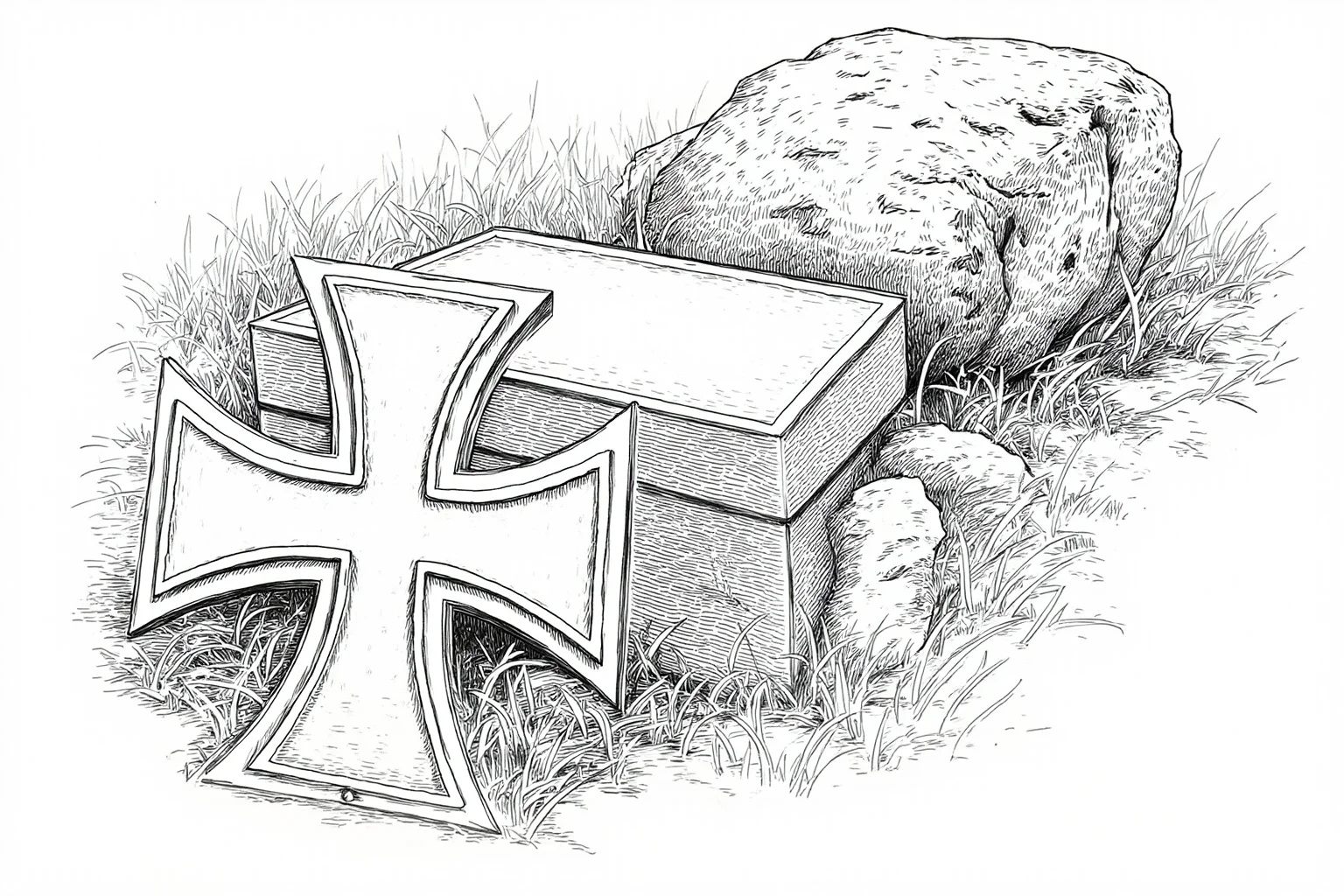
Hannie Schaft's left-wing and communist associations made postwar commemoration politically sensitive. In the Cold War atmosphere of the 1950s, honoring a communist resistance fighter was controversial in the Netherlands. Her memory had to be defended by supporters while others downplayed her politics.
Public memory of the war often favored resistance figures who fit a more conservative national story. Hannie’s political identity meant her commemoration was sometimes contested, even as her courage was widely acknowledged.
In some periods, public events honoring her were smaller or more contested because of these political tensions. Over time, the emphasis shifted toward her courage rather than her party affiliation.
19. Postwar Honors Eventually Followed

Despite those political battles, Hannie Schaft was eventually recognized as a national hero. The Dutch government awarded her the Verzetskruis, or Cross of Resistance, in recognition of her sacrifice. Her remains were moved to the Honorary Cemetery in Bloemendaal, where many resistance fighters are buried.
Awards and memorials came slowly in some cases, but by the late twentieth century Hannie Schaft was firmly part of the official Dutch resistance canon. Her grave became a site of national memory.
Her posthumous recognition was also part of a wider effort to honor the Dutch resistance after years of difficult war memory. The Verzetskruis remains one of the highest honors for resistance work.
20. Her Story Became a Book and a Film

In 1956, the writer Theun de Vries published 'Het meisje met het rode haar,' a novel inspired by her life. In 1981, the story was adapted into a feature film that brought Hannie Schaft to international attention. These works made her an icon, though they also deepened some of the romanticized images of her.
The novel and film carried political meaning because de Vries was a communist writer and the story challenged Cold War erasures of left-wing resistance. They helped return Hannie Schaft to public memory, but at the cost of some myth-making.
The 1981 film introduced her to audiences outside the Netherlands, but it also emphasized her red hair and beauty. That visual focus helped keep the seduction myth alive even when the film was sympathetic.
21. Annual Commemorations Keep Her Memory Alive
Each year, people gather at her grave in Bloemendaal to honor Hannie Schaft and the wider Dutch resistance. The commemoration has sometimes been politically charged, but it remains an important public ritual. Her name also appears on streets, schools, and memorials throughout the Netherlands.
These commemorations connect her individual story to the thousands of Dutch people who resisted the occupation. They also remind visitors that resistance was complex, diverse, and not limited to one political tradition.
Streets in cities like Haarlem and Amsterdam bear her name. These acts of public memory keep her story visible in everyday life.
22. The Seductress Myth Says More About Us Than About Her
The recurring claim that Hannie Schaft seduced and killed Nazis reflects a broader cultural habit. Women in resistance movements are often reduced to their appearance or sexuality, while their planning, courage, and ideology receive less attention. The real Hannie Schaft deserves a place in history that does not depend on a femme fatale fantasy.
When we repeat the seduction story, we risk turning a disciplined resistance fighter into a convenient character from a spy thriller. A more accurate memory honors the unglamorous, dangerous work she and many other women actually did.
Using the word 'seduced' in headlines may attract readers, but it distorts the historical record. Accuracy matters, especially for women whose real contributions have been marginalized.
The Real Hannie Schaft Deserves a Clearer Legacy
Hannie Schaft's story is powerful enough without invented seduction scenes. She was a law student who refused to accept occupation, joined an armed resistance network, and gave her life weeks before liberation. Her courage belonged to a movement of ordinary people who made terrible choices under extreme pressure.
Today, the record should be read with both admiration and historical care. The myths around her are not just harmless fiction; they shape how we remember women in war. Remembering Hannie Schaft accurately is one way to honor the real resistance she and others fought for.
Frequently Asked Questions
Was Hannie Schaft really a teenager during the Dutch resistance?
She was 19 when Germany invaded the Netherlands in 1940 and around 23 when she moved into armed resistance. By the time she was killed in 1945, she was 24, so the teenage label is mostly inaccurate.
Did Hannie Schaft seduce Nazis before killing them?
There is no strong historical evidence that she used seduction as a tactic. The femme fatale story is largely a romanticized myth, and historians generally describe her as serious, disciplined, and focused on planned resistance operations.
What did Hannie Schaft do in the Dutch resistance?
She distributed illegal newspapers, helped people go into hiding, joined the Raad van Verzet, gathered intelligence, and took part in armed attacks on German officials and Dutch collaborators.
How did Hannie Schaft die?
She was arrested at a checkpoint in Haarlem in March 1945, interrogated, and later executed by firing squad in the dunes near Bloemendaal on 17 April 1945, just weeks before the Netherlands was liberated.
What book and film were based on Hannie Schaft?
Theun de Vries published the novel 'Het meisje met het rode haar' in 1956. It was adapted into a 1981 feature film that made her story famous internationally, though it also reinforced some romanticized images.

Alex Warren
Related Articles