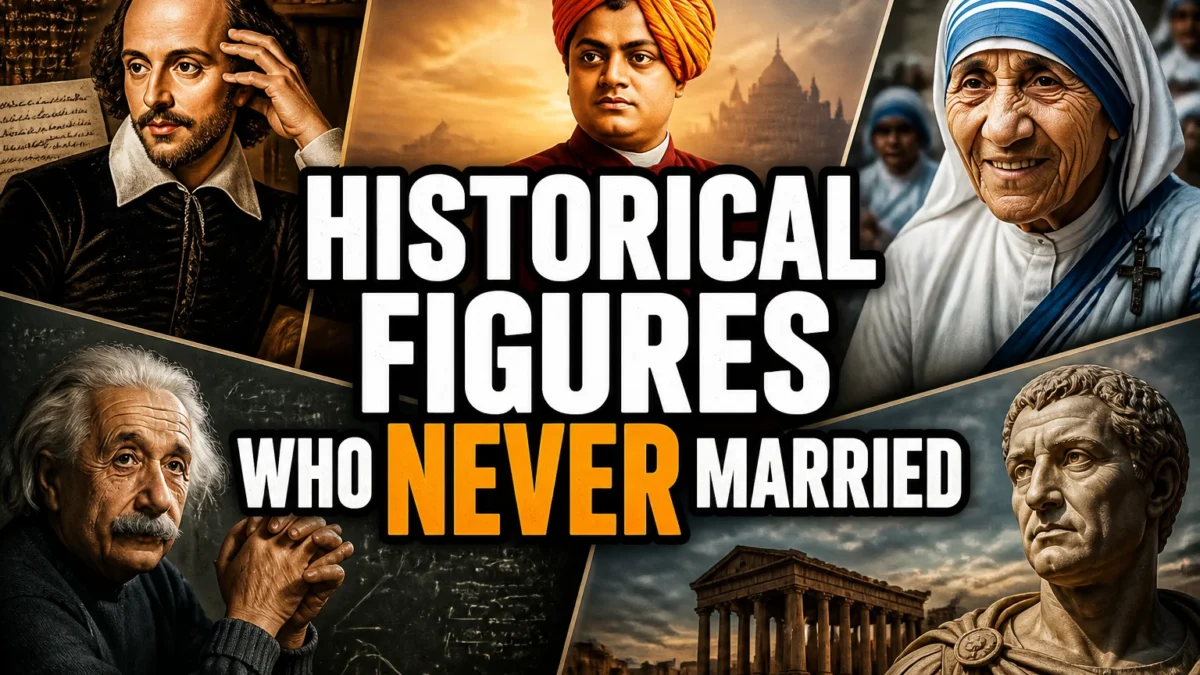
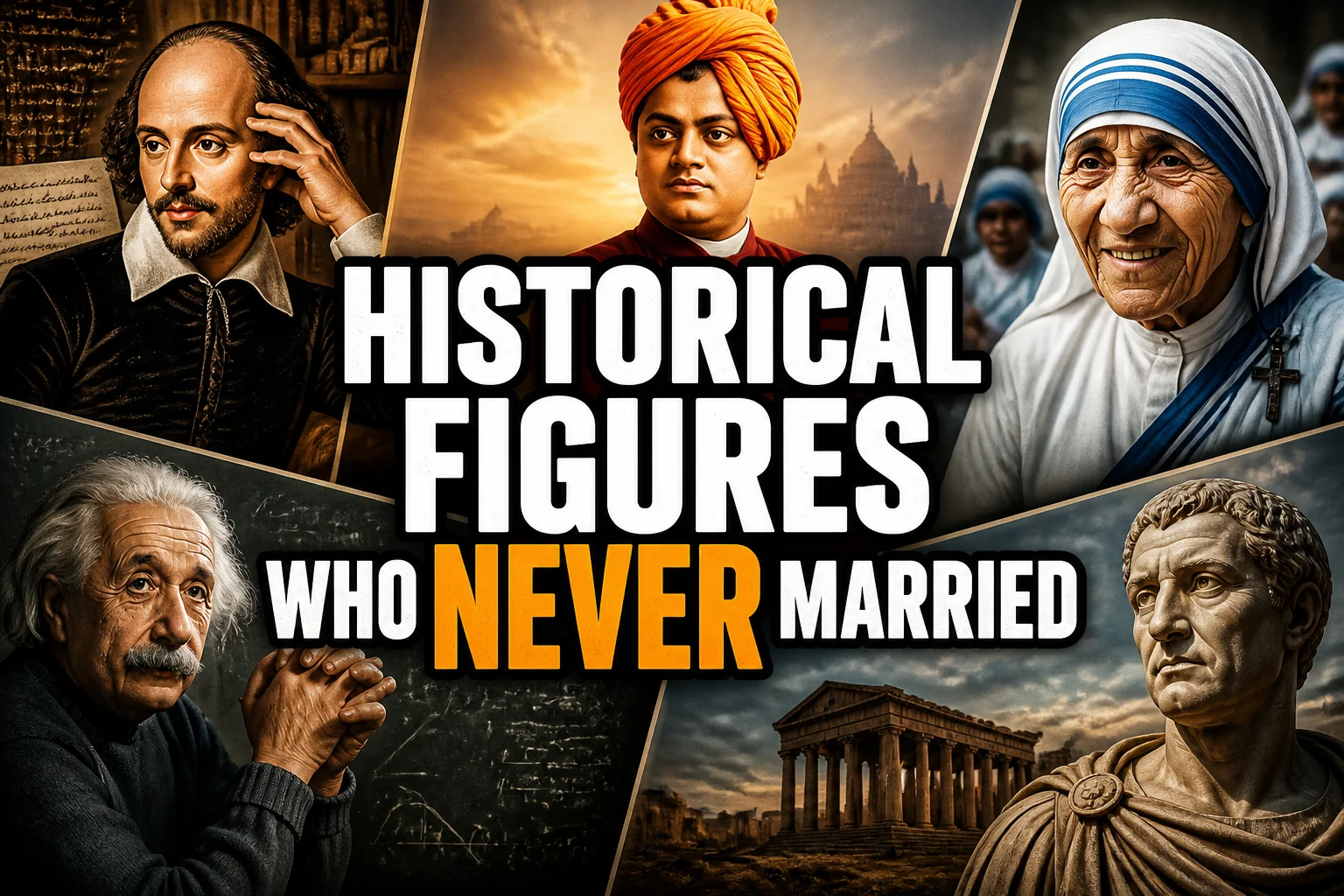
The phrase “famous people who never married” often calls up a narrow image of lonely geniuses or cold rulers. The historical record is far more interesting. Monarchs, scientists, writers, artists, nurses, and reformers stayed unmarried for strategic, personal, practical, and sometimes unknowable reasons.
Marriage was a defining institution for much of history, especially for women and people with property. Choosing to remain single could be an act of autonomy, a response to circumstance, or simply a life that never bent toward wedlock. Some were celebrities who never married in their own day, while others lived quietly outside the public eye.
TL;DR: Famous people who never married include monarchs, scientists, writers, and reformers — and their single lives were rarely one simple story of loneliness.
How Historians Approach Famous Unmarried People
Before looking at individual lives, it helps to ask what “never married” actually means in a historical context. A person may have had romances, proposals, long-term companions, or no recorded relationships at all. Marriage records tell us only part of the story.
Historians treat absence from marriage records as a factual marker, not proof of isolation or unhappiness. Some famous unmarried people were deeply social, while others preferred quiet or cloistered work. The label simply means they did not enter a legally recognized marriage.
Biographers also have to avoid guessing too much from private letters or fiction. A novel about love is not an autobiography, and an intense friendship is not automatically a marriage in all but name. The safest approach is to state what is known and admit what is not.
Royalty and Political Power
1. Queen Elizabeth I
Elizabeth I, one of history's most powerful women, ruled England from 1558 to 1603 and never took a husband. Her unmarried status became central to her public image as the “Virgin Queen,” a symbol of a monarch wedded to her kingdom. The practical stakes were high: a husband might have expected a king’s authority, and a foreign match risked pulling England into another power’s orbit.
Elizabeth used courtship as a diplomatic tool for decades, entertaining proposals without committing to any of them. Historians still debate how much of her single life was political strategy and how much was personal preference. What is certain is that she left no spouse and no direct heir, ending the Tudor line.
The Virgin Queen image was partly propaganda, but the legal fact of her singleness was real. By refusing a husband, she kept final authority in her own hands. That choice shaped England’s political future for decades.
2. Queen Christina of Sweden
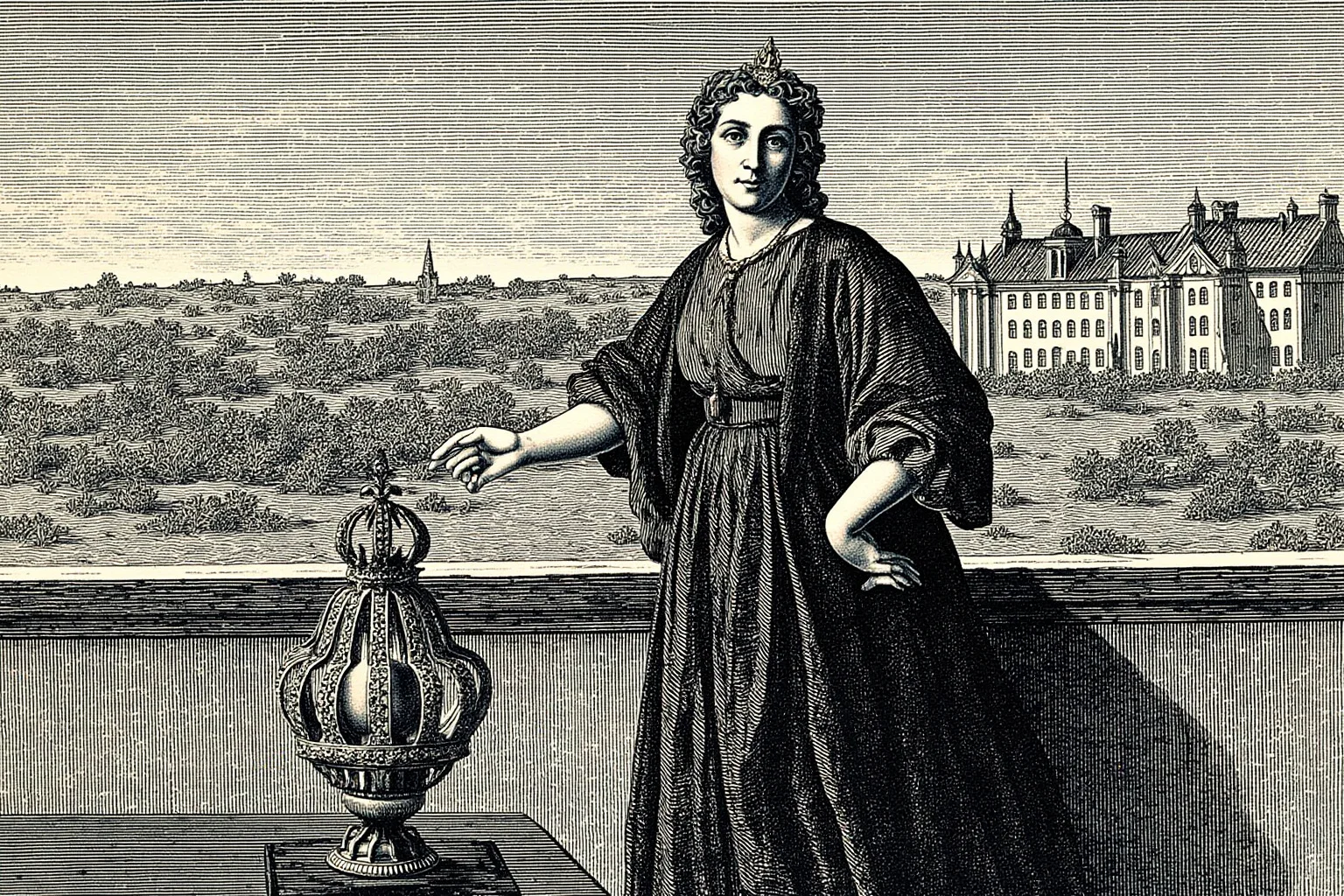
Christina ruled Sweden from 1632 until her abdication in 1654, and she never married. Her refusal to take a husband alarmed the Swedish nobility, who expected a royal marriage to produce an heir. Christina made it clear that she had no interest in being tied to a spouse.
Instead, she arranged for her cousin to be recognized as heir and later left the country, converted to Catholicism, and settled in Rome. Her unmarried status was one part of a much larger rebellion against the expectations placed on a ruling queen. She became one of the most famous unmarried persons of her era, though not always celebrated for it.
Christina’s unmarried life continued to fascinate later historians and novelists. The truth is that she refused to let a crown dictate her personal future. Her choice cost her a kingdom, but it gave her a different kind of freedom.
Science, Philosophy, and Invention
3. Sir Isaac Newton
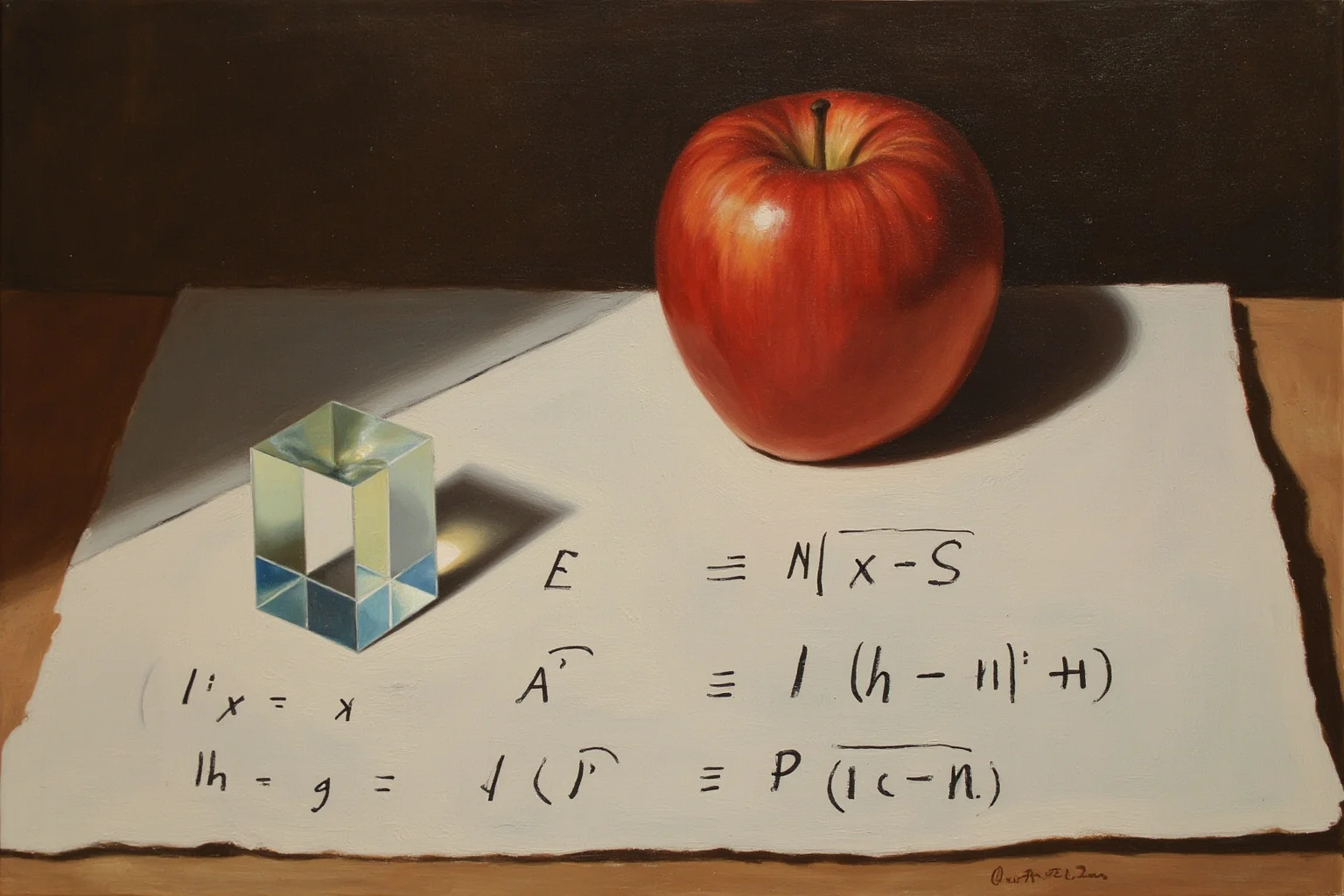
Isaac Newton never married, and no confirmed romantic relationship appears in the historical record. Born in 1643, he devoted himself to mathematics, physics, and alchemy with an intensity that often pushed ordinary social life to the margins. His papers and correspondence reveal little about private romance.
Some biographers suggest he was simply too consumed by work to form a lasting attachment. Others point to his difficult childhood and intense religious views as possible factors. Either way, he remains one of the most famous unmarried men in the history of science.
Newton’s legacy rests on Principia and his laws of motion, not on his household arrangements. Still, the absence of a spouse leaves a noticeable quiet space in his biography. In that respect, he is a classic figure in any study of famous people that never married.
4. Immanuel Kant
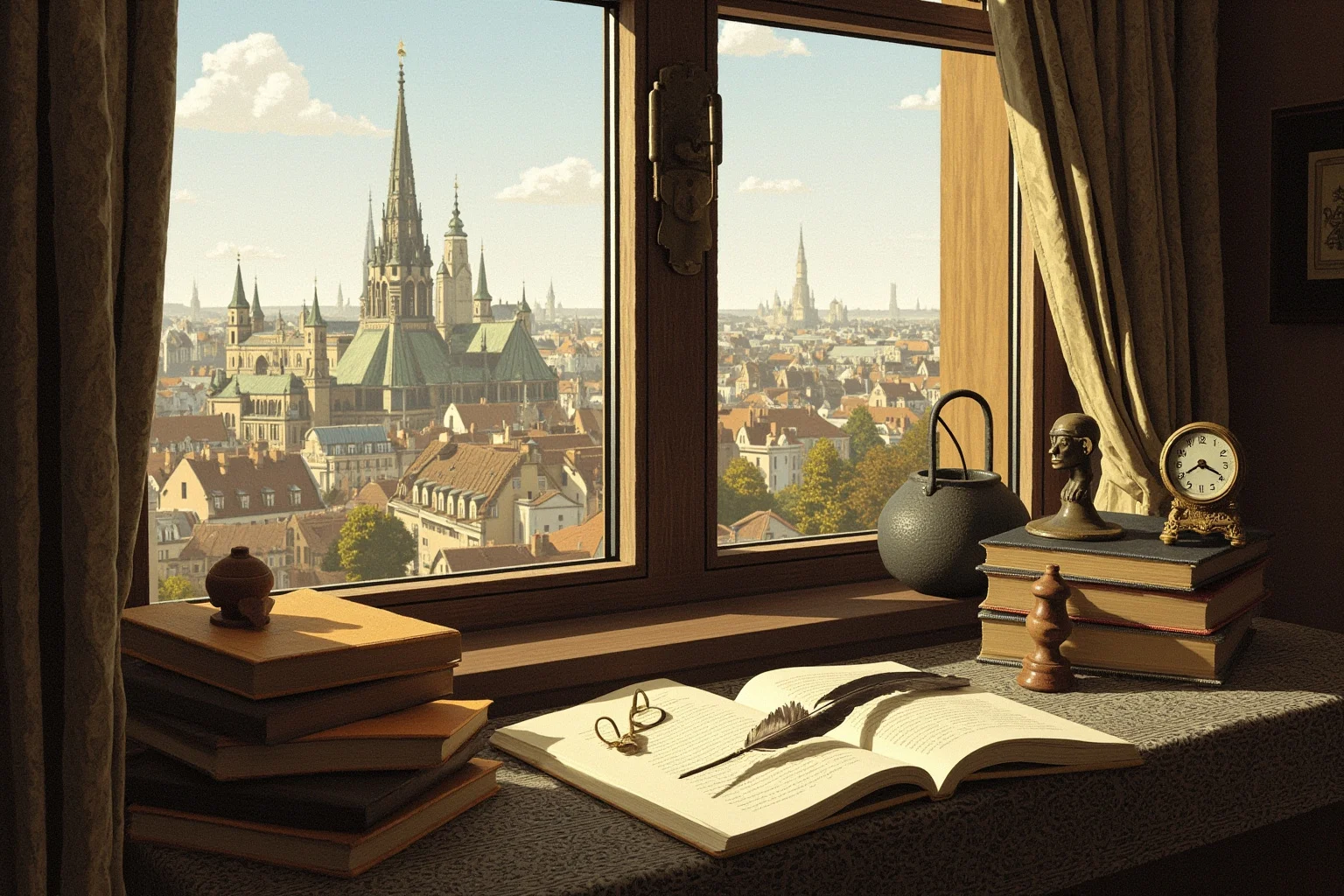
The philosopher Immanuel Kant also never married. He lived a famously ordered life in Königsberg, where his daily walks were said to be so regular that neighbors could set their clocks by them. That image of total routine has sometimes overshadowed the fact that his unmarried state was not necessarily a rejection of love.
Kant’s early biographers mention at least two moments when he thought seriously about marriage, but the decision never moved forward. His health, finances, and reluctance to upend his settled habits played a role. He remains a key example of a brilliant thinker whose single life became part of his legend.
Kant did not live a hermit’s life; he hosted regular dinners and enjoyed learned conversation. Those social habits complicate the image of him as a purely isolated bachelor. He simply never formed a marriage.
5. Nikola Tesla
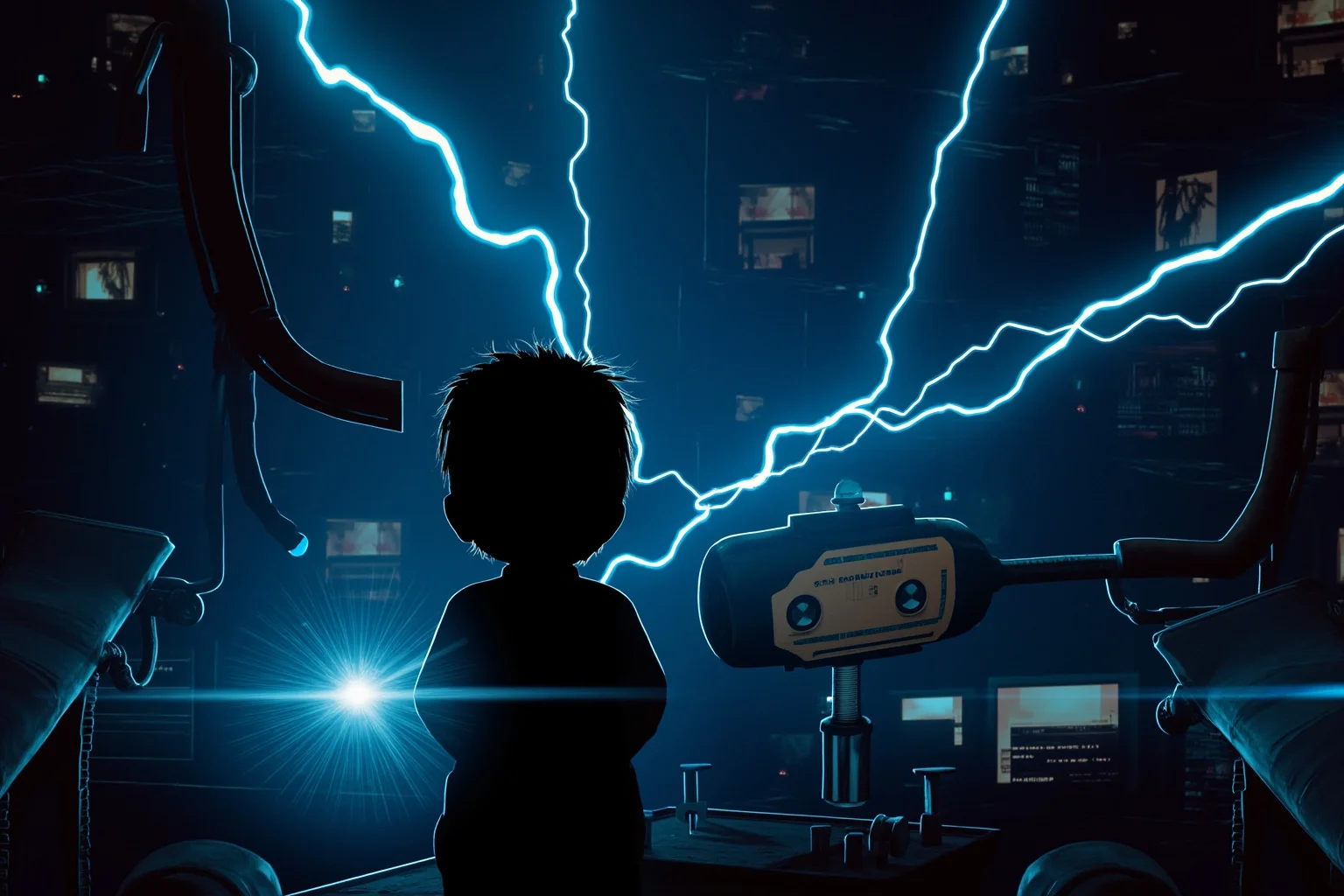
Nikola Tesla never married and often described his work as the most important relationship in his life. Born in 1856, he became known as one of the greatest American inventors in history for alternating current, wireless experiments, and a theatrical style of invention. His public image as a celibate, obsessive genius fit the way he chose to present himself.
Tesla spoke repeatedly about how marriage and family life did not fit his laboratory-centered existence. Those statements were part of his larger philosophy, though the exact shape of his private feelings remains unknown. He is among the most recognizable famous people who never married in the modern imagination.
Tesla’s later years were marked by poverty and growing eccentricity, and he died alone in a New York hotel room in 1943. The drama of that ending has sometimes overshadowed his actual achievements. What survives is the image of a man whose single life fed his legend, even when it exaggerated the facts.
Writers and Poets
6. Jane Austen
Was Jane Austen ever married? No. She came close once, accepting a proposal from Harris Bigg-Wither in 1802, then withdrawing her acceptance the next morning. The brief engagement and its reversal show that she considered marriage as a social and financial reality, not just a romantic ideal.
Austen wrote about courtship and marriage with unmatched precision, yet she spent her adult life as a single woman in a world that offered limited independence to unmarried daughters. Her novels repeatedly explore the economic pressure to marry. That tension between knowing the stakes and refusing a wrong match gives her work its lasting edge.
The idea that Austen was too sheltered to understand romance is wrong. Her letters and novels show sharp awareness of flirtation, heartbreak, and compromise. She simply did not accept a marriage that felt unbearable.
7. Emily Dickinson
Emily Dickinson never married and lived much of her later life in increasing seclusion at her family home in Amherst, Massachusetts. She wrote nearly 1,800 poems, most of which were not published in her lifetime. Her letters contain intense emotional attachments, but their exact nature remains a matter of scholarly debate.
Rather than proving a single theory, the mystery around Dickinson’s private life is part of why readers return to her work. She built a vast inner world that did not require marriage. Dickinson stands out among women who never married not because she avoided feeling deeply, but because she gave that feeling a different form.
Dickinson’s poems often speak in voices of desire, loss, and domestic life, but they are not diary entries. Readers should resist the urge to convert every poem into a confession. Her single life left space for immense creative output, and that is the reliable fact.
8. Emily Brontë
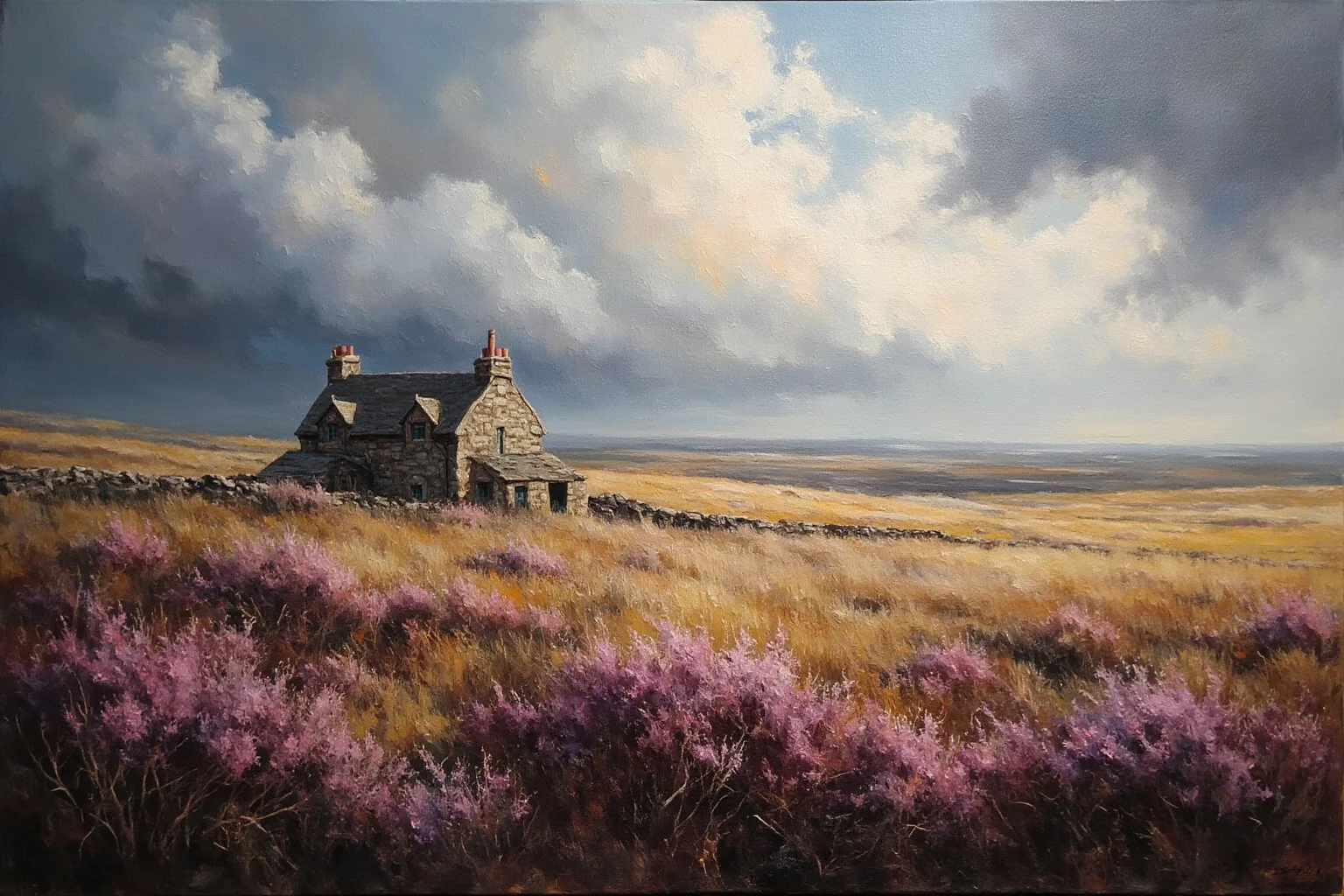
Emily Brontë also never married and died in 1848 at the age of 30. She left behind Wuthering Heights, a novel of ferocious attachment and isolation, but little direct evidence about her own romantic history. Unlike her sister Charlotte, who married, Emily appears to have kept no surviving record of a serious courtship.
Her short life makes every biographical claim uncertain, and it is wrong to invent romances for her from the intensity of her fiction. What remains is a writer who created one of the most powerful love stories in English literature while remaining unmarried. That contrast is part of her enduring mystery.
Brontë’s novel shows a deep understanding of destructive passion, which is a different thing from autobiographical experience. Good fiction can imagine states the writer never lived. The historical record simply says she never married.
9. Louisa May Alcott
Louisa May Alcott never married, though she wrote knowingly about family life and romantic feeling in Little Women and other works. She supported her family through her writing and took on demanding schedules to keep them financially secure. Marriage did not fit the independent role she built for herself.
Her journals and letters show a woman who valued self-reliance and was frank about the limits of traditional domesticity. Some readers assume she must have married because her work feels so warm, but the historical record says otherwise. Alcott remains an example that a single life can be full of purpose and affection.
Alcott’s unmarried state also gave her time to nurse wounded soldiers during the Civil War. That service damaged her health but shaped her sense of duty. She continued to write and support her family afterward.
10. Henry David Thoreau
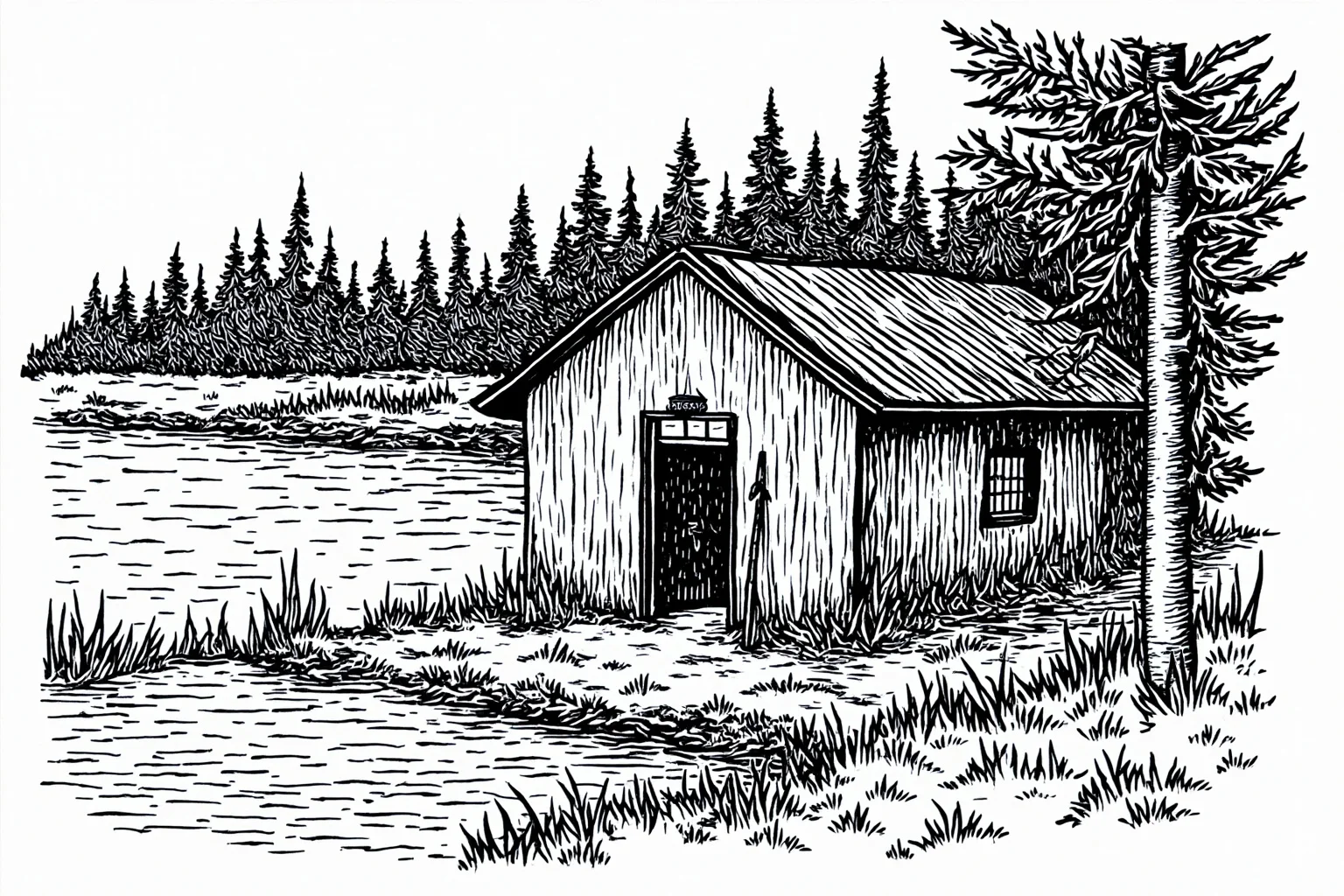
Henry David Thoreau never married, and his single life was not always a peaceful choice. In 1840 he proposed to Ellen Sewall, but the proposal was rejected. He did not build a family home of his own, instead shaping his life around walking, observing nature, and writing.
Thoreau’s time at Walden Pond has often been read as a bachelor’s experiment in deliberate living. That framing is fair, but it can obscure the real social ties he maintained with family and friends. He is one of the famous unmarried men in American letters whose solitude was chosen in part and in part shaped by rejection.
The rejection from Sewall was not the only reason Thoreau stayed unmarried, and no writer should claim it was. His later life showed a temperament drawn to solitude and observation. The single life suited the writer he became.
Art and Music
11. Leonardo da Vinci
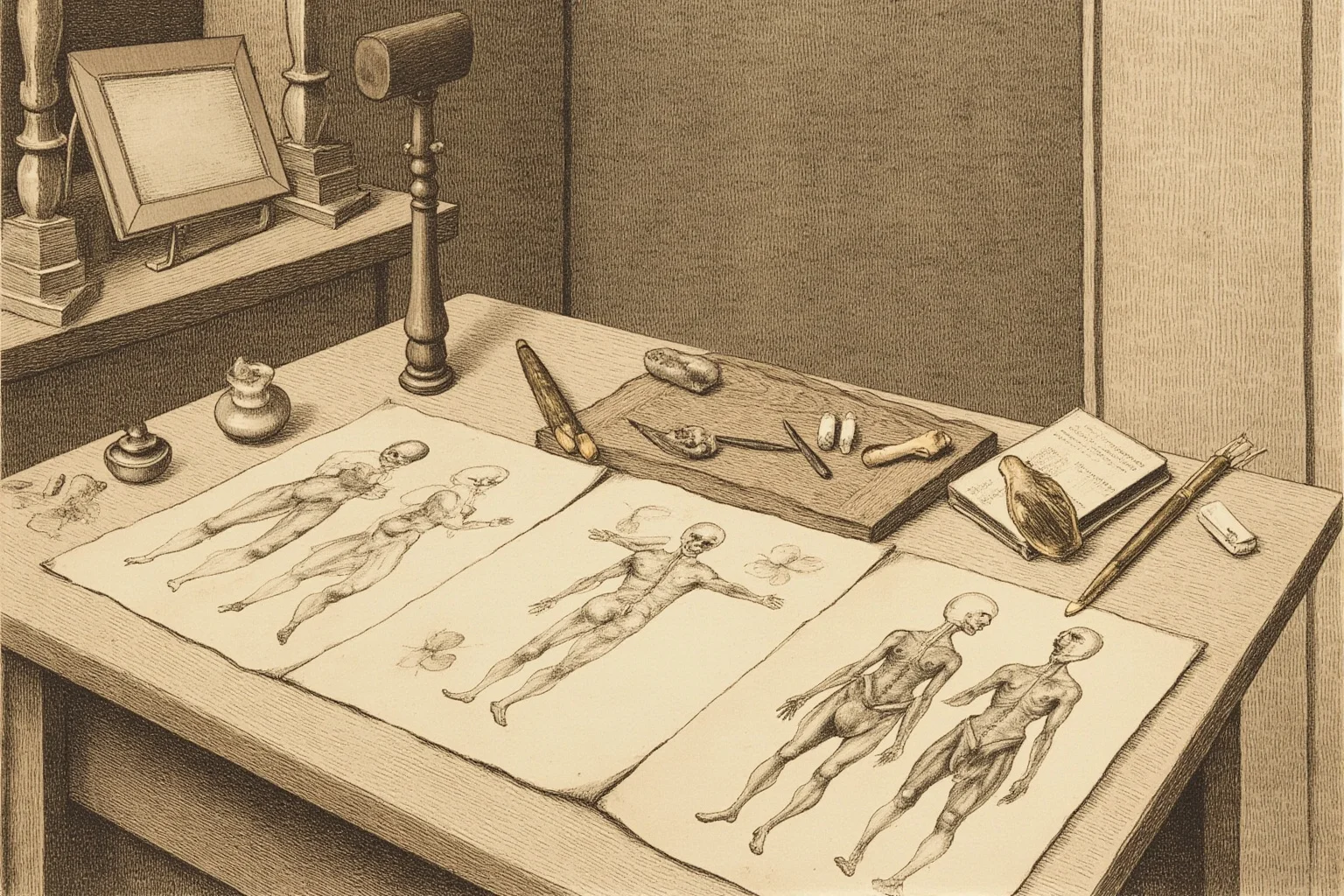
Leonardo da Vinci never married and left no known spouse or children. Born in 1452, he moved between courts and cities as a painter, engineer, and anatomist. His notebooks reveal an astonishing range of curiosity, but they say little about a conventional domestic life.
Some historians see his mobility and intense projects as practical reasons he did not wed. Others note that his household included assistants and apprentices rather than a family of his own. Whatever the personal reasons, he is one of the most famous unmarried people in Western art.
Leonardo’s notebooks rarely pause for romantic or domestic reflection. That may be because such material was lost, or because he simply did not record it. We cannot see into the missing years, so the honest answer is that the personal details remain obscure.
12. Michelangelo
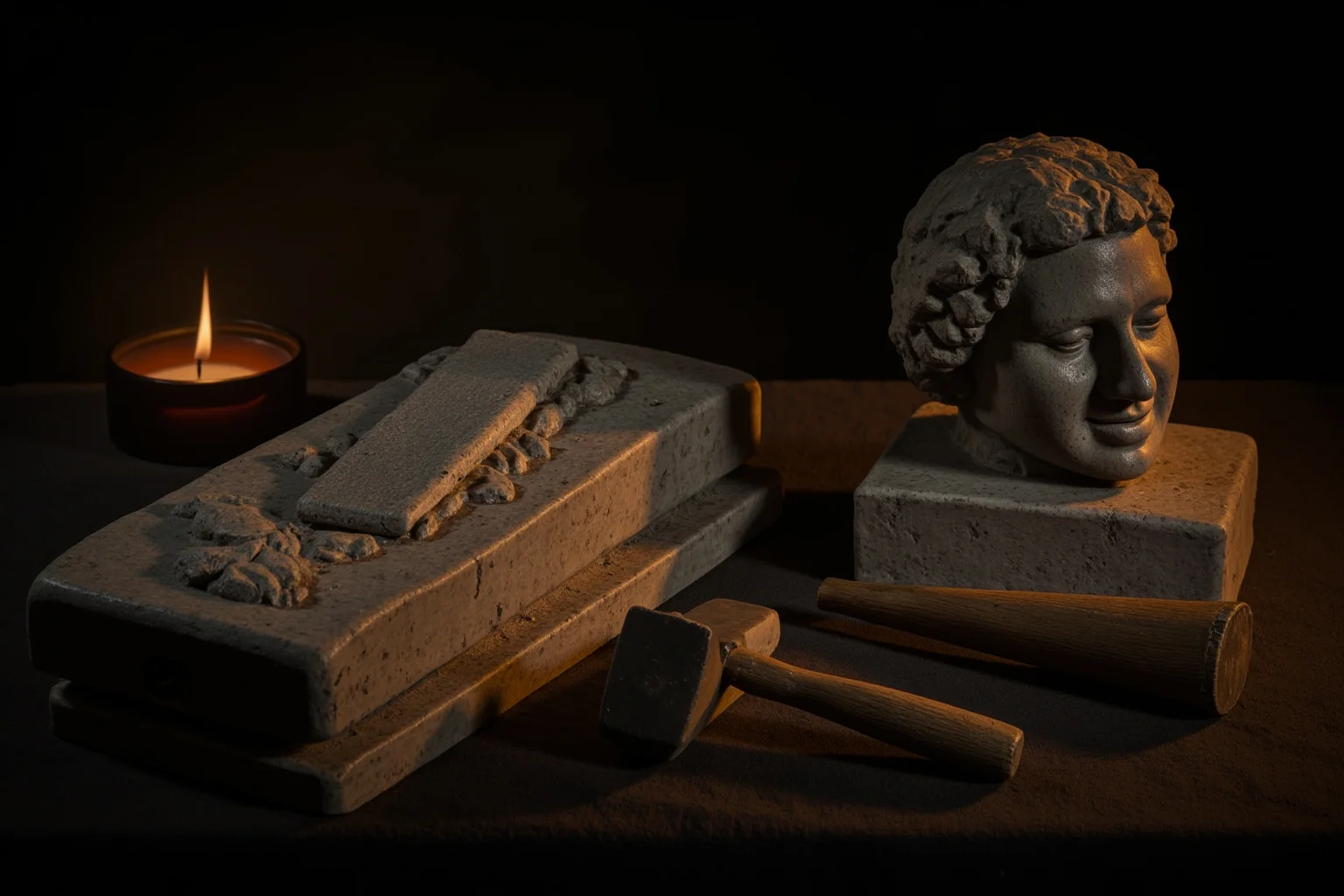
Michelangelo also never married. He lived through the heights of Renaissance fame and worked for popes and princes, but his private life remained focused on sculpture, painting, and poetry. His letters and poems express powerful attachments to friends and patrons, though scholars continue to interpret their emotional and romantic dimensions.
He never established a traditional home with a spouse, and his long life was marked by grueling commissions rather than domestic routines. The single life here was not idle freedom; it was often isolation joined to obsessive labor. In his own age, he was one of the most visible famous unmarried celebrities of the Renaissance world.
Michelangelo’s religious faith deepened in old age, and his poetry often turned toward mortality. He had no wife to manage his household or comfort him, but he had assistants, friends, and patrons. Single life for him was busy, not empty.
13. Ludwig van Beethoven
Ludwig van Beethoven never married, despite several intense romantic attachments. His famous “Immortal Beloved” letter from 1812 was written to an unnamed recipient whose identity is still debated. That unresolved mystery has generated entire books, but no candidate solves it with certainty.
Beethoven’s deafness, financial troubles, and difficult personality made stable romantic partnership hard to maintain. His music often reaches toward deep connection, and listeners have long wondered how much of that longing came from his own solitude. He is one of the most famous composers on any list of famous people who never married.
Beethoven’s desire for a home and family appears in his letters, though the details vary by recipient and mood. He never found a stable relationship that led to marriage. His loneliness has often been read into his music, but that is an interpretation, not a proven cause.
14. Franz Schubert
Franz Schubert never married and died in 1828 at only 31. His short life produced hundreds of songs, symphonies, and chamber works, many of them written in the intimate circles of Vienna. He lived among friends and musicians rather than in a conventional family unit.
Some later biographers have speculated about his sexuality, but the documentary record is too thin for definitive claims. What is clear is that he did not marry, and his music thrived in close-knit, often informal social settings. Schubert belongs among famous unmarried people whose lives cannot be reduced to a single explanation.
Schubert’s early death means we have only a partial picture of his personal life. Biographers sometimes overread his friendships in an attempt to explain his obvious sensitivity to poetry. The reliable historical statement remains simple: he never married.
15. Johannes Brahms
Johannes Brahms never married, though he formed one of the most discussed relationships in music history with Clara Schumann, the wife of his mentor Robert Schumann. After Robert’s death, Brahms and Clara remained close friends for decades, but they did not marry. The depth of their bond has been endlessly interpreted.
Brahms’s bachelor life allowed him to devote himself to composition and performance with few domestic distractions. He also expressed anxieties about marriage and the responsibilities it would bring. His case reminds readers that a famous unmarried person may still have intimate, complicated relationships outside the institution of marriage.
Brahms enjoyed children and was a beloved uncle figure among friends, but he did not start a family of his own. His hesitations about marriage were not secret; he spoke about them with friends. That openness makes him one of the more documented famous unmarried men in music.
Activists, Nurses, and Reformers
16. Florence Nightingale
Florence Nightingale never married, and her choice was closely tied to her sense of vocation. As a young woman, she rejected the expectation that she should marry and run a household. She believed her work in nursing and hospital reform required a different kind of life.
Nightingale had serious suitors, including the politician and poet Richard Monckton Milnes, but she declined marriage. Her decision was not a rejection of love in theory; it was a recognition that the role of a Victorian wife would restrict her work. She became one of the most consequential women who never married in modern history, one of the historical figures who changed the world for the better.
Nightingale also suffered physical illness for much of her later life and continued to direct reform from bed. Her productivity under those limits is staggering. Marriage was one role she declined, but it was far from the only convention she challenged.
17. Clara Barton
Clara Barton also never married and built her legacy through frontline relief work during the American Civil War and the founding of the American Red Cross. She was often on the move, and her working life did not fit the settled rhythms of a 19th-century household. That did not stop her from forming long, devoted friendships.
Her unmarried status made some contemporaries view her as unconventional, but it also freed her to travel and organize on her own terms. Barton’s life shows that the absence of a spouse did not mean the absence of a public family. She gave her care to soldiers and disaster victims instead.
Barton’s public work often placed her in dangerous conditions, and she faced resistance as a woman in a male-dominated world. Her single status sometimes made her an outsider, but it also made rapid travel and independent action possible. Not all unmarried women of her time had that freedom, so her privilege and circumstance both mattered.
18. Dorothea Dix
Dorothea Dix never married and spent decades campaigning for the humane treatment of people with mental illness in the United States and Europe. Her investigations exposed abusive conditions in jails and asylums. That work required relentless travel, lobbying, and confrontation with public officials.
Marriage was not a path she pursued, and the documentary record offers no detailed explanation for her choice. It is enough to say she chose a public campaign over a private household. She is one of the most important famous unmarried persons in American reform history.
Dix also fought for better conditions for wounded soldiers during the Civil War as superintendent of Union Army nurses. That role put her in conflict with military bureaucracy and required enormous stamina. She did not marry, but she commanded a public medical operation.
19. Susan B. Anthony
Susan B. Anthony, one of the most important civil rights figures in history, never married and devoted her life to the movements for women’s rights and abolition. She traveled constantly to organize, speak, and petition, often sharing rooms and workloads with fellow reformers. The legal status of married women at the time made marriage a serious political question for her.
Anthony had deep partnerships and friendships, but she did not become a wife. Her unmarried life and her public campaigns reinforced each other: she argued that women should have rights and identities independent of husbands. That made her both a symbol and a practical example of autonomy.
Anthony never had the legal obligations of a wife, and she saw that status as useful for her political work. Some contemporaries criticized her for being too forward, while others admired her discipline. She kept organizing until the end of her long life.
20. Alexander Pope
Alexander Pope never married and lived much of his life in fragile health and relative isolation. As one of the most celebrated English poets of the 18th century, he built his career through translation, satire, and sharp literary friendships. His small stature and spinal condition exposed him to public mockery, and he often responded with wit.
No record suggests a serious marital union, and his letters focus more on friendship and literary rivalry than courtship. Pope is a useful final example because his unmarried state is easy to notice but hard to fully explain. The single life, in his case, did not prevent him from becoming a central figure in English letters.
Pope’s home in Twickenham became a center of literary friendship and rivalry, not a family estate. He was often in pain and lived carefully, but he was not without companionship. His life proves that a famous unmarried person can be deeply embedded in a social world.
Myths About Unmarried Historical Figures
One common myth is that these figures were all lonely or incapable of love. The record offers far more variety: some had intense friendships, some proposed marriage, and some refused serious offers. Single life was not a single emotional condition.
Another myth is that unmarried people were free from family duties. Many of these figures supported parents, siblings, or wider households. The absence of a spouse did not remove them from caregiving.
What These Famous Unmarried Lives Actually Teach Us
The reasons famous people never married were as varied as the periods they lived in. For some, marriage meant losing power or independence; for others, it simply never aligned with their work, health, or temperament. A few came close, while others appear never to have pursued it.
These famous unmarried people are not a single type. Their lives include solitude and friendship, devotion to work and devotion to family, political calculation and personal preference. That variety is the point.
Marriage can shape a biography, but it does not determine whether a life was full. The stories above matter not because these figures stayed single, but because of what they built, wrote, reformed, or created while doing so. The single life is a fact, not a verdict.
Frequently Asked Questions
Who are some famous people who never married?
Queen Elizabeth I, Sir Isaac Newton, Jane Austen, Ludwig van Beethoven, Nikola Tesla, Florence Nightingale, and Leonardo da Vinci are among the most famous people who never married.
Was Jane Austen ever married?
No, Jane Austen never married. She accepted a proposal from Harris Bigg-Wither in 1802 but withdrew her acceptance the next morning.
Did Queen Elizabeth I ever marry?
No, Elizabeth I never married. She used courtship as a political tool but never took a husband, which helped her keep full control of the English throne.
Why did so many historical figures stay unmarried?
The reasons varied widely. Some wanted to retain power or independence, some were devoted to demanding careers, and others simply never formed a marriage that suited their health, temperament, or circumstances.
Are there famous celebrities who never married?
Yes, the list of celebrities who never married includes historical public figures like Leonardo da Vinci and Beethoven, as well as many modern actors, musicians, and writers. In their own eras, these figures were often famous public personalities.

Alex Warren
Related Articles