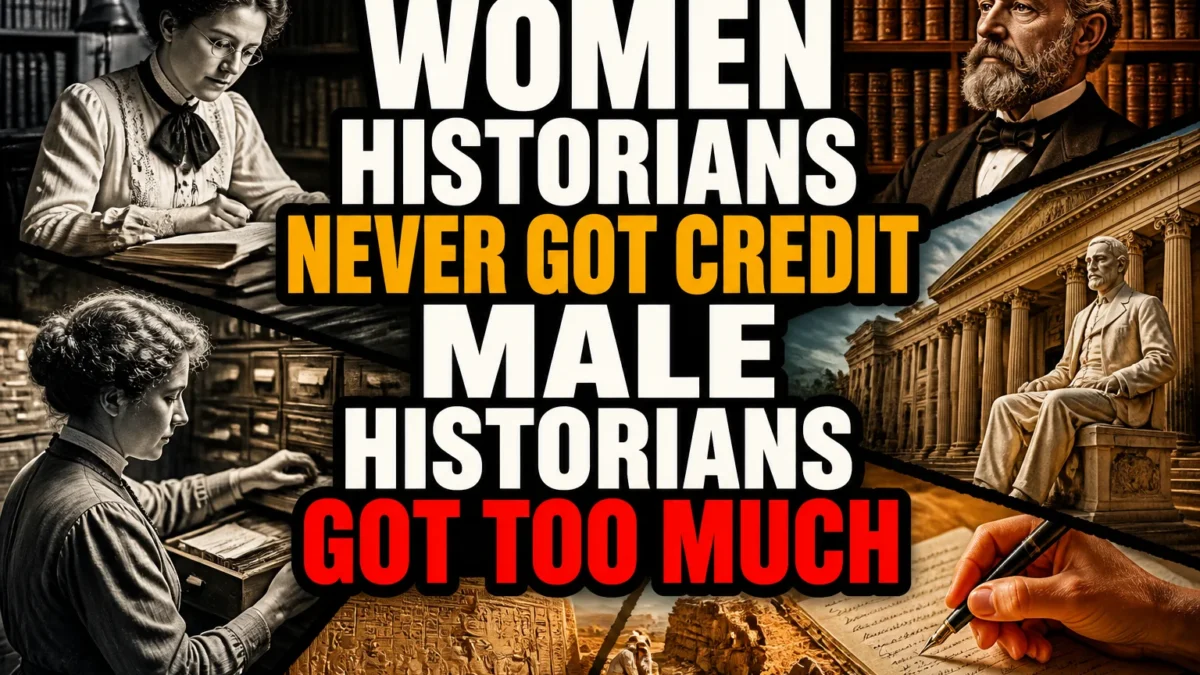
History has a strange habit of remembering the person who held the microphone, not the person who did the research. For centuries, women researched, wrote, translated, and edited foundational historical works while their names faded from title pages. Meanwhile, a handful of male historians became household names by absorbing, popularizing, or simply outliving the women whose labor made their careers possible.
This post digs into that credit gap. You will meet brilliant women who shaped how we understand the past, alongside the men who received fame that arguably belonged elsewhere.
TL;DR: Many famous male historians built their reputations on research done by uncredited women, and restoring those women's names changes how we understand the history of history itself.
Why the Credit Gap Exists in Historical Scholarship
Before the late nineteenth century, most universities barred women from formal history degrees. Women could attend lectures sometimes, but they could not enroll, sit examinations, or receive credentials. That institutional wall pushed intellectually ambitious women into informal roles: assistants, translators, editors, indexers, and wives of historians.
Publishing presented another barrier. Academic journals and university presses rarely accepted submissions from women, especially under their own names. Many women published anonymously, used initials, or let a male relative present the work as his own. The surviving record makes it nearly impossible to know how many women's contributions simply vanished.
Finally, history itself was gendered. The "serious" fields of political, military, and diplomatic history belonged to men. Women who wrote social history, domestic history, or biography were often dismissed as amateurs. That dismissal conveniently ignored the fact that those "amateur" women frequently did the archival digging that "serious" male historians later mined.
1. Anna Komnene (1083–1153): The Historian Who Was Called a Mourner
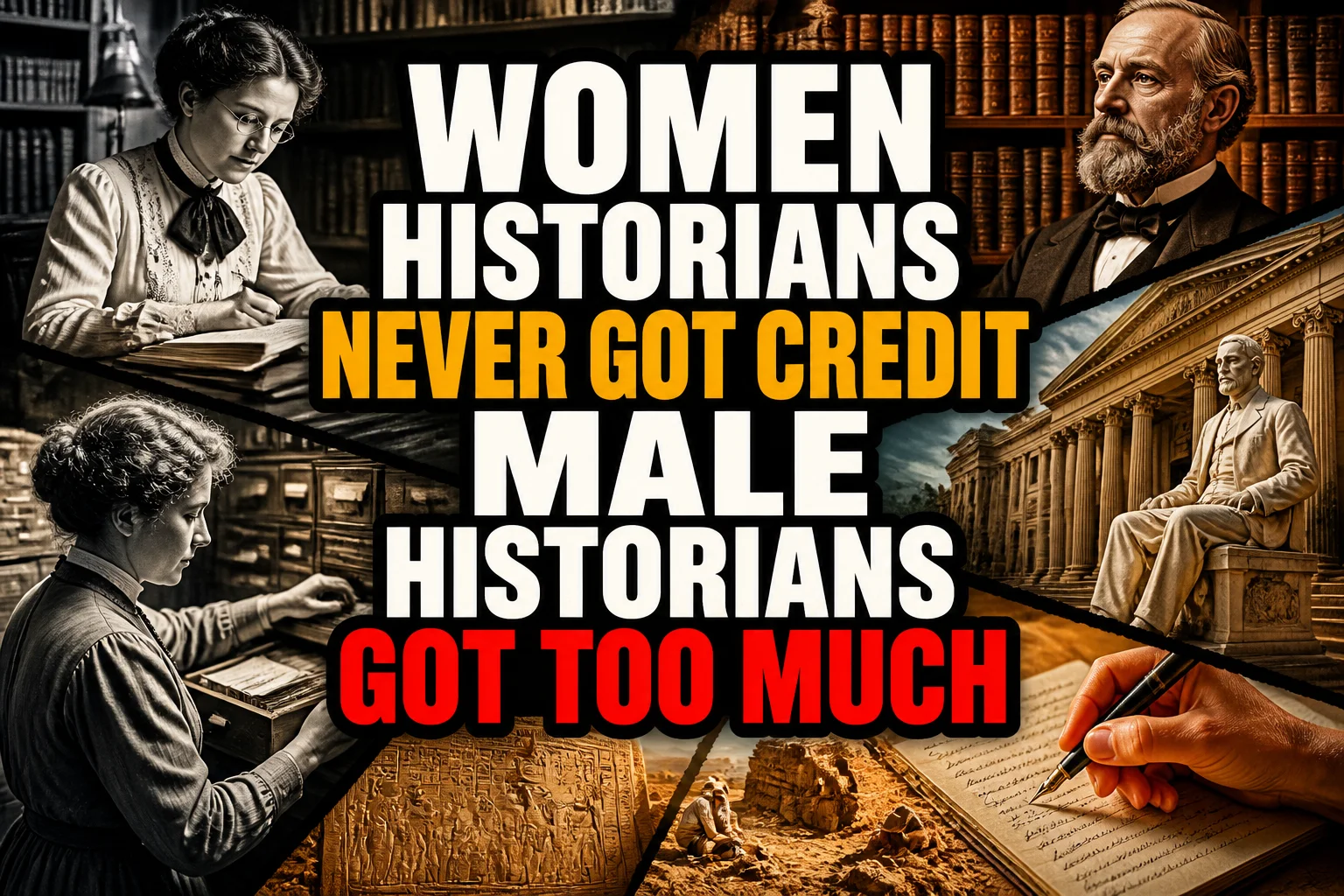
Anna Komnene wrote the Alexiad, one of the most important primary sources on the Byzantine Empire and the First Crusade. She composed it in the 1140s, decades after her father, Emperor Alexios I Komnenos, died. The work runs fifteen books and covers Byzantine politics, warfare, and court life in extraordinary detail.
For centuries, Western historians treated the Alexiad as an emotional daughter's tribute rather than serious scholarship. They called Anna biased, melodramatic, and unreliable, a characterization they rarely applied to male historians writing about their own families. Modern scholars now recognize the Alexiad as a sophisticated work of history with a deliberate methodology and a clear authorial voice.
No male historian literally stole Anna's work, but the field's dismissal of her functioned as a theft of reputation. She was the first named female historian in the Western tradition, yet textbooks for generations framed her as a grieving princess rather than an intellectual. Her example shows how the credit gap often works through belittling rather than outright plagiarism.
2. Christine de Pizan (1364–c. 1430): The First Professional Woman of Letters
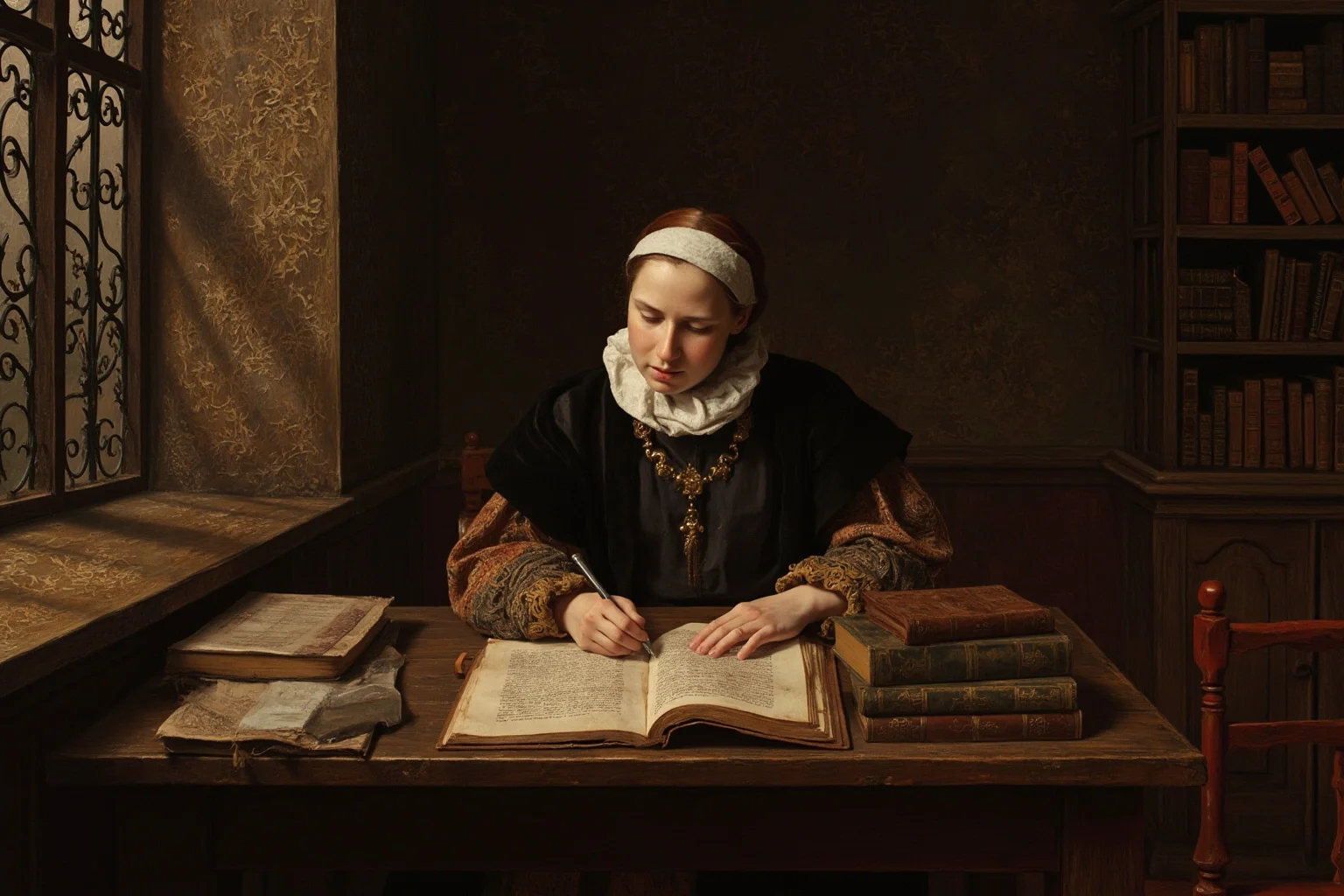
Christine de Pizan supported her family by writing after her husband died, making her arguably the first professional female author in Europe. Her historical and political works, including The Book of the City of Ladies, argued that women had always played vital roles in history. She built a systematic counter-narrative to the misogynistic histories popular in her day.
Christine was famous in her own lifetime, which makes her erasure afterward especially telling. Later male historians categorized her as a poet or a curiosity rather than a historian or political thinker. Her historical method, which emphasized examining sources about women critically, anticipated approaches that would not gain mainstream acceptance for centuries.
The men who "got too much credit" in Christine's story are the generations of scholars who treated her male contemporaries as the founders of historical thought while shelving her as a literary footnote. She did the work, named the problem, and still got demoted.
3. Lucy Aikin (1781–1864): The Historian Hidden Behind Her Father and Uncle
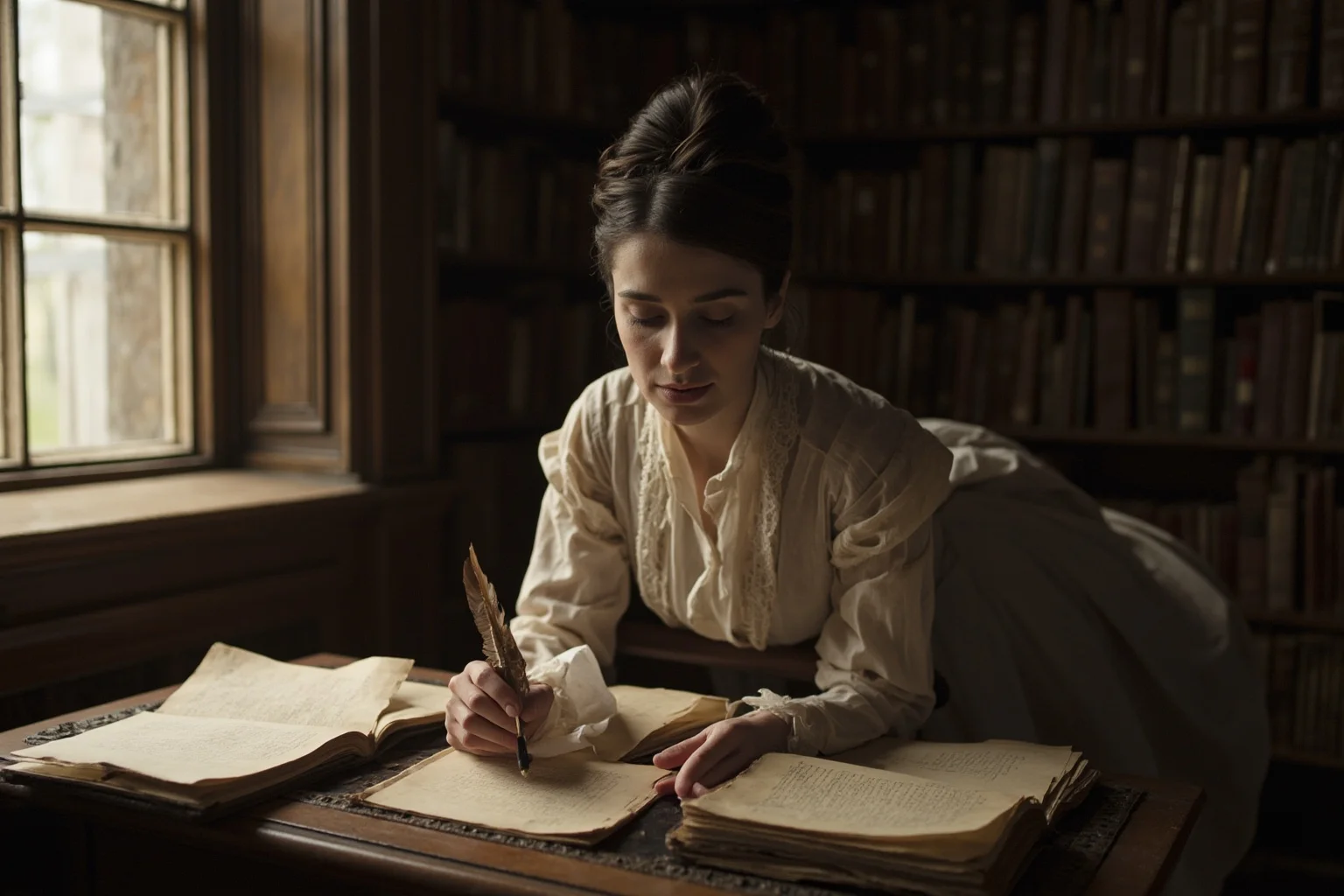
Lucy Aikin grew up surrounded by history. Her father, John Aikin, and her aunt, Anna Laetitia Barbauld, ran a literary circle that included major thinkers of the day. Lucy began editing and contributing to family publications as a teenager, often without credit. Her uncle was the famous historian and poet Anna Letitia Barbauld's husband, but Lucy's real overshadowing came from the men in her immediate family.
Lucy wrote substantial historical works under her own name, including Memoirs of the Court of Queen Elizabeth, which was well received. Yet literary historians for decades assumed her father or other male relatives guided her work. Her careful archival research was attributed to "the Aikin circle" rather than to Lucy herself.
The pattern is familiar: a woman does rigorous work under her own name, and posterity still assumes a man must have helped. Lucy Aikin's case matters because she did receive some contemporary credit, only to have later male scholars quietly redistribute it.
4. Agnes Strickland (1796–1874): The Bestselling Historian Dismissed as a Scribbler
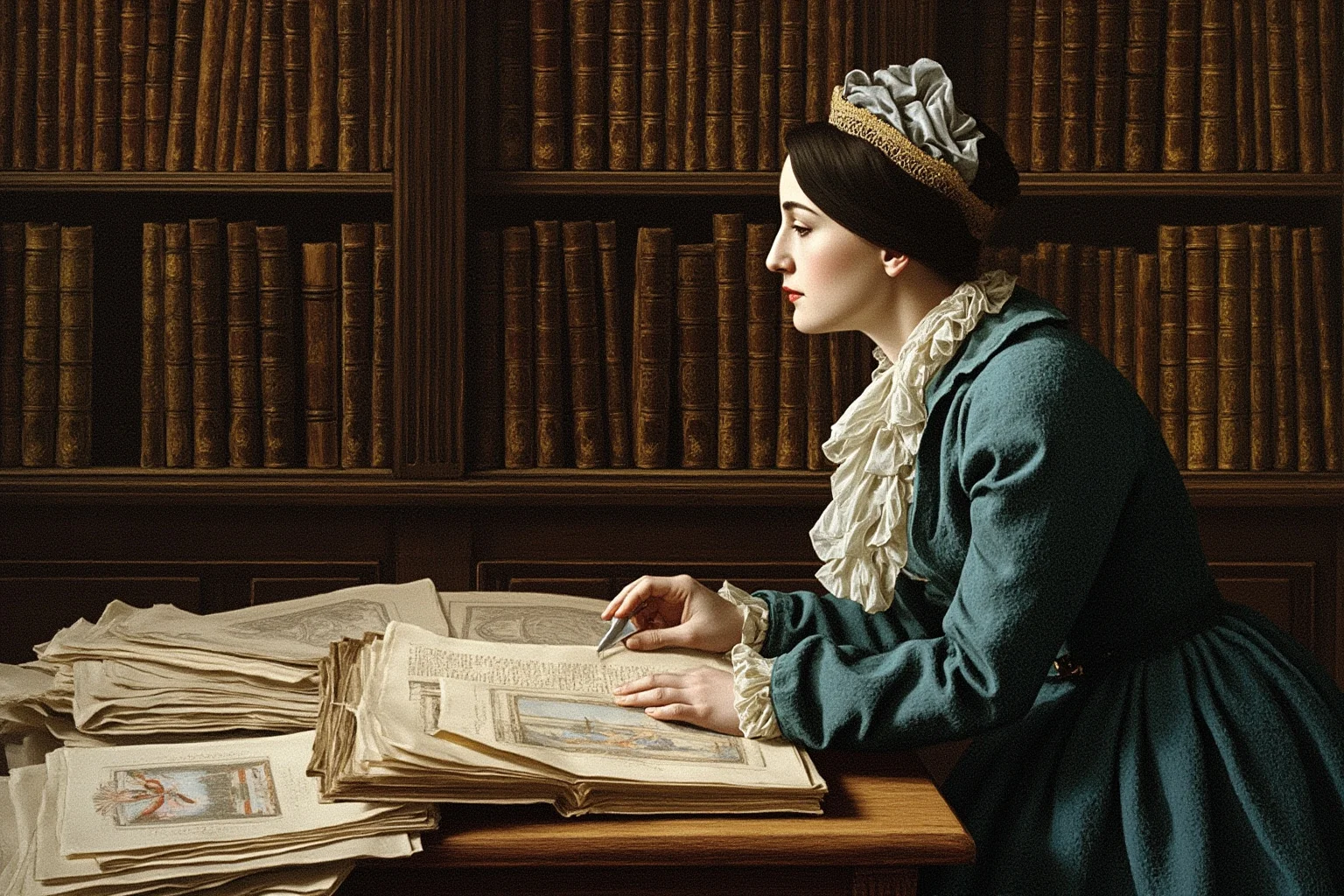
Agnes Strickland co-wrote the massively popular Lives of the Queens of England with her sister Elizabeth. The multi-volume work sold extraordinarily well and shaped popular understanding of English royal history for generations. Agnes did the bulk of the archival research, traveling to record offices and private collections.
Despite her commercial success, academic historians sneered at Strickland. They called her work sentimental and unserious, largely because she focused on queens rather than kings and because she wrote for a popular audience. Male historians freely mined her research while publicly dismissing her as a mere popularizer.
Strickland's story highlights a double standard that persists today. When a woman writes accessible history, she is a popularizer. When a man does the same with the same rigor, he is a public intellectual. The queens she chronicled got their biographies, but Agnes Strickland never got the scholarly respect her research deserved.
5. Mary Anne Everett Green (1818–1895): The Archivist Who Built the Calendar
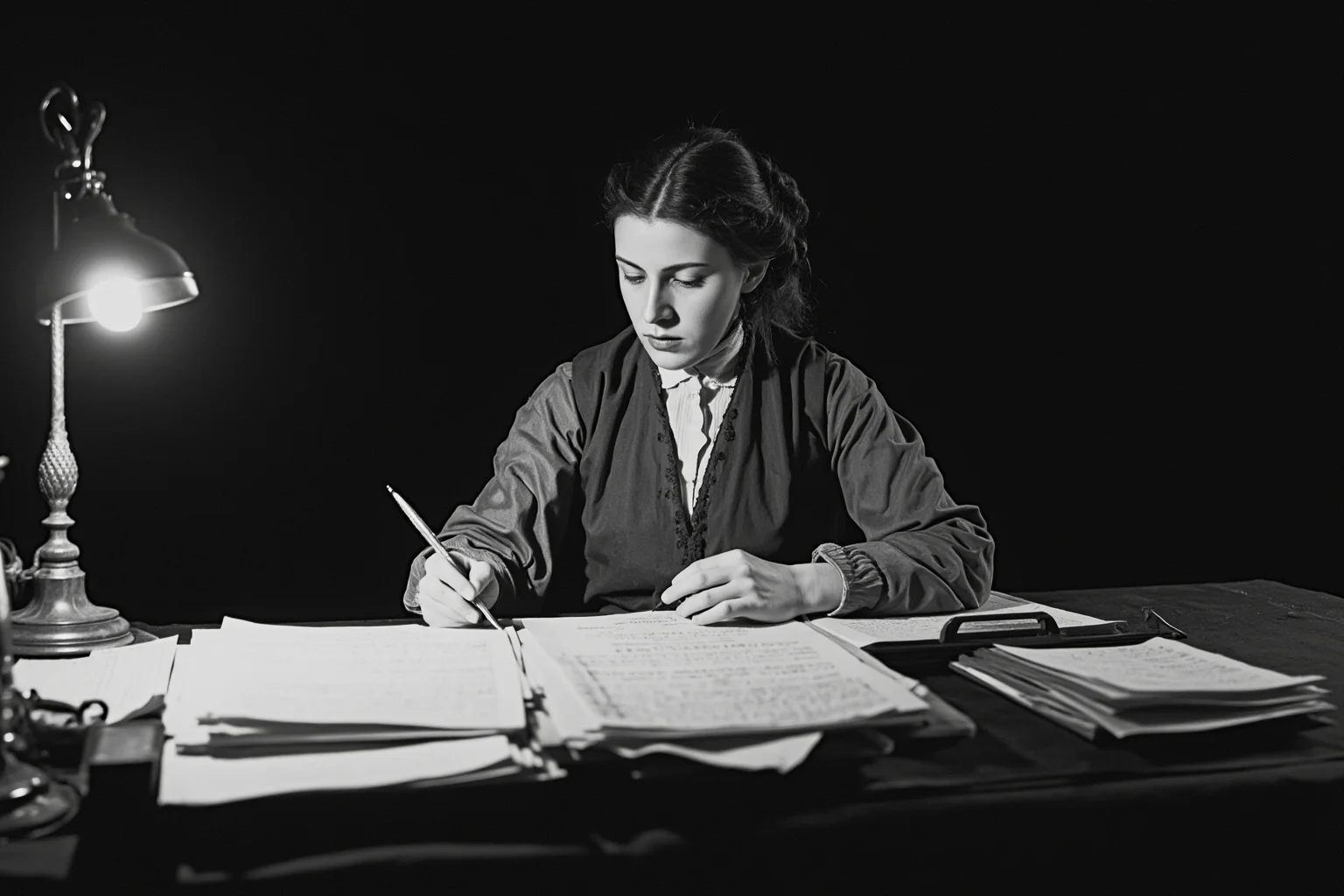
Mary Anne Everett Green edited more than forty volumes of the Calendar of State Papers, one of the most important reference works for early modern English history. She spent decades in archives, transcribing, dating, and organizing tens of thousands of documents. Historians still rely on her work daily.
Green was not just a transcriber. She made scholarly judgments about dates, authorship, and significance that required deep expertise. Her introductions to the calendar volumes are miniature historical essays in their own right. Yet because her title was "editor" rather than "professor," her contributions were treated as clerical.
Male historians who built careers on the Calendar of State Papers rarely acknowledged the woman who made their research possible. Green's case is especially stark because her work was so foundational and so invisible. Every footnote citing those volumes is a quiet debt to her.
6. Anna Brownell Jameson (1794–1860): The Art Historian Erased by the Men Who Followed
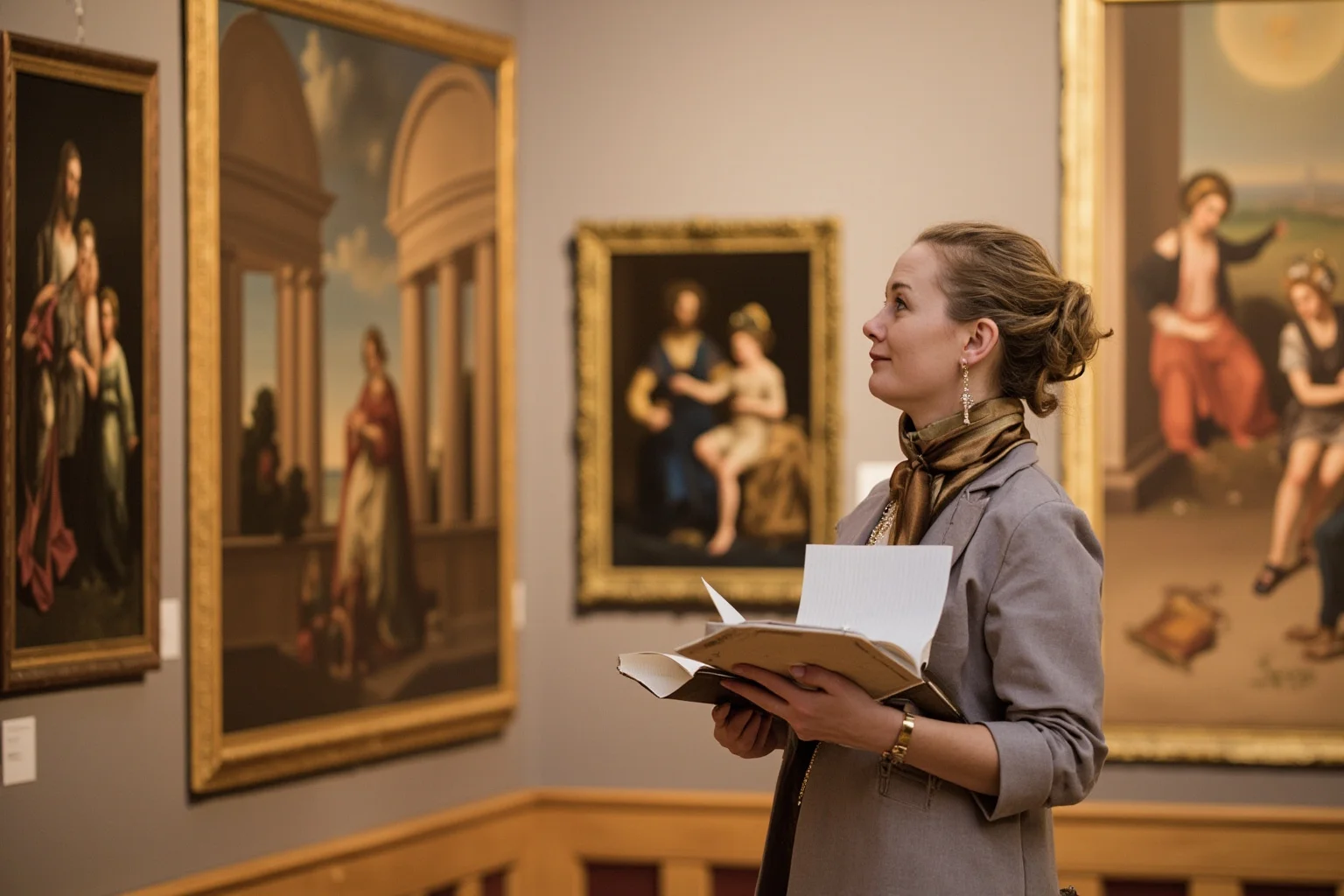
Anna Jameson wrote foundational works of art history, including Sacred and Legendary Art, which became a standard reference. She combined historical research with visual analysis in ways that anticipated modern art historical method. Her books were widely read and translated.
After her death, male art historians absorbed her insights without always crediting her. The field professionalized in the late nineteenth century, and the new university-based male scholars dismissed earlier writers like Jameson as amateurs. They used her frameworks while defining the discipline's origins around themselves.
Jameson matters because she shows how the credit gap works in fields beyond political history. Art history, a discipline she helped invent, wrote her out of its founding story. Her name survives among specialists but rarely appears in introductory surveys.
7. Eileen Power (1889–1940): The Pioneer Whose Death Handed Credit to Her Peers
Eileen Power was one of the most brilliant medieval economic historians of her generation. She held a chair at the London School of Economics, published influential work on medieval nunneries and the wool trade, and co-edited the Cambridge Economic History of Europe. Her book Medieval People remains readable and cited today.
Power died suddenly at fifty, leaving major projects unfinished. Her husband, historian Michael Postan, completed and published some of her work, which was appropriate. But the broader field's memory of medieval economic history came to center on the men who outlived her, especially Postan and his circle.
Power's early death meant she could not shape the postwar field she helped create. Male colleagues who built on her insights became the named founders. Her case is a reminder that the credit gap is sometimes a matter of longevity rather than direct theft.
8. Alice Stopford Green (1847–1929): The Historian Reduced to a Widow
Alice Stopford Green married the famous historian John Richard Green, author of A Short History of the English People. When he died in 1883, Alice was left with his papers, his reputation, and her own considerable intellect. She completed and edited his unfinished work, which was credited largely to his memory.
But Alice was a historian in her own right. She wrote major works on Irish history, including The Making of Ireland and Its Undoing, which argued for Ireland's sophisticated medieval civilization. Her scholarship challenged the dominant English narrative of Irish backwardness. Yet she was often introduced as "the widow of J.R. Green" rather than as a scholar.
Alice Stopford Green's case inverts the usual story. Here was a woman who did original, controversial, important work, and she still got defined by her husband's fame. The male historians who dismissed her Irish work as nationalist polemic were often the same men who praised her husband's English history as objective truth.
9. Helen Cam (1885–1968): The Constitutional Historian Who Had to Wait
Helen Cam was a distinguished medieval constitutional historian who held the chair at Harvard once occupied by Charles Homer Haskins. She published important work on English local government and the hundred rolls. Her scholarship was rigorous, respected, and foundational.
Yet Cam's career was delayed and constrained by her gender in ways her male peers never experienced. She taught at women's colleges for years before receiving a university appointment. Male constitutional historians of her generation, like F.M. Powicke and William Stubbs, received institutional support and recognition far earlier.
Cam eventually received honors, including a fellowship at the British Academy. But the decades of delayed recognition cost her influence. The men who held chairs and shaped the field while she waited got credit for a discipline she was equally qualified to lead.
10. E. H. Gombrich's Female Peers: The Art Historians Who Built the Survey
Ernst Gombrich's The Story of Art became the most famous art history survey ever written. It made Gombrich a household name among educated readers. But Gombrich did not build the survey tradition alone. Women art historians like Helen Gardner, whose Art Through the Ages remains a standard textbook, created the pedagogical frameworks Gombrich popularized.
Gardner's textbook, first published in 1926, was already in wide use when Gombrich wrote his survey. Her organizational structure, chronological and thematic approach, and emphasis on visual analysis shaped how generations of students learned art history. Yet Gardner's name is far less famous than Gombrich's.
The comparison is instructive. Both wrote surveys. Both were scholars. But Gombrich, the male professor at a prestigious institute, became the public face of art history, while Gardner, the female teacher, became a textbook brand. The credit gap here is not about plagiarism but about who gets to be the famous one.
11. The Wives of the Dictionary of National Biography
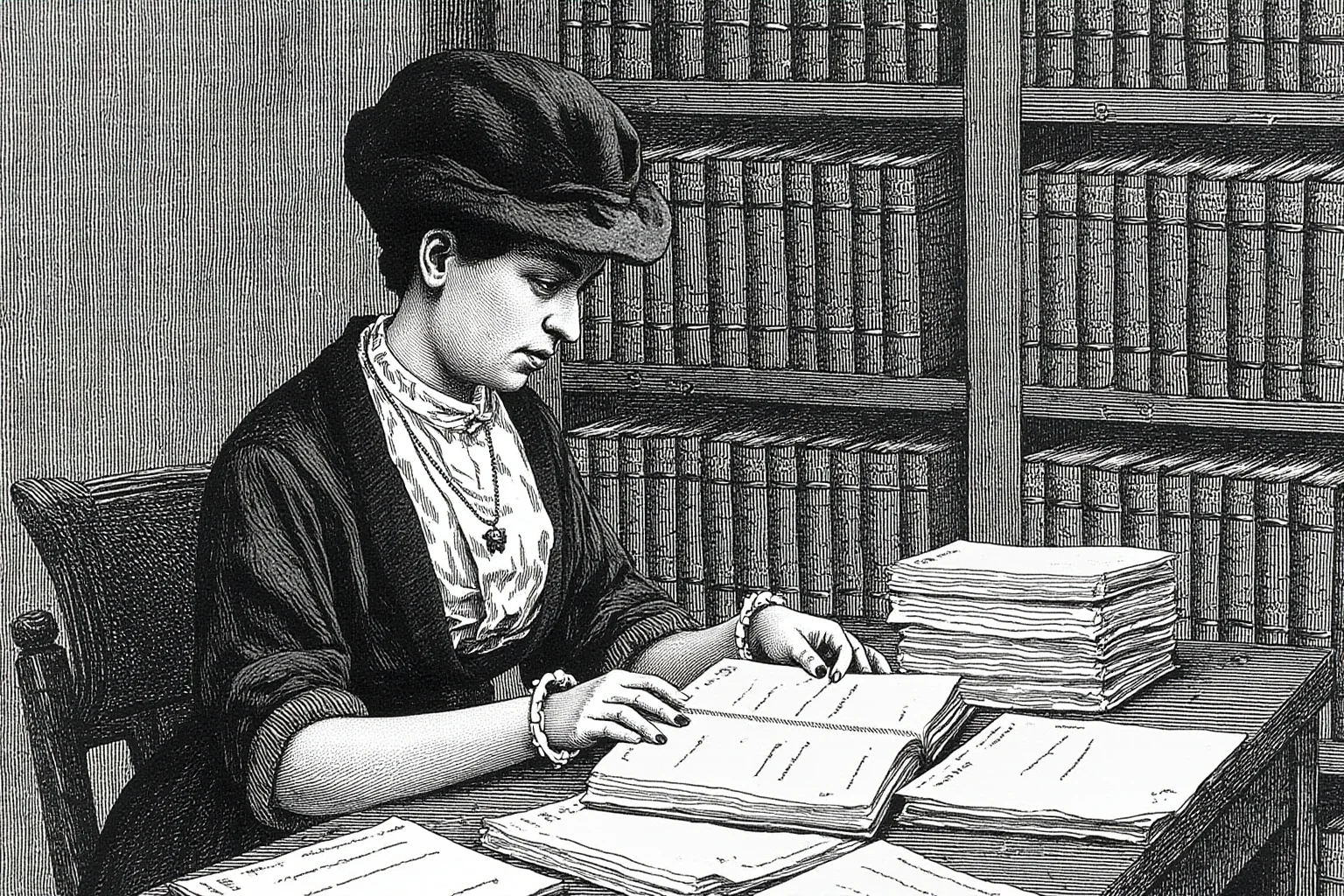
The original Dictionary of National Biography (DNB), edited by Leslie Stephen and later Sidney Lee, is a monument of Victorian scholarship. It contains tens of thousands of biographies written by hundreds of contributors. What the official record obscures is how much of that work was done by women, often the wives and sisters of named contributors.
Leslie Stephen's wife, Julia, and his daughter, Virginia Woolf, both did editorial and research work for the DNB. Virginia Woolf's famous critique of the DNB in A Room of One's Own drew on her direct experience of the project. Other women contributed unsigned entries or did indexing and fact-checking that shaped the final product.
The DNB's male editors received knighthoods and lasting fame. The women who checked facts, transcribed sources, and wrote anonymous entries received nothing. Their labor is invisible in the very reference work that now documents everyone else's life.
12. The Translators Who Made German Scholarship English
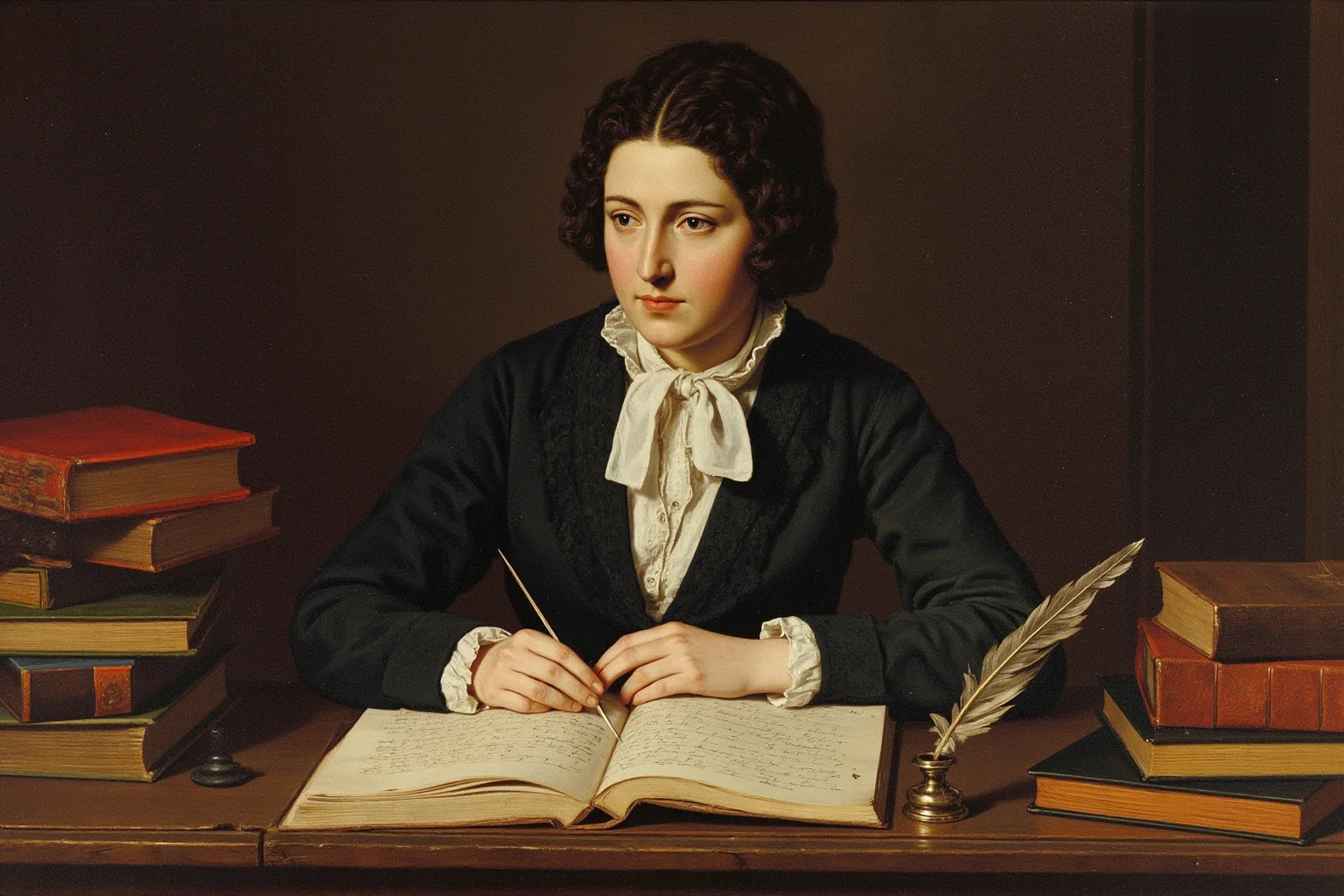
In the nineteenth century, German universities led the world in historical scholarship. English-speaking historians who wanted to stay current had to read German or rely on translations. Many of those translations were produced by women, often the wives, sisters, or daughters of male academics.
These women rarely received title-page credit. Publishers listed the male scholar who "supervised" or "introduced" the translation, while the woman who actually did the linguistic work remained anonymous. Some of the most important works of German historical method reached English readers through this hidden labor.
The male historians who built their reputations on German methodology often owed their access to women translators. Those women's names are mostly lost. The credit gap here is not about individual fame but about the systematic erasure of an entire class of intellectual labor.
13. The Research Assistants Behind the Great Male Biographers
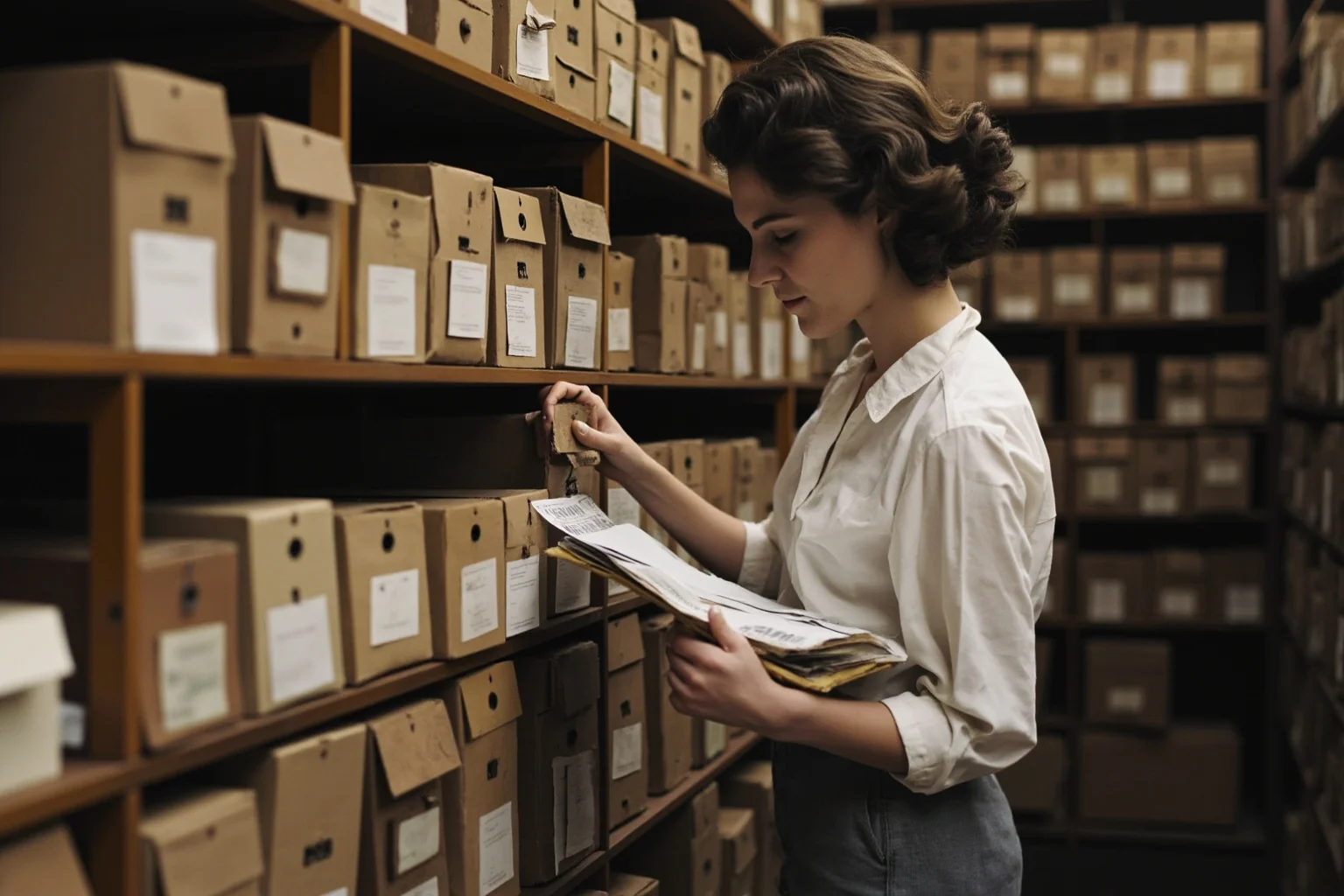
Several famous male biographers of the twentieth century employed female research assistants who did substantial archival work. These women located documents, transcribed letters, organized notes, and sometimes drafted sections. The published biographies credited them briefly in acknowledgments, if at all.
This pattern appears across the careers of multiple well-known male biographers. The assistants were often highly educated women who could not get academic jobs because of their gender. Working for a famous man was one of the few ways to do historical research professionally.
The male biographers received the royalties, the prizes, and the reputations. The female assistants received a line in the preface. Some of these women later became historians in their own right, but their early work remains buried under their employers' fame.
14. The Editors of the Victoria County History
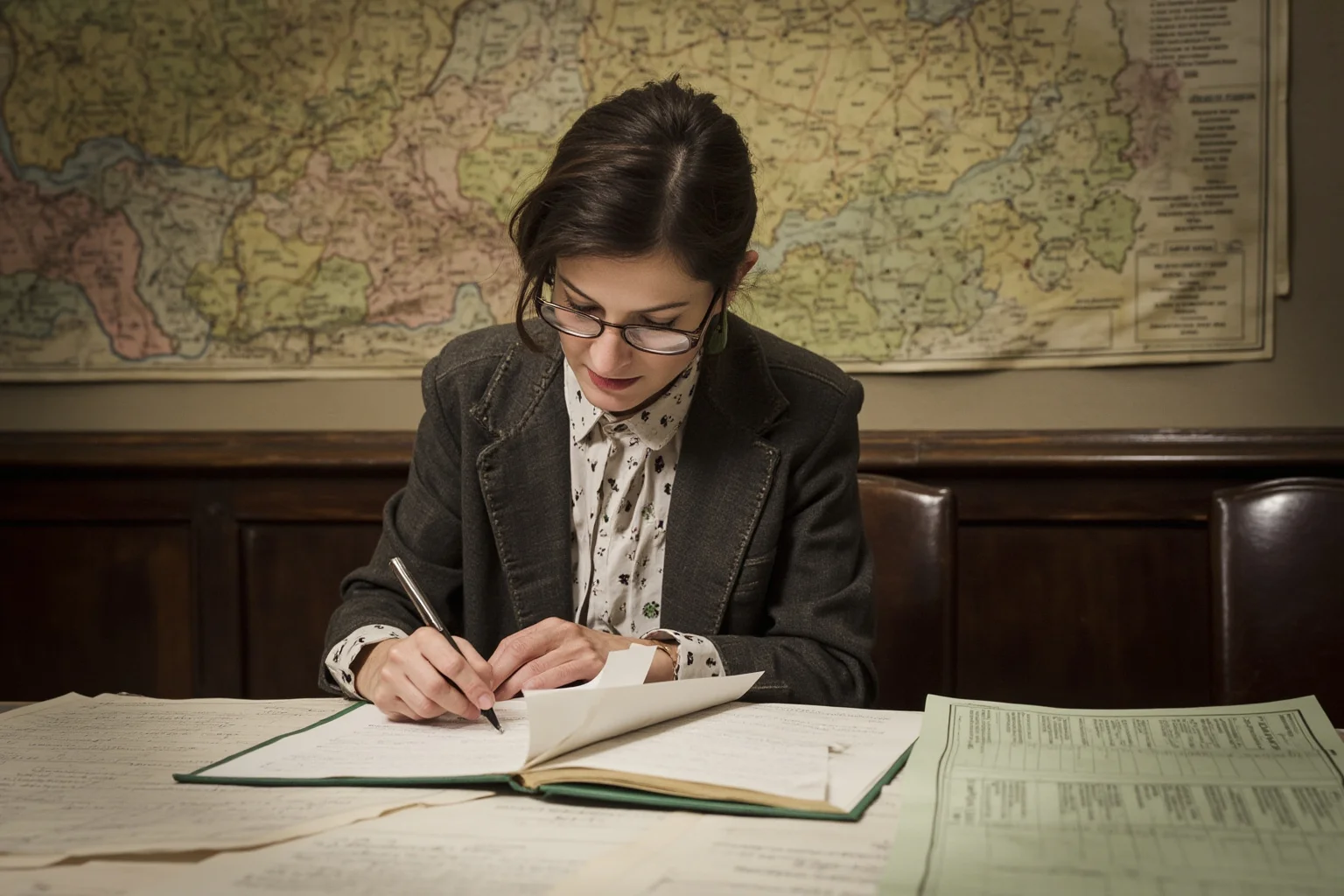
The Victoria County History (VCH) is a massive project documenting the history of every English county. It began in 1899 and continues today. From the beginning, women worked on the VCH as editors, researchers, and authors, often for little pay and less recognition.
Some of the VCH's most important early volumes were substantially the work of women. They did the parish-by-parish archival research that gives the series its authority. Yet the project's public face was male for most of its history.
The VCH demonstrates how women's labor built the reference works that male historians then cited without a second thought. Every footnote to a VCH volume is a debt to the women who compiled it. Their names appear in small print, if anywhere.
15. The Women of the Cambridge Modern History
The Cambridge Modern History, published in the early twentieth century, was edited by Lord Acton and later by other male scholars. It was designed as a definitive statement of modern historical knowledge. Its contributors included some of the most famous male historians of the era.
What the published volumes do not show is the editorial labor of women behind the scenes. Female researchers checked references, compiled bibliographies, and corresponded with contributors. Some wrote sections that were folded into chapters credited to male authors.
The Cambridge Modern History helped establish the prestige of the Cambridge history series. The men who edited and contributed to it became the public face of professional history. The women who did the unglamorous editorial work remained invisible, their contributions absorbed into a male-authored monument.
16. The Indexers Who Made Scholarship Usable
Before digital search, a book's index determined how useful it was to other scholars. A good index required deep familiarity with the material and careful judgment about what readers would need. Much of this highly skilled work was done by women.
Publishers and authors frequently hired women to index scholarly books, often paying poorly and crediting them only in tiny type. The male authors and editors whose books became standard references owed much of their usability to these female indexers. A well-indexed book got cited; a poorly indexed one got ignored.
The indexers' names are almost entirely forgotten. Their skill shaped the scholarly conversation in ways that are impossible to quantify. The credit gap extends even to the back of the book.
17. The Women Who Founded Social History
Social history, the study of everyday life rather than kings and battles, became a major field in the twentieth century. Its founding is usually credited to male historians like E.P. Thompson and the Annales school. But women had been doing social history for generations before it had a name.
Writers like Alice Clark, whose Working Life of Women in the Seventeenth Century appeared in 1919, pioneered the methods later male social historians claimed as innovations. Clark's work on women's labor anticipated themes that would dominate social history decades later. Her book was reprinted in the 1980s by feminist scholars who recognized its importance.
The male historians who founded academic social history in the 1960s and 1970s rarely acknowledged these female predecessors. The field's origin story centers on men. The women who did the work first are treated as precursors at best, amateurs at worst.
18. The Wives of the Annales School
The Annales school, founded by Marc Bloch and Lucien Febvre, revolutionized French historiography. Its emphasis on long-term structures and everyday life transformed the discipline. The school's public face was male, but women did essential work within it.
Lucie Varga, an Austrian-born historian, worked closely with Febvre and contributed to Annales in the 1930s. She wrote pioneering work on the history of mentalities, a concept later associated with male Annales historians. Varga died young and was largely forgotten.
Other women worked as researchers, editors, and collaborators within the Annales network. The school's male leaders received the credit for a collective project that depended on female labor. Varga's case is especially poignant because her ideas were absorbed into the school's methodology without her name attached.
19. The Women Behind the Encyclopaedia Britannica
The Encyclopaedia Britannica was a collaborative project that employed many women as contributors, editors, and researchers. Some wrote substantial articles on historical topics. Others did the fact-checking and cross-referencing that gave the encyclopedia its authority.
The encyclopedia's male editors received the public credit. Its female contributors often wrote anonymously or under initials. Their historical scholarship was absorbed into a reference work that generations of readers consulted without asking who wrote what.
The Britannica case shows how the credit gap operates in reference publishing. The product is authoritative, but the authority is attached to the brand and its male editors, not to the individual women who did the work. Their contributions are literally nameless.
20. Restoring the Record: How Readers Can Help
The credit gap in historical scholarship is not just an old problem. It persists today in citation practices, syllabus choices, and popular histories. Restoring women historians to the record requires conscious effort from readers, teachers, and writers.
One step is to check your assumptions. When you encounter a famous male historian, ask who did the research. When you read a survey or textbook, look at the acknowledgments and the bibliography. The women are often there, hiding in plain sight.
Another step is to seek out women historians directly. The famous female historians mentioned in this post all have work that remains readable and rewarding. Reading them is an act of historical repair. Every citation of a forgotten woman is a small correction to the record.
The history of history is not a neutral chronicle. It reflects the same biases as the events it describes. By noticing who got credit and who did not, we can begin to write a more honest account of how we know what we know.
Frequently Asked Questions
Who was the first famous female historian?
Anna Komnene (1083–1153), a Byzantine princess, is often considered the first named female historian in the Western tradition. Her work, the Alexiad, is a major primary source on the Byzantine Empire and the First Crusade.
Why did women historians not get credit for their work?
Women faced multiple barriers: universities barred them from degrees, publishers often refused to credit them, and historical fields centered on politics and war were considered masculine. Many women published anonymously, used initials, or let male relatives present their work as their own.
Did male historians actually steal women’s work?
Direct plagiarism was less common than subtler forms of erasure. Male historians often absorbed women's research, built on their frameworks without citation, dismissed them as amateurs, or simply outlived them and received credit for a shared field. The result was a systematic redistribution of intellectual credit.
Are there modern examples of women historians being overlooked?
Yes. Citation studies show that women's historical scholarship is cited less often than men's, even when controlling for quality and field. Syllabi and popular histories still disproportionately feature male historians. The problem is structural, not merely historical.

Alex Warren
Related Articles