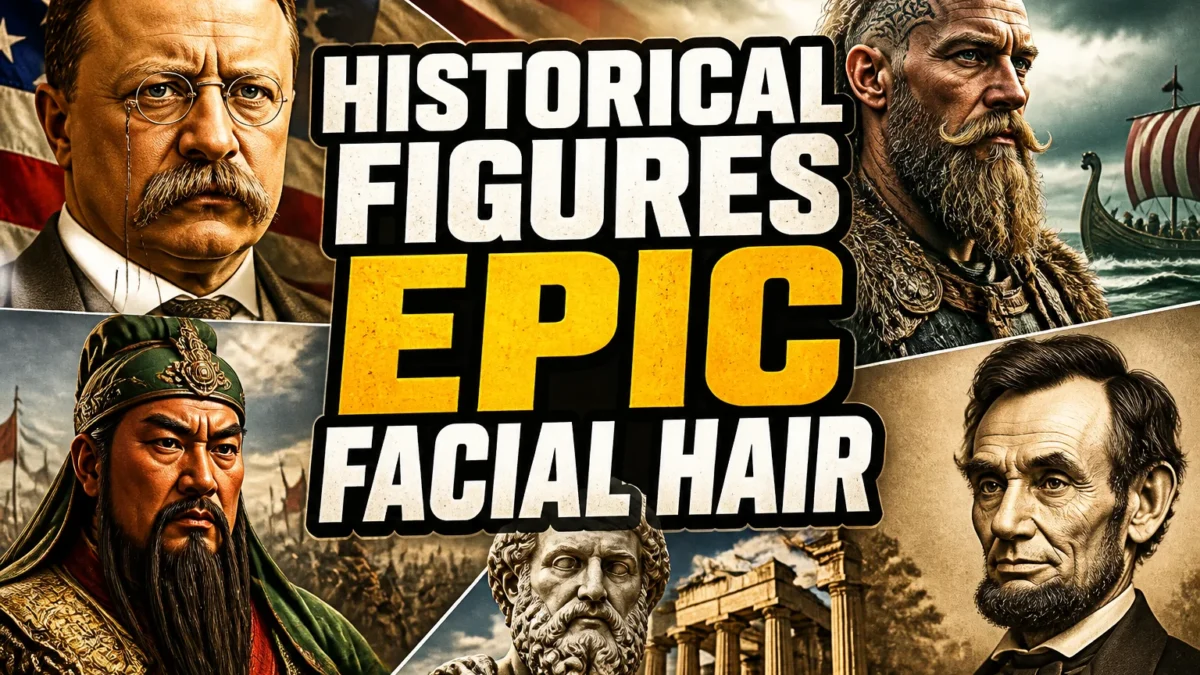
Facial hair has been a marker of power, wisdom, rebellion, and pure personal style across centuries. The great beards of history often did more than keep a man warm: they became part of a public image that outlived entire regimes. This tour stops with rulers, writers, scientists, and showmen who turned whiskers into a visual signature.
This list is organized by theme rather than by rank. Because photography and painted portraiture preserved likenesses unevenly, we know far more about nineteenth-century facial hair than about medieval or ancient styles. That archival bias makes the Victorian era a golden age for this particular hall of fame.
TL;DR: The great beards of history were rarely just fashion—they signaled identity, authority, and rebellion, from Lincoln’s election beard to Dalí’s surrealist mustache.
Why Famous Facial Hair Became a Symbol
For much of early modern Europe, clean-shaven faces and partial whiskers rose and fell with court fashion. By the nineteenth century, growing a full beard often carried associations of manliness, natural vigor, and political seriousness. Photographs then turned personal style into reproducible public memory.
Facial hair could also mark a break with the previous generation. Young men who rejected wigs and razors sometimes borrowed ideas from soldiers, workers, or rural life. That made historical beards feel both traditional and newly radical.
Mythology creeps in quickly. The idea that beards were uniformly common in the Middle Ages overlooks periods when rulers and clergy shaved. We should treat early portraits and later rumor with care.
Not every ruler celebrated facial hair. Peter the Great of Russia introduced a beard tax in 1698 to force a more Western, clean-shaven look. His policy shows that famous facial hair could be an act of resistance in one place and a bureaucratic problem in another.
Rulers and Reformers With Famous Facial Hair
Political leaders often used their faces as part of their public image. In an age before television, a distinctive beard or mustache helped voters, subjects, and enemies recognize a public figure.
1. Abraham Lincoln: The Election Beard
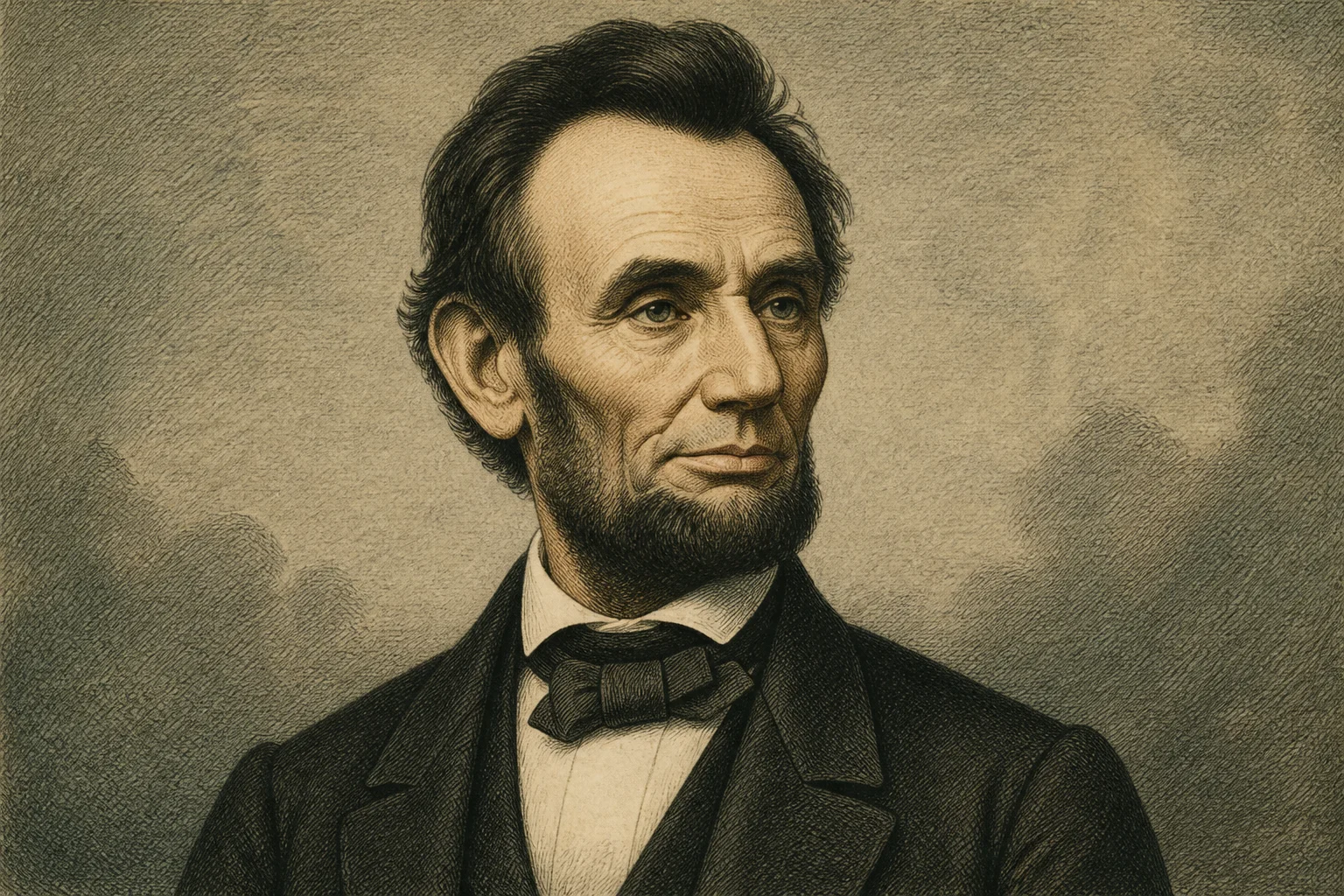
Abraham Lincoln began his presidency clean-shaven, but he grew a jawline beard during the transition after his 1860 election. The change was so visible that it became part of his presidential image. He is often remembered as the first fully bearded president of the United States.
An 11-year-old supporter named Grace Bedell wrote to Lincoln suggesting he grow a beard because his face was thin. Lincoln’s reply was polite but noncommittal, and he began letting his whiskers grow shortly after. That exchange is well documented, even if it does not prove the beard was solely her idea.
Lincoln’s style was distinctive because it covered his jaw and chin but left his upper lip bare. The look suited the new technology of studio photography, which spread his image across the country. It remains one of the most recognizable examples of famous facial hair in American politics.
2. Giuseppe Garibaldi: The Beard That Named a Style
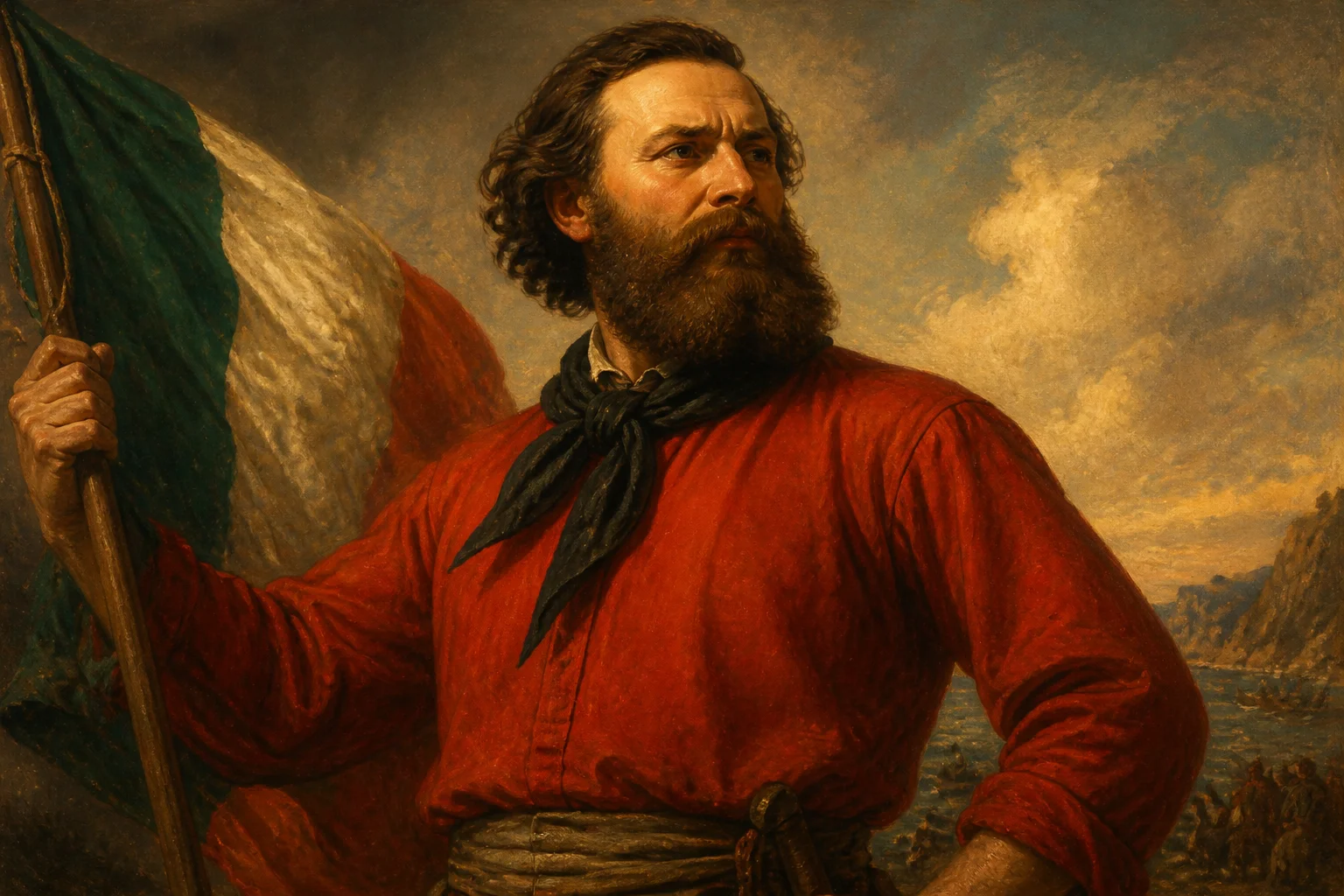
The Italian revolutionary Giuseppe Garibaldi became an international celebrity during the struggle for Italian unification in the 19th century. His full, rounded beard and weathered face were reproduced in engravings, photographs, and souvenirs across Europe. That visual fame gave the freedom fighter a surprisingly modern brand.
Modern barbers still speak of a Garibaldi beard, a full shape with a wide, rounded bottom and an integrated mustache. It is difficult to know exactly how closely the modern style matches Garibaldi’s real grooming habits. The name, however, shows how thoroughly his face entered popular culture.
Garibaldi’s look helped him seem both a soldier and a man of the people. Supporters wore his portrait as a sign of liberal and nationalist hope. Few great beards of history have been tied so closely to a political moment.
3. Ulysses S. Grant: The General’s Full Beard
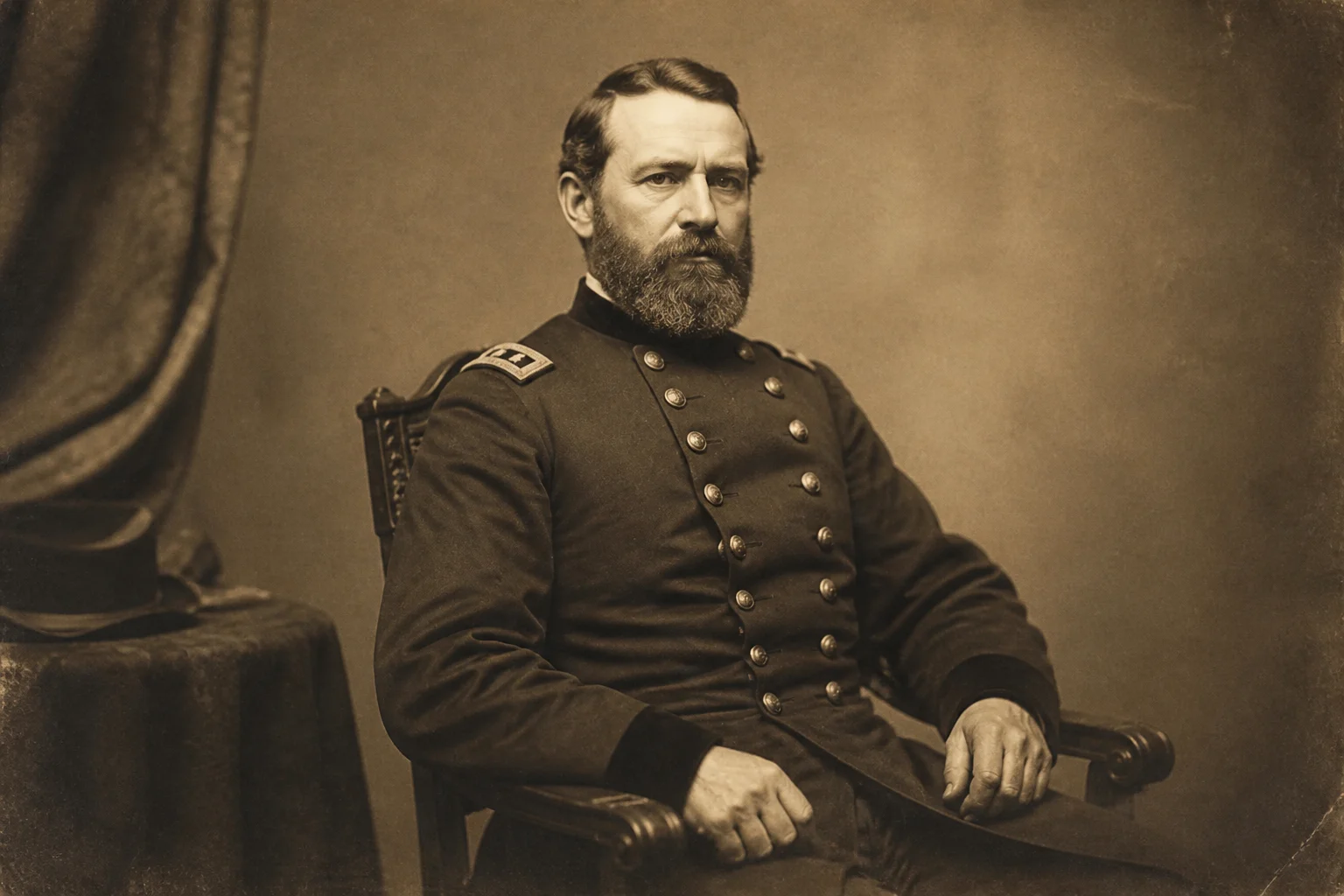
Ulysses S. Grant led Union armies during the American Civil War and later served as president. His close-cropped full beard and mustache gave him a stern, no-nonsense appearance in camp and in courtrooms. Photographers captured that face so often that it became fixed in the public mind.
Grant’s beard was not as bushy as some of his contemporaries, but it covered his entire lower face. The style projected steadiness rather than theatrical flair. That restraint matched his reputation as a quiet, methodical commander.
After his death, Grant’s tomb and memorial imagery continued to show him with the beard. The grooming choice became part of the national memory of the war and Reconstruction. It is a solid entry among historical beards tied to leadership.
4. Napoleon III: The Imperial Mustache and Goatee
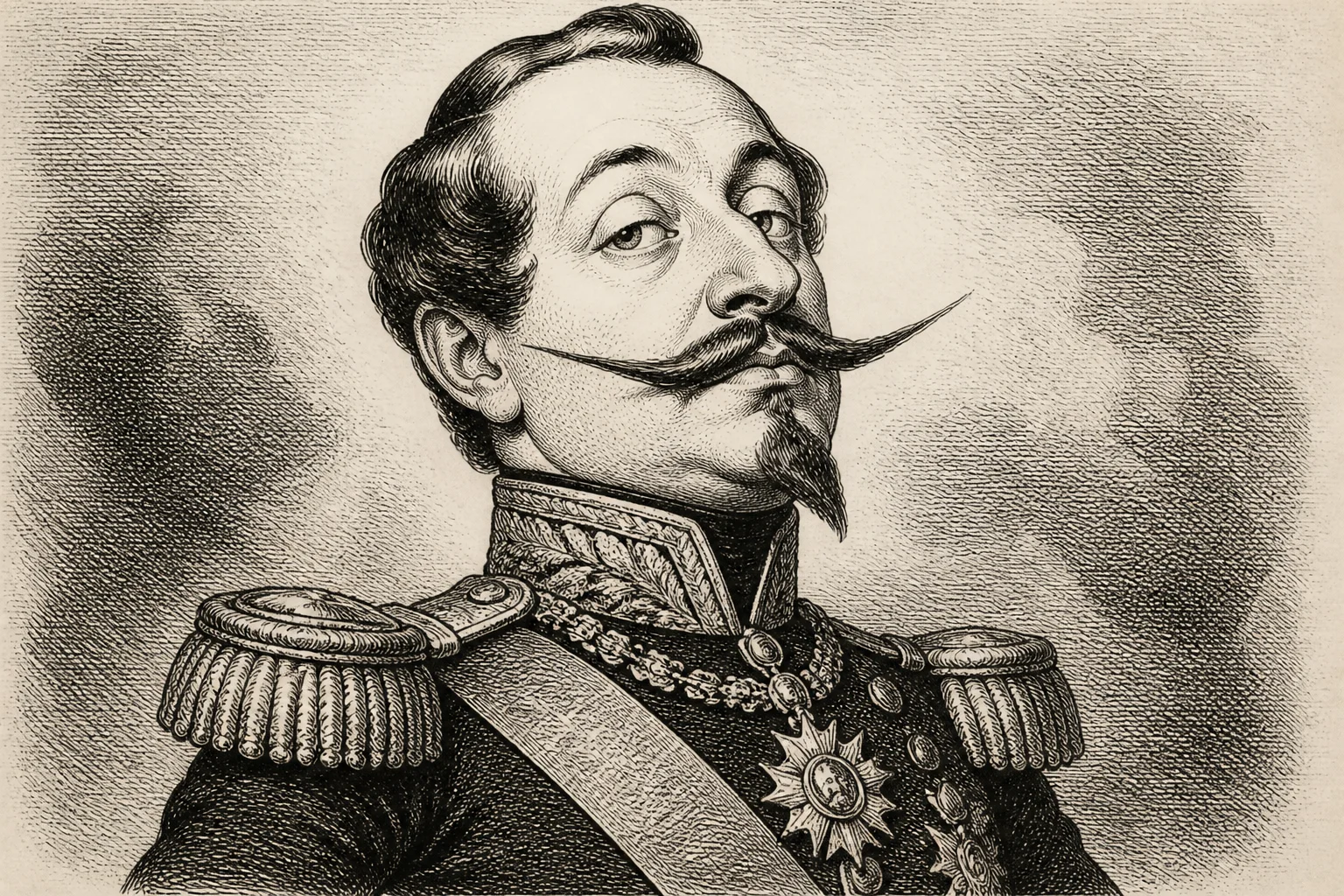
Louis-Napoleon Bonaparte ruled France as Napoleon III during the Second Empire. His sharp waxed mustache and pointed goatee became part of the imperial image in official portraits, caricatures, and early photographs. The style echoed an older Napoleonic ideal while updating it for a new century.
His facial hair was carefully maintained, which fit a court that valued ceremony and display. Caricaturists often exaggerated the mustache to mock or celebrate the emperor. That made it one of the most politically charged historical mustaches in 19th-century Europe.
Napoleon III’s regime ended in defeat and exile, but portraits preserved the look. Later generations of French leaders tended to wear beards or stay clean-shaven. The pointed imperial style still reads as a visual shorthand for the Second Empire.
5. Theodore Roosevelt: The Mustache as a Brand
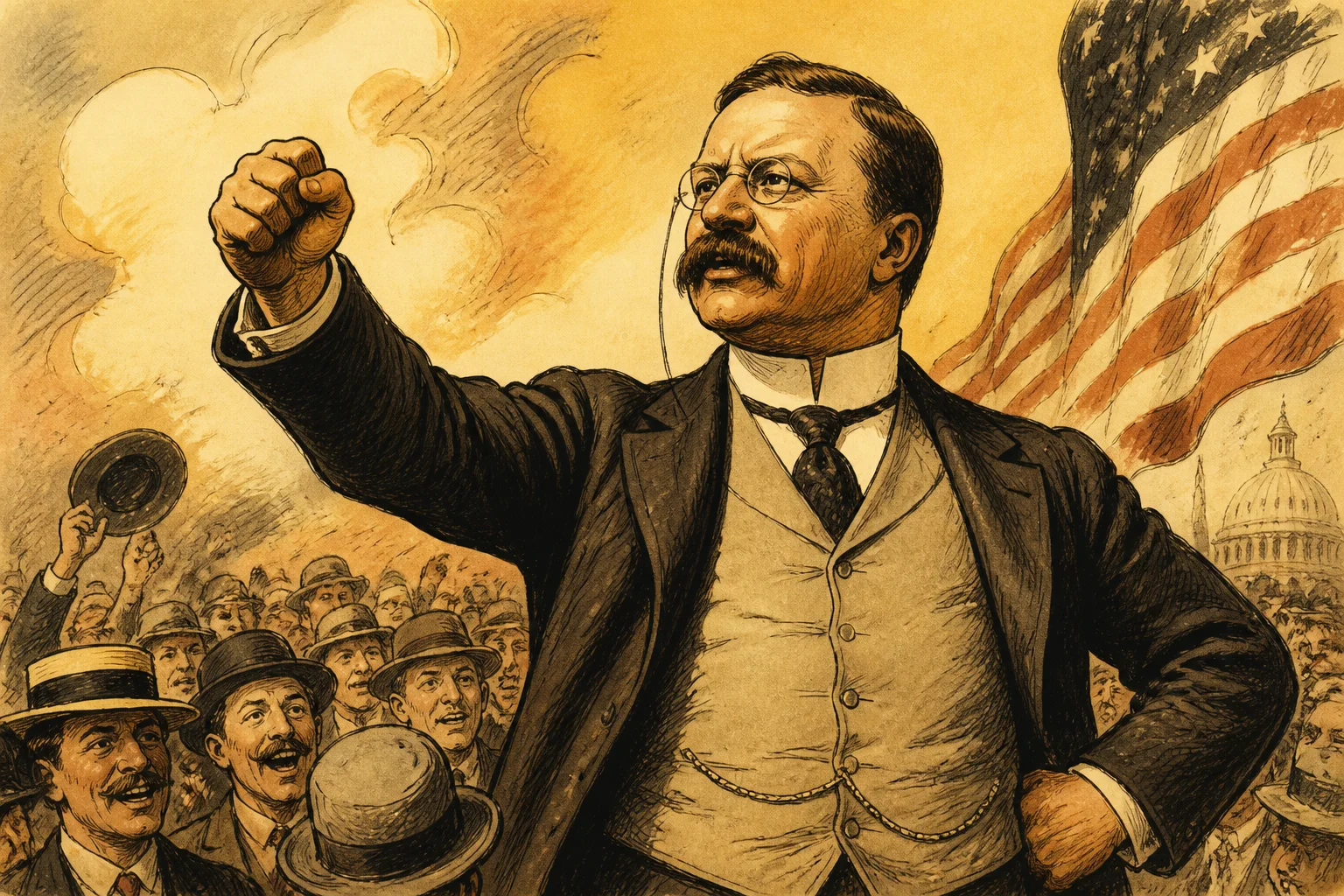
Theodore Roosevelt wore a thick mustache through his public career as soldier, governor, and president. It became part of an energetic image that included spectacles, a broad smile, and outdoor action. In political cartoons, the mustache was a favorite detail for caricaturists.
Roosevelt’s facial hair was less about elaborate shaping and more about rugged fullness. It helped soften the aristocratic tone of his voice and clothing. The result was a look that felt vigorous rather than decorative.
Because he lived into the age of mass photography, his famous mustache is unusually well documented. That record helps explain why the mustache still appears on modern memorials and portrayals. It is among the most recognizable political mustaches in American history.
Writers and Thinkers With Iconic Beards
Literature and philosophy produced some of the most iconic facial hair of the modern era. Writers often sat for portraits that circulated widely, and a grand beard could become part of the author’s public brand.
6. Karl Marx: The Philosopher’s Gray Thicket
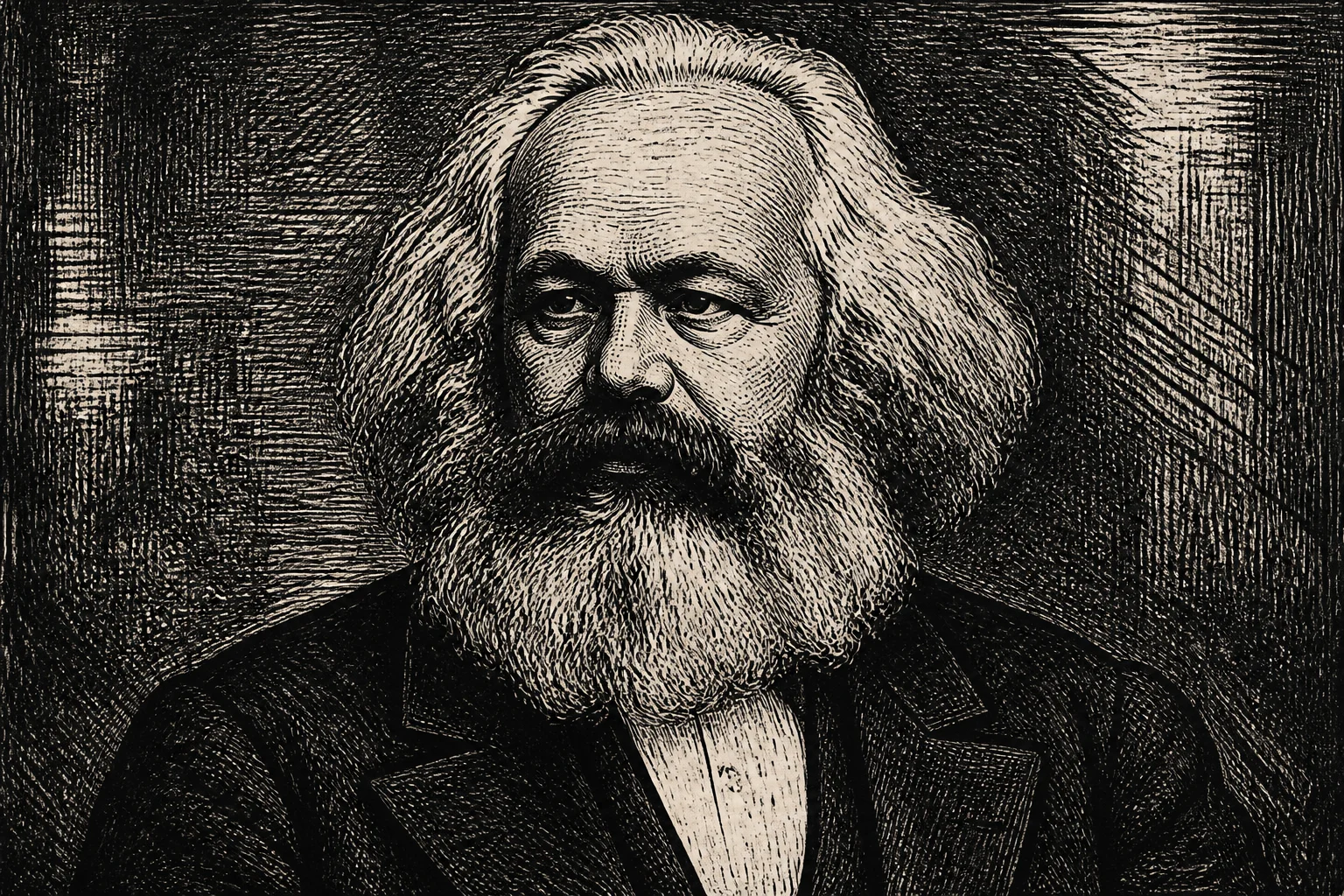
Karl Marx’s enormous gray beard and wild hair dominate the later portraits of the German philosopher and economist. That image became the visual shorthand for revolutionary thought after his death. It is one of the great beards of history because it has been reproduced on posters, banners, and books around the world.
Older photographs show Marx with a full beard that grew fuller with age, much like the beards of many mid-Victorian intellectuals. The style was not unique to him, but his fame made it canonical. Later generations projected their hopes and fears onto the face.
The beard fused with his public identity as a system-builder. It is impossible to separate the theory from the face in the popular imagination. Few famous beards of history have carried so much symbolic weight for so long.
7. Henry David Thoreau: The Neck Beard of Walden
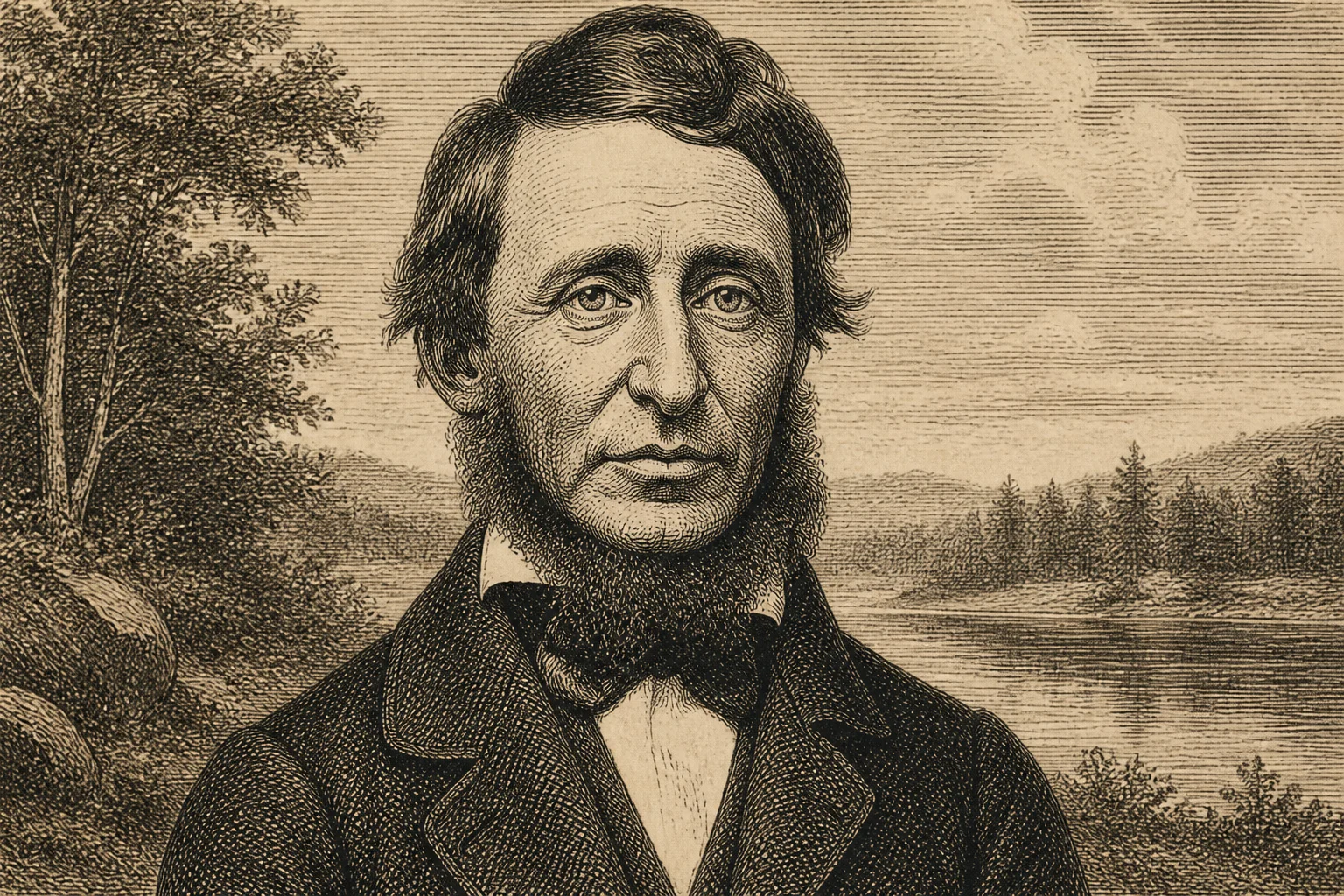
Henry David Thoreau, the American essayist and naturalist, is often pictured with a dark beard that frames his jaw and neck. The style looks unusually modern compared with the full cheeks of many contemporaries. It suited his reputation for practical simplicity and closeness to nature.
Later portraits and albumen prints show a trimmed mustache and beard, not the unkempt growth some readers imagine. Thoreau’s own writing focuses so much on the natural world that his face often appears as a secondary detail. Still, the beard has become part of his image as a literary individualist.
He is not the first figure people name when listing famous beards of history, but his quiet influence is real. The look reappears in American countercultural imagery across generations. It proves that a modest neck beard can become iconic in the right context.
8. Victor Hugo: The White Beard of Exile
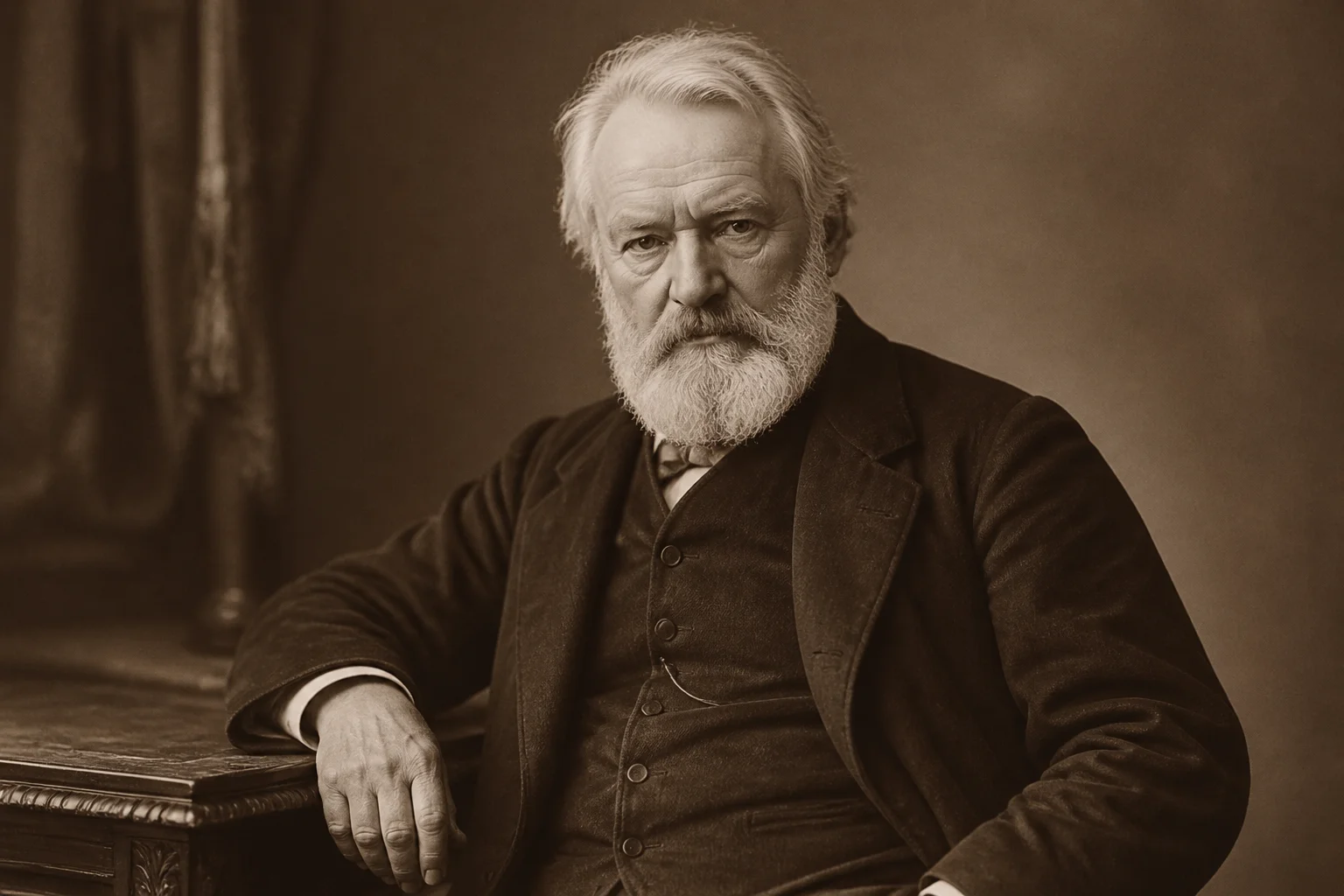
Victor Hugo’s later portraits show a white beard that fills his face and spills toward his collar. The French author of Les Misérables and The Hunchback of Notre-Dame had become a national institution by then. His flowing beard and intense eyes made him look like a prophet of republicanism.
Hugo spent years in political exile, and his return to France became a public spectacle. Photographs from that period show a carefully maintained but dramatic beard. It reinforced the image of a writer who had endured hardship and outlasted an empire.
The beard belonged to the old age of a writer whose career began in the 1820s. By the time he died in 1885, it had been immortalized in paintings, prints, and photographs. Few famous beards of history have aged so well.
9. Leo Tolstoy: The Peasant Prophet’s Beard
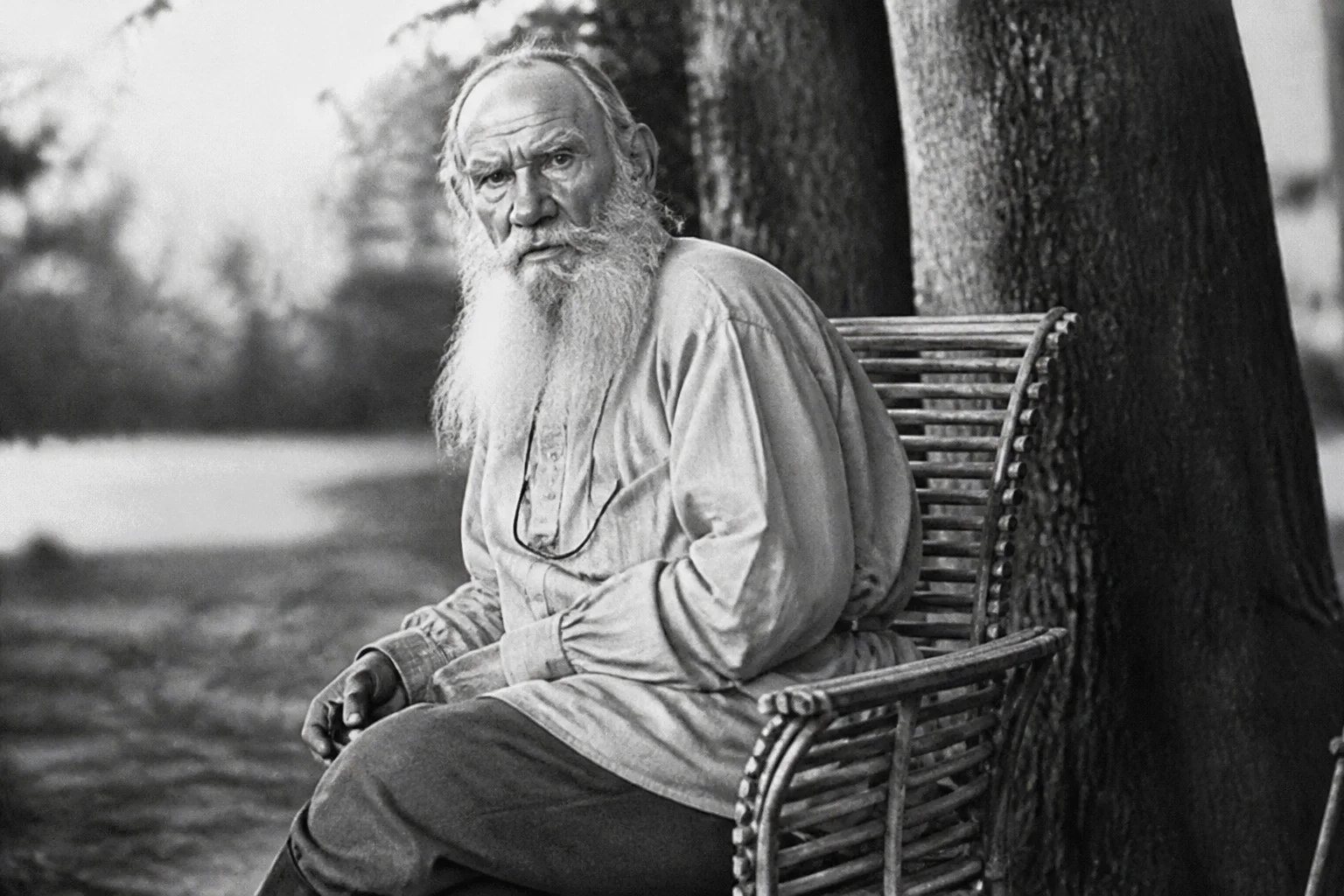
Leo Tolstoy abandoned the polished look of his aristocratic youth and adopted a long, ragged beard in later life. The Russian novelist wore simple clothing and worked in the fields, a deliberate turn away from the privileges of his class. His beard became part of a moral and spiritual statement.
Photographs of Tolstoy after the 1880s show a full white beard, often combined with a loose tunic and heavy brow. The image spread widely through print technology and later film. It made the author of War and Peace look like a wandering sage rather than a country nobleman.
The beard’s roughness should not be mistaken for neglect. Tolstoy was intensely deliberate about his public image. That makes his one of the most self-conscious great beards in history.
10. Mark Twain: The Mustache and the White Suit
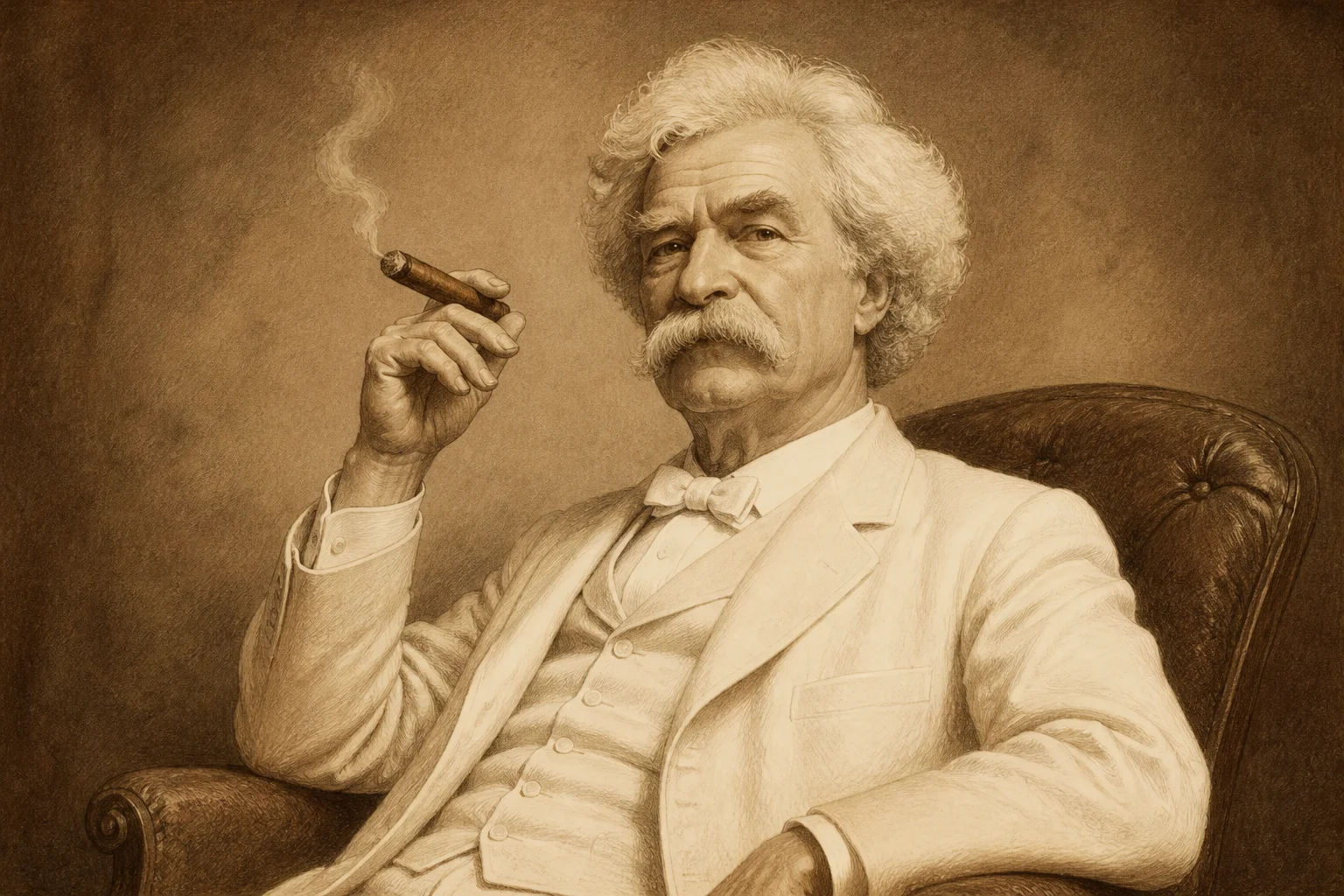
Mark Twain’s bushy white mustache is inseparable from the white suits he favored on lecture tours. The American humorist used appearance as part of his stage persona. The mustache hung over his mouth and made his deadpan expressions even funnier to audiences.
Twain was born Samuel Clemens, but his pen name and his look developed together in the public mind. Photographs show the mustache growing thicker and whiter over time. It was not a fancy curled style but a heavy, expressive feature.
His historical mustache reminds us that facial hair could be a tool for performers as much as for politicians. The look helped Twain command a room before he said a word. It remains one of the most famous mustaches in American literary history.
11. Walt Whitman: The Democratic Beard
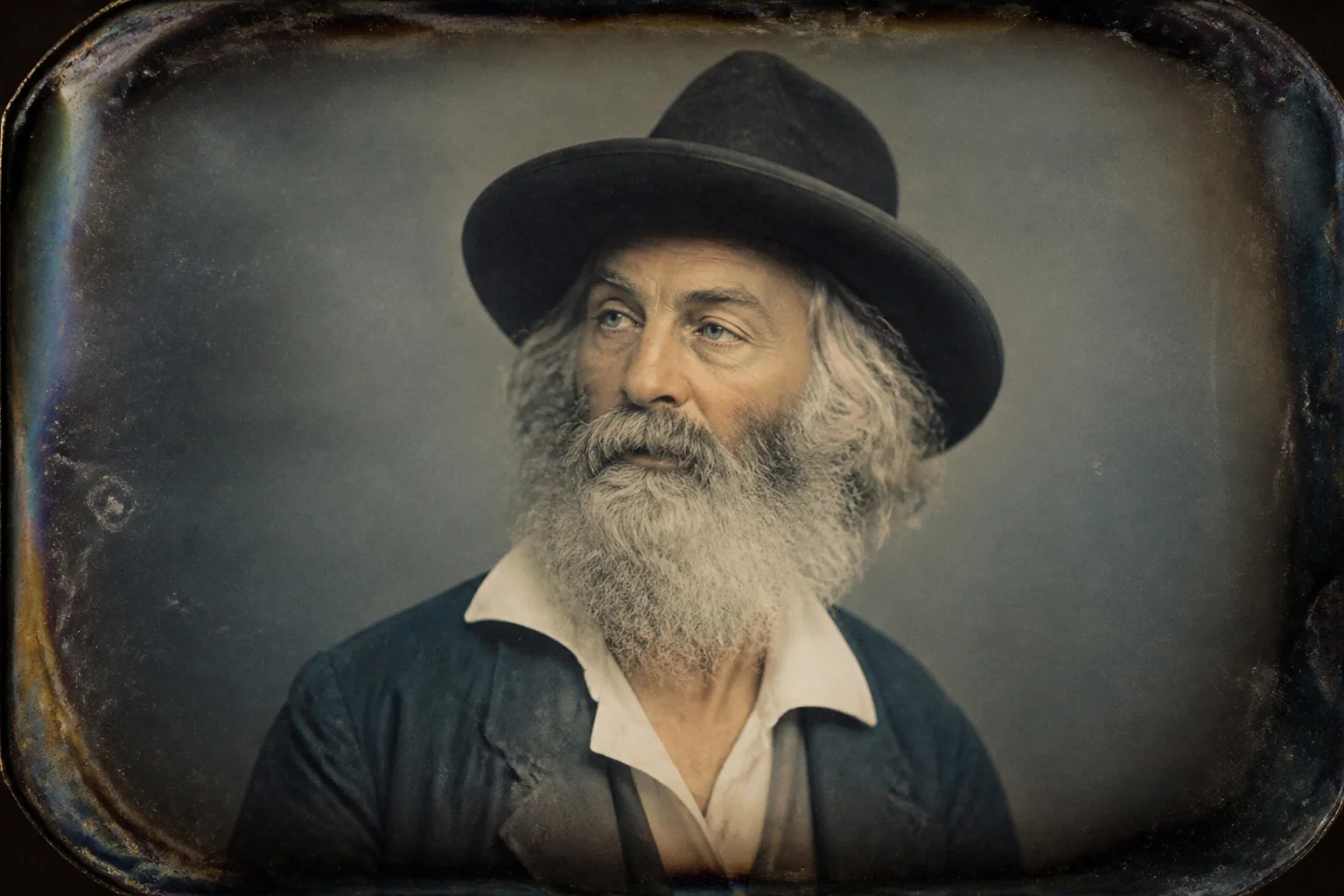
Walt Whitman cultivated a long, flowing beard that matched his poetry’s sprawling, democratic energy. The frontispiece of Leaves of Grass showed him as a rough, open-necked workingman, though the image was partly constructed. His beard changed as he aged, turning from dark and full to long and white.
Whitman understood that his physical appearance could serve as an argument about American identity. He presented himself as a common man and a universal voice at the same time. The beard was central to that performance.
Later critics sometimes mocked the self-presentation, but the image stuck. It influenced how poets and bohemians presented themselves for decades. Among great beards in history, Whitman’s may be the most closely tied to a national literary myth.
Science, Art, and Music in the Golden Age of Whiskers
The nineteenth century gave us not only political beards but also famous facial hair in science and the arts. Studio photography made it possible for a naturalist, painter, composer, or activist to become a visual icon.
12. Charles Darwin: The Sage of Evolution
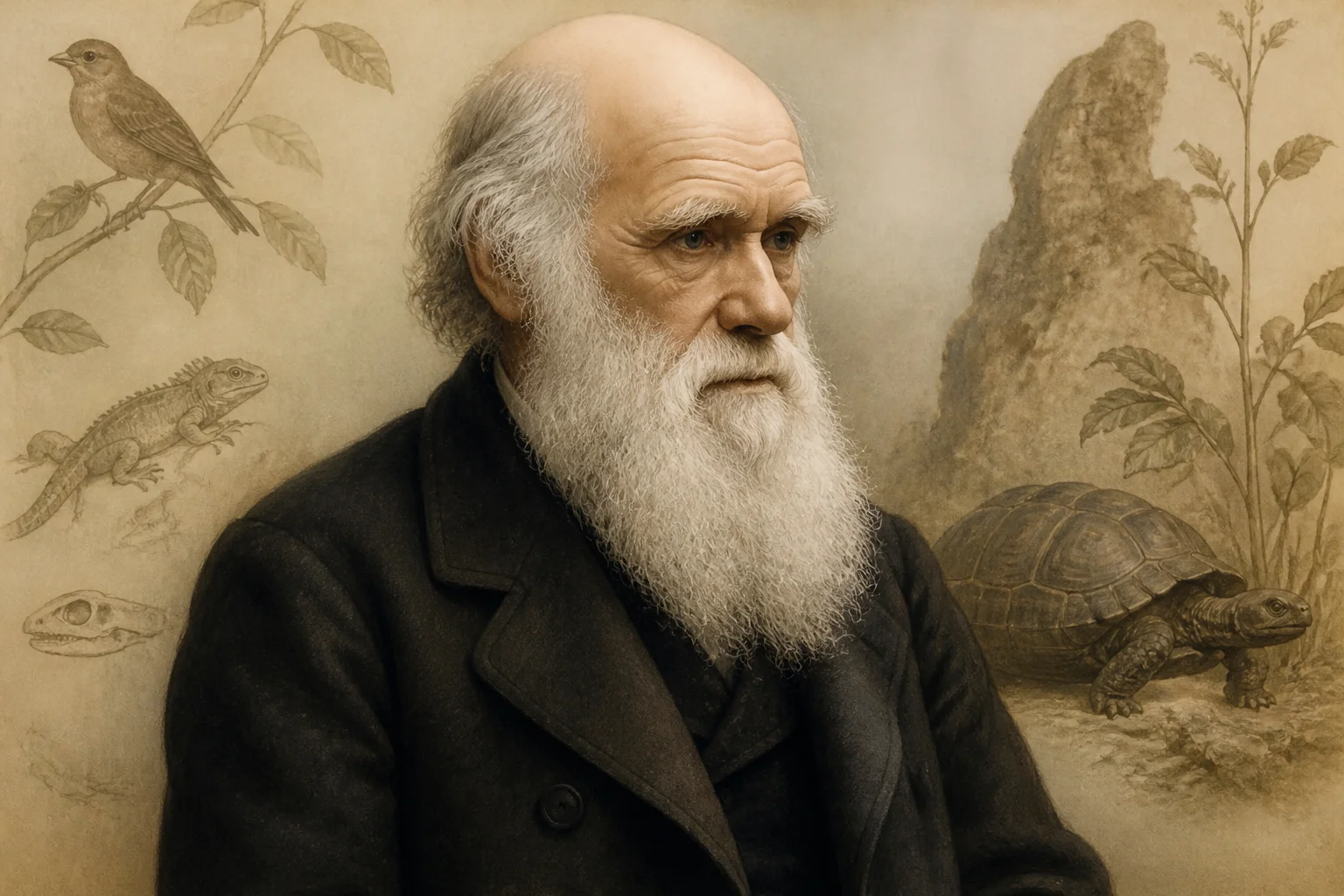
Charles Darwin’s long white beard is among the most famous facial hair in the history of science. The beard emerged in his later years and dominated the portraits that circulated after On the Origin of Species made him famous. It turned the cautious naturalist into an image of scientific authority.
Darwin’s health was often poor, and he valued the quiet of Down House. The beard may have been less a fashion statement than a private man’s quiet retreat from public performance. Either way, it became central to his posthumous image.
The image of Darwin as a bearded sage has been used to support science and to caricature it. In both cases, the beard carries the meaning. It is one of the great beards of history precisely because it now represents an entire intellectual tradition.
13. Claude Monet: The Painter’s White Beard
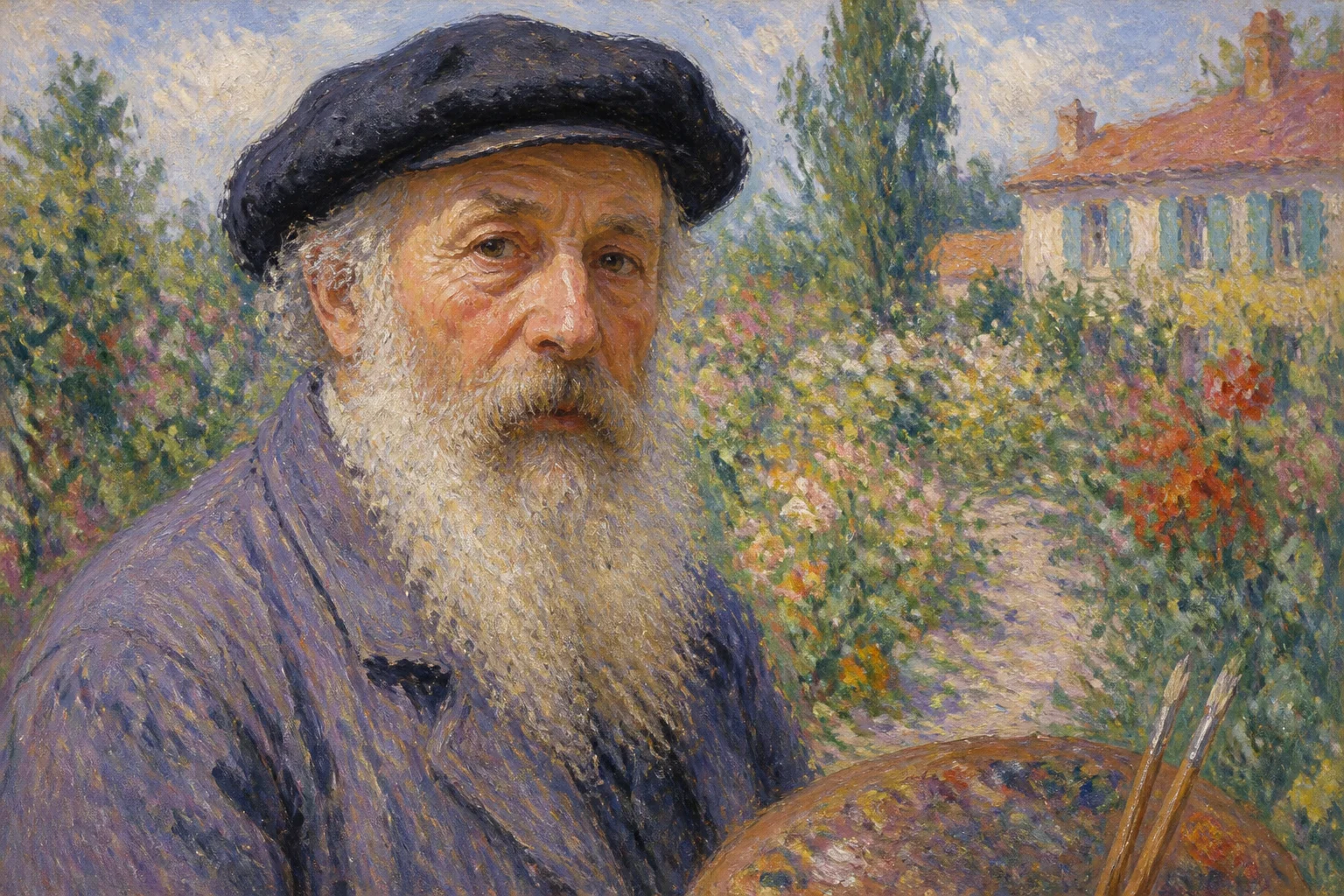
Claude Monet, a founder of French Impressionism, wore a long white beard in his later years at Giverny. His garden setting, loose clothing, and bearded face created a thoroughly painterly image. Visitors and photographers recorded that image again and again.
Monet’s beard gave him the appearance of a country patriarch even as his reputation grew international. It visually connected him to the natural world he painted. That association helped audiences see Impressionism as rooted in direct observation.
The beard was not merely a decorative accessory. It became part of the visual brand of modern French painting in the early 20th century. Monet is therefore a key figure in any story of iconic facial hair in the arts.
14. Johannes Brahms: The Composer’s Bushy Beard
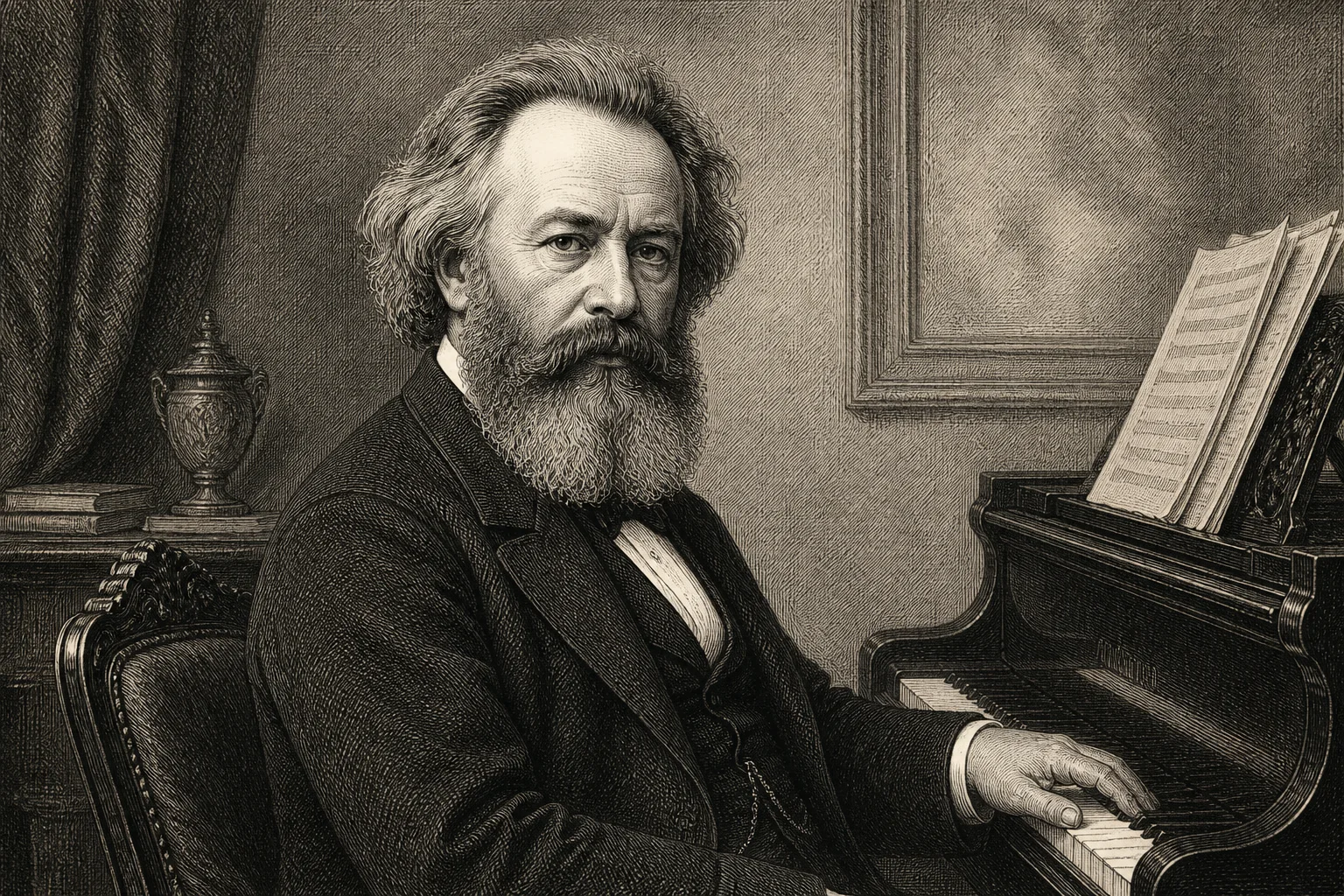
The German composer Johannes Brahms wore a full bushy beard that grows whiter in photographs from his middle years onward. It gave him the look of a musical patriarch, even though he was often prickly in person. The beard appears in paintings, caricatures, and tourist souvenirs.
Brahms belonged to a generation of composers who were increasingly photographed for a growing middle-class audience. His beard made him instantly recognizable in a way that a formal suit alone could not. That visibility helped cement his place in the pantheon of classical music.
His facial hair was part of a broader 19th-century fashion among German-speaking musicians and academics. It also became a favorite target for comic drawings. The beard’s bushy grandeur makes it stand out among great beards in history.
15. Frederick Douglass: The Face of Abolition
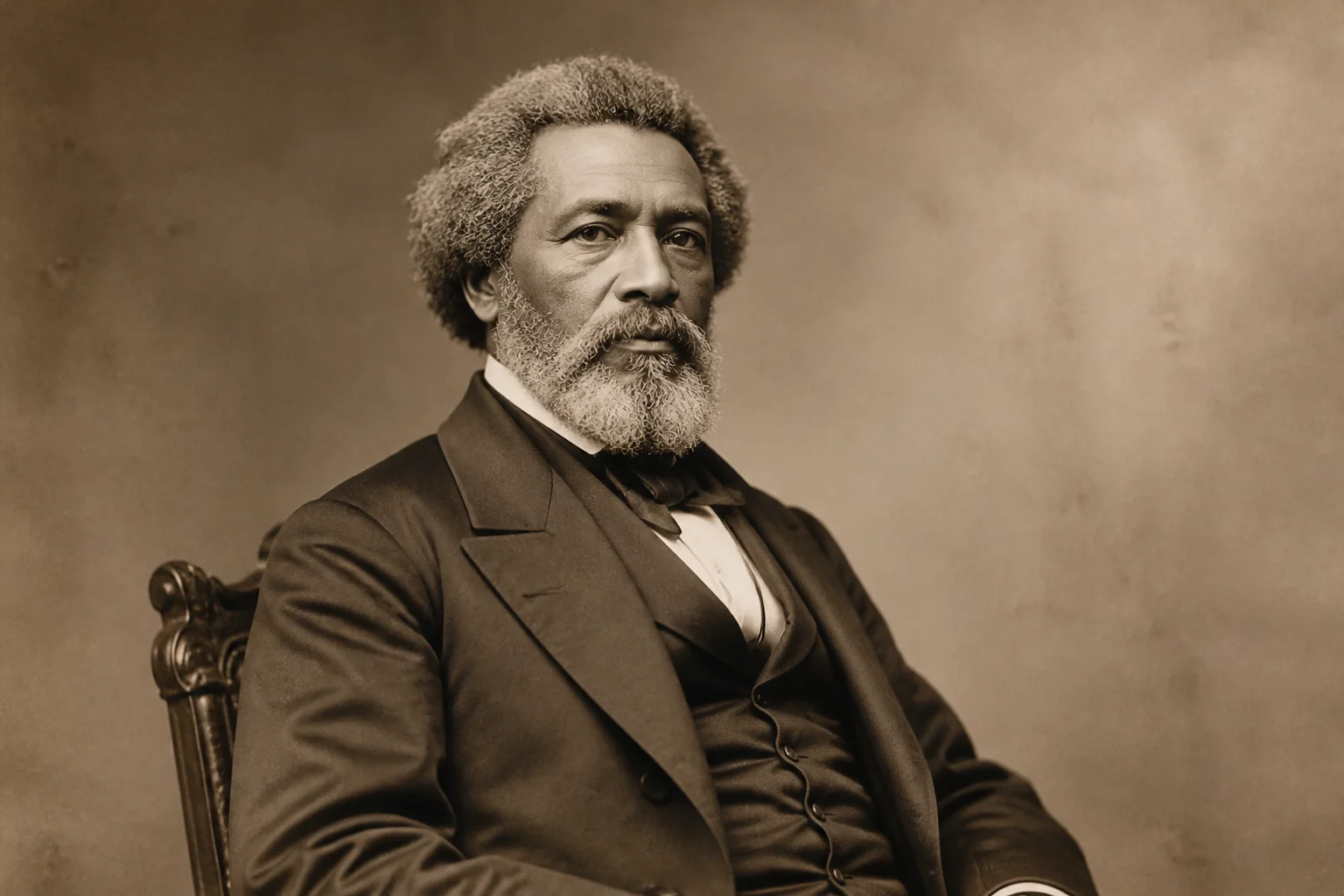
Frederick Douglass, the abolitionist, writer, and orator, was the most photographed American of the 19th century. His portraits usually show a carefully groomed beard and mustache paired with a strong brow and direct gaze. He deliberately used photography to present Black dignity and citizenship at a time of widespread racist imagery.
Douglass’s facial hair was not an accident. It framed his face and added gravity to a public image built over decades of lectures and writing. That image made him one of the most recognized reformers of his era.
His use of portraiture means that his historical beard is unusually well documented. The photographs still shape how we imagine the abolitionist movement. They are a reminder that famous facial hair can be an instrument of serious political purpose.
16. Ambrose Burnside: The General Whose Name Stuck
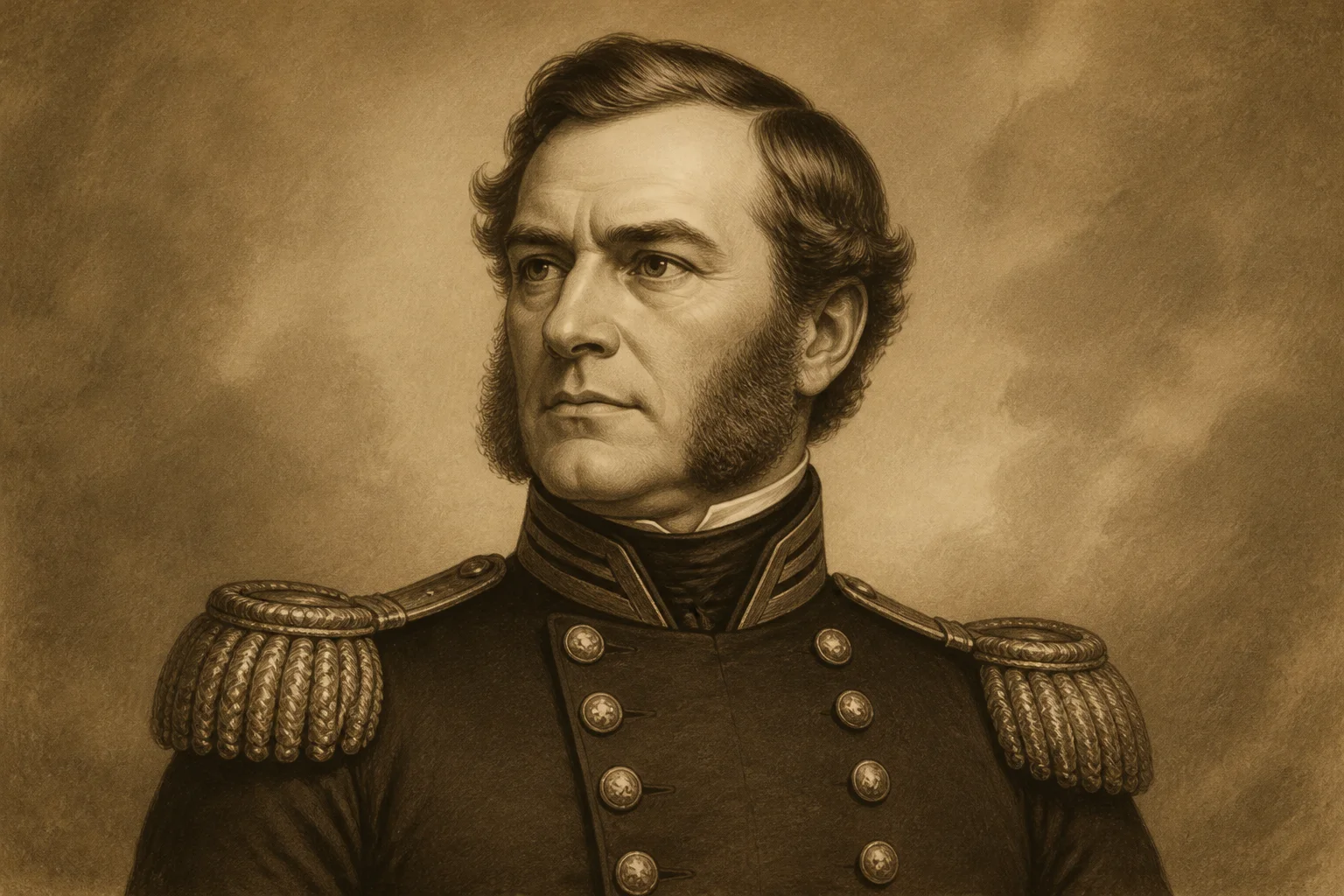
Ambrose Burnside was a Union general and later a governor and senator from Rhode Island. His most famous contribution to memory may be the strips of hair growing down in front of his ears, originally called burnsides. Over time the syllables flipped, and English gained the word sideburns.
Burnside wore heavy whiskers along the sides of his face while keeping his chin shaved. The style was distinctive enough that soldiers and cartoonists noticed it. It became a shorthand for the man even more than his battlefield record.
The word’s survival is one of the clearest cases of a person’s grooming entering the language. Burnside’s historical facial hair is not a beard or mustache exactly, but it belongs in any discussion of famous facial hair. It proves that a single unusual style can outlast an entire career.
Showmen, Editors, and Twentieth-Century Icons
The final group shows how facial hair adapted to mass media. Newspapers, touring shows, and avant-garde art gave certain famous faces an international reach.
17. Horace Greeley: The Editor’s Neck Beard
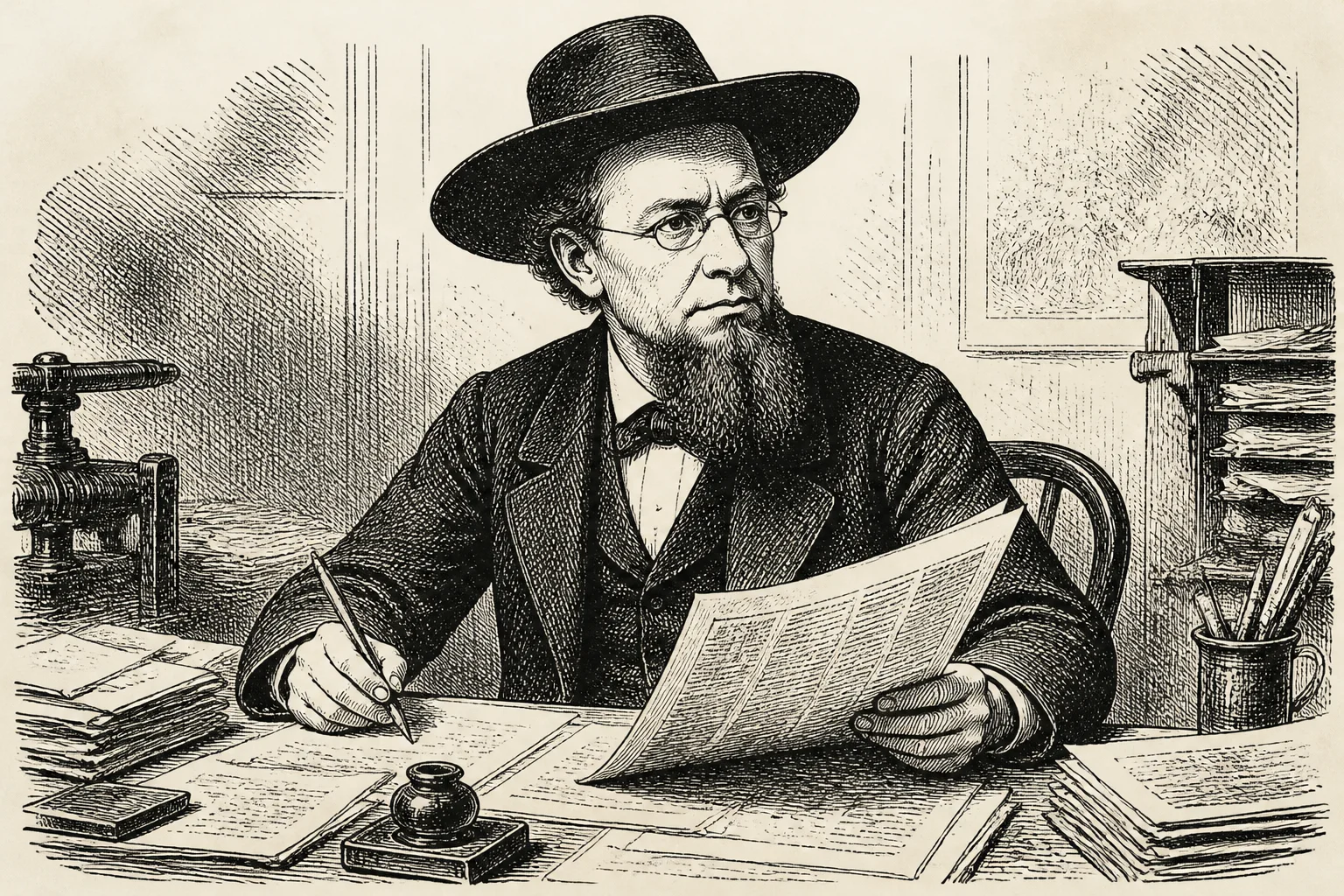
Horace Greeley, the reforming editor of the New-York Tribune, wore a wispy neck beard that made him easy to caricature. The growth framed his jaw and throat rather than covering his cheeks. It suited the image of a tireless, eccentric newspaperman.
Greeley’s paper shaped American politics for decades, and his face appeared in cartoons across the country. His neck beard was a gift to illustrators, who exaggerated it alongside his round glasses and broad-brimmed hat. That visual shorthand made him one of the most recognized editors in the nation.
He is often loosely associated with the phrase 'Go West, young man,' though the exact origin is disputed. What is not disputed is that his unusual beard became part of his political identity. It stands out as one of the more eccentric famous beards of history.
18. William “Buffalo Bill” Cody: The Wild West Goatee
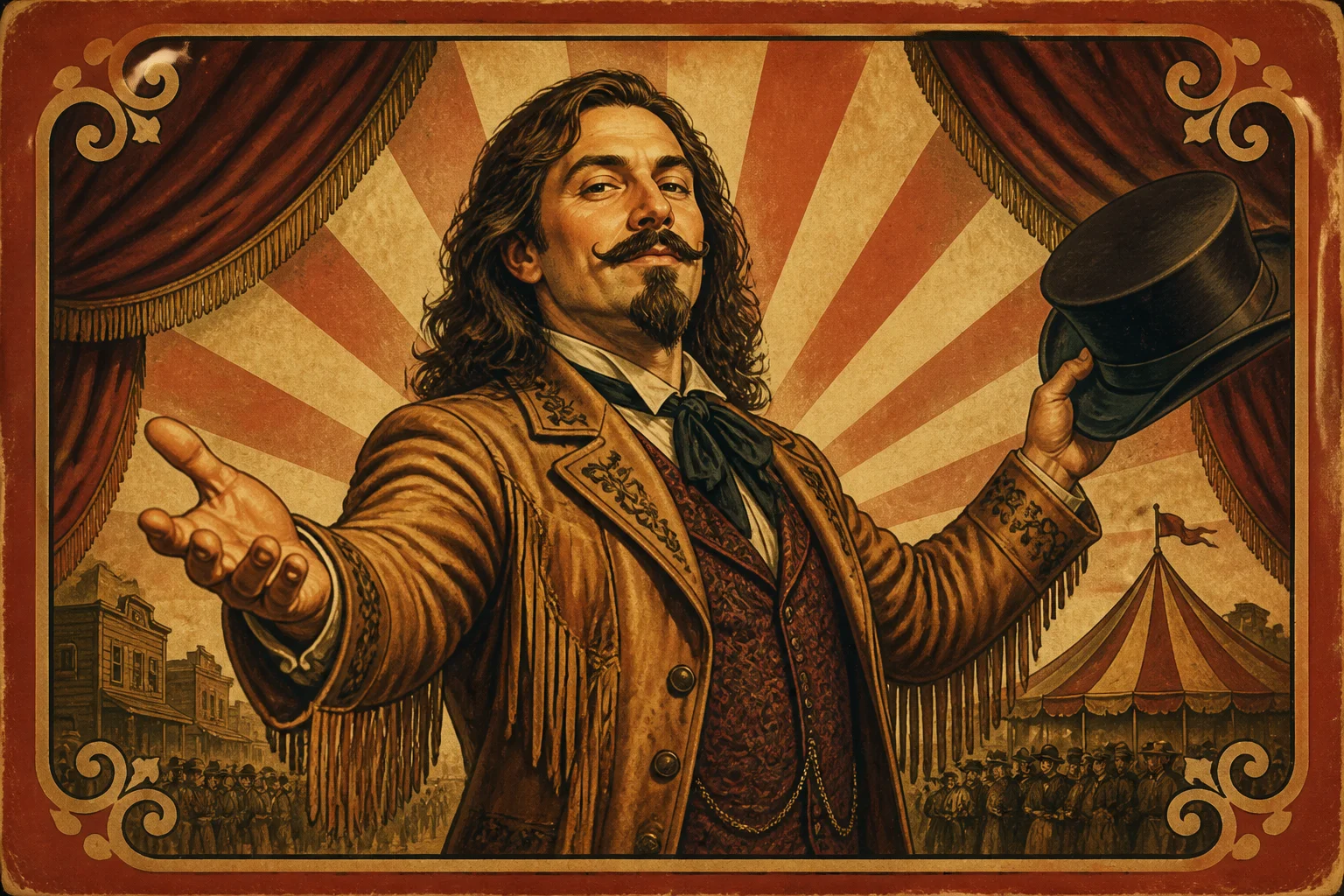
William F. Cody, better known as Buffalo Bill, built a touring spectacle that shaped global images of the American West. His long hair, sweeping mustache, and goatee became part of the show’s branding. The look blended a frontiersman’s roughness with a performer’s polish.
Photographs and posters spread Cody’s face far beyond the United States. Audiences in Europe saw his goatee and mustache as proof of an authentic frontier experience, even when the show itself was highly staged. His appearance was central to that performance of authenticity.
Cody’s facial hair remained consistent through decades of touring. It helped make him one of the most famous American celebrities of the late 19th century. His historical mustache and goatee are still instantly recognizable in Western-themed advertisements and films.
19. Wilhelm II: The Kaiser’s Upturned Mustache
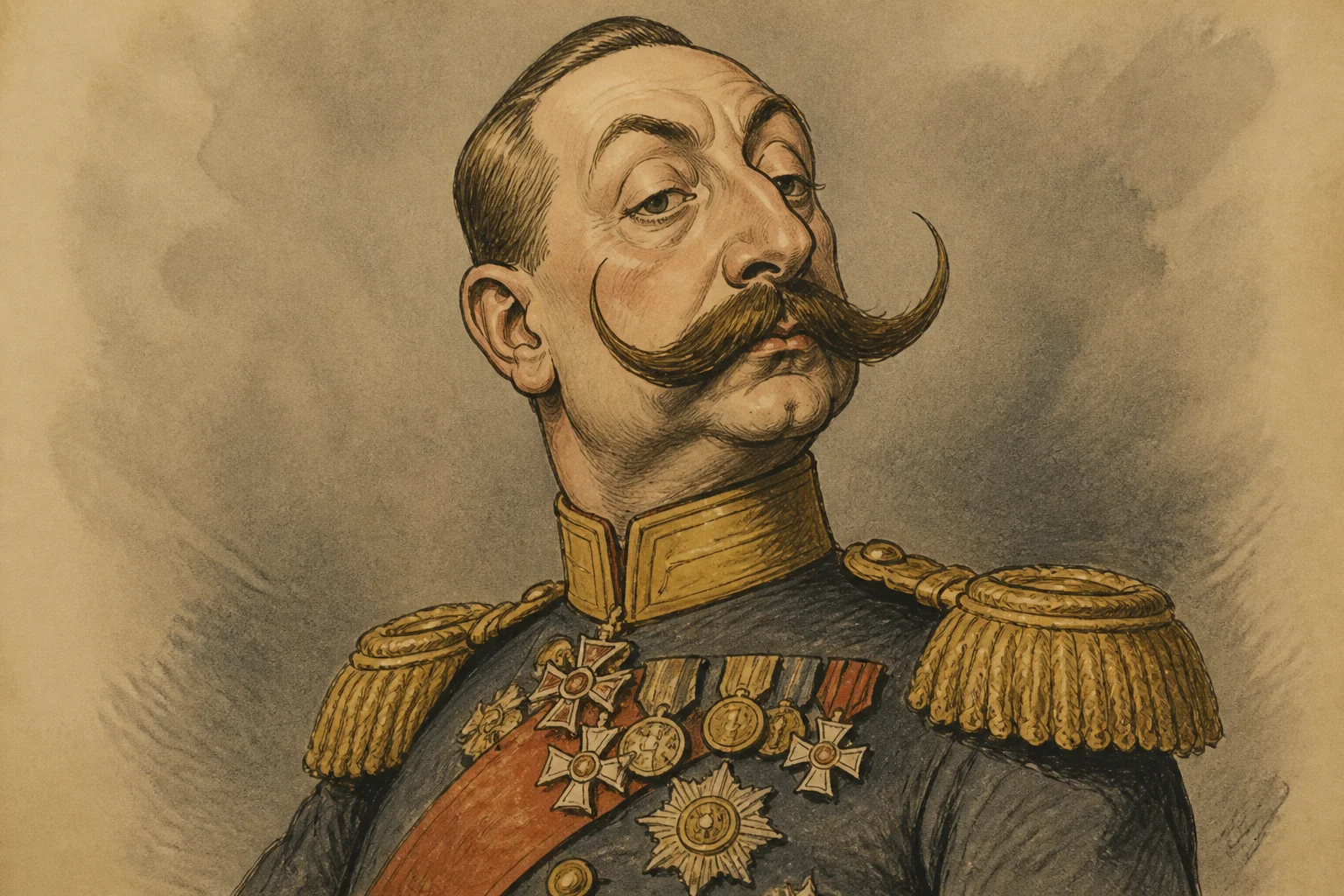
Wilhelm II, the last German emperor, cultivated a thick mustache with sharply waxed, upturned tips. The style appeared in official portraits, medals, and satirical cartoons across Europe. It became a signature of the Kaiser’s theatrical and militaristic self-presentation.
The mustache was carefully maintained, which matched Wilhelm’s love of uniforms, ceremony, and imperial display. Cartoonists often enlarged it to mock his ambitions before and during the First World War. That made it one of the most politically charged moustaches in history.
After his abdication in 1918 and exile in the Netherlands, Wilhelm continued to wear the mustache. Old photographs and newsreels preserved it into the 20th century. The look remains a case study in how a ruler’s facial hair can become inseparable from his historical reputation.
20. Salvador Dalí: The Surrealist Mustache
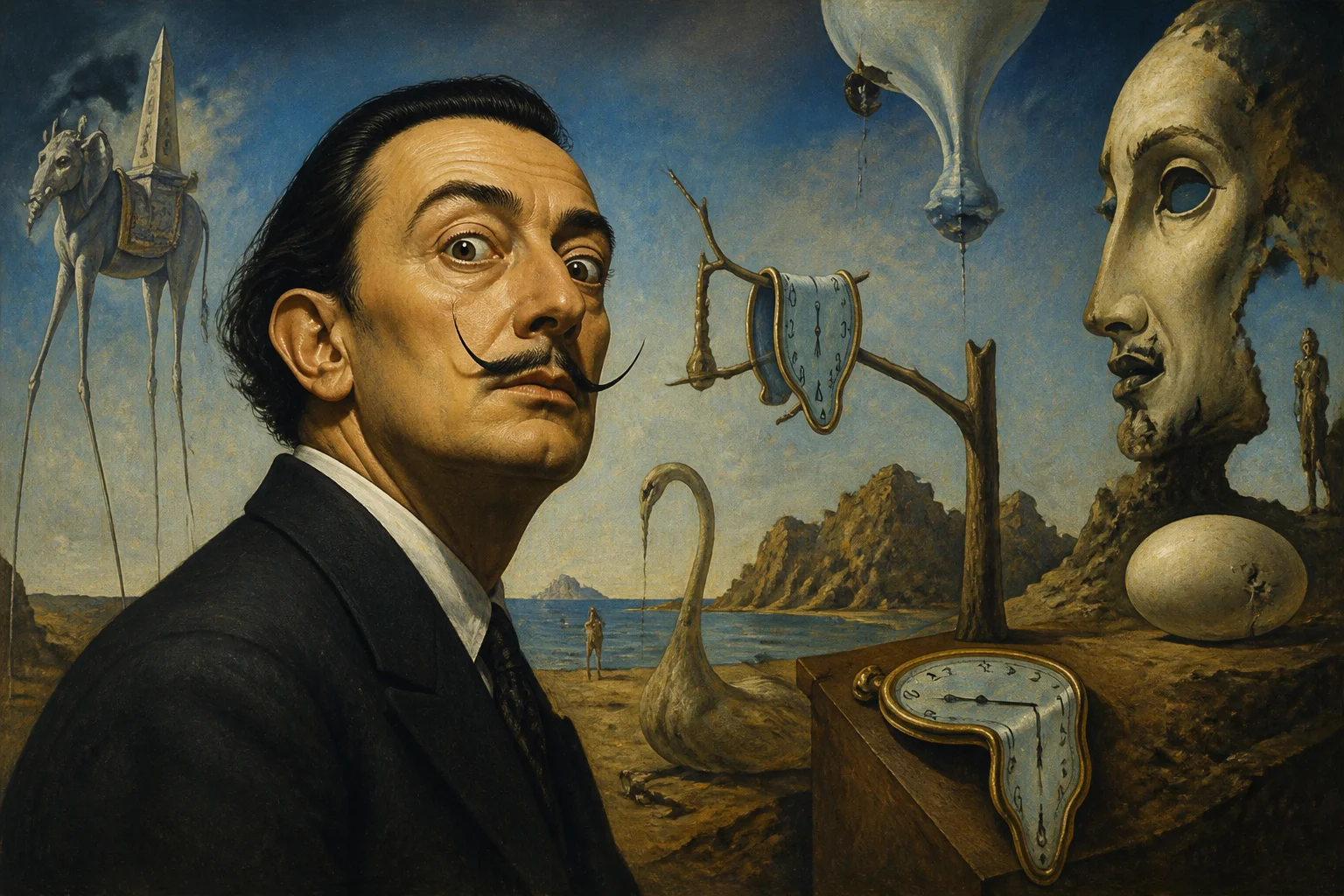
Salvador Dalí turned his thin, waxed mustache into one of the most recognizable facial hair statements of the 20th century. The upturned points were absurd, precise, and instantly quotable. They fit his surrealist art and his genius for self-promotion.
Dalí maintained the mustache across decades and allowed it to grow unusually long and slender. Photographs show him in dramatic poses that made the mustache seem like part of the painting. He treated his own face as a work of art.
The mustache has outlived him and continues to appear in pop culture, fashion, and advertising. It demonstrates that iconic facial hair did not end with the Victorians. Dalí proved that a single bold choice could define a modern public image.
The Legacy of Great Beards in History
The figures in this list shared one trick: they understood that a distinctive beard or mustache could make a person unforgettable. Some grew their whiskers for fashion, some for religion or philosophy, and some because a child or a photographer suggested it. The reasons varied, but the effect was often the same.
Today, the images of these historical beards and famous mustaches are still reproduced on posters, book covers, and even craft-beer labels. They carry meanings that have drifted far from the original men. That drift is part of the story of how personality becomes history.
The line between documented appearance and myth remains important. Portraits can flatter, caricatures can distort, and a single photograph can fix a look that lasted only a few years. When we celebrate great beards of history, we are also reading the visual evidence with healthy skepticism.
Frequently Asked Questions
Who had the great beards of history?
Figures such as Abraham Lincoln, Giuseppe Garibaldi, Karl Marx, Charles Darwin, Claude Monet, and Leo Tolstoy are often cited for their iconic full beards. Their looks became famous because portraits and photographs circulated widely, turning personal grooming into lasting public imagery.
Which historical figures are famous for mustaches rather than beards?
Theodore Roosevelt, Mark Twain, Napoleon III, Wilhelm II, and Salvador Dalí are known for their distinctive historical mustaches. Each man used a different style, from Roosevelt’s thick brush to Dalí’s thin waxed points.
Did Abraham Lincoln grow his beard because a little girl wrote to him?
An 11-year-old named Grace Bedell did write to Lincoln in October 1860 suggesting he grow a beard, and Lincoln replied politely. He began growing one soon after, but the historical record does not prove her letter was the sole reason.
Did all historical rulers admire beards?
No. Peter the Great of Russia disliked beards and introduced a beard tax in 1698 to encourage a Western, clean-shaven look. This shows that famous facial hair could be accepted in one place and treated as a political problem in another.

Alex Warren
Related Articles