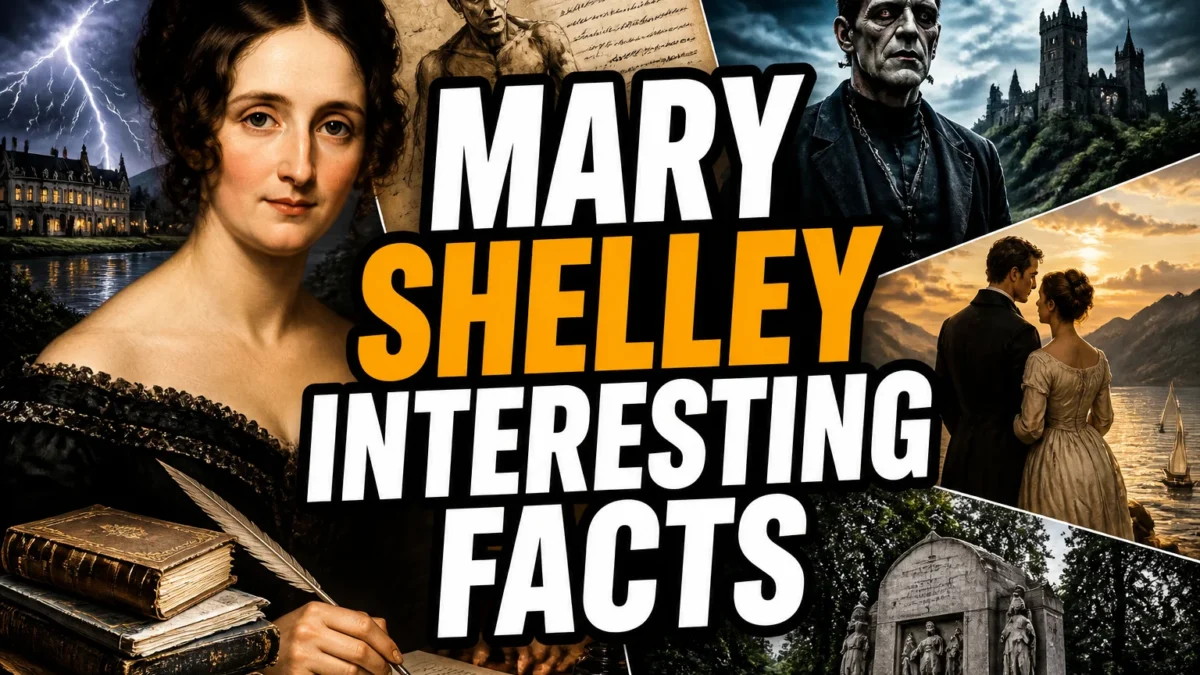
Mary Shelley is world-famous as the author of Frankenstein, but the woman behind the novel lived a life as dramatic as fiction. Many people know what Mary Shelley is known for—creating one of the most enduring monsters in literary history—while missing the stranger, sadder, and more courageous details around her. These interesting facts about Mary Shelley go beyond the grainy portrait in school textbooks.
Mary Shelley interesting facts often sound almost too strange to be true, yet the historical record is packed with them. From a famous lakeside ghost-story contest to radical parents and a tragic love story, her biography resists tidy summary. Understanding the facts Mary Shelley left behind in letters, journals, and novels changes how we read her most famous work.
TL;DR: Mary Shelley was far more than the teenage author of Frankenstein—she was a radical thinker, grieving mother, working writer, and literary editor whose real life was as haunting as her fiction.
1. She Was Born Mary Wollstonecraft Godwin — and Lost Her Mother Days Later
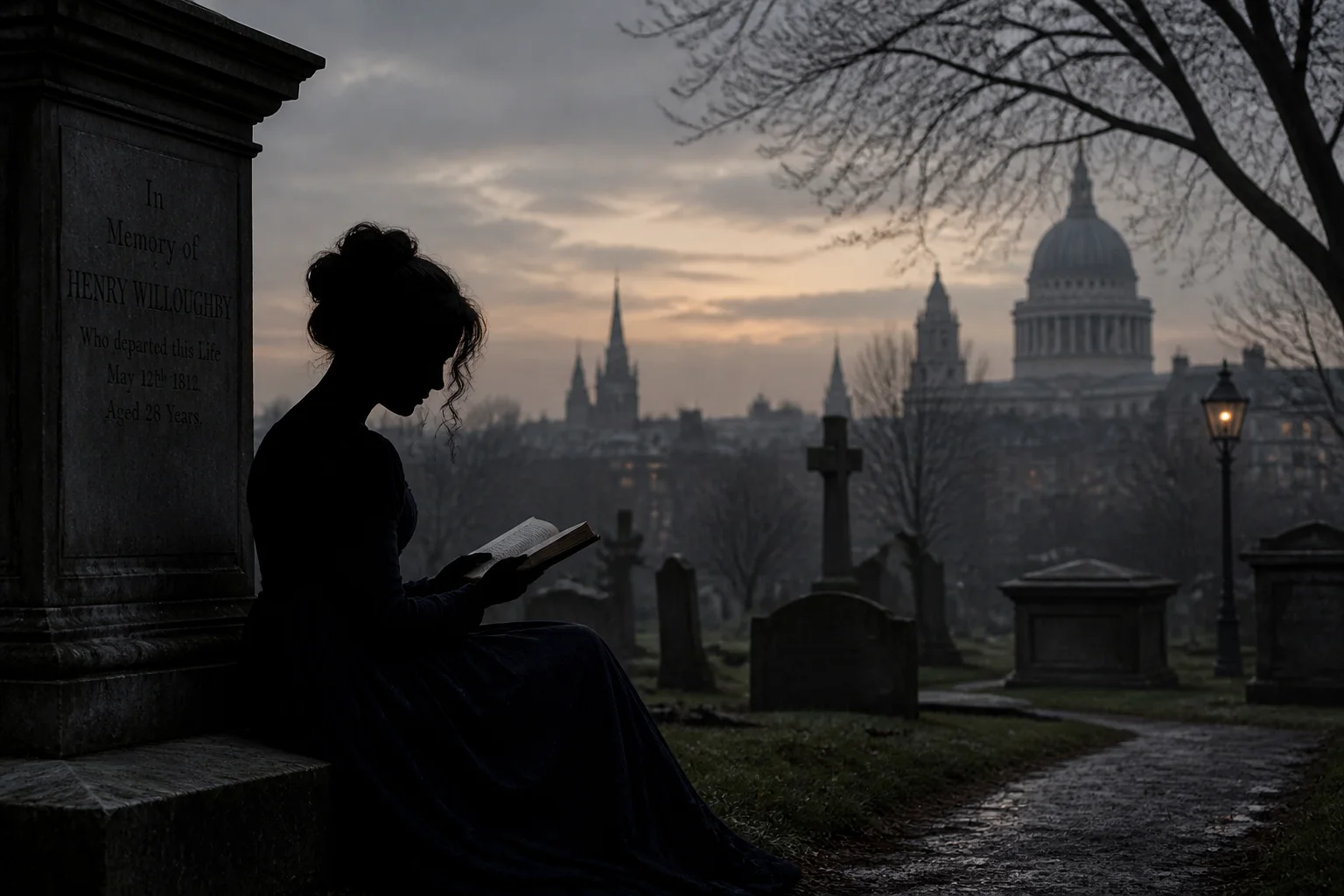
Mary Shelley was born on August 30, 1797, in London with the name Mary Wollstonecraft Godwin. Her mother, the pioneering writer Mary Wollstonecraft, died of complications from childbirth on September 10, 1797. That loss shadowed Mary's sense of self long before she could put it into words.
Wollstonecraft is best remembered for A Vindication of the Rights of Woman, a foundational feminist text. Though mother and daughter never truly knew each other, Wollstonecraft's ideas shaped the intellectual air in the Godwin household. Mary grew up surrounded by her mother's books and reputation.
Later in life, Mary visited her mother's grave at St Pancras churchyard and read there. The attachment was personal and symbolic, linking her to a parent she had only ever known through writing.
2. Her Parents Were a Radical Intellectual Power Couple
Mary's father, William Godwin, was a political philosopher and novelist known for radical ideas about justice and society. Her mother, Mary Wollstonecraft, had challenged conventional thinking about women's education and rights. Mary was born into one of Britain's most intellectually daring households.
Godwin's circle included some of the leading writers and thinkers of the late eighteenth century. Visitors to the family home sometimes included poets, philosophers, and reformers, giving Mary a front-row seat to big debates. That environment fed her curiosity from an early age.
Still, the household was not stable for long. Godwin remarried when Mary was young, and the blended family brought new tensions that shaped her childhood.
3. She Ran Away with Percy Shelley While He Was Still Married
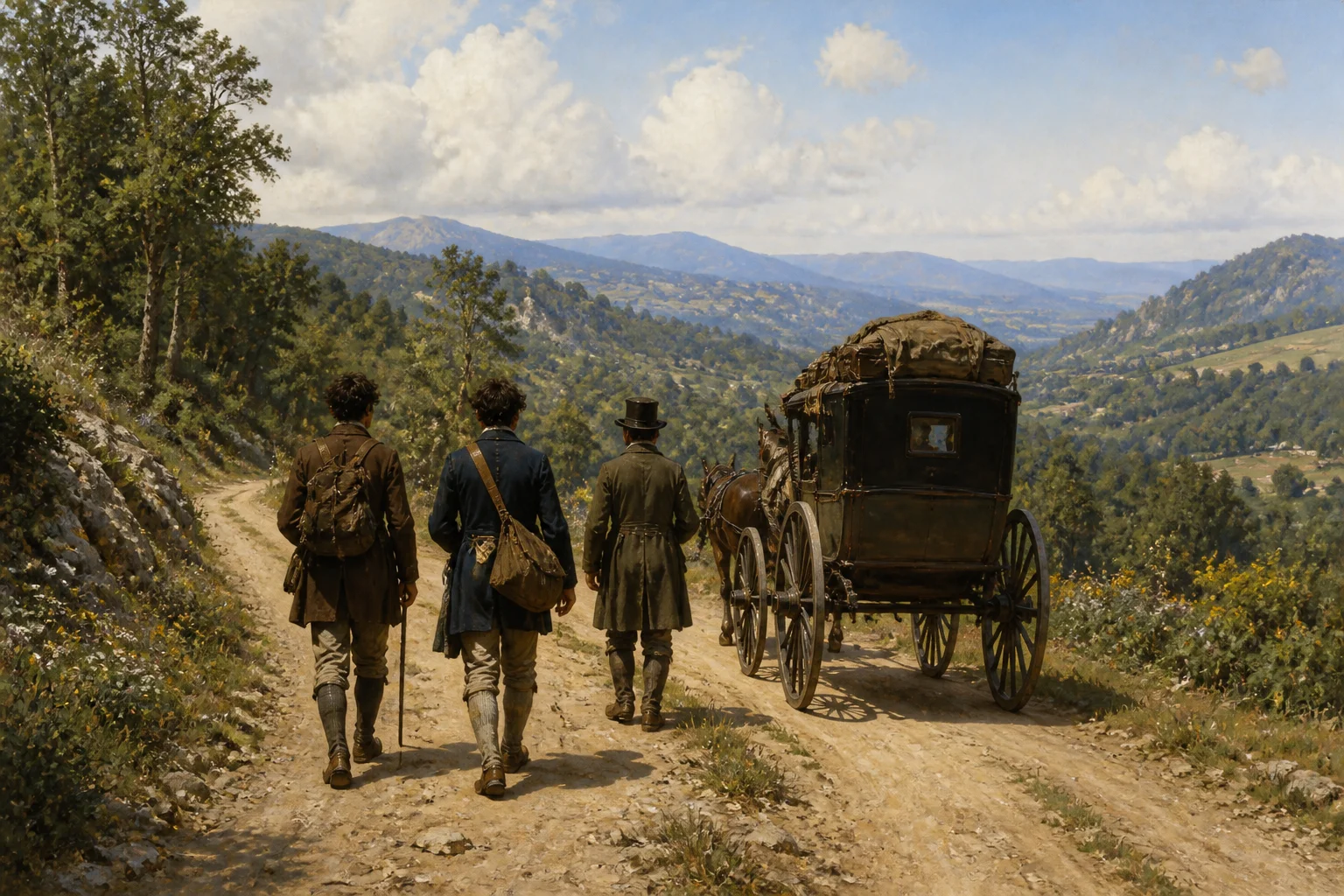
In 1814, when Mary was sixteen, she and the poet Percy Bysshe Shelley began a scandalous romantic relationship. Percy was twenty-two and already married to Harriet Westbrook, with a child. Their decision to run away together shocked even the radical circles around William Godwin.
Mary and Percy fled to France in July 1814, accompanied by Mary's step-sister Claire Clairmont. The journey was chaotic, unsupervised, and poorly planned, but it marked the beginning of years of travel, debt, and intense literary collaboration. Victorian readers later judged Mary harshly for the relationship.
The couple married only after Harriet Shelley died in 1816. Until then, Mary lived in a socially precarious position that made her one of the more unconventional figures of the Romantic era.
4. Frankenstein Began at a Legendary Ghost-Story Contest
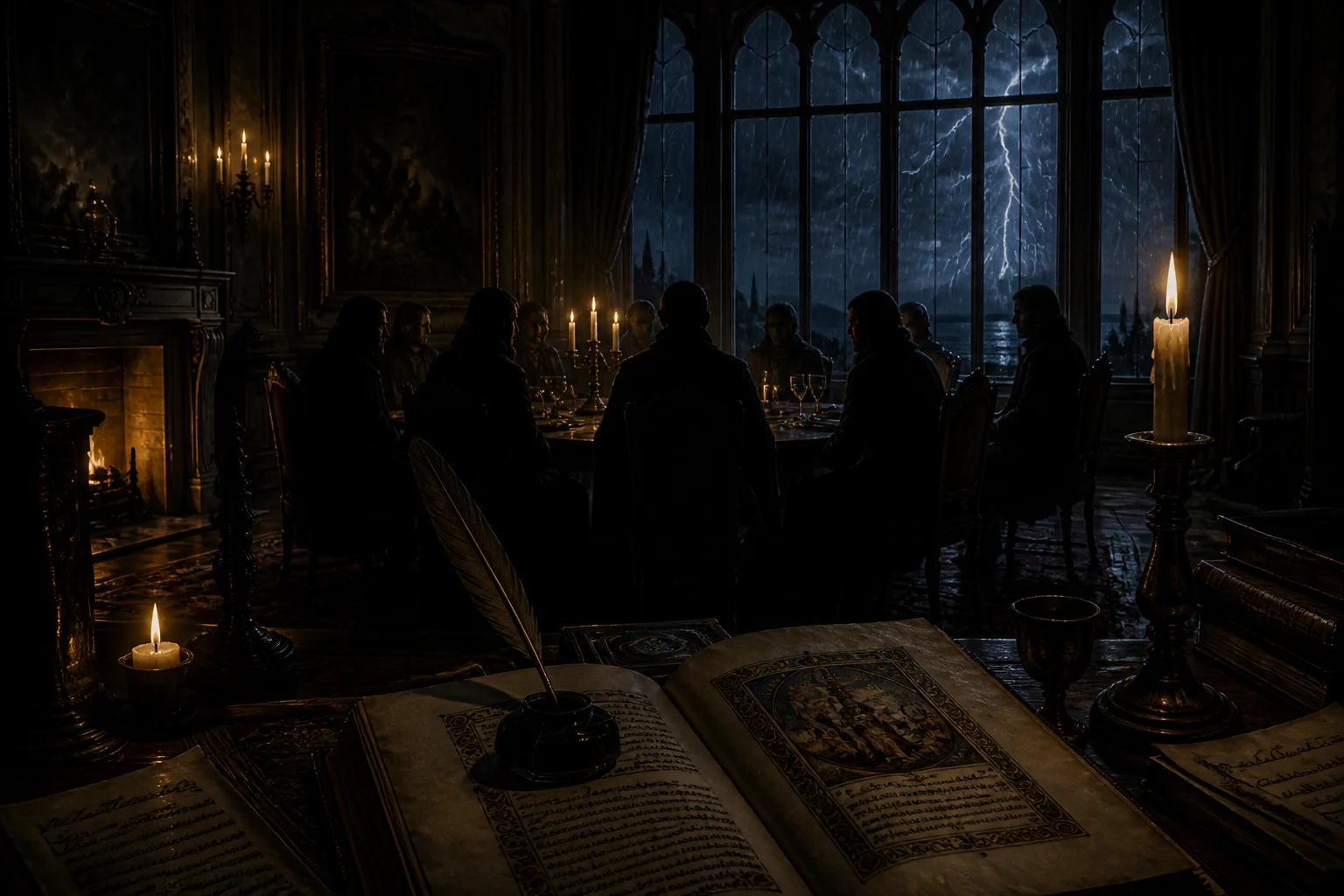
In June 1816, Mary and Percy were staying near Lake Geneva with Lord Byron and his doctor, John Polidori. Persistent stormy weather kept the group indoors, and they read ghost stories aloud to pass the time. Byron then challenged everyone to write one of their own.
That challenge produced two works that still loom over horror and vampire fiction. Mary began what would become Frankenstein, and Polidori wrote The Vampyre, which later helped shape the modern vampire myth. What started as a parlor game changed the direction of popular literature.
Mary's idea developed slowly, but once it arrived, it felt urgent and fully formed. She later described feeling pressure to produce a story worthy of the company she was keeping.
5. She Was Only a Teenager When She Wrote Frankenstein
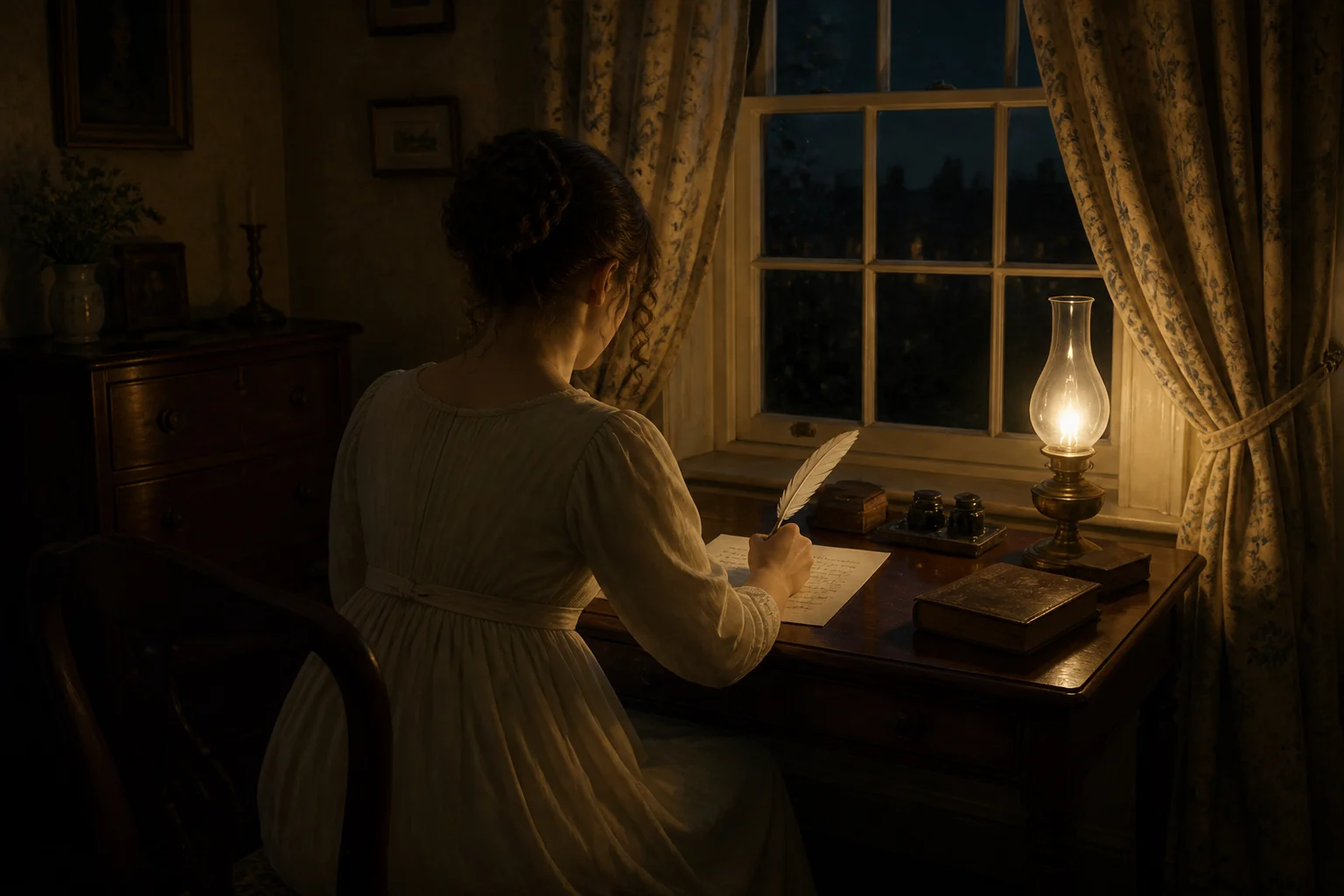
Mary began writing Frankenstein in 1816, when she was just eighteen years old. She revised and completed it over the following year and published it in 1818, at age twenty. That makes her perhaps the most famous teenage writer in English literature.
It is easy to forget how young she was because the novel grapples with birth, death, ambition, and responsibility. Her age makes the book even more remarkable, especially when you consider the grief she was carrying at the time. She was not simply dabbling in a gothic game—she was building a serious moral fable.
The young author also had help from Percy Shelley, who wrote the book's first preface. But the novel's ideas, plot, and voice were hers, and later editions of the text continue to bear her name.
6. The Full Title Is Frankenstein; or, The Modern Prometheus
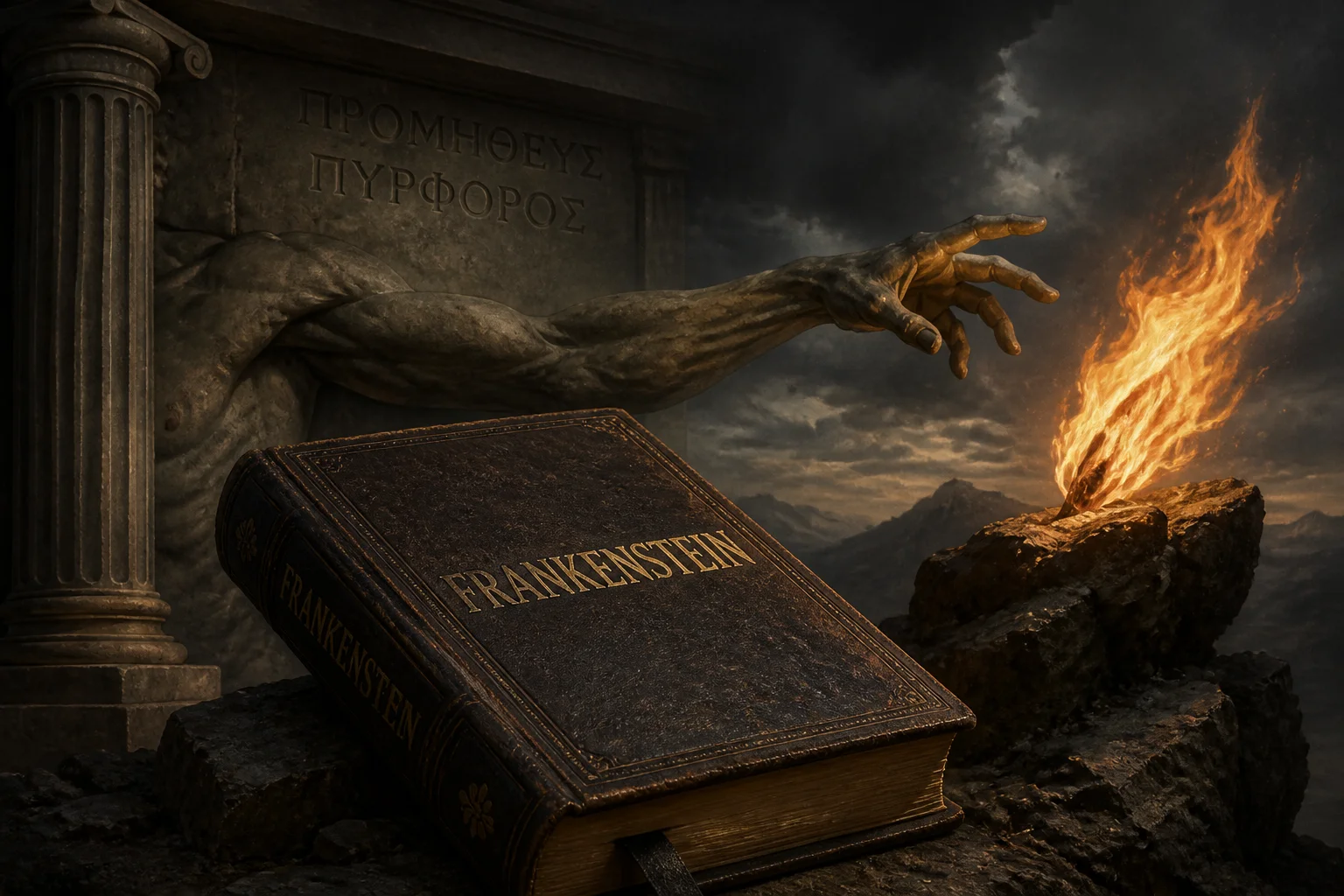
The novel's complete title often surprises modern readers. It is Frankenstein; or, The Modern Prometheus, a subtitle that announces its central warning. Prometheus was the Greek Titan who stole fire from the gods, and the subtitle frames Victor Frankenstein as a modern version of that overreacher.
Victor does not simply build a body—he reaches for the power of creation itself. The novel asks whether some knowledge should remain beyond human reach. That ethical question still drives discussions of science, technology, and responsibility today.
Some readers mistakenly call the monster Frankenstein, but the book applies the name to its creator. The creature himself is never given a proper name in the novel, which deepens his isolation.
7. For a Long Time, Nobody Knew She Wrote It
The first edition of Frankenstein appeared anonymously in 1818. Because Percy Shelley had written the preface, many early readers assumed the poet was the author. Some reviewers even read the novel through that lens and discussed it as if a man had written it.
Mary's name did not appear on the title page until a French edition in 1821, and the revised edition of 1831 made her authorship more widely known. For years, the book's origin was a quiet mystery. Today, scholars study the early reception to see how assumptions about gender shaped reviews.
The anonymity also protected her from some public scrutiny while she was still a young woman. But it also meant her achievement was, for a time, denied or borrowed by public speculation.
8. Scholars Still Debate Whether It Is the First Science Fiction Novel
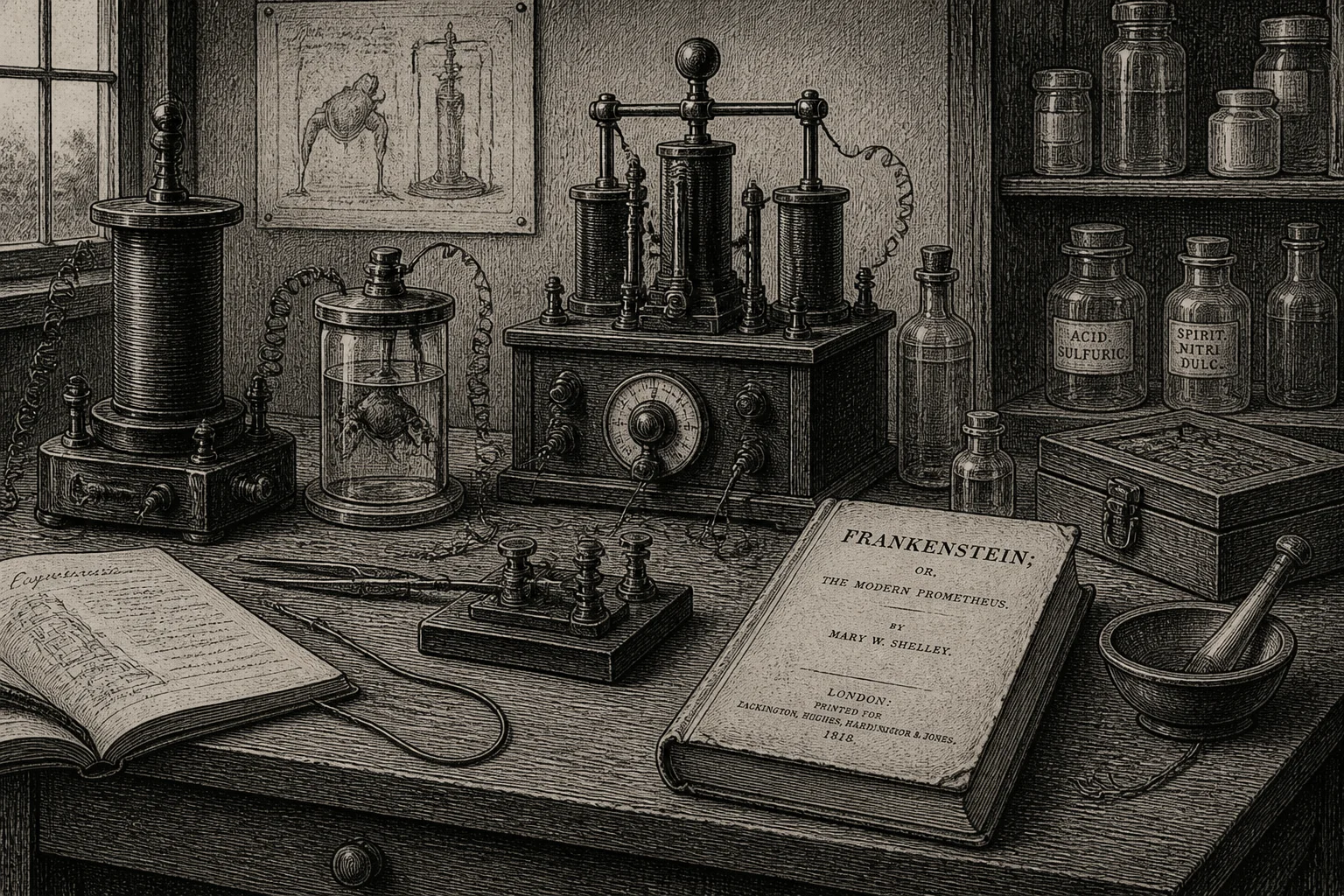
Frankenstein is often credited as the first science fiction novel, but literary historians treat that title with caution. The book grounds its horror in contemporary science such as galvanism and the study of electricity. That scientific framing makes it more than a traditional ghost story.
Earlier works like Margaret Cavendish's The Blazing World and some ancient satires contain speculative elements. The exact boundary of science fiction depends on definitions, so the claim remains open to debate. What is certain is that Frankenstein helped establish a new kind of novel about human-made consequences.
Modern readers may take the premise for granted, but the book's fusion of gothic atmosphere and scientific possibility was strikingly modern in 1818. That is one reason it still influences literature, film, and television.
9. The Famous Creation Scene Came from a Waking Nightmare
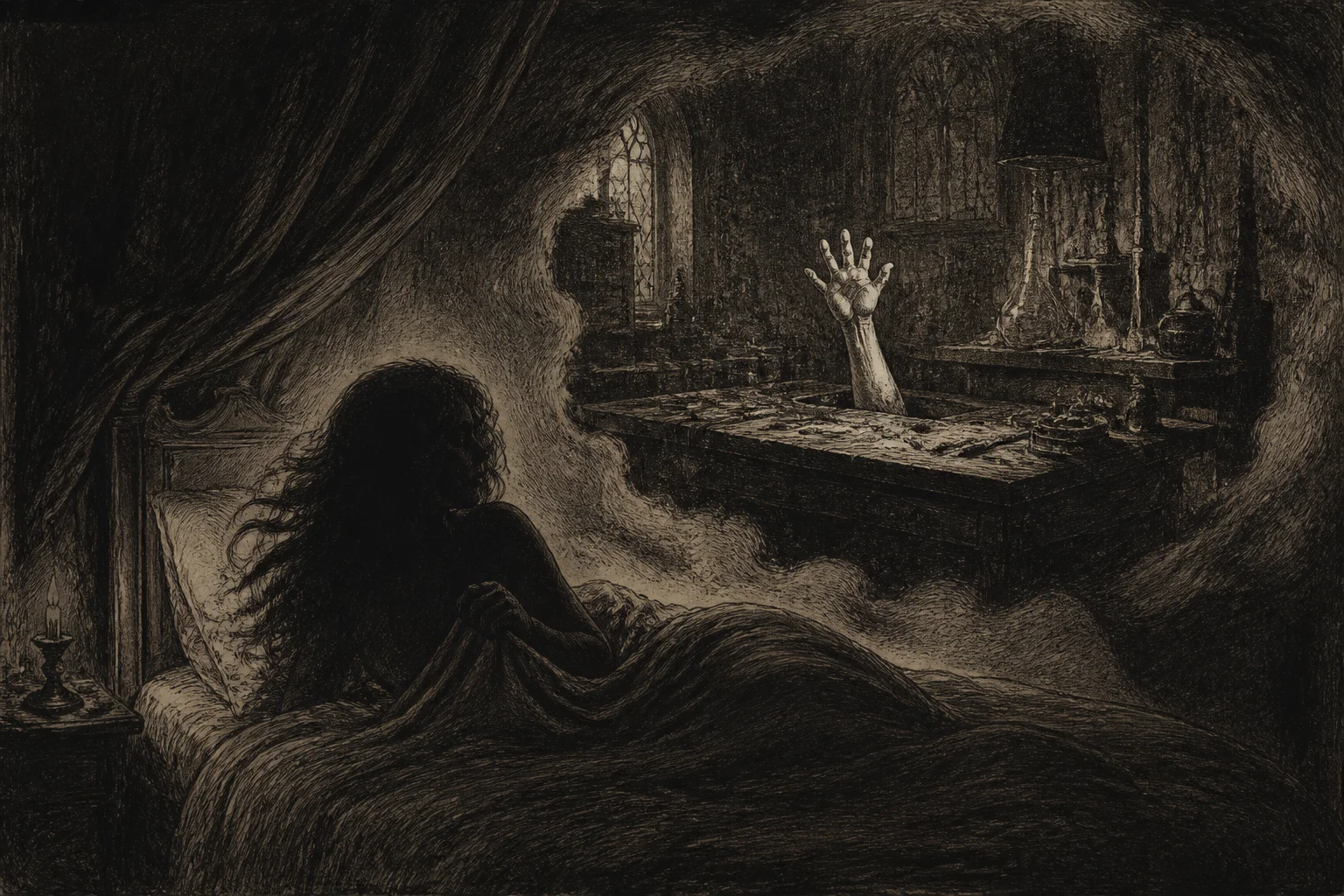
Mary later wrote in the 1831 introduction that she struggled to come up with a story at first. Then one night, after listening to Byron and Shelley discuss scientific questions, she had a vivid waking vision. She imagined a pale student kneeling beside the thing he had put together.
In her account, she saw the creature stir with a half-living motion. The image terrified her, but it also gave her the core of the novel. She began writing the scene that would become the story of Victor Frankenstein and his unnamed creation.
Scholars caution that the 1831 introduction was written fifteen years later and may smooth over the messy reality of composition. Even so, it remains one of the most famous origin stories in literary history.
10. She Knew Devastating Personal Loss as a Mother
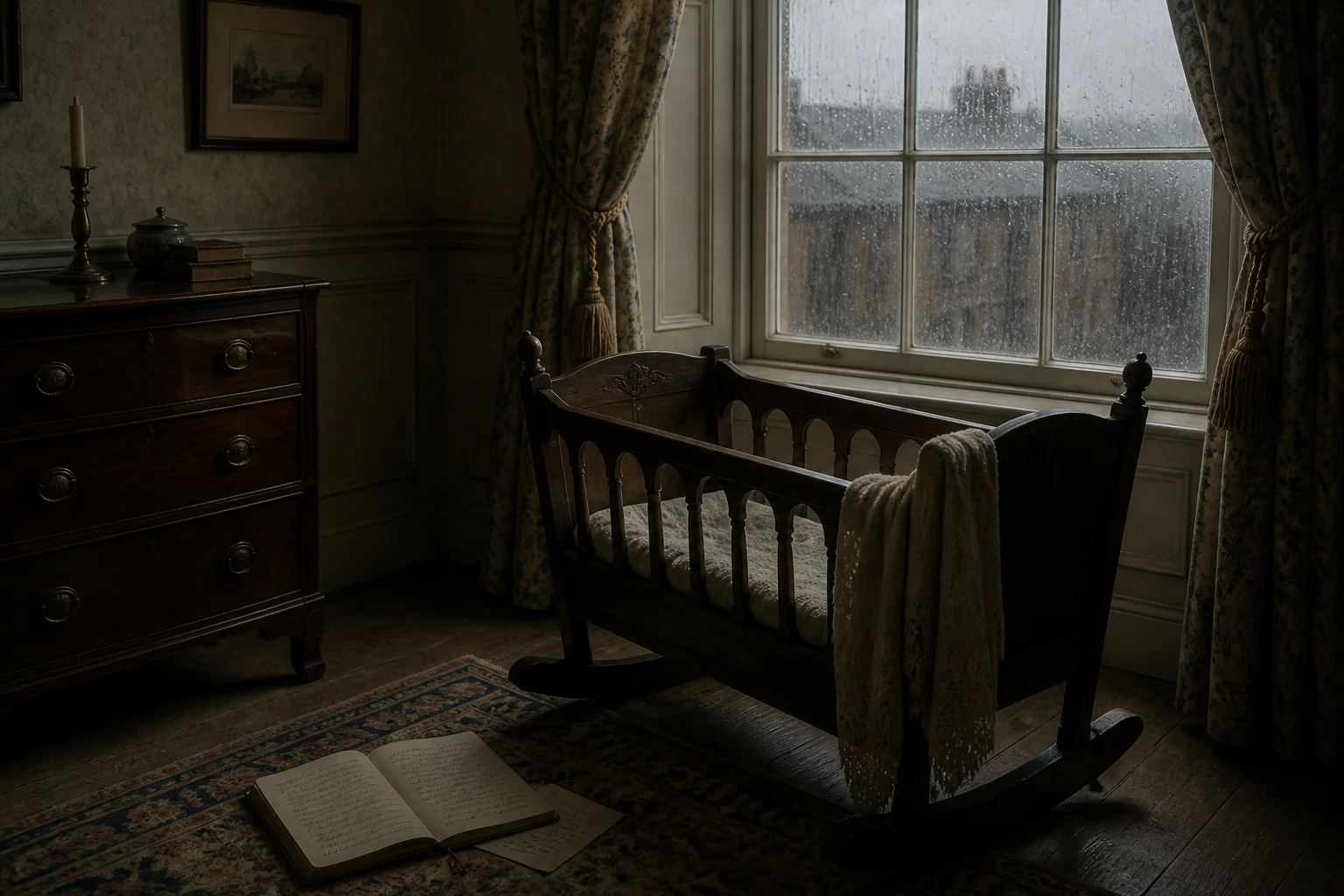
Mary's life was marked by repeated grief. Her first child, a girl, was born prematurely in 1815 and died days later. She later lost two more children—Clara and William—while they were young.
Only her son Percy Florence Shelley survived to adulthood. The losses left deep marks in her journals and letters, and many critics see echoes of parental failure and loss in Frankenstein. The novel's horror is not only about creating life, but about responsibility and abandonment.
Mary wrote about grief in ways that can feel remarkably modern. She did not hide her sorrow, and it often entered her fiction in strange and powerful forms.
11. She Kept What Was Said to Be Percy Shelley's Heart
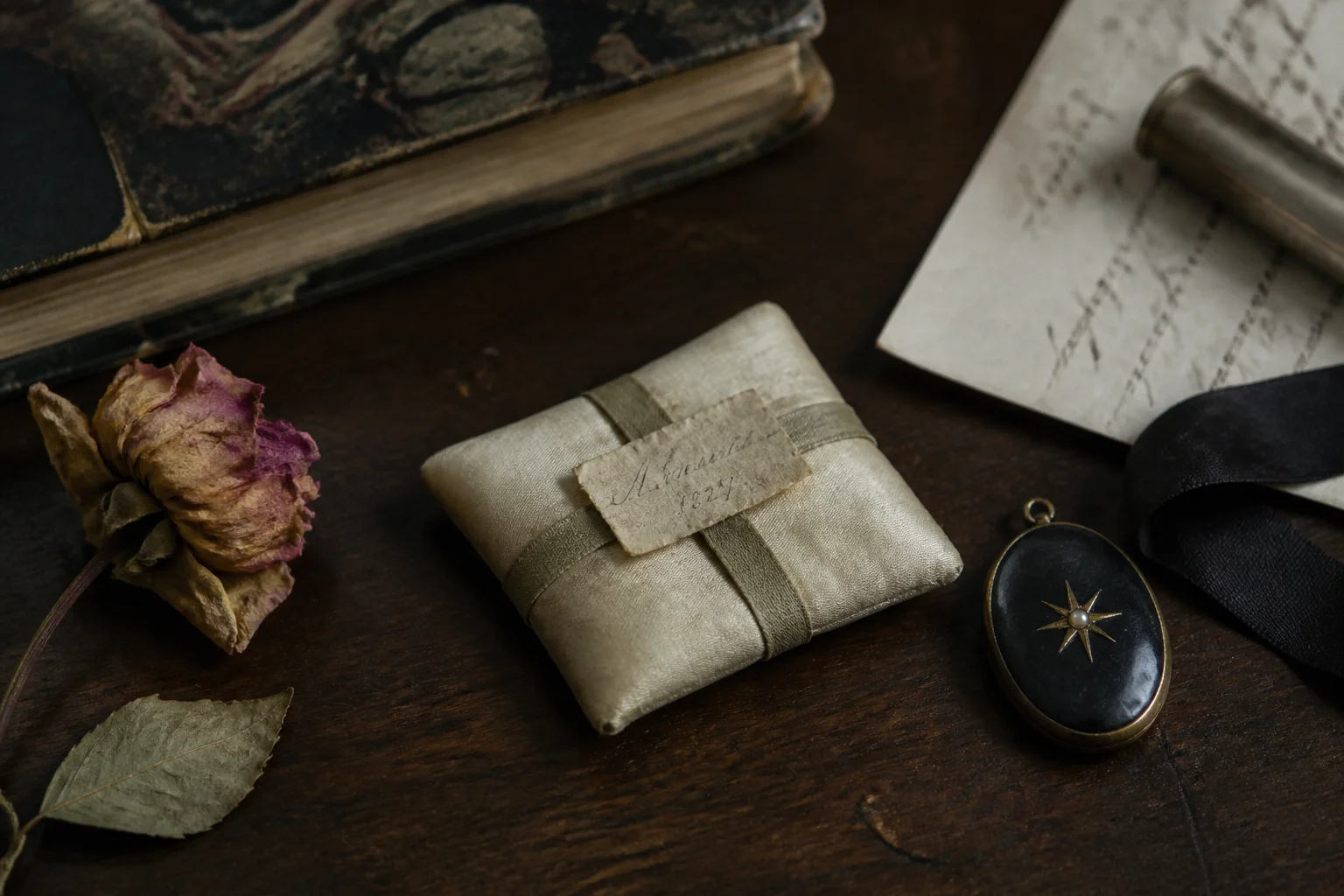
Percy Bysshe Shelley drowned in the Gulf of Spezia in July 1822, and his body was cremated on the beach near Viareggio. According to family accounts, a surviving part of his remains—often described as a heart—was pulled from the pyre and given to Mary. She kept this relic wrapped in silk for the rest of her life.
Historians caution that the exact object may not have been a literal heart, since some accounts describe calcified remains or another organ. The emotional truth is clearer: Mary held tightly to a physical trace of her husband. It became part of the Shelley legend.
After Mary died in 1851, the relic was reportedly found among her possessions. Its exact path afterward is tangled in family lore, but it remains part of the Shelley story.
12. She Wrote Far More Than Frankenstein
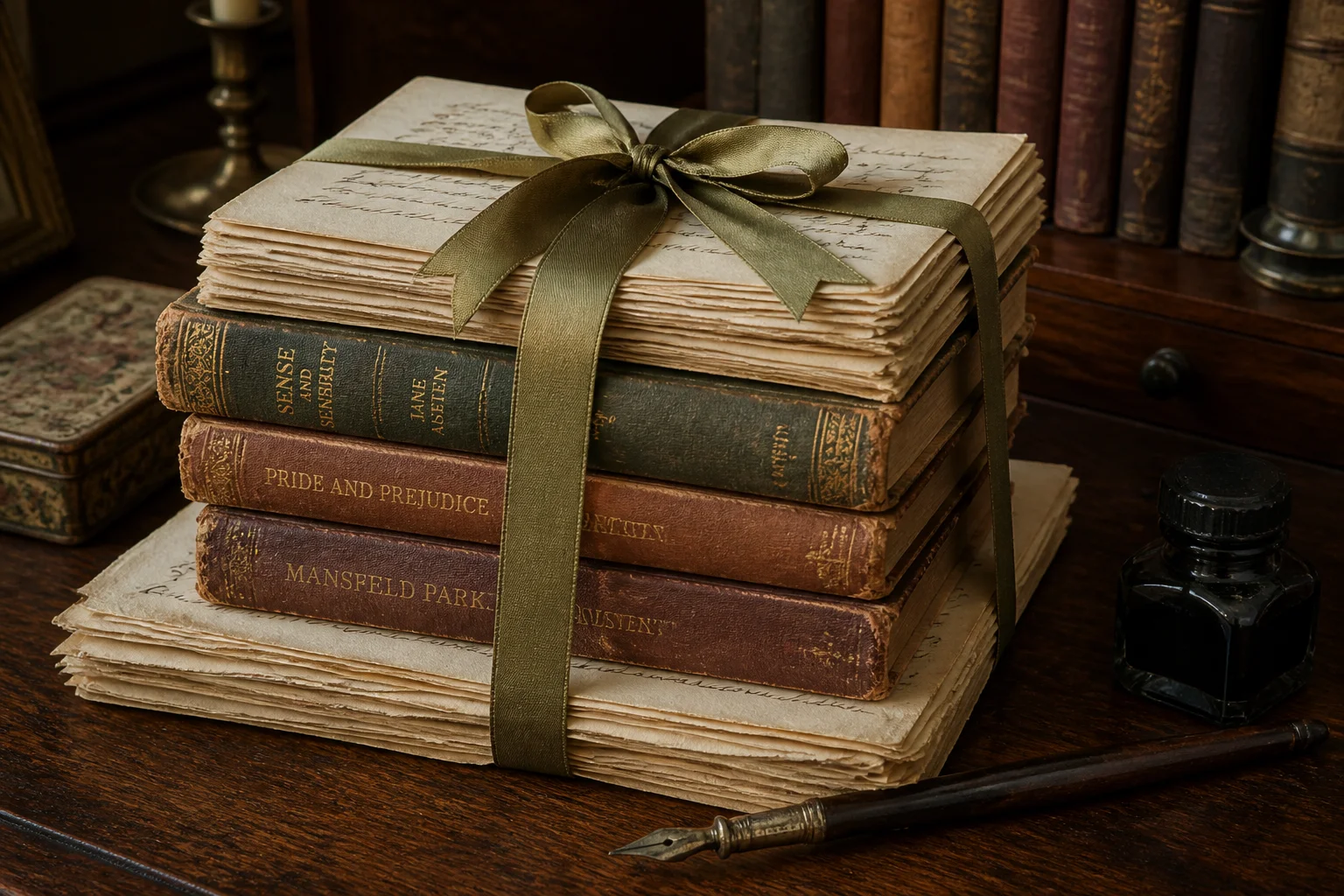
Mary was not a one-book wonder. She published several novels, including Valperga, The Fortunes of Perkin Warbeck, Lodore, and Falkner. She also wrote short stories, essays, biographies, and a novel called Mathilda that remained unpublished during her lifetime.
Some of her later fiction explores politics, history, and the role of women in a changing society. Her works did not always sell as well as Frankenstein, but they show a writer experimenting with form rather than repeating herself. She was a professional author in a time when few women could claim that role.
Readers who only know Frankenstein miss a much larger body of work. Modern scholars have spent decades restoring attention to her other novels and prose.
13. She Was an Accomplished Travel Writer
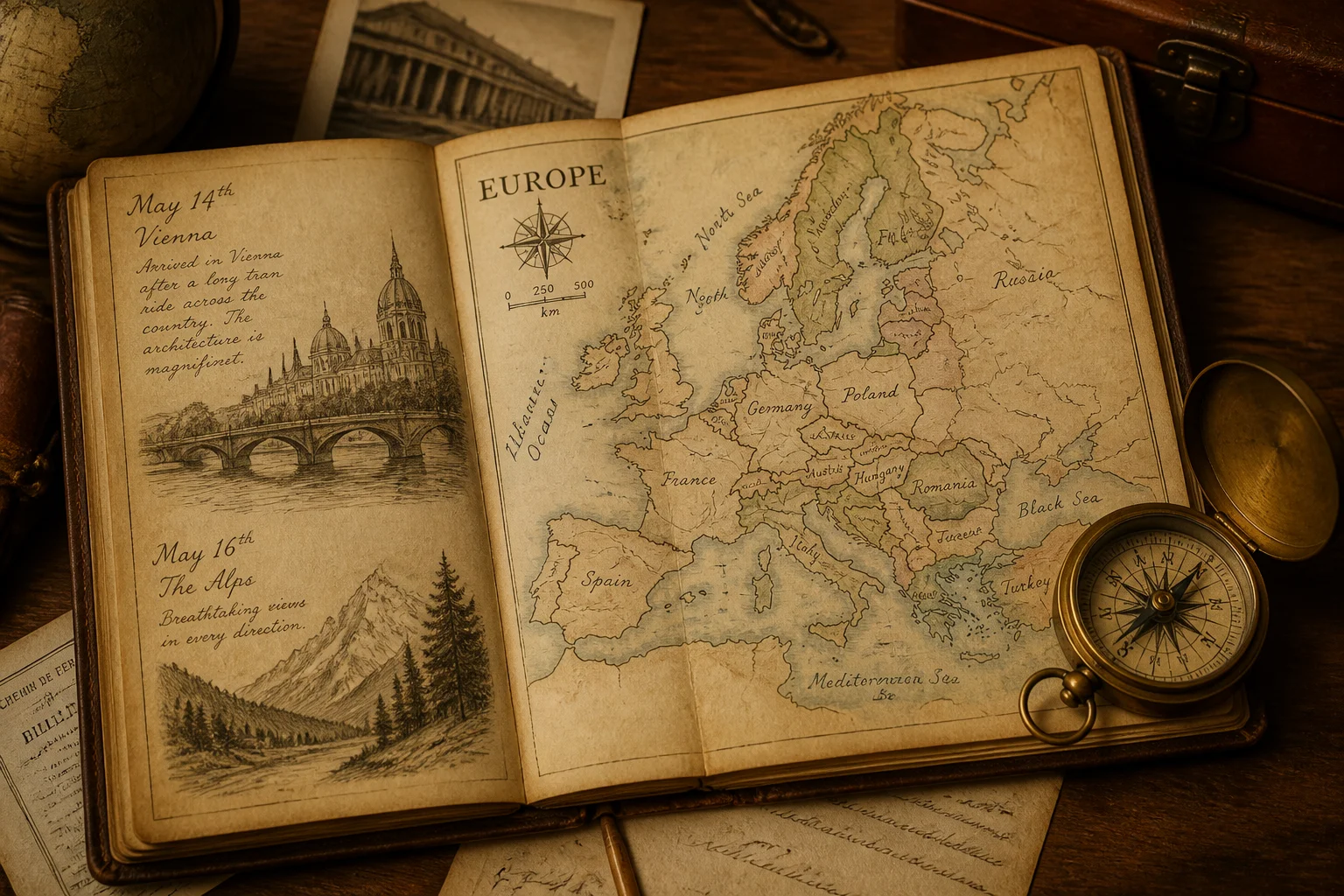
Mary's first book was not Frankenstein but History of a Six Weeks' Tour, published in 1817. It collected letters and observations from her elopement journey through France, Switzerland, and Germany with Percy Shelley. The book gives readers a lively, sometimes romantic picture of Europe after the Napoleonic Wars.
Later, in 1844, she published Rambles in Germany and Italy. That work drew on her travels and reflected on politics, art, and daily life in a way that was more personal than a conventional guidebook. Her travel writing helped pay bills and kept her in print.
Travel was central to her life, not just an occasional escape. It gave her material, distance from London, and a sense of independence during difficult years.
14. She Edited and Preserved Percy Shelley's Literary Legacy
After Percy died, Mary devoted years to collecting, editing, and annotating his poems. She published Posthumous Poems in 1824 and later prepared a major edition of his Poetical Works. Her preface and notes helped shape how later generations understood his poetry.
She sometimes softened or omitted works that might have shocked Victorian readers, and scholars still debate whether she protected his image too carefully. Even so, her editorial labor was essential. Without her effort, much of Percy Shelley's work might have been scattered or lost.
It was a difficult role for a widow raising a child. The editing project kept her connected to Percy but also forced her to relive their shared life and literary ambitions.
15. She Was Widowed at Only 24
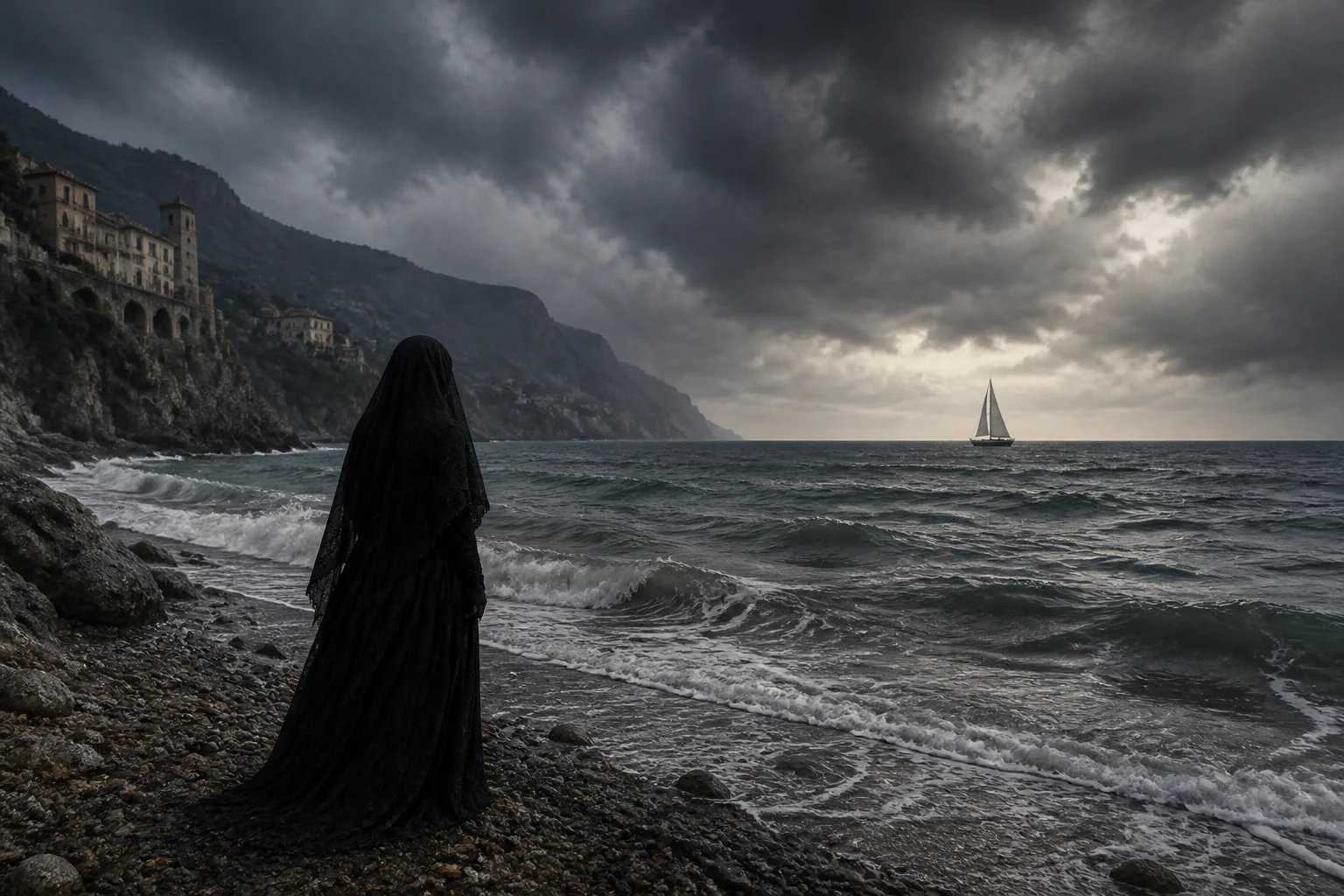
Mary was born in 1797 and became a widow in 1822, making her just twenty-four when Percy Shelley drowned. By that age, she had already lost three children and endured a life of almost constant uncertainty. The pressures on her were extraordinary.
As a widow with a surviving son, she had to build a stable life in a society that offered few independent paths for women. She did so through writing, editing, and careful management of her reputation. Her letters from this period reveal both exhaustion and resolve.
Many biographies describe her later years as quieter but never easy. She carried the weight of grief while still working in public view.
16. She Supported Herself as a Working Writer
Mary did not have a large fortune to fall back on after Percy's death. She supported herself and her son through advances, articles, reviews, and book contracts. This made her one of the most visible professional women writers of the era.
She dealt with publishers, negotiated terms, and sometimes struggled to make ends meet. Her journals show a constant awareness of money and deadlines alongside literary ambition. That practical side of her life is often missing from romanticized portraits.
Writing was not only a creative act for Mary—it was survival. Understanding her as a working author makes her achievements feel even more significant.
17. Her Stepmother Made Home Life Tense, but Scotland Offered Escape
When William Godwin remarried, Mary gained a stepmother, Mary Jane Clairmont, and the blended family often clashed. Young Mary felt misunderstood and excluded in her own home. The domestic friction deepened her identification with her absent mother.
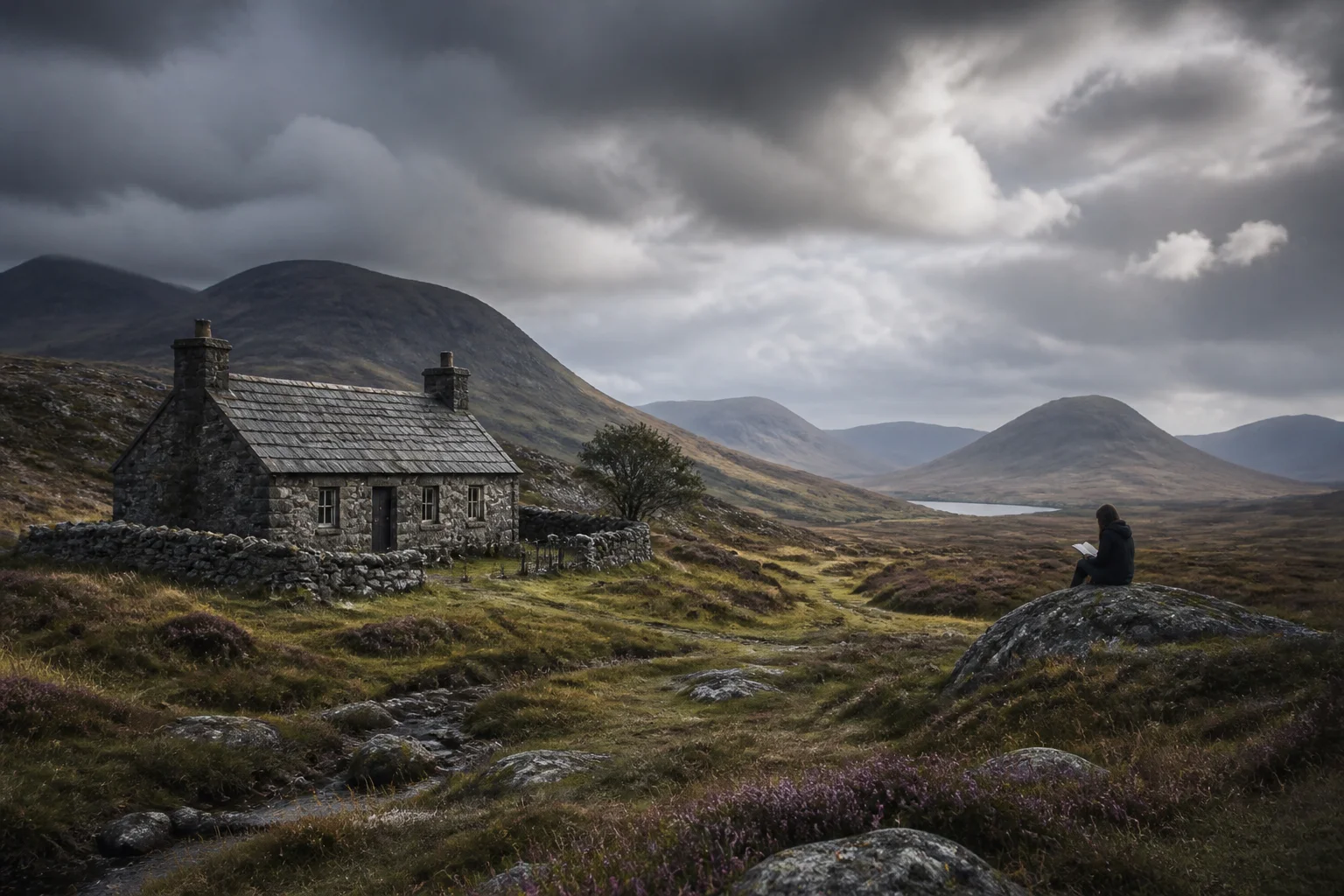
In 1812, Godwin sent Mary to stay with the Baxter family near Dundee in Scotland. She later described the time as formative, giving her room to think, read, and imagine without the noise of London. The open landscape and colder climate left a strong impression.
Some scholars connect those Scottish days to the remote settings and isolated moods in Frankenstein. The novel's landscapes feel vast and melancholy in ways that match her memories.
18. Her Education Was Unusual for a Woman of Her Time
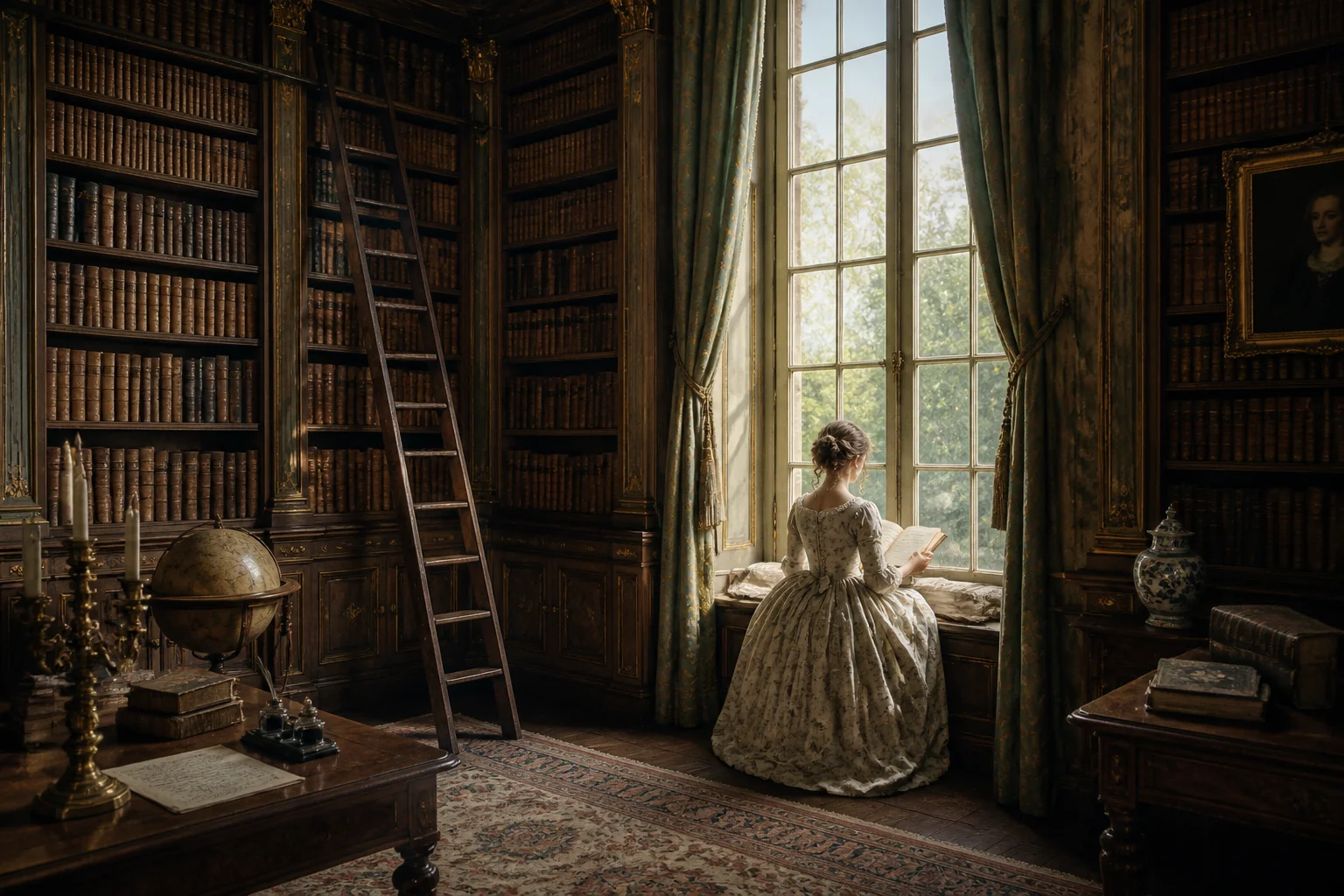
Mary did not receive the formal schooling that many privileged boys experienced. Instead, she was educated at home, surrounded by her father's library and the intellectual conversations of his circle. She read widely in history, philosophy, and fiction.
This education was incomplete by some standards, but it gave her access to radical ideas. She heard debates about politics, science, and human rights from an early age. That background equipped her to write a novel that asks serious moral questions.
Her unusual schooling also made her something of an outsider. She learned to observe social conventions without fully belonging to them, a position that fed her fiction.
19. The Last Man Shows She Was Ahead of Her Time in Dystopia
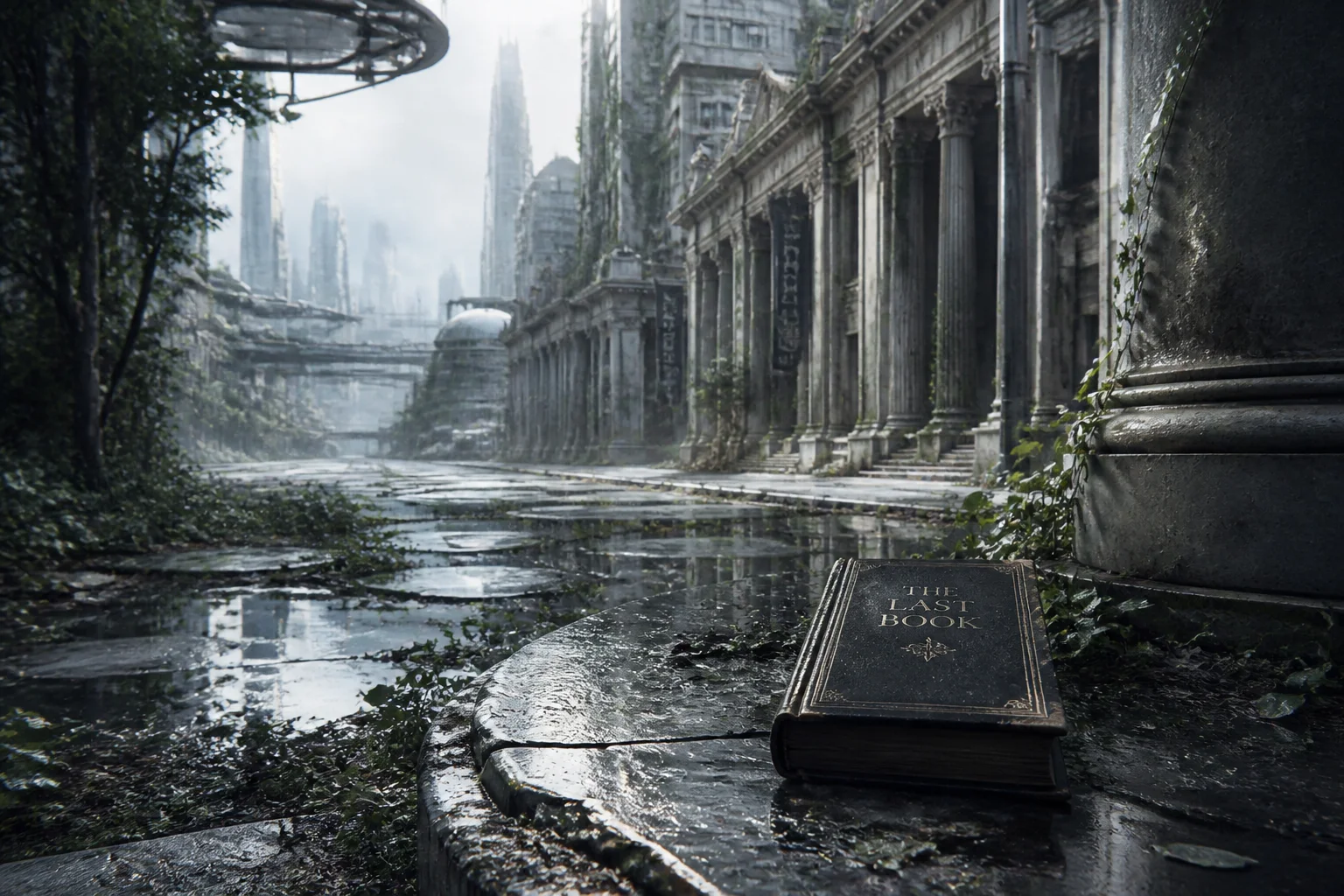
In 1826, Mary published The Last Man, a novel set in the late twenty-first century during a global plague. It follows the final survivors of humanity as civilization collapses around them. The book was a departure from gothic horror into dystopian speculation.
For decades, The Last Man was dismissed or ignored, partly because its bleak vision unsettled readers. Modern critics now treat it as an important early work of apocalyptic fiction. Its themes of isolation, political failure, and disease have gained new resonance.
The novel also shows how much Mary's range extended beyond Frankenstein. She was thinking about the future, not just the past, long before dystopia became a familiar genre.
20. The Real Facts Are More Compelling Than the Myth
Popular culture often turns Mary Shelley into a single scene: a stormy night, a contest, and a monster. The real story is much richer and more human. She was a thinker, editor, traveler, mother, and survivor whose whole life fed her art.
Many odd stories have attached themselves to her over the years, from romantic legends to exaggerated claims. Sorting fact from myth is part of what makes her so interesting. Even the verified details—her radical parents, her losses, her literary range—feel almost novelistic.
The next time you encounter Frankenstein, remember its author was not a shadowy figure in the background. Mary Shelley was the center of a remarkable life, and these Mary Shelley facts only scratch the surface.
Why Mary Shelley Still Matters
What is Mary Shelley known for? Most people answer with one word: Frankenstein. But the book's questions about creation, responsibility, and otherness belong to a larger body of work.
Her influence runs through gothic fiction, science fiction, dystopian writing, and even modern debates about technology. Writers and filmmakers still return to her story because it feels unfinished and urgent. She created a myth that has outlived its original era.
Learning more interesting facts about Mary Shelley does not shrink her accomplishment—it enlarges it. She was not a lucky teenager who wrote one famous book, but a dedicated writer who spent her life turning experience into art.
Frequently Asked Questions
What are some interesting facts about Mary Shelley?
Mary Shelley was born Mary Wollstonecraft Godwin in 1797, lost her mother shortly after birth, began Frankenstein at age 18 after a ghost-story contest with Lord Byron, published the novel anonymously in 1818, and spent decades working as a novelist, travel writer, and editor.
What is Mary Shelley known for?
Mary Shelley is best known for writing Frankenstein; or, The Modern Prometheus, but she also wrote the dystopian novel The Last Man, travel books, short stories, and biographical essays, and she edited Percy Shelley's poetry after his death.
What are some Mary Shelly facts people often get wrong?
One common error in Mary Shelly facts is that Frankenstein is the monster, but the name belongs to Victor Frankenstein, the scientist. Another myth is that she wrote the novel in a single night—it actually took months of drafting and revision between 1816 and 1818.
Did Mary Shelley really keep Percy Shelley’s heart?
According to family accounts, Mary Shelley kept a piece of Percy Shelley's physical remains, often described as his heart, wrapped in silk after his cremation in 1822. Historians caution that the exact object is uncertain, but the story reflects a documented tradition of mourning and remembrance.
How old was Mary Shelley when she wrote Frankenstein?
Mary Shelley began writing Frankenstein at age 18 in 1816 and completed it over the following year. She was 20 when the novel was first published anonymously in 1818.

Alex Warren
Related Articles