

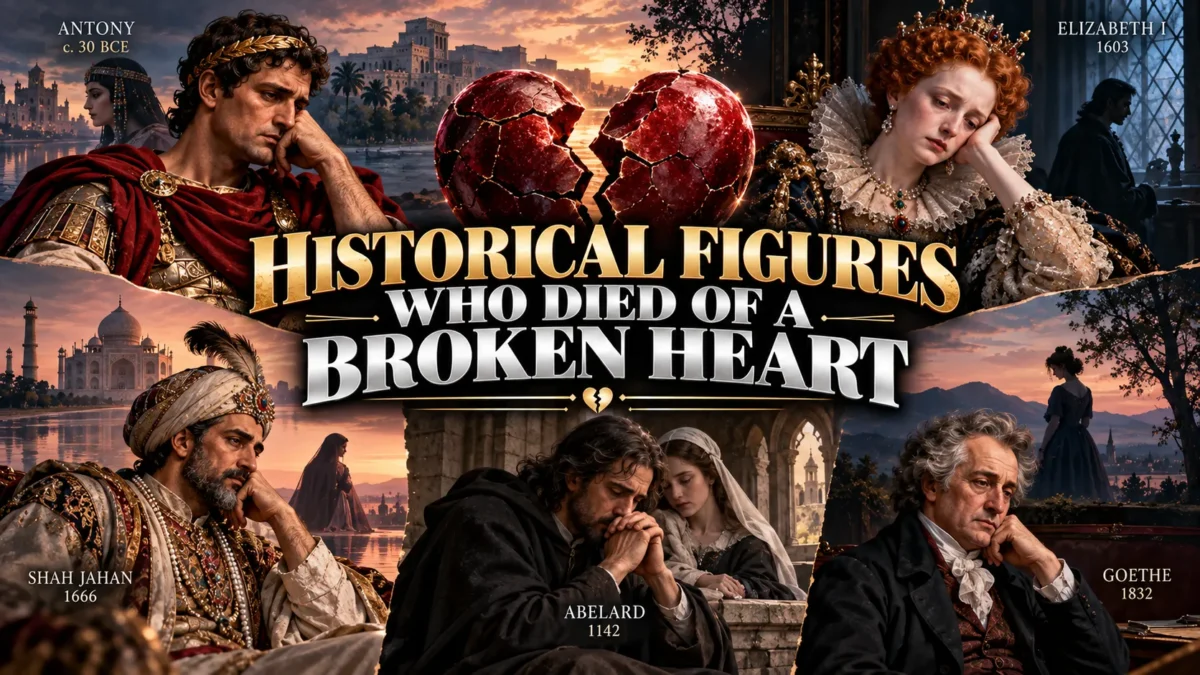
From grieving queens to devastated husbands, history is full of people said to have died the moment their heart broke for good. It’s one of the most romantic ideas in storytelling, but is there any truth to it, or is it just a poetic way of describing a coincidence?
As it turns out, the answer is more interesting than a simple yes or no. Modern cardiology has actually identified a real medical condition that can make grief, shock, or extreme stress physically dangerous to the heart, and it may explain why so many historical figures seemed to die shortly after devastating losses.
TL;DR: Extreme grief can trigger a real medical condition called takotsubo (broken heart) cardiomyopathy, and while most of the historical deaths below were officially caused by illness, old age, or other factors, the timing of these losses has kept the broken heart legend alive for centuries.
The Science Behind “Dying of a Broken Heart”
Before diving into the stories, it helps to understand what doctors actually mean when they talk about a broken heart. The condition is called takotsubo cardiomyopathy, sometimes just called “broken heart syndrome,” and it was first formally described by Japanese researchers in the 1990s.
The name comes from the Japanese word for an octopus trap, because under an ultrasound, the affected heart’s left ventricle balloons into a shape resembling one. This happens when a flood of stress hormones, like adrenaline, temporarily stuns the heart muscle after a sudden shock, whether that’s grief, fear, or even extreme joy.
The symptoms can look almost identical to a heart attack. Sufferers often experience chest pain, shortness of breath, and abnormal heart rhythms, which is exactly why the condition sometimes gets missed or mistaken for a coronary event.
The good news is that most people recover within days or weeks, since the heart muscle isn’t permanently damaged in the way it is during a typical heart attack. The bad news is that in a small percentage of cases, complications like heart failure, dangerous arrhythmias, or cardiogenic shock can occur, and these can be fatal, particularly in people who are older or already have underlying heart disease.
So yes, in a very real and medically documented sense, people can die from a broken heart. It’s rare, it’s more accurately described as severe emotional or physical stress overwhelming a vulnerable heart, and it’s almost never the sole cause of death listed on a historical death certificate. That’s exactly why the stories below are so fascinating, and why we should treat many of them as legend layered over a real medical possibility rather than settled fact.
Historical Figures Said to Have Died of a Broken Heart
With that scientific groundwork in place, let’s look at the people history has most often linked to this phenomenon. Some of these stories are backed by solid documentation, while others are romanticized retellings that historians view with healthy skepticism. Either way, all of them capture something true about how grief can affect the body.
1. Alexander the Great
When Alexander’s closest companion Hephaestion died suddenly in 324 BCE, ancient sources describe the Macedonian king as inconsolable. He reportedly refused food for days, ordered elaborate mourning rituals, and never fully recovered his usual vigor.
Alexander himself died about eight months later in Babylon, likely from a fever possibly linked to illness such as typhoid or malaria, though poisoning theories persist among historians. Ancient chroniclers like Plutarch and Arrian certainly linked his decline to grief, even if modern historians point to disease as the more probable culprit.
2. Cleopatra and Mark Antony
After their combined forces were crushed at the Battle of Actium in 31 BCE, Mark Antony received a false report that Cleopatra had died. Distraught, he fell on his sword in 30 BCE, dying in her arms shortly after.
Cleopatra died days later, traditionally said to be by the bite of an asp, as Octavian’s forces closed in on Alexandria. Historians debate whether her death was driven purely by grief or by a calculated choice to avoid public humiliation as a captive, so the “broken heart” framing is more legend than confirmed fact.
3. Emperor Xuanzong and Yang Guifei
Yang Guifei was the favored consort of Tang dynasty Emperor Xuanzong until the An Lushan Rebellion in 756 CE, when mutinous troops forced the emperor to have her put to death. Xuanzong abdicated soon after and spent his remaining years in visible mourning.
He lived until 762, so this isn’t a case of sudden death from grief, but Tang-era poetry, most famously Bai Juyi’s “Song of Everlasting Sorrow,” cemented the story as one of history’s great tragic love tales.
4. Queen Isabella I of Castile
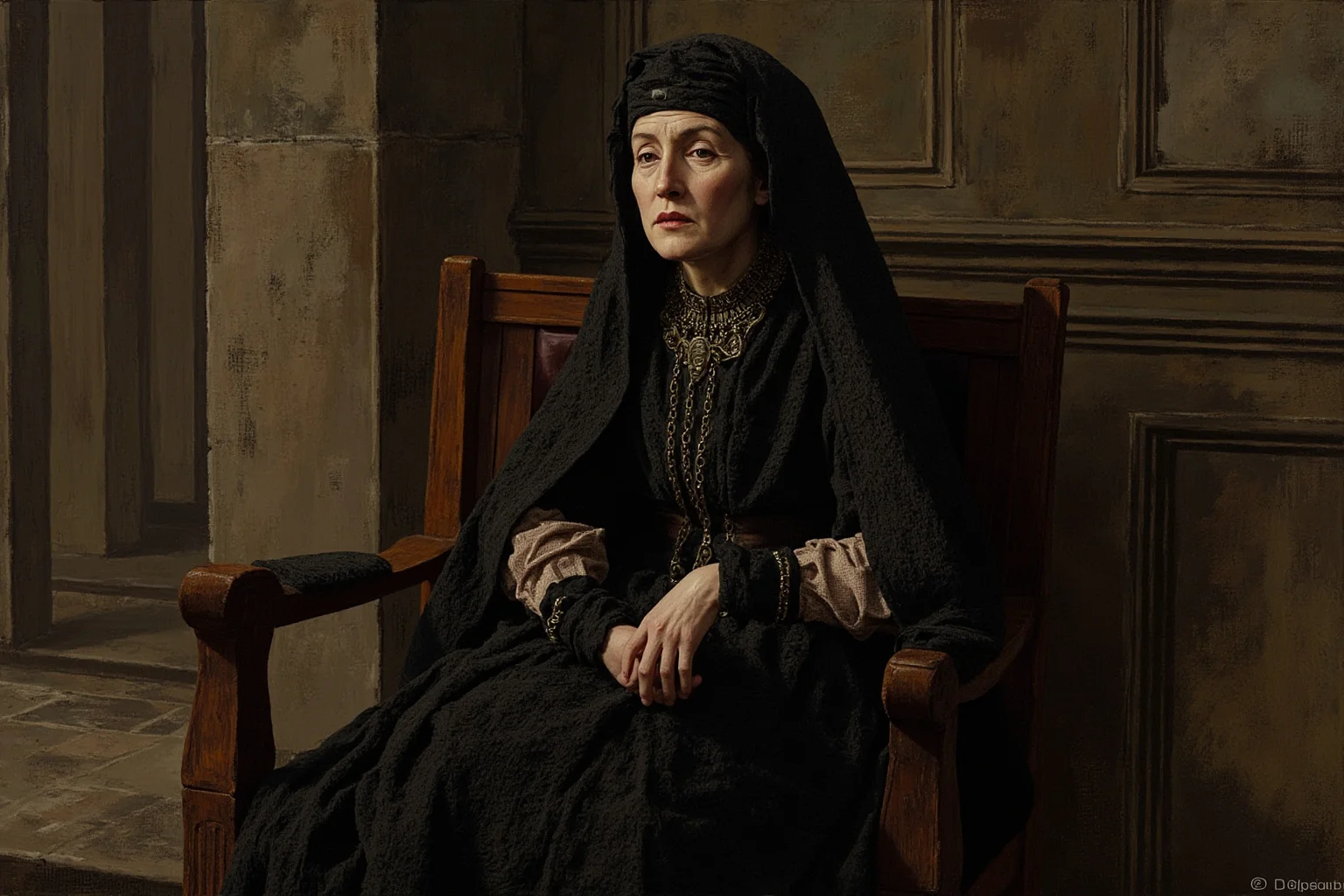
Isabella endured a brutal string of family losses late in life, including the deaths of her son Juan in 1497, her daughter Isabella in 1498, and her young grandson Miguel in 1500. Chroniclers describe her health and spirit declining sharply in the years that followed.
She died in 1504, with the exact medical cause still debated among historians, ranging from cancer to kidney disease. Grief is often cited as a contributing factor to her decline, even if it wasn’t the official cause of death.
5. King Henry VII of England
Henry VII’s wife, Elizabeth of York, died in 1503 from complications following childbirth, on her own birthday. Contemporary accounts describe Henry withdrawing from public life afterward, reportedly locking himself away in grief.
His health noticeably declined over the following years, and he died in 1509, possibly from tuberculosis. While grief alone didn’t kill him, historians agree the loss of his wife marked a turning point in his final years.
6. Cardinal Thomas Wolsey
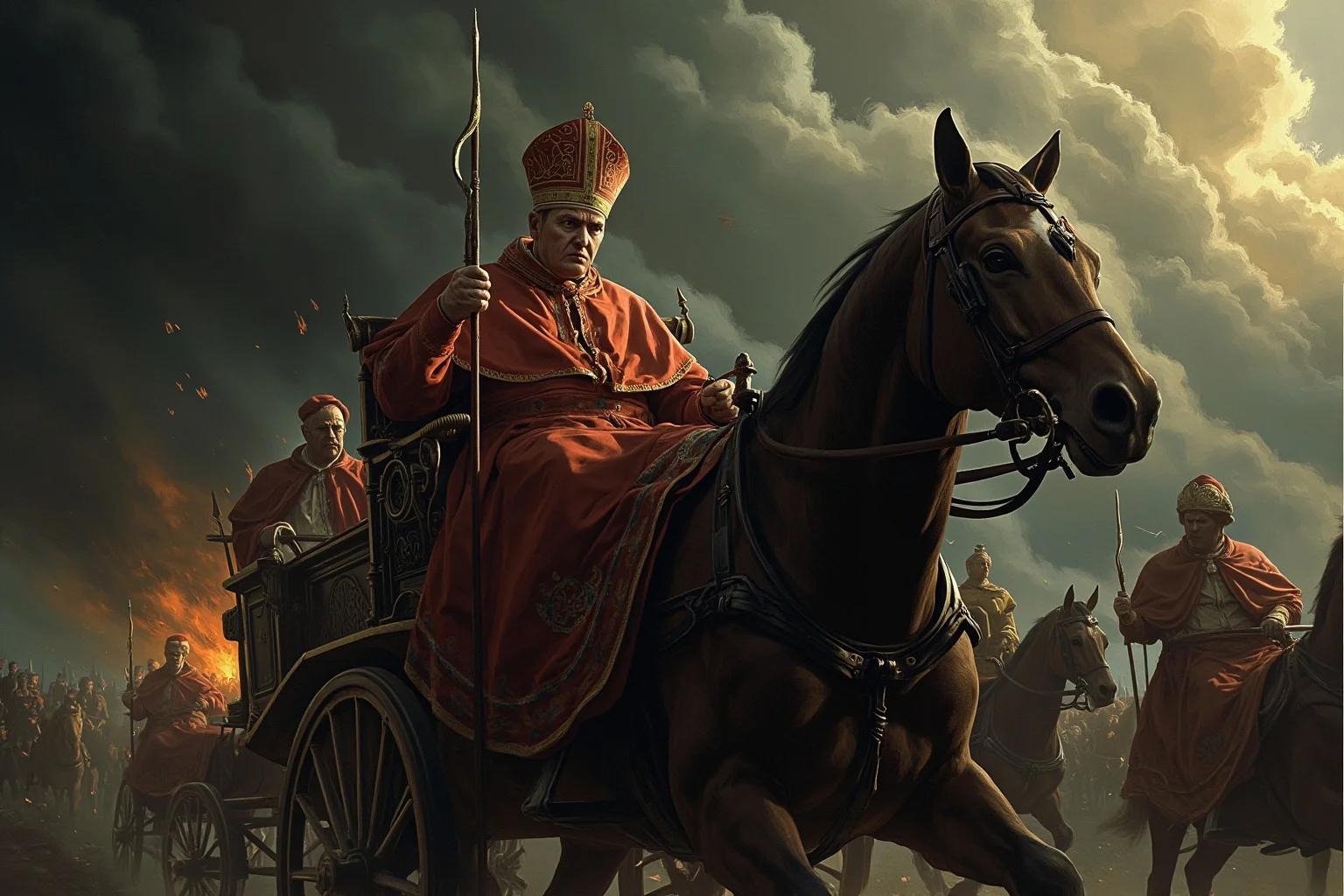
Wolsey had been Henry VIII‘s most powerful advisor until he failed to secure the king’s annulment from Catherine of Aragon. Stripped of his offices and arrested for treason in 1530, he died en route to trial at Leicester Abbey.
The official cause was likely illness, possibly dysentery, but his reported last words about failing to serve God as diligently as he served the king have made him a classic example of dying brokenhearted over a lost career rather than a lost love.
7. Catherine of Aragon
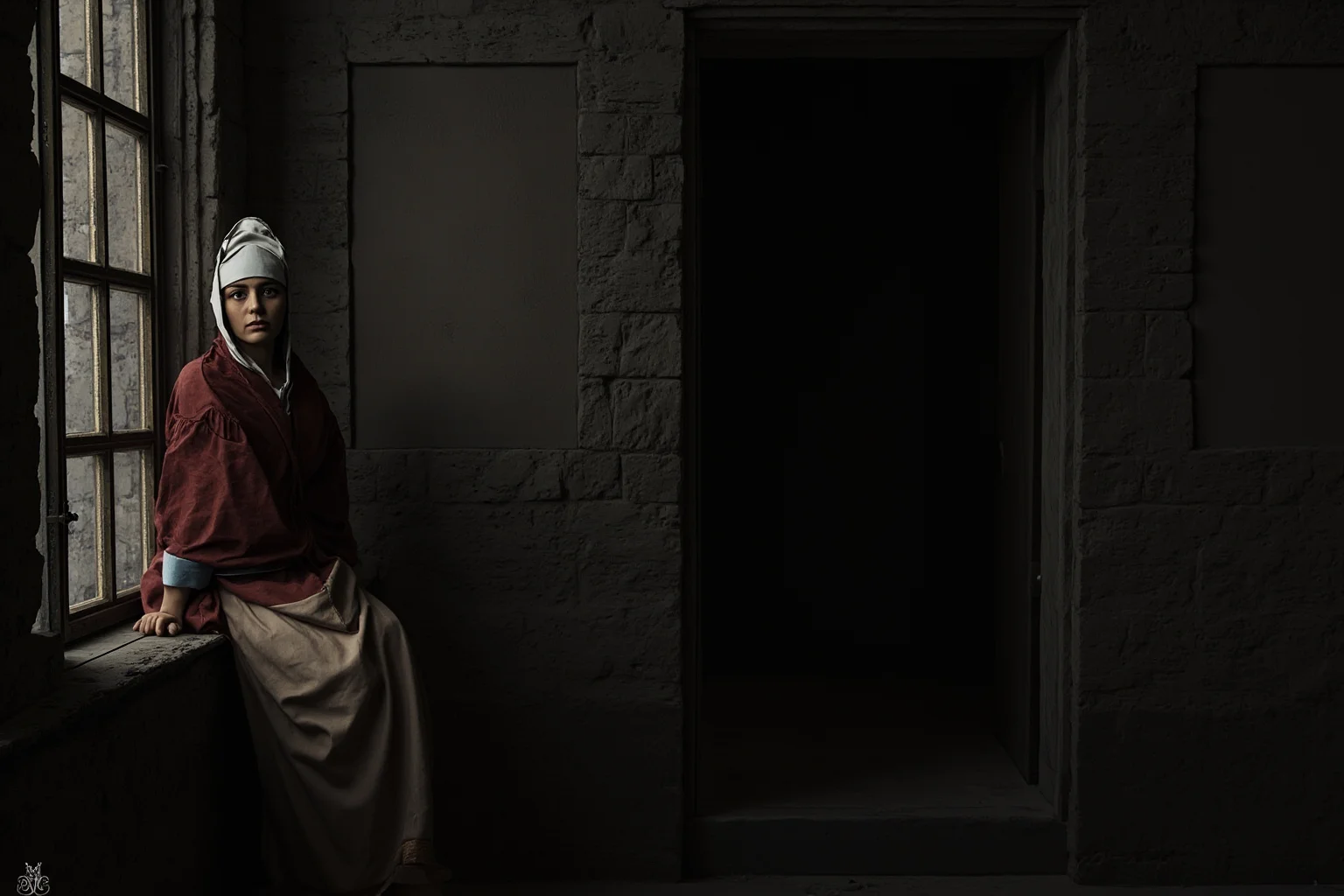
After being cast aside by Henry VIII in favor of Anne Boleyn, Catherine spent her final years isolated at Kimbolton Castle. She died in January 1536, and an examination reportedly noted a blackened growth on her heart, which some modern historians interpret as a possible cardiac tumor or cancer.
The timing and heartbreak of her story made “died of a broken heart” the popular folk explanation for centuries, even though the physical evidence points to a specific illness rather than emotional devastation alone.
8. Queen Elizabeth I
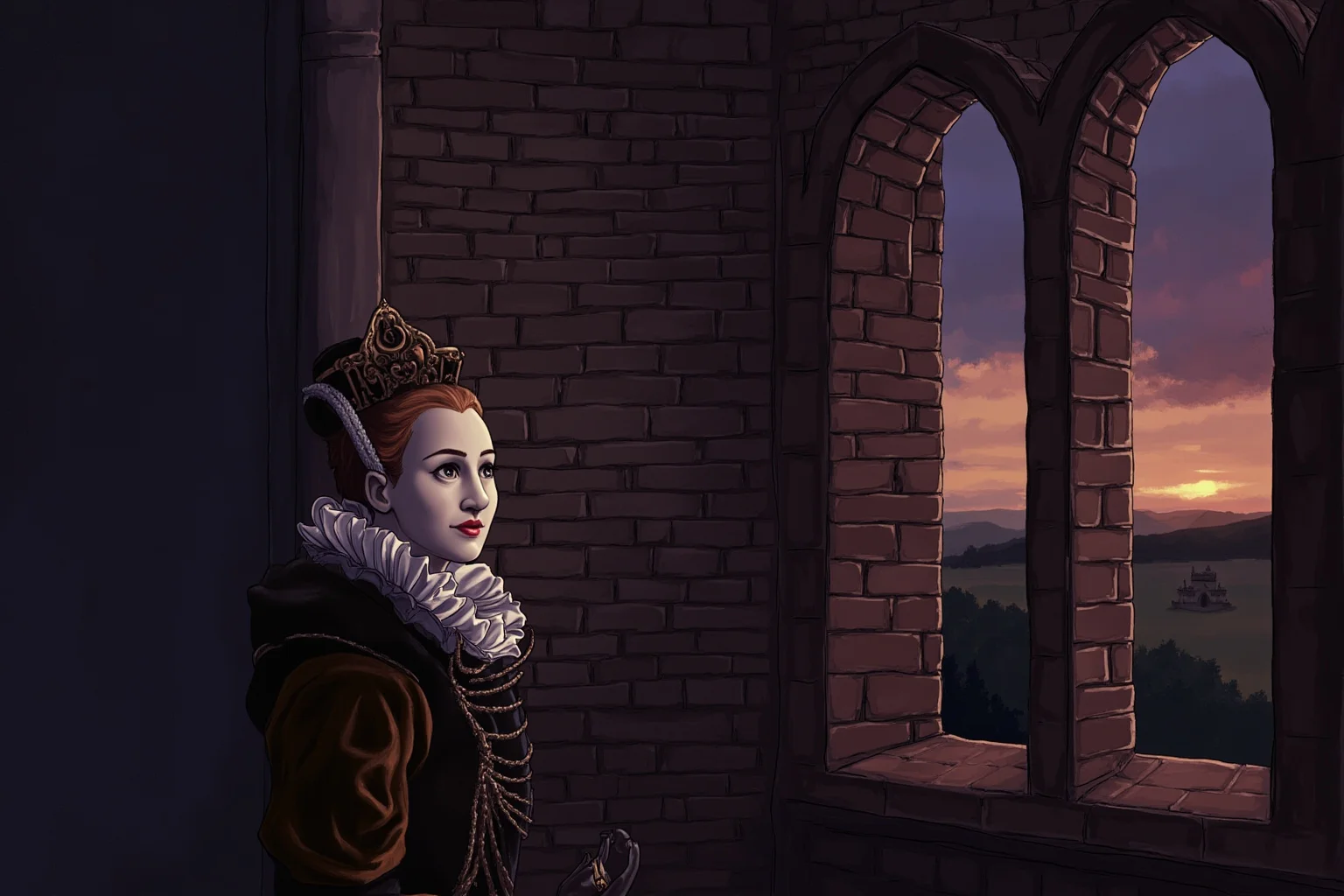
Elizabeth I’s favorite courtier, Robert Devereux, the 2nd Earl of Essex, was executed for rebellion in 1601. Her health and mood reportedly declined in the years that followed, and she died in March 1603 at around 69 years old.
She reportedly refused food and grew withdrawn in her final weeks. Most historians attribute her death primarily to old age and illness, but the folklore around a queen grieving her fallen favorite has persisted regardless.
9. Shah Jahan and Mumtaz Mahal

When his beloved wife Mumtaz Mahal died in childbirth in 1631, Mughal emperor Shah Jahan was reportedly so devastated that his hair turned grey within months. His grief poured into the construction of the Taj Mahal, one of the most famous monuments to love and loss in human history.
Shah Jahan didn’t die of a broken heart in any literal sense; he lived until 1666, though his final years were spent under house arrest after being deposed by his own son. Still, few stories capture the physical toll of grief as vividly as his.
10. King Ferdinand VI of Spain
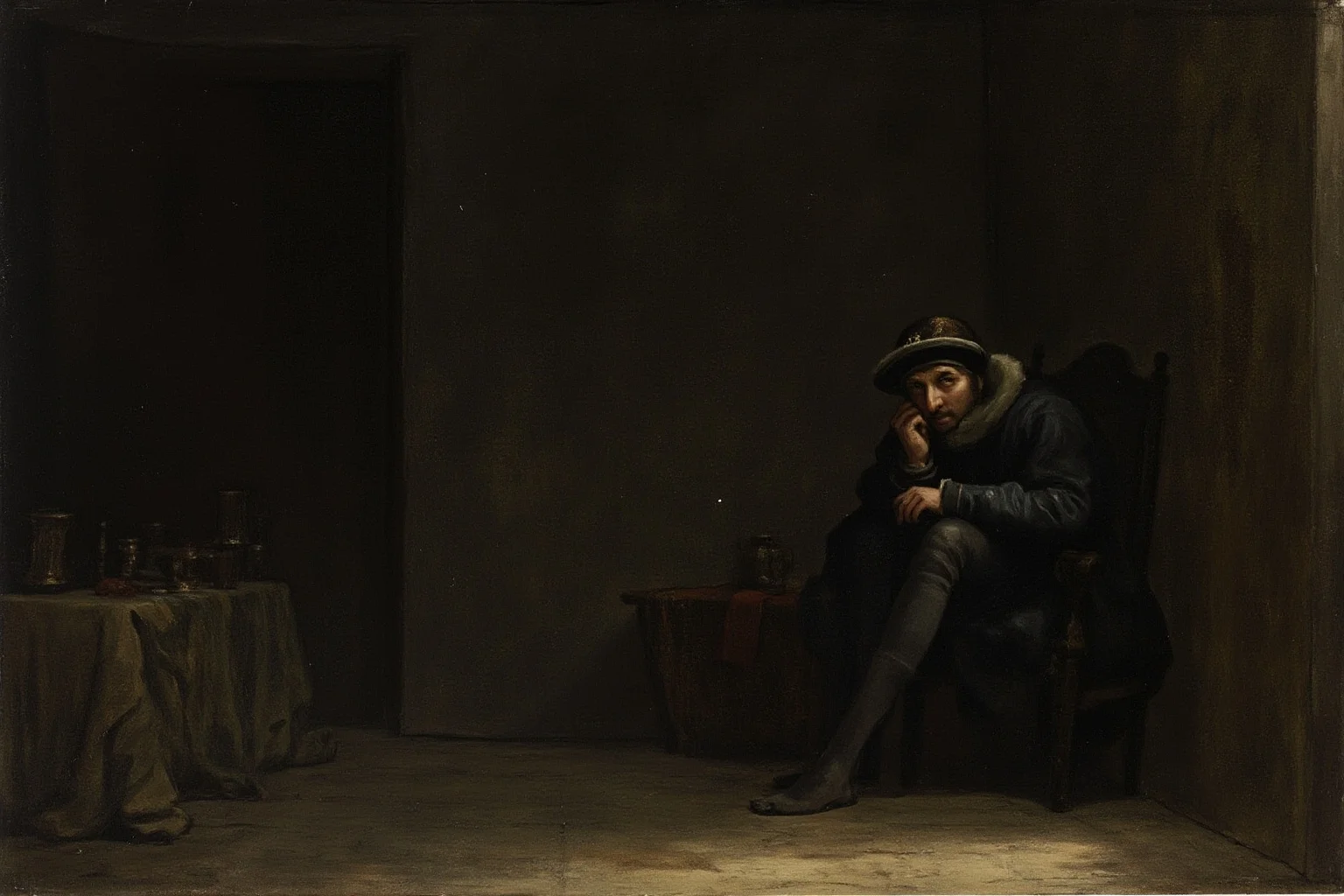
Ferdinand VI was married to Barbara of Braganza for over two decades, and by most accounts theirs was a genuinely close partnership. When she died in August 1758, the king fell into a severe depression, refused to govern, and withdrew almost entirely from public life.
He died almost exactly a year later, in August 1759. Historians generally describe his death as linked to worsening mental illness following her loss, making this one of the more medically plausible entries on this list.
11. Empress Josephine

Napoleon divorced Josephine in 1810, but the two reportedly remained on affectionate terms. After his defeat and exile to Elba in 1814, Tsar Alexander I visited Josephine at her estate at Malmaison, where she caught a chill while walking in the gardens.
She developed pneumonia and died in May 1814. Popular legend has long framed her death as heartbreak over Napoleon’s downfall, though the more immediate medical cause was clearly a respiratory illness.
12. Napoleon Bonaparte

Exiled to the remote island of St Helena after his final defeat at Waterloo, Napoleon died in 1821. According to accounts of his final days, he spoke of Josephine among his last words, fueling the romantic idea that he died pining for his lost empire and his lost love.
The most widely accepted medical explanation is stomach cancer, though theories about arsenic poisoning have also circulated over the years without ever being conclusively proven. Either way, the broken heart narrative is almost certainly more myth than medicine here.
13. Rachel Jackson
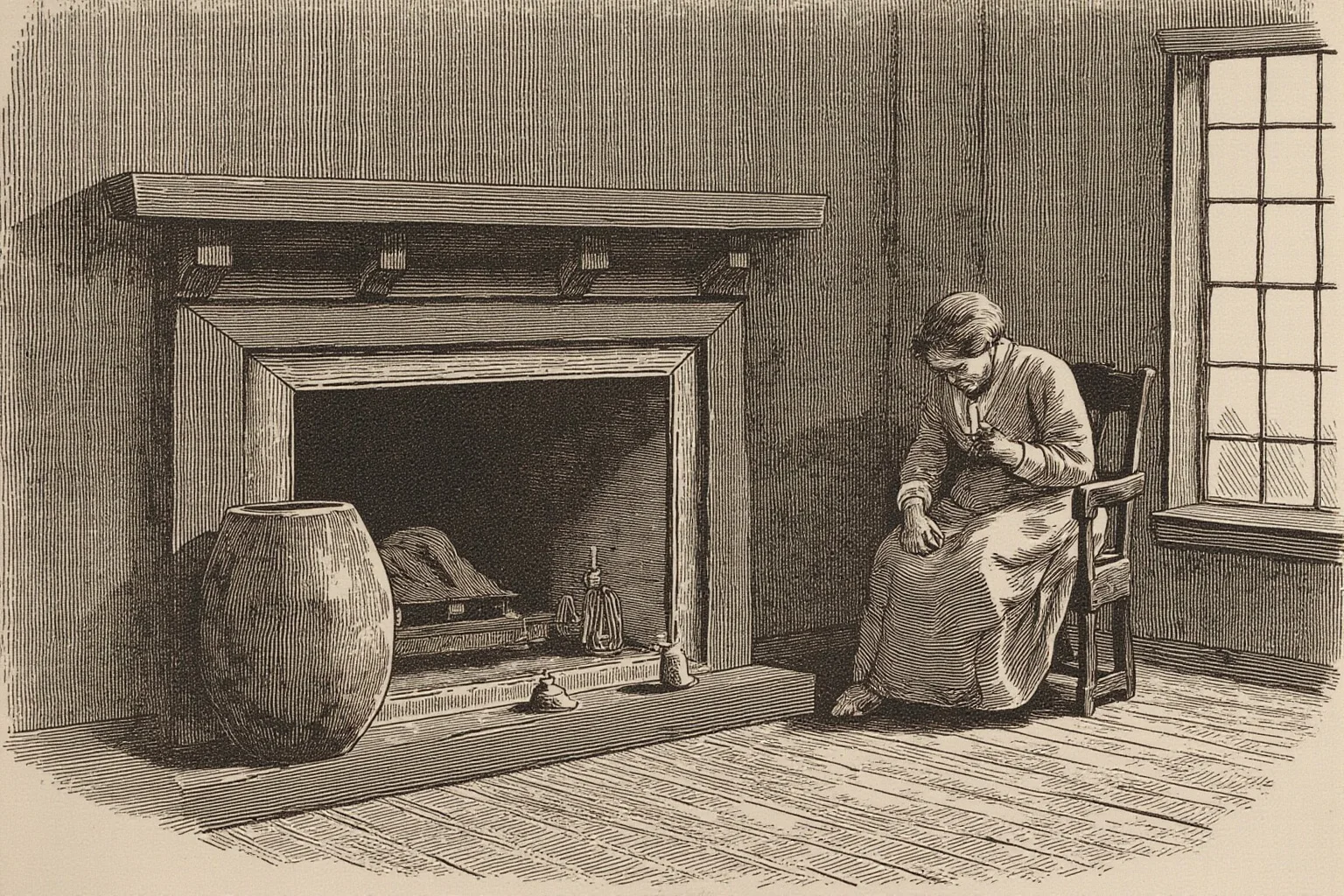
Andrew Jackson’s wife Rachel endured a brutal smear campaign during the 1828 presidential election, when political opponents publicly revived old accusations of bigamy stemming from a technicality in her earlier divorce. The public attacks were relentless and deeply humiliating for her.
Rachel suffered a heart attack and died in December 1828, just weeks before Jackson’s inauguration. Jackson himself was convinced the political cruelty had broken her heart, and he reportedly never fully forgave the men he blamed for her death.
14. The Brontë Siblings
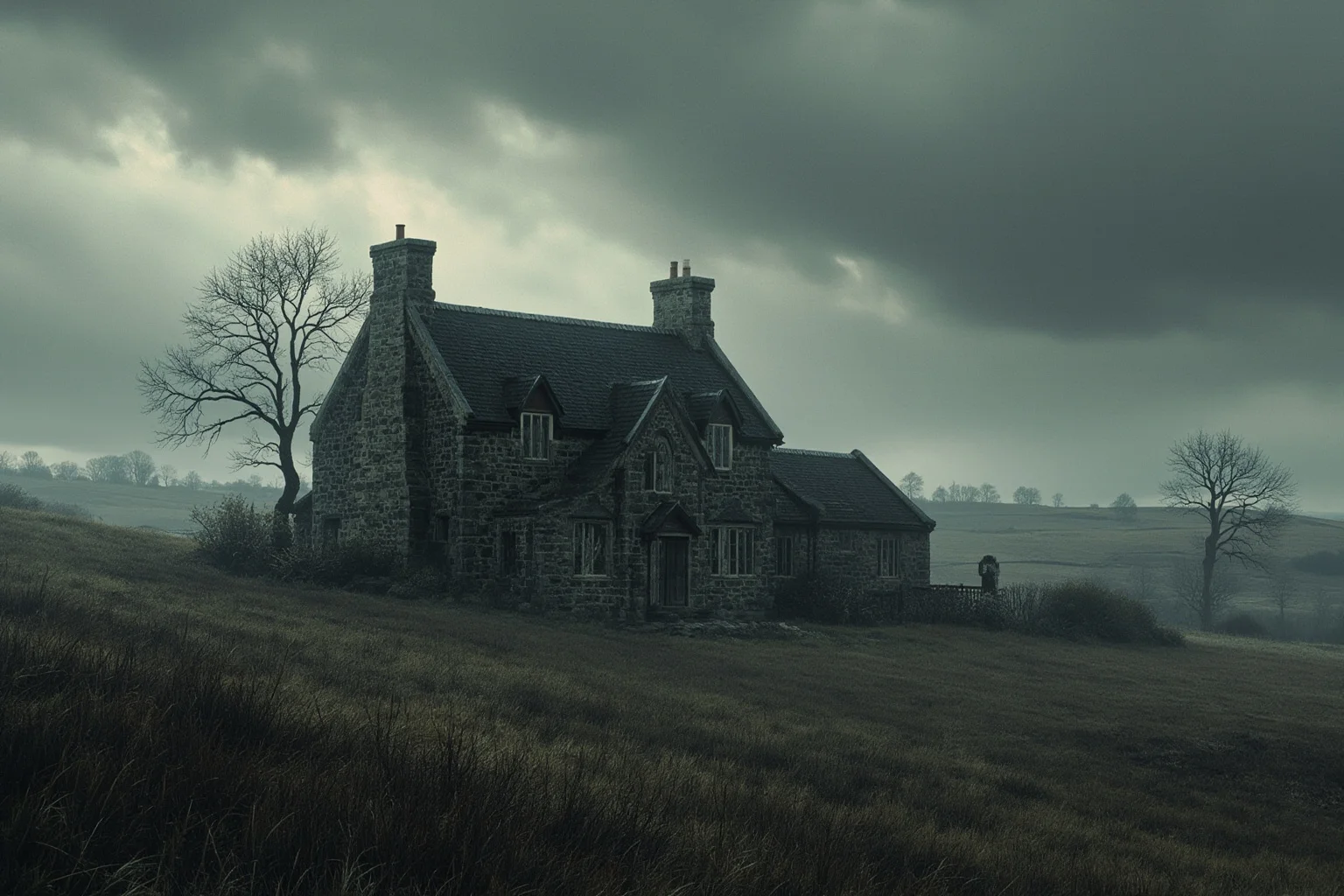
Branwell Brontë died in September 1848 from tuberculosis, worsened by years of alcohol and substance use. His sister Emily, already showing signs of illness, refused treatment and died just three months later in December 1848, also from tuberculosis.
Their younger sister Anne died the following May in 1849, from the same disease. The rapid succession of deaths in one household is often described as grief compounding illness, since the family shared both a house and, tragically, a genetic vulnerability to tuberculosis.
15. Prince Albert
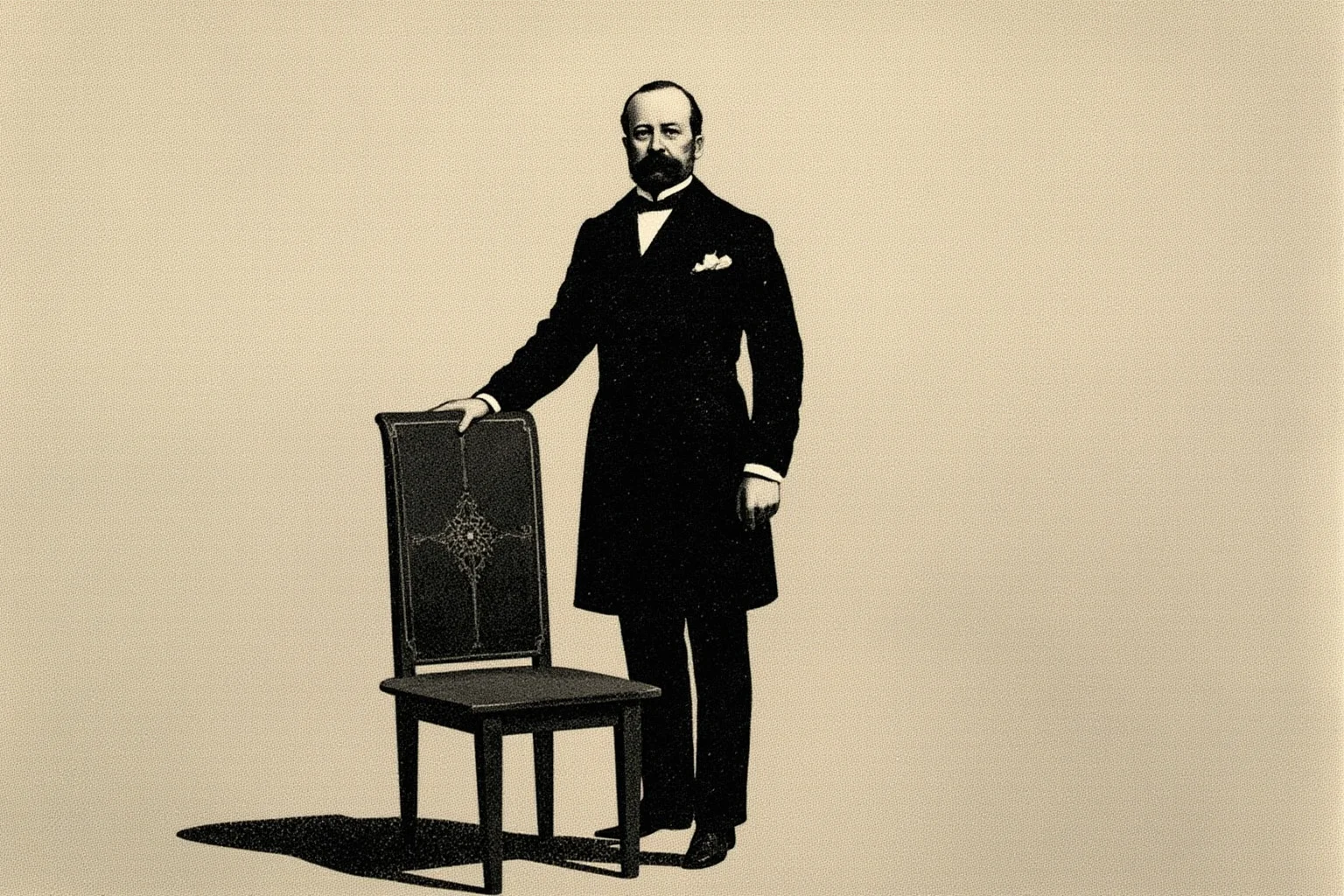
Prince Albert, husband of Queen Victoria, died in December 1861, with typhoid fever listed as the official cause. Victoria herself believed the stress of a family scandal involving their son Bertie, combined with Albert’s exhausting workload, had worn him down before the illness took hold.
Historians still debate how much stress actually contributed to his death versus the infection itself. What’s certain is that Victoria never stopped believing grief and overwork played a role.
16. Queen Victoria
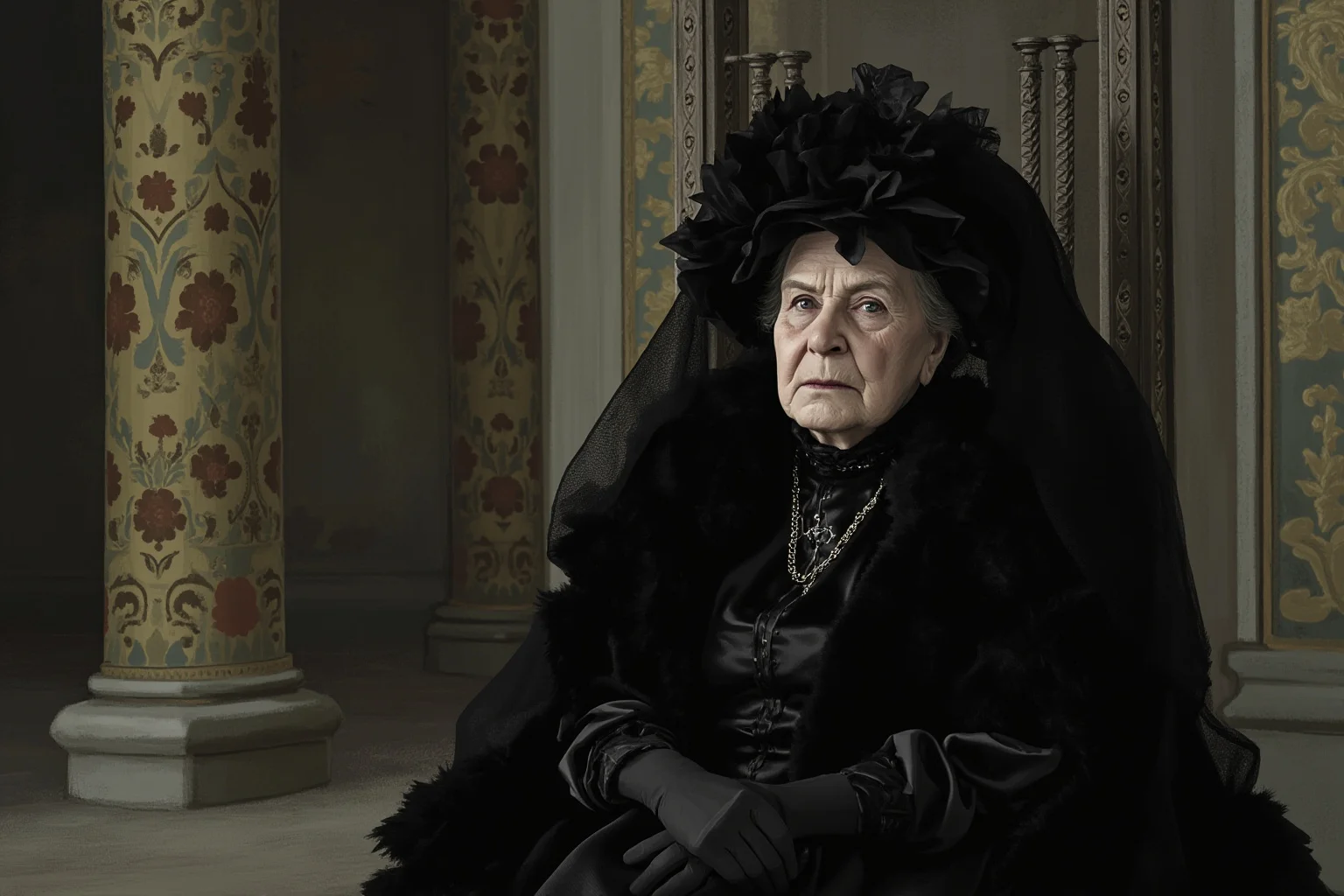
After Albert’s death, Victoria wore mourning black for the rest of her life and withdrew from public duties for roughly a decade, earning her the nickname “the Widow of Windsor.” It would be easy to assume a queen who mourned that intensely eventually died of heartbreak too.
Instead, she lived another 40 years, dying in January 1901 at age 81 from age-related decline, a solid lifespan but still far short of the record-breaking longevity seen among history’s oldest people ever recorded. Her story is a useful reminder that even the deepest, longest grief doesn’t automatically translate into an early death.
17. Theo van Gogh
Vincent van Gogh died in July 1890 from a gunshot wound generally presumed to be self-inflicted. His brother Theo, who had supported Vincent financially and emotionally for years, was already suffering from syphilis-related health complications at the time.
Theo’s condition worsened rapidly after Vincent’s death, and he died just six months later, in January 1891. Biographers generally agree that grief accelerated his physical decline, even though the underlying illness was already present.
18. Johnny Cash and June Carter Cash

June Carter Cash died in May 2003 from complications following heart valve surgery. Johnny Cash, who was already suffering from autonomic neuropathy linked to diabetes, was devastated and reportedly struggled to find purpose without her.
He died less than four months later, in September 2003. Friends and family openly described him as dying of a broken heart, even though his official cause of death was tied to complications from diabetes.
19. Debbie Reynolds and Carrie Fisher
Carrie Fisher died on December 27, 2016, after a cardiac event on a flight. Her mother, actress Debbie Reynolds, died the very next day in a loss that echoes other heartbreaking Hollywood stories, like Judy Garland’s tragic life, reportedly telling her son shortly before her death that she wanted to be with Carrie.
The official cause listed was a stroke. This case is frequently cited by cardiologists discussing broken heart syndrome, since the timing and intensity of the grief lines up closely with how takotsubo cardiomyopathy is understood to work.
20. Prince Philip and Queen Elizabeth II
Prince Philip died in April 2021 after seven decades of marriage to Queen Elizabeth II. The Queen, then 96 and already dealing with documented mobility issues, died about 17 months later, in September 2022.
Media coverage at the time speculated about grief contributing to her decline, though her age and existing health issues make it impossible to isolate heartbreak as a distinct cause. It remains one of the more recent examples people point to when asking whether this phenomenon is still relevant today.
What These Stories Really Tell Us
Looking across more than two thousand years of history, a pattern emerges that has nothing to do with magic or metaphor. Sudden, overwhelming grief really can place measurable physical stress on the heart, and in vulnerable people, that stress can occasionally contribute to a fatal outcome.
At the same time, almost none of the deaths above were caused by grief alone. Illness, infection, old age, and pre-existing conditions were nearly always part of the picture, with heartbreak acting as an accelerant rather than the sole cause.
That’s really the honest, myth-busting answer to whether people die from a broken heart. It’s not a fairy tale, but it’s also not usually the whole story, and history’s most famous “broken heart” deaths tend to prove exactly that.
Frequently Asked Questions
Can someone really die from a broken heart?
In a limited medical sense, yes. Extreme grief or shock can trigger a real condition called takotsubo cardiomyopathy, sometimes called broken heart syndrome, in which a surge of stress hormones temporarily stuns the heart muscle. Most people recover, but in rare cases, especially in older adults or those with existing heart disease, complications can be fatal.
Is it actually possible to die from a broken heart?
Yes, though it's rare and usually involves more than emotion alone. Doctors have documented cases where sudden grief or extreme stress led to dangerous heart rhythms or heart failure, which is the closest medical equivalent to what folklore calls dying of a broken heart.
How can someone die from a broken heart, medically speaking?
A sudden emotional shock can flood the body with stress hormones like adrenaline, which can temporarily paralyze part of the heart's main pumping chamber. This is known as takotsubo cardiomyopathy, and while most cases resolve on their own, severe cases can lead to fatal complications like arrhythmia or cardiogenic shock.
Can someone die from a heartbreak, or is that just a figure of speech?
It's both. Heartbreak is often used as a poetic metaphor, but it also describes a documented medical event where grief-triggered stress hormones cause real, measurable strain on the heart. The phrase captures something biologically real, even if it's usually not the only factor in a person's death.
Can people die from broken hearts, or is this extremely rare?
It's uncommon but not unheard of. Broken heart syndrome affects a small percentage of people who experience sudden emotional or physical shock, and it disproportionately affects postmenopausal women. The vast majority of cases are not fatal, though serious complications can occur.
Do people die from a broken heart in modern times, not just in old stories?
Yes, modern cardiology recognizes broken heart syndrome as a real condition, and doctors have documented cases in recent decades, including well-known instances like Debbie Reynolds' death the day after her daughter Carrie Fisher passed away in 2016. It's taken seriously as a genuine, if uncommon, medical event.
Can you die from a broken heart in real life, not just in movies or novels?
Yes, real-life cases have been documented and studied by cardiologists since the condition was first identified in Japan in the early 1990s. It typically involves a sudden emotional trigger followed by chest pain and heart symptoms that closely resemble a heart attack.
What does it mean when someone is said to have died from a broken heart historically?
Historically, this usually describes someone who died shortly after a devastating personal loss, like the death of a spouse or child. In most documented historical cases, the actual cause of death was illness, old age, or a pre-existing condition, with grief likely acting as a contributing stressor rather than the sole cause.

Alex Warren
Related Articles





