

Few stories are as irresistible as watching someone claw their way up from nothing. There’s something deeply human about rooting for the underdog, especially when that underdog ends up founding an empire, writing a bestselling novel, or building a fortune from a single idea.
But history’s poverty to riches stories are often more complicated than the tidy legends we tell. Some are true almost exactly as advertised. Others have been polished, exaggerated, or flattened into a myth that’s easier to sell than the messy reality.
This post walks through 22 genuine examples of poor people who became rich, explains where the phrase itself came from, and takes an honest look at what separates a real rags-to-riches story from a comforting fairy tale.
TL;DR: Real rags-to-riches stories—from Genghis Khan to Oprah Winfrey—show that dramatic rises from poverty do happen throughout history, but the details are usually messier and more interesting than the legend.
Where Does the Phrase “Rags to Riches” Come From?
The phrase itself is younger than most people assume, and it’s tied to a specific rags to riches author: Horatio Alger. Alger was a 19th-century American writer who churned out dozens of juvenile novels, most famously “Ragged Dick” in 1867, about poor boys who rise to respectability through hard work, thrift, and a bit of luck.
Here’s the twist worth knowing: Alger himself wasn’t a rags-to-riches story. He was the son of a Unitarian minister, educated at Harvard, and lived a fairly comfortable middle-class life. He wrote the fantasy far more than he lived it, which is a pattern that shows up again and again in this genre.
Charles Dickens is a more literal rags to riches author, and one of the greatest historical figures of the Victorian era. As a child, his father was imprisoned for debt, and young Charles was sent to work long hours in a shoe-blacking factory.
He later became one of the wealthiest and most celebrated novelists in the English-speaking world, which makes his own life arguably a better real-world rags-to-riches story than most of his characters’ journeys.
What Separates a Real Rags-to-Riches Story From a Myth?
Before diving into examples, it’s worth pausing on a myth-busting point. Many famous people from rags to riches didn’t start in absolute destitution; they started in ordinary working-class or lower-middle-class circumstances, which later biographers or the figures themselves reframed as “rags” for a better story.
That doesn’t make every story fake. It just means the phrase “poverty to riches” covers a spectrum, from genuine childhood hunger and homelessness to merely modest beginnings. Throughout this list, we’ll flag where the historical record shows real hardship versus where the poverty has been somewhat exaggerated over time.
22 Famous Rags-to-Riches Stories Throughout History
These examples span roughly 800 years, from medieval Mongolia to modern-day Detroit. Together, they show just how many different paths lead from poverty to riches.
1. Genghis Khan

Born Temüjin around 1162, he was left destitute after his father was poisoned by rivals when he was still a boy. His family was abandoned by their own clan and reportedly survived on wild roots and fish along the Mongolian steppe.
From that desperate starting point, Temüjin rebuilt alliances, defeated rival tribes, and was declared Genghis Khan around 1206. He went on to found the largest contiguous land empire in history, making this one of the earliest well-documented rags to riches stories in the world and cementing his place among history’s most influential military leaders.
2. Abraham Lincoln
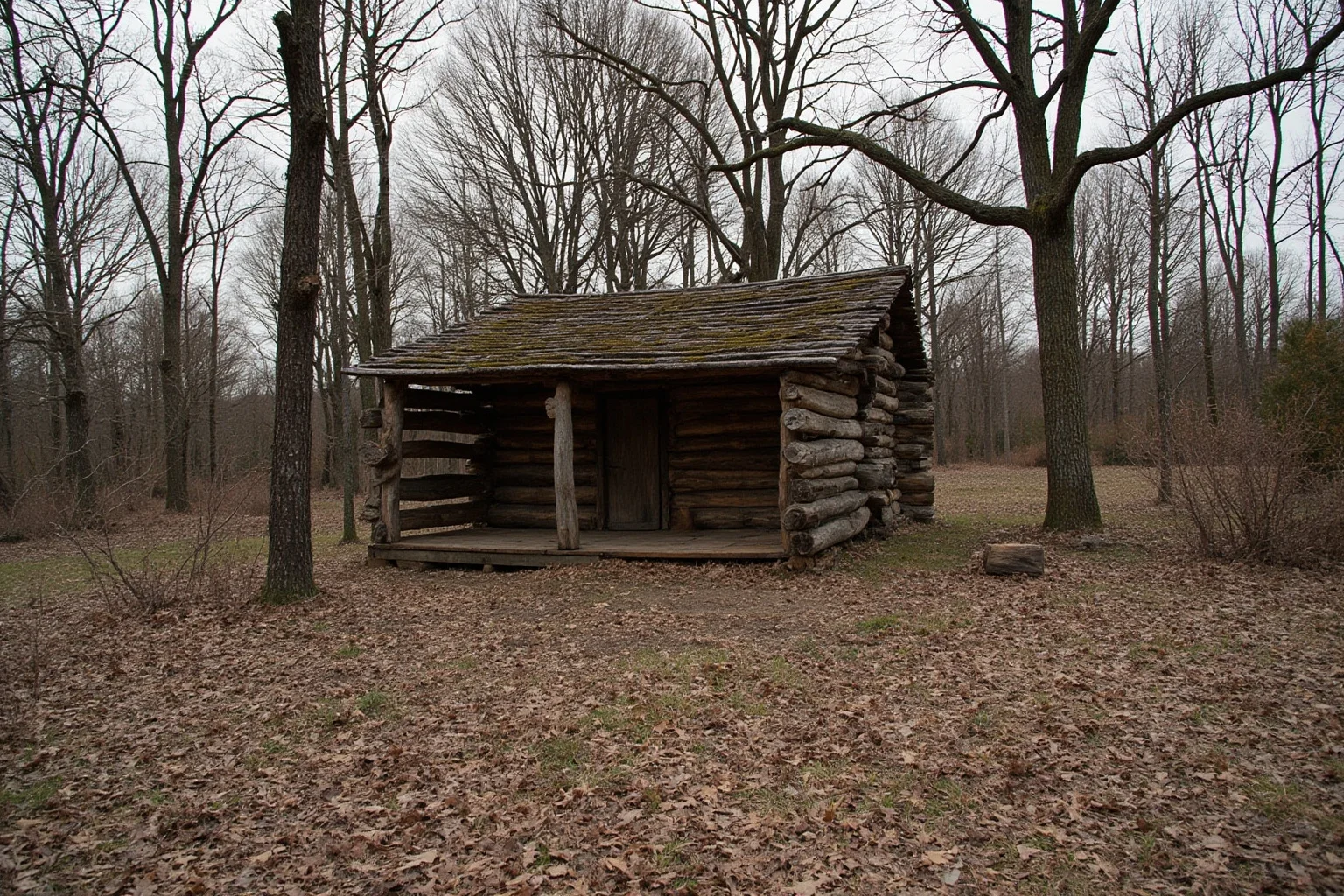
Lincoln was born in 1809 in a one-room log cabin in Kentucky to a farming family of modest means. He was almost entirely self-taught, borrowing books whenever he could find them.
He worked as a rail-splitter and store clerk before training as a lawyer and eventually becoming the 16th President of the United States, a role that cemented his place among the most recognized historical figures of all time. It’s worth noting his poverty is sometimes overstated in popular retellings; his father owned land and was a respected member of his community, just not a wealthy one.
3. Andrew Carnegie
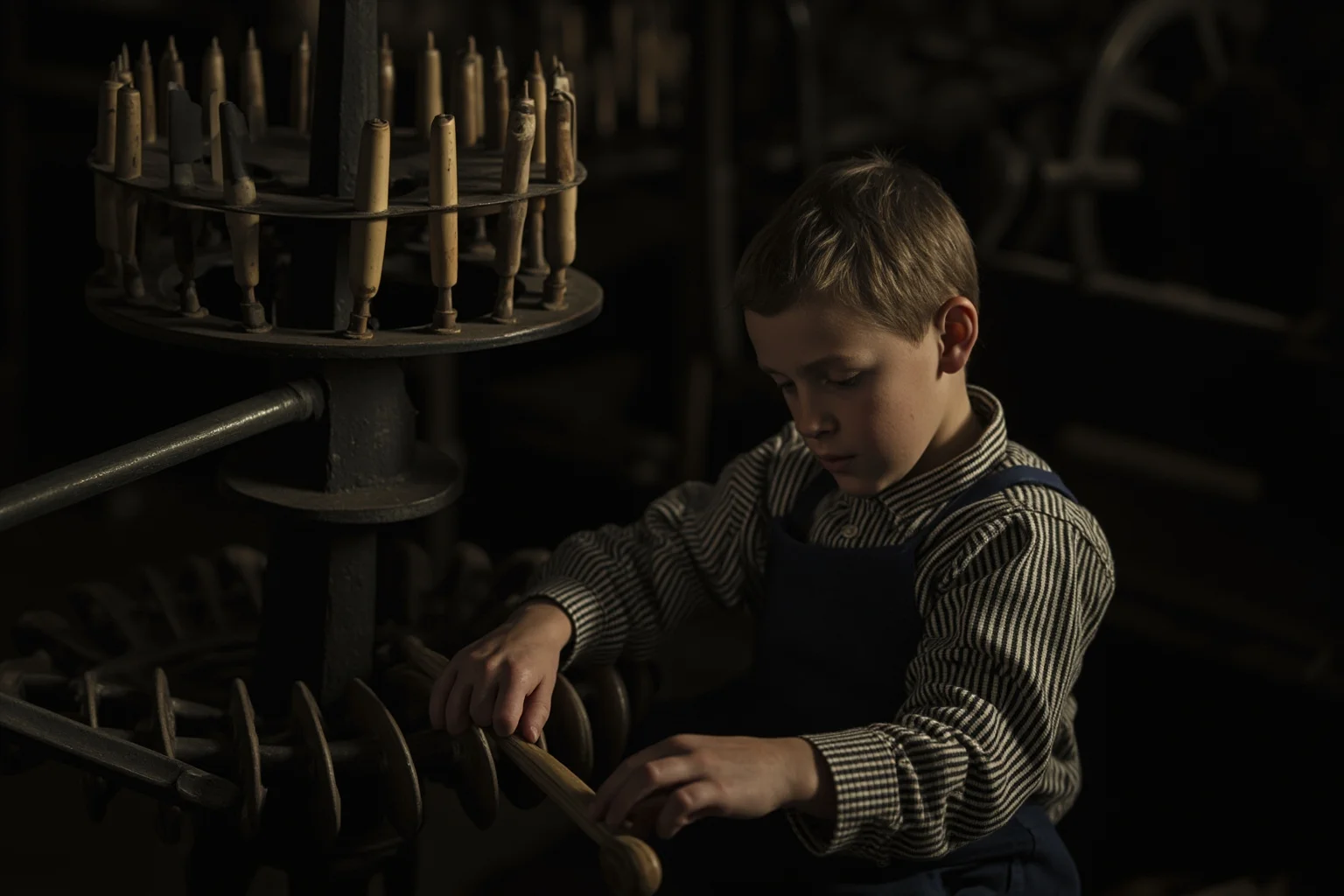
Carnegie was born in 1835 in Dunfermline, Scotland, where his father’s handloom weaving trade collapsed due to industrialization. The family emigrated to the United States in 1848 in genuine financial desperation.
Carnegie started work at age 13 as a bobbin boy in a cotton mill for a few dollars a week. He later built the Carnegie Steel Company into an industrial giant and became one of the wealthiest men in American history before giving away most of his fortune to libraries and education.
4. John D. Rockefeller
Rockefeller’s father, nicknamed “Big Bill,” was a traveling con man who was frequently absent and unreliable, leaving the family’s finances unstable. Young John grew up without consistent security, which pushed him toward meticulous bookkeeping and discipline from an early age.
He co-founded Standard Oil in 1870 and became the world’s first billionaire in today’s terms. His rise is one of the most cited poverty to riches stories in American business history.
5. P.T. Barnum

Barnum was born in 1810 in Bethel, Connecticut, to a family of modest farmers and shopkeepers. His beginnings weren’t destitute, but money was tight, and he worked a string of odd jobs, including running a small lottery business, before finding his footing.
He eventually became the country’s most famous showman, founding what became Barnum & Bailey Circus. His story is a good reminder that “rags” often means working-class struggle rather than literal starvation.
6. Coco Chanel
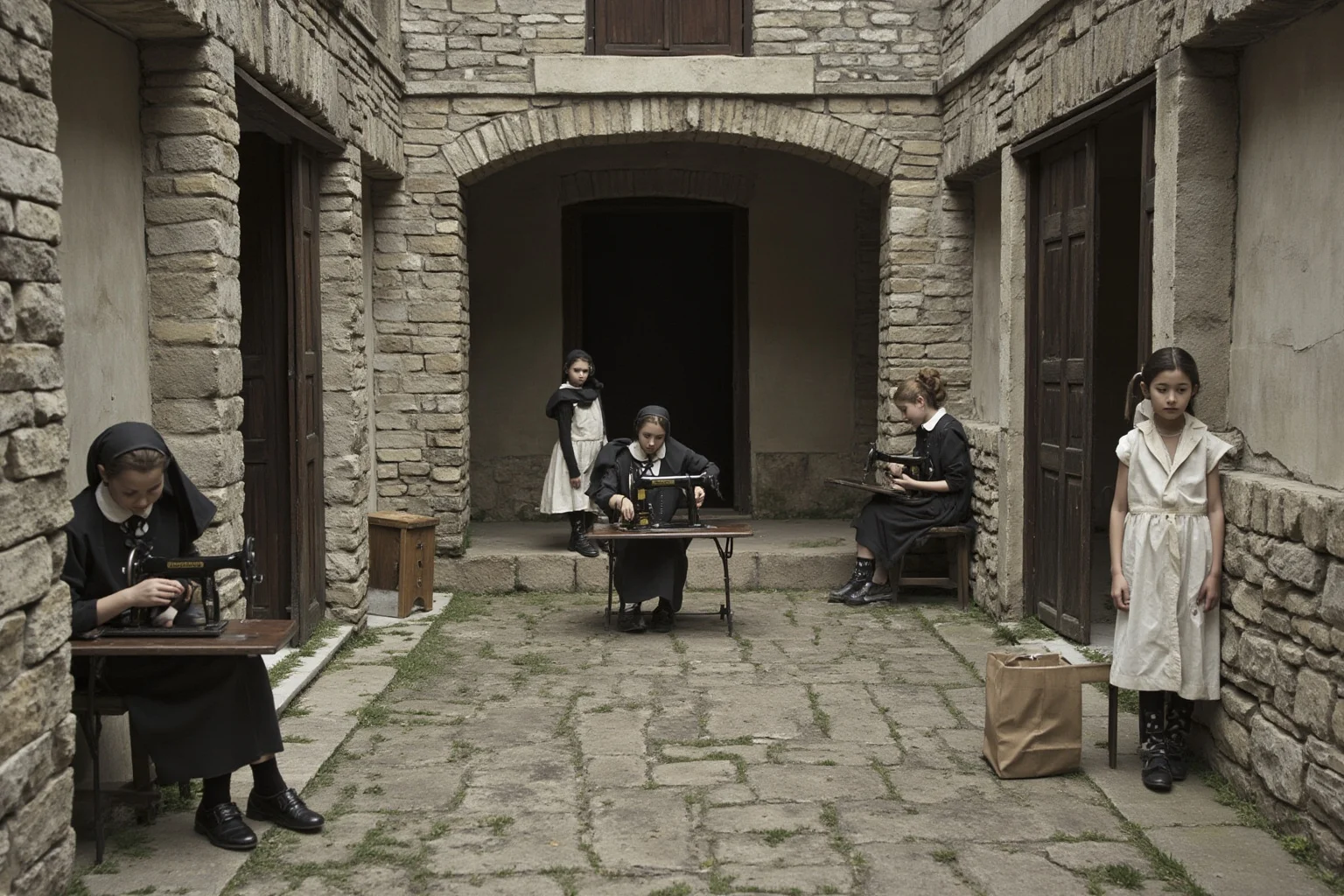
Gabrielle “Coco” Chanel had one of the harder childhoods on this list. Her mother died when she was 12, and her father abandoned the family, leaving Coco to be raised in an austere orphanage run by nuns in Aubazine, France.
It was there that she learned to sew, a skill that would eventually launch one of the most influential fashion houses in history. Chanel later obscured details of her own biography, so some parts of her early life remain genuinely uncertain rather than fully documented.
7. Charlie Chaplin
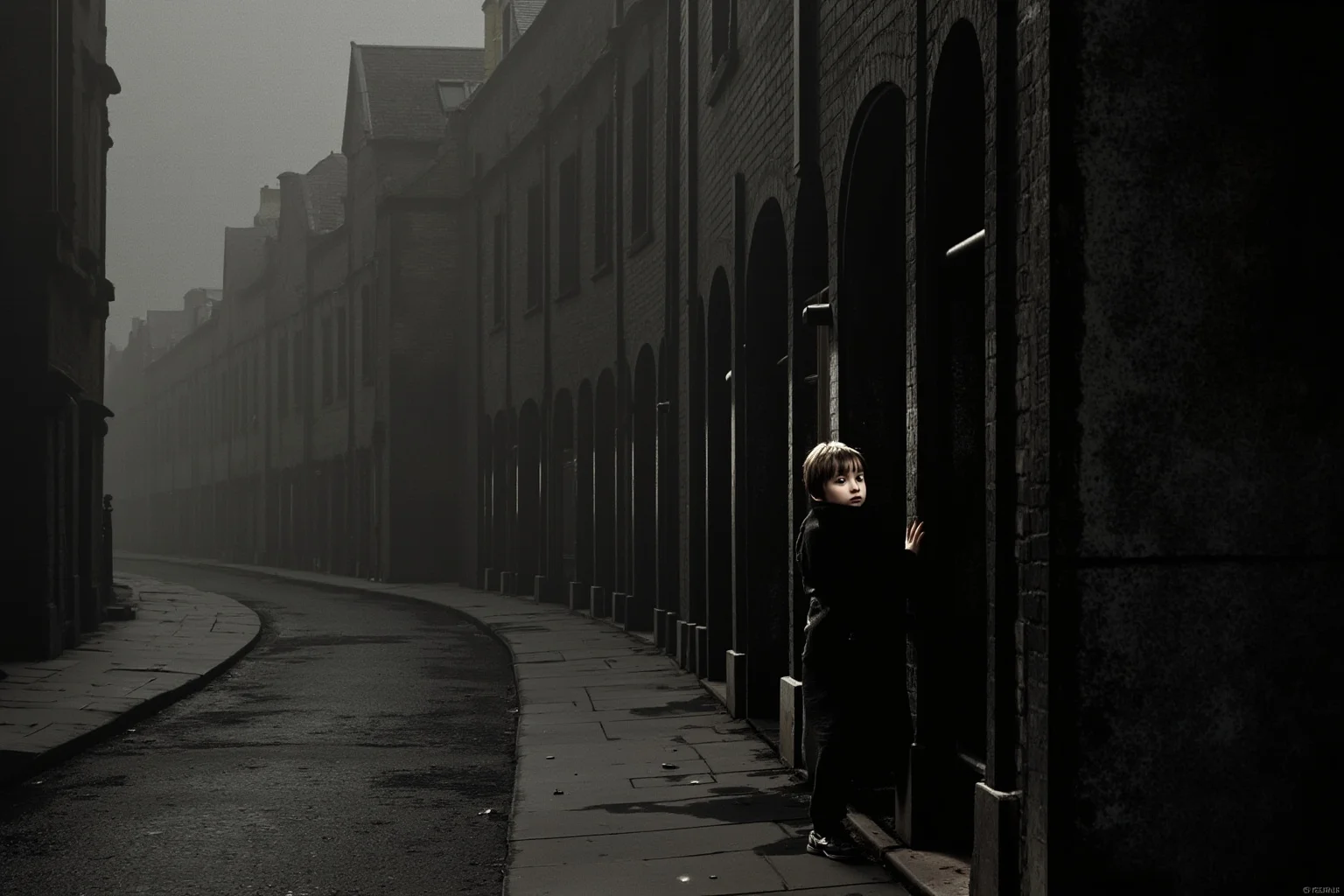
Chaplin was born in London in 1889 into severe poverty. His father was largely absent and struggled with alcoholism, and his mother’s declining mental health led to stretches in workhouses and orphanages during his childhood.
He began performing on stage as a child to help support his family and eventually became the biggest film star in the world during the silent era. Few celebrities on any rags to riches list had a childhood as documented and as difficult as Chaplin’s.
8. Milton Hershey

Hershey grew up in a poor Pennsylvania farming family and had only a limited formal education. His early candy-making ventures repeatedly failed, leaving him broke more than once before he found success.
He eventually developed a process for mass-producing affordable milk chocolate, building the Hershey Company into a household name. His persistence through repeated failure is part of what makes this one of the more grounded rags to riches examples.
9. Madam C.J. Walker
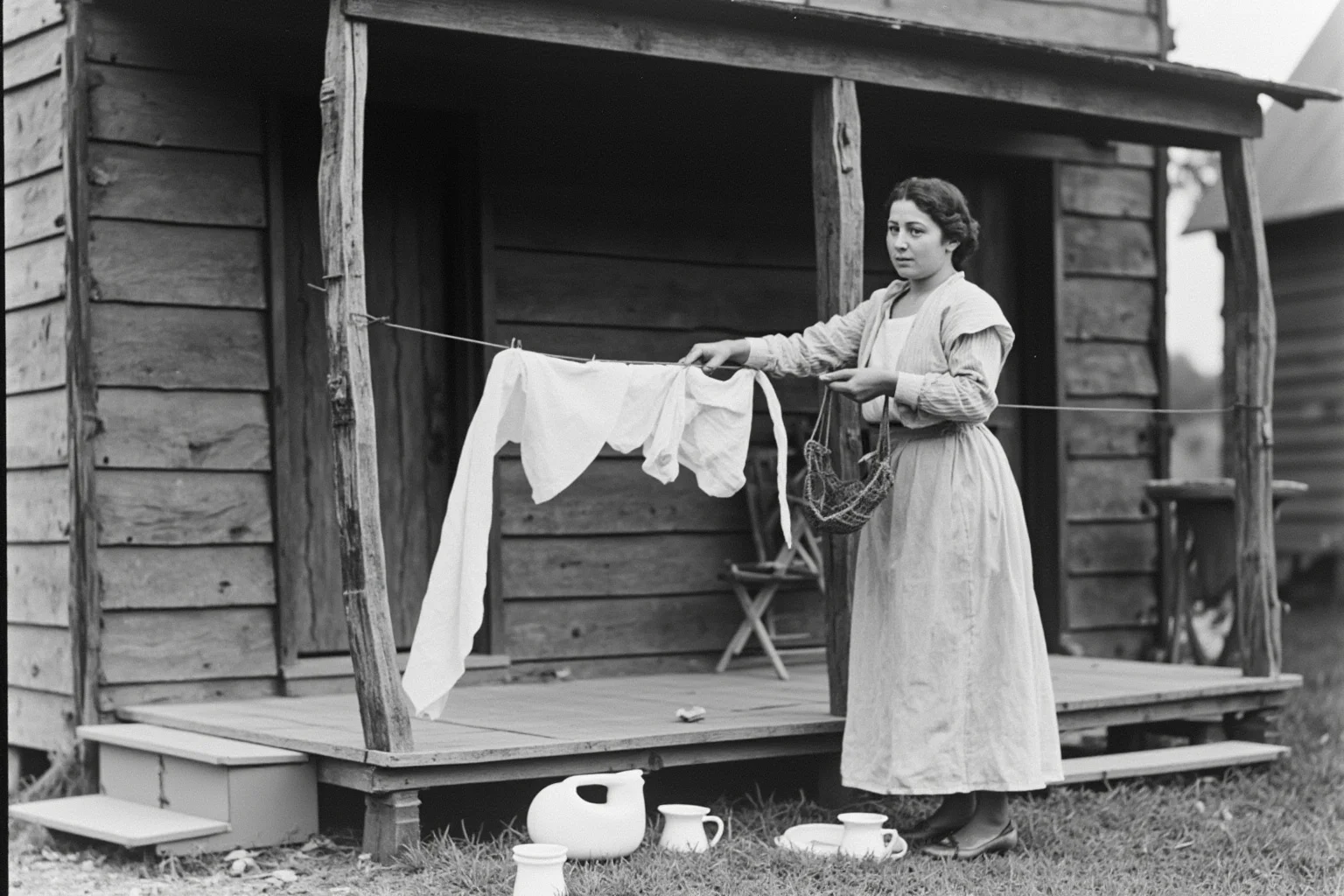
Born Sarah Breedlove in 1867 in Louisiana, she was the daughter of formerly enslaved parents and was orphaned by around age seven. She worked as a laundress earning barely enough to survive while raising her own daughter.
After developing a line of hair care products for Black women, she built a business empire and became widely recognized as one of the first self-made female millionaires in the United States. Her story remains a landmark example of poor people who became rich against extraordinary structural odds.
10. Estée Lauder

Born Josephine Esther Mentzer in Queens, New York, in 1908, Lauder grew up in an immigrant family that ran a modest hardware store. Her upbringing was working-class rather than truly impoverished, so her story sits closer to the middle of the rags-to-riches spectrum.
She began mixing cosmetics in her family’s kitchen and eventually built one of the largest beauty companies in the world. Her rise shows that ambition and marketing savvy can matter just as much as desperate poverty in these stories.
11. Walt Disney
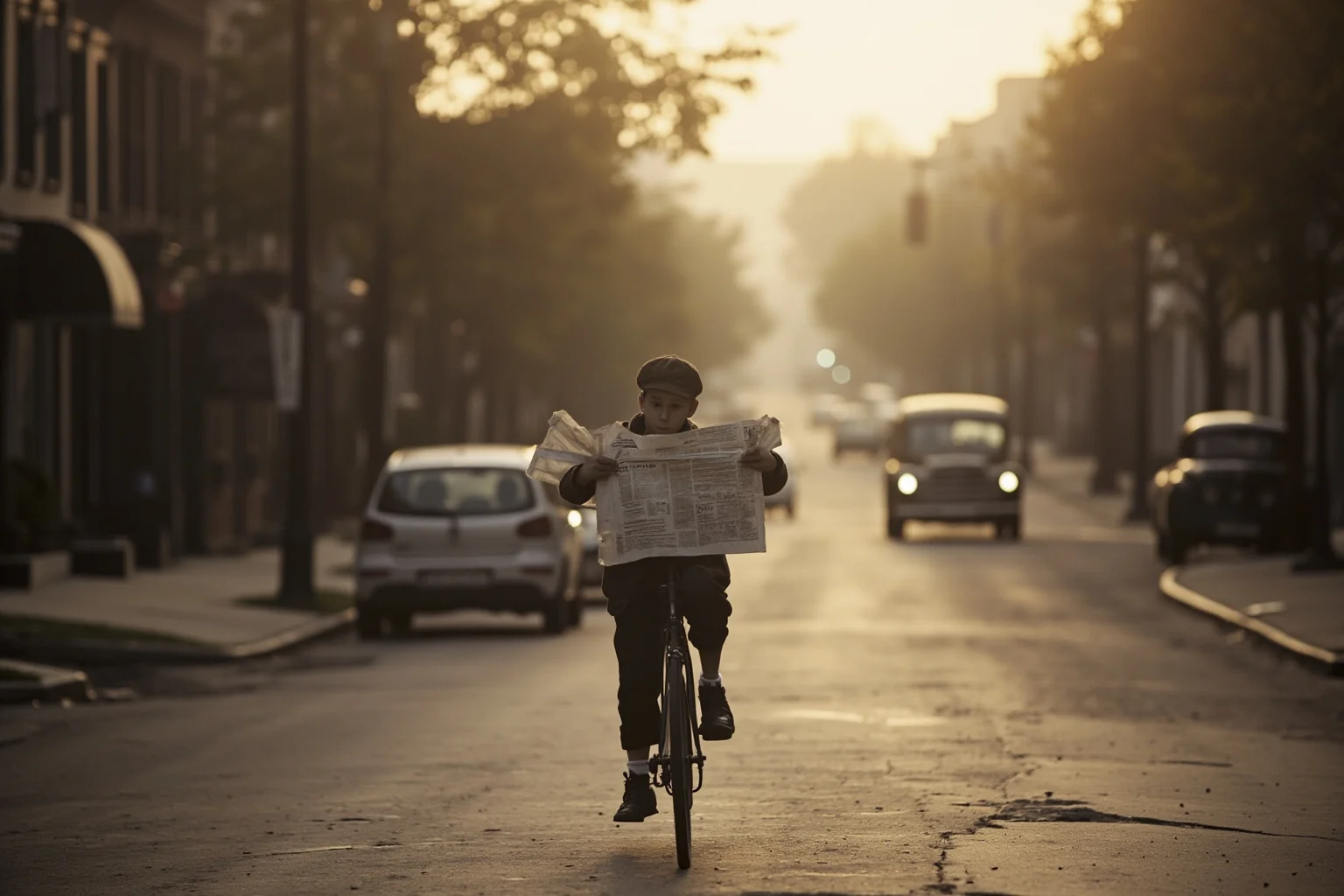
Disney’s family faced repeated financial setbacks as his father moved them between failed farms and businesses in Missouri and Kansas. Walt delivered newspapers before dawn to help support the household.
His first animation studio went bankrupt in the early 1920s, and he had to start over from almost nothing. He rebuilt from that failure to eventually create one of the most recognizable entertainment companies on the planet.
12. Sidney Poitier

Poitier was born in 1927 and raised in genuine poverty on Cat Island in the Bahamas, where his family grew tomatoes to survive. He moved to Miami as a teenager with little money and later to New York, where he was briefly homeless.
He went on to become the first Black man to win the Academy Award for Best Actor, for “Lilies of the Field” in 1964. His journey remains one of the most significant rags to riches stories in entertainment history.
13. Dolly Parton

Parton was born in 1946 in a one-room cabin in the Great Smoky Mountains of Tennessee, one of twelve children in a family with very little money. She has spoken often about the hardship of that upbringing in interviews over the decades.
She became one of the most successful country music artists and songwriters of all time, later building a business empire that includes Dollywood. Her openness about her past has made her one of the most frequently cited rags to riches celebrities.
14. Oprah Winfrey

Winfrey was born in 1954 in rural Mississippi and spent parts of her childhood in poverty, living for a time with her grandmother without indoor plumbing. She has publicly discussed experiencing abuse and hardship during her early years.
She rose through local television to national fame with “The Oprah Winfrey Show” and eventually became the first Black woman to become a billionaire. She’s frequently named among the most famous people from rags to riches in modern media.
15. Ralph Lauren

Lauren was born in the Bronx in 1939, the son of an immigrant house painter, in a working-class household without much spare money. His beginnings were modest rather than destitute, closer to many entries on this list than the extreme poverty end.
He started selling ties before founding his namesake fashion label, which grew into a global lifestyle brand. His story is often used as a classic American rags to riches example in business writing.
16. Howard Schultz

Schultz grew up in a Brooklyn public housing project, where his father’s income as a truck driver was unstable and occasionally interrupted by injury. Money was tight enough that a workplace injury without insurance left a lasting impression on him.
He later took over a small Seattle coffee company called Starbucks and built it into a global chain. He’s often cited when people search for poverty to riches stories tied to modern corporate America.
17. J.K. Rowling

Rowling was a single mother living on welfare in Edinburgh, Scotland, in the early 1990s while she wrote the first Harry Potter novel. Her financial situation at the time is well documented and not exaggerated.
“Harry Potter and the Philosopher’s Stone” was published in 1997 after being rejected by multiple publishers. She went on to become one of the best-selling authors in history, making her one of the more recent and well-verified rags to riches examples.
18. Jim Carrey

Carrey’s family experienced real financial hardship during his childhood in Canada, including a period when they reportedly lived in a camper van. He worked as a janitor alongside his father at points during this difficult stretch.
He pushed into stand-up comedy as a teenager and eventually became one of Hollywood’s highest-paid comedic actors. His candid interviews about that period have made his story a frequently referenced entry among rags to riches celebrities.
19. Shania Twain

Twain grew up poor in rural Ontario, Canada, and has described going hungry and relying on food banks during parts of her childhood. She began performing in bars as a child to help support her family financially.
She went on to become one of the best-selling country and pop artists in music history. Her early hardship is well corroborated by interviews and biographical accounts rather than resting on vague legend.
20. Jay-Z

Born Shawn Carter in 1969, he grew up in the Marcy housing projects in Brooklyn, an area marked by poverty and limited opportunity. He has spoken about selling drugs as a teenager before turning fully toward music.
He built a career as a rapper before expanding into entrepreneurship, becoming one of hip-hop’s first billionaires. His trajectory is one of the most commonly cited modern poverty to riches stories in popular culture.
21. Eminem
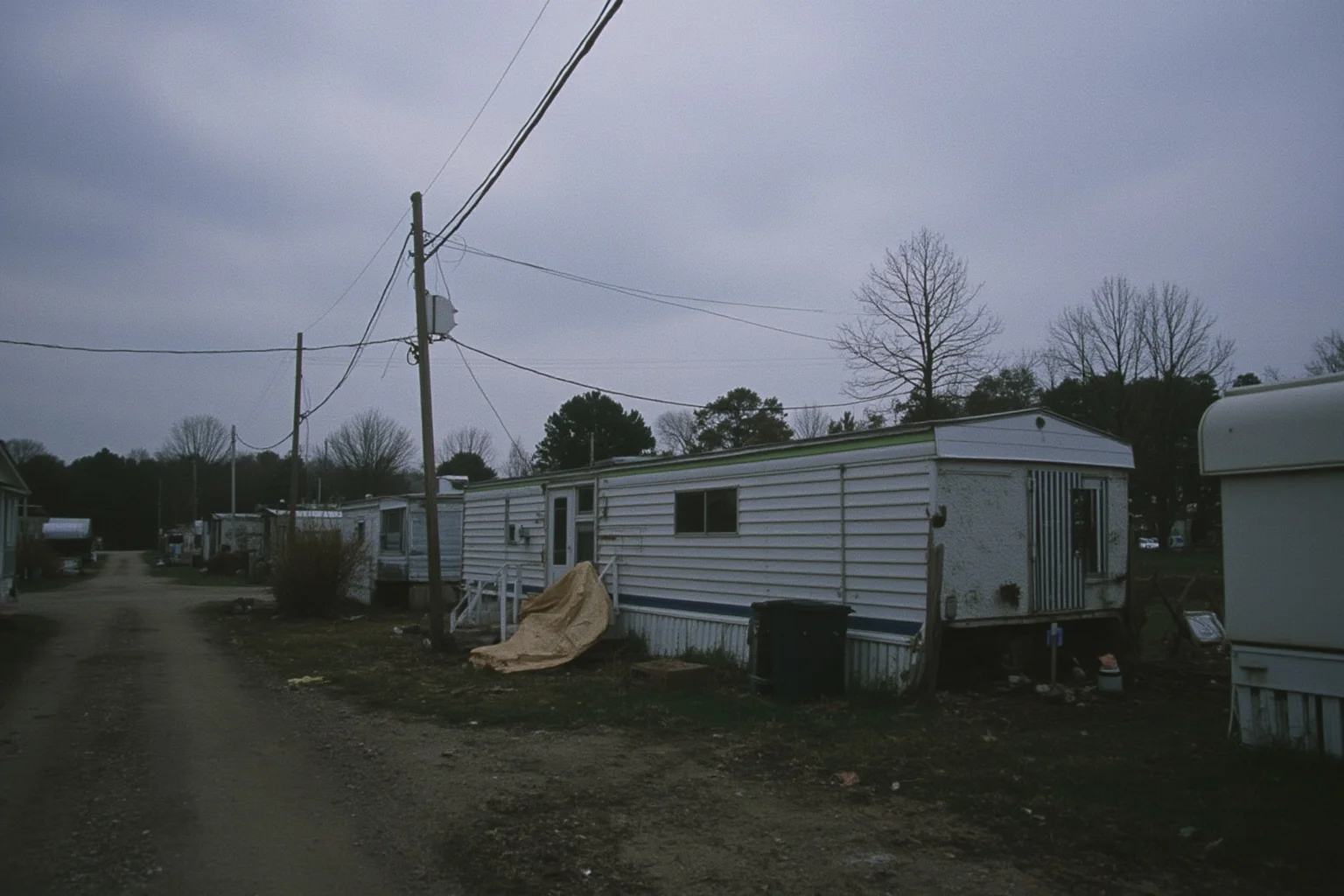
Marshall Mathers grew up in and around Detroit in a series of rented homes and trailer parks, often moving due to financial instability. His mother struggled financially, and the family’s circumstances were genuinely difficult rather than exaggerated for effect.
He became one of the best-selling music artists of all time and won an Academy Award for the song “Lose Yourself.” His lyrics themselves are often treated as a primary source for his early hardship.
22. Chris Gardner

Gardner experienced homelessness with his young son in San Francisco during the early 1980s, at times sleeping in shelters, public restrooms, and even a subway station. He was working an unpaid internship at a brokerage firm during much of this period.
He eventually became a stockbroker and later founded his own successful brokerage firm. His story became widely known through his memoir and the film “The Pursuit of Happyness,” making it one of the most modern and well-documented rags to riches stories on this list.
Examples of Aristocracy in History: The Flip Side of Rags to Riches
It’s worth remembering that for most of human history, wealth wasn’t earned through hustle; it was inherited through bloodline. Looking at examples of aristocracy in history—and at the richest and most powerful families throughout history—helps explain why rags-to-riches stories felt so remarkable when they happened.
In medieval and early modern Europe, the British peerage system granted hereditary titles like duke, earl, and baron, with wealth and political power passed down through generations rather than earned. France’s Ancien Régime had a similar structure, where the nobility, known as the Second Estate, held vast land and legal privileges simply by birth until the French Revolution dismantled much of that system in 1789.
Russia’s tsarist era had its own hereditary elite, the boyars and later the broader nobility class, who held land and serfs for centuries. Japan’s feudal period featured daimyo lords and the samurai class, whose status was tied to family lineage and service rather than personal wealth-building.
Ancient Rome had its patrician families, some of whom appear among the most influential ancient Roman figures in history, who held disproportionate power in the Senate for centuries simply because of their ancestry. Against this backdrop, a rags-to-riches climb wasn’t just impressive; in many eras, it was structurally rare, since birth rather than effort usually determined a person’s economic ceiling.
Can You Still Go From Poverty to Riches Today?
Modern economies have made social mobility statistically harder in some ways, even as the cultural myth of the self-made success story remains as popular as ever. Economists who study intergenerational mobility generally find that a person’s chances of moving into a higher income bracket depend heavily on factors like access to education, geography, and the wealth of their parents.
That said, the examples above show these journeys are still genuinely possible, not just Hollywood fiction. J.K. Rowling, Howard Schultz, and Chris Gardner all built their success within the last several decades, proving the pattern hasn’t disappeared. What has changed is that fewer people achieve it purely through luck or grit alone; education, timing, and access to capital tend to matter more than the old bootstrap mythology suggests.
Final Thoughts on Rags to Riches Stories
History’s most famous poverty to riches stories are compelling precisely because they’re rare, not because they’re common. For every Genghis Khan, Oprah Winfrey, or Madam C.J. Walker, there are countless people who worked just as hard and never escaped the circumstances they were born into.
That’s not meant to be discouraging; it’s meant to be honest. The real value in these stories isn’t a guarantee that anyone can do it, but proof that the ceiling isn’t always fixed, and that circumstances, however brutal, don’t automatically write the ending.
Frequently Asked Questions
What are some famous rags to riches stories?
Some of the most famous rags to riches stories include Andrew Carnegie, who went from a poor Scottish immigrant family to a steel magnate, Madam C.J. Walker, who rose from poverty as an orphaned laundress to become one of America's first self-made female millionaires, and J.K. Rowling, who wrote the first Harry Potter novel while living on welfare as a single mother. Genghis Khan, Oprah Winfrey, and Charlie Chaplin are also frequently cited historical examples.
Who coined the term ‘rags to riches’?
The phrase is most closely associated with 19th-century American author Horatio Alger, whose novels like 'Ragged Dick' (1867) popularized stories of poor boys rising to success through hard work and virtue. Ironically, Alger himself grew up middle-class rather than in poverty, so he wrote the trope more than he lived it.
Were rags to riches stories always literally true?
Not always. Many famous figures described as 'rags to riches' actually started in modest working-class circumstances rather than true destitution, and details were sometimes exaggerated later for a better narrative. Genuine cases of extreme childhood poverty, like Charlie Chaplin's or Madam C.J. Walker's, are well documented, while others, like P.T. Barnum's, are milder than popular legend suggests.
What’s the difference between a rags to riches story and aristocracy?
Aristocracy refers to inherited wealth and status passed down through family bloodlines, such as Britain's hereditary peerage or France's pre-revolutionary nobility, regardless of personal effort. A rags to riches story, by contrast, describes someone who started with little or nothing and built wealth or status through their own actions within their lifetime.
Can people really still go from poverty to riches today?
Yes, though it's statistically less common than popular culture suggests. Modern examples like Howard Schultz, J.K. Rowling, and Chris Gardner show it remains possible, but factors like education access, family wealth, and geography play a much larger role in social mobility than the old bootstrap myth implies.
Who is the most famous person to go from poor to rich in history?
It depends on the era, but Genghis Khan is one of the most extreme historical examples, rising from an abandoned, impoverished boy on the Mongolian steppe to founder of the largest land empire in history. In modern history, figures like Andrew Carnegie and Oprah Winfrey are among the most frequently cited examples of poor people who became rich.

Alex Warren
Related Articles





