
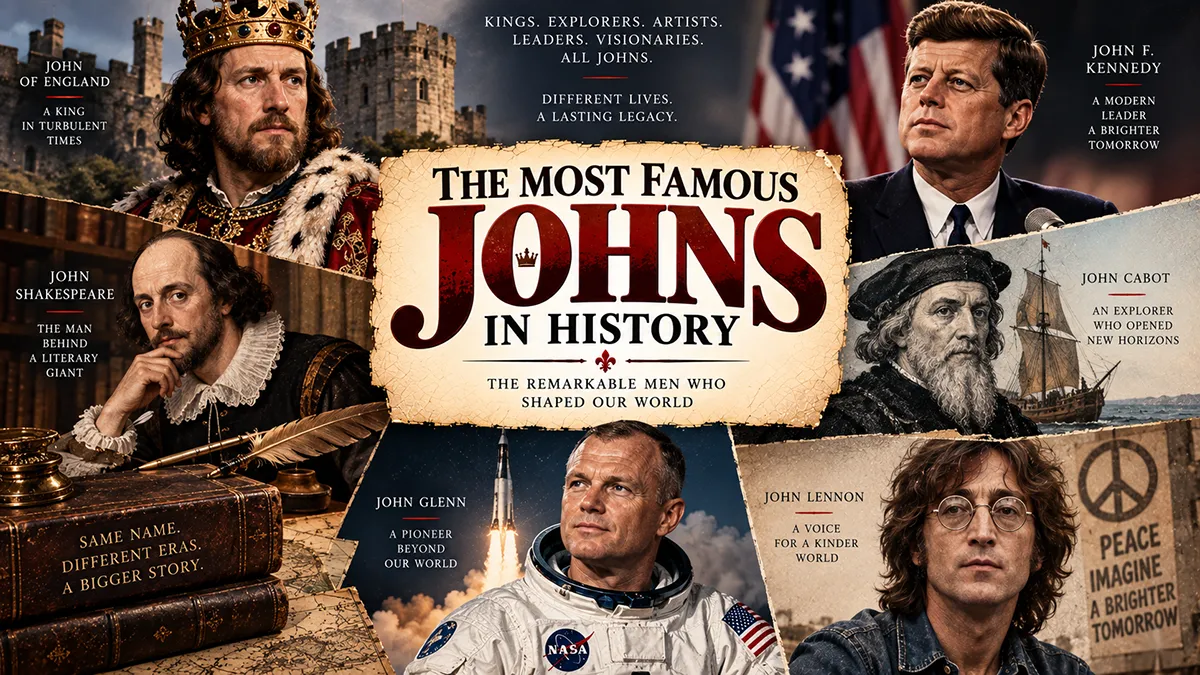
If you tried to write a history of the world without anyone named John, you’d barely get past the first century.
John the Baptist would have to go. So would a dozen kings, twenty-one popes, two U.S. presidents, a Beatle, and roughly half of Hollywood’s leading men from 1930 to 1990. Few names have shown this kind of staying power across cultures, languages, and centuries.
This guide rounds up the most famous Johns in history, explains why the name has been unstoppable for two thousand years, and clears up some of the odd trivia people search for — like what “who shot John” actually means and why there seem to be so many John Smiths in the world.
TL;DR: “John” has produced more world-changing figures — kings, presidents, saints, and rock stars — than almost any other name in history, and its variants (Jon, Jan, Juan, Ivan, Sean) have shaped global culture just as much.
Why Is “John” Such a Popular Name?
The name John comes from the Hebrew name Yohanan, meaning roughly “God is gracious.” It traveled into Greek as Ioannes, into Latin as Ioannes/Johannes, and from there splintered into nearly every European language.
That single root explains why John, Jean, Juan, Giovanni, Ivan, Sean, and Jan are all, historically speaking, the same name wearing different national costumes.
Its early boost came from the Bible. John the Baptist and John the Apostle gave the name enormous religious weight in medieval Christian Europe, and parents named sons John partly as an act of devotion.
By the Middle Ages, John was already one of the most common given names in England, and it stayed near the top of naming charts for centuries.
If you’re wondering how popular is the name John today, it has slipped from the very top spot it held for hundreds of years, but it remains a steady, enduring classic rather than a trend.
It’s also the source of one of the most common surnames in the English-speaking world: the surname John itself, along with Johns, Johnson, Jones, and Jonson, all trace back to “son of John” or a shortened form of the name.
You’ll occasionally see the name misspelled online as “jhons,” which is simply a typo of “johns” rather than a separate name or variant — but it points to just how often people are searching for this name in one form or another.
John Nicknames and Name Variations Around the World
One reason John shows up so often in history is that it hides behind so many nicknames and translations. If you’re wondering what are nicknames for John, the shortlist includes Jack, Jonny, Johnny, Jon, Jack-o, and the older forms Jankin and Jenkin, from which the surname Jenkins comes.
Across languages, the John family tree gets even bigger. Ivan (Slavic), Juan (Spanish), Jean (French), Giovanni (Italian), Sean and Eoin (Irish), Hans and Johannes (German), and Jan (Dutch, Polish, Czech) are all direct cousins of John. That’s why lists of famous Jans, famous Jons, and famous Johnnys often overlap with lists of famous Johns — they’re branches of the same family.
Some well-known bearers of these variants include Jan Hus, the 15th-century Bohemian reformer whose name is rendered “John Huss” in English texts, and countless Ivans in Russian and Slavic history, including several tsars. Jon Bon Jovi and Jon Stewart represent the modern American use of “Jon” as a standalone spelling, distinct from but historically tied to John.
How Many Johns Are There, Really?
People often ask how many Johns are in the world, and there’s no single verified global count — no international registry tracks first names across every country.
What we do know is that John has been among the top given names in English-speaking countries for centuries, which means the honest answer is: a great many millions, but no exact figure exists.
The related question of how many John Smiths there are is a bit of a running joke in English-speaking culture, since “John Smith” became shorthand for an anonymous everyman.
Genealogical and public records suggest tens of thousands of people have carried that exact combination in the UK and US alone, though again, no precise worldwide census exists.
Then there’s the legal fiction of John Doe, used in English and American courts for centuries to refer to an unidentified male party or an unclaimed body.
Questions like how many “John Does” are there don’t have a real numerical answer, because John Doe isn’t a real person — it’s a placeholder name, the legal equivalent of “insert name here.”
24 of the Most Famous Johns in History
From prophets to presidents to punk-adjacent pianists, here are the Johns (and close variants) who left the biggest mark. They’re arranged roughly in chronological order of when they lived, rather than ranked by fame.
1. John the Baptist
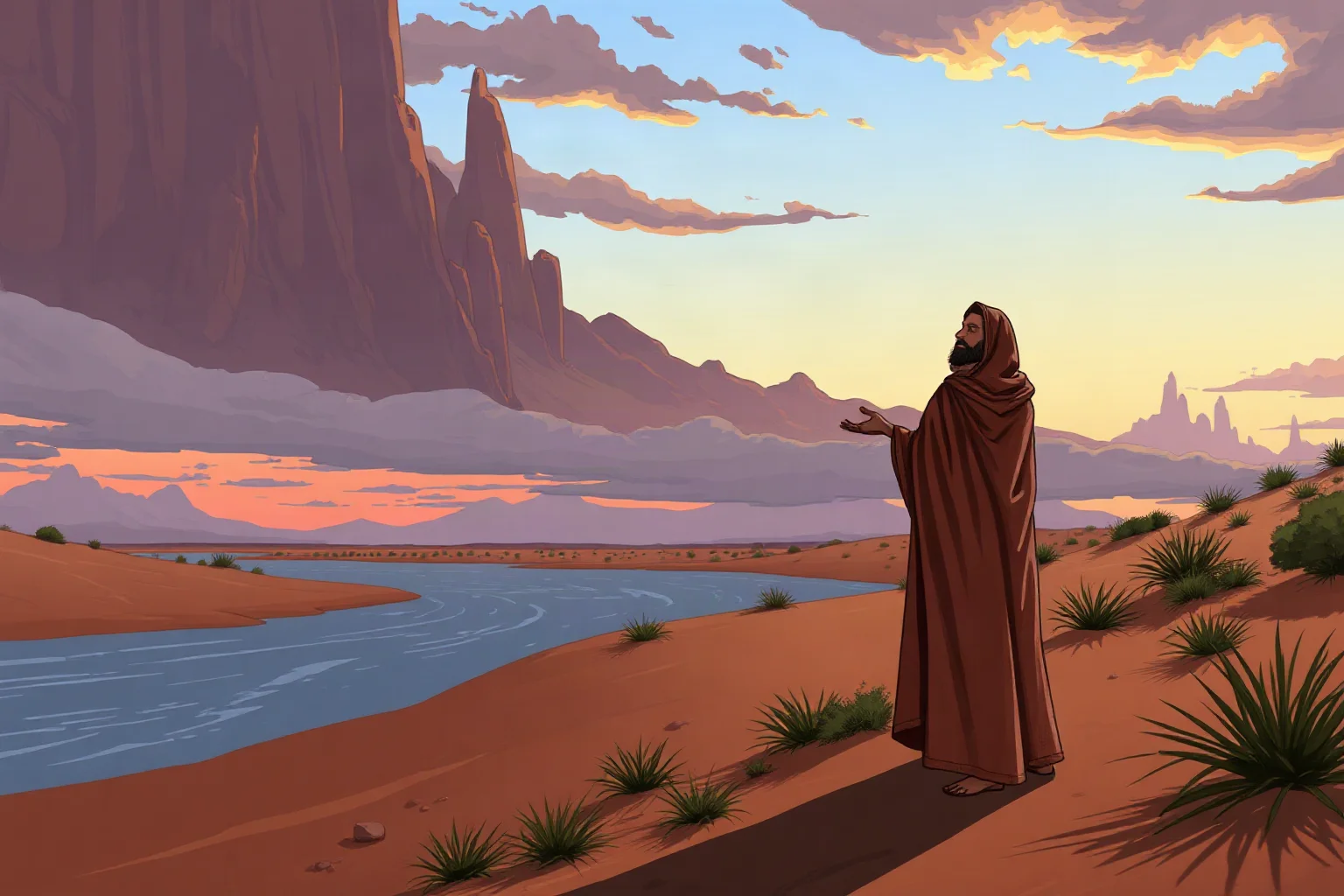
John the Baptist is one of the earliest and most influential Johns in recorded history, described in the New Testament as the prophet who baptized Jesus in the Jordan River.
His life is documented primarily through religious texts rather than independent historical record, but his influence on Christianity is undeniable. He’s traditionally regarded as the namesake that made “John” a popular Christian given name in the first place.
2. King John of England
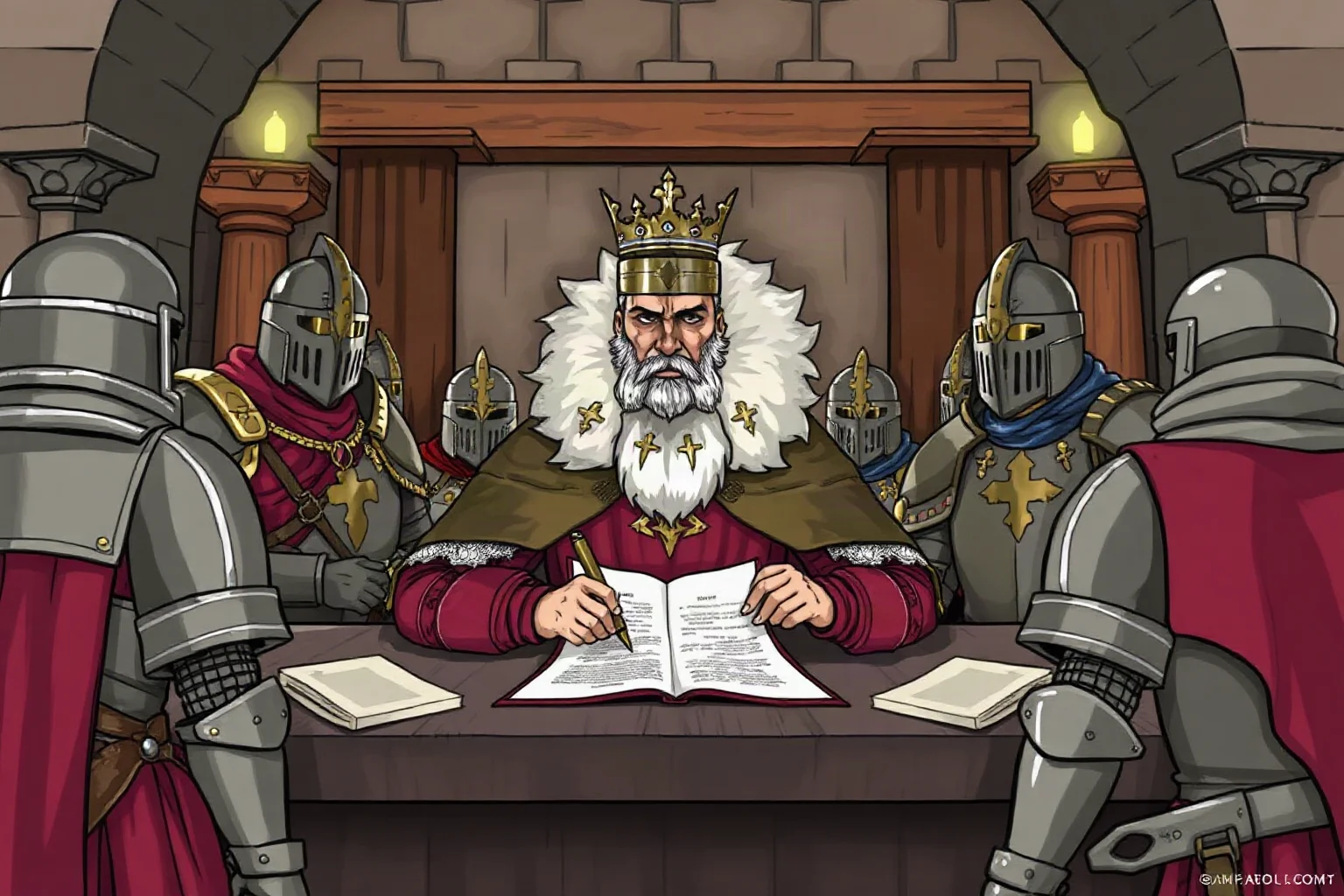
King John ruled England from 1199 to 1216 and is remembered largely for losing territory in France and for being forced by rebellious barons to sign the Magna Carta in 1215.
That document limited royal power and is often cited as an early building block of constitutional law. His reputation as a weak or untrustworthy king comes largely from later chroniclers, so modern historians treat some of the harsher legends about him with caution.
3. Pope John XXIII
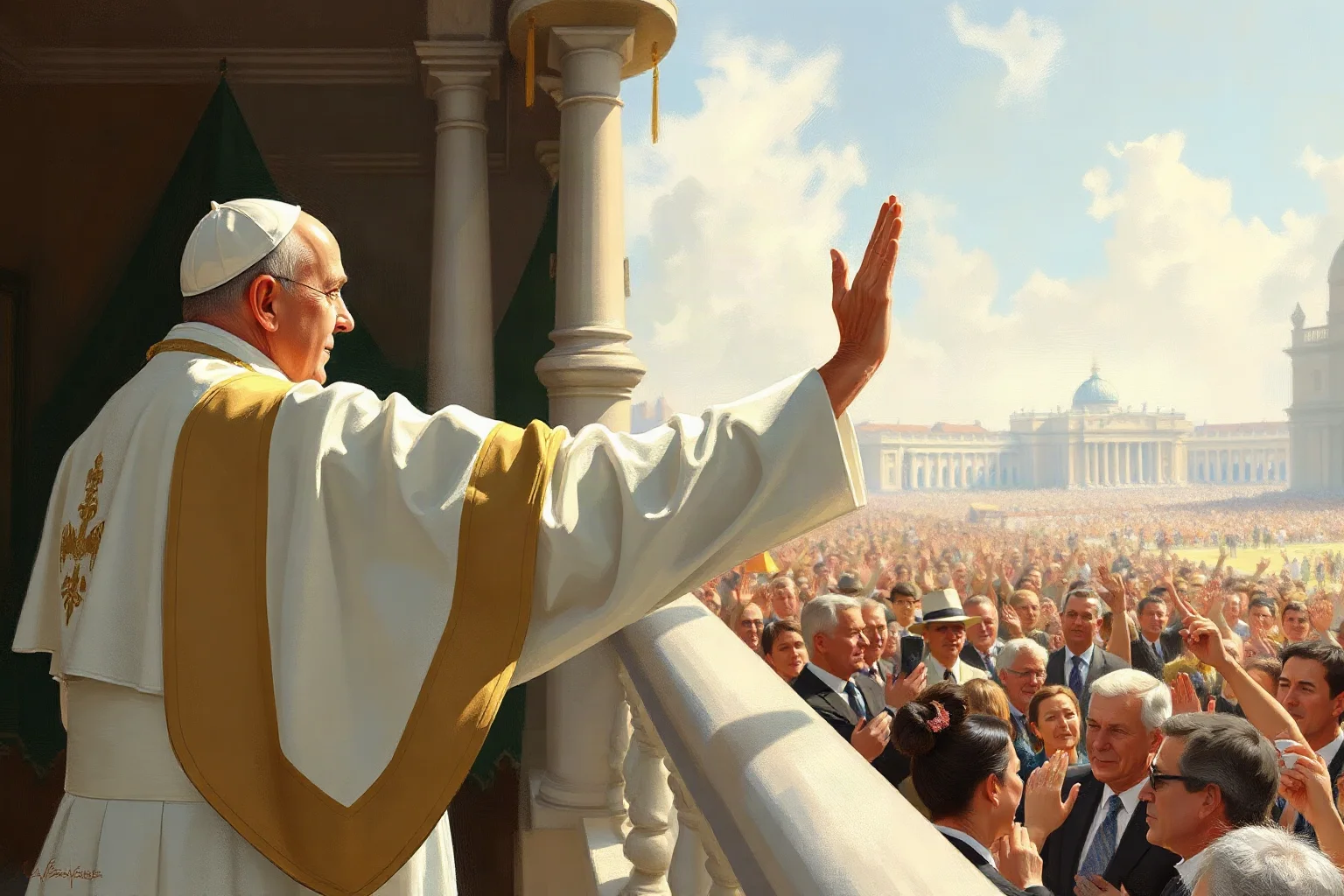
John is, by far, the most popular papal name in history, with 21 popes bearing it. Pope John XXIII, who served from 1958 to 1963, is the best-known modern example, remembered for convening the Second Vatican Council, which reshaped Catholic worship and outreach in the modern world. He was canonized as a saint in 2014.
4. John Adams
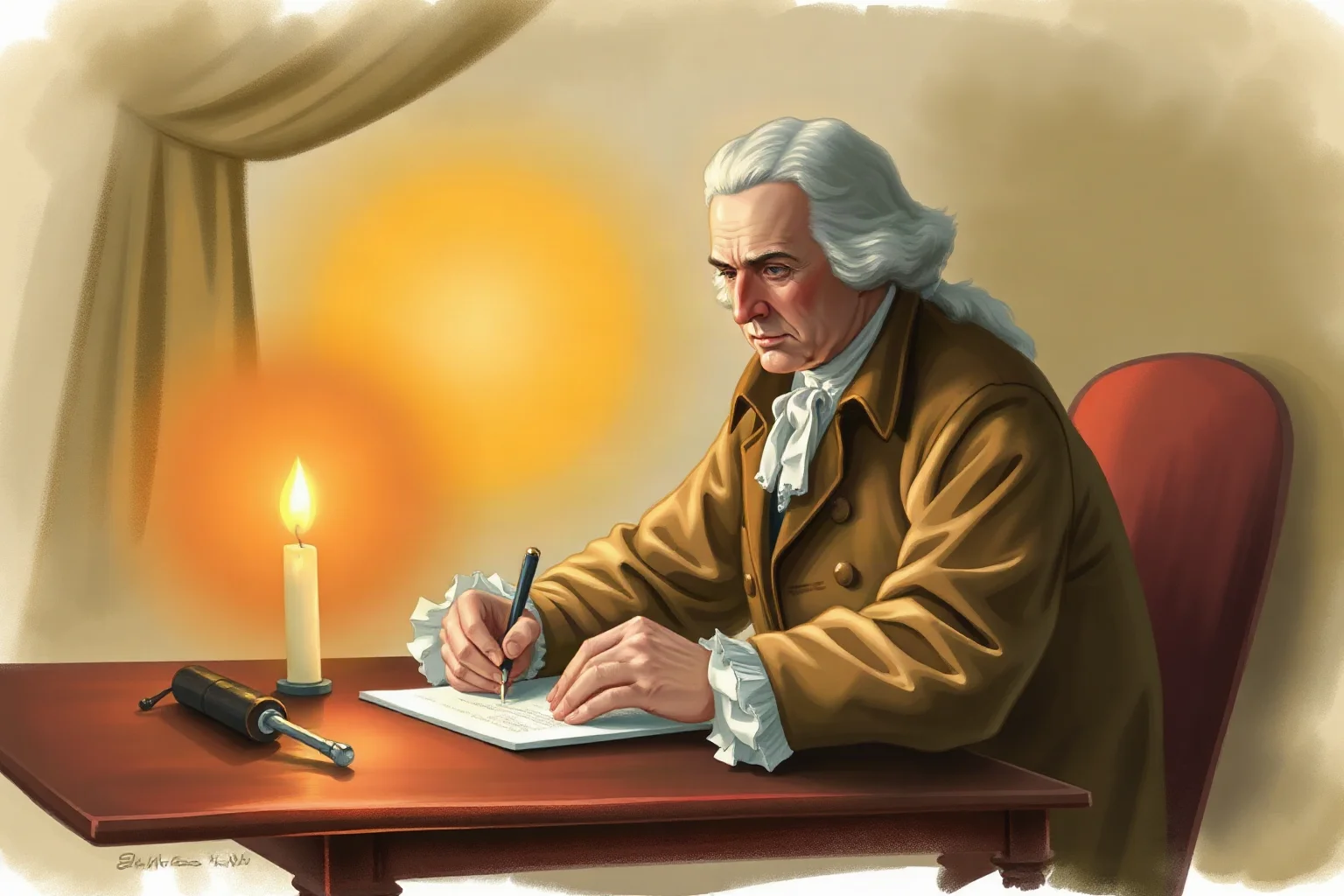
John Adams was a leading voice for American independence, a signer of the Declaration of Independence, and the second president of the United States.
He also helped found the tradition of a peaceful transfer of power after losing his 1800 reelection bid to Thomas Jefferson. His extensive letters with his wife, Abigail Adams, remain a key historical record of the founding era.
5. John F. Kennedy

John F. Kennedy served as the 35th U.S. president from 1961 until his assassination in 1963. His presidency included the Cuban Missile Crisis and the early push toward the Apollo moon program.
His assassination in Dallas remains one of the most exhaustively investigated events in American history, and JFK himself remains one of the most recognized historical figures worldwide.
6. Dr. John Snow
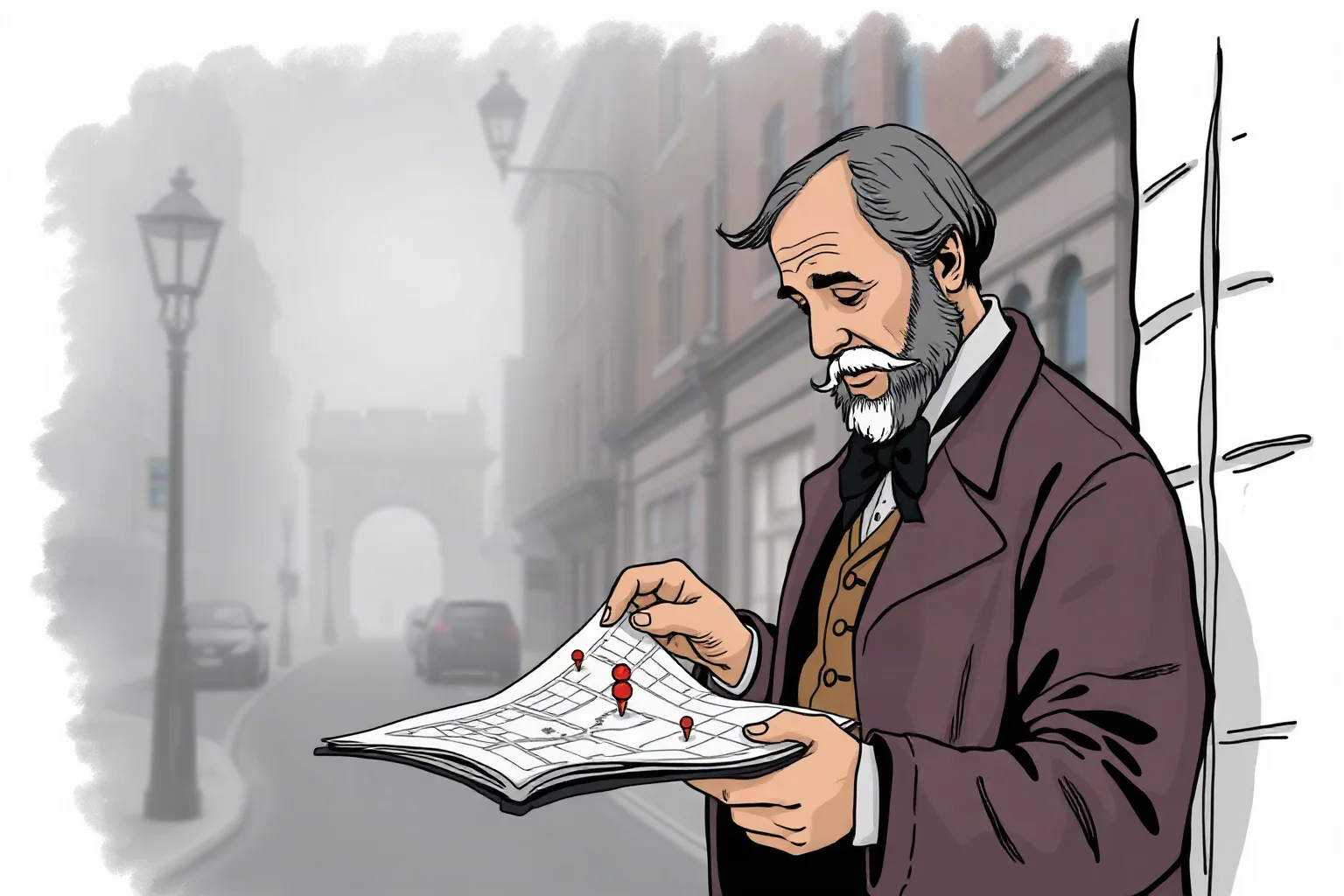
John Snow was a 19th-century English physician often called the father of modern epidemiology. During London’s 1854 cholera outbreak, he traced cases to a single contaminated water pump, helping establish that cholera spread through water rather than “bad air,” as many at the time believed. His methodical mapping of cases is still taught as a foundational moment in public health.
7. John Locke
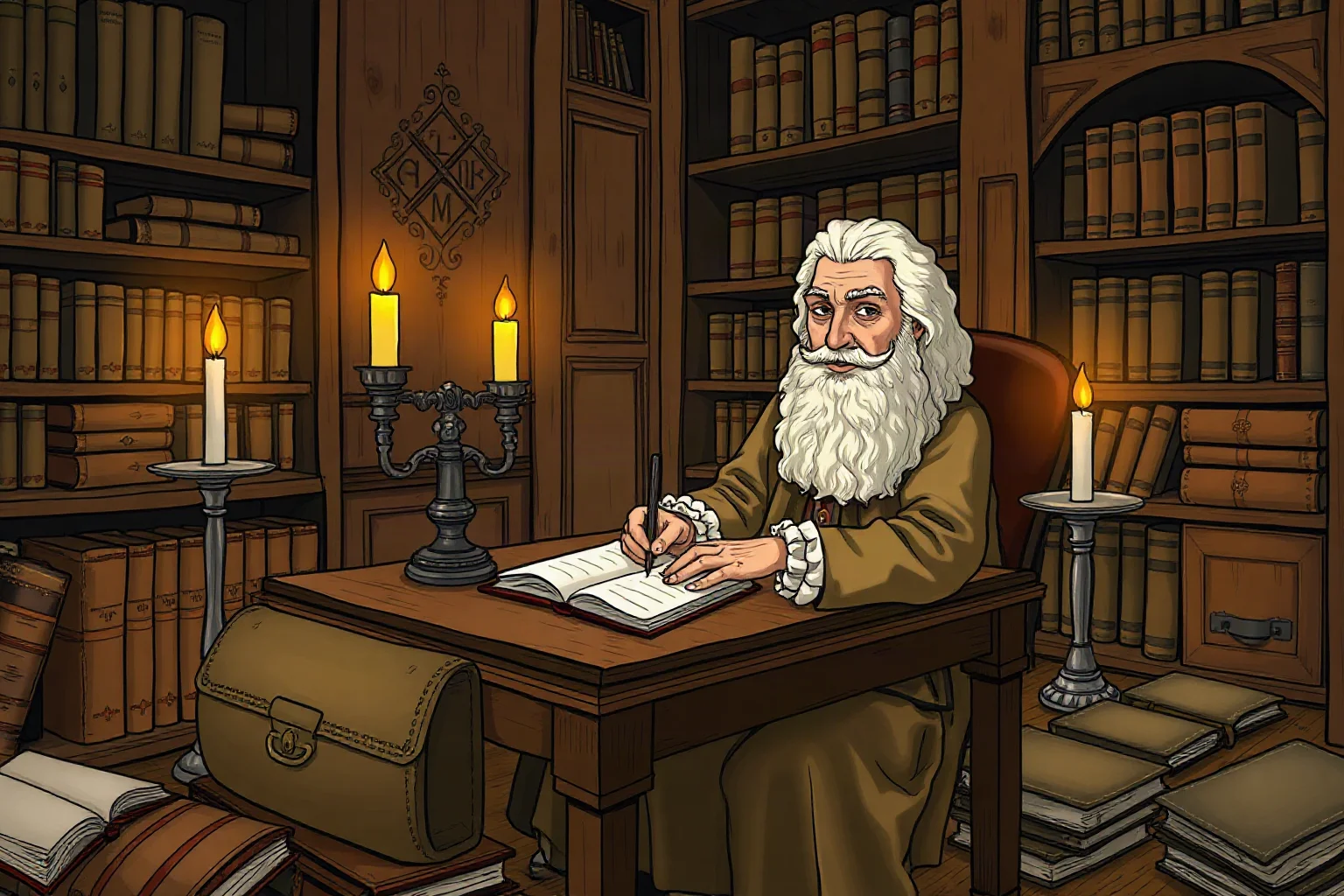
John Locke was a 17th-century English philosopher whose ideas about natural rights, government by consent, and the separation of powers heavily influenced Enlightenment thought.
His writing shaped the language later used in the American Declaration of Independence. He’s frequently cited as one of the smartest people in history and one of the most important political philosophers in Western history.
8. John Muir

John Muir was a Scottish-American naturalist and writer whose advocacy helped establish Yosemite and other areas as protected national parks. He co-founded the Sierra Club in 1892, an organization still active in conservation today. His writings helped popularize the idea that wild landscapes deserved legal protection.
9. John D. Rockefeller
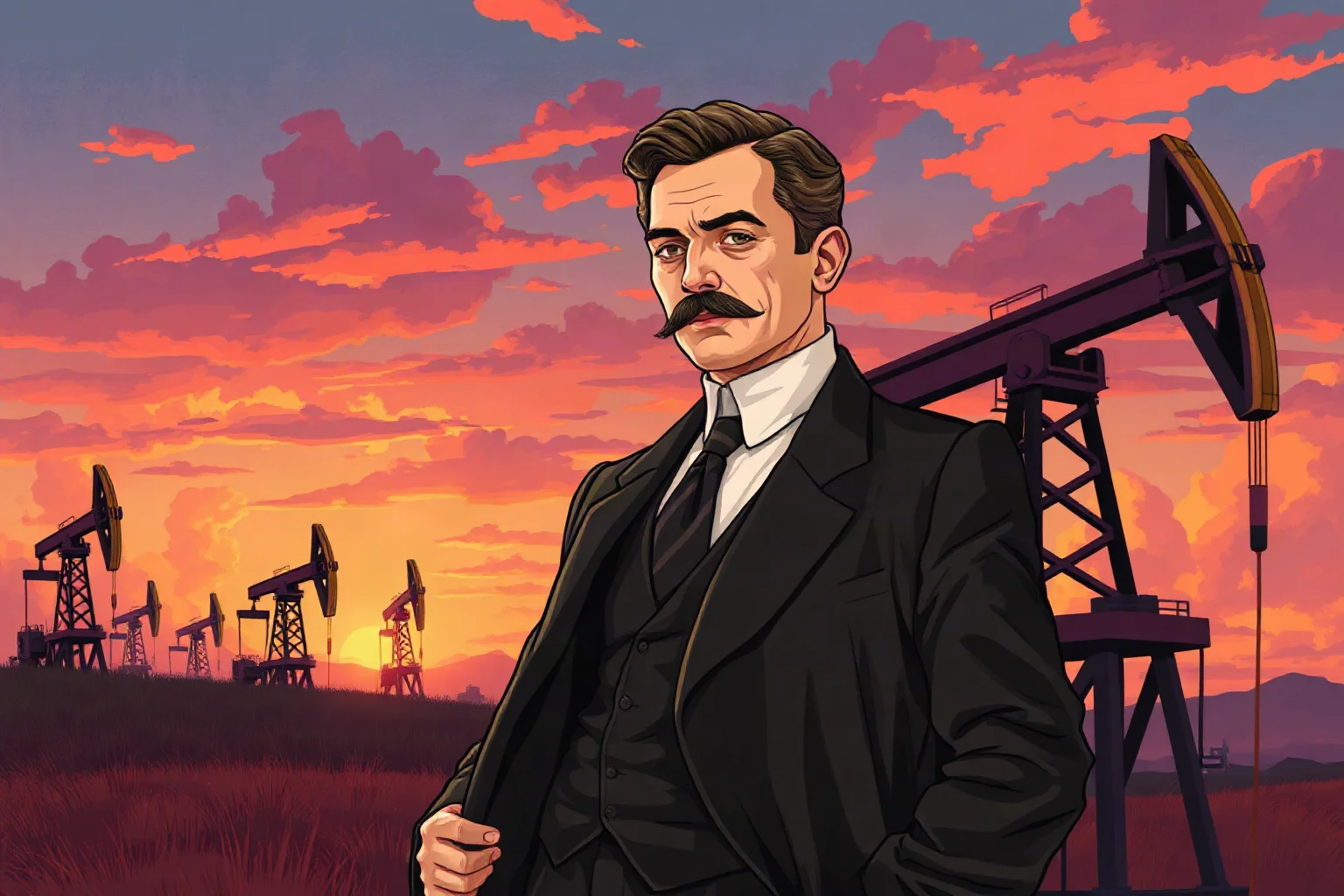
John D. Rockefeller built Standard Oil into the dominant force in the American oil industry, becoming one of the wealthiest individuals in modern history, and the Rockefellers remain one of the richest and most powerful families in history. His business practices eventually led to Standard Oil’s breakup under antitrust law in 1911. He later became one of history’s major philanthropists, funding medical research and education.
10. John Deere
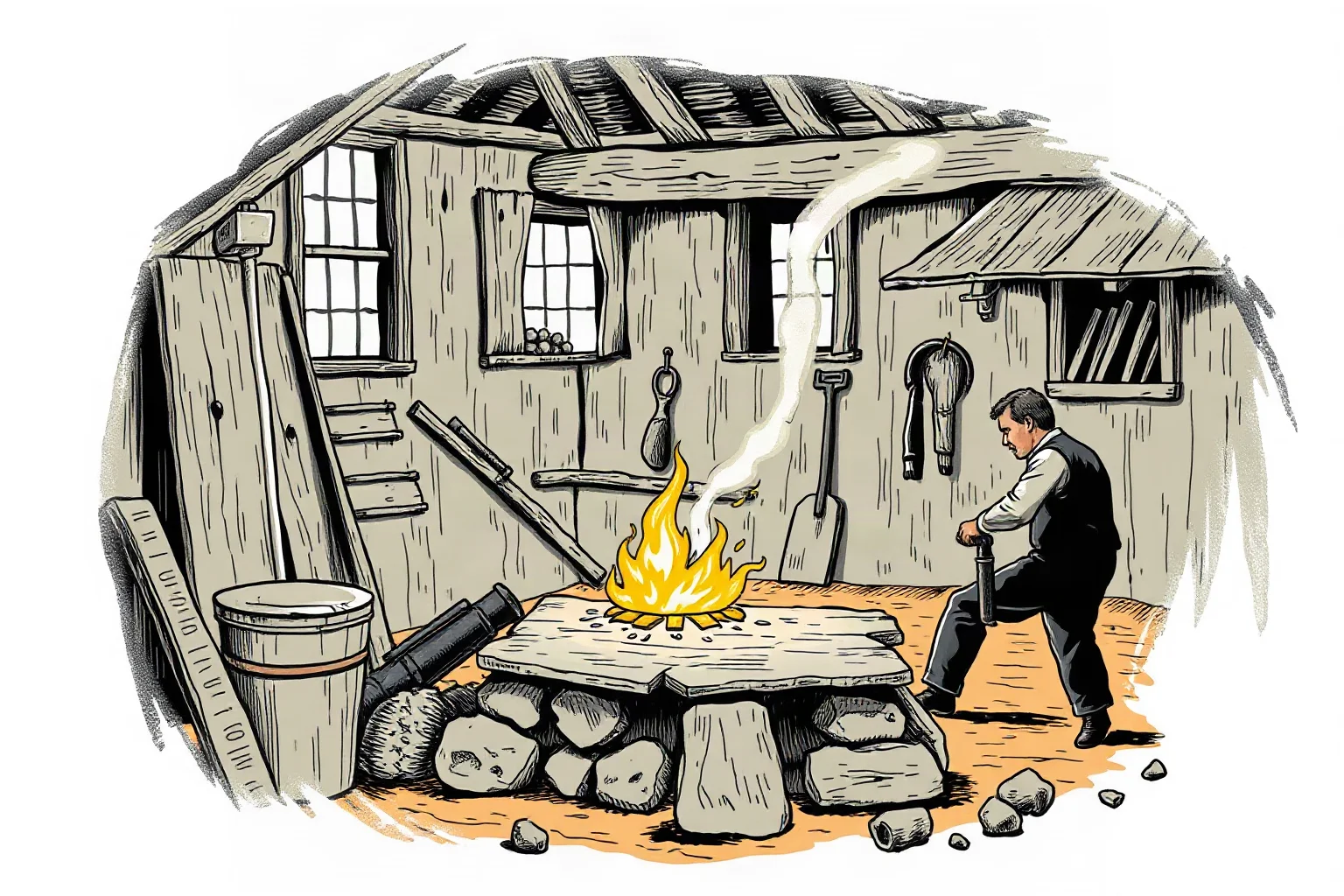
John Deere was a 19th-century blacksmith who invented a self-scouring steel plow in 1837, a design far better suited to the thick prairie soil of the American Midwest than earlier cast-iron plows. The company he founded still bears his name and remains a major agricultural equipment manufacturer today. His practical invention quietly reshaped American farming.
11. Sir John A. Macdonald
Sir John A. Macdonald was the first prime minister of Canada, serving as a key architect of the country’s 1867 confederation. He oversaw the construction of the transcontinental railway that linked Canadian provinces. His legacy is complex and debated today, particularly regarding federal policies toward Indigenous peoples during his tenure.
12. John L. Sullivan — “The Great John L”
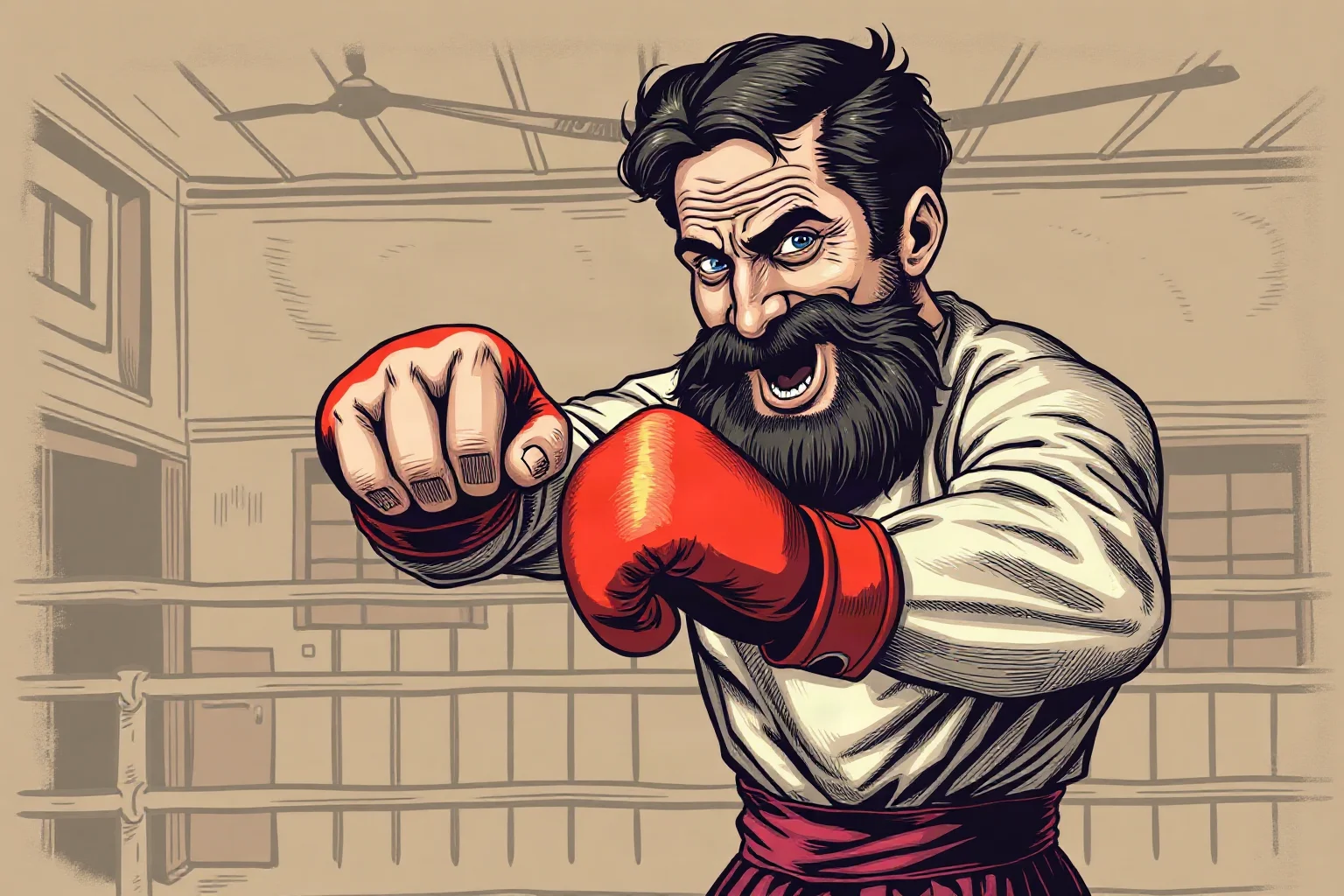
Often nicknamed “the Great John L,” John L. Sullivan was a heavyweight boxing champion in the late 19th century and one of America’s first genuine sports celebrities. He’s considered the last great bare-knuckle champion and one of the first champions of the gloved, modern era. His fame helped turn boxing into a major American spectator sport.
13. John Wilkes Booth

John Wilkes Booth was the actor who assassinated President Abraham Lincoln in 1865, one of the most consequential acts of political violence in American history. He was killed by Union soldiers after a manhunt lasting less than two weeks. His act is a somber reminder that not every famous John left a positive legacy.
14. John Wayne
John Wayne became the defining face of the American Western film genre across a career spanning nearly five decades. Born Marion Morrison, he adopted the stage name John Wayne early in his career and used it for the rest of his life. He remains one of the most recognizable actors named John in film history.
15. John Travolta

John Travolta rose to fame in the 1970s with roles in “Saturday Night Fever” and “Grease,” becoming one of the era’s defining leading men. He later had a major career resurgence with “Pulp Fiction” in 1994. He’s frequently cited among the most famous actors named John working in modern Hollywood.
16. Johnny Depp
Johnny Depp built a career on unconventional, often eccentric roles, from Edward Scissorhands to Captain Jack Sparrow in the “Pirates of the Caribbean” franchise. His willingness to take offbeat parts set him apart from more conventional leading men of his generation. He remains one of the most searched famous Johnnys in entertainment.
17. John Lennon

John Lennon co-founded The Beatles and became one of the most influential songwriters in popular music history. After the band’s breakup, he continued a successful solo career alongside Yoko Ono until his murder in 1980. His songwriting partnership with Paul McCartney remains one of music history’s most studied collaborations.
18. Elton John

Born Reginald Dwight, Elton John adopted his stage surname in the late 1960s and went on to become one of the best-selling musicians of all time. His flamboyant performances and hits like “Rocket Man” and “Your Song” made him a defining figure of pop music. He’s a rare example of “John” being chosen as a surname rather than inherited.
19. Johnny Cash

Johnny Cash, known as “the Man in Black,” became one of country music’s most enduring figures with a career spanning gospel, rockabilly, and outlaw country. His live album recorded at Folsom Prison in 1968 remains a landmark in American music. His deep, distinctive voice made him instantly recognizable for decades.
20. John Legend
John Legend, born John Stephens, built a career on soulful piano-driven ballads, earning multiple Grammy Awards along the way. He’s also one of the few entertainers to achieve EGOT status, winning an Emmy, Grammy, Oscar, and Tony. His career shows the name John still carries weight in contemporary music.
21. John Glenn

John Glenn became the first American to orbit the Earth in 1962, a defining moment in the Space Race between the United States and Soviet Union. He later served as a U.S. senator and, in 1998, returned to space at age 77 aboard the space shuttle Discovery. His career bridged mid-century test-pilot heroics and late-century politics.
22. John Steinbeck

John Steinbeck was an American novelist best known for “The Grapes of Wrath” and “Of Mice and Men,” both deeply tied to the hardships of the Great Depression. He won the Nobel Prize in Literature in 1962. His work remains a staple of American literature curricula worldwide.
23. Jon Bon Jovi

Jon Bon Jovi fronted the rock band Bon Jovi, which became one of the best-selling rock acts of the 1980s with hits like “Livin’ on a Prayer.” His use of the spelling “Jon” rather than “John” reflects the modern American variant of the name. He remains one of the most recognizable famous Jons in rock history.
24. Jan Hus
Jan Hus was a Czech theologian and reformer whose criticism of the Catholic Church a century before Martin Luther made him a forerunner of the Protestant Reformation. He was burned at the stake for heresy in 1415, and his death sparked the Hussite Wars in Bohemia. In English-language texts, his name is often rendered “John Hus” or “John Huss,” tying him directly back to the wider John family of names.
Famous Surnames Descended From John: Johnson, Jones, and More
The name John didn’t just produce famous first names — it built entire surname dynasties. Johnson literally means “son of John,” and it’s one of the most common surnames in the English-speaking world, carried by everyone from actor Dwayne Johnson to 18th-century writer Samuel Johnson, who compiled one of the first major English dictionaries.
Jones has a slightly different path. It developed from the Welsh form of John and became so widespread in Wales that “keeping up with the Joneses” entered English as a phrase about social status. Famous Joneses range from naval commander John Paul Jones, considered a founding figure of the U.S. Navy, to countless entertainers and athletes who carry the name today.
The surname John itself, along with Johns and Jonson (as in playwright Ben Jonson), rounds out the family. All of these names are, in effect, historical fossils of just how often parents across the English-speaking world chose John for their sons over the last thousand years.
John in Everyday Language: Idioms, Slang, and Sayings
Because the name was so common for so long, “John” slipped out of the name book and into everyday English as a kind of generic placeholder word. That’s worth untangling, because a few related search terms cause real confusion.
The phrase “who shot John” is a folk idiom, not a reference to a real crime or a real victim. It’s used, mostly in older American Southern and blues/country vernacular, to mean the full, tangled story of a confusing situation — as in, “I don’t need to hear the whole who-shot-John.” A closely related phrasing, “who hit John,” shows up in similar contexts and carries the same meaning: the messy, complicated details of an event, not a literal historical mystery.
“John Doe” is the well-known legal placeholder name for an unidentified man, paired with “Jane Doe” for women, and it’s been used in English and American law for centuries when a party’s real identity is unknown. “Dear John” letters, meanwhile, became a widely recognized term during World War II for breakup letters soldiers received from partners back home, cementing “John” as a stand-in for “any ordinary guy.”
The word also picked up more informal meanings over the 20th century — as slang for a bathroom, and, less politely, as slang referring to a client of a sex worker (the source of the phrase sometimes called a “johns list” in law-enforcement contexts). These usages are separate from the name’s proud historical record, but they explain why “john” as a plain lowercase word shows up so often in casual English. Even folk music picked up the name: the classic song “Sloop John B,” popularized by The Beach Boys, tells the story of a ship called the John B, showing yet another way the name worked its way into culture far beyond the people who actually carried it.
Final Thoughts on History’s Most Famous Johns
Few names carry the range that John does — a name attached to prophets, kings, philosophers, industrialists, astronauts, and rock stars, often within the same century. That range is really the point: John was common enough, for long enough, that it ended up standing in for an entire category of human achievement, across almost every field imaginable.
Whether you came here chasing down a specific historical figure, curious about where the surname Johnson comes from, or trying to figure out what “who shot John” actually means, the throughline is the same. Very few names have been carried by so many people who changed the world, which is exactly why “John” still shows up everywhere you look, from church history to the Billboard charts.
Frequently Asked Questions
Who are some famous people named John?
Famous people named John span nearly every field of history, including John the Baptist, King John of England, U.S. Presidents John Adams and John F. Kennedy, philosopher John Locke, musician John Lennon, and actors John Wayne and John Travolta. The name's long popularity across English-speaking and European cultures means it appears at the top of lists in religion, politics, science, and entertainment alike.
What does the name John mean?
John comes from the Hebrew name Yohanan, which is generally translated as 'God is gracious.' It passed into Greek as Ioannes and Latin as Johannes before splintering into variants like Jean, Juan, Ivan, Sean, and Giovanni across different European languages.
What are common nicknames for John?
The most common nicknames for John include Jack, Johnny, Jon, and the older historical forms Jankin and Jenkin. Jack is a particularly interesting case, since it developed as a nickname for John centuries ago and eventually became a popular standalone name in its own right.
How many John Smiths are there in the world?
There's no official global count, since no international registry tracks exact name combinations, but John Smith has long been used in English-speaking countries as shorthand for a common, anonymous name. Public and genealogical records suggest many thousands of people have carried the exact name in the UK and US combined.
What does ‘who shot John’ mean?
'Who shot John' is an old American idiom, not a reference to a real crime, used to describe the full, tangled details of a confusing story or situation. It shows up in older Southern, blues, and country vernacular and is closely related to the similar phrase 'who hit John.'
Is John still a popular name today?
John has slipped from the very top of naming charts that it held for centuries, but it remains a steady, widely used classic name in English-speaking countries rather than a fading trend. Its long historical run as one of the most common names is why it produced so many famous historical figures across so many centuries.
Who was ‘the Great John L’?
'The Great John L' was the nickname for John L. Sullivan, a heavyweight boxing champion in the late 19th century widely considered the last major bare-knuckle champion and one of America's first true sports celebrities.

Alex Warren
Related Articles