

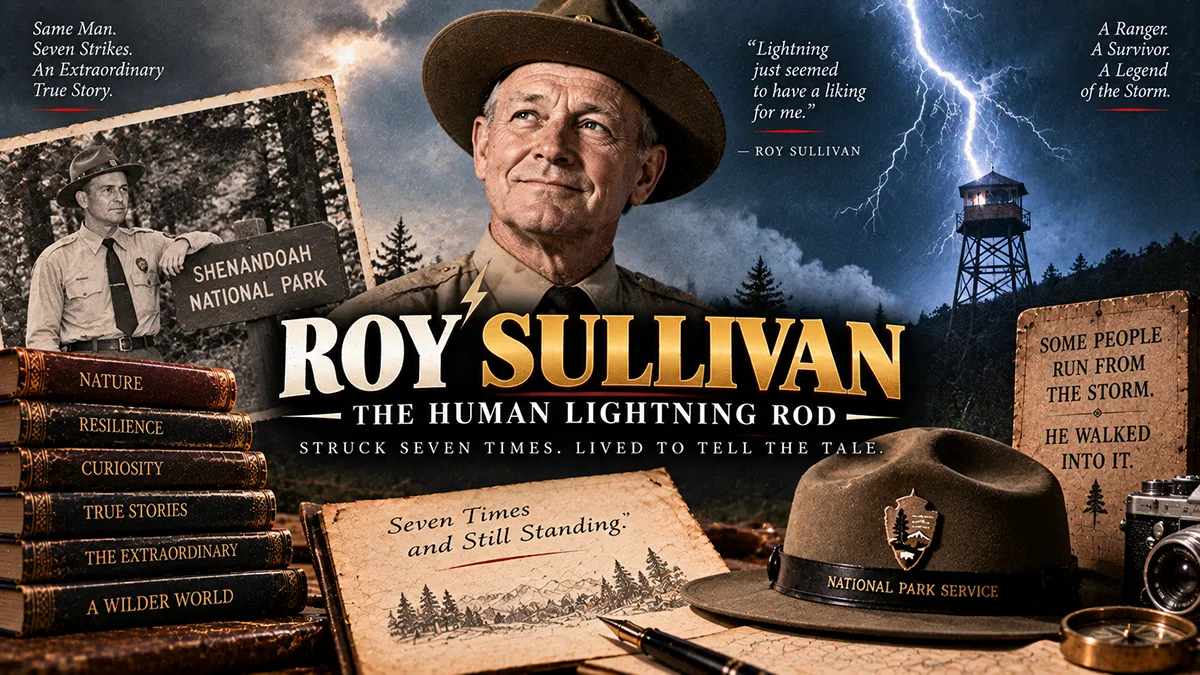
Most of us spend our whole lives hoping never to be struck by lightning once. Roy Cleveland Sullivan, a park ranger in Virginia’s Shenandoah National Park, holds the Guinness World Record for surviving seven separate lightning strikes over the course of his career, a record-book distinction that puts him in the same company as the tallest people in history.
His story sounds like tall-tale folklore, but it’s a documented, well-sourced piece of American history that has fascinated meteorologists, journalists, and the merely curious for decades.
This isn’t just a strange-but-true trivia item, though. Roy Sullivan’s life offers a genuine window into how lightning behaves, why certain jobs and locations carry outsized risk, and how the human body can sometimes survive things that seem impossible. Let’s separate the verified record from the exaggerated legend.
TL;DR: Roy Cleveland Sullivan, a Shenandoah National Park ranger, was struck by lightning seven confirmed times between 1942 and 1977 and survived every one, earning him the Guinness World Record and the nickname “the human lightning rod.”
1. Who Was Roy Cleveland Sullivan?
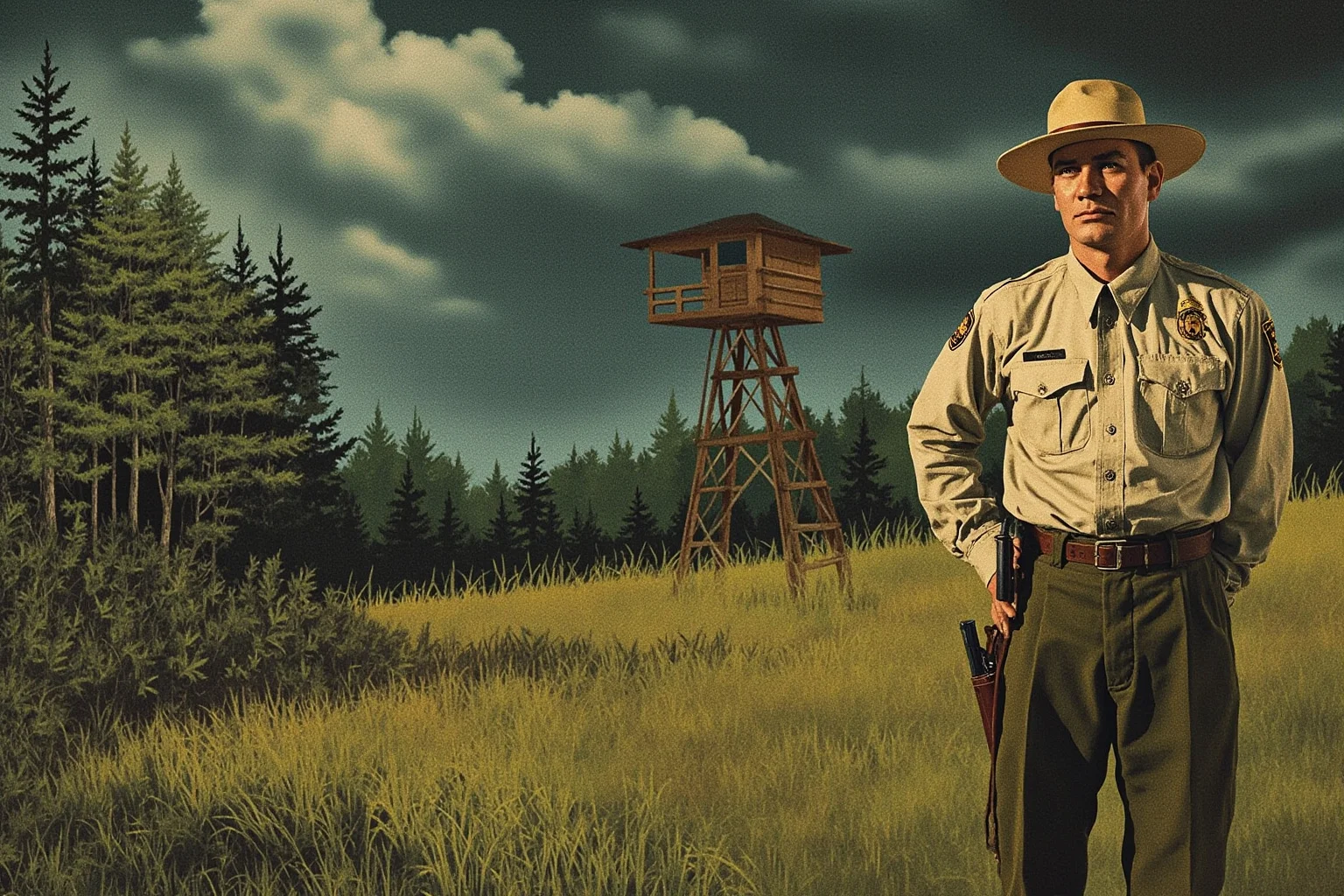
Roy Cleveland Sullivan was born in 1912 in Greene County, Virginia, and spent nearly his entire working life outdoors in the Blue Ridge Mountains. He is sometimes searched under slight name variations, including Roy Sullivan, Sullivan Roy, and Roy C. Sullivan, but they all refer to the same man.
He wasn’t a scientist, a stunt performer, or a thrill-seeker. He was simply a working man whose job happened to place him in the open, on ridgelines and fire towers, during exactly the kind of weather that produces lightning.
2. His Job as a Shenandoah National Park Ranger
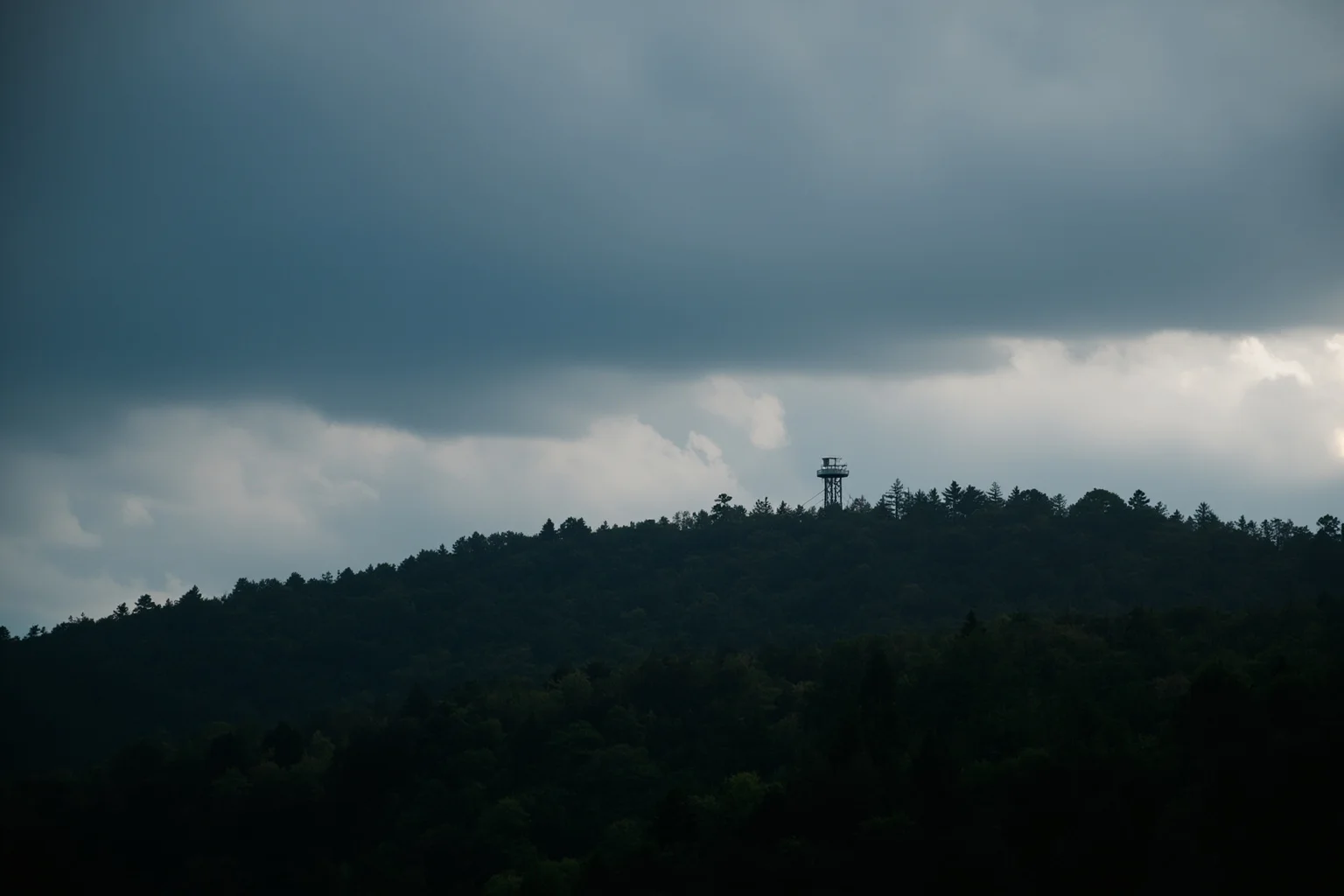
Sullivan worked for the National Park Service as a ranger in Shenandoah National Park for 36 years, from 1936 until his retirement in 1977. As a roy sullivan park ranger, his duties included patrolling trails, staffing fire lookout towers, and helping visitors, all of which regularly put him outdoors during thunderstorms.
Shenandoah’s terrain includes exposed ridges and elevated overlooks along Skyline Drive, terrain that is notoriously prone to summer lightning activity. It’s a detail that matters enormously to understanding his story: this wasn’t random bad luck happening to just anyone, it was a man whose job description essentially maximized his exposure to a known hazard.
3. Strike Number One: 1942
The first recorded strike happened in 1942, while Sullivan was reportedly taking shelter in a fire lookout tower during a storm. According to accounts collected later in his life, the tower had no lightning rod at the time, and the strike burned a groove along his leg and knocked a toenail off.
It was a rough introduction to what would become an extraordinary pattern, though of course no one at the time could have guessed it was only the first of many.
4. Strike Number Two: 1969
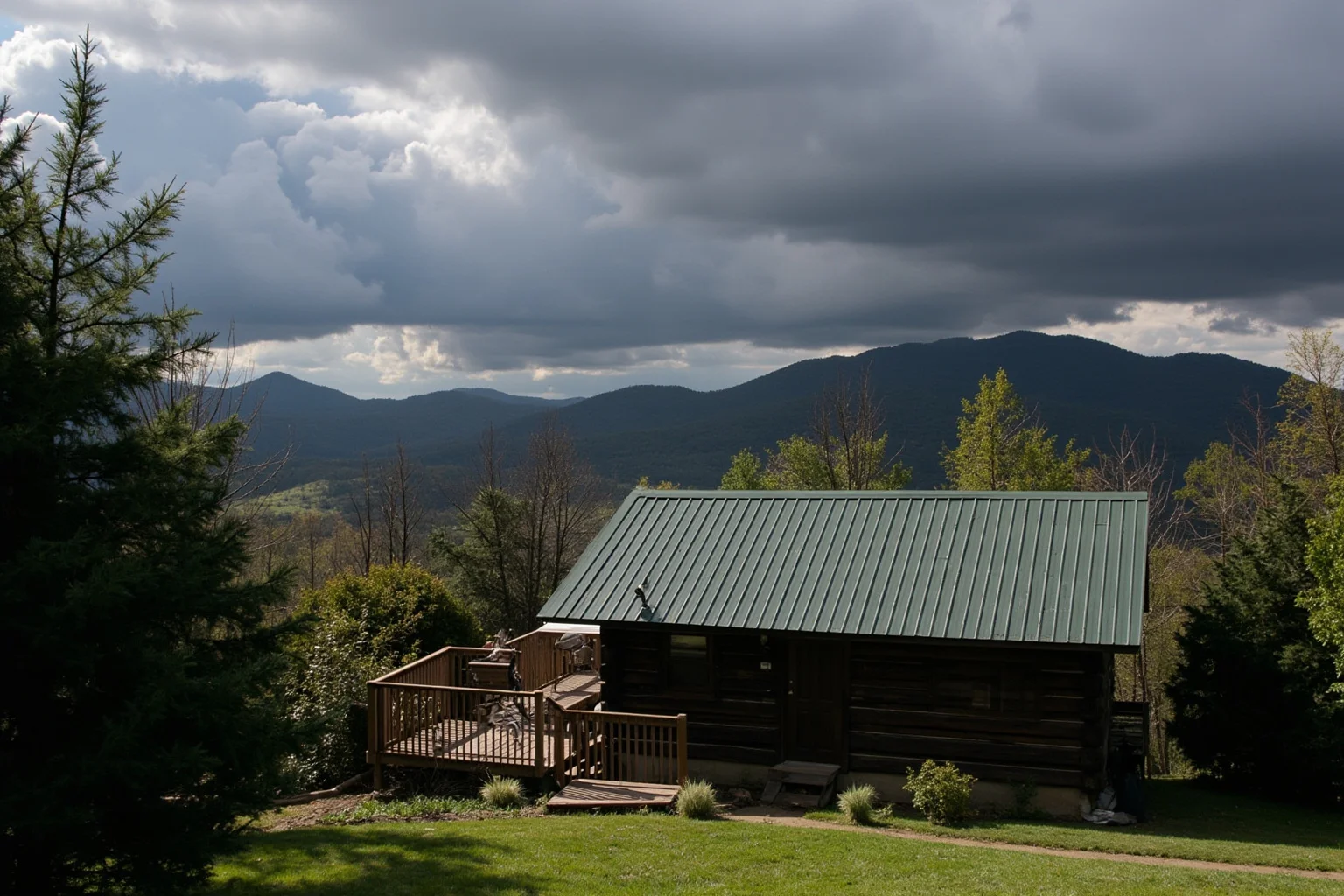
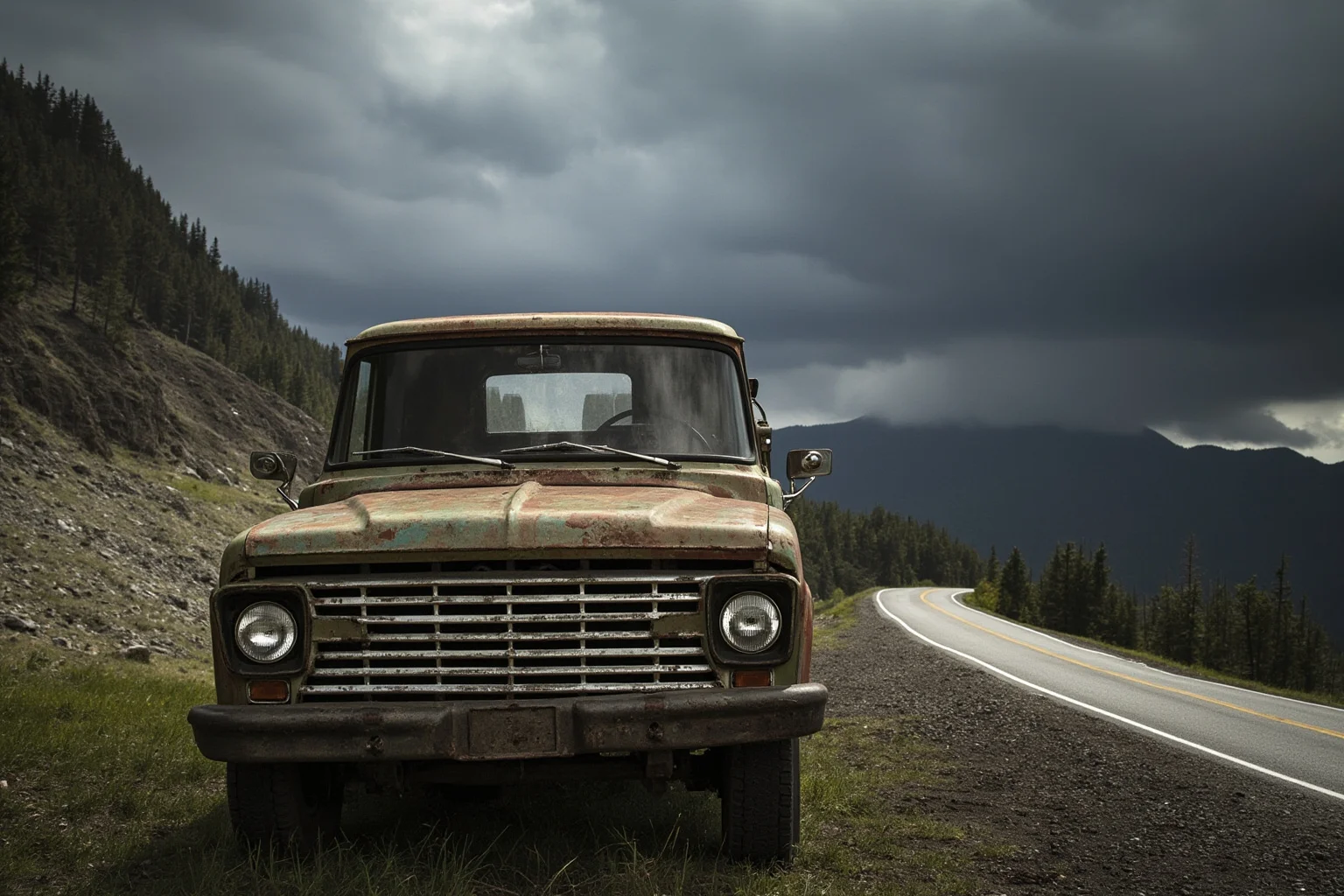
After a 27-year gap, lightning found Sullivan again in 1969. He was driving his truck along a mountain road when a bolt struck the vehicle, traveled through it, and knocked him unconscious after burning off his eyebrows.
The truck reportedly veered toward a cliff edge before coming to a stop, adding a brush with a completely separate danger to an already harrowing event.
5. Strike Number Three: 1970
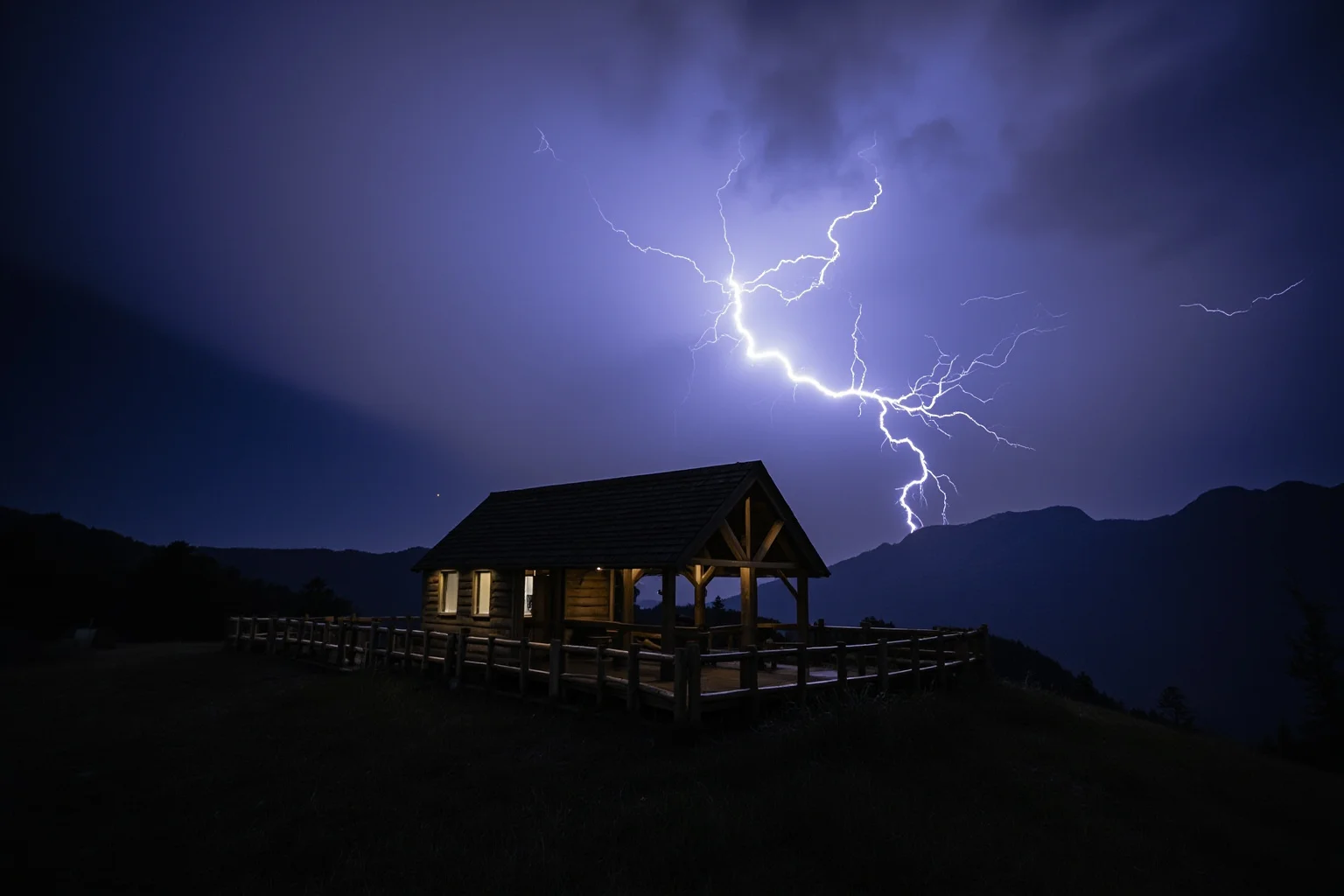
Just a year later, in 1970, Sullivan was struck again, this time while in his own yard. This strike reportedly seared his left shoulder.
By this point, two strikes in consecutive years was already enough to make Sullivan a local curiosity, and coworkers and neighbors began to take notice of the pattern forming around him.
6. Strike Number Four: 1972
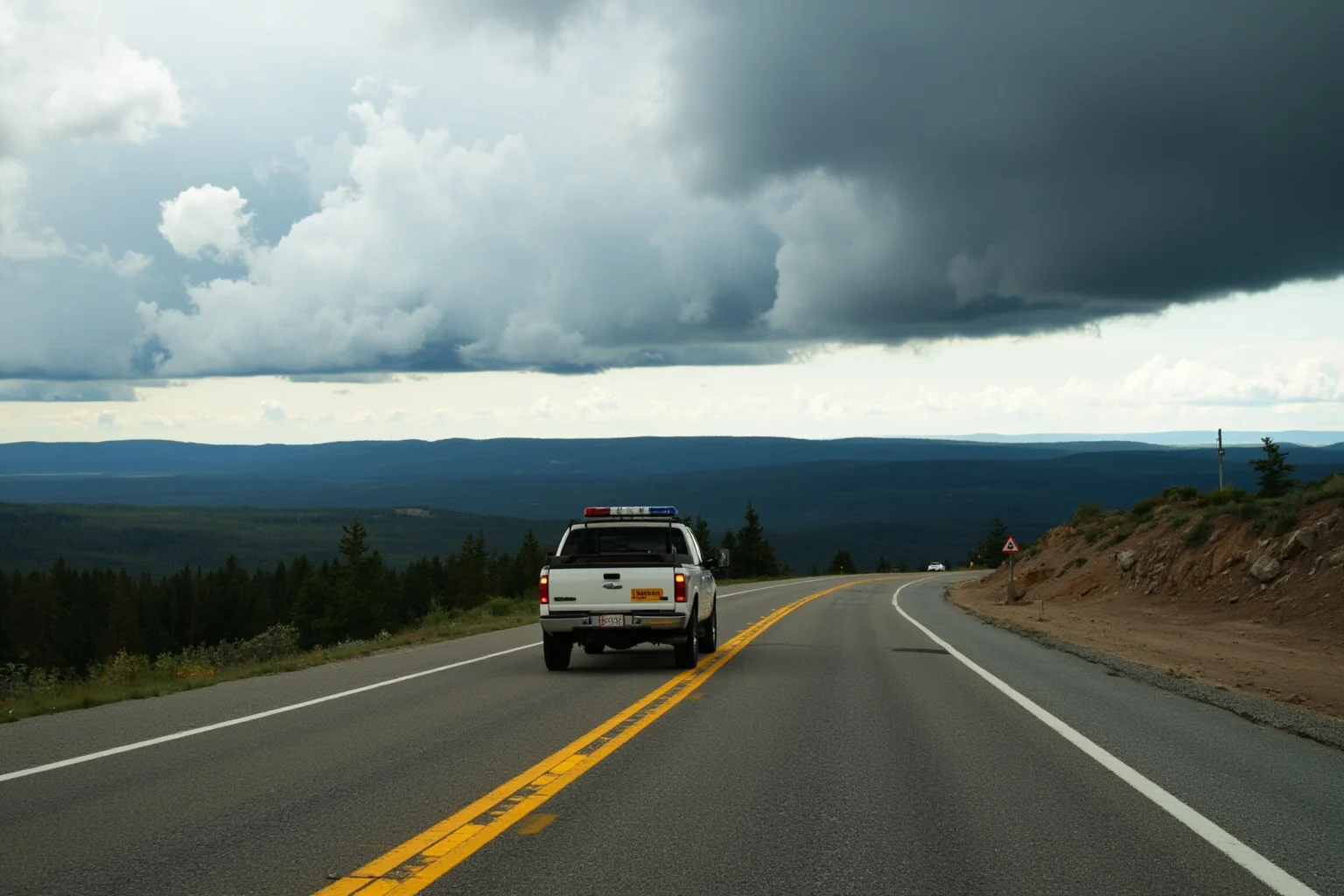
In 1972, lightning struck a ranger station and reportedly set Sullivan’s hair on fire. He kept a fire extinguisher or bucket of water nearby afterward specifically in case it happened again, a small but telling detail about how seriously he began treating storms.
This fourth strike is often cited as the point where his story moved from local anecdote toward the kind of case that attracted wider newspaper and, eventually, Guinness World Records attention.
7. Strike Number Five: 1973

The fifth strike, in 1973, is one of the most dramatic in the record. While Sullivan was patrolling in his truck, he reportedly saw a storm cloud and tried to drive away from it, only for a bolt to strike him directly and throw him from the vehicle.
His hair caught fire again, and he suffered burns to his leg and arm. Accounts describe him using a wet cloth from a first aid kit to douse the flames on his own scalp.
8. Strike Number Six: 1976

In 1976, Sullivan was struck for a sixth time while checking on a campground for signs of a storm. He reportedly suffered an ankle injury during this incident.
By now, some of his fellow rangers reportedly refused to stand near him during storms, only half-joking about the odds of being caught in his personal weather pattern.
9. Strike Number Seven: 1977

The seventh and final recorded strike came in 1977, while Sullivan was fishing. Reports describe him being struck while simultaneously fending off a bear that was reportedly trying to steal fish from his catch, an almost unbelievable collision of two separate dangers in one afternoon.
He suffered chest and stomach burns and reportedly required hospital treatment. This is the strike most often referenced when people search for details on roy sullivan lightning strikes, since it closes out the documented sequence in such a dramatic way.
10. The Guinness World Record
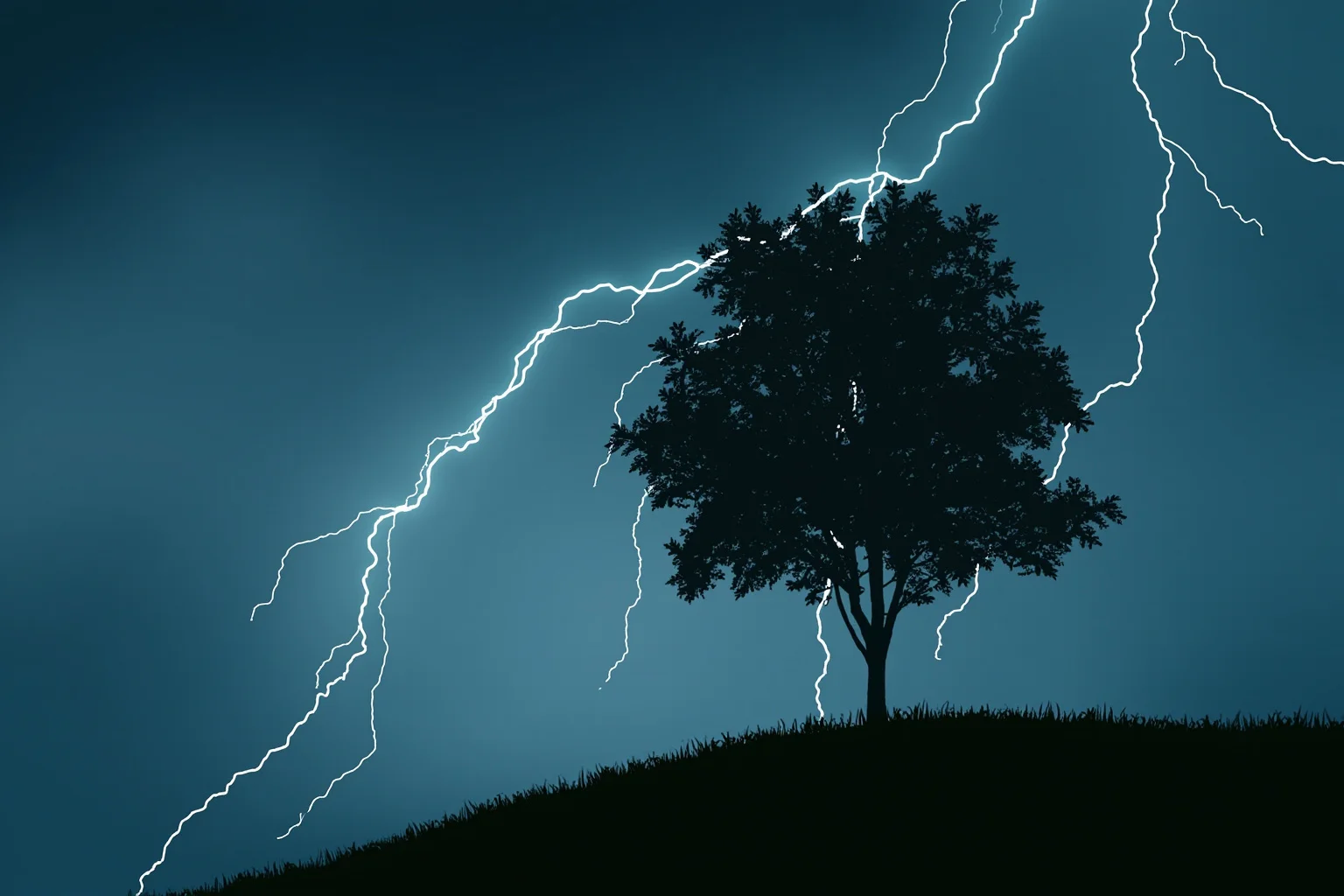
Guinness World Records recognizes Roy Sullivan as the person struck by lightning more times than any other confirmed individual in history, with seven documented strikes across his lifetime. This is the credential most associated with the human lightning rod nickname that later attached itself to his name.
It’s worth noting that record-keeping for lightning strikes relies on documented medical treatment, witness accounts, and news coverage rather than laboratory verification — a verification challenge similar to the one faced when confirming claims about the oldest people in history, and worth understanding as context.
11. What Actually Happens When Lightning Strikes a Person
Lightning strikes on humans generally fall into a few categories: a direct strike, a side flash from a nearby object, contact through something the person is touching, or ground current spreading from a nearby strike point. Direct strikes are the least common but often the most severe.
Survivors frequently describe burns, temporary or permanent hearing loss, cardiac disturbances, and nervous system effects. Sullivan’s injuries, ranging from burned hair and eyebrows to leg and torso burns, are consistent with well-documented patterns of survivable lightning trauma.
12. Why Was He Struck So Often? Bad Luck or Bad Odds?
It’s tempting to treat Sullivan’s story as inexplicable, but meteorologists point to a much less mystical explanation: exposure and probability. Spending decades working outdoors on exposed ridgelines, in fire towers, and on mountain roads during a region prone to thunderstorms dramatically increases the statistical chance of being struck, even if any single strike remains individually rare.
The average person in the United States has roughly a 1 in 15,300 chance of being struck by lightning in a given year, according to commonly cited National Weather Service estimates. Sullivan’s occupation and environment stacked those odds against him repeatedly over 36 years, which is a very different scenario from an office worker facing the same yearly risk.
13. The Physical Toll: Injuries and Scars
Across his seven strikes, Sullivan reportedly sustained burns to his legs, chest, stomach, shoulder, and scalp, along with a lost toenail and singed eyebrows on more than one occasion. None of the strikes were fatal, but each one left a physical mark.
He reportedly carried visible scarring for the rest of his life, a lasting physical record of a pattern most people would find hard to believe without documentation.
14. Coworkers Reportedly Avoided Him During Storms
One of the more human, and slightly funny, details in Sullivan’s story is how his colleagues began reacting to him. Multiple secondhand accounts describe fellow park employees keeping their distance from him whenever storm clouds rolled in, only half-joking about not wanting to stand too close.
Whether this was genuine superstition or simple dark humor among coworkers who witnessed the pattern firsthand, it captures how unusual and unsettling his reputation had become within the park service.
15. An Ironic Fear of Storms
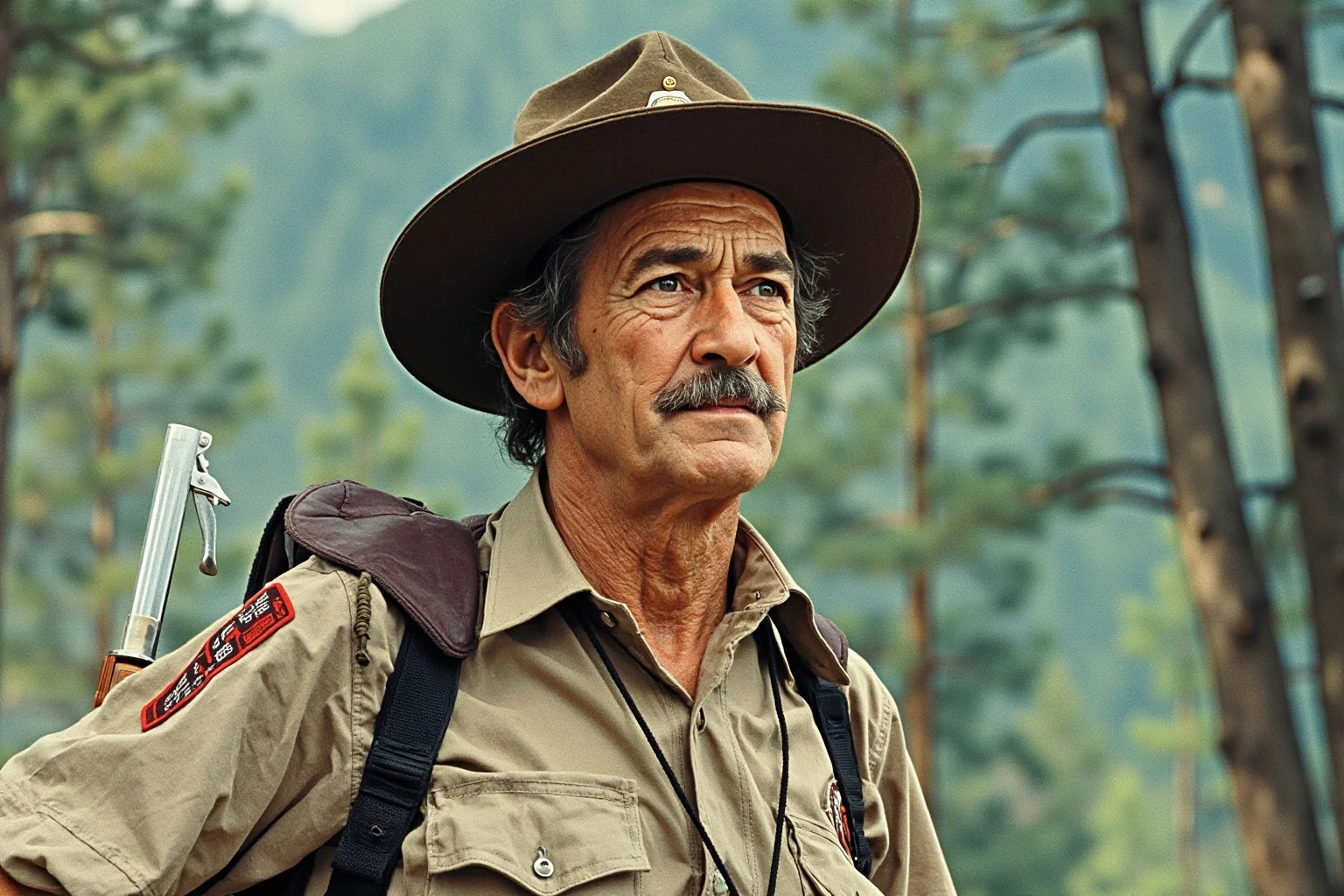
Despite being nicknamed the lightning rod man, Sullivan reportedly grew increasingly anxious during thunderstorms as the years went on, which is an entirely understandable reaction. Some accounts describe him pulling his patrol vehicle over and waiting out storms rather than continuing his rounds.
It’s a detail that humanizes the story. Surviving seven strikes didn’t make him fearless; if anything, it made him acutely aware of exactly how much worse each encounter could have gone.
16. His Personality and the “Human Lightning Rod” Nickname
As word of his experiences spread through local and then national media, Sullivan picked up nicknames including the human lightning rod and the lightning rod man. He reportedly took a fairly good-natured approach to the attention, given how strange his situation was.
Newspapers and, later, television programs featured him as a curiosity, and he became something of a minor celebrity in Virginia and beyond during the 1970s.
17. His Death Was Not Lightning-Related
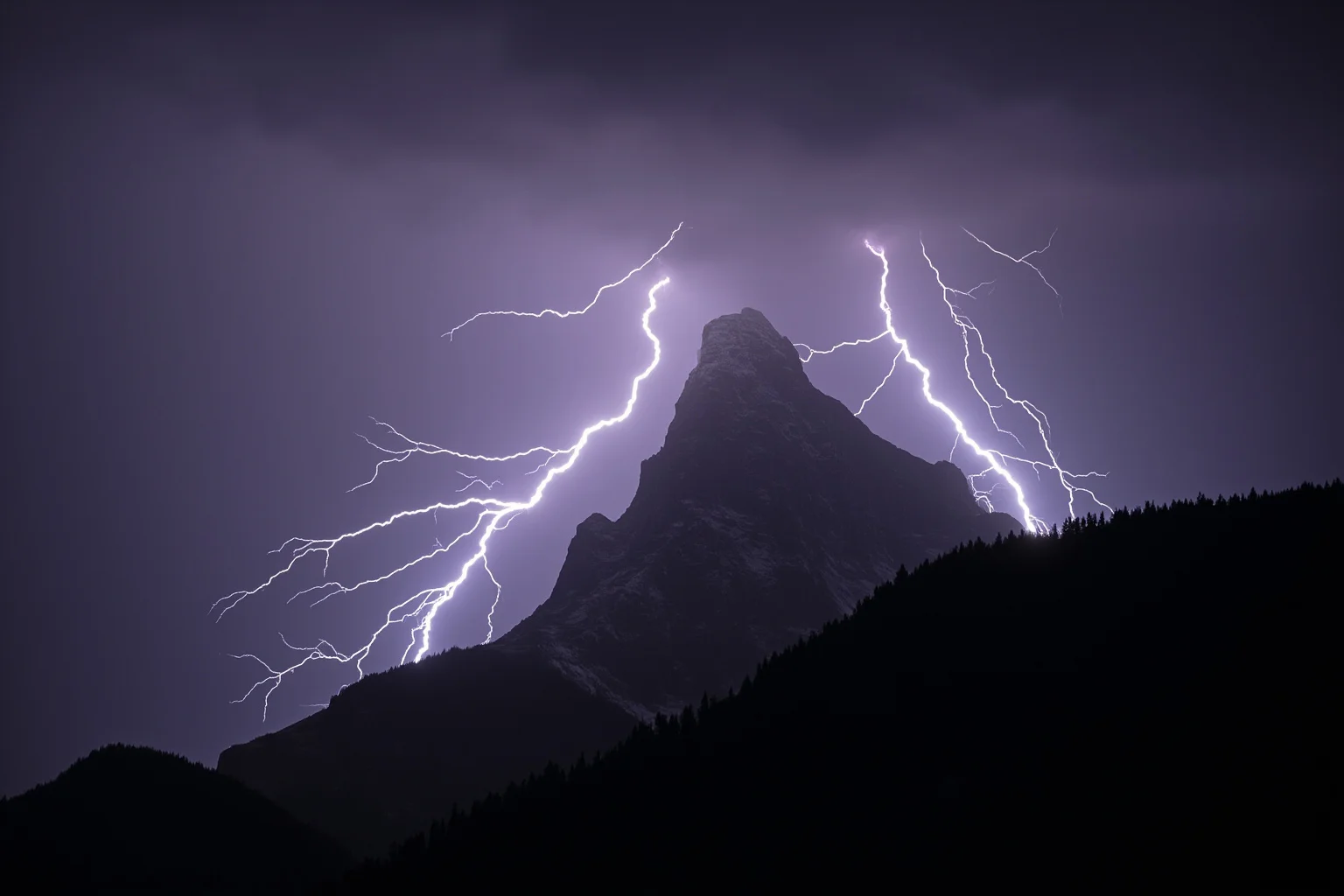
Roy Sullivan died in 1983, six years after his final recorded strike and his retirement from the park service. Reports indicate his death was the result of a self-inflicted gunshot wound, reportedly linked to health problems and heartbreak following a romantic rejection, rather than anything related to lightning.
It’s an important and somber detail, and one that’s easy to overlook amid the more sensational lightning trivia. His story deserves to be remembered accurately, including its genuinely sad ending.
18. Other Famous Multiple Lightning Strike Survivors
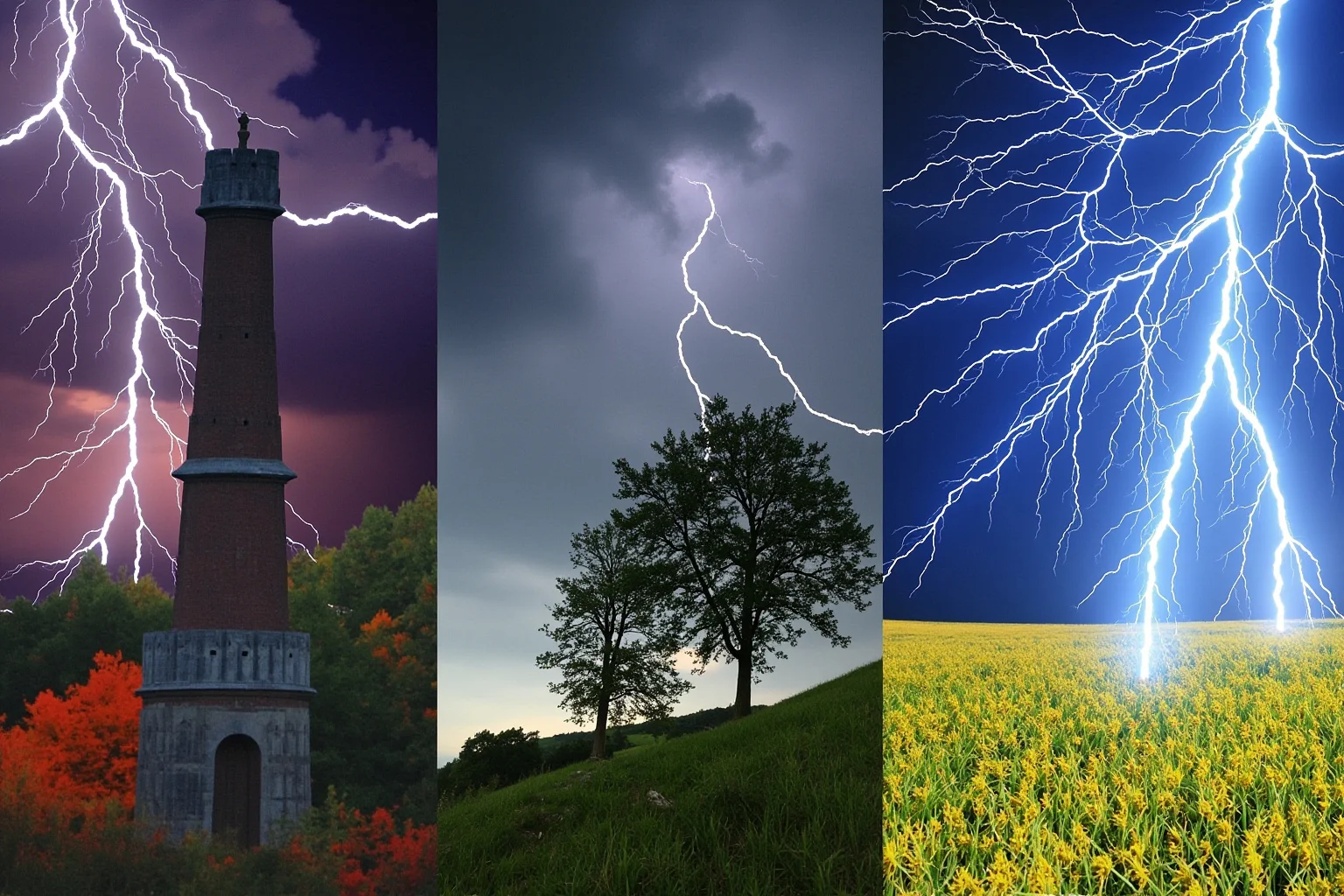
Sullivan holds the record for most confirmed strikes, but he isn’t the only person known to have survived lightning more than once. Park rangers and outdoor workers in various countries have reported being struck two or three times over long careers, generally for the same reason: sustained exposure in high-risk environments.
None of these other documented cases come close to Sullivan’s seven, which is why his record has remained unmatched for decades in Guinness’s official records.
19. Debunking Common Lightning Myths
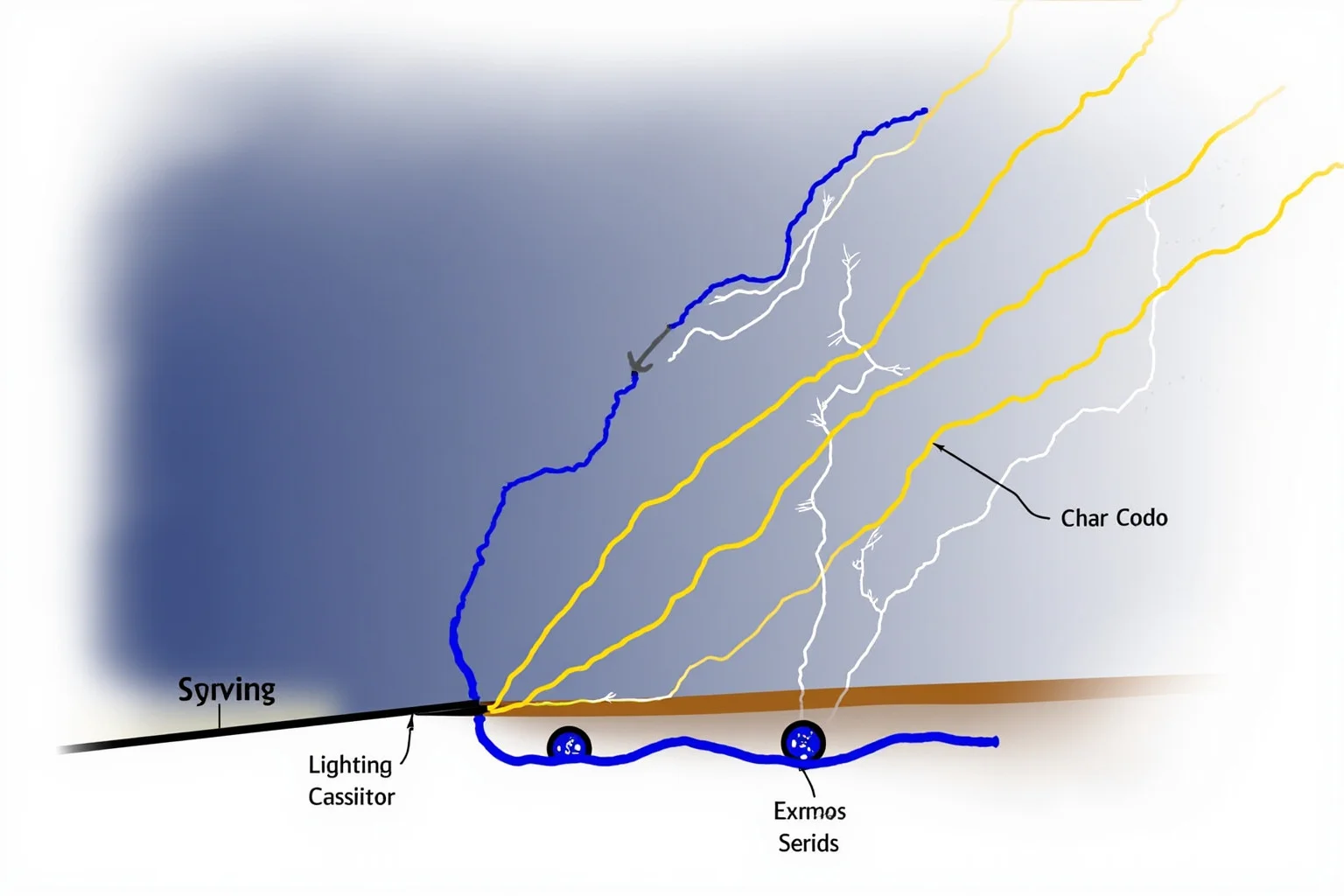
A lot of folklore surrounds lightning, and Sullivan’s story often gets tangled up in it. One persistent myth is that lightning never strikes the same place twice, which is simply false; tall or exposed structures, and apparently certain unlucky individuals, can be struck repeatedly.
Another myth is that a lightning strike victim retains an electrical charge afterward, which is also untrue; it’s safe to touch and help someone who has just been struck. Understanding these distinctions matters because they affect real safety decisions during storms.
20. Roy Sullivan’s Legacy in Science and Safety Education
Beyond the trivia and tabloid appeal, Sullivan’s case is occasionally referenced in discussions of lightning safety and risk communication. His experience is a real-world illustration of how occupational exposure, not fate, drives lightning risk.
Park services and meteorological agencies still use lightning safety guidance rooted in the same principles his story highlights: get indoors, avoid open ridgelines and metal objects during storms, and don’t assume a single strike marks the end of danger from a storm system.
21. Why His Story Still Captivates People Today
Decades after his death, Roy Cleveland Sullivan’s name still circulates widely online, largely thanks to his enduring Guinness World Record, earning him a spot alongside other most recognized historical figures whose stories refuse to fade. Searches for roy sullivan lightning, roy c sullivan, and the human lightning rod continue because the story sits at that rare intersection of verified fact and almost unbelievable coincidence.
It endures because it’s true, documented, and strange all at once, a reminder that reality sometimes outpaces what most people would accept in fiction.
The Bigger Picture Behind the Legend
Roy Sullivan’s story is often retold as a quirky bit of trivia, the kind of fact dropped into conversation for shock value. But looking closely at the documented timeline reveals something more grounded: a hardworking park ranger whose job placed him in harm’s way over and over across nearly four decades.
His record stands not because he was cursed or magically charged, but because probability, occupation, and geography lined up against him repeatedly. That’s arguably a more interesting story than the myth, because it’s one rooted entirely in verifiable circumstance rather than superstition.
When you next hear someone mention the human lightning rod, you’ll know the real details behind the legend, and the more sobering, human story that came after the headlines faded.
Frequently Asked Questions
Who was Roy Sullivan, the park ranger struck by lightning?
Roy Cleveland Sullivan was a Shenandoah National Park ranger in Virginia who worked for the National Park Service from 1936 to 1977. He holds the Guinness World Record for being struck by lightning seven confirmed times during his career, earning him the nickname 'the human lightning rod.'
How many times was Roy Sullivan struck by lightning?
Roy Sullivan was struck by lightning seven documented times between 1942 and 1977, according to Guinness World Records. Each strike caused injuries ranging from burns and singed hair to a lost toenail, but he survived all seven.
Why was Roy Sullivan struck by lightning so many times as a park ranger?
As a roy sullivan park ranger stationed in Shenandoah National Park, his job regularly placed him on exposed ridgelines, in fire lookout towers, and on mountain roads during thunderstorms. Meteorologists attribute his repeated strikes to sustained occupational exposure in a lightning-prone region rather than any supernatural cause.
How did Roy Sullivan die?
Roy Sullivan died in 1983, six years after his final lightning strike and after retiring from the National Park Service. Reports indicate his death was a self-inflicted gunshot wound, reportedly related to personal struggles, and was unrelated to lightning.
Is it true that lightning never strikes the same place twice?
No, this is a common myth. Lightning can and does strike the same location, structure, or even person multiple times, as Roy Sullivan's seven documented strikes clearly demonstrate.
Does Roy Sullivan still hold the world record for most lightning strikes survived?
Yes, according to Guinness World Records, Roy Cleveland Sullivan remains the person confirmed to have been struck by lightning more times than any other individual, with seven strikes across his lifetime.

Alex Warren
Related Articles





