

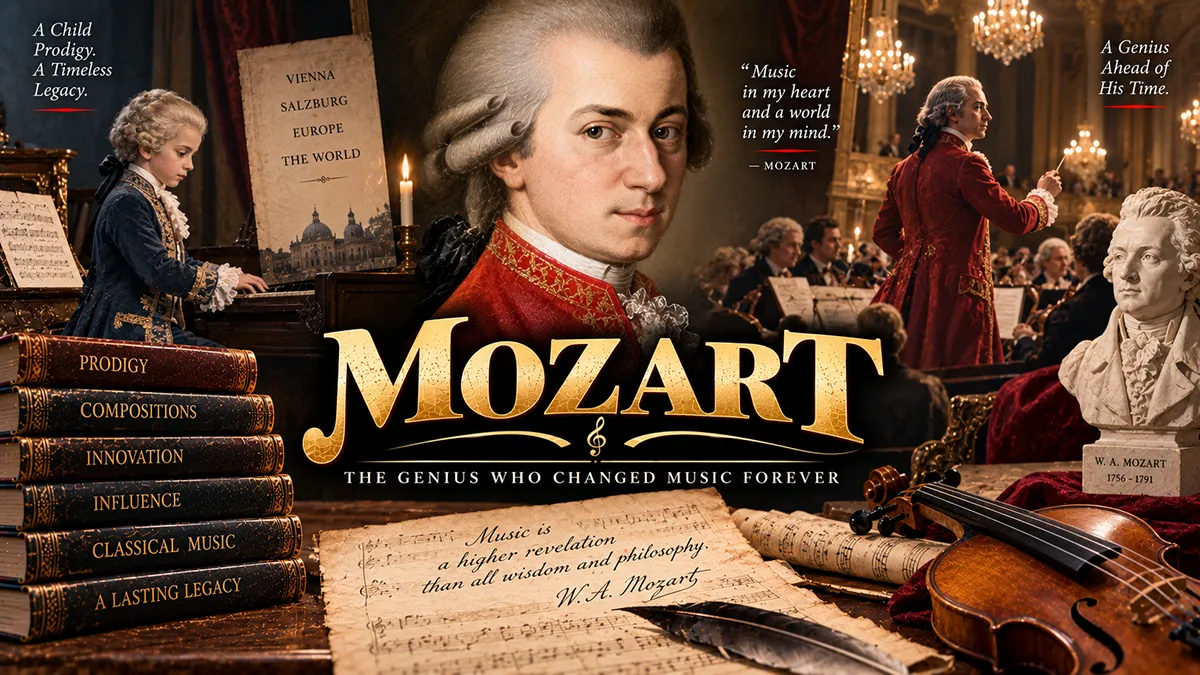
Few names in classical music carry the instant recognition of Wolfgang Amadeus Mozart, a status that puts him alongside history’s most recognized figures. He’s the composer whose childhood legend, staggering output, and untimely death have made him one of history’s most mythologized artists. But separating the real story from the exaggerated one is where things get genuinely interesting.
This guide pulls together verified, well-documented facts about Mozart the composer, along with a rundown of the works that cemented his place in musical history. Whether you’re searching for fun facts on Mozart for a school project or just curious why he’s still so famous over 230 years after his death, you’ll find it here.
TL;DR: Mozart was a genuinely astonishing child prodigy and prolific composer whose operas, symphonies, and unfinished Requiem still shape classical music today, even though many popular stories about his life are exaggerated or unproven.
What Was Mozart Best Known For?
Mozart is best known for composing an enormous body of work across nearly every genre of his era, including opera, symphony, chamber music, and sacred music. He wrote with remarkable speed and fluency, often composing complex pieces in his head before writing them down.
His operas like The Marriage of Figaro and The Magic Flute, along with symphonies and concertos, remain core repertoire for orchestras and opera houses worldwide.
He’s also remembered as one of history’s most famous child prodigies, performing for European royalty before he was six years old. That early fame, combined with his short life and prolific catalog, is a big part of why is Mozart so famous even today. Let’s start with the facts about his life before moving on to the works themselves.
10 Fascinating Facts About Mozart
These interesting Mozart facts cover his childhood, his working life, and some of the myths that have grown up around him. Some of the stories are true, some are partly true, and a few are outright legend dressed up as history.
1. He Was Performing for Royalty Before Age Six
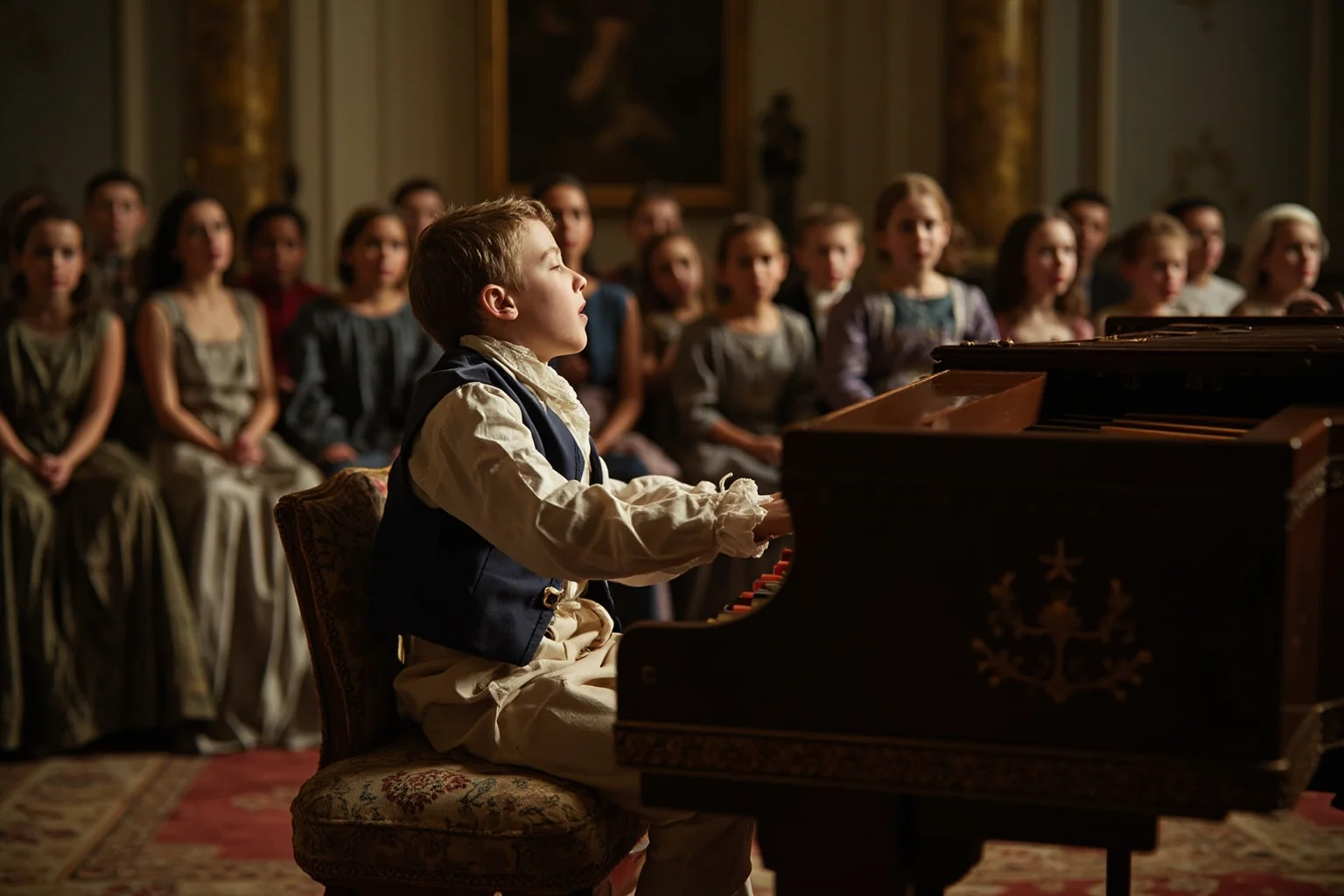
Mozart was born in Salzburg on January 27, 1756, and showed musical ability almost as soon as he could hold an instrument. By age five he was already composing short pieces, and his father Leopold began taking him and his older sister on performance tours. By 1762, at just six years old, Wolfgang was playing for the Austrian imperial court in Vienna.
These tours continued for years, taking the Mozart children across German-speaking Europe, France, England, and the Netherlands. Audiences were amazed by a child who could play complex keyboard pieces, improvise, and even perform tricks like playing with a cloth over the keys. This is one of the most well-documented and genuinely remarkable facts about Mozart the composer.
2. He Wrote His First Symphony at Age Eight
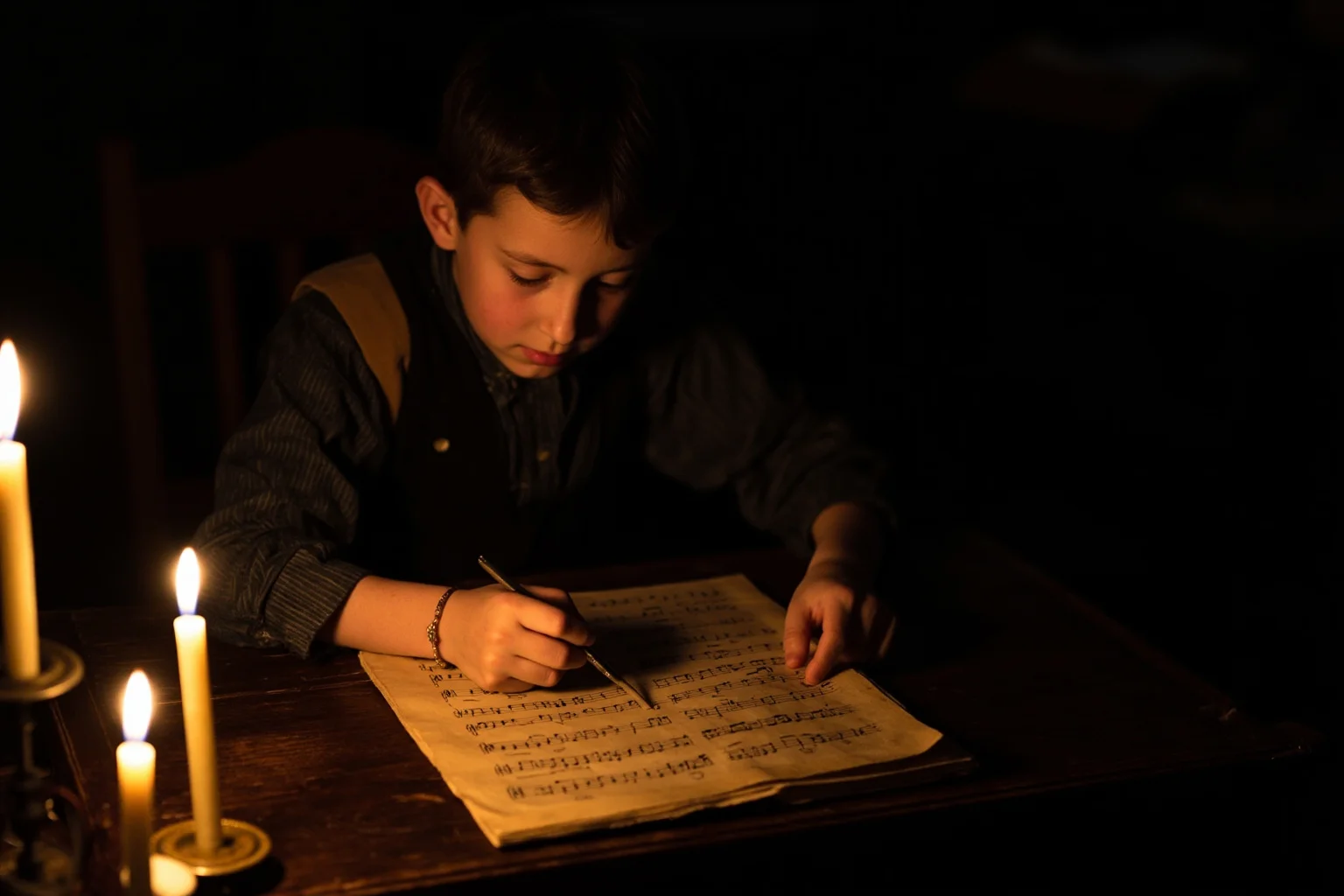
While many child prodigies can perform impressively, composing original music is a different skill entirely. Mozart composed his first symphony, Symphony No. 1 in E-flat major, around 1764 while in London, when he was about eight years old. It’s a short work by later standards, but it shows a level of structural understanding well beyond his years.
His father Leopold, a composer and violinist himself, likely helped guide and edit some of these earliest works. Still, the sheer volume and quality of music Mozart produced as a child remains one of the important facts that separates him from other historical prodigies.
3. The Allegri’s Miserere Story Is Mostly True
One of the most repeated legends is that a teenage Mozart heard Gregorio Allegri’s Miserere performed once in the Sistine Chapel, then wrote it out entirely from memory afterward. The Vatican closely guarded the score at the time, forbidding copies. This event is recorded in a letter from Leopold Mozart to his wife in 1770, describing his son transcribing the piece after just one or two hearings.
While the core story is supported by contemporary correspondence, some details have likely been embellished over the centuries of retelling. Even accounting for some exaggeration, it points to Mozart’s genuinely extraordinary musical memory, which is one of the cool facts about Mozart people love to share.
4. “Amadeus” Wasn’t Really His Everyday Name
Mozart’s full baptismal name was Johannes Chrysostomus Wolfgangus Theophilus Mozart. “Theophilus” is Greek for “beloved of God,” and Mozart used various translations of it throughout his life, including the Latin “Amadeus” and the German “Gottlieb.” He most commonly signed documents and letters as “Wolfgang Amadè Mozart” or simply “Wolfgang Mozart.”
The now-famous “Wolfgang Amadeus Mozart” combination became standard largely after his death, and was popularized further by the 1984 film Amadeus. It’s a small but genuinely interesting fact about Wolfgang Amadeus Mozart that surprises a lot of people.
5. He Composed More Than 600 Works
Despite dying at just 35, Mozart left behind an astonishing catalog of more than 600 compositions. These are organized using the Köchel catalog, a numbering system created by Austrian musicologist Ludwig von Köchel in 1862 that arranges Mozart’s works roughly by chronological order. You’ll often see his pieces labeled with a “K” number, like Symphony No. 40 in G minor, K. 550.
His output spans symphonies, operas, piano concertos, string quartets, sacred music, and more. This sheer productivity, packed into a career of roughly three decades starting in early childhood, is one of the most important facts about Mozart’s legacy.
6. The Mozart-Salieri Rivalry Is Largely a Myth
Thanks to the play and film Amadeus, many people believe Italian composer Antonio Salieri was consumed by jealousy of Mozart and may have even poisoned him. Historical evidence does not support this. The two were professional rivals in the competitive Vienna court music scene, and there was tension, but no credible contemporary evidence shows Salieri sabotaged or murdered Mozart.
In fact, records show Salieri and Mozart collaborated at times and even praised each other’s work on occasion. The poisoning rumor originated as gossip after Mozart’s death and was fictionalized decades later, but modern historians largely dismiss it. This myth-busting fact is essential for anyone wanting real facts about Mozart rather than dramatized ones, in the same spirit as separating legend from record in surprising facts about William Shakespeare.
7. He Was a Freemason, and It Shaped His Music
Mozart joined a Viennese Masonic lodge in December 1784, and Freemasonry became an important part of his intellectual and social life. Several of his works reflect Masonic themes and symbolism, most notably his final opera, The Magic Flute, which is full of Masonic imagery around enlightenment, trials, and brotherhood. He also composed music specifically for Masonic ceremonies.
This connection gives useful context for understanding some of his later compositions. It’s one of those interesting things about Mozart that tends to surprise people who only know him as a court composer.
8. His Financial Situation Was More Complicated Than Legend Suggests
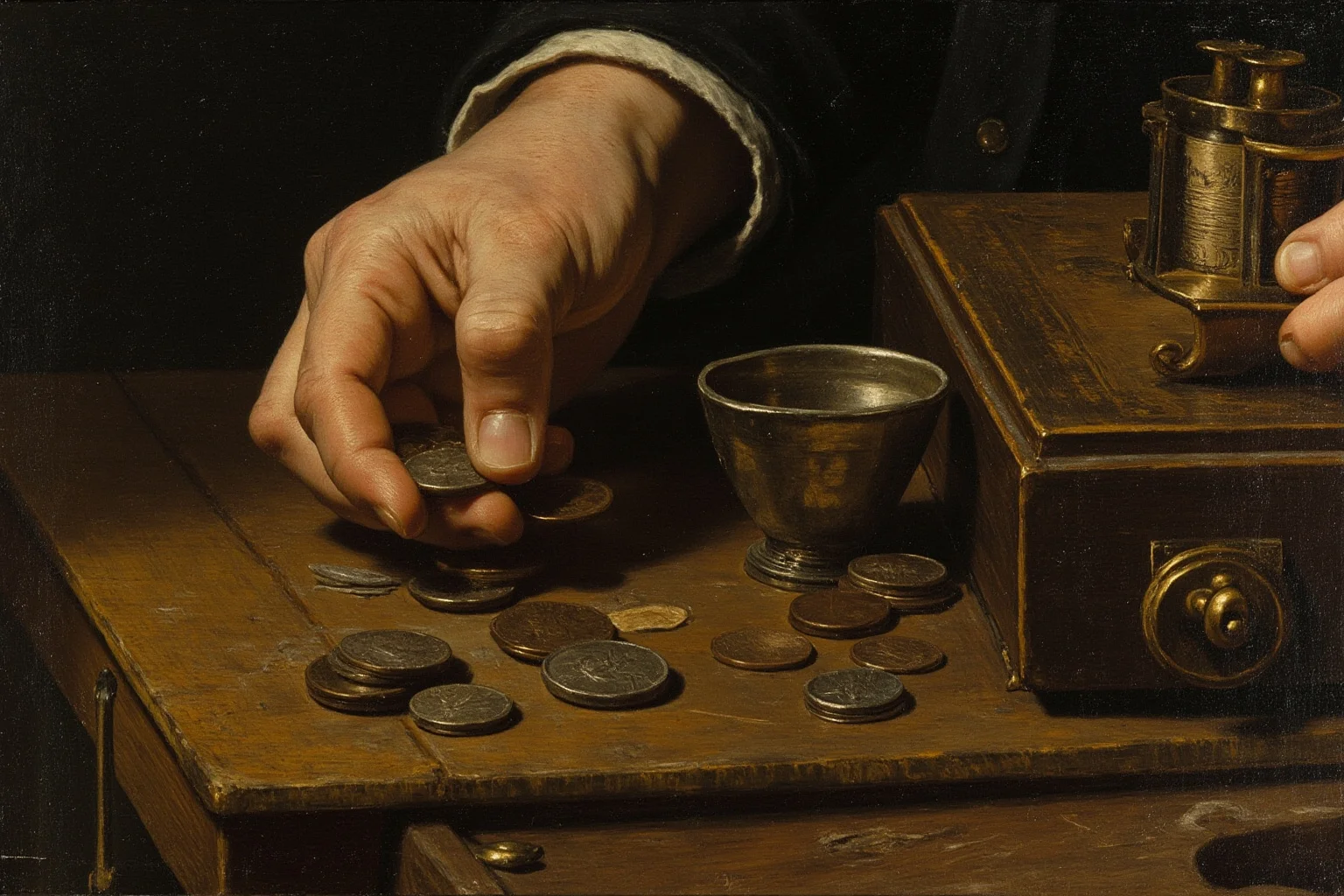
The popular image of Mozart as a starving, penniless genius is an oversimplification. He earned substantial income at various points in his career, particularly in the mid-1780s when he was a sought-after performer and composer in Vienna. However, he also spent heavily, and his income became less reliable later in his life as his popularity in Vienna fluctuated.
He did write letters requesting loans from friends in his final years, showing real financial strain. But the idea that he lived in constant poverty throughout his life doesn’t match the historical record.
9. His Death at 35 Remains Somewhat Mysterious
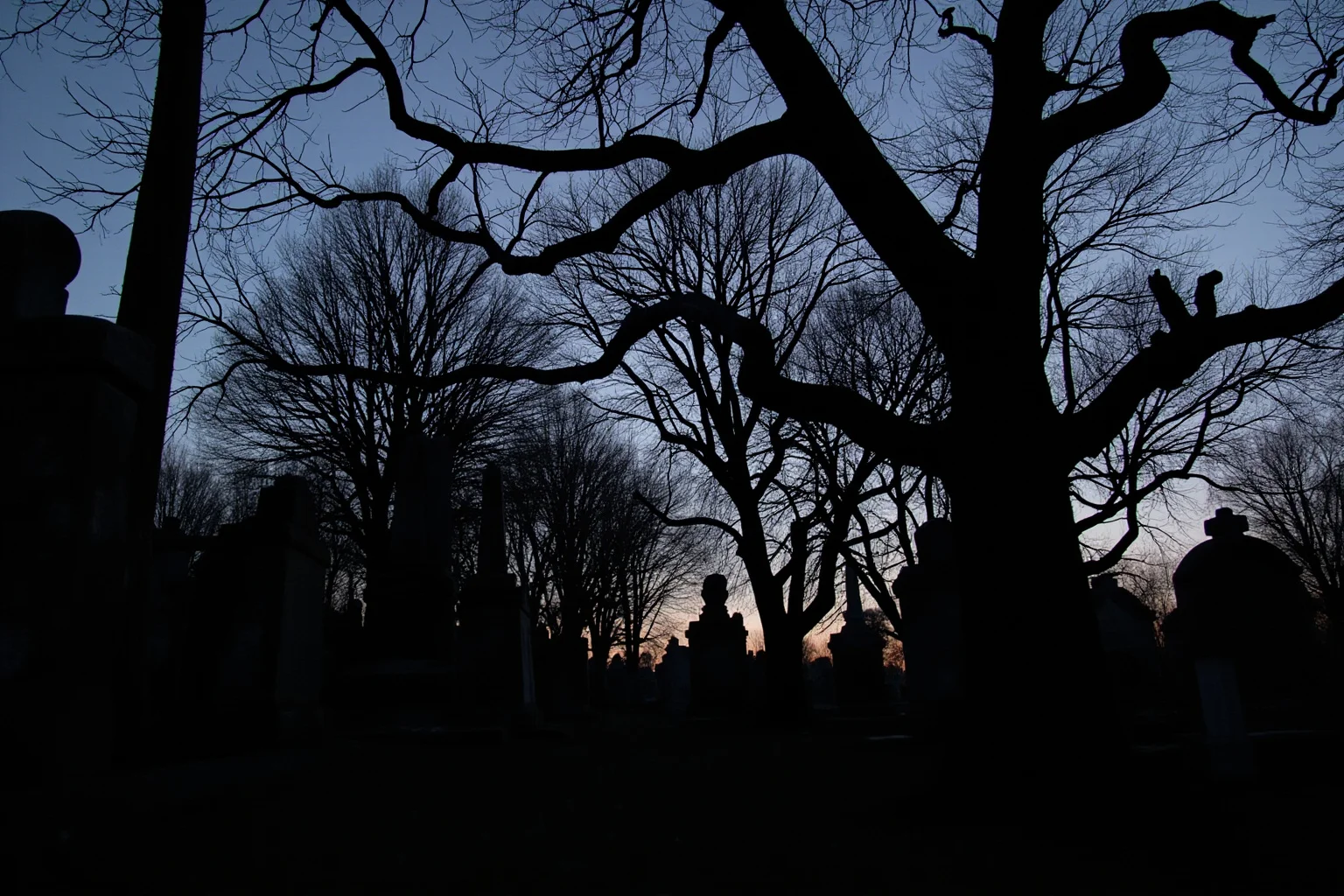
Mozart died in Vienna on December 5, 1791, after a short but intense illness involving fever, swelling, and pain. The most widely accepted modern explanation among historians and physicians is acute rheumatic fever, though other theories, including kidney disease and various infections, have been proposed over the years. Claims that he was poisoned, whether by Salieri or anyone else, are not supported by credible medical or historical evidence. This kind of historical myth-busting isn’t unique to Mozart either — similar questions have been raised about whether King George III was truly mad or simply misunderstood by his era.
He was buried in a common grave at St. Marx Cemetery outside Vienna, which has fueled the myth that he died in obscurity and poverty. In reality, this type of burial was standard practice for most Viennese citizens at the time under regulations introduced by Emperor Joseph II, not necessarily a sign of destitution.
10. His Sister Was Also a Musical Prodigy
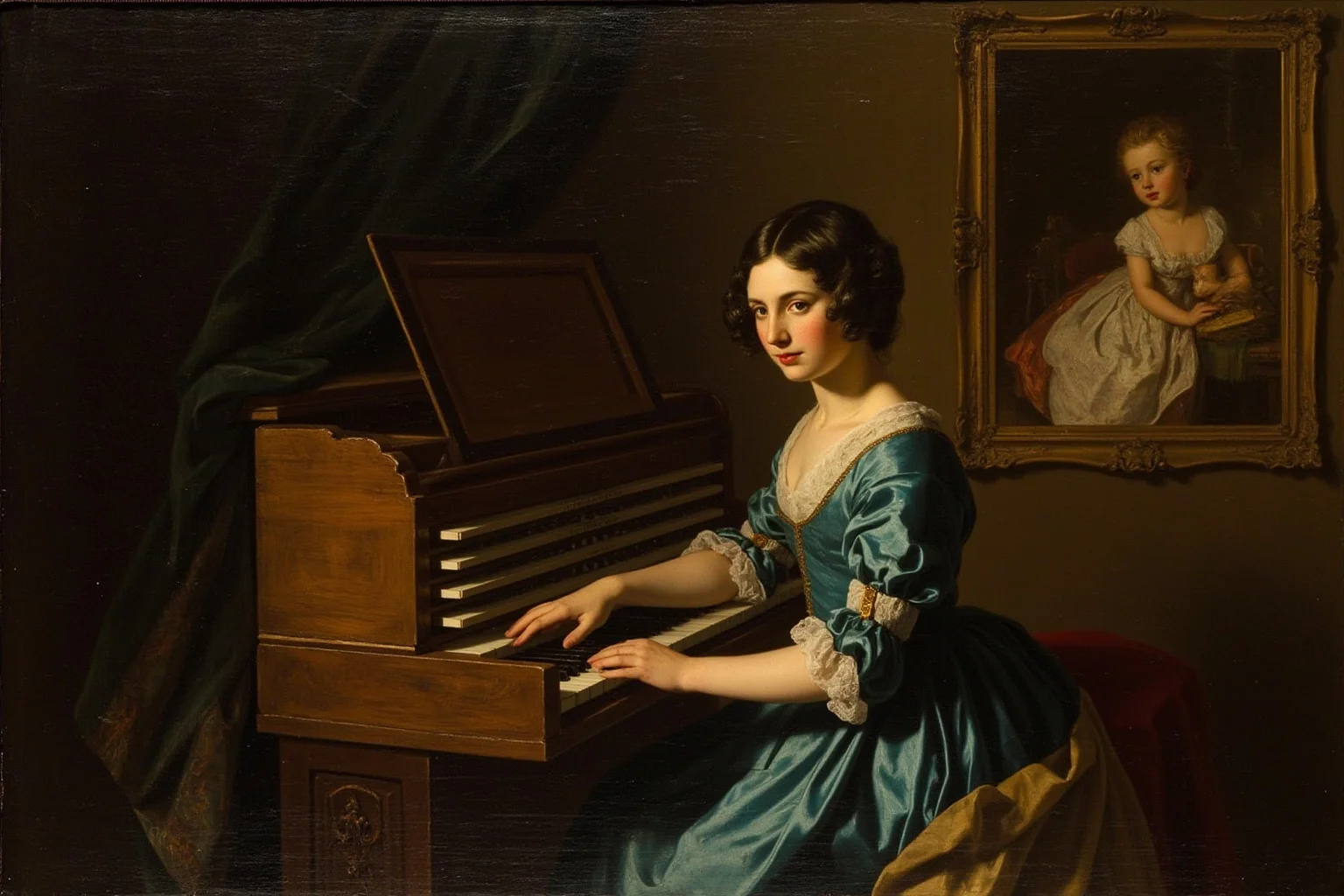
Mozart’s older sister, Maria Anna Mozart, nicknamed “Nannerl,” was also an accomplished keyboard performer and toured with young Wolfgang during their childhood years. Contemporary accounts describe her as an exceptional musician in her own right. However, as she reached marriageable age, social expectations of the time pushed her away from a public performing career, and she eventually stopped touring.
Some historians have also speculated she may have composed music, though no confirmed surviving compositions of hers have been identified. Her story is a reminder that the era’s opportunities were shaped heavily by gender, even within one exceptionally talented family — a theme echoed in the story of Joan of Arc, another young historical figure whose path was shaped by the constraints of her time.
10 of Mozart’s Most Influential Works
Now that we’ve covered the man himself, here’s a look at the compositions that explain why Mozart’s name still fills concert halls and opera houses. These works span opera, symphony, and chamber music, and each one had a lasting impact on how composers who came after him approached the form.
1. The Marriage of Figaro (1786)
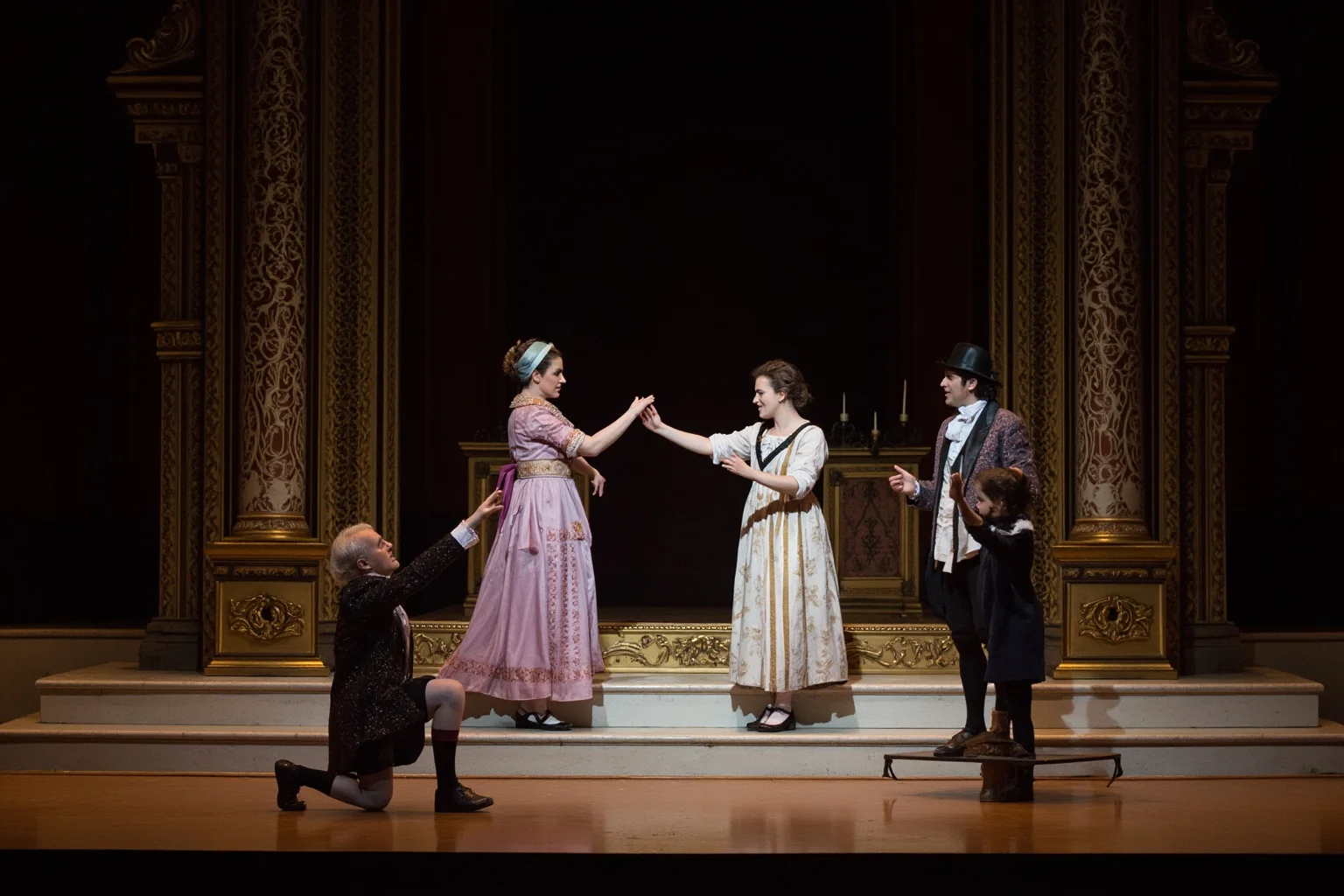
This comic opera, based on a play by Pierre Beaumarchais, is widely considered one of the greatest operas ever written. It combines sharp social satire, memorable melodies, and complex ensemble writing that was innovative for its time. The opera’s willingness to poke fun at the aristocracy, through the clever servant Figaro outwitting his employer, also made it politically daring for its era.
2. Don Giovanni (1787)
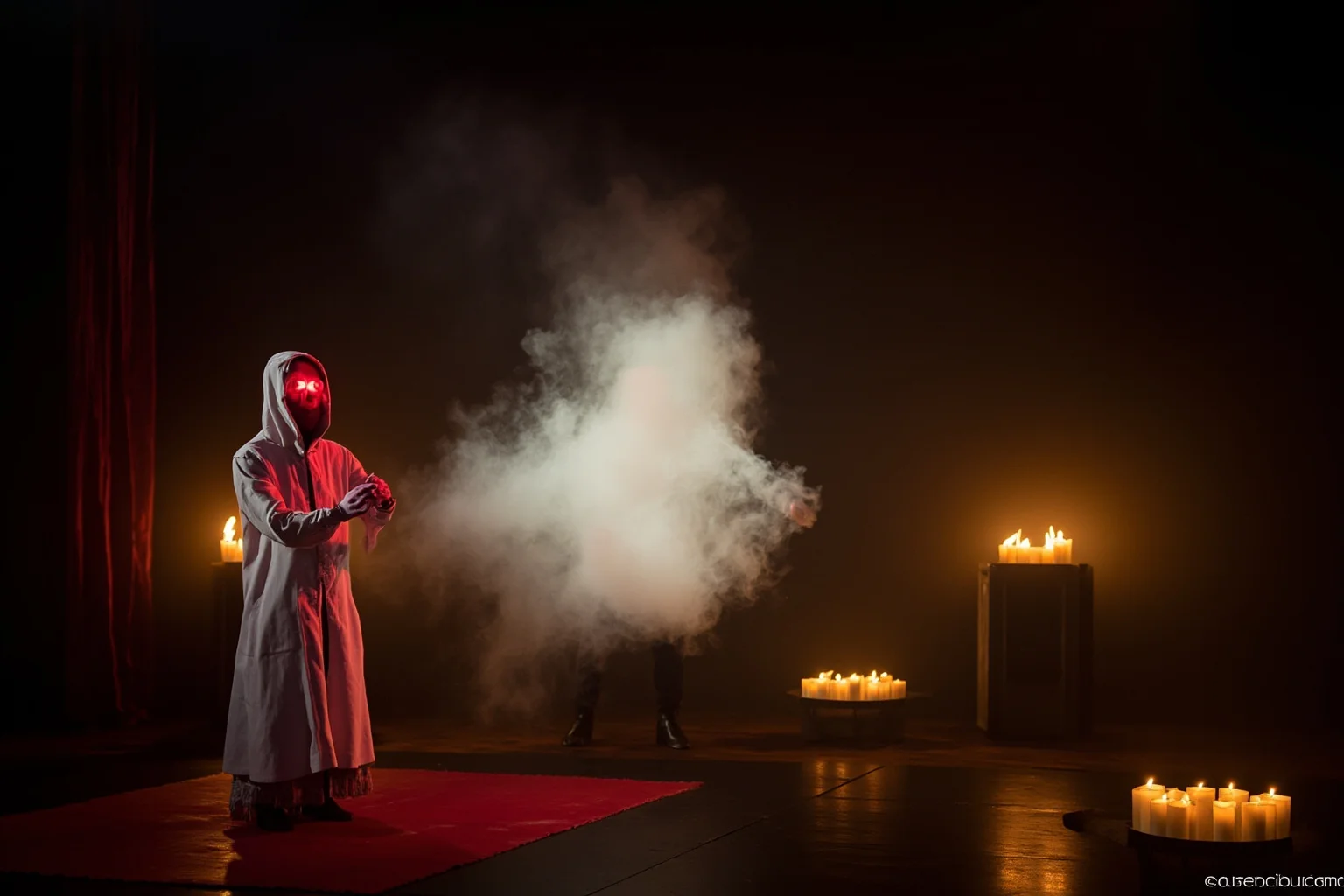
Often labeled a “dramma giocoso,” or a blend of comedy and tragedy, Don Giovanni tells the story of the notorious womanizer’s downfall. It’s celebrated for its dramatic intensity, its supernatural finale, and its psychologically complex characters. Many musicologists consider it one of the most perfectly constructed operas in the classical repertoire.
3. The Magic Flute (1791)
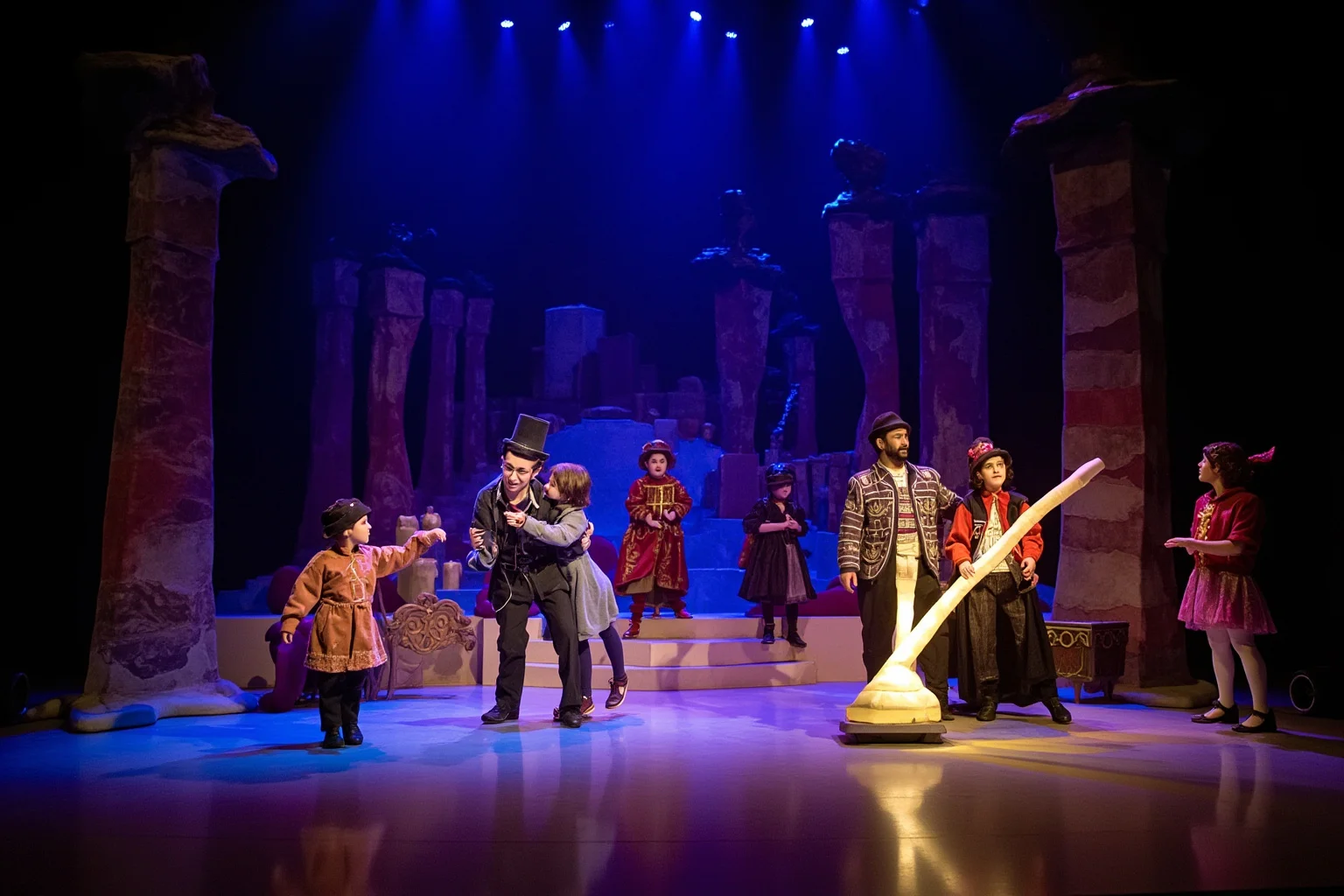
Completed in the final months of his life, The Magic Flute is a singspiel featuring spoken dialogue mixed with music, and it’s packed with Masonic symbolism. It blends fairy-tale fantasy with deeper themes about wisdom, trials, and enlightenment. The opera remains one of the most frequently performed works in the world, loved for both its accessible melodies and its layered meaning.
4. Requiem in D Minor (1791)
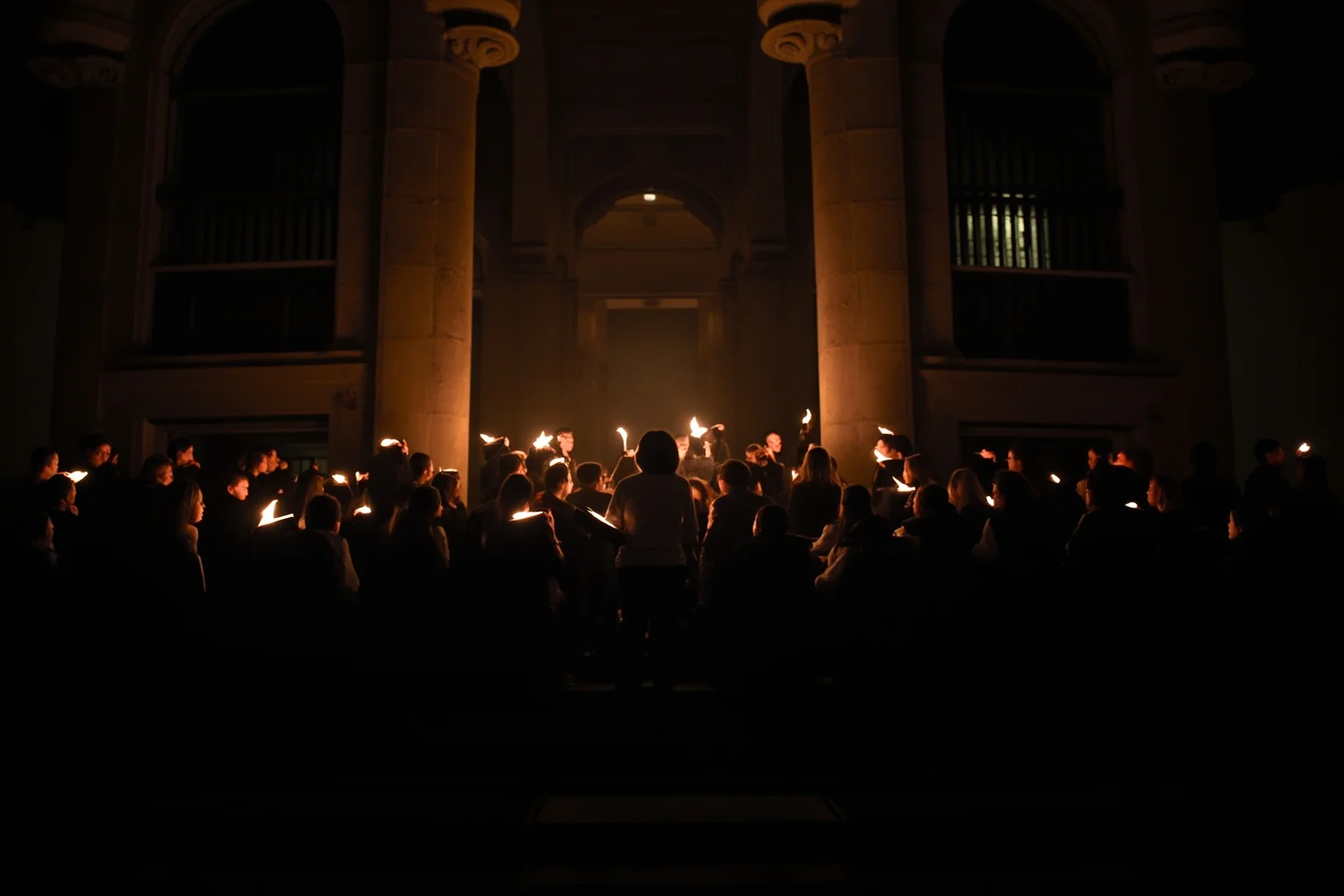
Mozart’s Requiem is perhaps his most famous unfinished work, left incomplete at his death and later completed by his student Franz Xaver Süssmayr. Commissioned anonymously by a nobleman who wanted to pass it off as his own composition, the piece has attracted enormous mystery and speculation over the centuries. Its dramatic, emotionally charged movements, especially the “Dies Irae” and “Lacrimosa,” remain staples of choral repertoire today.
5. Symphony No. 40 in G Minor (1788)
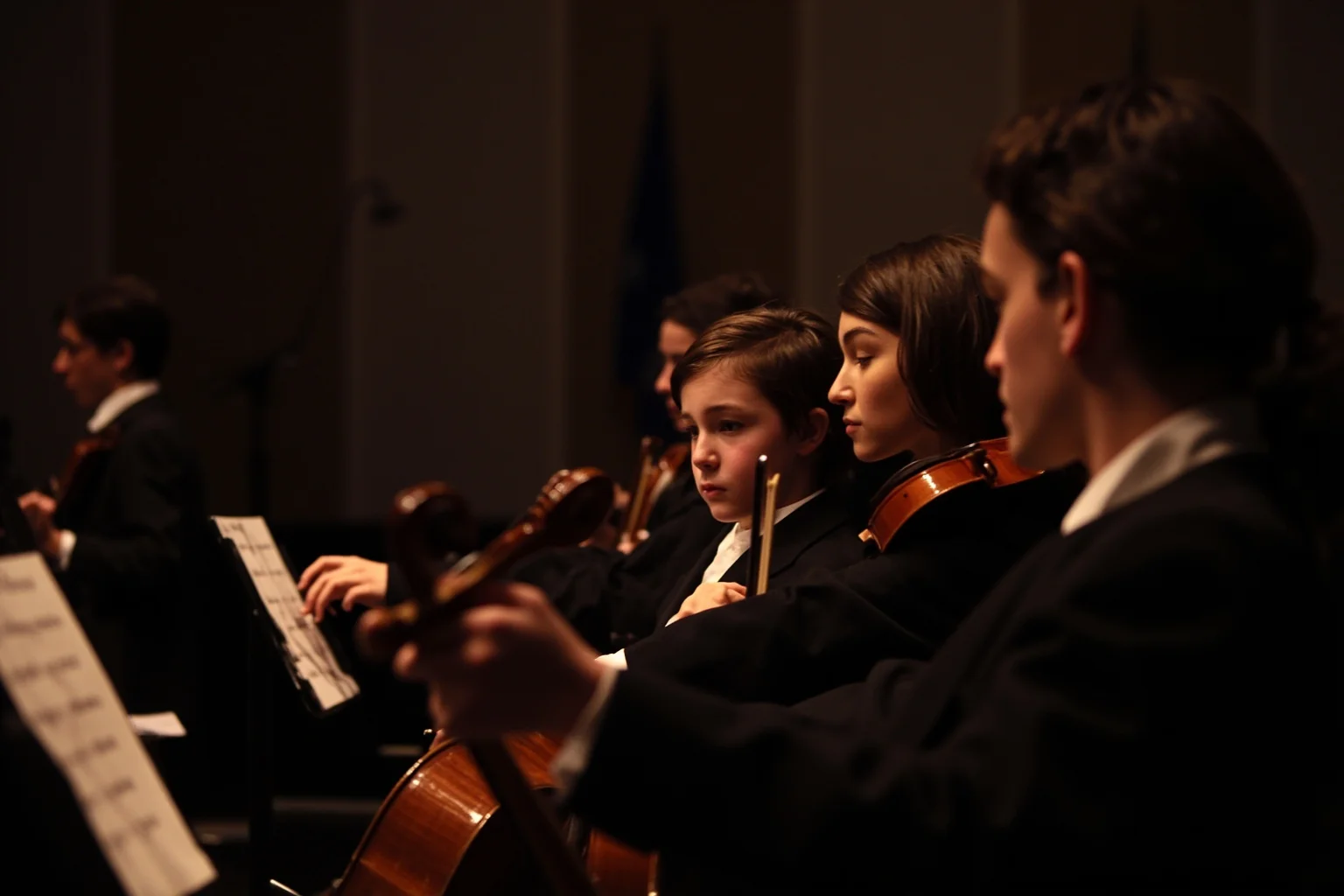
One of only two symphonies Mozart wrote in a minor key, Symphony No. 40 is known for its restless, urgent opening theme and emotional depth. It stands out from the more cheerful tone typical of Classical-era symphonies. This work is frequently cited as an early hint of the more emotionally expressive Romantic music that would follow in the 19th century.
6. Symphony No. 41, “Jupiter” (1788)
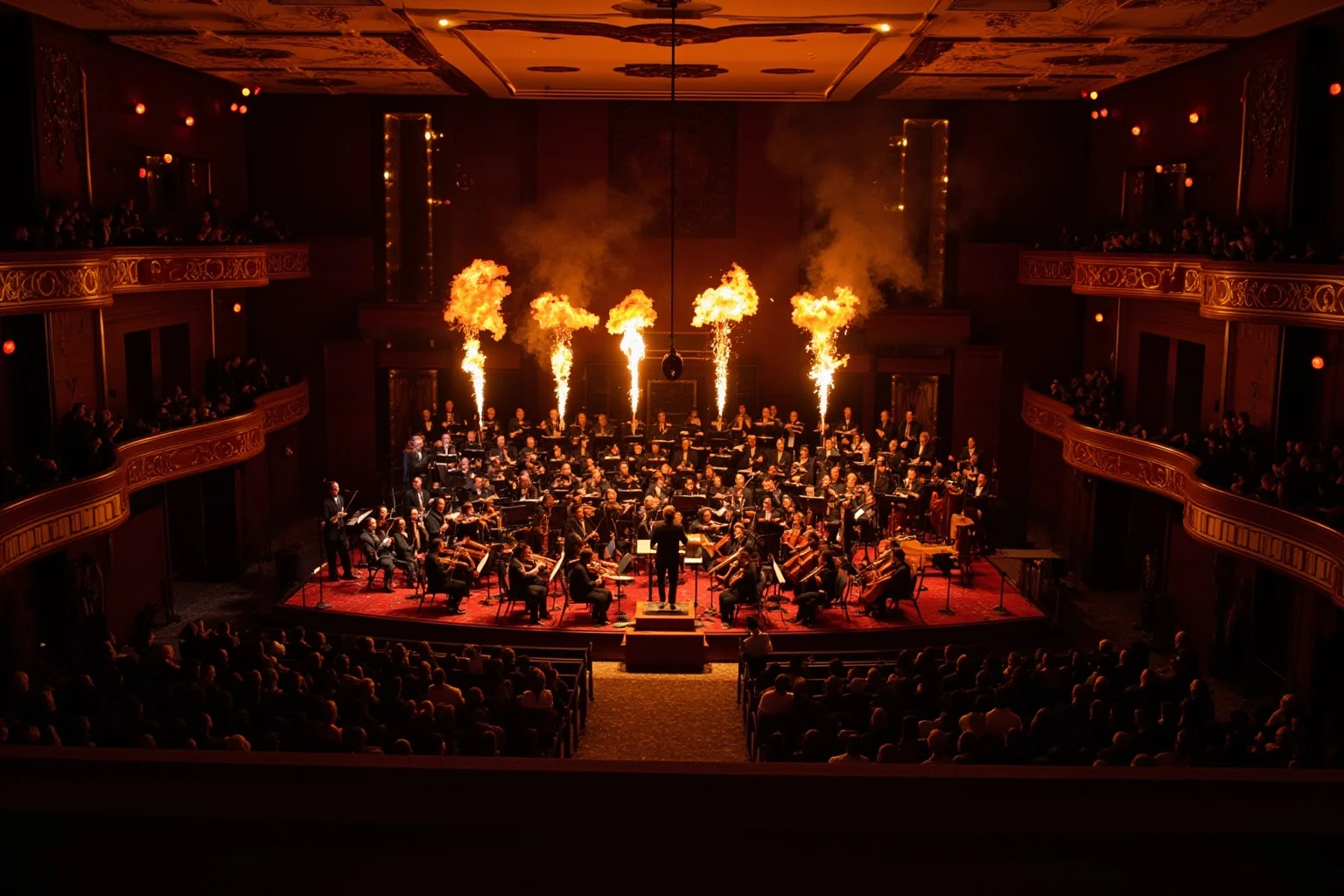
Mozart’s final symphony earned the nickname “Jupiter” after his death, likely due to its grand, majestic character. It’s celebrated for its remarkable finale, which weaves together five independent melodic themes in complex counterpoint. Many scholars view it as the technical and artistic peak of his symphonic writing.
7. Eine kleine Nachtmusik (1787)
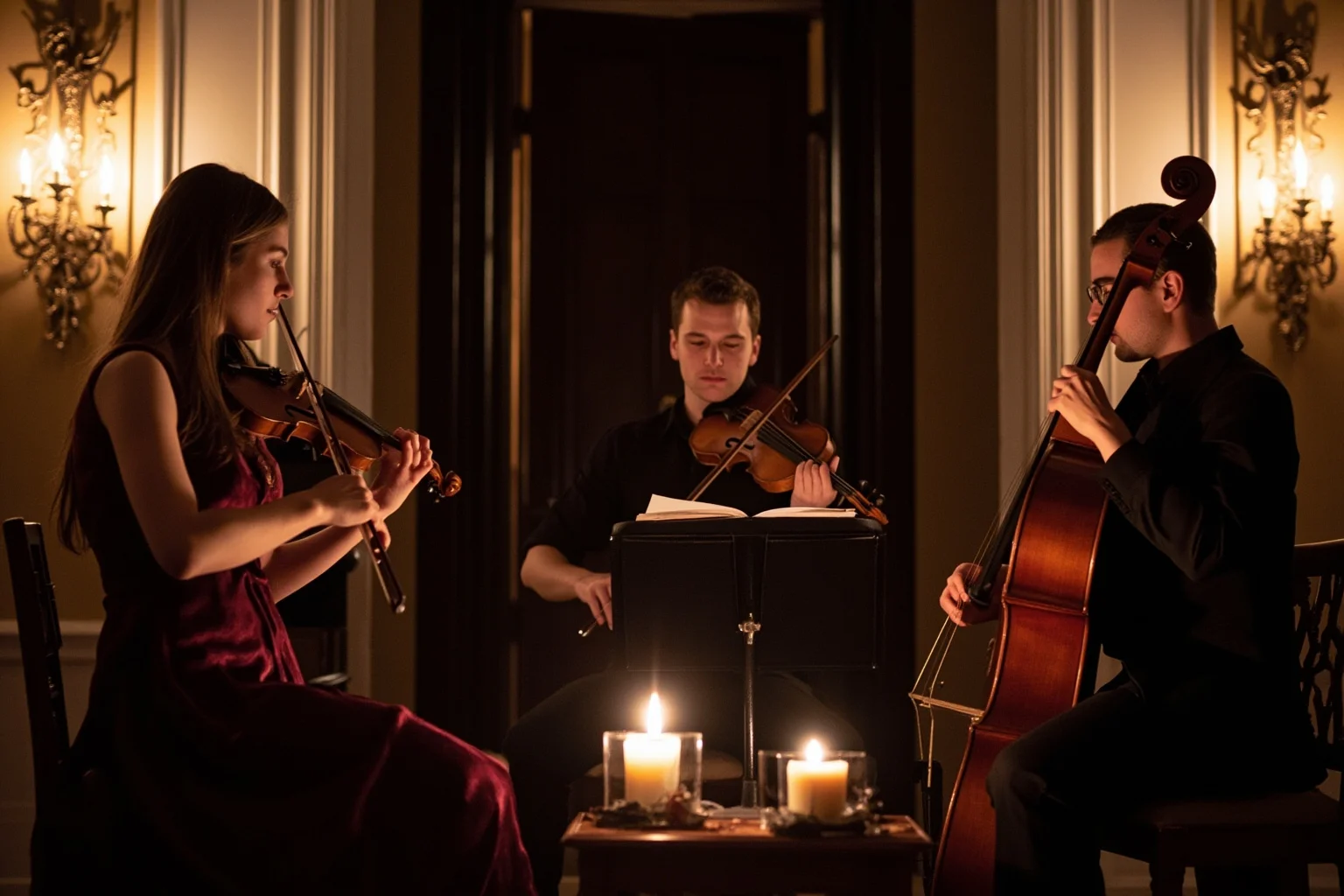
Translating to “A Little Night Music,” this serenade for string ensemble is one of Mozart’s most instantly recognizable pieces today, even among people unfamiliar with classical music. Its bright, elegant melodies exemplify the balance and clarity of the Classical style. It was originally written for a small string group, likely for a private social occasion, though the exact purpose isn’t fully documented.
8. Piano Concerto No. 21 in C Major (1785)
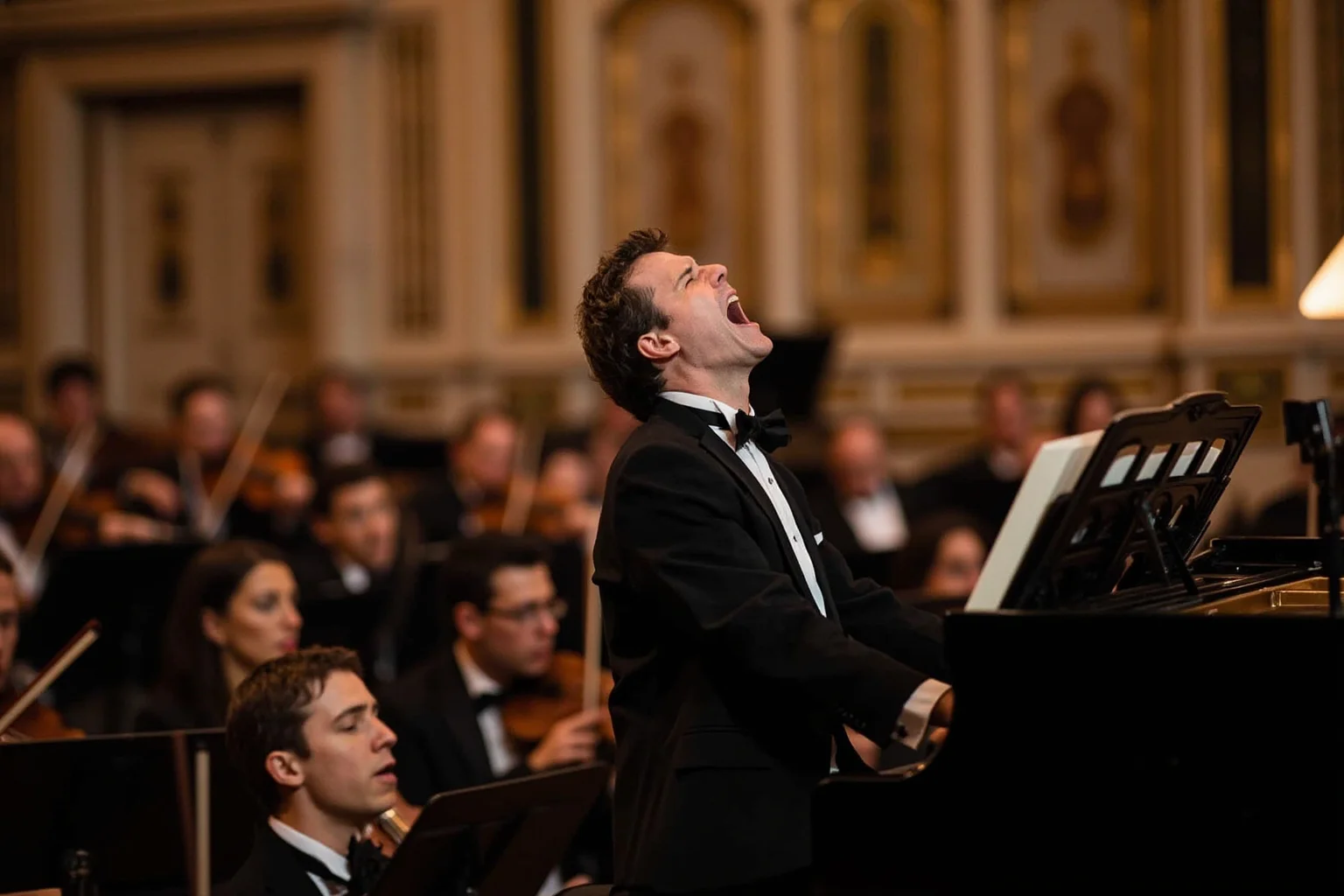
Sometimes nicknamed “Elvira Madigan” after a 1967 film that featured its slow second movement, this concerto showcases Mozart’s gift for blending virtuosity with lyrical beauty. The second movement in particular has become one of classical music’s most beloved melodies. It represents the mature confidence of his output during his most successful Vienna years.
9. Clarinet Concerto in A Major (1791)
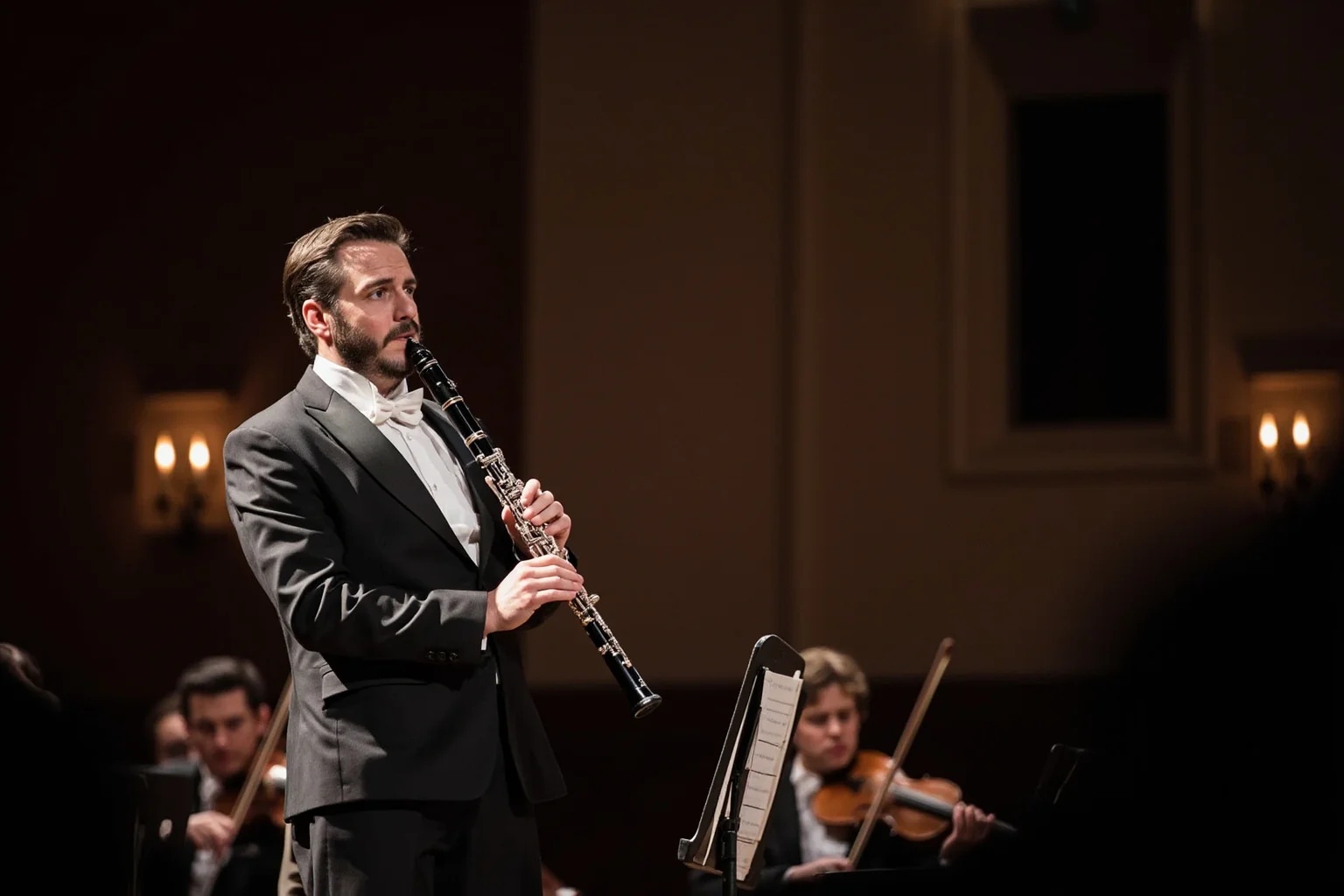
Written in the final months of his life for his friend, clarinetist Anton Stadler, this concerto is one of the earliest and finest works composed for the clarinet as a solo instrument. Its warm, singing melodies helped establish the clarinet’s place as a serious solo instrument in the orchestral repertoire. The concerto remains a cornerstone of clarinet performance and study today.
10. Così fan tutte (1790)
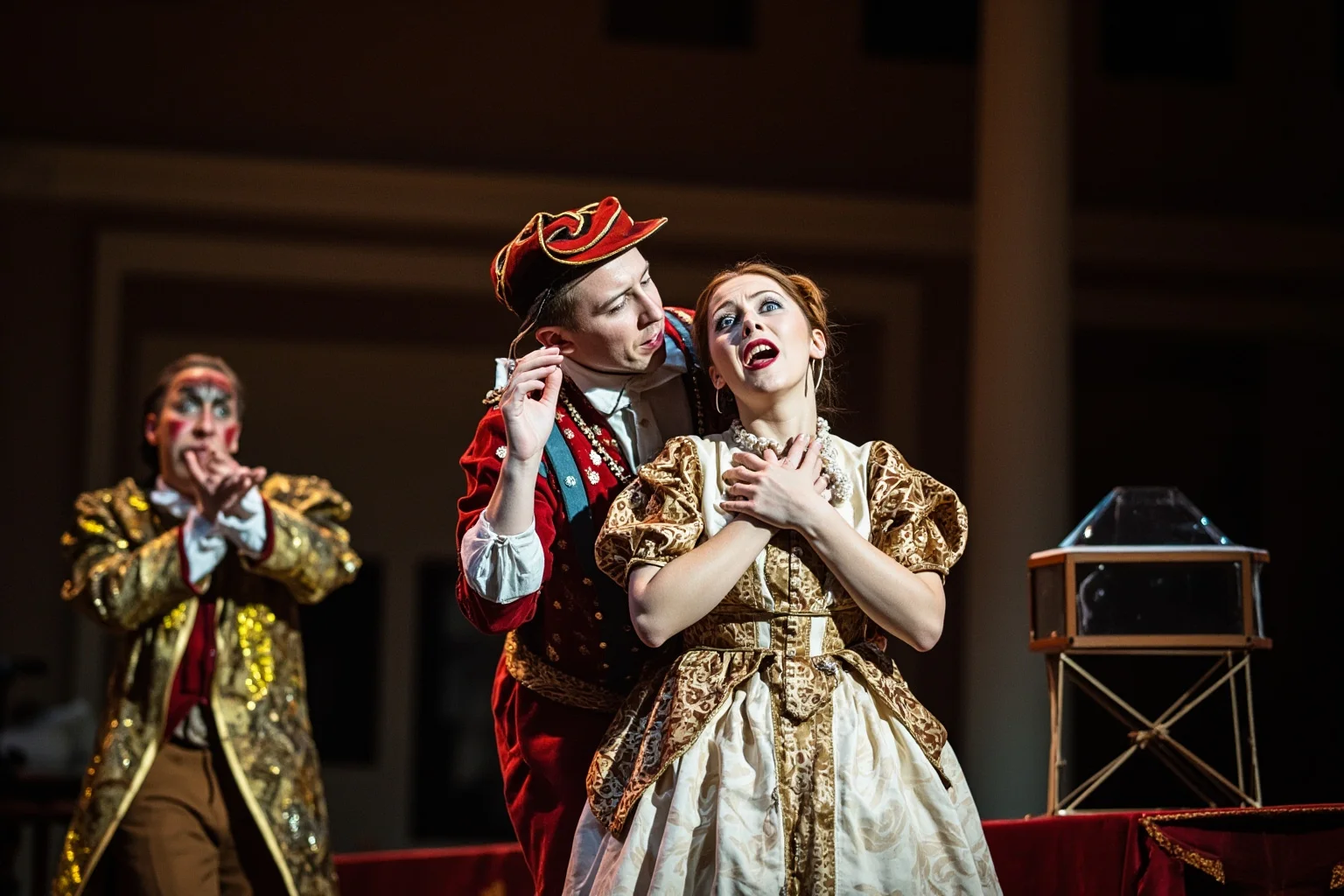
This comic opera, whose title roughly translates to “women are like that,” explores themes of romantic fidelity and human folly through a plot involving disguised lovers testing their partners’ loyalty. While its premise has drawn criticism over the years for its gender politics, the music itself is widely praised for its elegance and ensemble writing. It’s considered the third opera in Mozart’s celebrated collaboration with librettist Lorenzo Da Ponte, alongside Figaro and Don Giovanni.
Why Mozart’s Legacy Still Matters
Mozart’s influence didn’t end with the Classical era. Composers throughout the 19th and 20th centuries studied his structural clarity, his melodic invention, and his ability to blend emotional depth with technical precision. Beethoven, who briefly may have met Mozart as a young man, openly admired his work and built on many of the forms Mozart helped refine.
Beyond the concert hall, Mozart’s music has become deeply embedded in popular culture, appearing in films, commercials, and even studies on music and cognition, like the much-debated “Mozart Effect.” That theory, which suggested listening to Mozart could temporarily boost spatial reasoning, has been largely debunked or at least significantly overstated by later research. Still, its popularity says a lot about how strongly Mozart’s name is associated with genius and brilliance in the public imagination.
Final Thoughts
Mozart’s real story is arguably more interesting than the myths that surround him. He wasn’t a tragic, poverty-stricken outsider poisoned by a jealous rival, but a genuinely extraordinary talent who worked prolifically within the real social and financial pressures of his time. His music, from comic operas to his unfinished Requiem, continues to shape how we think about melody, structure, and emotional expression in music.
Whether you came here looking for quick Mozart facts or a deeper look at his most important works, hopefully this gives you a clearer, more accurate picture of the man behind the legend. His life was short, but his catalog and his influence have proven remarkably lasting.
Frequently Asked Questions
What are some interesting things about Mozart that most people don’t know?
Beyond his famous child prodigy status, lesser-known interesting things about Mozart include that his everyday name wasn't actually "Wolfgang Amadeus," his sister Nannerl was also a highly skilled musician, and the popular Mozart-Salieri rivalry and poisoning story is largely a dramatized myth rather than historical fact.
Why is Mozart so famous?
Mozart is famous for his rare combination of early prodigious talent and lifelong prolific output, composing over 600 works across nearly every musical genre of his time. His operas, symphonies, and concertos set lasting standards for structure and melody that influenced generations of composers after him.
What was Mozart best known for during his lifetime?
During his lifetime, Mozart was best known as a virtuoso keyboard performer and later as a sought-after opera composer in Vienna, particularly for works like The Marriage of Figaro and Don Giovanni. His childhood tours as a performing prodigy also made him a well-known figure across European courts from an early age.
How did Mozart die, and is it true he was poisoned?
Mozart died in Vienna in December 1791 after a short illness, with acute rheumatic fever being the most widely accepted explanation among modern historians and physicians. The popular claim that he was poisoned, often linked to Antonio Salieri, is not supported by credible historical or medical evidence and is considered a myth.
How many pieces of music did Mozart compose?
Mozart composed more than 600 known works, cataloged using the Köchel numbering system created in 1862. His output includes symphonies, operas, piano concertos, chamber music, and sacred works, an extraordinary volume given his career spanned roughly three decades before his death at 35.

Alex Warren
Related Articles





