
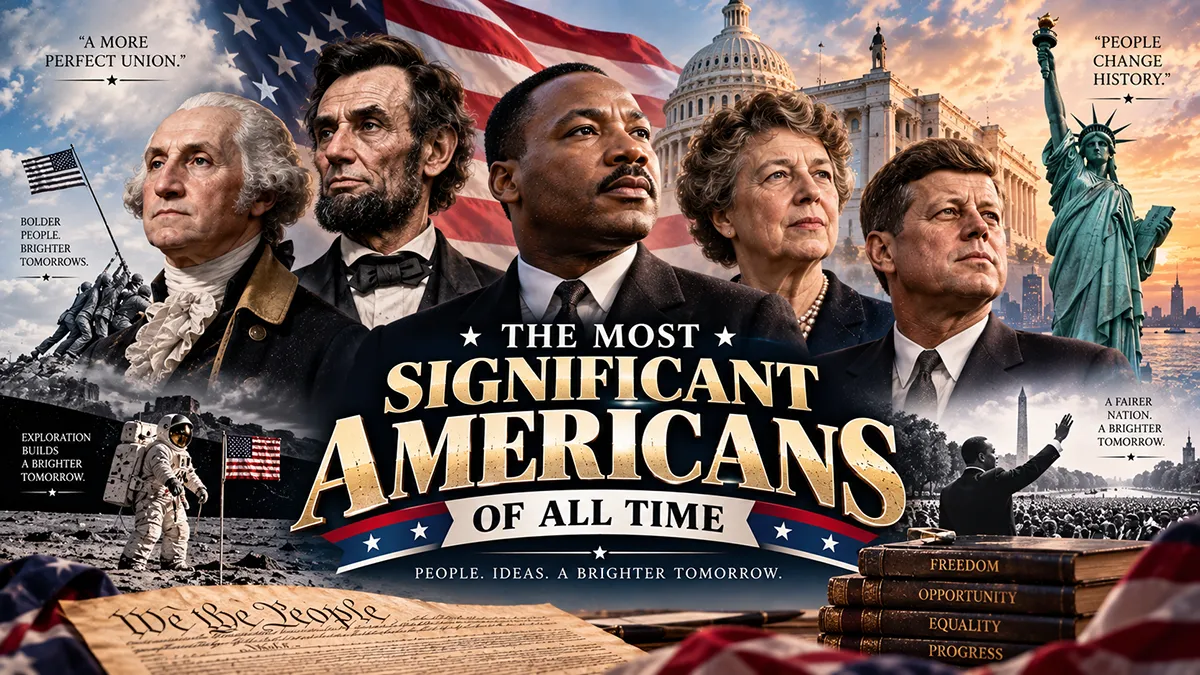
Ask ten people to name the most famous person in America, and you’ll likely get ten different answers. Ask them who the most significant American of all time is, and the conversation gets even more interesting.
Fame fades, but significance tends to stick around, shaping laws, culture, science, and the everyday lives of people who’ve never even heard the person’s name.
This list isn’t a definitive ranking — there isn’t one, and any site that claims otherwise is overselling itself.
Instead, this is a carefully chosen tour through 25 historical figures of the United States whose actions changed the country, and often the world, in lasting ways.
Some are famous American people you already know well; others deserve a bigger spotlight than they usually get.
TL;DR: From founding statesmen to civil rights leaders, inventors, and cultural icons, these 25 Americans reshaped the nation’s laws, ideas, and identity in ways that still echo today.
What Makes Someone One of the Most Significant Americans?
Before diving into the list, it helps to define the criteria, because “famous” and “significant” aren’t the same thing. A famous american person might be a household name for a single viral moment or a decades-long career, while a truly significant figure changes the systems, institutions, or ideas that affect millions of lives.
For this list, significance was measured by lasting impact rather than fame alone. Did this person help build or reshape a major institution, right a historic wrong, advance science or technology in a lasting way, or permanently shift American culture? Popularity mattered less than durability — whether their contribution is still felt generations later.
It’s also worth noting that “greatest” is subjective, and historians genuinely disagree about rankings. This list leans toward breadth, covering politics, civil rights, science, industry, and culture, rather than crowning a single “greatest American” and calling it a day.
The List: 25 of the Most Significant Americans in History
These figures are presented in roughly chronological order rather than a strict ranking, since comparing a founding father to a 20th-century astronaut is a bit like comparing apples to spacecraft. Each entry includes a bit of myth-busting where popular stories have outpaced the historical record.
1. George Washington
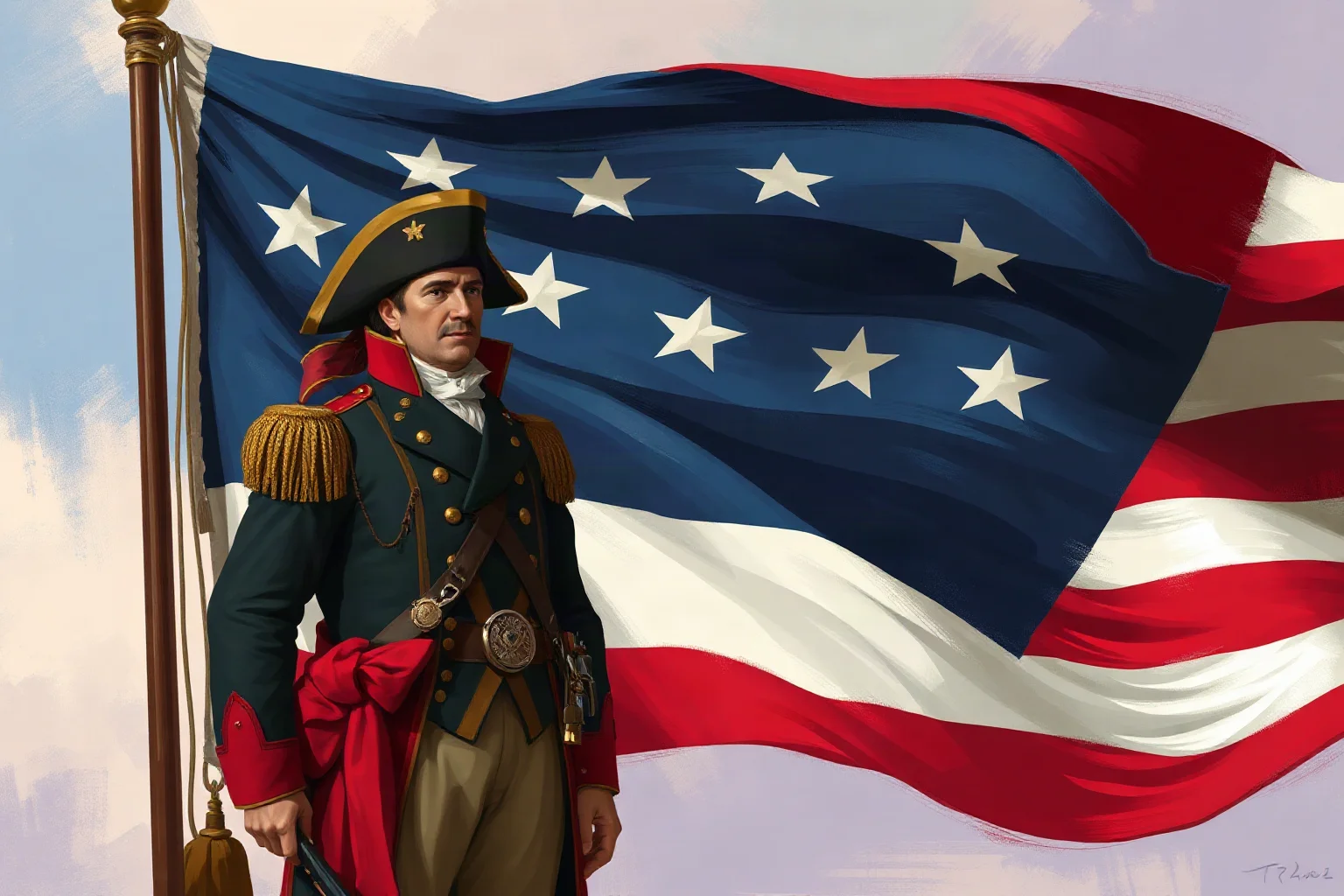
George Washington is often called the “father of his country,” and for good reason — he led the Continental Army through the Revolutionary War and set precedents as the first U.S. president that shaped the office for centuries. He voluntarily stepped down after two terms, establishing a norm of peaceful transfer of power that wasn’t legally required until much later.
The cherry tree confession story and the wooden teeth myth are both largely fictional additions to his legacy. His dentures were real, but made of materials like ivory, gold, and even animal teeth, not wood, a persistent piece of American folklore that simply isn’t accurate.
2. Benjamin Franklin
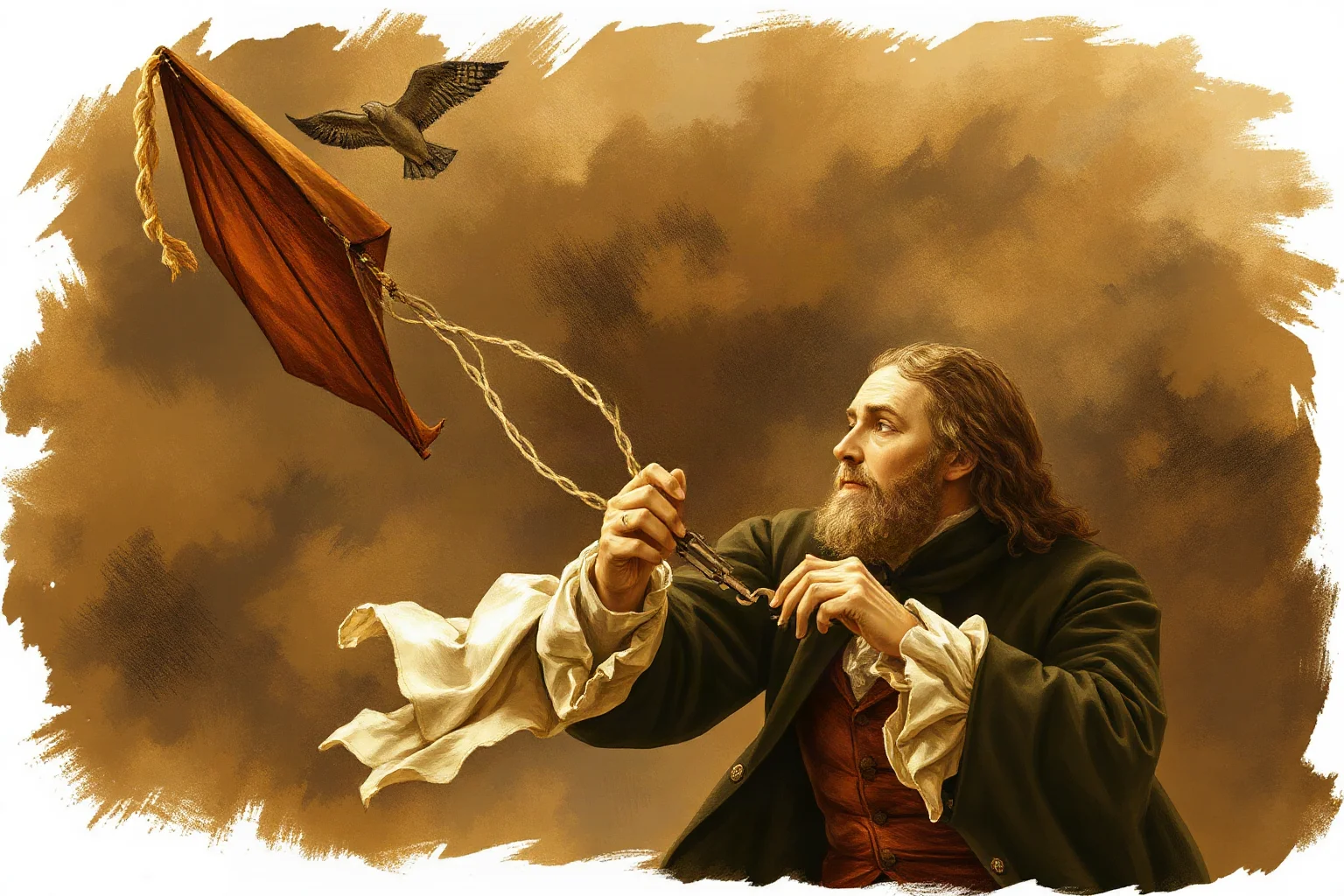
Benjamin Franklin is one of the most famous americans precisely because he refused to specialize. He was a printer, scientist, diplomat, and the only founding father to sign the Declaration of Independence, the Treaty of Paris, and the Constitution.
His experiments with electricity, including the famous kite episode, were genuinely risky and helped advance early understanding of electrical current. Franklin also founded some of the young nation’s first public institutions, including a library company and a fire department, embodying a very American blend of practicality and curiosity.
3. Thomas Jefferson
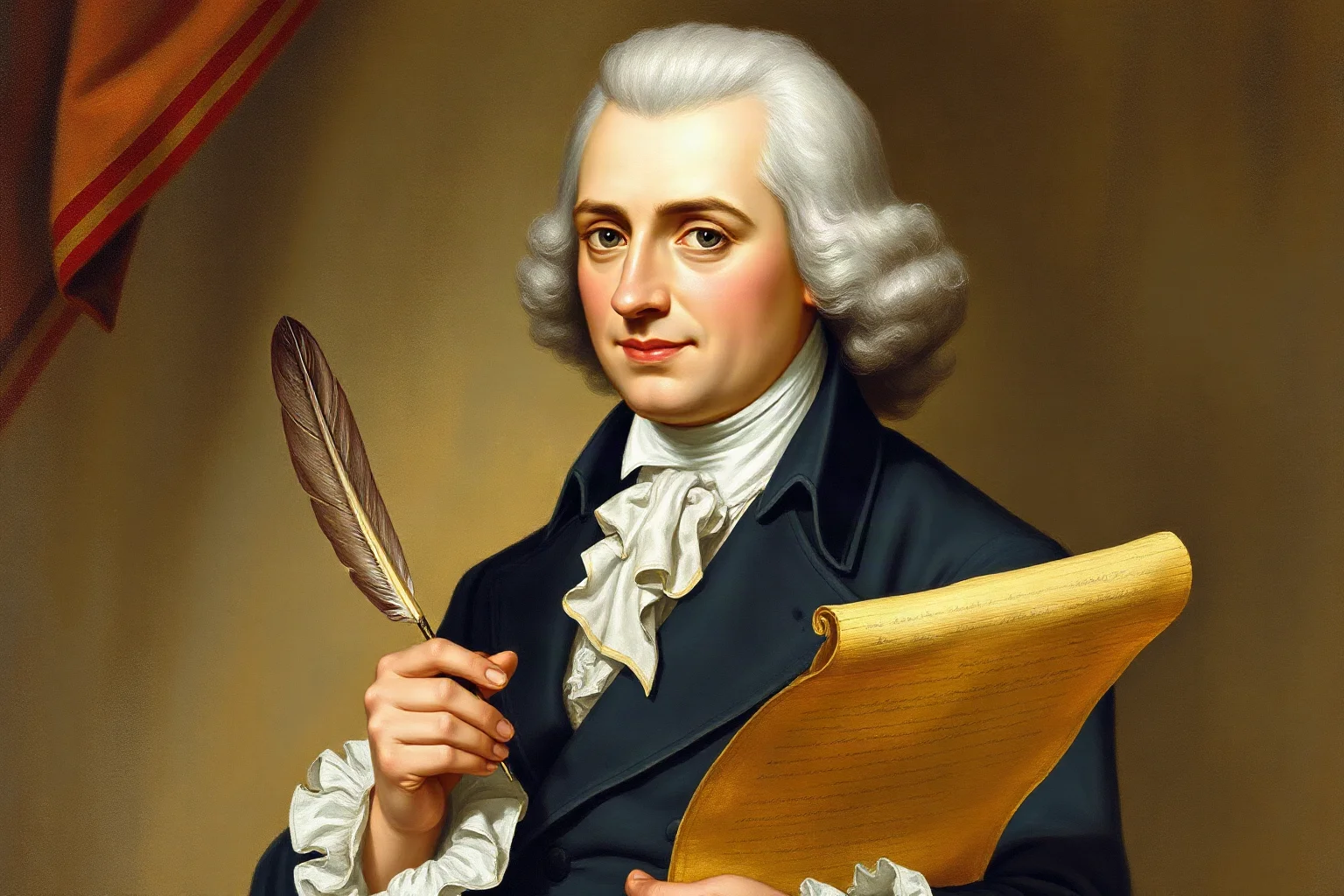
As the primary author of the Declaration of Independence, Thomas Jefferson gave the country its founding language about unalienable rights. He later served as the third president and doubled the size of the nation through the Louisiana Purchase in 1803.
Jefferson’s legacy is genuinely complicated, since he enslaved more than 600 people over his lifetime while writing about liberty and equality. Historians today generally present both sides of his record rather than treating him as a simple hero, and that fuller picture matters for understanding American history important people accurately.
4. Alexander Hamilton
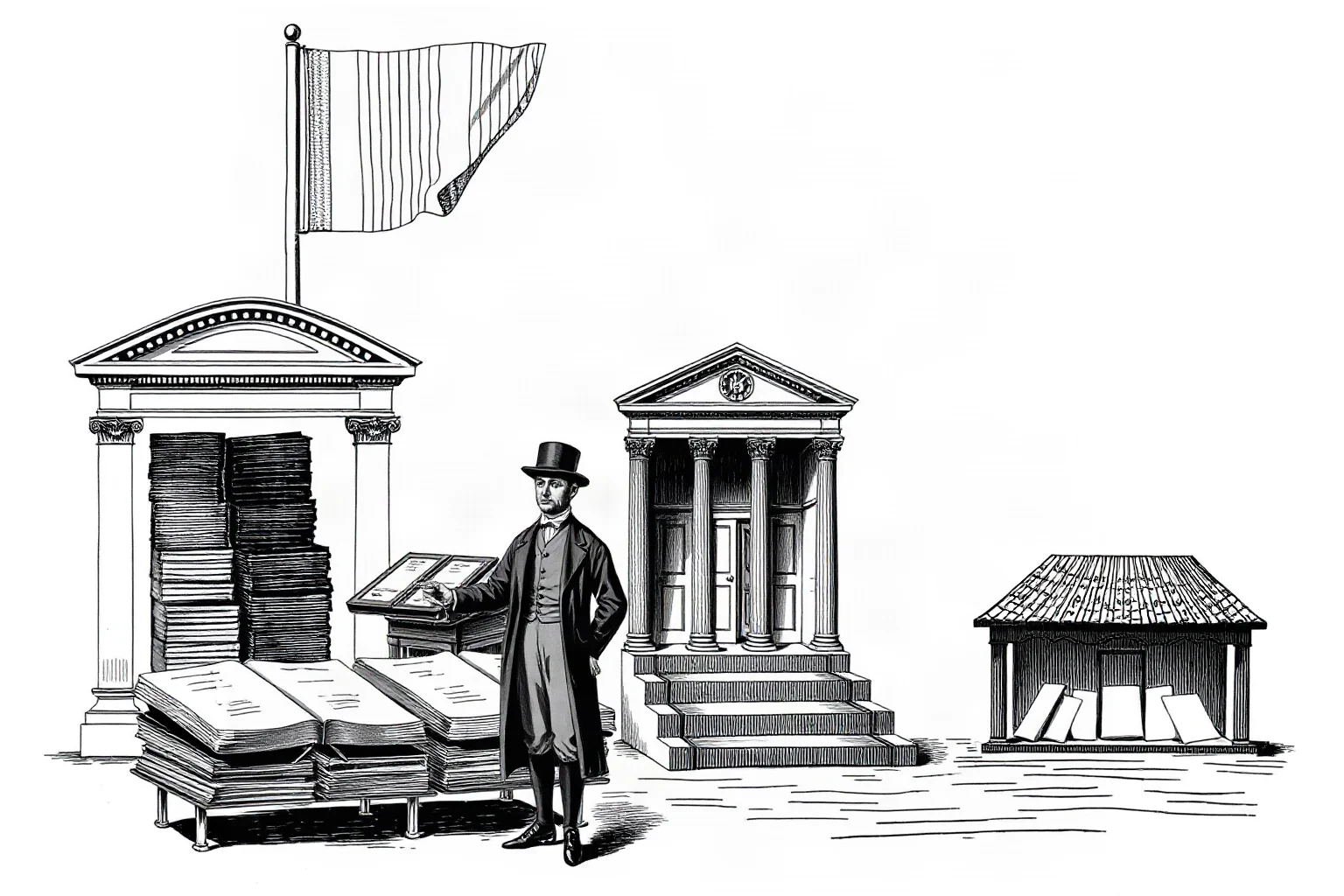
Alexander Hamilton never became president, but few figures in american history shaped the country’s economic backbone as much as he did. As the first Secretary of the Treasury, he built the national bank, the federal credit system, and the financial infrastructure that let the young country function.
His rivalry with Aaron Burr, which ended in a fatal duel in 1804, remains one of the most dramatic episodes in early American politics. A hit Broadway musical revived popular interest in his life decades later, proving that historical significance and pop culture relevance can absolutely overlap.
5. Abraham Lincoln
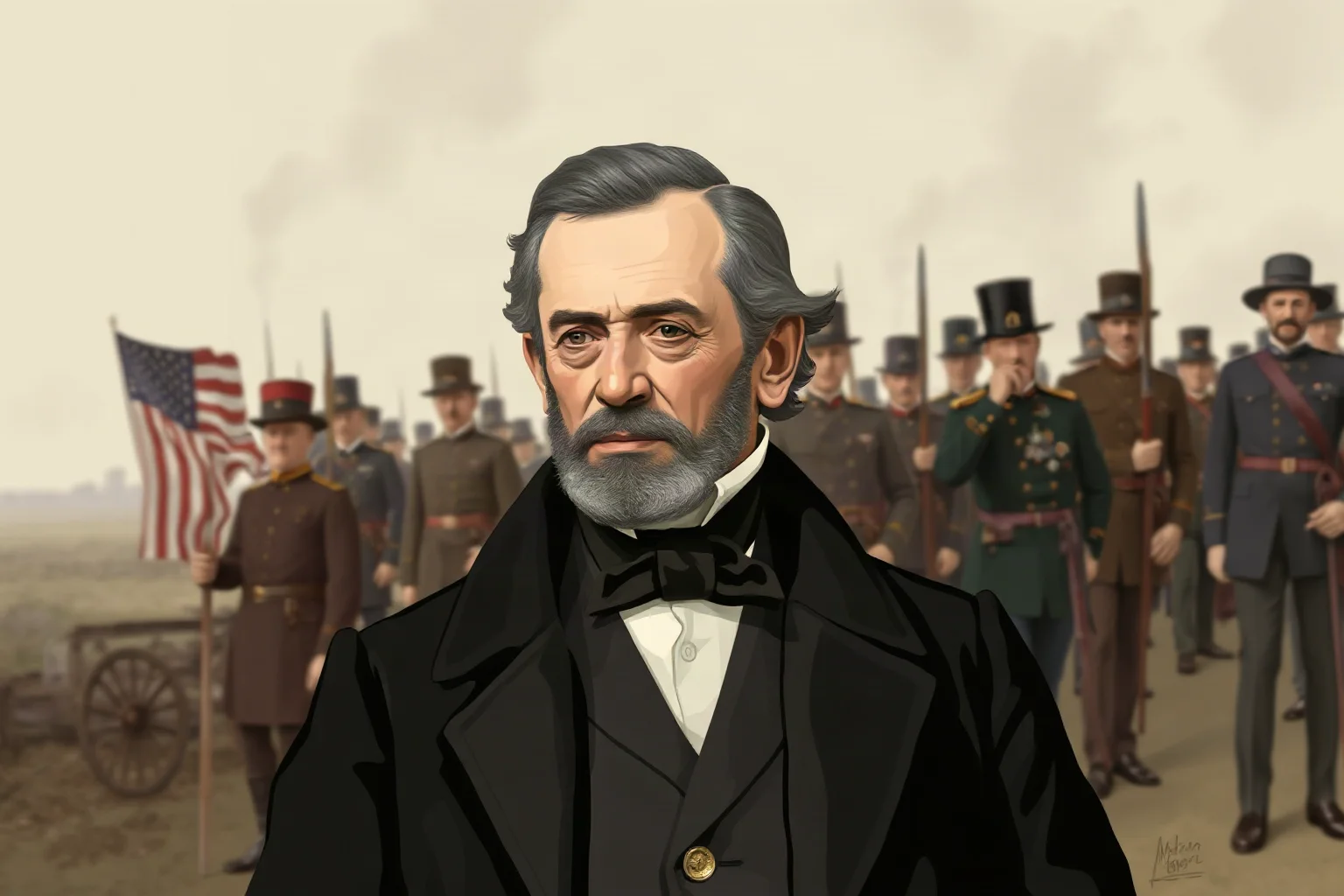
Abraham Lincoln guided the United States through its bloodiest conflict, the Civil War, while working to preserve the union and end slavery. The Emancipation Proclamation in 1863 and his support for the Thirteenth Amendment were pivotal steps toward abolition, even though full civil rights took another century of struggle to advance further.
Lincoln’s assassination in 1865, just days after the war’s end, cemented his image as a martyr for the causes he championed. Many polls of the greatest american tend to place him near the top, and his Gettysburg Address remains one of the most quoted speeches in U.S. history.
6. Frederick Douglass
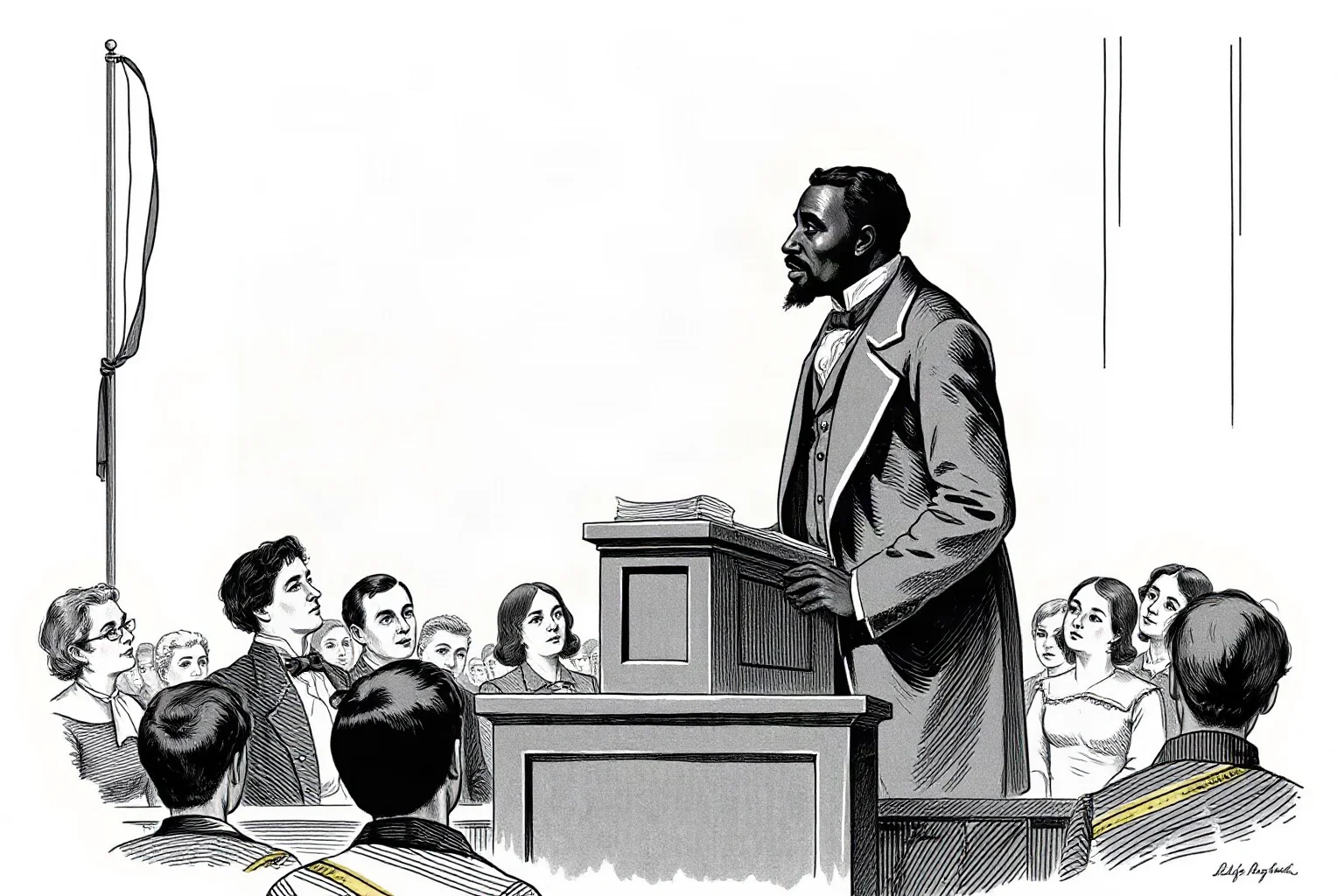
Frederick Douglass escaped slavery in 1838 and became one of the most powerful orators and writers of the abolitionist movement. His autobiography exposed the brutal realities of slavery to a wide audience and directly challenged pro-slavery arguments with firsthand testimony.
Douglass also advised Lincoln during the Civil War and continued advocating for civil rights and women’s suffrage afterward. He remains one of the most significant american historical figures for proving that firsthand narrative could be as persuasive as political argument.
7. Harriet Tubman
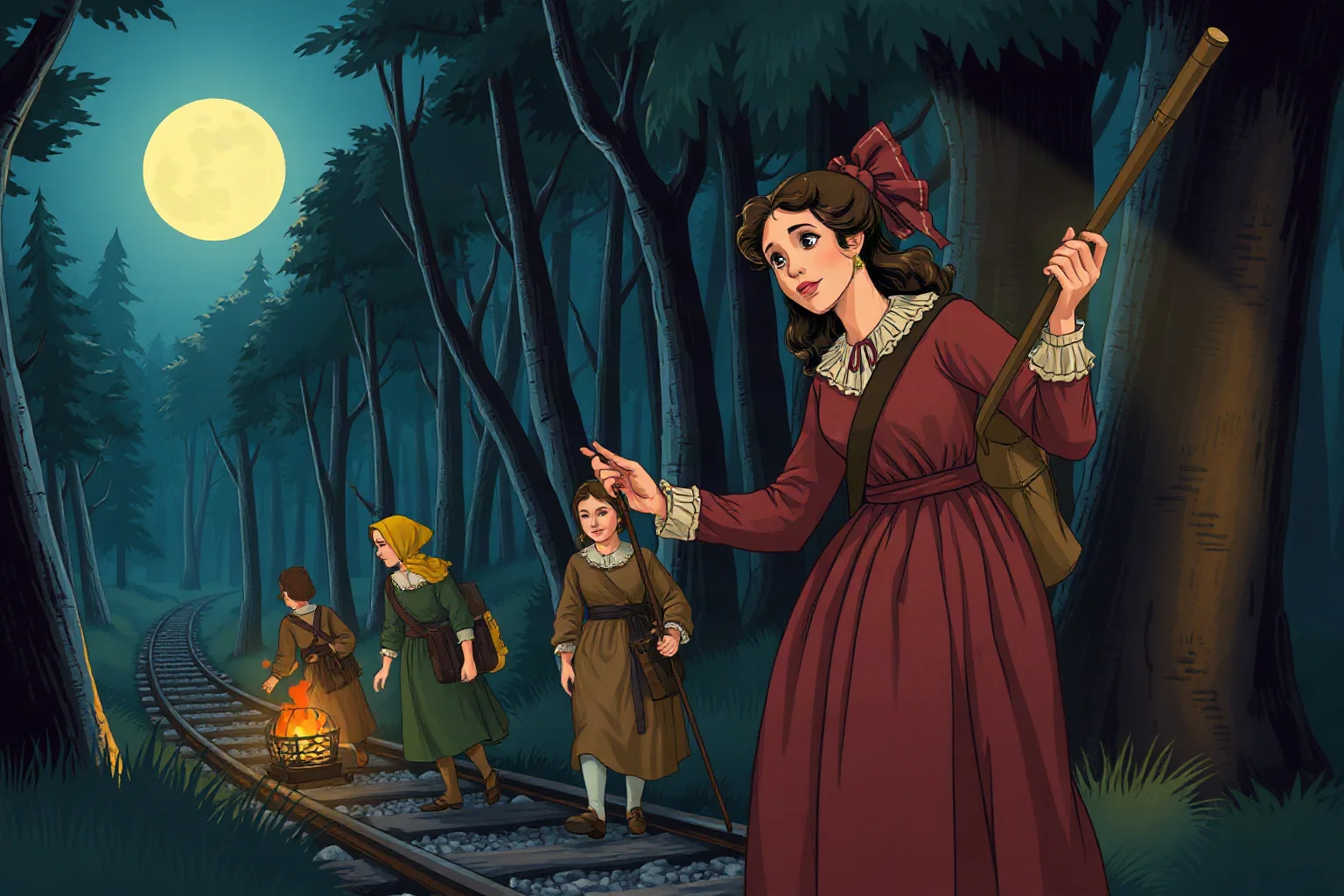
Harriet Tubman escaped slavery herself in 1849 and then returned to the South repeatedly to guide others to freedom via the Underground Railroad. She later served as a scout and spy for Union forces during the Civil War, making her one of the few women with a direct combat-support role in that conflict.
Contrary to some popular retellings, historians don’t have a confirmed count of exactly how many people she personally freed, though estimates commonly cite around 70 people across roughly 13 rescue missions. Her bravery under threat of capture or death makes her one of the most iconic american figures in the fight against slavery.
8. Susan B. Anthony
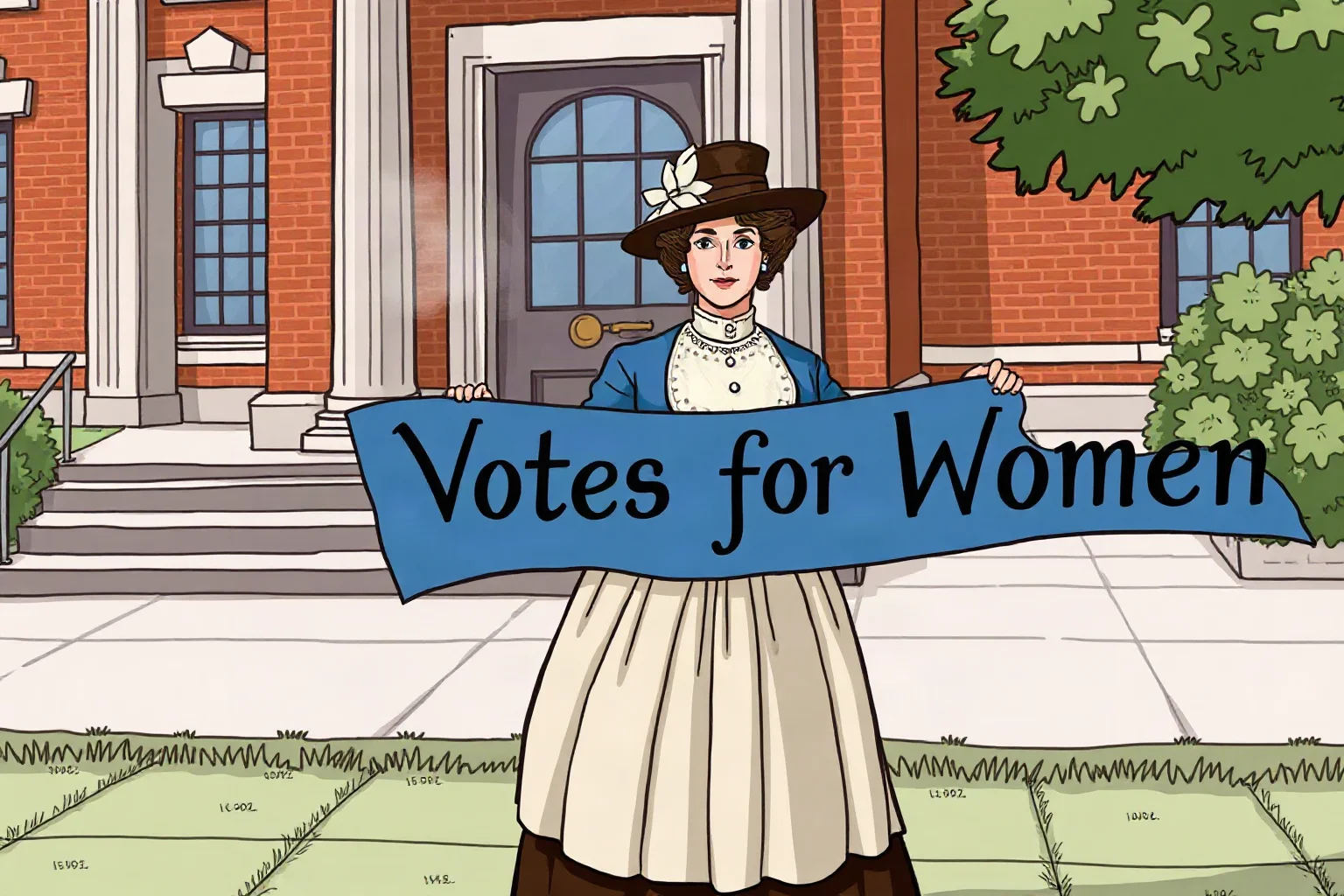
Susan B. Anthony dedicated most of her adult life to the women’s suffrage movement, co-founding organizations and touring the country to argue for voting rights. She was arrested in 1872 for voting illegally in a presidential election, a deliberate act of civil disobedience meant to test the law.
Anthony died in 1906, fourteen years before the Nineteenth Amendment granted women the right to vote nationally in 1920. Her decades of organizing laid essential groundwork, making her one of the most influential americans in the long fight for equal citizenship.
9. Sacagawea
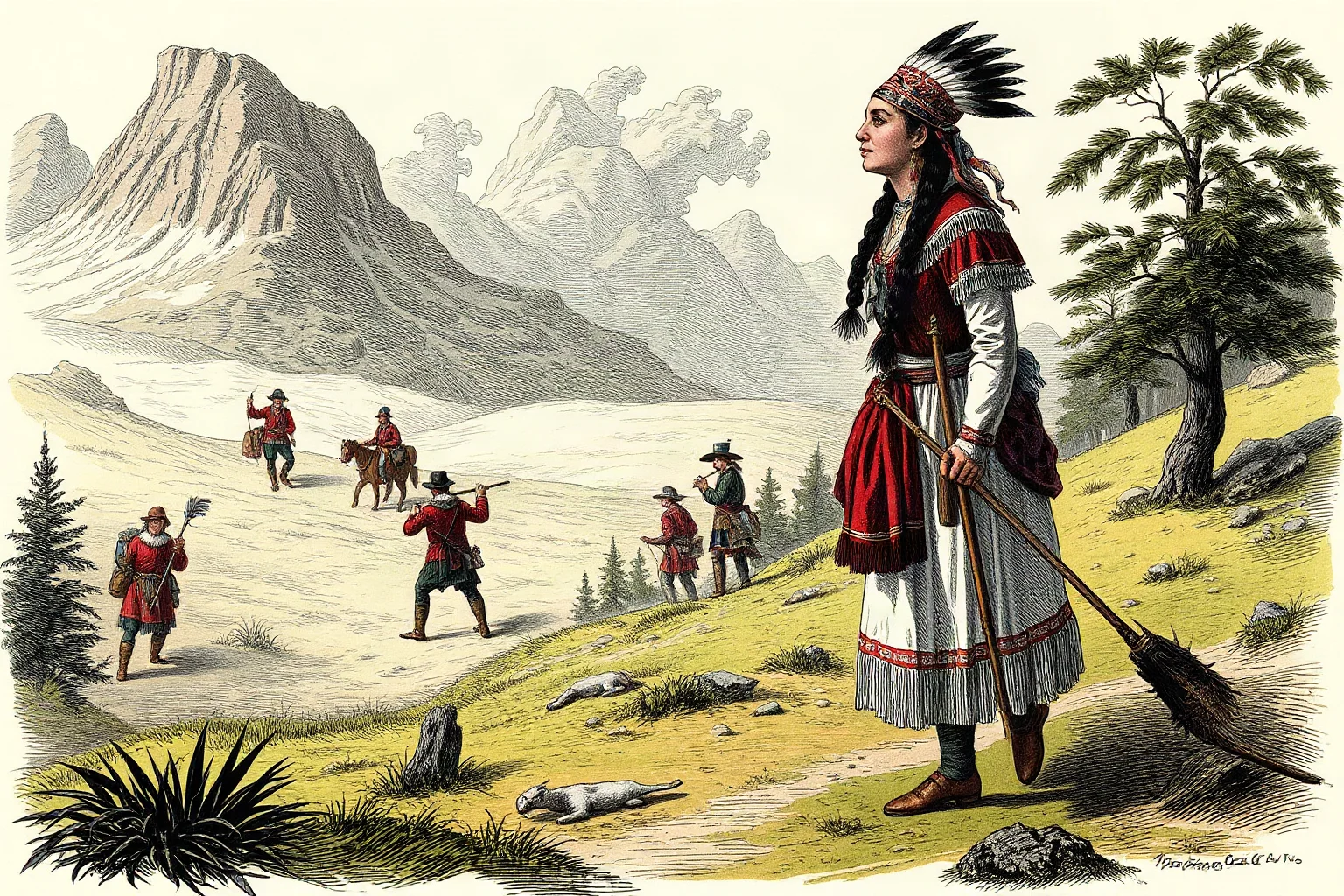
Sacagawea, a Shoshone woman, served as an interpreter and guide for the Lewis and Clark Expedition from 1804 to 1806, helping the group navigate unfamiliar territory and negotiate with Native nations. Her presence, along with her infant son, also helped signal peaceful intentions to tribes the expedition encountered.
Much of her life outside the expedition is not well documented, and some details are debated among historians. Still, she remains one of the most recognized Native American historical figures of the early United States, commemorated on currency and monuments across the country.
10. Theodore Roosevelt
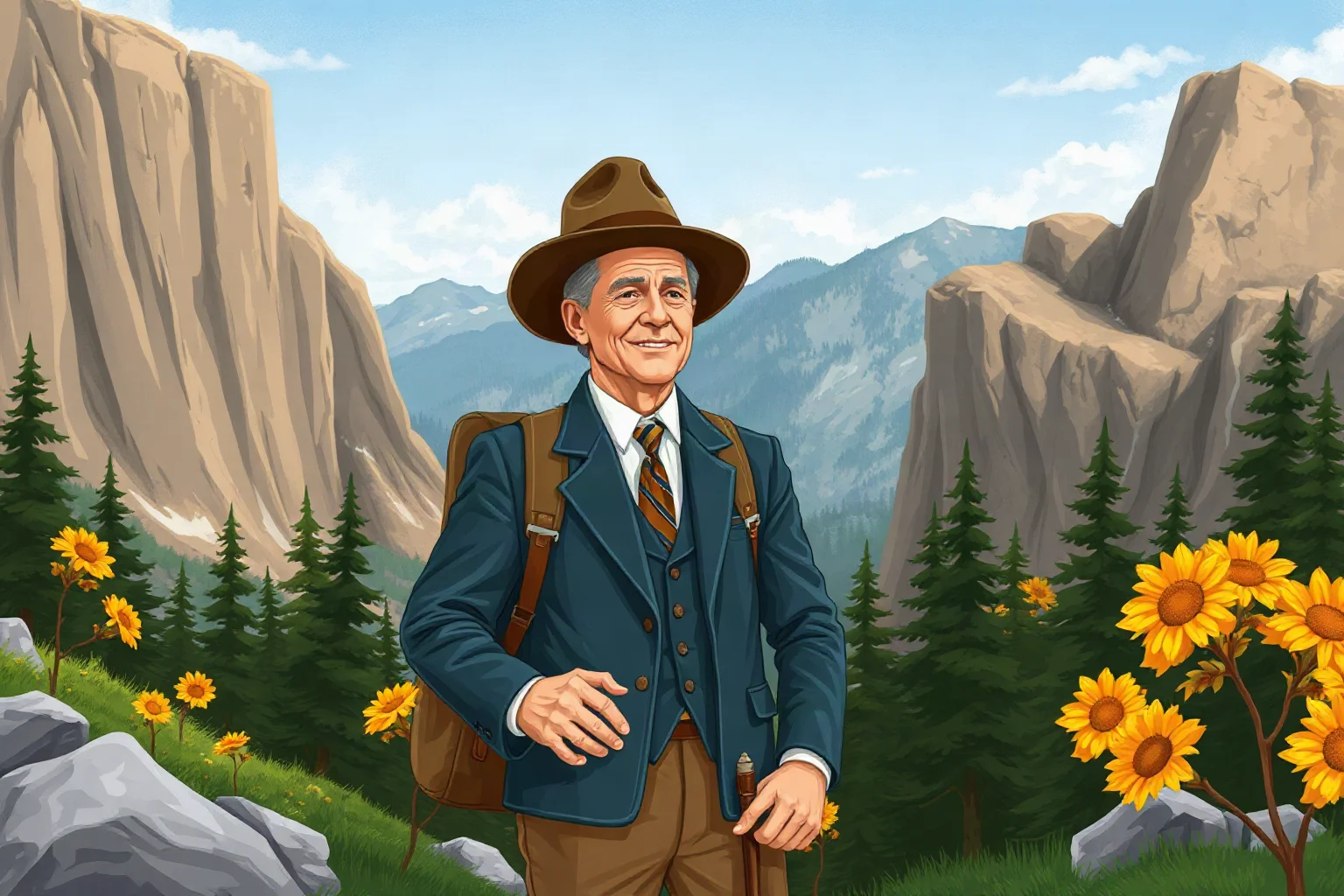
Theodore Roosevelt became president in 1901 and used the office to push progressive reforms, break up monopolistic trusts, and establish the National Park System. His conservation efforts protected roughly 230 million acres of public land, an environmental legacy that still shapes outdoor recreation today.
Roosevelt was also a prolific writer, a decorated Rough Rider from the Spanish-American War, and famously energetic in both his politics and personal life. He’s frequently cited among the most respected men in America from his era for combining physical vigor with substantive policy change.
11. Franklin D. Roosevelt
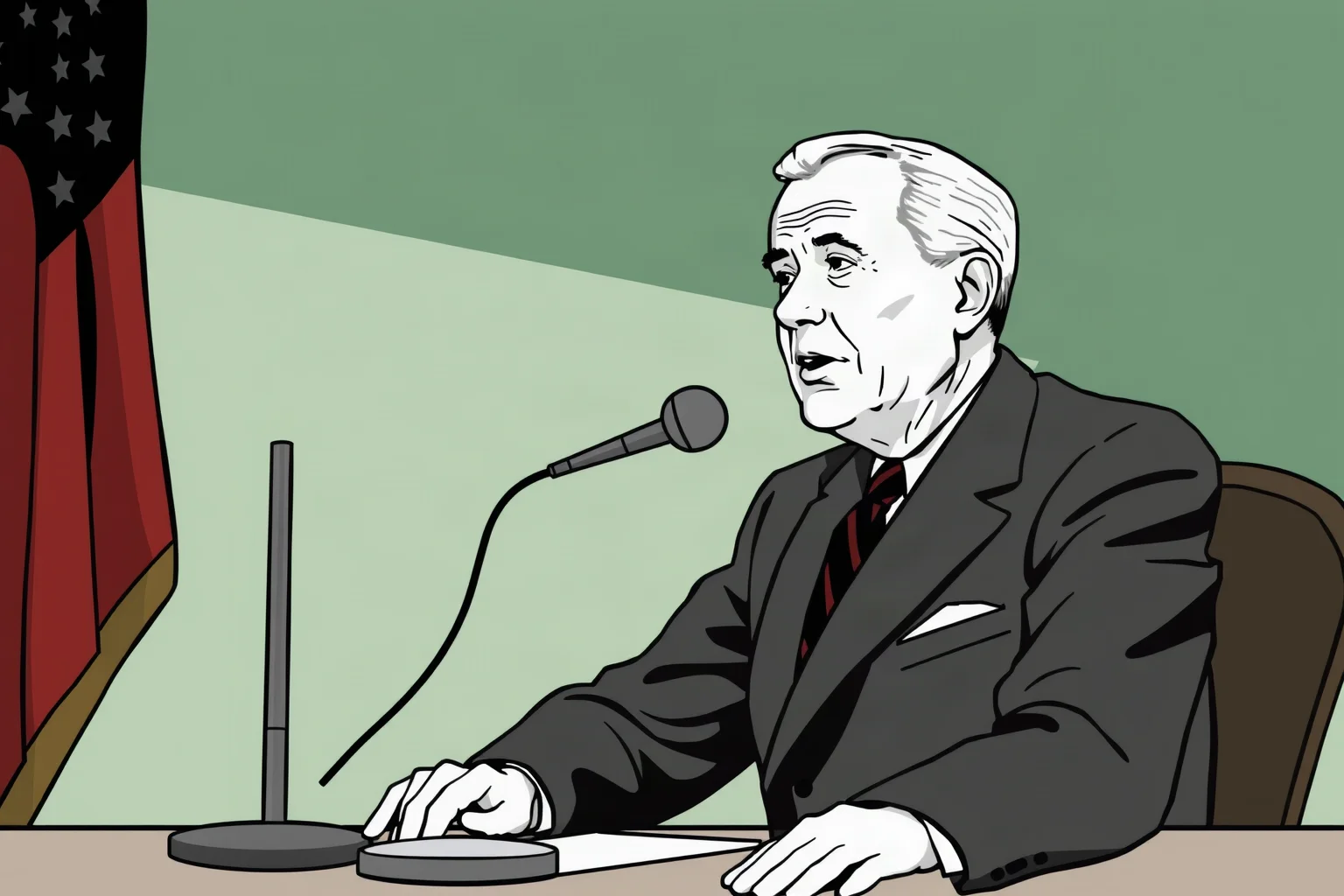
Franklin D. Roosevelt led the country through both the Great Depression and most of World War II, serving an unprecedented four terms as president. His New Deal programs created Social Security, banking reforms, and public works projects that reshaped the federal government’s role in everyday life.
Roosevelt delivered his famous “fireside chats” over the radio, a communication style that helped build public trust during genuinely frightening national crises. He remains one of the most influential people in US history for redefining what Americans expected their government to do.
12. Eleanor Roosevelt
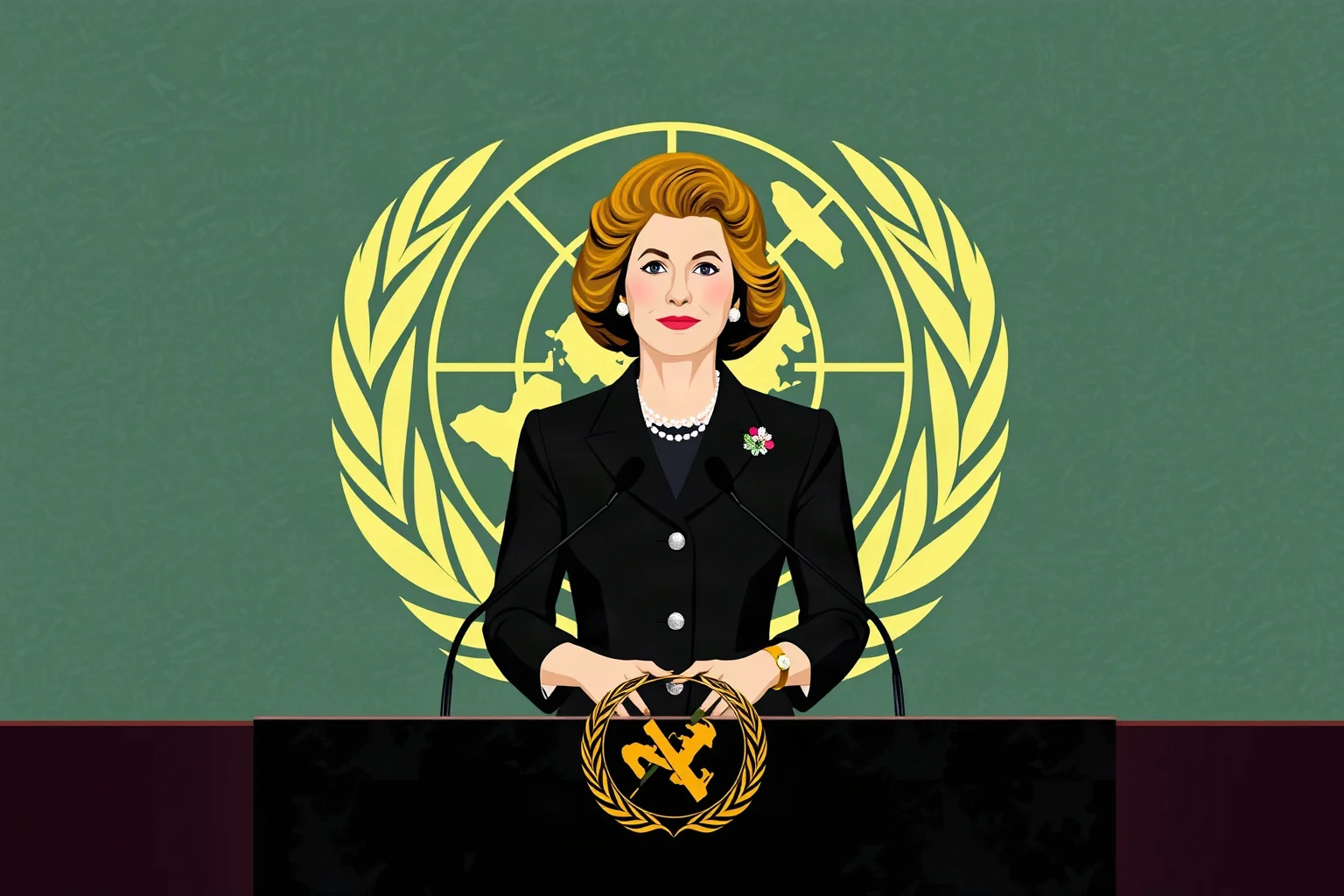
Eleanor Roosevelt redefined the role of first lady by becoming an active political voice on civil rights, labor issues, and women’s rights during her husband’s presidency. After his death, she chaired the committee that drafted the Universal Declaration of Human Rights, adopted by the United Nations in 1948.
Her newspaper column, “My Day,” ran for decades and gave her a direct platform independent of her husband’s administration. She’s widely regarded as one of the most influential american women of the 20th century for turning a ceremonial role into genuine political influence.
13. Booker T. Washington
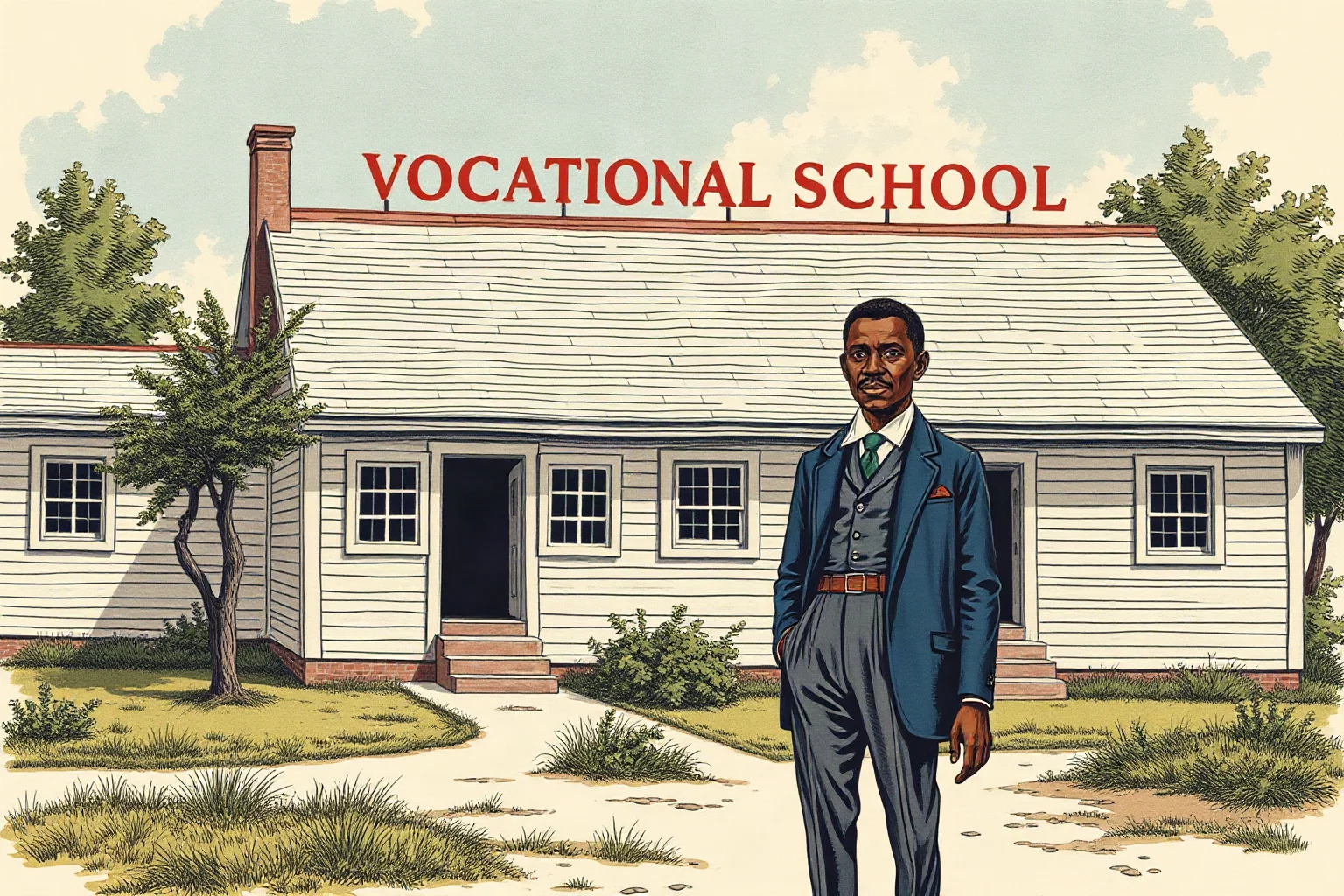
Booker T. Washington rose from slavery to found the Tuskegee Institute in 1881, an educational institution focused on vocational training for Black Americans. He became one of the most prominent Black leaders of his era, advocating a gradual, education-first approach to racial progress.
His approach was controversial even at the time, with contemporaries like W.E.B. Du Bois pushing for more immediate civil rights action instead. Both men’s strategies remain part of ongoing historical debate about the most effective paths toward racial equality in America.
14. Martin Luther King Jr.
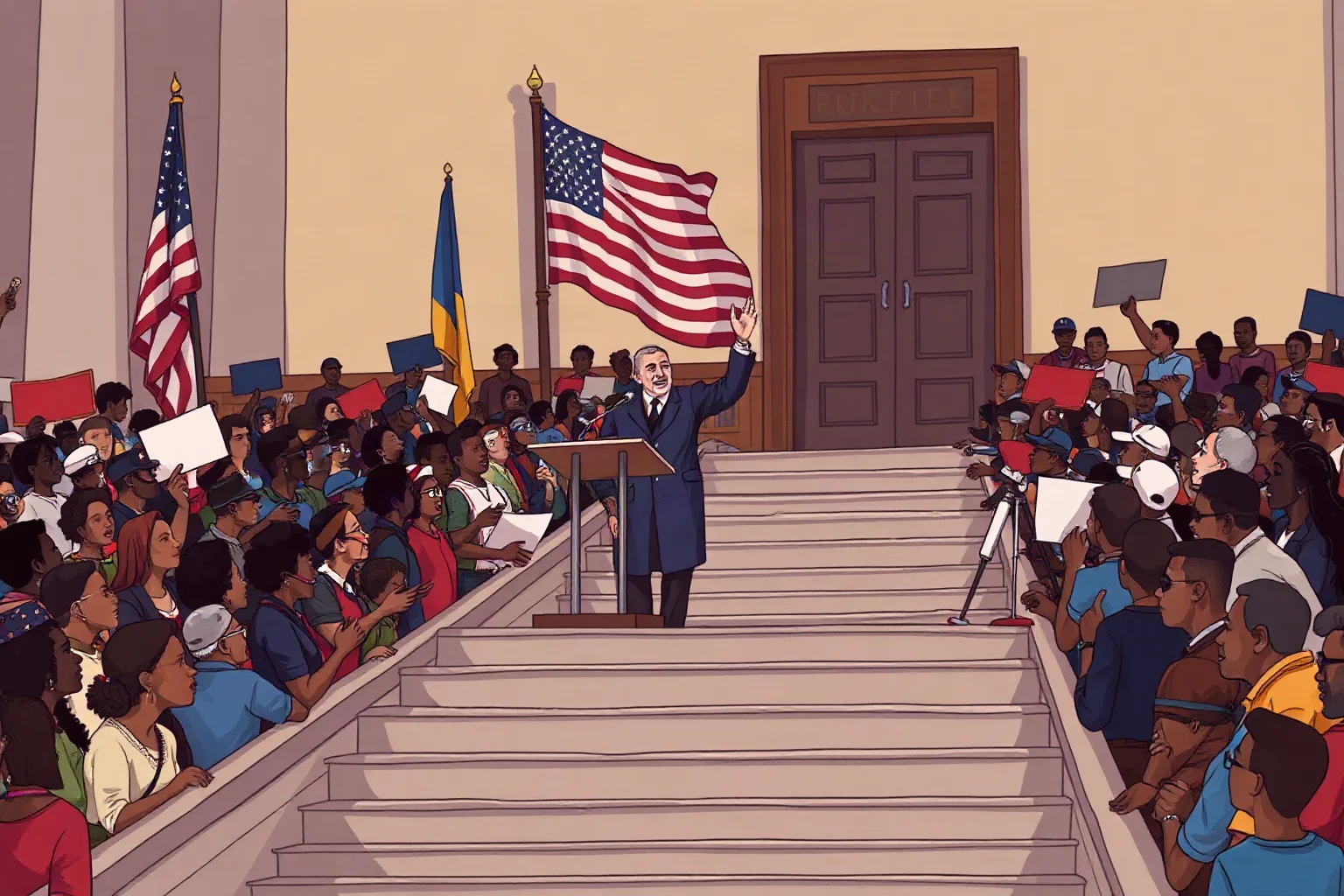
Martin Luther King Jr. became the most visible leader of the American civil rights movement, advocating nonviolent resistance to segregation and racial injustice. His 1963 “I Have a Dream” speech during the March on Washington remains one of the most quoted speeches in american history heroes lore.
King’s efforts contributed directly to the passage of the Civil Rights Act of 1964 and the Voting Rights Act of 1965. He was assassinated in 1968, but his approach to nonviolent protest continues to influence movements for justice around the world.
15. Rosa Parks

Rosa Parks is often remembered simply as the woman who refused to give up her bus seat in Montgomery, Alabama, in 1955, but she was already an experienced civil rights activist before that moment. Her arrest sparked the Montgomery Bus Boycott, a 381-day protest that became a landmark early victory for the movement.
Parks worked with the NAACP for over a decade before her famous act of resistance, meaning her stand wasn’t a spontaneous impulse but part of a deliberate, ongoing struggle. She remains one of the most recognized figures in american history for turning personal courage into a national turning point.
16. Cesar Chavez

Cesar Chavez co-founded the United Farm Workers union and led boycotts and strikes in the 1960s and 70s to improve pay and conditions for agricultural laborers, many of them Mexican American migrant workers. His use of nonviolent tactics, including a famous grape boycott, drew national attention to labor conditions largely ignored by mainstream politics.
Chavez’s activism helped secure some of the first meaningful labor protections for farmworkers in California and beyond. He’s remembered as one of the most influential american labor leaders of the 20th century, and his birthday is a recognized holiday in several states.
17. Thomas Edison
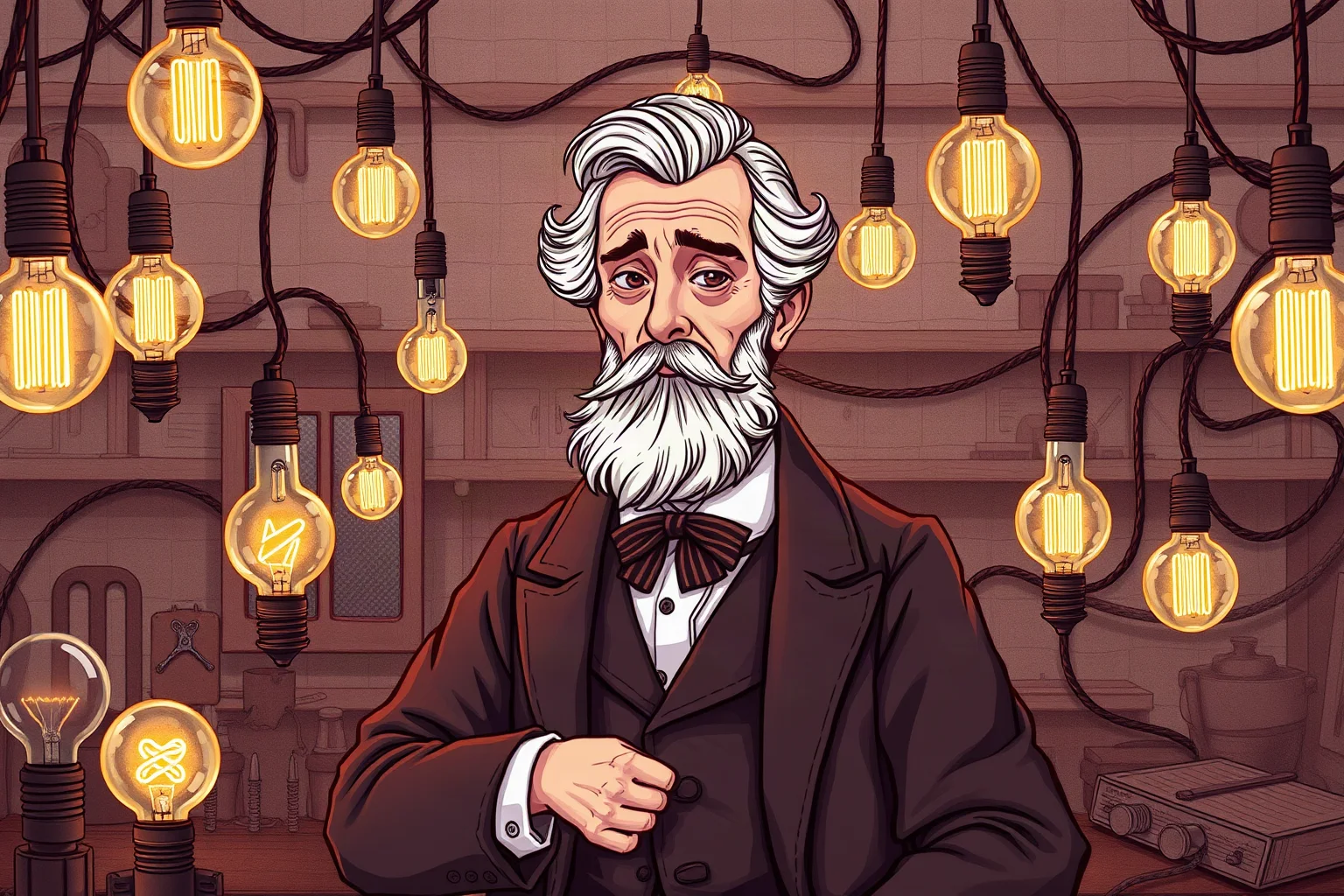
Thomas Edison held over a thousand patents and helped commercialize inventions like the practical incandescent light bulb, the phonograph, and early motion picture technology. His Menlo Park laboratory pioneered the model of organized, team-based invention that later became standard in corporate research and development.
Edison didn’t invent the light bulb from scratch, contrary to popular belief; earlier inventors had created working versions. His real contribution was making a durable, commercially practical version and building the infrastructure to power it, which is arguably just as significant.
18. Henry Ford
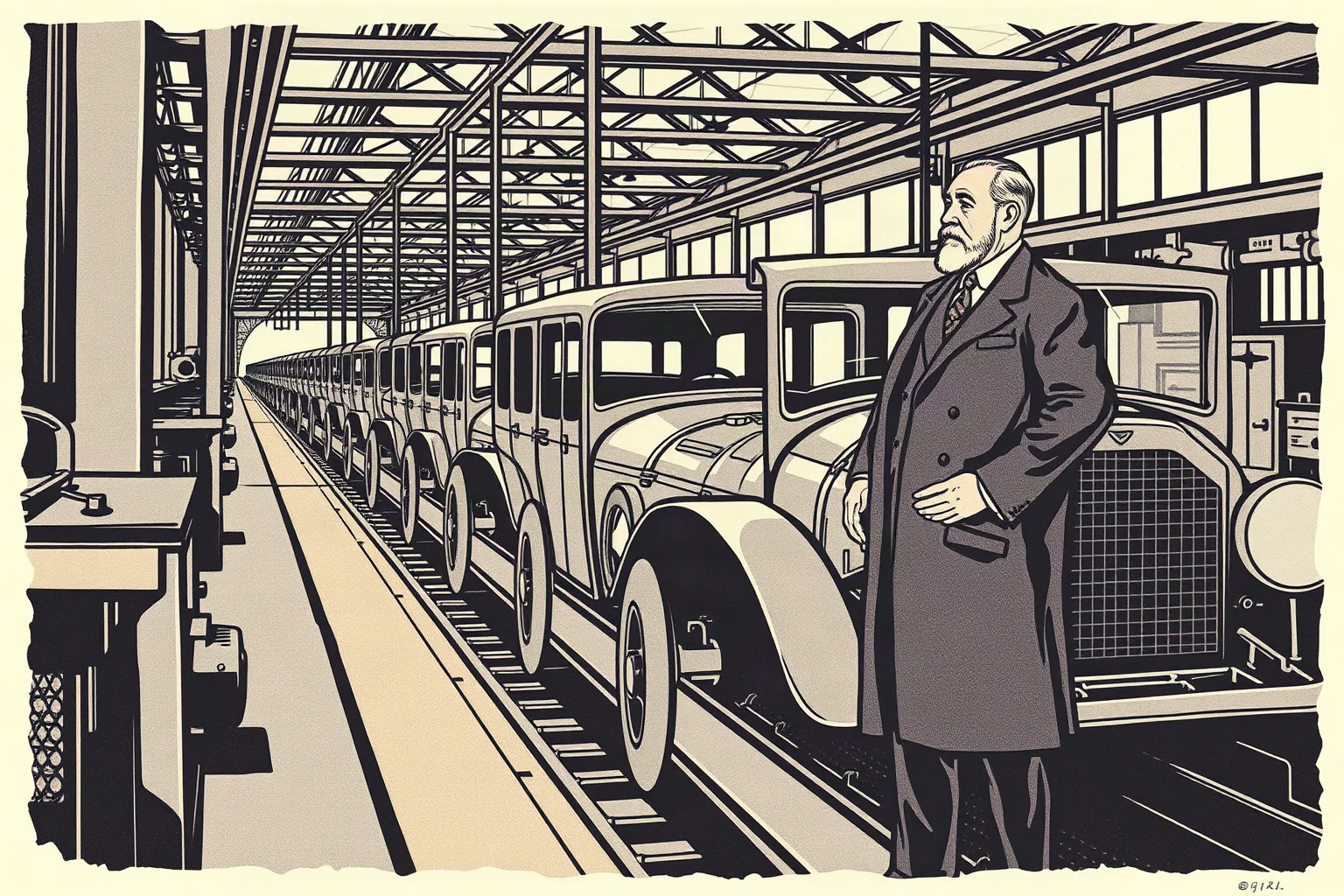
Henry Ford didn’t invent the automobile, but he revolutionized how it was made by perfecting the moving assembly line, which dramatically cut production costs and time. This innovation made cars affordable for average American families for the first time, reshaping cities, commuting, and consumer culture.
Ford also introduced the five-dollar workday in 1914, a wage well above industry norms that helped reduce employee turnover. His legacy is genuinely mixed, though, since he also held and promoted troubling antisemitic views later in life, a part of his history that responsible retellings shouldn’t leave out.
19. Albert Einstein
Albert Einstein was born in Germany but became an American citizen in 1940 after fleeing Nazi persecution, and much of his later career and legacy are tied to the United States. His theory of relativity reshaped modern physics, and his letter warning President Roosevelt about atomic weapons research had major historical consequences.
The popular myth that Einstein failed math as a student isn’t true; he actually excelled in math and physics from a young age. He remains one of the most famous american historical figures by adoption, blending immigrant experience with world-changing science.
20. Amelia Earhart

Amelia Earhart became the first woman to fly solo across the Atlantic Ocean in 1932, cementing her place among aviation pioneers of the early 20th century. Her celebrity helped popularize commercial aviation and expand opportunities for women in a field almost entirely dominated by men.
Earhart disappeared in 1937 during an attempt to circumnavigate the globe, and her fate remains officially unresolved despite decades of searches and theories. That unsolved mystery has only deepened her status as one of the most iconic american figures of her era.
21. Neil Armstrong
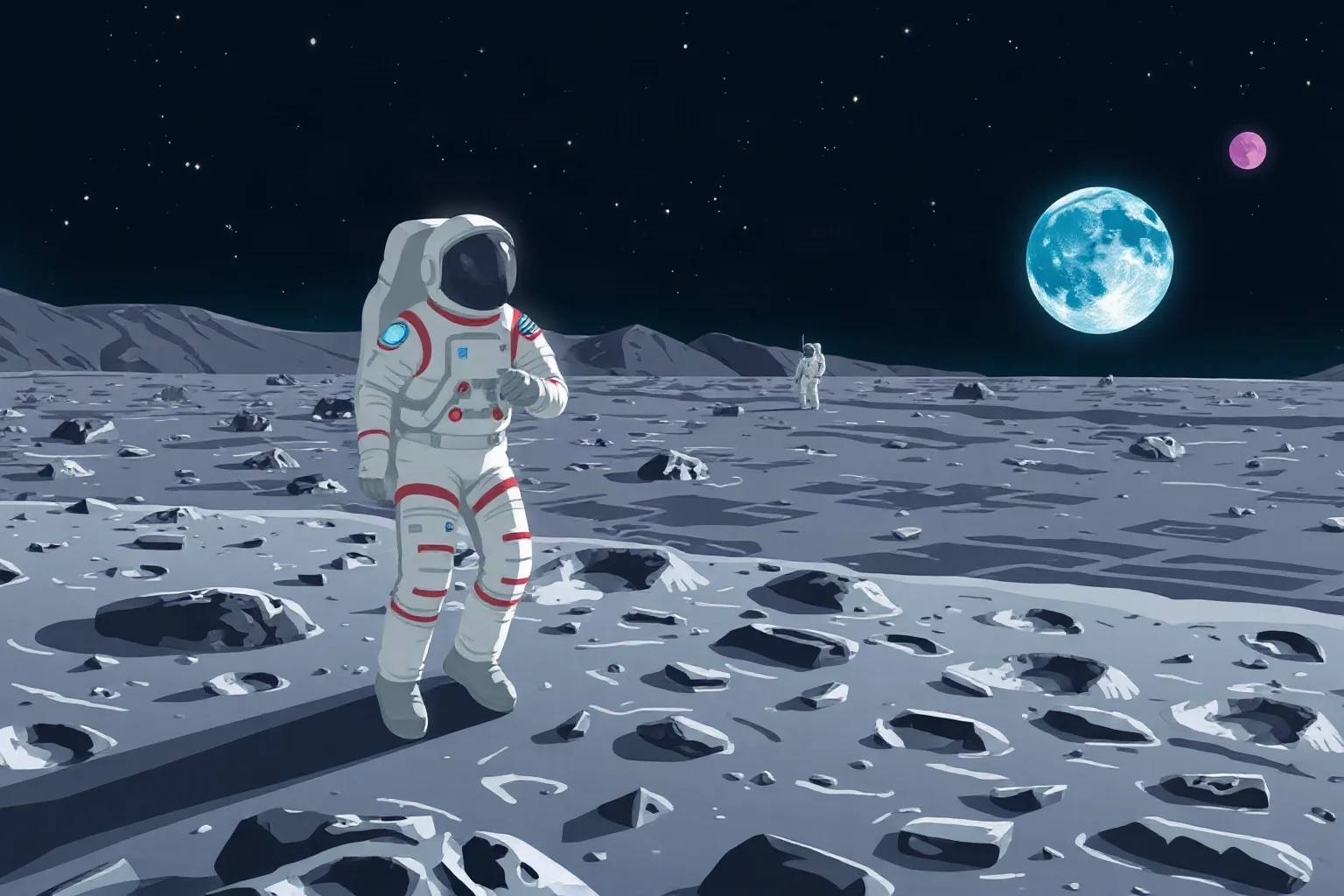
Neil Armstrong became the first person to walk on the moon during the Apollo 11 mission in July 1969, a defining moment of the Space Race and Cold War-era competition with the Soviet Union. His words upon stepping onto the lunar surface remain among the most recognized in American history.
Armstrong was famously private after his spaceflight career, avoiding the celebrity spotlight that could easily have consumed his life. His achievement still stands as one of the most significant american moments in science and exploration.
22. Mark Twain
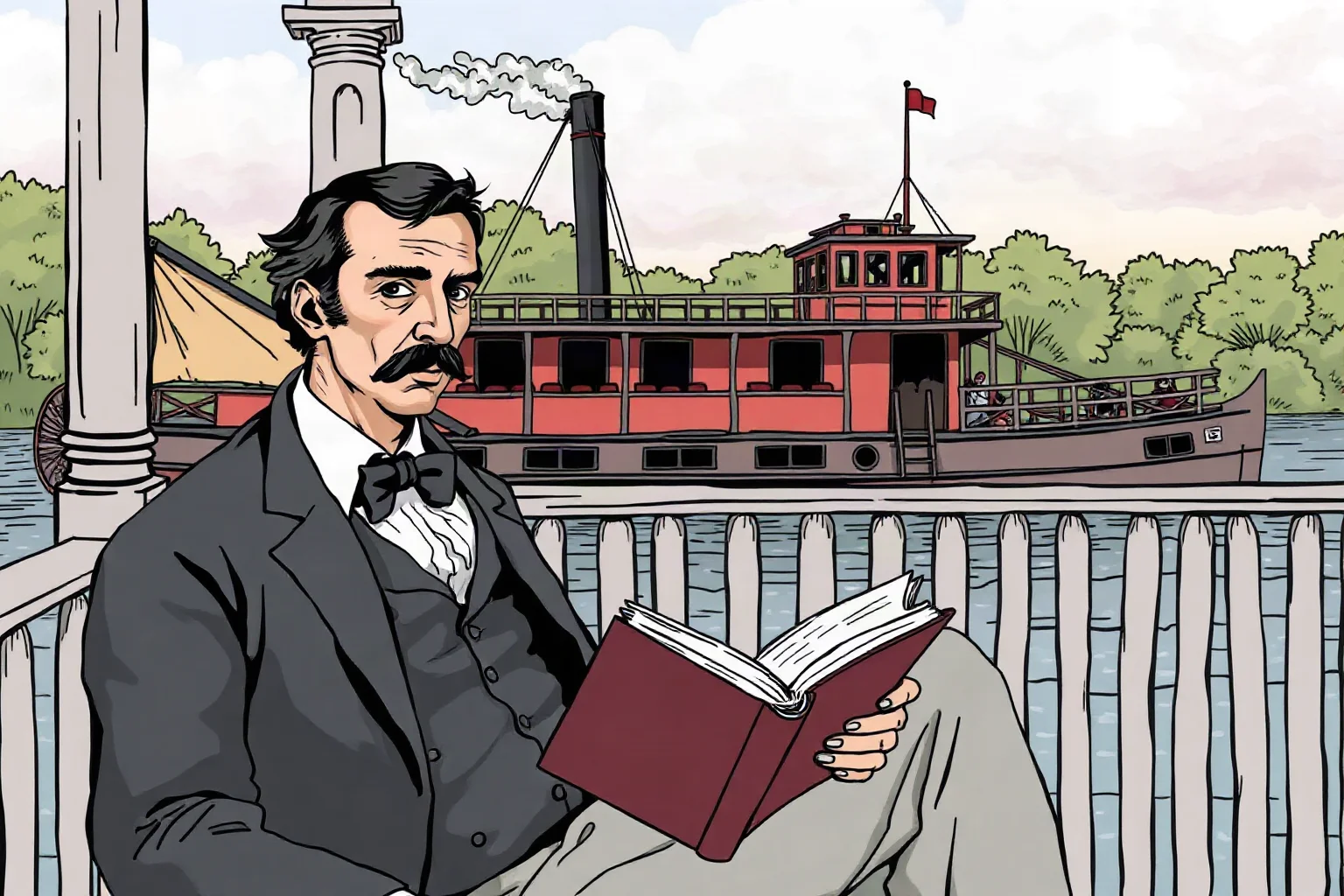
Mark Twain, born Samuel Clemens, is often called the father of American literature for capturing regional dialects, humor, and social critique in novels like “The Adventures of Huckleberry Finn.” His writing tackled serious issues like racism and hypocrisy while remaining widely accessible and genuinely funny.
Twain’s sharp wit made him a celebrity lecturer and public figure well beyond his books, and many of his quotes still circulate today, sometimes misattributed to him entirely. He remains a foundational figure among famous american historians and writers who shaped a distinctly American voice.
23. Walt Disney
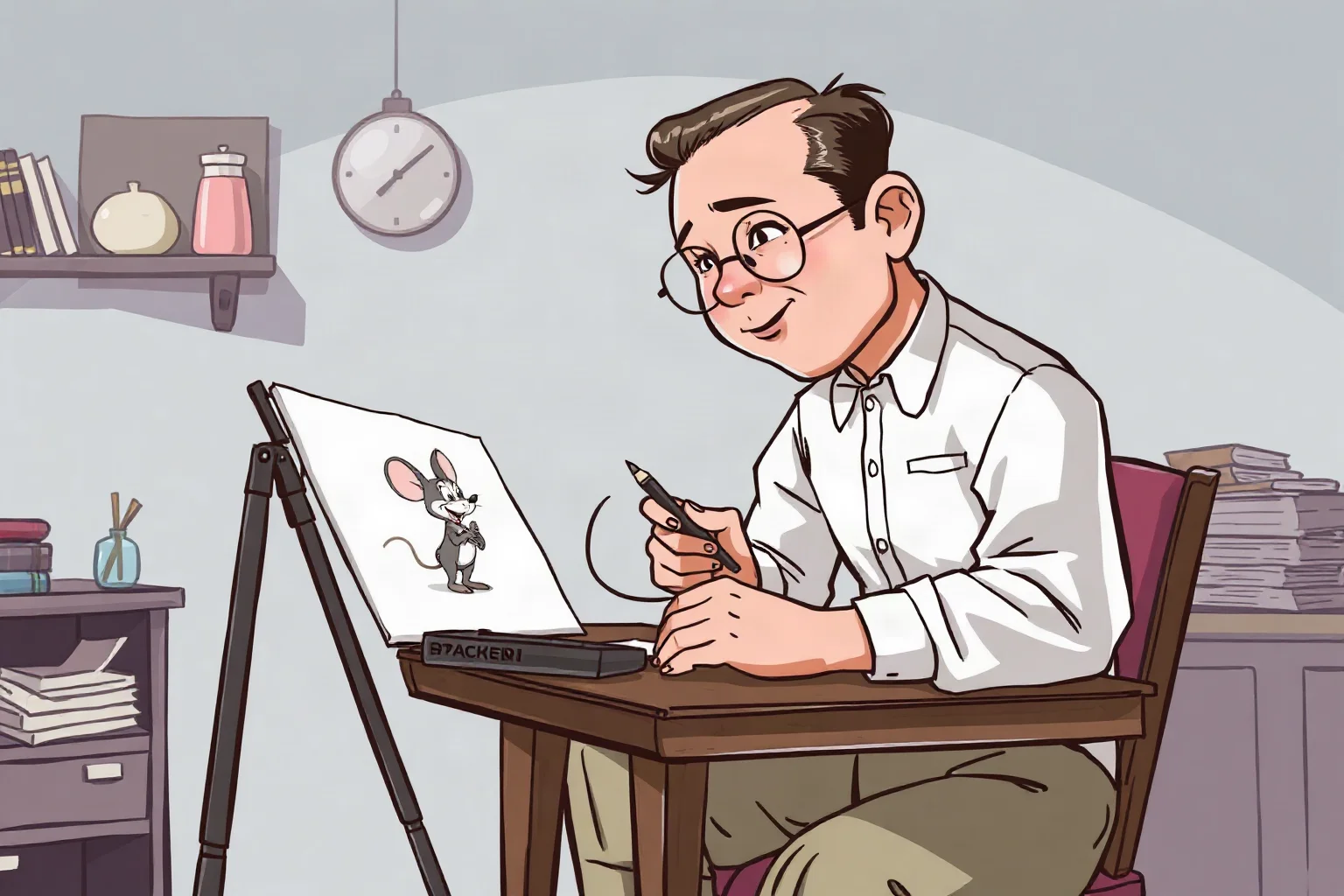
Walt Disney pioneered synchronized sound in animation and built an entertainment empire that fundamentally shaped American pop culture, theme parks, and family entertainment. Characters like Mickey Mouse became global symbols of American media, recognized far beyond the country’s borders.
Disney’s company also innovated in television and multimedia branding, connecting movies, merchandise, and theme parks decades before that became standard business practice. He remains one of the most recognizable famous american people in the entertainment industry, for better or worse depending on who you ask about his labor practices and legacy.
24. Muhammad Ali

Muhammad Ali became one of the most dominant heavyweight boxers in history while also becoming a lightning rod for political and social debate. His refusal to be drafted for the Vietnam War in 1967, citing religious and moral objections, cost him his boxing titles for several years but cemented his reputation as a principled figure beyond sports.
Ali’s charisma, quotability, and willingness to speak on civil rights made him a cultural figure as significant as any athlete in american history. He’s frequently named among the most respected men in America for standing by his convictions even at serious personal cost.
25. Steve Jobs

Steve Jobs co-founded Apple and later helped popularize personal computers, smartphones, and digital music players that changed how people around the world communicate and consume media. His emphasis on design and user experience influenced the entire technology industry well beyond Apple’s own products.
Jobs was ousted from his own company in 1985 before returning in 1997 to lead one of the most successful corporate turnarounds in business history. He remains one of the most influential americans of the modern era for reshaping daily technology use on a genuinely global scale.
Common Threads Among America’s Most Influential Figures
Looking across this list, a few patterns emerge that say something about American character more broadly. Many of these figures faced significant personal risk, whether that meant escaping slavery, challenging a government, or risking a career for a principle.
Another pattern is reinvention. Several of these people failed publicly before their defining achievement, from Ford’s early failed companies to Jobs getting fired from Apple before his famous return. Persistence, more than any single talent, shows up again and again among the most significant Americans of all time.
Finally, notice how many of these figures expanded the definition of who gets included in the American story. Tubman, Douglass, Anthony, Chavez, and King all pushed the country to live up to its founding ideals more fully than it originally did, which is arguably one of the most American storylines of all.
Why “Most Famous” Isn’t Always “Most Significant”
It’s worth separating two different questions people often ask: who is the most famous person in America right now, versus who has been most significant across the country’s history. Contemporary fame is often driven by media visibility and can fade quickly, while historical significance tends to be judged by lasting structural change.
This is why a list of the greatest Americans of all time looks so different from a list of trending celebrities. Some individuals, like Lincoln or Franklin, achieve both lasting fame and deep significance, but that combination is rarer than you’d think. When building any list of famous american people, it helps to ask not just “were they well known?” but “did their work outlast them?”
Final Thoughts on America’s Defining Figures
No list like this can be fully complete, and that’s sort of the point. American history is packed with important us history people whose stories deserve more attention than a single article can give them, from labor organizers to scientists to local community leaders whose names never made it into textbooks.
What these 25 figures share is a willingness to act decisively during pivotal moments, whether on a battlefield, in a laboratory, at a lunch counter, or on a factory floor. Revisiting their stories with an honest, myth-aware eye — separating verified history from popular legend — is one of the best ways to understand how the United States became what it is today.
Frequently Asked Questions
Who are considered the most significant historical figures of the United States?
There's no single official list, but historians commonly point to founding leaders like George Washington and Benjamin Franklin, wartime leaders like Abraham Lincoln and Franklin D. Roosevelt, civil rights figures like Martin Luther King Jr. and Harriet Tubman, and innovators like Thomas Edison and Steve Jobs. Significance is usually judged by lasting impact on laws, culture, or science rather than fame alone.
Who is the most famous person in America today?
This changes constantly depending on media cycles, politics, and pop culture, so there's no fixed answer. Historically, figures like Abraham Lincoln, George Washington, and Martin Luther King Jr. tend to top polls asking about the most recognized names in U.S. history rather than current celebrities.
What is America most known for historically?
The United States is often associated with its founding democratic experiment, the Civil War and the end of slavery, waves of immigration and cultural blending, major scientific and technological breakthroughs, and its influence on global entertainment and business. These themes run through most lists of significant American figures.
Who is generally considered the greatest American of all time?
There's genuine disagreement among historians, but Abraham Lincoln and George Washington are the two names most frequently cited in polls and rankings, largely due to Lincoln preserving the union and advancing emancipation, and Washington establishing the presidency's foundational norms.
Who holds the most power in the United States?
Formally, power is divided among the executive, legislative, and judicial branches, with the president, Congress, and the Supreme Court each holding distinct authority under the Constitution. Informally, influence also comes from business leaders, media figures, and cultural icons, which is why 'most powerful' and 'most famous' don't always mean the same thing.
Why isn’t there one definitive list of famous Americans?
Because 'famous' and 'significant' are judged differently depending on the era, the field (politics, science, culture, activism), and personal perspective. Most lists, including this one, aim for a representative cross-section rather than a strict, universally agreed-upon ranking.
Were popular stories about figures like Washington and Einstein historically accurate?
Not always. Some well-known stories, like Washington's wooden teeth or Einstein failing math, are myths or exaggerations that developed over time. Reliable history relies on documented sources rather than folklore, which is why it's worth double-checking popular anecdotes about even the most iconic Americans.
How do historians decide who counts as an important figure in American history?
Historians typically weigh factors like lasting institutional change, influence on laws or civil rights, contributions to science and culture, and how a person's actions affected people beyond their own lifetime. Fame or popularity at the time is considered, but it's rarely the deciding factor on its own.

Alex Warren
Related Articles