
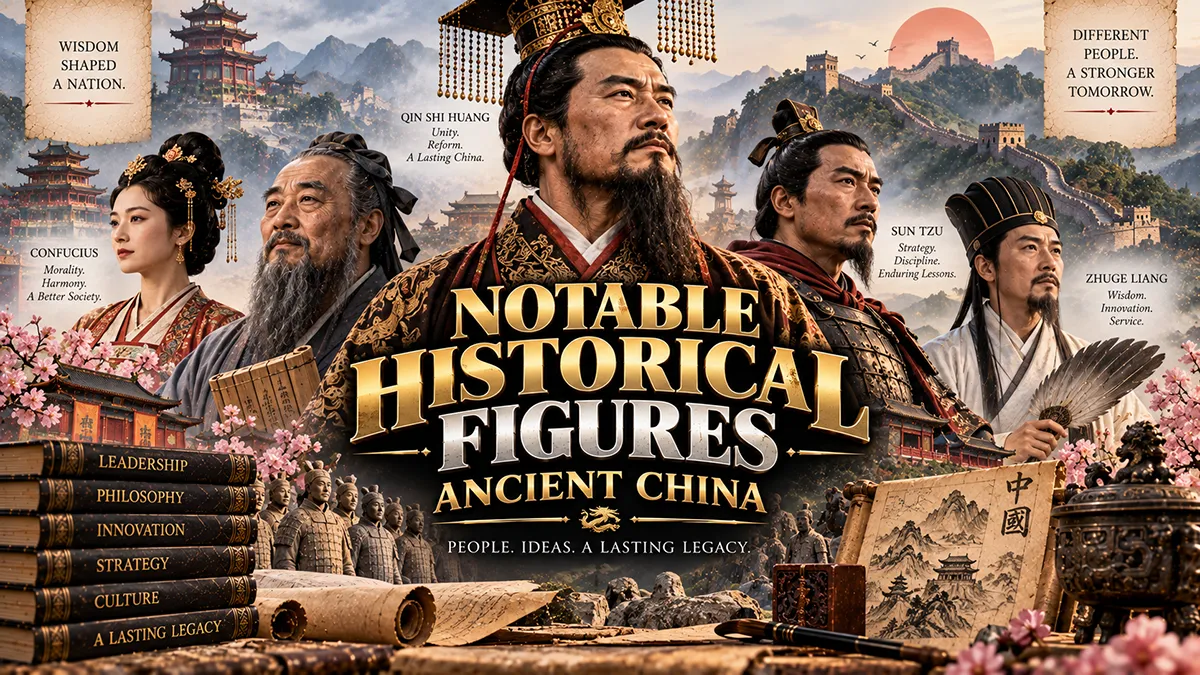
When people search for famous Chinese people or the greatest Chinese figures in history, they’re often surprised by how far back the story really goes.
Ancient China produced philosophers, warrior-kings, historians, and inventors whose ideas and inventions still echo through daily life today, from the calendar you use to the paper this sentence is printed on.
Some of these ancient China characters are firmly documented in court records; others live in that hazy space between myth and memory, and part of the fun is learning to tell the difference.
This guide walks through 24 of the most important people from ancient China, organized roughly by era, from legendary culture-heroes to Han dynasty historians and Three Kingdoms strategists.
Along the way, we’ll flag which figures are considered historically verified and which are better understood as legend or later legend-building.
TL;DR: From mythical culture-heroes like Fuxi to real statesmen like Sima Qian and Qin Shi Huang, ancient China’s most notable figures built the philosophy, writing, and governance that still shape Chinese civilization today.
A Quick Timeline: The Dynasties Behind These Figures
Before diving into individual names, it helps to know the rough dynastic backdrop, since many searches ask what the famous ancient Chinese dynasties actually were. The commonly cited sequence runs Xia (traditionally from around 2070 BCE, semi-legendary), Shang (circa 1600–1046 BCE), Zhou (1046–256 BCE, split into Western and Eastern periods), Qin (221–206 BCE), and Han (206 BCE–220 CE), followed by the Three Kingdoms period.
Each dynasty produced its own kings, nobles, and thinkers, and much of ancient Chinese history involved the same core drama repeating itself: a dynasty rises on the promise of order, grows powerful, and eventually falls to corruption, rebellion, or invasion, only for a new ruling house to claim the same Mandate of Heaven. Keeping this cycle in mind makes it much easier to place each figure below in context.
Mythical Founders and Legendary Rulers
The earliest “people” of ancient China aren’t strictly historical in the modern sense. They belong to a rich body of origin mythology that later Chinese writers treated as ancestral history, and they remain essential to understanding Chinese identity and important mythological figures in ancient China.
1. Nüwa
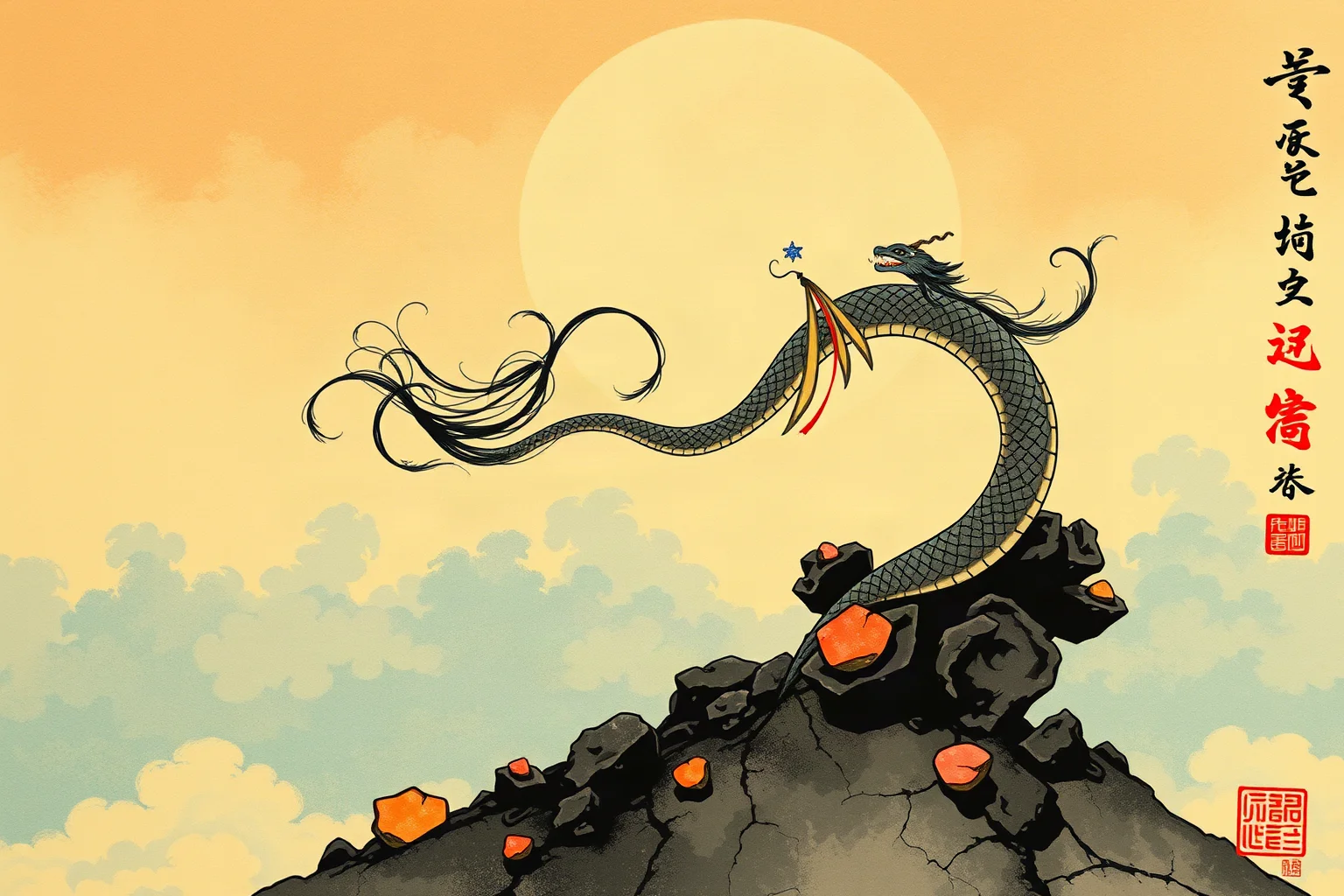
Nüwa is the mother-goddess of Chinese mythology, usually depicted with a human upper body and a serpent’s tail. According to legend, she molded the first humans from yellow clay and later patched a broken sky with five-colored stones to save the world from flooding.
Historians treat her as a mythological figure rather than a real ruler, but her story was hugely influential in later Chinese cosmology and art. She’s frequently paired with Fuxi as a primordial ancestor of humanity.
2. Fuxi
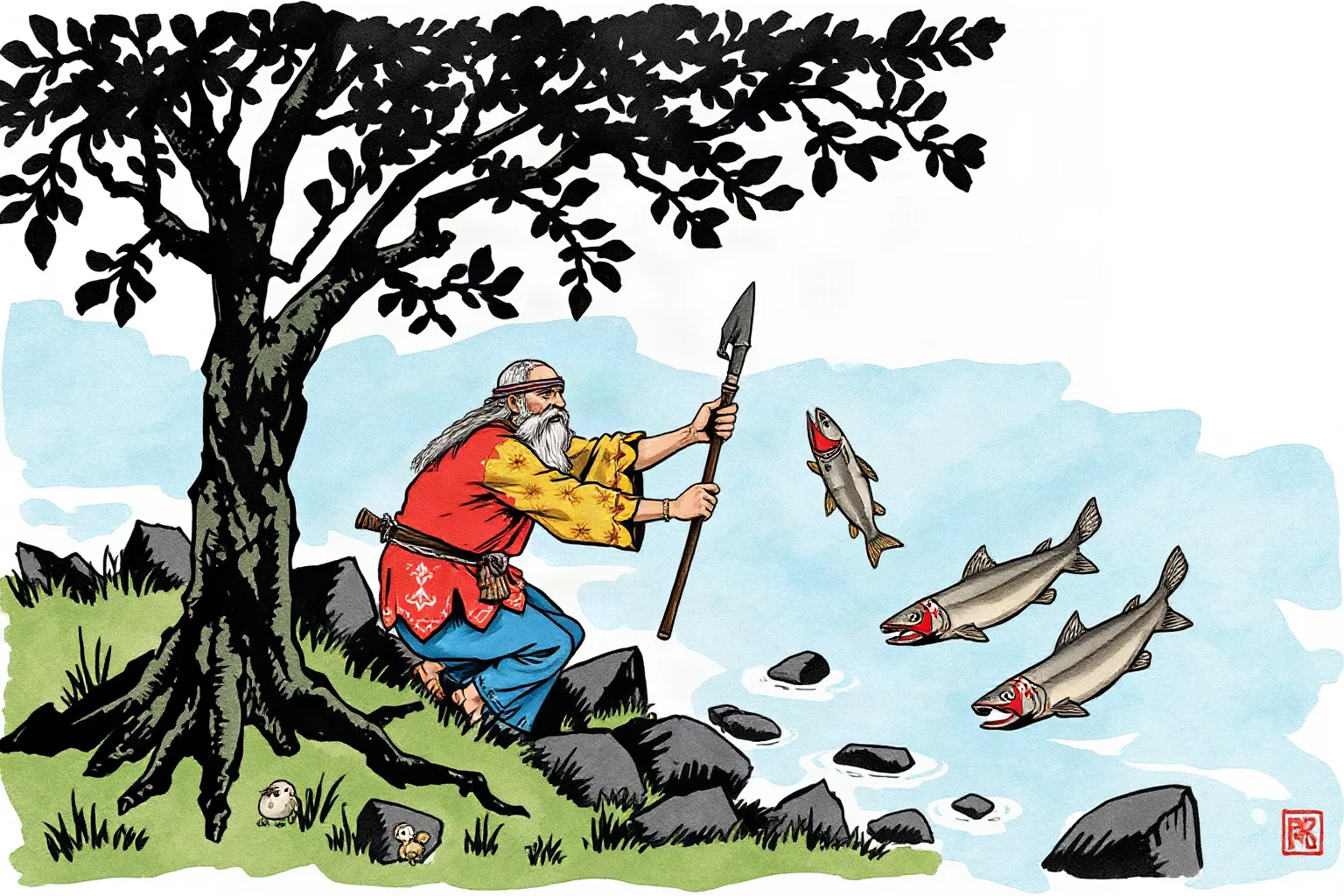
Fuxi is traditionally honored as one of the Three Sovereigns, legendary rulers credited with teaching early humans fishing, trapping, and domestication of animals. Later traditions also credit him with inventing the eight trigrams that underpin the I Ching, though this attribution developed over centuries.
Like Nüwa, Fuxi sits in the space between myth and cultural memory. He’s best understood as a symbolic founder figure rather than a documented king.
3. The Yellow Emperor (Huangdi)
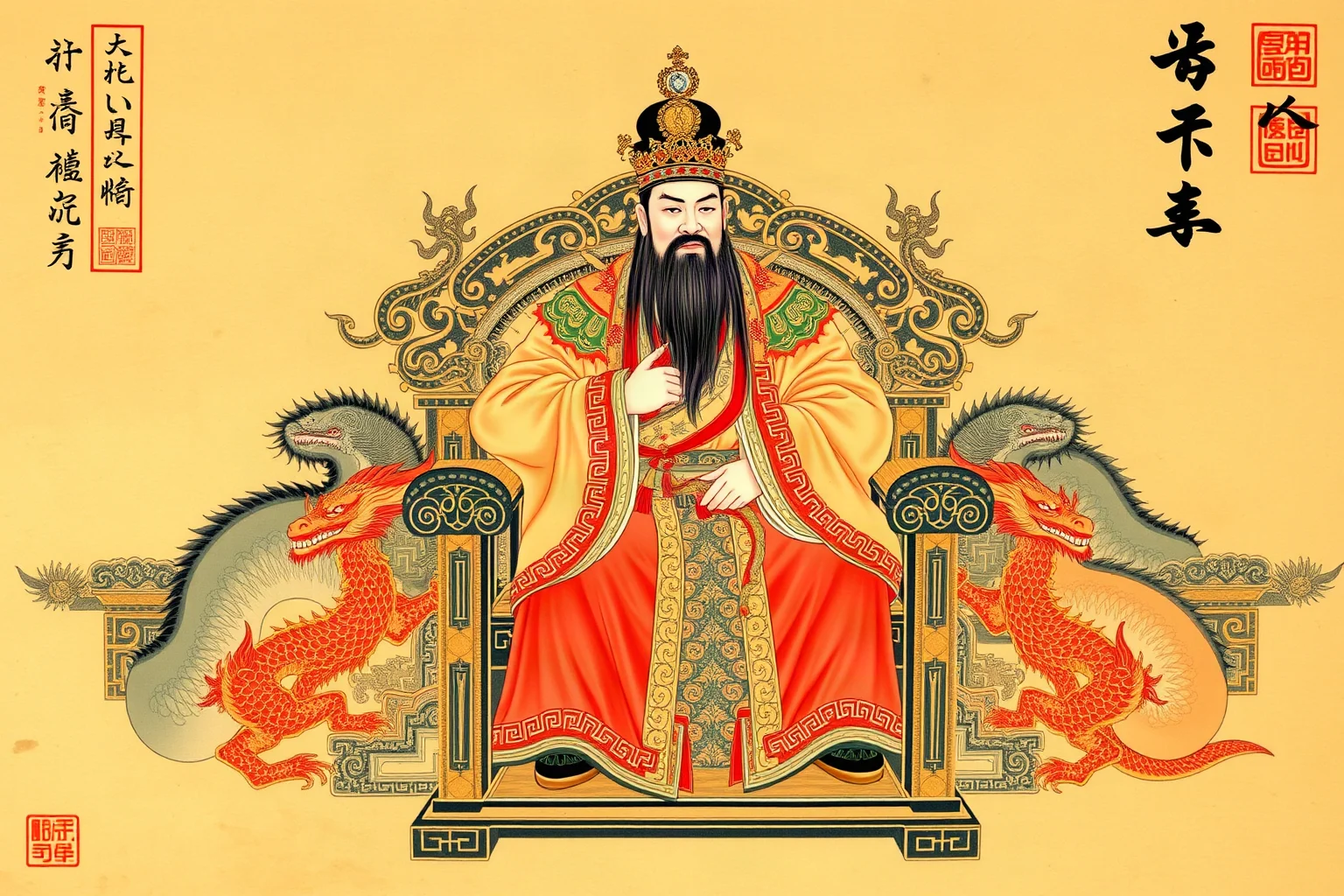
Huangdi, or the Yellow Emperor, is often called the ancestor of the Chinese people and is traditionally dated to around 2700 BCE. Chinese tradition credits him with everything from the invention of writing and the calendar to early medicine, though modern historians view most of these attributions as legendary accretions rather than settled fact.
Whether or not a single historical person lies behind the legend, Huangdi became a powerful unifying symbol. Chinese emperors for millennia invoked his name to legitimize their rule.
4. Yu the Great
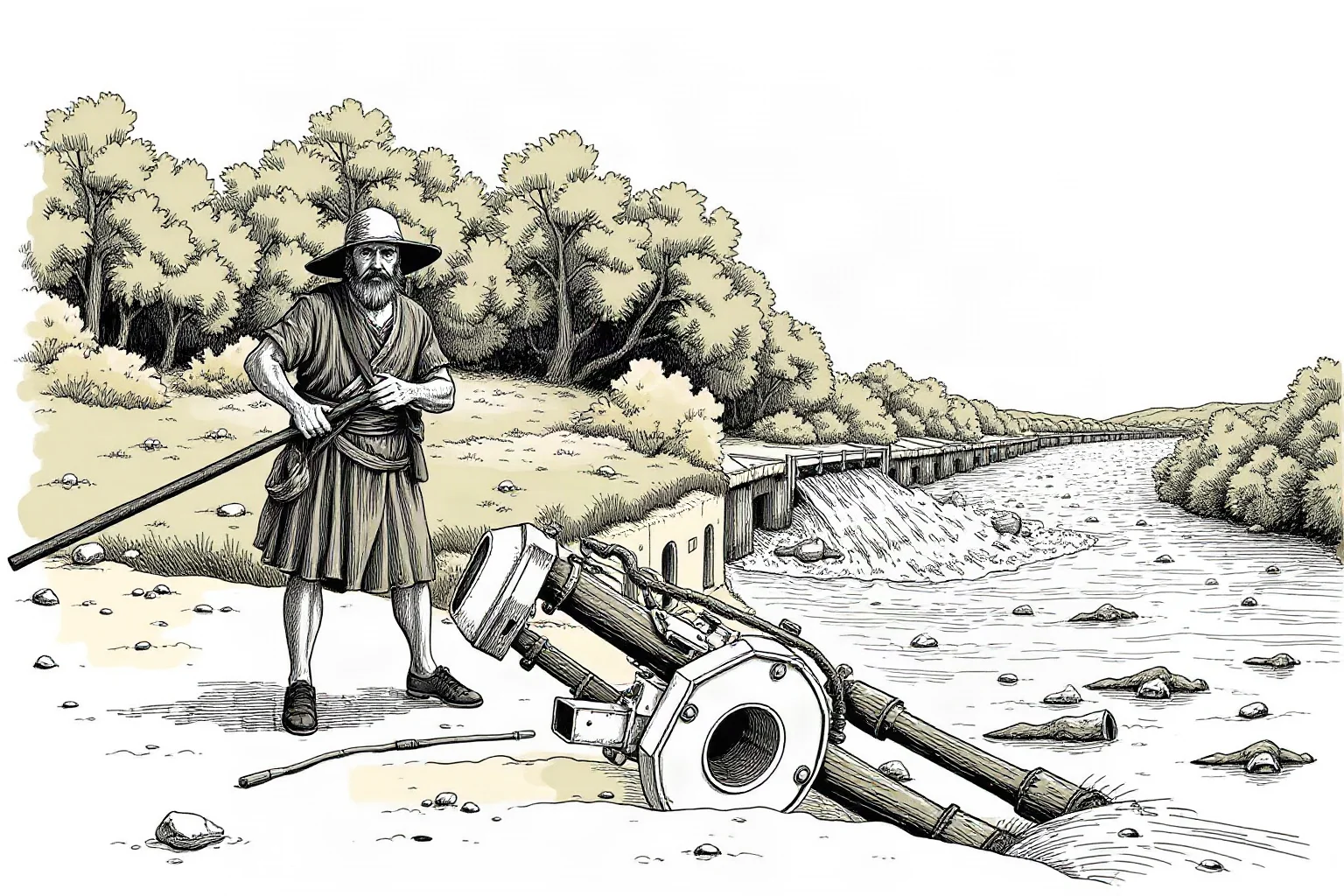
Yu the Great is celebrated for taming a catastrophic flood through years of tireless engineering, and he’s traditionally credited as the founder of the Xia dynasty, China’s first dynasty. The Xia itself remains difficult to confirm archaeologically, and scholars still debate how much of Yu’s story reflects real events versus later legend.
What’s clear is that Yu became the ancient template for the virtuous, hardworking ruler. His flood-control story is still one of the most retold tales among people of ancient China.
Kings and Nobles of the Early Dynasties
Once we reach the Shang and Zhou dynasties, the record becomes considerably more solid, thanks to oracle bone inscriptions and bronze vessel texts. These ancient China kings and nobles laid the groundwork for centuries of political philosophy.
5. King Tang of Shang
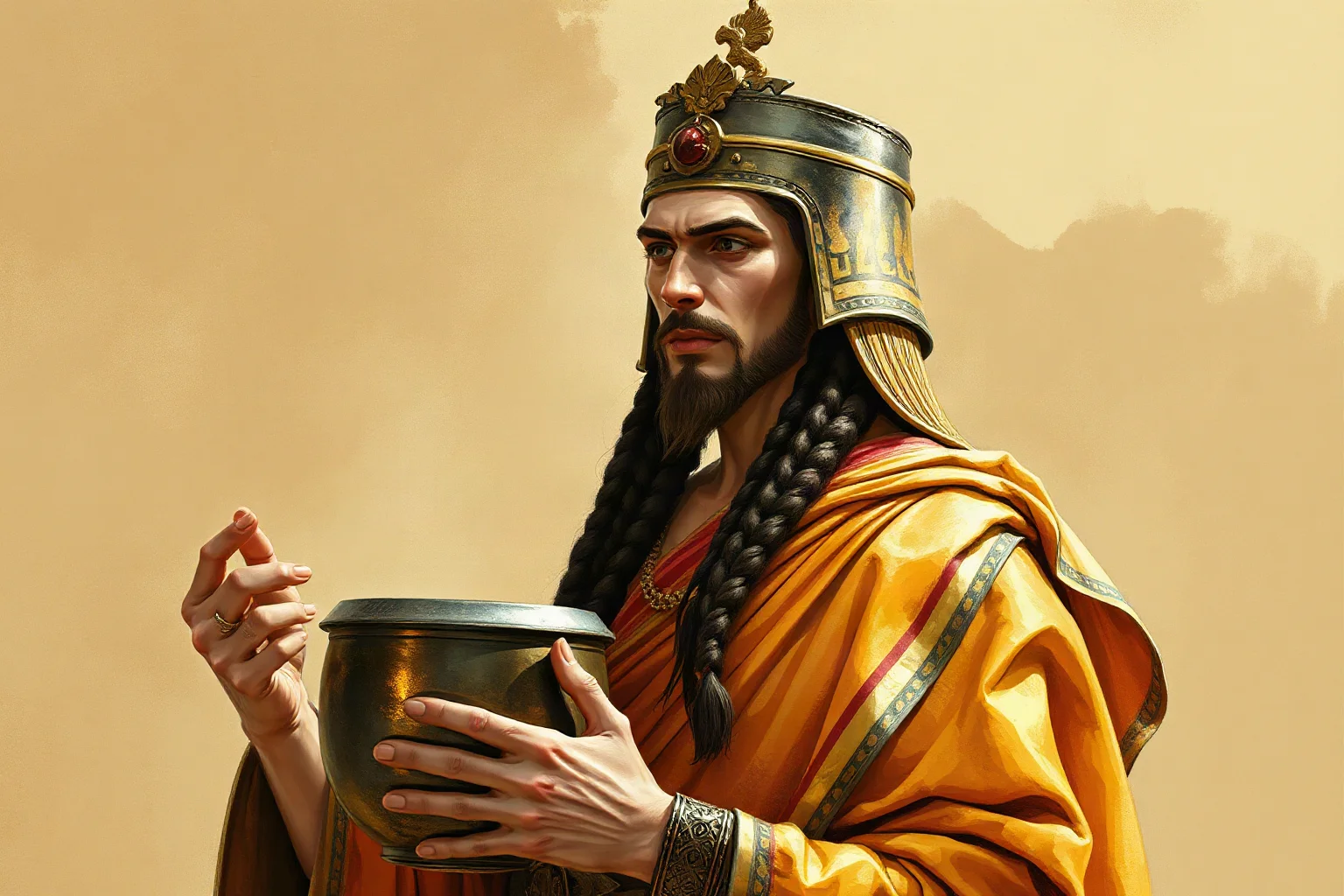
King Tang is credited as the founder of the Shang dynasty after overthrowing Jie, the last ruler of the Xia, who was portrayed in later texts as a cruel and decadent tyrant. That portrayal should be read carefully, since Shang and Zhou chroniclers had strong incentives to paint the dynasties they replaced as corrupt.
Tang’s reign marked the beginning of a period with far richer material evidence, including the earliest confirmed Chinese writing on oracle bones. He’s remembered as a just and capable founder-king in Chinese tradition.
6. King Zhou of Shang (Di Xin)
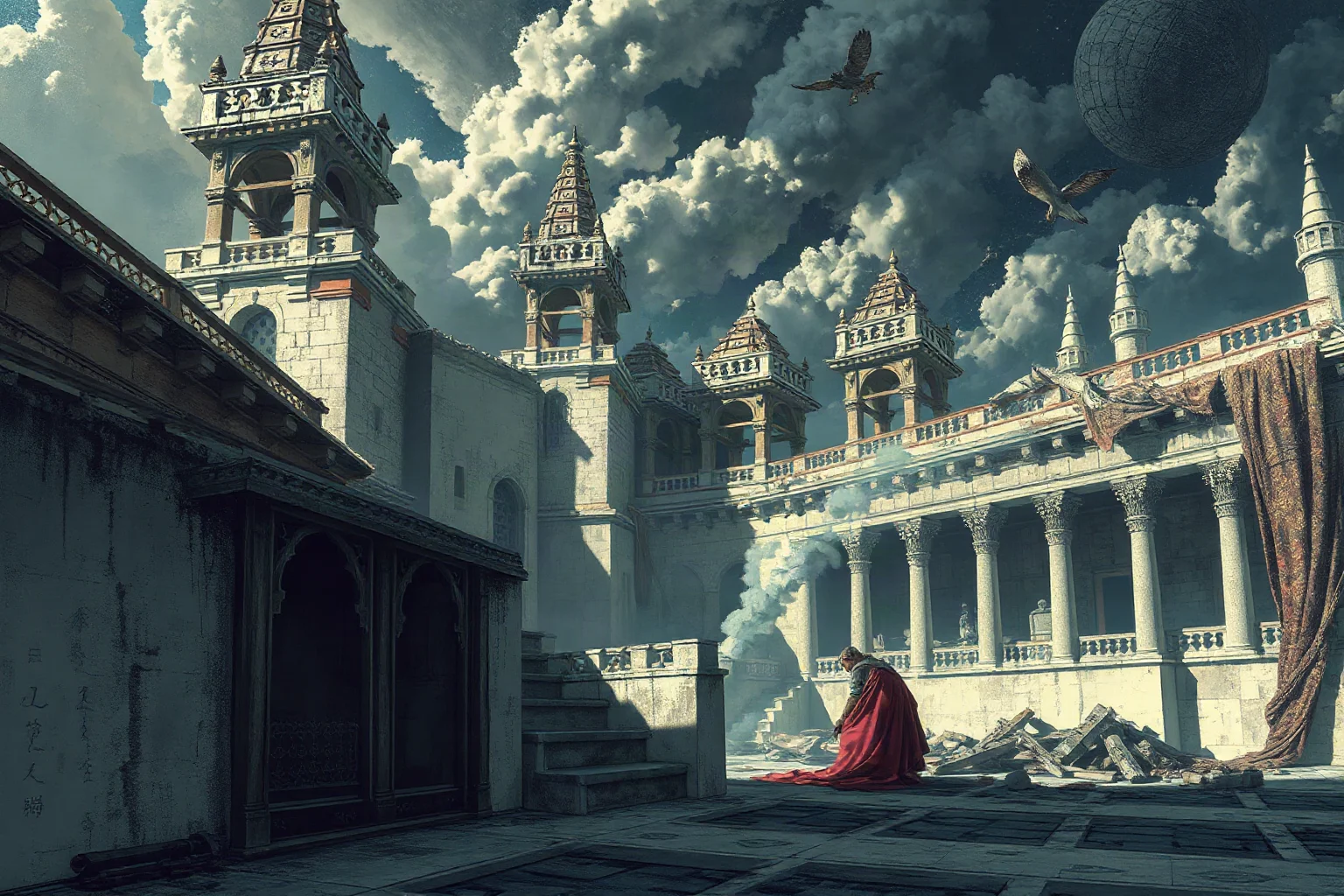
Di Xin, commonly known as King Zhou of Shang, was the last ruler of the Shang dynasty and, like Jie before him, was later depicted as a cruel and dissolute tyrant. His defeat by the Zhou dynasty’s founders is one of ancient China’s foundational “fall of a corrupt dynasty” stories.
As with Jie, modern historians treat the harshest details of his reign with some skepticism, since they come largely from the victors. His downfall nonetheless marks a real and significant turning point around 1046 BCE.
7. King Wu of Zhou
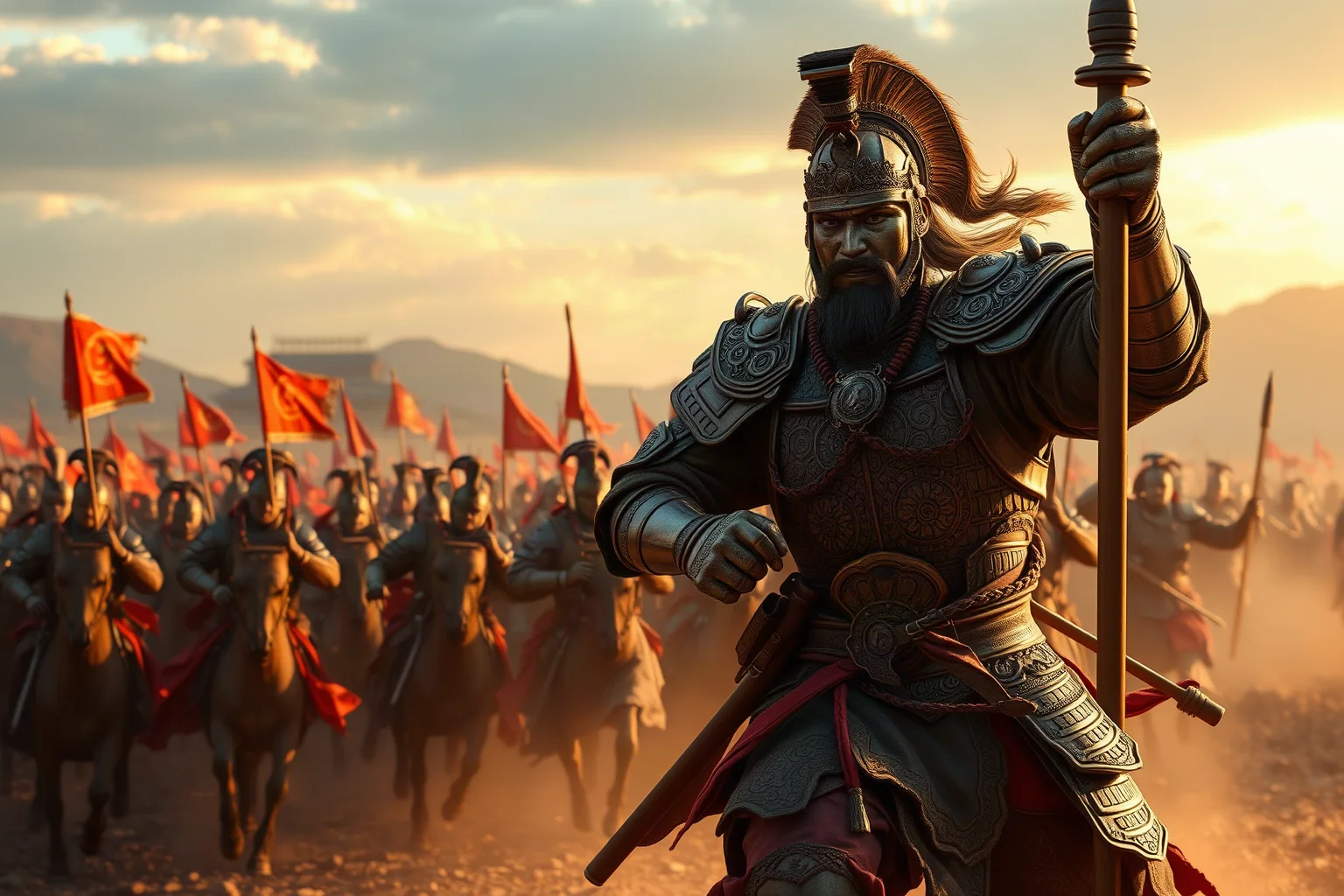
King Wu led the military campaign that toppled the Shang dynasty at the decisive Battle of Muye, establishing the Zhou dynasty, which would become the longest-lasting dynasty in Chinese history. His victory is traditionally framed as fulfilling the Mandate of Heaven, a political theory used to justify why one ruling house replaces another.
That concept of heavenly-sanctioned rule became one of ancient China’s most enduring political ideas. It would be invoked by nearly every dynasty that followed.
8. The Duke of Zhou
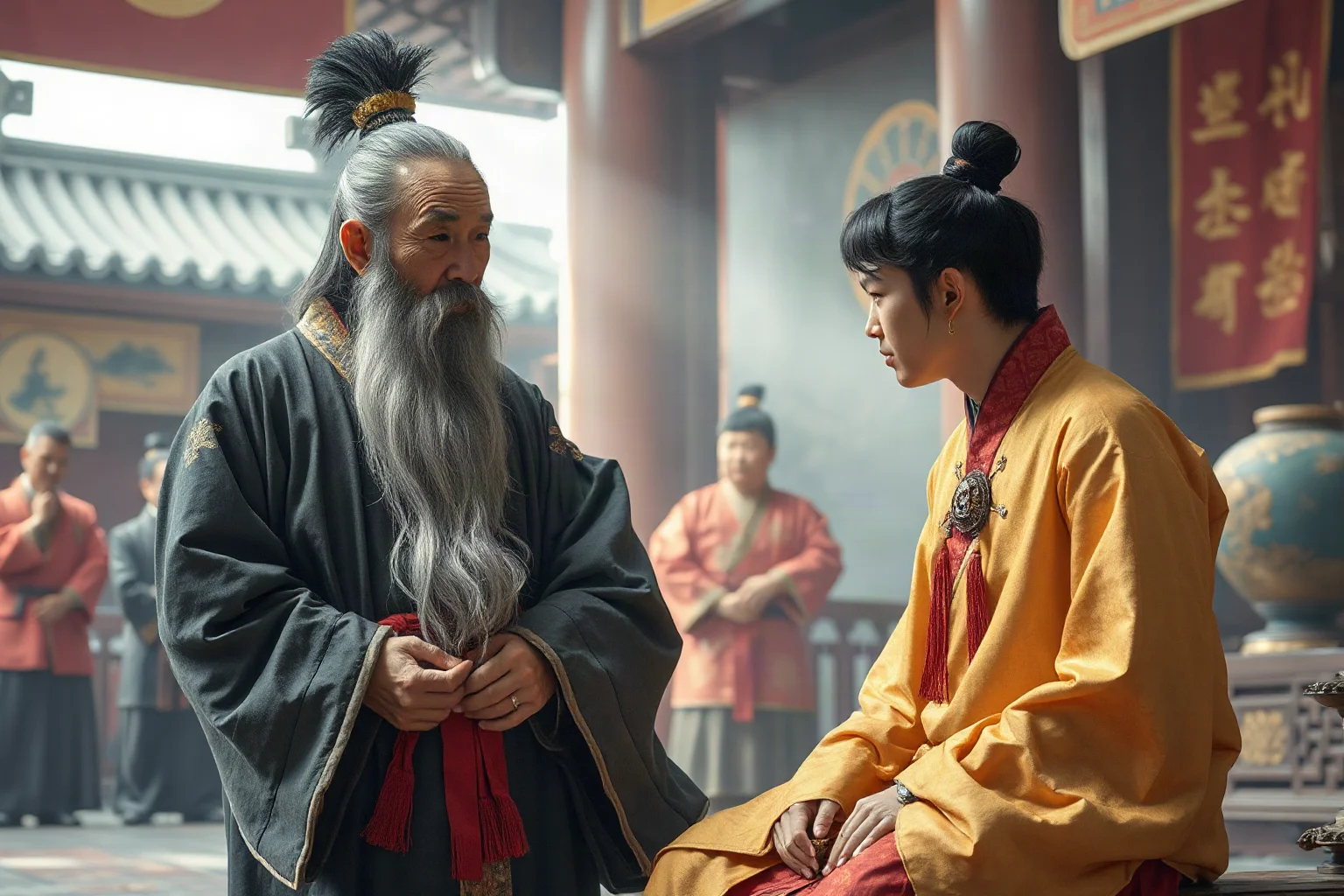
The Duke of Zhou served as regent for his young nephew and is remembered as one of the great statesmen of Chinese history. He’s credited with stabilizing the early Zhou dynasty, formalizing feudal structures among Zhou nobles, and articulating much of the Mandate of Heaven doctrine.
Confucius, centuries later, held the Duke of Zhou up as a model of virtuous, selfless governance. Few nobles in ancient China left as lasting a philosophical legacy.
Philosophers Who Shaped Chinese Thought
The Spring and Autumn and Warring States periods, roughly 770–221 BCE, produced the philosophers whose ideas still define Chinese culture. This era is arguably what most people mean when they ask about the greatest Chinese thinkers in history.
9. Laozi

Laozi is traditionally credited as the founder of Daoism and the author of the Tao Te Ching, a foundational text on living in harmony with the natural order. Historians aren’t fully certain a single person named Laozi existed as described, and some scholars think the text was compiled by multiple authors over time.
Whether legendary or real, “Laozi” represents one of the two great philosophical streams of ancient China, alongside Confucianism. His ideas about simplicity and non-action (wu wei) remain widely studied today.
10. Confucius
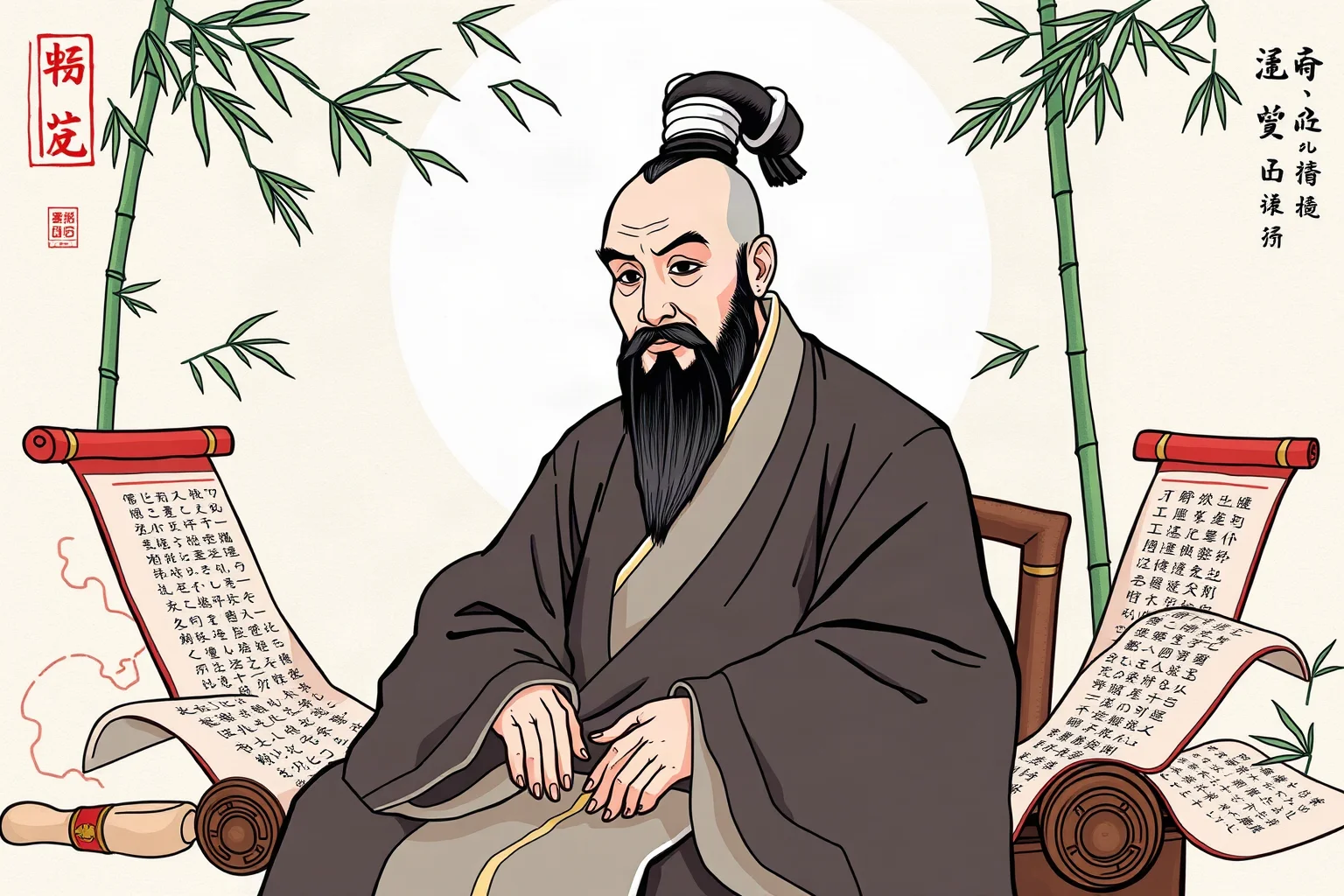
Confucius, or Kong Fuzi, lived from roughly 551 to 479 BCE and is easily among the most famous Chinese people in history. His teachings, preserved in the Analects by his students, emphasized ethical governance, filial piety, and moral self-cultivation.
Confucian philosophy became the backbone of Chinese bureaucratic and social life for over two thousand years. Even today, his influence on East Asian education and family values is hard to overstate.
11. Sun Tzu
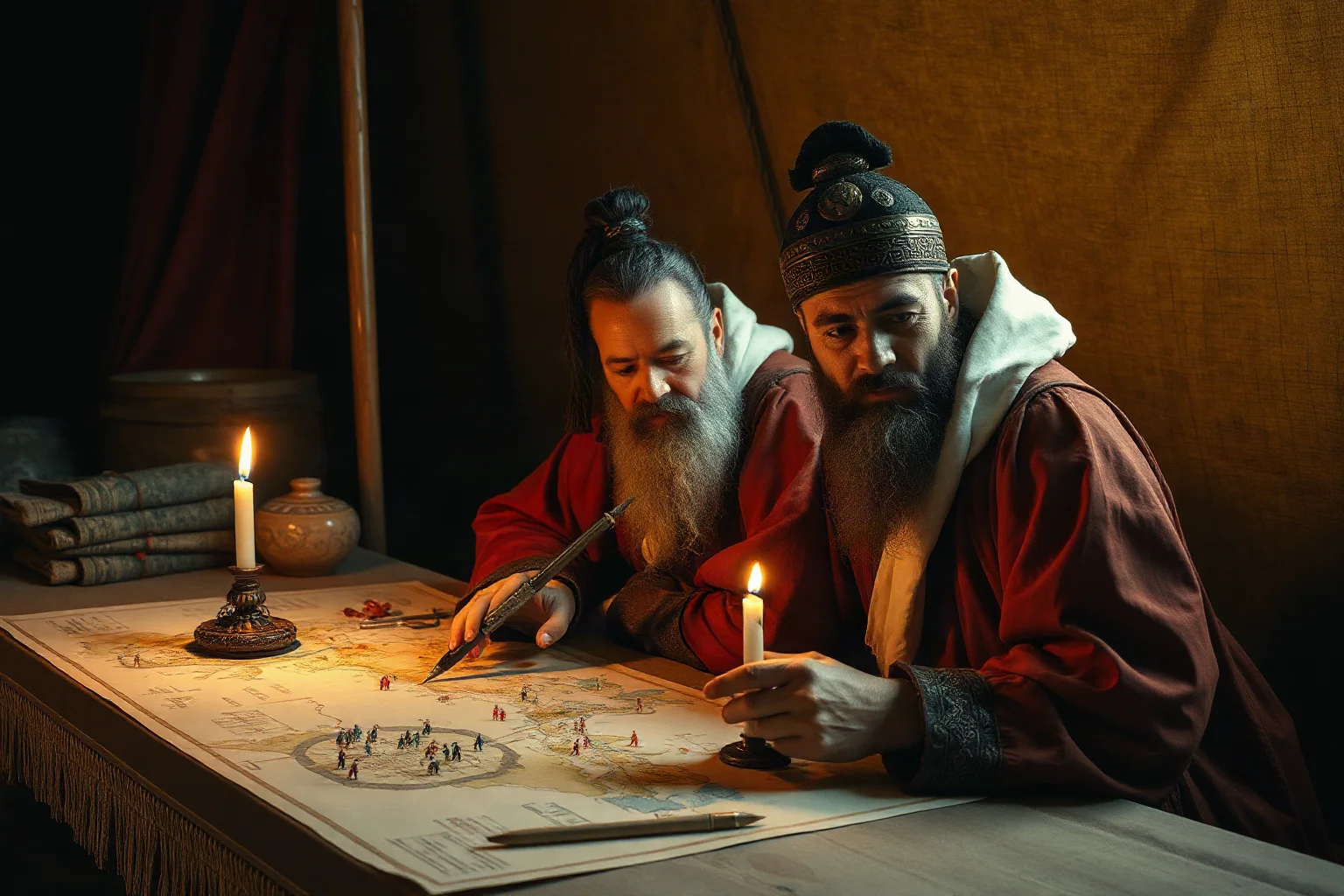
Sun Tzu is credited as the author of The Art of War, one of the most influential military treatises ever written. His traditional dates place him around 544–496 BCE, though historians continue to debate how much of the text reflects one author versus later Warring States additions.
Regardless of authorship questions, the strategic principles attributed to Sun Tzu have influenced military and business thinking well beyond China. It’s one of the few ancient Chinese texts still assigned in modern business schools.
12. Mencius
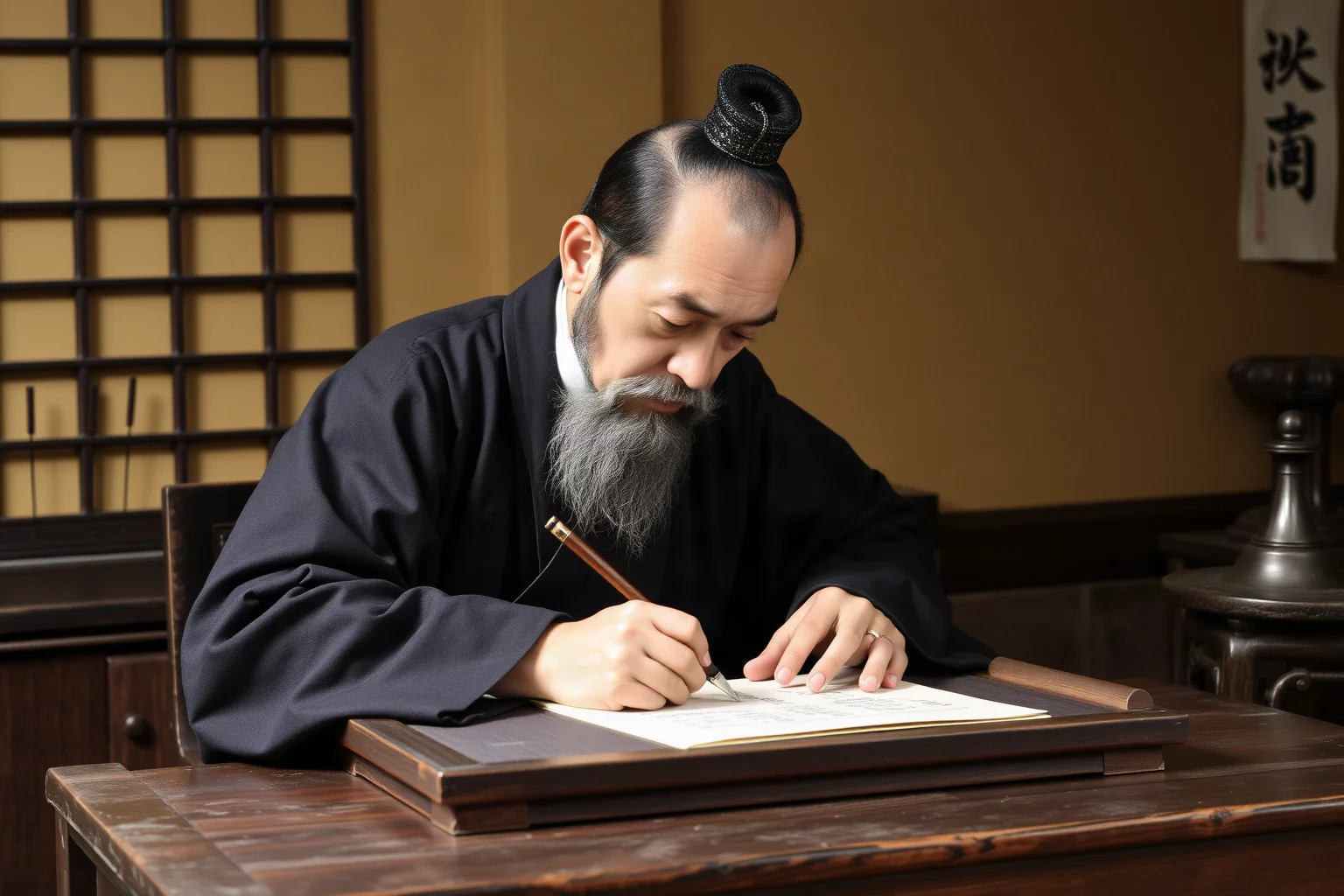
Mencius, or Mengzi, lived from about 372 to 289 BCE and became the most important interpreter of Confucian thought after Confucius himself. He’s best known for arguing that human nature is fundamentally good, a position that shaped centuries of later debate.
His writings, collected in the book that bears his name, remain core texts of the Confucian canon. Many later Chinese scholars saw Mencius as second only to Confucius in importance.
The Qin Dynasty: China’s First Unified Empire
The short-lived but transformative Qin dynasty gave China its first emperor and its name in many Western languages.
13. Qin Shi Huang
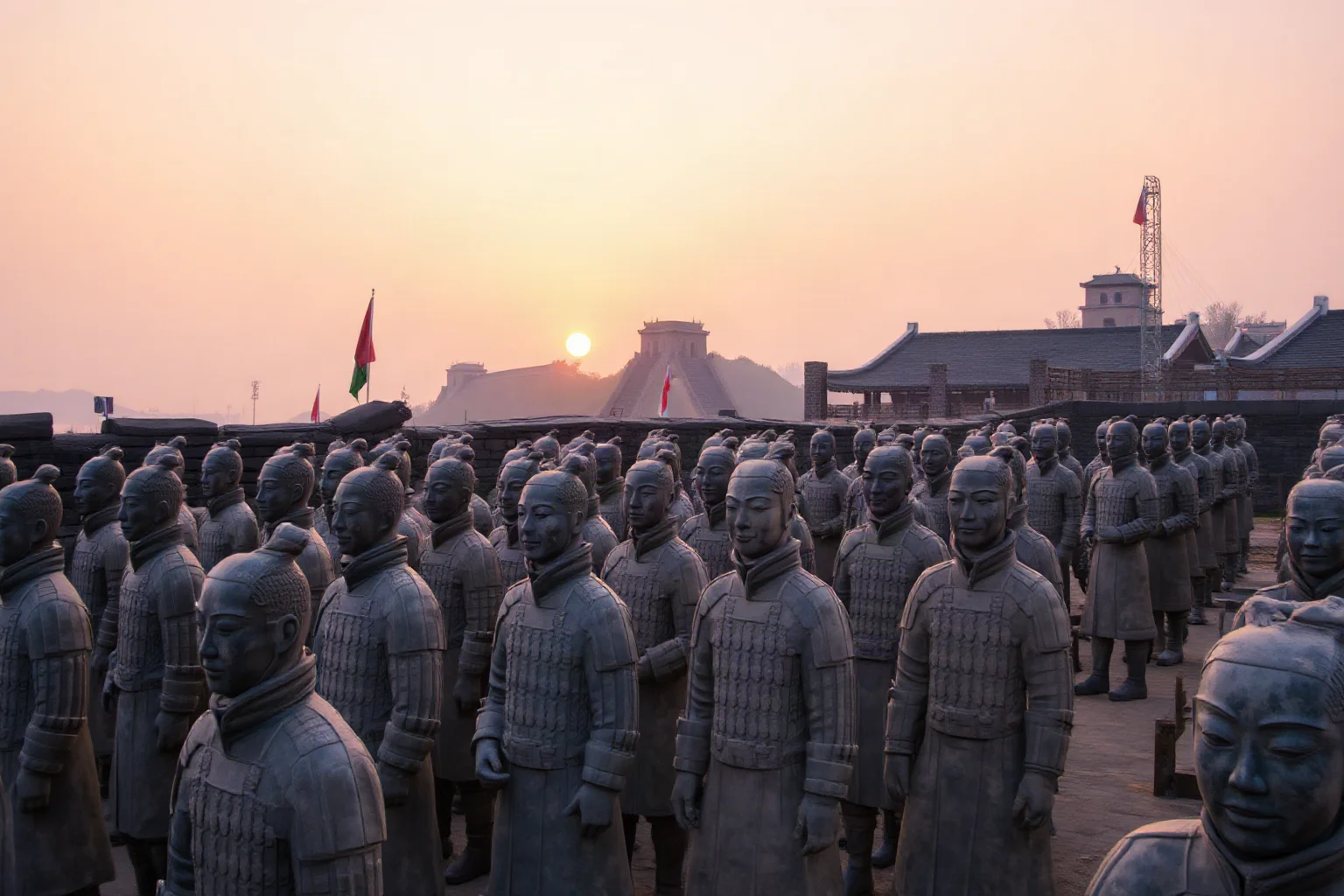
Qin Shi Huang unified China’s warring states in 221 BCE and declared himself the first emperor of a unified Chinese state. He’s remembered for standardizing writing, currency, and measurements, beginning construction connecting earlier defensive walls into what became the Great Wall, and commissioning the famous Terracotta Army to guard his tomb.
His rule was also marked by harsh Legalist policies, forced labor, and the burning of texts that challenged his authority. He remains one of the most consequential and most controversial ancient China kings, credited with real unification but also remembered for real brutality.
14. Li Si
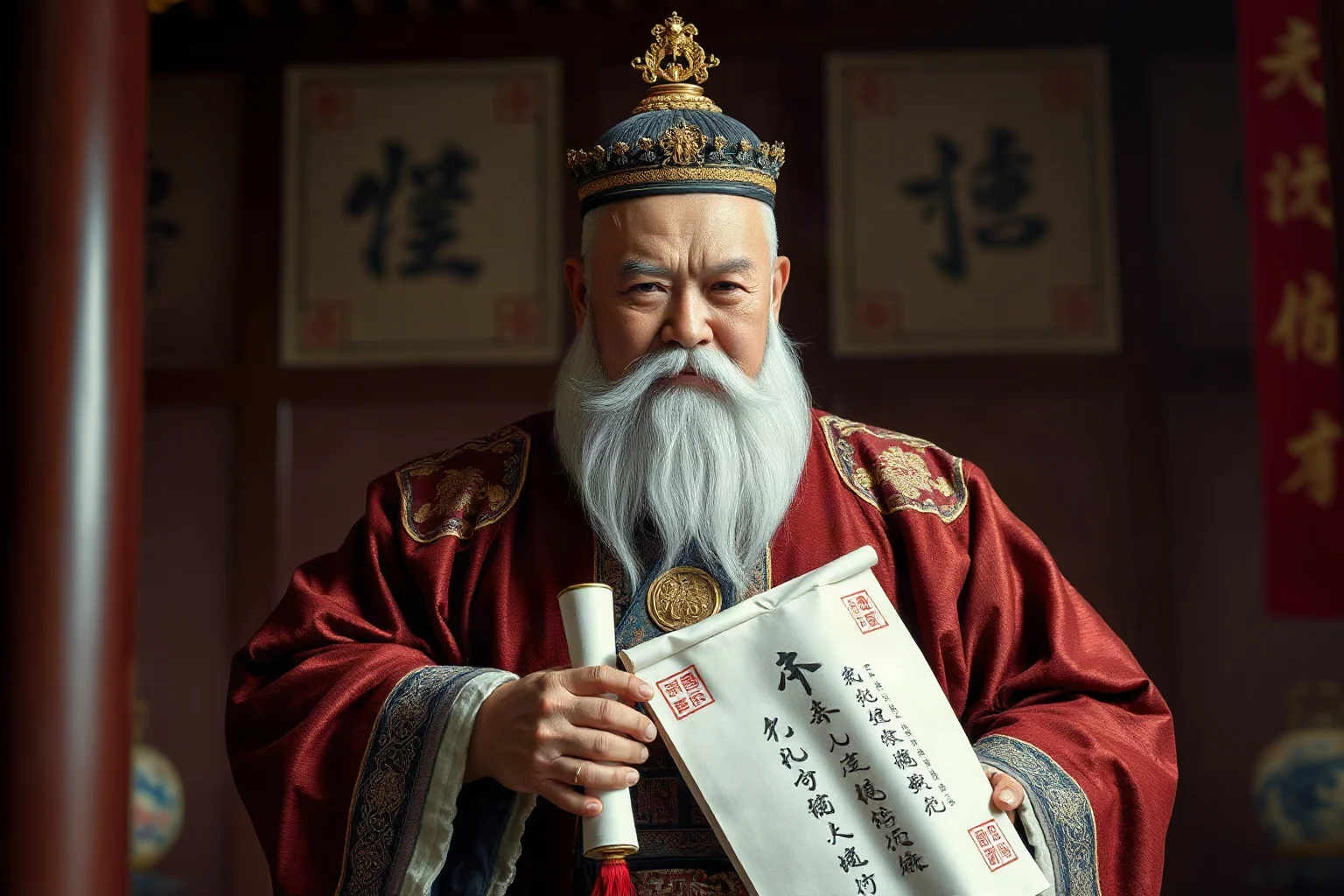
Li Si served as chancellor under Qin Shi Huang and was the administrative architect behind many of the era’s sweeping reforms, including the standardized script that helped unify communication across the empire. He was a committed Legalist who believed strict laws, not Confucian virtue, held society together.
Despite his central role in building the Qin state, Li Si was executed shortly after the emperor’s death amid a power struggle. His career is a reminder that ancient Chinese court politics could be just as dangerous as the battlefield.
Builders of the Han Dynasty
The Han dynasty gets its name attached to the majority ethnic group in China today, and its four centuries produced some of the most important people in ancient Chinese history.
15. Liu Bang (Emperor Gaozu of Han)
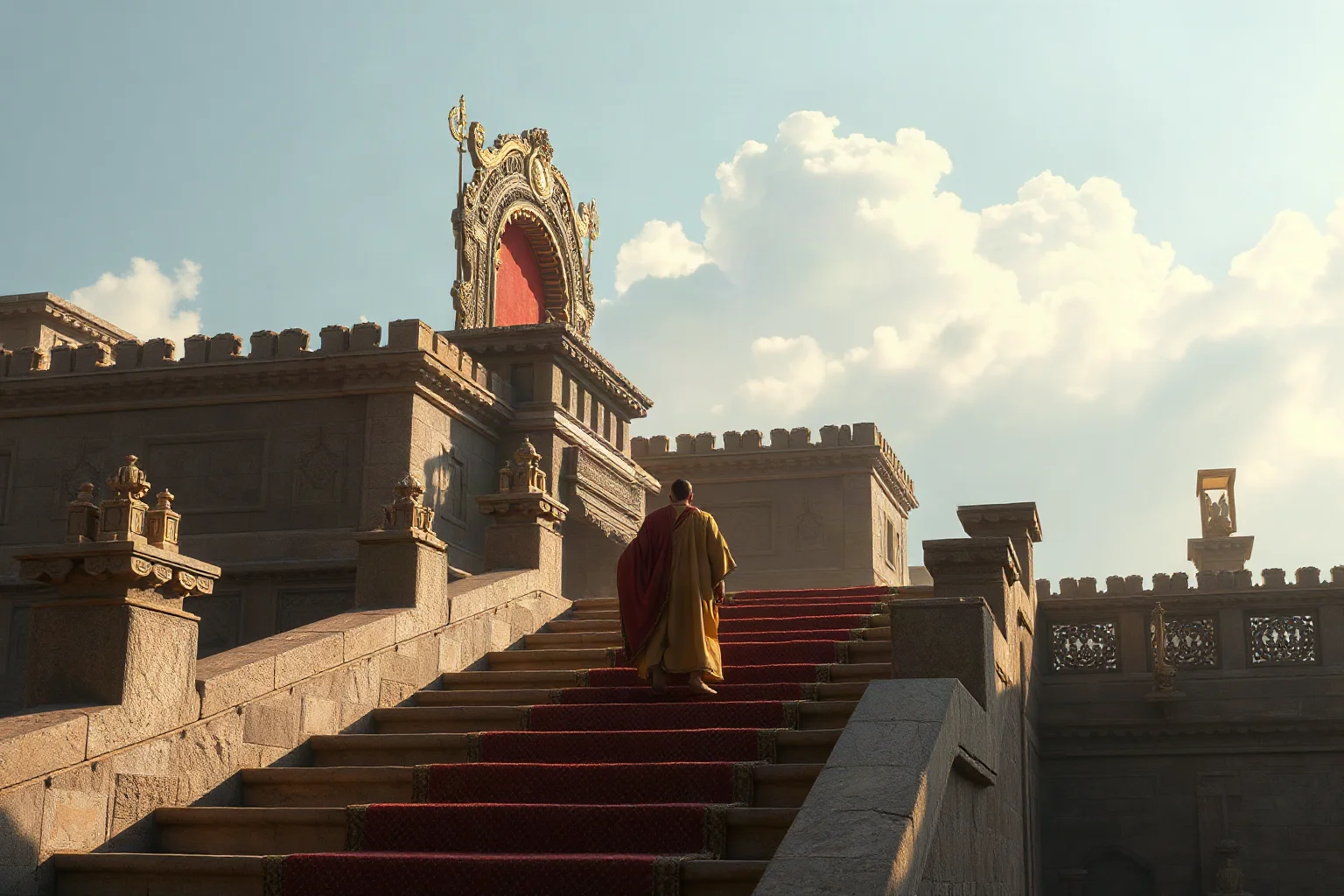
Liu Bang rose from relatively humble origins to found the Han dynasty in 202 BCE after the collapse of the Qin. As Emperor Gaozu, he softened some of the harsher Legalist policies of his predecessors while keeping the centralized administrative structure that made unified rule possible.
His rise from commoner to emperor became one of ancient China’s most famous rags-to-riches political stories. It also set a precedent that the Mandate of Heaven could, in theory, fall on anyone.
16. Emperor Wu of Han
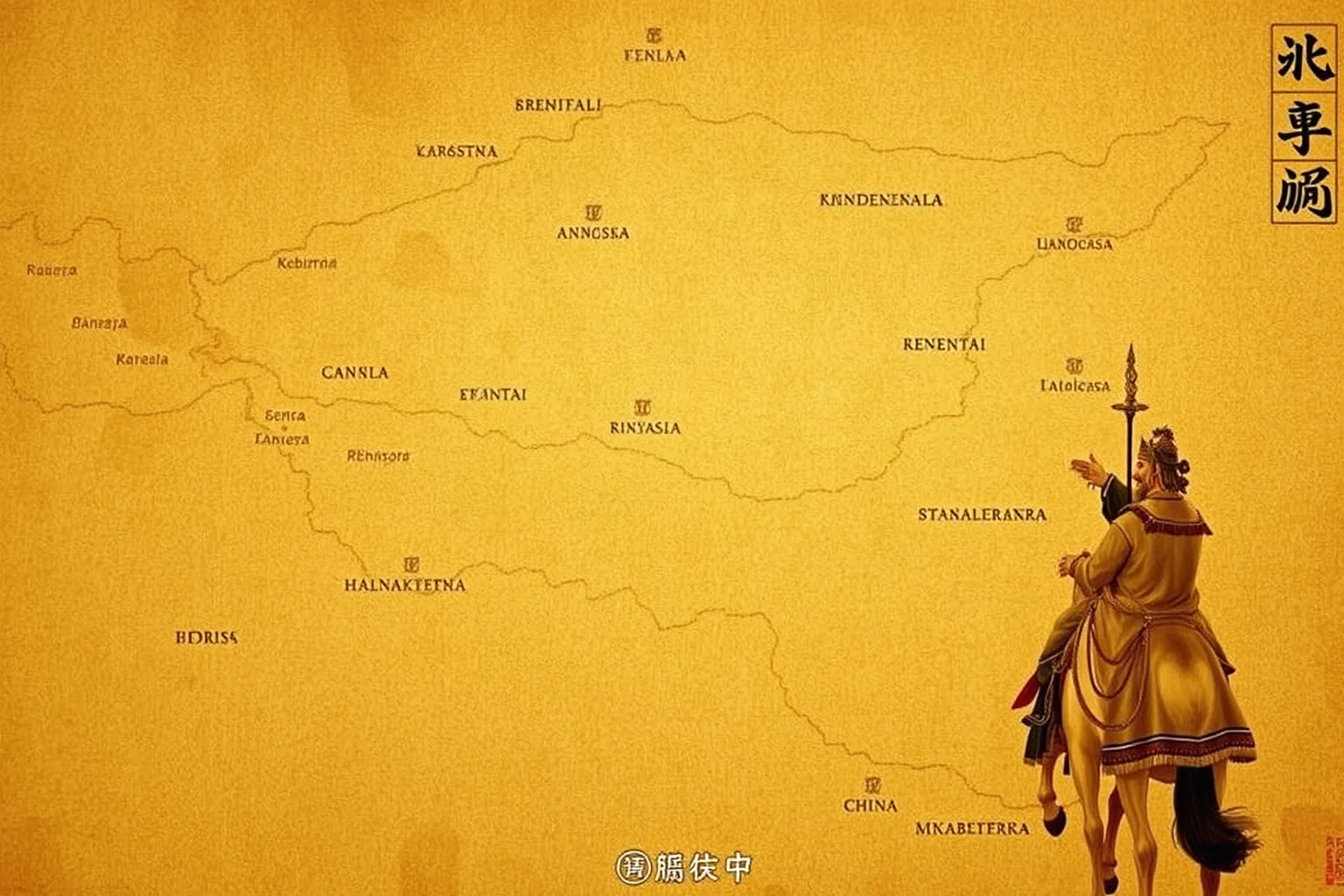
Emperor Wu ruled from 141 to 87 BCE and presided over one of the most expansive and prosperous periods of Han rule. He pushed China’s borders outward, promoted Confucianism as state orthodoxy, and helped establish trade contacts that fed into the growing Silk Road network.
His long reign is often treated as a high-water mark for Han power and cultural confidence. Many important people in the Han dynasty served in his court or owed their prominence to his policies.
17. Sima Qian
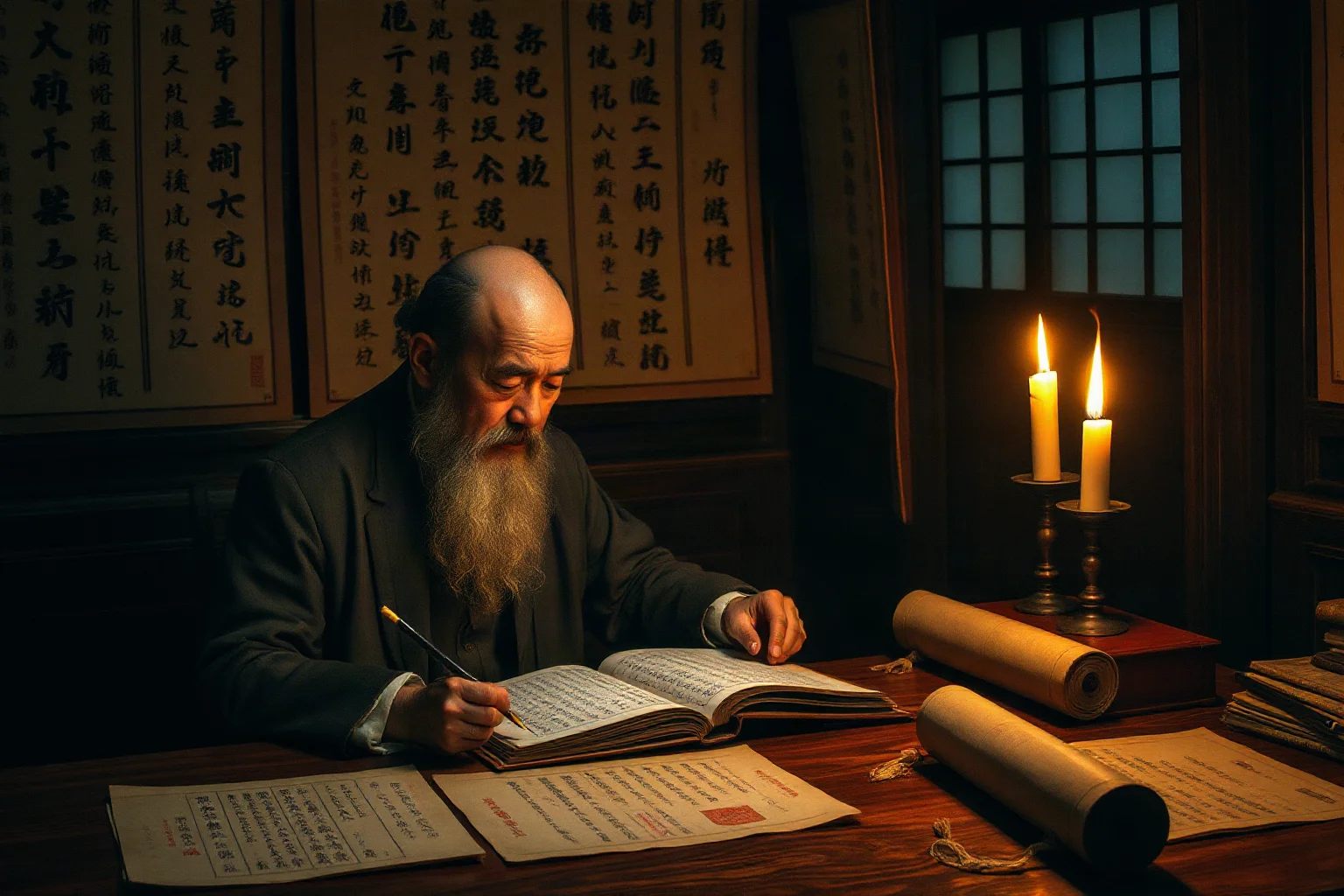
Sima Qian is often called the father of Chinese historiography, and for good reason. Writing around 145–86 BCE, he compiled the Records of the Grand Historian (Shiji), a monumental work covering roughly two thousand years of Chinese history up to his own time.
His meticulous approach to sources set the standard that later ancient Chinese historians tried to follow. If you’re researching Chinese historians as a topic, Sima Qian is essentially where the discipline begins.
18. Zhang Qian
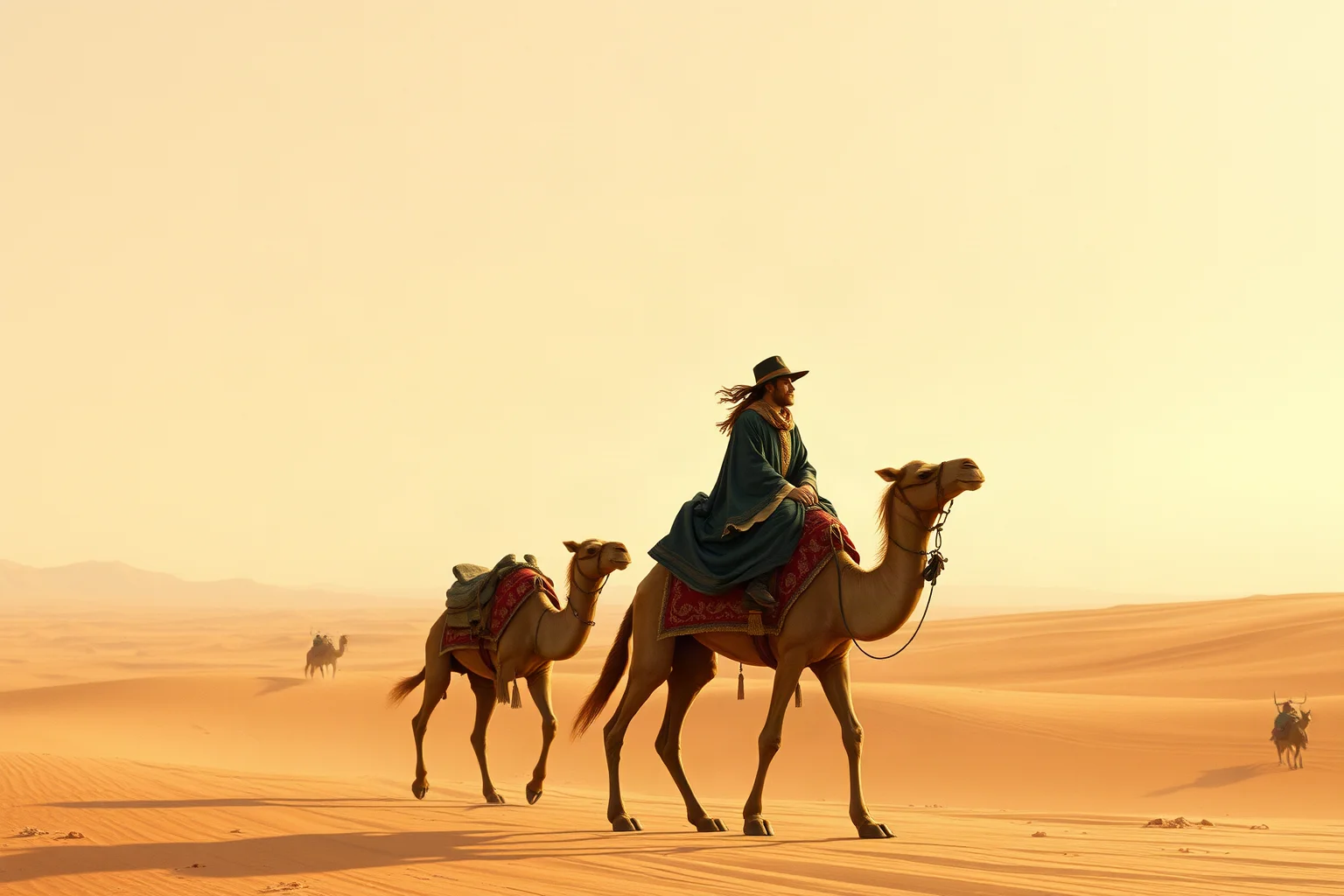
Zhang Qian was a Han dynasty diplomat and explorer sent westward in the second century BCE on a mission that ultimately opened new diplomatic and trade contacts with Central Asia. His reports back to the Han court are considered foundational to the eventual development of the Silk Road.
He endured years of captivity among rival nomadic groups before completing his mission. His journeys expanded ancient China’s geographic and cultural horizons considerably.
19. Ban Zhao
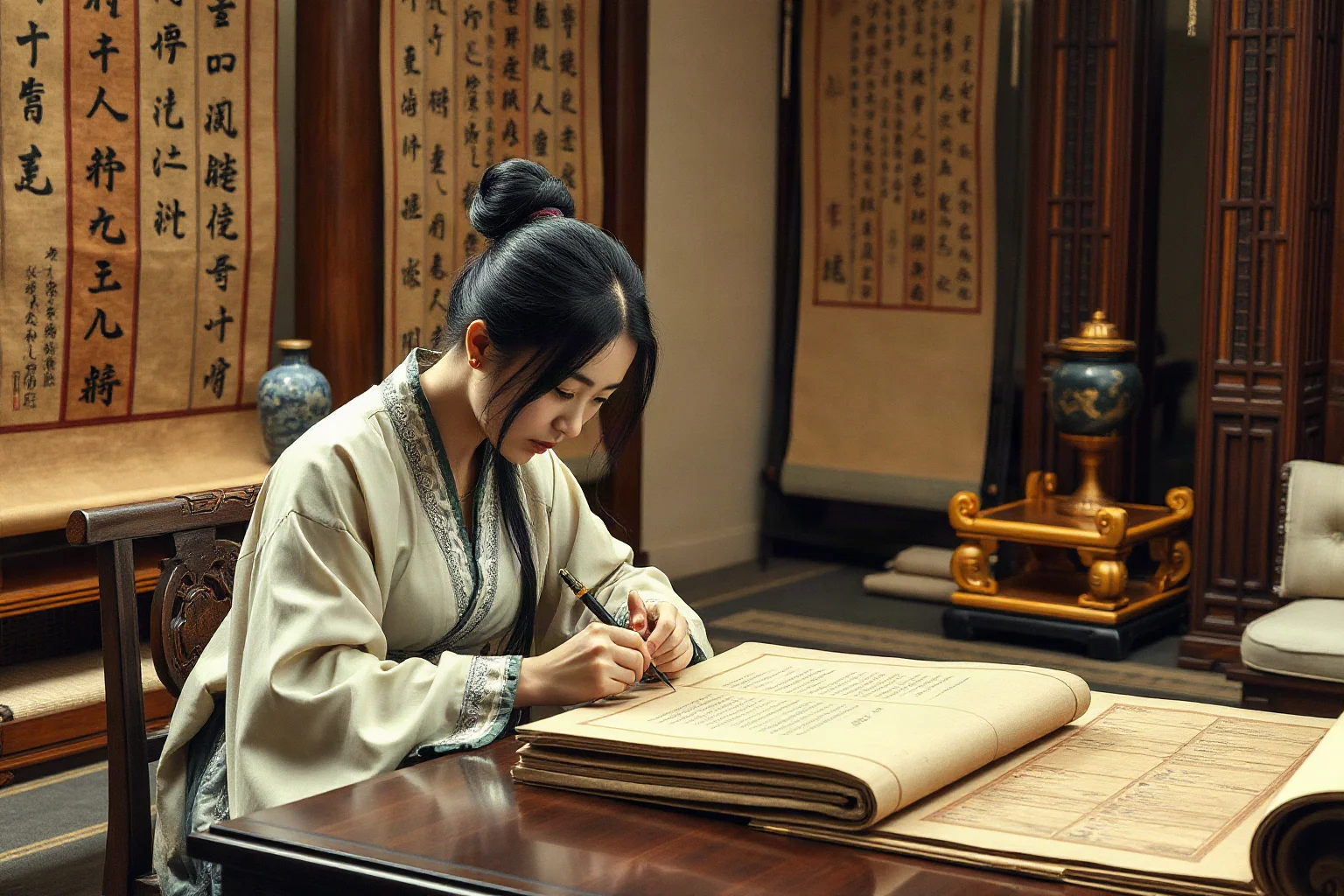
Ban Zhao, who lived roughly from 45 to 116 CE, is recognized as China’s first known female historian. She completed the Book of Han (Hanshu) after her brother’s death, cementing her place among the most important ancient Chinese historians regardless of gender.
She also wrote “Lessons for Women,” a text on female conduct that was influential for centuries, though modern readers often approach it critically given its conservative views on women’s roles. Either way, her historical scholarship remains a genuine landmark.
20. Cai Lun
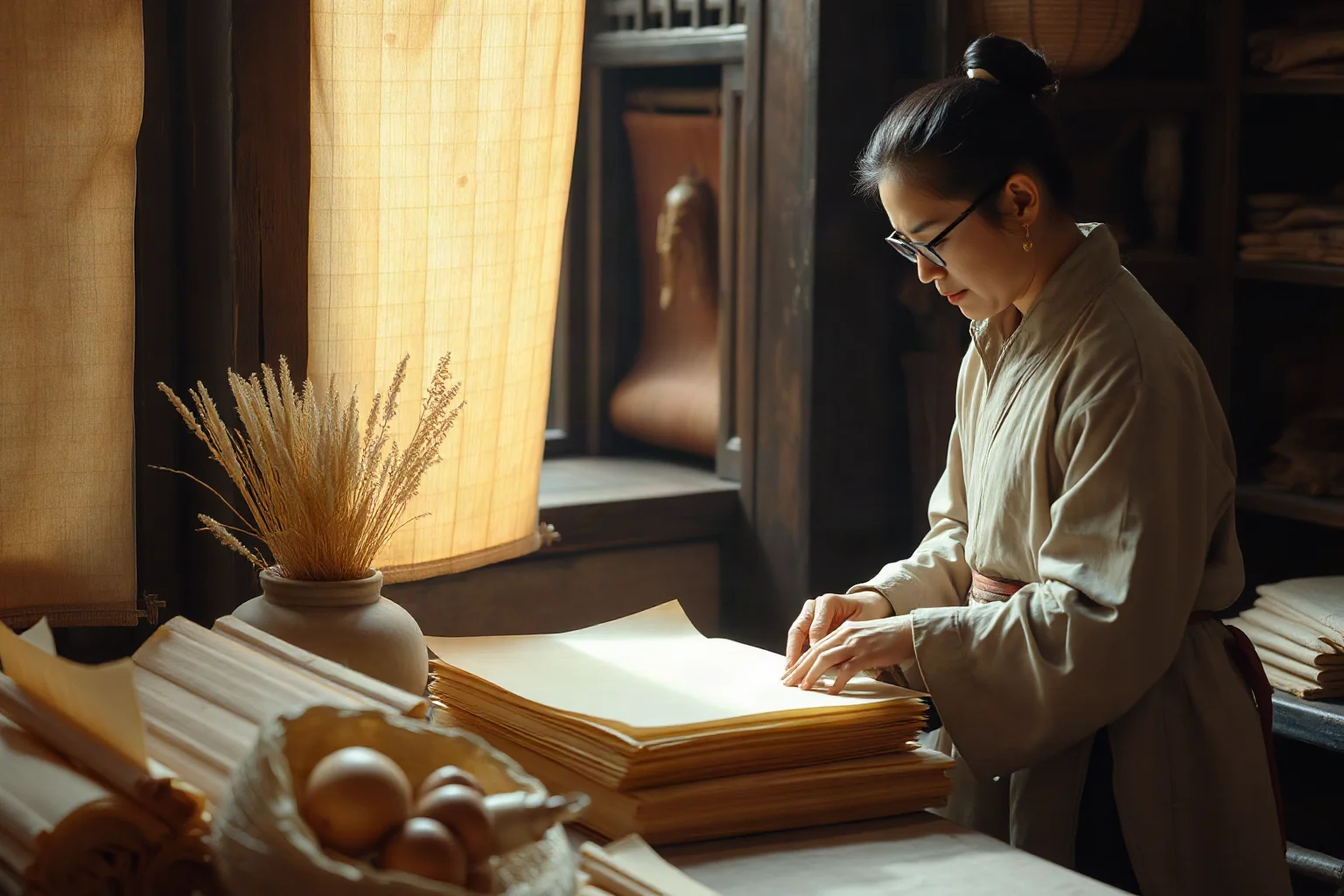
Cai Lun was a Han dynasty court official traditionally credited around 105 CE with refining the papermaking process using materials like bark, hemp, and rags. Earlier proto-paper forms may have existed before him, but his process made paper production practical and affordable at scale.
The spread of paper transformed record-keeping, education, and eventually printing, both within China and, centuries later, across the world. It’s one of ancient China’s most quietly world-changing achievements.
Physicians, Warlords, and Strategists of the Later Han Era
As Han authority weakened, a new generation of physicians and military figures stepped into the spotlight, many of them later immortalized in the historical novel Romance of the Three Kingdoms.
21. Hua Tuo
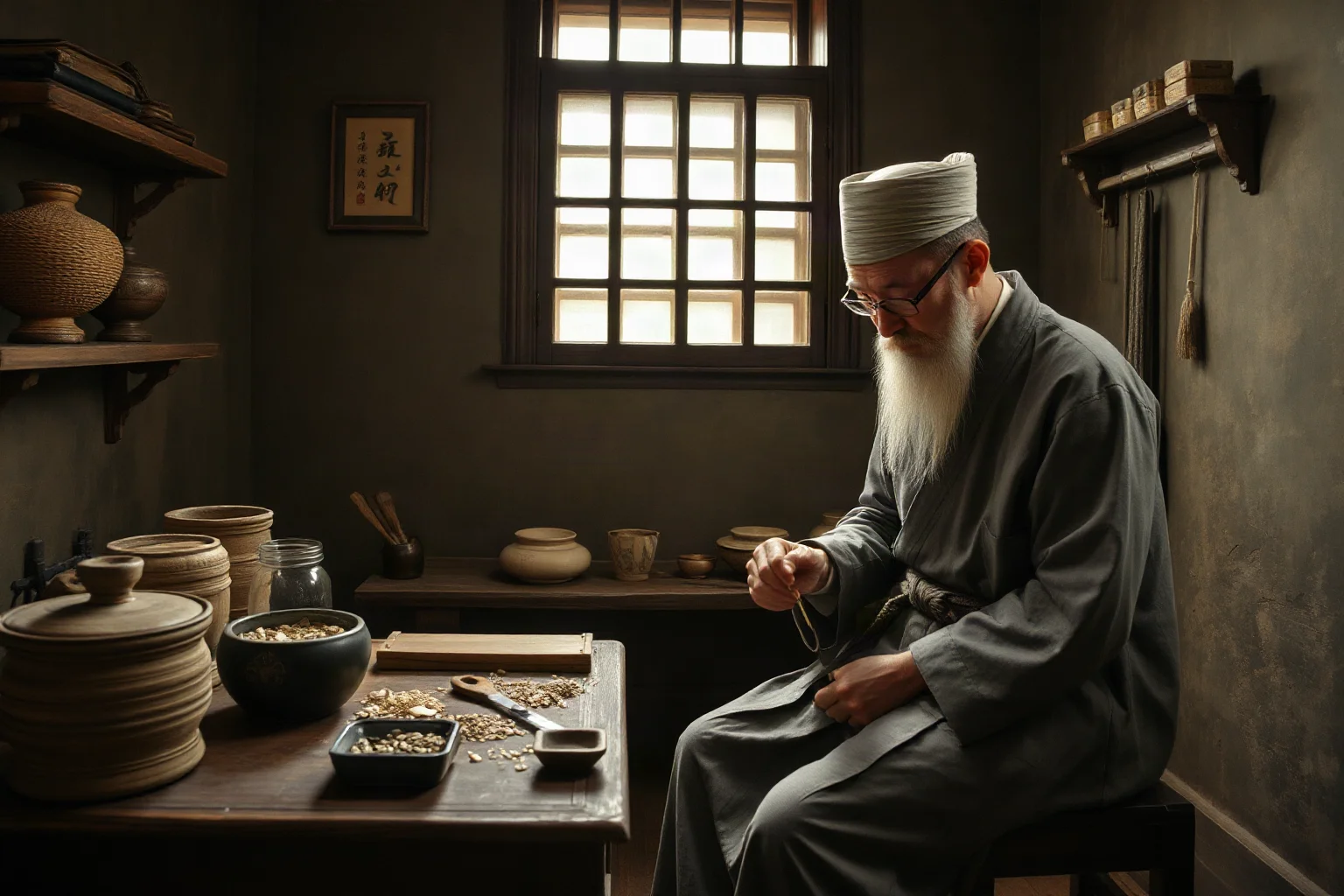
Hua Tuo was a physician active during the late Han and early Three Kingdoms period, celebrated for his surgical skill and his early experiments with anesthetic wine formulas to reduce pain during operations. Later legend, including elements in Romance of the Three Kingdoms, embellished his story considerably, so some details should be treated as folklore rather than confirmed medical history.
Even accounting for legend, Hua Tuo is a genuine touchstone in the history of Chinese medicine. His reputation for surgical daring was unusual for his era.
22. Cao Cao
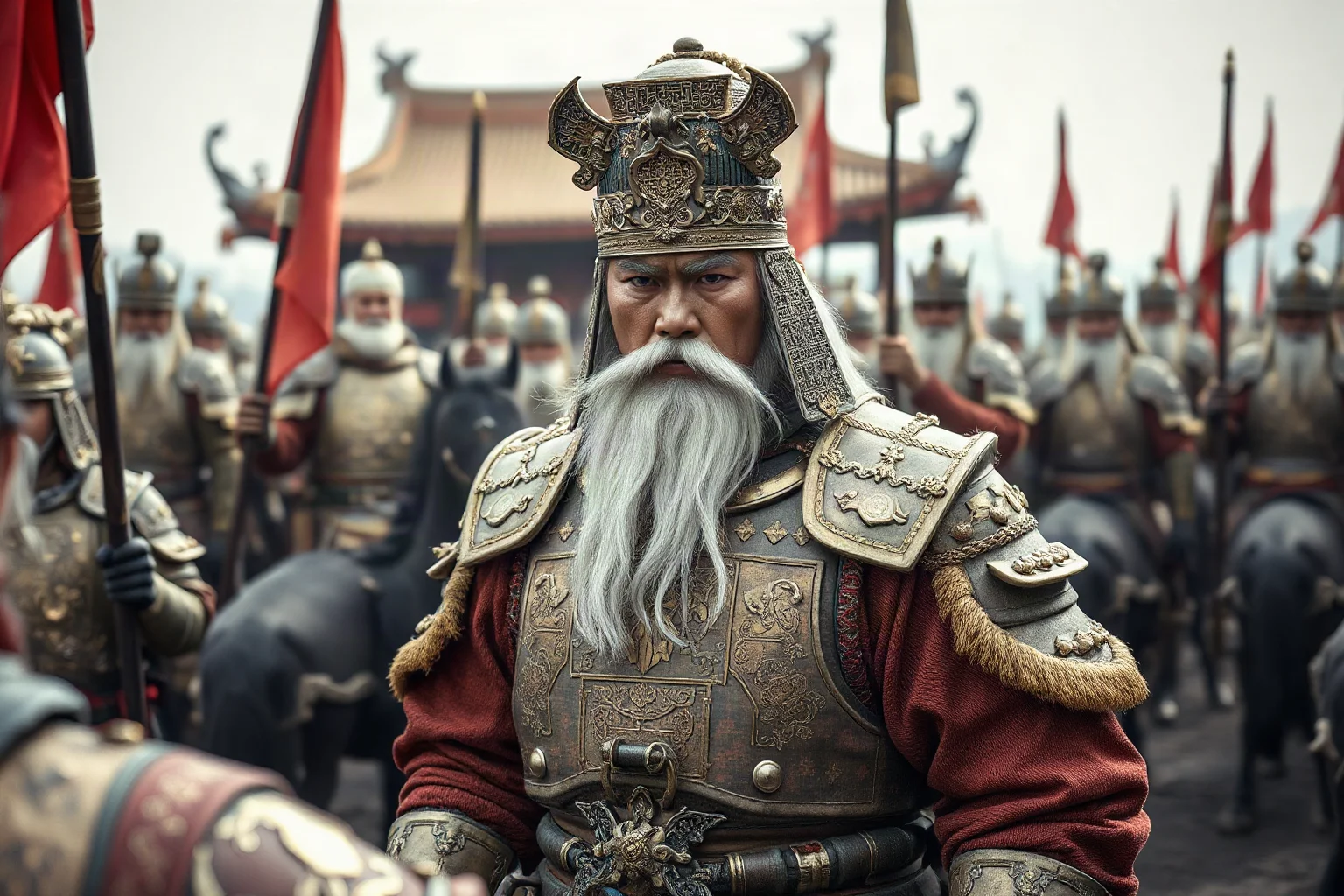
Cao Cao was a warlord, statesman, and poet whose political and military maneuvering during the Han dynasty’s collapse laid the groundwork for the state of Wei, one of the Three Kingdoms. He’s often portrayed as a scheming villain in later fiction, but historical records paint a more complicated picture of a capable administrator and genuinely talented poet.
Separating the historical Cao Cao from his dramatized literary version is one of the great myth-busting exercises in Chinese history. Both versions remain hugely influential in popular culture.
23. Zhuge Liang
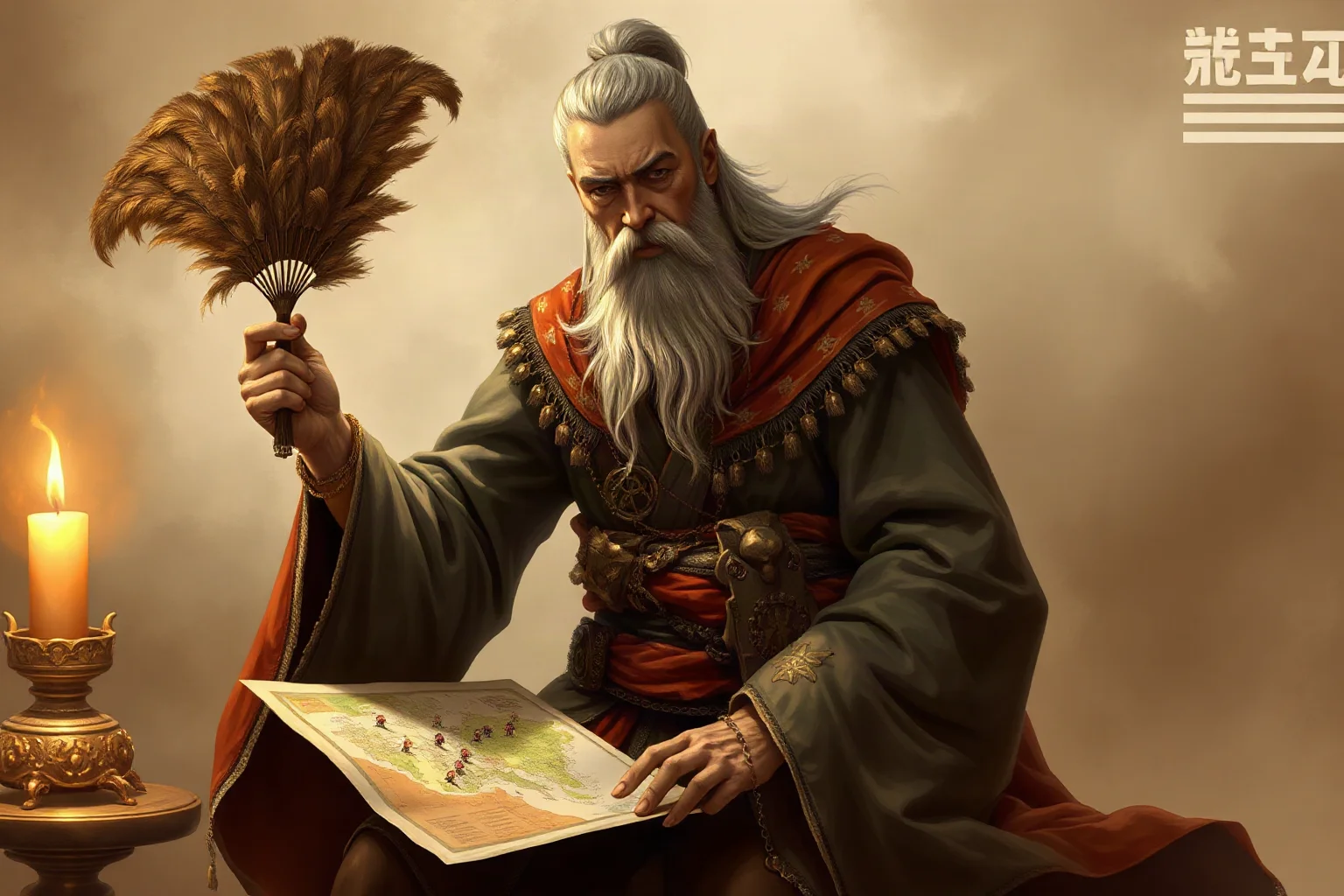
Zhuge Liang served as chancellor and chief strategist for the state of Shu Han during the Three Kingdoms period, and he’s remembered as one of the most brilliant tacticians in Chinese history. Many of the ingenious schemes attributed to him in popular fiction are dramatized or invented, so his legendary reputation exceeds what can be strictly verified.
Still, his genuine administrative and military accomplishments were considerable. He remains a cultural shorthand in China for strategic brilliance, similar to how the West references Machiavelli.
Breaking the Mold: A Notable Later Figure
24. Wu Zetian
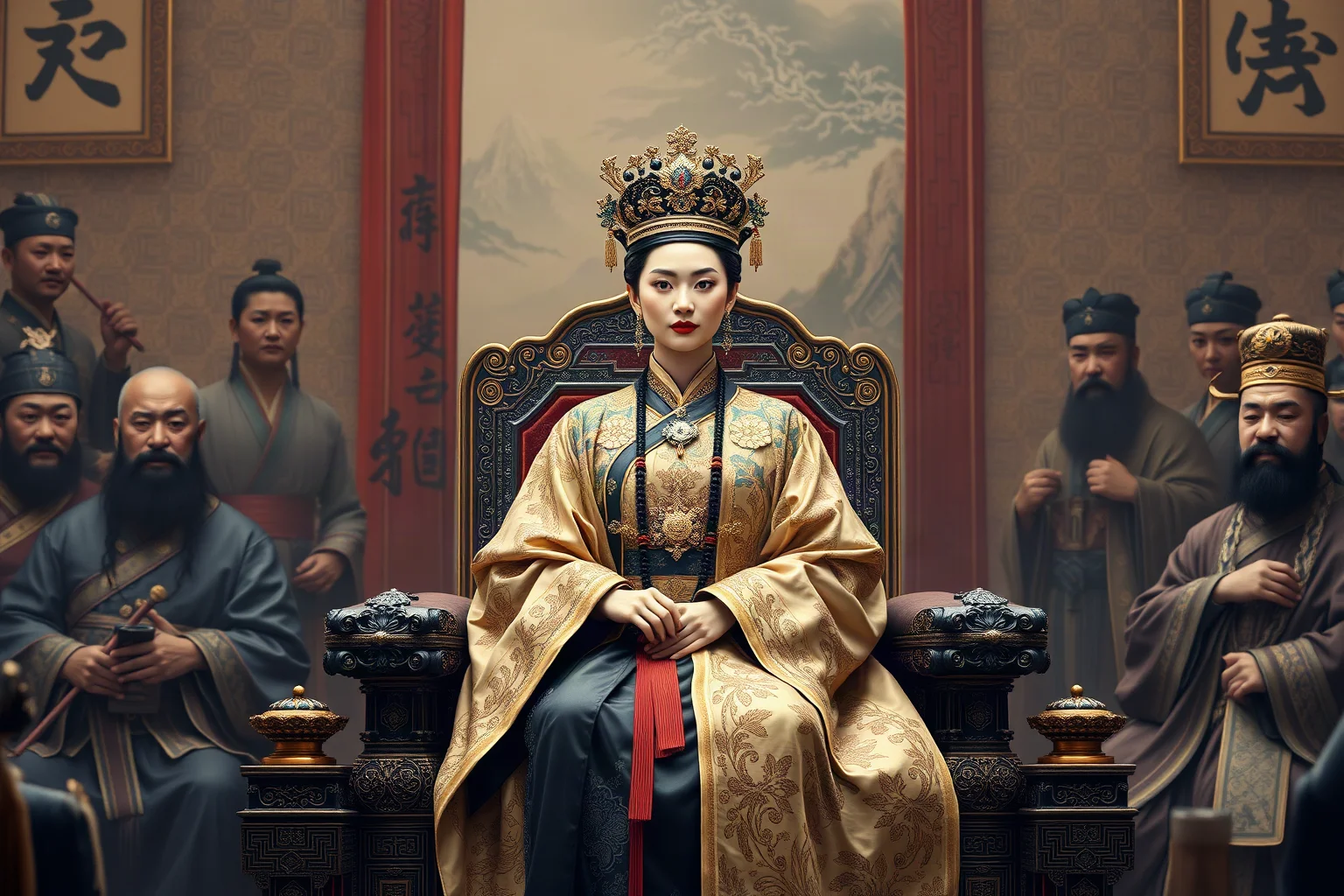
Wu Zetian ruled as the only woman in Chinese history to hold the title of emperor in her own right, reigning during the Tang dynasty from 690 to 705 CE. Her era falls technically outside the classical “ancient China” period most historians use, since it comes after the Han and Three Kingdoms, but she’s frequently grouped with earlier figures in popular lists of famous Chinese historical figures.
She rose from a lower-ranking concubine to consolidate extraordinary personal power, reforming the bureaucracy and expanding the empire’s civil service exam system. Her reign remains one of the most debated in Chinese history, praised by some for competent governance and criticized by others, often through a heavily gendered lens.
What Made Ancient China’s Legacy So Enduring
So what is ancient China known for, beyond this list of names? A few themes stand out clearly across the figures above. Philosophy and ethics from Confucius, Laozi, and Mencius shaped governance for two millennia, while political theory like the Mandate of Heaven gave dynasties a shared language for legitimacy.
Writing and record-keeping advanced dramatically, from Shang oracle bones to Sima Qian’s historical scholarship and Cai Lun’s papermaking breakthrough. Military strategy, exemplified by Sun Tzu and later Zhuge Liang, became a genuine intellectual discipline rather than pure brute force.
Finally, unification under strong, sometimes ruthless, rulers like Qin Shi Huang created the administrative backbone that let such a vast and diverse territory function as one civilization. Taken together, these five threads, philosophy, historiography, technology, strategy, and unification, are a fair answer to anyone asking about the core achievements of ancient China.
Final Thoughts on Ancient China’s Most Notable Figures
Ancient China’s history is genuinely a mix of verified fact and evolving legend, and part of respecting that history is being honest about which is which. Figures like Sima Qian and Ban Zhao give us solid documentary evidence, while Nüwa, Fuxi, and even parts of Yu the Great’s story sit more comfortably in the realm of myth and cultural memory.
What unites all 24 people on this list, real or legendary, is the outsized influence they had on how Chinese civilization understood itself. Whether you’re a student, a history enthusiast, or just curious who the most famous person in China’s ancient past really was, these names are the essential starting point for understanding one of the world’s oldest continuous civilizations.
Frequently Asked Questions
Who are the most famous Chinese people in China’s ancient history?
Within China itself, figures like Confucius, Qin Shi Huang, Sun Tzu, and Sima Qian are typically regarded as the most famous ancient Chinese people, alongside mythological founders like the Yellow Emperor. Their names appear throughout Chinese education, literature, and popular culture, making them the most recognizable historical figures inside the country.
Who is the most famous person in China’s ancient past?
Confucius is often cited as the single most famous ancient Chinese figure worldwide, given his enormous influence on Chinese ethics, education, and social structure. Qin Shi Huang is a close contender, largely thanks to his unification of China and the fame of his Terracotta Army.
What is ancient China known for?
Ancient China is known for major philosophical traditions like Confucianism and Daoism, early inventions such as papermaking and standardized writing, and political innovations like the Mandate of Heaven. It's also known for monumental engineering projects, including the early sections of the Great Wall and the Terracotta Army.
What are the famous ancient Chinese dynasties?
The commonly cited dynasties are the Xia (semi-legendary), Shang, Zhou, Qin, and Han, followed by the Three Kingdoms period. Each produced distinct rulers, philosophers, and cultural achievements, with the Zhou lasting the longest and the Qin achieving the first full unification.
Who were important people in the Han Dynasty?
Key Han dynasty figures include founder Liu Bang (Emperor Gaozu), the expansionist Emperor Wu, historian Sima Qian, explorer Zhang Qian, female historian Ban Zhao, and papermaking innovator Cai Lun. Together they shaped Han governance, historiography, and technology.
Who were important people in the Shang Dynasty?
Notable Shang dynasty figures include founder King Tang, who overthrew the Xia dynasty's last ruler, and Di Xin (King Zhou of Shang), the dynasty's last king, whose downfall is traditionally attributed to tyranny, though this portrayal comes largely from the succeeding Zhou dynasty's records.
What are five key achievements of ancient China?
Five widely cited achievements include the development of Confucian and Daoist philosophy, the invention of papermaking, standardized writing and currency under the Qin, the compilation of systematic historical records by scholars like Sima Qian, and early advances in military strategy and medicine.
Are China’s ancient mythological figures considered real historical people?
No, figures like Nüwa, Fuxi, and the Yellow Emperor are generally treated as legendary or mythological rather than confirmed historical individuals. Historians value them for their cultural and symbolic importance rather than as verified historical records.

Alex Warren
Related Articles