
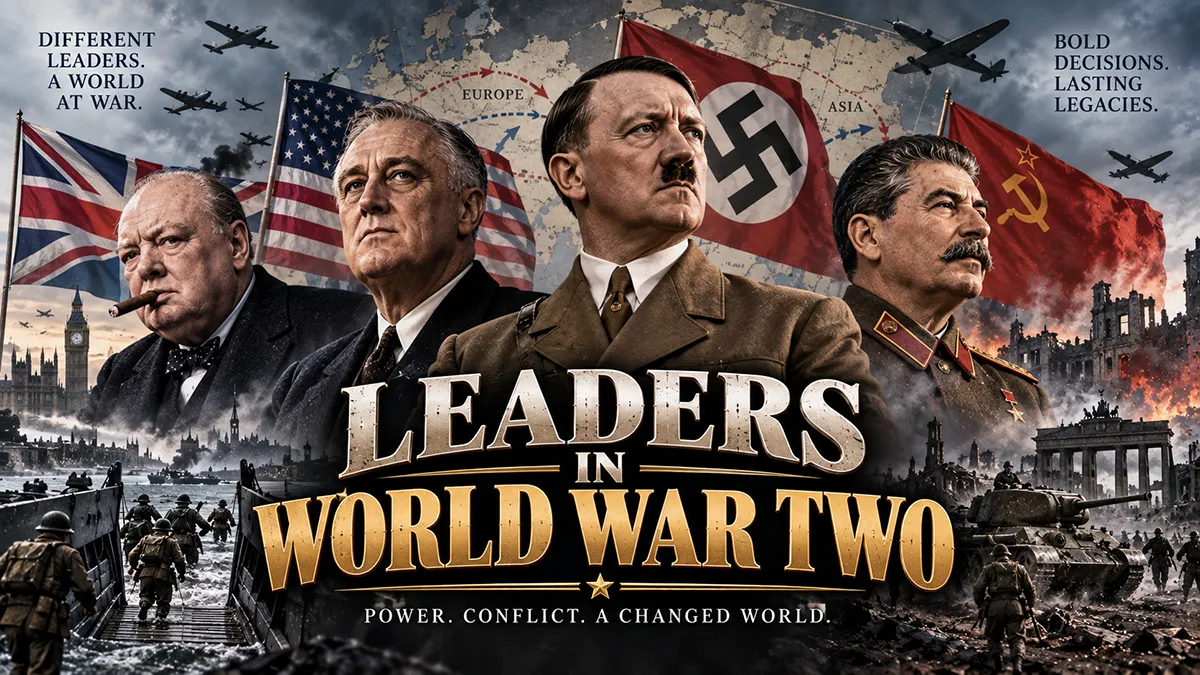
When people talk about “leaders of World War Two,” they usually mean two very different groups. There are the political leaders — presidents, prime ministers, and dictators who set war aims and signed the orders.
And there are the military commanders — the generals, admirals, and field marshals who actually planned the campaigns and led the armies, navies, and air forces that fought them.
This guide focuses on that second group: the wartime leaders who commanded troops on the ground, at sea, and in the air.
We’ve pulled together 20 of the most significant military commanders from World War II, spanning the American, British, French, German, Soviet, and Japanese forces, along with context on the political leaders who directed them.
Some names here are among the most recognized historical figures of the war, others less famous than they deserve to be — but all of them shaped how the war was fought and won.
TL;DR: World War II was won and lost by a mix of political leaders like Roosevelt, Churchill, Stalin, and Hitler, and a smaller circle of military commanders — from Eisenhower and Zhukov to Rommel and Yamamoto — whose battlefield decisions shaped the outcome of the entire war.
Political Leaders vs. Military Commanders in WWII
Before diving into the generals, it helps to separate the two categories of “leaders” people usually search for. The political leaders of World War Two set national strategy and controlled resources, but rarely commanded troops directly.
In the United States, that was President Franklin D. Roosevelt, who led the country through the war until his death in April 1945, after which Vice President Harry Truman took over — the answer to “who was the leader of America during WWII” is really both men, depending on the exact date.
On the Allied side, Britain was led by Prime Minister Winston Churchill, the Soviet Union by Premier Joseph Stalin, and Free France by Charles de Gaulle, who also held military authority.
The Axis powers were directed by dictators: Adolf Hitler in Germany, Benito Mussolini in Italy, and Emperor Hirohito in Japan, with Prime Minister Hideki Tojo running Japan’s wartime government and military policy for much of the conflict.
These men are often lumped in with “dictators in WWII,” though it’s worth noting that Hirohito’s exact role in military decision-making is still debated by historians.
Military commanders are a different story — they’re the officers who translated national strategy into actual campaigns. That’s the group this list covers in depth, because they’re the ones most often meant by searches for “generals of WWII,” “ww2 commanders,” or “military leaders of ww2.”
20 Military Commanders Who Shaped World War II
These 20 figures represent the major Allied and Axis powers — the United States, Britain, France, the Soviet Union, Germany, and Japan. They’re organized roughly by nation so you can see how each country’s command structure worked.
1. Dwight D. Eisenhower (United States)
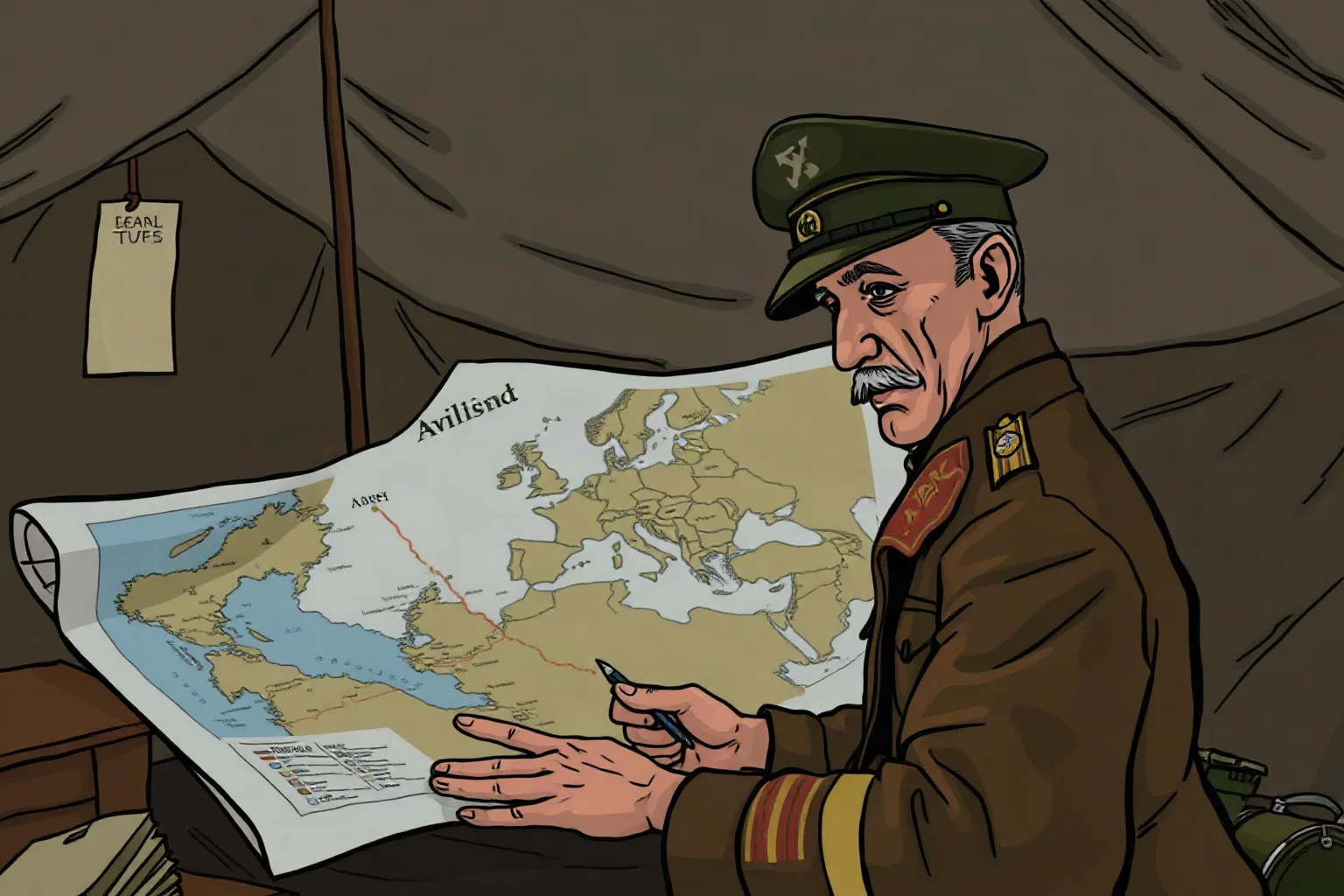
Eisenhower served as Supreme Commander of the Allied Expeditionary Force in Europe, overseeing the D-Day landings in Normandy in June 1944. He wasn’t the most flamboyant commander, but he excelled at something rarer: coordinating British, American, and Canadian generals with enormous egos into one functioning command structure.
His diplomatic skill was arguably as important as any tactical genius. Eisenhower later became the 34th President of the United States, making him one of the few WWII generals whose influence extended well beyond the battlefield.
2. George S. Patton (United States)
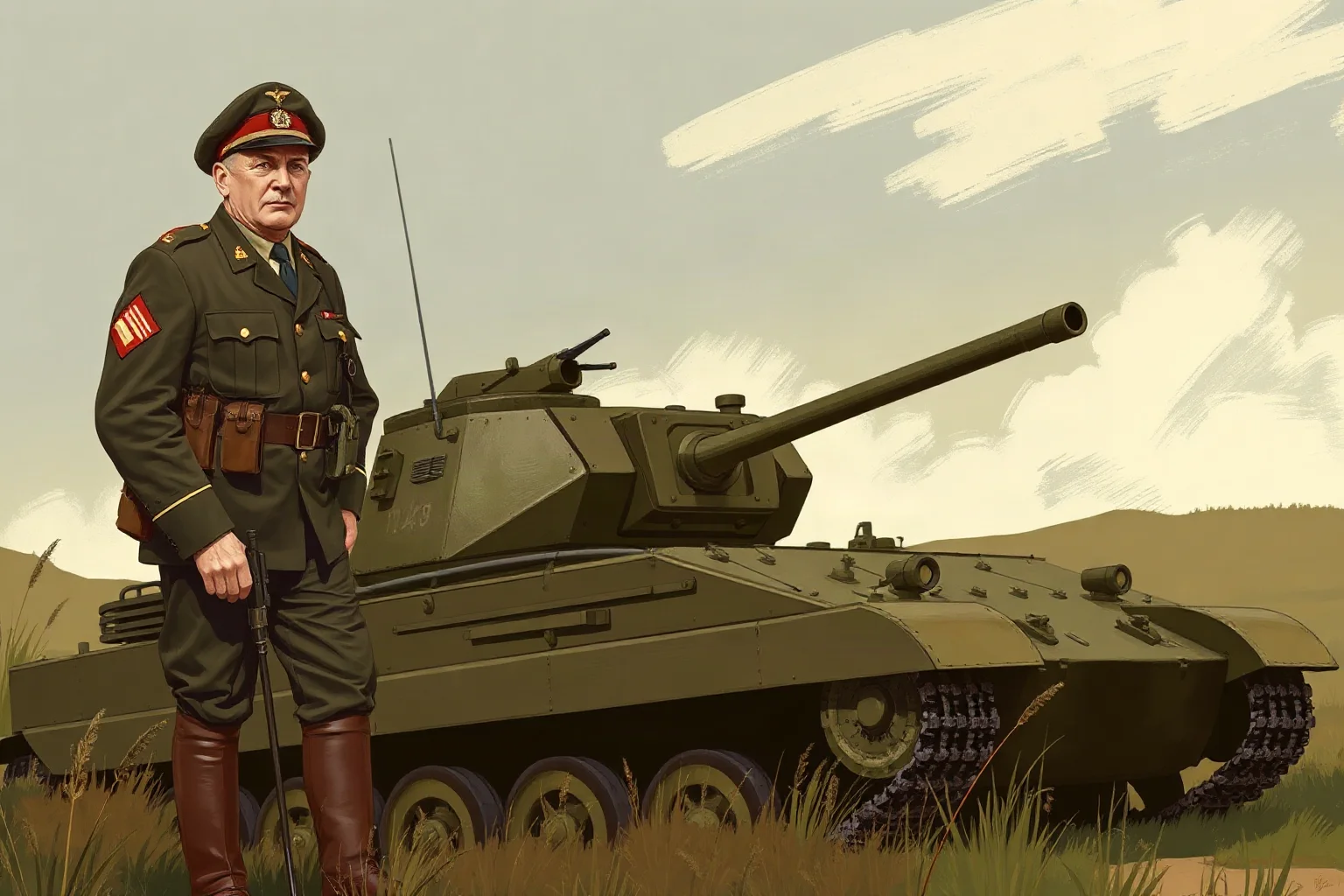
Patton commanded the U.S. Third Army and became famous for his fast-moving armored offensives across France in 1944. His aggressive, publicity-hungry style made him one of the most famous WWII American generals, though it also got him into repeated trouble with superiors.
The popular image of Patton as a reckless cowboy general is a bit of a myth — his planning was meticulous, and his logistics during the Third Army’s advance were genuinely impressive. His temper and controversial remarks, however, were very real and cost him career opportunities.
3. Douglas MacArthur (United States)
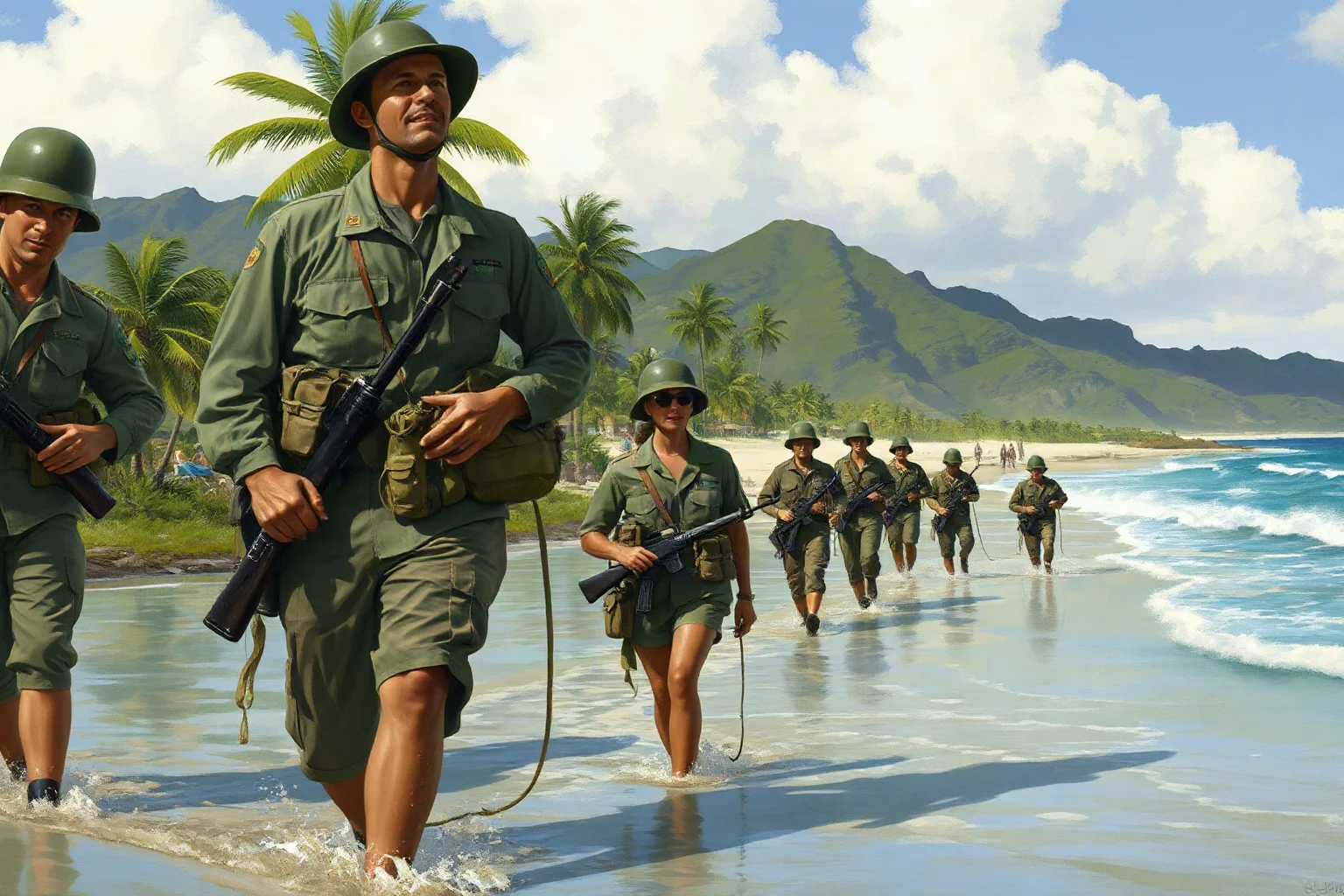
MacArthur commanded Allied forces in the Southwest Pacific and later accepted Japan’s formal surrender in 1945. His “island-hopping” strategy bypassed heavily fortified Japanese positions rather than attacking them directly, saving considerable American lives.
He was also a polarizing figure, known for a flair for self-promotion and a rocky relationship with Washington that eventually led to his dismissal during the Korean War. Within WWII itself, though, he remained one of the most consequential U.S. Army generals in the Pacific theater.
4. Omar Bradley (United States)
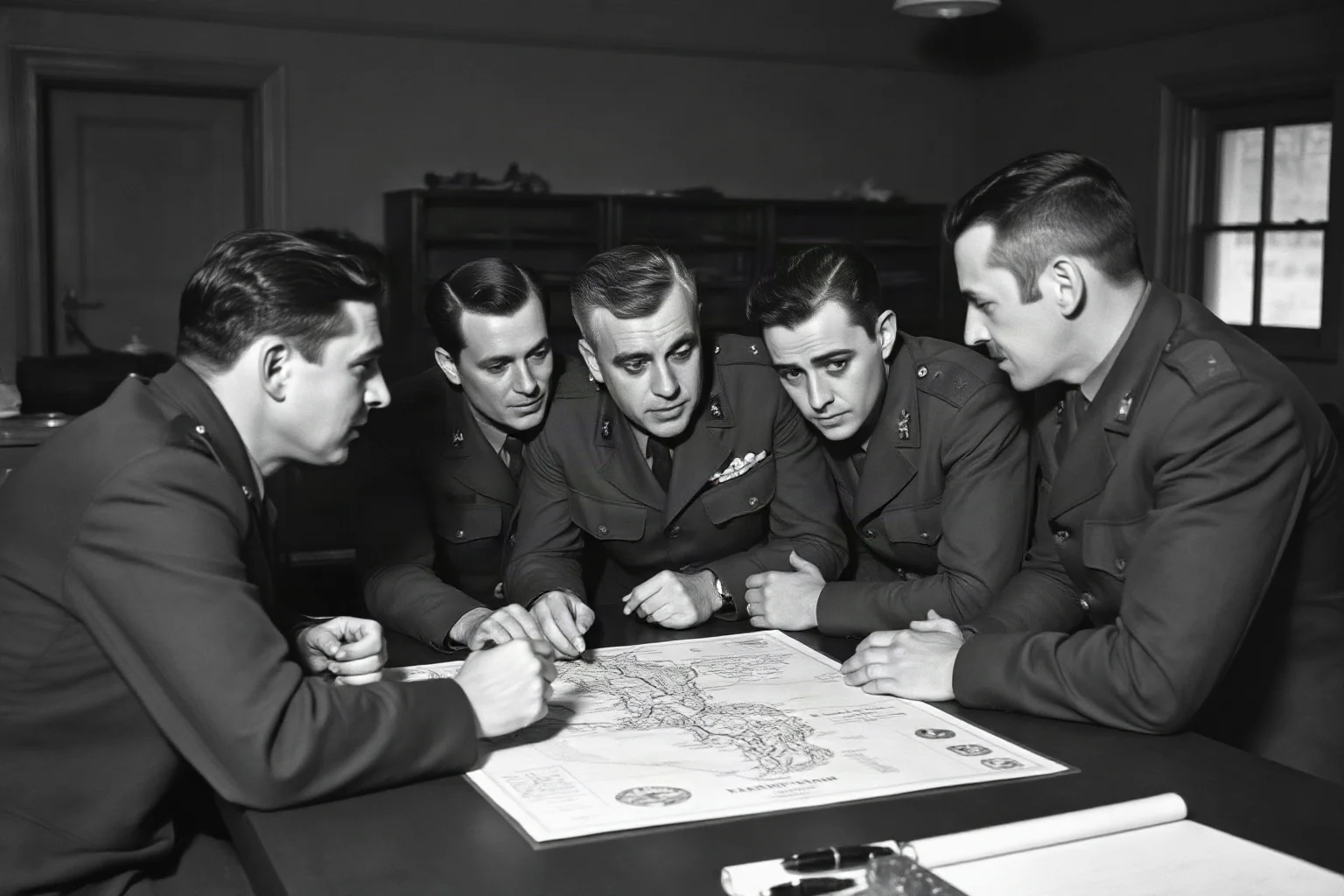
Bradley led the U.S. First Army during the Normandy invasion and later the Twelfth Army Group, the largest body of American troops ever placed under one commander. He was known as a “soldier’s general” for his relatively low-key, methodical style compared to peers like Patton.
He worked closely with Eisenhower throughout the European campaign and later became the first Chairman of the Joint Chiefs of Staff. Bradley was eventually promoted to five-star General of the Army rank in 1950.
5. George C. Marshall (United States)
Marshall served as U.S. Army Chief of Staff throughout the war, making him arguably the most powerful American general who never personally led troops into combat. He was responsible for building the U.S. Army from a small peacetime force into a global fighting machine of millions.
Winston Churchill reportedly called him the “organizer of victory,” reflecting his role behind the scenes rather than on the front lines. After the war, Marshall’s name became attached to the Marshall Plan for European recovery.
6. Chester W. Nimitz (United States)
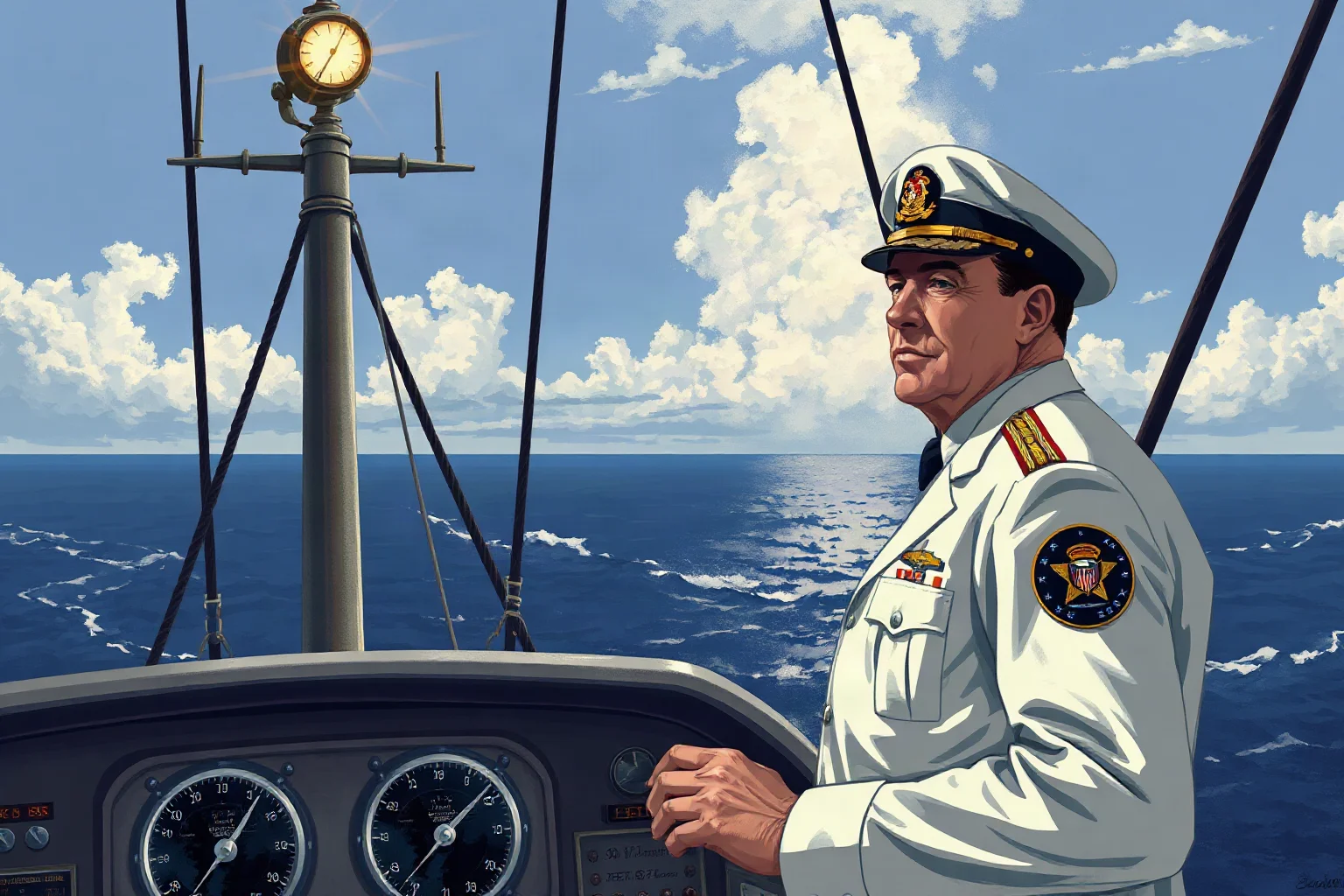
Nimitz commanded the U.S. Pacific Fleet and directed the naval war against Japan, including the pivotal Battle of Midway in 1942. His cautious, calculated approach contrasted with MacArthur’s more theatrical style, and the two famously had an uneasy command relationship in the Pacific.
Nimitz’s naval strategy of carrier-based warfare helped redefine how the U.S. fought at sea. He eventually rose to the rank of Fleet Admiral, one of the U.S. Navy’s few five-star equivalents.
7. Curtis LeMay (United States)
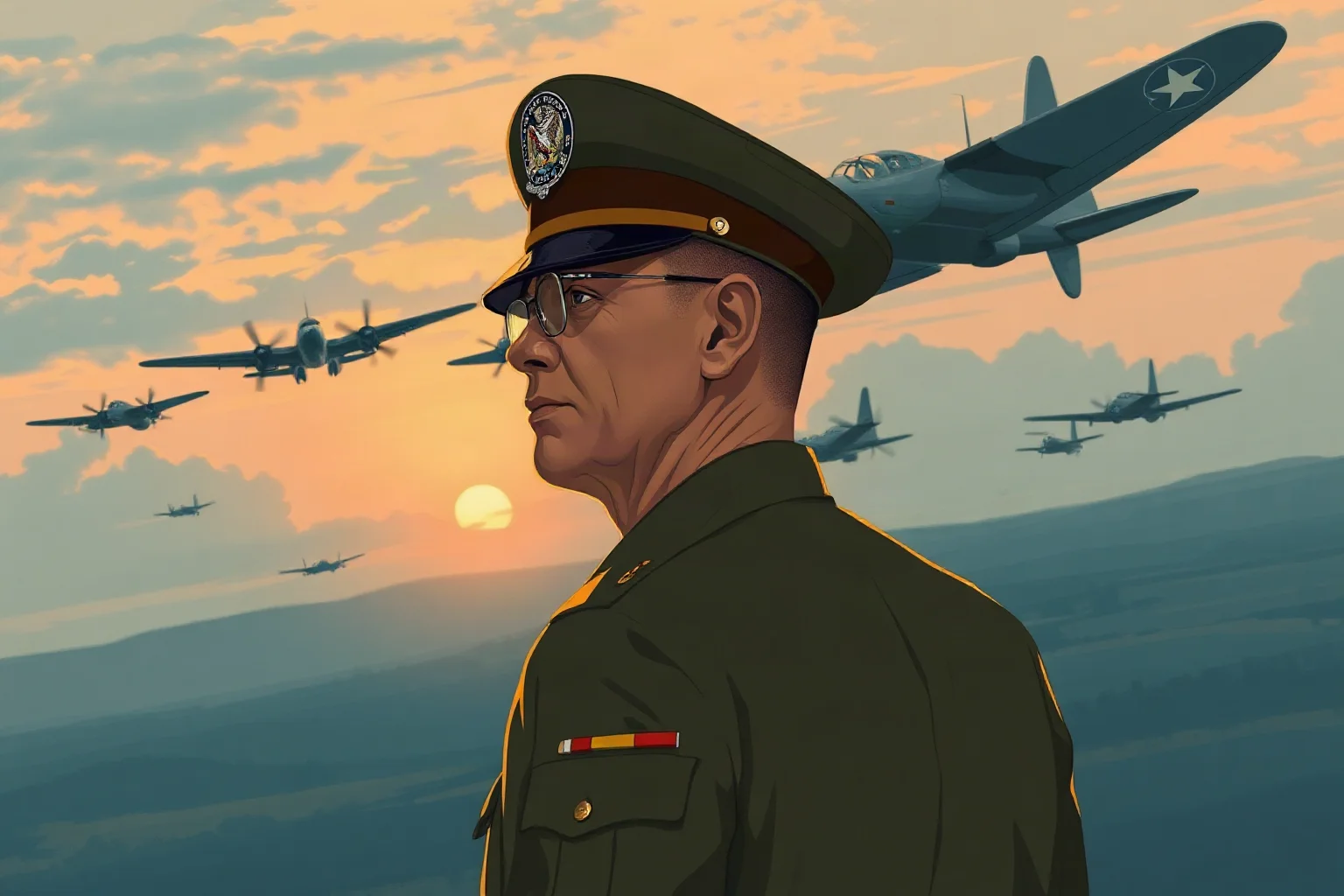
LeMay commanded the strategic bombing campaigns against Japan, including the shift to low-altitude incendiary raids on Japanese cities in 1945. His methods were extremely destructive and remain a subject of serious historical and ethical debate.
He later helped build the U.S. Strategic Air Command during the Cold War. Within WWII specifically, he’s remembered as one of the most influential — and controversial — American air power strategists.
8. Bernard Montgomery (United Kingdom)
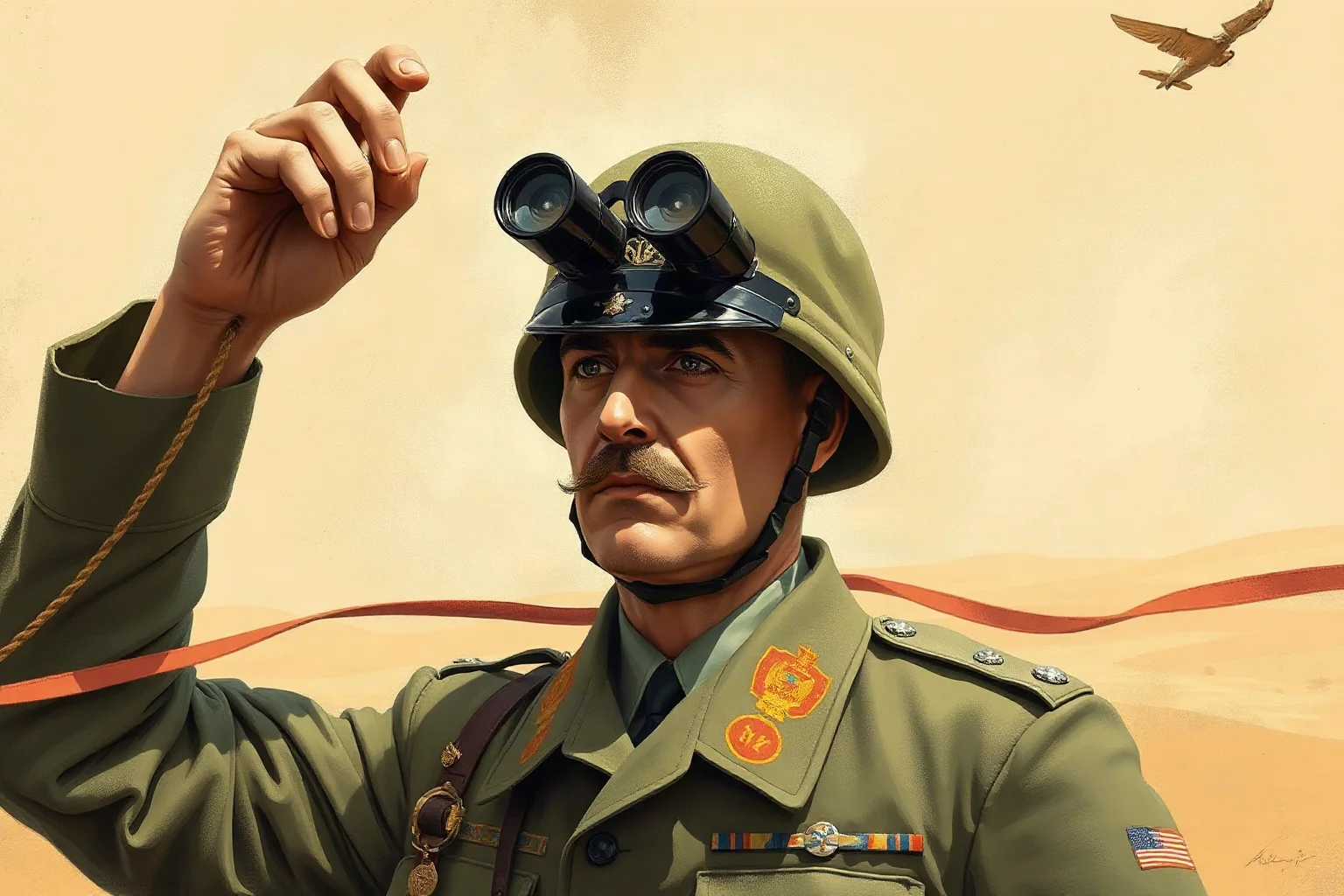
Montgomery, known as “Monty,” led British Eighth Army forces to victory at El Alamein in 1942, a turning point in the North African campaign. He later commanded Allied ground forces during the initial phase of the Normandy invasion.
He was famously cautious and detail-oriented, sometimes clashing with American commanders like Patton over strategy and credit. Regardless of the friction, he remains one of the best-known British World War 2 generals.
9. Harold Alexander (United Kingdom)
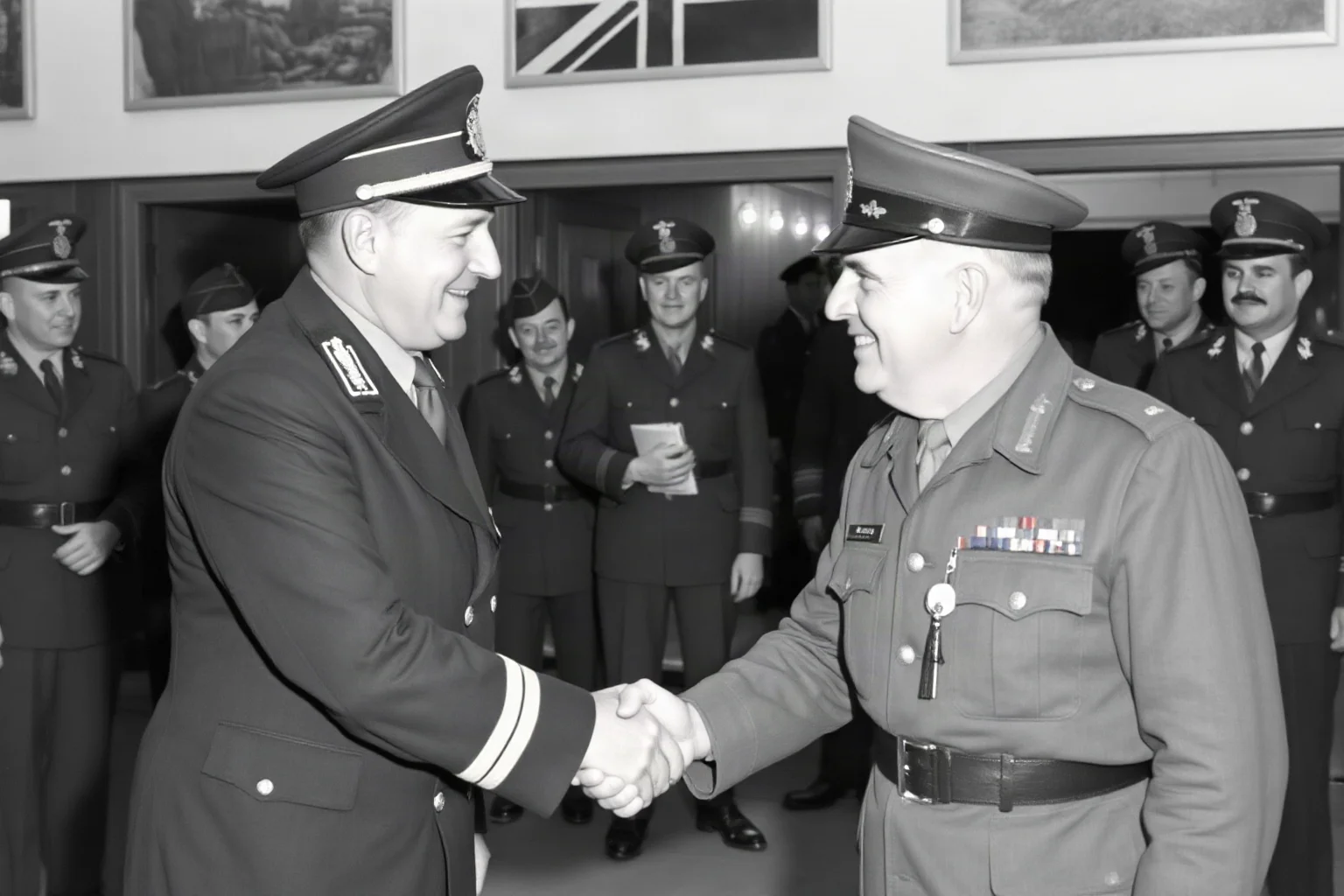
Alexander commanded British and Allied forces in North Africa and later Italy, working alongside American generals in complex coalition operations. He had a reputation for being an effective coalition manager, smoothing over friction between Allied commanders from different nations.
His leadership in the Italian campaign, though often overshadowed by the fighting in France, tied down significant German forces. That contribution mattered more strategically than it’s usually given credit for.
10. William Slim (United Kingdom)
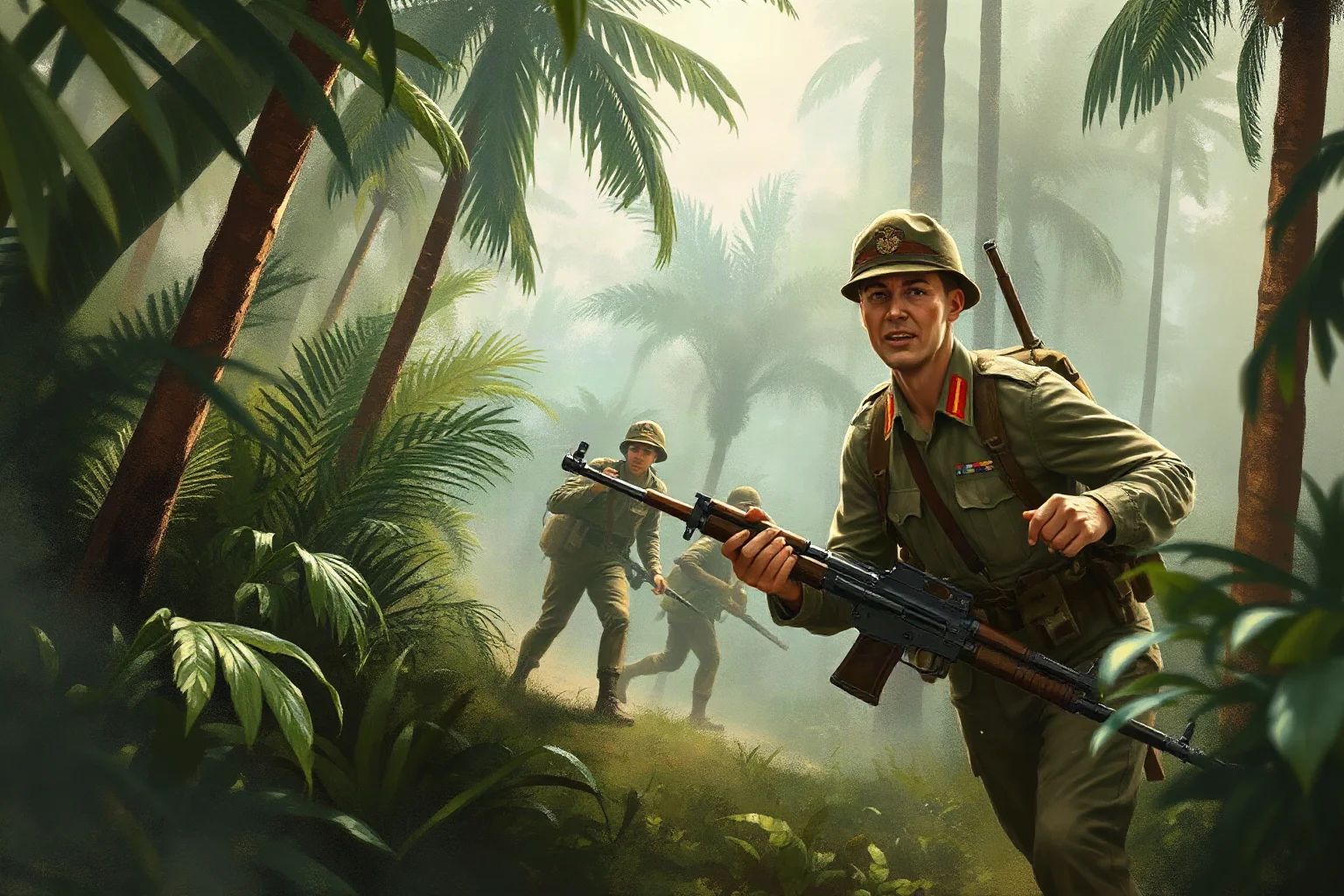
Slim commanded the British Fourteenth Army in Burma, leading what troops themselves sometimes called the “Forgotten Army” due to its distance from the main European fighting. His campaign against Japanese forces in Burma was one of the most successful land campaigns of the entire war.
Slim is less famous globally than Montgomery, but many military historians rank him among the most skilled Allied commanders of the war. His leadership under brutal jungle conditions earned deep respect from the soldiers he commanded.
11. Charles de Gaulle (France)
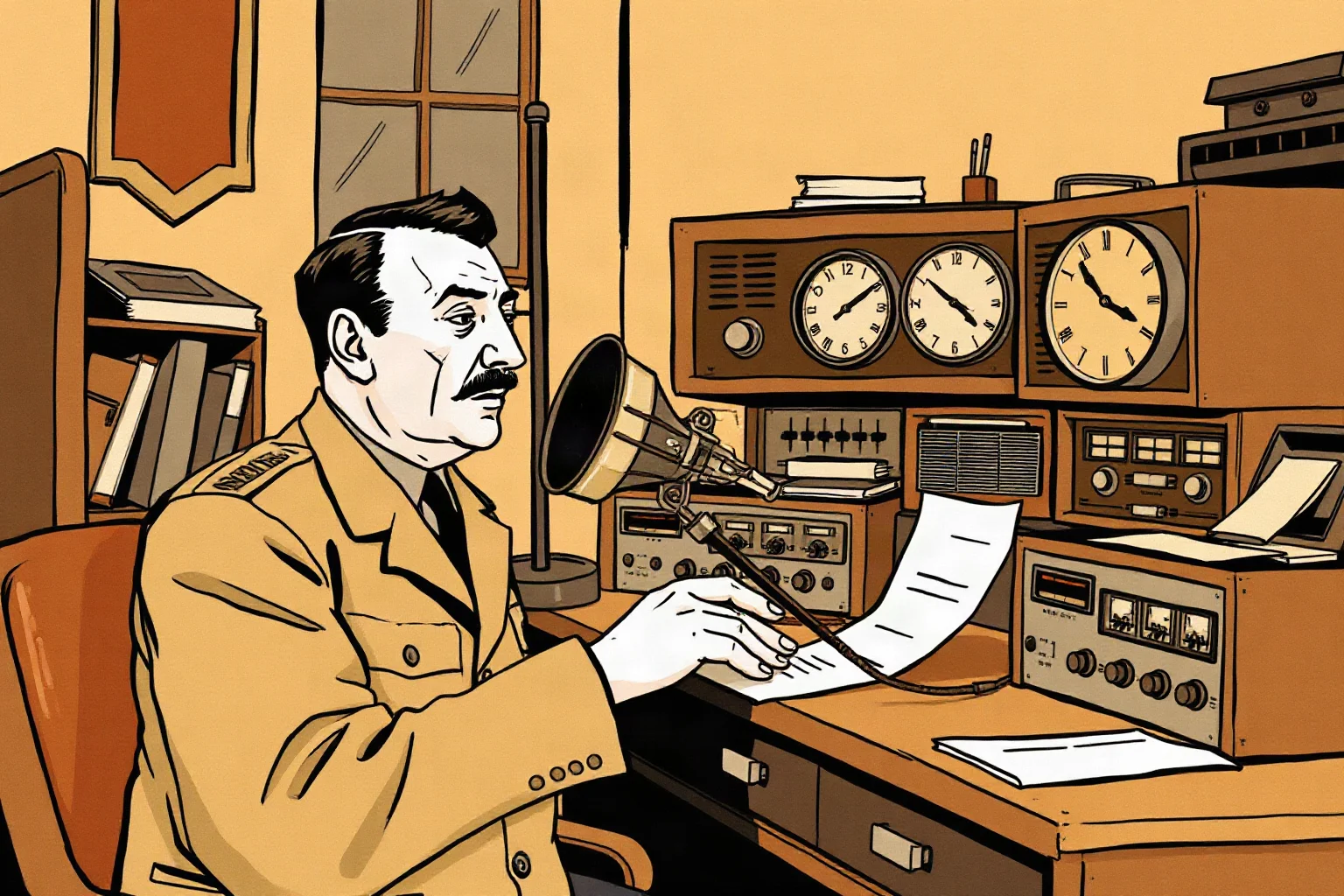
De Gaulle led the Free French forces from exile after France’s fall in 1940, refusing to accept the Vichy government’s armistice with Germany. He worked to keep French military units fighting alongside the Allies and to preserve French sovereignty in postwar planning.
His relationship with Churchill and Roosevelt was often tense, since he was fiercely protective of French independence even while dependent on Allied support. He later became a towering figure in postwar French politics as founder of the Fifth Republic.
12. Philippe Leclerc (France)
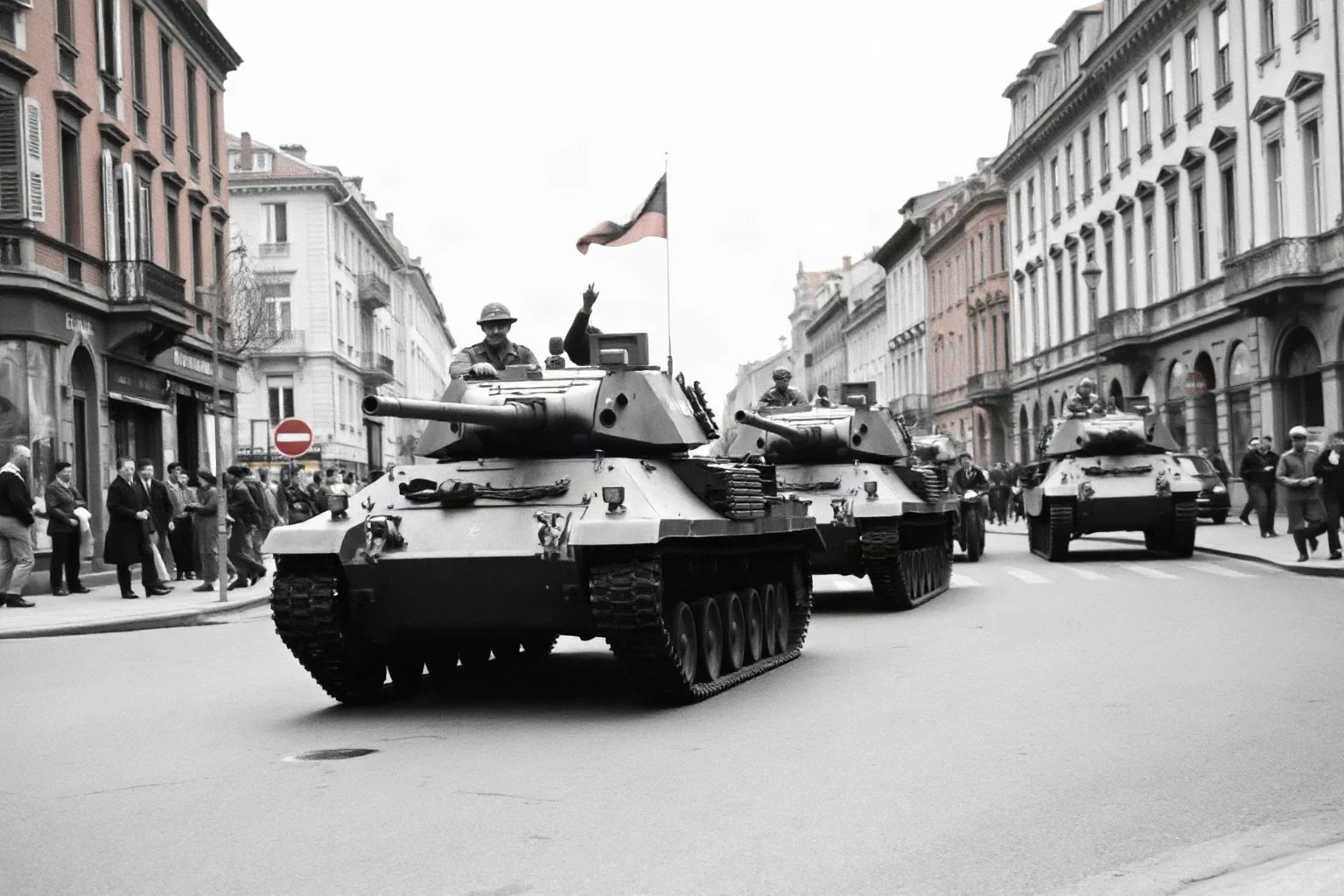
Leclerc commanded the Free French 2nd Armored Division, which famously helped liberate Paris in August 1944. His forces were given the honor of leading the entry into the French capital, a symbolically important moment for French national pride.
He had earlier led French colonial troops in North Africa, building a fighting force loyal to de Gaulle’s Free French movement. Leclerc remains one of the most respected French generals of World War 2.
13. Erwin Rommel (Germany)
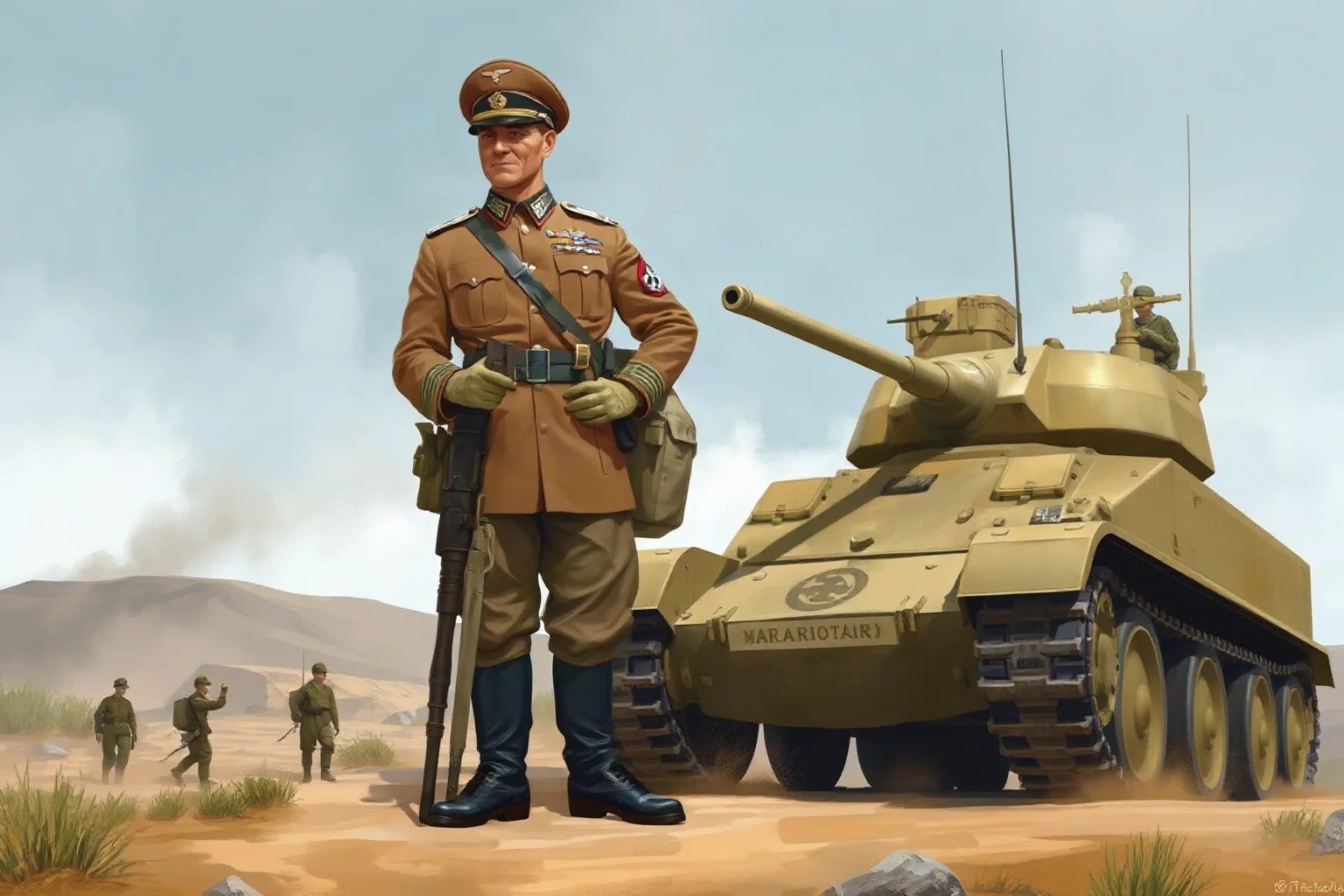
Rommel, nicknamed the “Desert Fox,” led the Afrika Korps in North Africa and earned a reputation for bold, mobile tactics that impressed even his Allied opponents. He later commanded German defenses in Normandy, though he was skeptical the Allied invasion could be stopped once it began.
A popular myth paints Rommel as a general who opposed Hitler on moral grounds throughout the war — the reality is more complicated. He was implicated in the July 1944 plot against Hitler and was forced to take his own life, but his earlier career shows a soldier focused primarily on battlefield success rather than political dissent.
14. Heinz Guderian (Germany)
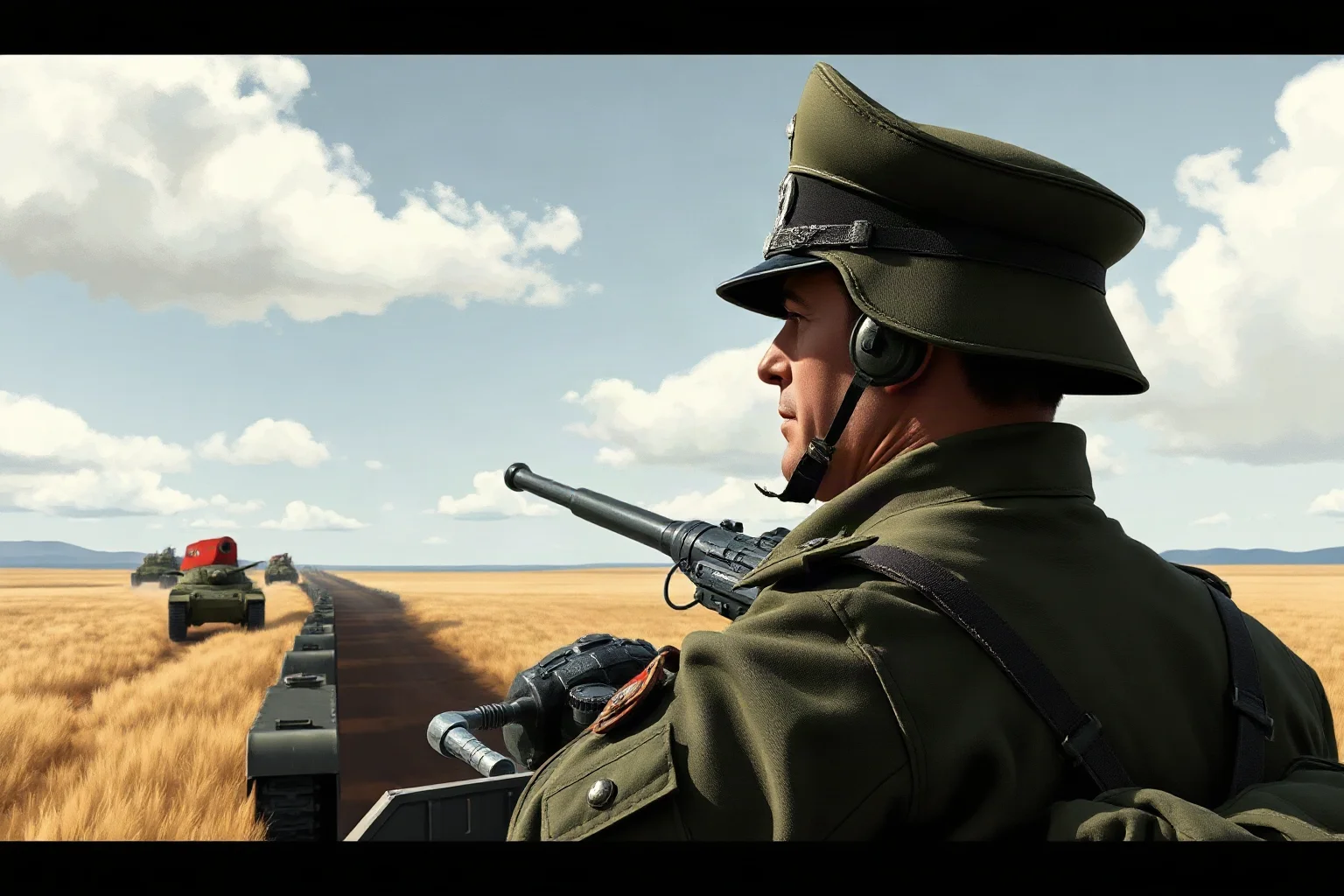
Guderian was one of the chief architects of German “blitzkrieg” tactics, using fast-moving tank divisions to overwhelm defenders before they could organize a response. His ideas underpinned Germany’s rapid victories in Poland and France in 1939 and 1940.
He later served on the Eastern Front and briefly as Chief of the Army General Staff. Guderian remains one of the most studied German generals of WWII in military academies today.
15. Gerd von Rundstedt (Germany)
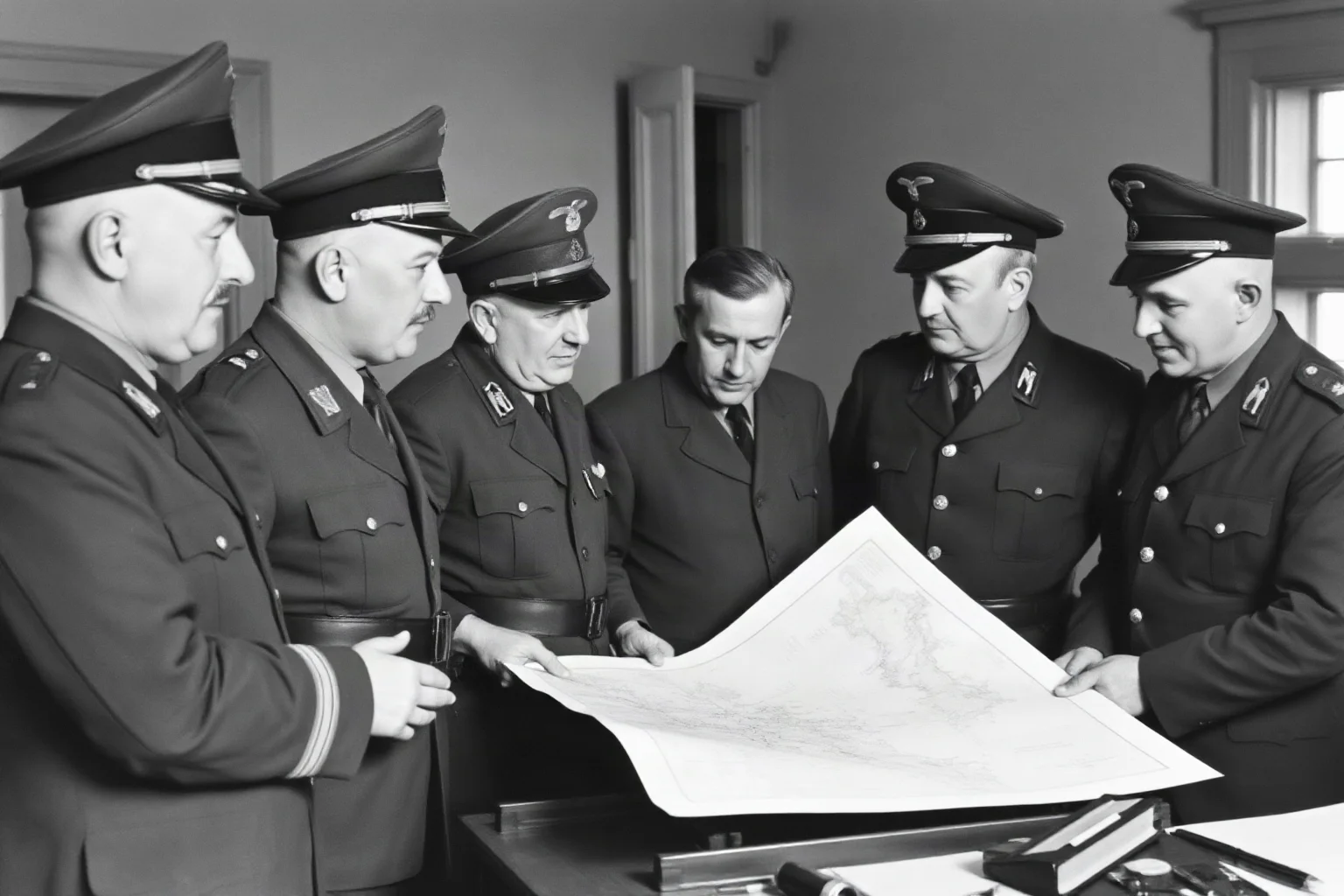
Von Rundstedt was one of Germany’s most senior field marshals, commanding army groups during the invasions of Poland, France, and later overseeing German defenses in the West. He was involved in planning the Ardennes offensive, better known as the Battle of the Bulge, in late 1944.
His long career and traditional Prussian military background made him a respected, if sometimes sidelined, figure within the German high command. He was one of several senior German generals of WWII whose relationship with Hitler grew increasingly strained as the war turned against Germany.
16. Albert Kesselring (Germany)
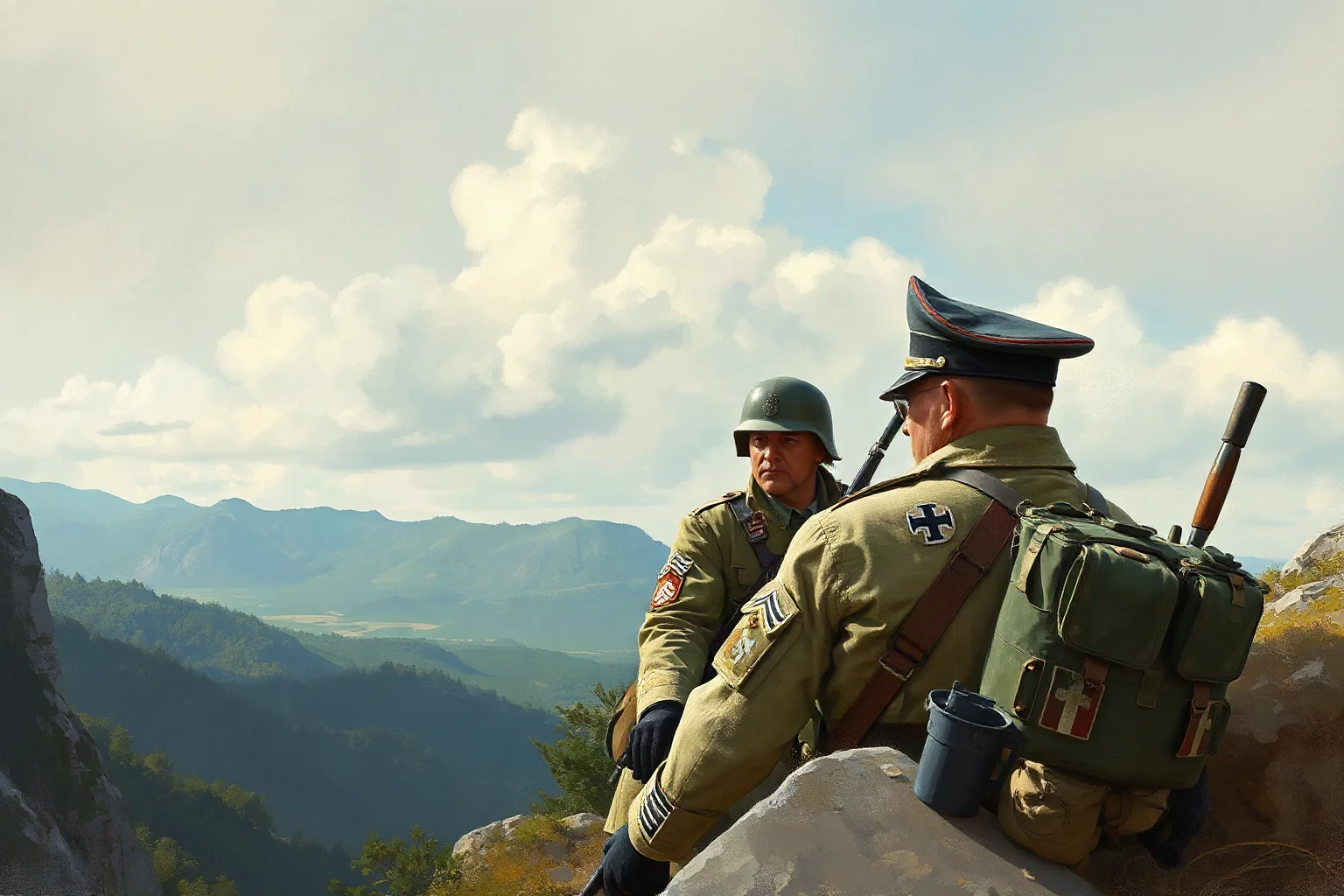
Kesselring commanded German forces during the Italian campaign, conducting a skilled defensive fight that slowed the Allied advance up the Italian peninsula for nearly two years. He had started his career in the German air force, the Luftwaffe, before shifting to broader command roles.
His defensive tactics in Italy are still studied for how effectively a numerically inferior force delayed a stronger opponent. After the war, he was convicted of war crimes related to reprisal killings in Italy, a reminder that military skill and moral conduct are separate measures.
17. Georgy Zhukov (Soviet Union)
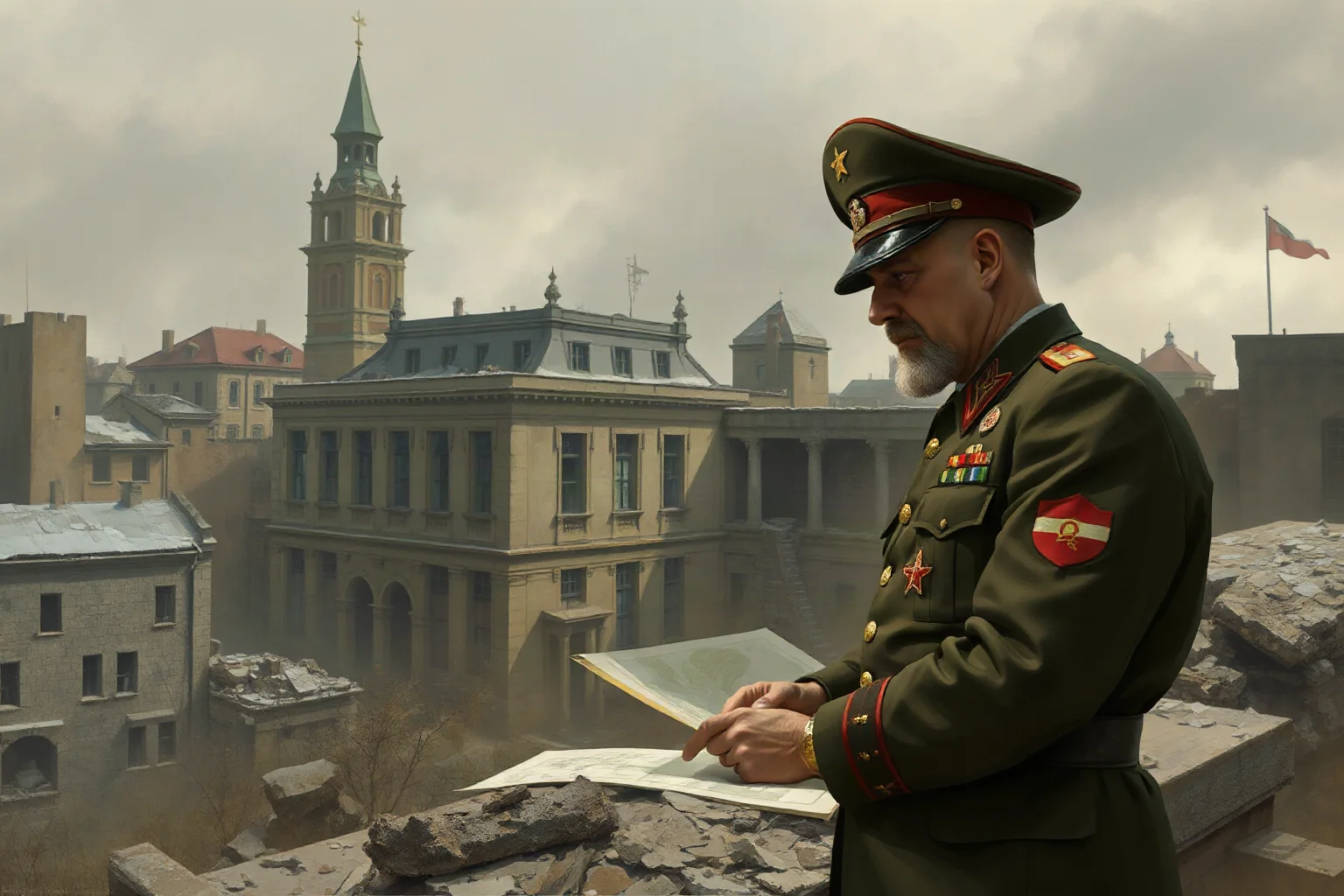
Zhukov was arguably the most successful Allied general of the entire war, directing Soviet victories at Moscow, Stalingrad, and Berlin. His willingness to accept enormous casualties in exchange for strategic objectives reflected both Soviet military doctrine and the sheer scale of the Eastern Front.
He eventually accepted the German military surrender on behalf of the Soviet Union in 1945. Zhukov’s reputation as one of the greatest generals of WWII is well earned, even though his methods remain a subject of serious historical scrutiny.
18. Konstantin Rokossovsky (Soviet Union)
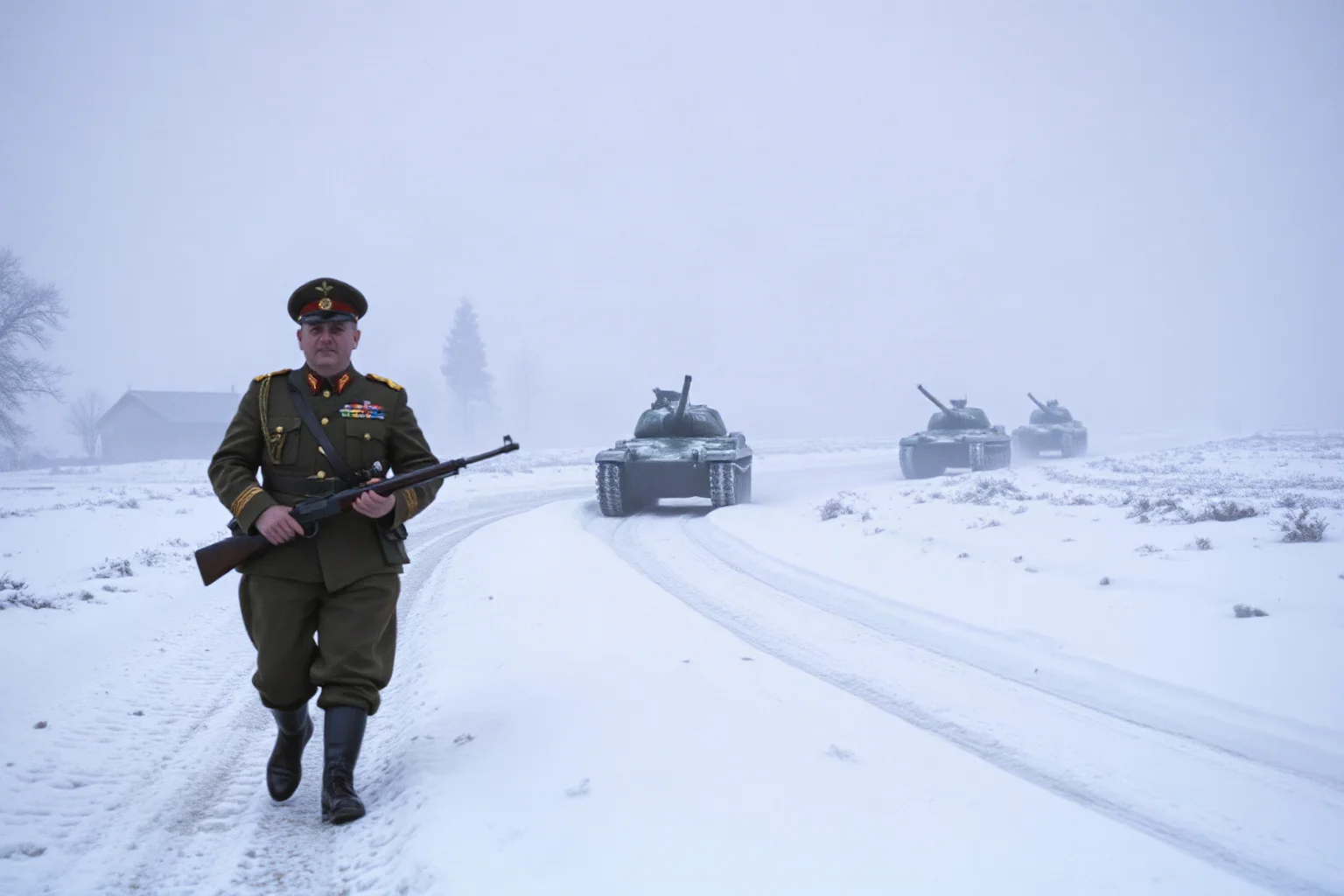
Rokossovsky commanded Soviet forces during the Battle of Stalingrad and later led major offensives that pushed German forces back through Eastern Europe. He had survived Stalin’s purges of the officer corps in the late 1930s, which had already eliminated many experienced Soviet commanders before the war even began.
His technical skill and relatively calm leadership style set him apart from some of his more ruthless peers. He remains one of the lesser-known but highly capable Soviet commanders of World War Two outside of Russia.
19. Isoroku Yamamoto (Japan)
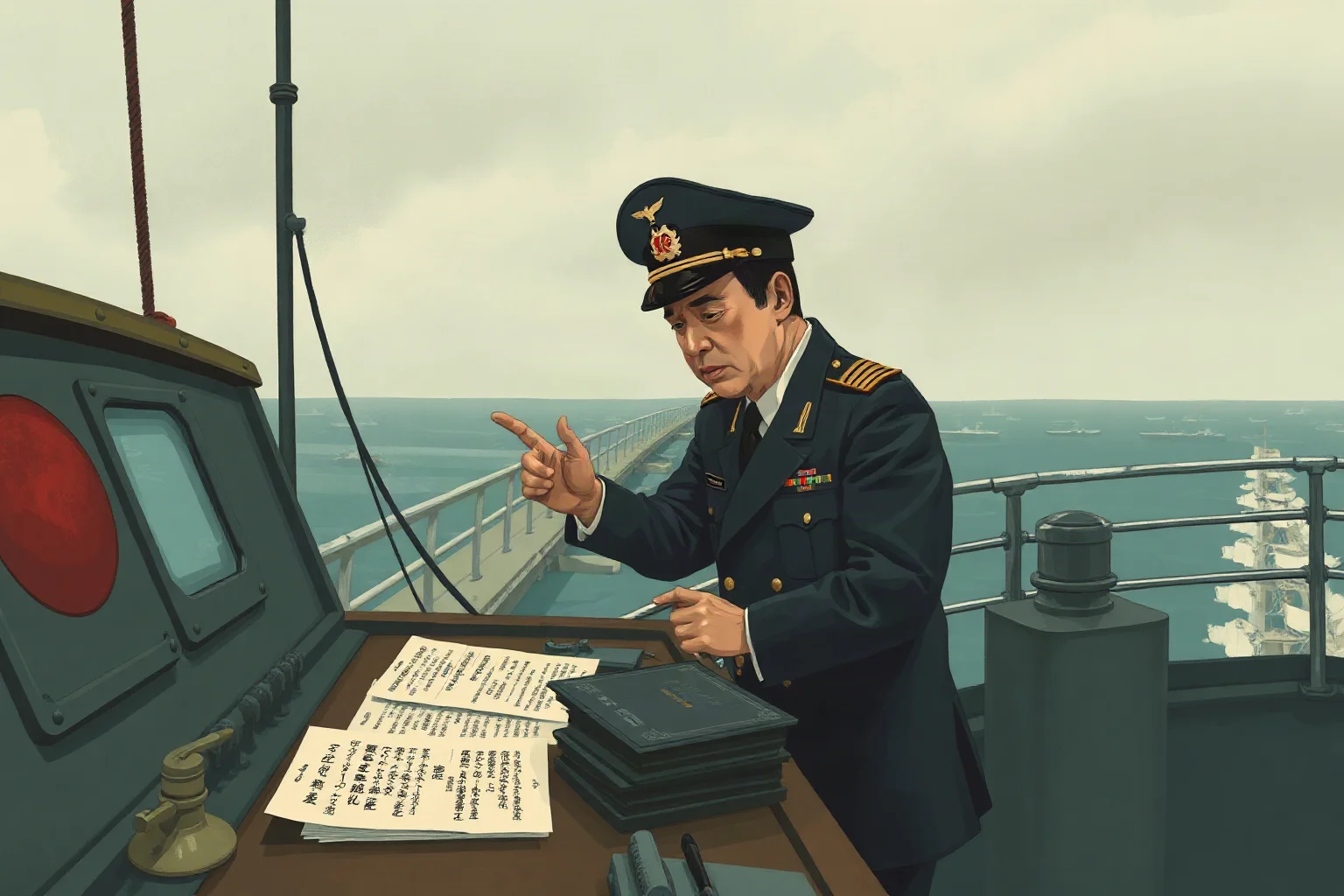
Yamamoto commanded Japan’s Combined Fleet and planned the attack on Pearl Harbor in December 1941. Contrary to a common myth, Yamamoto did not actually predict he could “win” a prolonged war against the United States — surviving accounts suggest he was privately skeptical Japan could sustain a long conflict with America’s industrial capacity.
He was killed in 1943 when American forces, having broken Japanese codes, shot down his transport plane over the Pacific. His death was a significant blow to Japanese naval leadership at a critical stage of the war.
20. Tomoyuki Yamashita (Japan)
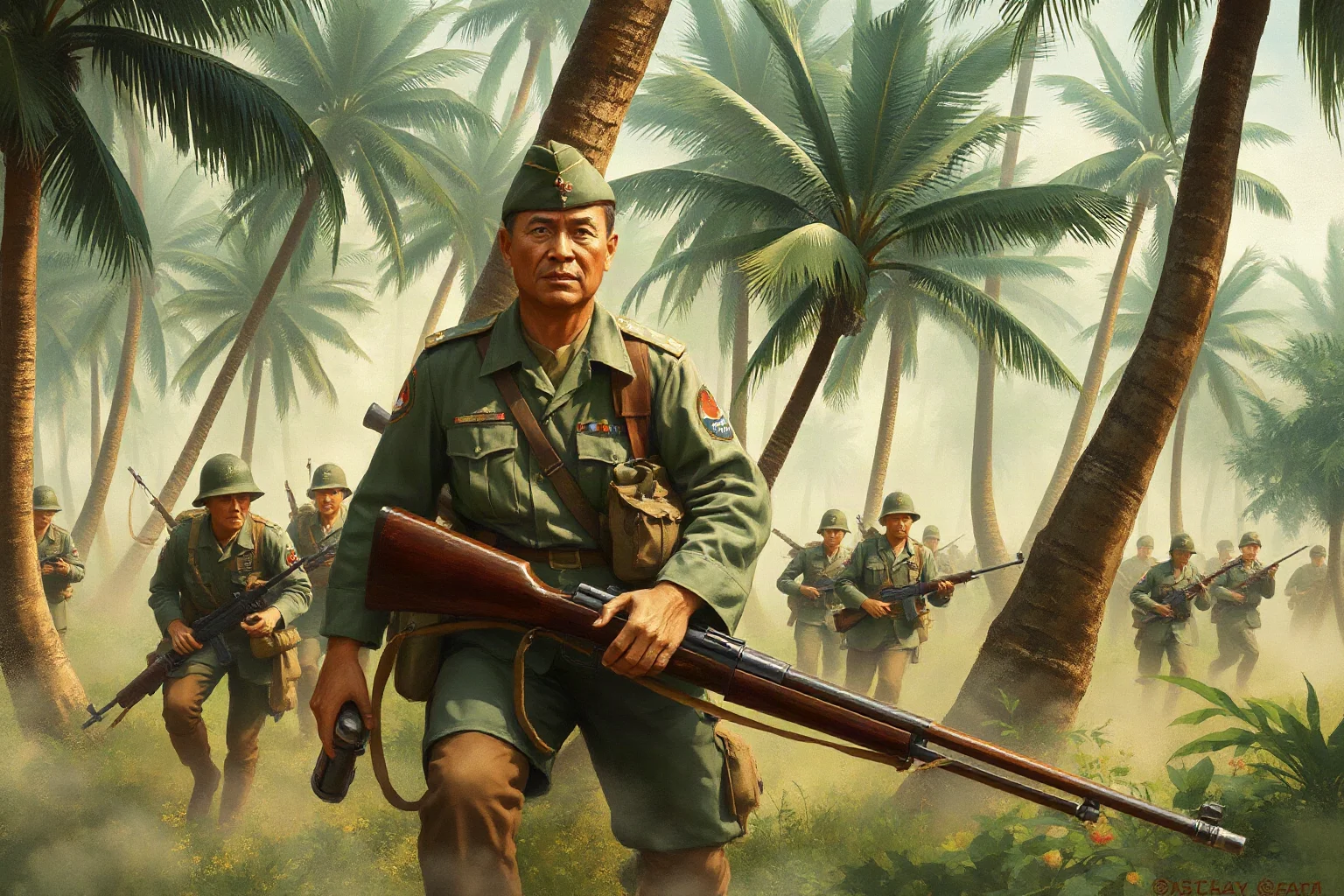
Yamashita led the rapid Japanese conquest of Malaya and Singapore in early 1942, a campaign that stunned British defenders and remains studied for its speed and audacity. He later commanded Japanese forces defending the Philippines against MacArthur’s return in 1944 and 1945.
He was tried and executed after the war for war crimes committed by troops under his command, even though evidence about his direct knowledge of those atrocities was disputed at trial. His case remains a landmark, and controversial, example in the legal history of command responsibility.
How Many Generals Did the U.S. Have in WWII?
This is one of the more common questions people ask when researching American commanders, and the honest answer is that precise figures vary by source and by how you define “general.” The U.S. Army alone commissioned well over a thousand general officers across all ranks — from one-star brigadier generals up to the rare five-star General of the Army — by the time the war ended in 1945.
Only a handful of officers ever reached the five-star rank during the war itself: George Marshall, Douglas MacArthur, Dwight Eisenhower, and Henry “Hap” Arnold of the Army Air Forces. Omar Bradley received his fifth star later, in 1950, after the war had ended. The Navy had an equivalent structure, with Fleet Admiral being the five-star naval rank held by figures like Chester Nimitz.
What Made These Commanders Effective
It’s tempting to boil down “who was the best general of WWII” to a single name, but that’s a harder question than it sounds. Different commanders excelled at different things — Eisenhower at coalition management, Zhukov at large-scale offensive planning, Slim at sustaining morale under brutal conditions.
What most of these commanders shared was an ability to adapt existing doctrine to new technology, from radar and code-breaking to airpower and armored warfare. World War II rewarded flexibility, and the commanders who succeeded were rarely the ones who stuck rigidly to prewar textbooks.
It’s also worth remembering that military effectiveness and moral conduct are two separate measures. Some of the officers on this list were later tried for war crimes, while others are remembered almost entirely for their tactical skill. Both facts matter when evaluating a historical figure honestly, rather than reducing them to a simple hero-or-villain label.
Why These Leaders Still Matter Today
Studying the leaders of World War Two isn’t just an exercise in nostalgia for old uniforms and famous battles. The command structures, coalition-building strategies, and even some of the ethical failures of this era still shape how modern militaries think about leadership, logistics, and accountability.
Figures like Eisenhower and Zhukov are still studied in military academies for how they balanced political pressure with battlefield reality. Others, like Yamashita, are studied in law schools for what they reveal about command responsibility and accountability in wartime.
Whether you come to this topic through a school assignment, a documentary, or simple curiosity about history’s most consequential wartime leaders, the 20 commanders above represent a genuine cross-section of how World War II was actually fought — one army group, one fleet, and one difficult decision at a time.
Frequently Asked Questions
Who were the leaders in World War Two?
World War Two had two broad categories of leaders. Political leaders like Franklin D. Roosevelt, Winston Churchill, Joseph Stalin, Adolf Hitler, and Hideki Tojo set national strategy, while military commanders such as Dwight Eisenhower, Georgy Zhukov, Erwin Rommel, and Isoroku Yamamoto planned and led the actual campaigns and battles.
Who was the leader of the U.S. during WWII?
Franklin D. Roosevelt led the United States for most of World War II, from before Pearl Harbor until his death in April 1945. Vice President Harry Truman then became president and led the country through the final months of the war, including the use of atomic weapons against Japan.
Who were the dictators in WWII?
The main Axis dictators were Adolf Hitler in Germany and Benito Mussolini in Italy. Japan's wartime government was led by Prime Minister Hideki Tojo under Emperor Hirohito, though historians continue to debate the exact scope of Hirohito's personal involvement in military decisions.
Who were the Allied leaders in WWII?
The key Allied political leaders were Franklin D. Roosevelt (and later Harry Truman) for the United States, Winston Churchill for Britain, Joseph Stalin for the Soviet Union, and Charles de Gaulle for Free France. Major Allied military commanders included Dwight Eisenhower, Bernard Montgomery, and Georgy Zhukov.
How many generals did the U.S. have in WWII?
The U.S. Army commissioned well over a thousand general officers across all ranks during World War II. Only four officers reached the rare five-star General of the Army rank during the war itself: George Marshall, Douglas MacArthur, Dwight Eisenhower, and Henry Arnold.
Who was the best general of World War II?
There's no single agreed-upon answer, since commanders excelled in different areas. Georgy Zhukov is often cited for his success on the Eastern Front, Dwight Eisenhower for coalition leadership, and William Slim for his campaign in Burma, but 'best' depends heavily on which criteria you weigh most heavily.
Who were the main Japanese leaders in WWII?
Japan's key wartime figures included Prime Minister Hideki Tojo, Admiral Isoroku Yamamoto, who planned the Pearl Harbor attack, and General Tomoyuki Yamashita, who led the conquest of Malaya and later defended the Philippines. Emperor Hirohito remained the formal head of state throughout the war.
Who were the main German generals of WWII?
Notable German generals include Erwin Rommel, known for the North African campaign, Heinz Guderian, a key architect of blitzkrieg tactics, and Gerd von Rundstedt and Albert Kesselring, both senior field commanders on multiple fronts. Several were later tried for war crimes after the war ended.

Alex Warren
Related Articles