
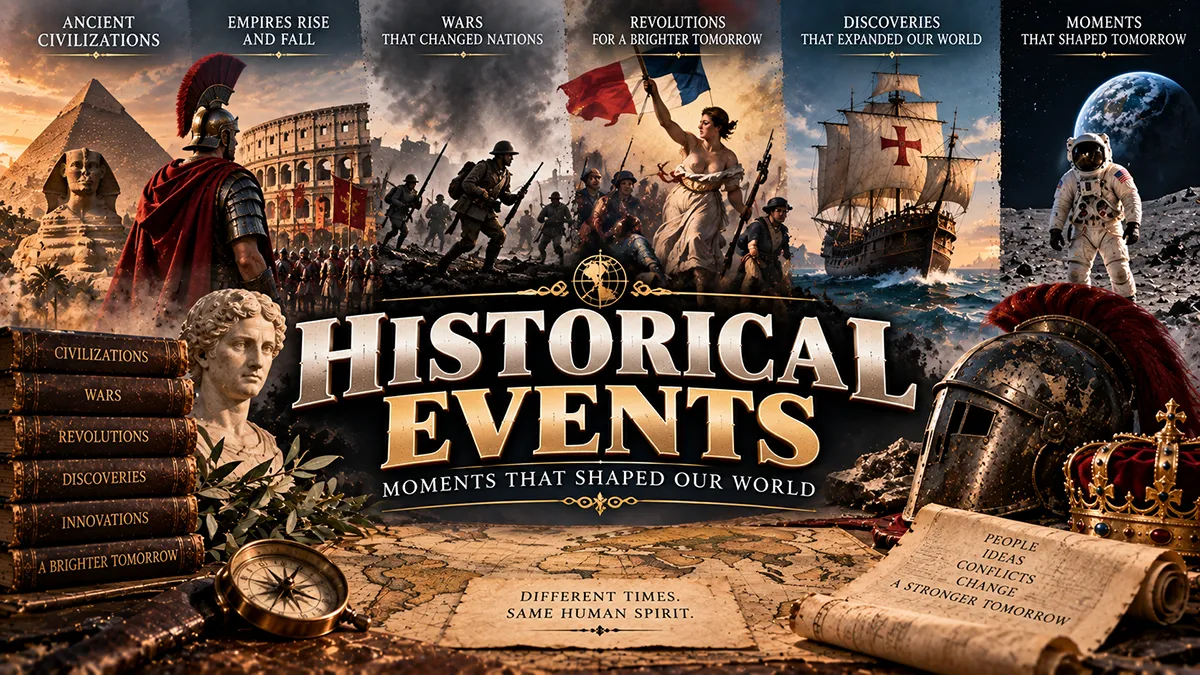
Ask most people to name a handful of famous historical events, and you’ll get the same predictable list: World War II, the moon landing, maybe the fall of Rome.
Those are all genuinely important historical events, but they’re only the tip of a much bigger iceberg. Some of the most world-changing events in history happened quietly, without armies or headlines, and their effects still shape how we live, think, and communicate today.
This guide walks through 25 of the most significant historical events in world history, ranging from ancient breakthroughs to modern turning points. Along the way, we’ll bust a few myths, add context historians actually agree on, and show why these moments in history matter far more than a single textbook paragraph usually suggests.
TL;DR: A handful of inventions, revolutions, wars, and discoveries — from the first writing systems to the fall of the Berlin Wall — quietly rewired the entire course of human civilization.
Why These Historical Events Matter So Much
When people search for important events in world history, they’re usually looking for more than a timeline. They want to understand why something mattered — how a single event set off a chain reaction that changed politics, technology, or daily life for millions of people. That’s the lens we’re using here.
Not every entry on this list is a war or a revolution. Some are inventions, some are ideas, and some are disasters that forced humanity to adapt. Together, they form a reasonable answer to one of the internet’s most common questions: what are some major events in history that actually changed the trajectory of civilization?
It’s worth noting that historians don’t always agree on rankings like this. Significance is partly subjective, and different cultures and regions would build very different lists of world historical events. This collection leans toward events with well-documented, far-reaching consequences rather than purely regional impact.
The 25 Most Influential Events in History
1. The Invention of Writing (c. 3400–3200 BCE)
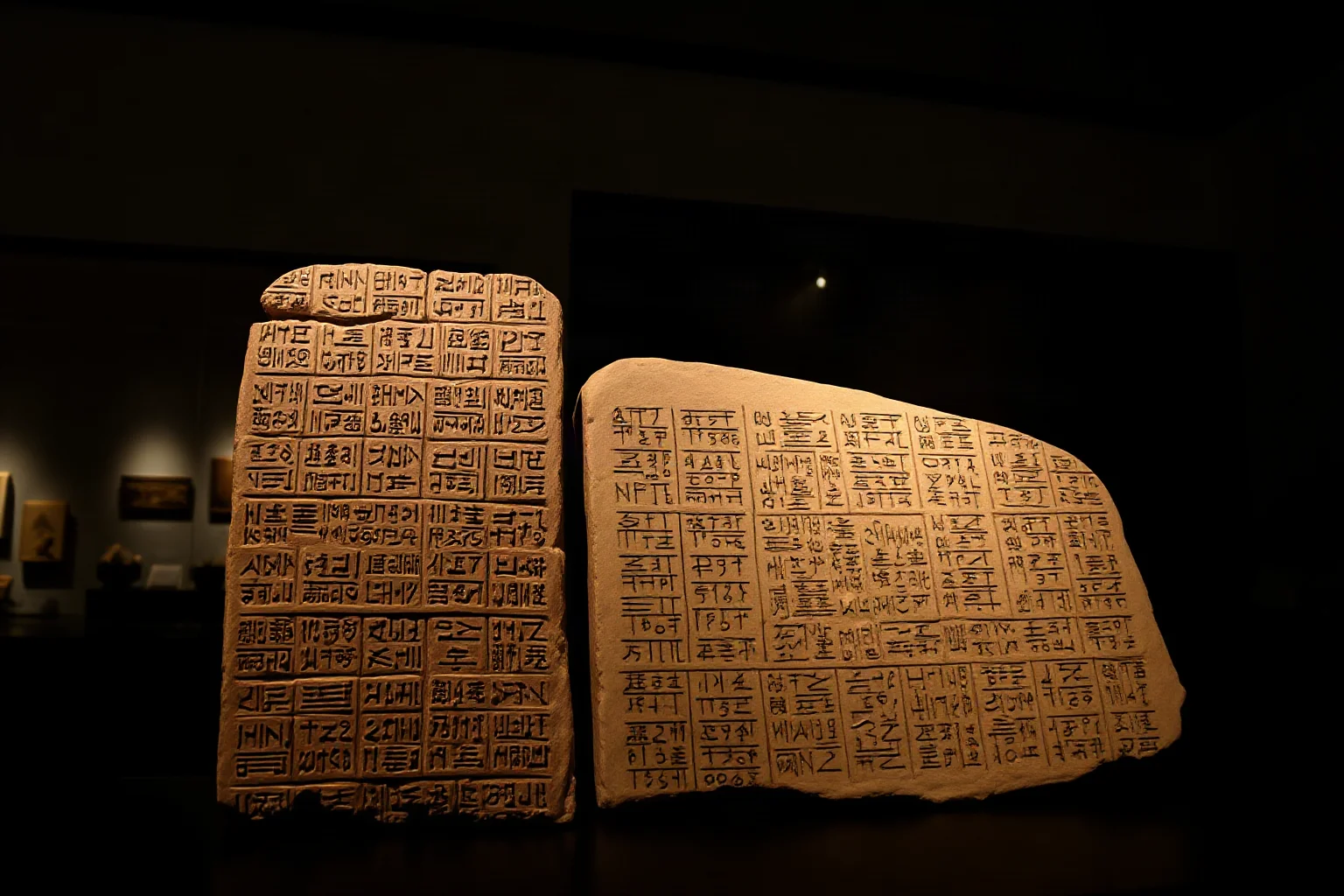
Writing systems developed independently in Mesopotamia, Egypt, China, and Mesoamerica, but the earliest confirmed system — Sumerian cuneiform — emerged in what is now Iraq. Before this, human knowledge lived and died with memory, passed down orally and imperfectly from one generation to the next.
Once people could record laws, trade, and stories permanently, civilization gained a memory that outlasted any single lifetime. It’s easy to overlook as a “historical event” because it wasn’t a single day or battle, but few developments changed the world more completely.
2. The Code of Hammurabi (c. 1754 BCE)
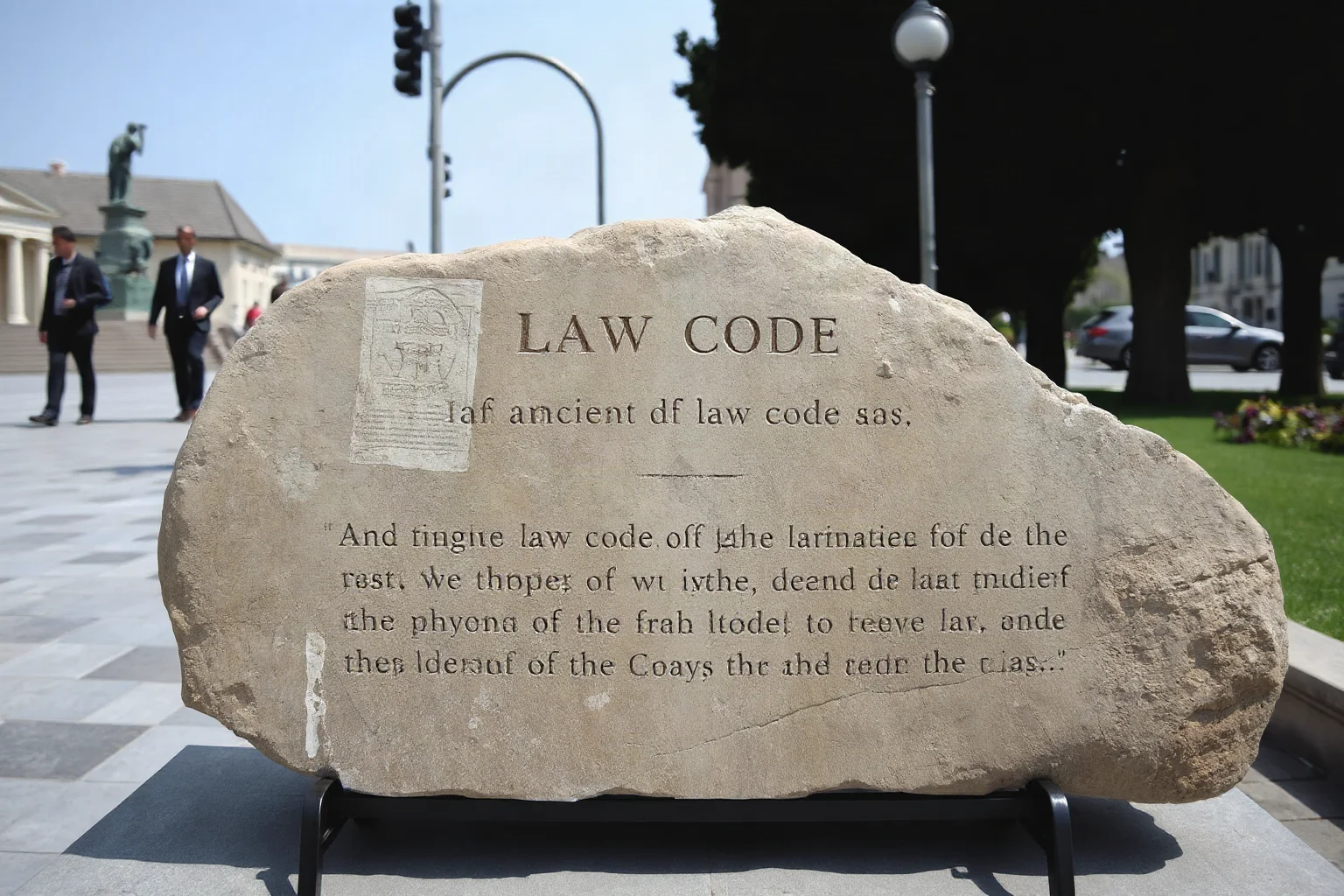
Hammurabi, king of Babylon, had one of the earliest known law codes carved into stone and displayed publicly. It covered everything from property disputes to criminal punishment, and it applied — at least in theory — to everyone in the kingdom.
The code wasn’t fair by modern standards, and punishments varied sharply by social class. Still, the idea that laws should be written down, consistent, and knowable by ordinary people planted a seed that legal systems still rely on today.
3. The Founding of the Roman Republic (509 BCE)
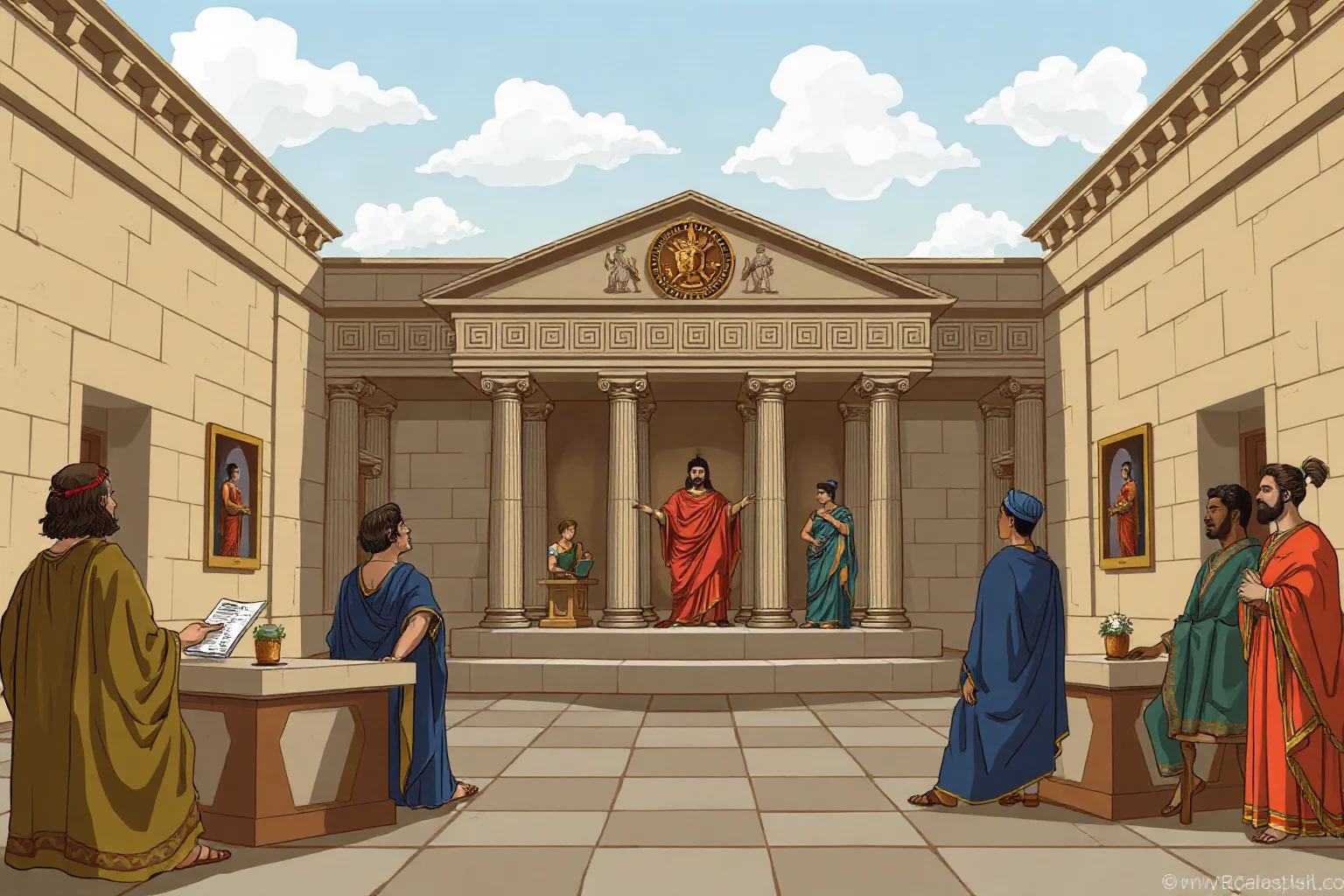
According to Roman tradition, the last king of Rome was overthrown in 509 BCE, leading to a republic governed by elected officials and a senate. Whether every detail of that founding story is historically precise is debated, but the shift toward representative government was real and lasting.
Roman law, civic structure, and political vocabulary still influence modern republics and democracies. Words like “senate,” “republic,” and “citizen” trace directly back to this period.
4. The Battle of Marathon (490 BCE)
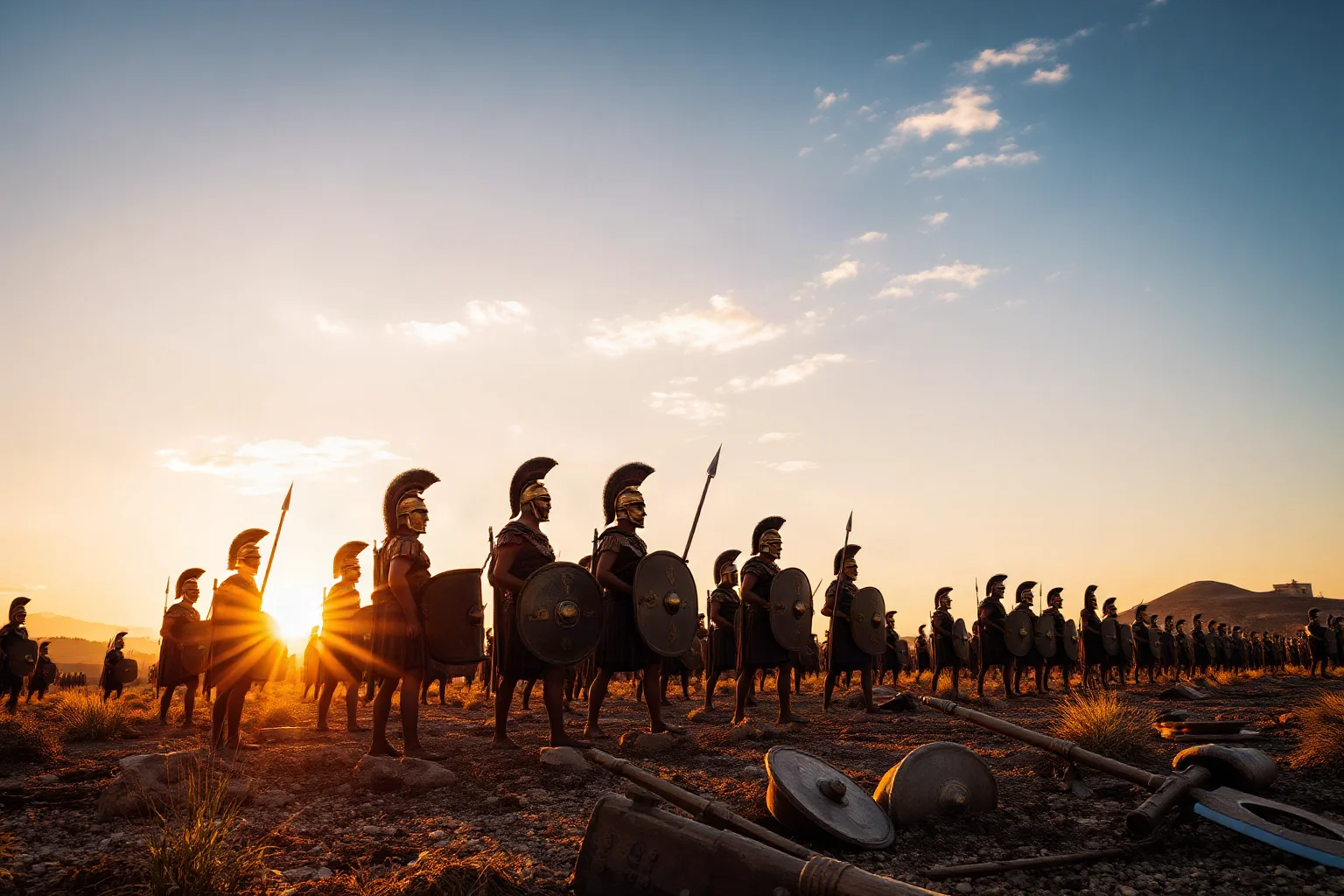
When a heavily outnumbered Athenian army defeated Persian invaders at Marathon, it did more than save one city-state. It helped preserve the independence of Greek city-states long enough for their philosophy, art, and political experiments to mature.
Much of what we now think of as Western intellectual tradition — from democracy to drama to early science — flowed out of Greece in the decades after this pivotal moment in history.
5. The Conquests of Alexander the Great (336–323 BCE)
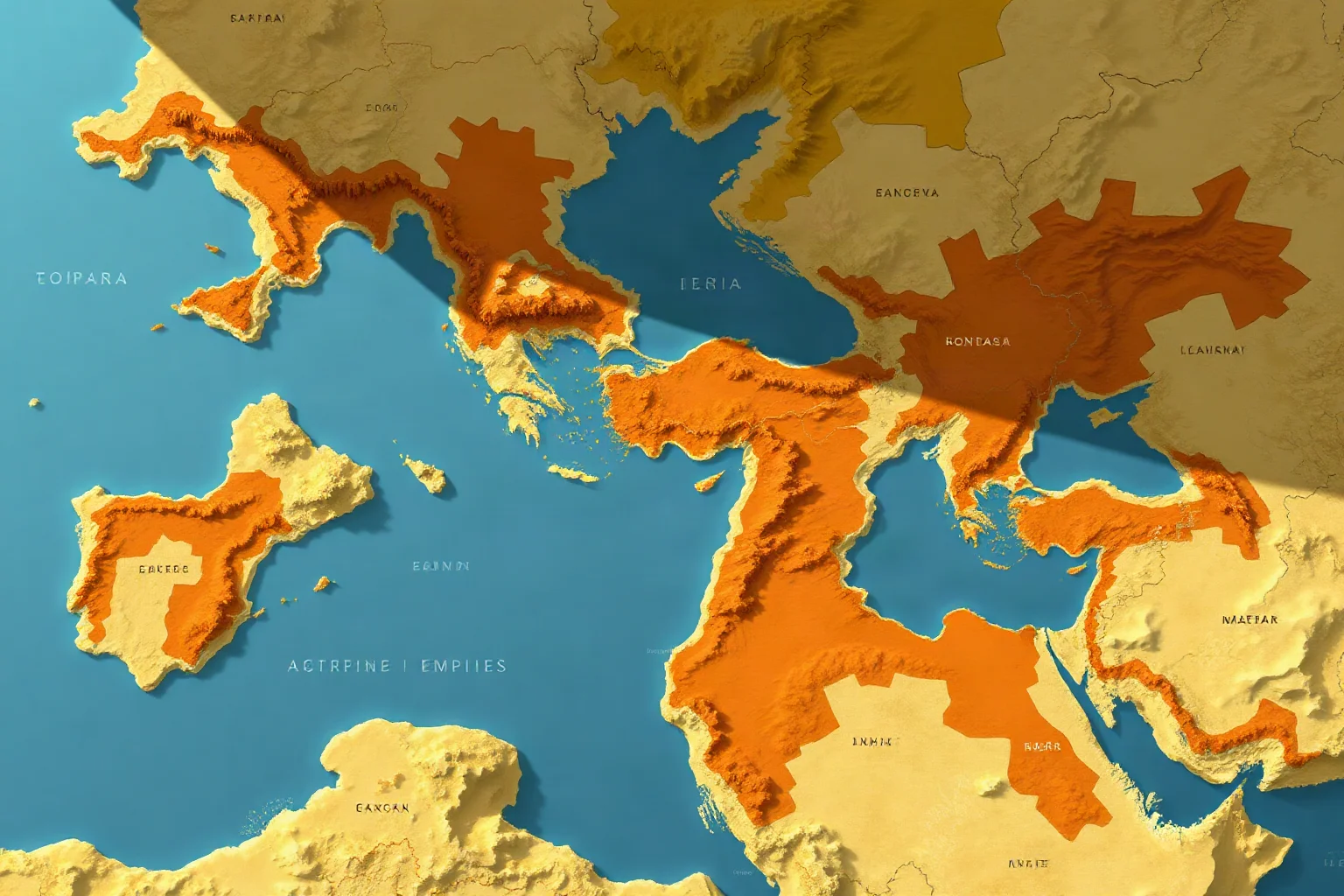
In just over a decade, Alexander the Great — still one of the most recognized historical figures of all time — built an empire stretching from Greece to northwestern India. That empire fractured quickly after his death, but the cultural mixing it triggered — known as the Hellenistic period — spread Greek language, art, and ideas across a huge swath of the ancient world.
Trade routes, cities, and libraries founded during this era (including Alexandria) became engines of learning for centuries afterward.
6. The Fall of the Western Roman Empire (476 CE)
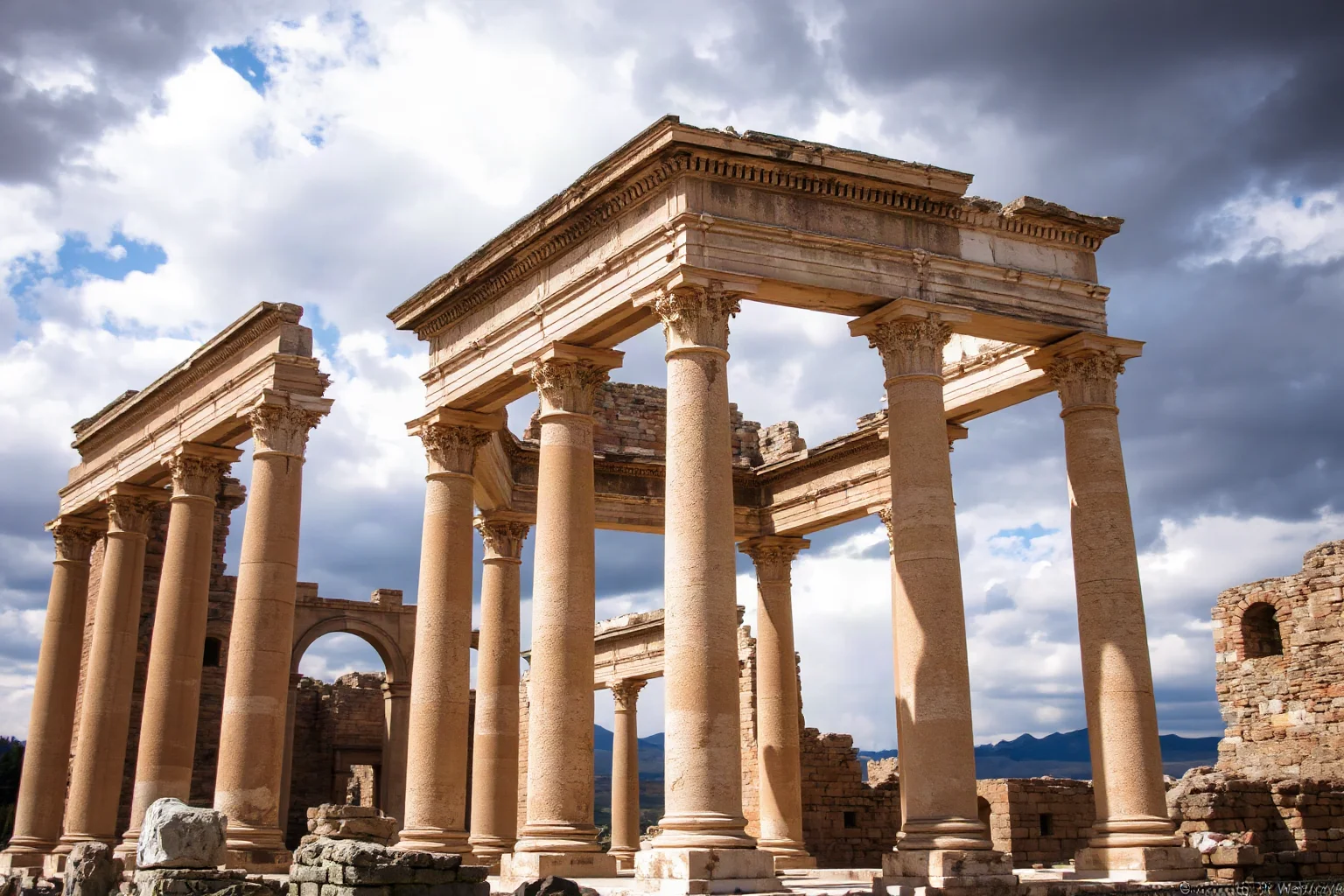
Rome didn’t collapse overnight; it declined gradually due to economic strain, military overreach, and repeated incursions by various groups. The traditional date of 476 CE, when a Germanic leader deposed the last Western Roman emperor, is a convenient marker rather than a single dramatic ending.
What followed in Western Europe was centuries of fragmented, regional power — a period that reshaped politics, trade, and culture across the continent for a thousand years.
7. The Spread of Islam (7th Century CE)
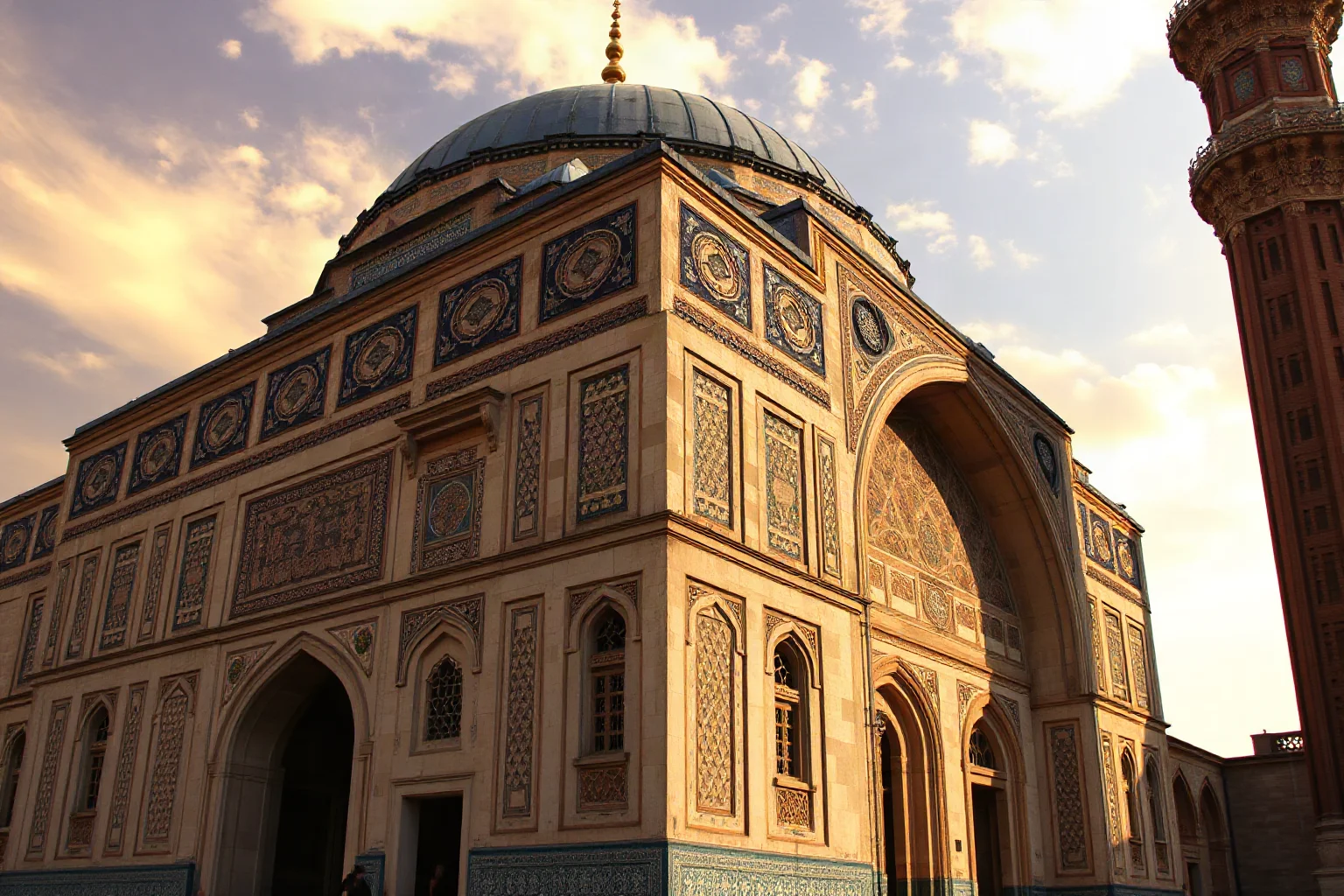
Beginning in the Arabian Peninsula in the early 600s, Islam spread rapidly across the Middle East, North Africa, and parts of Europe and Asia within just a century. This wasn’t only a religious shift; it created a vast interconnected world of trade, scholarship, and scientific advancement.
Islamic scholars preserved and expanded on Greek, Persian, and Indian knowledge in mathematics, medicine, and astronomy during centuries when much of that knowledge was fading elsewhere.
8. The Black Death (1347–1351)
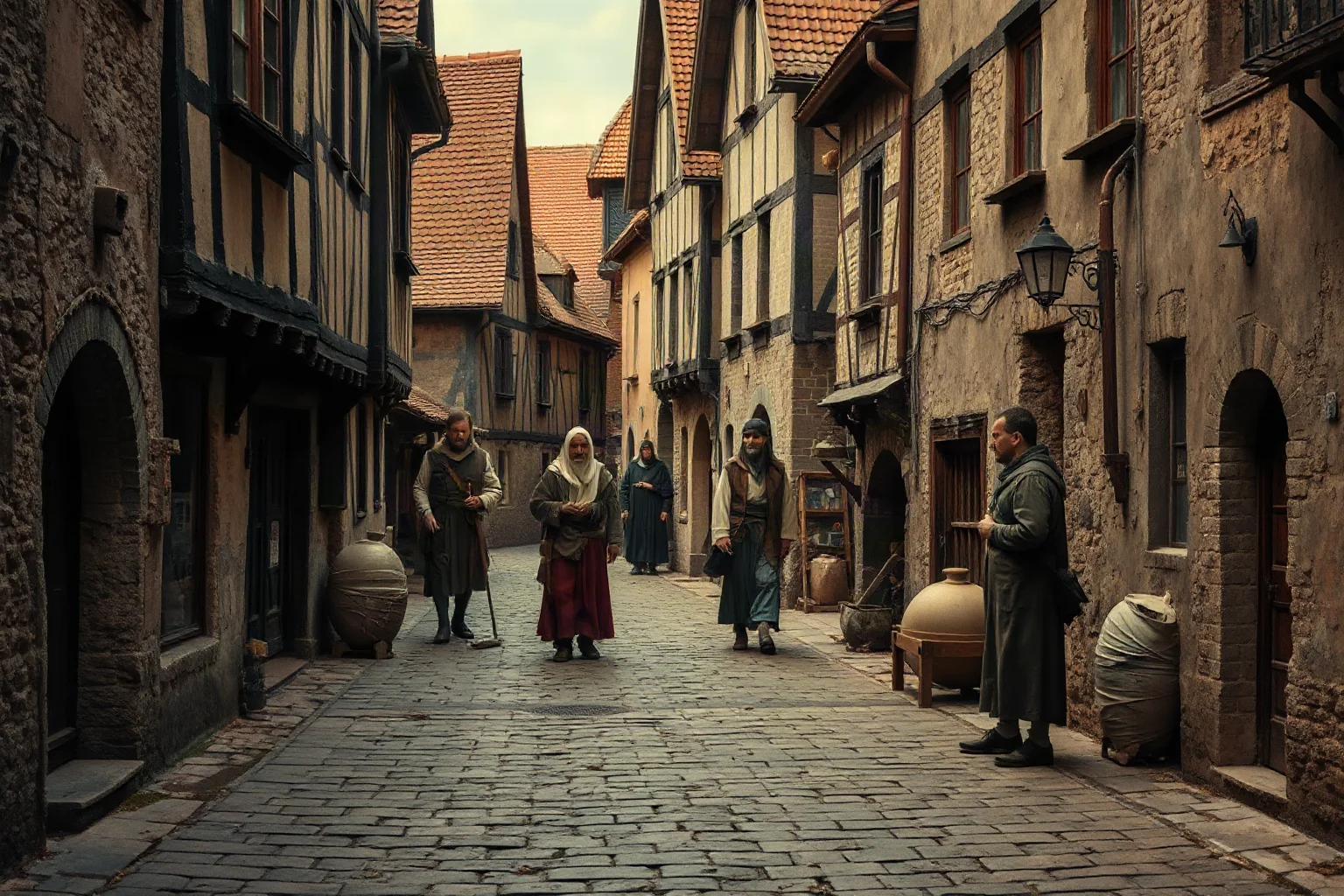
The bubonic plague killed an estimated one-third to one-half of Europe’s population within just a few years, with devastating outbreaks across Asia, the Middle East, and North Africa as well. It was one of the deadliest events in recorded history by sheer proportional impact.
The labor shortages that followed shifted economic power toward peasants and workers in parts of Europe, indirectly weakening feudal systems. Historians still debate exactly how much the plague accelerated later social and economic changes.
9. The Invention of the Printing Press (1440s)
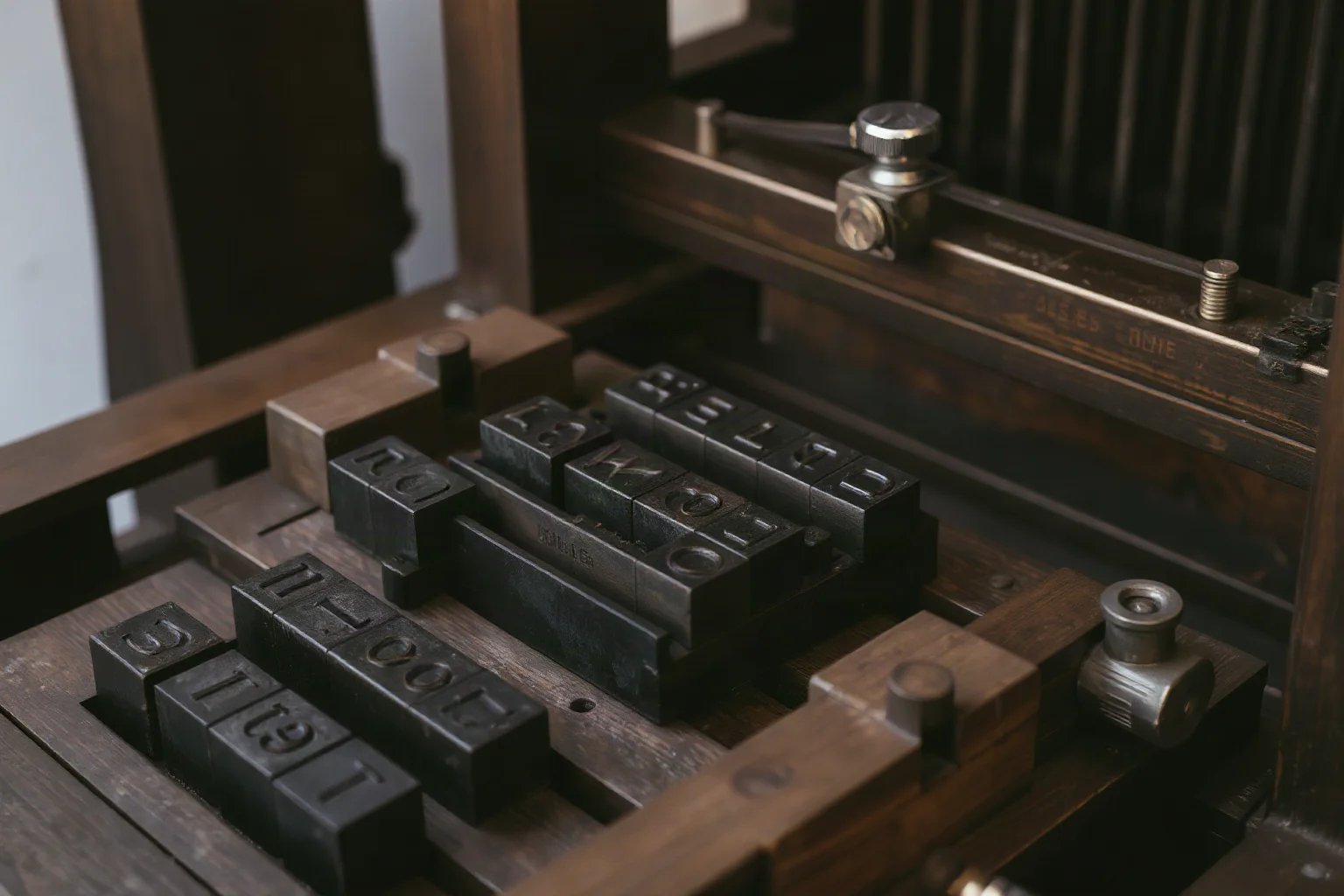
Johannes Gutenberg’s movable-type printing press, developed in the German city of Mainz, made books dramatically cheaper and faster to produce than hand-copied manuscripts. Literacy rates climbed, and ideas that once took decades to spread could now travel across Europe in years.
Without this technology, later events like the Reformation and the Scientific Revolution would have unfolded far more slowly, if at all.
10. The Fall of Constantinople (1453)
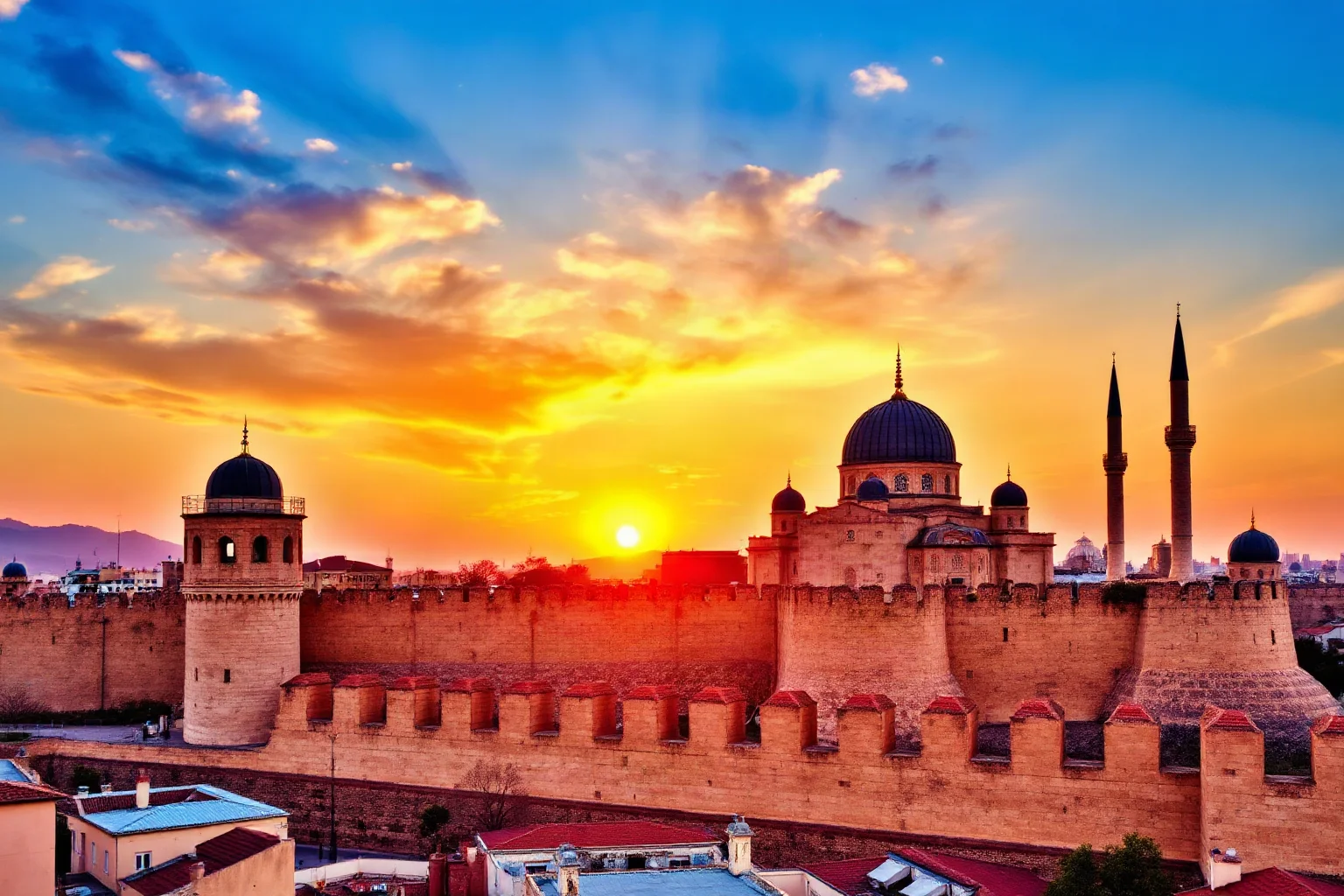
When Ottoman forces captured Constantinople, it marked the definitive end of the Byzantine Empire, a state that had endured for over a thousand years after Rome’s western half fell. The event reshaped trade routes between Europe and Asia.
Some historians also link the fall of Constantinople to Europeans’ growing interest in finding new sea routes to Asia — a search that would soon lead to voyages across the Atlantic.
11. Columbus’s Voyage to the Americas (1492)
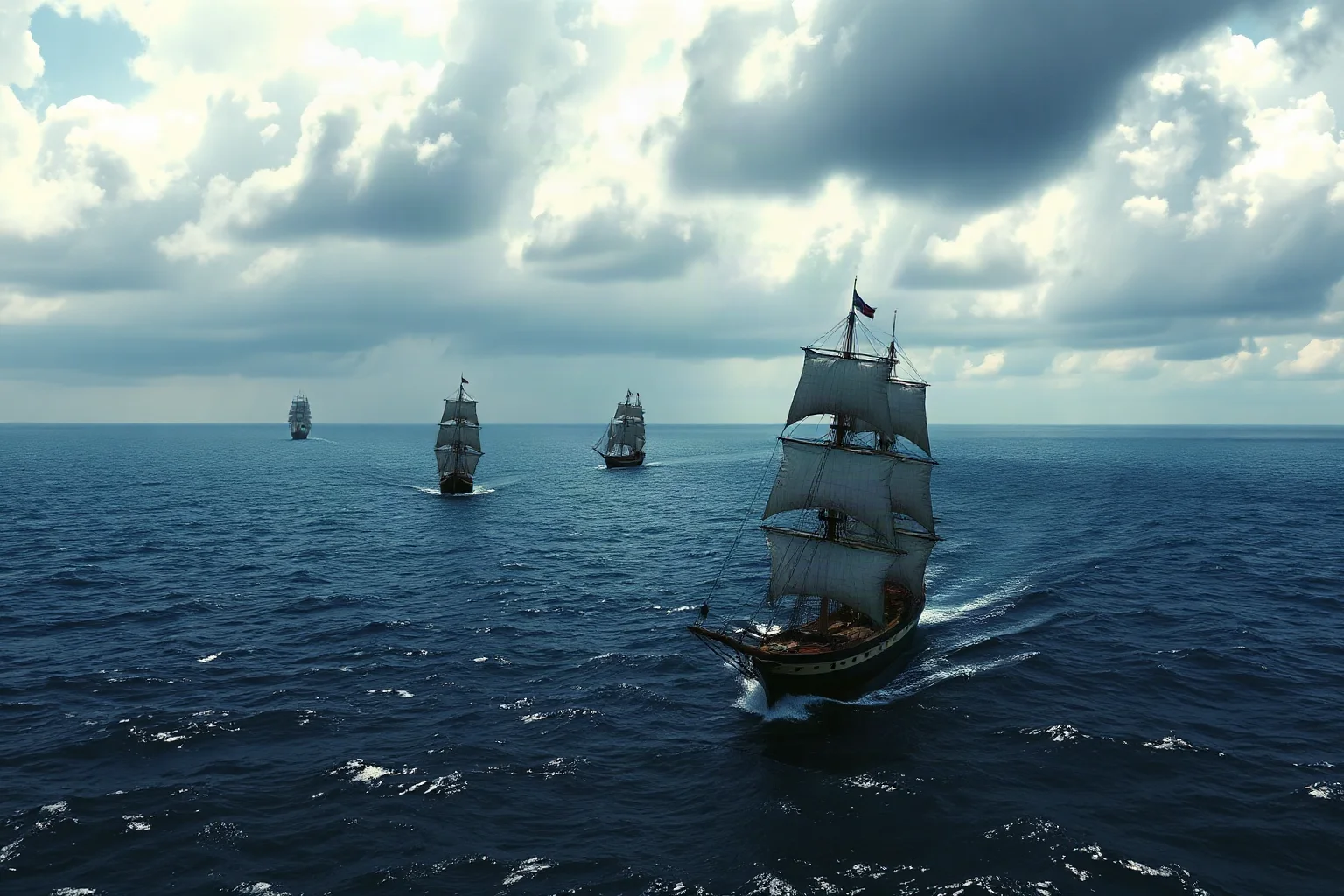
Christopher Columbus’s 1492 voyage didn’t “discover” the Americas — millions of Indigenous people already lived there, and Norse explorers had reached North America centuries earlier. What it did trigger was sustained, large-scale contact between Europe, Africa, and the Americas.
The resulting exchange of crops, animals, diseases, and people — often called the Columbian Exchange — reshaped diets, economies, and populations on every continent involved, frequently at devastating human cost to Indigenous communities.
12. The Protestant Reformation (1517)
When Martin Luther publicly challenged practices within the Catholic Church, he set off a religious split that reshaped European politics for centuries. The Reformation wasn’t purely theological; it also intertwined with printing technology, regional politics, and rising nationalism.
Wars, new denominations, and shifts in how ordinary people related to religious authority all trace back to this era, making it one of the most significant historical events in European history.
13. The Scientific Revolution (16th–17th Centuries)
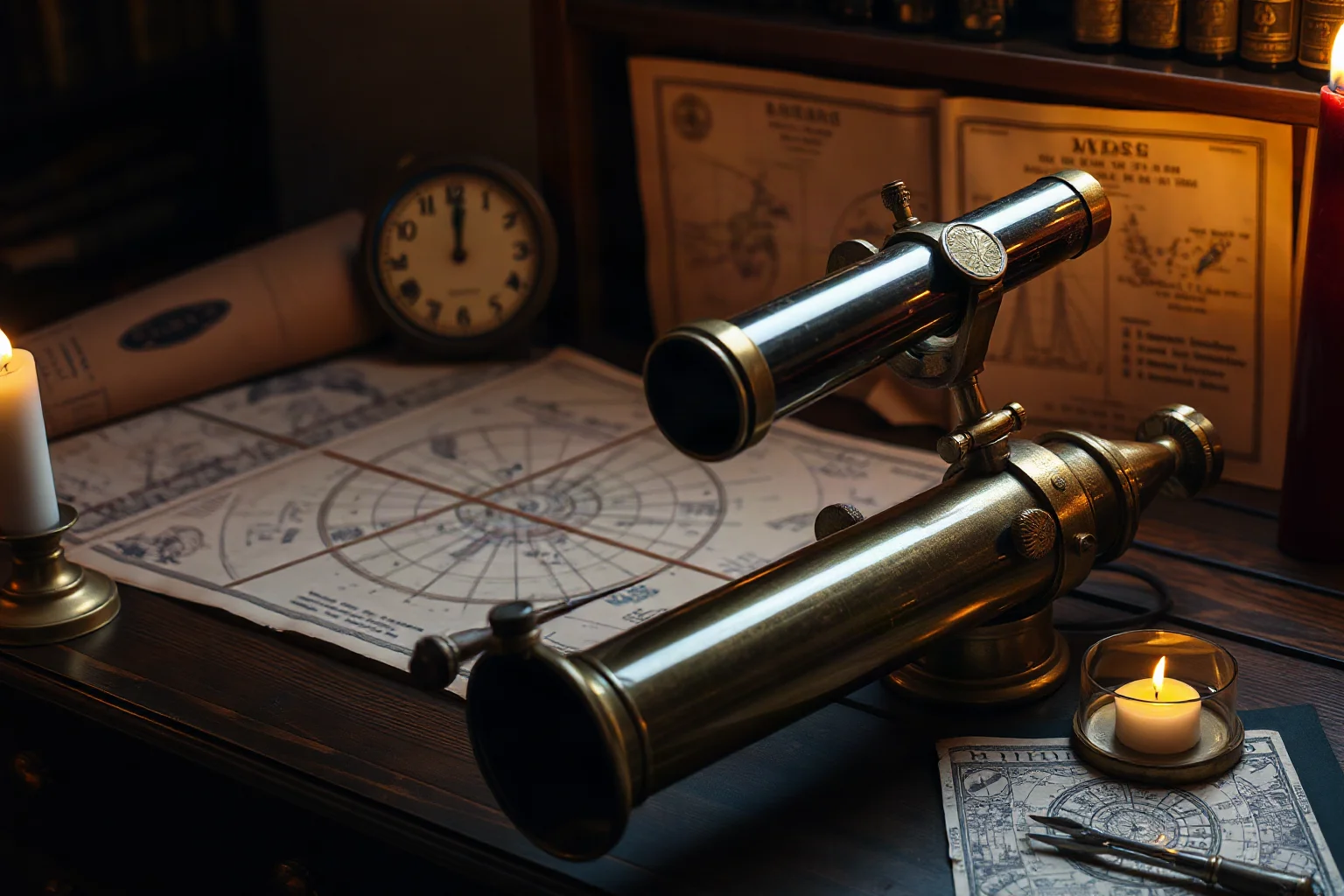
Figures like Copernicus, Galileo, and later Isaac Newton — some of the smartest people in history — challenged centuries-old assumptions about the universe, replacing tradition-based explanations with observation and mathematics. This wasn’t a single event but a gradual, connected series of breakthroughs.
The scientific method that emerged from this period still underpins virtually all modern research, medicine, and technology.
14. The American Revolution (1775–1783)
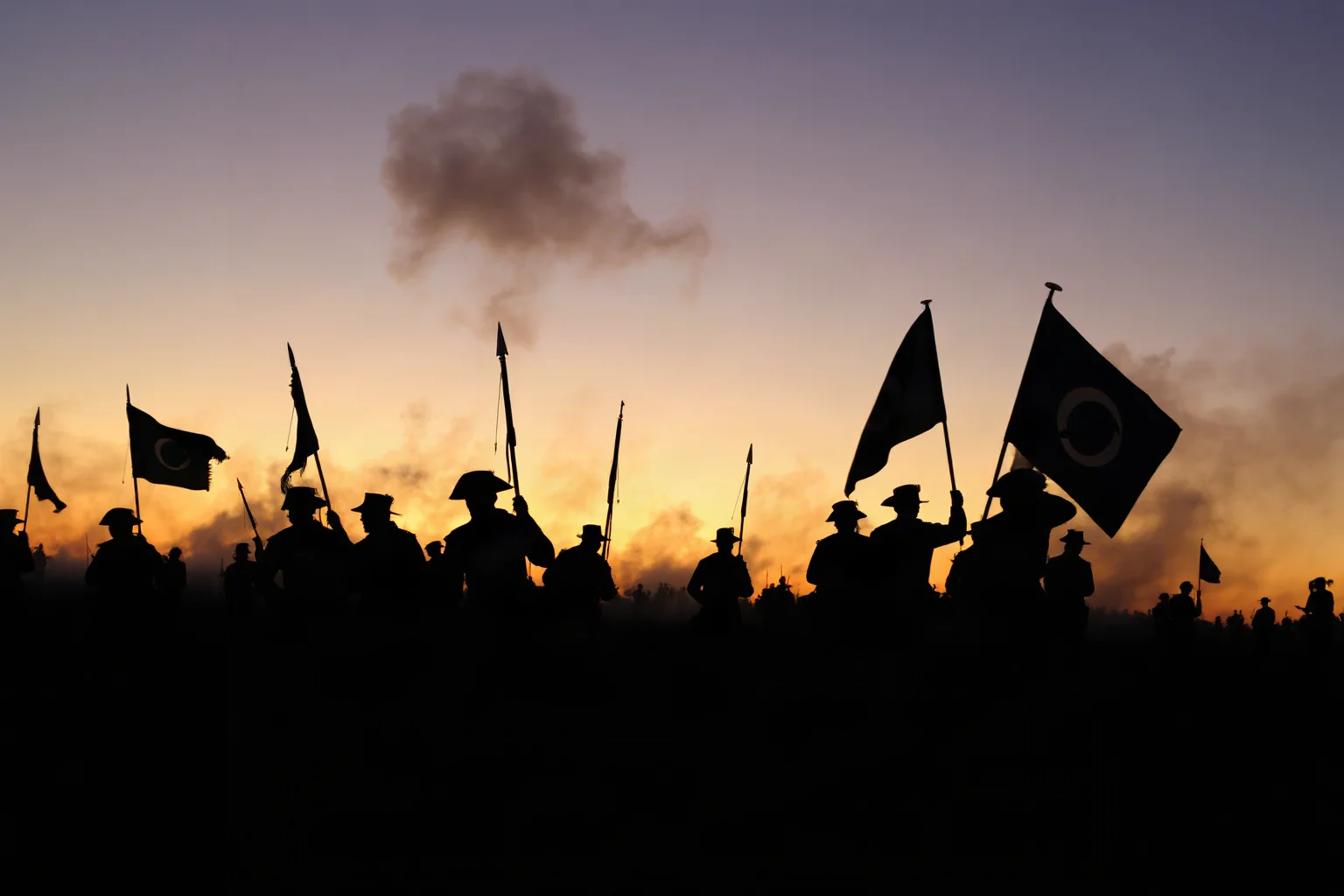
Thirteen British colonies in North America fought for and won independence, establishing a republic explicitly built around Enlightenment ideas of individual rights and limited government. It wasn’t the first republic in history, but its scale and influence made it a model many later movements looked to — one of many turning points covered in our full timeline of the biggest events in American history.
The American Revolution also helped inspire, both directly and indirectly, revolutionary movements elsewhere in the following decades.
15. The French Revolution (1789)
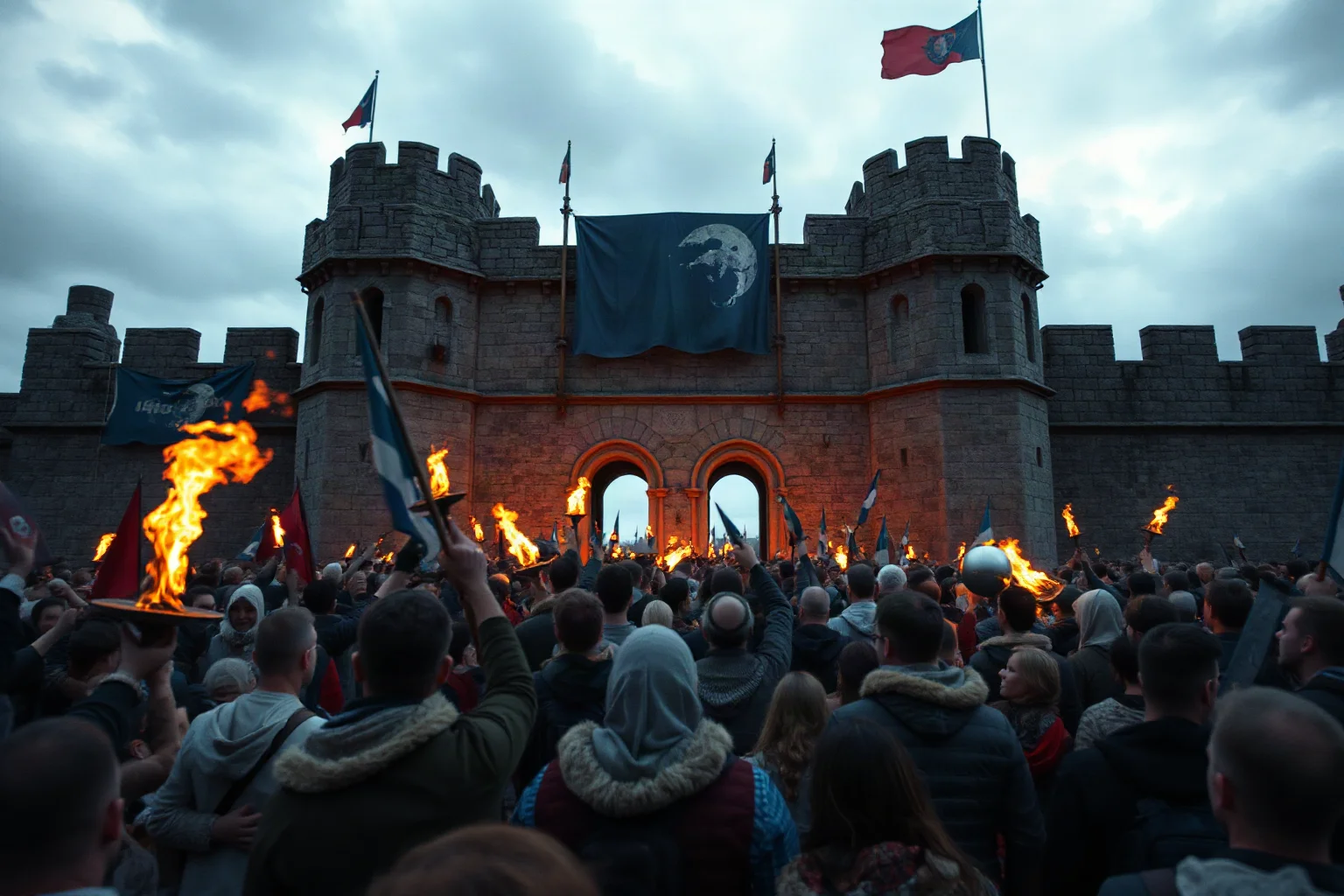
France’s monarchy collapsed under pressure from economic crisis, Enlightenment ideas, and widespread inequality, unleashing a decade of radical, often violent political change. The revolution’s famous call for “liberty, equality, fraternity” spread far beyond France’s borders.
It’s hard to overstate how much modern ideas about nationalism, citizenship, and secular government trace back to this single, chaotic decade.
16. The Industrial Revolution (Late 1700s–1800s)
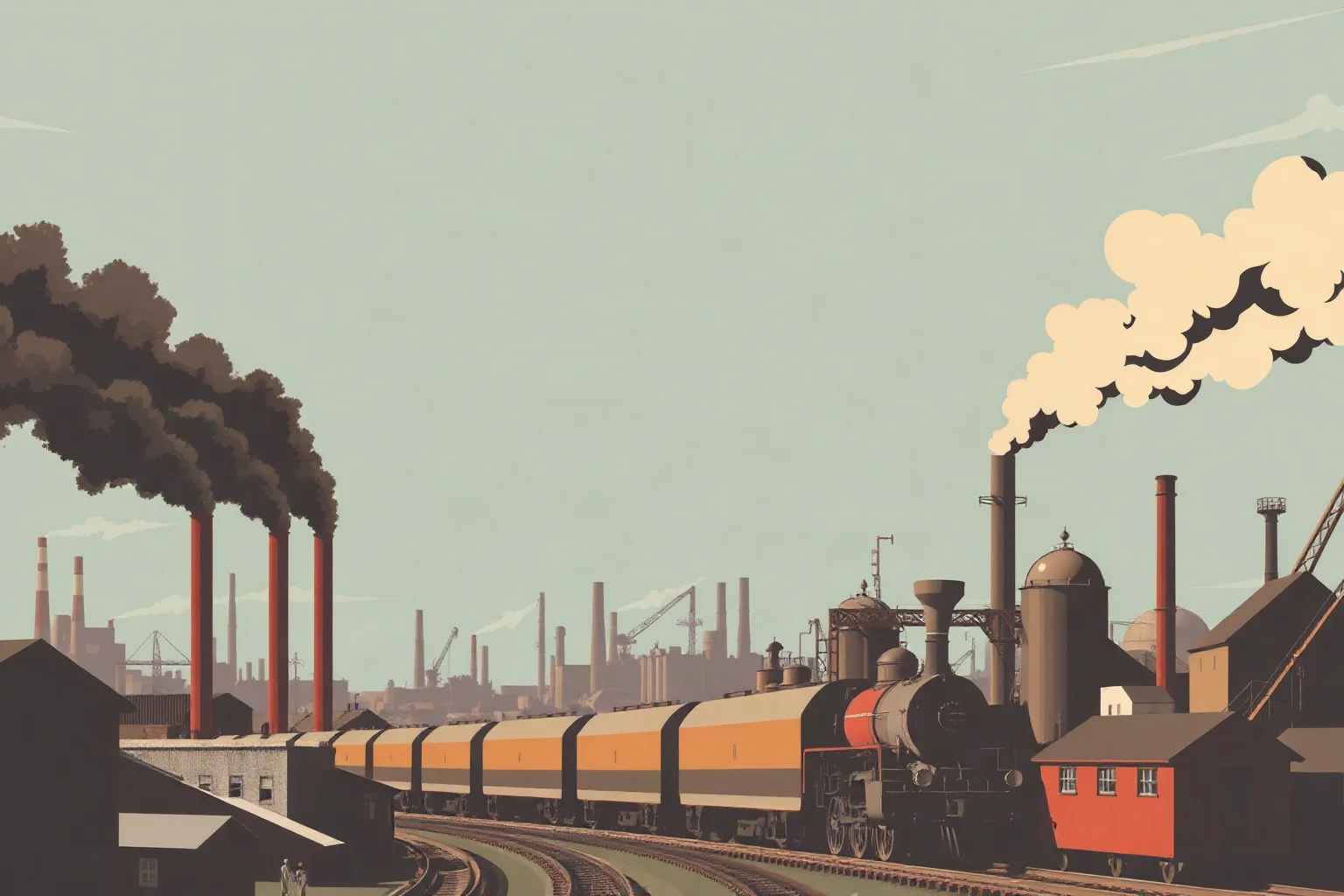
Starting in Britain and spreading across Europe and North America, the Industrial Revolution replaced human and animal labor with machines, steam power, and eventually electricity. Factories, railroads, and mass production reshaped where people lived and how they worked.
This is arguably one of the most important events in world history simply because of its sheer breadth — it changed economics, urban life, class structures, and the environment almost simultaneously.
17. The Abolition of the Transatlantic Slave Trade and Slavery (1800s)
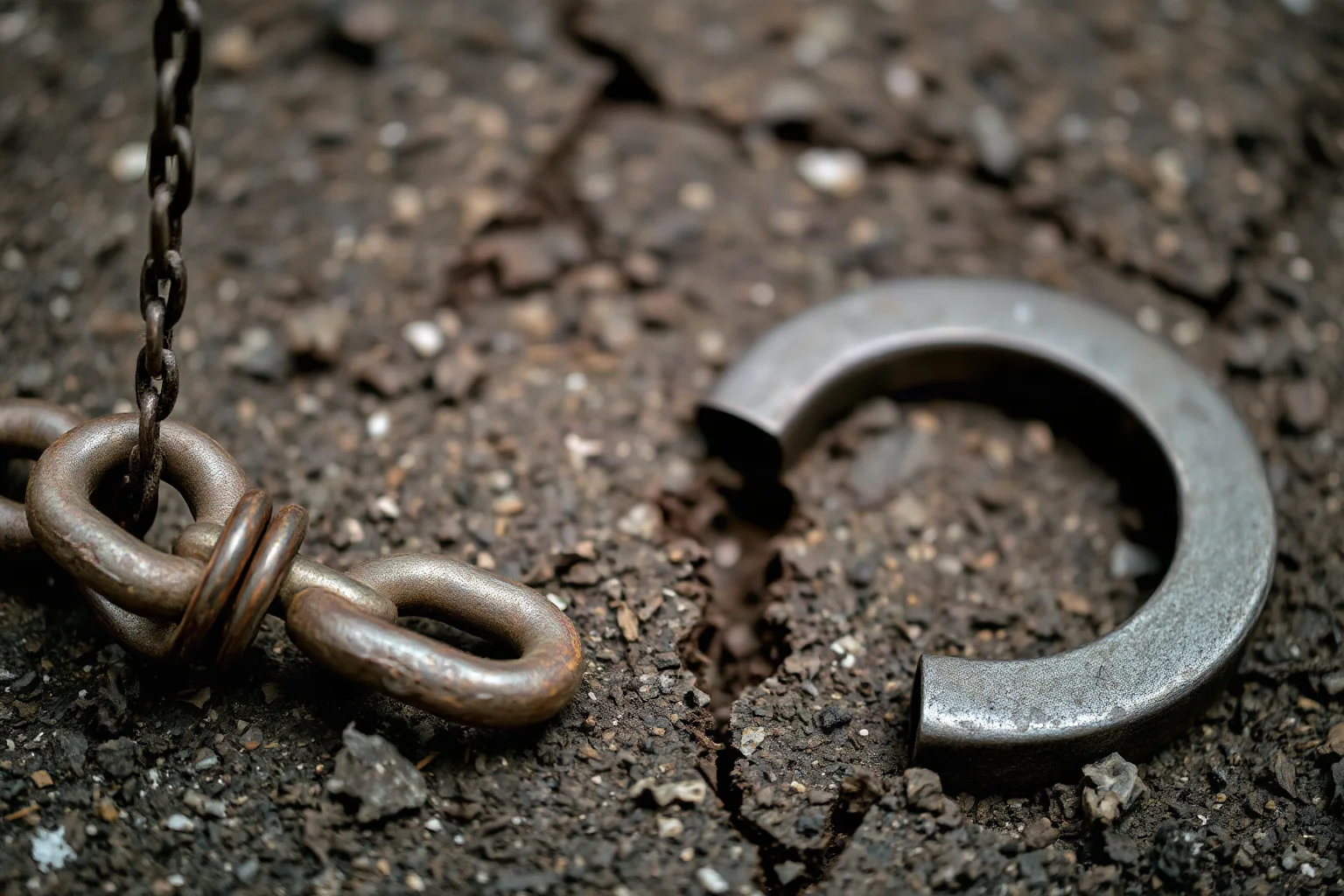
Britain banned the transatlantic slave trade in 1807, and slavery itself was abolished across the British Empire in 1833. The United States abolished slavery in 1865 after the Civil War, and other nations followed at different points across the century.
This wasn’t a single unified global event but a long, uneven, and often violently contested process. Its consequences — economic, legal, and social — are still being reckoned with in many countries today.
18. World War I (1914–1918)
Triggered by a complex web of alliances, nationalism, and imperial competition, World War I drew in dozens of nations, some of which remain among the largest militaries in the world today, and killed an estimated 15–22 million people, including civilians. New technologies like machine guns, poison gas, and tanks made it deadlier than any prior conflict.
The war also redrew maps, toppled empires including the Ottoman, Russian, German, and Austro-Hungarian monarchies, and set the stage — through the harsh Treaty of Versailles — for the conflict that would follow just two decades later.
19. The Russian Revolution (1917)
In 1917, Russia’s centuries-old monarchy collapsed, and by the end of the year the Bolsheviks under Vladimir Lenin had seized power, eventually forming the Soviet Union. It was one of the first successful communist revolutions in world history.
The ideological rivalry born here would dominate much of 20th-century global politics, fueling the Cold War decades later.
20. World War II (1939–1945)
The deadliest conflict in human history, World War II killed an estimated 70–85 million people worldwide, including the six million Jewish victims of the Holocaust and millions of other targeted civilians. It reshaped borders, economies, and international relations on a scale no prior war had achieved.
The war’s end also produced the United Nations, the beginning of decolonization movements across Africa and Asia, and a new global order defined by two competing superpowers.
21. The Atomic Bombings of Hiroshima and Nagasaki (1945)
In August 1945, the United States dropped atomic bombs on the Japanese cities of Hiroshima and Nagasaki, killing well over 100,000 people, with many more dying later from injuries and radiation. Japan surrendered shortly afterward, ending World War II.
The bombings also opened the nuclear age, introducing a threat of mass destruction that reshaped military strategy, diplomacy, and public fear for the rest of the 20th century and beyond.
22. The Founding of the United Nations (1945)
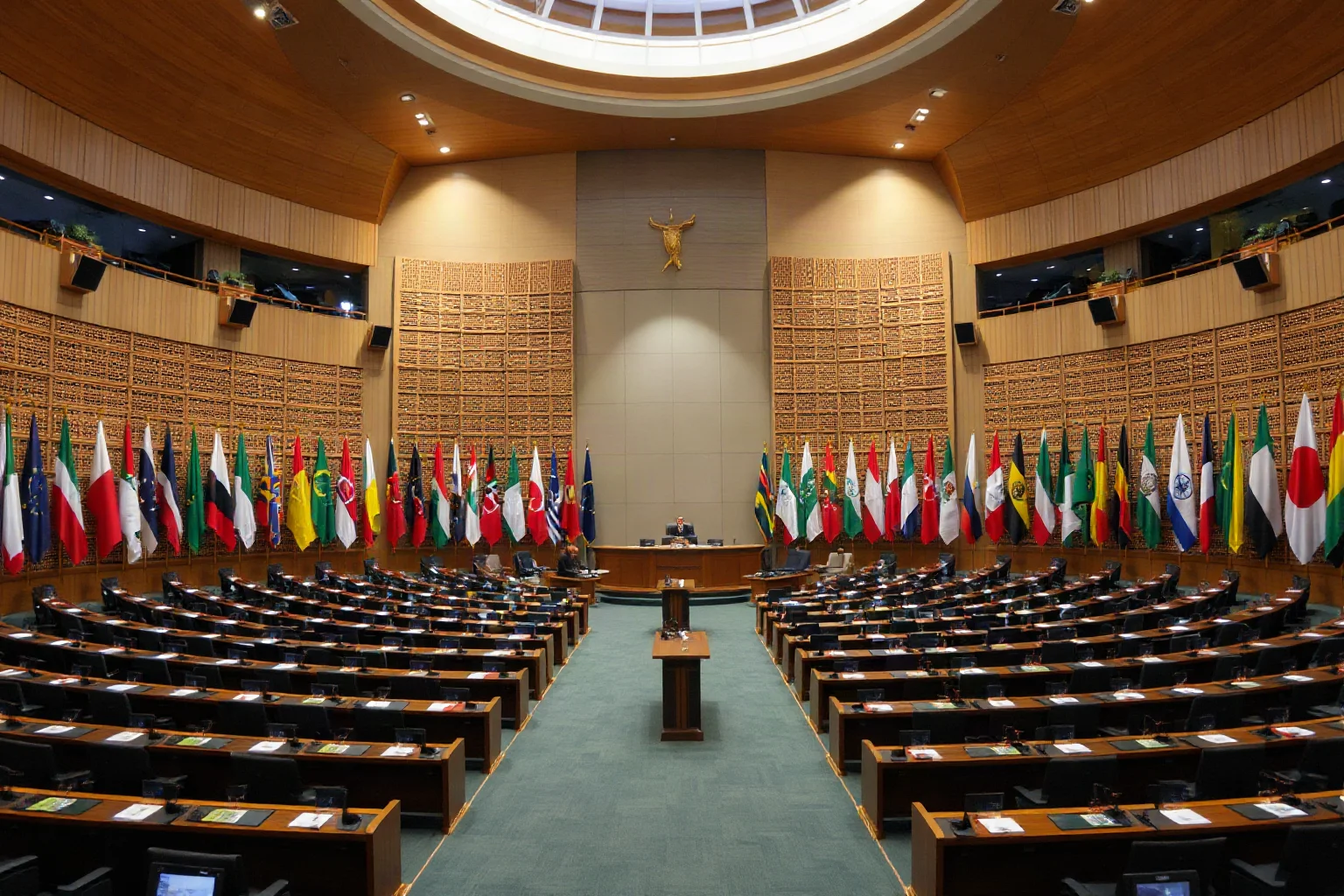
Established in the immediate aftermath of World War II, the United Nations was designed to prevent future global conflicts through diplomacy, cooperation, and collective security. It replaced the earlier, largely ineffective League of Nations.
While far from perfect, the UN has played a role in everything from peacekeeping missions to global health initiatives and human rights frameworks over the following decades.
23. The Moon Landing (1969)
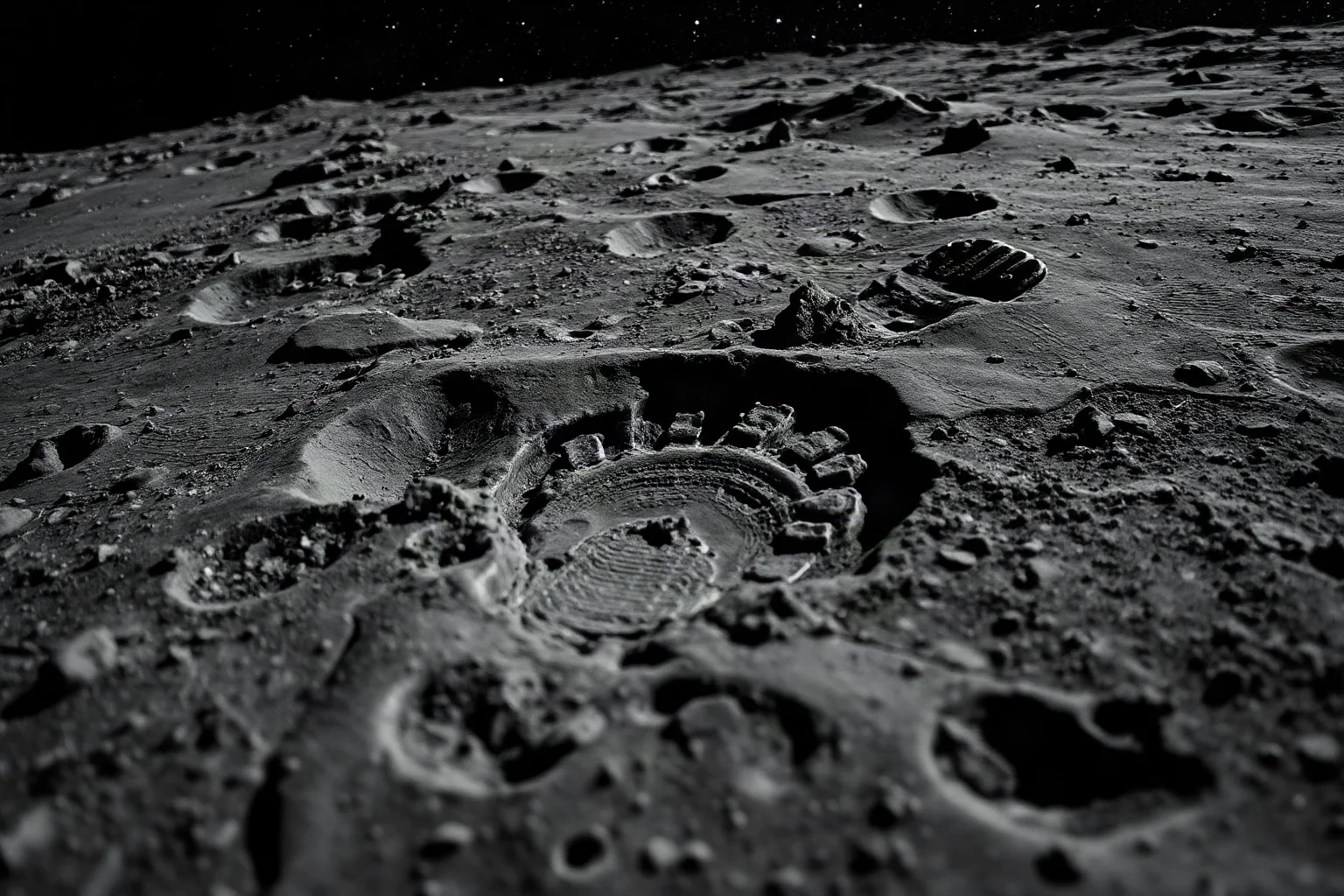
On July 20, 1969, astronauts Neil Armstrong and Buzz Aldrin became the first humans to walk on the Moon as part of NASA’s Apollo 11 mission. It was the dramatic climax of the Space Race, a Cold War rivalry between the United States and the Soviet Union.
Beyond the scientific achievement, the moon landing became a cultural touchstone — a symbol of what coordinated human effort and technology could accomplish.
24. The Fall of the Berlin Wall (1989)
For 28 years, the Berlin Wall physically divided East and West Berlin, standing as the most visible symbol of the Cold War’s division of Europe. Its fall in November 1989 came amid a wave of peaceful revolutions across Eastern Europe.
Within two years, the Soviet Union itself dissolved, ending a decades-long ideological standoff and reshaping the political map of Europe almost overnight.
25. The Rise of the Internet (Late 20th Century)
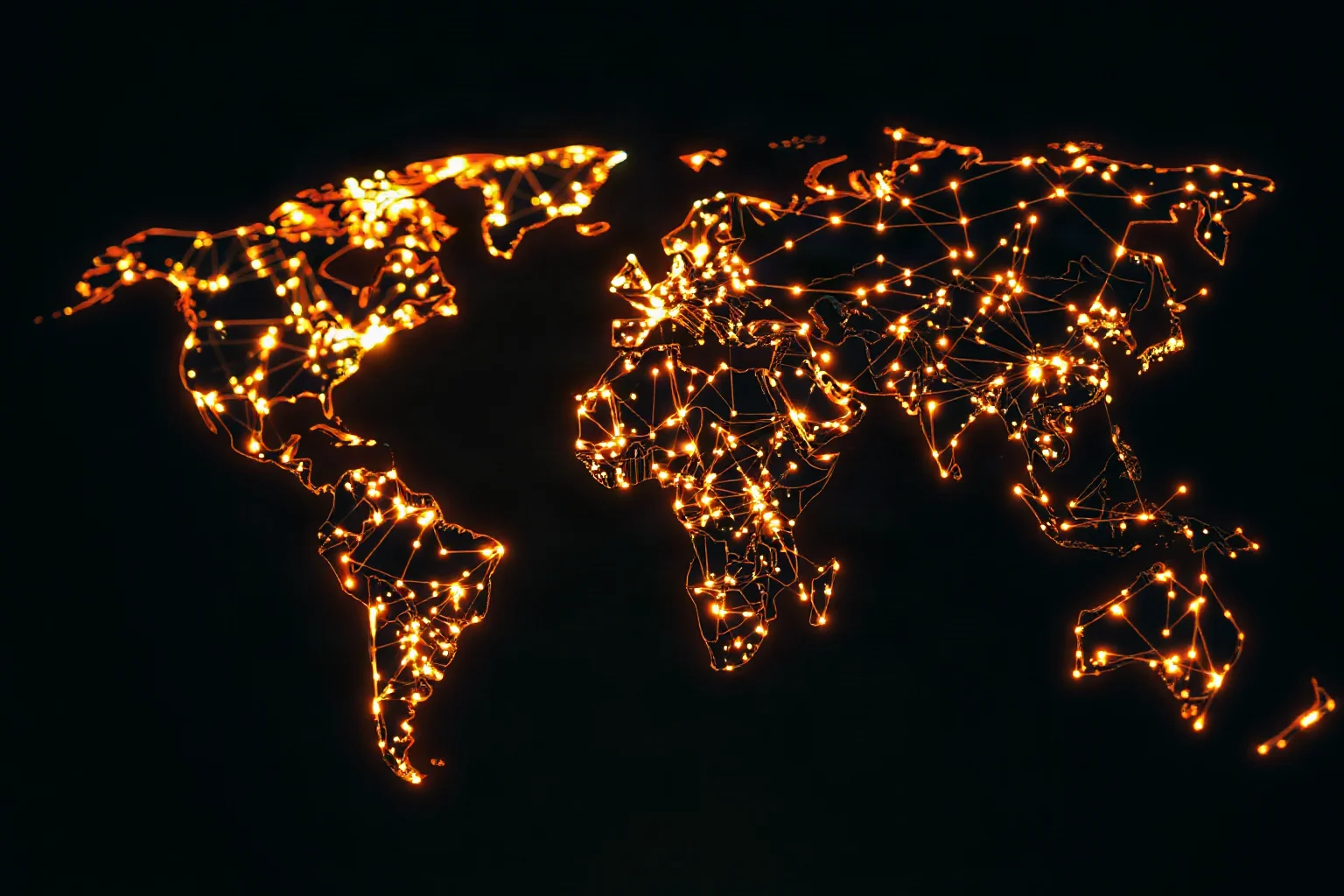
The internet grew out of earlier military and academic computer networks, but it became a truly global, public phenomenon through the 1990s with the rise of the World Wide Web. Few historic events have changed daily life as thoroughly, or as quickly, as this one.
Communication, commerce, journalism, and education have all been transformed within a single generation. It’s one of the clearest examples of a world-changing event that many people lived through without fully realizing its scale at the time.
What These Historical Events Have in Common
Looking across all 25 entries, a few patterns stand out. Many of the most famous events in history involve a technology (writing, printing, the internet) that changed how information moved. Others involve a shift in who holds power, whether that’s a revolution, a war, or the collapse of an empire.
It’s also worth noting how often these events connect to each other. The printing press helped fuel the Reformation and the Scientific Revolution; World War I’s unresolved tensions helped cause World War II; the fall of Constantinople nudged European exploration toward the Americas. History rarely happens in isolated chapters — it’s more like a long, tangled chain reaction.
How Historians Decide What Counts as Significant
There’s no single formula for ranking historical events, which is why different lists of important historical events in world history rarely match exactly. Historians generally weigh factors like scale (how many people or regions were affected), duration (short shock versus long-term transformation), and downstream consequences.
An event doesn’t need battles or body counts to qualify as historically significant. The invention of writing killed no one, yet it arguably did more to shape civilization than most wars combined. That’s part of why lists like this one mix wars and revolutions with quieter, slower-moving developments.
Final Thoughts on History’s Turning Points
Studying famous historical events isn’t just an academic exercise — it’s a way of understanding why the modern world looks and functions the way it does. Every law, border, technology, and cultural assumption we take for granted has some origin point, however distant or unglamorous it might seem.
If you’re curious about what happened on a specific date, plenty of “on this day in history” resources can show you smaller but still fascinating moments that didn’t make lists like this one. The 25 events above are a strong starting point, but they’re really just the headline acts in a much longer, richer story of human civilization.
Frequently Asked Questions
What are the most significant historical events in history?
There's no single agreed-upon ranking, but events widely considered among the most significant include the invention of writing, the fall of the Roman Empire, the printing press, the French and Industrial Revolutions, and both World Wars. These are typically judged significant because of their scale, duration, and long-term global consequences rather than any official list.
What is the most important event in history?
Historians disagree, but the invention of writing is a strong candidate, since it allowed knowledge, laws, and history itself to be recorded and passed on reliably. Others point to the Industrial Revolution or World War II because of their massive, measurable global impact on economics and population.
What are some major historical events that changed the world?
Major world-changing events include the fall of Constantinople, Columbus's voyages, the Reformation, the Industrial Revolution, both World Wars, the moon landing, and the fall of the Berlin Wall. Each reshaped politics, technology, or global power structures in ways that are still felt today.
What’s the difference between a historic event and a historical event?
In everyday usage, a 'historic' event usually means something exceptionally important or memorable happening now or recently, while a 'historical' event simply refers to anything that happened in the past. In practice, though, people often use the two terms interchangeably.
What are some well-known events in history that people often misunderstand?
Common misconceptions include the idea that Columbus 'discovered' the Americas, that the Berlin Wall fell due to a single dramatic order, or that the Black Death alone ended feudalism. Most major historical events are the result of gradual, overlapping causes rather than one clean turning point.
How do historians decide which events are the most influential in history?
Historians generally weigh a combination of scale (how many people or regions were affected), duration (temporary shock versus lasting transformation), and ripple effects on later events. Because these criteria involve judgment, different historians and textbooks can reasonably produce different top-event lists.
What are some important events in human history besides wars?
Plenty of pivotal moments involve no fighting at all, including the invention of writing, the printing press, the Scientific Revolution, and the rise of the internet. These non-military events often changed daily life and the spread of ideas just as dramatically as any war.
Where can I find what happened in the world today in history?
Many history and reference websites maintain 'on this day' archives that list notable events, births, and deaths tied to a specific calendar date. These are useful for discovering smaller but still interesting historical events beyond the most famous, widely cited ones.

Alex Warren
Related Articles